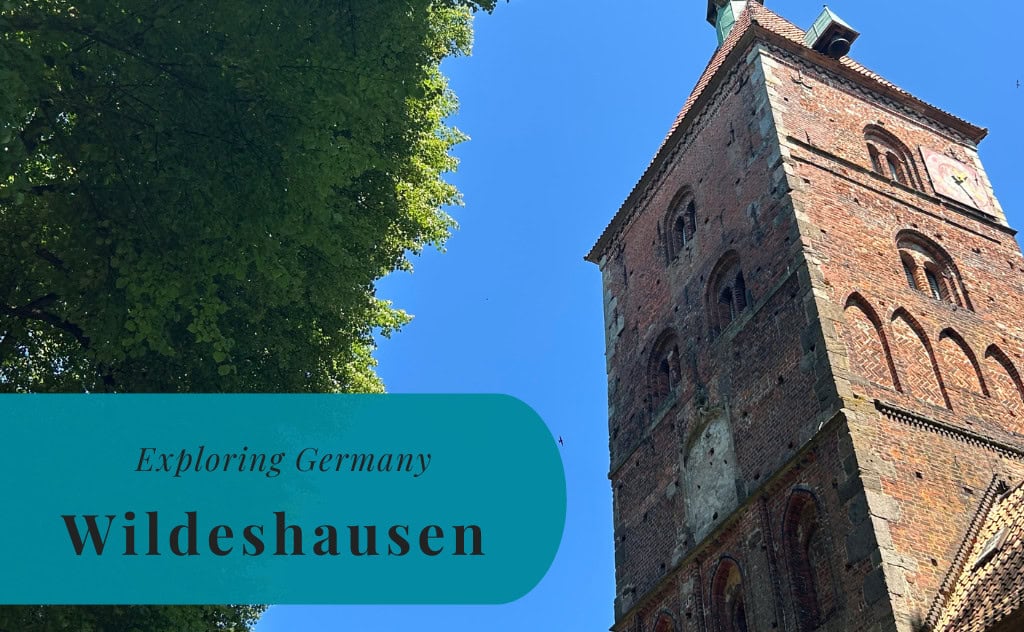
Wildeshausen, Lower Saxony | Exploring Germany
Wildeshausen is a town in the district of Oldenburg, located in the state of Lower Saxony, Germany. It is the only town and the administrative capital of the district. The town is situated on the Hunte River, in the center of the Wildeshausen Geest Nature Park. With a population of approximately 21,000 residents, Wildeshausen serves as a key regional hub. It is located about 30 kilometers southwest of Bremen and 25 kilometers southeast of Oldenburg.
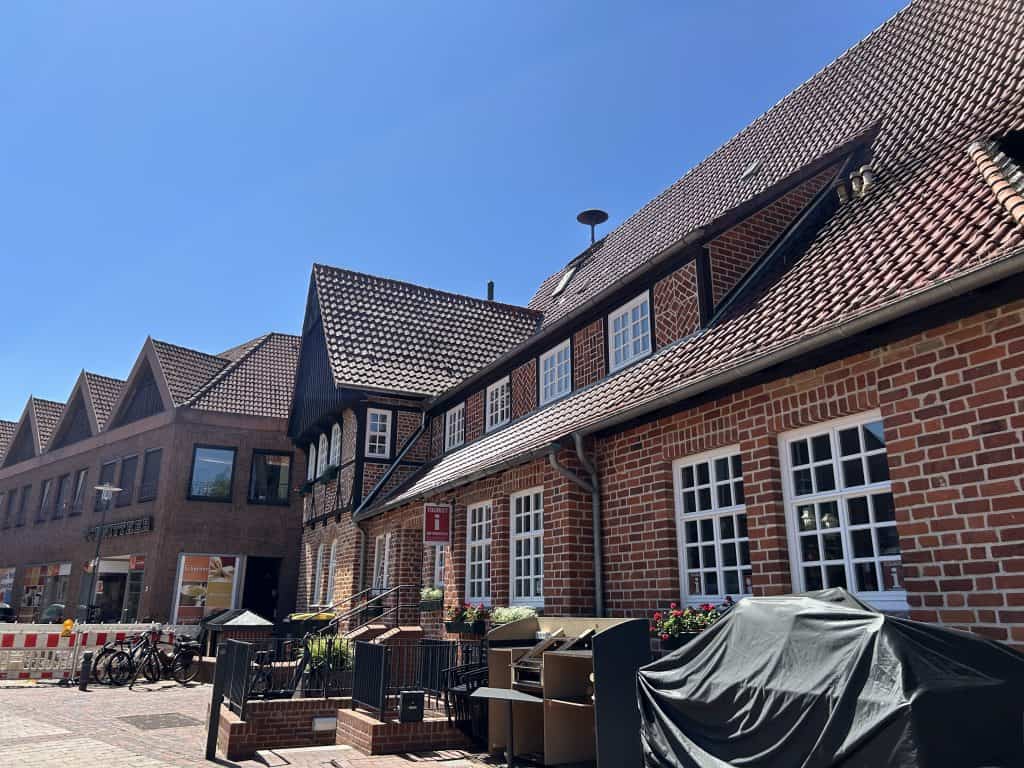
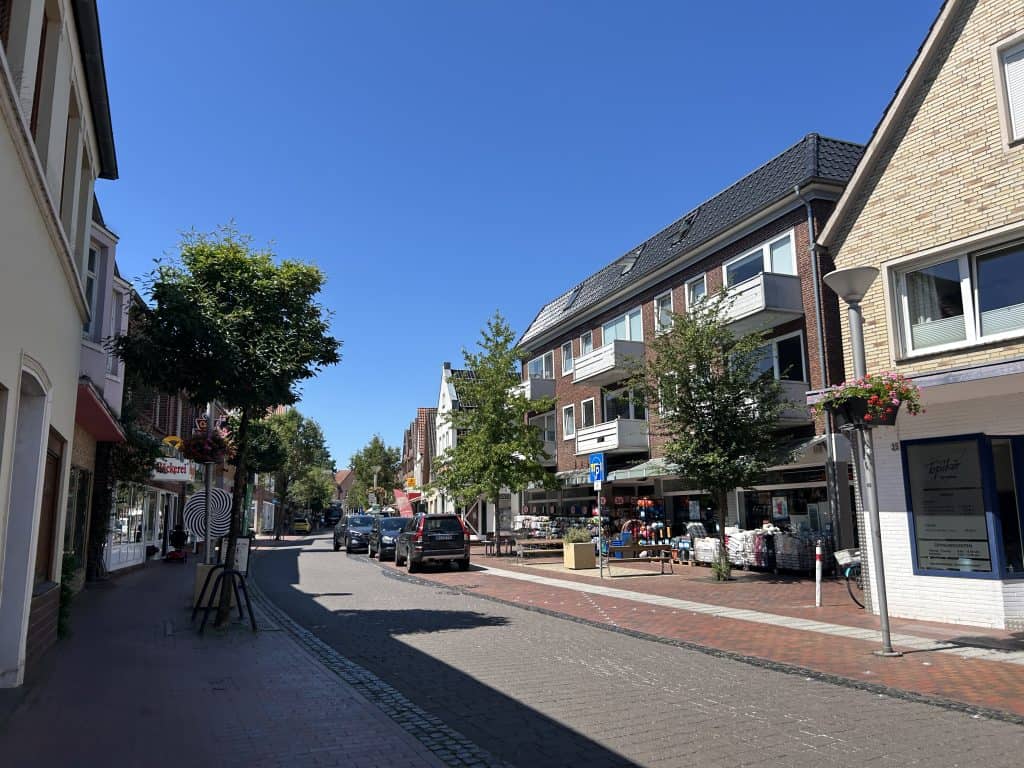
The character of Wildeshausen is defined by its extensive prehistoric heritage, its well-preserved historic town center, and its role as a recreational center for the surrounding nature park. The town is known for being located in an area with a high concentration of Neolithic megalithic tombs and Bronze Age burial mounds. This ancient history exists alongside a medieval town layout and a modern function as a service center. Its location in a large nature park also makes it a destination for outdoor activities.

A Short History of Wildeshausen
The history of Wildeshausen is that of a settlement with ancient roots that became a significant religious and commercial center in the Middle Ages. Its development was shaped by its location on a key river crossing and its role as the site of an important church chapter. The town’s story reflects the changing political landscape of northern Germany, passing through the hands of various rulers. This long history is visible today in its historic church and the prehistoric monuments that surround the town.
Prehistoric and Early Origins
The history of settlement in the Wildeshausen area is exceptionally long, dating back to the Neolithic era. The region is known for its numerous prehistoric monuments, particularly the large collection of megalithic tombs and Bronze Age burial mounds, such as the Pestruper Gräberfeld. The first documented mention of the settlement of Wildeshausen, then known as “Wigaldighusun,” was in a document from 851 AD. This document recorded the transfer of the relics of Saint Alexander of Rome to the town.
A Religious and Commercial Center
The arrival of the relics of Saint Alexander was a pivotal moment in the town’s history. A collegiate church chapter, the Alexanderstift, was established here, making Wildeshausen an important religious center and a destination for pilgrims. The town grew around this institution. It was granted town rights in 1270 by Archbishop Hildebold of Bremen. This formalized its status as a commercial hub for the surrounding region. The town was also a member of the Hanseatic League for a period.
Modern Development
Over the centuries, Wildeshausen experienced several destructive fires and was involved in various regional conflicts. It passed through the hands of different rulers, including the Bishops of Münster and the Dukes of Oldenburg. The arrival of the railway in the late 19th century connected the town to the wider transport network and spurred some industrial growth. In the 20th century, the surrounding landscape was designated as the Wildeshausen Geest Nature Park, Germany’s largest nature park. This has shaped the town’s modern identity as a center for tourism and recreation.


Things to Do and See
The sights in and around Wildeshausen are focused on its significant prehistoric heritage, its medieval church, and the natural landscape of the Geest. The main points of interest offer a journey through thousands of years of human history in the region.
Pestruper Gräberfeld
The Pestruper Gräberfeld (Pestrup Burial Ground) is one of the most significant prehistoric sites in Northern Europe. It is located just a short distance from the town. The site contains over 500 visible burial mounds and megalithic tombs that date from the late Neolithic period to the Iron Age. The most prominent of these is a long dolmen, a type of megalithic tomb. The burial ground is located within a protected area of heathland. It provides a direct look into the burial customs of the region from over 4,000 years ago.
Alexanderkirche
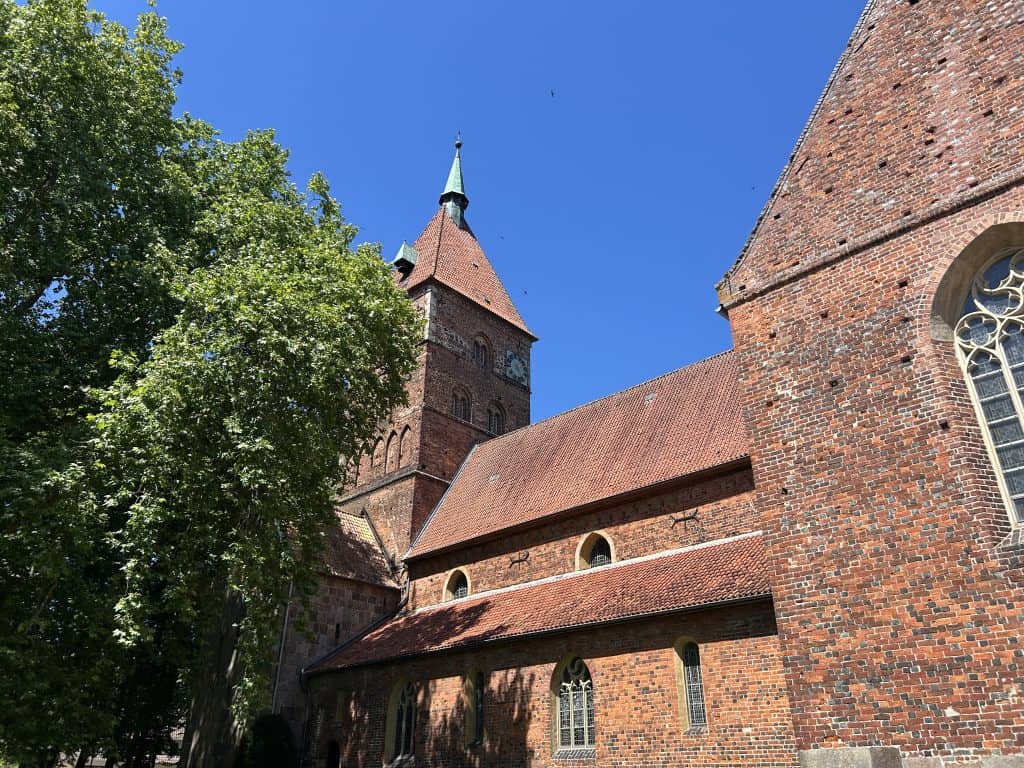
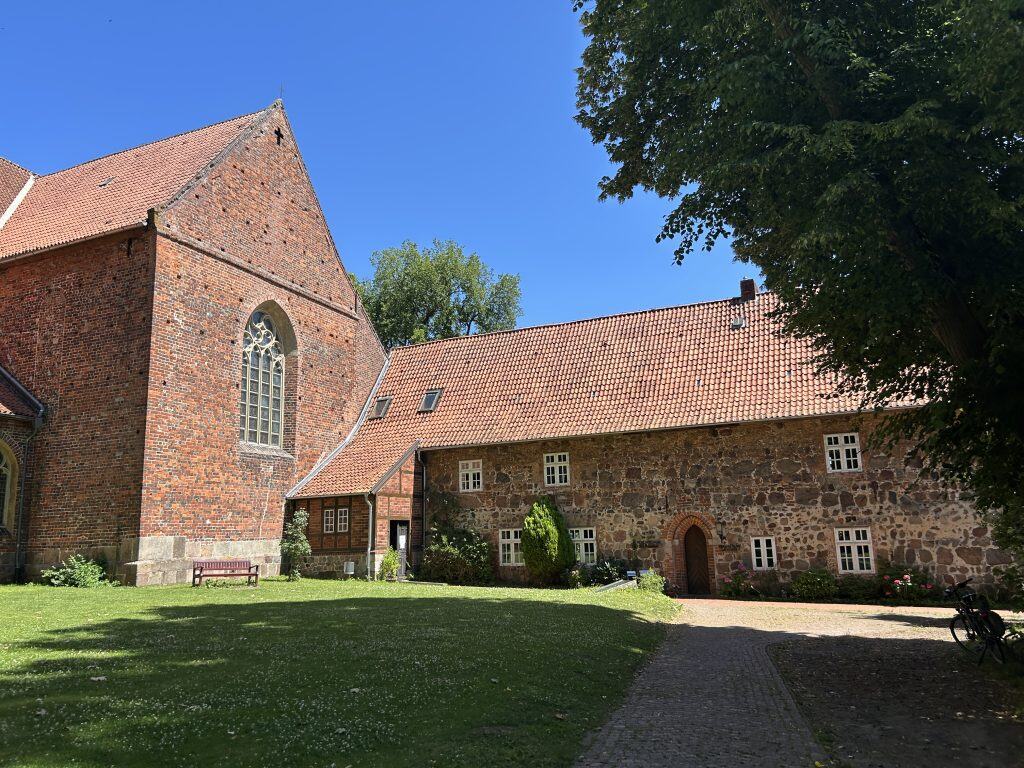
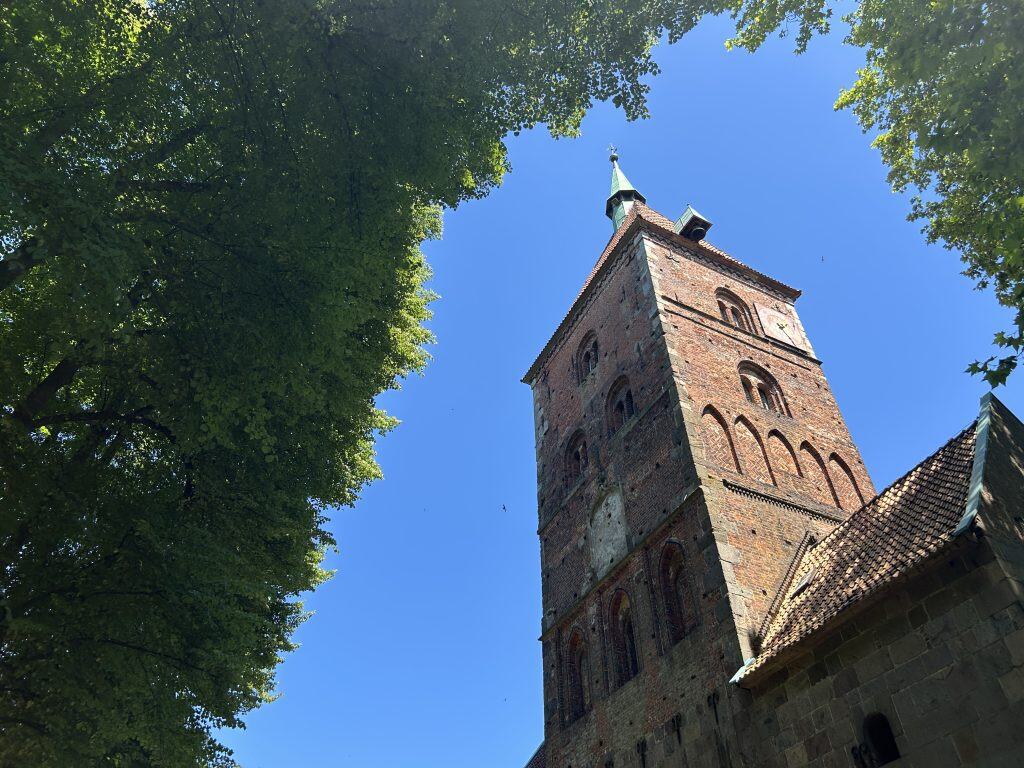
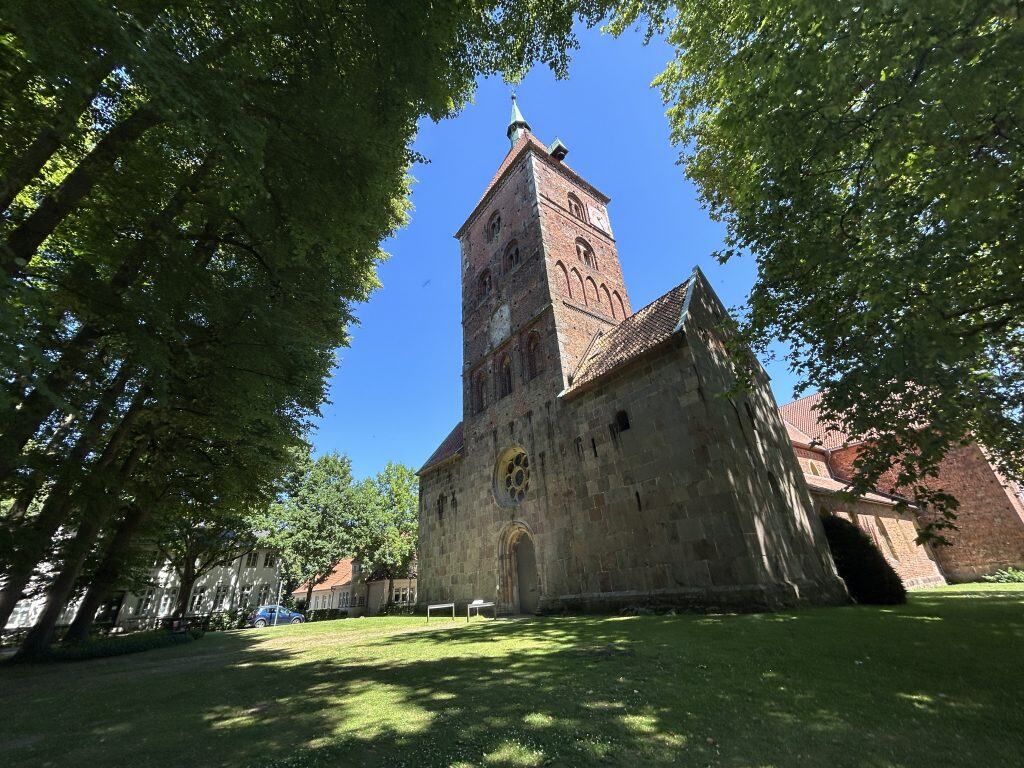
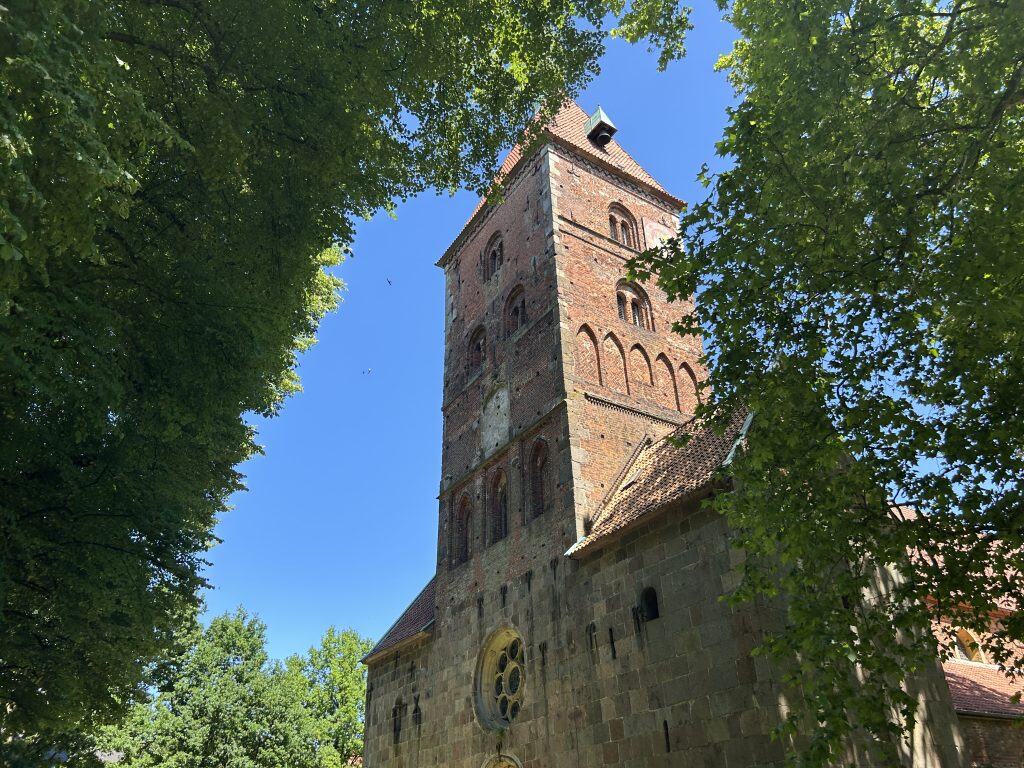
The Alexanderkirche (Alexander Church) is the main historic church in Wildeshausen. It is a large Romanesque basilica with its origins in the 9th century, associated with the transfer of the relics of Saint Alexander. The current stone building dates primarily to the 13th century. The church’s impressive architecture and its history as the center of the Alexanderstift chapter make it the most important historical building in the town. It stands as a testament to the town’s past as a major religious center.
The Historic Old Town
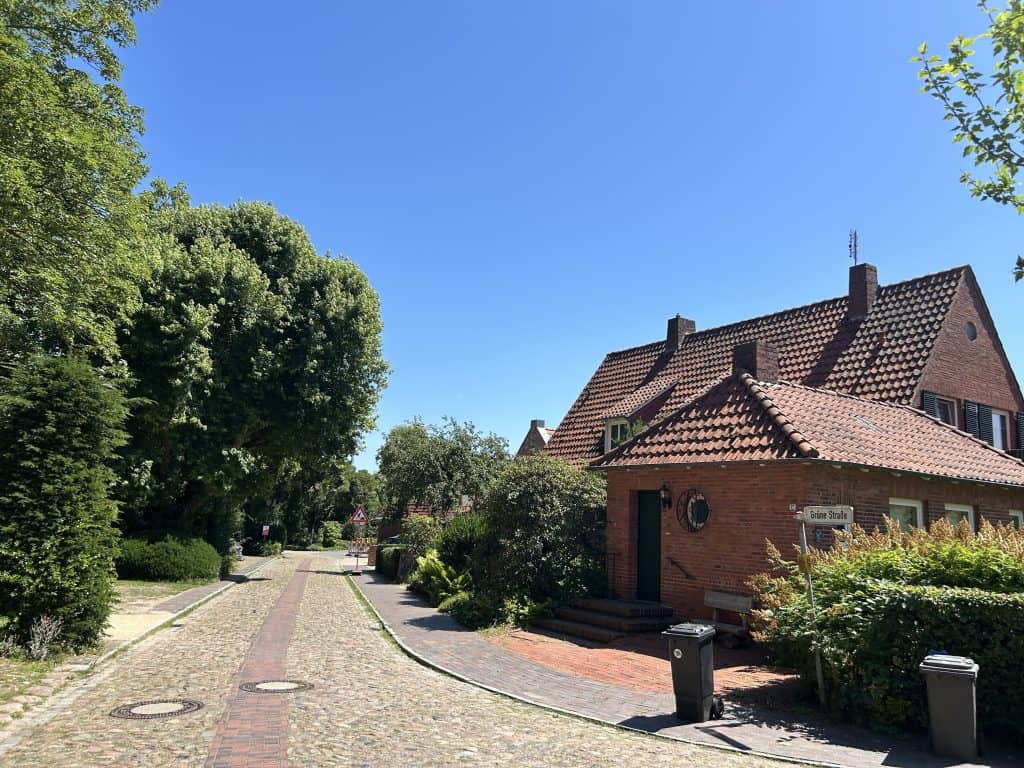
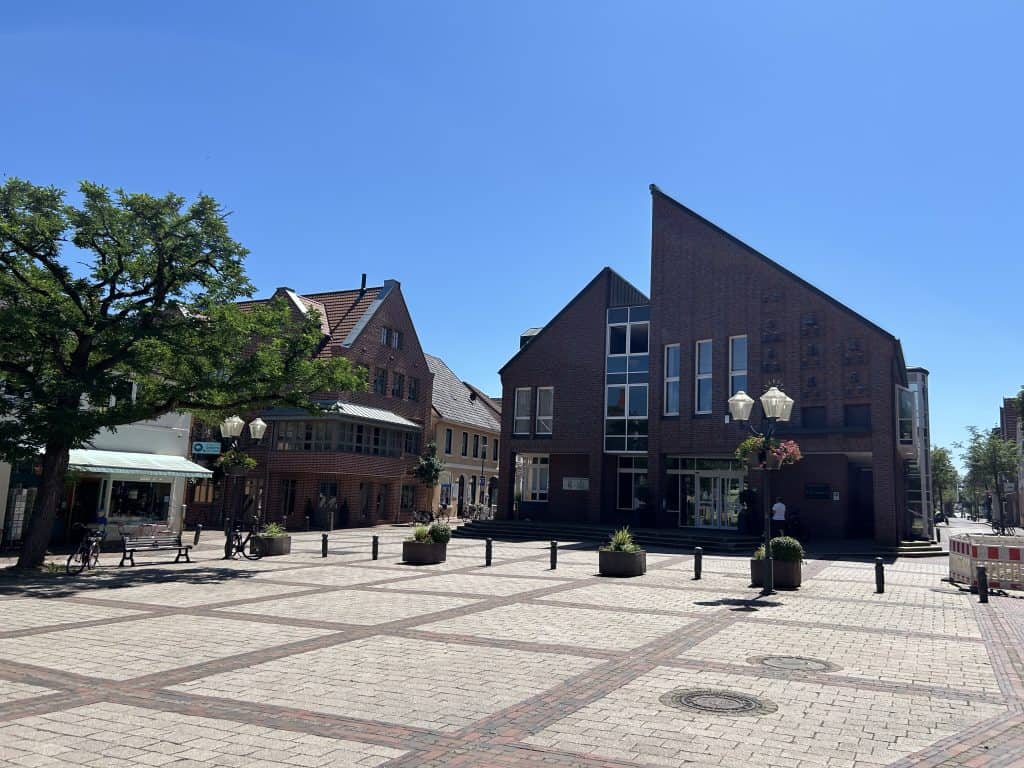
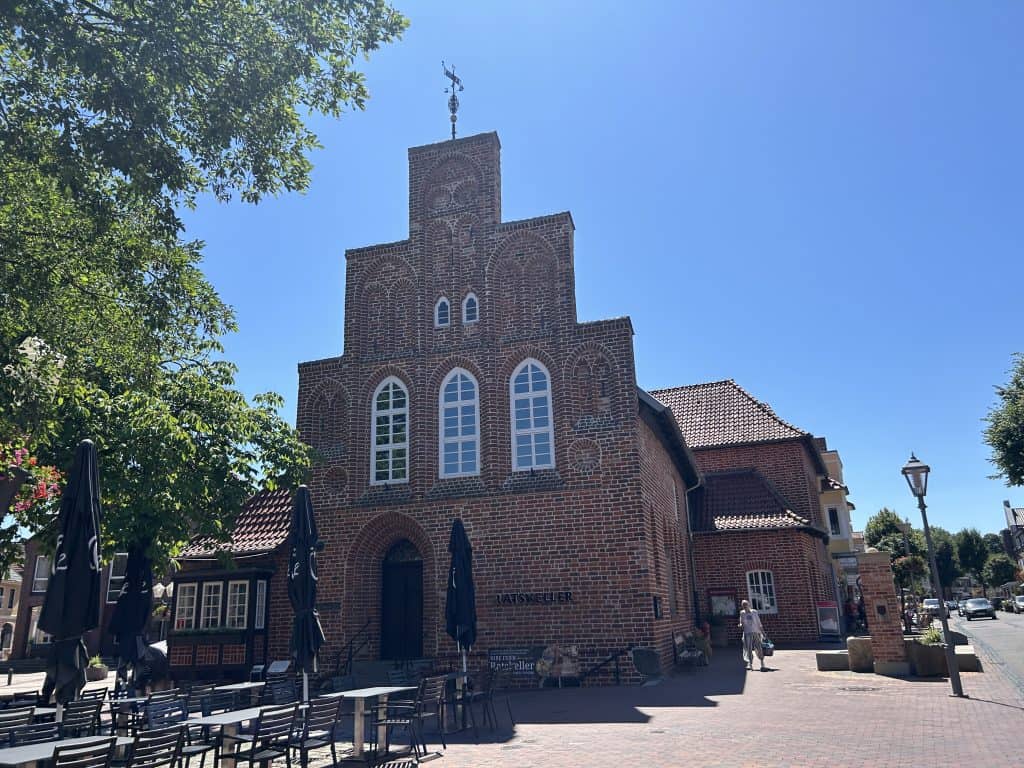
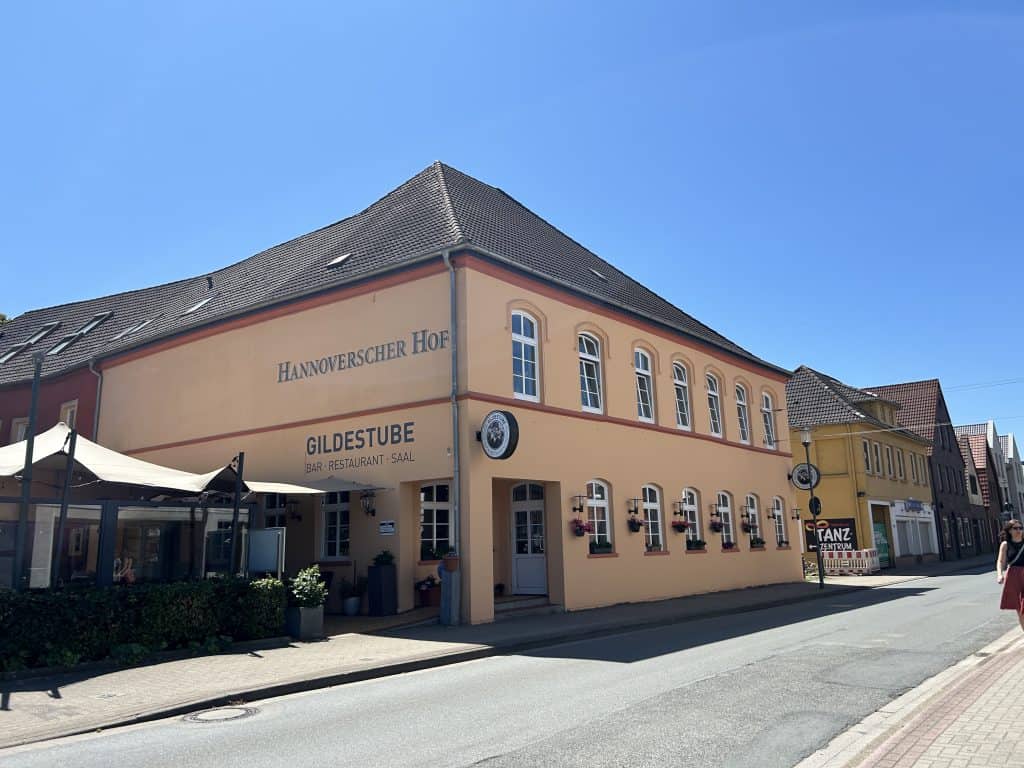
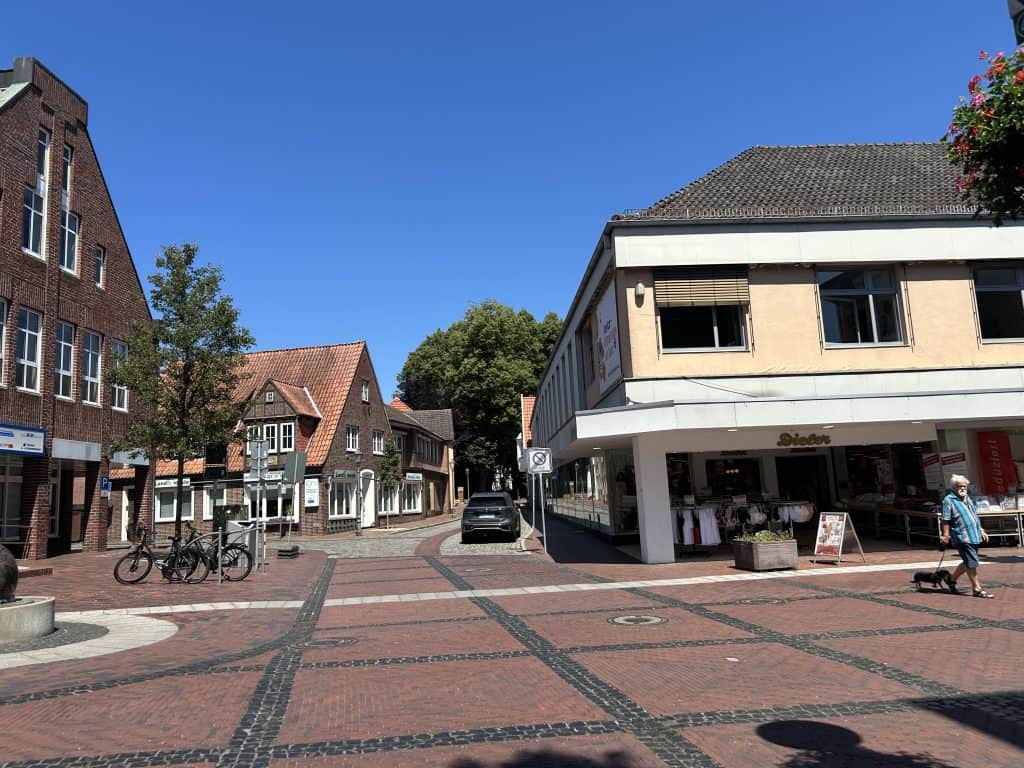
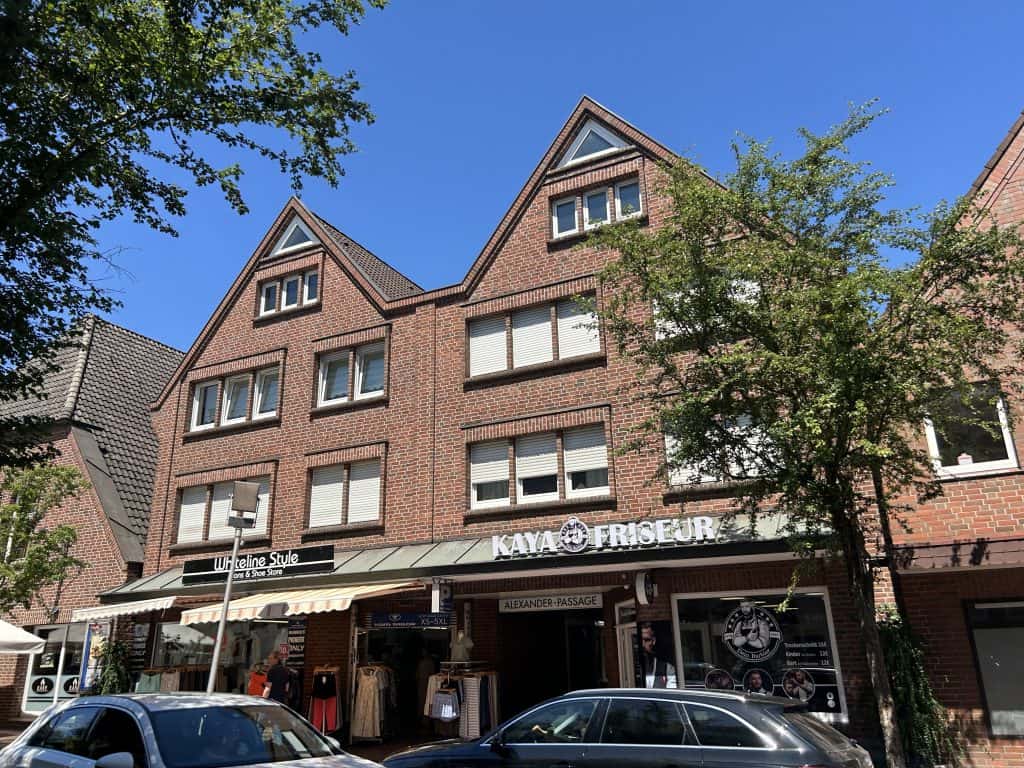
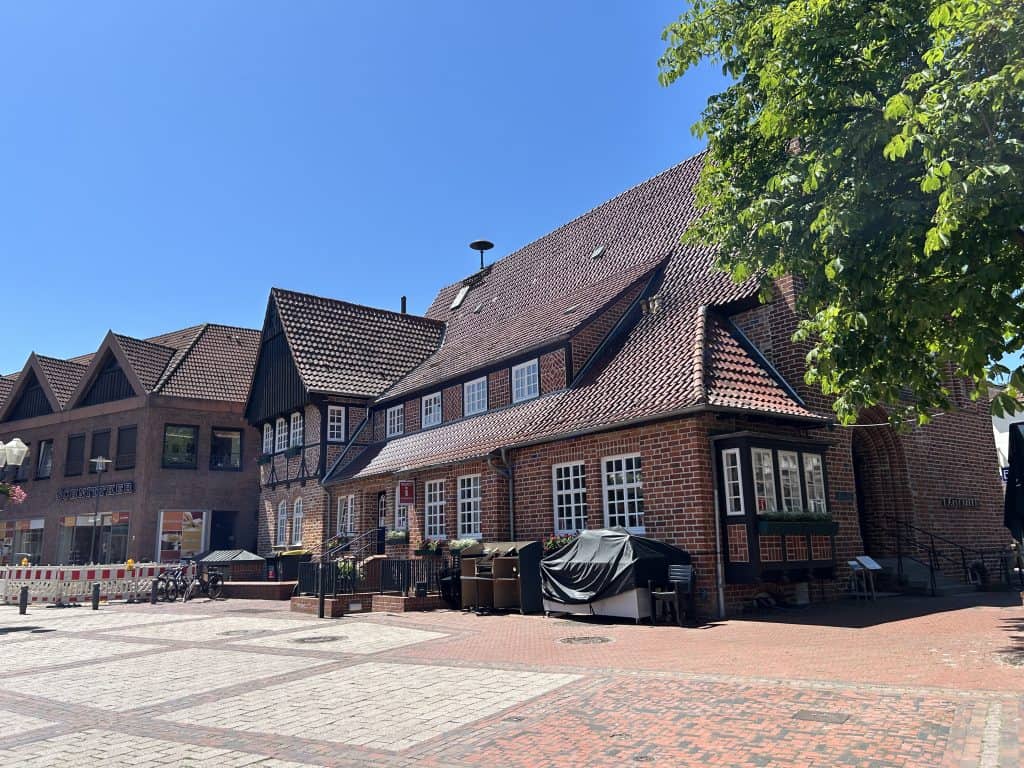
The Historic Old Town (Altstadt) of Wildeshausen retains some of its historic character. The area around the church and the market square is the heart of the old town. The current Town Hall (Rathaus) is a historic building from the 15th century with a Gothic facade. The Westertor is the last remaining town gate from the medieval city fortifications. A walk through the central streets reveals the layout of the old market town.
Wildeshauser Geest Nature Park
The town is located in the center of the Wildeshauser Geest Nature Park. This is the largest nature park in Lower Saxony and in all of Germany. The park covers a vast area of varied landscapes, including forests, rivers, heathland, and agricultural land. It is a major destination for outdoor recreation. The park’s administrative center is located in Wildeshausen. The surrounding nature is a key part of the experience of visiting the town.
Sports in Wildeshausen
The area around Wildeshausen is a major center for outdoor recreation, particularly hiking and cycling. The extensive and well-marked trail network of the Wildeshausen Geest Nature Park provides the main setting for these activities.
Hiking and Cycling
The Wildeshausen Geest Nature Park offers a vast network of trails for hiking and cycling. The landscape of gently rolling hills, forests, and river valleys is ideal for these activities. There are numerous signposted routes of varying lengths and difficulty levels. These paths connect the town with the surrounding villages and the main natural and prehistoric sights, such as the Pestruper Gräberfeld. Cycling is a very popular way to explore the wider region.
Football
Football is a popular sport in Wildeshausen, with a local sports club that is a key part of the community. The club provides a platform for local players of all ages. The team competes in the regional leagues of Lower Saxony.
VfL Wittekind Wildeshausen
The town’s main sports club is the VfL Wittekind Wildeshausen. While it is a multi-sport association, its football section is the most prominent. The club was founded in 1880. The senior football team competes in the lower tiers of the German football league system, such as the Landesliga. They play their home games at the Krandel-Stadion in the town.

Getting Around in Wildeshausen
Navigating the town of Wildeshausen is straightforward. The town center is compact and can be easily explored on foot. For travel to the surrounding areas of the nature park, a car or bicycle is recommended.
On Foot: The Town Center
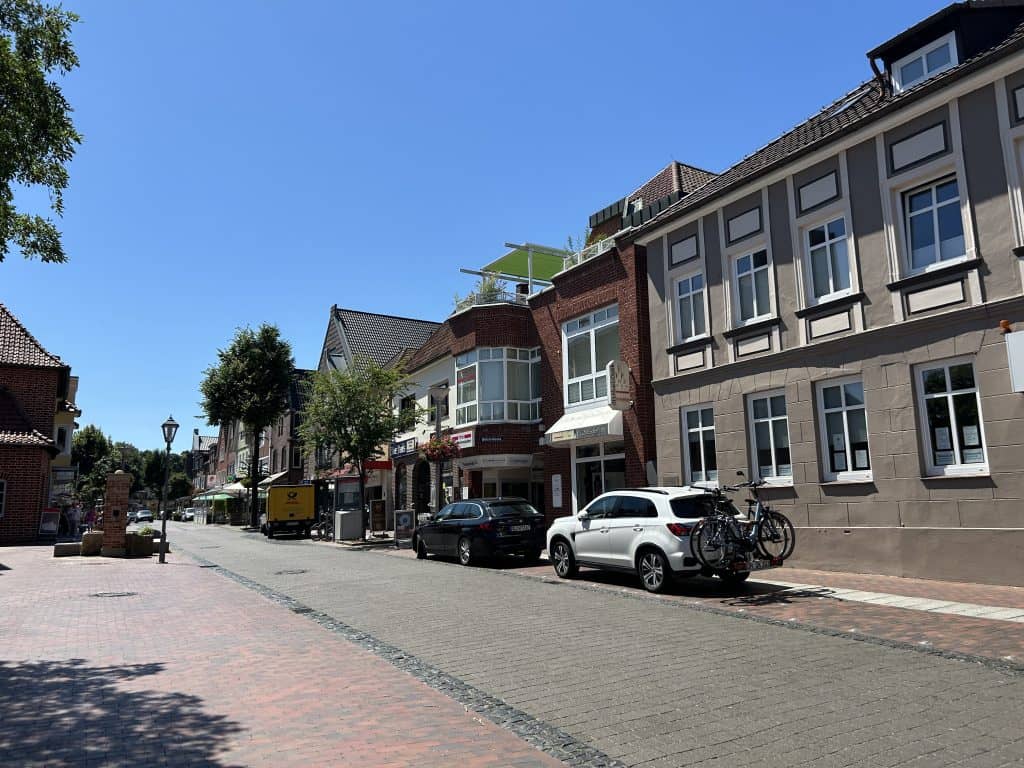
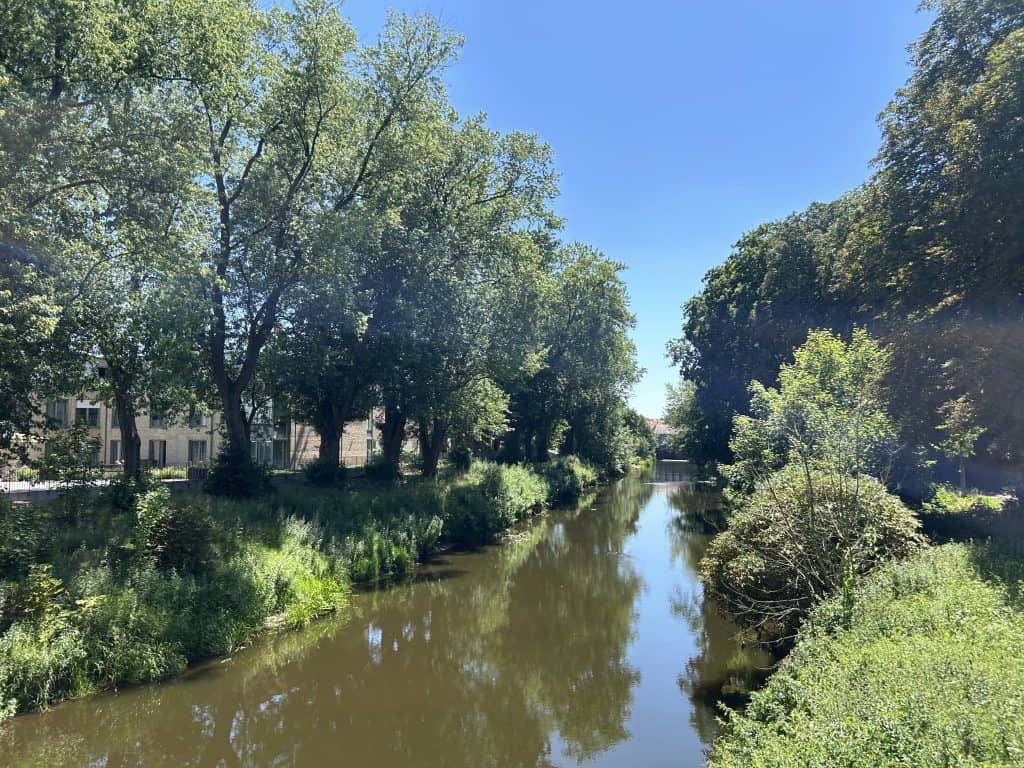
Walking is the best way to explore the central part of Wildeshausen. The main market square, the Alexanderkirche, the historic Town Hall, and the remnants of the town wall are all within a short walking distance of each other. The paths along the Hunte River also provide a pleasant route for a stroll.
Local Buses and Trains
Local and regional bus services connect Wildeshausen with other towns and villages in the district of Oldenburg. The public transport is part of the VBN (Verkehrsverbund Bremen/Niedersachsen) transport association. The town also has a train station that is served by the NordWestBahn railway company. This provides a direct link to the major city of Bremen.


How to Get to Wildeshausen
Reaching Wildeshausen is convenient by road and rail, as it is located on a major transport corridor in northwestern Germany. Its proximity to the city of Bremen makes it accessible from all parts of Germany and neighboring countries.
The Open Road: Driving the Autobahn
Driving is the most common and practical way to reach Wildeshausen. The town is located directly on the A1 motorway (Autobahn). This is the main highway connecting the major cities of Hamburg and Bremen with the Ruhr area. The direct motorway access makes the town very easy to reach by car. The drive from Bremen is approximately 35 kilometers and takes about 30 minutes.
Arriving by Air: Bremen Airport
The closest and most convenient major airport is Bremen Airport (BRE). It is located approximately 35 kilometers to the northeast of Wildeshausen. BRE offers connections to many cities across Germany and Europe. From the airport, a rental car is the most practical option for completing the journey. It is also possible to take a tram from the airport to the Bremen main station and then a regional train to Wildeshausen.
On Track: A Journey on the Delmenhorst-Hesepe Railway
Traveling to Wildeshausen by train is efficient. The Wildeshausen station is located on the Delmenhorst–Hesepe railway line. This line is served by the NordWestBahn railway company. The RB 58 regional train service runs from Bremen Hauptbahnhof directly to Wildeshausen. The journey takes approximately 35-40 minutes. This makes the train a convenient option for visitors arriving via Bremen.
Connecting by Coach
There are limited direct long-distance bus services to the small town of Wildeshausen itself. Travel by coach would typically involve taking a service from a company like FlixBus to the main bus station (ZOB) in the nearby city of Bremen. From Bremen, travelers would then need to transfer to the regional train service operated by NordWestBahn to complete the journey to Wildeshausen.
Driving Distances
The driving distance from 10 regional cities, according to Google Maps:
- Bremen, Germany – 38 kilometers (0 h 40 min)
- Hanover, Germany – 122 kilometers (1 h 30 min)
- Groningen, Netherlands – 152 kilometers (1 h 40 min)
- Hamburg, Germany – 156 kilometers (1 h 40 min)
- Cologne, Germany – 256 kilometers (2 h 40 min)
- Amsterdam, Netherlands – 327 kilometers (3 h 20 min)
- Berlin, Germany – 411 kilometers (4 h 10 min)
- Brussels, Belgium – 489 kilometers (4 h 50 min)
- Copenhagen, Denmark – 491 kilometers (5 h 30 min, includes ferry)
- Szczecin, Poland – 581 kilometers (6 h 00 min)
Looking to Explore more of Germany and Europe?