
Šilainiai, Kaunas | Exploring Lithuania
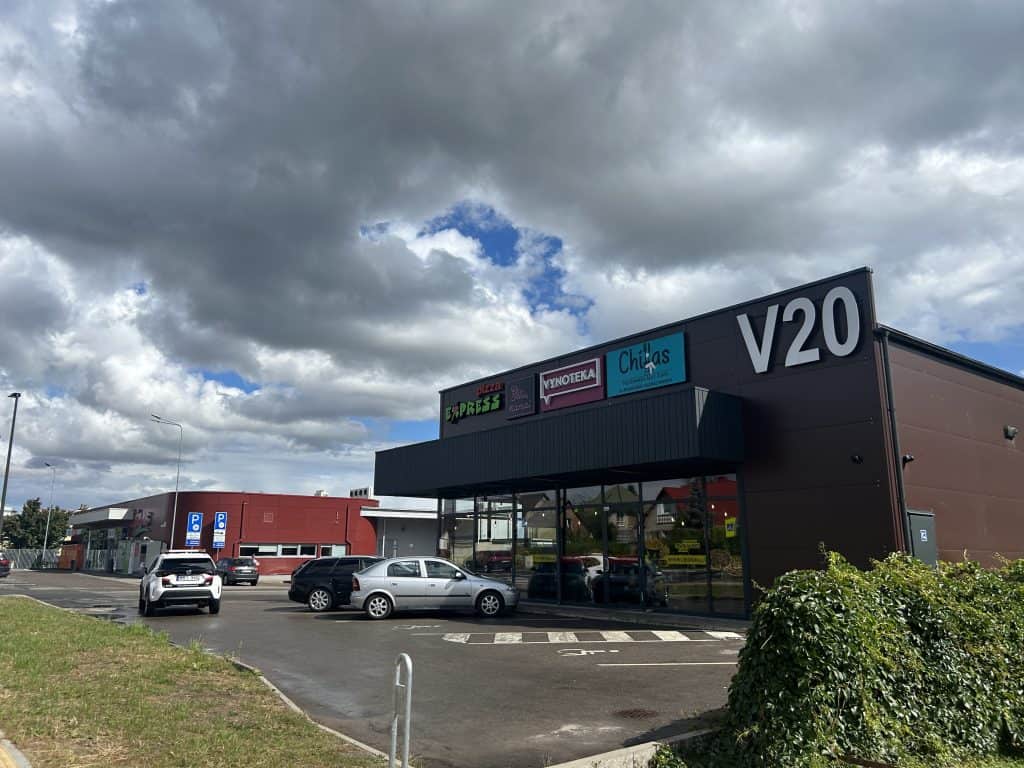
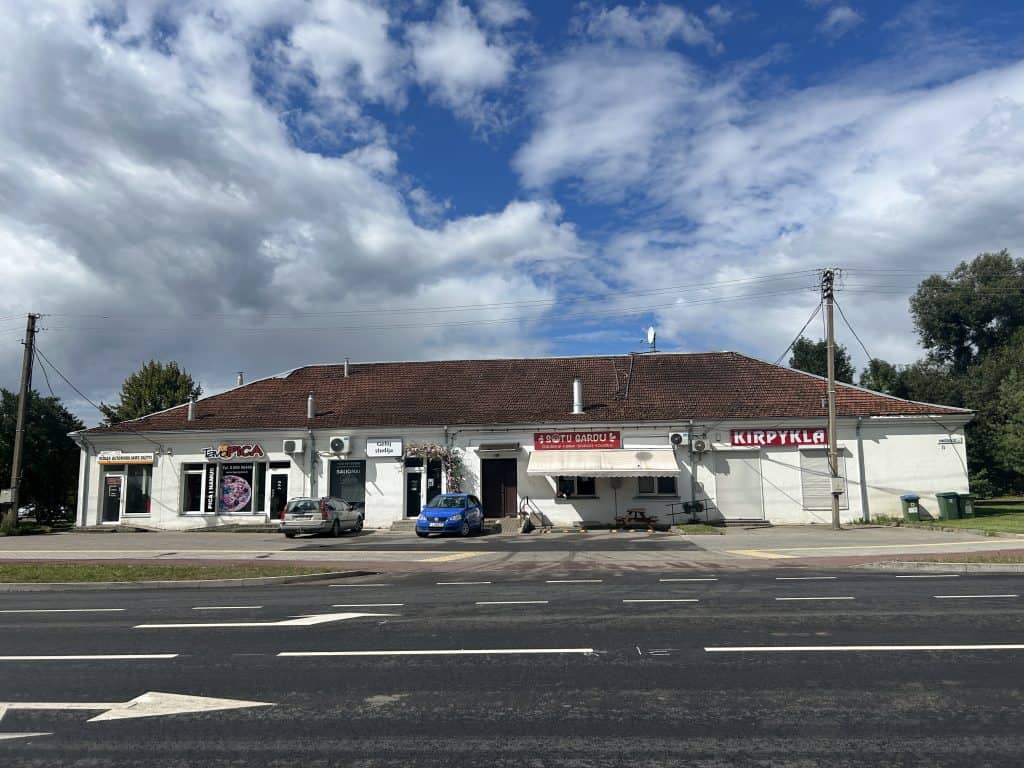
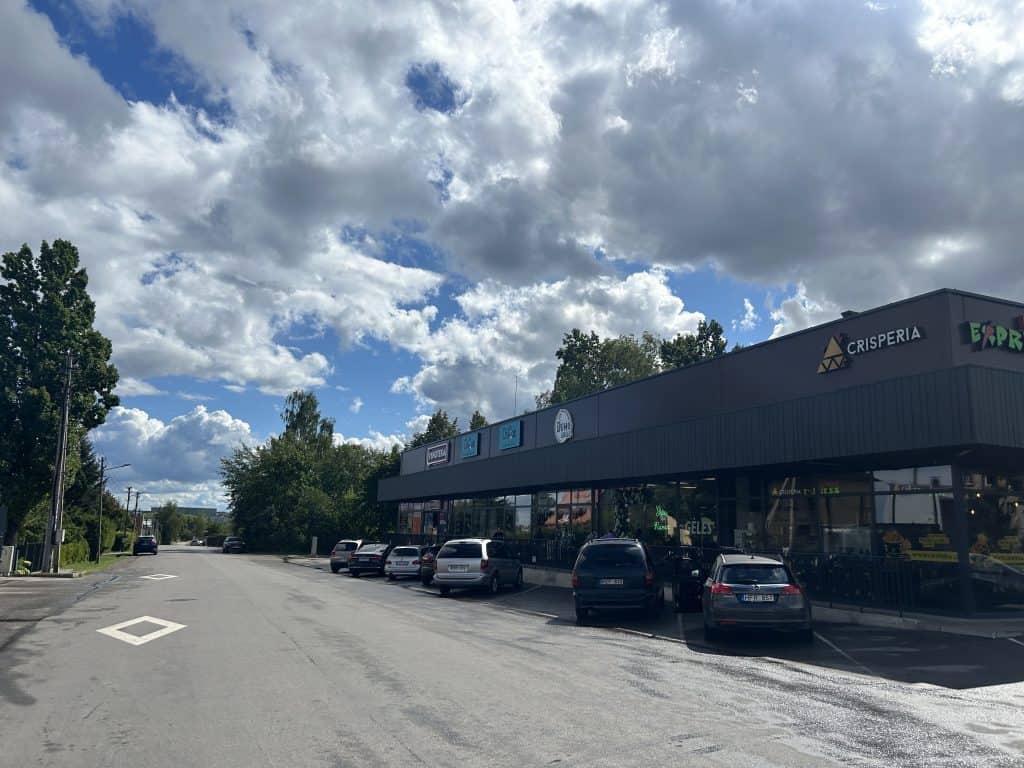
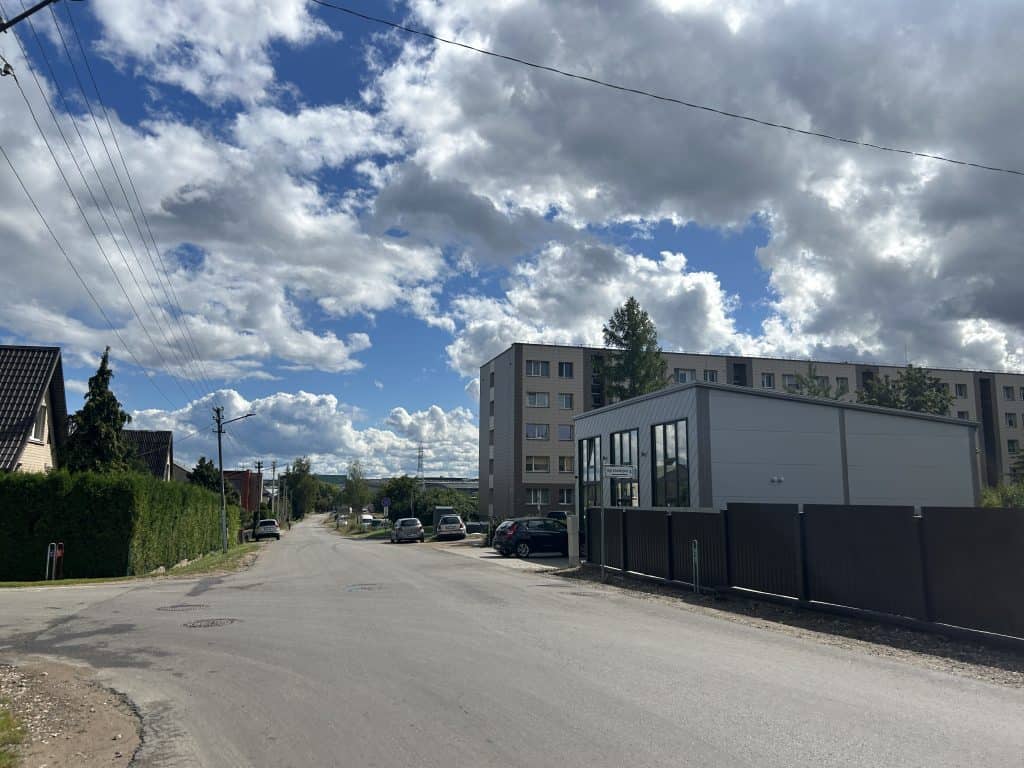
Šilainiai is a large residential neighborhood and an elderate in the northern part of Kaunas, Lithuania. With a population of over 55,000 inhabitants, it is one of the largest and most populous districts in the city. The neighborhood primarily consists of large, prefabricated concrete apartment buildings, or “microdistricts,” which were constructed during the late Soviet period. It is located on a high plateau, and it is separated from the city center by the valley of the Neris River.
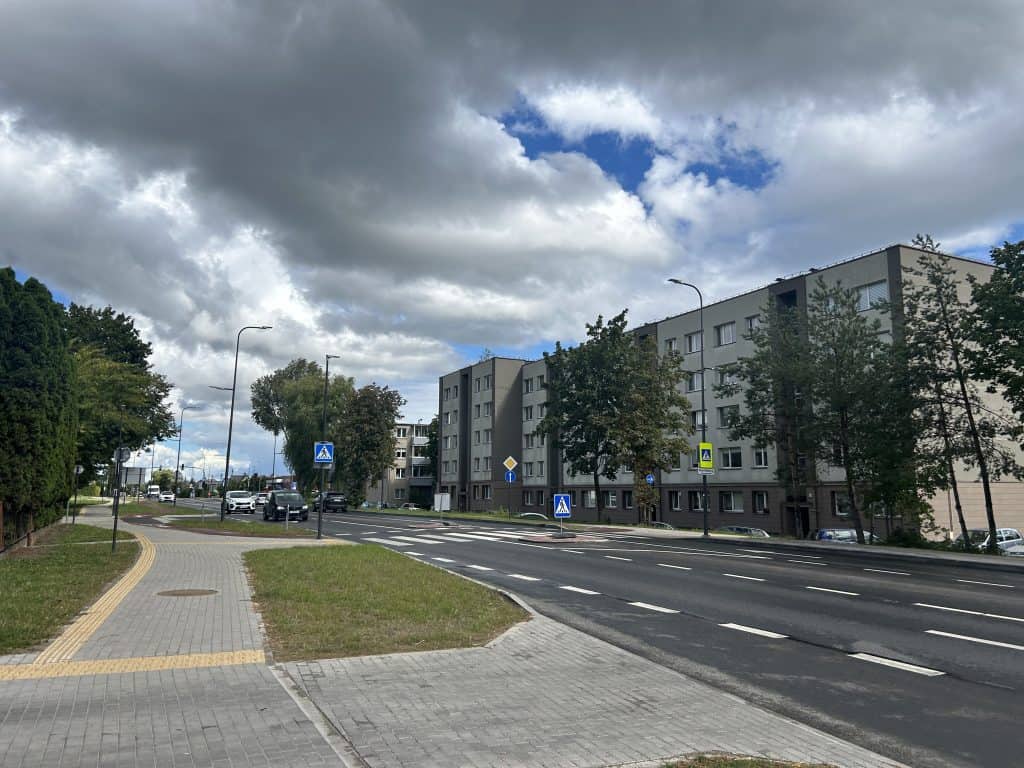
The identity of Šilainiai is that of a classic “sleeping district,” a term used for large, primarily residential areas that were built to house the workers of a city’s industrial enterprises. The neighborhood’s landscape is dominated by its uniform, multi-story apartment blocks, which are a characteristic feature of late Soviet urban planning. However, the district also contains significant historical sites, most notably two major forts from the historic Kaunas Fortress complex. Today, Šilainiai is a bustling and diverse part of the city, a place where the legacy of the Soviet era meets the daily life of modern Kaunas.
History of Šilainiai
The history of Šilainiai is a story of a dramatic and rapid transformation from a rural landscape into a massive urban housing estate. For centuries, the area was mostly agricultural land and small villages. Its modern history began in the 1980s, when the Soviet authorities initiated a massive construction project to create a new residential district for the growing population of Kaunas. This period of intense development gave the neighborhood its distinctive and uniform architectural character.
The Grand Design
The construction of the Šilainiai neighborhood began in the early 1980s. The project was a part of the Soviet Union’s large-scale urban planning policy, which aimed to create massive, standardized housing estates, or “microdistricts,” on the outskirts of major cities. The design of Šilainiai is a typical example of this approach, with its wide, straight avenues and its repeating patterns of large, prefabricated concrete panel apartment buildings. The goal was to provide modern housing for tens of thousands of people as quickly and efficiently as possible.
The new district was built on a large, open plateau to the north of the main city of Kaunas. The construction took place throughout the 1980s, and it was one of the last major housing projects to be completed in Lithuania before the country regained its independence. The scale of the project was immense, and it completely transformed the landscape. What had once been a quiet area of fields and small villages became a dense, urban environment in just a few years.
Life in a Sleeping District
The majority of the people who moved into the new apartments in Šilainiai were workers from the many industrial factories in Kaunas, as well as people who had relocated from smaller towns and villages across Lithuania. For many, moving into a modern apartment with all the amenities was a major improvement in their quality of life. However, the neighborhood was designed primarily as a “sleeping district,” with a focus on housing rather than on public spaces and cultural amenities.
This led to a certain lack of a distinct community identity in the early years. The vast, open spaces between the apartment blocks were often windswept and under-utilized. However, over time, a new generation grew up in Šilainiai, and a unique local character began to emerge. The residents started to adapt the standardized environment to their own needs. A particularly interesting development was the growth of community gardens in the abandoned territory of the old forts.
Reclaiming Green Spaces
Since Lithuania regained its independence in 1990, the neighborhood of Šilainiai has continued to evolve. One of the most unique and positive developments has been the community-led transformation of the abandoned lands around the historic Eighth Fort. The residents of the nearby apartment blocks began to cultivate vegetable gardens in this area, turning the neglected military heritage site into a vibrant and productive green space.
These community gardens have become an important part of the local identity of Šilainiai. They represent a grassroots effort by the residents to create a more pleasant and sustainable living environment. In recent years, there have been various community art projects and initiatives aimed at improving the public spaces of the neighborhood. These efforts are helping to transform Šilainiai from a purely functional “sleeping district” into a more vibrant and livable community with its own unique character.
Sights in Šilainiai
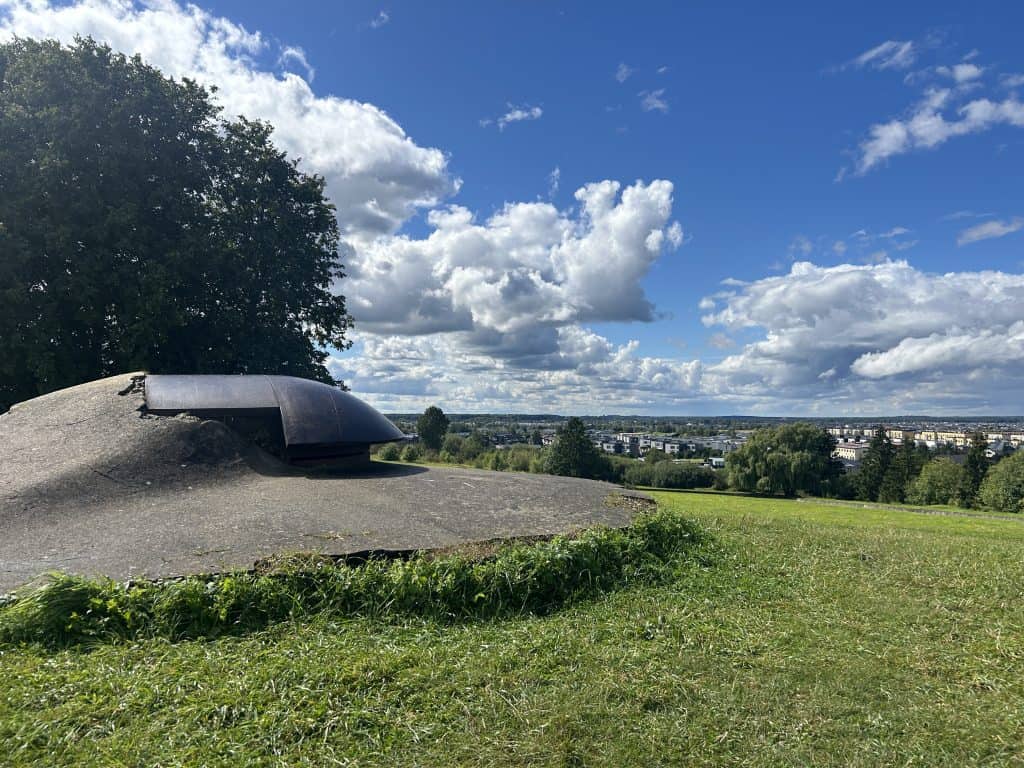
The sights in Šilainiai are primarily centered on its important historical military fortifications and its modern religious architecture. The most significant historical landmarks in the neighborhood are the Eighth and Ninth Forts of the Kaunas Fortress. The modern Church of the Holy Spirit is a major architectural landmark. While Šilainiai is primarily a residential district, its location provides easy access to the many other famous sights in the city of Kaunas.
Ninth Fort
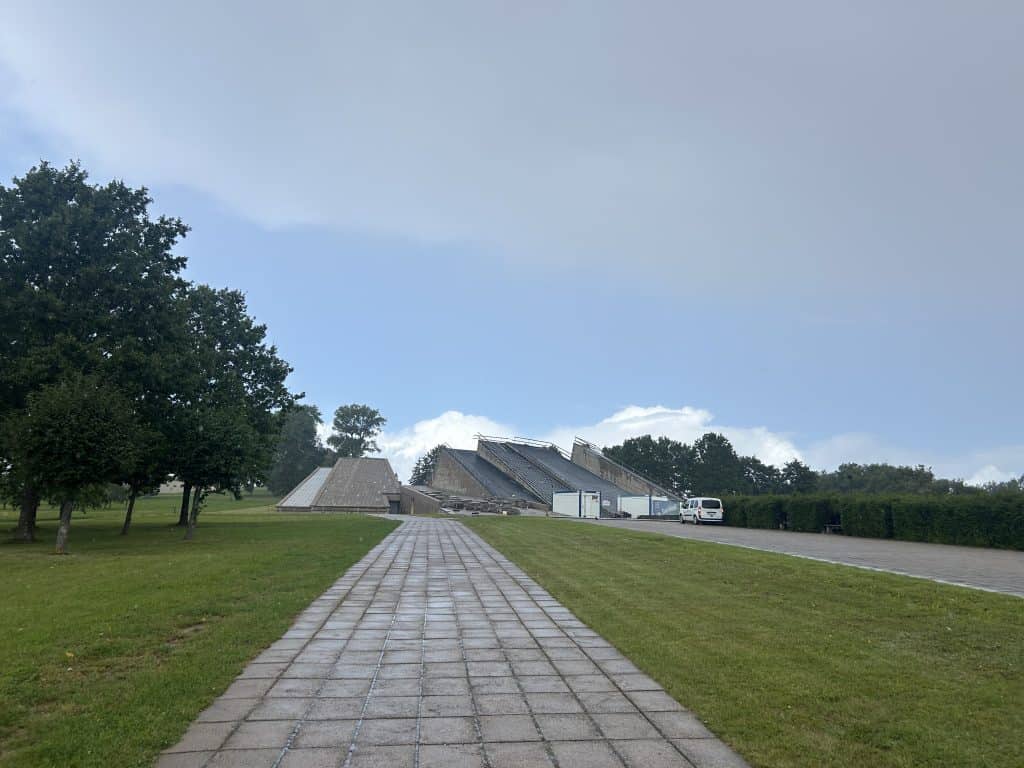
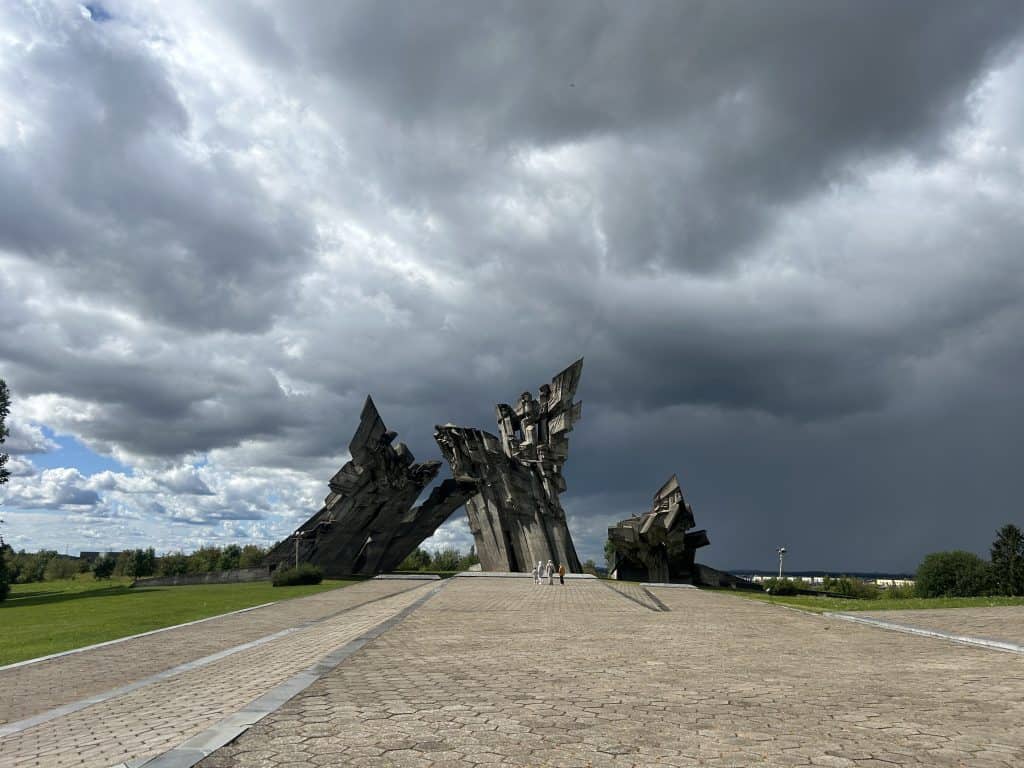
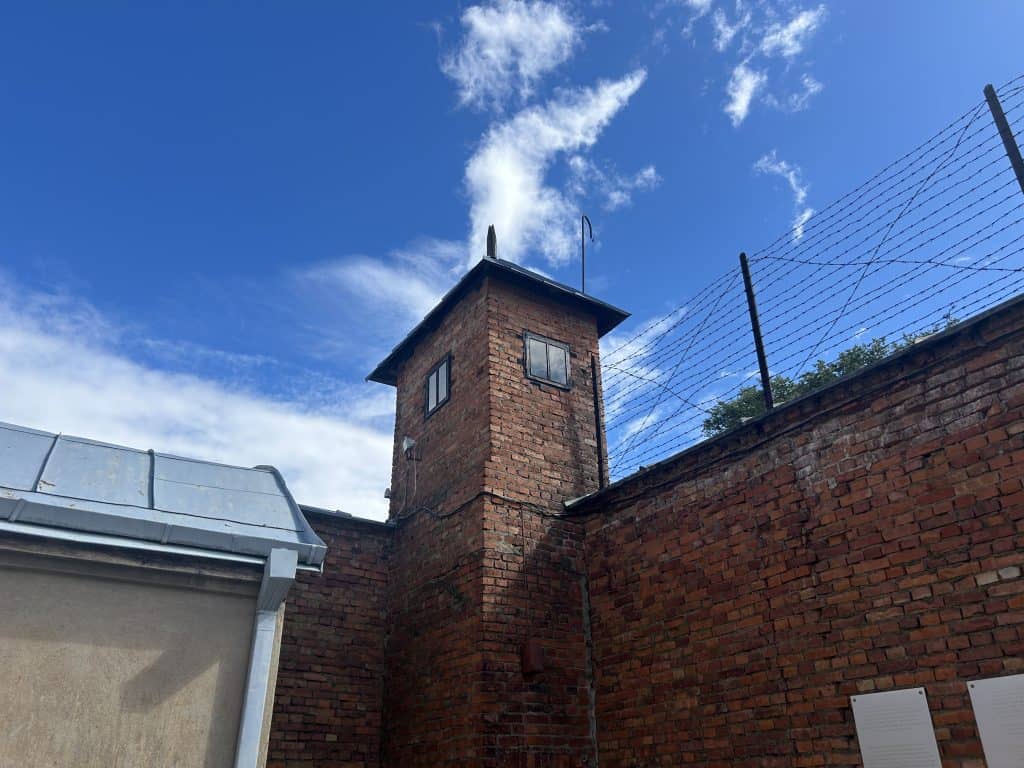
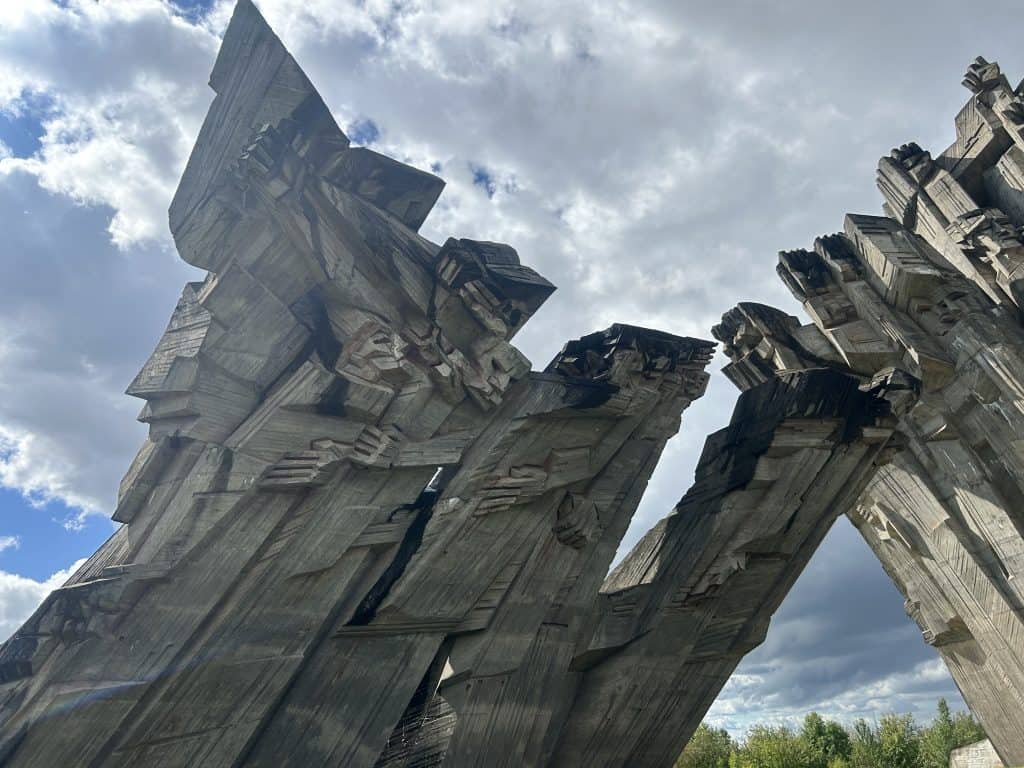
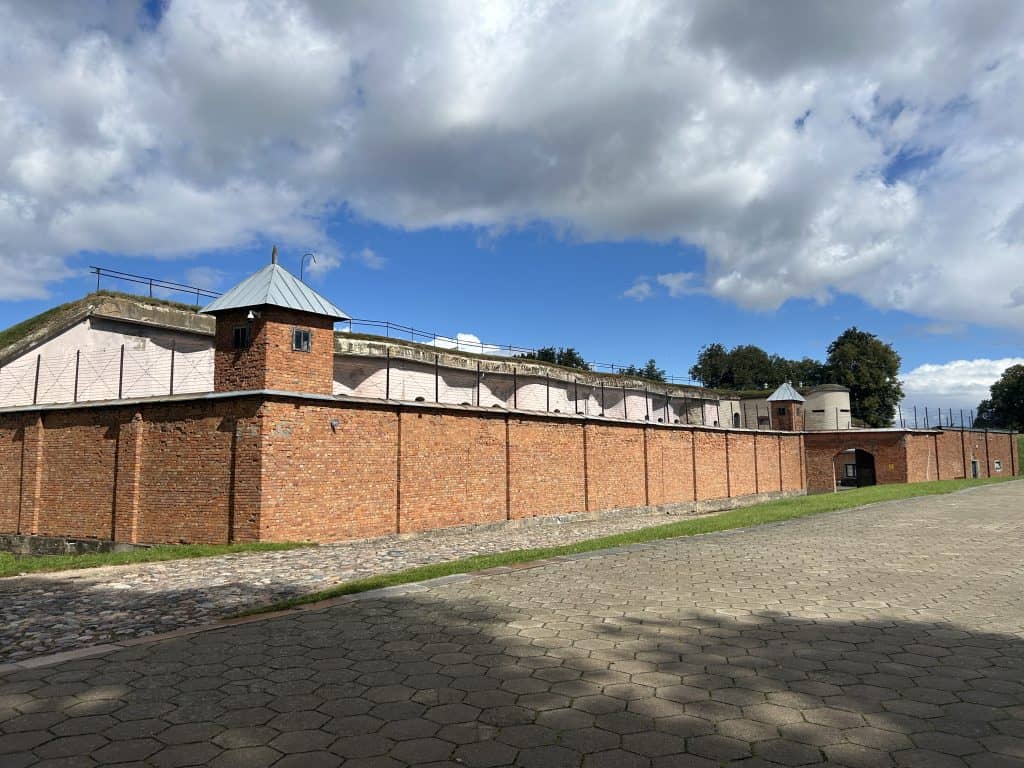
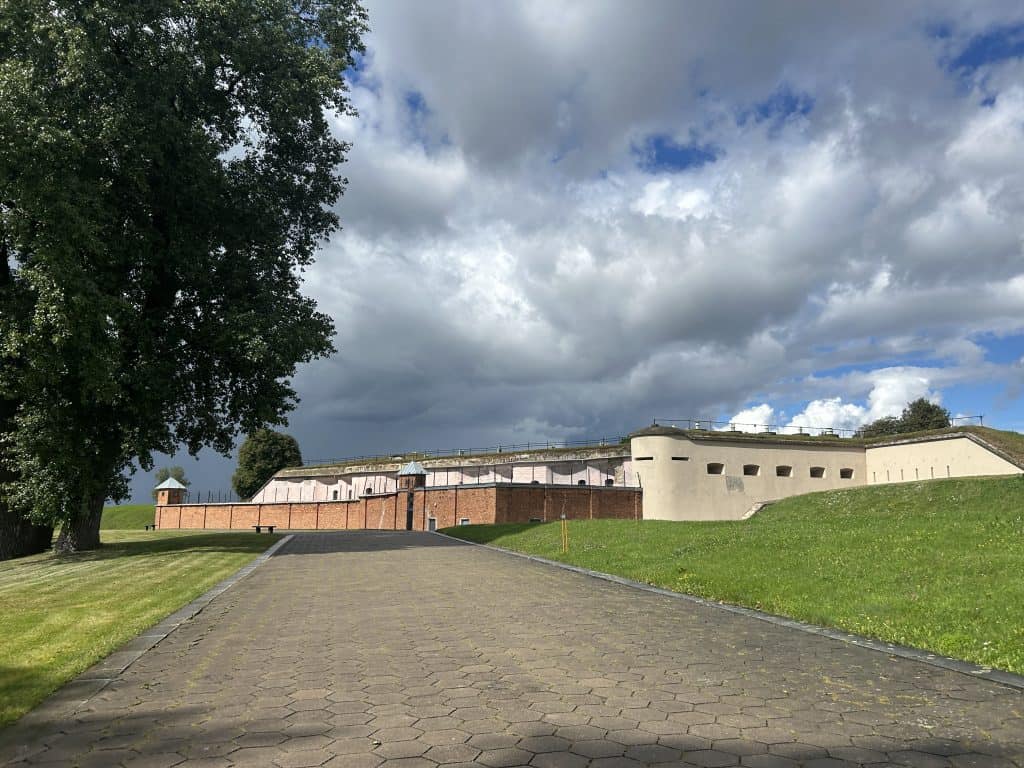
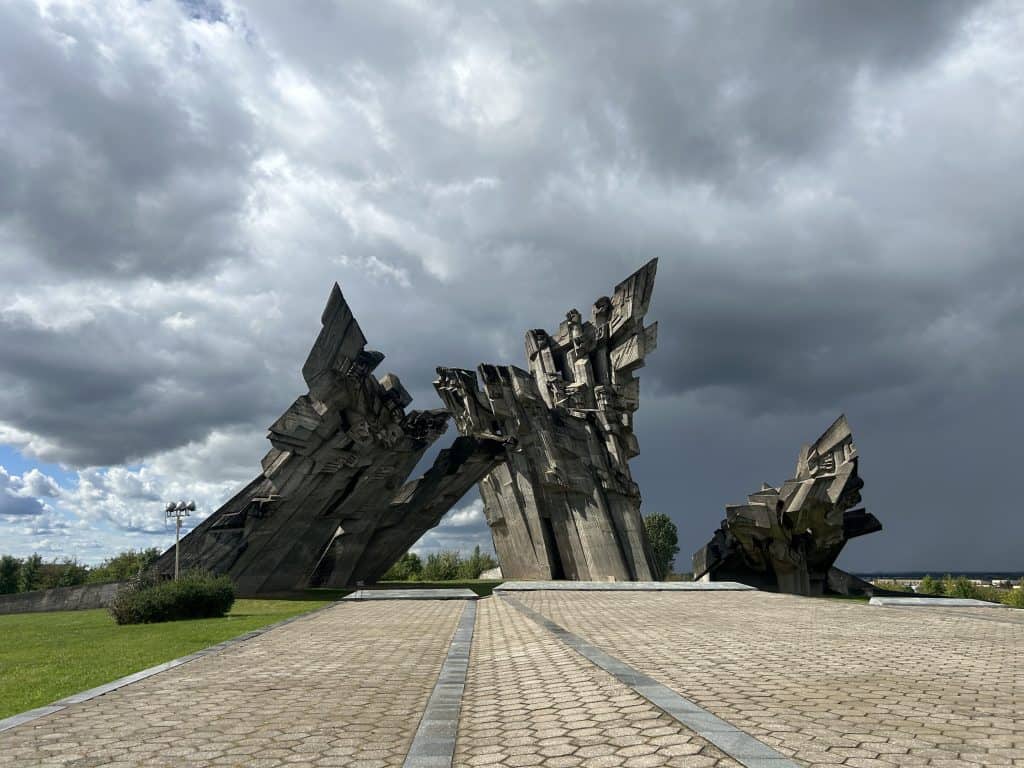
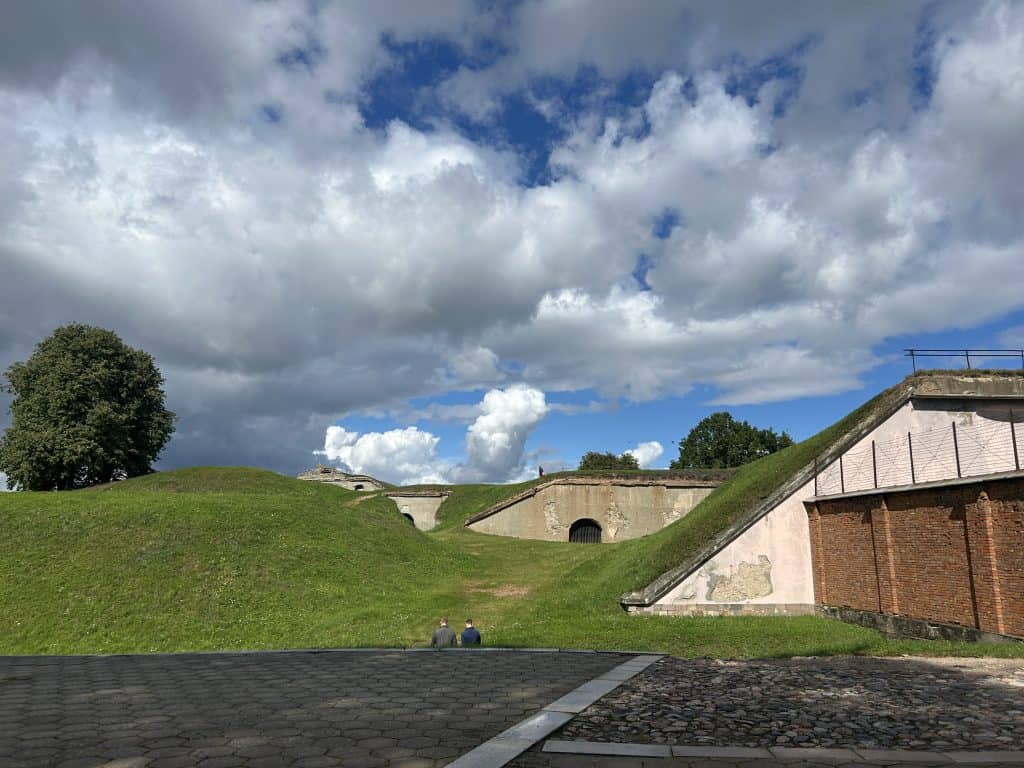
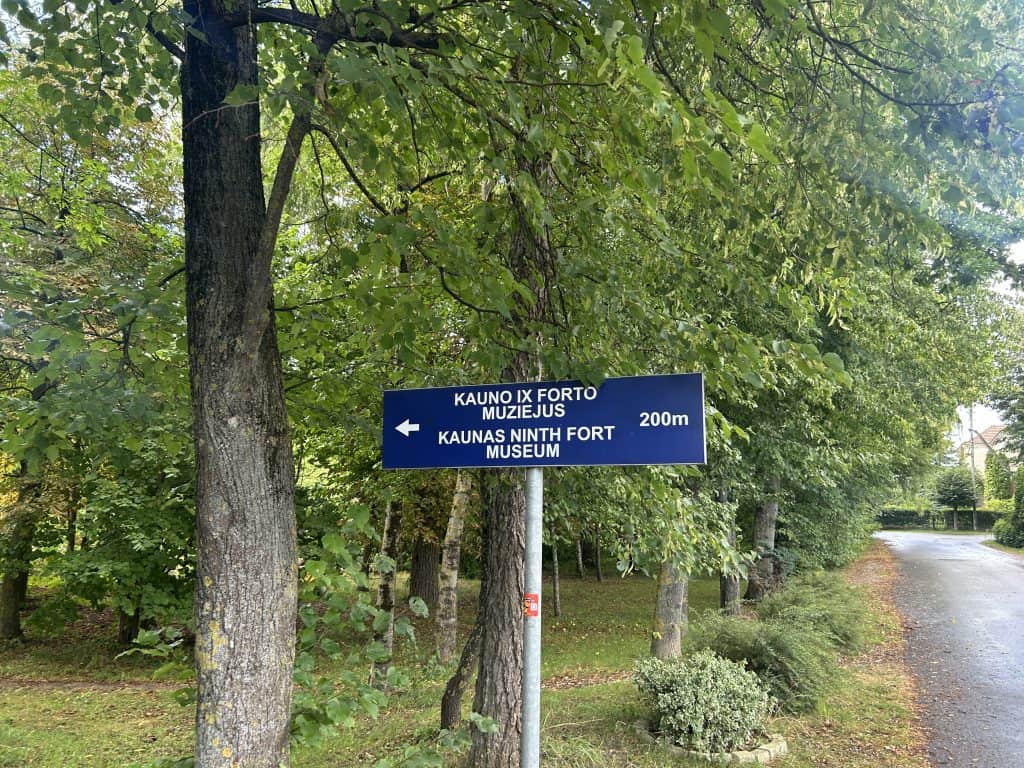
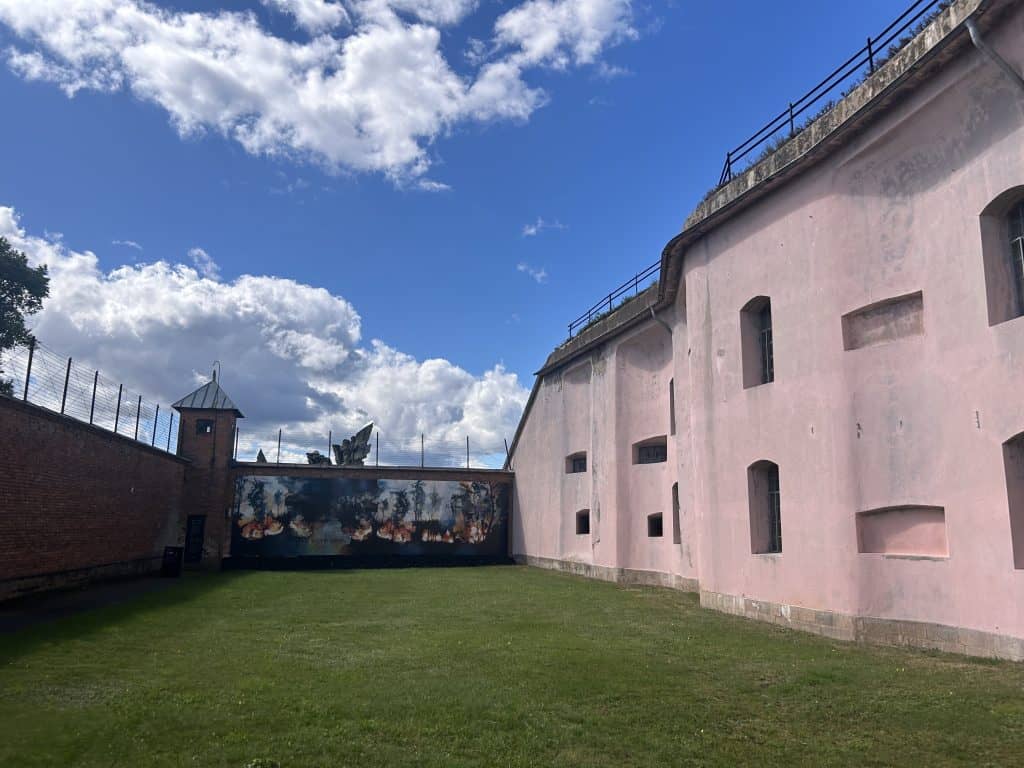
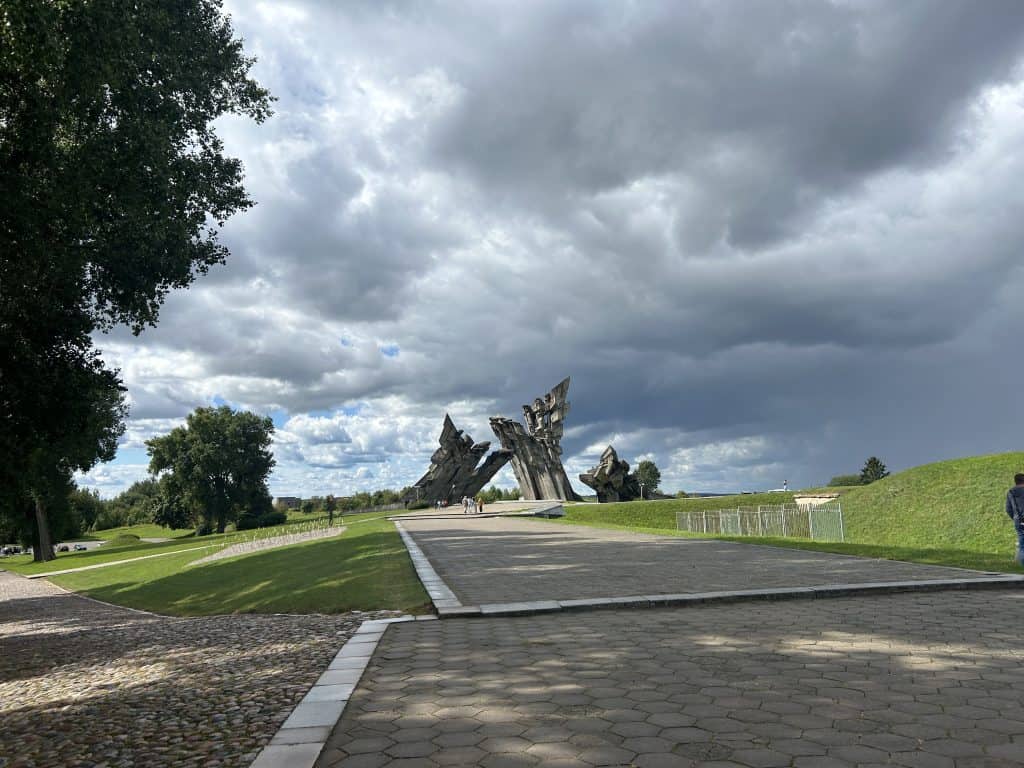
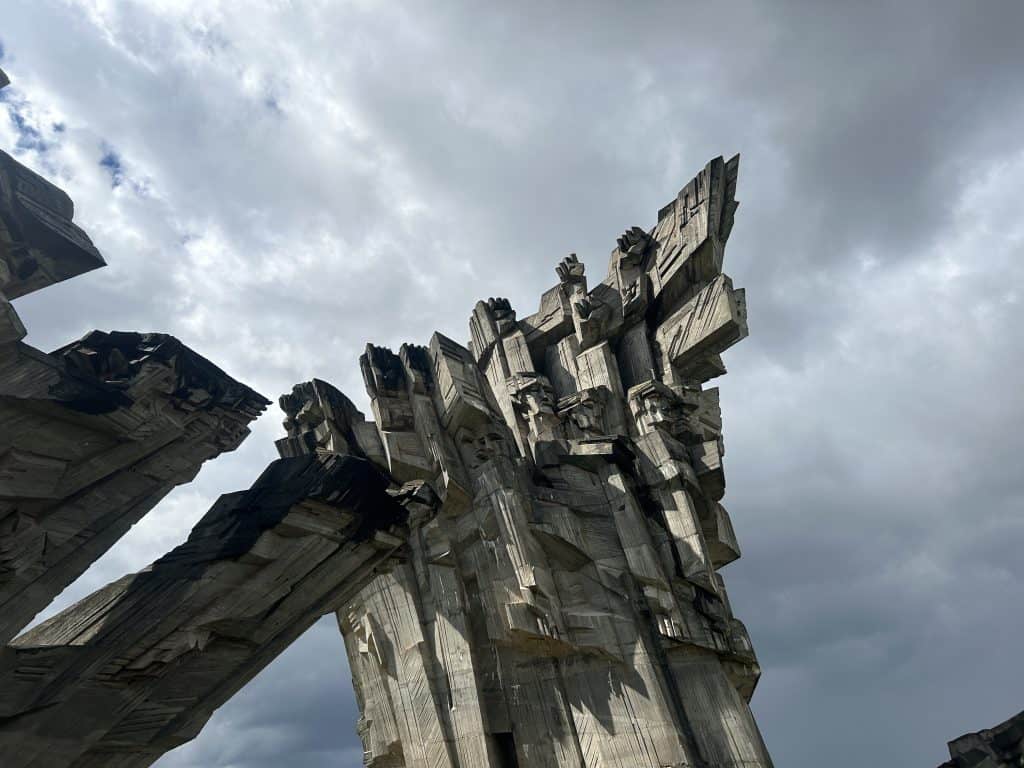
The Ninth Fort is one of the most important and sobering historical sites in all of Lithuania. The fort is a part of the vast Kaunas Fortress complex that was built by the Russian Empire in the late 19th century. During the Soviet occupation, the fort was used as a prison. During the Nazi occupation in World War II, it was the site of the mass murder of tens of thousands of people, most of them Jews from the Kaunas Ghetto. Today, the fort houses a powerful and very moving museum, and a massive, monumental sculpture stands as a memorial to the victims.
Eighth Fort
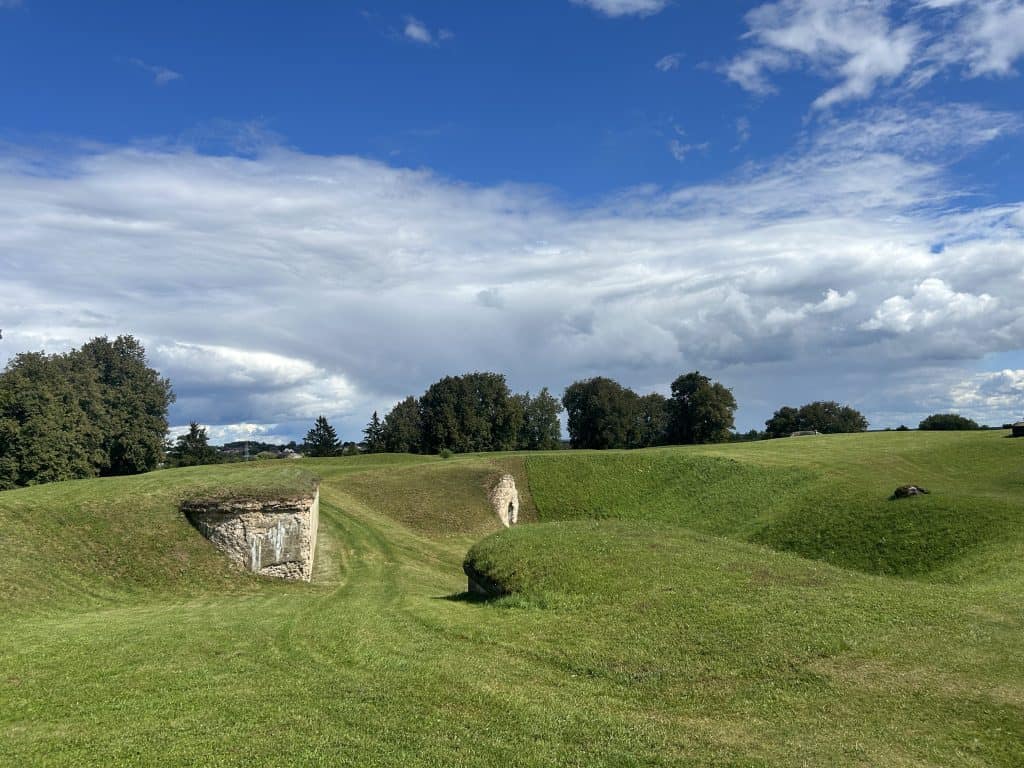
The Eighth Fort is another of the major fortifications of the Kaunas Fortress that is located in the Šilainiai district. Unlike the Ninth Fort, which has been developed as a major museum complex, the Eighth Fort has a much more natural and undeveloped character. The historic fort is now a large, green, open space that is very popular with local residents for recreation. The area is famous for its extensive network of community gardens, which have been created by the residents of the surrounding apartment blocks. A visit to the Eighth Fort offers a unique combination of military history and community life.
Church of the Holy Spirit
The Church of the Holy Spirit is a modern and very impressive Roman Catholic church located in the heart of the Šilainiai neighborhood. It was built after Lithuania regained its independence, and its construction was a major event for the new and growing community. The church has a unique and very modern architectural design, and it is a major landmark in the district. The church also has a chapel that is dedicated to Saint John Paul II. It is an important spiritual and community center for the residents of Šilainiai.
How to Get to Šilainiai?
Šilainiai is a major neighborhood in the city of Kaunas. The main gateway for international visitors is Kaunas International Airport (KUN), which is located in the nearby town of Karmėlava. From the main city center and the Old Town of Kaunas, the journey to Šilainiai is very short and easy. The neighborhood is very well-served by the city’s public transport system, and it is also easily accessible by car.
From the City Center
From the main city center and the Old Town of Kaunas, the easiest way to reach Šilainiai is by taking one of the numerous city bus or trolleybus routes that cross the Varniai Bridge over the Neris River. The journey is very short, taking only about 10-15 minutes. Taxis and ride-sharing services also provide a quick and direct connection.
Driving into the Neighborhood
Driving to Šilainiai is very straightforward. The neighborhood is located directly to the north of the main city center. The main roads leading into the area, such as Žemaičių plentas and Baltų prospektas, are wide, multi-lane arteries that are easy to navigate. The neighborhood is well-connected to the main national highway network, making it easily accessible for those arriving in Kaunas by car.
Driving Distances
The driving distance from 10 regional cities, according to Google Maps:
- Vilnius, Lithuania – 100 kilometers (1 h 10 min)
- Panevėžys, Lithuania – 110 kilometers (1 h 20 min)
- Suwałki, Poland – 125 kilometers (1 h 30 min)
- Šiauliai, Lithuania – 160 kilometers (2 h 10 min)
- Klaipėda, Lithuania – 215 kilometers (2 h 00 min)
- Kaliningrad, Russia – 250 kilometers (3 h 30 min)
- Riga, Latvia – 260 kilometers (3 h 30 min)
- Minsk, Belarus – 280 kilometers (3 h 20 min)
- Warsaw, Poland – 400 kilometers (4 h 10 min)
- Tallinn, Estonia – 570 kilometers (7 h 00 min)
Looking to Explore more of Lithuania and Europe?