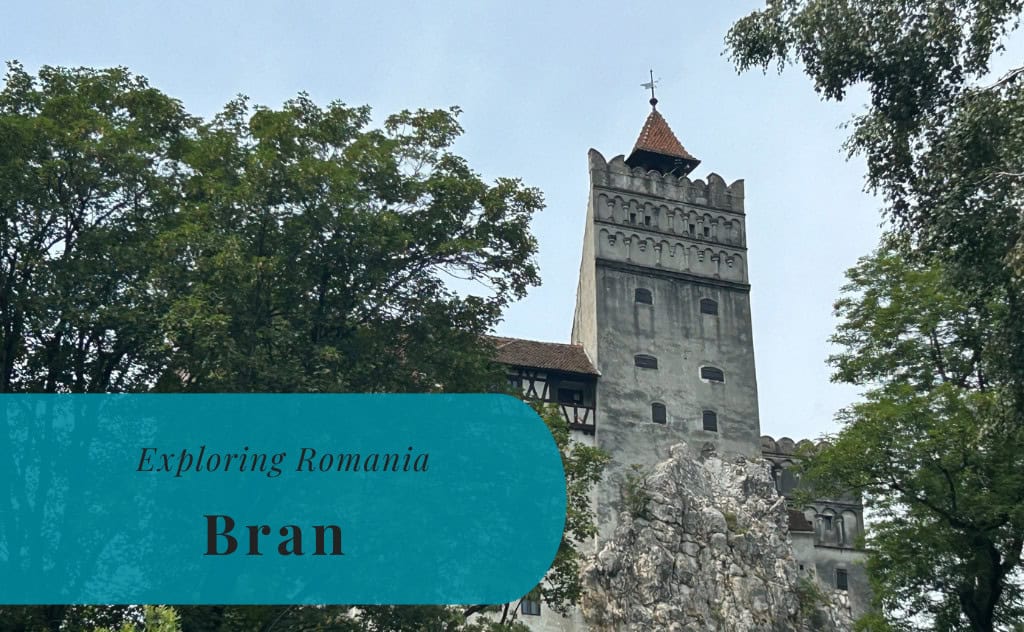
Bran | Exploring Romania
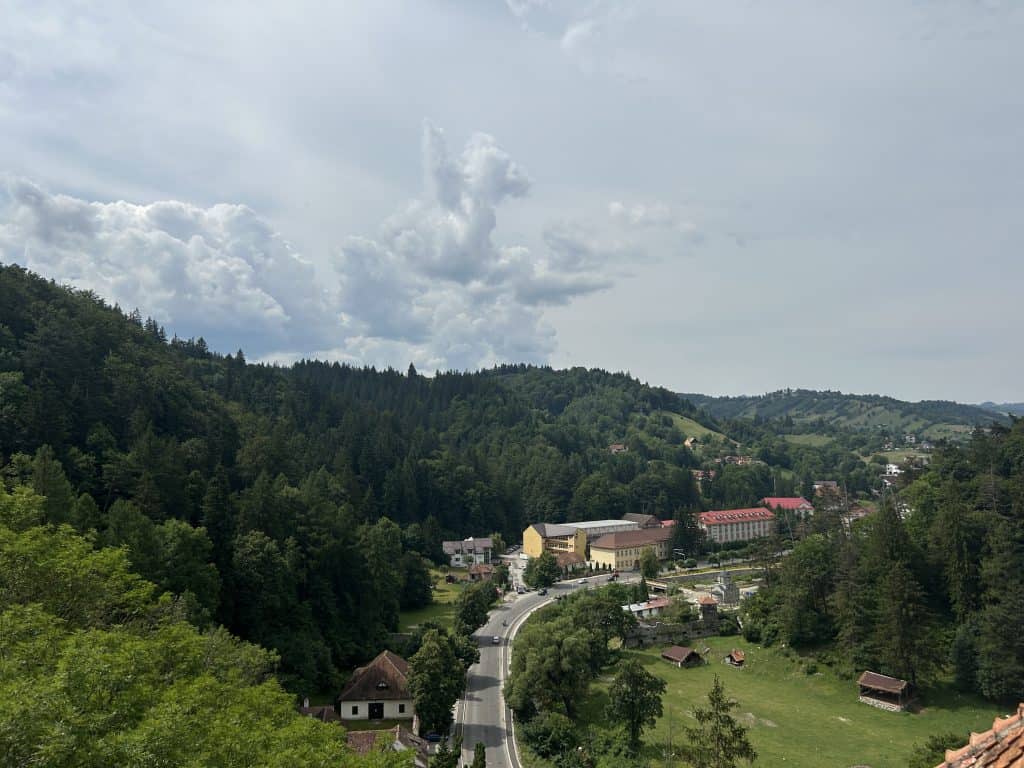
Bran is a commune in Brașov County, located in the Transylvania region of Romania. The village is situated in a mountain pass on the historical border between Transylvania and Wallachia. With a population of approximately 5,000 residents, Bran is a key tourist destination in the country. It is located about 30 kilometers southwest of the major city of Brașov. The landscape is defined by its position between two major mountain ranges, the Bucegi Mountains and the Piatra Craiului Mountains, which provide a scenic backdrop.
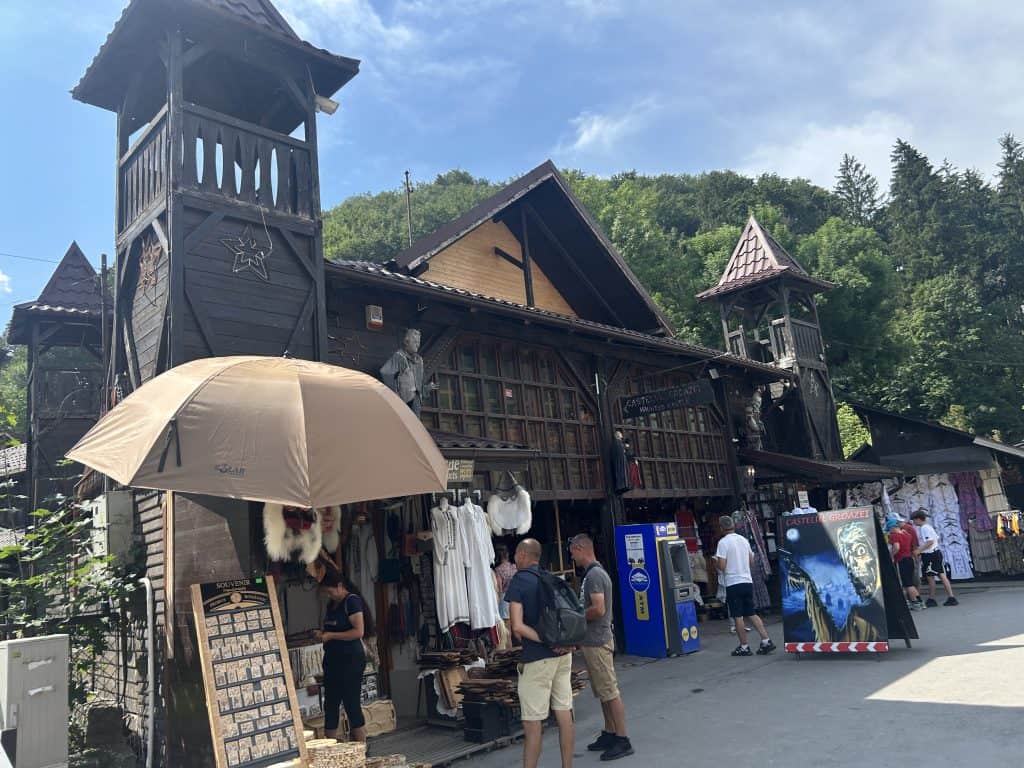
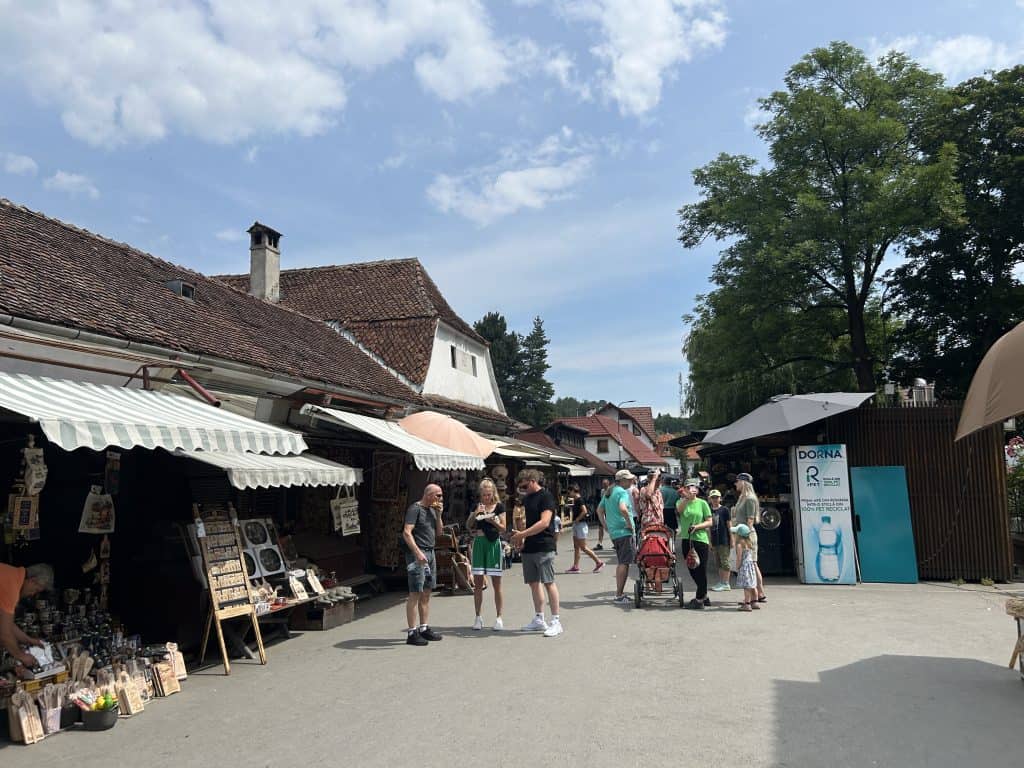
The character of Bran is almost entirely defined by its world-famous castle, Bran Castle. This major national monument is one of Romania’s most popular attractions. The village itself has grown into a major tourist hub that serves the castle, with the area at the base of the castle hill filled with restaurants, guesthouses, and a large market. This commercial function exists alongside its identity as a traditional Romanian mountain village, with rural life continuing in the surrounding areas. The village’s global fame is primarily linked to the fictional character of Dracula.

A Short History of Bran
The history of Bran is the history of its castle. The settlement grew to serve the fortress that was built to guard the strategic mountain pass between Transylvania and Wallachia. For centuries, the castle played a key military and commercial role in the region. Its modern history was shaped by its transformation into a royal residence and its later, and largely fictional, association with the character of Dracula. This has given the site a unique place in both Romanian history and global popular culture. The story of the village is therefore one of defense, royalty, and modern mythology.
A Fortress on the Frontier
The history of fortification at Bran began in the early 13th century when a wooden fort was built by the Teutonic Knights in 1212 as a defensive position. The current stone castle’s history began in 1377, when King Louis I of Hungary authorized the Transylvanian Saxons of Brașov to build a new fortress at their own expense. The castle served a dual purpose: as a military stronghold to defend the border against the Ottoman Empire and as a customs post, collecting taxes on goods passing between Transylvania and Wallachia. For centuries, it remained a key defensive and commercial point on this important mountain pass.
A Royal Residence for Queen Marie
After the unification of Transylvania with Romania in 1918, the castle’s military importance ended. A key moment in its modern history came in 1920. The city of Brașov gifted the castle to Queen Marie of Romania, the wife of King Ferdinand I. She extensively restored and transformed the medieval fortress into a royal summer residence. The castle became a beloved home for the queen, who decorated it with art and furniture that she had collected. This period transformed the stark fortress into an elegant and comfortable royal home, and it is this era that is primarily reflected in the current interior of the museum.
The “Dracula” Myth and Modern Museum
After the communist regime took power in Romania after World War II, the royal family was exiled, and the castle became a state-run museum. Its global fame grew immensely in the late 20th century due to its marketing as “Dracula’s Castle.” This association is largely fictional, as the historical Vlad the Impaler, the inspiration for Dracula, had very little documented connection to the castle. After the Romanian Revolution of 1989, the castle was legally returned to the heirs of the royal family, the Habsburgs. It now operates as a private museum and is one of the most visited tourist attractions in Romania.


Things to Do and See
The sights in and around Bran are focused on its famous castle and the surrounding natural and cultural landscape. The main points of interest offer a look into the history of medieval Transylvania, the Romanian royal family, and the traditional rural life of the region. The nearby national parks are also major attractions, providing extensive opportunities for outdoor recreation. These sights are all located within the village or a short drive away.
Bran Castle
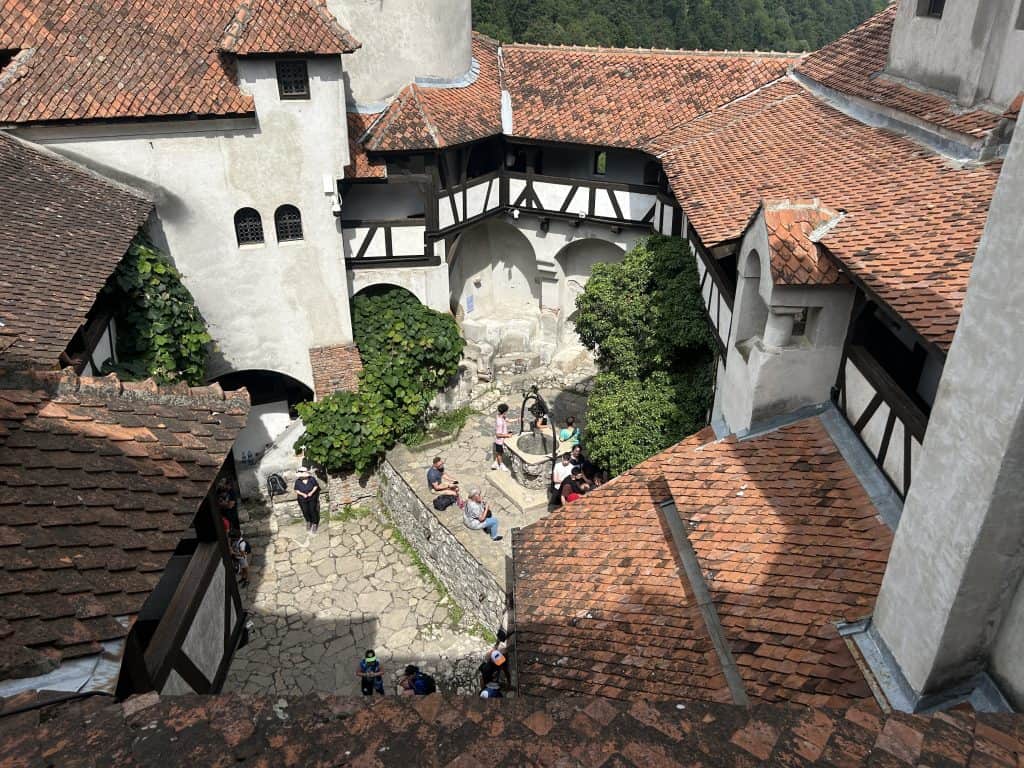
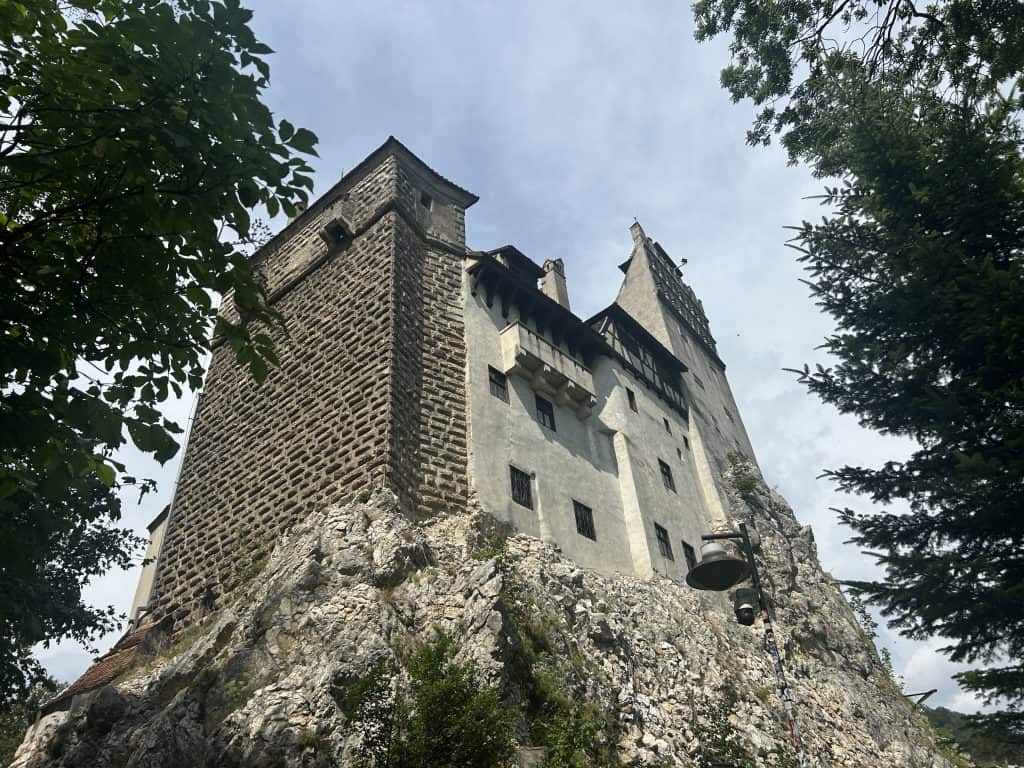
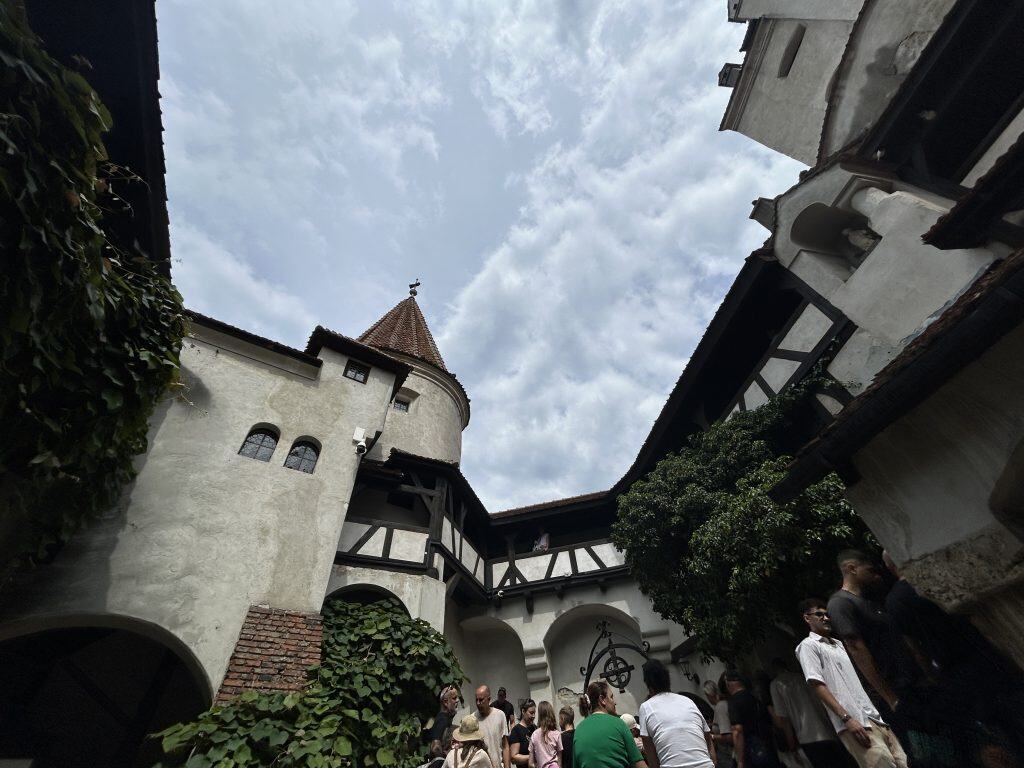
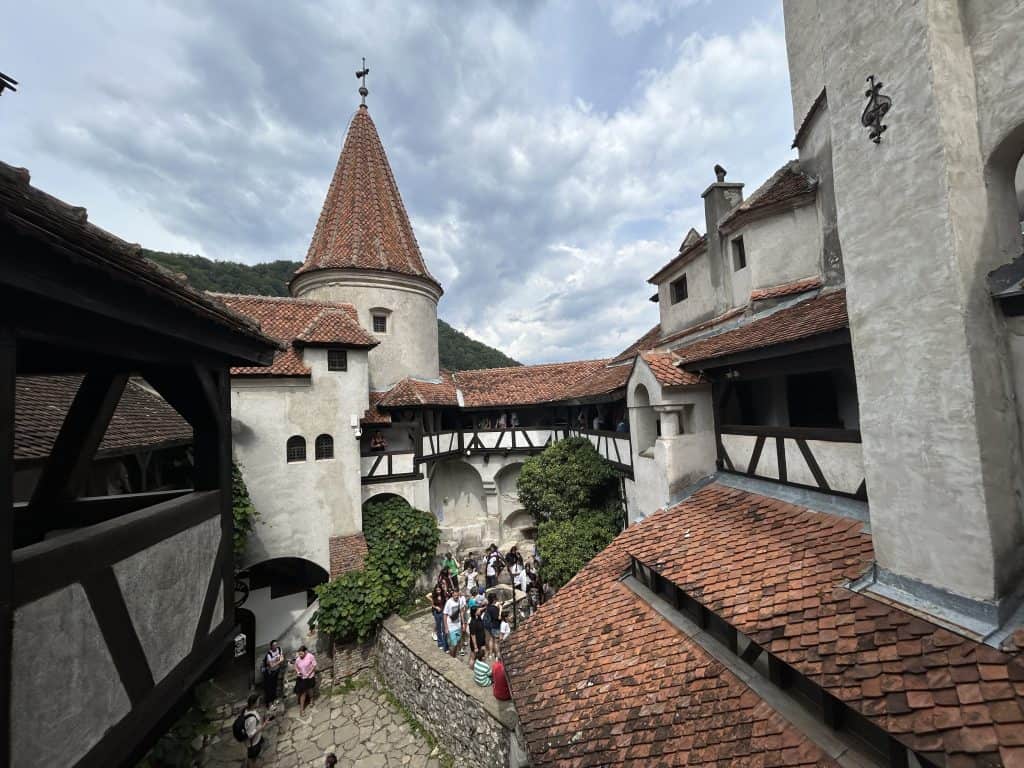
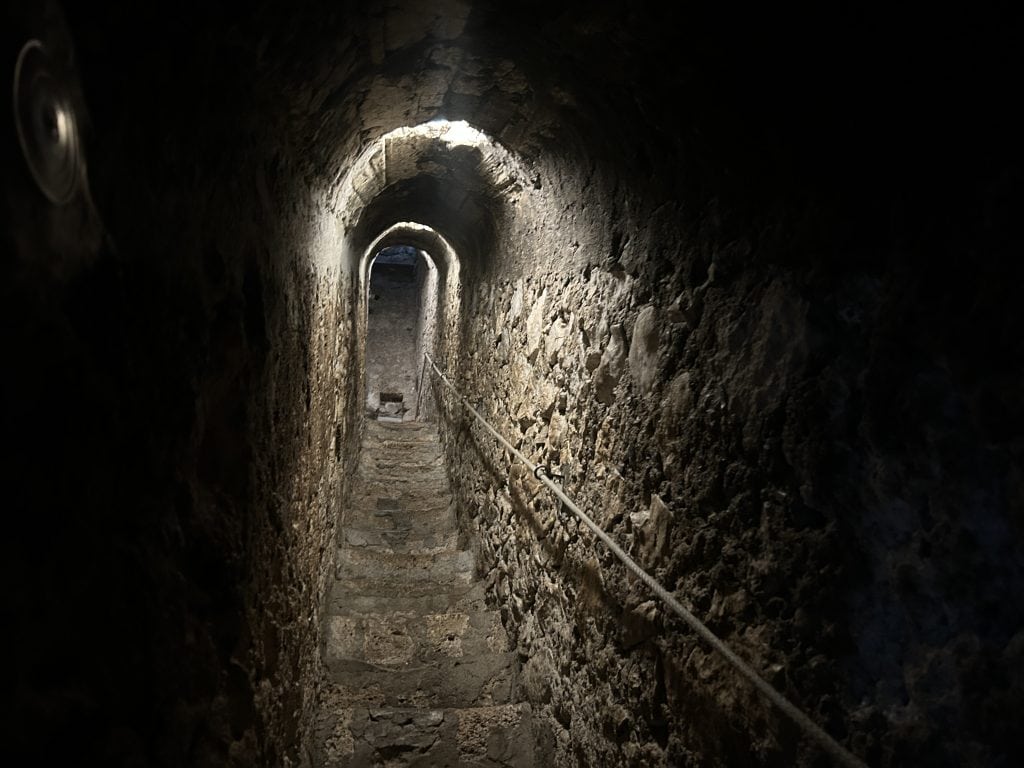
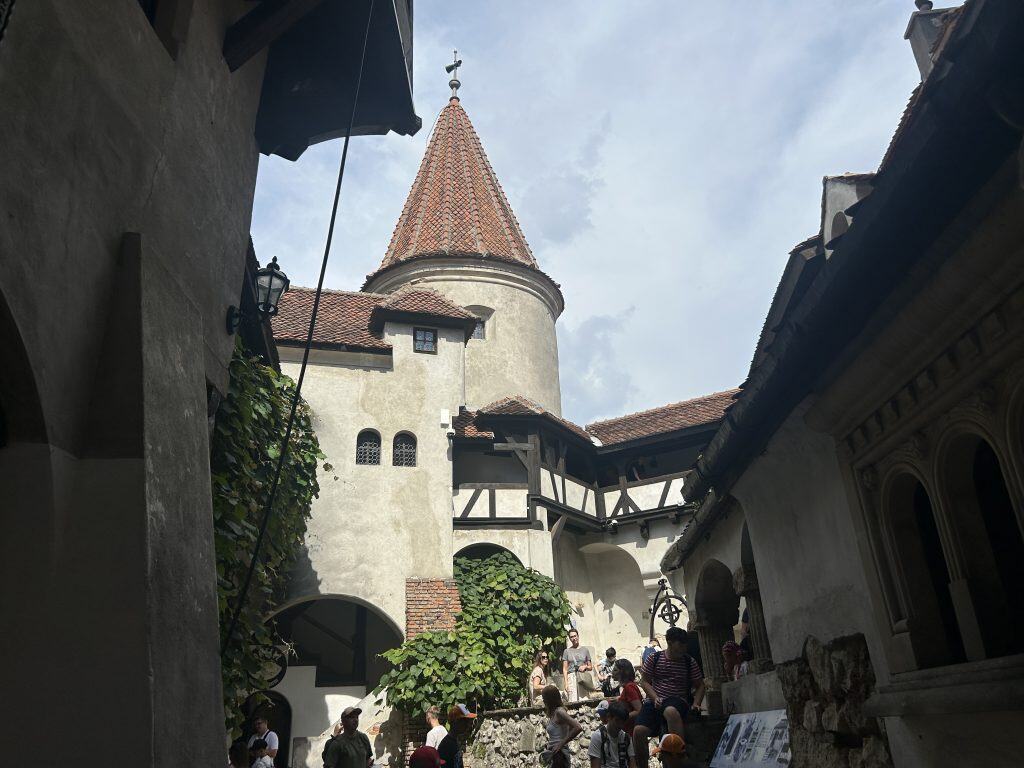
Bran Castle (Castelul Bran) is the primary and most significant sight in the area. The fortress is perched on a high cliff overlooking the village. It is a key example of a medieval stronghold, with towers, narrow staircases, and a central courtyard. The castle is now a museum that displays art and furniture collected by Queen Marie. The rooms are furnished to reflect its time as a royal residence in the early 20th century. The castle’s connection to Bram Stoker’s novel Dracula is a major reason for its popularity, although the author never visited Romania. The tour of the castle provides insight into both its medieval history and its time as a royal home.
The Village Museum
The Bran Village Museum (Muzeul Național Bran) is an open-air ethnographic museum located in the park at the base of the castle hill. The museum showcases the traditional rural life and architecture of the Bran region. It features a collection of traditional peasant houses, farm buildings, and a church that have been relocated from the surrounding villages. The buildings are furnished with authentic household items, tools, and textiles. The museum provides insight into the history and traditions of this part of Transylvania, showing the way of life for the local population.
The Heart of Queen Marie
Located in a small chapel on the grounds of the castle complex is a site dedicated to the Heart of Queen Marie. When Queen Marie died in 1938, her body was buried in Romania, but her heart was placed in a special silver casket and was interred at a monastery she had founded on the Black Sea coast. During World War II, the heart was moved for safety to a temporary chapel carved into the rock near Bran Castle. A sarcophagus at the site commemorates this story, which is a key part of the castle’s history as a royal residence.
Piatra Craiului National Park
The village of Bran is a gateway to the Piatra Craiului National Park. This is one of Romania’s most important and scenic protected areas. The park is centered on the Piatra Craiului massif, a narrow, saw-toothed limestone ridge that is approximately 25 kilometers long. The park is known for its rugged landscapes, its rich biodiversity, and its extensive network of hiking trails. It is a major destination for hikers and nature enthusiasts. The park’s main visitor center is located in the nearby town of Zărnești.
Bucegi Natural Park
Bran is also located at the foot of the Bucegi Mountains, which are part of a large natural park. The Bucegi mountains offer a different landscape from the Piatra Craiului, with high plateaus and dramatic cliff faces. The park is a major destination for hiking in the summer and skiing in the winter. Key landmarks in the park include the rock formations known as the Sphinx and Babele. The park is accessible from Bran via hiking trails and nearby roads.
Zănoaga Ski Slope
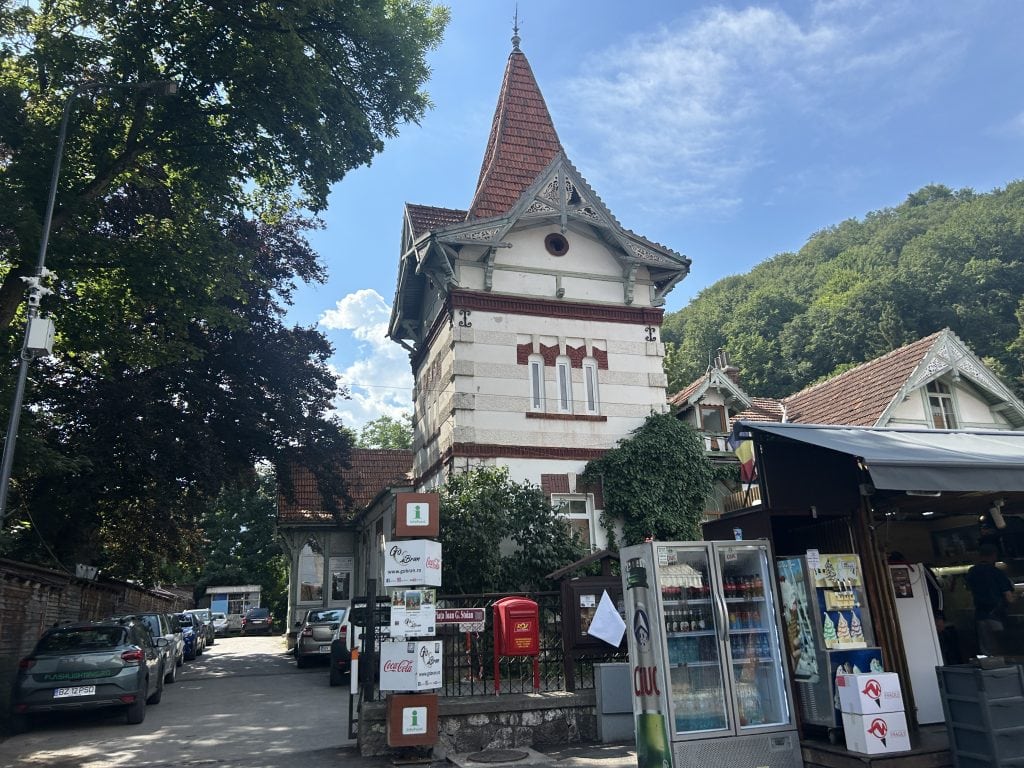
The Zănoaga Ski Slope is located at the base of Bran Castle. This is a small, local ski slope that is suitable for beginners and families. It is equipped with a ski lift and often has facilities for equipment rental and lessons. During the winter months, it provides a convenient option for skiing and other snow activities directly in the village of Bran. It is a key part of the local winter tourism infrastructure, separate from the larger resorts in the region.

Sports in Bran
The sporting life in Bran is almost entirely focused on outdoor and mountain-based activities. The village’s location between two major mountain ranges makes it a primary center for hiking and winter sports. While the village is too small to support major professional sports teams, it has a local football club that is part of the community. The main sporting identity of the area is tied to its natural environment.
Hiking
Hiking is the main sporting and recreational activity in the Bran area. The village is an ideal starting point for trails into both the Piatra Craiului National Park and the Bucegi Natural Park. These mountain ranges offer a vast network of marked trails for all skill levels. Routes range from gentle walks through the mountain meadows and forests to challenging alpine treks along high ridges. The scenic beauty of the Carpathian Mountains makes this a premier hiking destination in Romania. Local guides and maps are available in the village for visitors.
Winter Sports
During the winter months, the Bran area is a destination for winter sports. While the village itself has a small beginner’s slope, the Zănoaga Ski Slope, it is also located very close to several larger ski areas. The largest and most popular ski resort in Romania, Poiana Brașov, is only about 25 kilometers away and offers extensive slopes for all levels. The Bucegi mountains also offer opportunities for ski touring and other winter activities. This makes Bran a convenient base for a winter sports holiday.
Football
Football is a popular sport in Bran at the community level. The village has a local football club that provides opportunities for residents to participate in the sport. The club is a key part of the local social life. It competes in the regional amateur leagues.
ACS Predeal Cheile Grădiștei
The local football club that represents the wider Bran-Moieciu area is ACS Predeal Cheile Grădiștei. The club competes in the lower tiers of the Romanian football league system, such as the county leagues of Brașov County. They play their home games at a local sports ground. The club is primarily focused on youth development and community participation.


Getting Around in Bran
Navigating the village of Bran is straightforward. The main part of the village, which is centered around the castle, is compact and best explored on foot. For travel to the surrounding mountain areas and nearby towns, a car or a local bus is necessary. The village serves as a small transport hub for the immediate region. Public transport is primarily based on the bus network that connects to the main city of Brașov.
On Foot: The Village Center
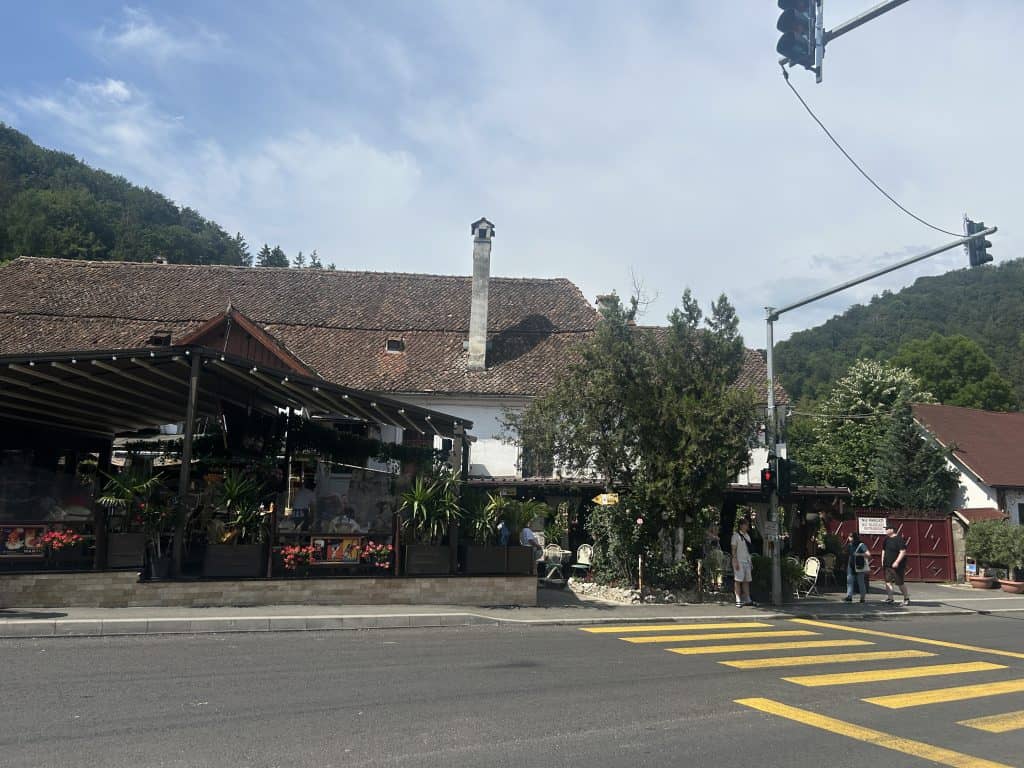
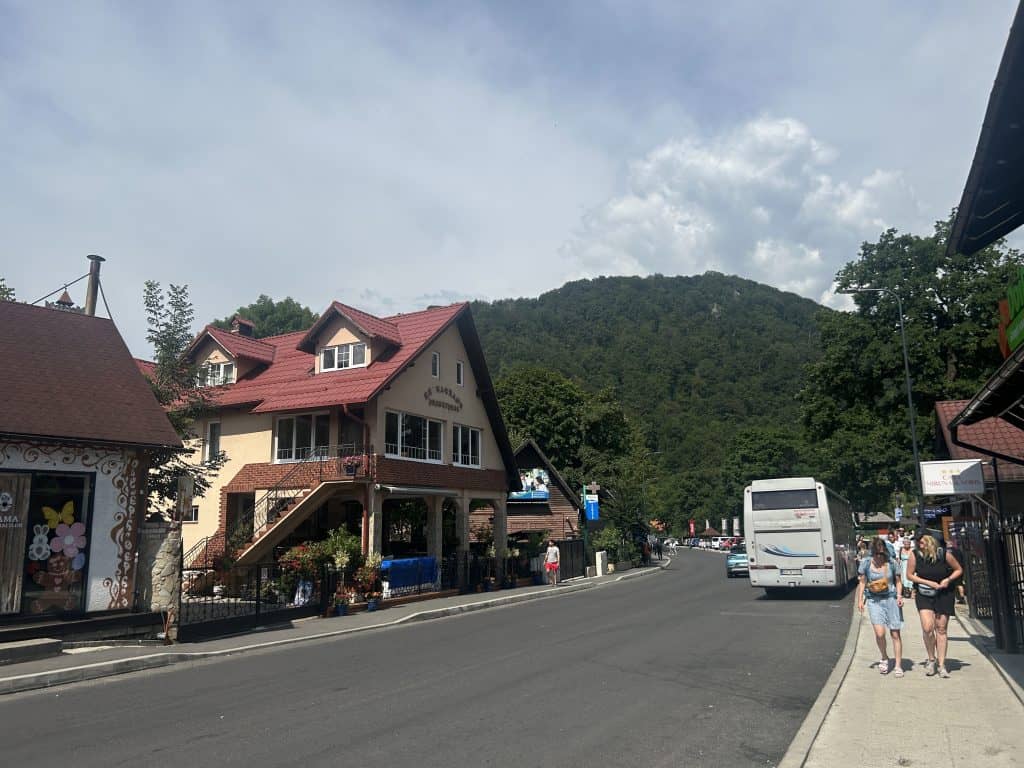
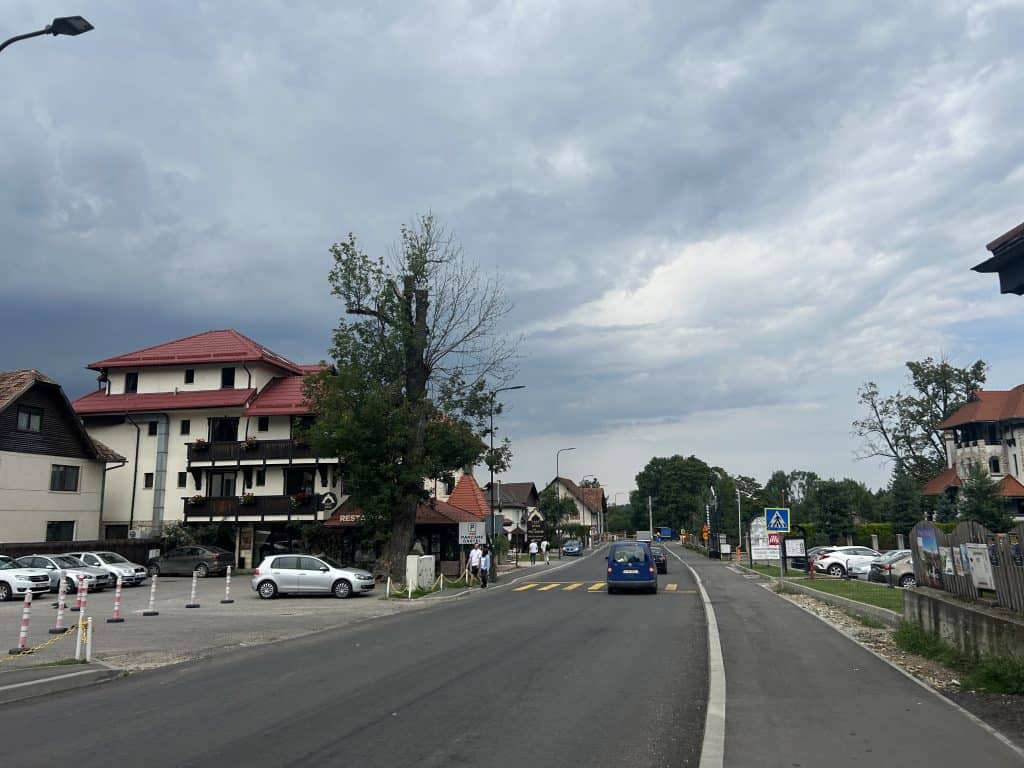
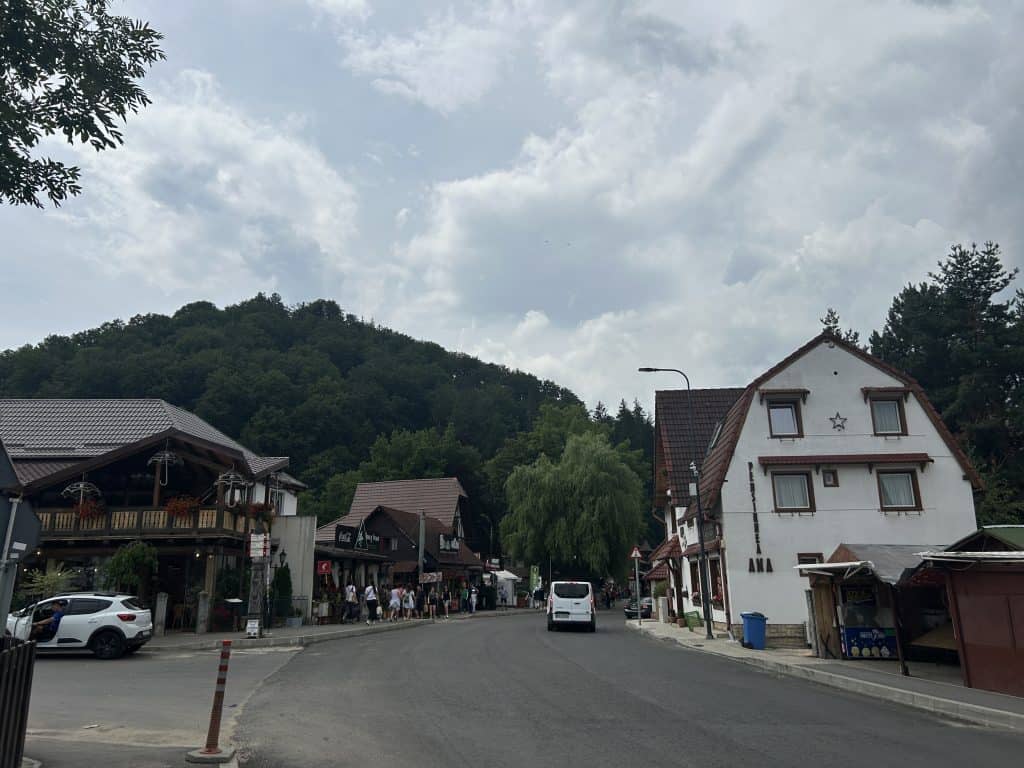
Walking is the best way to explore the central part of Bran. The castle, the Village Museum, and the large local market are all located within a small, walkable area at the base of the castle hill. The main road runs through the center of the village and is lined with restaurants and shops. The area is often very crowded with tourists, especially during the summer. Comfortable shoes are recommended for the walk up the steep path to the castle entrance.
Local Buses
A network of regional buses connects Bran with other towns and villages in Brașov County. The most important bus route is the one that connects Bran with Brașov. The buses run frequently throughout the day. The main bus station in Brașov is the Autogara 2, which is located near the city’s main train station. This bus service is a very common and economical way for visitors to travel between the two locations. Local buses also connect Bran with other nearby villages.
How to Get to Bran
Reaching the village of Bran requires travel to the Transylvania region of Romania. The village is located in a mountain pass and is accessible by road. The nearby city of Brașov serves as the main transport hub for the area, with a new international airport and a major train station. The final part of the journey to Bran must be completed by road.
The Open Road: Driving through Transylvania
Driving is the most common and practical way to reach Bran. The village is located on the DN73 road, which is the main national road connecting the cities of Brașov and Pitești. From Brașov, the drive to Bran is approximately 30 kilometers and takes about 45 minutes, depending on traffic. A car provides the flexibility to explore the surrounding region, including the other castles and mountain areas. Parking is available in large lots near the castle, though these often require a fee and can be very busy during the peak season.
Arriving by Air: Brașov Airport
The closest airport to Bran is the Brașov-Ghimbav International Airport (BRV). The airport is a new facility that opened in 2023 and is located approximately 30 kilometers away. It offers direct flights to several destinations in Europe, with services from airlines like Wizz Air and Dan Air. For more extensive global connections, the main international airport for the country is Henri Coandă International Airport (OTP) in Bucharest. From either of these airports, a rental car or a combination of train and bus services via Brașov is required to reach Bran.
On Track: A Journey by Rail and Bus
Bran does not have its own train station. The closest major train station is located in the city of Brașov. The Brașov railway station is one of the most important in Romania, with frequent train connections to Bucharest and all other major Romanian cities. From the Brașov train station, travelers must transfer to a regional bus to complete the journey to Bran. The main bus station for services to Bran is located near the train station, making for a convenient transfer.
Connecting by Coach
There are frequent bus services that connect the city of Brașov with the village of Bran. The buses depart from the Autogara 2 bus terminal in Brașov. The journey takes approximately 45-50 minutes. This is a very common and economical way for visitors to travel between the two locations. Long-distance bus services from other parts of Romania would typically terminate in Brașov, requiring a transfer to this local bus service.
Driving Distances
The driving distance from 10 regional cities, according to Google Maps:
- Brașov, Romania – 29 kilometers (0 h 40 min)
- Sibiu, Romania – 143 kilometers (2 h 30 min)
- Bucharest, Romania – 187 kilometers (3 h 20 min)
- Cluj-Napoca, Romania – 302 kilometers (4 h 30 min)
- Iași, Romania – 341 kilometers (5 h 40 min)
- Chișinău, Moldova – 472 kilometers (8 h 30 min)
- Sofia, Bulgaria – 579 kilometers (8 h 50 min)
- Belgrade, Serbia – 638 kilometers (8 h 30 min)
- Budapest, Hungary – 725 kilometers (8 h 10 min)
- Kyiv, Ukraine – 952 kilometers (14 h 10 min)
Looking to Explore more of Romania and Europe?