Sebende, Uppland | Exploring Sweden
Sebende is a small rural hamlet in Norrtälje Municipality, located in Stockholm County, Sweden. It is situated in the historic province of Uppland. The hamlet is part of the Söderby-Karl parish (socken). Sebende is not a statistical locality (tätort) and consists of a small collection of farms and houses. It is located in a rural landscape, approximately 20 kilometers north of the town of Norrtälje. The area is part of the wider historical and cultural region of Roslagen.
The character of Sebende is that of a traditional Uppland agricultural settlement. Its identity is defined by its quiet, rural setting, which is surrounded by open fields and large tracts of forest. The hamlet’s primary historical significance comes from its close proximity to the Karl Church Ruin, which was the center of the local parish for centuries. The area provides a look into the historical landscape of the Roslagen region, which has been shaped by agriculture and settlement for over a thousand years.
A Short History of Sebende
The history of Sebende is that of a small farming hamlet that has been part of the cultural landscape of the Roslagen region for centuries. Its development is tied to the history of the local parish, which was once centered at the now-ruined church nearby. The story of Sebende is not one of major events but of the continuity of rural life in one of Sweden’s most historically significant provinces. It reflects the changes in parish structure and agricultural life over the centuries.
A Medieval Parish Center
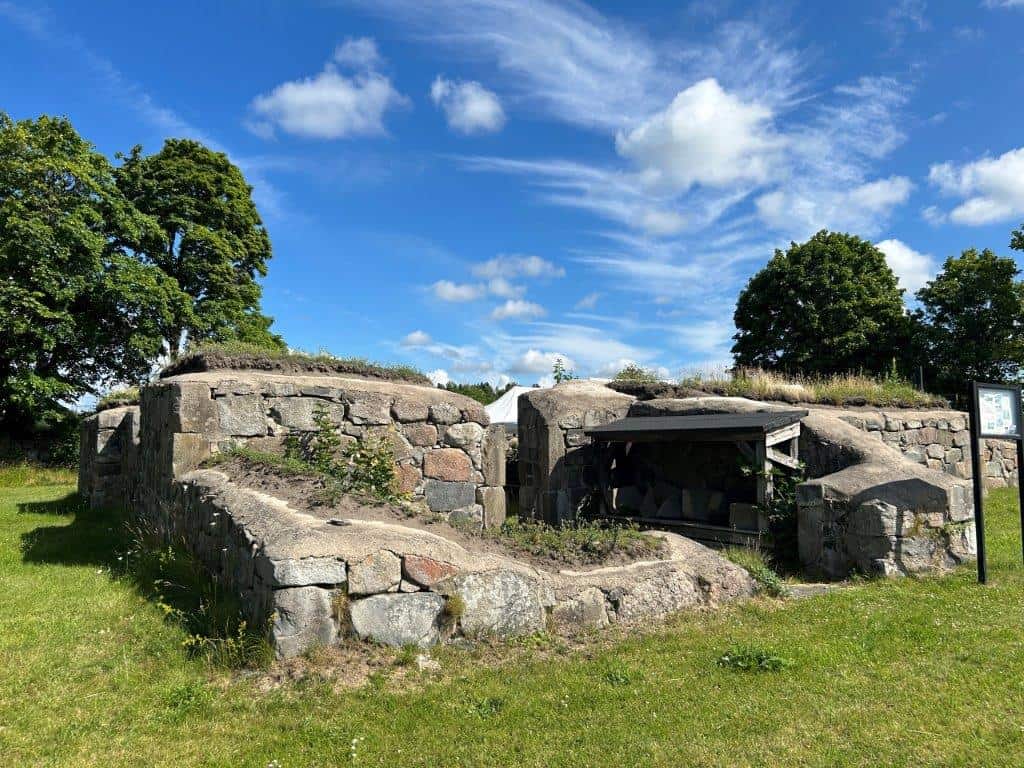
The history of settlement in the area is long, with numerous ancient remains found in the wider Söderby-Karl parish. The hamlet of Sebende grew as a farming community within the medieval Karl Parish (Karls socken). The center of this parish was the stone church, now known as the Karl Church Ruin, which was built in the 13th century. For hundreds of years, the life of the residents of Sebende and the surrounding farms was centered on this church. The parish was an important local administrative and religious unit.
The Abandoned Church and Modern Era
A key event in the area’s modern history was the decision to build a new parish church in the nearby village of Söderby-Karl. After the new church was completed in the 1860s, the old medieval church at Karl was abandoned and allowed to fall into ruin. The administrative center of the parish shifted to Söderby-Karl. The hamlet of Sebende continued its existence as a small agricultural community. In the 20th century, with the mechanization of agriculture, the hamlet transitioned into a quiet rural residential area, while still being surrounded by active farmland.
Things to Do and See
The sights in and around the small hamlet of Sebende are focused on the historic church ruin and the cultural landscape of the Roslagen region. The main points of interest offer a look into the long history of the area.
Karl Church Ruin
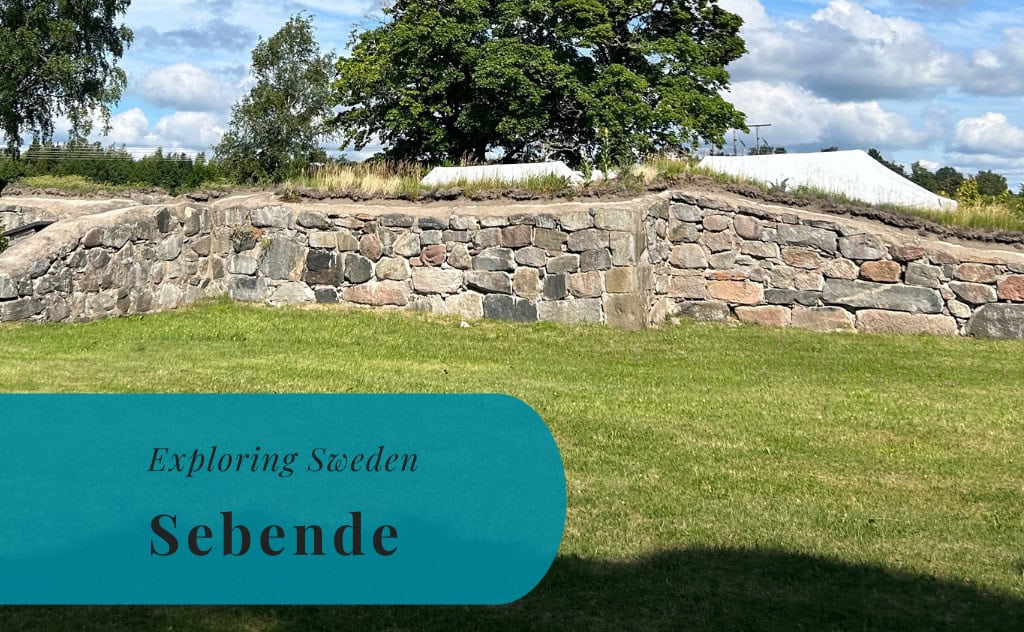
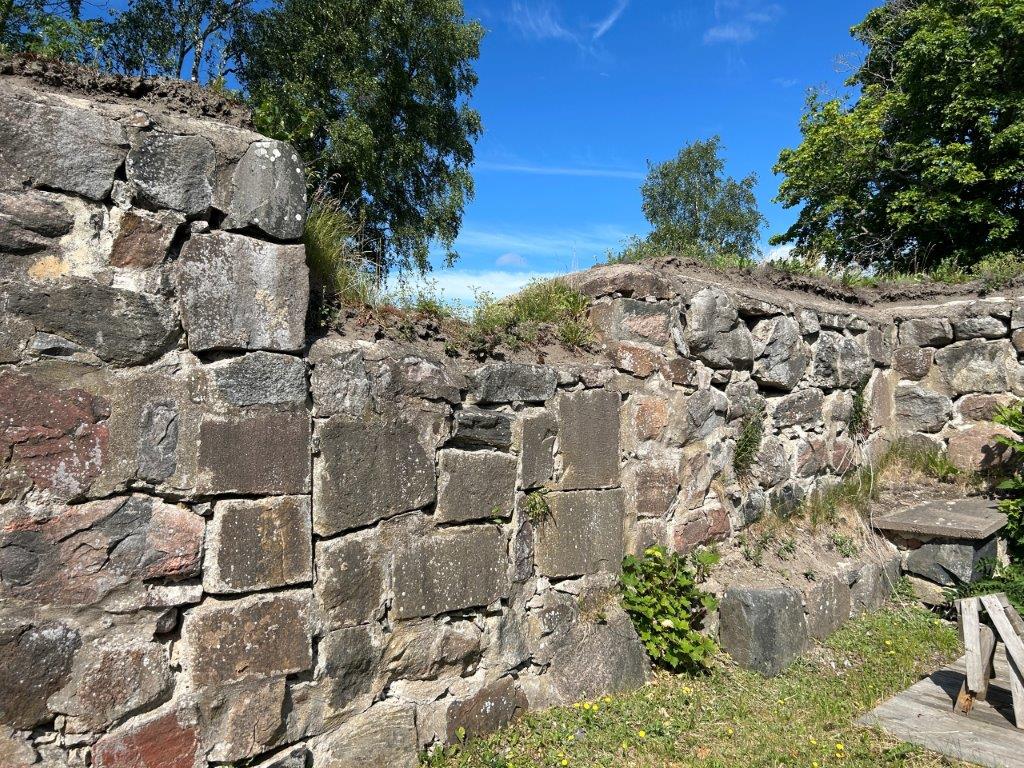
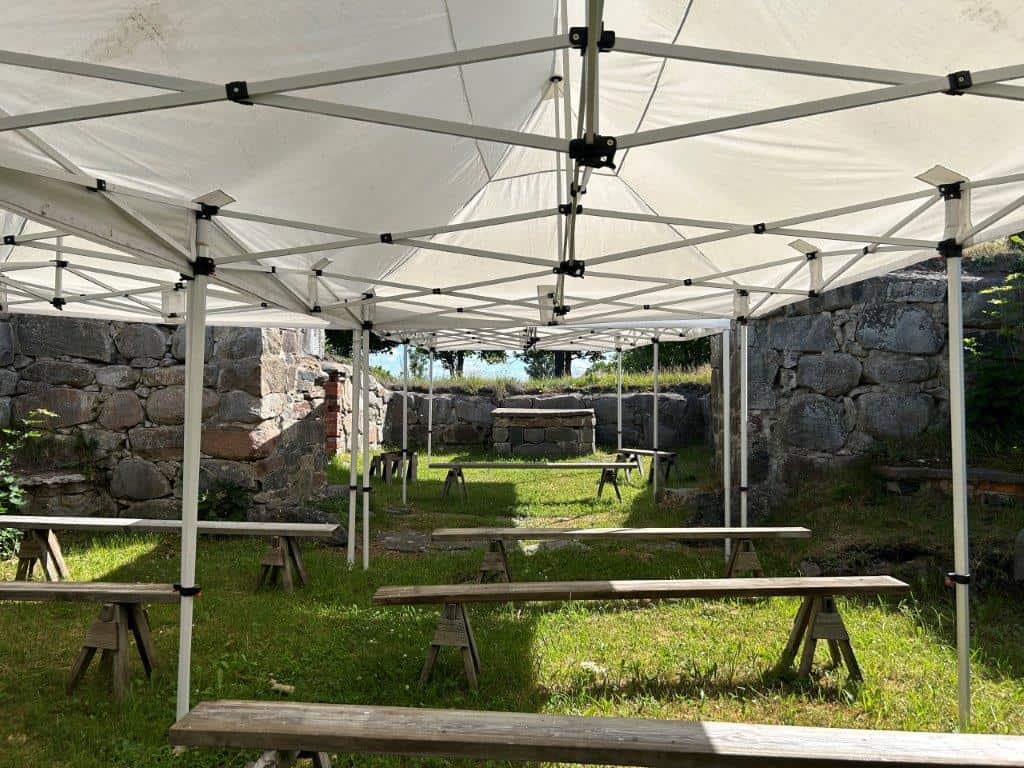
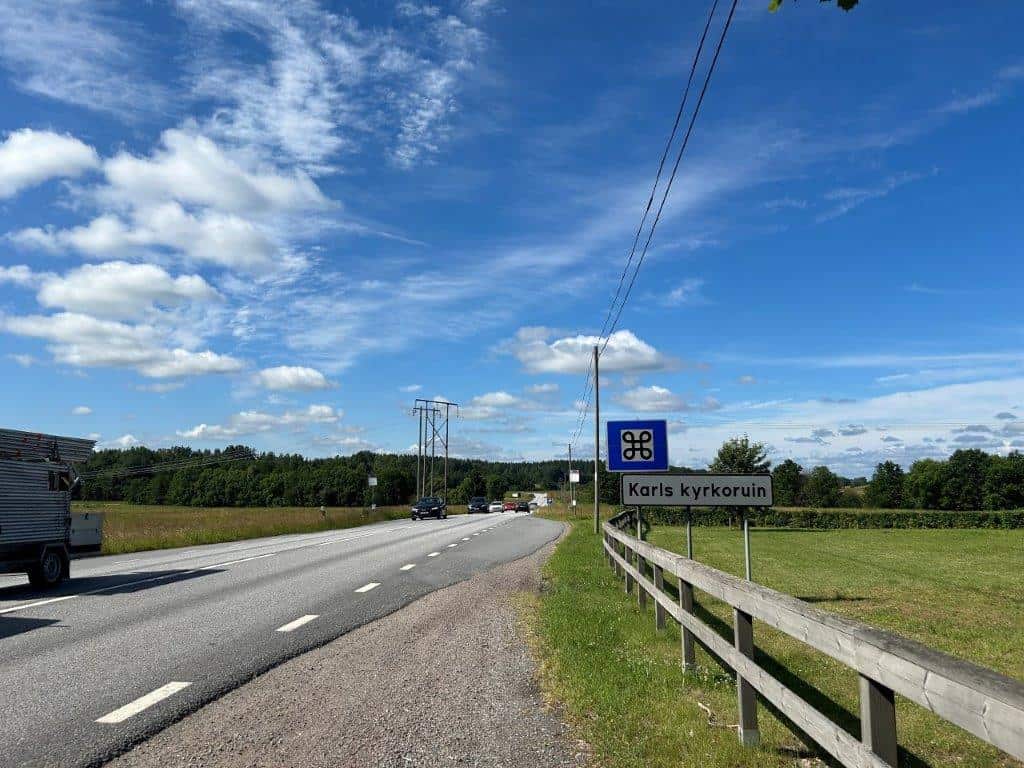
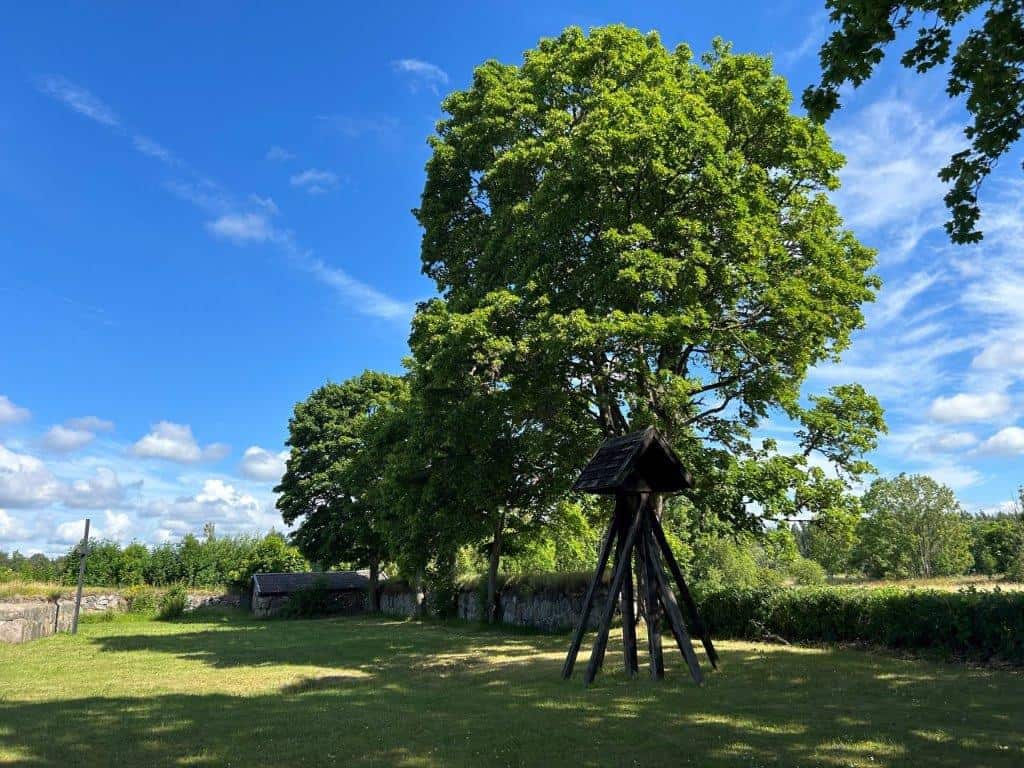
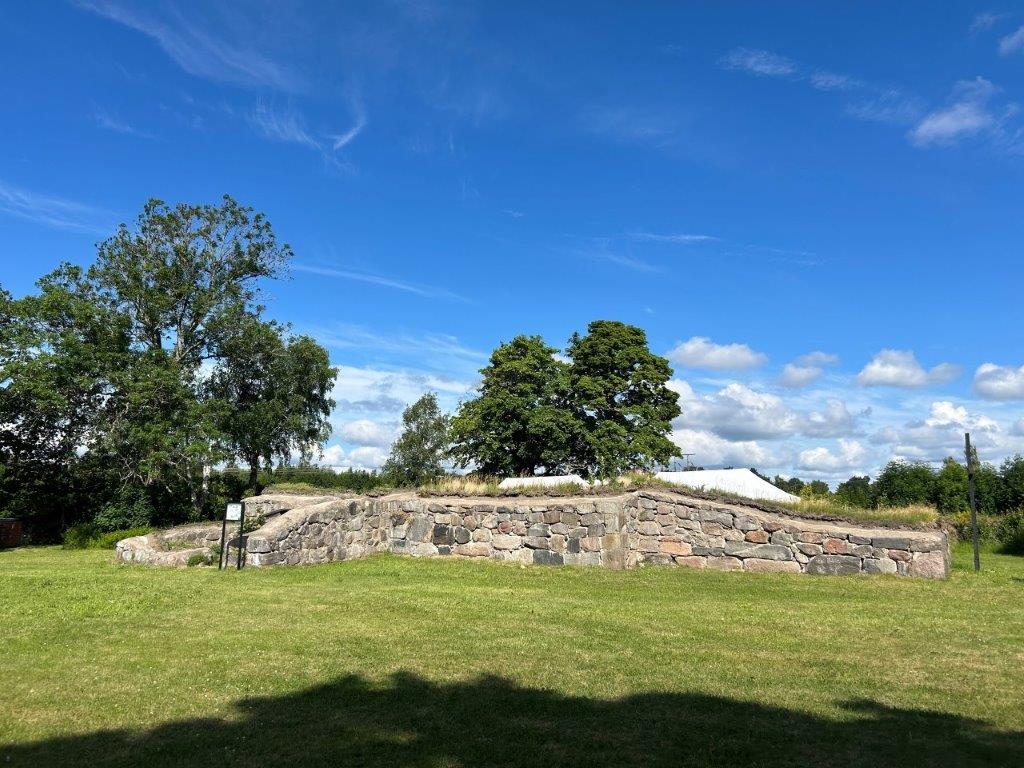
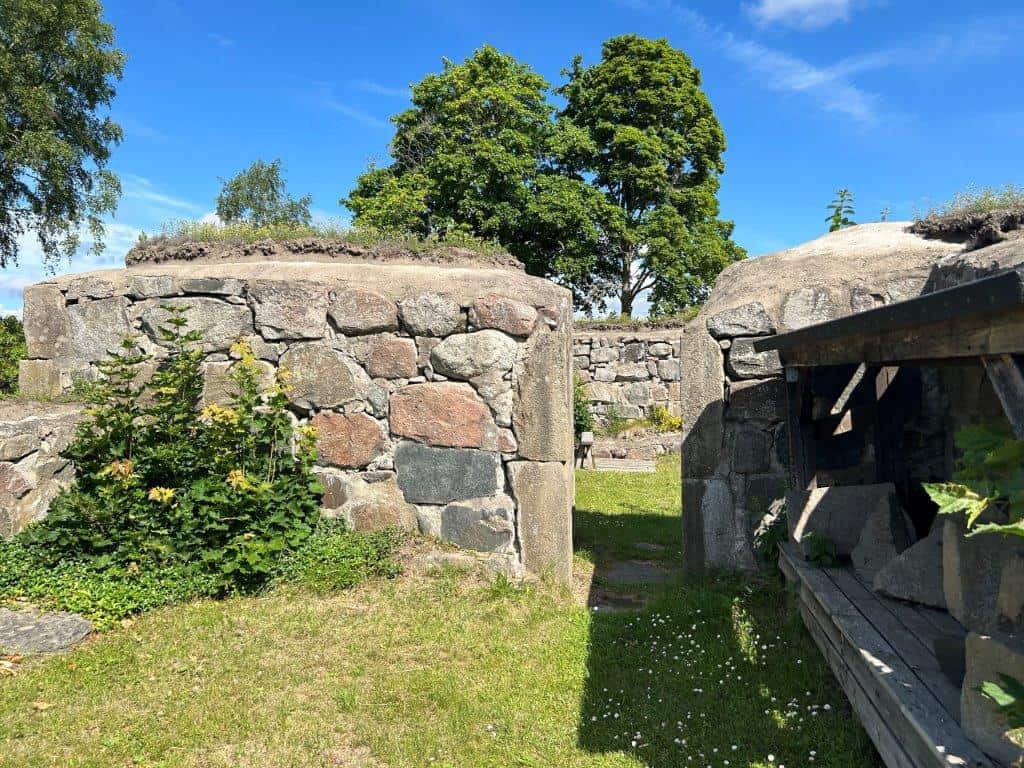
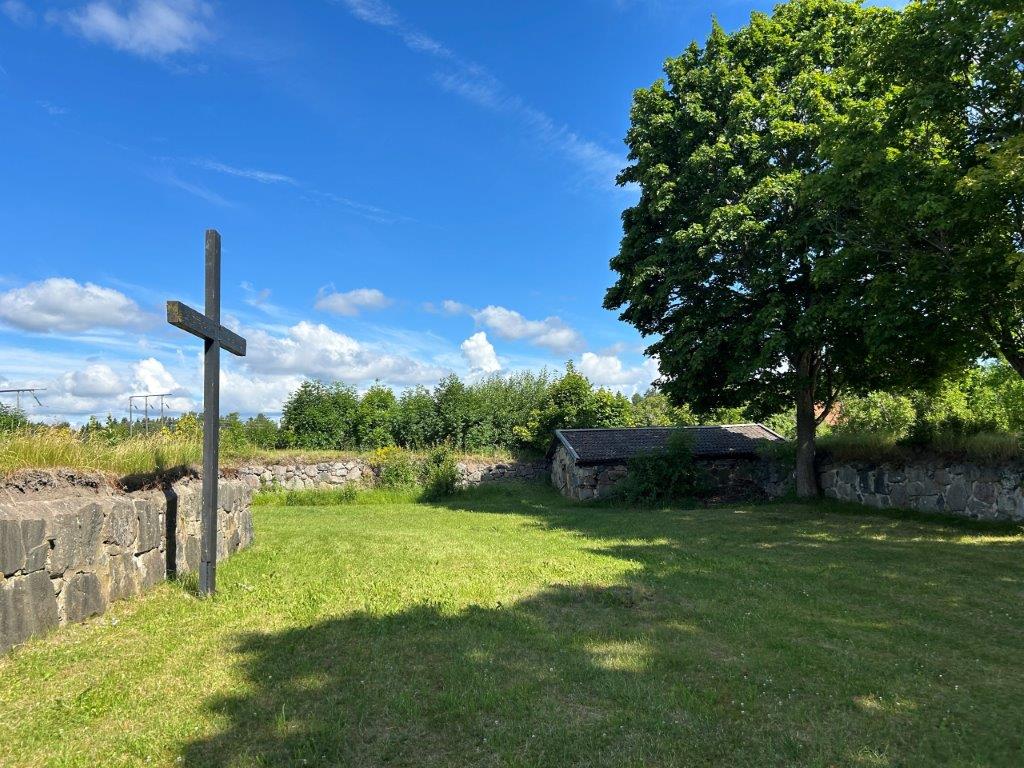
The Karl Church Ruin (Karls kyrkoruin) is the most significant historical sight in the immediate vicinity of Sebende. The ruin is of a medieval stone church that was likely built in the late 13th century. It served as the parish church for the Karl Parish for over 500 years before it was abandoned in the 19th century. Today, the roofless walls of the nave and choir still stand. The site is a protected historical monument and provides a direct look into the medieval history of the region.
Söderby-Karl Church
The Söderby-Karl Church is the “new” parish church that replaced the old one at Karl. It is located in the nearby village of Söderby-Karl. The current church was built between 1860 and 1863. It is a large, white-plastered church built in a neoclassical style. It became the new center for the parish. A visit to both the new church and the old ruin provides a clear picture of the changes in the parish structure in the 19th century.
The Hamlet of Sebende
The hamlet of Sebende itself is a sight that represents the traditional rural settlement pattern of the Uppland province. This hamlet consists of a small cluster of farms and houses. Many of the buildings are traditional red-painted wooden houses with white trim, which is a classic architectural style in the Swedish countryside. A walk or drive through the quiet country roads of the hamlet provides a look at this preserved agricultural landscape.
The Roslagen Landscape
The Roslagen region, where Sebende is located, is a sight in its own right. The landscape is characterized by a mix of forests, open agricultural fields, and numerous lakes. It is a classic example of the rural landscape of eastern Sweden. The area is known for its natural beauty and its many small, historic villages and parishes. The quiet roads and the extensive forests are a key attraction for visitors to the region.
Recreational Activities
The area around Sebende is a destination for outdoor recreation, particularly hiking and cycling. The extensive forests and the network of quiet country roads provide the main setting for these activities.
Hiking and Cycling
The Roslagen region is a very popular destination for hiking and cycling. A dense network of marked and unmarked trails runs through the countryside around Sebende. The Roslagsleden, a major long-distance hiking trail, passes through the wider Norrtälje Municipality. The area around Sebende, with its small gravel roads and forest paths, is ideal for both shorter walks and longer day-long cycling trips. This allows visitors to experience the natural environment of the Uppland countryside.
How to Get to Sebende
Reaching the hamlet of Sebende requires travel to a rural part of the Roslagen region, north of Stockholm. A car is the most practical means of transport for visiting the hamlet and exploring the surrounding area, as public transport options are very limited. The journey involves traveling first to the main regional town of Norrtälje and then continuing on smaller country roads.
The Open Road: Driving to Roslagen
Driving is the most straightforward way to reach Sebende. The hamlet is located on a network of small, local country roads. From Stockholm, you would typically drive north on the E18 motorway towards Norrtälje. From Norrtälje, a series of smaller regional and local roads lead north to the Söderby-Karl area and Sebende. A car is essential for exploring the scattered historical sights of the region, such as the various church ruins and rune stones.
Arriving by Air: Stockholm Arlanda
The closest and most convenient major airport is Stockholm Arlanda Airport (ARN). It is located approximately 60 kilometers to the southwest of Sebende. Arlanda is Sweden’s main international airport with extensive global connections. From the airport, a rental car is the most practical option for completing the journey to this rural part of Roslagen. It is also possible to take a bus from the airport to Norrtälje and then transfer to a local bus service.
On Track: A Journey by Rail and Bus
Sebende does not have its own train station. The Swedish railway network does not extend into this part of Roslagen. The closest major train stations are located in Uppsala or in the northern suburbs of Stockholm. From these cities, travelers would need to take a regional bus to the main bus terminal in Norrtälje. From Norrtälje, a final, infrequent local bus service operated by SL is required to reach the Söderby-Karl area.
Connecting by Coach
There are no direct long-distance bus services to the small hamlet of Sebende. Travel by coach would typically involve taking a service to the main bus station in Stockholm or Uppsala. From these cities, travelers would need to transfer to the SL regional bus network. The main hub for buses in the region is the Norrtälje bus station. From there, a local bus connection is needed.
An International Ferry Approach
The closest major international ferry ports are located in Stockholm, which has frequent connections to Finland, Estonia, and Latvia. Two other nearby ports are also located in Norrtälje Municipality. Kapellskär has connections to Finland and Estonia, while Grisslehamn has a frequent service to the Åland Islands operated by Eckerö Linjen.
Driving Distances
The driving distance from 10 regional cities, according to Google Maps:
- Norrtälje, Sweden – 13 kilometers (0 h 20 min)
- Uppsala, Sweden – 69 kilometers (1 h 10 min)
- Stockholm, Sweden – 80 kilometers (1 h 10 min)
- Västerås, Sweden – 149 kilometers (2 h 00 min)
- Örebro, Sweden – 243 kilometers (3 h 10 min)
- Helsinki, Finland – 430 kilometers (10 h 40 min, includes ferry)
- Gothenburg, Sweden – 547 kilometers (6 h 10 min)
- Oslo, Norway – 585 kilometers (7 h 00 min)
- Malmö, Sweden – 691 kilometers (7 h 40 min)
- Copenhagen, Denmark – 735 kilometers (8 h 20 min)
Explore More of Uppland and Sweden