Tiout | Exploring Morocco
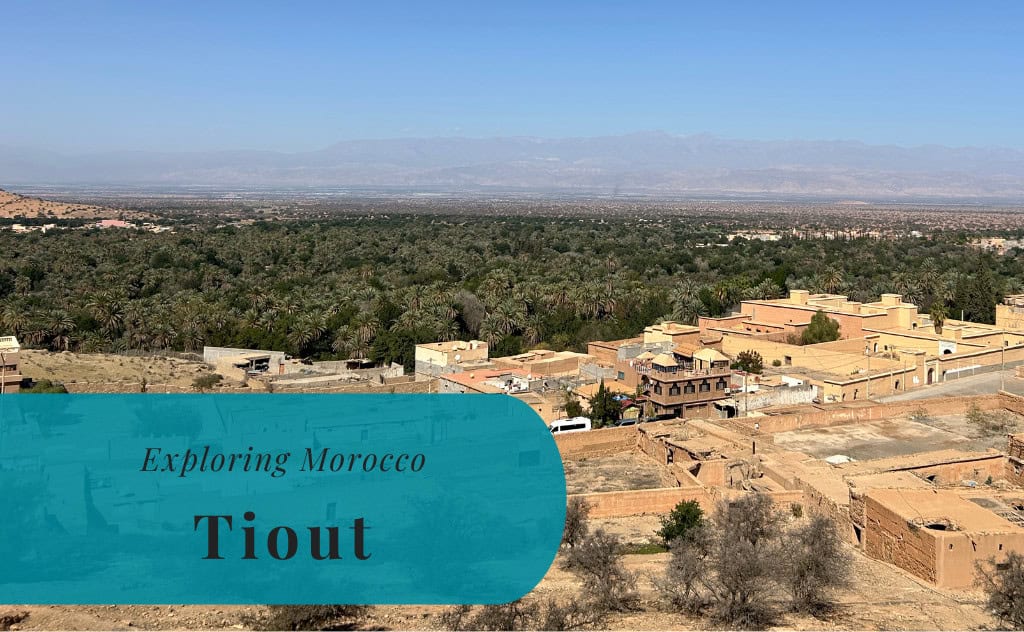
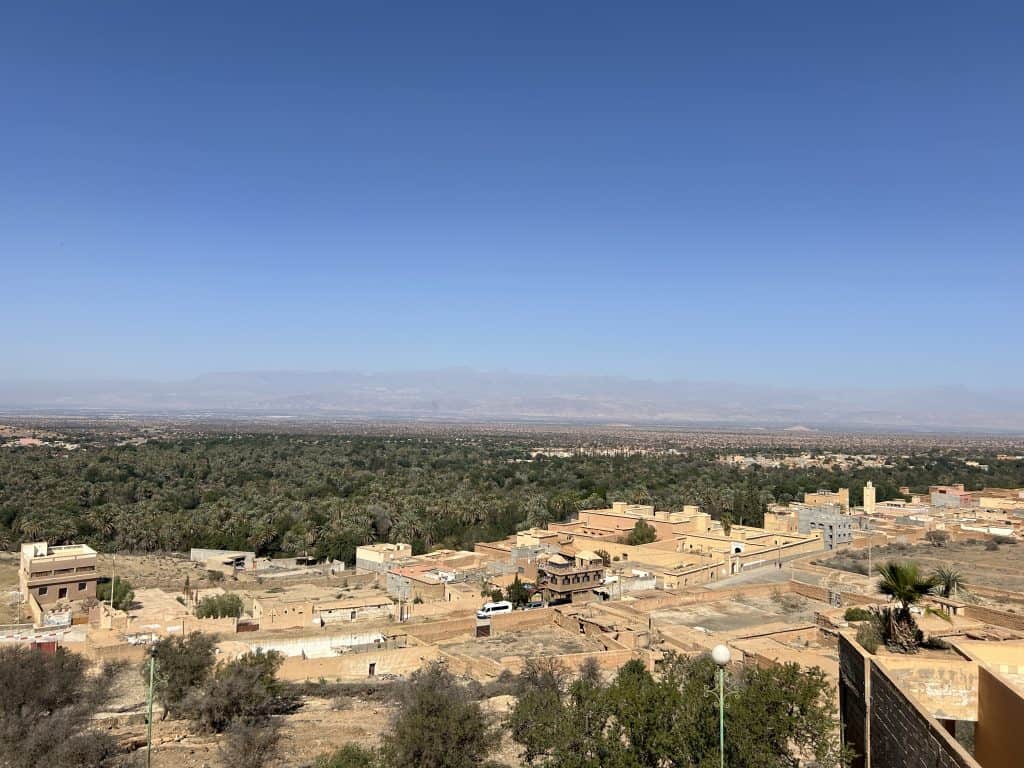
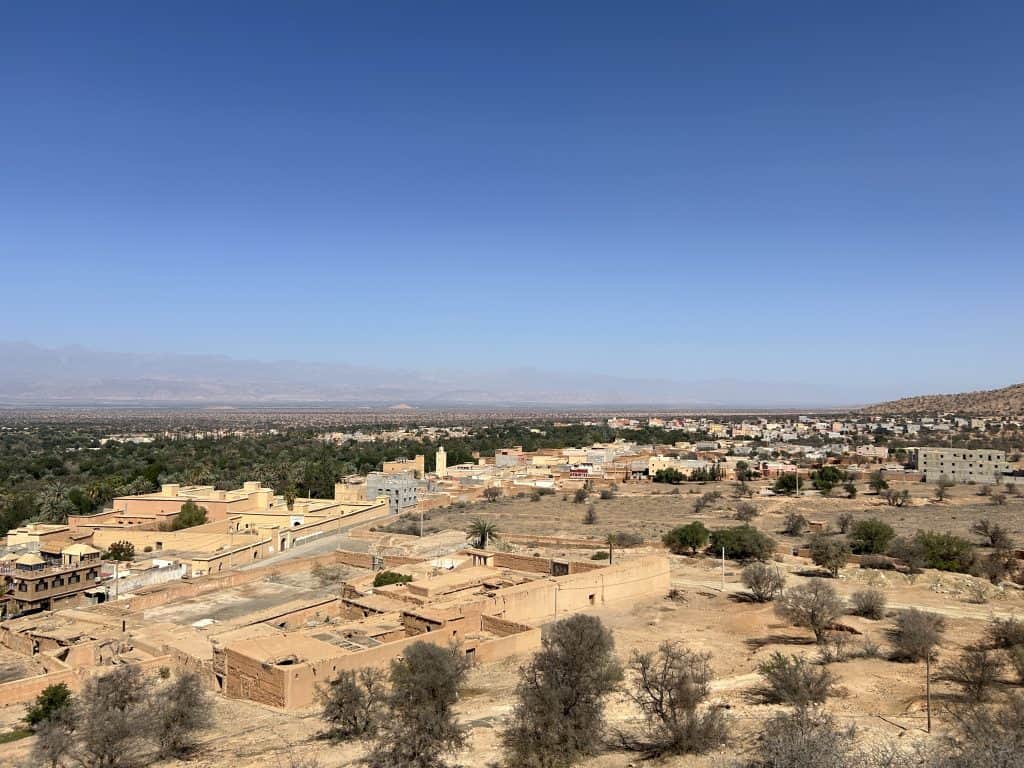
Tiout is an oasis village located in the Souss Valley of southern Morocco. It is part of the Taroudant Province in the Souss-Massa region. With a population of approximately 2,800 residents, Tiout is a small, rural community. The village is situated at the foot of the Anti-Atlas Mountains, about 30 kilometers east of the city of Taroudant. Its location in a semi-arid region makes its lush palm grove a prominent feature of the landscape.
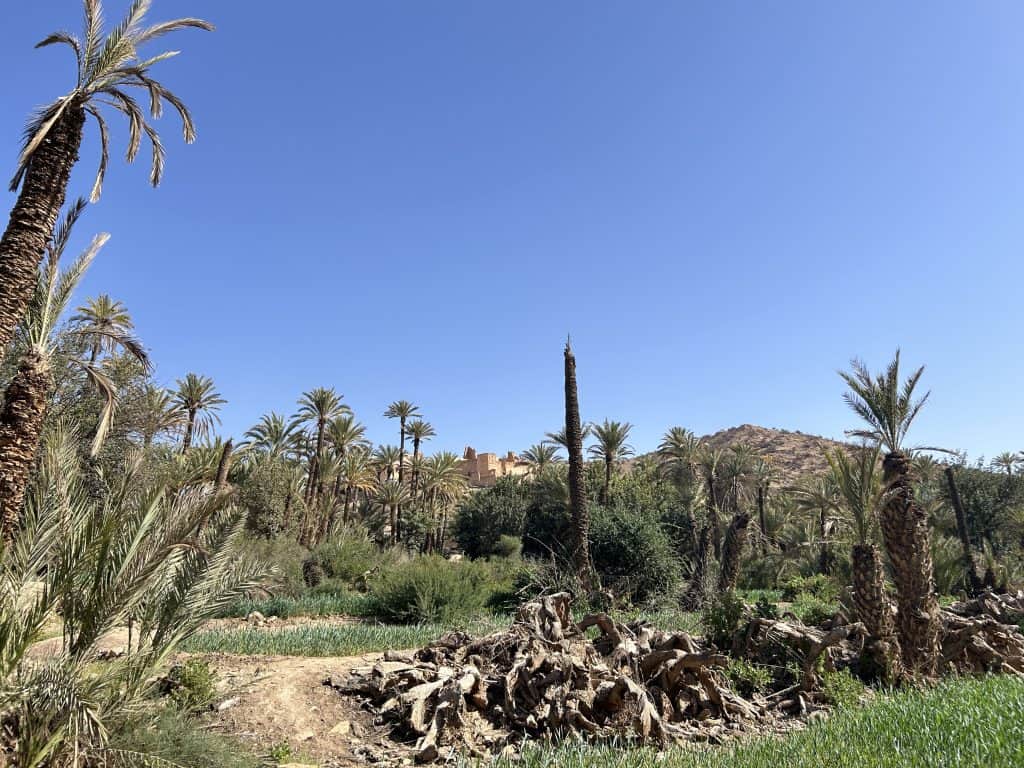
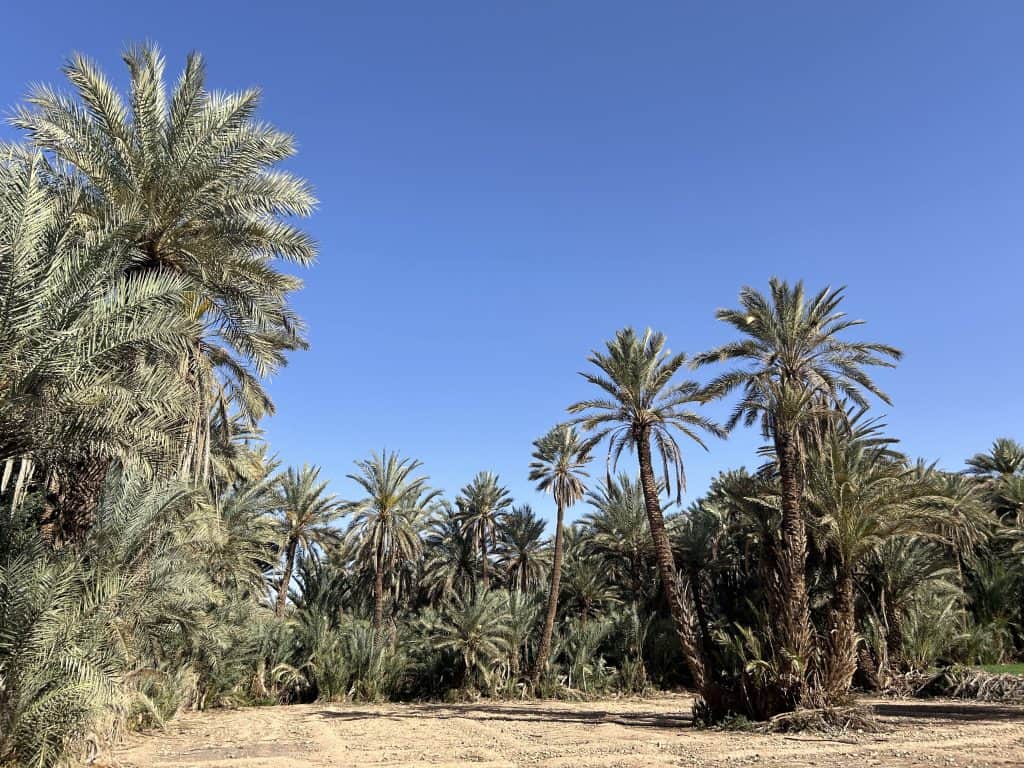
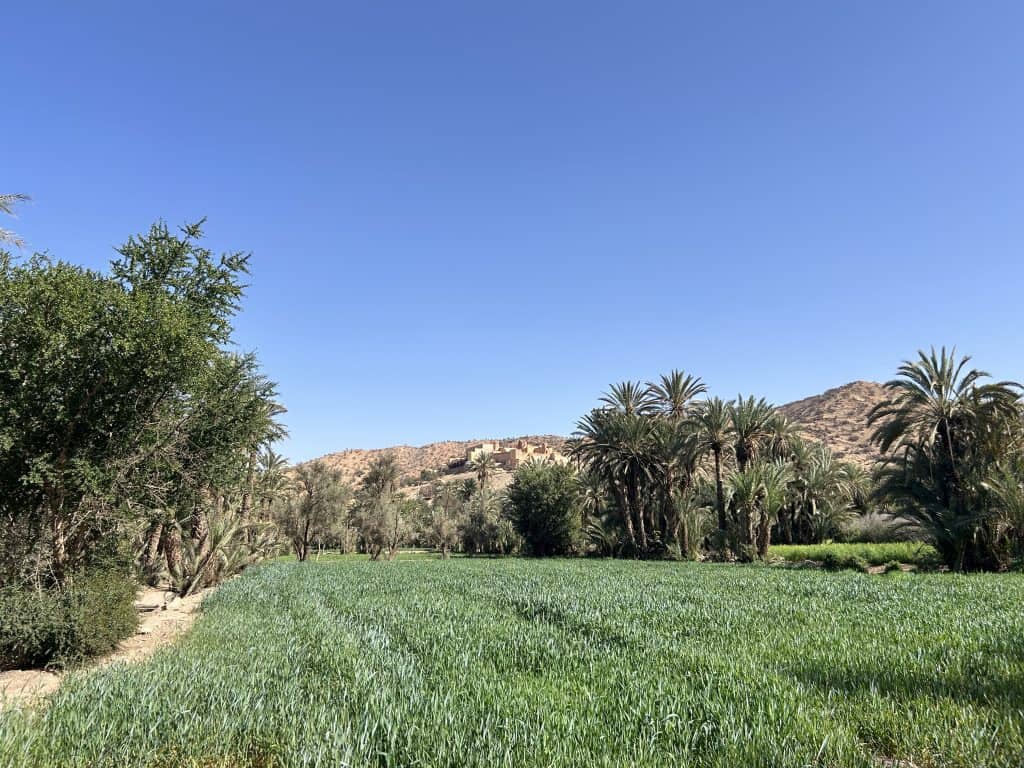
The character of Tiout is defined by its extensive palm grove (palmeraie) and its historic kasbah, which stands on a hill overlooking the oasis. The village offers a look into the traditional way of life in a Moroccan oasis, where agriculture is made possible by ancient irrigation systems. This natural and agricultural heritage exists alongside its history as the site of a strategic fortress. Today, Tiout is a popular destination for day trips from the larger tourist centers of Agadir and Taroudant.



A Short History of Tiout
The history of Tiout is that of an ancient oasis settlement that became the site of a powerful regional fortress during the Saadian era. Its development has been shaped by its access to a reliable water source in an otherwise arid landscape. This allowed for the growth of a stable agricultural community. The story of the village is dominated by its kasbah, which was a key stronghold for controlling the Souss Valley for centuries.
An Ancient Oasis
The history of settlement in the Tiout area is long, due to the presence of a natural spring that feeds the oasis. The area has been inhabited by Berber communities for many centuries. They developed the traditional irrigation systems, known as khettaras, that are still used to water the palm grove and agricultural plots today. For centuries, Tiout remained a small, self-sufficient community, a green island in the dry landscape at the foot of the Anti-Atlas mountains.
The Kasbah and the Saadian Era
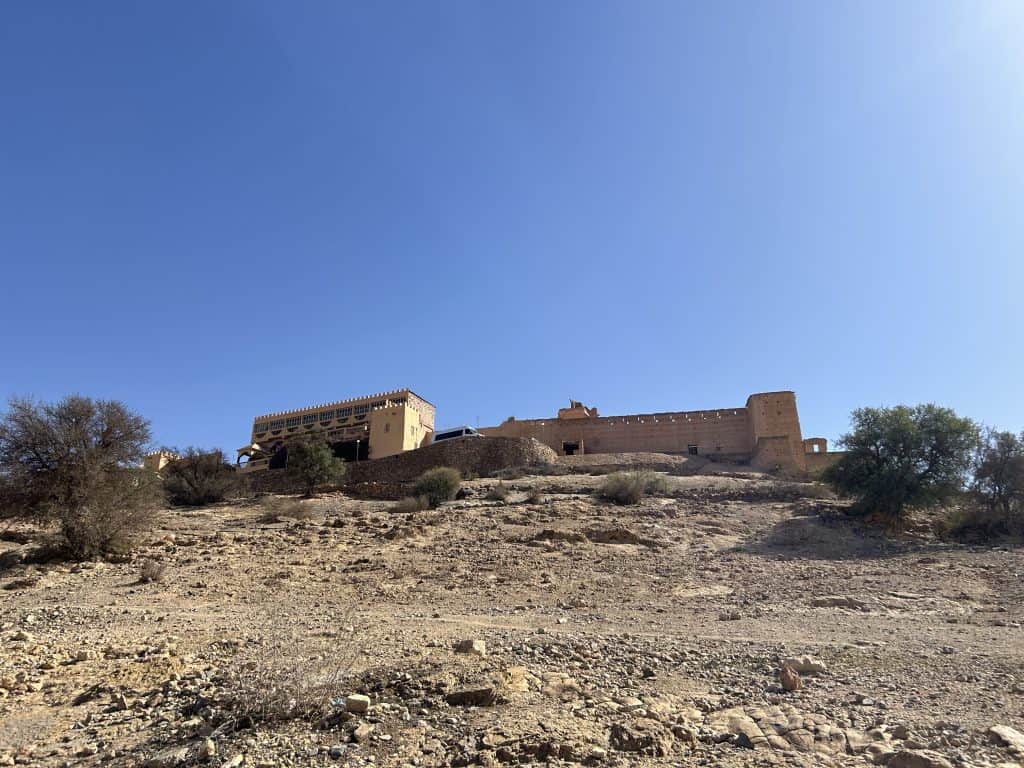
The most significant period in the village’s history began in the 16th century. During the era of the Saadian dynasty, a large kasbah (fortress) was built on the hill overlooking the oasis. The kasbah of Tiout served as a strategic military and administrative center for the Saadian sultans. Its location allowed it to control the surrounding Souss Valley and the trade routes that passed through the region. In the 20th century, the kasbah gained international attention when it was used as a filming location for the 1954 French film “Ali Baba and the Forty Thieves.”


Things to Do and See
The sights in and around Tiout are focused on its historic kasbah and the large palm grove that defines the oasis. These attractions offer a combination of historical exploration and an experience of a traditional agricultural landscape.
The Kasbah of Tiout
The Kasbah of Tiout is the primary historical landmark of the village. The ruins of this 16th-century Saadian fortress stand on a hill with commanding views over the entire oasis and the surrounding Souss Valley. While much of the kasbah is in a ruined state, its defensive walls and towers are still impressive. A part of the kasbah has been converted into a restaurant, which is a popular stop for tourist groups. The main draw of the site is the panoramic view from its ramparts.
The Palm Grove
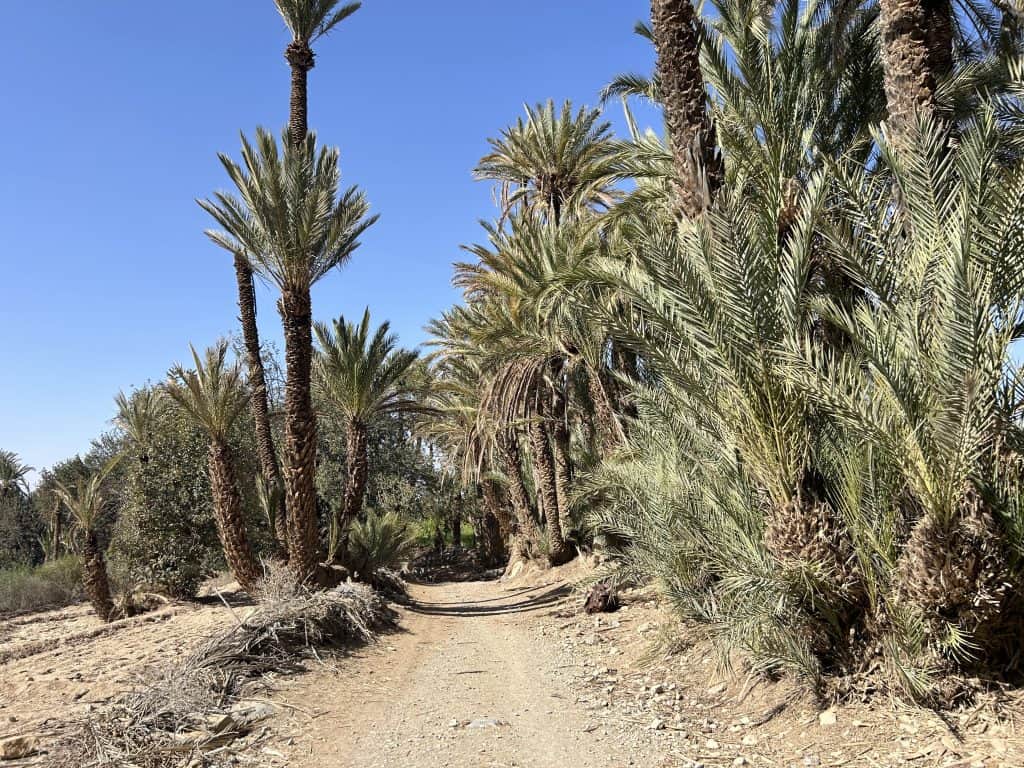
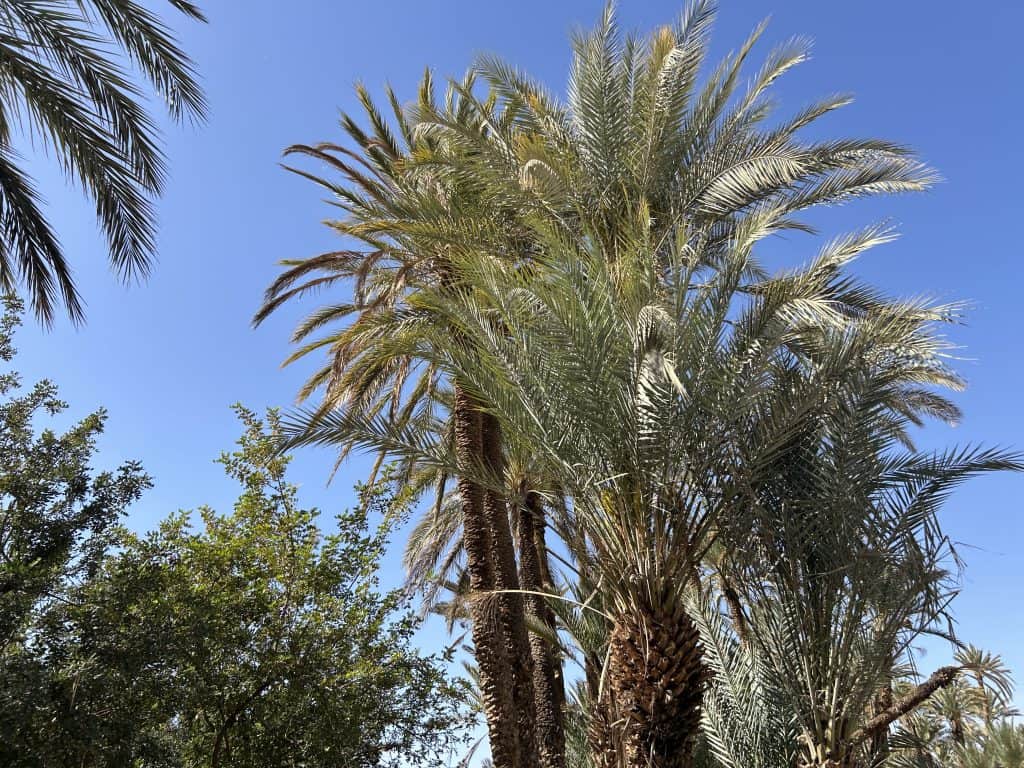
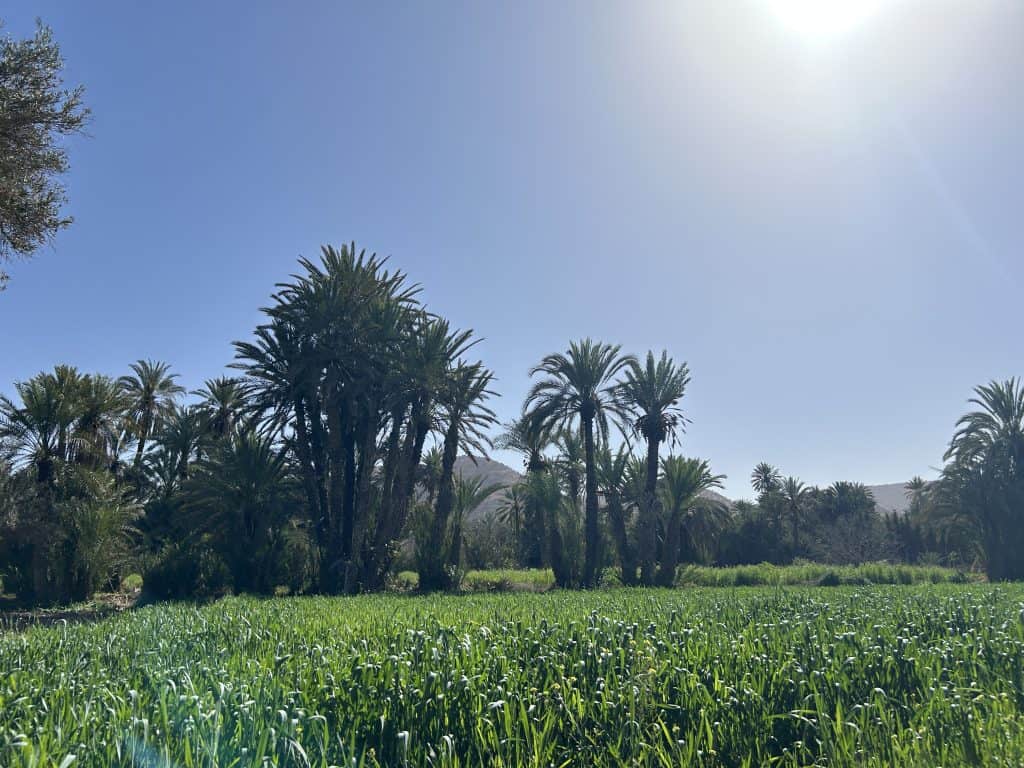
The palm grove (palmeraie) of Tiout is the heart of the oasis. The grove contains over 2,000 date palm trees. It is spread out over a large area at the foot of the kasbah hill. The grove is irrigated by a network of traditional channels that distribute water from the local spring. A walk through the shaded paths of the palm grove provides a contrast to the surrounding arid landscape. This is the main natural feature of the village.
The Village of Tiout
The traditional Berber village of Tiout is located within the oasis itself. The village consists of traditional pisé (rammed earth) and stone houses. A walk through the village offers a look at the daily life of the local community, which is still largely based on agriculture. The village is known for its cooperative that produces argan oil, a key local product. This provides a look into the traditional culture of the region.
Donkey Rides
A popular activity for visitors to Tiout is taking a donkey ride through the palm grove. Local guides offer rides that follow the winding paths through the oasis. This provides a traditional way to explore the agricultural landscape beneath the shade of the palm trees. The donkey rides are a key part of the local tourism infrastructure. They offer a unique perspective on the oasis environment.
Hiking in the Anti-Atlas
The village of Tiout is located at the foot of the Anti-Atlas mountains. This mountain range provides extensive opportunities for hiking. The area around the village has numerous informal paths that lead into the foothills. These walks offer views of the oasis from above and a chance to experience the arid mountain landscape of southern Morocco. The contrast between the green oasis and the dry mountains is a key feature of the region.
How to Get to Tiout
Reaching the oasis village of Tiout requires travel to the Souss Valley in southern Morocco. A car or a pre-arranged taxi is the most practical means of transport for visiting the village. It is a popular day trip from the larger tourist centers of Agadir and Taroudant.
The Open Road: Driving to the Oasis
Driving is the most common and flexible way to reach Tiout. The village is located a short distance off the R105 road, which is a main regional road. From the city of Taroudant, the drive is approximately 30 kilometers and takes about 40 minutes. The journey from the coastal city of Agadir is about 100 kilometers and takes around 1.5 to 2 hours. A car provides the freedom to explore the surrounding Souss Valley.
Arriving by Air: Agadir Airport
The closest and most convenient major airport to Tiout is Agadir–Al Massira Airport (AGA). The airport is located approximately 80 kilometers to the southwest. It handles numerous international flights, particularly from France and other parts of Europe. From the airport, a rental car or a grand taxi is the most direct way to complete the journey to Tiout.
Connecting by Coach
There are no direct long-distance bus services to the small village of Tiout. Travel by coach would involve taking a service from a company like CTM or Supratours to the main bus terminal in the nearby city of Taroudant. From Taroudant, visitors would then need to hire a grand taxi for the final leg of the journey to the oasis.
Driving Distances
The driving distance from 10 regional cities, according to Google Maps:
- Taroudant, Morocco – 22 kilometers (0 h 30 min)
- Agadir, Morocco – 107 kilometers (1 h 50 min)
- Marrakech, Morocco – 216 kilometers (3 h 20 min)
- Essaouira, Morocco – 281 kilometers (4 h 30 min)
- Casablanca, Morocco – 457 kilometers (5 h 10 min)
- Rabat, Morocco – 545 kilometers (5 h 50 min)
- Tangier, Morocco – 797 kilometers (8 h 20 min)
- Seville, Spain – 825 kilometers (11 h 40 min, includes ferry)
- Lisbon, Portugal – 1,045 kilometers (13 h 30 min, includes ferry)
- Madrid, Spain – 1,355 kilometers (17 h 20 min, includes ferry)
Looking to Explore more of Morocco and Africa?