Banjul | Exploring the Gambia
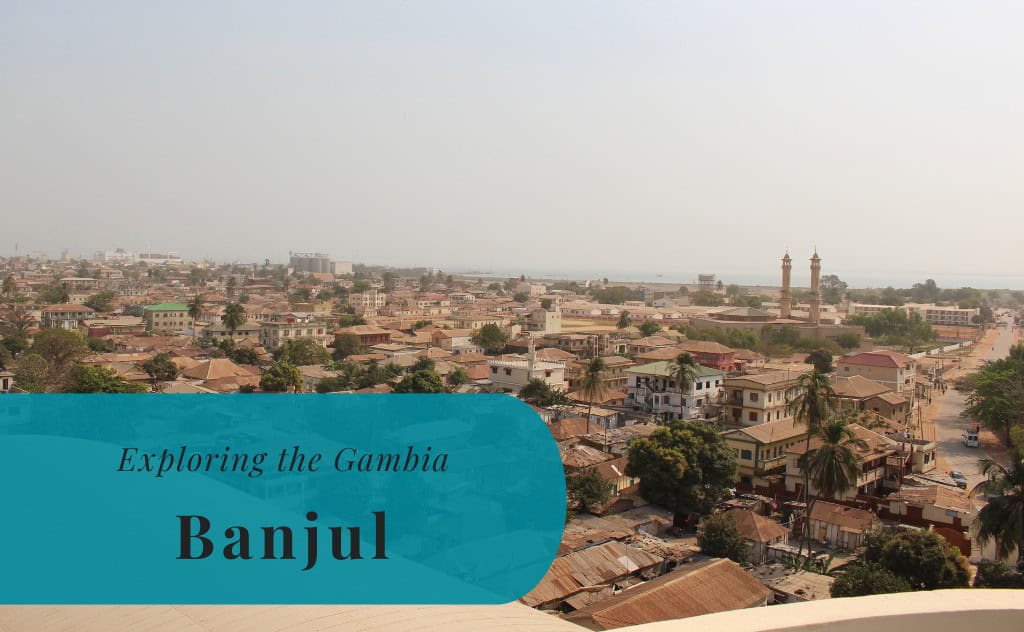
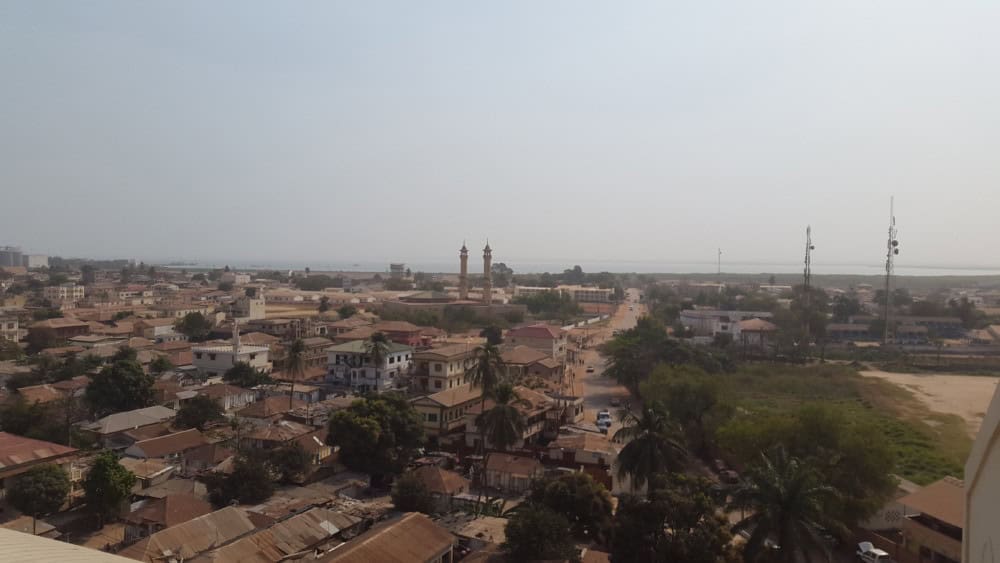
Banjul, officially the City of Banjul, is the capital of The Gambia. The city is located on St Mary’s Island (also known as Banjul Island), where the Gambia River meets the Atlantic Ocean. The former name of the city was Bathurst. With a population of approximately 31,000 residents in the city proper, Banjul is one of the smallest capital cities in Africa. The wider Greater Banjul Area, which includes the country’s largest city of Serekunda and other coastal communities, is home to over 400,000 people.
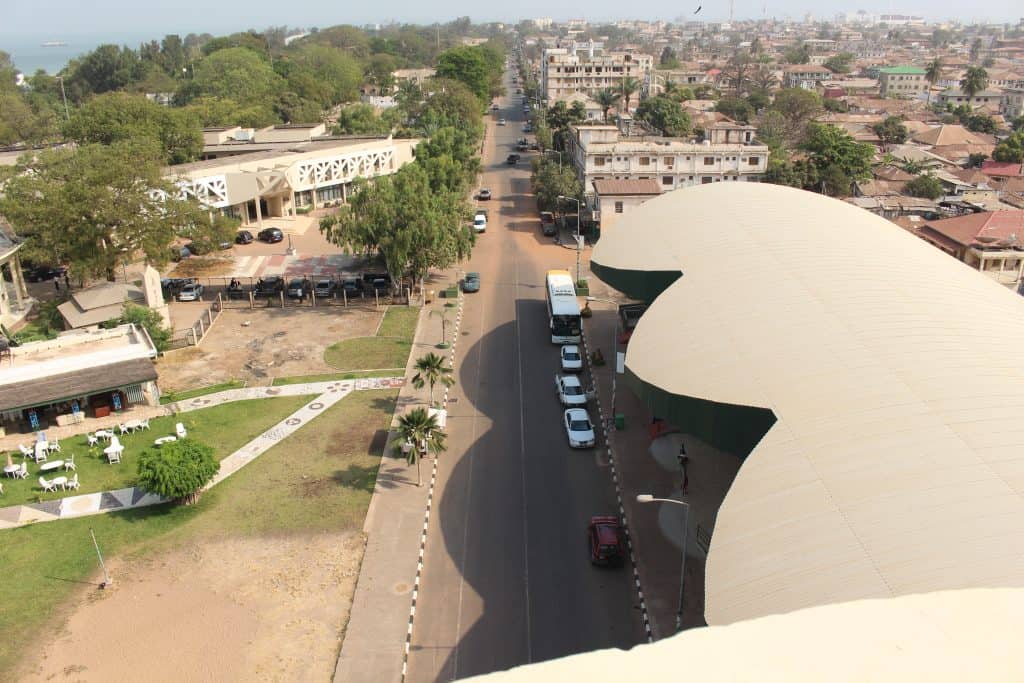
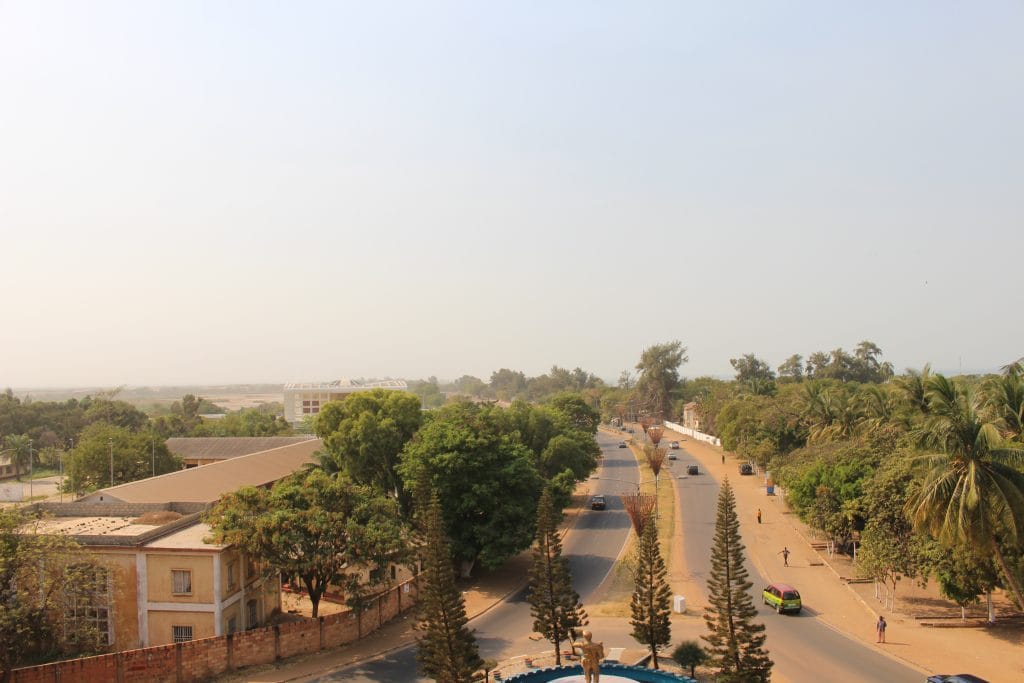
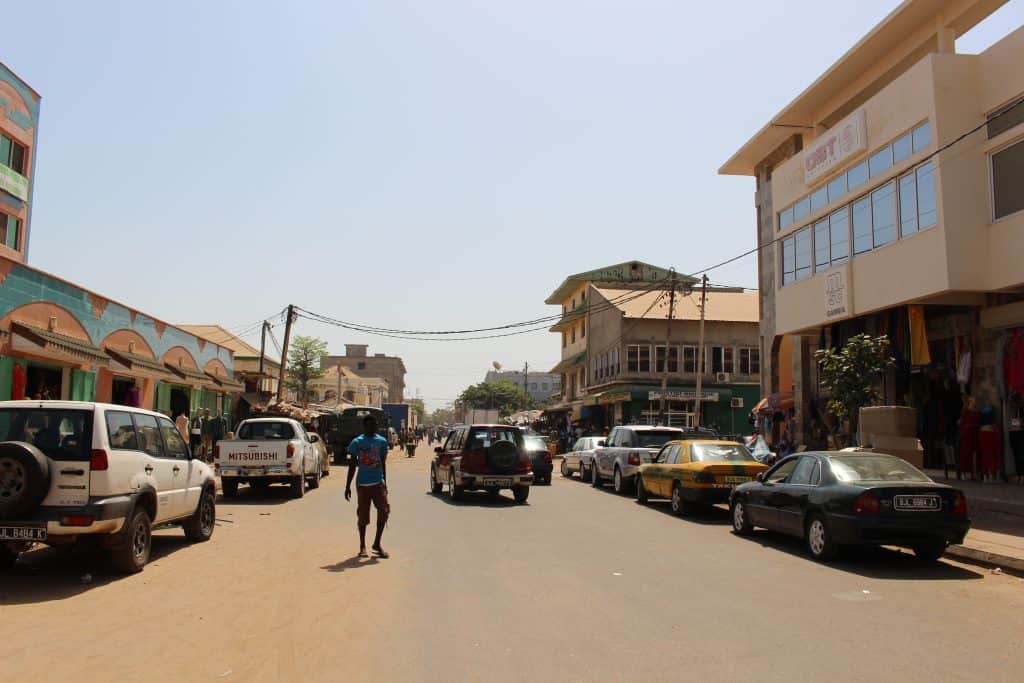
The character of Banjul is defined by its unique island location, its colonial-era architecture, and its role as the administrative and economic heart of the country. The city is connected to the mainland by the Denton Bridge and is the hub for the nation’s main ferry service, which crosses the mouth of the Gambia River. Its street layout, a grid plan established by the British, is a mix of grand but aging colonial buildings and more modern administrative structures. The city is a bustling center of commerce, centered around its large market and the busy port.
As the seat of government, Banjul contains the main state institutions, including the office of the President, the National Assembly, and the judiciary. The city’s identity is deeply connected to its history as a British colonial outpost founded to control the river and suppress the slave trade. This history exists alongside its modern function as the capital of an independent West African nation. This combination of a specific island geography, a colonial past, and its current administrative role gives the city its specific character.

Good to Know When Visiting Banjul
To help with planning a visit, here are several practical points covering daily essentials, timing, and efficient exploration of the city. Understanding these details can make a trip to Banjul and The Gambia more convenient. This information is intended to provide a general overview for travelers preparing to visit this major West African capital.
The Daily Essentials
The official currency used in Banjul is the Gambian Dalasi (GMD). It is highly advisable to carry cash, as credit and debit cards are only accepted in major hotels and some larger restaurants. Cash withdrawal from ATMs can be unreliable, so exchanging foreign currency (such as Euros, US Dollars, or British Pounds) at a bank or a reputable exchange bureau is recommended. The official language is English, which is widely spoken and is the language of government and education. Local languages such as Mandinka, Wolof, and Fula are the primary languages of daily life for most Gambians. Tipping is not obligatory but is greatly appreciated; leaving a tip of around 10% for good service is a common practice. It is not recommended to drink the tap water; bottled water is widely available and should be used instead. The electrical system uses Type G sockets at a standard voltage of 230V.
Planning Your Calendar
The Gambia has a subtropical climate with two distinct seasons: a long dry season and a shorter wet season. The dry season, from November to May, is generally considered the best time to visit. During this period, the weather is hot and sunny with very little rainfall and lower humidity. This is the peak tourist season. The wet season, from June to October, is characterized by high temperatures, high humidity, and heavy rainfall, particularly in August. While the landscape becomes very green, travel in the interior of the country can be more difficult during this time. For a first visit focused on the capital and the nearby coastal resorts, a week is generally sufficient.
A Tourist’s Toolkit for Exploration
The city of Banjul itself is small and can be explored on foot, though the heat can be intense. The primary mode of transport for both locals and tourists is taxis. There are two types: private “tourist taxis,” which are typically green, and shared “bush taxis,” which are yellow and run on set routes. It is important to agree on a fare before starting a journey in a tourist taxi. For health, it is highly advisable to consult a doctor about malaria prophylaxis and other recommended vaccinations before traveling to The Gambia. Mosquito repellent is an essential item to pack. When visiting local markets, haggling over prices for crafts and souvenirs is a standard and expected part of the culture.
A Short History of Banjul
The history of Banjul is that of a purpose-built colonial capital that became the center of an independent nation. Its story begins in the early 19th century as a British military and trading post, founded with the specific goal of controlling the mouth of the Gambia River and enforcing the abolition of the slave trade. The city’s development reflects the period of British colonial rule in West Africa and the subsequent journey of The Gambia to independence. This history is visible in the city’s grid layout, its colonial-era architecture, and its modern national monuments.
Foundation as Bathurst
The history of the modern city of Banjul began in 1816. The British had acquired the territory at the mouth of the Gambia River. Captain Alexander Grant of the Royal African Corps was sent to establish a military post to control access to the river and to enforce the Abolition of the Slave Trade Act of 1807. He purchased Banjul Island (then known as St Mary’s Island) from the local King of Kombo. He founded a new settlement and named it Bathurst, in honor of Henry Bathurst, the 3rd Earl Bathurst, who was the British Secretary of State for the Colonies at the time.
The new town was laid out on a grid plan and became the commercial and administrative center of the British Colony and Protectorate of the Gambia. The settlement grew as a trading post, exporting groundnuts and other local products. Its location on an island, while strategically advantageous for defense, also presented challenges for expansion. The surrounding land was marshy, which required extensive land reclamation as the town grew. For the next 150 years, Bathurst served as the small but important capital of this British West African territory.
Independence and the Modern Era
The Gambia moved towards self-governance in the mid-20th century. It achieved full independence from the United Kingdom on February 18, 1965, with Bathurst remaining as the nation’s capital. A key moment in the city’s modern identity came in 1973, when the government decided to change the name of the capital from the colonial name of Bathurst to Banjul. This name was derived from the Mandinka words for the island on which the city is situated.
In 1994, a military coup led by Yahya Jammeh took place in Banjul, which led to over two decades of authoritarian rule. To commemorate the coup, a large monumental arch, Arch 22, was built at the entrance to the city. This arch became the most prominent landmark of the Jammeh era. After a political crisis in 2016-2017, Jammeh was forced into exile, and a new democratic government was established. Today, Banjul continues its role as the administrative and commercial capital of The Gambia, facing the challenges of modernization and development.


Things to Do and See
The sights in Banjul and its immediate surroundings reflect its history as a colonial capital and its modern role as the center of The Gambia. The main points of interest include its main market, a large monumental arch, and the national museum. The nearby coastal areas, which are the heart of the country’s tourism industry, are also key attractions for visitors based in the capital region.
A visit to Banjul allows for an exploration of the country’s history and its daily life. The city itself is a hub of administrative and commercial activity. The famous Albert Market is a center of local commerce. The ferry crossing to Barra is a key part of the national transport network and a spectacle in itself. The nearby Kachikally Crocodile Pool provides a look into traditional spiritual beliefs.
Arch 22
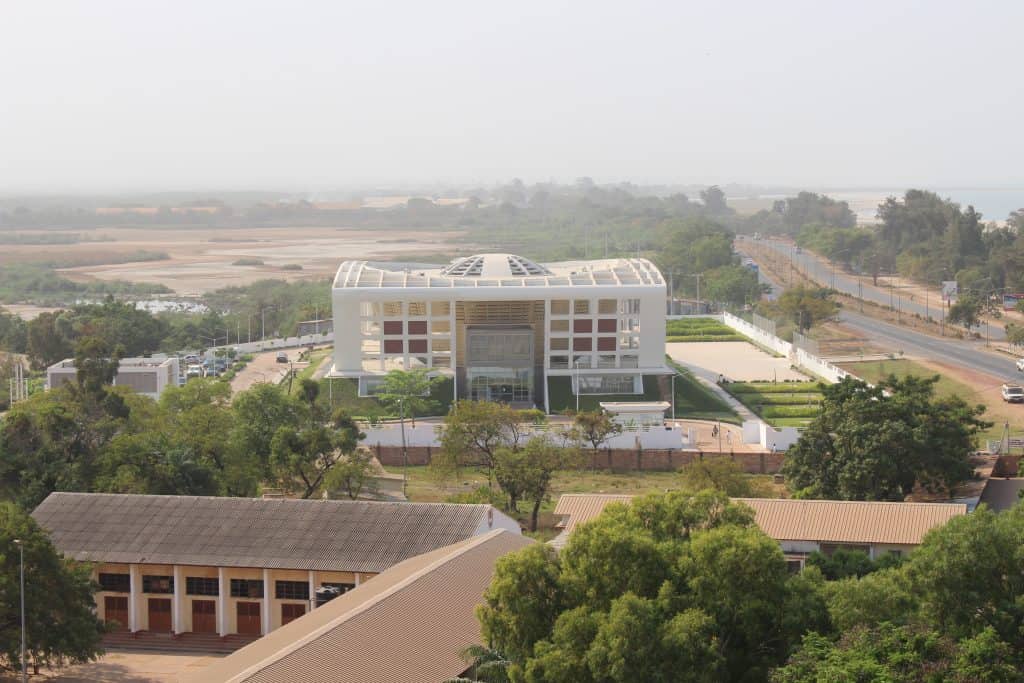
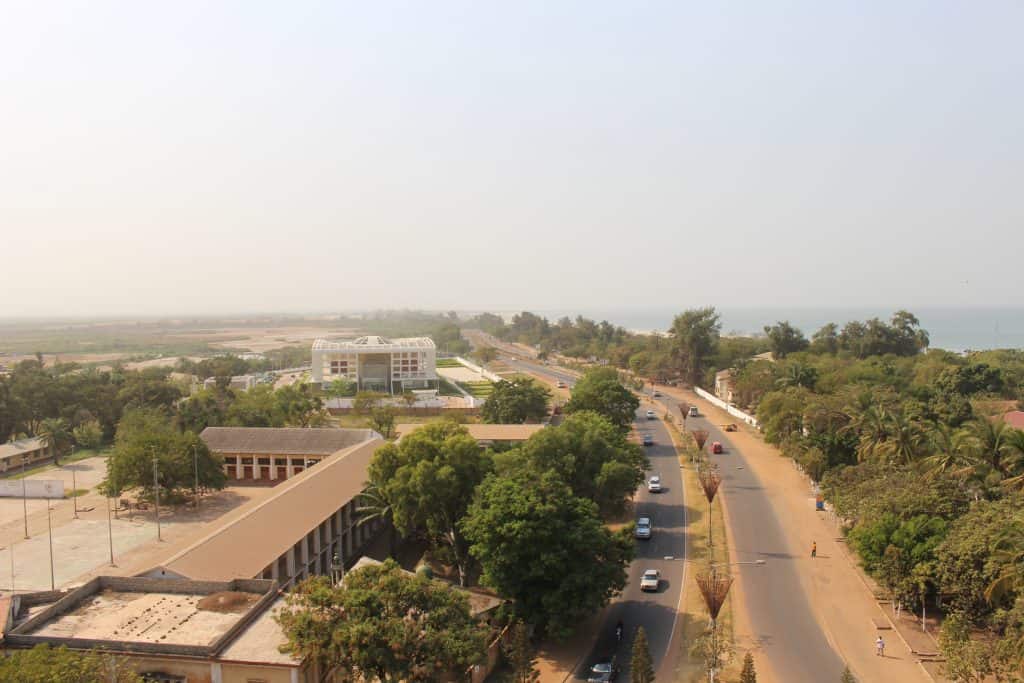
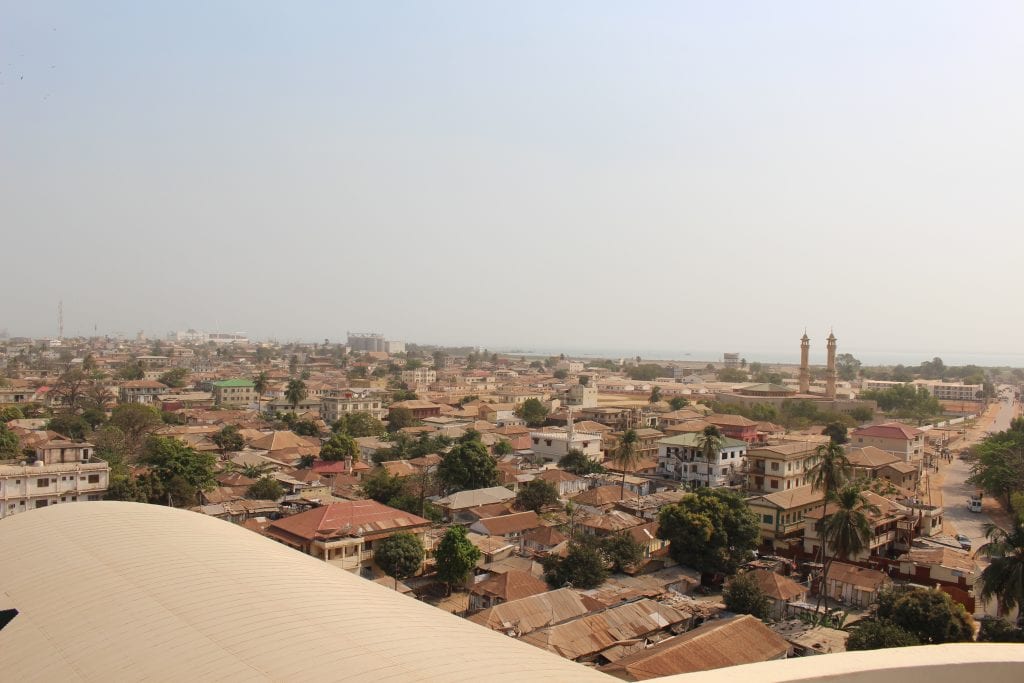
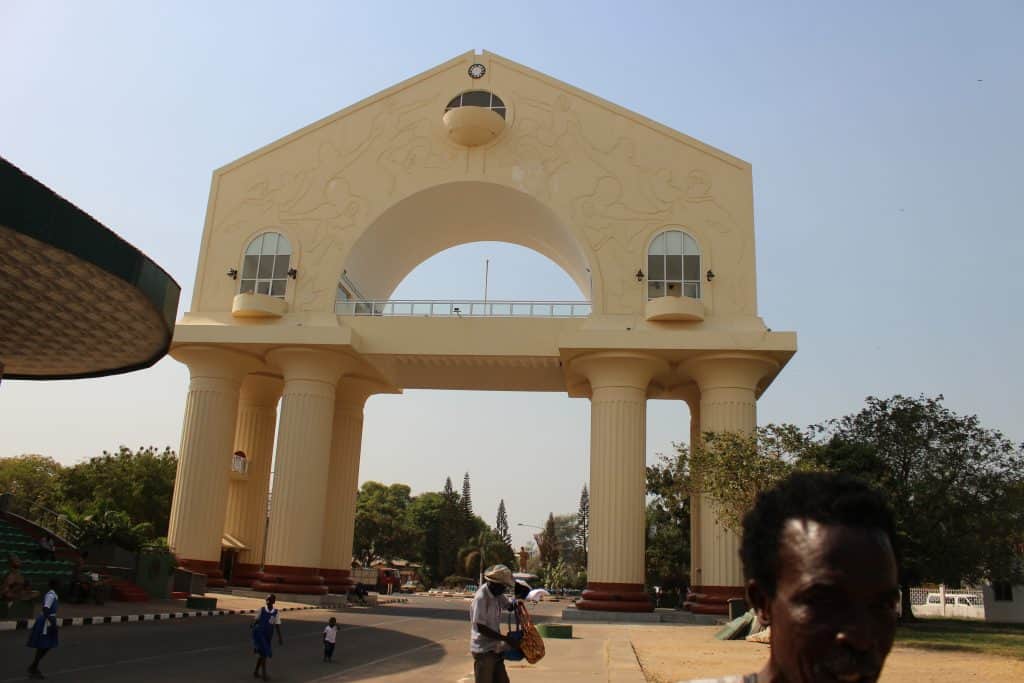
Arch 22 is the most prominent landmark in Banjul. It is a large, monumental arch that stands at the entrance to the city, on the road from the Denton Bridge. The arch was built in 1996 to commemorate the military coup of July 22, 1994, which brought the former president, Yahya Jammeh, to power. The arch stands 35 meters tall and is one of the tallest structures in the country. It is possible to take an elevator to the top of the arch, where there is a small museum and a viewing platform that offers panoramic views of the city, the Gambia River, and the Atlantic Ocean.
Albert Market
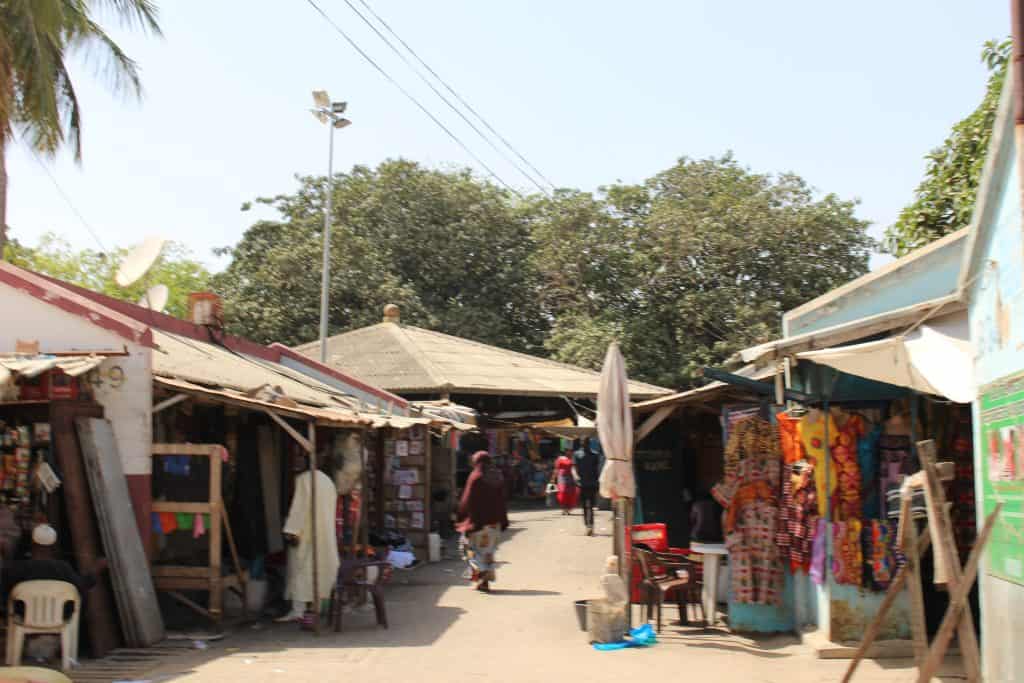
The Albert Market is the main public market in Banjul. It was first established in the mid-19th century and was named after Prince Albert, the consort of Queen Victoria. The market is a large and bustling complex of covered and open-air stalls. It is a major center of commerce in the city, where vendors sell a wide variety of goods. This includes fresh produce, fish, textiles, clothing, and local crafts. The market is known for its vibrant and sometimes chaotic atmosphere. It provides a direct look into the daily life and trade of the city.
Gambia National Museum
The Gambia National Museum is located in the center of Banjul. The museum is dedicated to the history, culture, and archaeology of The Gambia. The museum’s collections include historical documents, ethnographic artifacts from the country’s various ethnic groups, and archaeological finds from the Stone Circles of Senegambia, which are a UNESCO World Heritage site. The museum provides a comprehensive overview of the country’s history, from its ancient origins to the colonial period and its path to independence.
The Coastal Resorts
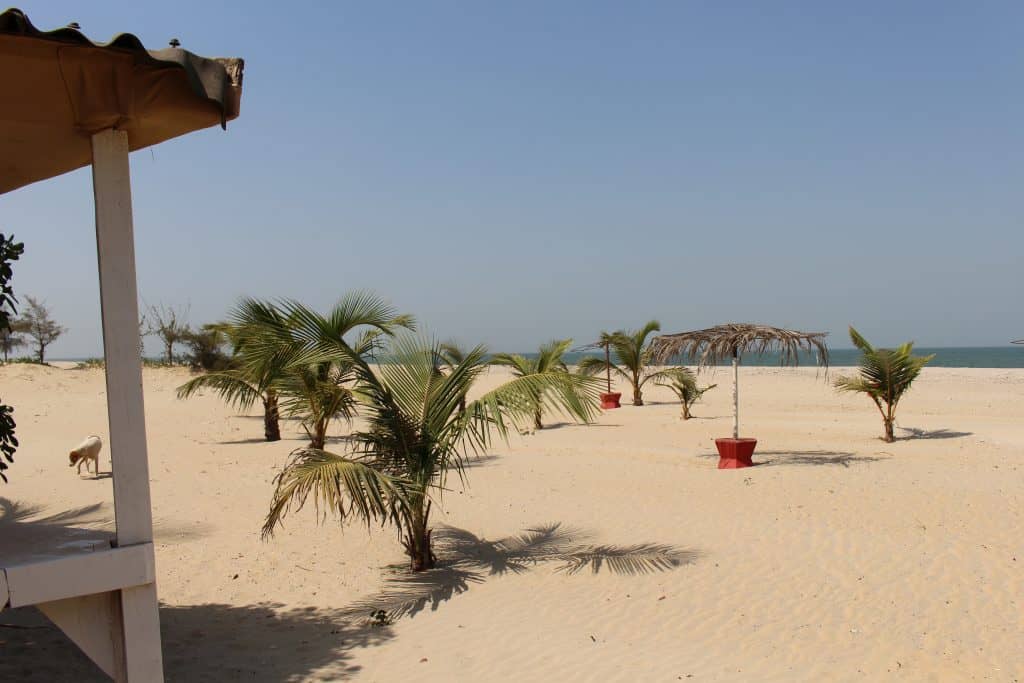
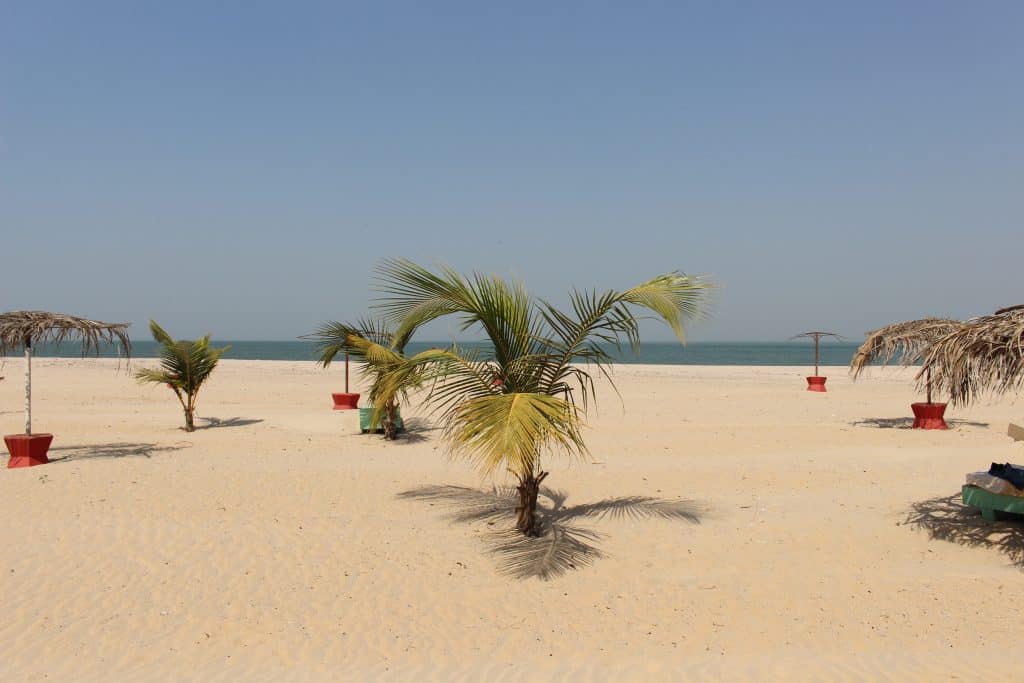
While not located in Banjul itself, the main coastal resorts of The Gambia are a key part of the experience for most visitors to the capital region. The main Tourism Development Area (TDA) is located just a short drive from Banjul, in coastal towns like Kotu, Kololi, and Cape Point. This area is home to the majority of the country’s major hotels. It features long, sandy beaches on the Atlantic Ocean. The beaches are a major destination for swimming, sunbathing, and other beach activities.
Kachikally Crocodile Pool
The Kachikally Crocodile Pool is located in the nearby town of Bakau. It is one of the most famous attractions in the Greater Banjul Area. The pool is a sacred site for the local community. It is home to a large population of Nile crocodiles, which are considered to be tame. Visitors can observe the crocodiles at close range and, under the supervision of the keepers, can sometimes touch them. The site is associated with traditional beliefs related to fertility, and many local people come here to pray and make offerings. A small museum at the site details the history and culture of the Bakau area.
Banjul State House
The Banjul State House is the official residence and office of the President of The Gambia. The building is located in the center of Banjul, near the entrance to the city. It was originally built during the British colonial period and served as the residence of the Governor. The building is a key example of colonial architecture in the city. While it is not open to the public for general tours, it is a major landmark and the center of political power in the country.
King Fahad Mosque
The King Fahad Mosque is the main mosque in Banjul and one of the largest in The Gambia. It is located in the city center. The mosque was funded by the Kingdom of Saudi Arabia and was inaugurated in the 1980s. It is a large, modern building with a prominent dome and two tall minarets. It serves as the main center for the Muslim community in the capital city. The mosque is a key religious and architectural landmark in Banjul.
The Banjul-Barra Ferry
The Banjul-Barra ferry is a key part of the national transport network and a major sight in itself. The ferry crosses the wide mouth of the Gambia River. It connects the capital city of Banjul with the town of Barra on the north bank. The ferry is a hub of constant activity, transporting thousands of people, vehicles, and goods every day. The journey provides excellent views of the city, the port, and the river. The crossing is an essential part of daily life and commerce in the country.


Sports in Banjul
The sporting life in Banjul is focused on football, which is the most popular sport in the city and across The Gambia. The city is home to several of the country’s most successful professional football clubs, and the rivalries between them are a key part of the national sporting identity. The other major sport is traditional wrestling, which is considered the national sport of the country and is a significant cultural event. The main national sporting venue, the Independence Stadium, is located in nearby Bakau, part of the Greater Banjul Area. This stadium hosts major international football matches as well as other national athletic events, serving as the heart of the nation’s sporting infrastructure.
This combination of modern, internationally recognized sports like football and deeply rooted traditional sports like wrestling gives the capital region a unique athletic character. The success of the Banjul-based football clubs in the national league provides a focus for local pride and community engagement. At the same time, the wrestling competitions maintain a strong connection to the country’s cultural heritage. The city also hosts a growing number of running events, which attract both local and international participants and serve to promote tourism and charitable causes. This diverse sporting landscape is a key part of life in the Gambian capital.
Football
Football is the most followed sport in Banjul and The Gambia. The city is the center of the sport in the country, home to the headquarters of the Gambia Football Federation (GFF). The national league, the GFF First Division, is dominated by clubs based in Banjul or the surrounding Greater Banjul Area. The rivalry between the capital’s main clubs is the most intense in Gambian football and is a central feature of the domestic league season. The Gambian national football team, known as “The Scorpions,” plays its most important home matches at the Independence Stadium, drawing large and passionate crowds. The sport is played at all levels, from grassroots community games to the professional clubs.
Wallidan FC
Wallidan FC is one of the most historically successful and popular football clubs in The Gambia. Based in Banjul, the club was founded in 1969. They have a decorated history, having won the GFF First Division championship more than any other club, with a record of over 15 league titles. They have also won the Gambian Cup a record number of times, making them the most successful club in the country’s history. The team’s colors are blue and white. They have represented The Gambia numerous times in continental African club competitions like the CAF Champions League.
Real de Banjul
Real de Banjul FC is the other major football club based in the capital. Founded in 1967, they share a fierce rivalry with Wallidan FC, with matches between the two known as the “Banjul Derby.” The club, known as “the Whites,” is also one of the most successful in the country, having won the GFF First Division title over 10 times. They are a consistent contender for the national championship. Like their rivals, Real de Banjul has a long history of competing in the CAF Champions League and other African club competitions, making them a key representative of Gambian football on the international stage.
Wrestling
Traditional wrestling, known locally as Borreh in the Wolof language or Nyoboringo in Mandinka, is the national sport of The Gambia. The sport has deep cultural roots in Gambian society and is considered much more than just a physical contest. Major wrestling events are significant social gatherings, often combined with traditional music, drumming, dancing, and rituals that are an integral part of the spectacle. Before matches, wrestlers perform elaborate rituals intended to build excitement and intimidate their opponents. The sport is a key part of the country’s cultural heritage and is passed down through generations. The main objective of a bout is to throw the opponent to the ground, requiring a combination of strength, skill, and technique.
Wrestling competitions are major events that attract large and enthusiastic crowds from all parts of society. Major professional bouts are often held in large venues in the Greater Banjul Area, including the Independence Stadium. Smaller, more traditional competitions also take place in sandy open spaces within local communities, maintaining the sport’s grassroots connection. The atmosphere at these events is known for being festive and highly energetic. Champion wrestlers are major national celebrities in The Gambia. They are highly respected figures within their communities and are seen as role models for young people.
Running
Running has a growing presence in The Gambia, with a major annual marathon that attracts both local and international participants. The event is a key part of the country’s effort to promote sports tourism. The flat coastal roads of the Greater Banjul Area provide a scenic and suitable course for long-distance running. The marathon also serves an important charitable function, raising funds for local community projects. The event is a celebration of both athletic endurance and community spirit.
Bajana Marathon
The Bajana International Marathon is a major annual running event that takes place in The Gambia. The event is a charity run that attracts both local and international participants. The marathon aims to promote tourism and to raise funds for local community projects related to health and education. The course for the race often runs through the main Tourism Development Area, along the coast near Banjul, passing by the major beach resorts. The event includes a full marathon, a half marathon, and other shorter races, making it accessible to runners of all levels. It is a key event on the West African running calendar.

Getting Around in Banjul
Navigating Banjul and the surrounding Greater Banjul Area requires an understanding of the local transport system, which is primarily based on taxis. The city of Banjul itself is located on an island, with a single main bridge connecting it to the mainland. The road network in the capital is a grid plan, which makes navigation relatively simple. However, traffic can be heavy, especially on the main road leading into the city.
The public transport system is not based on a formal bus network but on a system of shared and private taxis. These are the most common way for both locals and visitors to travel. The ferry to the north bank of the river is also a key part of the local transport infrastructure. For visitors, understanding the different types of taxis and how to negotiate fares is essential for getting around.
On Foot: The Capital City
Walking is a suitable way to explore the central part of Banjul. The city is relatively small and is laid out on a grid, which makes it easy to navigate. Key sights like the Albert Market, the Gambia National Museum, and Arch 22 are all within a reasonable walking distance of each other. However, the heat and humidity, especially during the middle of the day, can make walking tiring. It is important to carry water.
Local Taxis
The primary mode of transport in the Banjul area is the taxi. There are two main types. The tourist taxis, which are typically green, are intended for private hire by tourists. It is essential to agree on a fare with the driver before starting the journey, as they do not use meters. The other type is the shared minibus, known as a gele-gele, or the shared taxi, which are typically yellow. These operate on set routes and are a very cheap way to travel, though they can be crowded.


How to Get to Banjul
Reaching Banjul, the capital of The Gambia, is primarily done by air for most international visitors. The country is served by a single international airport. It is also possible to arrive by road from the neighboring country of Senegal, which surrounds The Gambia on three sides. The country’s location as a narrow strip of land within Senegal means that all overland journeys will involve crossing the Senegalese border.
Arriving by Air: Banjul International Airport
The primary and sole international gateway to the country is Banjul International Airport (BJL). The airport is located at Yundum, approximately 24 kilometers south of the capital city. The airport handles flights from numerous destinations in Europe and West Africa. Several European airlines, particularly charter and holiday airlines, operate direct flights to Banjul, especially during the winter tourist season from November to May. From the airport, official taxis are available to provide transfers to the city and the main coastal resorts.
The Open Road: Driving from Senegal
Driving to Banjul is possible from the neighboring country of Senegal. The Gambia is almost entirely surrounded by Senegal, and there are several official land border crossings between the two countries. A key southern crossing is at Jiboro-Séléti. A key northern crossing is at Karang-Am-dallai. This northern crossing requires taking the Banjul-Barra ferry to reach the capital itself. A car provides flexibility for exploring the country, but road conditions can be variable.
Connecting by Coach
There are long-distance bus and shared taxi (sept-place) services that connect The Gambia with Senegal. It is possible to travel by bus from the Senegalese capital, Dakar, to the border. After crossing the border on foot, travelers can then take local Gambian transport to reach Banjul. This is an economical but time-consuming way to travel. There are no direct international bus services that operate all the way into Banjul from other countries.
On Track: The Absence of Rail
There is no train service in The Gambia. The country does not have a railway network. Therefore, it is not possible to reach Banjul by train. All overland travel within The Gambia and from neighboring countries must be done by road or by river transport.
The Atlantic Route: Arriving by Sea
The Port of Banjul is the main seaport in the country. It is located at the mouth of the Gambia River. While it is primarily a cargo port, it is also a port of call for some international cruise ships that are exploring the West African coast. This provides a way for travelers to arrive by sea as part of a wider cruise itinerary. There are no regular international passenger ferry services to Banjul from other countries.
Driving Distances
The driving distance from 10 regional cities, according to Google Maps:
- Serekunda, The Gambia – 13 kilometers (0 h 30 min)
- Dakar, Senegal – 287 kilometers (6 h 20 min, includes ferry)
- Bissau, Guinea-Bissau – 381 kilometers (8 h 00 min)
- Nouakchott, Mauritania – 842 kilometers (13 h 40 min)
- Conakry, Guinea – 885 kilometers (16 h 00 min)
- Freetown, Sierra Leone – 1,029 kilometers (20 h 00 min)
- Bamako, Mali – 1,280 kilometers (20 h 10 min)
- Monrovia, Liberia – 1,535 kilometers (1 d 3 h 00 min)
- Ouagadougou, Burkina Faso – 2,428 kilometers (1 d 11 h 00 min)
- Abidjan, Côte d’Ivoire – 2,492 kilometers (1 d 9 h 00 min)
- Lomé, Togo – 2,900 kilometers (1 d 16 h 00 min)
- Accra, Ghana – 2,933 kilometers (1 d 15 h 00 min)
- Porto-Novo, Benin – 3,250 kilometers (1 d 21 h 00 min)
- Niamey, Niger – 3,460 kilometers (1 d 22 h 00 min)
- Lagos, Nigeria – 3,630 kilometers (2 d 3 h 00 min)
- Rabat, Morocco – 3,745 kilometers (1 d 20 h 00 min)
- N’Djamena, Chad – 4,750 kilometers (3 d 2 h 00 min)
- Algiers, Algeria – 5,120 kilometers (3 d 3 h 00 min)
- Tunis, Tunisia – 5,900 kilometers (3 d 18 h 00 min)
- Cairo, Egypt – 8,050 kilometers (5 d 8 h 00 min)
Looking to Explore more of the Gambia and Africa?