
Ortala, Uppland | Exploring Sweden
Ortala is a locality in Norrtälje Municipality, located in the Roslagen region of Uppland, Sweden. It is situated near the Baltic Sea coast and the Stockholm archipelago. As a small rural area, Ortala itself has no distinct population figure and is part of the Väddö parish. The locality’s identity is defined by its historic ironworks, Ortala Bruk. Nearby towns include Norrtälje, about 30 kilometers to the south, and the archipelago village of Grisslehamn, around 40 kilometers to the north.
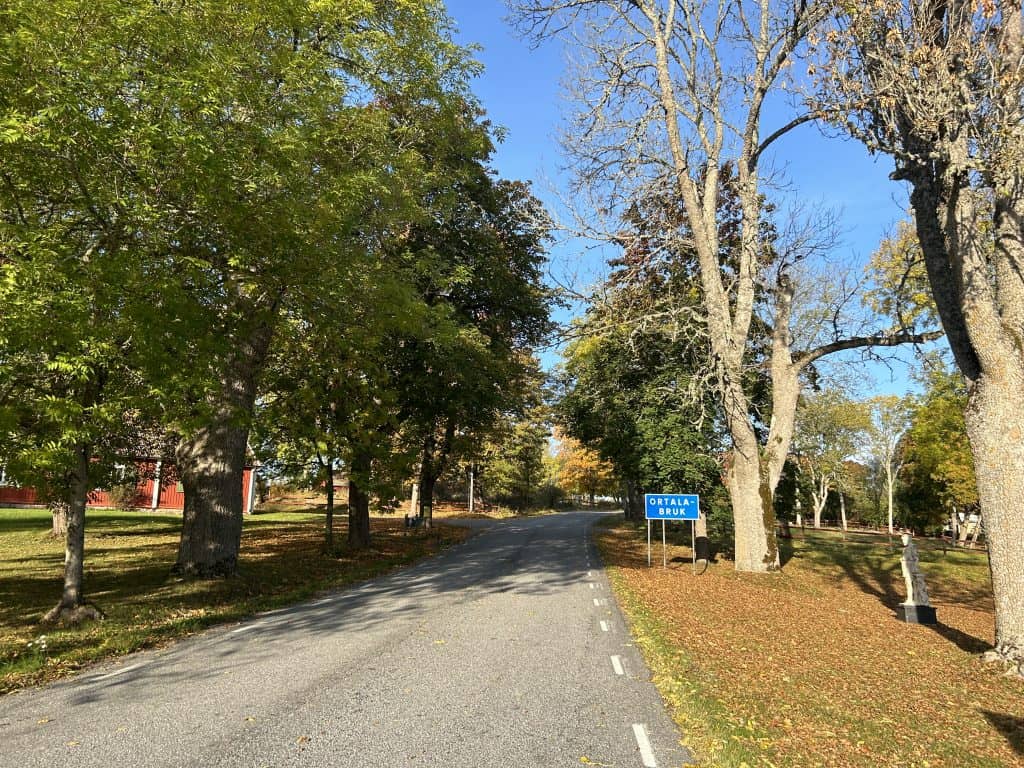
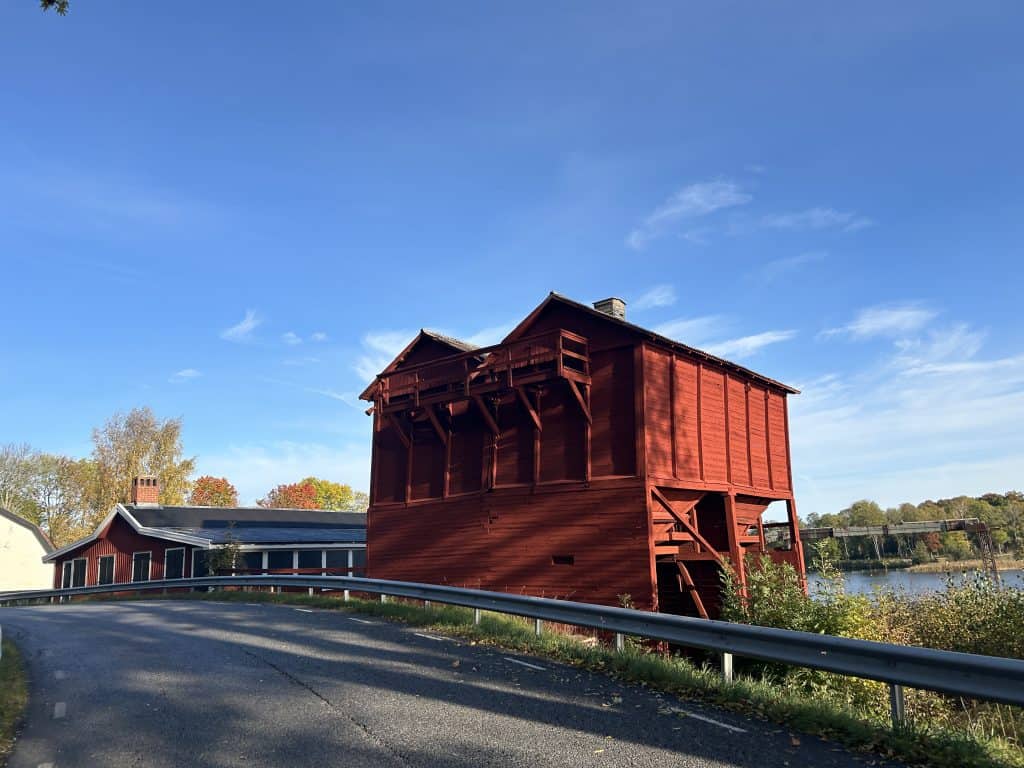
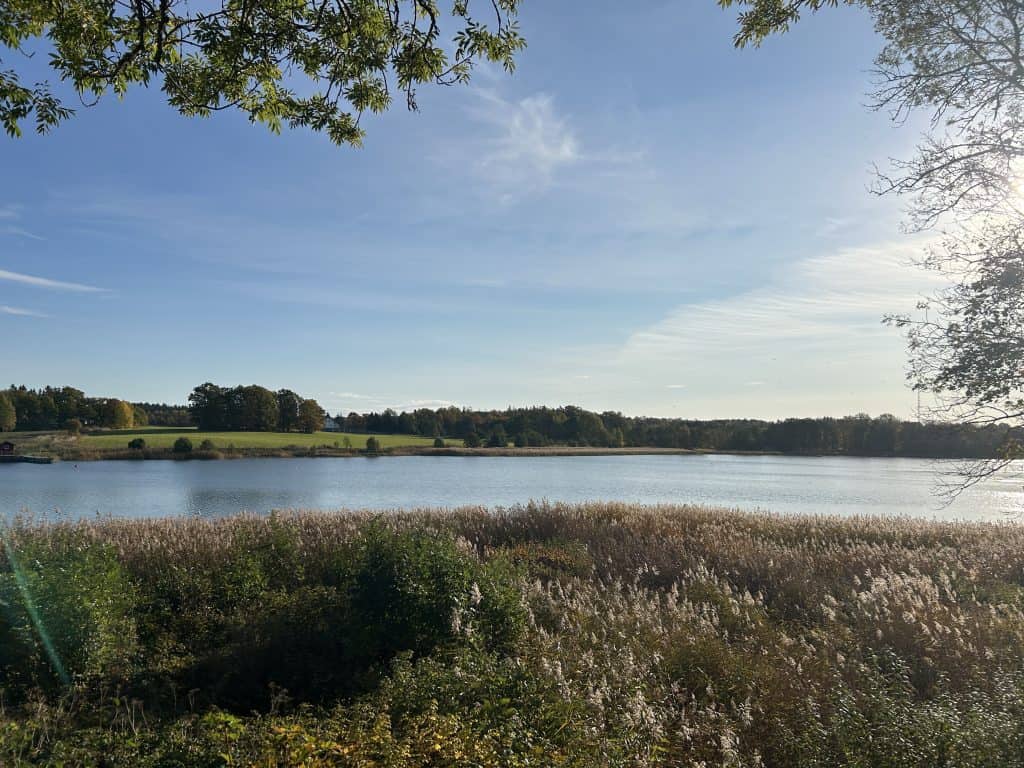
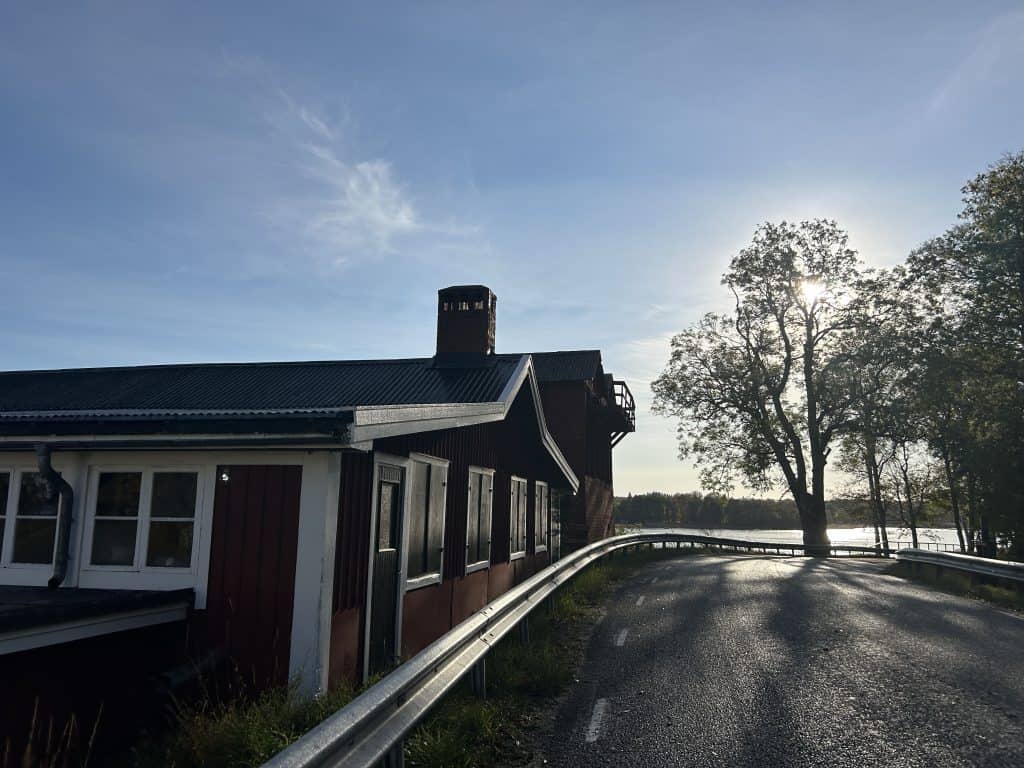
The area’s character is a product of its industrial past and its natural surroundings. The remnants of one of Sweden’s oldest ironworks exist alongside forests, the Ortala River, and the nearby coastline. Much of the historic site, including the main manor house, is now private property. However, the core elements of the former industrial works can be viewed from the main road, offering a look into this significant piece of Swedish industrial heritage.
A Short History of Ortala
The history of Ortala is the history of its iron production. For centuries, this site was a key industrial complex, producing iron and armaments for the Swedish state. Its story includes royal establishment, wartime destruction, and eventual decline, reflecting the trajectory of Sweden’s early industrial era.
Royal Foundation and Military Production
The history of Ortala is deeply rooted in iron production. The Ortala Ironworks (Ortala Bruk) was established by King Gustav Vasa in the 1530s, making it one of Sweden’s oldest ironworks. It quickly became a significant industrial complex for the Swedish crown. The ironworks produced pig iron and bar iron. It was particularly important for its production of cannons and cannonballs for the Swedish military. This output played a role in supplying the armies during Sweden’s emergence as a great power in the 17th century.
Destruction and Reconstruction
The ironworks, along with many other coastal areas in the Roslagen region, suffered a devastating attack during the Russian Pillage of 1719. This military campaign targeted Sweden’s industrial capacity during the final years of the Great Northern War. The Ortala Bruk was burned to the ground. However, the works were quickly rebuilt and modernized with the support of the state. It continued its operations through the 18th and 19th centuries, adapting to new technologies of the era.
Decline and Closure
During the 19th century, Ortala Bruk’s industrial activity began to decline. The rise of new, larger, and more efficient ironworks in other parts of Sweden made smaller operations like Ortala less competitive. The production methods became outdated, and the works struggled to remain profitable. Industrial activity gradually ceased, with final production ending in 1908. Today, the remnants of the ironworks stand as a preserved historical site, managed by the state.


Things to Do and See
Ortala’s sights are centered on its industrial past and the surrounding natural environment. The main points of interest are the remains of the ironworks itself, the associated manor house, and the local church that served the community.
Ortala Bruk
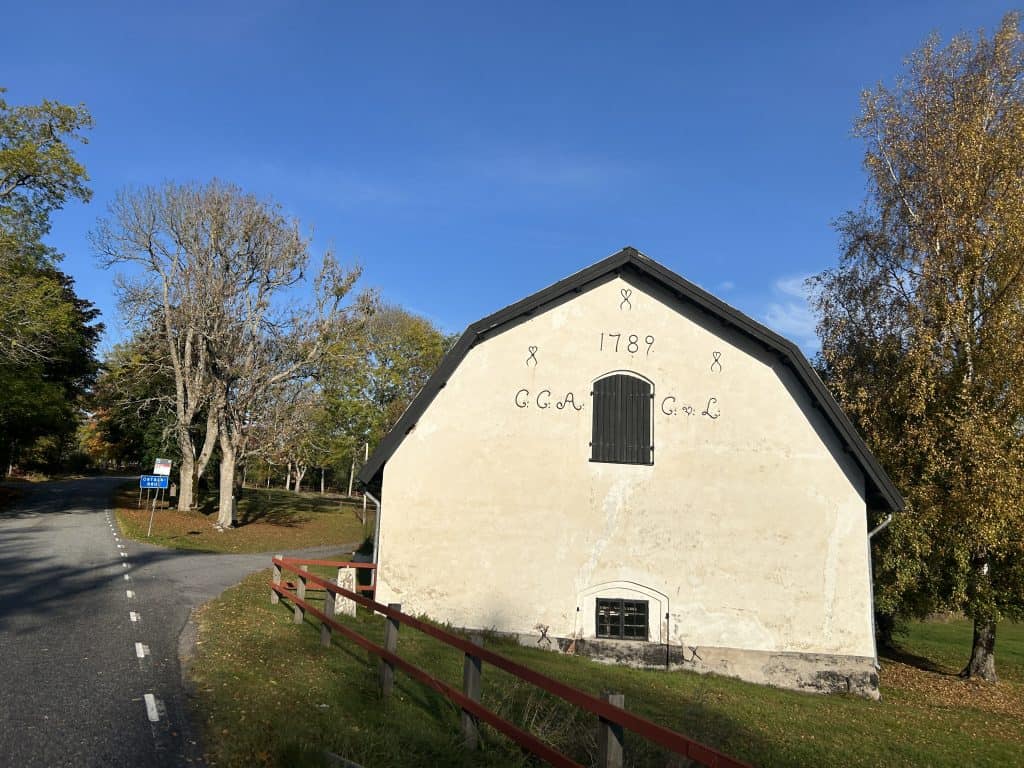
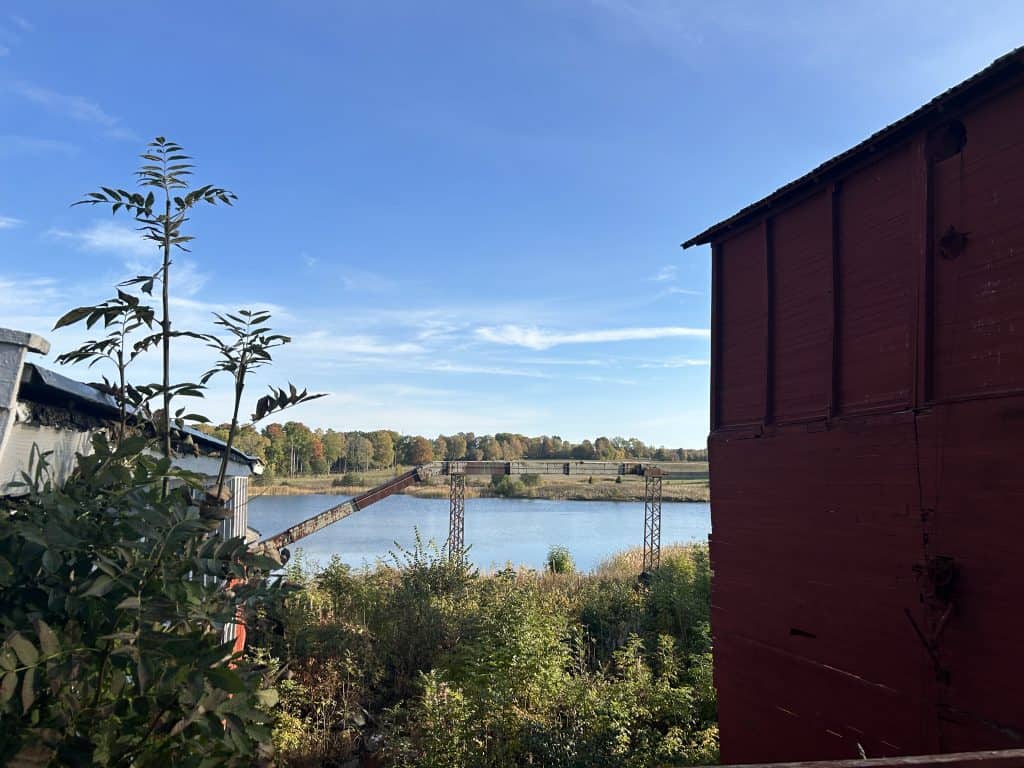
The site of the Ortala Ironworks (Ortala Bruk) is the main attraction in the locality. Visitors can explore the remnants of the old industrial complex from the adjacent road. These include the preserved foundations of former blast furnaces, hammer mills, and other production buildings. Information boards are present at the site, explaining the iron-making process and the history of Ortala Bruk. The area provides a direct link to Sweden’s early industrial heritage.
Ortala Herrgård
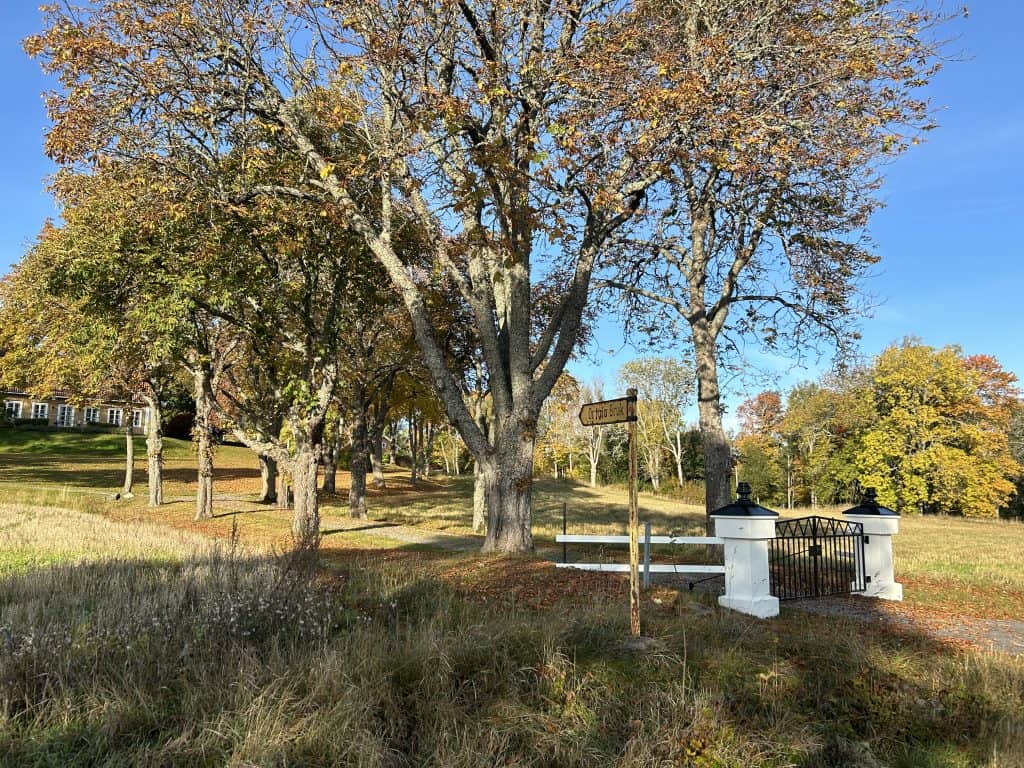
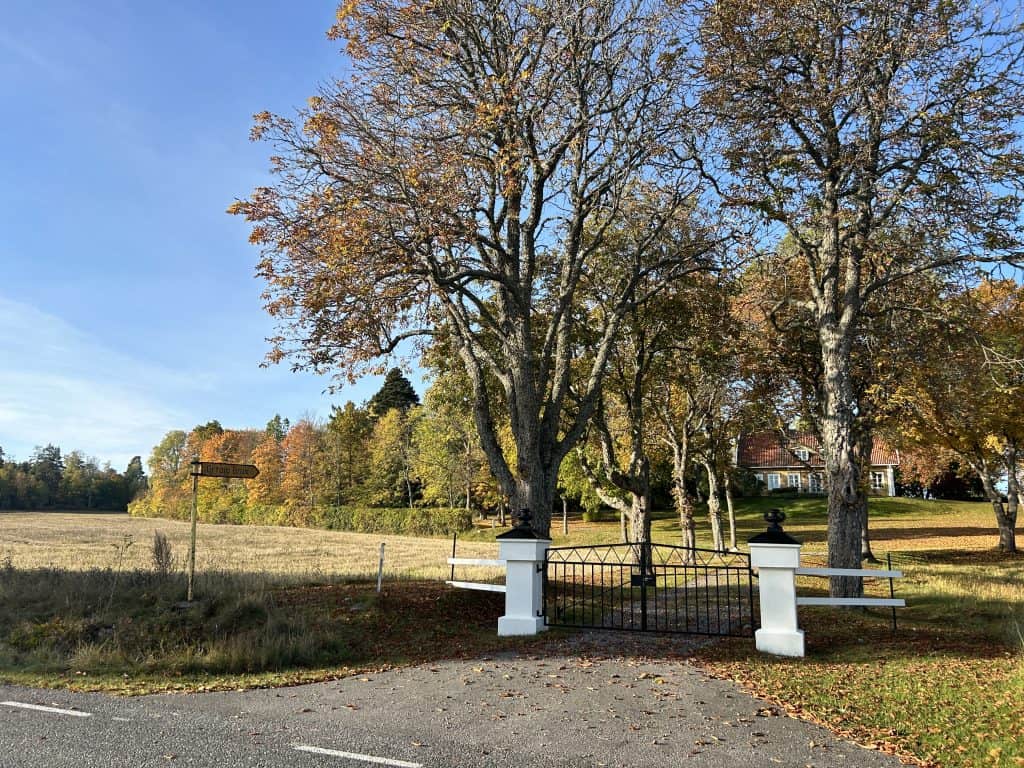
The Ortala Manor House (Ortala Herrgård) is a historic building associated with the ironworks. This manor served as the residence for the ironworks’ owners and managers. The current building was constructed in the 1730s after the original was destroyed during the Russian Pillage of 1719. Its architecture reflects the style of an 18th-century country estate. While today a private residence and not open to the public, its exterior can be viewed from the road.
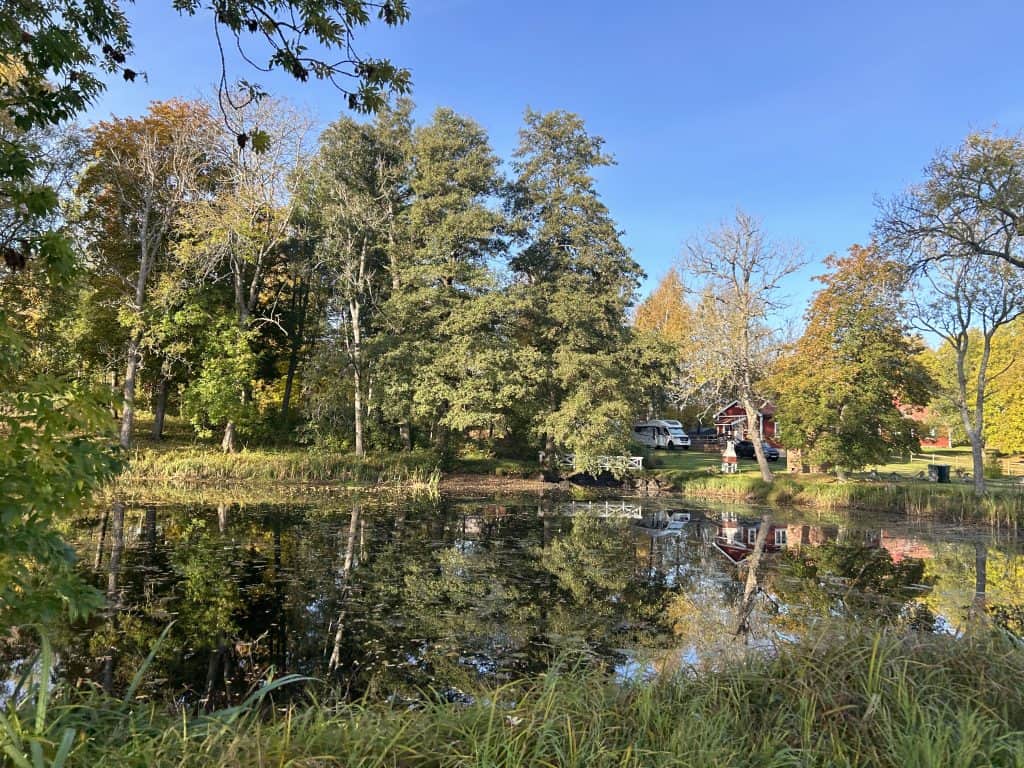
Adjacent to the manor house is the English Park (Engelska parken). This landscaped park was laid out in the 18th century, in the naturalistic English garden style that was popular at the time. It features meandering paths, mature trees, and open lawns. The park provides a peaceful setting for a stroll and offers views towards the former ironworks area. It reflects the lifestyle of the industrial elite who managed the works.


How to Get to Ortala
Reaching the historic locality of Ortala requires travel through the wider Roslagen region, typically connecting via Stockholm or the municipal center of Norrtälje. The area is served by a network of roads and public transport links from Sweden’s major hubs.
Arriving by Air: Nearby Gateways
The primary airport for reaching Ortala is Stockholm Arlanda Airport (ARN), located approximately 80 kilometers to the southwest. As Sweden’s largest international airport, it offers extensive global connections. From Arlanda, the most direct way to continue is by rental car. Alternatively, travelers can take public transport to Stockholm or Uppsala and then connect to a bus heading towards Norrtälje for a final transfer to Ortala.
The Open Road: Driving to Roslagen
Driving is the most flexible option for reaching Ortala and exploring the surrounding region. From Stockholm, the main route is the E18 motorway towards Norrtälje. From the municipal center of Norrtälje, drivers should then follow Road 76 north. The final part of the journey is on smaller local roads that lead directly to the Ortala Bruk site. The total drive from Stockholm is approximately 100 kilometers.
Connecting by Coach: A Regional Journey
Bus services provide a public transport link to the region. The journey requires a transfer in Norrtälje, which is the main bus hub for Roslagen. SL (Storstockholms Lokaltrafik) operates express buses, such as the 676, from Stockholm’s Tekniska Högskolan to Norrtälje. From the Norrtälje bus station, local bus services, like line 637, run north with stops in or near Ortala. It is advisable to check local schedules in advance as rural services can be infrequent.
On Track: A Journey by Rail and Bus
There is no direct train service to Ortala or the nearby town of Norrtälje. The most common rail journey involves taking a long-distance or commuter train (pendeltåg) to Stockholm Central Station. From Stockholm, travelers must then transfer to the bus network to complete the journey. This typically involves taking the metro to Tekniska Högskolan to catch the express bus to Norrtälje, followed by a local bus to Ortala.
The Baltic Sea Route: Arriving by Ferry
For international visitors arriving by sea, the primary passenger port is the Port of Stockholm. Major ferry lines connect Stockholm with Finland, Estonia, and other Baltic destinations. From the ferry terminals in Stockholm, such as Värtahamnen or Stadsgården, travelers would need to use local public transport to reach a bus terminal for the onward journey to Norrtälje and Ortala. The regional port of Kapellskär, also in Norrtälje Municipality, offers some ferry connections as well.
Driving Distances
The driving distance from 5 major Swedish cities, according to Google Maps:
- Stockholm – 99 kilometers (1 h 20 min)
- Gothenburg – 568 kilometers (6 h 10 min)
- Malmö – 710 kilometers (7 h 30 min)
- Linköping – 297 kilometers (3 h 40 min)
- Kiruna – 1209 kilometers (13 h 50 min)
Explore More of Uppland and Sweden