
Poznań, Wielkopolskie | Exploring Poland
Poznań is a historic city in the heart of western Poland, where it serves as the capital of the Greater Poland (Wielkopolska) voivodeship. With a population of around 529,000, it is Poland’s fifth-largest city. The city is strategically situated on the banks of the Warta River, a location that has ensured its importance for over a thousand years. Poznań is widely recognized as one of the nation’s oldest and most historically significant cities, often called the cradle of the Polish state for its pivotal role in its formation.
Today, Poznań blends its deep historical roots with a dynamic contemporary identity. The city is a major academic center, home to numerous universities like the famous Adam Mickiewicz University, which gives the city a youthful and creative energy. Its economy is a powerful engine for the region, hosting a major international trade fair complex that draws business from across Europe. The historic Old Town, or Stare Miasto, is the cultural heart, offering a rich array of museums, theaters, and festivals throughout the year.




A Short History of Poznań
The history of Poznań is a compelling narrative of origins, resilience, and rebirth. It is a story that begins at the dawn of the Polish nation and continues through periods of golden age trade, foreign occupation, and modern innovation.
The Cradle of Poland
The story of Poznań is deeply intertwined with the very beginnings of the Polish state. In the early Middle Ages, the fortified settlement on the island of Ostrów Tumski was one of the most important strongholds of the Polans tribe. In the 10th century, Poznań became a pivotal center of power. It was here that Mieszko I, the first historical ruler of Poland, is believed to have been baptized in 966 AD, an event that marked the beginning of Poland’s Christianization. For a time, Poznań served as an early capital of the emerging Polish kingdom and the burial site of its first monarchs.
A European Trading Hub
After receiving its town charter in 1253, Poznań quickly grew into a thriving trade center during the Middle Ages. Its ideal location on the major trade route between Western Europe and Kievan Rus’ contributed to its wealth and influence. The city flourished as part of the Hanseatic League, and the magnificent Renaissance Town Hall was built as a symbol of its prosperity. This golden age saw the development of a rich merchant class and the construction of many beautiful homes and churches that still define the city’s character.
Under Foreign Rule and Rebirth
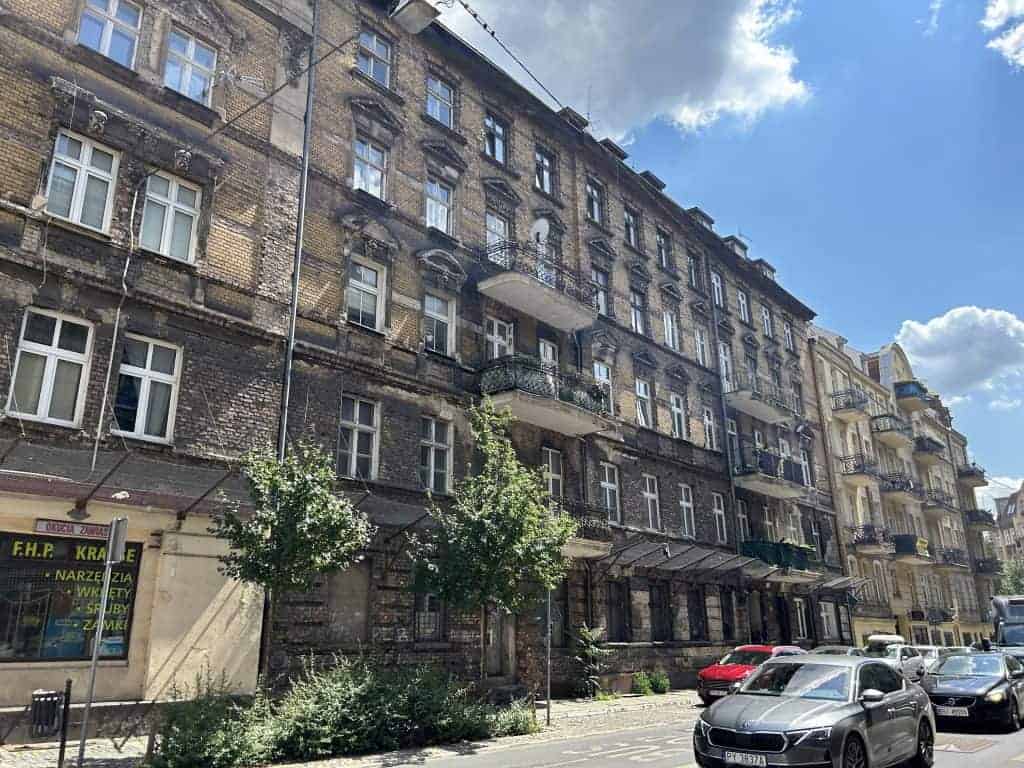
From the late 18th century until 1918, Poznań was under Prussian and later German rule, where it was known as Posen. It became a significant economic center and an important fortress city within the German Empire. Despite this long period of foreign rule, the Polish national identity remained incredibly strong, culminating in the successful Greater Poland Uprising of 1918, which returned the city to a newly independent Poland. The city suffered significant damage during World War II, but extensive post-war rebuilding efforts have carefully restored much of its historic splendor.









Things to Do and See
Poznań’s sights offer a fascinating journey through its history. The city’s magnificent Old Town is the main draw, but there are also impressive castles, beautiful parks, and modern recreational hubs to discover in the surrounding districts.
Stary Rynek
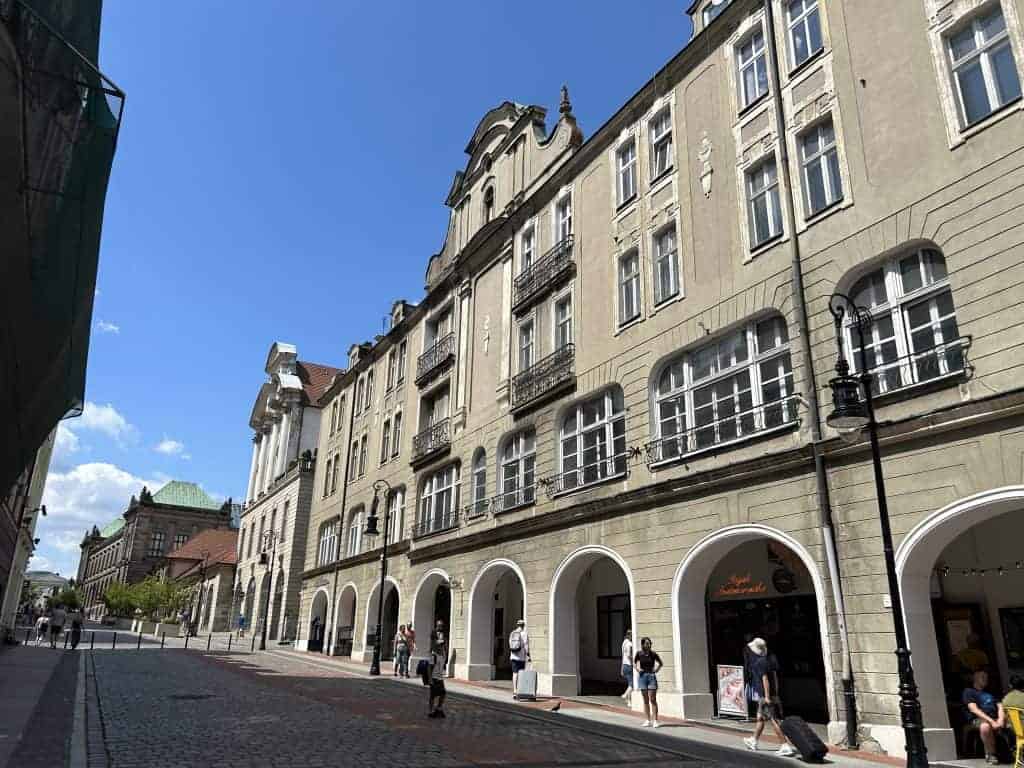
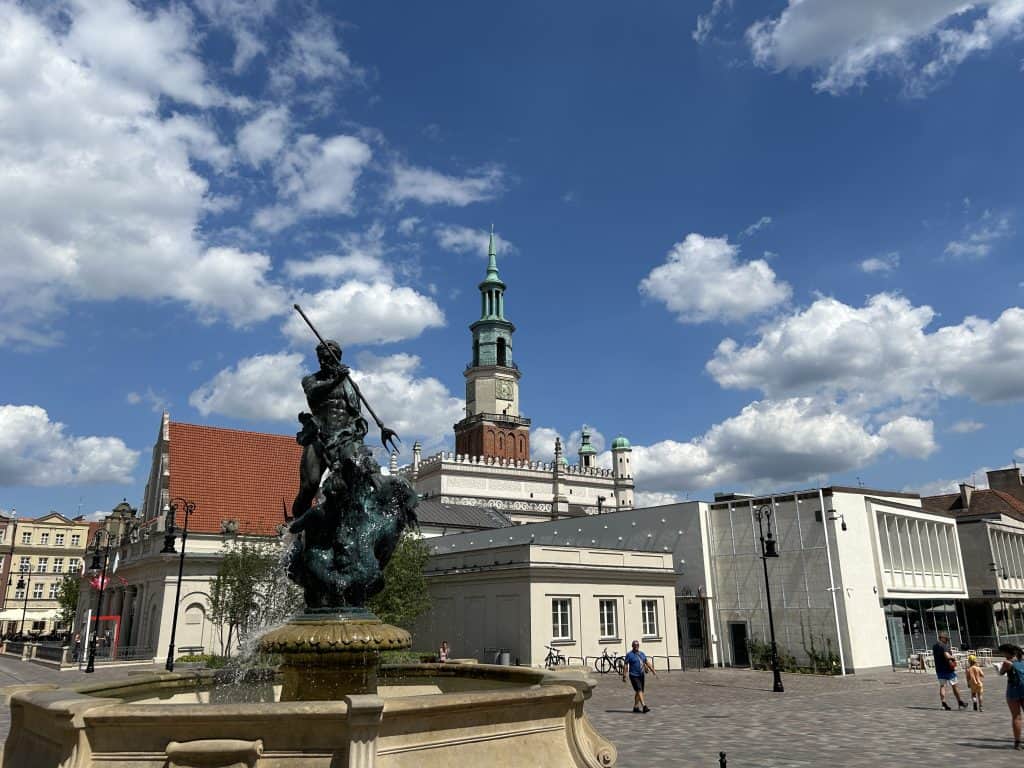
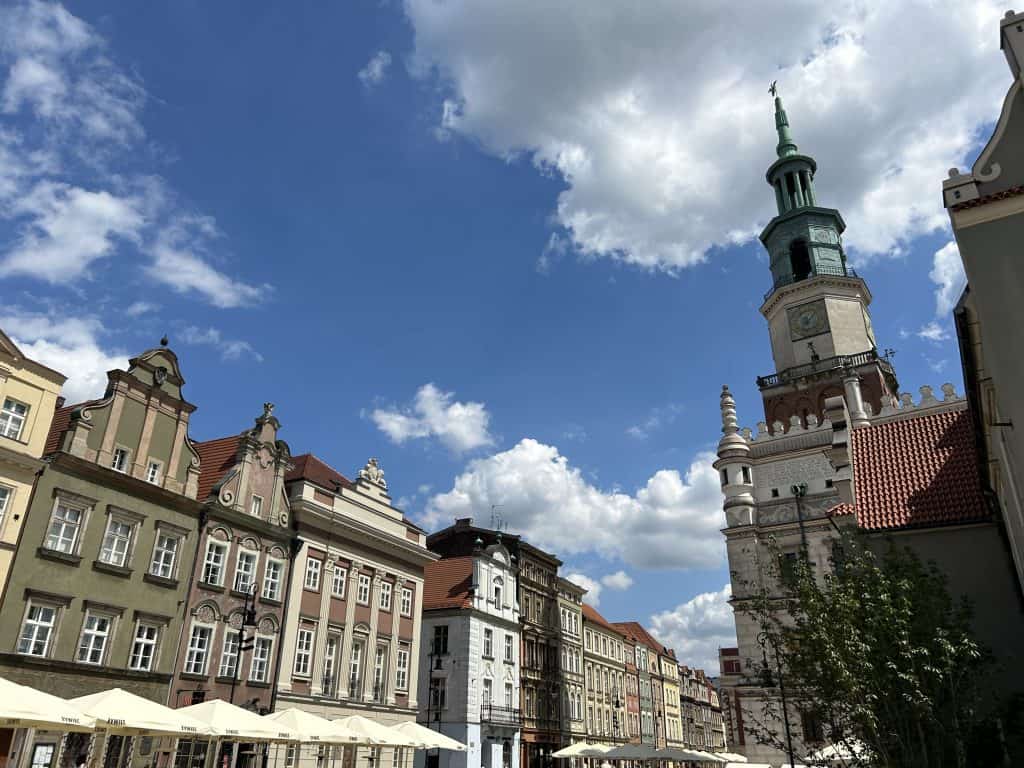
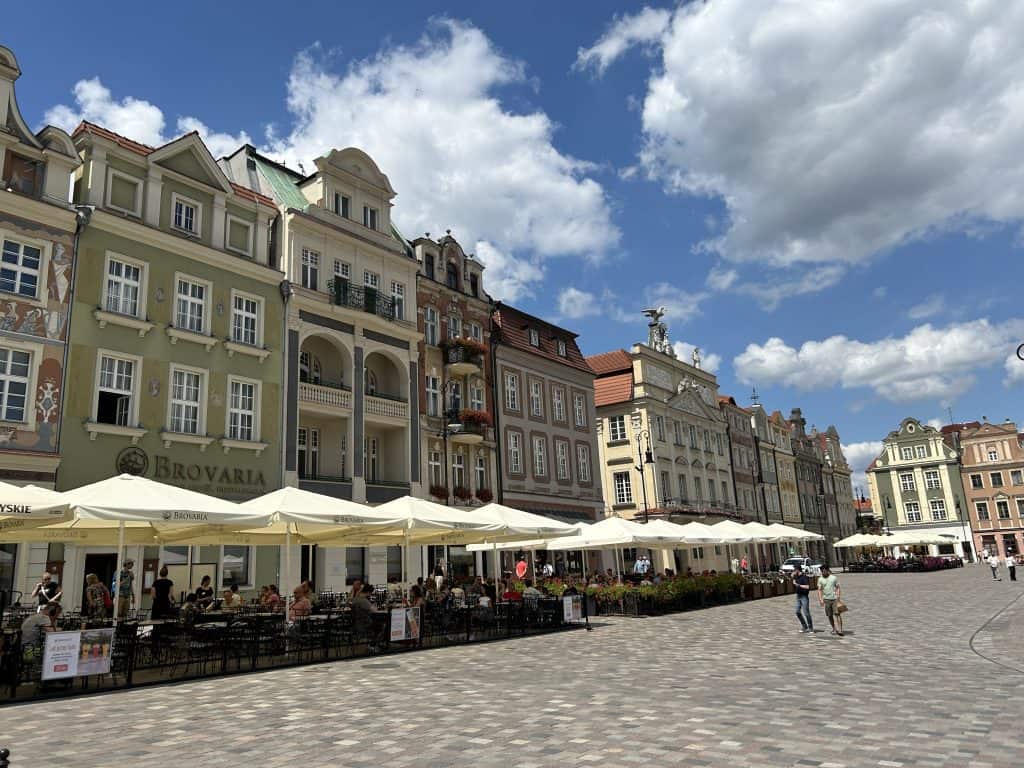
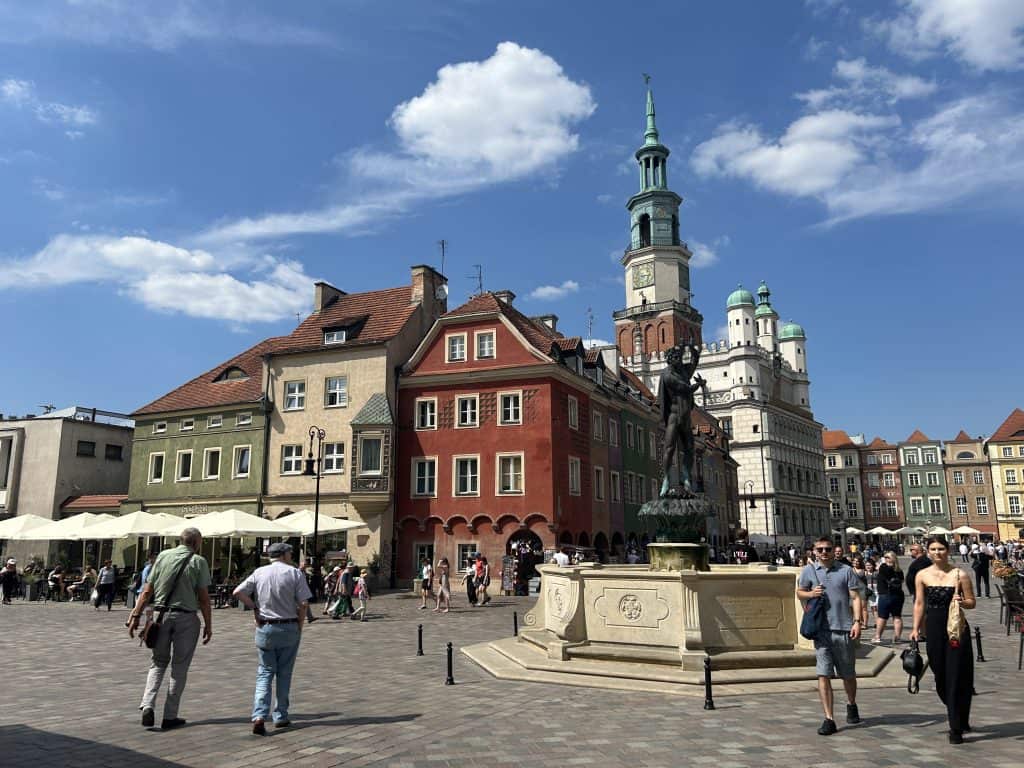
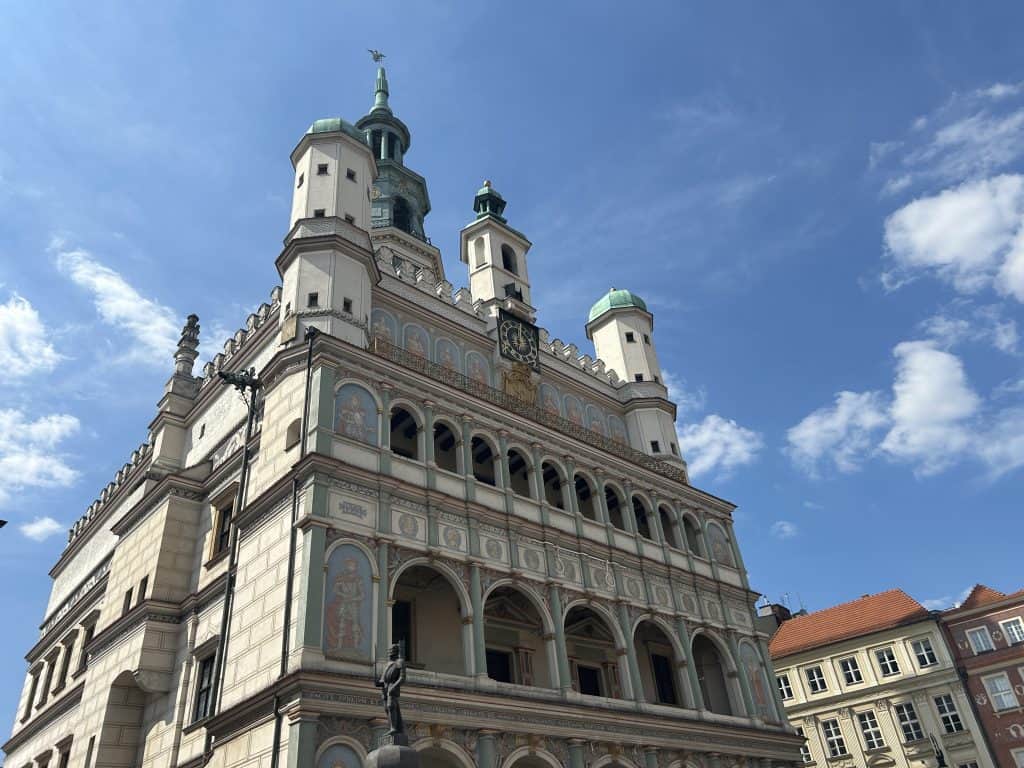
The Old Market Square (Stary Rynek) is the heart of Poznań and one of Europe’s most picturesque public spaces. It is surrounded by colorful, narrow tenement houses that were once home to wealthy merchants. The square is dominated by the magnificent Renaissance Town Hall (Ratusz). This masterpiece is famous for its mechanical goats, which emerge from a small turret to butt heads twelve times precisely at noon every day, a delightful tradition that draws large crowds. The square is also home to several museums and is lined with cafes, perfect for people-watching.
Poznań Cathedral
The Archcathedral Basilica of St. Peter and St. Paul (Bazylika archikatedralna Świętych Apostołów Piotra i Pawła) is Poland’s oldest cathedral, with foundations dating back to the 10th century. It sits on the tranquil island of Ostrów Tumski. This site holds profound historical significance, as it is the burial place of Poland’s first rulers, Mieszko I and Bolesław I the Brave. Over the centuries, the cathedral has been rebuilt many times, resulting in a fascinating blend of architectural styles. Its stunning Golden Chapel is a masterpiece of 19th-century art.
Zamek Cesarski
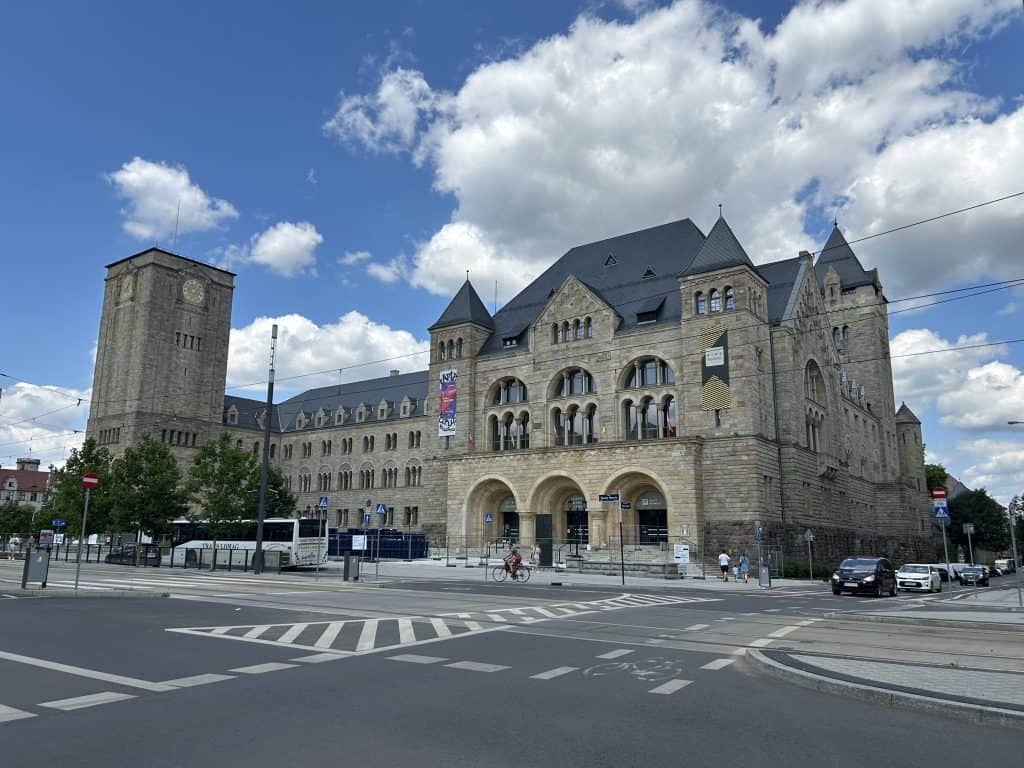
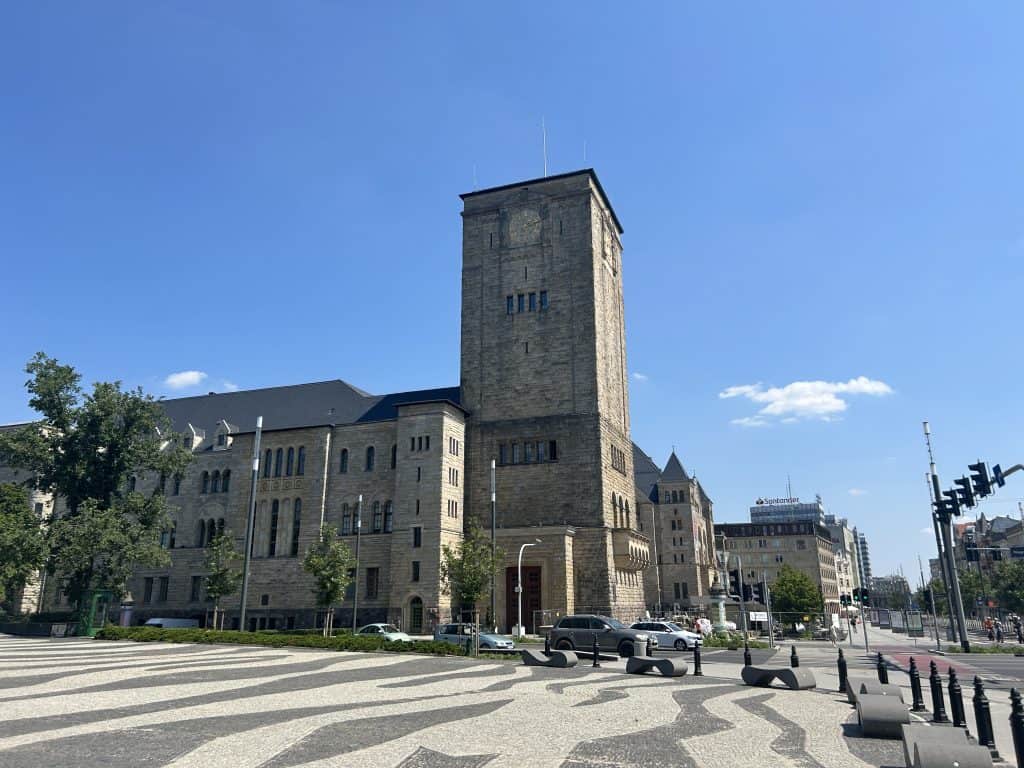
The Imperial Castle (Zamek Cesarski) holds a unique place in European history. It was built in the early 20th century for the German Emperor William II, making it Europe’s youngest castle constructed for a monarch. The massive Neo-Romanesque structure was designed to be a symbol of German authority in the region. Today, the castle has been repurposed into a dynamic cultural center known as ZAMEK, hosting art exhibitions, concerts, and film festivals. Its architecture stands in stark contrast to the city’s older buildings.
Fara Poznańska
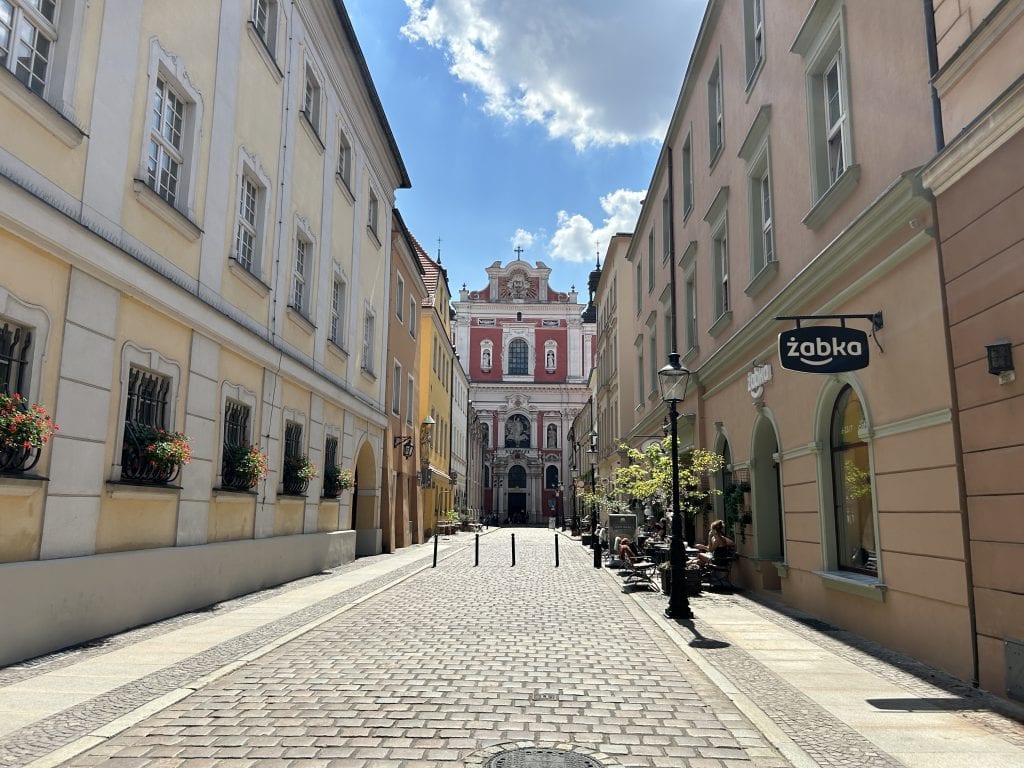
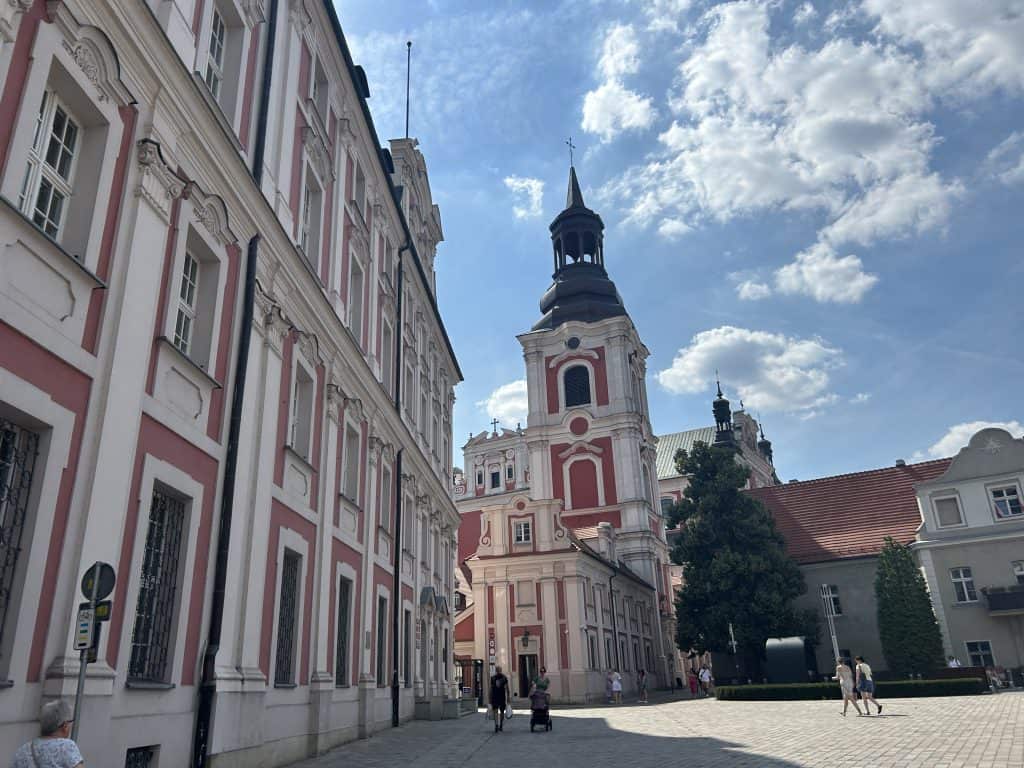
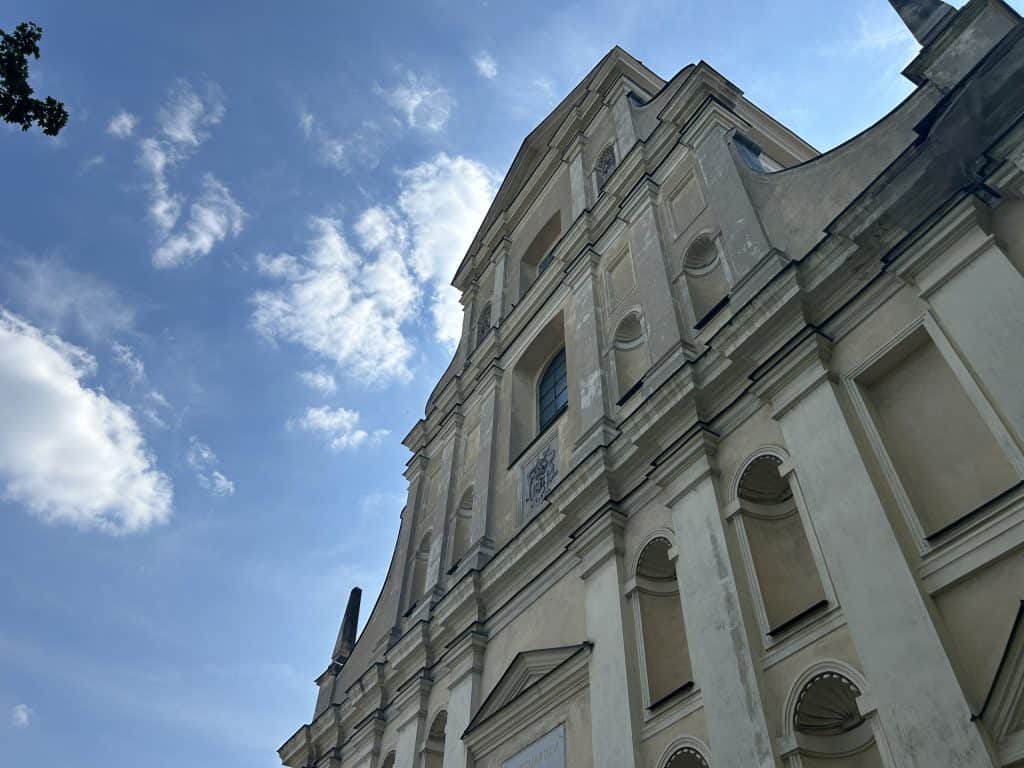
The Parish Church of St. Stanislaus (Fara Poznańska) is often considered one of Poland’s most magnificent Baroque churches. Completed in the early 18th century, its opulent interior is truly a sight to behold. Visitors are immediately struck by the grandeur of its towering columns, elaborate stucco work, and a stunning main altar. The church is also home to a world-famous pipe organ built by Friedrich Ladegast. Its exceptional acoustics make any concert held within its walls a sublime experience.
National Museum in Poznań
The National Museum in Poznań (Muzeum Narodowe w Poznaniu) is the premier cultural institution in the region. It houses an extensive and impressive collection of Polish and European art. Its diverse exhibits span vast periods, from ancient artifacts to contemporary masterpieces. The museum features a significant gallery of Polish painting, including works by celebrated masters like Jan Matejko and Jacek Malczewski. It also displays a notable collection of Spanish paintings, providing a broad context of European art history.
Malta Lake
Malta Lake (Jezioro Maltańskie) is a large, artificial lake on the eastern side of Poznań that serves as a dynamic recreational hub. This popular area is a magnet for outdoor enthusiasts. The lake features a world-class regatta course and regularly hosts major international rowing and canoeing competitions. The surrounding area offers year-round attractions, including an artificial ski slope and a thrilling toboggan run. For ultimate relaxation, the expansive Termy Maltańskie aquapark is also situated here.
Cytadela Park
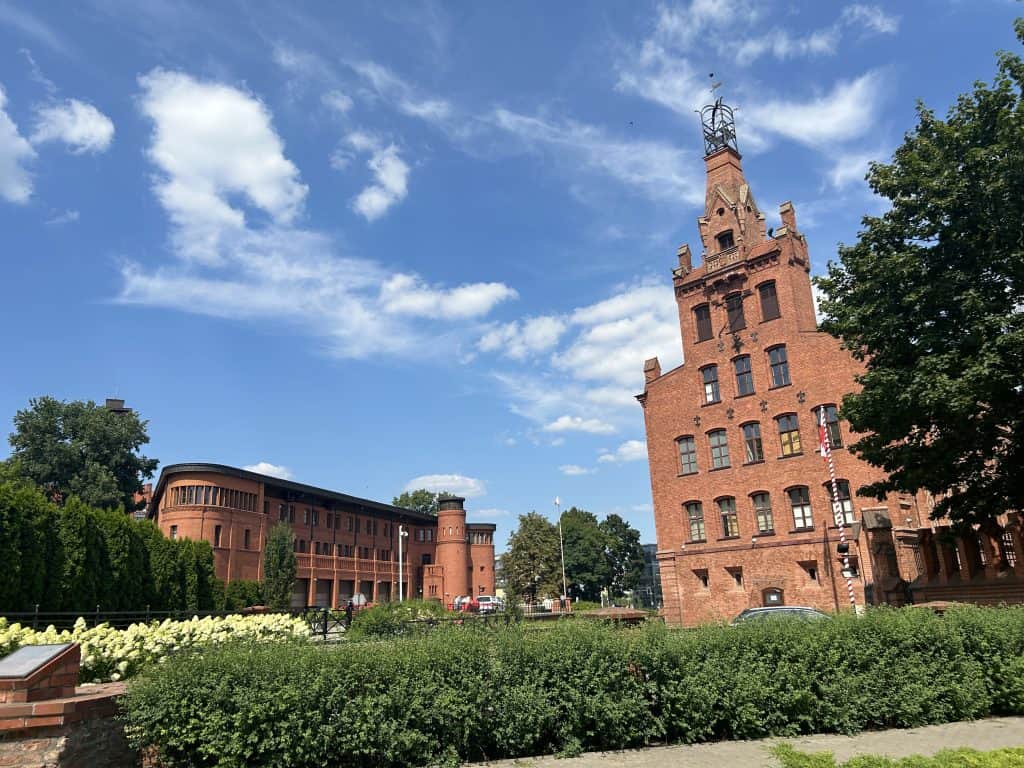
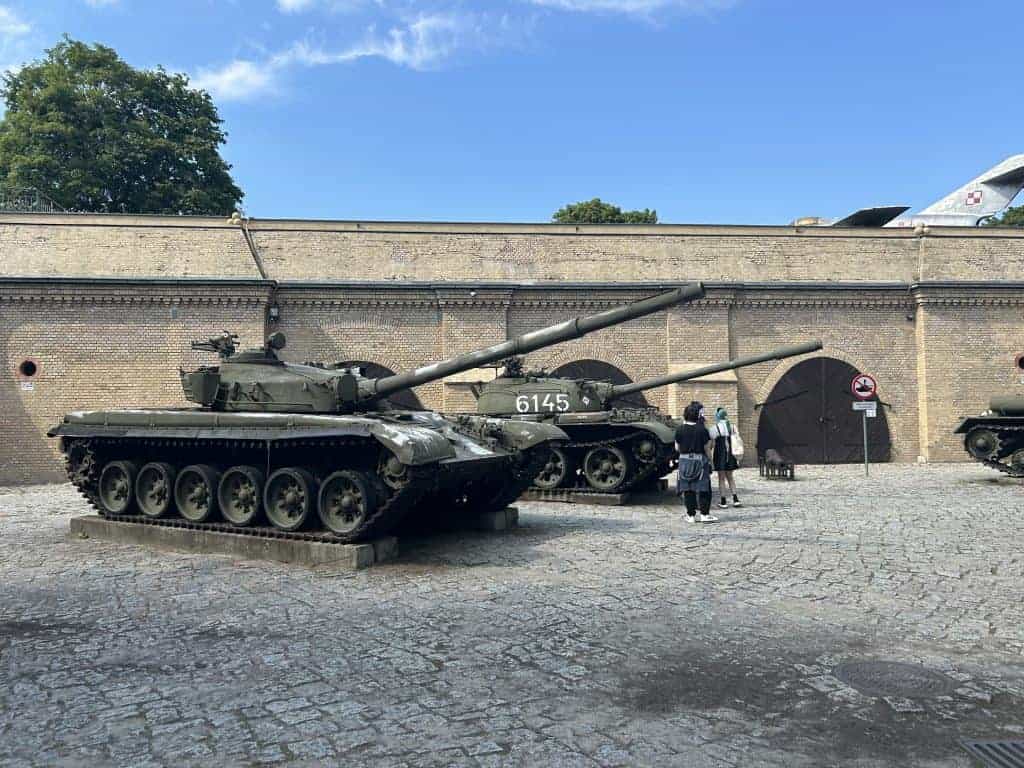
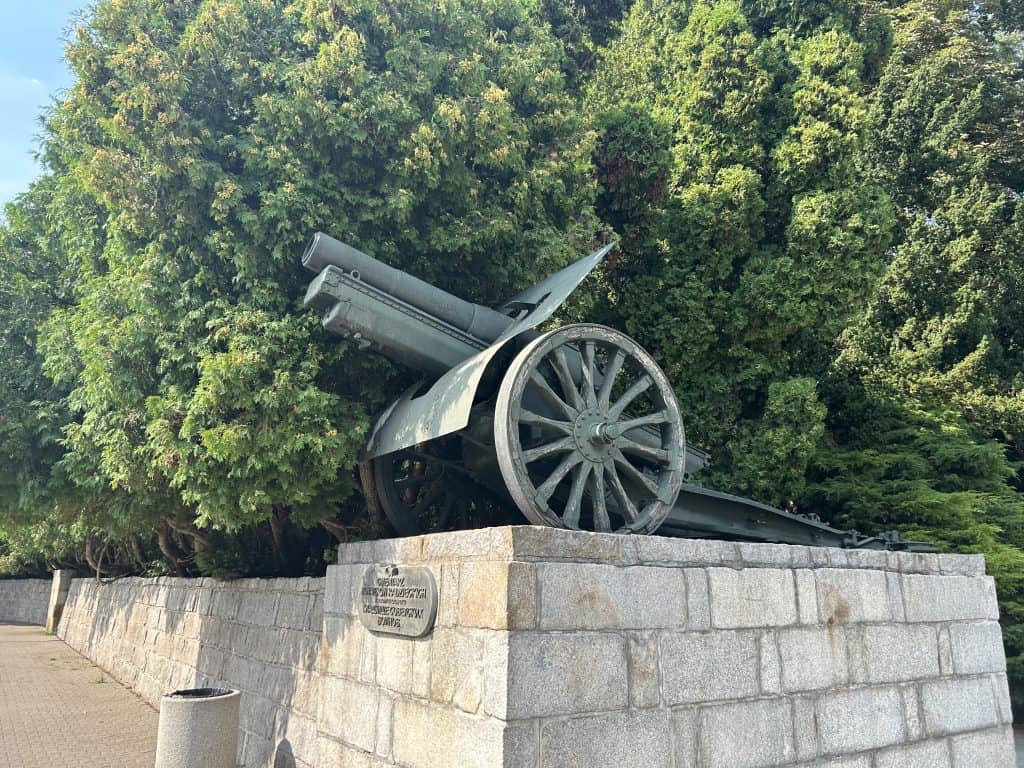
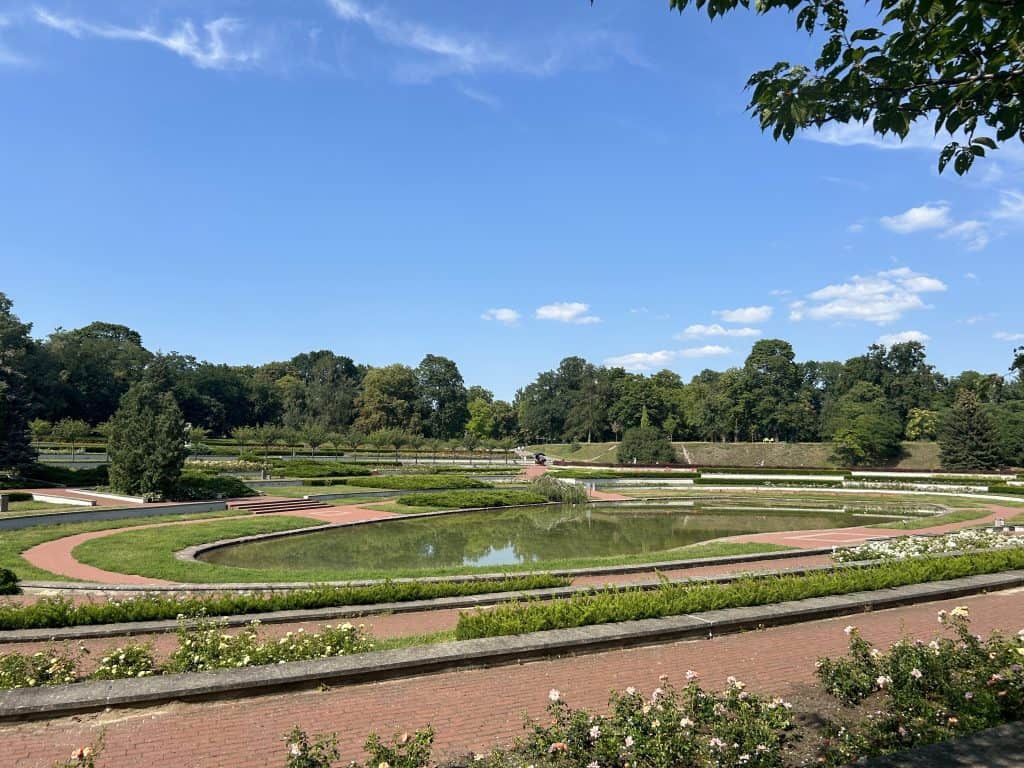
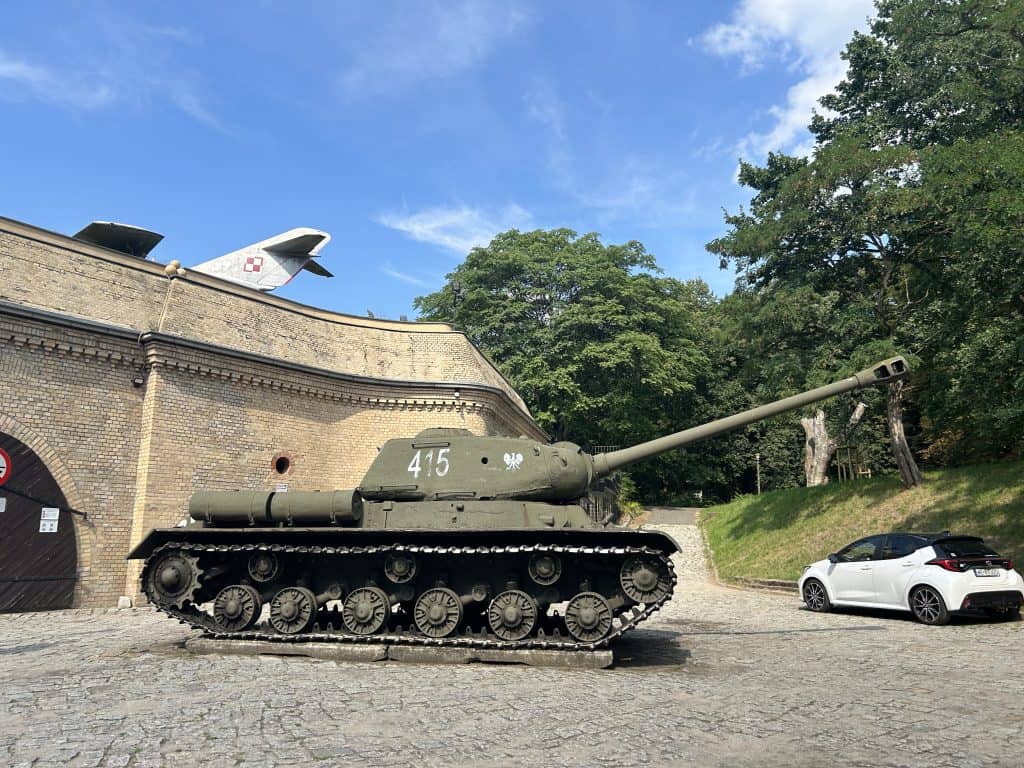
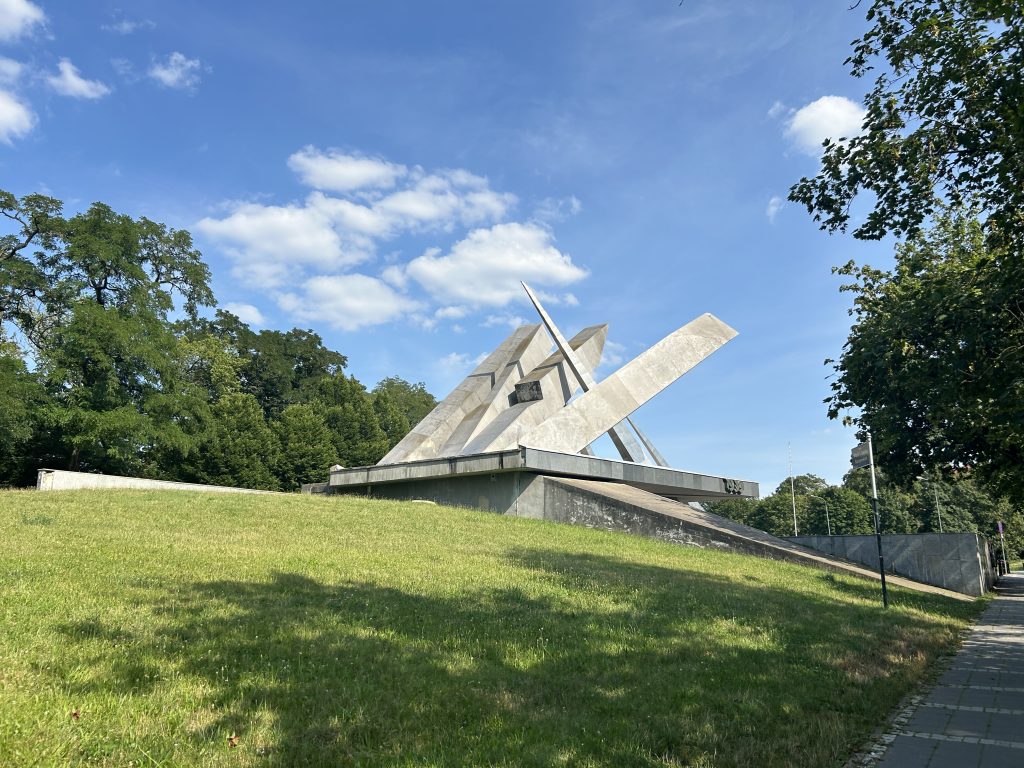
Cytadela Park (Park Cytadela) is the largest park in Poznań, offering a unique blend of expansive green spaces and profound military history. It was developed on the site of a former massive Prussian fortress, with remnants of the fortifications still visible today. The park is home to a Military Museum and several solemn cemeteries, including one for Commonwealth soldiers. Numerous sculptures and memorials are scattered throughout the grounds, inviting both contemplation and recreation. It is a versatile urban sanctuary.
The New Town Hall
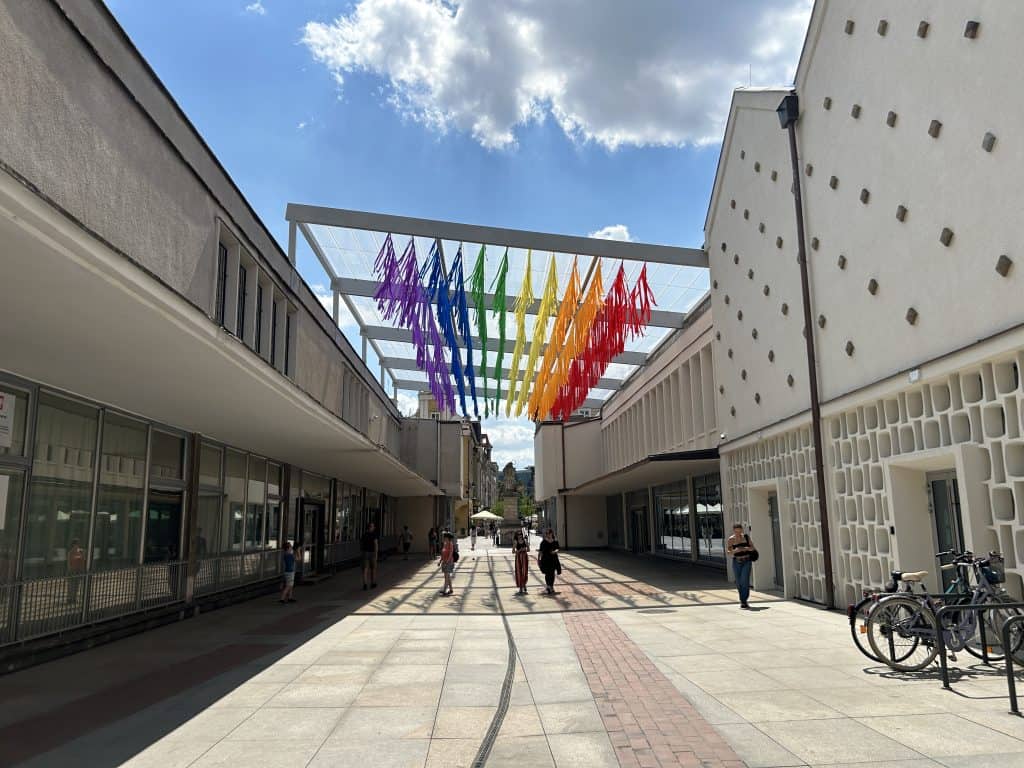
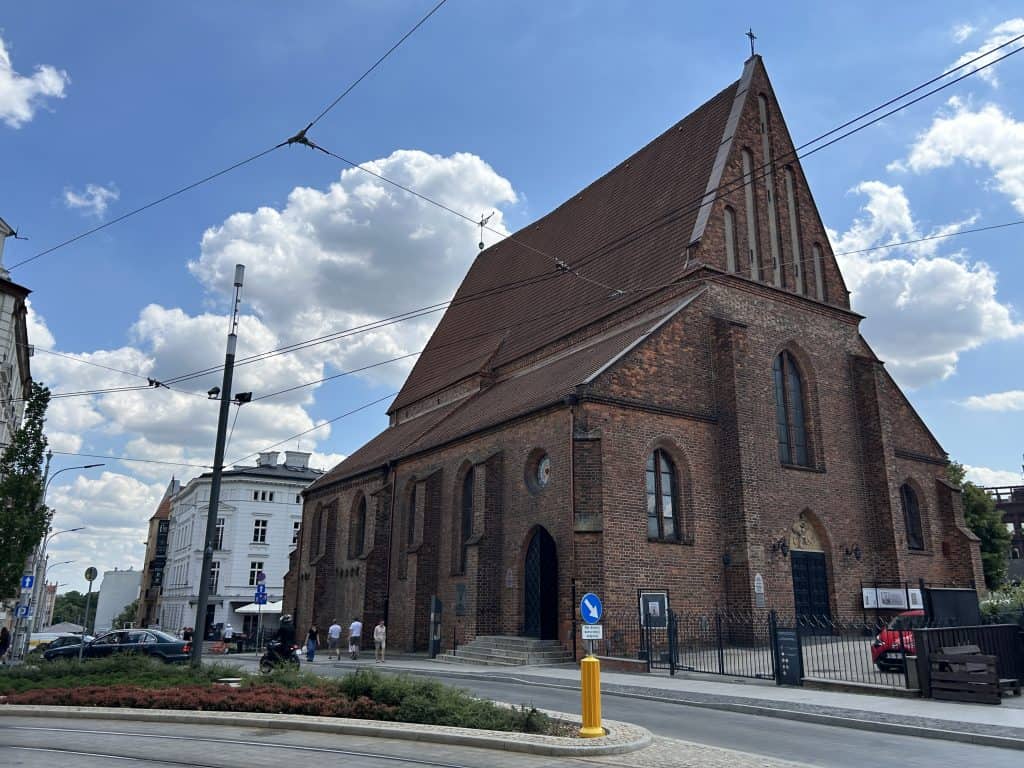
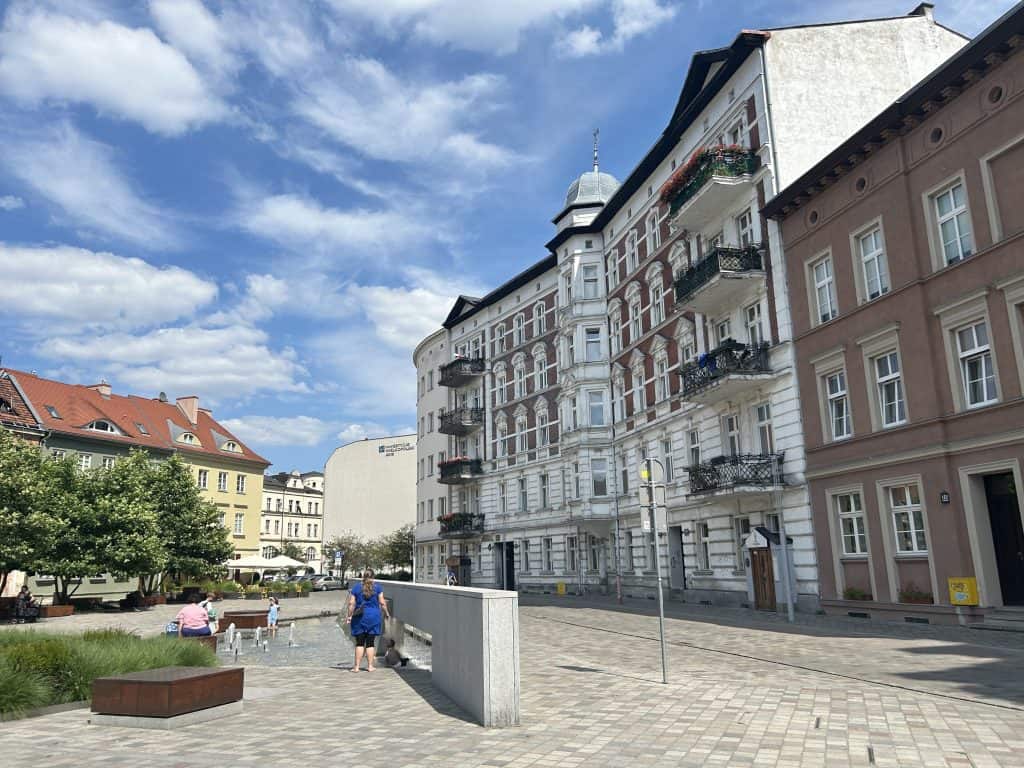
The New Town Hall is the modern seat of the city’s government and is located on Plac Kolegiacki. The square itself was recently revitalized, revealing the foundations of the historic St. Mary Magdalene Collegiate Church, which was once one of the most important churches in Poland. Today, the square is a modern public space that blends history with contemporary design. It often hosts markets and events, continuing its long history as a central point in the city’s life.
Museum of the History of Poznań
Located within the historic Old Town Hall, the Museum of the History of Poznań (Muzeum Historii Miasta Poznania) details the city’s journey from its origins to the modern day. The exhibits guide visitors through different historical periods, showcasing artifacts, documents, and models that bring the past to life. One of its most interesting rooms is the Great Hall, which features a beautiful Renaissance coffered ceiling from the 16th century.
Sports in Poznań
Poznań boasts a dynamic and diverse sports scene, deeply embedded in the city’s culture. Passionate support for its local clubs is evident, especially for football, which remains the dominant sport. The city also excels in other disciplines, especially water sports, thanks to its excellent modern facilities like Malta Lake. This vibrant environment serves professional athletes while also providing countless opportunities for amateurs. Poznań truly is a hub for physical activity and competitive spirit.
Football
Football unequivocally dominates Poznań’s sports landscape, drawing massive crowds and fostering an intense sense of local pride. The city’s premier club stands as a true institution in Polish football, with a history of success and a huge, passionate fanbase. The sport is a central part of the city’s identity.
Lech Poznań
The city’s powerhouse football club is Lech Poznań. The team competes in the Ekstraklasa, Poland’s top professional league, and is one of the most successful clubs in the country. They have a rich history, having won numerous league titles and Polish Cups. Their home ground is the impressive Enea Stadion, a modern UEFA Category 4 venue that held matches during the UEFA Euro 2012 tournament. Its passionate fans are famous for creating an electric atmosphere.
Rowing and Canoeing
Poznań stands as a globally recognized international center for rowing and canoeing. The city’s crown jewel for water sports is Malta Lake, which features a world-class regatta course. This exceptional venue regularly hosts major international competitions, including World Cups and European Championships. These events draw top athletes from around the globe to the city. Poznań nurtures a strong tradition in these demanding water sports.
Speedway
Speedway is a popular motorsport in Poznań, enjoying a dedicated and loyal following. The sport brings thrilling, high-speed action to the city’s historic track. The races are known for their loud and exciting atmosphere, as riders display incredible skill and bravery on specialized motorcycles without brakes. It is a significant part of the city’s sporting heritage.
PSŻ Poznań
The city’s dedicated speedway club is PSŻ Poznań. The team competes in the Polish speedway leagues, consistently attracting a loyal fanbase to their home races. Their home track is a historic venue steeped in Polish speedway tradition. The club is a focal point for motorsport enthusiasts in the Greater Poland region. Their races are a thrilling spectacle of power and skill.
Basketball
Basketball also has a strong tradition in Poznań, with a passionate community of fans and players. The city is home to clubs that compete at high levels of the national leagues for both men and women. The sport is very popular at the academic level as well, with university teams adding to the local scene. This contributes to the sport’s widespread popularity throughout the city.
Enea Basket Poznań
The city’s top professional men’s team is Enea Basket Poznań. The club competes in the top-tier Polish Basketball League (PLK). They play their home games in a competitive atmosphere, drawing dedicated fans who support the team passionately. The club represents the city at the highest level of Polish basketball and plays a key role in the local sports community.
Handball
Handball is another sport with a solid following in Poznań. It is known for being a fast-paced, physical, and highly tactical team sport. The city supports several local clubs that compete in the national league systems for both men and women. These clubs help to develop talent and provide a chance for local fans to watch high-level competition. The sport contributes to the diverse athletic landscape of the city.
Floorball
Floorball is a fast-growing sport in Poland, with a strong presence in academic and club circles in Poznań. The sport is known for being dynamic and accessible. The city’s university-affiliated teams are particularly important. They compete at a high level in the national leagues for both men and women. This makes Poznań a significant center for the development of the sport.
AZS UAM Poznań
The most prominent floorball club is AZS UAM Poznań, which is affiliated with the Adam Mickiewicz University. The club is especially known for its successful women’s team, which competes in the top national league, the Ekstraliga Kobiet. They are a regular contender for medals and showcase the high level of the sport in the city. The club plays a vital role in nurturing young talent.








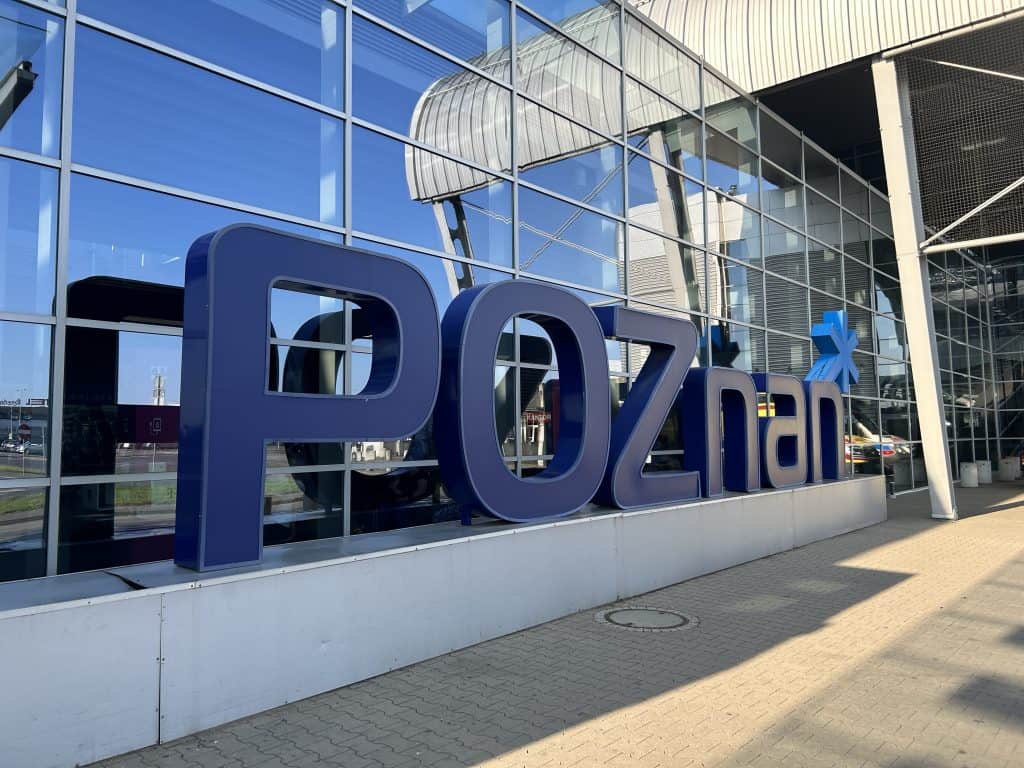
Getting Around in Poznań
Navigating Poznań is efficient and convenient, thanks to a comprehensive public transport system that connects its historic sites with modern districts. Whether you prefer swift tram journeys or extensive bus routes, you will find plenty of options. Understanding the system helps you explore its iconic Old Market Square and bustling streets with ease.
On Foot: The Heart of the City
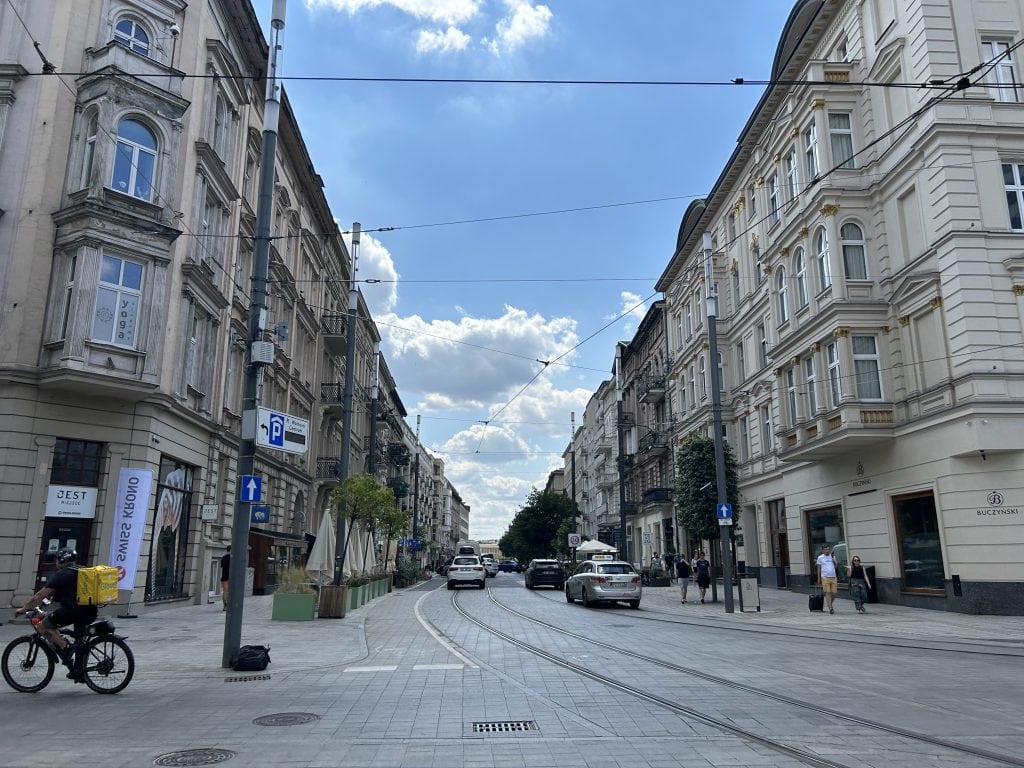
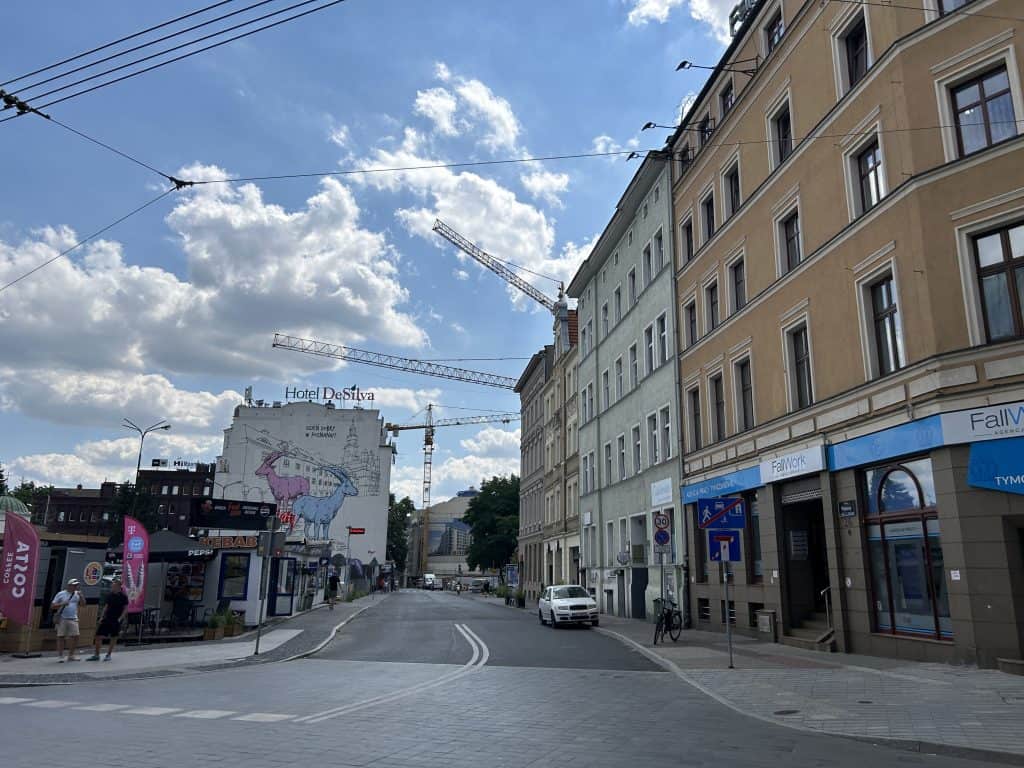
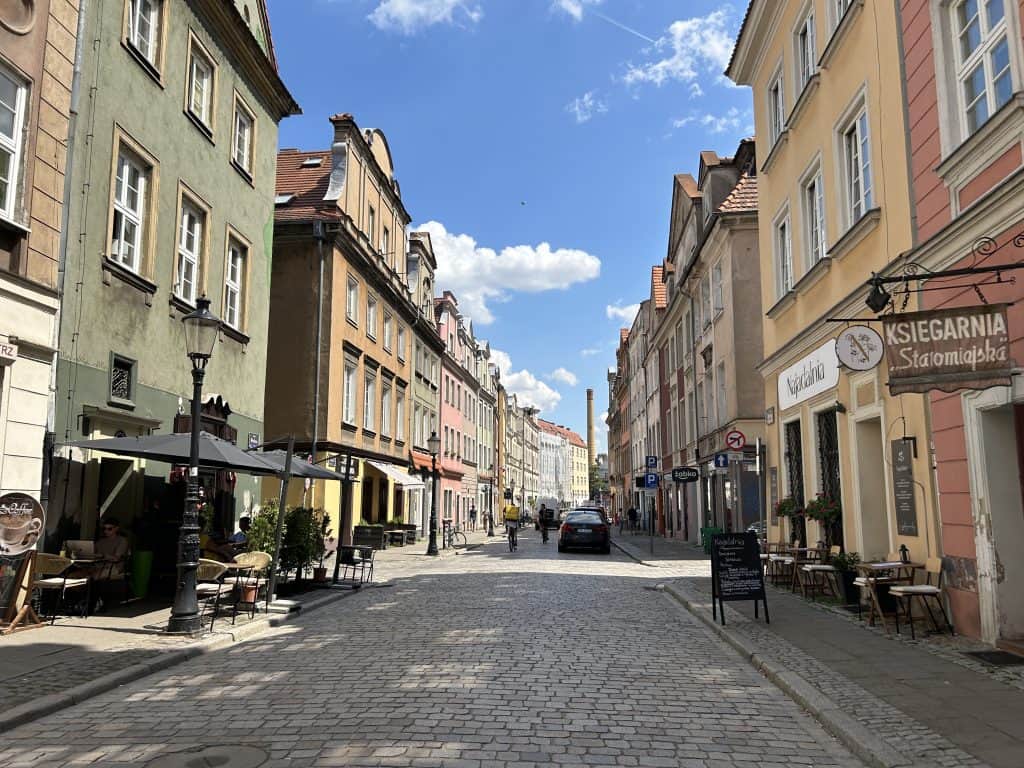
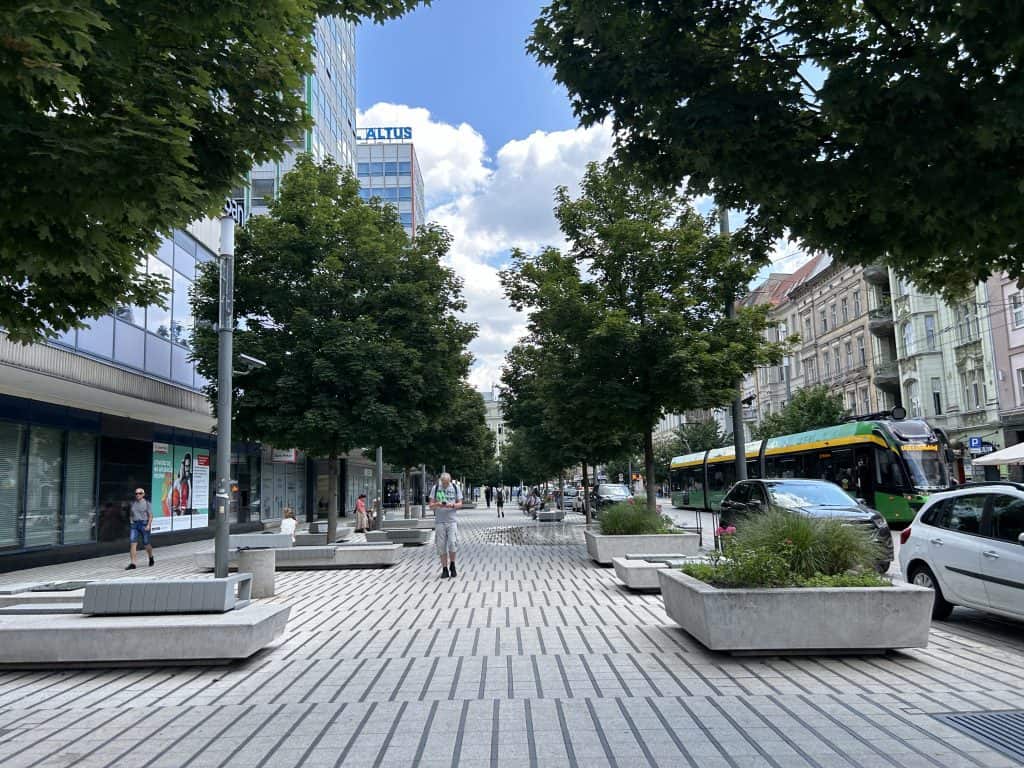
Walking is often the best way to experience Poznań’s historic core. The Old Market Square (Stary Rynek) and its surrounding streets are largely pedestrianized, creating a delightful atmosphere for a stroll. Many famous landmarks, like the Renaissance Town Hall and the Parish Church, are within easy walking distance of each other. This allows you to discover hidden alleys, unique cafes, and vibrant street art at your own pace.
Riding the Blue and Green: Trams and Buses
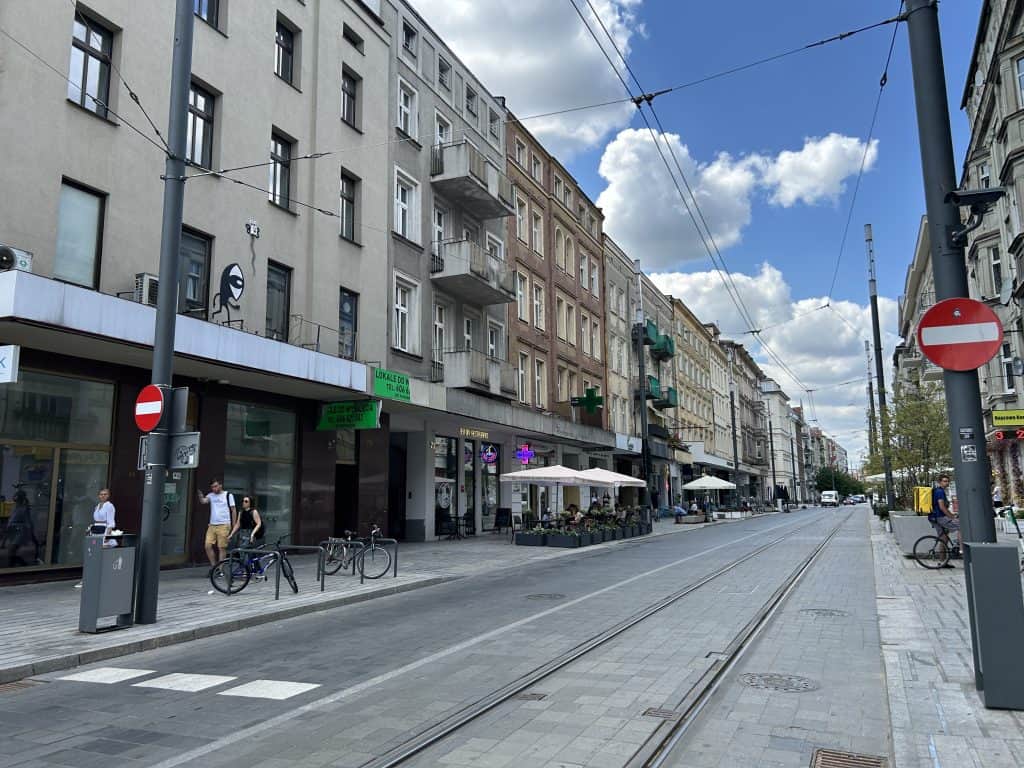
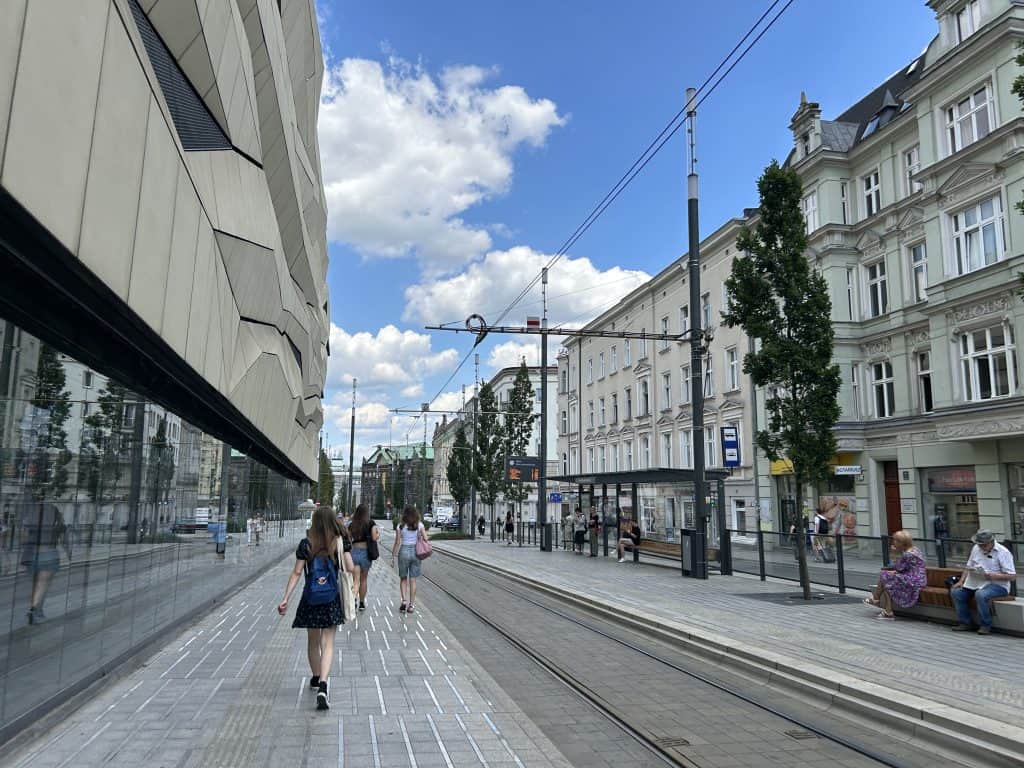
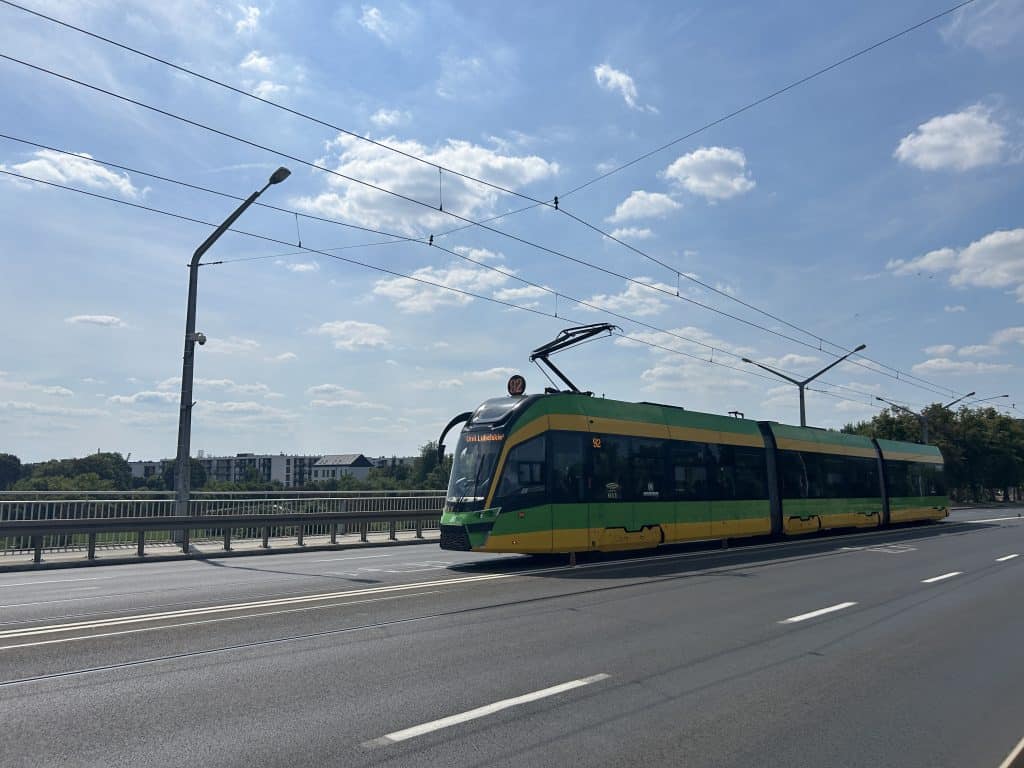
The public transport system in Poznań is operated by ZTM and uses an integrated ticket for its trams and buses. Trams are the backbone of the system, offering an efficient way to travel across the city. Buses complement the tram network, serving areas not directly reached by the tram lines. You can buy tickets from vending machines at stops or via mobile apps. Remember to validate your ticket immediately upon boarding and always check official sources for up-to-date information.
A Lift at Your Fingertips: Taxis and Ride-Sharing
Official taxis are widely available in Poznań and are required to use a meter. For a convenient alternative, ride-sharing apps like Uber, Bolt, and Free Now operate widely throughout the city. These services are often booked via a smartphone app, providing an upfront price and a simple payment process. They can be an easy way to get a direct ride to your destination.
Two Wheels in the City: Cycling in Poznań
Cycling is a popular and eco-friendly way to get around Poznań, which has a growing network of dedicated cycle lanes. The Poznań City Bike (Poznański Rower Miejski) is the public bike-sharing scheme. You can rent bikes from numerous docking stations across the city after a simple registration. This provides a flexible option for short trips and is an excellent way to explore the city’s parks and riverside areas.
How to Get to Poznań
As a major city in Poland, Poznań is very well-connected and easy to reach. It is served by an international airport, modern motorways, and is a crucial hub on the national rail and bus networks.
Arriving by Air: Poznań’s Gateway
Poznań has its own international airport, Poznań–Ławica Henryk Wieniawski Airport (POZ). It is located just 7 kilometers west of the city center, making for a very quick transfer. The airport offers direct flights to numerous European cities, with popular routes serving the UK, Italy, and Scandinavia. Reaching the city center is easy, as public buses provide frequent service directly from the terminal.
The Open Road: Driving to Poznań
Driving to Poznań is very efficient thanks to its position on Poland’s modern motorway network. The A2 motorway (E30) is the main east-west route, connecting Poznań directly to Berlin and Warsaw. The S5 expressway provides a fast north-south link to Wrocław and Bydgoszcz. The S11 expressway further links Poznań to other parts of the country. Remember that a toll system is in place for using the motorways.
Connecting by Coach: A Hub for Buses
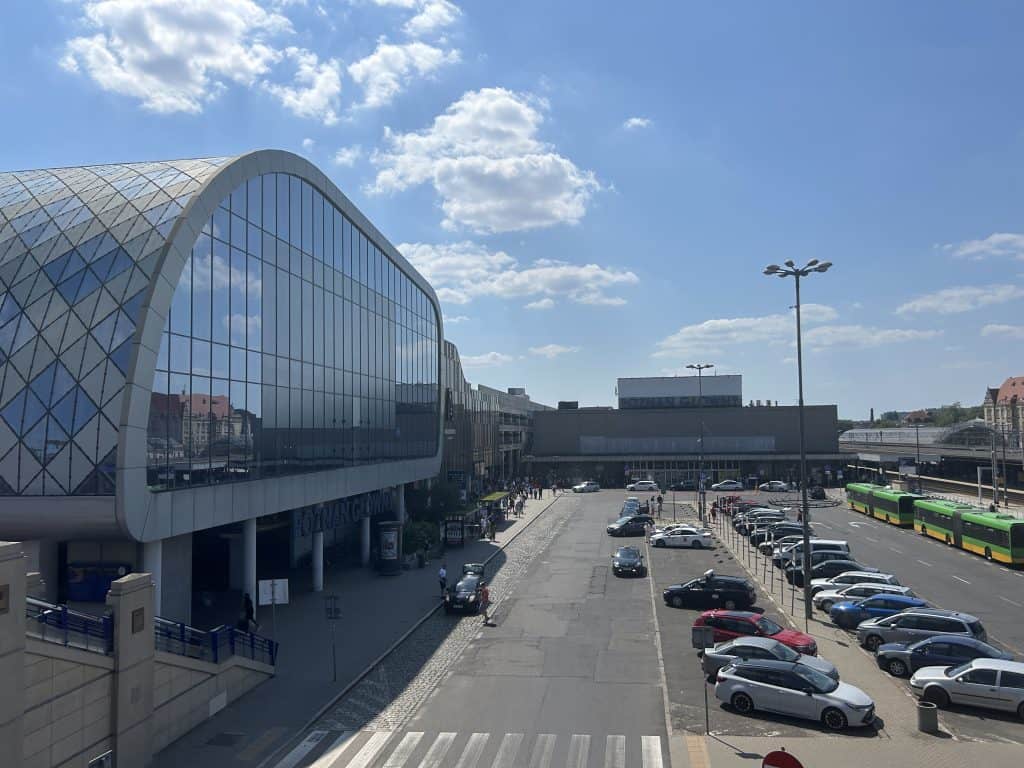
The main bus station in Poznań (Dworzec PKS Poznań) is conveniently integrated with the central railway station, creating a modern transport hub. It is a major stop for national and international bus services. Companies like FlixBus offer frequent direct connections from all major Polish cities and European capitals like Berlin and Prague. Bus travel is often a very economical option.
On Track: A Grand Arrival by Rail
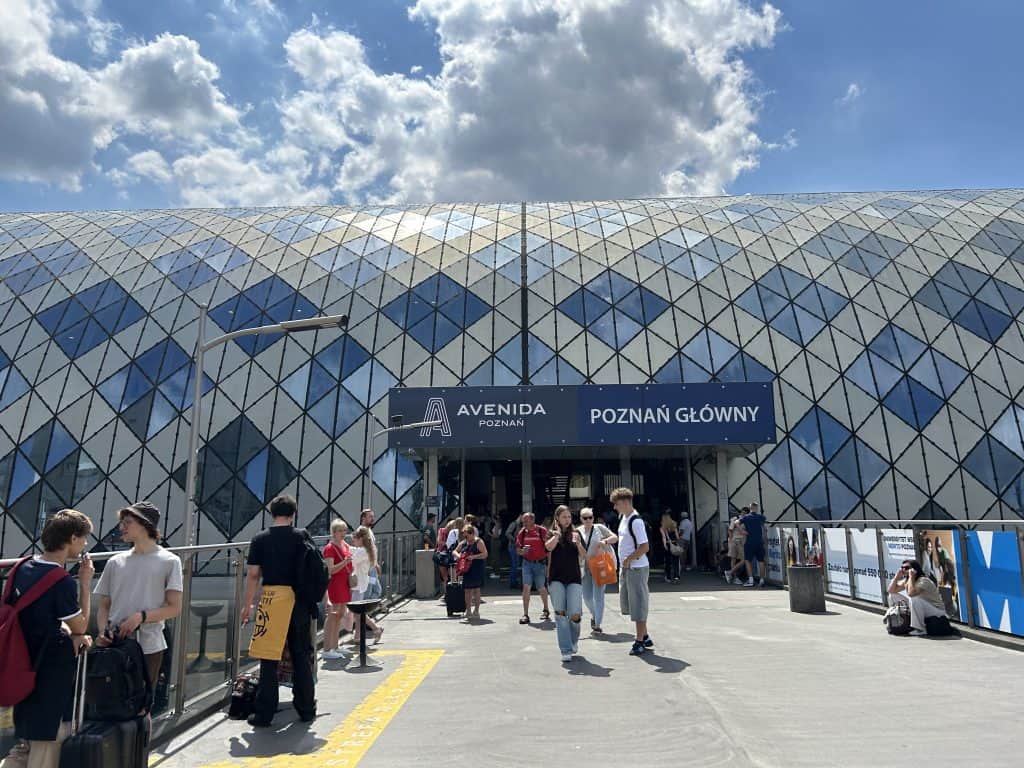
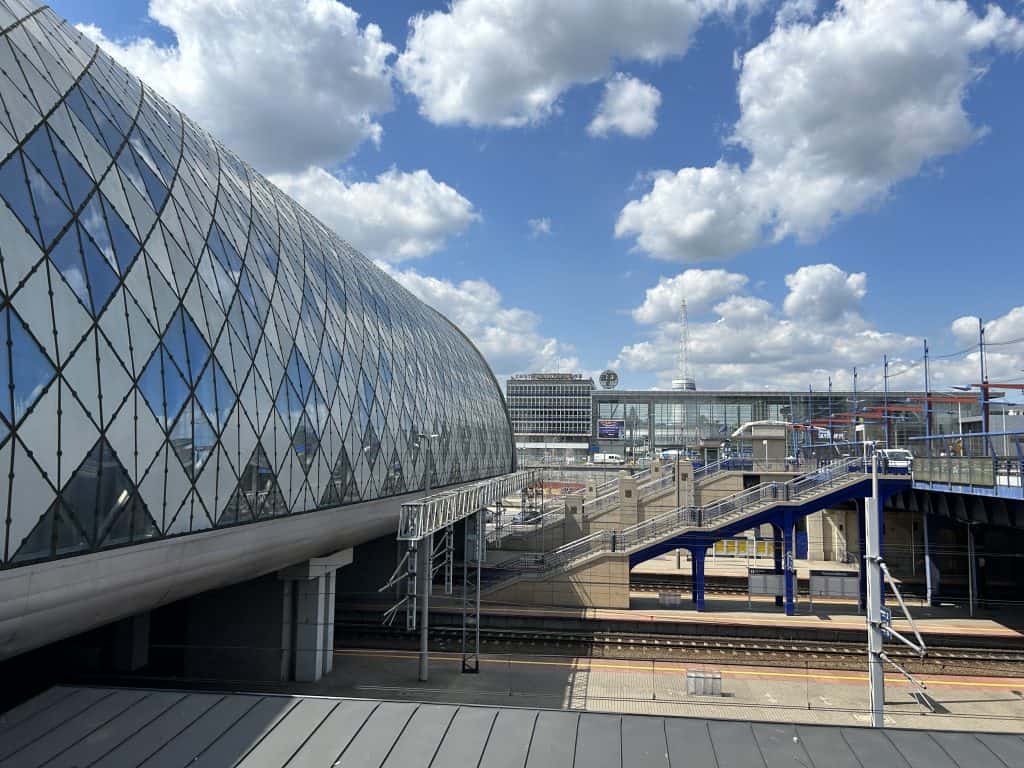
Poznań is a crucial railway hub in Poland. Its main station, Poznań Główny, is one of the busiest in the country. PKP Intercity operates frequent long-distance train services, including modern high-speed trains. Direct connections are available from major Polish cities such as Warsaw (a journey of about 3 hours), Kraków, and Gdańsk. International train services also provide direct links between Poznań and Berlin.
Driving Distances
The driving distance from 5 other major Polish cities, according to Google Maps:
- Warsaw – 309 kilometers (3 h 10 min)
- Kraków – 462 kilometers (4 h 20 min)
- Wrocław – 182 kilometers (1 h 50 min)
- Gdańsk – 300 kilometers (3 h 10 min)
- Lublin – 477 kilometers (4 h 40 min)
Looking to Explore more of Poland and Europe?