
La Plata | Exploring Argentina
La Plata is the capital city of the Buenos Aires Province in Argentina. It is located approximately 50 kilometers southeast of the national capital of Buenos Aires. With a population of around 770,000 inhabitants, it is a major urban center. The city is known for its unique and highly rational urban plan. This plan is characterized by a perfect square grid with numerous diagonal avenues and a public park or square every six blocks. This design has earned it the nickname “la ciudad de las diagonales” (the city of diagonals).
The identity of La Plata is that of a purpose-built capital, and it was founded and designed in the late 19th century. It was created to serve as the new capital for the province after the city of Buenos Aires was federalized. The city is a major center for education, and it is home to the prestigious National University of La Plata. It is also known for its monumental public buildings and its rich cultural life. Today, La Plata is a vibrant city that combines its grand, planned design with the lively atmosphere of a modern Argentine urban center.


History of La Plata
The history of La Plata is a story of a city that was born out of a political necessity. It was planned and built from scratch in the late 19th century. The city’s foundation was a direct result of the federalization of Buenos Aires in 1880. This event left the powerful Buenos Aires Province without a capital city. The decision to create a brand-new capital was a major undertaking, and it was a symbol of the progress and ambition of the young Argentine republic during this period of great growth.
A New Capital for the Province
The city of Buenos Aires had long served as both the national and the provincial capital, but this created political tensions. After the city of Buenos Aires was officially separated and made a federal district in 1880, the governor of the province, Dardo Rocha, initiated the project to create a new capital. A location was chosen, and on November 19, 1882, the foundation stone of La Plata was officially laid. The city was designed by the urban planner Pedro Benoit. His plan was based on the rationalist and hygienic ideas of the time, with a focus on open spaces and a logical street layout.
The City of Diagonals
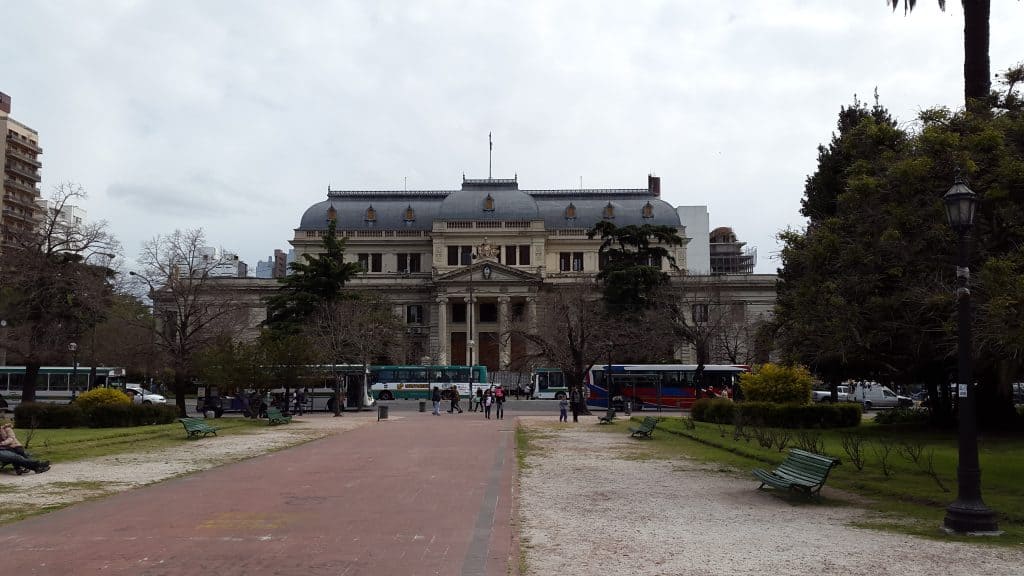
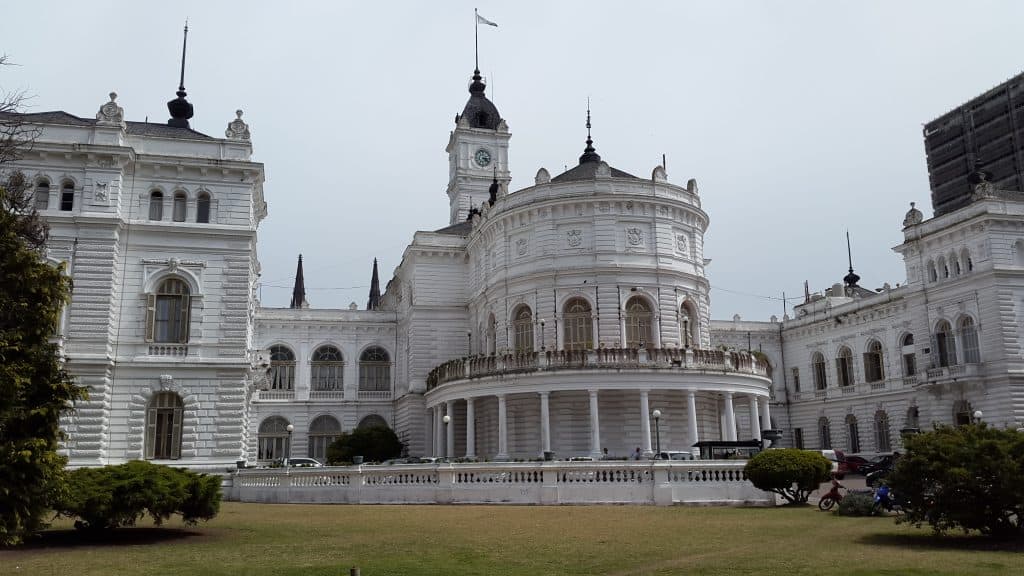
The construction of La Plata was a massive and rapid undertaking. The city’s unique design is a perfect square, with a central park, Plaza Moreno, and two main diagonal avenues that cross the entire city. The grid of numbered streets and the regular placement of parks were intended to create a well-organized and healthy urban environment. The city’s many public buildings, including the magnificent cathedral and the government palace, were also designed in a grand, monumental style. The city’s design is said to contain many symbols related to Freemasonry, as both the founder and the architect were members.
A Center of Learning and Culture
From its early days, La Plata was envisioned as not only an administrative center but also as a city of culture and learning. The National University of La Plata was founded in 1897 and was nationalized in 1905. It quickly grew to become one of the most important universities in Argentina and in all of South America. The university is particularly famous for its Natural History Museum. The city also developed a rich cultural life, with the magnificent Teatro Argentino de La Plata becoming one of the premier opera houses in the country.


Sights in La Plata
The sights in La Plata are centered around its unique urban plan and its magnificent collection of monumental public buildings. The main attraction for many is the magnificent Cathedral of La Plata, which is one of the largest churches in the Americas. The city’s central square, Plaza Moreno, is a vast and impressive public space. For those interested in natural history, the La Plata Museum, with its world-class collections, is an essential visit. A walk through the city’s streets is also a great way to appreciate its unique layout and its many beautiful parks.
Cathedral of La Plata
The Cathedral of La Plata, dedicated to the Immaculate Conception, is the most famous and imposing landmark in the city. This massive neo-Gothic cathedral is located on the main square, Plaza Moreno. Construction of the cathedral began in 1884, but it was not officially completed until 1999 with the addition of its two massive main towers. The cathedral is one of the largest in South America, and its beautiful architecture and magnificent stained-glass windows are impressive. It is possible to take an elevator up one of the towers for spectacular panoramic views of the city.
La Plata Museum
The Museo de La Plata is the natural history museum of the National University of La Plata. It is one of the most important natural history museums in South America. The museum is housed in a magnificent neoclassical building from the late 19th century. Its world-class collections cover the fields of paleontology, anthropology, geology, botany, and zoology. The museum is particularly famous for its impressive collection of fossils from the Ice Age megafauna of the Pampas region, including giant sloths and glyptodonts.
Plaza Moreno
Plaza Moreno is the geographical center of the city of La Plata and its main public square. The vast square is located at the intersection of the two main diagonal avenues of the city. At the center of the square is the “Piedra Fundamental,” or the foundation stone, which marks the exact spot where the city was founded. The square is surrounded by two of the city’s most important buildings: the magnificent Cathedral of La Plata on one side and the Municipal Palace (the city hall) on the other.
The Republic of the Children
The República de los Niños is a unique and famous theme park for children located on the outskirts of La Plata. The park was opened in 1951, and it is a miniature city that is built to a child’s scale. The park features a variety of buildings, including a parliament, a courthouse, a church, and a train station, all designed in a whimsical, fairy-tale style. It is said that Walt Disney visited the park and was inspired by it when he designed Disneyland. It is a fantastic destination for a family day out.
Sports in La Plata
The sports scene in La Plata is dominated by the intense passion for football. The city is home to two of the most famous and historic football clubs in Argentina, Estudiantes de La Plata and Gimnasia y Esgrima La Plata. The rivalry between these two teams, known as the “Clásico Platense,” is one of the most fiercely contested in the country, and it divides the entire city. The city is also a center for other sports, including rugby and basketball.
Estudiantes de La Plata (Football)
Club Estudiantes de La Plata is one of the most successful football clubs in the history of Argentina. Founded in 1905, the club has won the Argentine Primera División championship multiple times. They are most famous for their incredible international success in the late 1960s, when they won the prestigious Copa Libertadores three times in a row. The team also won the Intercontinental Cup in 1968, making them world champions. They play their home matches at the modern Estadio Jorge Luis Hirschi.
Gimnasia y Esgrima La Plata (Football)
Club de Gimnasia y Esgrima La Plata is the other major football club in the city and the great rival of Estudiantes. Founded in 1887, it is one of the oldest football clubs in Argentina. While the club has not had the same level of international success as its rival, it has a very large and passionate fanbase. The club has won the Argentine Primera División once, in 1929. They play their home matches at the historic Estadio Juan Carmelo Zerillo, which is located in the Paseo del Bosque park.
La Plata Rugby Club (Rugby)
Rugby is another popular sport in the city, and La Plata Rugby Club is one of the most historic and successful rugby clubs in Argentina. The club was founded in 1934. They compete in the Torneo de la URBA, which is the premier domestic club competition in the country. The club has won the championship multiple times and has produced many players for the Argentine national team, Los Pumas.

Getting Around in La Plata
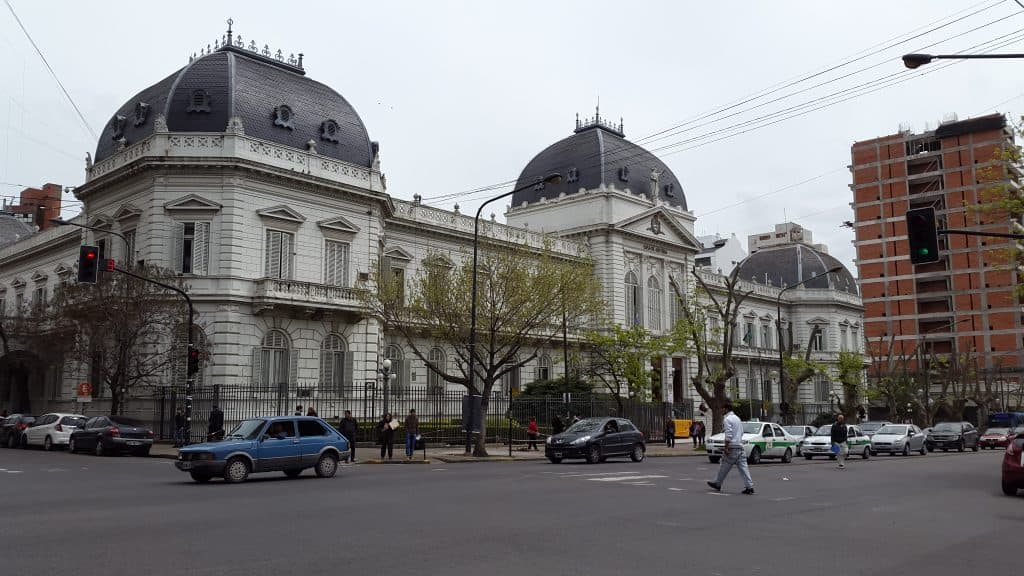
Navigating the city of La Plata is relatively easy due to its logical, grid-based street plan. The city center is compact and can be explored on foot. For travel to other parts of the city and its suburbs, an extensive public bus system is available. Taxis and ride-sharing services are also widely available. A tourist bus also operates in the city, providing a convenient way to see the main sights.
Using the Public Bus
The public transport system in La Plata consists of a large network of city buses. These buses are the primary way for locals to get around. To use the system, you need a rechargeable SUBE card, which is the same card that is used in Buenos Aires. The buses are a very affordable and efficient way to reach attractions that are located outside of the main central square, such as the Republic of the Children.
Exploring by Foot
The center of La Plata is very walkable. The main area of interest for tourists is centered around Plaza Moreno and Plaza San Martín. All the main sights in this area, including the Cathedral, the La Plata Museum, and the main government buildings, are within a pleasant walking distance of each other. The numbered street system also makes it very easy to navigate and to find your way around.
How to Get to La Plata?
La Plata is located in the Buenos Aires Province of Argentina and is very easy to reach from the national capital. The city is the main transportation hub for the province. The primary gateway for international visitors is the international airport in Buenos Aires. From the capital, La Plata can be easily reached by car, by a frequent bus service, or by train.
Arriving by Air
The closest major international airport is Ministro Pistarini International Airport (EZE), which is located near Buenos Aires. From the airport, you can take a taxi, a ride-sharing service, or a shuttle bus to La Plata. The journey takes about one to one and a half hours, depending on traffic. The domestic airport in Buenos Aires, Aeroparque Jorge Newbery (AEP), is located closer to the bus and train terminals that serve La Plata.
Driving into the City
Driving to La Plata from Buenos Aires is very straightforward. The Autopista Doctor Ricardo Balbín, also known as the La Plata-Buenos Aires motorway, provides a direct and fast connection between the two cities. The drive takes approximately one hour, depending on traffic. This modern highway makes a day trip from the national capital very easy.
Connecting by Bus
Long-distance buses are the most common and popular way to travel between Buenos Aires and La Plata. Several companies operate very frequent services from the main Retiro bus terminal in Buenos Aires. The journey takes about one to one and a half hours. The main bus terminal in La Plata is located in the city center, within walking distance of the main sights.
Driving Distances
The driving distance from 20 regional cities, according to Google Maps:
- Buenos Aires, Argentina – 60 kilometers (1 h 00 min)
- Mar del Plata, Argentina – 350 kilometers (3 h 45 min)
- Rosario, Argentina – 360 kilometers (4 h 00 min)
- Santa Fe, Argentina – 530 kilometers (5 h 30 min)
- Montevideo, Uruguay – 630 kilometers (plus ferry)
- Bahía Blanca, Argentina – 650 kilometers (7 h 00 min)
- Córdoba, Argentina – 760 kilometers (8 h 00 min)
- Mendoza, Argentina – 1100 kilometers (12 h 30 min)
- Porto Alegre, Brazil – 1100 kilometers (13 h 00 min)
- Asunción, Paraguay – 1300 kilometers (15 h 30 min)
- Santiago, Chile – 1460 kilometers (16 h 30 min)
- Salta, Argentina – 1550 kilometers (18 h 30 min)
- Florianópolis, Brazil – 1600 kilometers (18 h 30 min)
- San Carlos de Bariloche, Argentina – 1650 kilometers (19 h 30 min)
- Curitiba, Brazil – 1900 kilometers (21 h 30 min)
- La Serena, Chile – 1900 kilometers (22 h 30 min)
- Campo Grande, Brazil – 1900 kilometers (22 h 30 min)
- São Paulo, Brazil – 2300 kilometers (26 h 30 min)
- Antofagasta, Chile – 2500 kilometers (30 h 00 min)
- Rio de Janeiro, Brazil – 2700 kilometers (31 h 30 min)
Looking to Explore more of Argentina and South America?