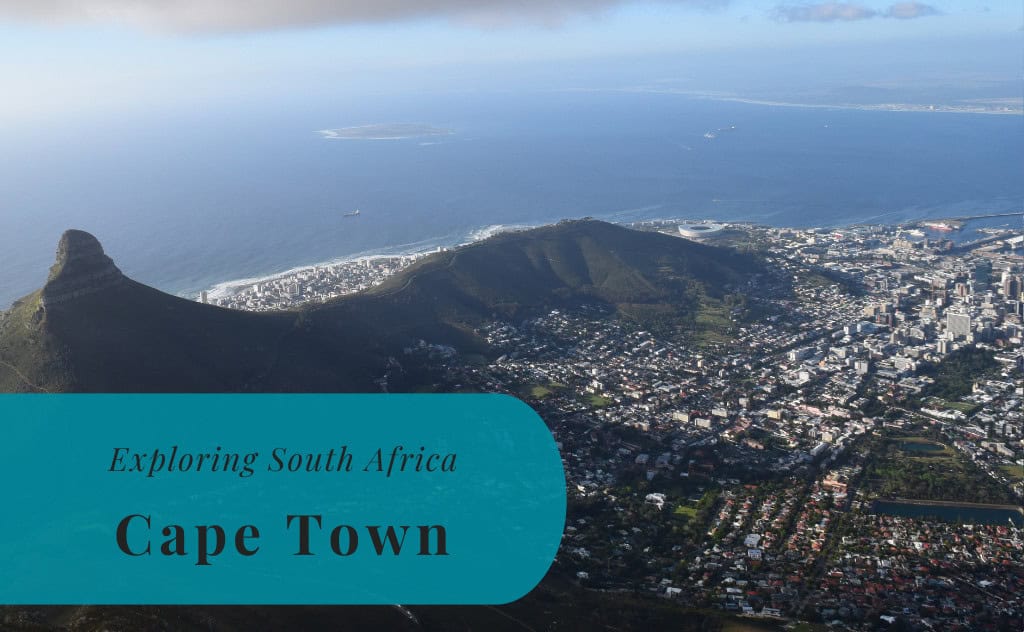
Cape Town | Exploring South Africa
Cape Town is a city and seaport, and it serves as the legislative capital of South Africa. It is also the capital of the Western Cape province. The city is located at the northern end of the Cape Peninsula, and it sits about 50 kilometers north of the Cape of Good Hope. With a metropolitan population of around 4.8 million inhabitants, Cape Town is the second-most populous city in South Africa. The city is known for its stunning natural setting, and it has a rich multicultural heritage and a vibrant arts scene.
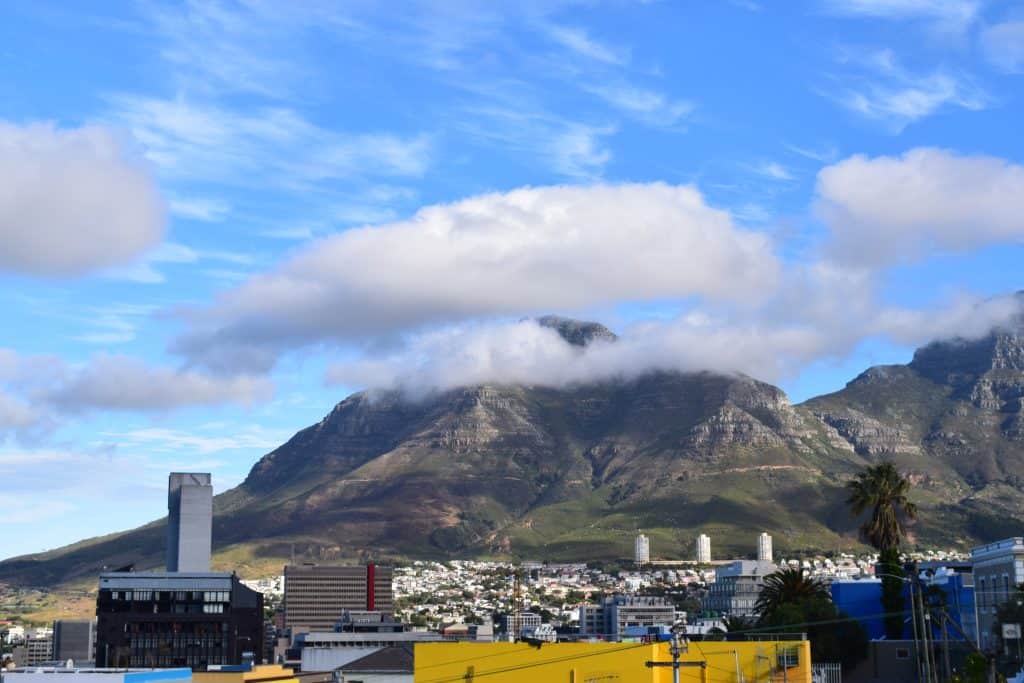
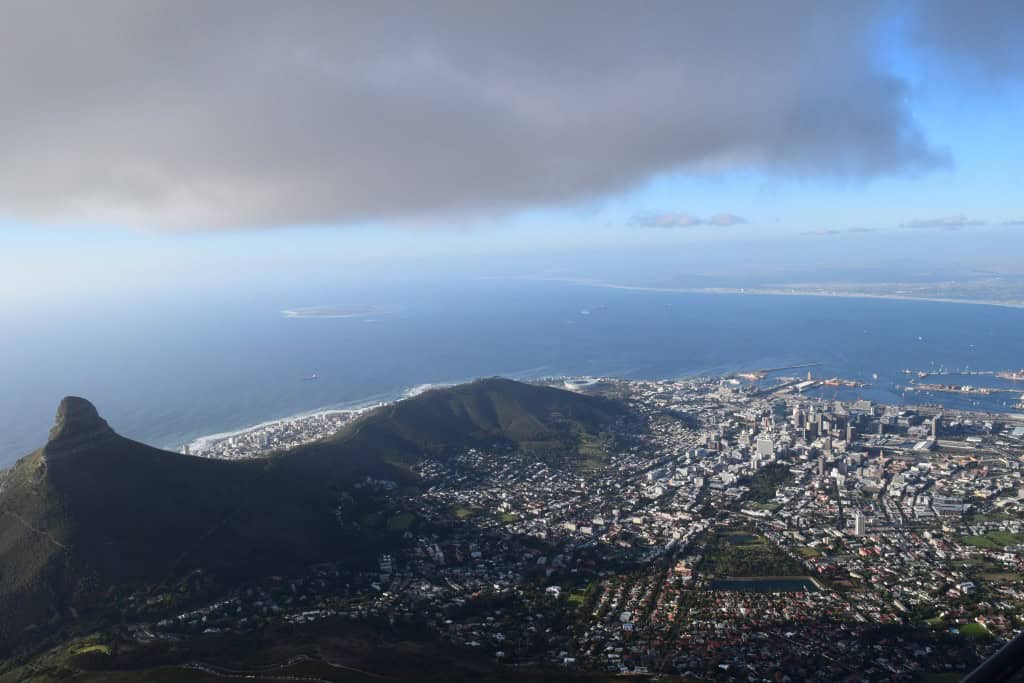
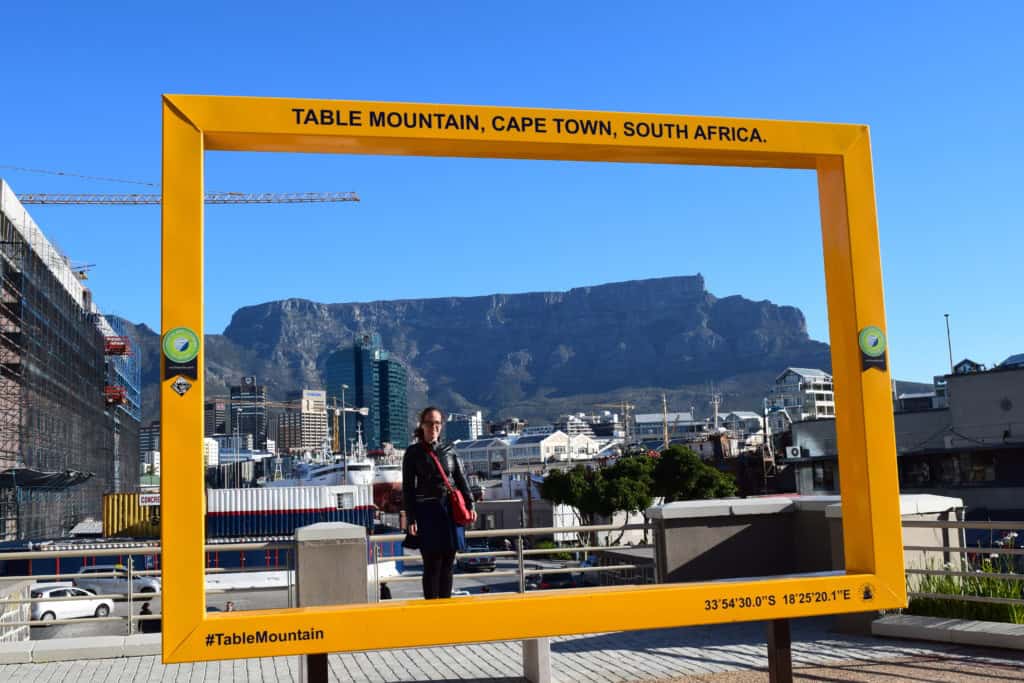
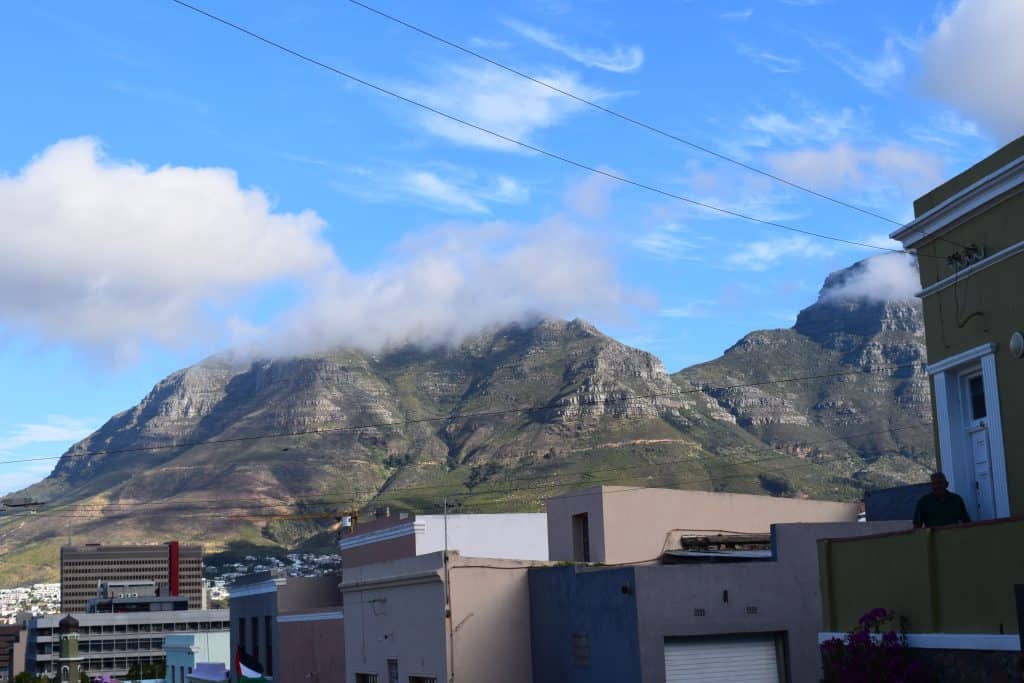
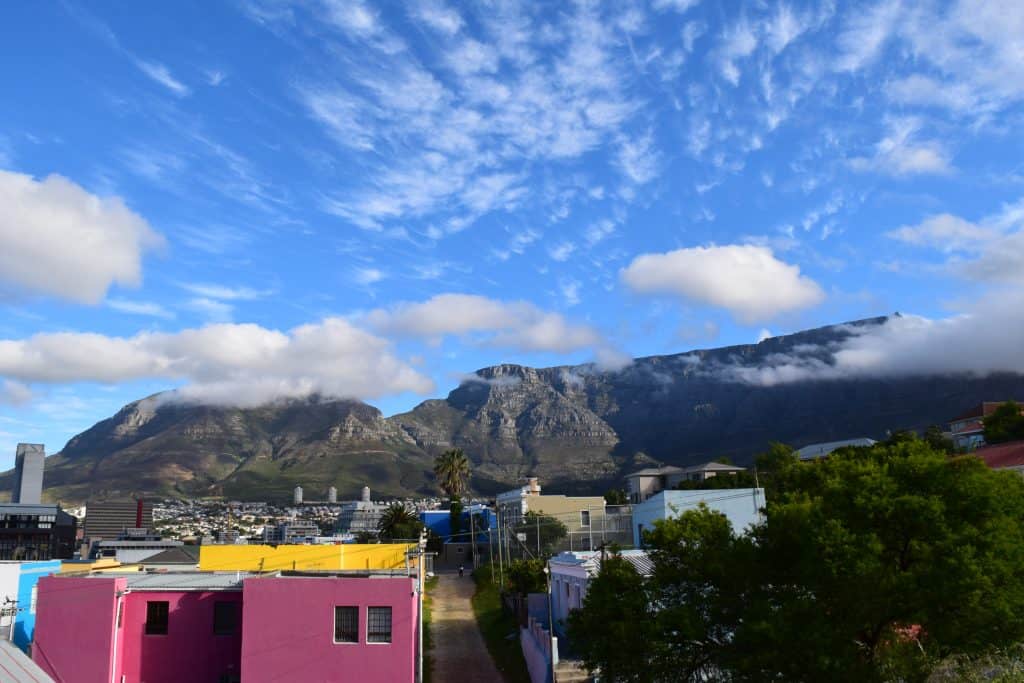
The city’s identity is linked to its dramatic geography, for it is nestled between the Atlantic Ocean and the iconic Table Mountain. This flat-topped mountain rises over a thousand meters high, and it provides a spectacular backdrop to the city. The city’s history began in the 17th century, and it was founded as a refreshment station for the Dutch East India Company. It has since grown into a major international destination, and it is known for its beautiful beaches and its world-class wineries. The city has a rich and often complex history that is visible everywhere.
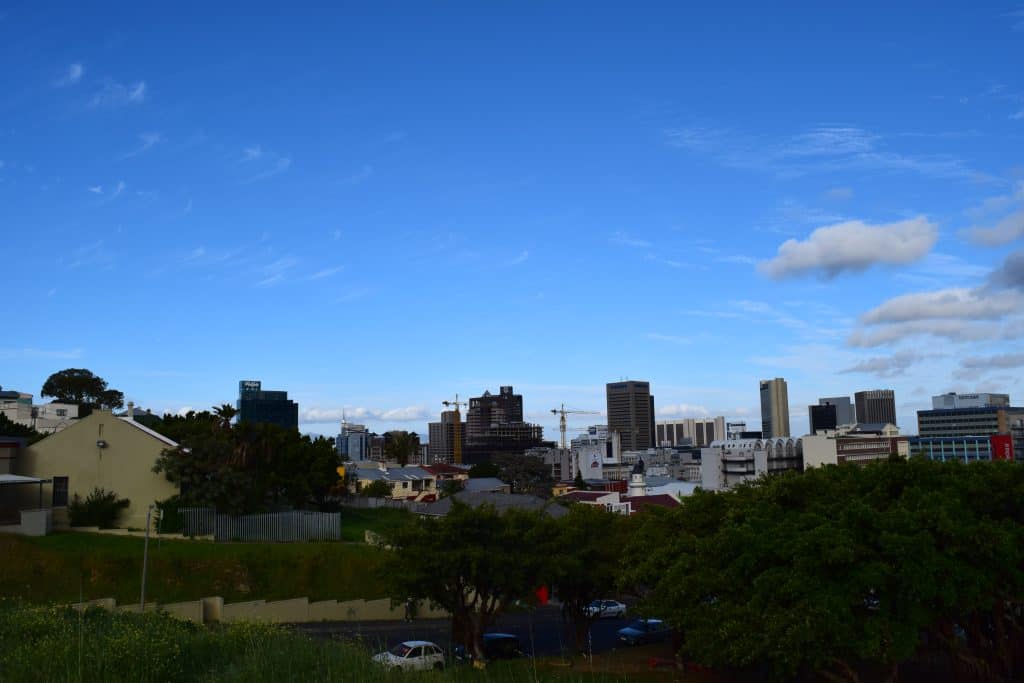
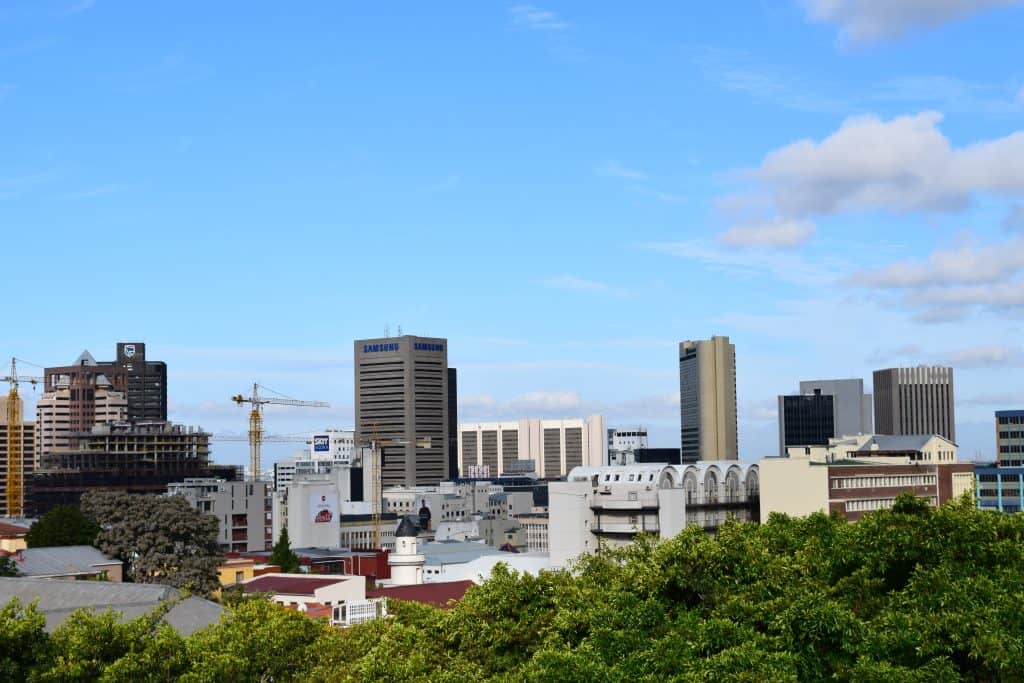
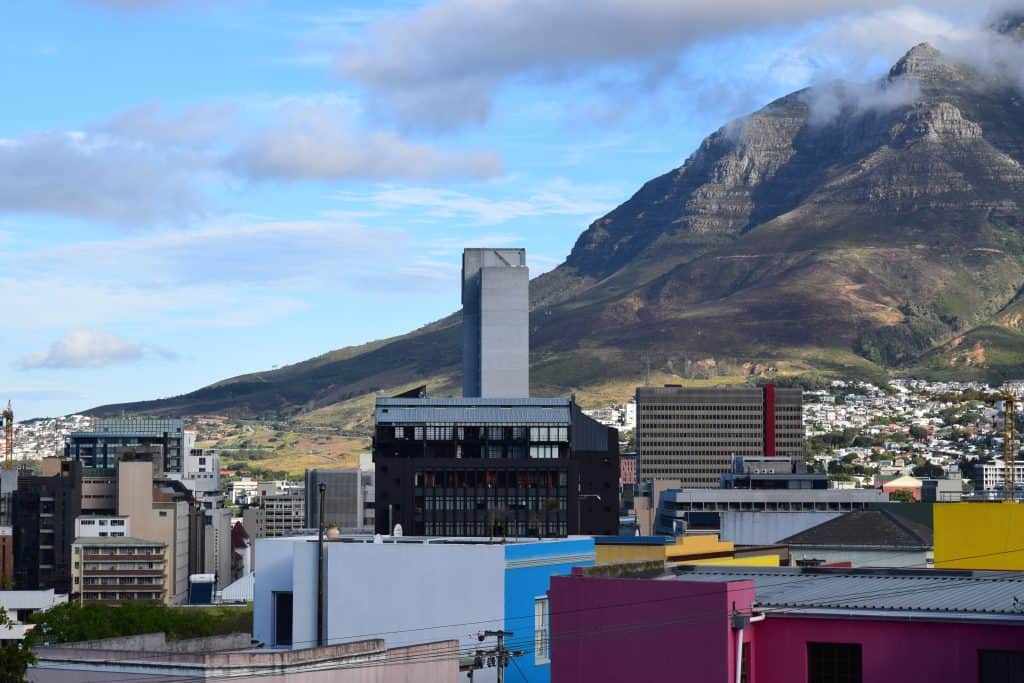
Today, Cape Town is a major hub for tourism and business in Africa. It is a city of contrasts. The picturesque, colorful houses of the Bo-Kaap stand in the shadow of modern skyscrapers. The bustling Victoria & Alfred Waterfront is a major center for shopping and entertainment, while the nearby Robben Island offers a somber reminder of the country’s struggle against apartheid. This blend of natural beauty, diverse cultures, and profound history makes Cape Town a unique and compelling global city.




Good to Know When Visiting Cape Town
To fully appreciate a visit to Cape Town, it is useful to understand some of the unique cultural and historical elements that define the city. The city is famous for its vibrant Cape Malay culture, and this is best experienced in the colorful neighborhood of the Bo-Kaap. For a different kind of cultural experience, the nearby Cape Winelands offer a journey into one of the world’s most famous wine-producing regions. Finally, understanding the city’s complex history of apartheid is essential, and a visit to Robben Island provides a powerful insight into this past.
The Bo-Kaap and Cape Malay Culture
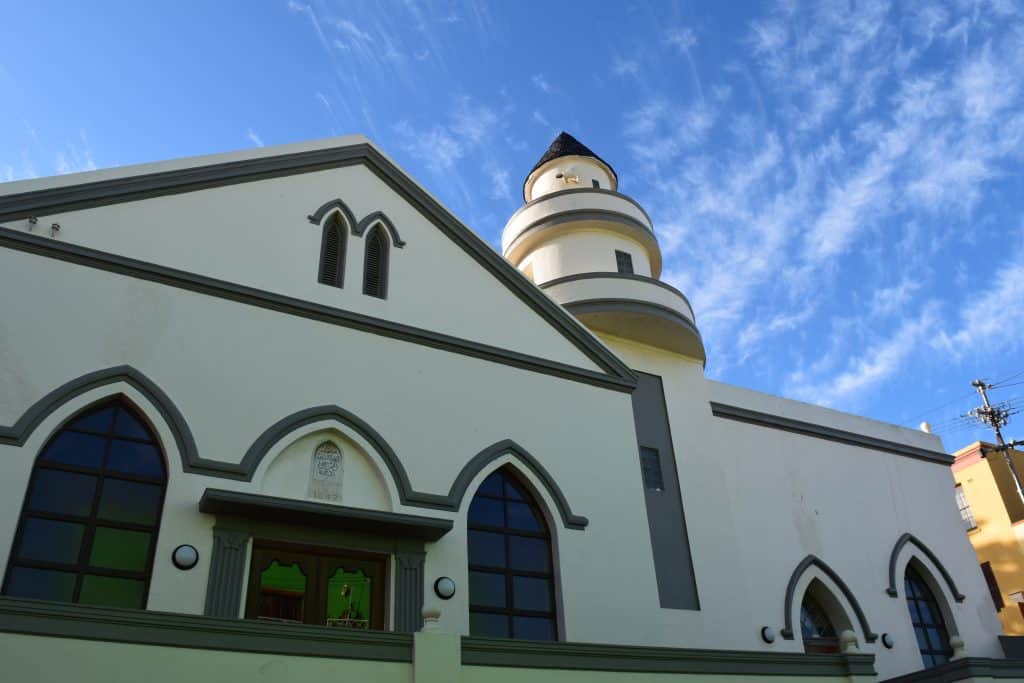
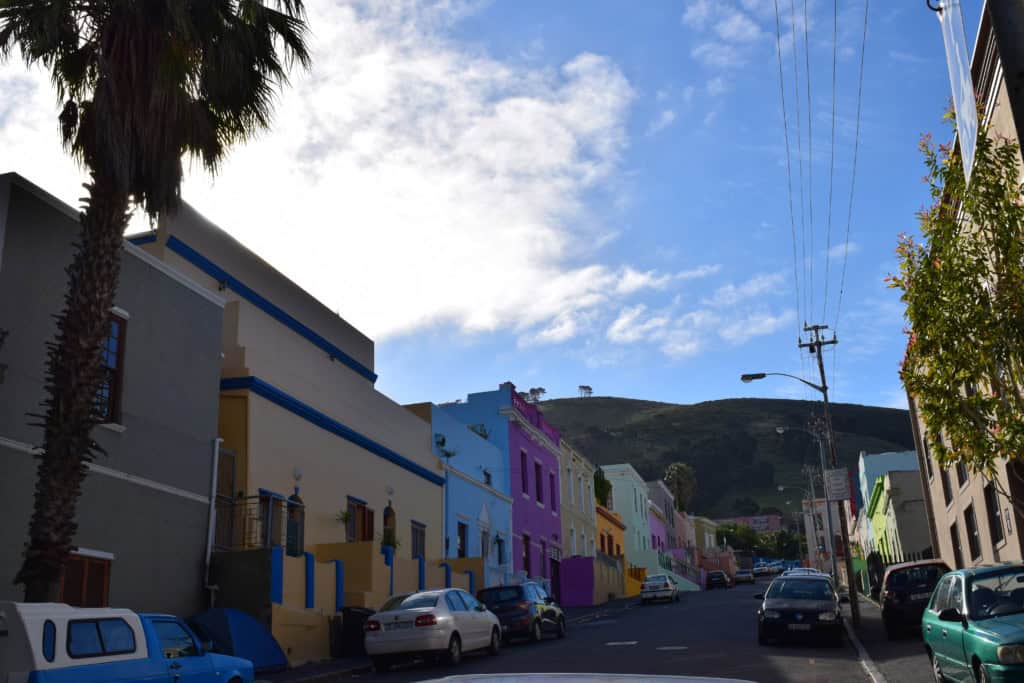
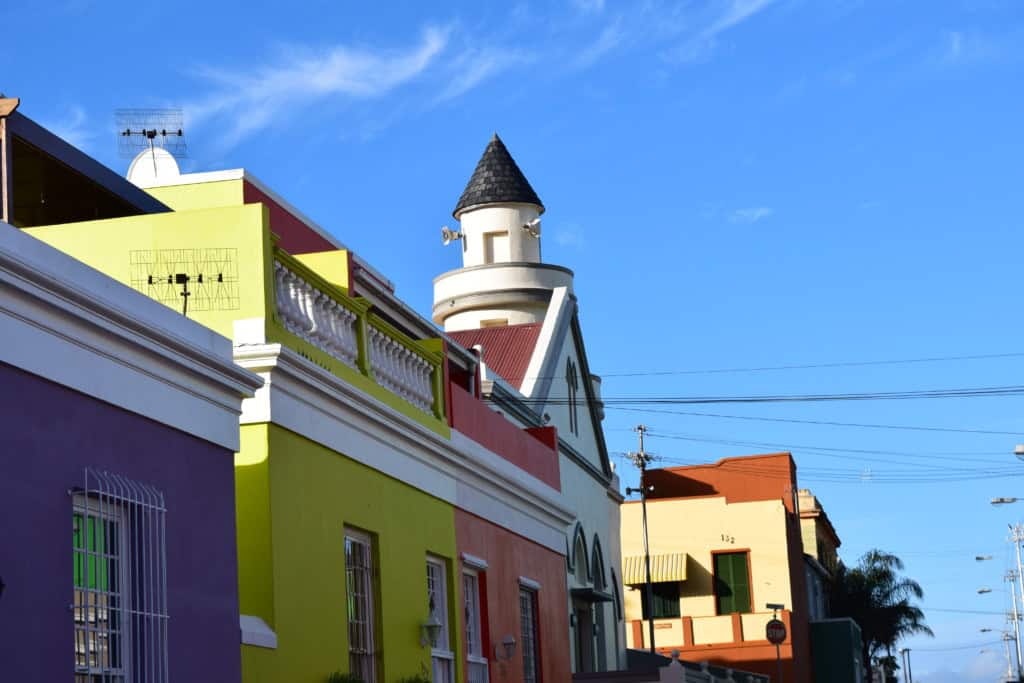
The Bo-Kaap means “above the Cape” in Afrikaans, and it is a historic neighborhood on the slopes of Signal Hill. It is famous for its brightly colored houses, and it also features charming cobblestone streets. The area is the historical center of Cape Malay culture in Cape Town. This unique culture was created by the descendants of slaves and political exiles. They were brought to the Cape by the Dutch from Southeast Asia in the 17th and 18th centuries. The Bo-Kaap is known for its unique cuisine, its rich musical traditions, and its strong sense of community. A walk through this vibrant neighborhood is a feast for the senses.
The Cape Winelands
The region surrounding Cape Town is home to the Cape Winelands. This is one of the most famous and beautiful wine-producing regions in the world. The historic towns of Stellenbosch, Franschhoek, and Paarl are the heart of this region. These towns are known for their beautiful Cape Dutch architecture, and they also have numerous world-class wineries. A day trip to the Winelands is a very popular excursion from Cape Town. Visitors can enjoy wine tastings at the historic wine estates, and they can also dine at award-winning restaurants while enjoying the spectacular scenery.
The Legacy of Robben Island
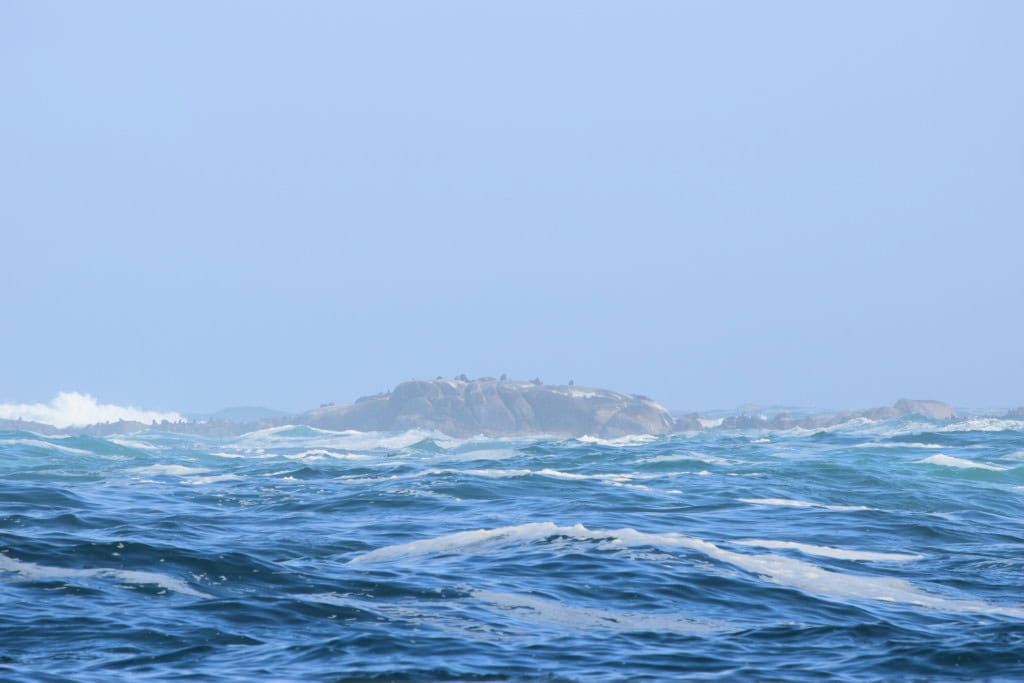
Robben Island is located in Table Bay, and it sits just off the coast of Cape Town. The island is a site of immense historical and political significance. For centuries, the island was used as a place of banishment and imprisonment. It is most famous for being the location of the maximum-security prison. It was here that Nelson Mandela and other anti-apartheid leaders were incarcerated for many years. Today, Robben Island is a UNESCO World Heritage Site and a museum. A tour of the island provides a powerful insight into the history of the struggle against apartheid.






History of Cape Town
The history of Cape Town is a long and often turbulent story, and it begins with the indigenous Khoikhoi people. The first arrival of European explorers marked a major change for the region. The city’s modern history began in 1652 with the establishment of a Dutch settlement. This was the first permanent European settlement in South Africa. The city later came under British rule, and it grew into a major colonial port. The 20th century was dominated by the system of apartheid, but Cape Town also became a major center of the anti-apartheid resistance. The end of apartheid in the early 1990s marked a new era for the city.
The Dutch and British Eras
The first Europeans to reach the Cape were the Portuguese in the 15th century, but they did not establish a settlement. The modern city of Cape Town had its origin in 1652. It was then that the Dutch East India Company (VOC) established a refreshment station on the shores of Table Bay. The settlement grew, and the Dutch brought in slaves from Southeast Asia and other parts of Africa. This was the beginning of the city’s multicultural population. The first permanent European fortification in the area was the Castle of Good Hope, and it was built in the 1660s.
In the late 18th century, Great Britain took control of the Cape, and the city became the capital of the British Cape Colony. The British abolished slavery in the 1830s, and they established their own system of administration. The discovery of diamonds and gold in the interior of South Africa in the late 19th century led to a period of rapid growth. Cape Town became a major port for the export of these valuable resources. This period also saw the rise of the influential colonialist Cecil Rhodes, and he became the prime minister of the Cape Colony. His policies had a major impact on the entire region.
The Apartheid Era
In the 20th century, the history of Cape Town was dominated by the system of apartheid. This was a system of institutionalized racial segregation, and it was implemented by the National Party government in 1948. Under the Group Areas Act, many non-white residents of Cape Town were forcibly removed from their homes. This happened in areas like District Six. These residents were then moved to segregated townships on the Cape Flats. District Six was a vibrant, multicultural community, but its destruction became a powerful symbol of the injustices of apartheid.
The city also became a major center for the anti-apartheid resistance movement, and many protests and demonstrations took place here. The prison on Robben Island became a global symbol of the struggle, for it was where Nelson Mandela and many other political prisoners were held. The resistance movement within Cape Town included people from all racial groups, and they fought for a non-racial and democratic South Africa. The city was a key battleground in the fight against apartheid. It was a place of both great oppression and great courage.
The New South Africa
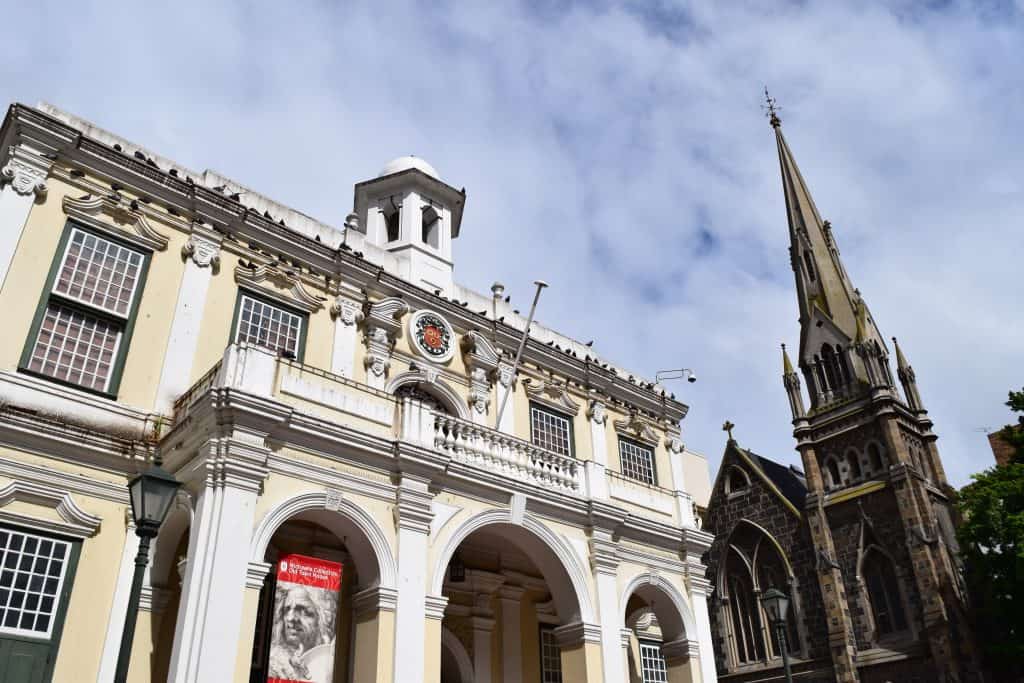
A pivotal moment in the city’s history occurred on February 11, 1990. It was on this day that Nelson Mandela was released from prison. He made his first public speech after his release from the balcony of the Cape Town City Hall, and this moment was watched by the entire world. This event marked the beginning of the end of apartheid, and it ushered in a new era of hope for the nation. The speech was a call for peace and reconciliation after decades of conflict.
In 1994, South Africa held its first democratic elections, and Nelson Mandela became the country’s first black president. Cape Town has since been a part of the new, democratic South Africa, and it serves as the nation’s legislative capital. The city has continued to develop as a major international city. At the same time, it has been working to address the deep social and economic legacies of its divided past. This process of reconciliation and transformation is ongoing, and it is a key part of the city’s modern identity.






Sights in Cape Town
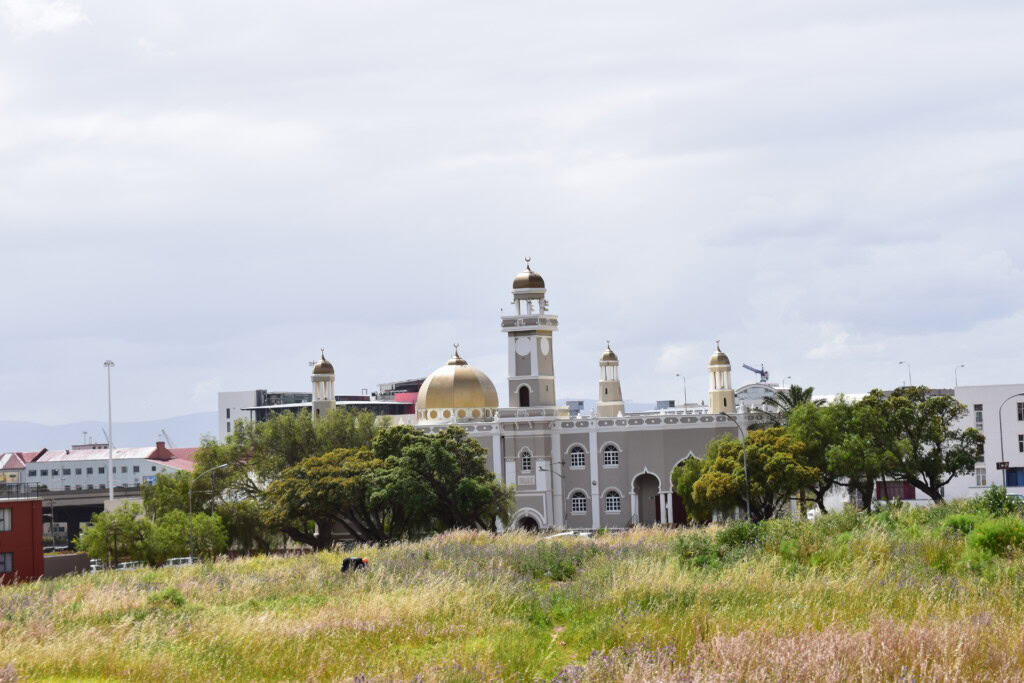
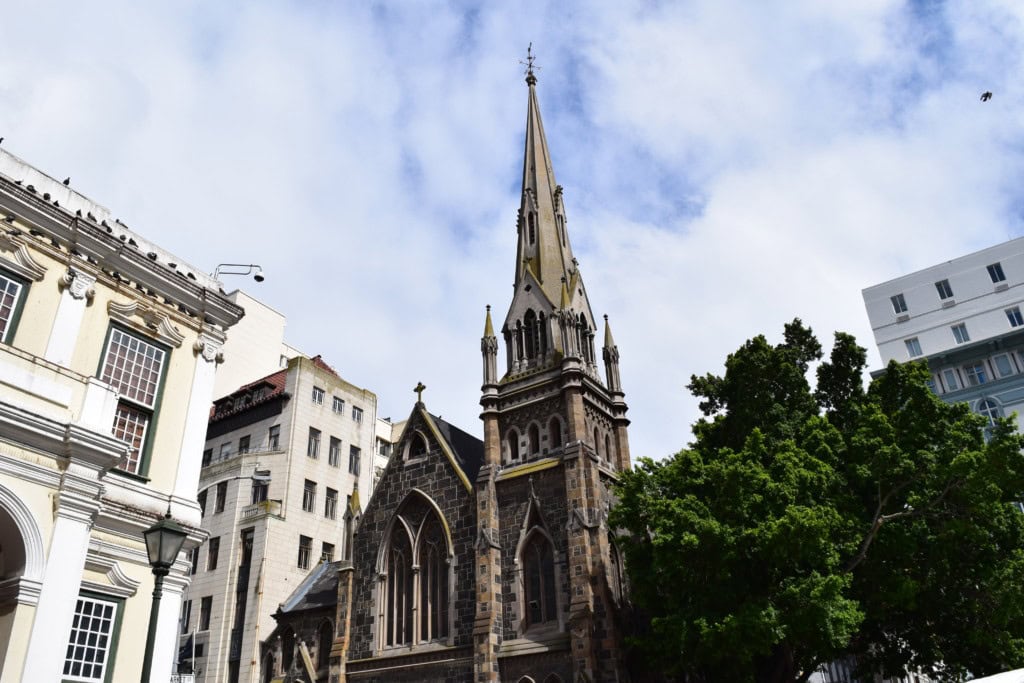
The sights in Cape Town are a spectacular mix of world-famous natural landmarks, historic neighborhoods, and vibrant modern attractions. The undisputed centerpiece of the city is the magnificent Table Mountain, which provides a stunning backdrop from almost everywhere in the city. The Victoria & Alfred Waterfront is the bustling heart of the city’s modern life, with a huge array of shops, restaurants, and entertainment. For a journey into history, a boat trip to Robben Island is a must, while the colorful houses of the Bo-Kaap offer a unique cultural experience.
Table Mountain
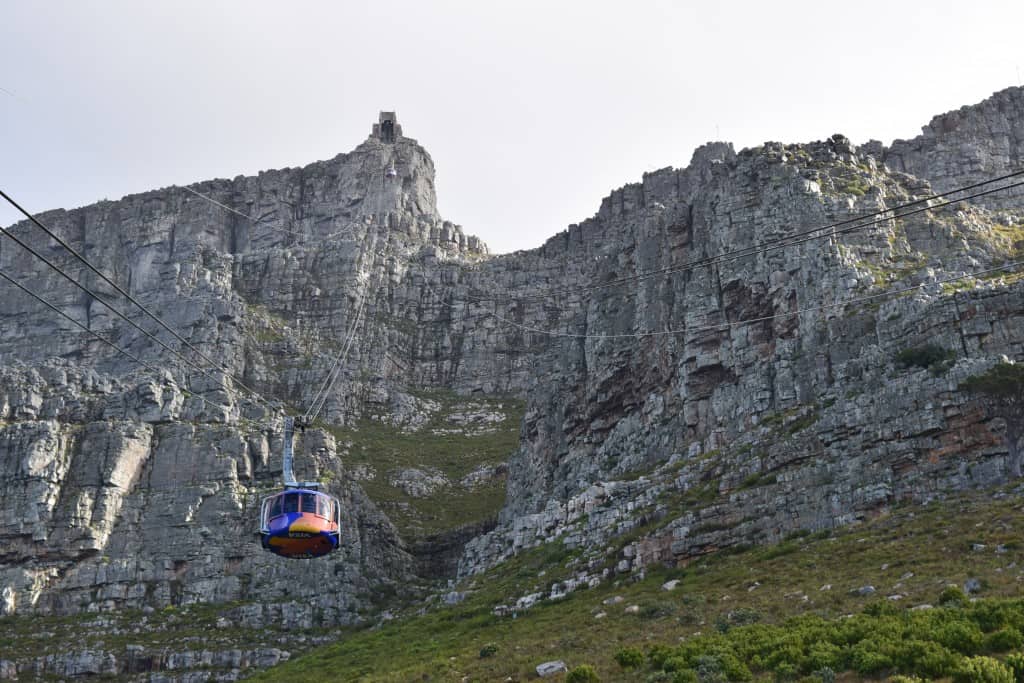
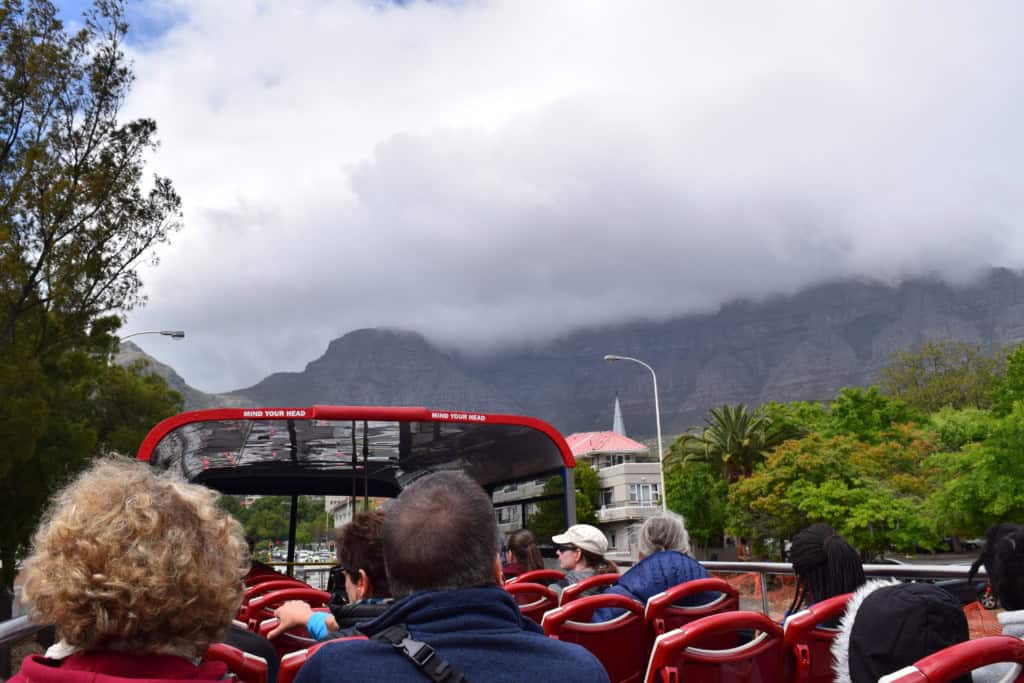
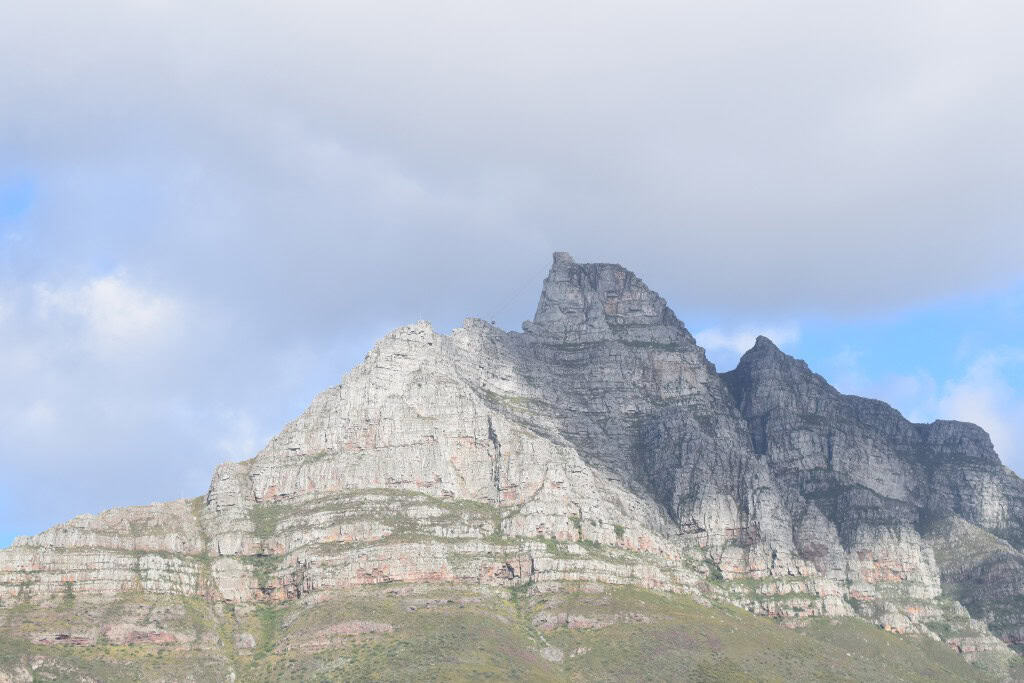
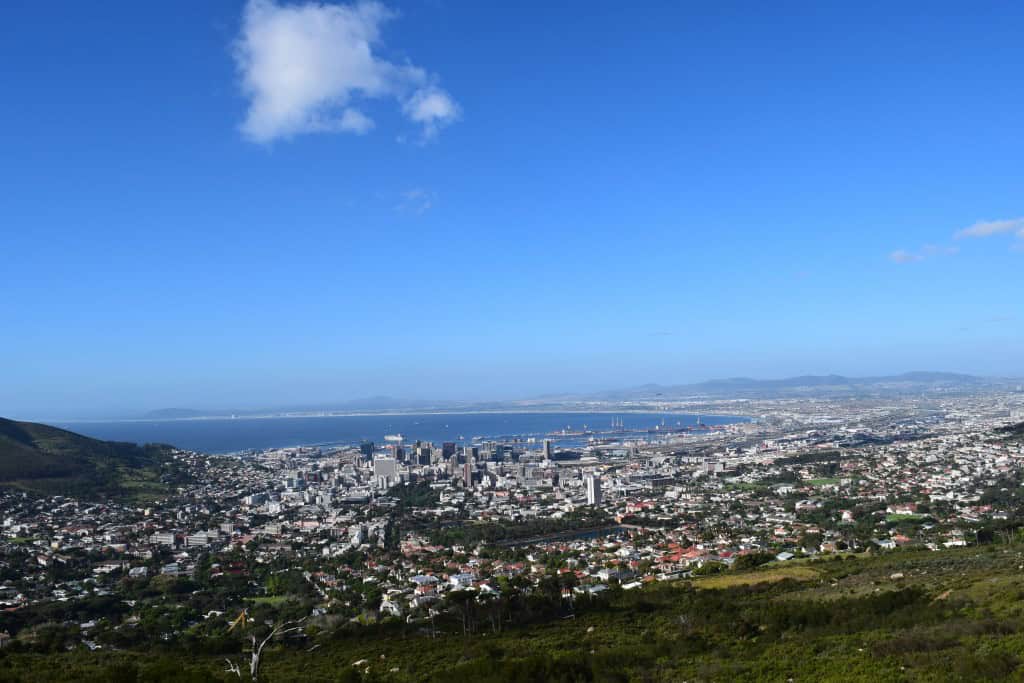
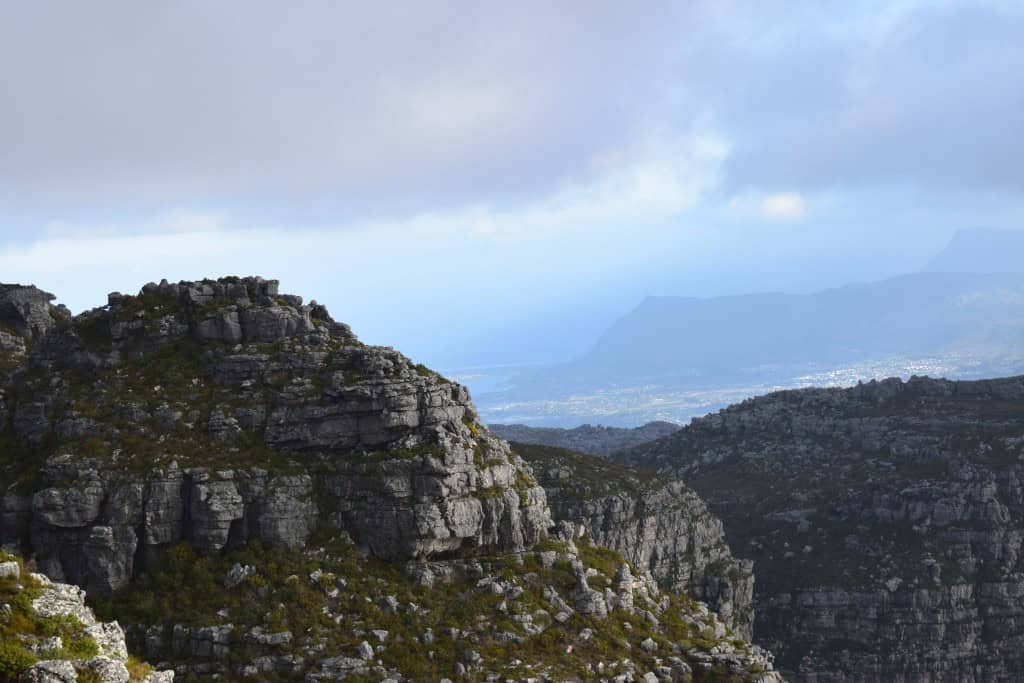
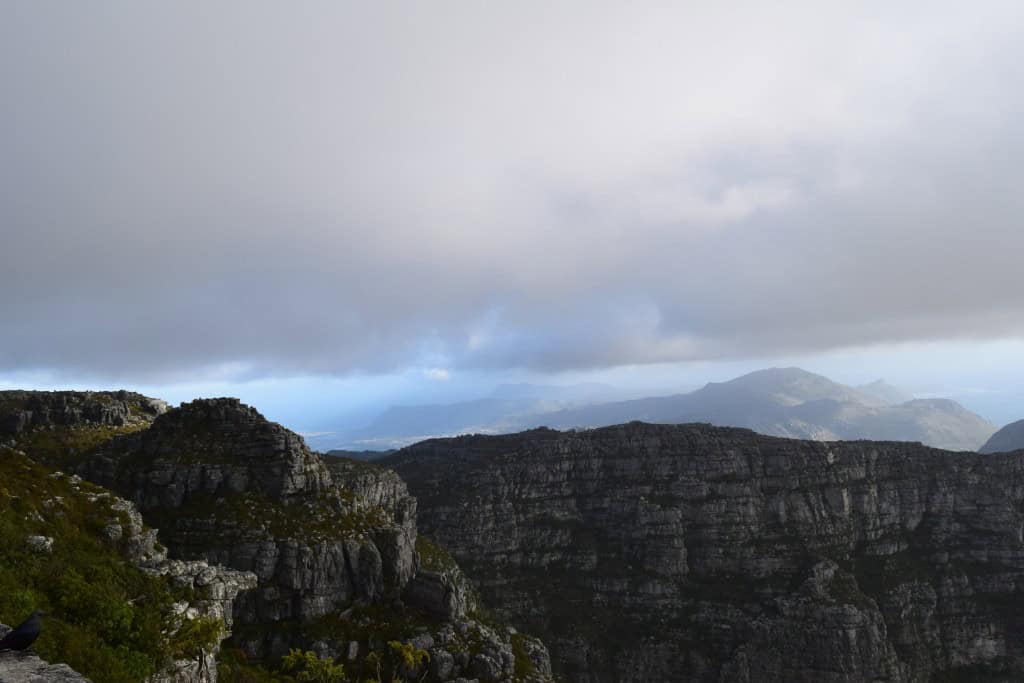
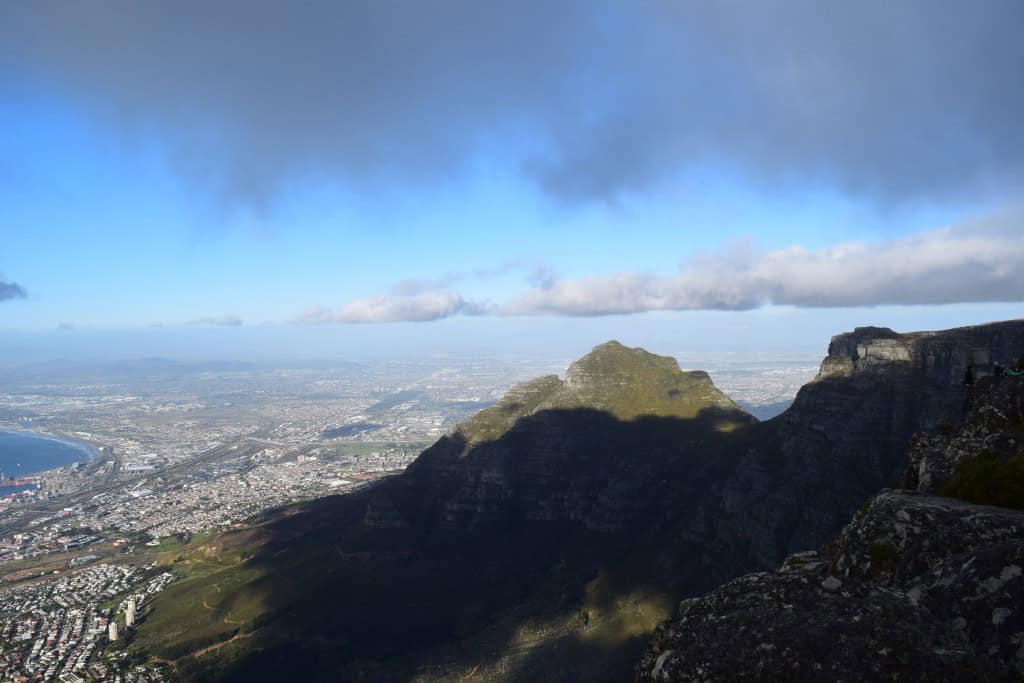
Table Mountain is a flat-topped mountain, and it is the most famous and iconic landmark of Cape Town. The mountain rises to a height of 1,086 meters, and its plateau stretches for about three kilometers. It is a significant tourist attraction, and many visitors take the famous Table Mountain Aerial Cableway to the top. The cable cars rotate 360 degrees during the ascent, and they offer spectacular panoramic views of the city. The top of the mountain is a large, protected nature reserve, and it has a network of hiking trails.
Victoria & Alfred Waterfront
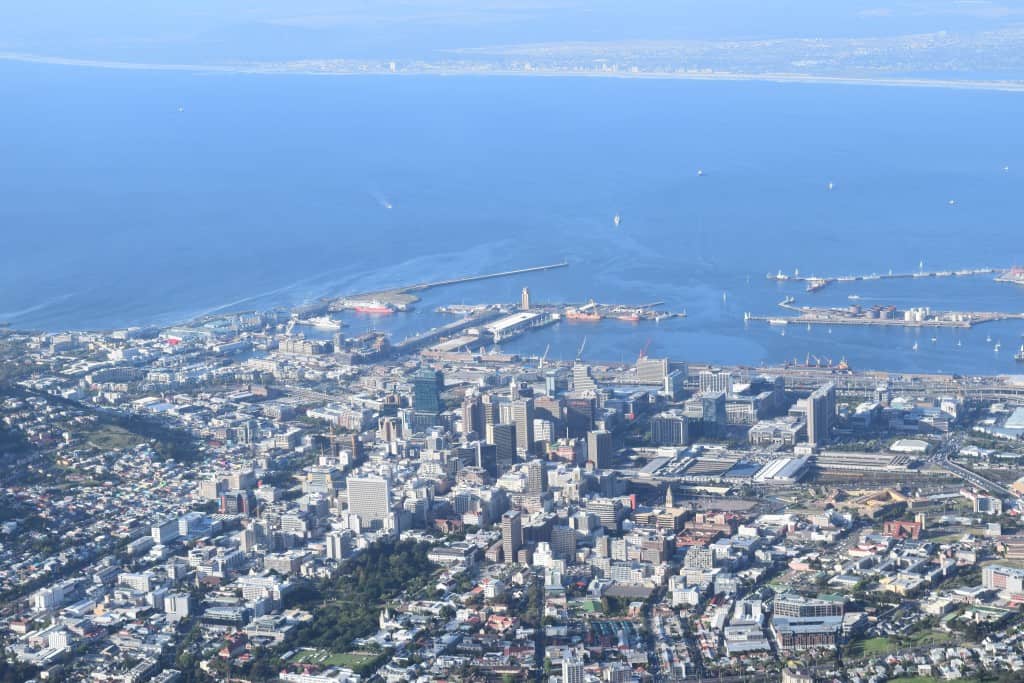
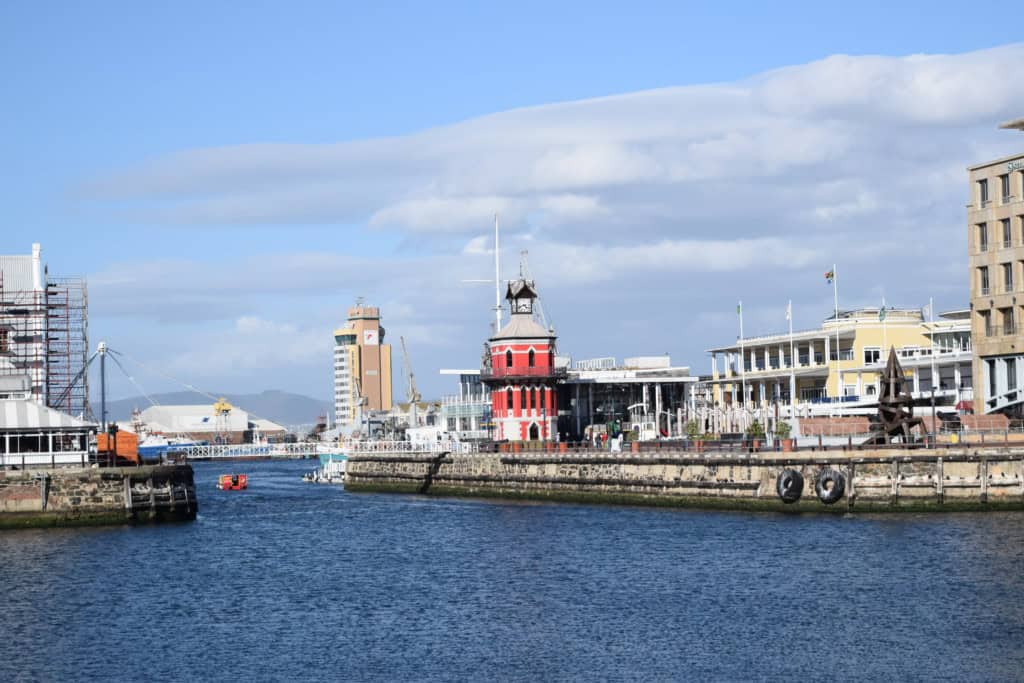
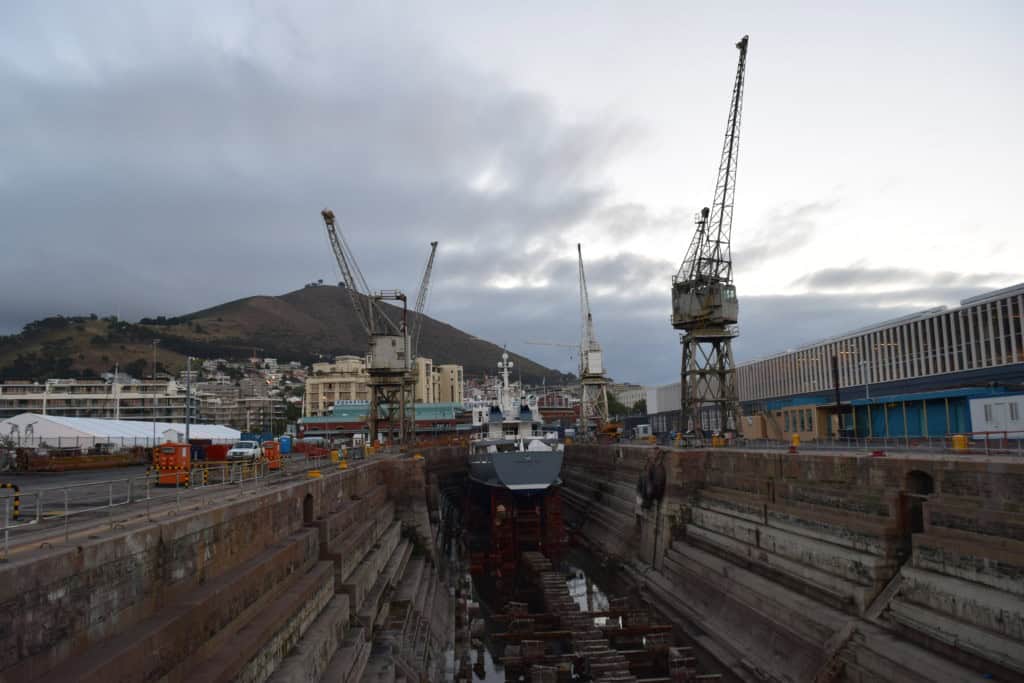
The Victoria & Alfred (V&A) Waterfront is a bustling and vibrant development, and it is located in the heart of Cape Town’s harbor. The area is a major tourist attraction, and it features a huge variety of shops. It is also home to a vast array of restaurants, cafes, and bars. Many of these have beautiful views of the harbor and Table Mountain. Family-friendly attractions include the towering Cape Wheel and the world-class Two Oceans Aquarium. The ferries to Robben Island also depart from the V&A Waterfront.
Robben Island
Robben Island is a small island located in Table Bay, and it sits just off the coast of Cape Town. The island is most famous for being the location of the maximum-security prison. It was here that Nelson Mandela was incarcerated for 18 of his 27 years in prison. The island is a UNESCO World Heritage Site and a museum. A visit to the island is a very powerful and moving experience. The tours are often led by former political prisoners, and they provide firsthand accounts of what life was like in the prison.
Kirstenbosch National Botanical Garden
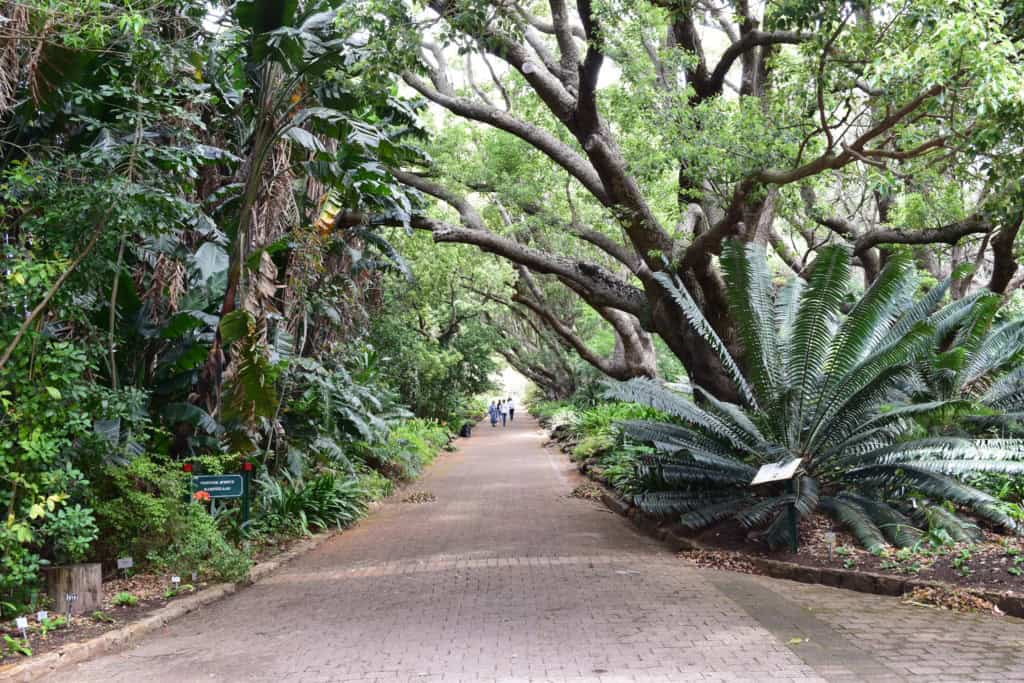
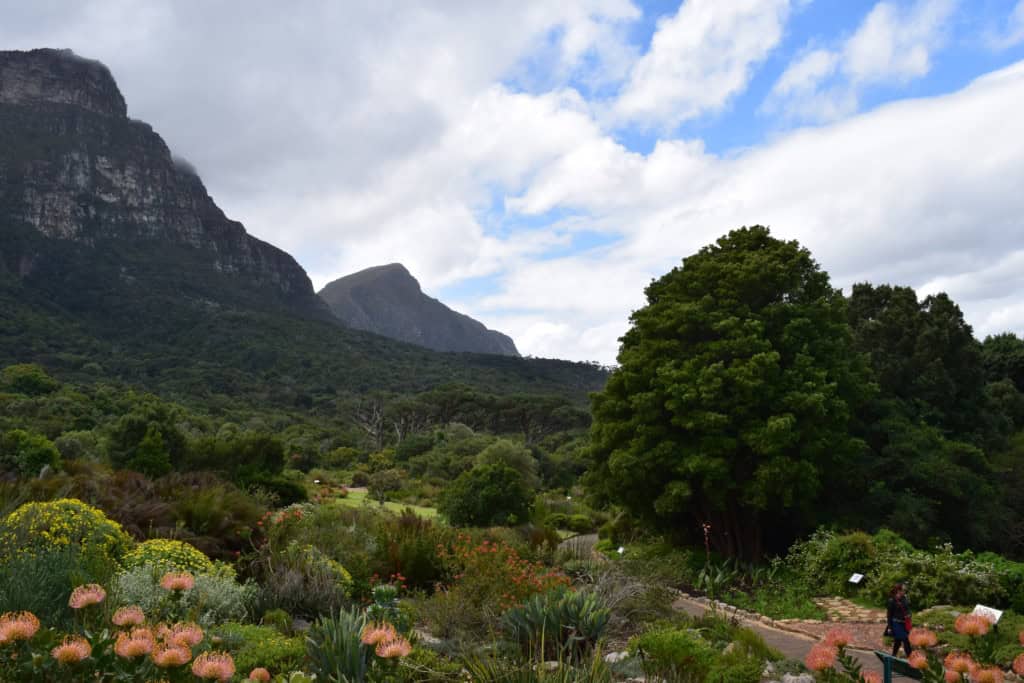
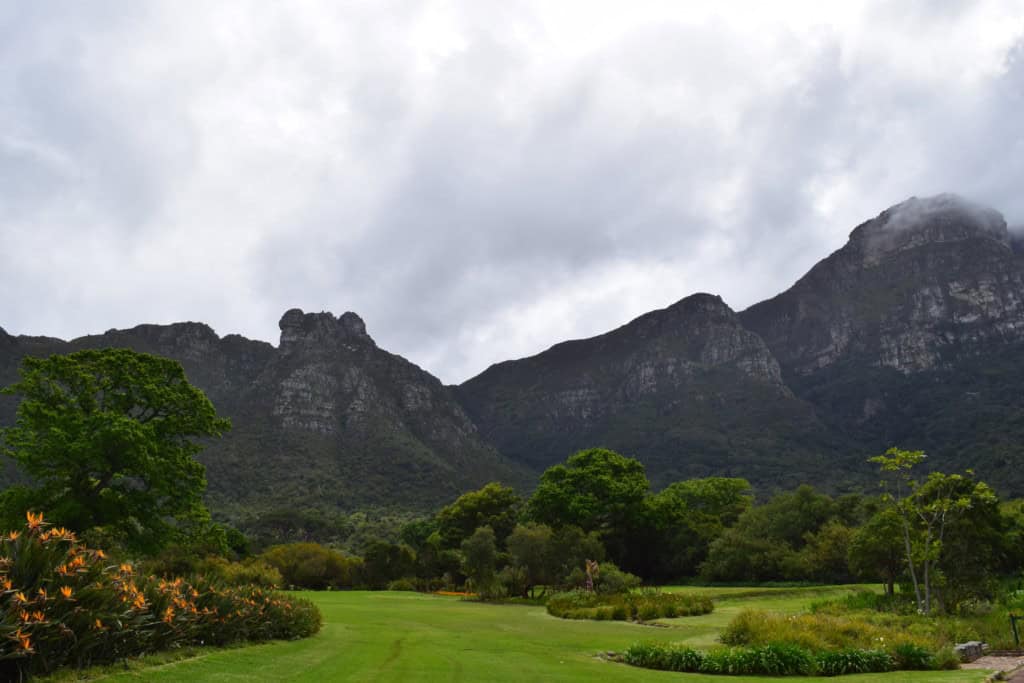
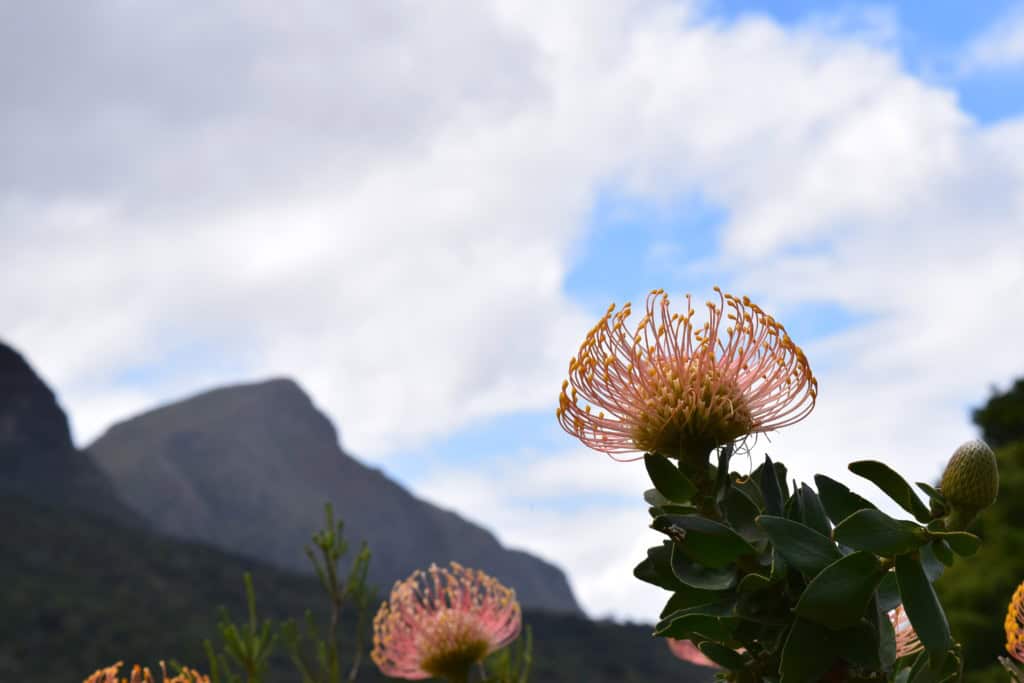
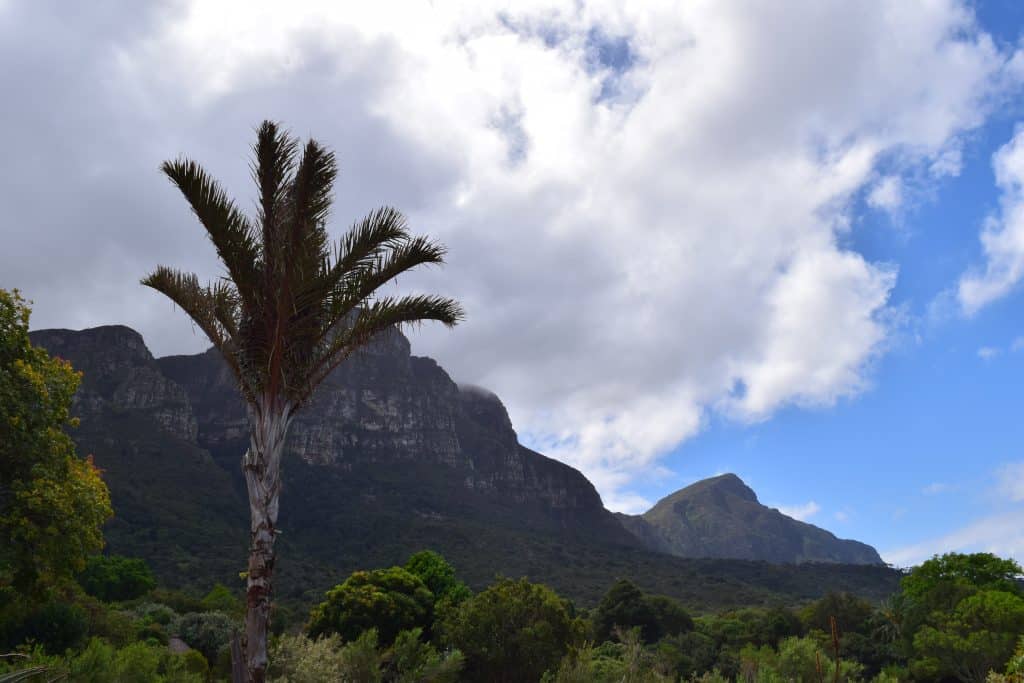
Kirstenbosch is a world-famous botanical garden, and it is nestled on the eastern foot of Table Mountain. The garden is one of 10 National Botanical Gardens in South Africa. It is acclaimed as one of the great botanic gardens of the world. It places a strong emphasis on the cultivation of indigenous plants. This includes the unique flora of the Cape Floral Kingdom. A highlight is the Centenary Tree Canopy Walkway, and this bridge winds its way through the trees of the arboretum.
Bo-Kaap
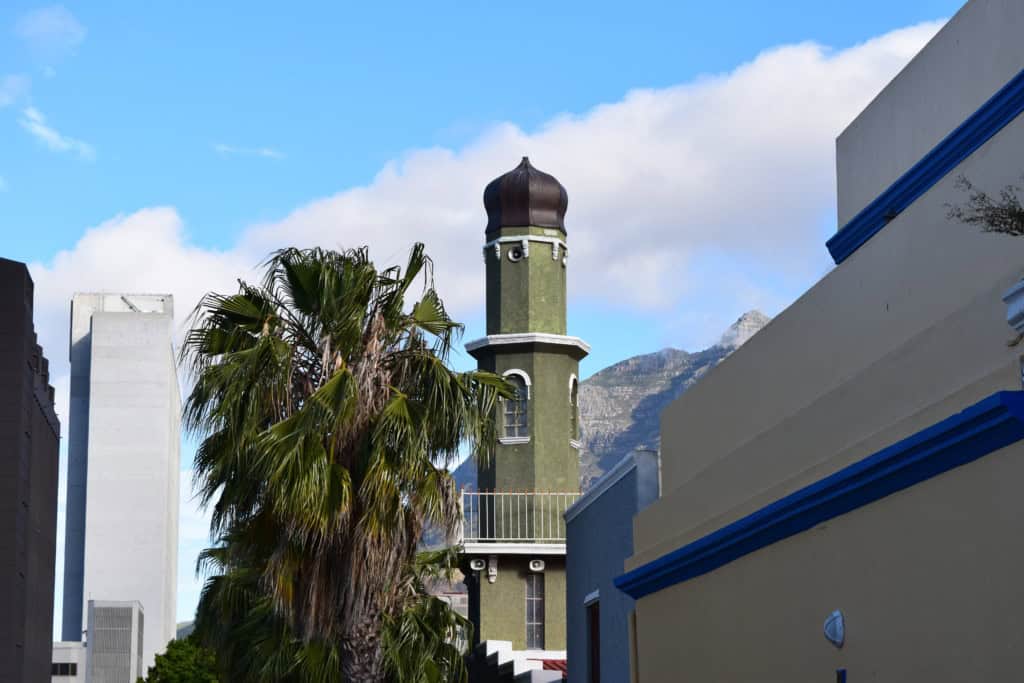
The Bo-Kaap is a historic and very picturesque neighborhood, and it is located on the slopes of Signal Hill. The area is famous for its brightly colored houses, and it also features charming cobblestone streets. It is the historical center of Cape Malay culture in Cape Town. The neighborhood is a traditionally multicultural area, and a large part of its population is Muslim. A walk through the Bo-Kaap is a great way to experience this unique culture, and it is also a great place to take some beautiful photos.
Two Oceans Aquarium
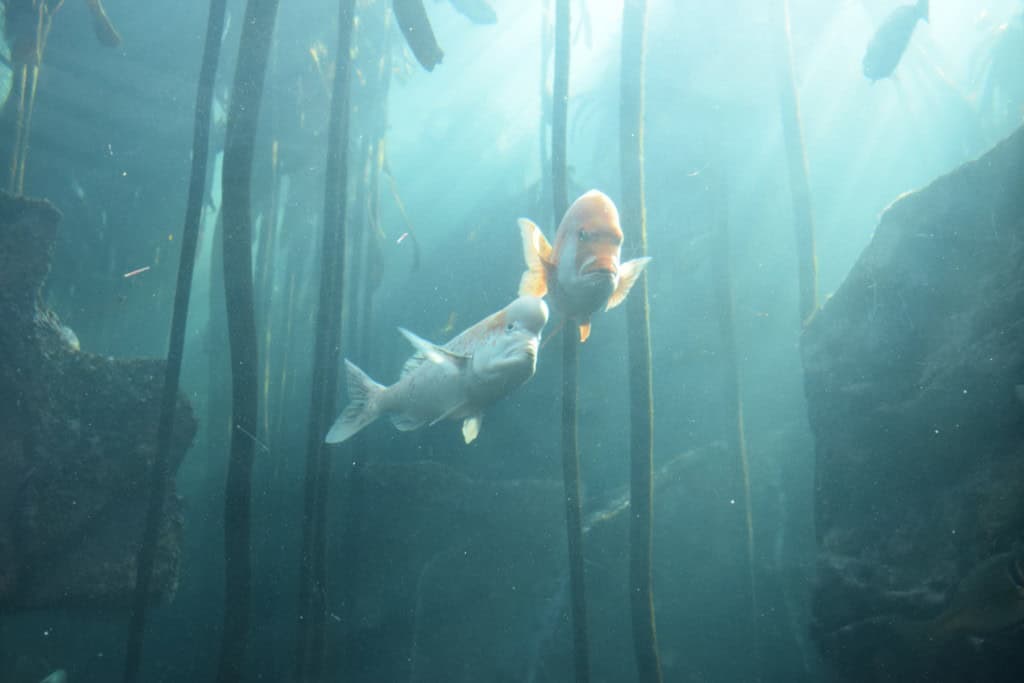
The Two Oceans Aquarium is a major family attraction, and it is located at the V&A Waterfront. The aquarium showcases the incredible diversity of marine life from two oceans, the Atlantic and the Indian. The exhibits are very well-designed and engaging for all ages. Highlights include the large predator exhibit with its underwater tunnel. Here, you can see sharks and rays swimming overhead. The popular penguin exhibit is another major draw for visitors.
Castle of Good Hope
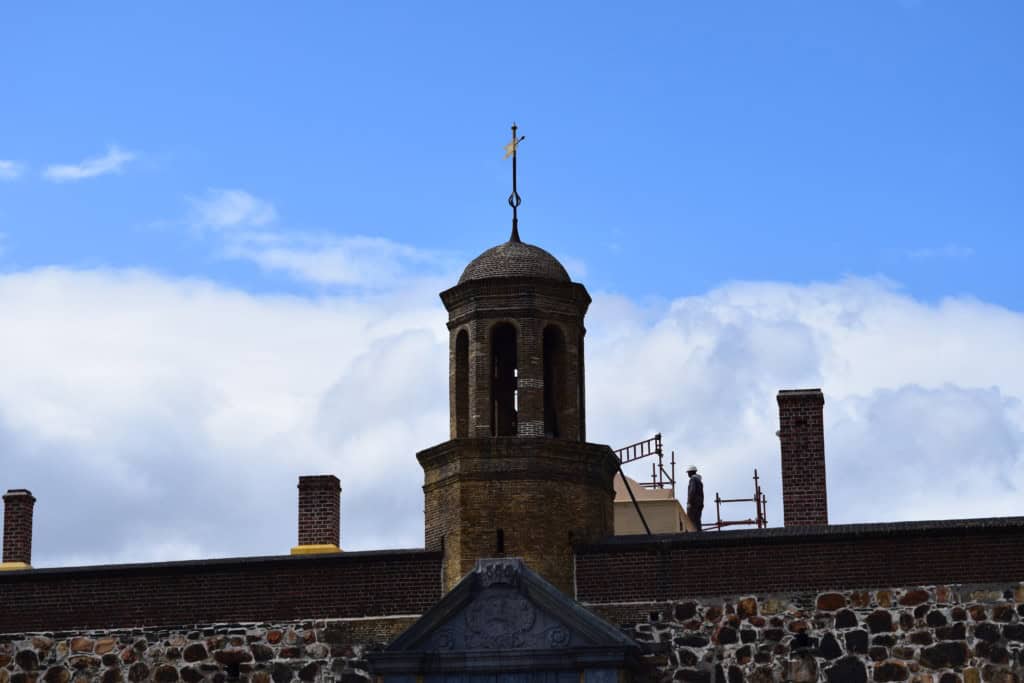
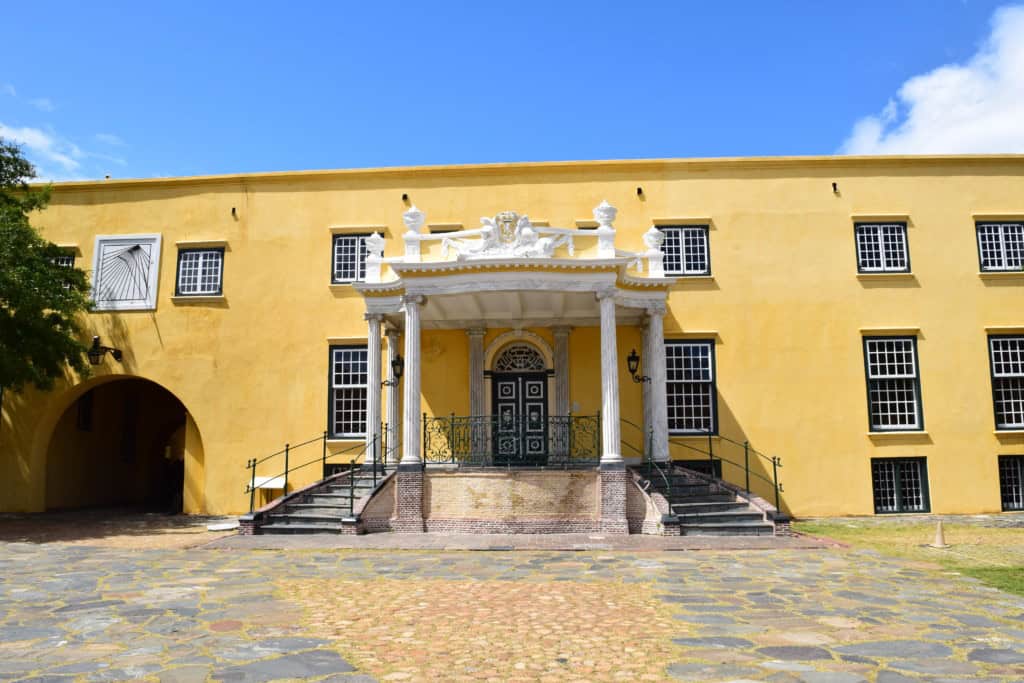
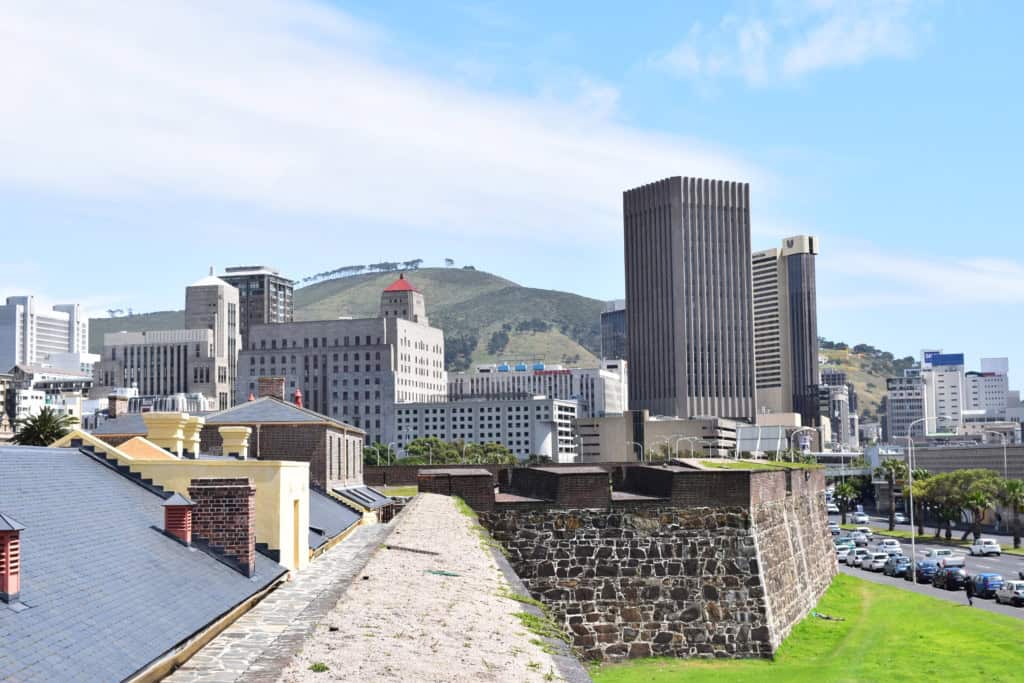
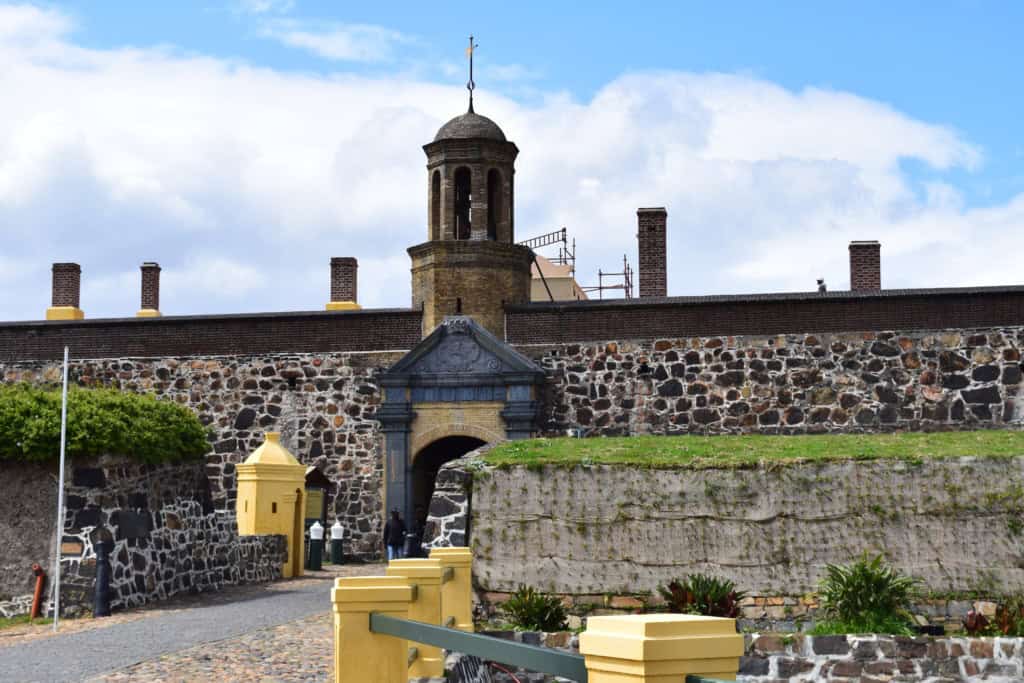
The Castle of Good Hope is the oldest surviving colonial building in South Africa. This large bastion fort was built by the Dutch East India Company between 1666 and 1679. It is located in the center of Cape Town. The castle served as the local headquarters for the Dutch and later the British administration. Today, it is a museum and a ceremonial facility for the South African military. Visitors can explore the historic buildings and watch the daily key ceremony.
Chapman’s Peak Drive
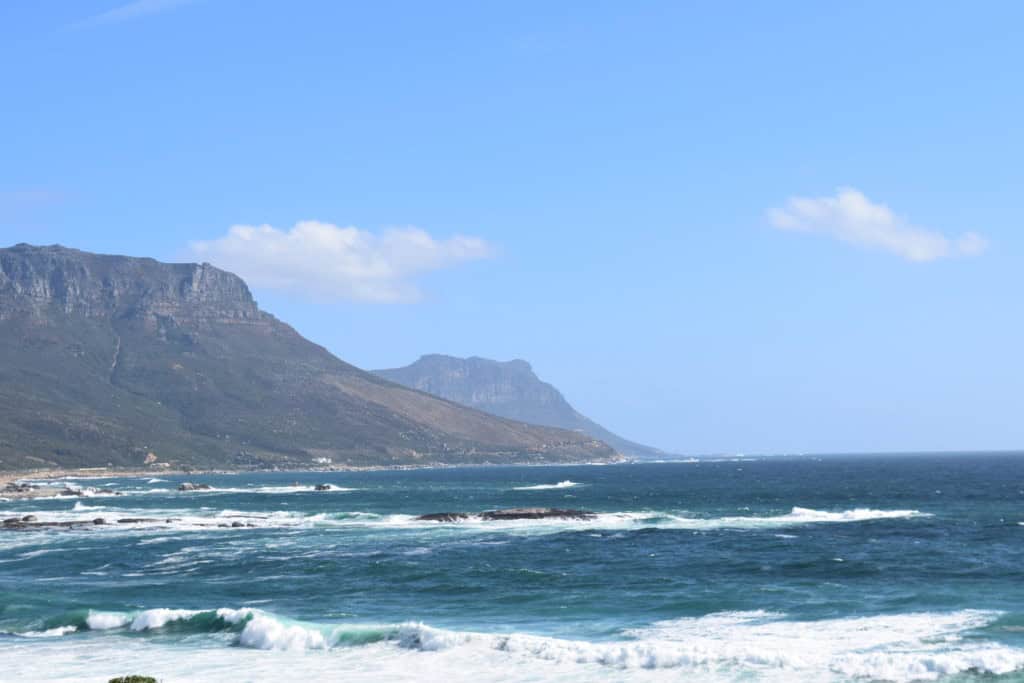
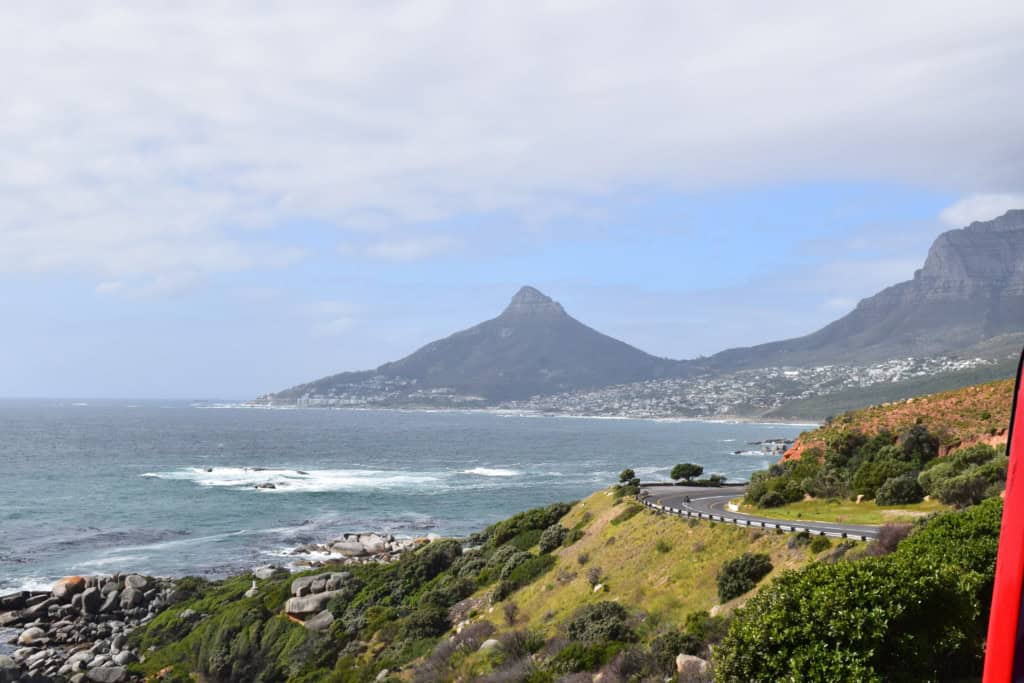
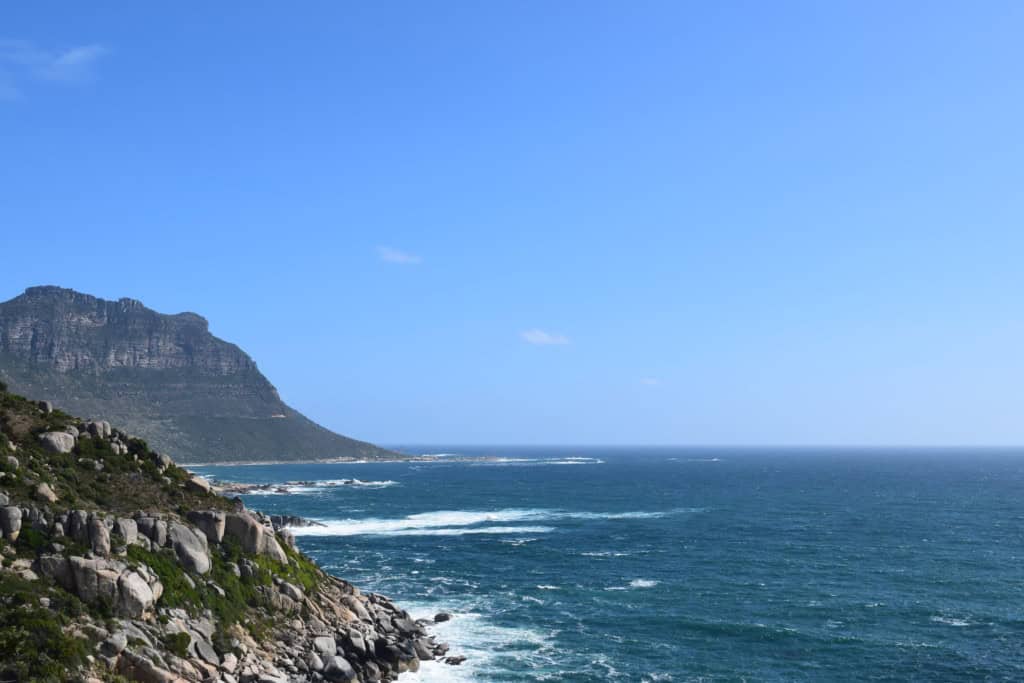
Chapman’s Peak Drive is a spectacular marine drive located on the Cape Peninsula. The road is carved out of the side of a sheer cliff, and it winds its way between the towns of Hout Bay and Noordhoek. It is widely regarded as one of the most scenic coastal drives in the world. The road offers breathtaking views of the Atlantic Ocean and the rugged coastline. It is a popular route for tourists and for major sporting events like the Cape Town Cycle Tour.
Signal Hill and Lion’s Head
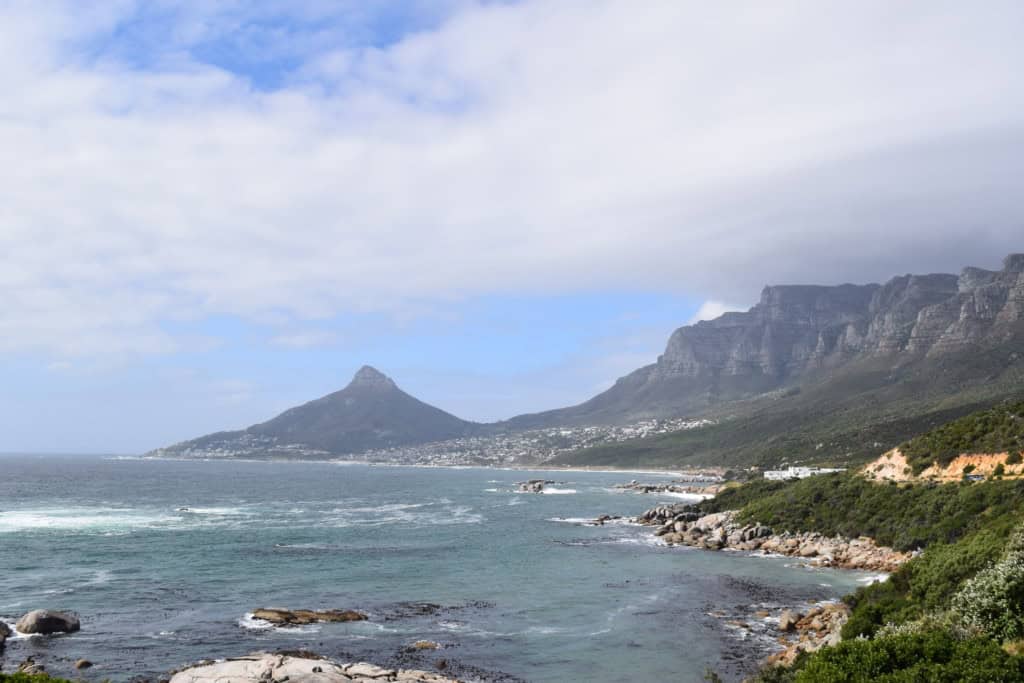
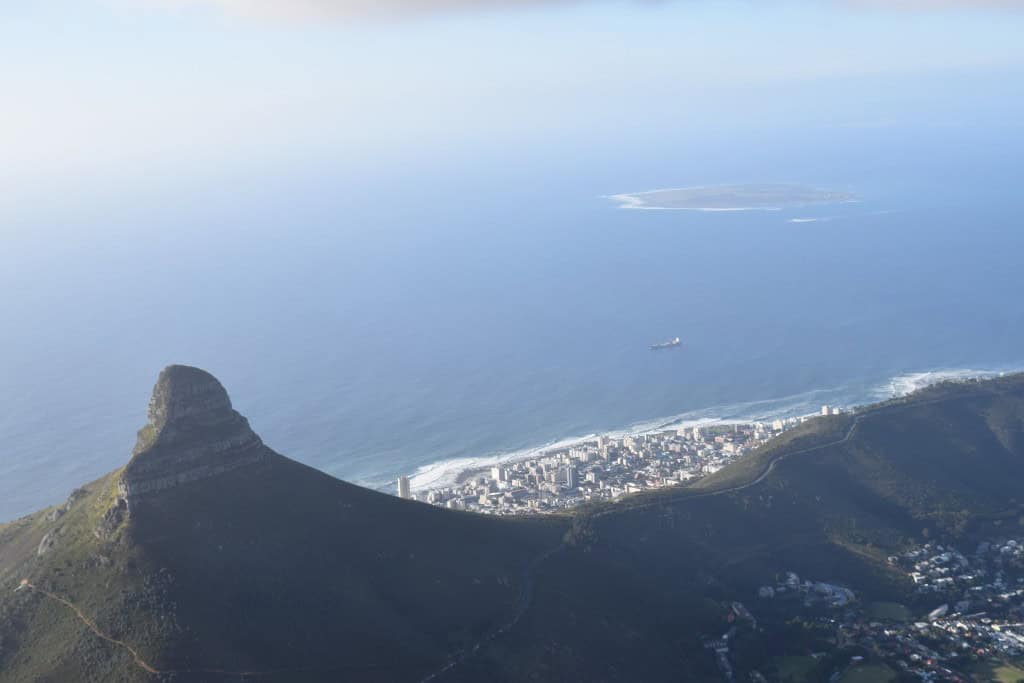
Signal Hill and the adjacent peak of Lion’s Head are two of the most iconic natural landmarks in Cape Town. This hill is a flat-topped hill that offers spectacular views of the city, Table Bay, and the sunset. It is also the site of the historic Noon Gun. Lion’s Head is a more pointed peak, and a popular but challenging hike to its summit rewards you with 360-degree panoramic views. Both are key parts of the city’s natural amphitheater.
South African National Gallery
The Iziko South African National Gallery is the country’s premier public art museum, and it is located in the historic Company’s Garden. The gallery houses an impressive collection of South African, African, and European art. The collections range from colonial-era paintings to contemporary works. The gallery plays a key role in the nation’s cultural life, and it hosts a dynamic program of temporary exhibitions. It is an essential visit for anyone interested in the art and history of the region.
Cape of Good Hope
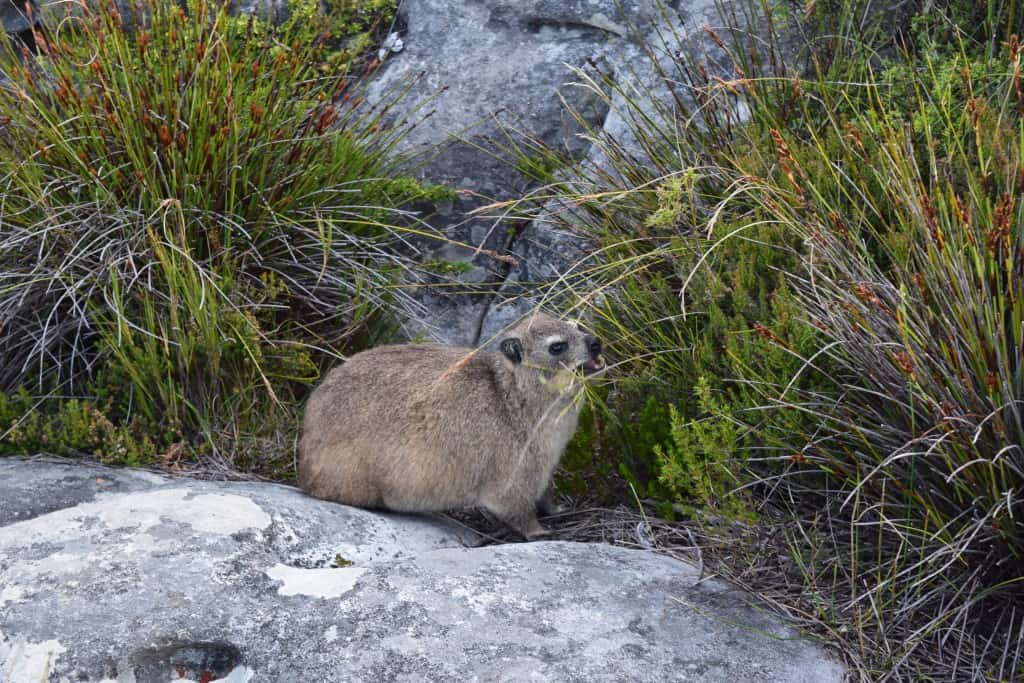
The Cape of Good Hope is a rocky headland on the Atlantic coast of the Cape Peninsula. It is a famous landmark and a part of the Table Mountain National Park. While it is not the southernmost point of Africa (that is Cape Agulhas), it is a place of great historical significance and natural beauty. The area is known for its dramatic scenery, its unique flora (fynbos), and its diverse wildlife, which includes baboons and ostriches. A popular activity is to take the funicular up to the old lighthouse at Cape Point for spectacular panoramic views.
Boulders Beach Penguin Colony
Boulders Beach, located near the town of Simon’s Town on the False Bay coast, is famous for its colony of African penguins. The beach is home to a large and thriving colony of these charming birds. A series of boardwalks has been constructed to allow visitors to walk through the colony and observe the penguins up close in their natural habitat without disturbing them. It is a fantastic and unique wildlife experience. The beach itself is a beautiful cove with large granite boulders, and there is a separate section where you can swim with the penguins.
Clifton and Camps Bay Beaches
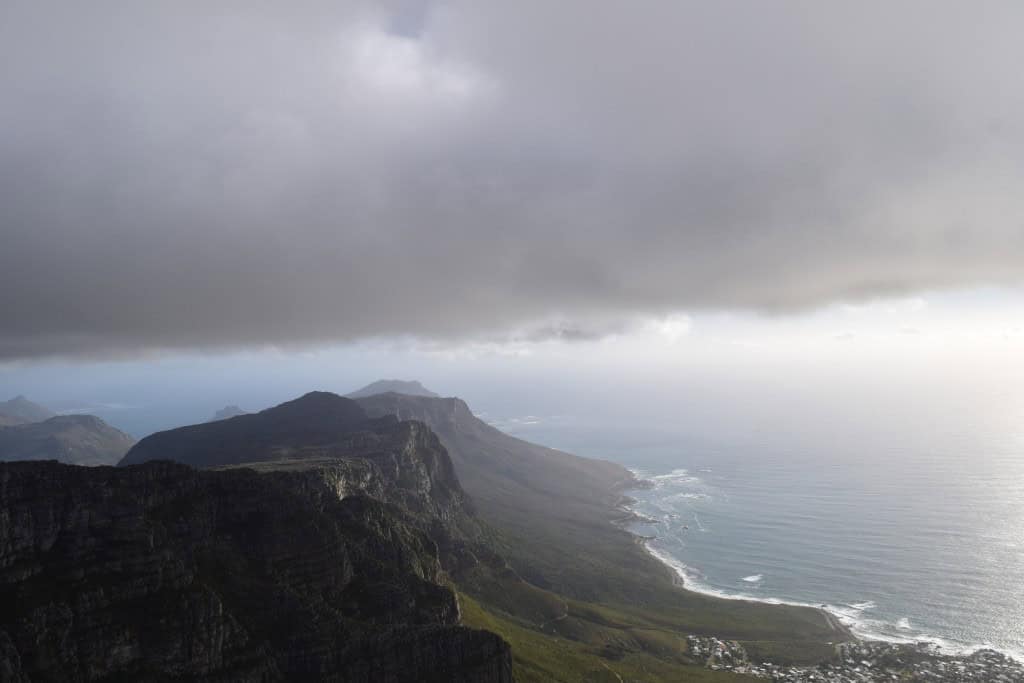
The suburbs of Clifton and Camps Bay, located on the Atlantic Seaboard of Cape Town, are famous for their beautiful white sandy beaches. These beaches are some of the most popular in the city, and they are known for their stunning natural setting, with the Twelve Apostles mountain range providing a dramatic backdrop. The beaches are a popular spot for sunbathing, swimming (although the water is very cold), and beach sports. The promenade at Camps Bay is lined with trendy cafes, restaurants, and bars, making it a lively and fashionable area, especially at sunset.
District Six Museum
The District Six Museum is a powerful and important museum that tells the story of District Six, a former inner-city residential area. District Six was a vibrant, multicultural community that was destroyed during the apartheid era. In 1966, the government declared it a “whites-only” area, and over 60,000 of its non-white residents were forcibly removed and their homes were bulldozed. The museum, which is located in a former church in the area, serves as a memorial to the community. It uses personal testimonies, photographs, and historical artifacts to tell this important story of forced removal and resistance.
The Company’s Garden
The Company’s Garden is a large public park and botanical garden located in the heart of Cape Town. The garden has its origins in the vegetable garden that was planted by the first European settlers of the Dutch East India Company in 1652. Today, it is a beautiful and tranquil green oasis in the middle of the bustling city. The garden is home to a variety of old and significant trees, a rose garden, a bird aviary, and a popular restaurant. It is also surrounded by several important cultural institutions, including the South African National Gallery and the South African Museum.

Sports in Cape Town
Cape Town has a rich and passionate sports scene, and it is home to several of the most famous teams and events in South Africa. The city’s sporting culture is deeply ingrained in its identity, with rugby, cricket, and football being the most popular and intensely followed sports. The city was a major host for the 2010 FIFA World Cup, with several key matches, including a semi-final, being played at the newly built Cape Town Stadium. The iconic Newlands sports ground has historically been the heart of the city’s sporting life, while the modern stadium provides a world-class venue for major international events.
The city has also played a significant role in hosting the Rugby World Cup. Cape Town was one of the host cities for the historic 1995 Rugby World Cup, which was won by the South African national team, the Springboks. The opening match of that tournament was famously played at the Newlands Stadium. The city is also a global destination for individual and endurance sports. It hosts world-famous events like the Cape Town Cycle Tour and the Two Oceans Marathon, which attract thousands of participants from all over the globe each year.
Rugby
Rugby is the most popular sport in the Western Cape, and it is a central part of the cultural identity of Cape Town. The city has a rich and successful history in the sport, and it is home to one of the most famous and well-supported rugby teams in the world. The local derbies and international matches draw massive and passionate crowds to the city’s main stadium. The sport is played at all levels, from grassroots clubs to the professional elite. The passion for rugby in Cape Town is a defining feature of the city’s character.
The Stormers
The Stormers are the city’s premier professional rugby union team, and they are a major force in international club rugby. They compete in the United Rugby Championship (URC), a major international competition that features teams from South Africa, Ireland, Wales, Scotland, and Italy. The team has a large and passionate fanbase that creates an electric atmosphere at their home games. They are one of the most successful teams in the competition, and they won the URC championship in 2022. They play their home matches at the magnificent DHL Stadium, also known as the Cape Town Stadium. The stadium is a world-class venue that was built for the 2010 FIFA World Cup. The Stormers represent the pinnacle of rugby in the Western Cape. Their success is a source of great pride for the entire city.
Football
Football is also a very popular sport in Cape Town, and it has a long and complex history of professional clubs in the city. The city is home to several teams that compete in the South African Premier Soccer League (PSL) and the lower divisions. The local derbies are popular events in the community, and they draw enthusiastic crowds. The sport has a strong following across all of the city’s diverse communities. The development of young talent is a key focus for the local clubs.
Cape Town Spurs F.C.
Cape Town Spurs F.C. is one of the city’s main professional football clubs. The club was formerly known as Ajax Cape Town, and it had a long-standing partnership with the famous Dutch club Ajax Amsterdam. They compete in the top tiers of the South African football league system, and they have a dedicated local following. The club has won several major domestic cup competitions in its history, including the Nedbank Cup and the MTN 8. They play their home matches at the Athlone Stadium. The club has a strong focus on youth development, and it has produced many talented players who have gone on to play in Europe.
Cape Town City F.C.
Cape Town City F.C. is another of the city’s top professional football clubs. The club was re-formed in 2016, and it has quickly established itself as a major force in the South African Premier Division. They have been very successful in cup competitions, having won the MTN 8 and the Telkom Knockout trophies. They play their home matches at the magnificent Cape Town Stadium, which provides a world-class venue for their games. The rivalry between Cape Town City and Cape Town Spurs is the main local derby in the city. This derby is always a highly anticipated and passionate affair for the local football fans.
Cricket
Cricket has a long and proud tradition in Cape Town, and the city is home to one of the most famous and picturesque cricket grounds in the world. The local professional team is a major force in South African domestic cricket, and it has a history of great success. The sport is very popular, especially during the summer months when the weather is perfect for the game. The iconic Newlands cricket ground is the heart of the sport in the city. Cricket is a key part of the city’s sporting heritage.
Western Province Cricket Team
The Western Province Cricket Team is the main professional cricket team for the Cape Town region. The team has a long and very successful history, and they have won the premier domestic first-class competition, the Currie Cup, numerous times. They play their home matches at the iconic Newlands Cricket Ground. This ground is famous for its stunning setting, for it has Table Mountain and Devil’s Peak as a spectacular backdrop. The team now competes under the name Western Province. The club is a major institution in South African cricket, and it has produced many of the country’s greatest players.
Running
Cape Town is a global destination for road running, and it is the host of two of the most famous and prestigious ultramarathons in the world. The city’s spectacular scenery and its challenging terrain make it a perfect venue for these major endurance events. These races attract thousands of participants from all over the globe each year. The running community in Cape Town is very large and active. The city’s marathons are major highlights of the international sporting calendar.
Two Oceans Marathon
The Two Oceans Marathon is a 56-kilometer ultramarathon that is held annually in Cape Town. It is often called “the world’s most beautiful marathon,” and this is due to its spectacular course. The route takes runners on a scenic journey around the Cape Peninsula. It has stunning views of both the Atlantic and Indian oceans. The race is a major international event, and it attracts thousands of runners from all over the world. A half-marathon is also held as part of the event, and it is just as popular. The race is a true festival of running.
Cape Town Marathon
The Sanlam Cape Town Marathon is another major international marathon that is held annually in the city. The race has grown to become one of the premier city marathons on the African continent, and it has achieved Abbott World Marathon Majors candidate status. The course is relatively flat and fast, and it takes runners through the streets of the city. The route also runs along the beautiful coastline with views of the ocean and the mountain. The event also includes several shorter races, and it is a festival of running for all abilities. It attracts elite athletes from around the world.
Cycling
The city of Cape Town is a major international center for cycling. The region’s beautiful scenery and challenging climbs make it a paradise for both road cyclists and mountain bikers. The city hosts the largest individually timed cycling race in the world. This event is a major highlight of the year for the city. Cycling is an incredibly popular recreational activity for the residents of Cape Town. The city has a strong and vibrant cycling culture.
Cape Town Cycle Tour
The Cape Town Cycle Tour is the largest individually timed cycling race in the world. This massive annual event attracts over 35,000 participants from all over the globe. The race is 109 kilometers long, and its spectacular route takes cyclists on a full loop around the Cape Peninsula. The route includes the famous and scenic Chapman’s Peak Drive. The event is a major festival of cycling, and it brings the entire city to a standstill. It is a bucket-list event for amateur cyclists from all over the world, and it promotes a healthy and active lifestyle.
Surfing
Surfing is an integral part of the culture of Cape Town, and the city is blessed with a huge variety of world-class surf spots. The city’s unique geography, with two different coastlines, means that you can almost always find a wave to surf, regardless of the wind direction. The Atlantic Seaboard offers powerful and cold-water waves, while the False Bay coast has warmer water and more gentle waves. This variety makes Cape Town a major international destination for surfers of all abilities. The surf scene is a key part of the city’s laid-back, outdoor lifestyle.
Surfing in Muizenberg
The beach at Muizenberg is the most famous and popular spot for beginner surfers in all of South Africa. The gentle, rolling waves and the sandy bottom make it a very safe and easy place to learn to surf. The beach is lined with numerous surf schools that offer lessons and equipment rentals. The iconic, colorful beach huts at Muizenberg are a famous backdrop for the many surfers in the water. While it is known for being a beginner’s wave, it can also offer fun conditions for more experienced longboarders. It is the historic heart of the surfing culture in Cape Town.


Getting Around in Cape Town
Navigating Cape Town is best done with a combination of different transport options. A rental car is the most convenient way to explore the wider Cape Peninsula and the Winelands. For travel within the central city, the MyCiTi bus rapid transit system provides an efficient and modern public transport service. Ride-sharing services like Uber are also very popular and widely available. For a unique tourist experience, the red City Sightseeing hop-on-hop-off buses are an excellent option.
Using the MyCiTi Bus
The MyCiTi is Cape Town’s modern bus rapid transit system, and it is a fast and reliable way to travel. The system uses dedicated bus lanes on major routes, so it avoids the city’s often heavy traffic. The MyCiTi network connects the city center with many of the main suburbs. It also connects to the Atlantic Seaboard beaches and the Table View area. A key route for visitors is the direct bus service from the Cape Town International Airport to the Civic Centre. To use the system, you need to purchase a reloadable myconnect card.
Exploring by Car
A rental car provides the most flexibility for exploring Cape Town and its beautiful surroundings. Having your own vehicle makes it easy to take day trips to the Cape of Good Hope and the Cape Winelands. It also lets you drive the spectacular scenic routes like Chapman’s Peak Drive. There are numerous car rental agencies located at the airport and in the city center. Driving in the city center can be busy, but for exploring the wider region, a car is the ideal option.
Using Ride-Sharing and Taxis
Ride-sharing services like Uber and Bolt are very popular and widely available throughout Cape Town. They are a convenient and often affordable way to get around. This is especially true for shorter trips within the city. Traditional taxis are also available. They can be hailed on the street or found at designated taxi ranks at major tourist spots. It is always advisable to ensure that the meter is used, or you should agree on a fare in advance.
The Metrorail Train
The Metrorail is the suburban rail network, and it connects the city center with many of the outlying suburbs. The most scenic and useful line for tourists is the Southern Line. This train line runs from the historic central station in Cape Town, and it travels along the beautiful False Bay coastline. The train stops at the charming seaside towns of Muizenberg, Kalk Bay, and Simon’s Town. A ride on this line is a fantastic and affordable way to experience the beautiful coastal scenery of the peninsula.

How to Get to Cape Town?
As a major international tourist destination, Cape Town is exceptionally well-connected. The city is served by a large and modern international airport with direct flights to many destinations across the globe. For those traveling overland, the city is connected to the rest of South Africa by a network of high-quality national roads. Long-distance buses and trains also provide connections to other major cities, and as a historic seaport, it is a major destination for cruise ships.
Arriving by Air
The main gateway to the city is Cape Town International Airport (CPT). It is the second-busiest airport in South Africa and one of the busiest in all of Africa. The airport is located about 20 kilometers from the city center. It is served by numerous international airlines with direct flights to major hubs in Europe, the Middle East, Asia, and North America. From the airport, the city center is easily reached by the MyCiTi airport shuttle bus, by taxi, or by ride-sharing services.
Driving into the City
Cape Town is located at the center of the Western Cape’s excellent road network. The main national highways, the N1 and the N2, connect the city with the rest of South Africa. The N1 is the main route from Johannesburg and the interior of the country. The N2 is the famous Garden Route, and it runs along the southern coast of the country. These roads are generally in excellent condition. This makes a road trip to Cape Town a popular and scenic option for many visitors.
Journey by Rail
The main long-distance train station in Cape Town is located in the city center. The national rail operator, Shosholoza Meyl, operates long-distance passenger train services. These trains connect Cape Town with other major cities in South Africa, including Johannesburg and Durban. While the train journey is very long, it can be a scenic and affordable way to travel across the country. There are also several luxury tourist trains, such as the Blue Train and Rovos Rail, that offer a more upscale rail experience.
Connecting by Bus
Long-distance bus services provide another convenient and affordable way to reach Cape Town. Several major companies, such as Intercape and Greyhound, operate an extensive network of routes. These routes connect Cape Town with cities and towns all across South Africa and in neighboring countries like Namibia. The main long-distance bus station is located next to the main train station in the city center. This provides easy access to local transport upon arrival for all passengers.
Arriving by Sea
As a historic port city, arriving in Cape Town by sea is a memorable experience. The city has a dedicated cruise terminal located at the V&A Waterfront, which can accommodate large passenger ships. Cape Town is a major port of call for many international cruise lines, especially during the summer months from November to May. Arriving by sea offers a spectacular first impression of the city, with the iconic Table Mountain providing a stunning backdrop as the ship enters the harbor.
Driving Distances
The driving distance from 80 regional cities, according to Google Maps:
- Stellenbosch, South Africa – 50 kilometers (0 h 45 min)
- Paarl, South Africa – 60 kilometers (0 h 50 min)
- Hermanus, South Africa – 120 kilometers (1 h 40 min)
- Swellendam, South Africa – 220 kilometers (2 h 20 min)
- Cape Agulhas, South Africa – 225 kilometers (2 h 40 min)
- Mossel Bay, South Africa – 390 kilometers (4 h 00 min)
- Oudtshoorn, South Africa – 420 kilometers (4 h 30 min)
- George, South Africa – 430 kilometers (4 h 30 min)
- Plettenberg Bay, South Africa – 520 kilometers (5 h 20 min)
- Gqeberha, South Africa – 750 kilometers (7 h 30 min)
- Upington, South Africa – 800 kilometers (8 h 00 min)
- Kimberley, South Africa – 950 kilometers (9 h 30 min)
- Bloemfontein, South Africa – 1000 kilometers (10 h 00 min)
- Keetmanshoop, Namibia – 1000 kilometers (10 h 00 min)
- East London, South Africa – 1050 kilometers (10 h 30 min)
- Maseru, Lesotho – 1150 kilometers (11 h 30 min)
- Klerksdorp, South Africa – 1280 kilometers (12 h 30 min)
- Johannesburg, South Africa – 1400 kilometers (13 h 30 min)
- Pretoria, South Africa – 1450 kilometers (14 h 00 min)
- Gaborone, Botswana – 1500 kilometers (15 h 00 min)
- Windhoek, Namibia – 1500 kilometers (15 h 00 min)
- Durban, South Africa – 1650 kilometers (16 h 00 min)
- Polokwane, South Africa – 1700 kilometers (16 h 30 min)
- Mbabane, Eswatini – 1750 kilometers (17 h 00 min)
- Otjiwarongo, Namibia – 1750 kilometers (17 h 30 min)
- Swakopmund, Namibia – 1750 kilometers (17 h 30 min)
- Mbombela, South Africa – 1780 kilometers (17 h 30 min)
- Francistown, Botswana – 1900 kilometers (19 h 00 min)
- Maputo, Mozambique – 1950 kilometers (20 h 00 min)
- Maun, Botswana – 2000 kilometers (22 h 00 min)
- Bulawayo, Zimbabwe – 2050 kilometers (22 h 00 min)
- Livingstone, Zambia – 2400 kilometers (27 h 00 min)
- Harare, Zimbabwe – 2400 kilometers (26 h 00 min)
- Kasane, Botswana – 2450 kilometers (28 h 00 min)
- Lusaka, Zambia – 2700 kilometers (30 h 00 min)
- Beira, Mozambique – 2900 kilometers (34 h 00 min)
- Lilongwe, Malawi – 3200 kilometers (38 h 00 min)
- Benguela, Angola – 3400 kilometers (42 h 00 min)
- Gitega, Burundi – 4200 kilometers (55 h 00 min)
- Kigali, Rwanda – 4200 kilometers (55 h 00 min)
- Dodoma, Tanzania – 4200 kilometers (50 h 00 min)
- Kinshasa, DRC – 4500 kilometers (55 h 00 min)
- Brazzaville, Congo – 4500 kilometers (58 h 00 min)
- Dar es Salaam, Tanzania – 4600 kilometers (55 h 00 min)
- Kampala, Uganda – 4800 kilometers (62 h 00 min)
- Nairobi, Kenya – 5000 kilometers (60 h 00 min)
- Yaoundé, Cameroon – 5200 kilometers (68 h 00 min)
- Mombasa, Kenya – 5400 kilometers (65 h 00 min)
- Bangui, CAR – 5500 kilometers (75 h 00 min)
- Juba, South Sudan – 5800 kilometers (75 h 00 min)
- N’Djamena, Chad – 5800 kilometers (80 h 00 min)
- Lagos, Nigeria – 6000 kilometers (75 h 00 min)
- Abuja, Nigeria – 6000 kilometers (80 h 00 min)
- Porto-Novo, Benin – 6200 kilometers (82 h 00 min)
- Addis Ababa, Ethiopia – 6200 kilometers (80 h 00 min)
- Lomé, Togo – 6400 kilometers (85 h 00 min)
- Niamey, Niger – 6500 kilometers (90 h 00 min)
- Accra, Ghana – 6600 kilometers (88 h 00 min)
- Djibouti – 6800 kilometers (90 h 00 min)
- Khartoum, Sudan – 7000 kilometers (90 h 00 min)
- Ouagadougou, Burkina Faso – 7000 kilometers (95 h 00 min)
- Asmara, Eritrea – 7200 kilometers (95 h 00 min)
- Abidjan, Ivory Coast – 7200 kilometers (98 h 00 min)
- Bamako, Mali – 7500 kilometers (100 h 00 min)
- Cairo, Egypt – 7800 kilometers (95 h 00 min)
- Monrovia, Liberia – 8000 kilometers (110 h 00 min)
- Timbuktu, Mali – 8000 kilometers (110 h 00 min)
- Alexandria, Egypt – 8000 kilometers (100 h 00 min)
- Freetown, Sierra Leone – 8500 kilometers (115 h 00 min)
- Tripoli, Libya – 8500 kilometers (110 h 00 min)
- Conakry, Guinea – 8800 kilometers (120 h 00 min)
- Tunis, Tunisia – 9000 kilometers (115 h 00 min)
- Bissau, Guinea-Bissau – 9000 kilometers (125 h 00 min)
- Banjul, Gambia – 9200 kilometers (130 h 00 min)
- Dakar, Senegal – 9400 kilometers (135 h 00 min)
- Algiers, Algeria – 9500 kilometers (120 h 00 min)
- Nouakchott, Mauritania – 9800 kilometers (140 h 00 min)
- Tangier, Morocco – 10500 kilometers (130 h 00 min)
- Marrakesh, Morocco – 10800 kilometers (135 h 00 min)
- Agadir, Morocco – 11000 kilometers (140 h 00 min)
Looking to Explore more of South Africa and Africa?




Impressive read!