
Stuplje | Exploring Bosnia and Herzegovina
Stuplje is a Serbian Orthodox monastery located in the village of Gornji Vijačani, in the northwestern part of Bosnia and Herzegovina. It is situated at the tripoint between the municipalities of Čelinac, Teslić, and Prnjavor. The monastery is not a town but a religious and historical site, and it is set in a peaceful, rural landscape. It is dedicated to the Archangel Michael.
The identity of the Stuplje Monastery is that of a “phoenix,” a sacred place that was lost for centuries and has been reborn. The monastery was destroyed in the 17th century, and its exact location was forgotten for over 300 years. It was rediscovered and rebuilt at the end of the 20th century on its original medieval foundations. Today, Stuplje is a functioning monastery and a symbol of the resilience of the local Orthodox Christian heritage. It offers a unique story of destruction and rebirth.

History of Stuplje
The history of the Stuplje Monastery is a remarkable story of a medieval religious center that was destroyed, lost to memory, and then rediscovered and rebuilt in the modern era. The monastery was founded in the Middle Ages, and it was an important spiritual and cultural center for the local Serbian Orthodox community. It was destroyed by the Ottomans in the late 17th century. For the next three centuries, its very existence was known only through historical records, until its foundations were rediscovered by archaeologists in the 1990s.
A Medieval Foundation
The exact date of the founding of the Stuplje Monastery is not known for certain. Folk tradition attributes its establishment to the Serbian King Stefan Dragutin in the late 13th century. The first written mention of the monastery is found in a chronicle that dates back to the second half of the 15th century. It is believed that the monastery was founded before 1450, prior to the Ottoman conquest of the medieval Kingdom of Bosnia. During the 17th century, the monks of Stuplje were known to be active in the important work of transcribing religious books.
Destruction and Oblivion
A major turning point in the monastery’s history came at the end of the 17th century, during the Great Turkish War between the Ottoman Empire and the Holy League. At some point during this conflict, the Stuplje Monastery was burned down and completely destroyed by the Ottomans. The surviving monks fled north across the Sava River and found refuge in the Orahovica Monastery in Slavonia. For the next 300 years, the location of the monastery was completely lost. It became a historical term with an uncertain location.
Rediscovery and Rebirth
In the late 20th century, a new effort was made to find the lost monastery. In March 1994, guided by local place names such as “Crkvište” (church site) and “Manastirica” (monastery stream), the foundations of the old monastery were finally discovered. Archaeologists uncovered the foundations of a church and a monastic building. Following this discovery, a decision was made to rebuild the monastery on its original foundations. The new Stuplje Monastery was built in a traditional style and was officially consecrated in 2008.
Sights in Stuplje
The sights at Stuplje are centered around the beautiful, newly-rebuilt monastery complex. The main attraction is the monastery church, which is dedicated to the Archangel Michael. The peaceful, rural setting of the monastery is also a key part of its appeal. The nearby Liplje Monastery is another important historical and religious site that is often visited in conjunction with Stuplje.
Stuplje Monastery
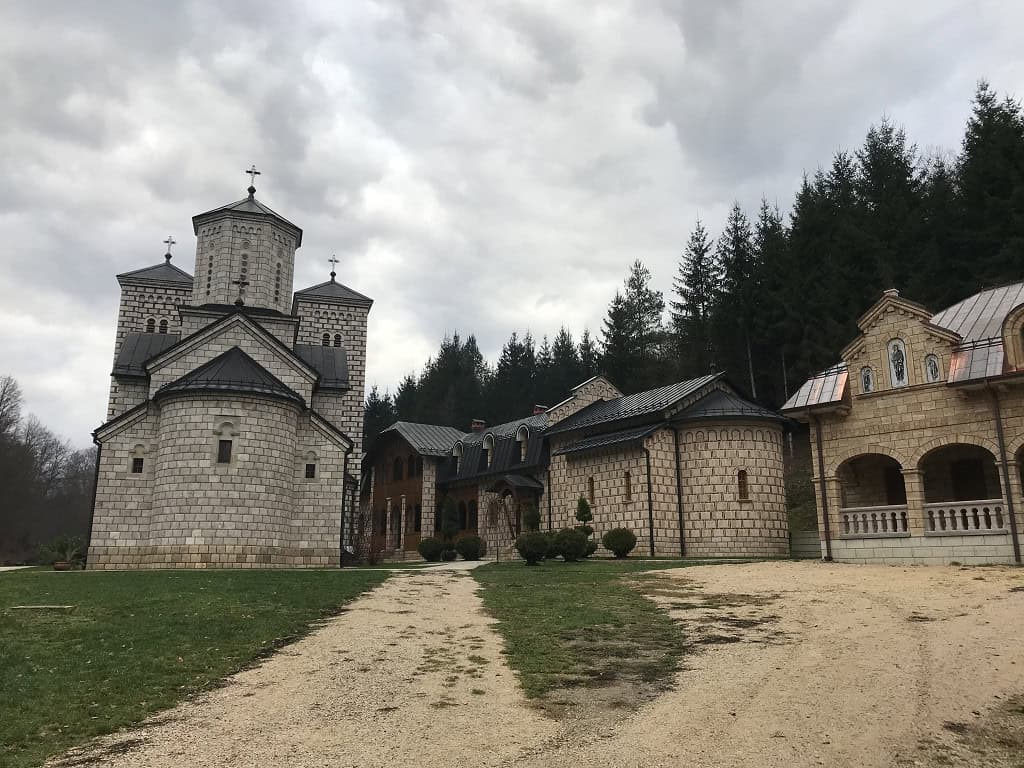
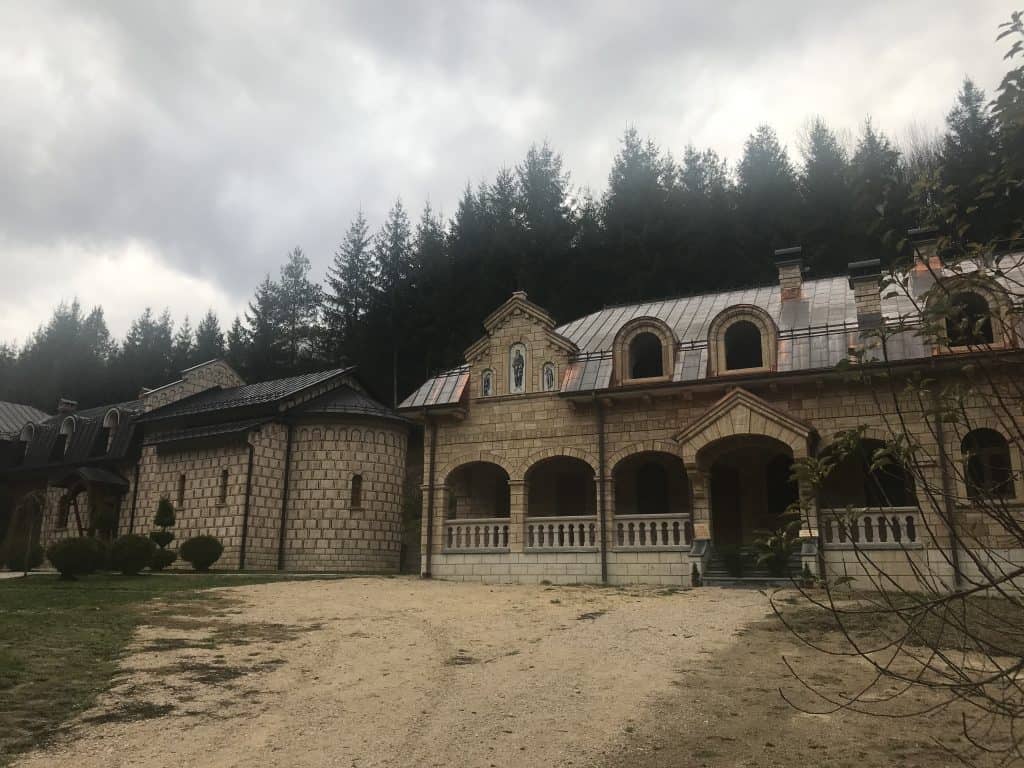
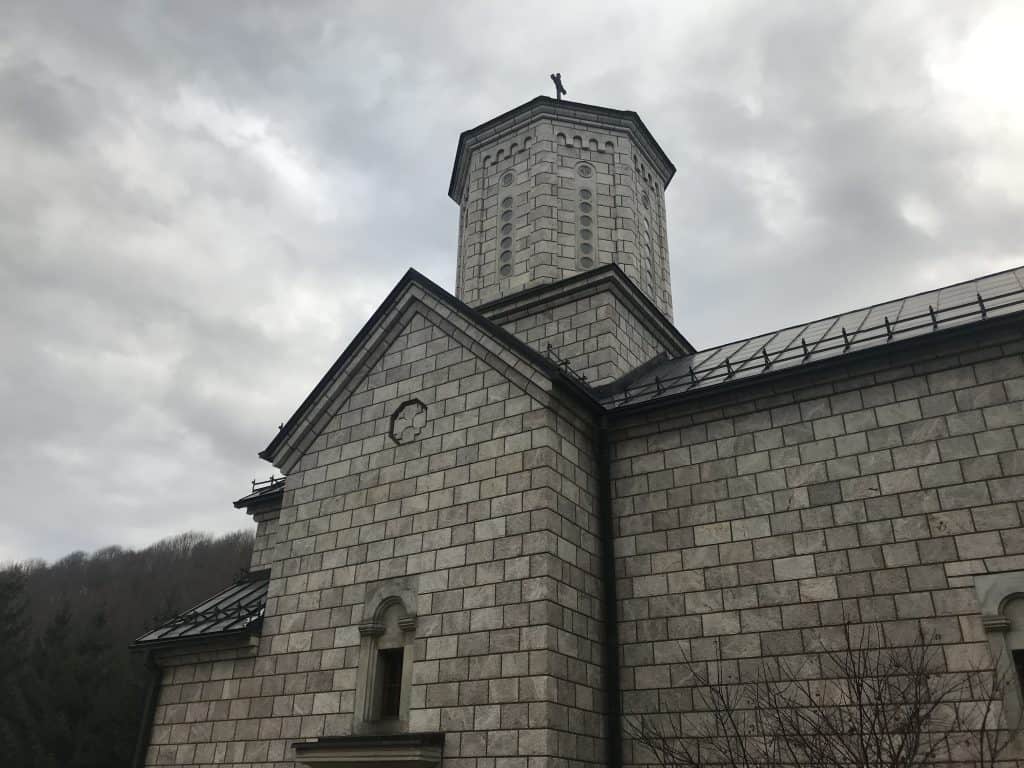
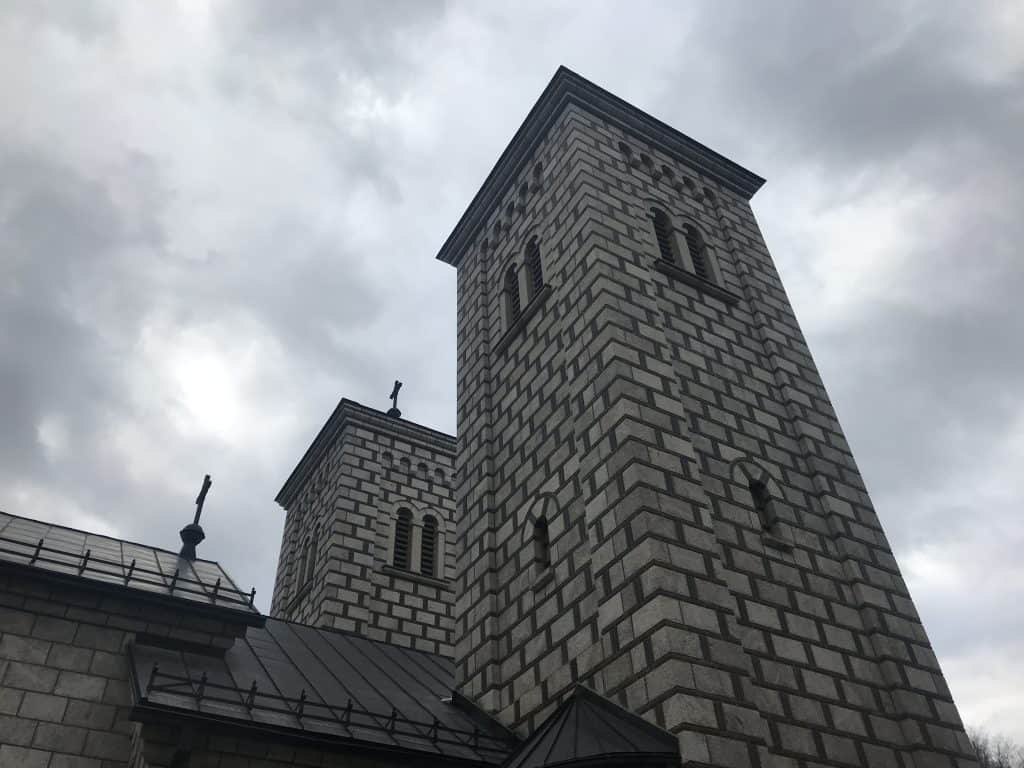
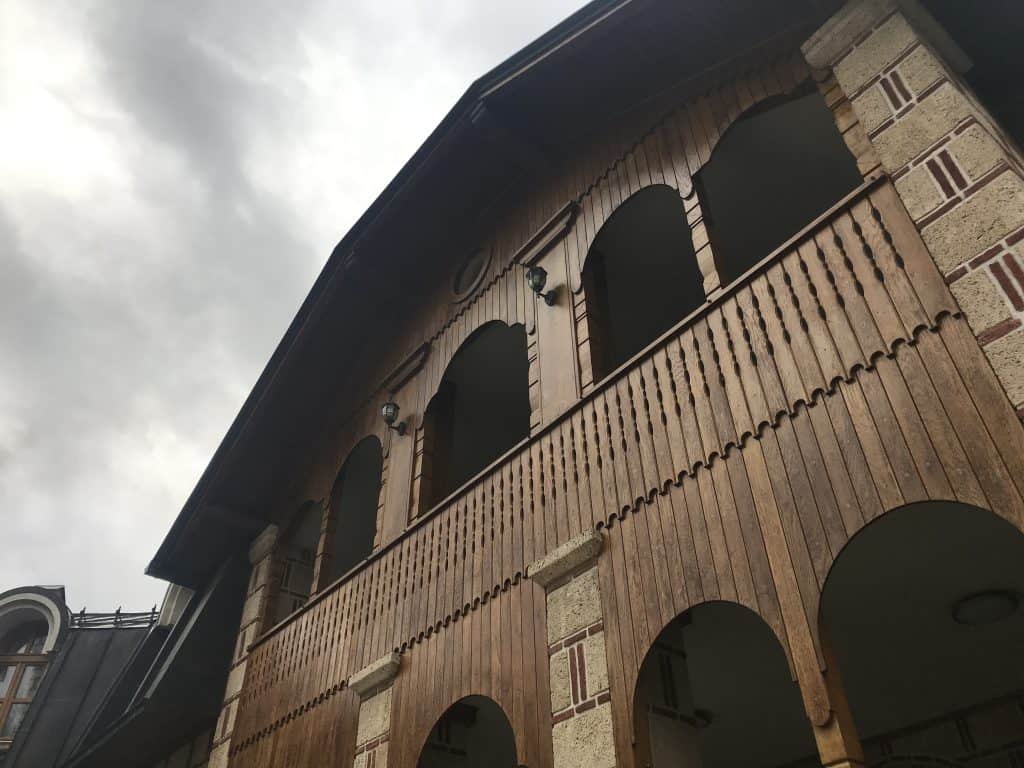
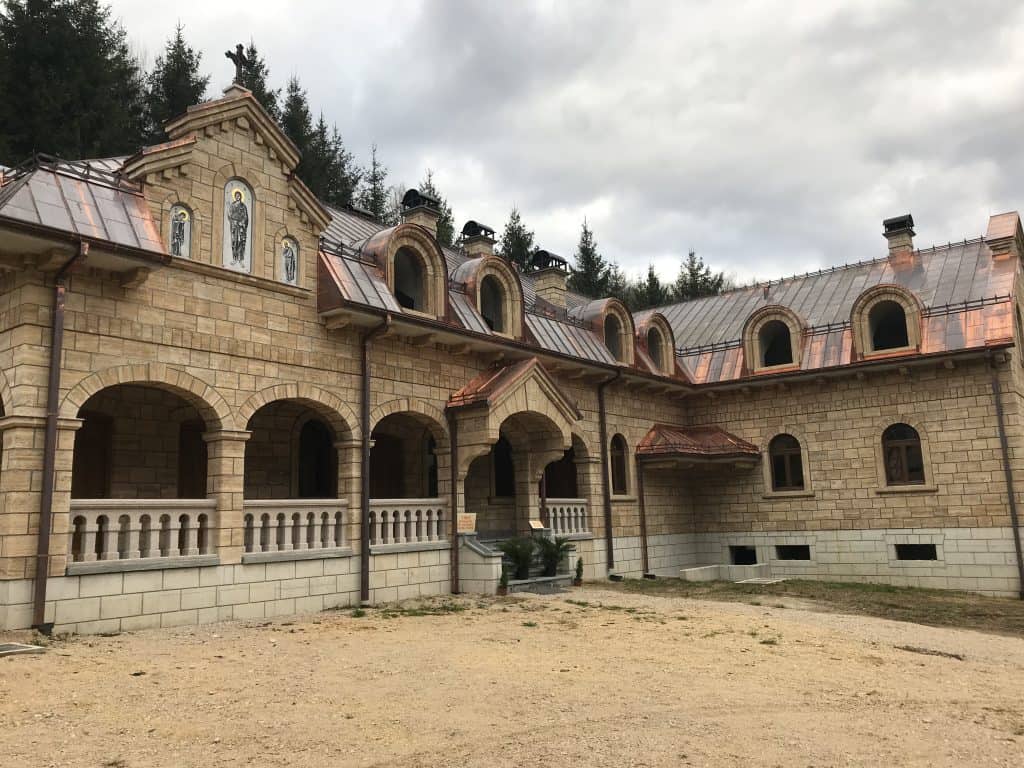
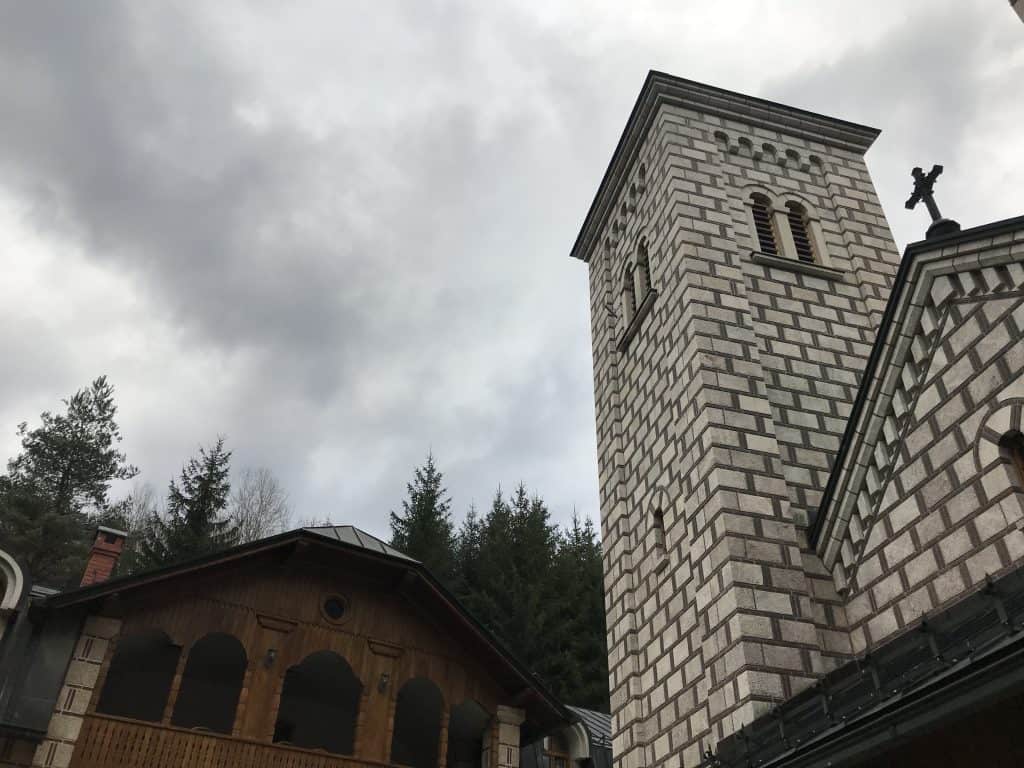
The Stuplje Monastery is the main sight. The newly-built monastery complex is a beautiful example of modern Serbian Orthodox religious architecture. The main church is a beautiful stone building with a traditional design. The monastery is set in a very peaceful and serene natural environment, on the banks of the small Manastirica river. A visit to the monastery offers a chance to experience the tranquility of a functioning religious community and to learn about its unique history of destruction and rebirth.
Liplje Monastery
Located approximately 20 kilometers from Stuplje is the historic Liplje Monastery. This medieval Serbian Orthodox monastery shares a very similar history with Stuplje. It is also believed to have been founded in the 13th century by King Stefan Dragutin. Unlike Stuplje, the Liplje Monastery was not completely destroyed, and its beautiful medieval church has survived. A visit to both monasteries provides a fascinating insight into the rich religious and cultural heritage of this region of Bosnia and Herzegovina.
How to Get to Stuplje
Stuplje Monastery is located in the village of Gornji Vijačani, in the northwestern part of Bosnia and Herzegovina. The main gateway for international visitors is Banja Luka International Airport (BNX). From the city of Banja Luka, the journey to the monastery is a scenic drive through the countryside. A car is the recommended mode of transport for reaching this beautiful and relatively remote religious site.
Driving to the Monastery
Driving to the Stuplje Monastery is straightforward. From the city of Banja Luka, you would take the main M4 road east in the direction of the town of Teslić. You would then turn off onto a smaller, local road to reach the village of Gornji Vijačani and the monastery. The drive from Banja Luka takes approximately one hour. The roads are paved but can be narrow in the final section.
Arriving by Air
The main airport for the region is Banja Luka International Airport (BNX). The airport is located about 23 kilometers north of the city. It has regular flights to several destinations in Europe. From the airport, you would need to rent a car or take a taxi into the city of Banja Luka, and from there, you would continue your journey to the monastery by car.
Driving Distances
The driving distance from 20 regional cities, according to Google Maps:
- Teslić, Bosnia and Herzegovina – 25 kilometers (0 h 35 min)
- Čelinac, Bosnia and Herzegovina – 30 kilometers (0 h 40 min)
- Prnjavor, Bosnia and Herzegovina – 35 kilometers (0 h 45 min)
- Doboj, Bosnia and Herzegovina – 50 kilometers (1 h 00 min)
- Banja Luka, Bosnia and Herzegovina – 50 kilometers (1 h 00 min)
- Kotor Varoš, Bosnia and Herzegovina – 55 kilometers (1 h 10 min)
- Derventa, Bosnia and Herzegovina – 65 kilometers (1 h 15 min)
- Slavonski Brod, Croatia – 80 kilometers (1 h 15 min)
- Gradiška, Bosnia and Herzegovina – 90 kilometers (1 h 30 min)
- Jajce, Bosnia and Herzegovina – 100 kilometers (1 h 45 min)
- Travnik, Bosnia and Herzegovina – 105 kilometers (1 h 50 min)
- Zenica, Bosnia and Herzegovina – 110 kilometers (1 h 45 min)
- Tuzla, Bosnia and Herzegovina – 120 kilometers (2 h 00 min)
- Osijek, Croatia – 160 kilometers (2 h 15 min)
- Sarajevo, Bosnia and Herzegovina – 180 kilometers (2 h 45 min)
- Bihać, Bosnia and Herzegovina – 185 kilometers (3 h 15 min)
- Zagreb, Croatia – 240 kilometers (3 h 00 min)
- Novi Sad, Serbia – 240 kilometers (2 h 45 min)
- Split, Croatia – 280 kilometers (4 h 00 min)
- Belgrade, Serbia – 300 kilometers (3 h 30 min)
Looking to Explore more of Bosnia and Herzegovina and Europe?