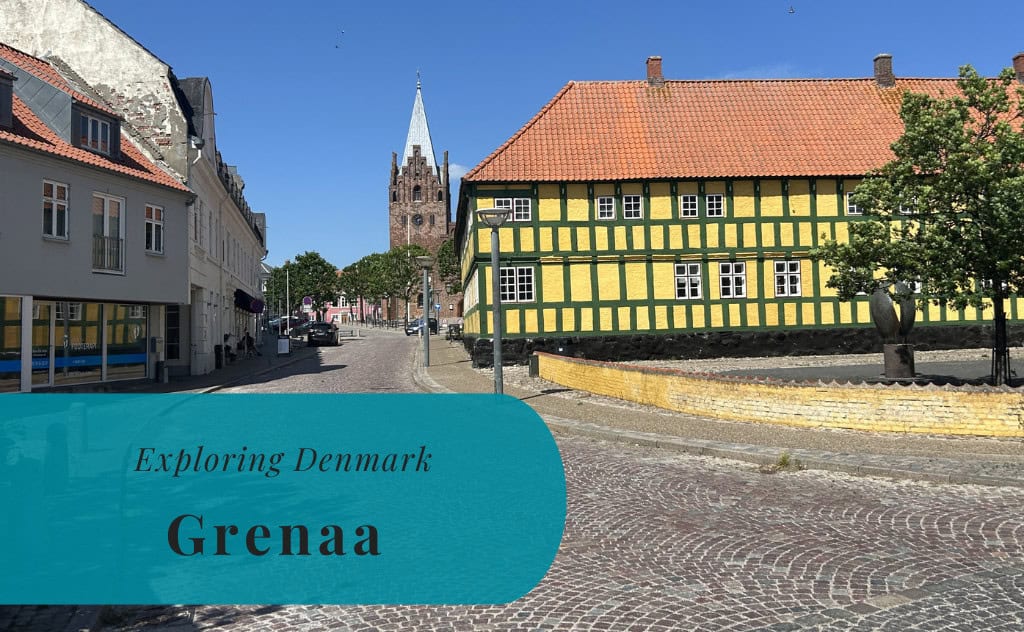
Grenaa | Exploring Denmark
Grenaa is a town on the east coast of the Jutland peninsula in Denmark. It is the administrative center and largest town of Norddjurs Municipality. The town is situated on the Kattegat sea, at the mouth of the Grenaa River (Gren Å). With a population of approximately 14,100 residents, it is a key commercial, industrial, and transport hub for the Djursland region.
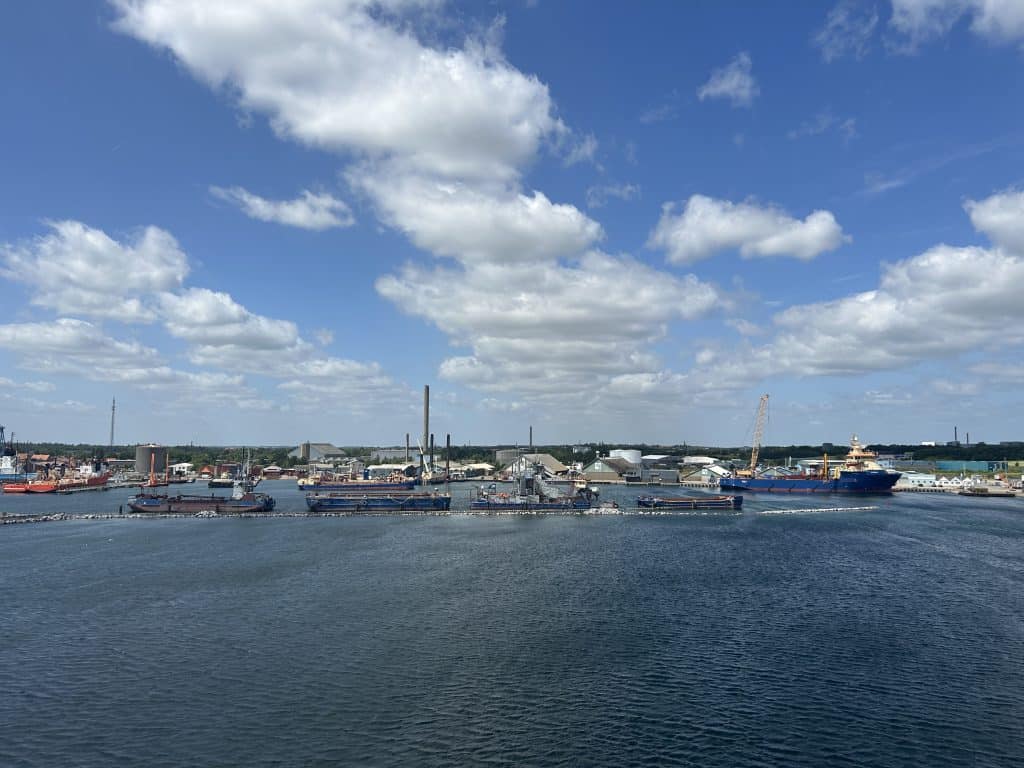
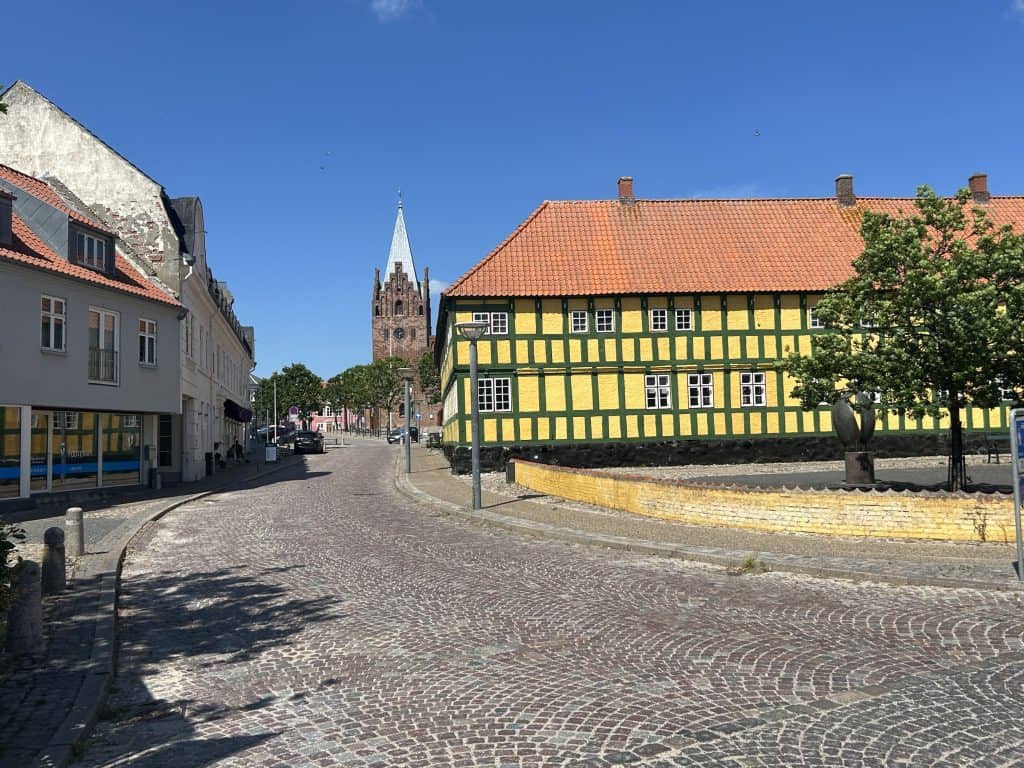
The character of Grenaa is defined by its function as a major port town. It has a busy industrial and ferry harbor, which is a vital link between Denmark and Sweden. This exists alongside a historic town center with a medieval church and older streets. The town is also a popular summer destination due to its long, sandy beaches located just south of the harbor. This combination of industry, history, and coastal tourism gives the town its specific identity.

A Short History of Grenaa
The history of Grenaa is that of a medieval market town that has been shaped by its relationship with the sea. Its development from a small settlement into a modern industrial and ferry port reflects its strategic location on the coast of Jutland. The town has experienced periods of prosperity through trade, as well as challenges from wars and natural changes to its harbor. This long history is visible today in its historic church and its redeveloped port area.
Medieval Origins and Market Town
The history of settlement in the Grenaa area dates back to the Viking Age. The town itself was first mentioned in historical documents in 1231. It was granted privileges as a market town (købstad) in 1445, which formalized its status as a commercial center. During the Middle Ages, its economy was based on trade and fishing. The Grenaa River provided a natural harbor that was used by local merchants, though its access to the sea could be challenging.
Challenges and Stagnation
For several centuries, Grenaa’s development was hampered by a series of challenges. The town was affected by the wars between Denmark and Sweden in the 17th century. A more significant and long-term problem was the silting up of the mouth of the Grenaa River. This made it increasingly difficult for larger ships to reach the town’s harbor. This led to a period of economic stagnation, as trade was diverted to other ports with better access.
Modern Port and Industrial Growth
The town’s fortunes were revitalized in the 19th century with the construction of a new harbor directly on the Kattegat coast. This project, completed in the 1870s, allowed larger ships to dock and re-established Grenaa as a key port. The arrival of the railway in 1876 further spurred industrial growth. In the 20th century, the port was expanded to include a major ferry terminal. This cemented Grenaa’s modern role as a key transport link between Jutland and Sweden.

Things to Do and See
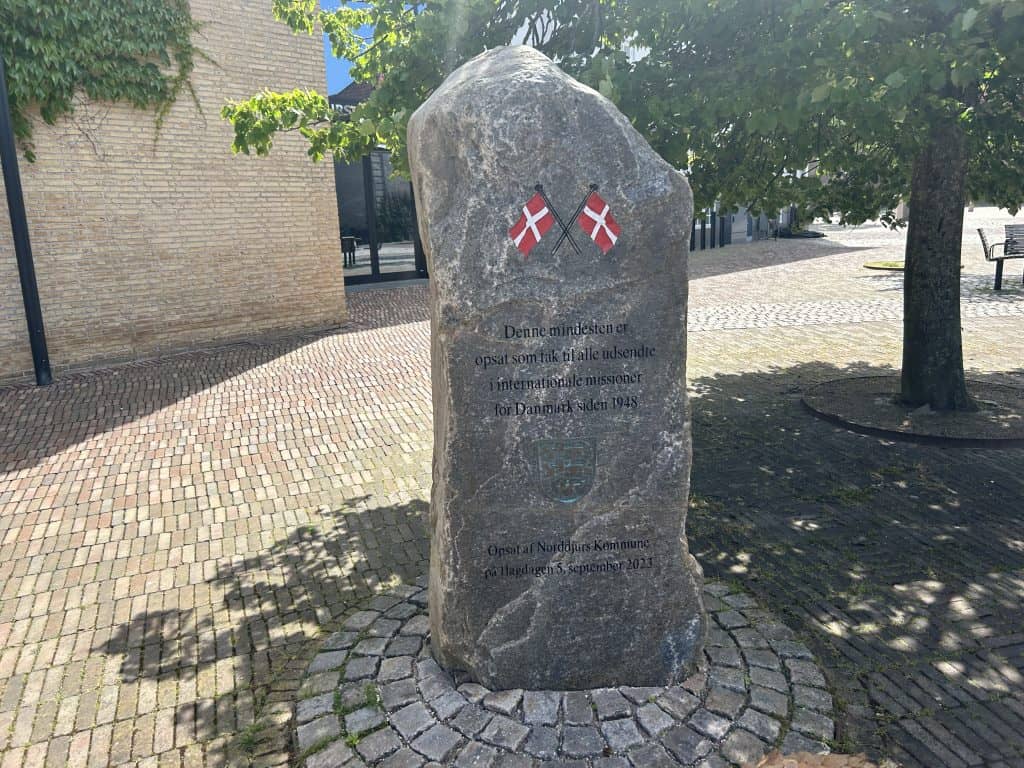
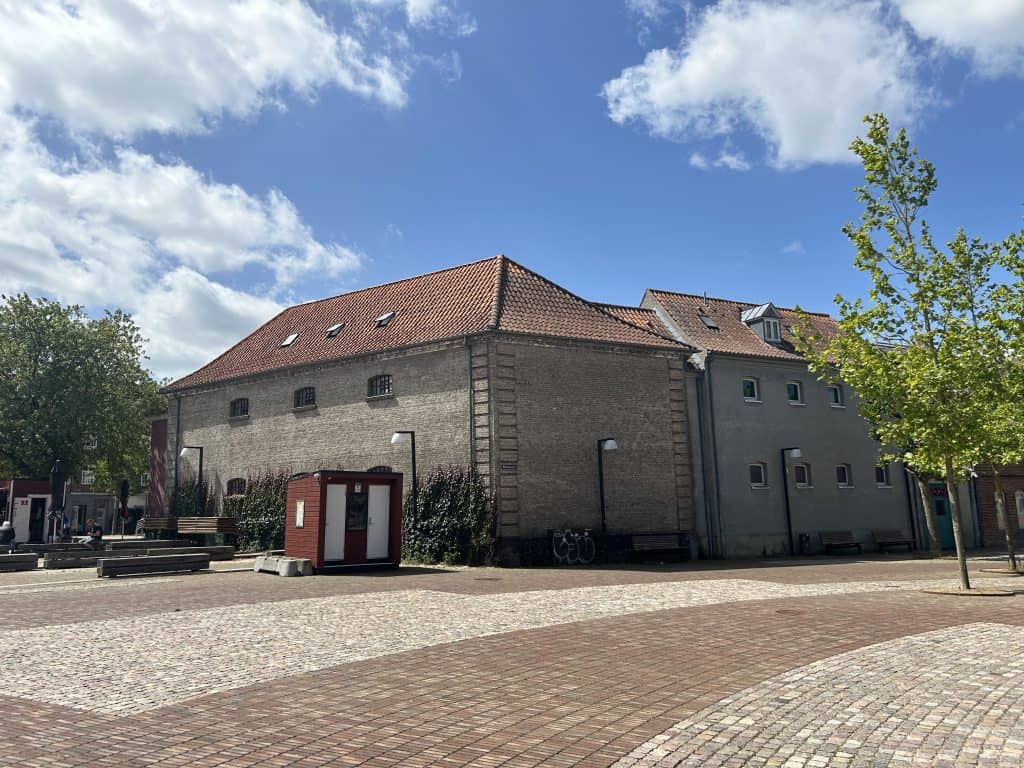
The sights in Grenaa and its immediate surroundings are centered on its connection to the sea and its local history. The town’s main attractions include a major aquarium, its historic church, and its sandy beaches. The local museum provides insight into the history of the Djursland region. The marina and the industrial port are also key features of the town.
Kattegatcentret
The Kattegatcentret is Denmark’s main shark center and a major public aquarium. It is located directly at the harbor in Grenaa. Opened in 1993, the center focuses on the marine life of the Kattegat sea and other ocean environments. Its main attractions include a large oceanarium with several species of sharks. It also features a seal exhibit and numerous other aquariums with Nordic and tropical fish. The center has a strong focus on education and conservation. It is one of Denmark’s most popular tourist attractions.
Grenaa Church
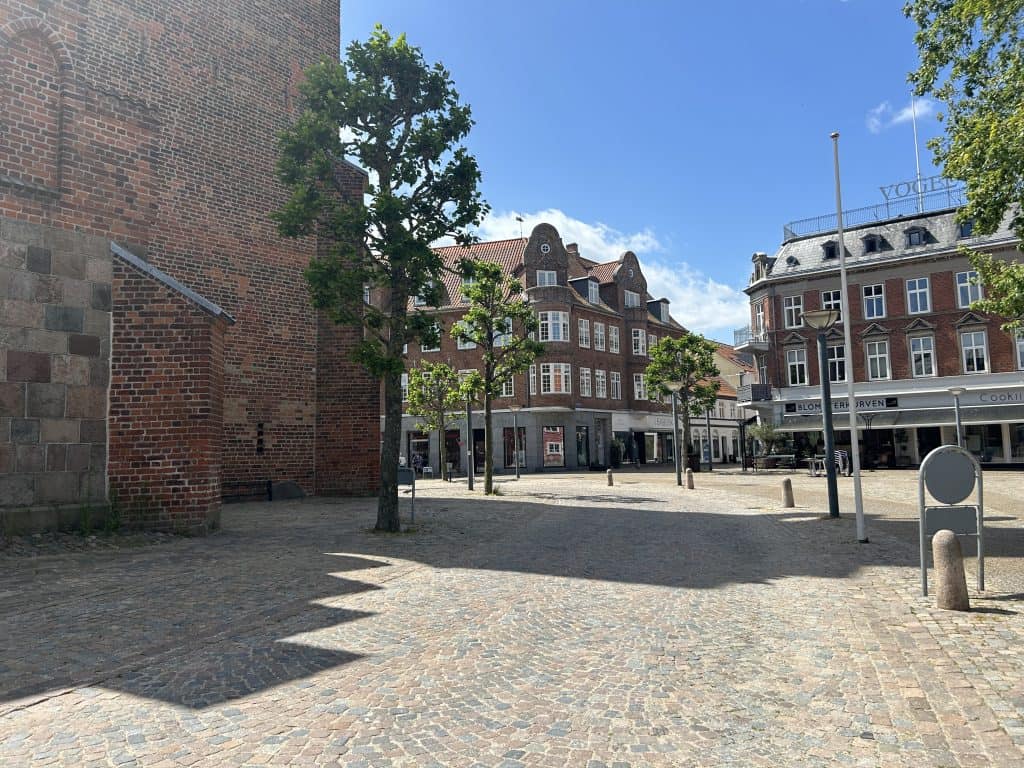
Grenaa Church (Grenaa Kirke) is the town’s historic main church, located in the center of the old town. The church was originally built around the year 1300, but it was significantly rebuilt and expanded in the 15th century. It is a large Brick Gothic church dedicated to Saint Gertrude. A key feature is its tall tower, which was added in the 16th century. The interior contains a large, ornate altarpiece from the 17th century and a pulpit from the same period.
Museum Østjylland Grenaa
The Museum Østjylland Grenaa is the local cultural history museum. It is housed in a preserved merchant’s house from the 18th century in the old town. The museum’s exhibitions detail the history of Grenaa and the surrounding Djursland region, from prehistory to the modern era. It has significant collections related to the area’s history as a market town and its maritime past. The museum provides context on the daily life, trades, and traditions of the people of the region.
Grenaa Beach
Grenaa Beach (Grenaa Strand) is a long, sandy beach located just south of the town’s harbor. The beach stretches for several kilometers and is known for its fine white sand and shallow waters. It is one of the most popular beaches on the east coast of Jutland. During the summer months, it is a major destination for swimming and other beach activities. A large area of holiday homes and camping sites is located behind the dunes.
Grenaa Marina
The Grenaa Marina (Grenaa Lystbådehavn) is the town’s recreational harbor. It is located next to the main industrial and ferry port. The marina can accommodate hundreds of pleasure boats and sailing yachts. It is a hub for local sailing clubs and a popular destination for visiting boaters from across the Kattegat. The marina area features restaurants and facilities for boaters, and it is a center of activity during the summer sailing season.



Sports in Grenaa
The sporting life in Grenaa is focused on its local community clubs and the recreational activities offered by its coastal location. Football is the most popular team sport, with a club that represents the wider Djursland region. The town’s location on the Kattegat makes it a center for water sports like sailing. The nearby motorsport circuit also adds another dimension to the local sports scene.
Football
Football holds a significant place in Grenaa’s community. The local football club serves as a hub for players from across the Djursland region. The club has a strong focus on youth development. It provides a platform for local talent to compete in the Danish football league system.
FC Djursland
The main football club representing the area is FC Djursland. The club was formed as a collaboration between several clubs in the Djursland region, including the historic Grenaa IF. The team competes in the lower tiers of the Danish football league system. They play their home games at the Grenaa Stadion, which has a capacity of several thousand spectators.
Sailing and Water Sports
The Grenaa Marina is the center for sailing and water sports in the town. The Grenaa Sejlklub (Sailing Club) is a key local institution. It organizes regattas and provides training for sailors of all ages. The waters of the Kattegat off the coast of Grenaa provide a suitable area for recreational sailing and other water activities, such as kayaking and windsurfing.
Motorsports
Motorsports also have a presence in the Grenaa region. Just a short drive from the town is a permanent motor racing circuit. This facility hosts a variety of national-level car and motorcycle racing events throughout the year. It is a key venue for motorsport in the Jutland region.
Ring Djursland
The nearby motorsport circuit is Ring Djursland. It is one of Denmark’s few permanent racing circuits. The track has a hilly and challenging layout. It hosts rounds of the Danish Thundersport Championship and other national racing series. The presence of this circuit makes the Grenaa area a destination for motorsport enthusiasts.


Getting Around in Grenaa
Navigating Grenaa is straightforward. The town center is compact and can be easily explored on foot. For travel to the harbor, the beach, and the surrounding areas, a local bus network is available. Cycling is also a popular way to get around.
On Foot: The Town Center
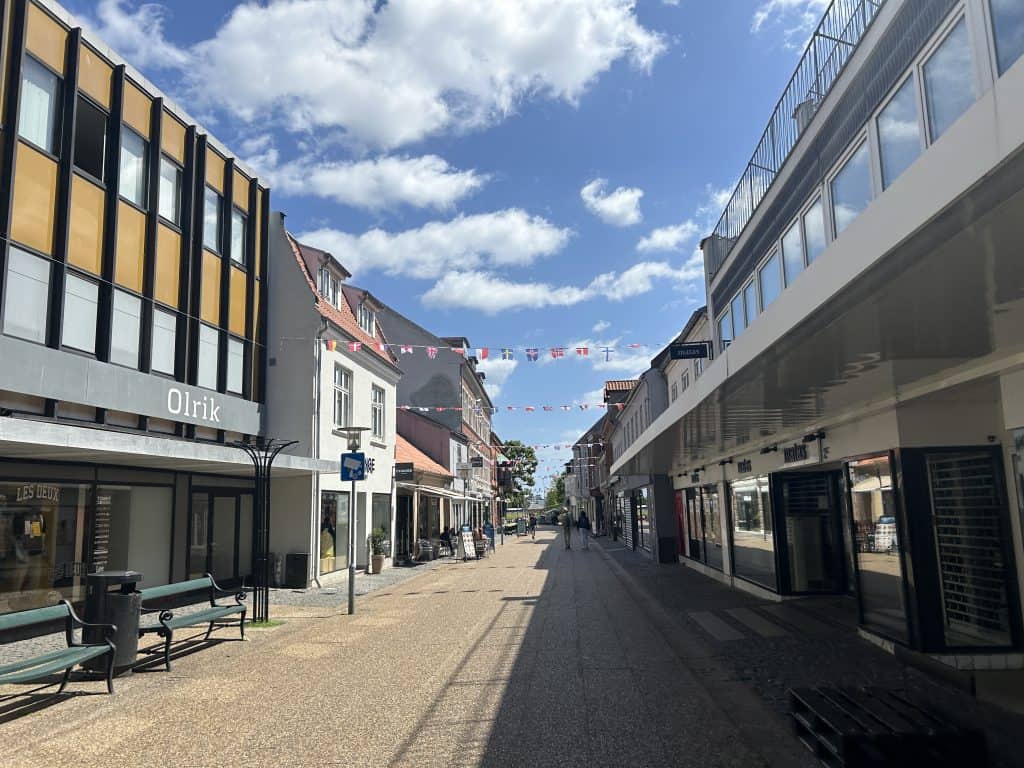
Walking is the best way to explore the central part of Grenaa. The main shopping streets, the historic church, the town square, and the area around the Grenaa River are all within a short walking distance of each other. This allows visitors to see the architecture and access local shops and cafes on foot.
Local Buses
The public transport in Grenaa and the wider Djursland region is operated by Midttrafik. A network of local and regional buses connects the town center with its residential areas, the harbor, and the beach. Buses also provide connections to other towns in the region, such as Ebeltoft and Randers. The main bus station is located at the train station.


How to Get to Grenaa
Reaching Grenaa is convenient by road, rail, and ferry. The town is a key transport hub on the east coast of the Jutland peninsula. It is well-connected to Denmark’s main transport networks.
Arriving by Air: Aarhus Airport
The closest major airport to Grenaa is Aarhus Airport (AAR), located approximately 25 kilometers away. The airport offers connections to Copenhagen and several other European destinations. From the airport, a direct bus service connects to Grenaa. Another major airport is Billund Airport (BLL), which is further away but offers more international connections.
The Open Road: Driving to Djursland
Driving to Grenaa offers flexibility for exploring the Djursland region. The town is well-connected by the Danish road network. Primary Route 15 runs directly through Grenaa, connecting it with Aarhus. Primary Route 16 also serves the town. The main E45 motorway, which runs the length of Jutland, is accessible a short drive from Grenaa.
Connecting by Coach
The Grenaa bus station offers connections to major cities in Denmark. Long-distance bus services, such as those operated by FlixBus, often connect to Aarhus. From Aarhus, frequent regional buses make the journey to Grenaa. This provides an economical option for reaching the town from other parts of the country.
On Track: The Light Rail Link
Traveling to Grenaa by train is highly efficient. The town is the terminus of the Grenaabanen, which is part of the Aarhus Letbane (Aarhus Light Rail) network. Direct light rail trains run frequently from Aarhus Central Station to the Grenaa station. The journey takes approximately 1 hour and 15 minutes. This provides a direct and modern rail link to Denmark’s second-largest city.
The Kattegat Route: Arriving by Ferry
Grenaa is a major ferry port with a direct international connection to Sweden. The company Stena Line operates a regular ferry service between Grenaa and Halmstad, Sweden. This route is a key transport link across the Kattegat sea for both passengers and freight. The journey takes approximately 4.5 to 5 hours. The ferry terminal is located at the main harbor, a short distance from the town center.
Driving Distances
The driving distance from 10 regional cities, according to Google Maps:
- Randers, Denmark – 58 kilometers (1 h 00 min)
- Aarhus, Denmark – 63 kilometers (1 h 10 min)
- Aalborg, Denmark – 135 kilometers (1 h 50 min)
- Gothenburg, Sweden – 152 kilometers (5 h 50 min, includes ferry)
- Odense, Denmark – 202 kilometers (2 h 40 min)
- Copenhagen, Denmark – 389 kilometers (4 h 20 min)
- Oslo, Norway – 443 kilometers (8 h 00 min, includes ferry)
- Hamburg, Germany – 531 kilometers (5 h 20 min)
- Berlin, Germany – 819 kilometers (8 h 30 min)
- Amsterdam, Netherlands – 929 kilometers (9 h 50 min)
Looking to Explore more of Denmark and Europe?