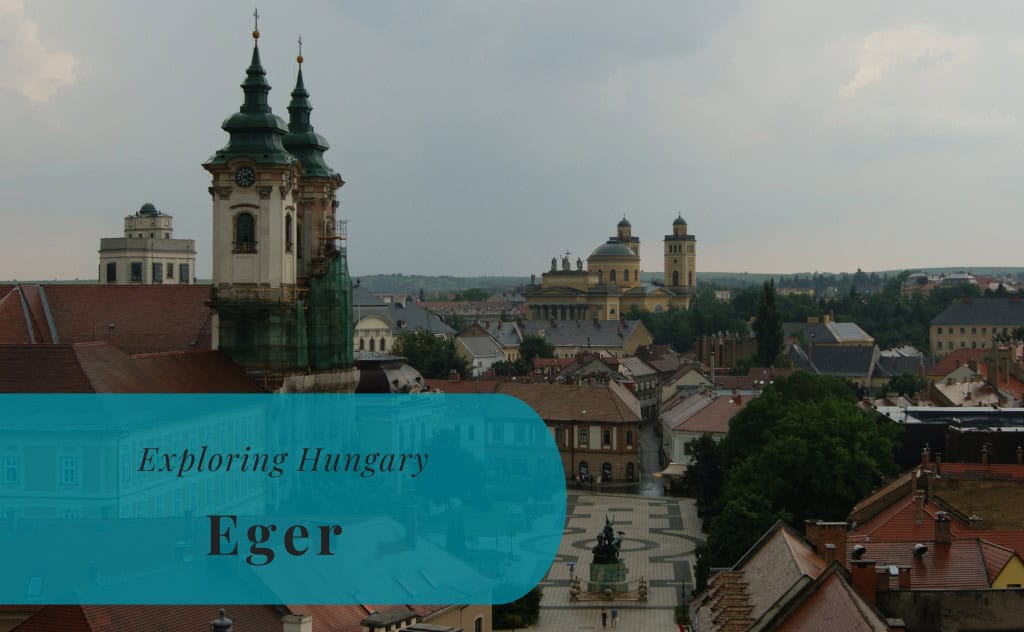
Eger | Exploring Hungary
Eger is a historic city in northern Hungary and serves as the county seat of Heves County. The city is situated in the foothills of the Bükk Mountains, a significant national park. According to 2021 data, Eger has a population of approximately 52,000 residents. It functions as a key cultural and economic hub for the region. Eger is particularly known for its red wine, most notably Egri Bikavér (Bull’s Blood of Eger), which is produced in the surrounding fertile valleys.
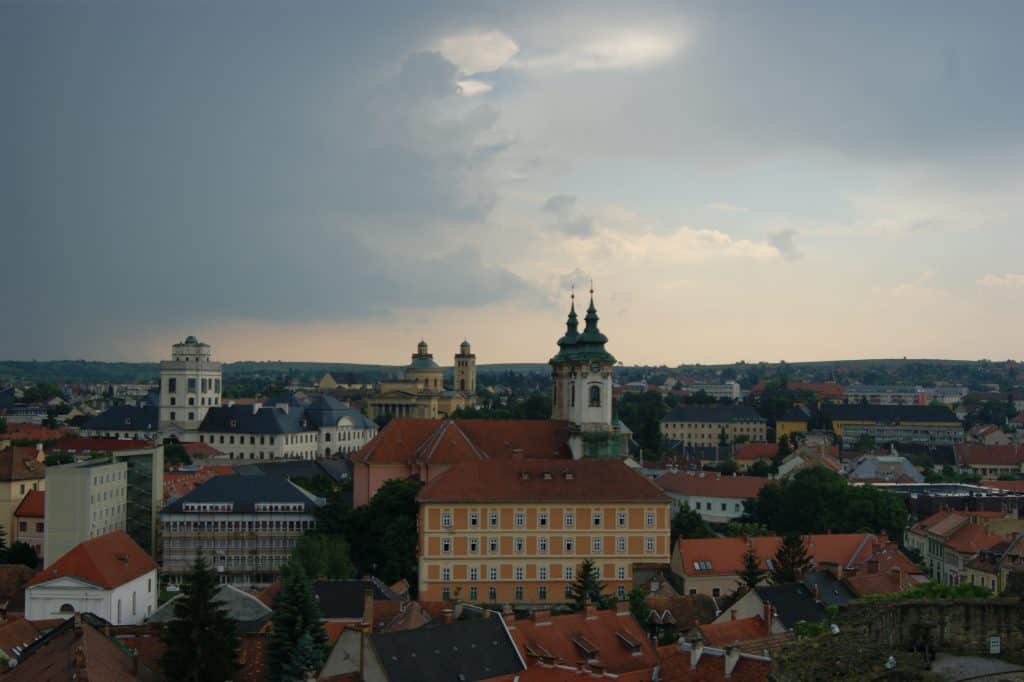
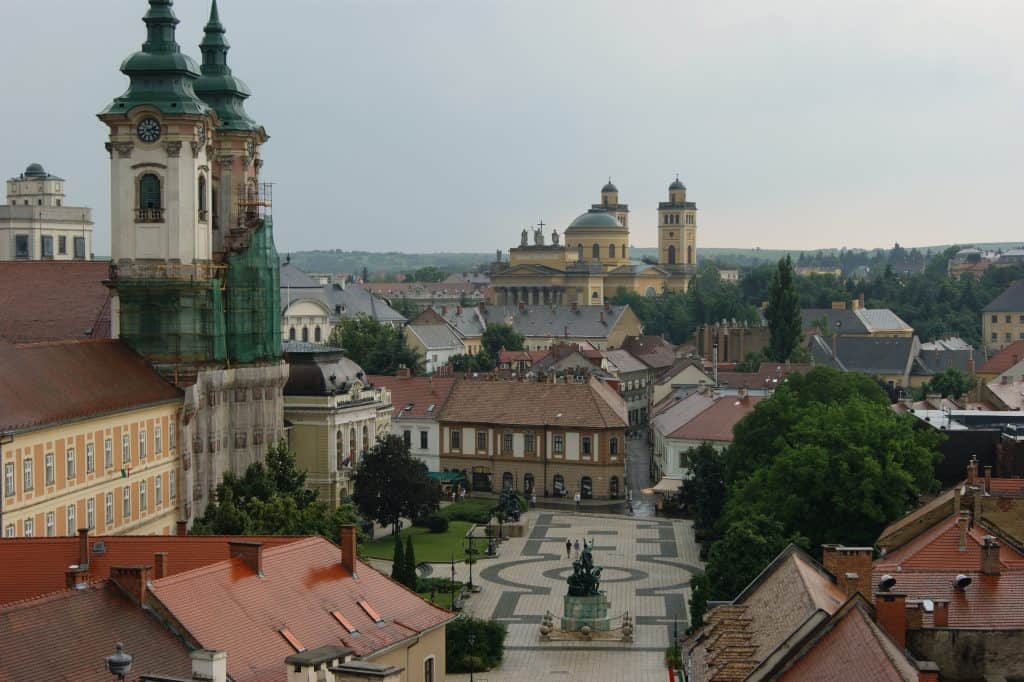
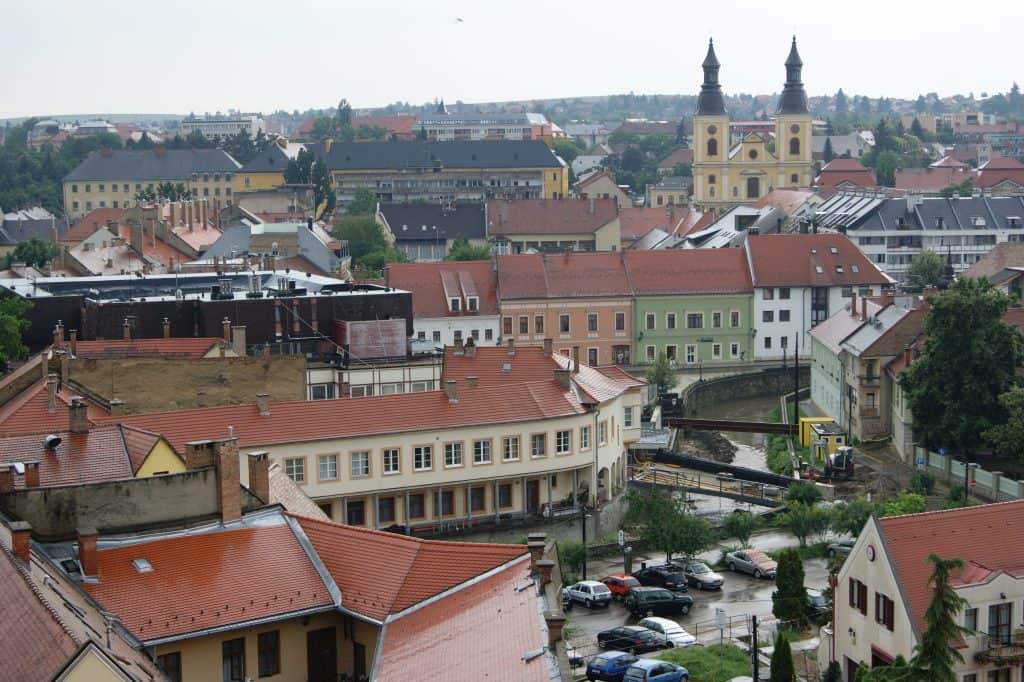
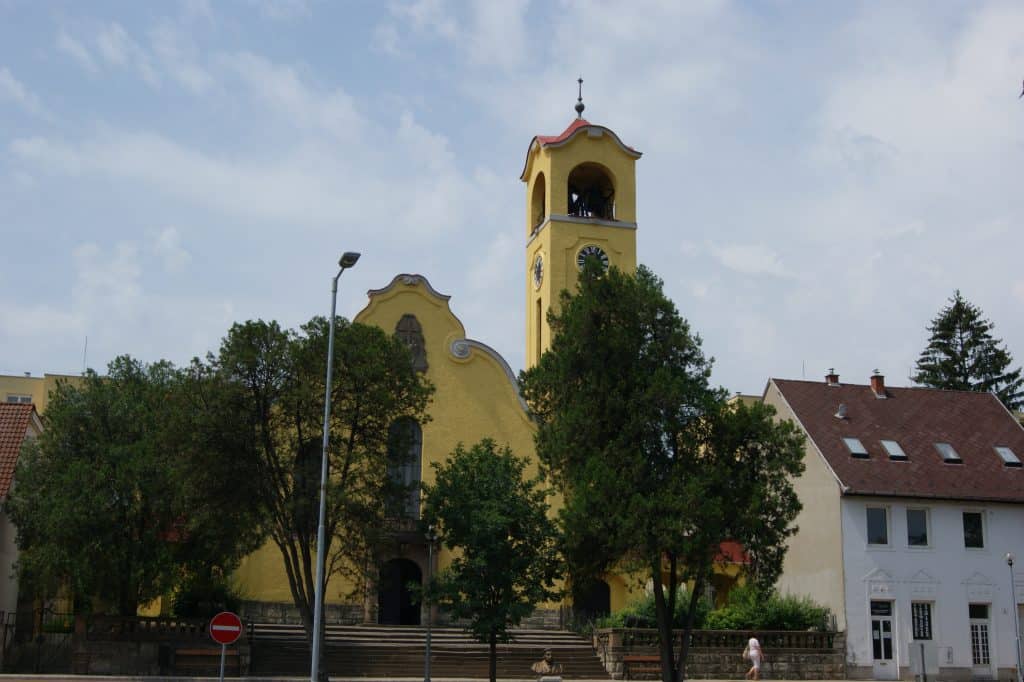
The city’s character is defined by its well-preserved Baroque architecture, its formidable castle, and its long history as a religious center. The downtown area is compact, containing numerous historical monuments, churches, and public squares. Eger’s past includes a famous siege against the Ottoman Empire, a period of Ottoman rule, and a phase of extensive reconstruction under the Habsburgs. This sequence of events has given the city a distinct architectural and cultural identity.

A Short History of Eger
The history of Eger tracks its development from an early religious center to a strategic border fortress and finally into the architecturally significant city it is today. Its story is central to the national identity of Hungary, marked by periods of both conflict and construction.
From Ancient Settlement to Coronation City
The history of Eger dates back to the 10th century. King Stephen I, Hungary’s first Christian king, founded an episcopal see here, making Eger an important religious center from the nation’s beginning. The city grew around its first cathedral, which was located on Castle Hill. This early development was interrupted by the Mongol invasion in 1241. The town was ransacked and heavily damaged during this period. After the Mongols withdrew, permission was granted to build a stone fortress on the hill to provide better defense for the future.
The Legendary Siege and Ottoman Rule
Eger’s most famous historical event occurred in 1552. A small force of approximately 2,100 defenders, led by Captain István Dobó, repelled an Ottoman army of 35,000-40,000 soldiers during the Siege of Eger. The successful defense lasted 38 days and became a symbol of national defiance in Hungarian history. Despite this victory, the Ottomans eventually captured Eger in 1596. The city remained under Ottoman rule for 91 years, a period that introduced structures like Turkish baths and a minaret.
Baroque Reconstruction and Modernity
The city was reclaimed by Habsburg-led forces in 1687. This event ushered in a major rebuilding phase in the Baroque style, which defines much of Eger’s current architecture. Churches, public buildings, and residences were constructed throughout the 18th century. The city re-established its role as a prominent religious and cultural center. Its reconstruction continued into the 19th century, culminating in the completion of its large neoclassical Basilica in 1856.



Things to Do and See
Eger offers a range of attractions that showcase its history, architecture, and local culture. Visitors can explore the historic Eger Castle, see the second-largest church in Hungary, and experience the city’s wine culture in the nearby Szépasszony Valley.
Eger Castle
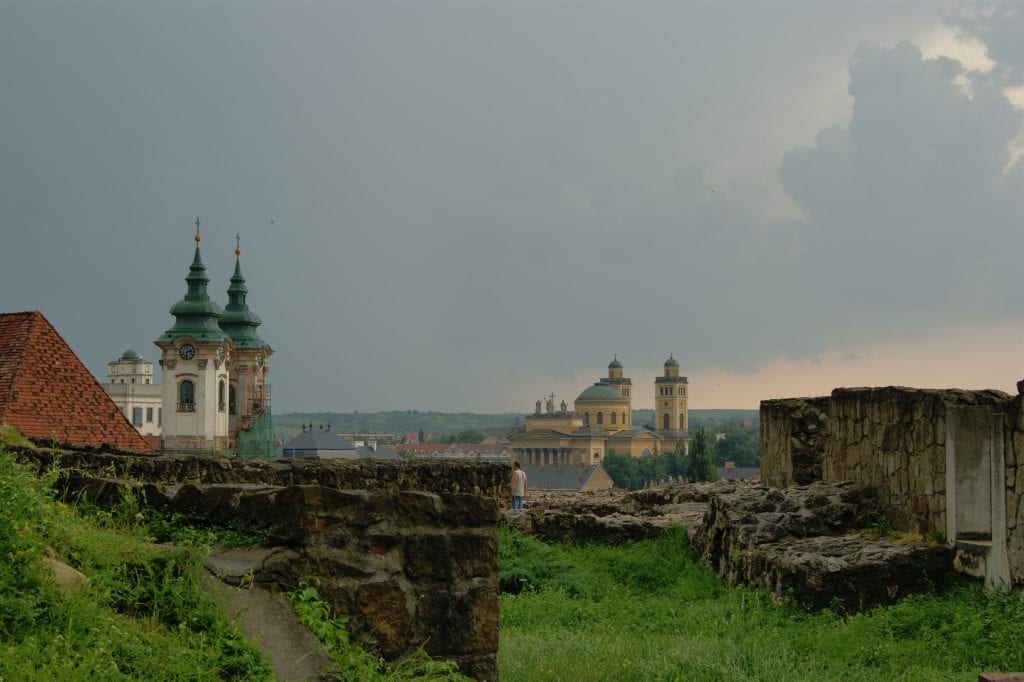
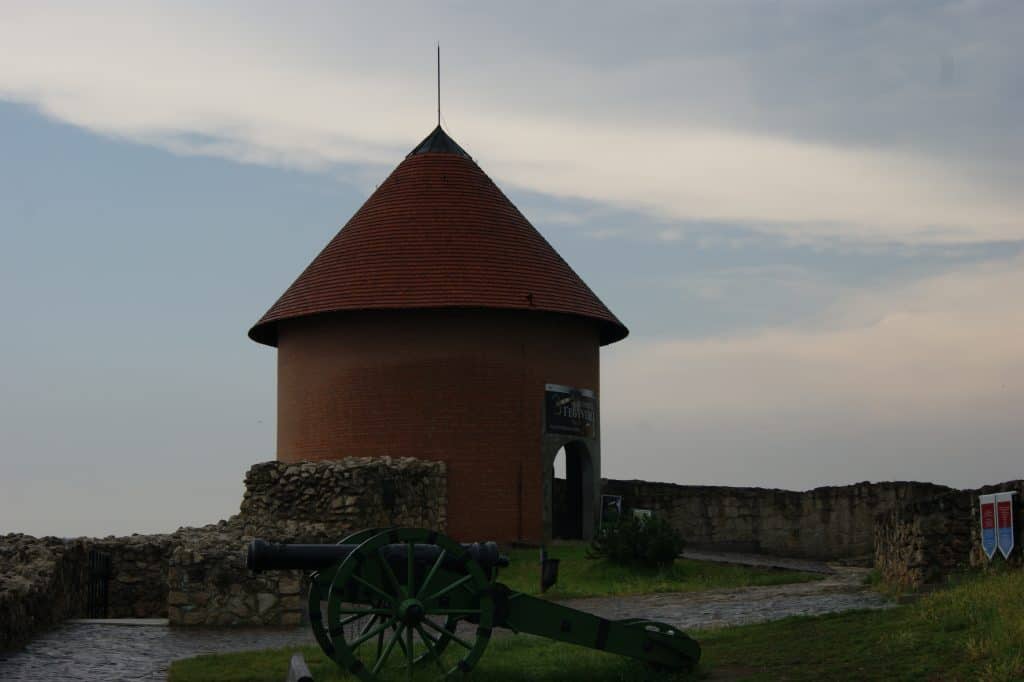
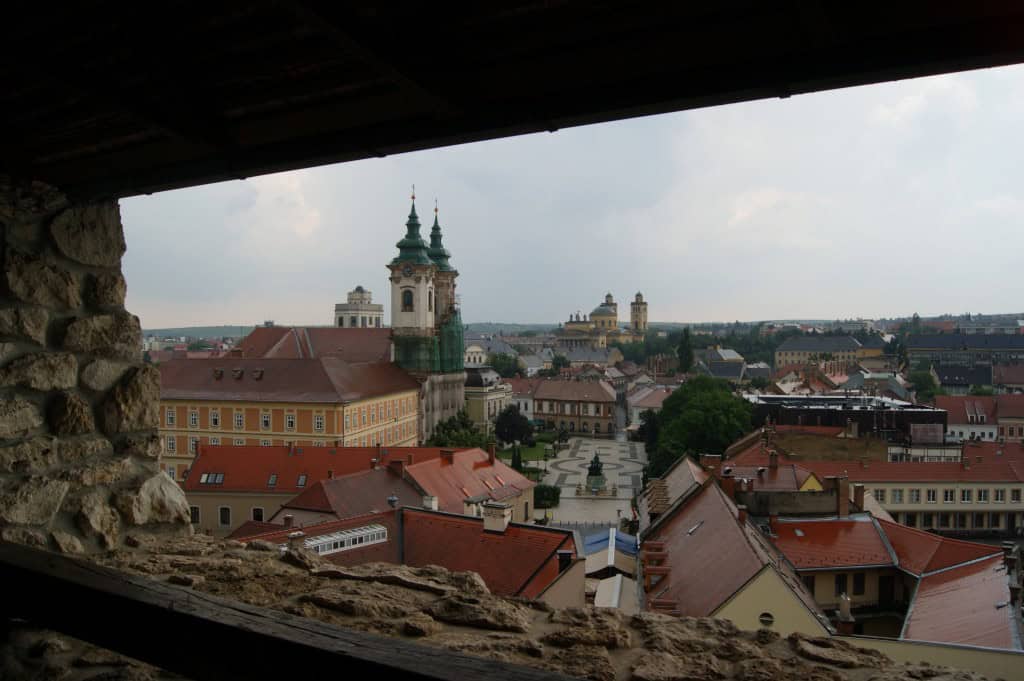
Eger Castle (Egri Vár) is the city’s most significant historical monument. Perched on a hill, the current stone fortress dates from the 13th century. It became widely known for its defense during the 1552 Ottoman siege. Visitors can explore its walls, gates, and underground casemates. The István Dobó Castle Museum inside showcases the castle’s history, with collections of weapons and artifacts. The castle also provides panoramic views of Eger and the surrounding countryside.
Eger Basilica
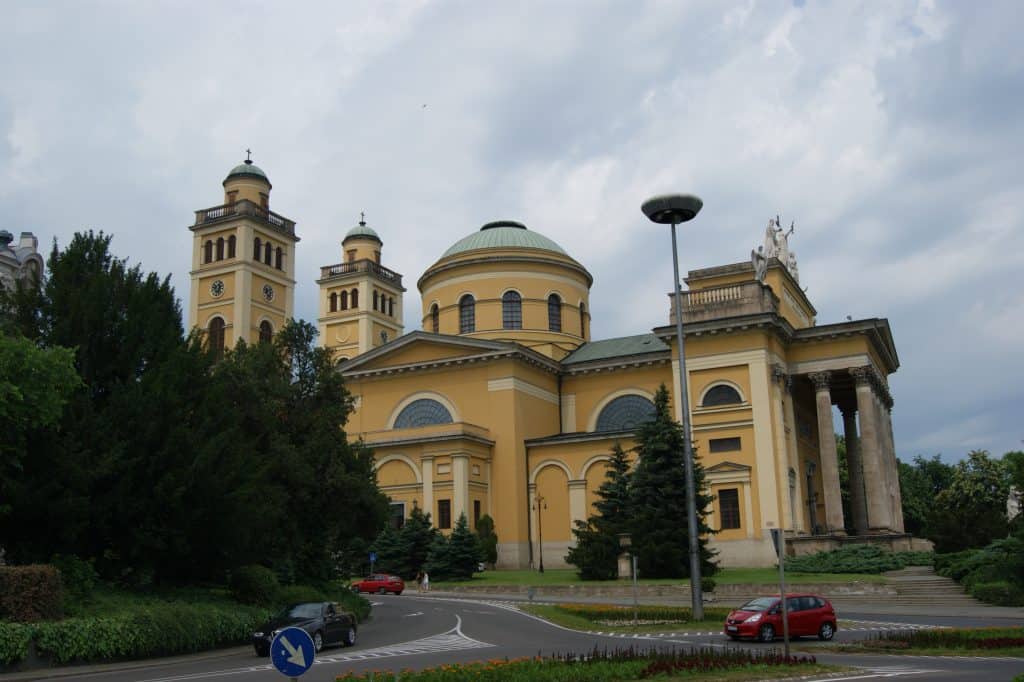
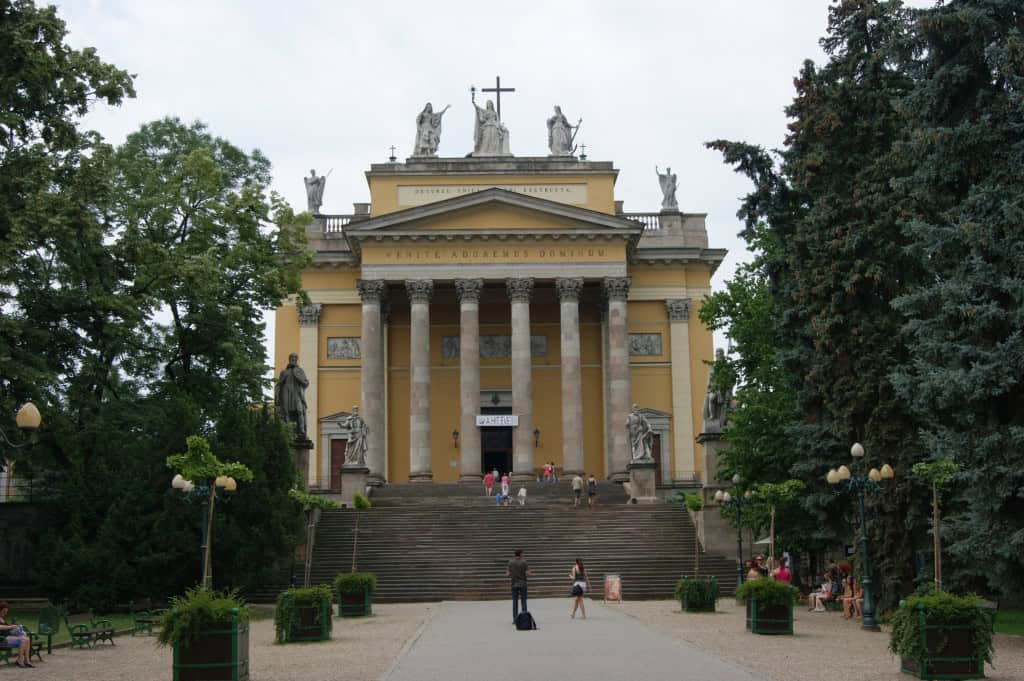
The Eger Basilica (Egri Bazilika), officially the Cathedral Basilica of St. John the Apostle, is the second-largest church in Hungary. Built between 1831 and 1837, it is a primary example of the Classicist style, designed by architect József Hild. Its facade features a large portico with Corinthian columns. The large interior is adorned with frescoes and altars. The basilica’s organ is one of the largest in the country. The building stands opposite the Eszterházy Károly Catholic University.
Eger Minaret
The Eger Minaret is one of the most prominent remaining monuments from the period of Ottoman rule in Hungary. This 40-meter-high tower is the northernmost historical minaret in Europe. It was built in the early 17th century as part of the Djami of Kethüda mosque, which was later demolished. Visitors can climb its narrow 98-step spiral staircase to a balcony. This offers a 360-degree view of the city, including the castle and surrounding areas.
Szépasszony Valley
The Szépasszony Valley (Szépasszony-völgy) is a wine region located a short distance from Eger’s city center. It is known for its numerous wine cellars, many of which are carved directly into the soft tuff rock of the hillsides. The valley is home to over 150 wine cellars. Visitors can sample Eger’s wines, particularly the red blend known as Egri Bikavér (Bull’s Blood of Eger). Many wineries offer guided tours and tastings.
Eger Thermal and Beach Bath
Eger is known for its thermal waters. The Eger Thermal and Beach Bath (Egri Termál- és Strandfürdő) is a complex with numerous pools and wellness services. The spa features both indoor and outdoor pools fed by natural thermal springs. The water contains radon and is considered to have therapeutic effects. The Turkish Bath, built between 1610 and 1617 during Ottoman rule, is the oldest part of the complex. Its octagonal pool and renovated gold-plated dome are key features of Turkish spa architecture.
Dobó Square
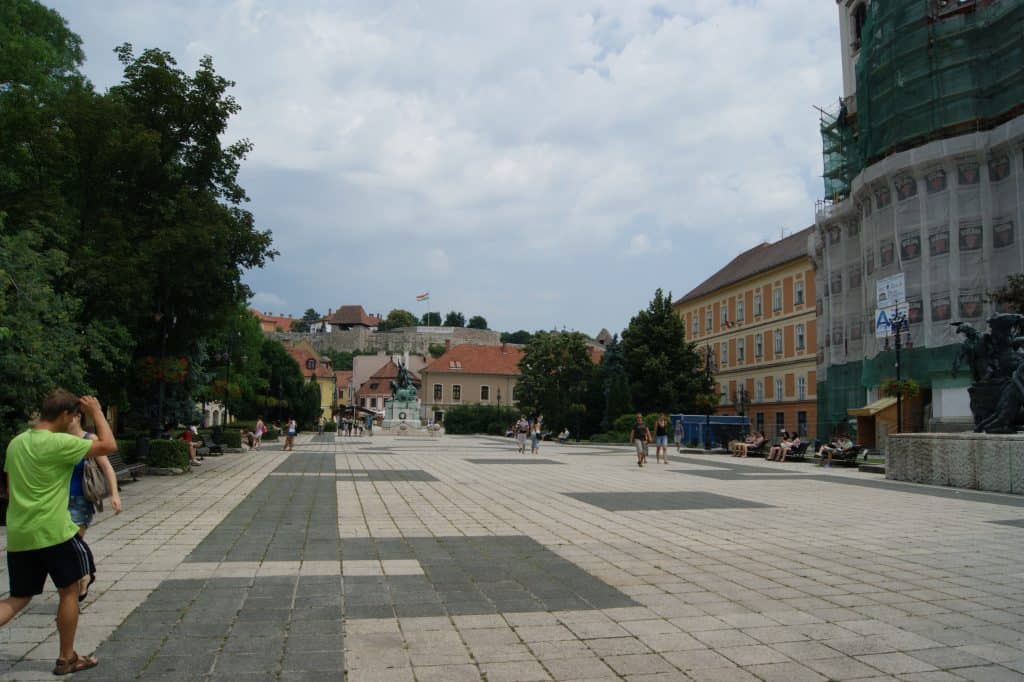
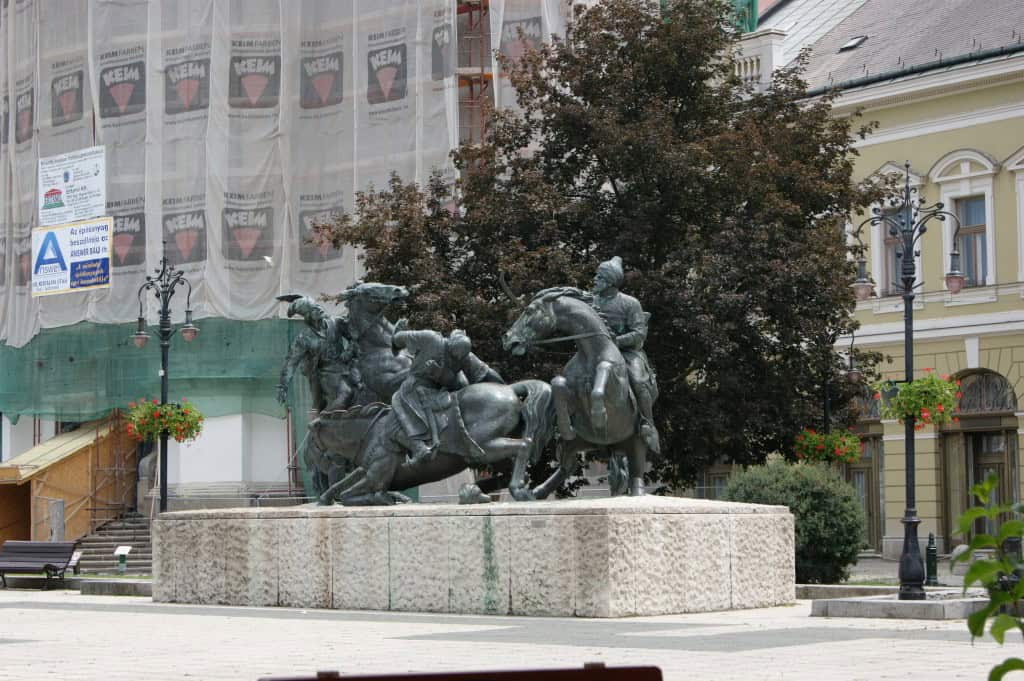
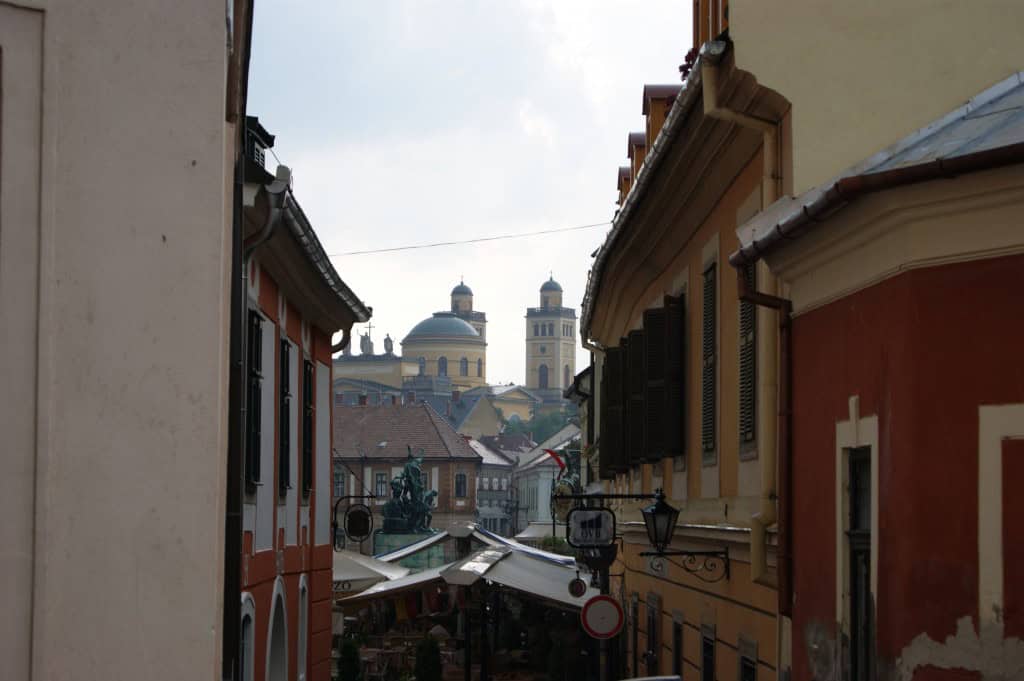
Dobó Square (Dobó Tér) is the main public square of Eger. It is named after Captain István Dobó, the commander during the 1552 siege. A large statue group depicting István Dobó and other heroes of the siege stands in the center of the square. The square is surrounded by Baroque buildings, including the Minorite Church. Dobó Square hosts many cultural events and festivals throughout the year, making it a central hub for locals and visitors.
Archbishop’s Garden
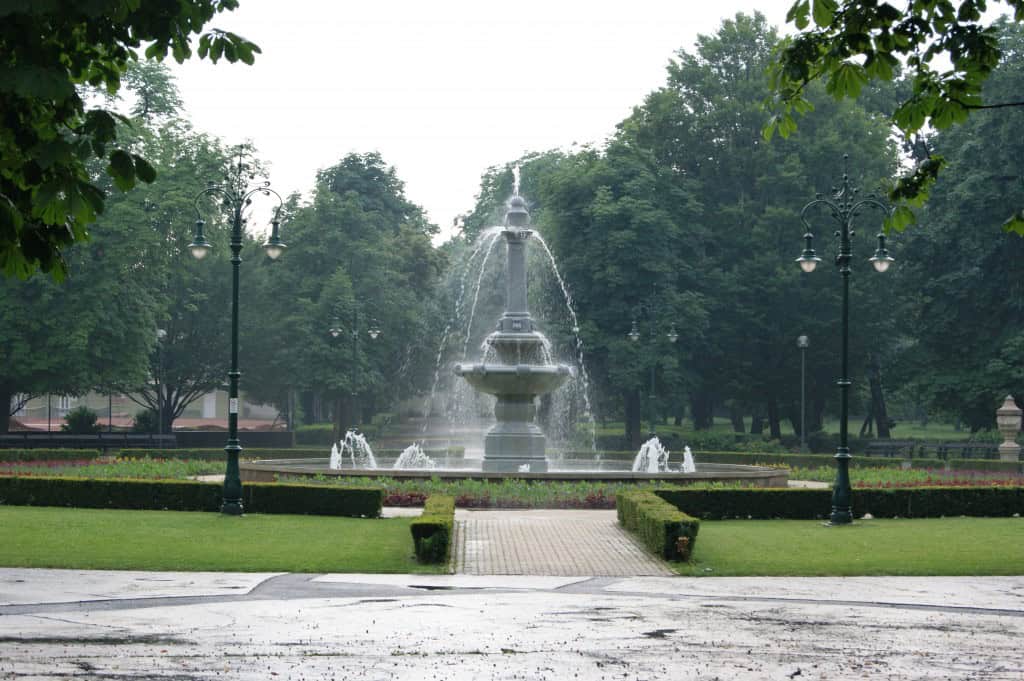
The Archbishop’s Garden (Érsekkert) is Eger’s largest park. It offers a large space for relaxation and walking. The park features walkways, expansive green areas, and playgrounds. It also contains a fountain in its center. The nearby Archbishop’s Palace, a significant Baroque building, served as the residence of the archbishops for centuries. The park provides a tranquil green space within the city.
Sports in Eger
Eger has an active sports culture, with a particularly strong tradition in water polo and handball. The city’s clubs have achieved national and international success in these sports. The local sports facilities serve both professional teams and the wider community, fostering a high level of athletic participation.
Water Polo
Water polo is one of the most successful and followed sports in Eger. The city’s club is a perennial contender in the Hungarian National Championship, which is one of the strongest leagues in the world. The sport is very popular in the community. The local team has a history of producing players for the highly successful Hungarian national team.
Egri Vízilabda Klub
The city’s professional water polo club is Egri Vízilabda Klub. The team has a history of success, having won the Hungarian National Championship (OB I) multiple times, most recently in 2014. They have also won the Hungarian Cup. The club regularly competes in top European competitions like the LEN Champions League. They play their home games at the Aladár Bitskey Swimming Pool, a modern aquatic complex.
Handball
Handball is another very popular team sport in Eger. The local club has a strong presence in the top tier of the Hungarian national league system. The sport has a dedicated following in the city. Matches draw enthusiastic local crowds. The club contributes to the strong handball culture in the Heves County region.
Egri VK
The local handball team is Egri VK. The club competes in the Nemzeti Bajnokság I, the top men’s handball league in Hungary. They play their home matches at the Kemény Ferenc Sportcsarnok. The team is a consistent presence in the top league, competing against other major clubs from across Hungary. They also have a strong youth development program.
Football
Football is also followed in Eger, though the local club has not achieved the same level of success as the water polo and handball teams. The city’s football team plays an important role in the local sports community. It provides a platform for players in the region. The club has a long history and a dedicated local fanbase.
Egri FC
The city’s main football club is Egri FC. The club has a history that dates back to the early 20th century. Over the years, the team has competed in various tiers of the Hungarian football league system, including a season in the top division. They play their home games at the Szentmarjay Tibor Városi Stadion. The club is a key institution for football in the region.

Getting Around in Eger
Eger’s historic center is compact and well-suited for exploration on foot. For destinations further afield, the city has a local bus network. The city’s size makes it relatively straightforward for visitors to navigate.
On Foot: The Historic Center
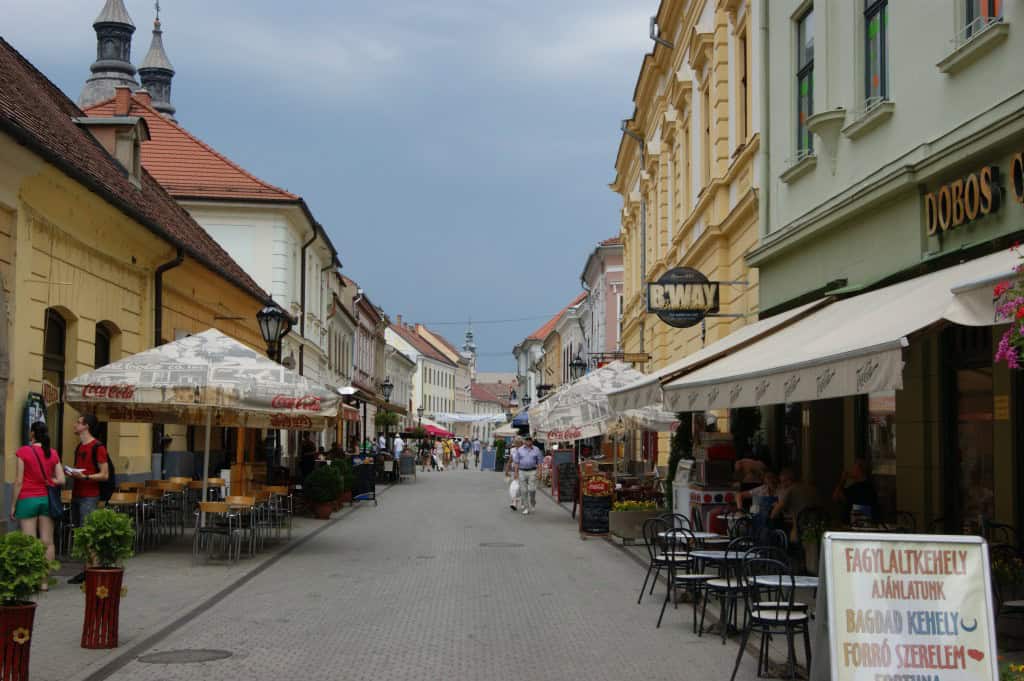
Walking is the best way to explore Eger’s city center. Most of the main sights, including Eger Castle, Dobó Square, and the Basilica, are located within a short walking distance of each other. The city’s network of cobblestone streets and Baroque courtyards are best appreciated at a slow pace. Comfortable shoes are recommended for navigating the hilly terrain leading up to the castle.
Local Buses
Eger has a local bus service for journeys to other parts of the city, such as the Szépasszony Valley or the train station. These buses are operated by Volánbusz. Tickets can typically be purchased from the driver or at local newsstands. The network is primarily used by local residents for commuting. Most visitors staying within the historic center will have limited need for the bus system.
How to Get to Eger
Reaching Eger from other parts of Hungary and neighboring countries is straightforward. The city is connected by Hungary’s road and rail networks, with frequent services from Budapest.
Arriving by Air: Nearby Gateways
Eger does not have its own airport. The closest and most convenient international airport is Budapest Ferenc Liszt International Airport (BUD). It is located approximately 140 kilometers away. Another regional option is Debrecen International Airport (DEB), around 130 kilometers distant. From these airports, onward travel to Eger requires a journey by train or bus, usually with a transfer in the respective city center.
The Open Road: Driving to Eger
Driving to Eger offers flexibility for exploring the surrounding Bükk Mountains and local wine regions. From Budapest, the city is easily accessible via the M3 motorway. Drivers should take the exit for Füzesabony and then follow the connecting roads to Eger. The drive from Budapest takes approximately 1 hour and 45 minutes. A digital motorway vignette is required to use Hungarian motorways.
Connecting by Coach
Bus services provide an economical way to reach Eger. The national bus operator, Volánbusz, provides frequent routes. These connect Eger with major Hungarian cities like Budapest, Miskolc, and Debrecen. Direct bus connections from Budapest’s Stadion bus terminal take approximately 2 hours. This offers a comfortable and direct travel option for visitors.
On Track: A Journey by Rail
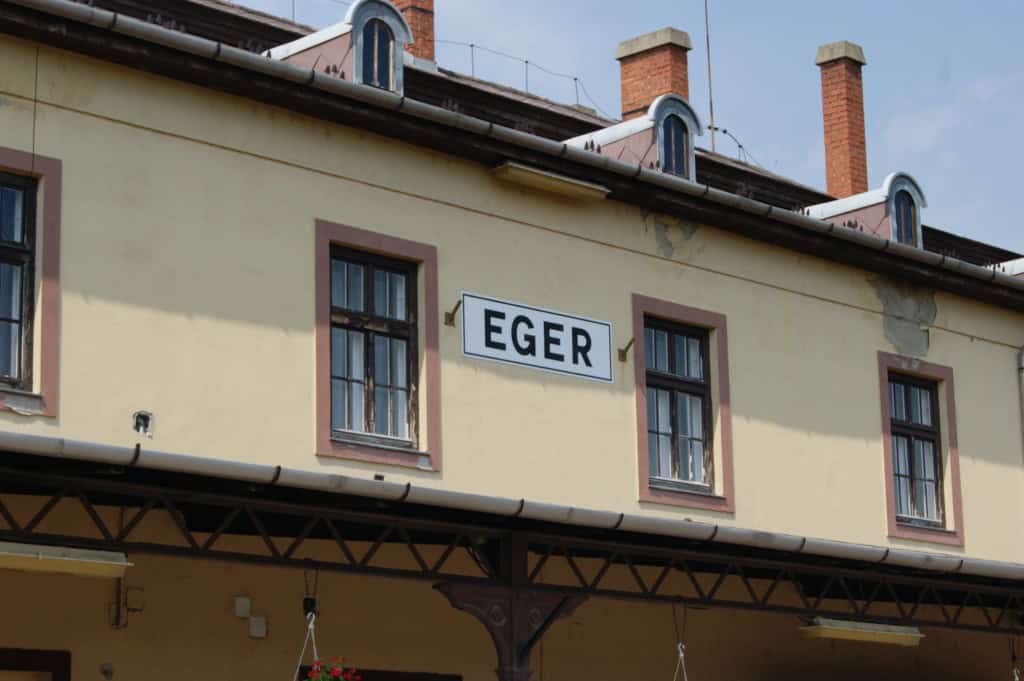
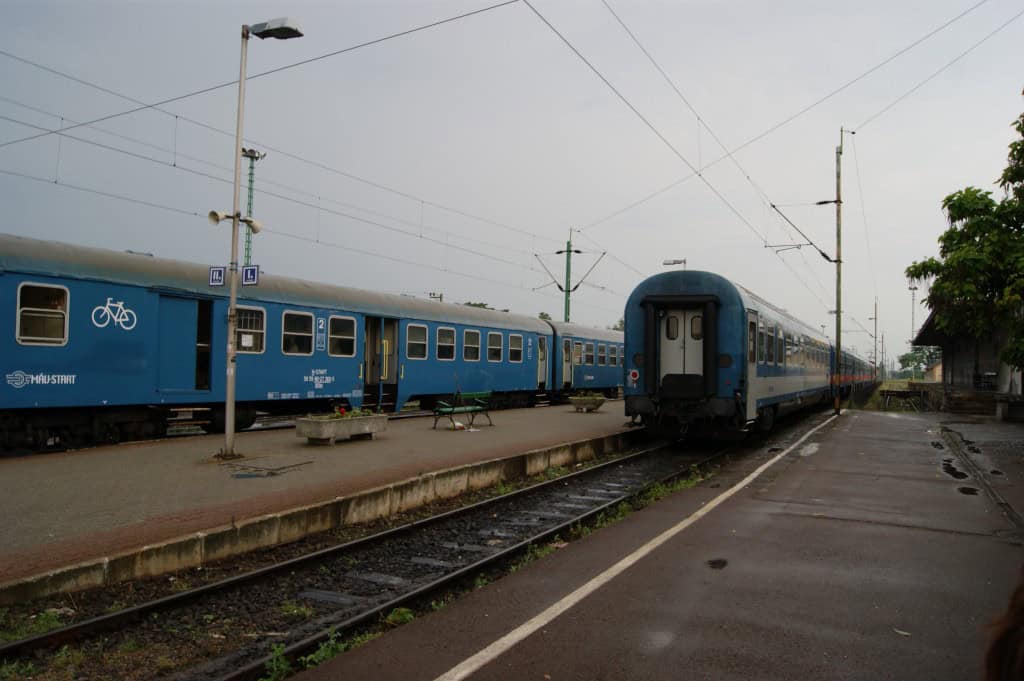
Traveling to Eger by train is another efficient option. Hungarian State Railways (MÁV-START) operate frequent services. Direct trains run from Budapest’s Keleti railway station, with a journey time of about 1 hour and 45 minutes. This route offers a comfortable journey through the Hungarian countryside. The Eger railway station is located about a 15-minute walk from the city center.
Driving Distances
The driving distance from 5 major Hungarian cities and 3 regional capitals, according to Google Maps:
- Budapest – 142 kilometers (1 h 50 min)
- Debrecen – 131 kilometers (1 h 40 min)
- Szeged – 293 kilometers (3 h)
- Pécs – 347 kilometers (3 h 50 min)
- Győr – 278 kilometers (2 h 55 min)
- Vienna, Austria – 402 kilometers (4 h 10 min)
- Bratislava, Slovakia – 357 kilometers (3 h 40 min)
- Prague, Czech Republic – 682 kilometers (6 h 50 min)
Looking to Explore more of Hungary and Europe?