
Esztergom | Exploring Hungary
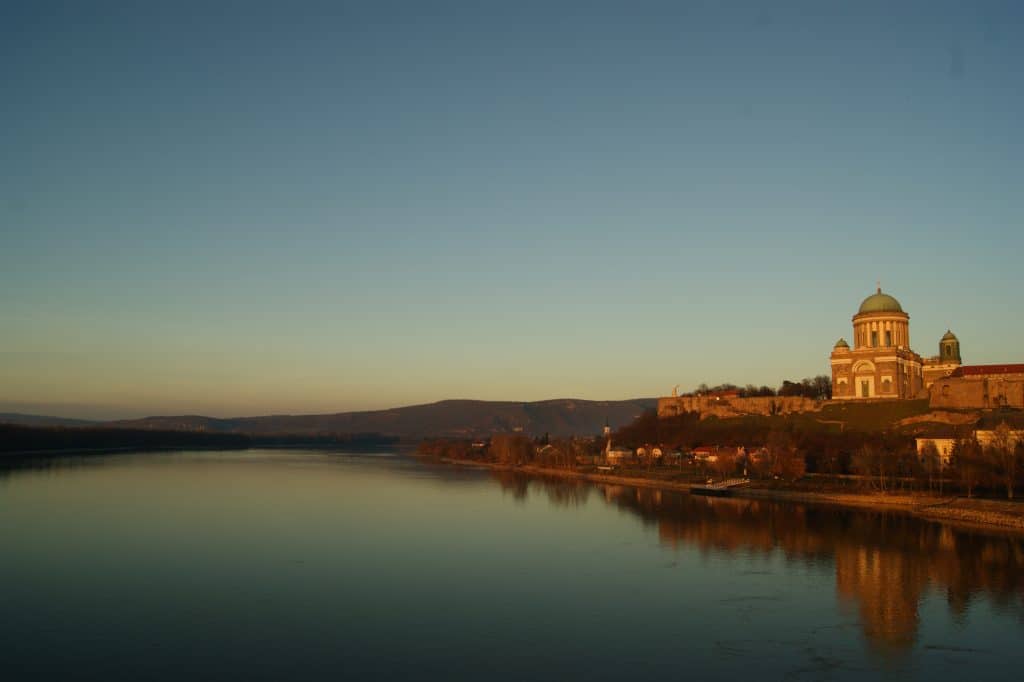
Esztergom is a city of historical and religious importance in northern Hungary. It is situated on the right bank of the Danube River, at the point where the river forms the Danube Bend. With a population of approximately 28,000 residents, it serves as a key spiritual and historical center in Komárom-Esztergom County. Esztergom is positioned directly on the Slovakian border and is connected to the town of Štúrovo by the Mária Valéria Bridge. Its historical role as the center of the Catholic Church in Hungary has earned it the informal title of the “Rome of Hungary.”
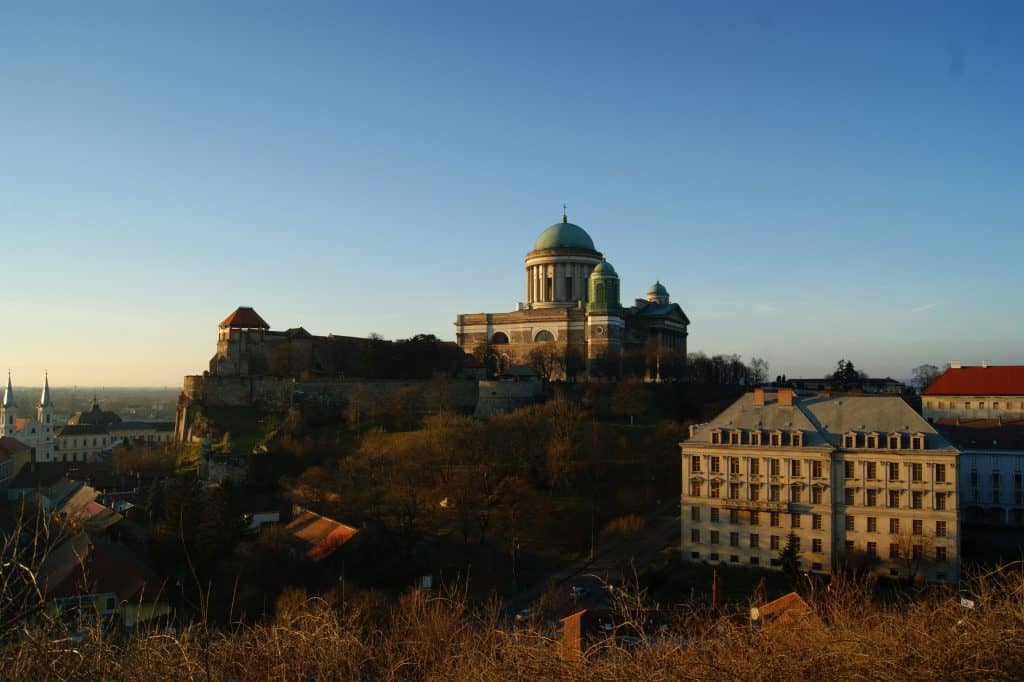
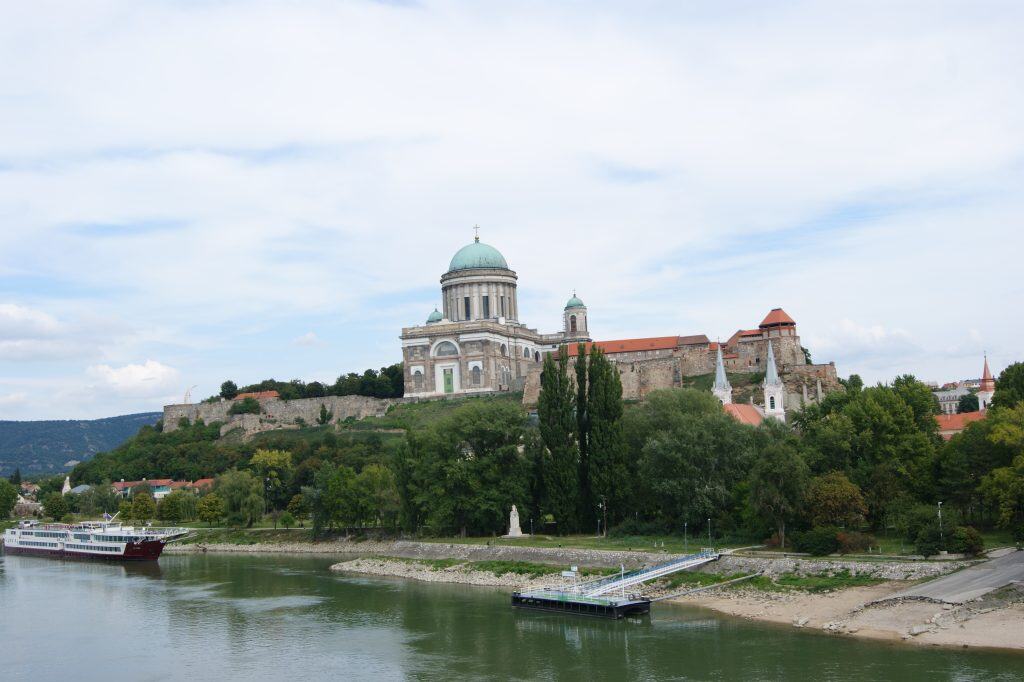
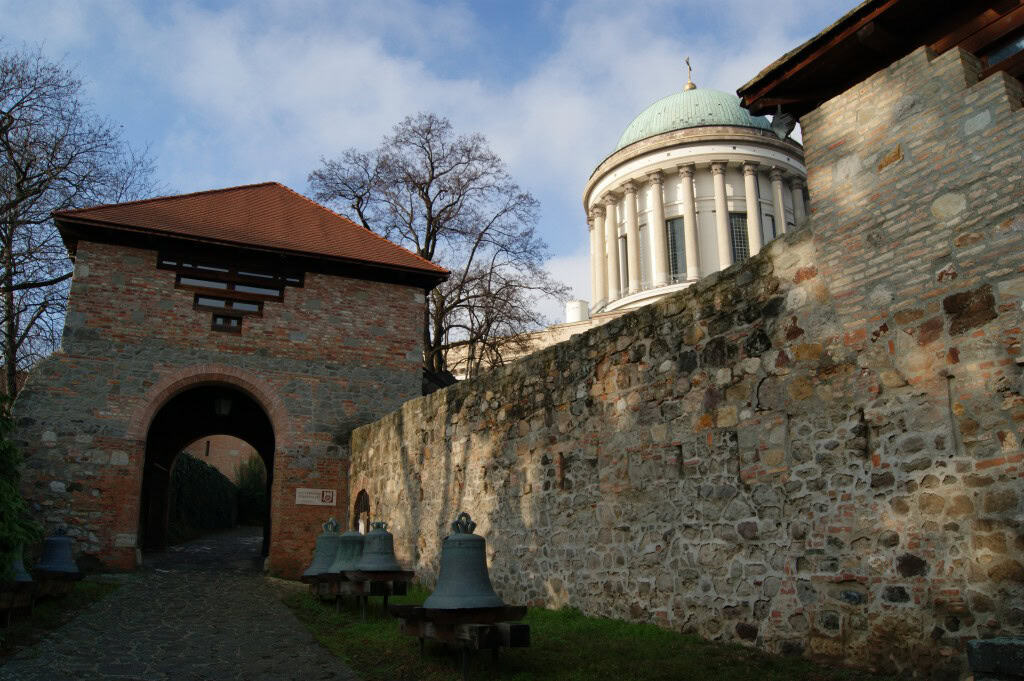
The city’s character is defined by its ecclesiastical status and its deep connection to the founding of the Hungarian state. The skyline is dominated by its enormous basilica, which sits on Castle Hill overlooking the Danube. The area below, known as Víziváros (Water Town), contains a network of historic streets, churches, and museums. Esztergom’s proximity to Budapest, about 50 kilometers away, makes it a primary destination for day trips.

A Short History of Esztergom
The history of Esztergom is central to the history of Hungary itself. It chronicles the city’s role as the nation’s first royal and religious capital, its destruction and occupation, and its eventual reconstruction as the enduring center of the Catholic Church in Hungary.
The Foundation of a Kingdom
The area around Esztergom has been settled since Roman times. Its strategic position on the Danube made it a vital site. In the 10th century, Grand Prince Géza chose Esztergom as his primary residence. His son, who would become Stephen I, was born in the castle here around the year 975. Stephen was crowned as Hungary’s first Christian king in Esztergom in 1000 AD. This act made Esztergom the first capital of the Kingdom of Hungary and the seat of the nation’s top archbishop.
Decline and Ottoman Rule
Esztergom flourished as the royal and ecclesiastical center of Hungary for the first few centuries of the kingdom. It became a powerful political and cultural hub with a royal palace and numerous churches. However, its importance began to decline after the Mongol invasion in the 13th century, which devastated the city. King Béla IV moved the royal seat to Buda, although Esztergom remained the religious center. The expansion of the Ottoman Empire into Central Europe led to the city’s capture in 1543.
Reconstruction and Modern Era
Esztergom remained under Ottoman rule for over 140 years, which caused significant destruction to its medieval buildings. After its recapture by Christian forces in 1683, the city began a slow process of rebuilding in the Baroque style. Its reconstruction continued through the 19th century. This culminated in the construction of its grand Basilica, which was finally consecrated in 1856. Today, Esztergom stands as a testament to Hungary’s long and complex history, functioning as the formal seat of the Primate of Hungary.



Things to Do and See
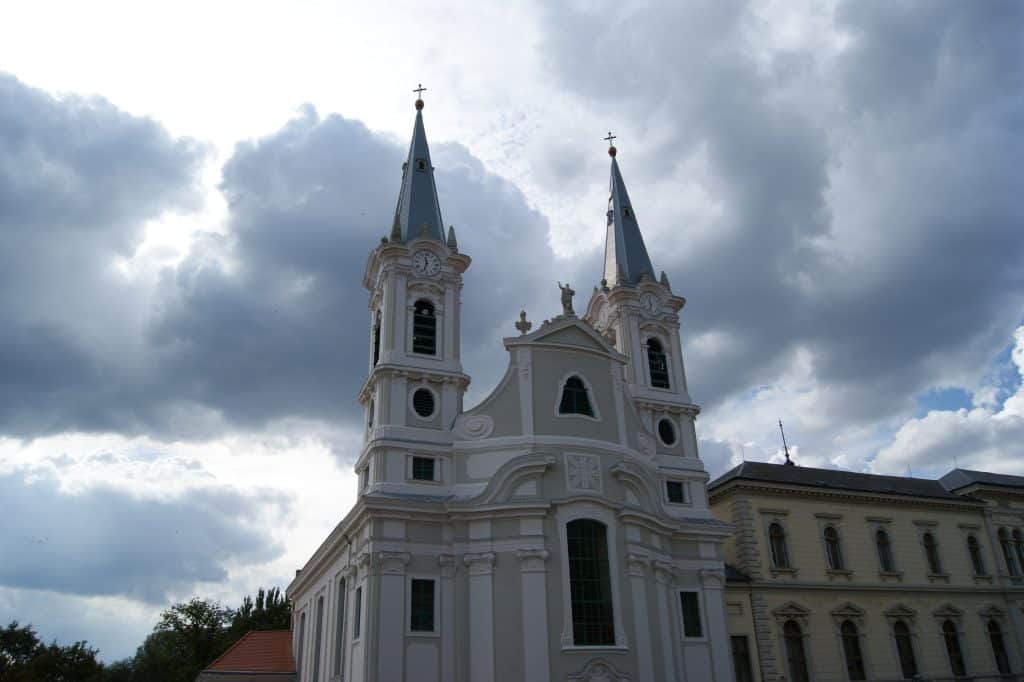
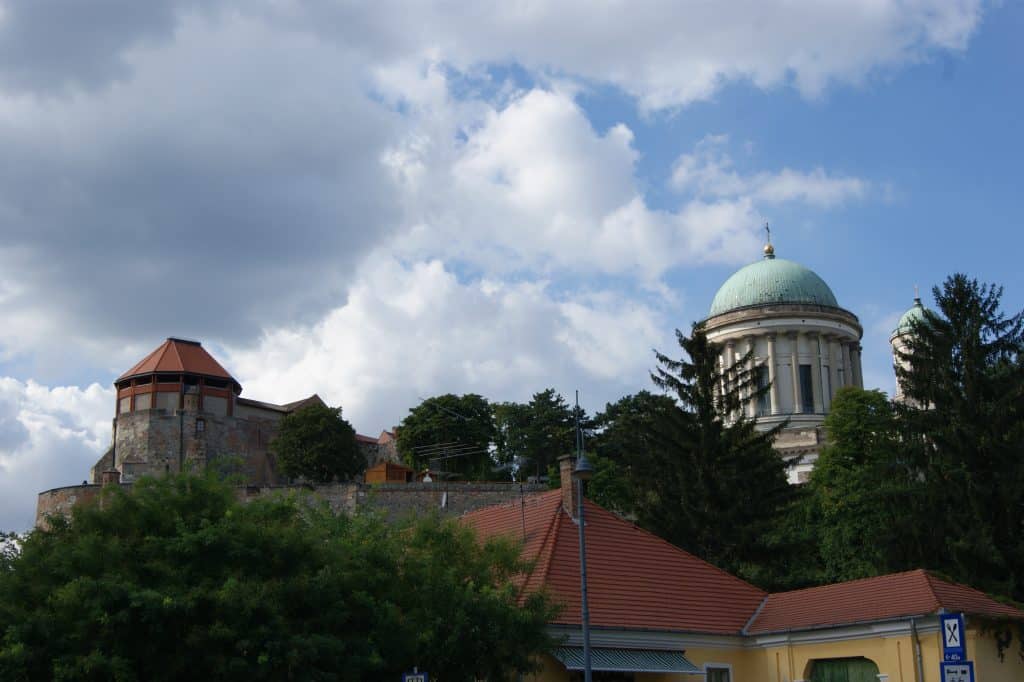
Esztergom’s sights are concentrated around Castle Hill and the historic Víziváros district below it. The attractions showcase the city’s layered history, from its medieval royal palace to its monumental 19th-century basilica and its rich ecclesiastical art collections.
Esztergom Basilica
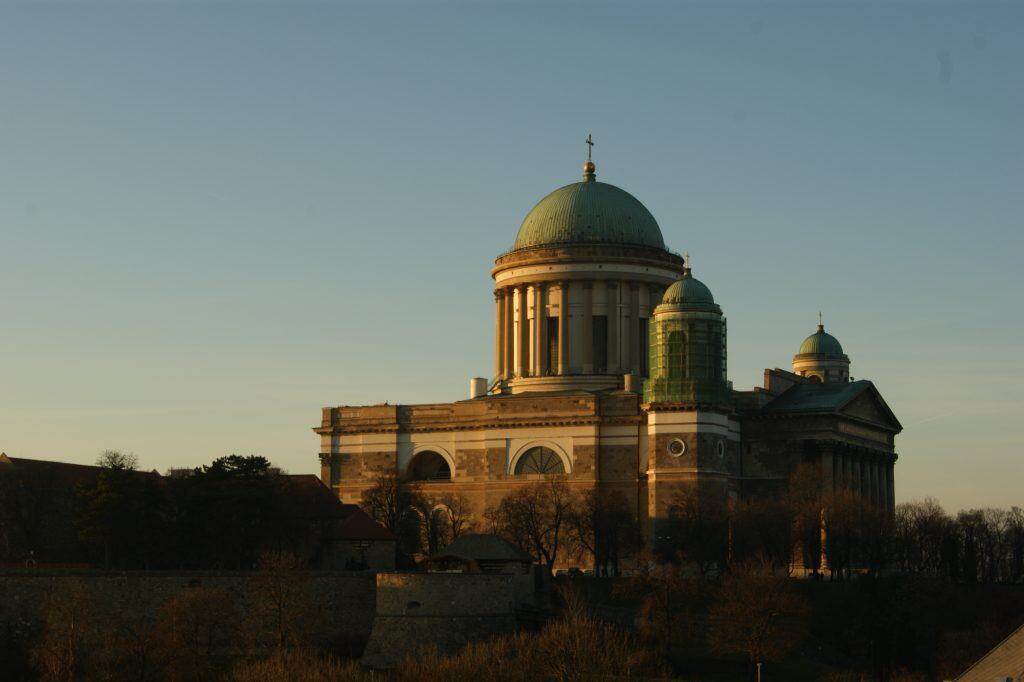
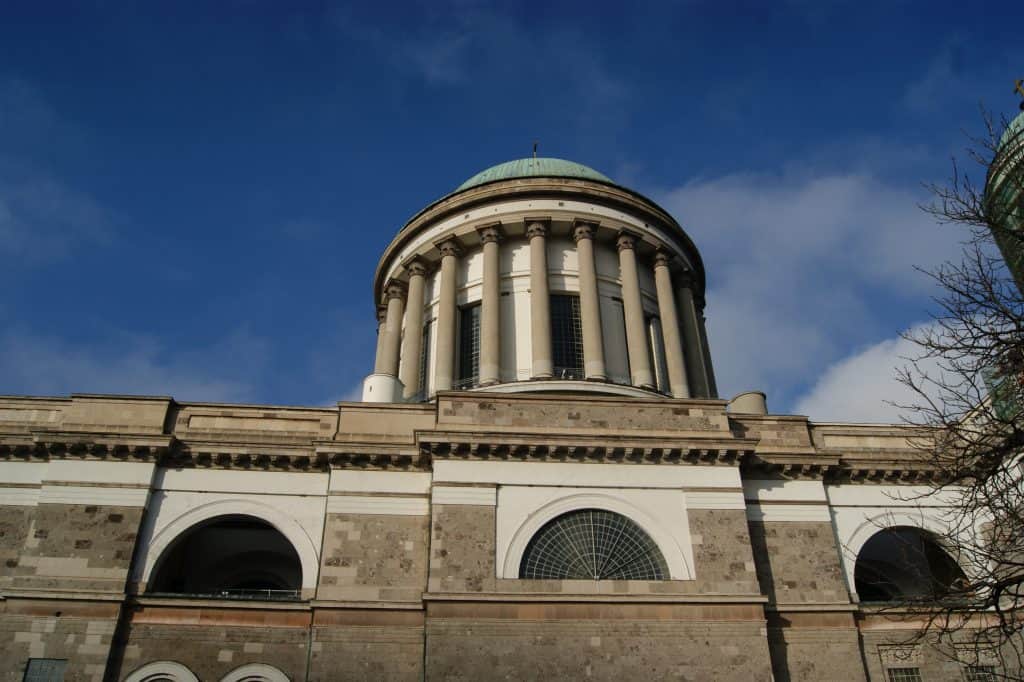
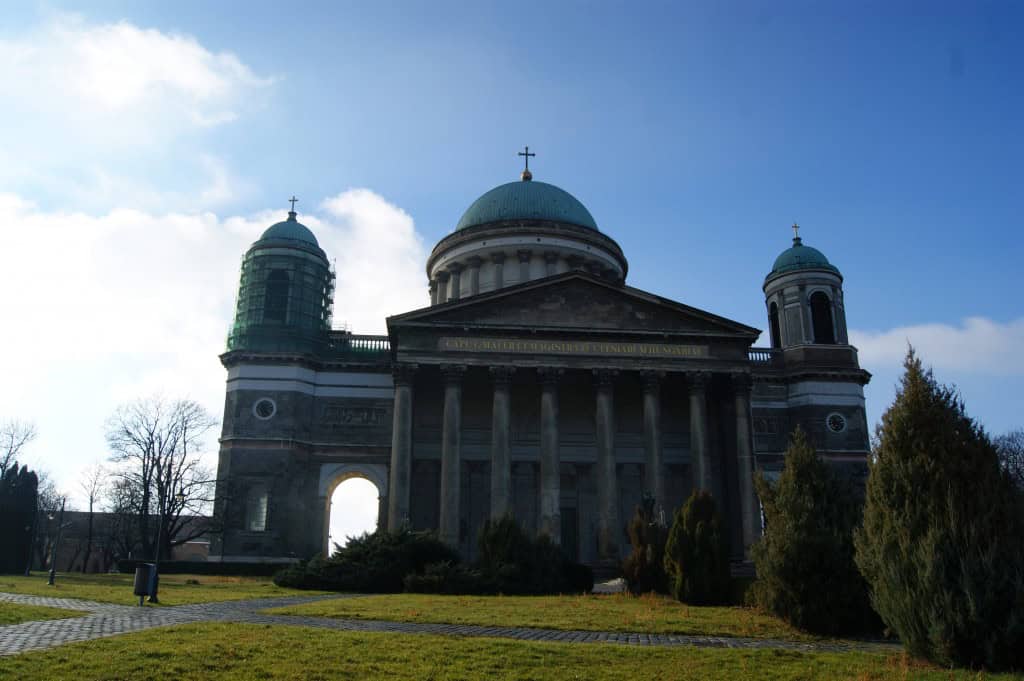
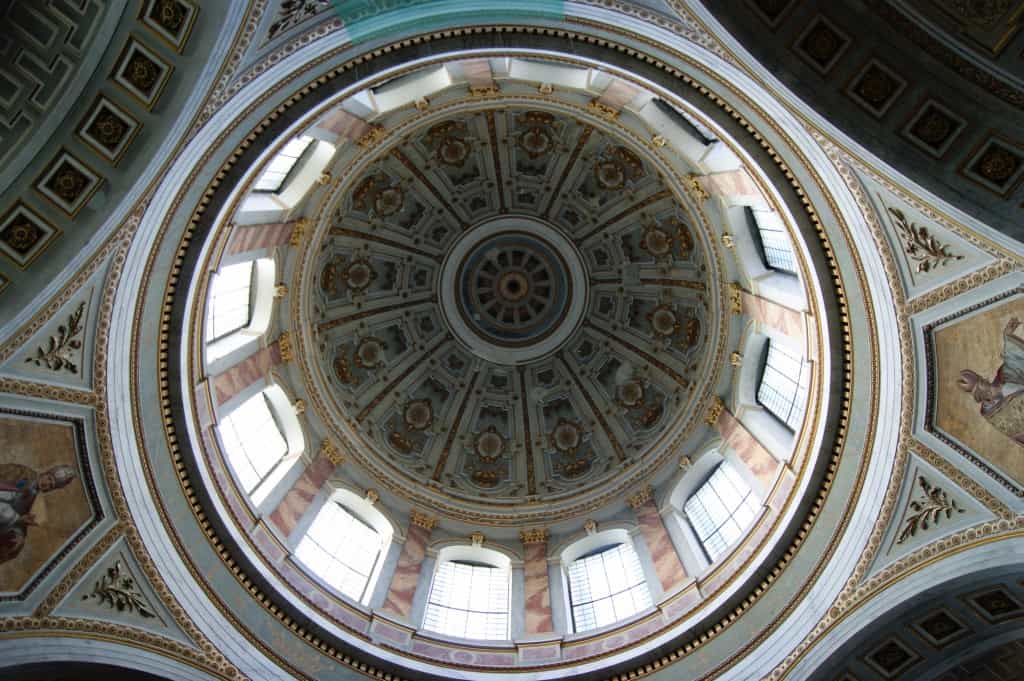
The Primatial Basilica of the Blessed Virgin Mary Assumed Into Heaven and St. Adalbert, commonly known as the Esztergom Basilica, is the largest church in Hungary. Completed in 1856, it stands on Castle Hill with views of the Danube Bend. Its monumental classical style includes a massive central dome that is 71.5 meters high on the inside. The basilica features the world’s largest altarpiece painted on a single piece of canvas, a work by Girolamo Michelangelo Grigoletti. Its crypt houses the tombs of Hungarian archbishops, including the famous anti-communist figure József Mindszenty.
Esztergom Castle Museum
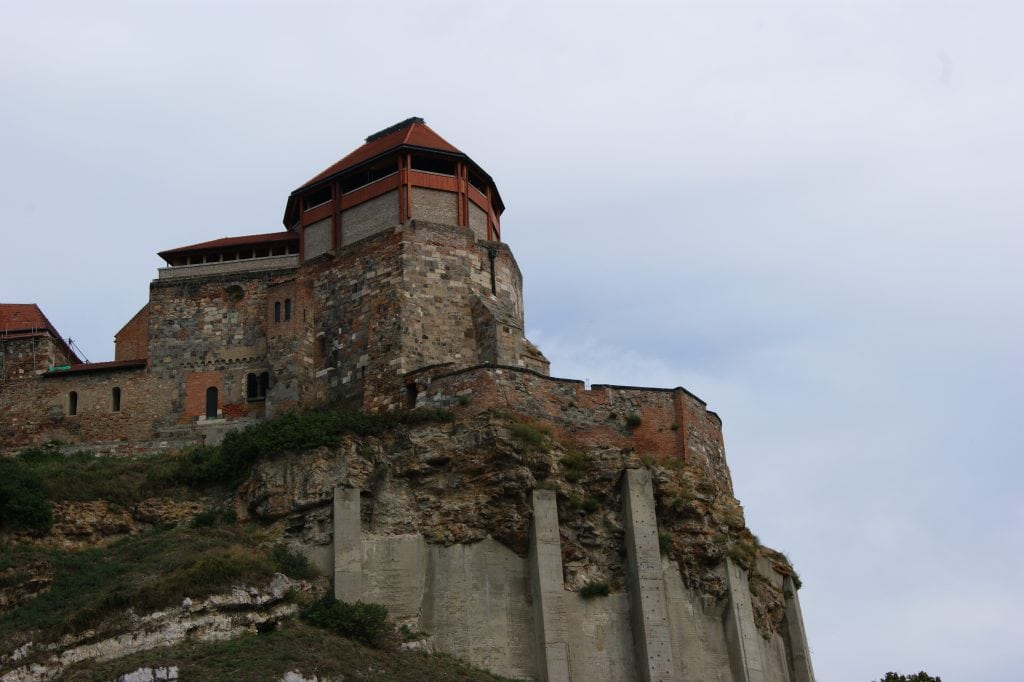
Adjacent to the Basilica, the Esztergom Castle Museum (Vármúzeum) is housed within the reconstructed royal palace. This site was the residence of Hungarian kings from the 10th to the 13th centuries. Visitors can explore the remains of the medieval royal palace. This includes the Royal Chapel, which contains important 12th-century frescoes. The museum showcases artifacts from the medieval Hungarian royal court. Its oldest parts date back to the time of Prince Géza.
Víziváros (Water Town)
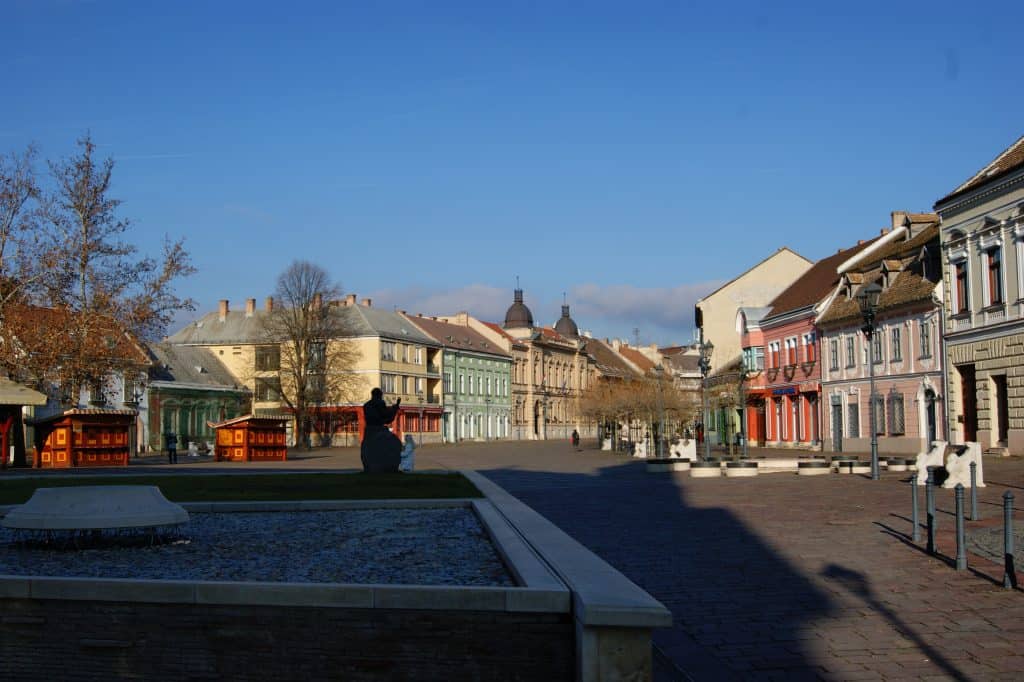
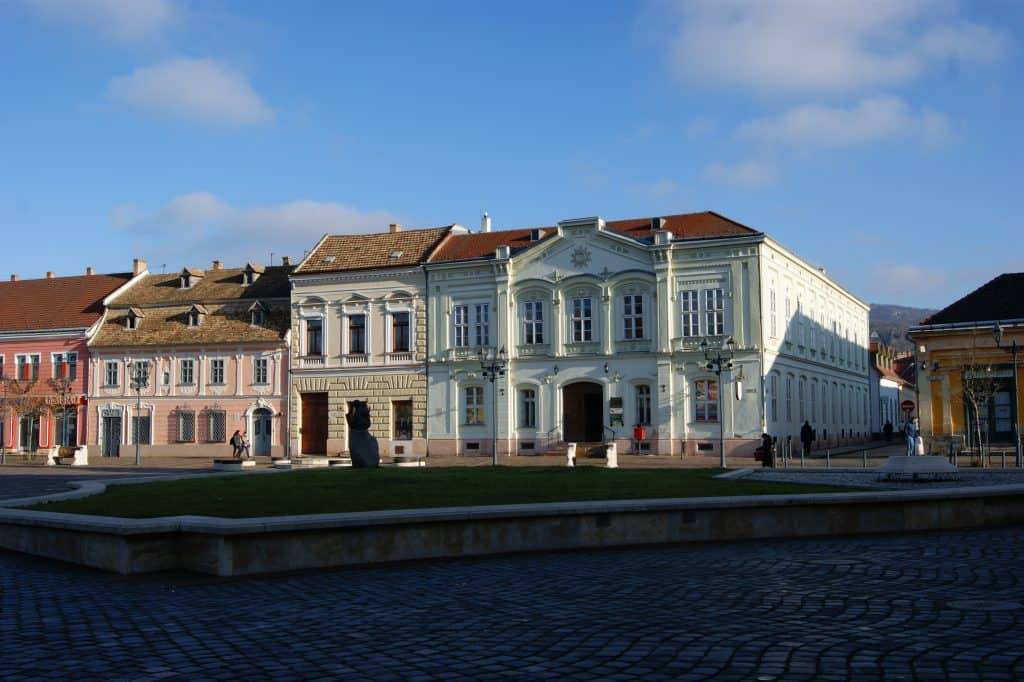
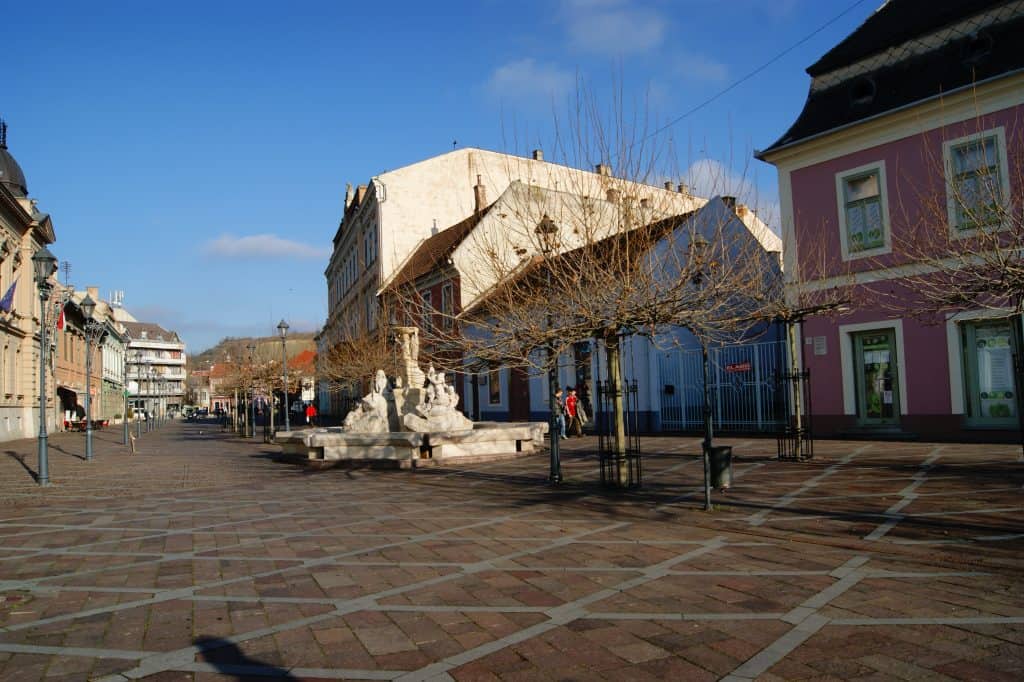
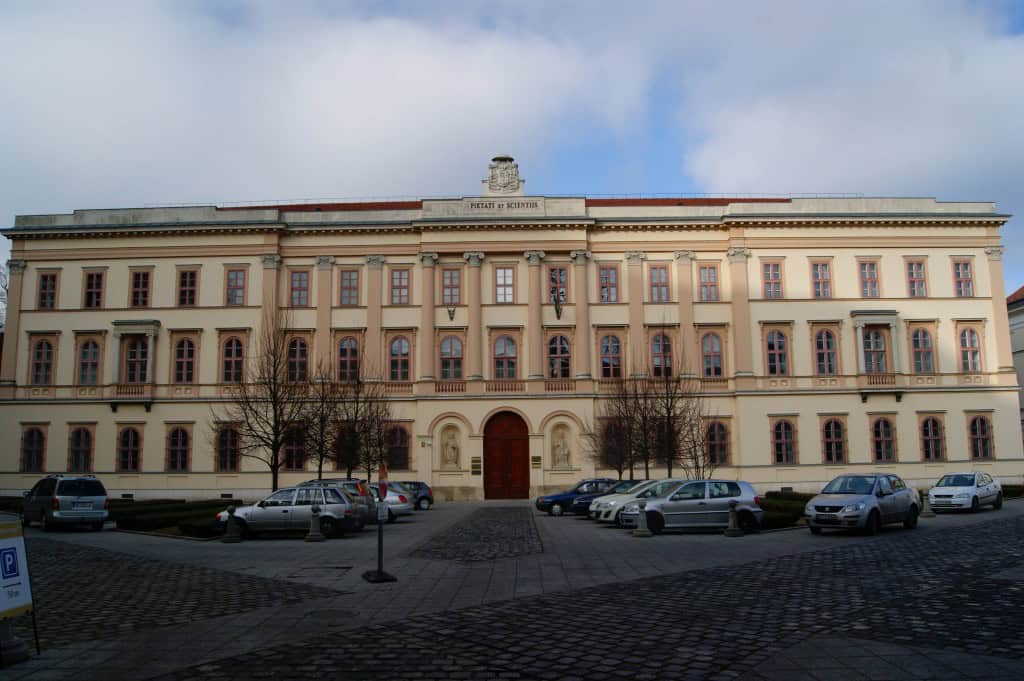
Víziváros is the historic district nestled at the foot of Castle Hill, along the Danube. This quarter features narrow cobblestone streets, Baroque houses, and public squares. It was once a separate fortified town that served the castle and the church. The Christian Museum, the Primate’s Palace, and the remains of the medieval city walls are all located here. A walk through Víziváros provides a direct look into Esztergom’s historical urban layout from the 18th century.
Christian Museum
The Christian Museum (Keresztény Múzeum) is Hungary’s largest ecclesiastical collection. It is one of the most significant art collections in Hungary outside of Budapest. The museum, founded by Archbishop János Simor in 1875, houses a vast array of medieval Hungarian and European paintings and sculptures. Its collection of Italian Renaissance art is particularly important. A key highlight is the Calvary Altarpiece by Tamás Kolozsvári, a masterpiece of Hungarian Gothic painting. The museum is located in the Primate’s Palace in Víziváros.
Mária Valéria Bridge
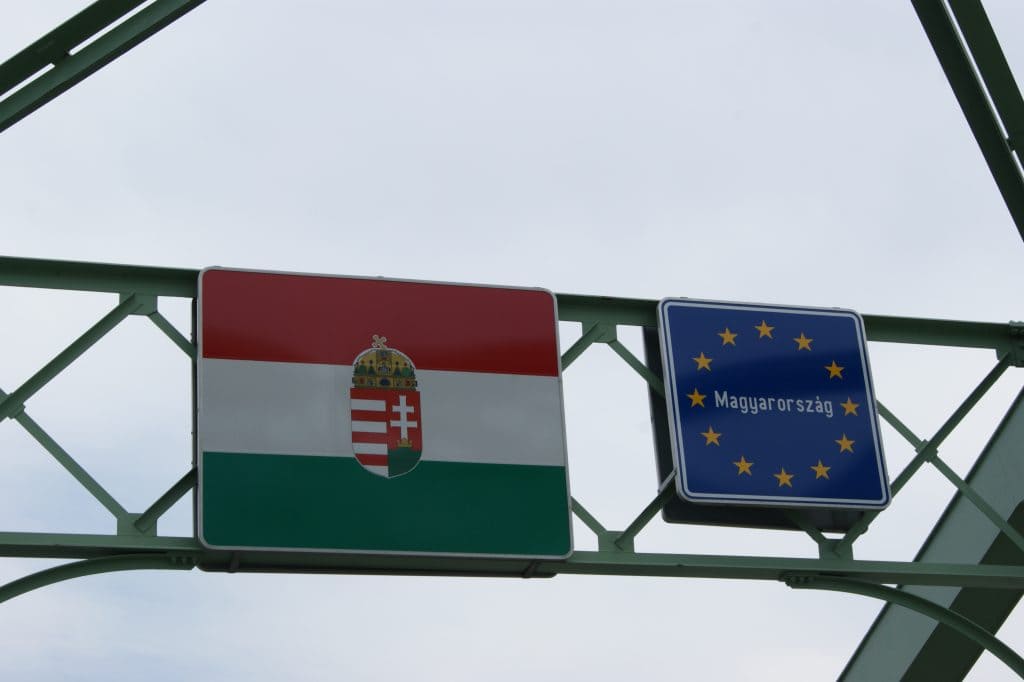
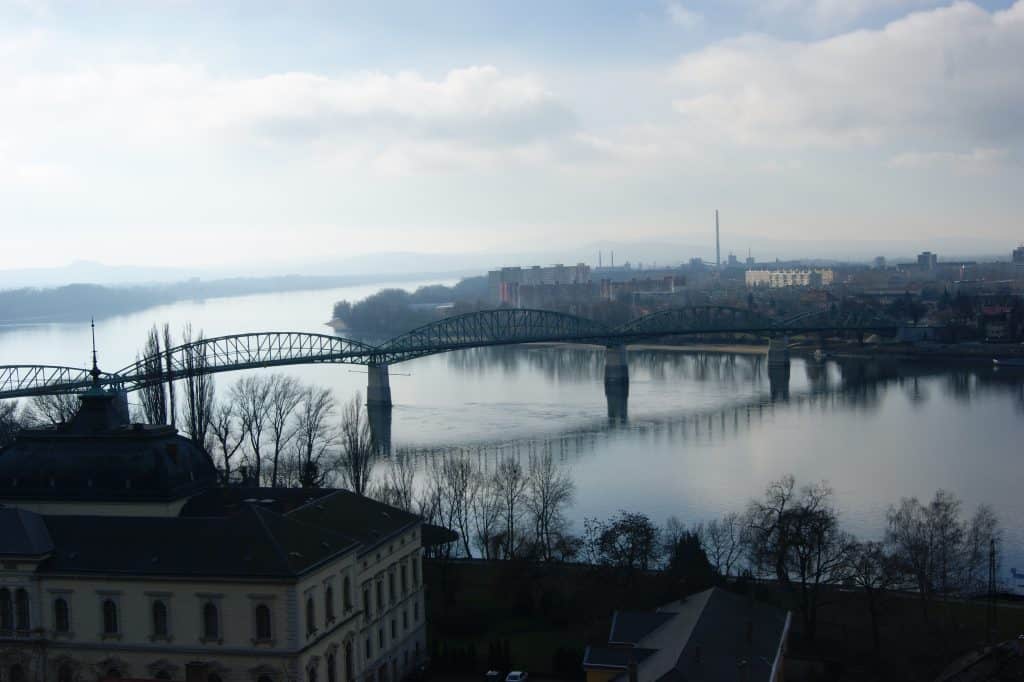
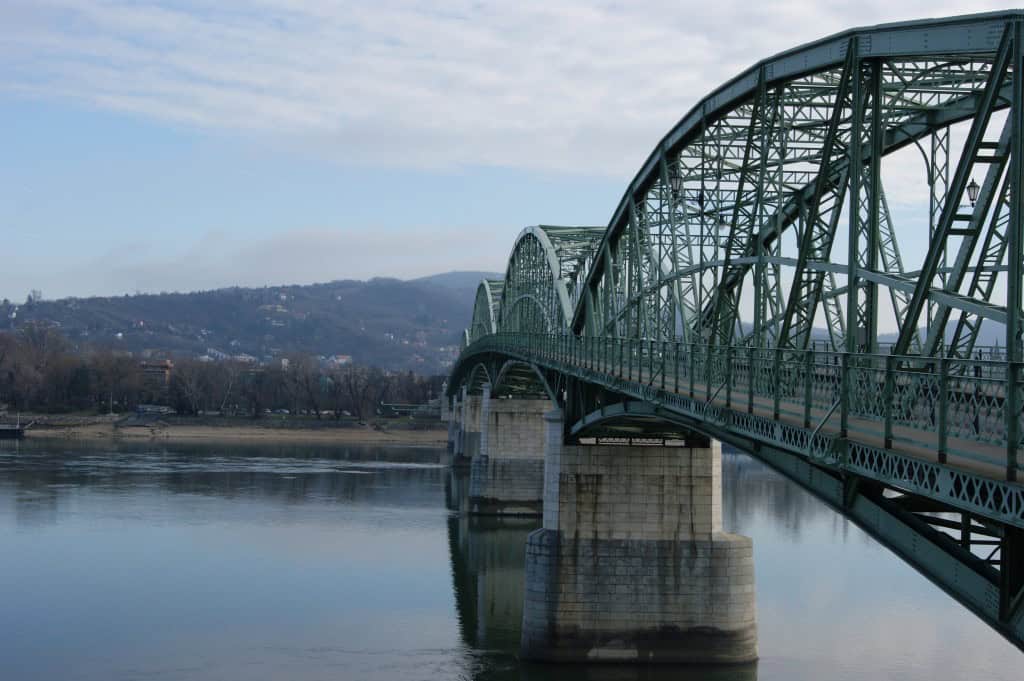
The Mária Valéria Bridge connects Esztergom, Hungary, with the town of Štúrovo, Slovakia, across the Danube River. Originally built in 1895, it was named after Archduchess Marie Valerie of Austria, the daughter of Emperor Franz Joseph I. The bridge was destroyed by retreating German troops in 1944 during World War II. For decades, it remained in ruins, a symbol of Cold War division. It was finally rebuilt with European Union funding and reopened in 2001. The bridge allows for pedestrian and vehicle access between the two countries.





Getting Around in Esztergom
Esztergom’s main historical areas are compact and best explored on foot. The city has a local bus network for reaching areas further from the center. Its manageable size makes it a straightforward city for visitors to navigate.
On Foot: Castle Hill and Water Town
Walking is the best way to explore Esztergom’s most important sites. All the main attractions, including the Basilica, the Castle Museum, and the Christian Museum, are located on or around Castle Hill. The historic Víziváros district at the foot of the hill is also a pedestrian-friendly area. A walk between these two areas allows visitors to see all the key monuments. Comfortable shoes are recommended for the cobblestone streets and the climb up the hill.
Local Buses
For journeys to other parts of the city or to the train station, Esztergom has a local bus service. These buses, operated by Volánbusz, connect the city center with the outer residential areas and the main transport hubs. The network is primarily used by local residents. Most visitors staying within the historic center will not need to use the bus system. Always check official sources for the most up-to-date ticket information.
Across the Border: Walking to Slovakia
The Mária Valéria Bridge provides a simple pedestrian connection to the Slovakian town of Štúrovo. The walk across the bridge takes only about 15 minutes. This offers visitors the unique opportunity to easily visit another country on foot. From the bridge, there are views of the Basilica and the Danube River. No border controls are in place for crossing between the two Schengen Area countries.
How to Get to Esztergom
Reaching Esztergom from Budapest and other regional centers is straightforward. The city is well-connected by road, rail, and even by boat along the Danube. Its proximity to the Slovakian border also provides another access point.
Arriving by Air: Nearby Gateways
Esztergom does not have its own commercial airport. The primary and most convenient airport is Budapest Ferenc Liszt International Airport (BUD), located about 80 kilometers away. From the airport, onward travel to Esztergom involves a transfer in Budapest to a direct bus or train. Other viable alternatives include Bratislava Airport (BTS) in Slovakia and Vienna International Airport (VIE) in Austria. Travel from these airports requires a cross-border bus or train journey.
An Excursion by Car
Driving to Esztergom offers flexibility for exploring the wider Danube Bend region. From Budapest, the journey is about 50 kilometers. The most direct route is Main Road 11, which follows the bank of the Danube River. An alternative route uses the M1 motorway before connecting to Route 10. Parking facilities are available in Esztergom, though the historic center has limited access.
Connecting by Coach
Bus services are an economical and efficient way to reach Esztergom. Volánbusz, Hungary’s national bus operator, provides frequent routes from Budapest. Direct buses depart from the Árpád Bridge bus station in Budapest and take approximately 1 hour and 15 minutes. Services also run from other towns in the Danube Bend, such as Visegrád and Szentendre.
On Track: A Journey by Rail
Traveling to Esztergom by train is another popular option. Hungarian State Railways (MÁV-START) operate frequent services. Direct trains run from Budapest’s Nyugati railway station, with a journey time of about 1 hour and 10 minutes. The train station in Esztergom is located about a 20-minute walk from the city center, and local buses provide a connection.
The Danube Passage: A River Journey
For a different travel experience, you can travel to Esztergom by boat. A hydrofoil service connects Budapest with Esztergom and Vienna via the Danube River. The journey is seasonal, operating primarily during the spring and summer months. While slower and more expensive than the train or bus, it offers open views of the Danube Bend landscape. It provides a unique way to arrive in the historic city.
Driving Distances
The driving distance from 8 major regional cities, according to Google Maps:
- Budapest – 51 kilometers (1 h 05 min)
- Debrecen – 264 kilometers (3 h 10 min)
- Szeged – 239 kilometers (2 h 40 min)
- Pécs – 254 kilometers (2 h 55 min)
- Győr – 110 kilometers (1 h 30 min)
- Vienna, Austria – 224 kilometers (2 h 50 min)
- Bratislava, Slovakia – 167 kilometers (2 h 10 min)
- Prague, Czech Republic – 504 kilometers (5 h 20 min)
Looking to Explore more of Hungary and Europe?