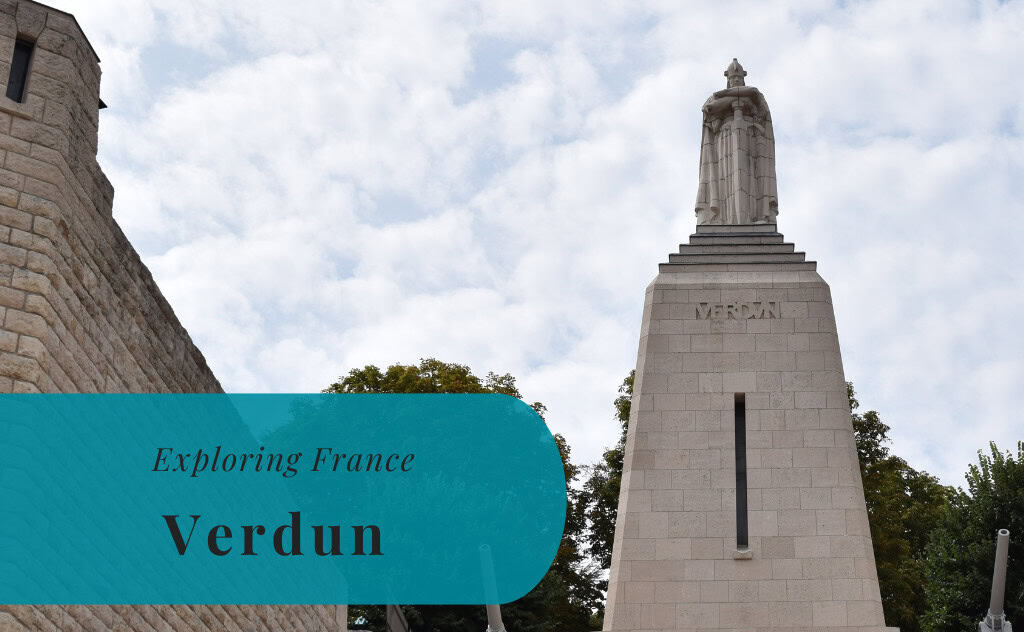
Verdun, Lorraine | Exploring France
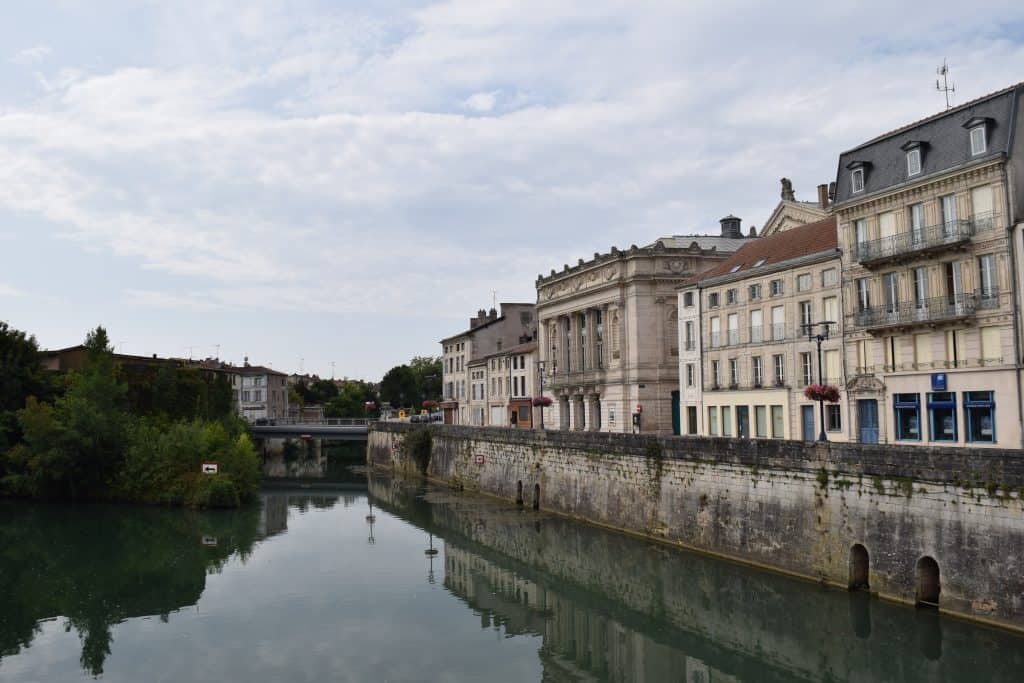
Verdun, a city profoundly marked by history, lies in the Grand Est region of northeastern France. It sits strategically within a bend of the Meuse River, a defining geographical feature. Verdun is the sub-prefecture of the Meuse department. With a population of approximately 16,600 residents, it holds immense historical significance as a major site of remembrance. Verdun is globally recognized for its pivotal role in the First World War, particularly the immense Battle of Verdun. It stands as a unique symbol of European history, from medieval treaties to devastating modern conflicts. Verdun is located about 58 kilometers from Metz and 78 kilometers from Nancy, making it a key historical and cultural center in Lorraine. It also serves as a gateway to the surrounding battlefields and memorials.

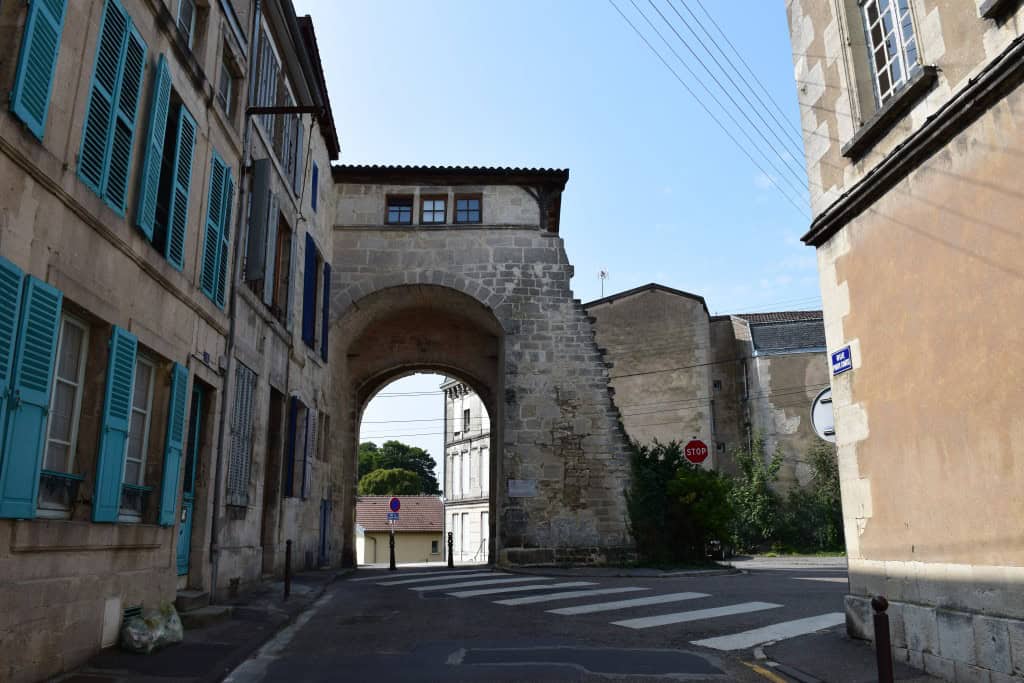

A Short History of Verdun
Verdun’s history stretches back to pre-Roman times, established as a Gallic fortress. It later became a Roman stronghold. In 843 AD, the city gained immense historical prominence with the Treaty of Verdun. This pivotal agreement divided Charlemagne’s vast Carolingian Empire among his three grandsons. This event is considered a foundational moment for the modern states of France, Germany, and Italy. The city subsequently became one of the “Three Bishoprics” of Metz, Toul, and Verdun, eventually being annexed by France in 1648.
However, Verdun is most globally recognized for its role in World War I. From February to December 1916, it was the site of the Battle of Verdun. This brutal 300-day battle was one of the longest and deadliest engagements in human history. Over 300,000 French and German soldiers lost their lives. The battle symbolized the attrition warfare on the Western Front. Despite near-total destruction, Verdun was rebuilt and it has since become a powerful symbol of peace and reconciliation.


Things to Do and See
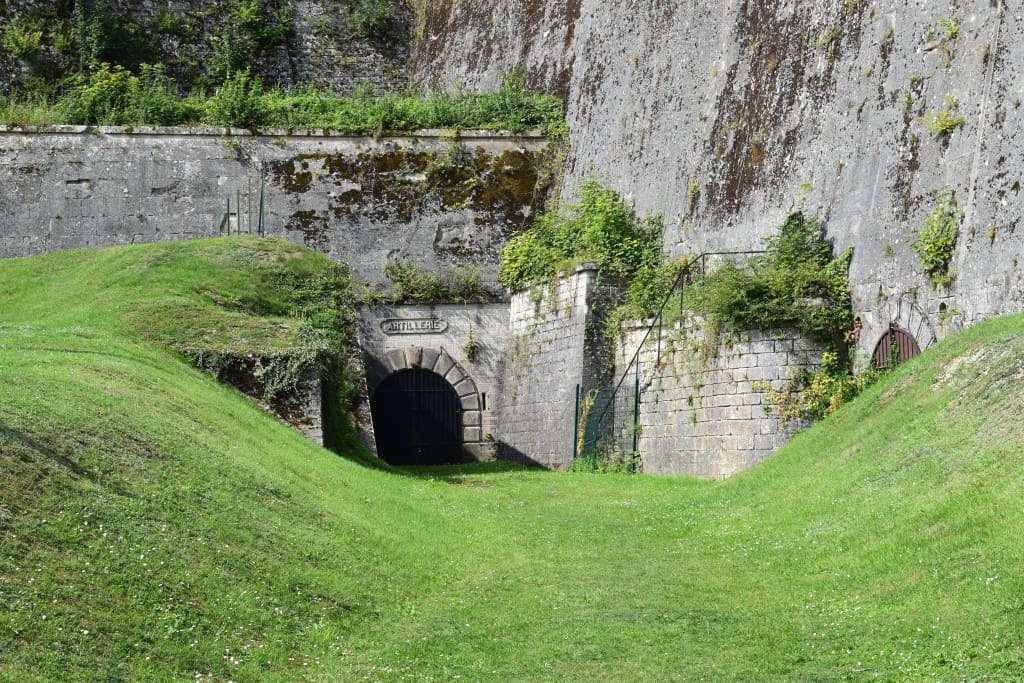
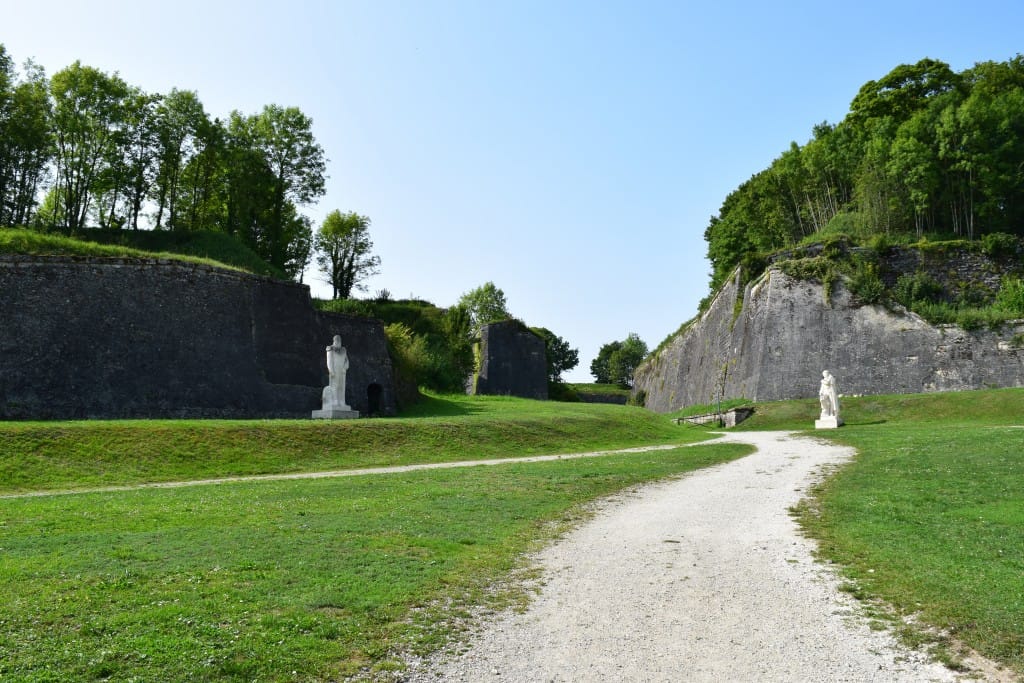
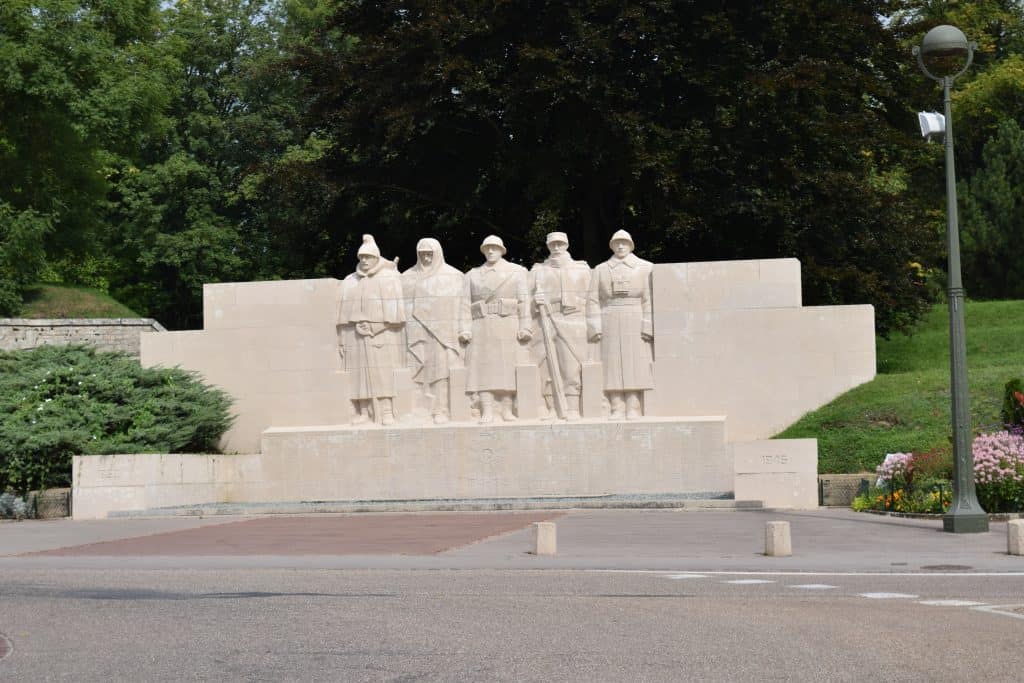
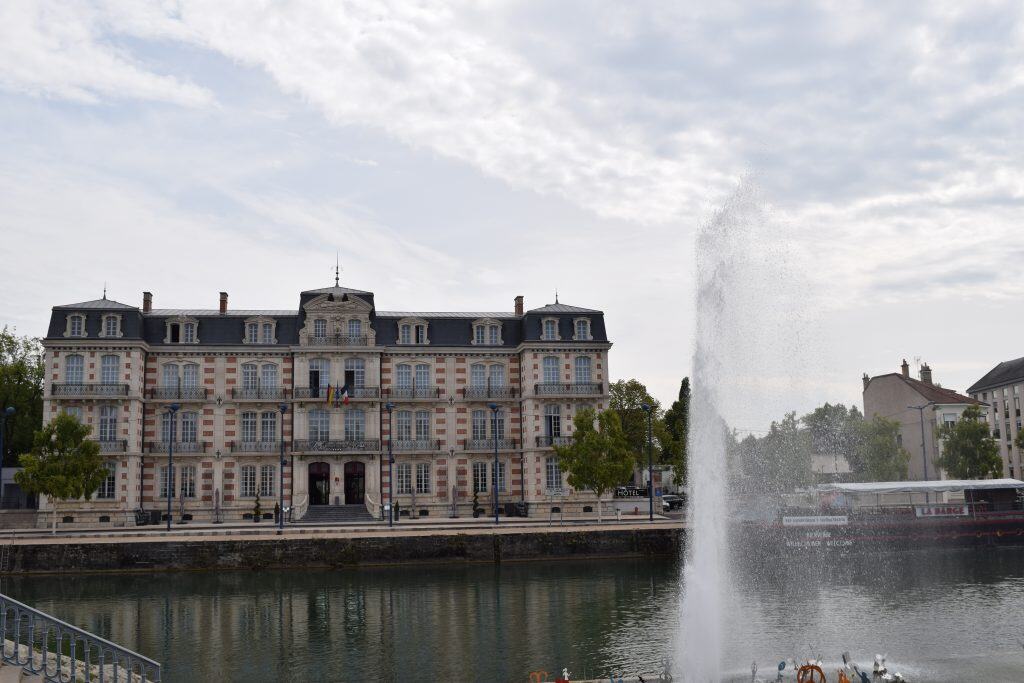
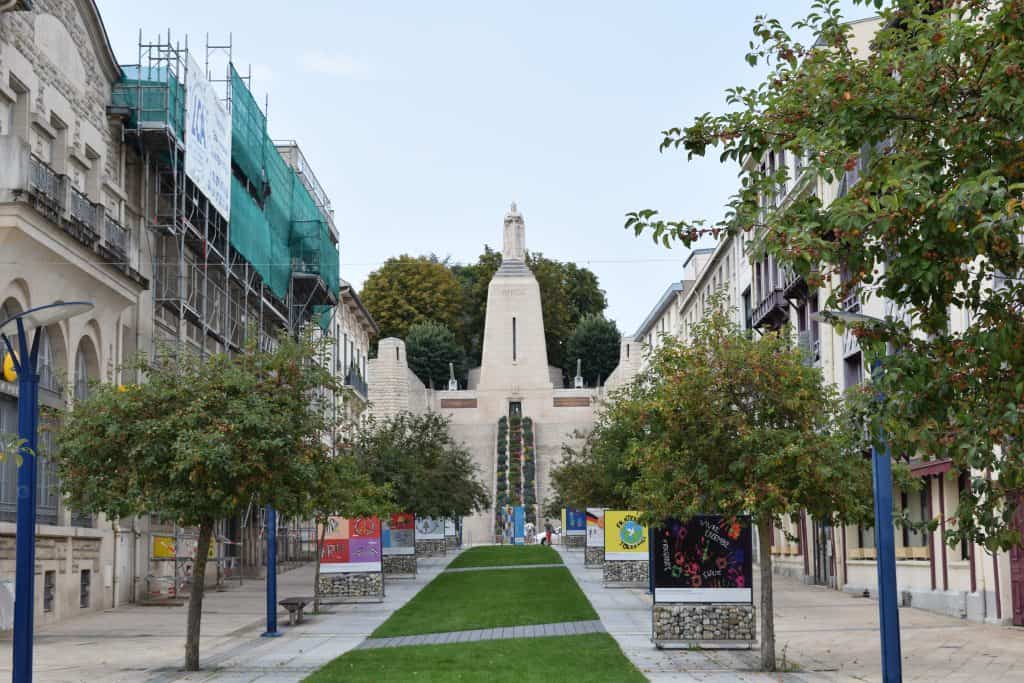
Verdun offers a wealth of diverse attractions, inviting visitors to reflect on its profound history and explore its unique character. Its most poignant sites include extensive WWI battlefields, monumental ossuaries, and immersive museums. The town also preserves medieval gates and a historic cathedral. These landmarks collectively offer a powerful journey through centuries of remembrance and resilience.
Douaumont Ossuary (Ossuaire de Douaumont)
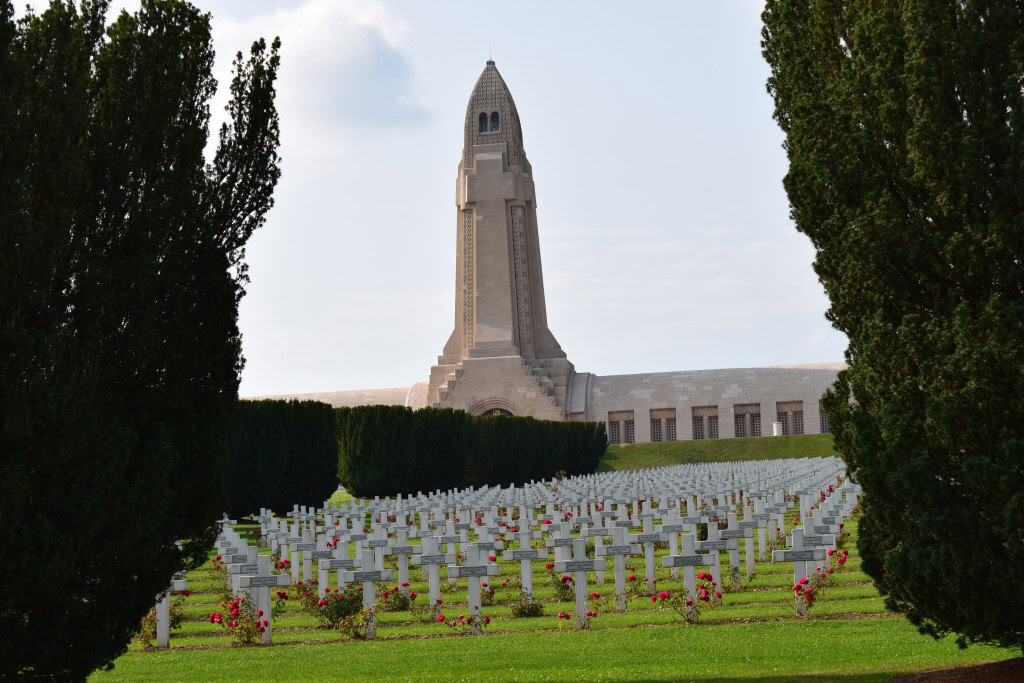
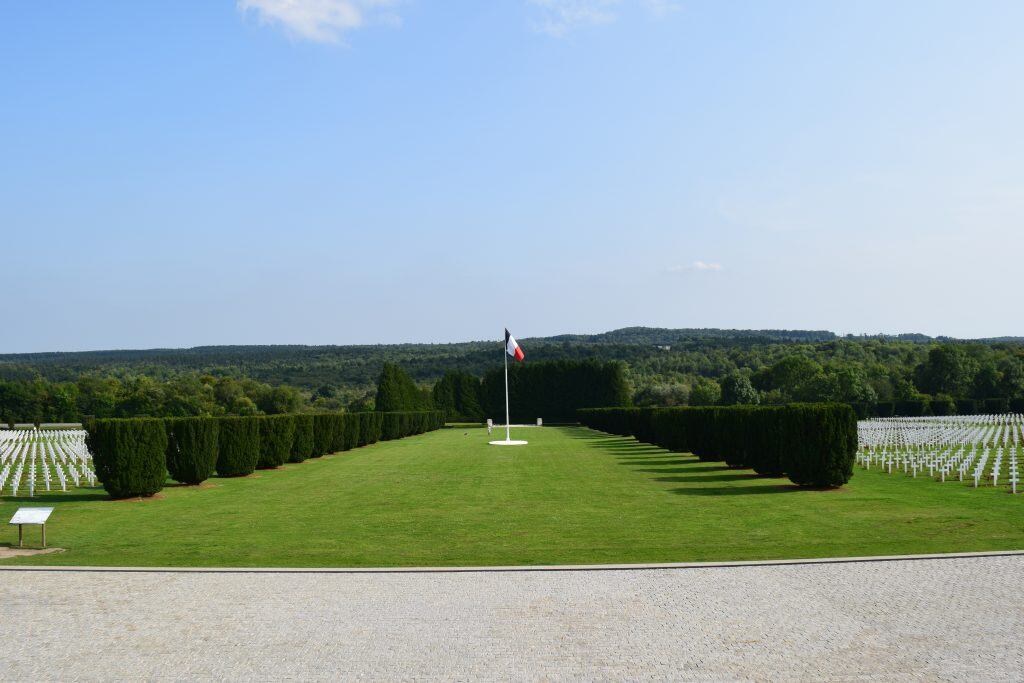
The Douaumont Ossuary stands as a solemn memorial. It is the final resting place for the unidentified remains of French and German soldiers. The ossuary itself is 137 meters long. It holds the bones of approximately 130,000 unknown soldiers. An adjacent cemetery contains over 16,000 individual graves. The building, completed in 1932, was financed by donations collected worldwide. Its 46-meter tower offers a panoramic view of the former battlefield.
Fort Douaumont
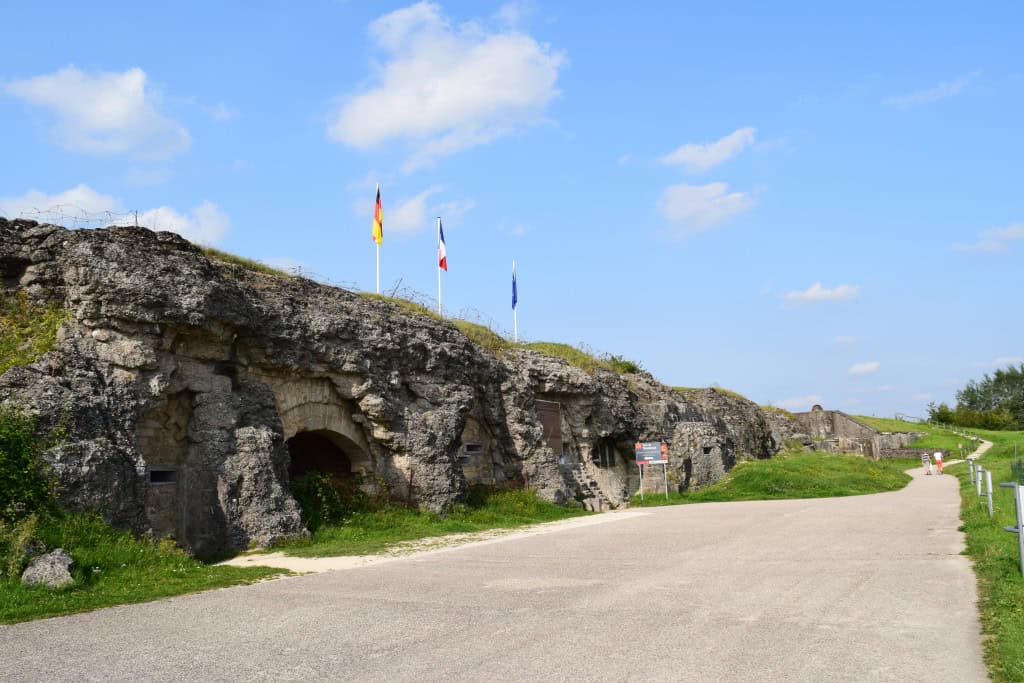
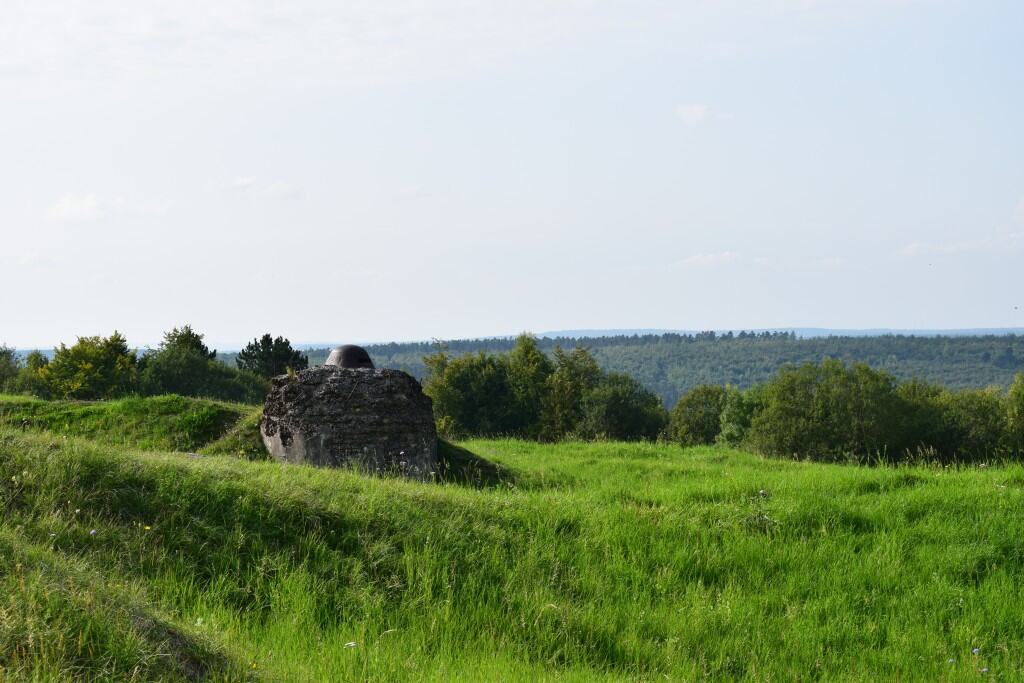
Fort Douaumont was the largest and strongest of the 38 forts protecting Verdun. Constructed between 1885 and 1891, it could garrison 635 soldiers. It was captured by German forces with surprising ease in February 1916. Its recapture by French colonial units in October 1916 was a major victory. Visitors can explore its extensive underground passages, barracks, and gun turrets. It provides a chilling insight into trench warfare conditions.
Verdun Memorial (Mémorial de Verdun)
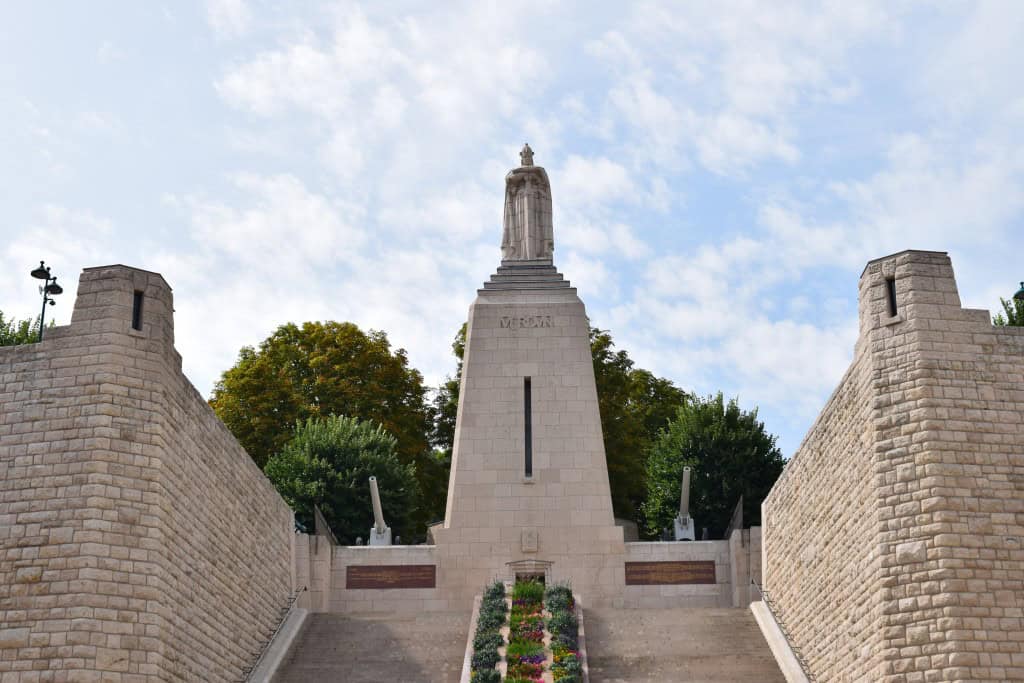
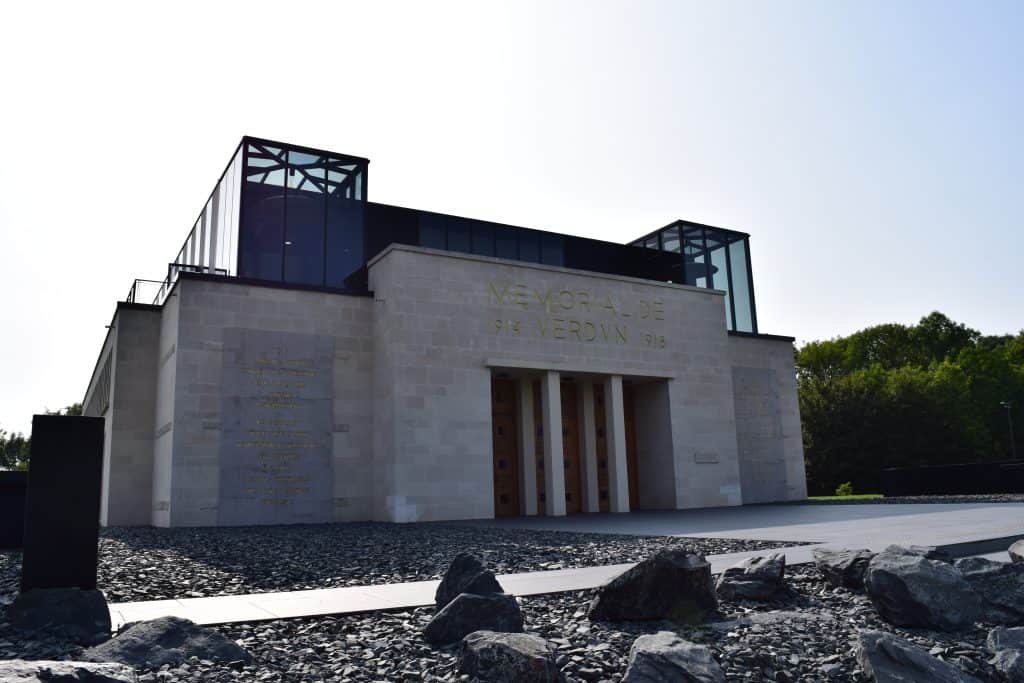
The Verdun Memorial is a poignant museum dedicated to the Battle of Verdun. Built in 1967 by battle survivors, it was significantly renovated in 2016 for the centenary. It offers an immersive experience, combining historical artifacts, archive documents, and multimedia. The museum focuses on the soldiers’ experiences, both French and German. Its top floor terraces offer direct views of the battleground. It aims to foster understanding of the battle’s human cost.
Trench of Bayonets (Tranchée des Baïonettes)
The Trench of Bayonets is a unique and evocative memorial. It marks a trench where French soldiers were reputedly buried alive by shellfire with their bayonets fixed. While the exact circumstances are disputed, the 1920 concrete structure commemorates these soldiers. It encloses the graves of 21 French soldiers, 7 of whom remain unidentified. The site was inscribed on UNESCO’s World Heritage List in 2023. It stands as a powerful symbol of sacrifice.
Fleury-devant-Douaumont (Destroyed Village)
Fleury-devant-Douaumont is one of nine villages completely destroyed during the Battle of Verdun. It was never rebuilt after the war. The village has been declared a “village that died for France.” Markers indicate where houses, shops, and the church once stood. The scarred landscape still shows craters and trenches, testament to the intense bombardments. It serves as a stark reminder of the battle’s devastating impact on civilian life.
Porte Chaussée
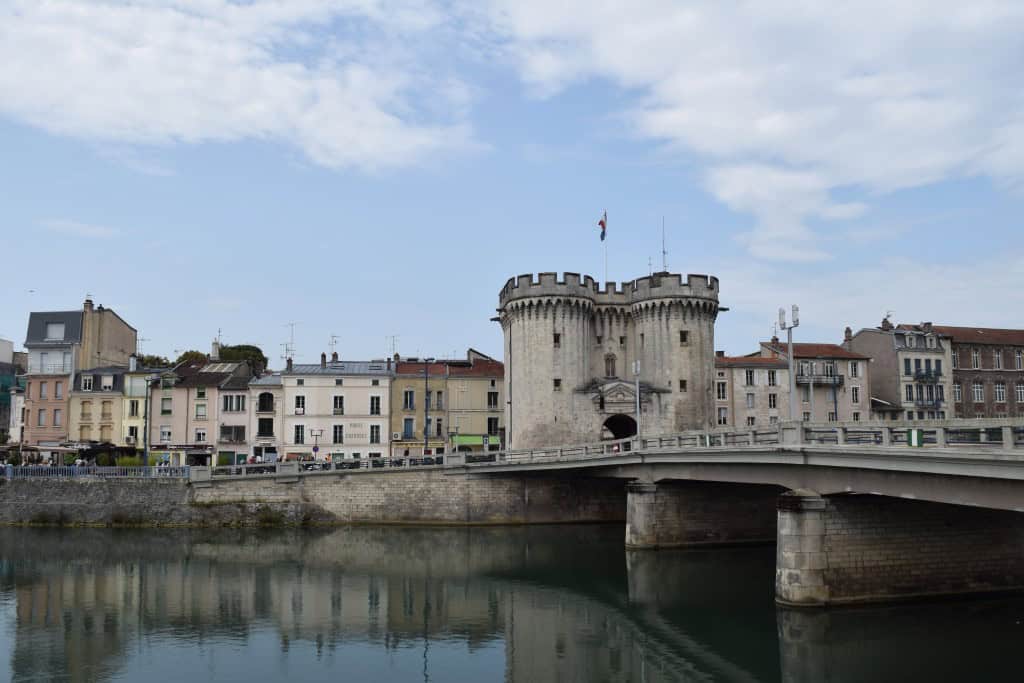
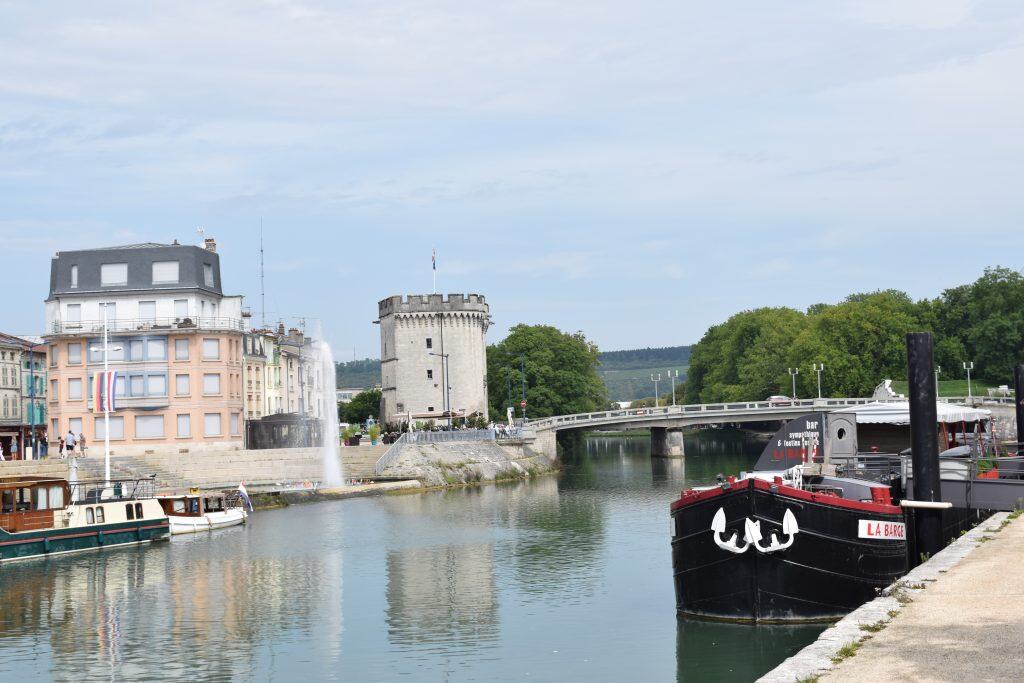
The Porte Chaussée is a well-preserved medieval fortified gate in Verdun town. Built in 1380 along the Meuse River, it was one of the city’s three monumental gates. It consists of two circular towers, 20 meters high, connected by a portico. From 1755 to 1860, it served as a military prison. This Gothic structure features battlements and gargoyles. It stands as a tangible link to Verdun’s pre-WWI history as a fortified town.
Verdun Cathedral (Cathédrale Notre-Dame de Verdun)
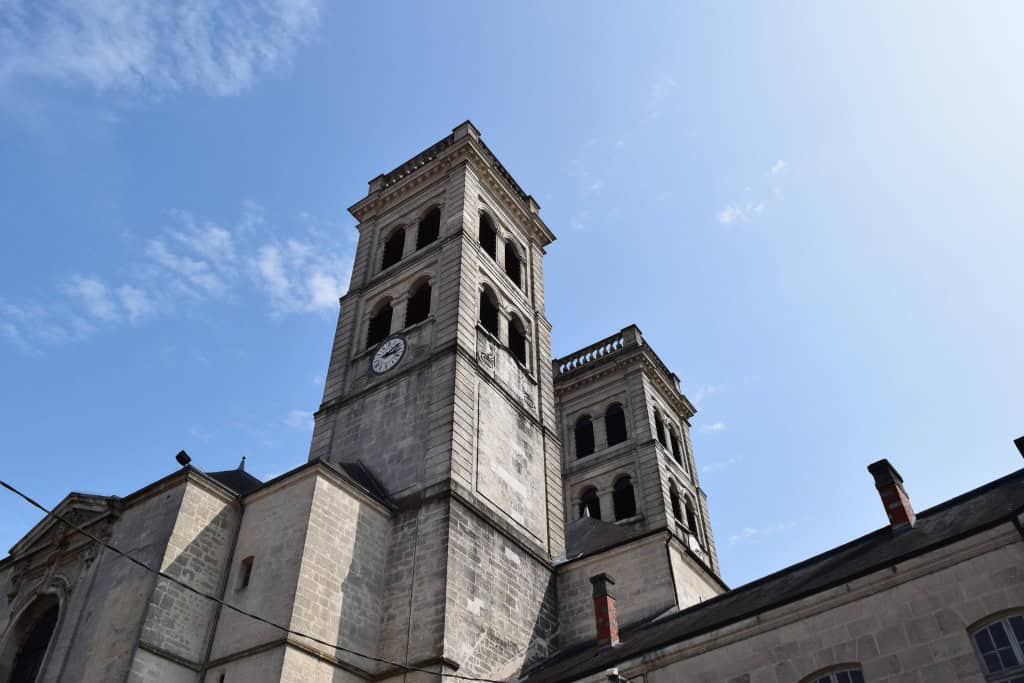
Verdun Cathedral is an impressive religious building with a long history. Its construction began in the 11th century. It is considered one of Europe’s oldest churches dedicated to the Virgin Mary. The cathedral showcases a blend of architectural styles, from Rhenish Romanesque to Baroque. It suffered extensive damage during WWI but has been meticulously restored. Its crypt, dating from the 12th century, is a notable Romanesque gem.
World Centre for Peace (Centre Mondial de la Paix)
Located in Verdun’s former 18th-century Bishop’s Palace, the World Centre for Peace, Liberties and Human Rights promotes reflection on peace. Its permanent exhibition explores the causes of wars, human rights, and the fragility of peace. It hosts various temporary exhibitions and conferences. The center aims to draw lessons from history for future generations. It offers a contemporary perspective on the themes of conflict and reconciliation.




How to Get to Verdun
Reaching Verdun, a city profoundly marked by history in northeastern France, is straightforward. Known globally for its role in World War I, Verdun offers a powerful journey into the past. Whether you prefer flying, driving, or public transport, getting to this poignant destination is accessible.
By Plane
Verdun does not have its own major commercial airport. However, several international airports are within reasonable proximity. Metz-Nancy-Lorraine Airport (ETZ) is the closest, located approximately 66 kilometers away. Luxembourg Airport (LUX) is also a viable option, about 80 kilometers distant. For wider international connections, Paris Charles de Gaulle Airport (CDG) is further, approximately 235 kilometers from Verdun. From these airports, onward travel typically involves a combination of train, bus, or car rental to reach Verdun.
By Car
Driving to Verdun offers flexibility for exploring the numerous battlefields and memorials in the surrounding area. Major French motorways provide direct access. The A4 motorway connects Verdun to Paris and other major cities. The drive from Paris is approximately 261 kilometers, taking around 2 hours 30 minutes. From Metz, the journey is significantly shorter. Verdun is well-connected to the national road network. Parking is available in the town and at the various historical sites.
By Bus
Bus services provide an economical way to reach Verdun. Companies like FlixBus and BlaBlaCar Bus (formerly Ouibus) operate routes to the region. The main bus stop for long-distance services in Verdun is often located near the A4 motorway exit (Exit 28 A4), which is about 15 kilometers from the town center. Direct bus connections from Paris are available; a journey can take around 3 hours 10 minutes with FlixBus. These services offer a comfortable travel option for visitors. Local bus routes connect the bus stop to the town center.
By Train
Traveling to Verdun by train is a convenient and efficient option. While Verdun has its own railway station (Gare de Verdun), high-speed trains typically arrive at Gare Meuse TGV, located about 28 kilometers from Verdun. From Paris Est station, you can take a TGV high-speed train directly to Gare Meuse TGV in about 1 hour 15 minutes. From Meuse TGV, a connecting bus service or taxi is required to reach Verdun town center, taking approximately 30-40 minutes. Regional TER trains also connect Verdun to cities like Metz and Reims, though these journeys may involve transfers and take longer. SNCF operates frequent services.
Driving Distances
The driving distance from 6 major French cities, according to Google Maps:
- Paris – 261 kilometers (2 h 30 min)
- Strasbourg – 237 kilometers (2 h 10 min)
- Nantes – 510 kilometers (6 h 00 min)
- Lyon – 434 kilometers (5 h 00 min)
- Toulouse – 837 kilometers (9 h 00 min)
- Marseille – 653 kilometers (6 h 00 min)
Looking to Explore more of France and Europe?