Von Bach Dam | Exploring Namibia
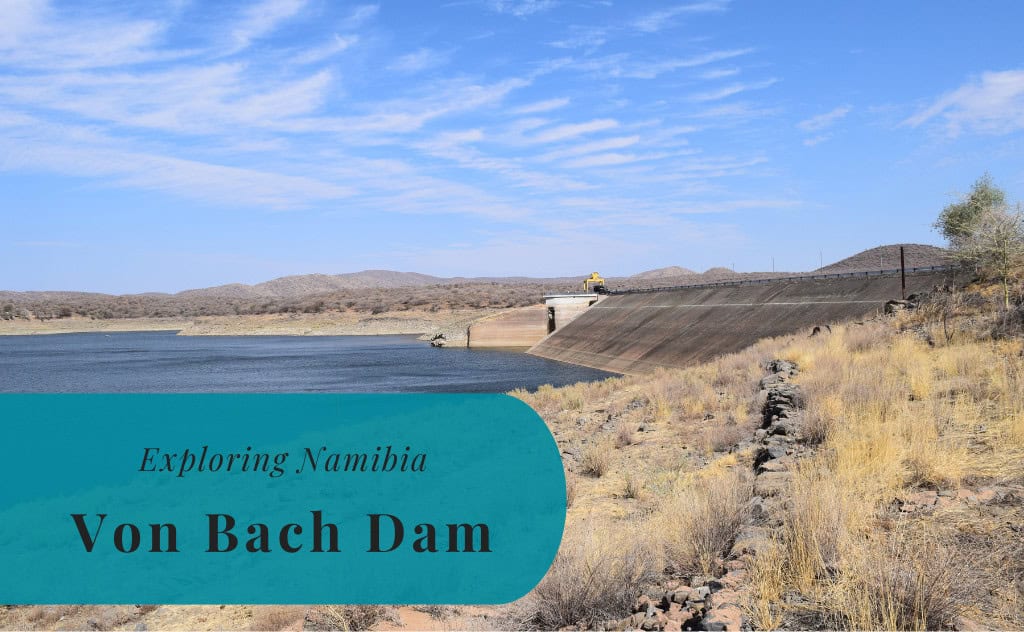
Von Bach Dam is a major reservoir located in the Otjozondjupa Region of central Namibia. It is situated approximately 5 kilometers south of the town of Okahandja and 60 kilometers north of the capital city, Windhoek. The dam impounds the waters of the Swakop River, which is an ephemeral river that flows only after significant rainfall in its catchment area. The dam is operated by the national water utility, NamWater. It serves as a primary water source for the central region of Namibia, including the capital.
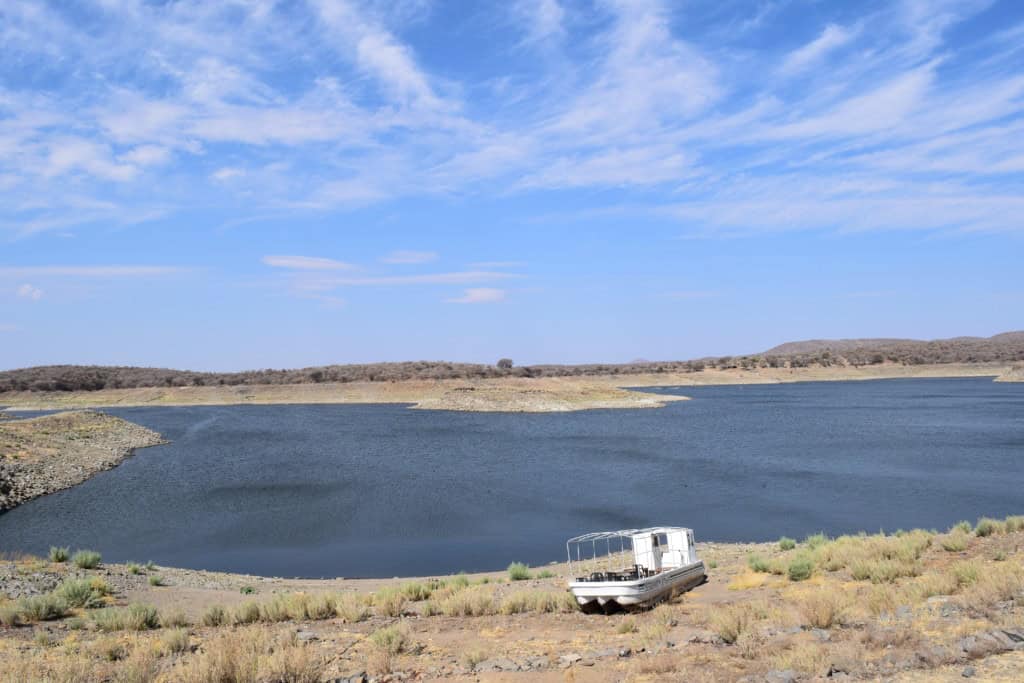
The character of Von Bach Dam is defined by its dual function as a crucial piece of national infrastructure and a major recreational area. As one of the three main dams supplying water to the capital, its water level is a key indicator of the region’s water security. For residents of Windhoek and Okahandja, it is also one of the most important and accessible destinations for water-based recreation in the country’s arid central highlands. The area around the dam is a designated game park, which adds to its appeal as a nature destination.
A Short History of Von Bach Dam
The history of Von Bach Dam is that of a modern engineering project designed to address the challenges of water supply in a semi-arid country. Its construction in the mid-20th century was a key step in ensuring the growth and stability of Namibia’s central region and its capital city. The dam’s subsequent development as a recreational hub reflects the changing needs of the local population. It has evolved from a purely functional water reservoir into a popular leisure destination.
Construction and Purpose
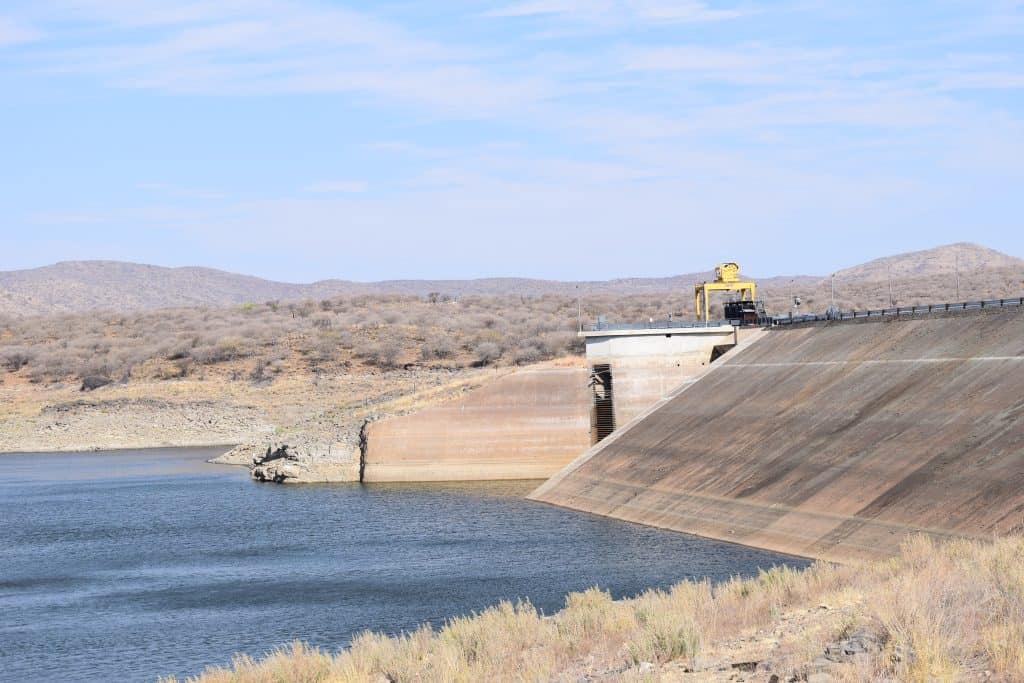
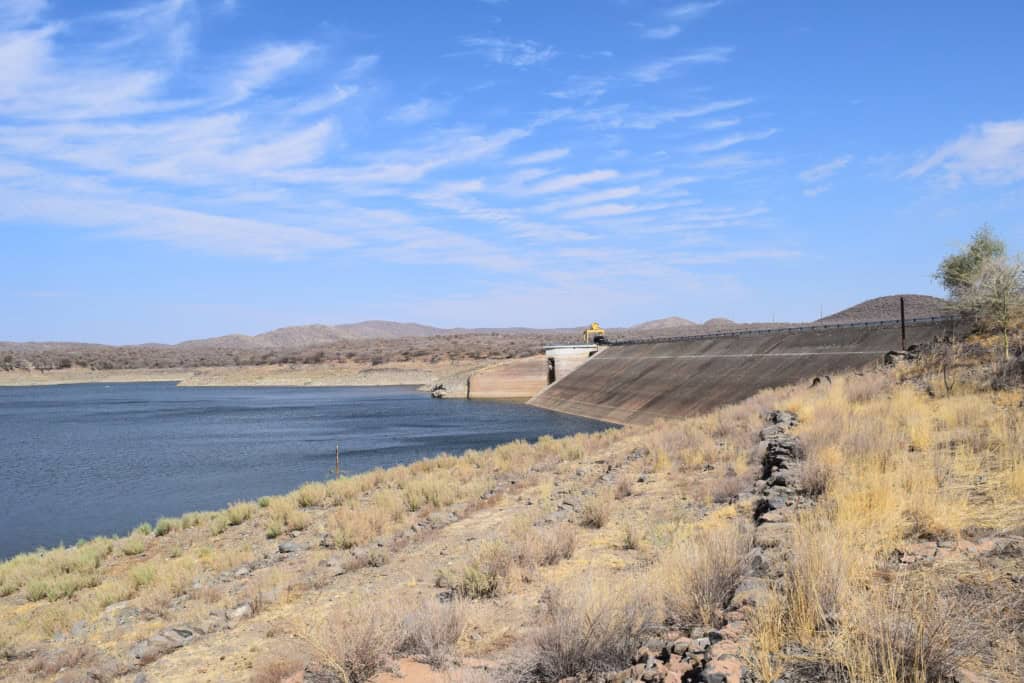
The Sartorius von Bach Dam, as it is officially named, was constructed by the South African Department of Water Affairs during the period when Namibia was administered as South West Africa. The construction was completed in 1970. Its primary purpose was to capture the seasonal runoff from the Swakop River. This created a large reservoir to supply treated water to the growing city of Windhoek via a pipeline. The dam was a significant infrastructure project, essential for supporting the urban and industrial development of the capital region.
A Recreational Hub
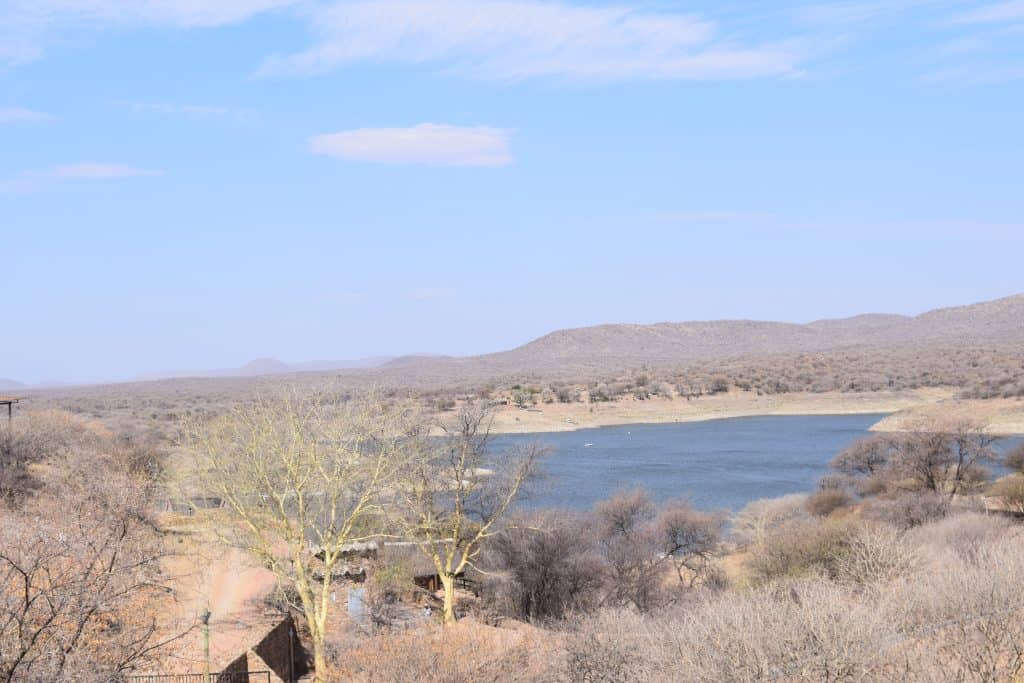
Soon after its completion, the large reservoir created by the dam became a popular destination for recreational activities. Its proximity to both Windhoek and Okahandja made it an accessible weekend retreat. The state-run enterprise, Namibia Wildlife Resorts (NWR), established the Von Bach Recreation Resort on its shores. This resort provides facilities for camping, boating, and other activities. The area was also proclaimed as a game park, protecting the local wildlife and enhancing its status as a nature destination.
The Dam and its Environment
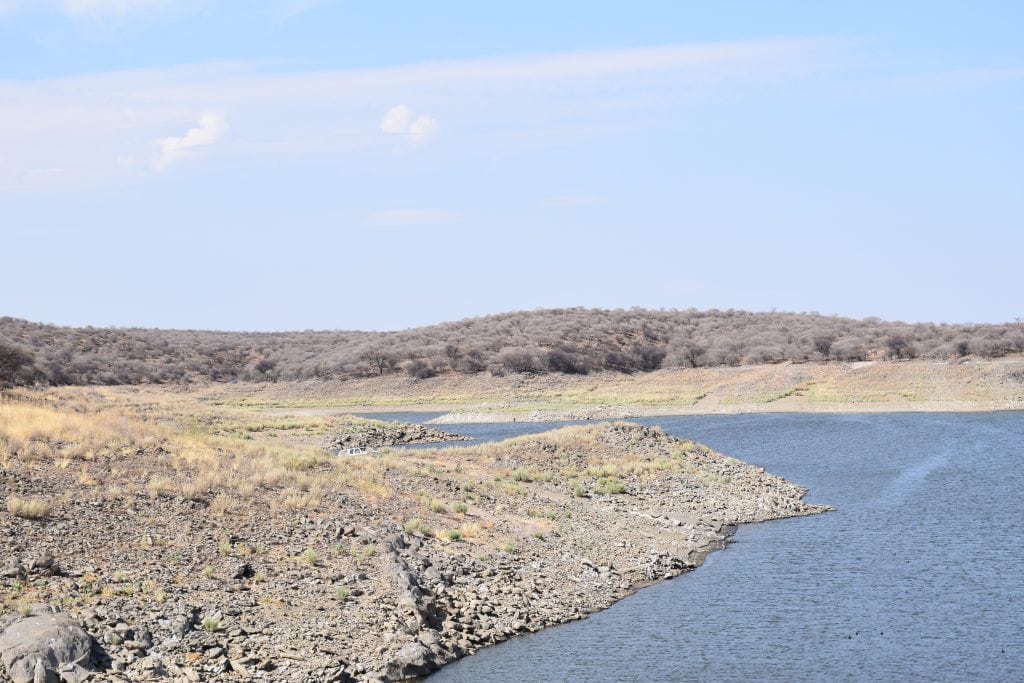
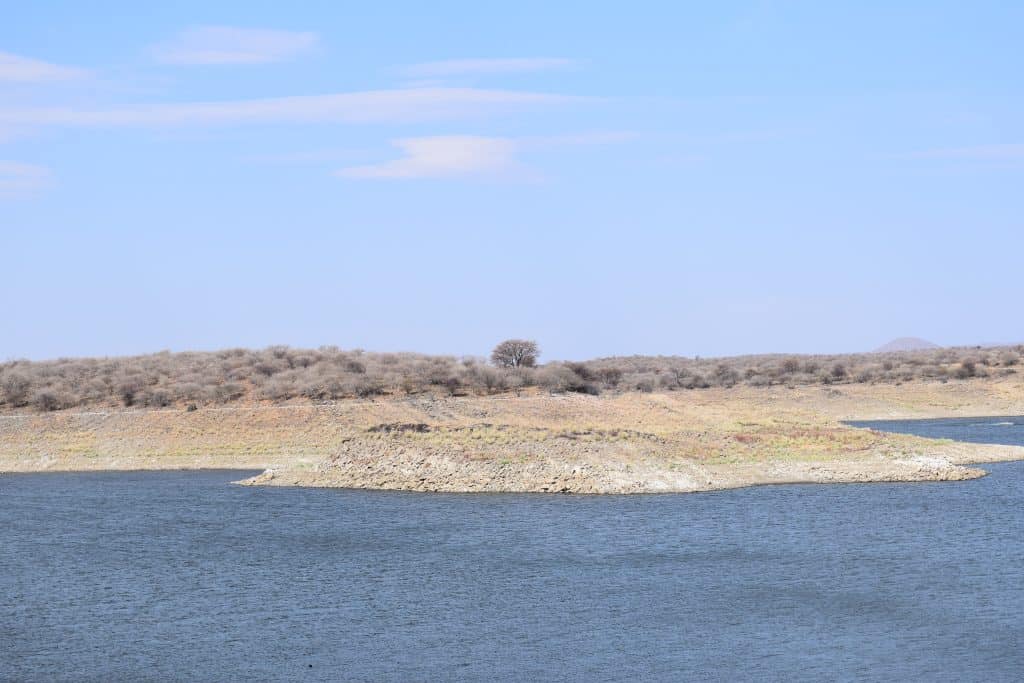
The Von Bach Dam is a concrete gravity-arch dam. The structure itself is a significant piece of engineering within the Namibian landscape. The large reservoir it creates can hold up to 48 million cubic meters of water when full. The surrounding area is part of the Von Bach Nature Reserve. The landscape is characterized by the acacia tree and shrub savanna typical of the Namibian Central Plateau. The presence of this large body of water attracts a variety of wildlife and birdlife to the area.
Recreational Activities
The area around Von Bach Dam is a major center for outdoor recreation, particularly water sports and angling. The NWR resort provides facilities and access points for these activities. The combination of a large lake and a natural bushveld setting makes it a popular destination.
Water Sports
The large surface area of the reservoir at Von Bach Dam makes it one of the main centers for boating and water skiing in central Namibia. The dam is home to the Windhoek Powerboat Club. Many residents from the capital keep boats at the dam for weekend recreation. The calm waters are also suitable for other activities like canoeing and kayaking. The presence of a large, open body of water is a key recreational feature in this otherwise dry region.
Angling
Angling, or recreational fishing, is a very popular activity at Von Bach Dam. The reservoir has been stocked with several species of freshwater fish. It is a well-known destination for catching largemouth bass. Other species found in the dam include blue kurper, smallmouth yellowfish, and carp. The dam hosts regular fishing competitions. Anglers can fish from the shore or from boats.
Birdwatching
The area around the dam and its reservoir is a good location for birdwatching. The combination of the open water and the surrounding acacia savanna attracts a wide variety of bird species. Water birds, such as cormorants and herons, can be seen at the water’s edge. The surrounding bushveld is home to many of the species common to central Namibia. The nature reserve provides a protected habitat for this birdlife.
How to Get to Von Bach Dam
Reaching Von Bach Dam is straightforward by road. It is located just off Namibia’s primary highway, a short distance from the town of Okahandja. A private vehicle is the most practical way to visit the dam and its recreational facilities.
The Open Road: Driving to the Dam
Driving is the most common and practical way to travel to Von Bach Dam. The turn-off to the dam and the recreation resort is located directly on the B1 road, the main paved highway that runs the length of the country. The entrance is situated a few kilometers south of Okahandja and about 65 kilometers north of Windhoek. From the main road, a short access road leads directly to the entrance gate of the nature reserve.
Arriving by Air
The primary international gateway to Namibia is Hosea Kutako International Airport (WDH), located near the capital, Windhoek. From the airport, travelers would typically rent a car to drive to Von Bach Dam. The drive from the airport is approximately 100 kilometers and takes just over an hour. The town of Okahandja also has its own local airstrip that can be used by small charter flights.
Connecting by Coach
There are no direct public bus or shuttle services to the Von Bach Dam resort itself. Long-distance bus services in Namibia, such as Intercape, make stops in the nearby town of Okahandja. These services connect Windhoek with the northern parts of the country. From Okahandja, visitors would need to arrange for a private taxi to make the short journey to the dam.
On Track: A Journey by Rail
While the main TransNamib railway line runs through the nearby town of Okahandja, this is not a practical way to reach the dam. The passenger service is generally slow and infrequent compared to road travel. From the Okahandja train station, a private transfer or taxi would still be required to reach the dam, which is located several kilometers outside the town.
Driving Distances
The driving distance from 10 regional cities, according to Google Maps:
- Okahandja, Namibia – 5 kilometers (0 h 10 min)
- Windhoek, Namibia – 75 kilometers (1 h 00 min)
- Karibib, Namibia – 128 kilometers (1 h 30 min)
- Otjiwarongo, Namibia – 179 kilometers (1 h 50 min)
- Swakopmund, Namibia – 308 kilometers (3 h 20 min)
- Walvis Bay, Namibia – 339 kilometers (3 h 40 min)
- Keetmanshoop, Namibia – 570 kilometers (5 h 40 min)
- Gaborone, Botswana – 1,053 kilometers (12 h 00 min)
- Cape Town, South Africa – 1,593 kilometers (16 h 20 min)
- Johannesburg, South Africa – 1,696 kilometers (17 h 20 min)
Looking to Explore more of Namibia and Africa?