Bo-Kaap, Cape Town | Exploring South Africa
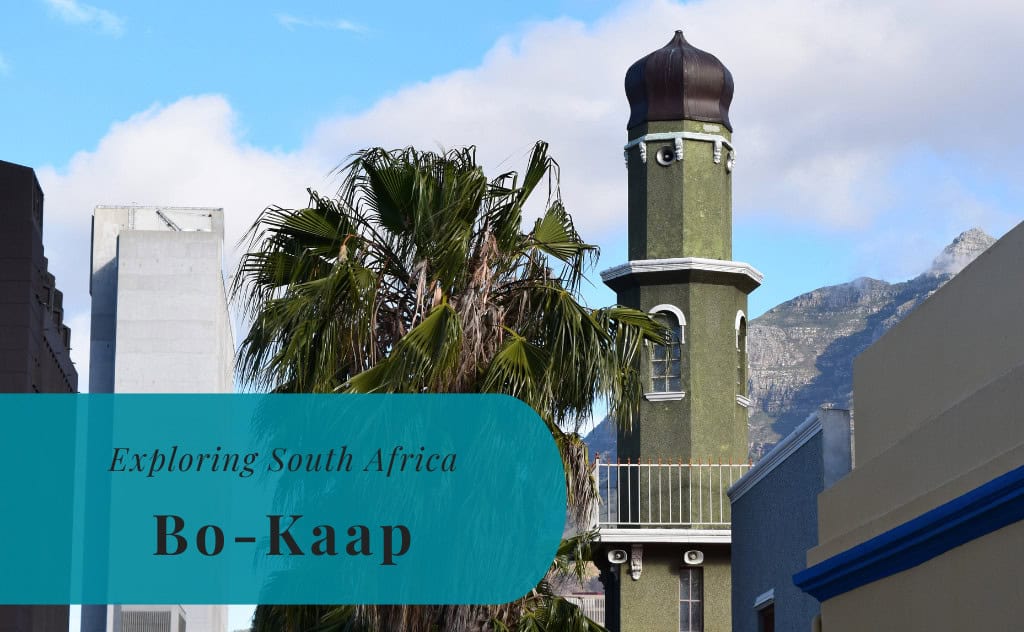
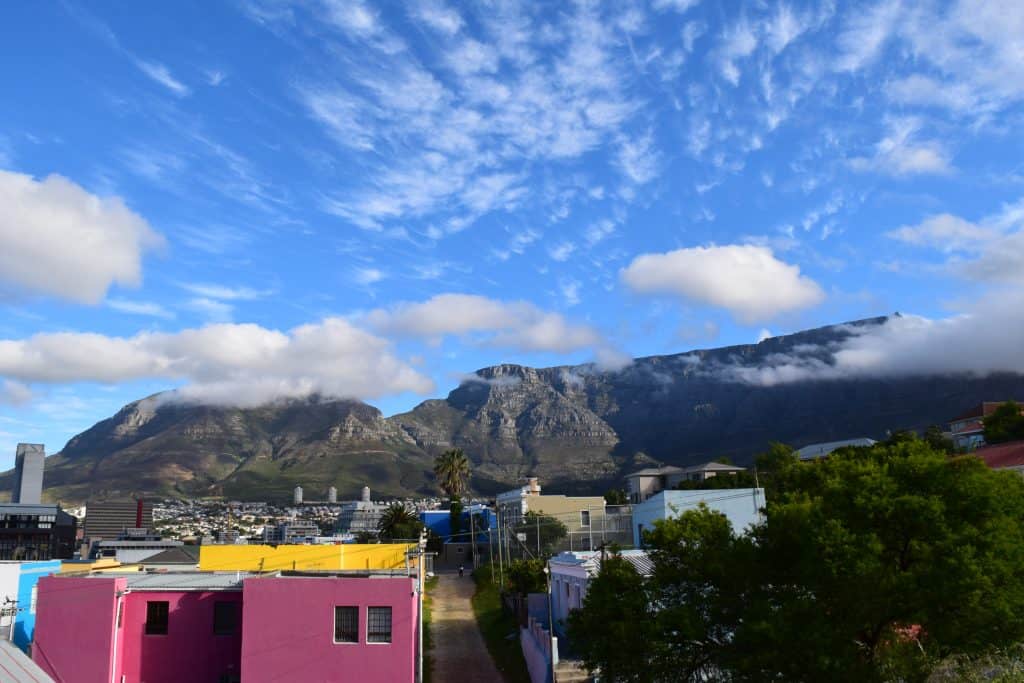
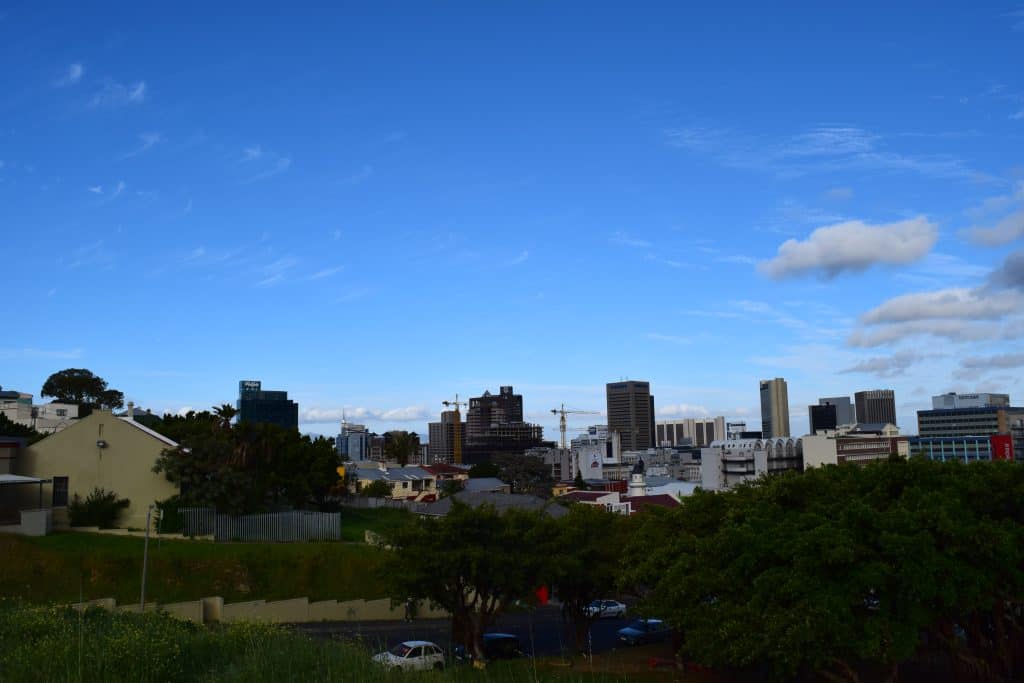
Bo-Kaap is a historic neighborhood located in Cape Town, South Africa. It is situated on the slopes of Signal Hill, just above the city center. The name is Afrikaans and translates to “above the Cape.” This area was formerly known as the Malay Quarter. It is famous for its brightly colored houses, which are painted in a variety of pastel shades, and for its charming cobblestone streets.
The identity of Bo-Kaap is defined by its role as the historical heart of Cape Malay culture in Cape Town. This unique culture was created by the descendants of slaves and political exiles who were brought to the Cape by the Dutch from Southeast Asia and other parts of Africa in the 17th and 18th centuries. Today, the neighborhood is a vibrant and multicultural area with a strong Muslim community. Its unique architecture, its rich cultural traditions, and its delicious cuisine make it one of the most visited and photographed neighborhoods in the city.
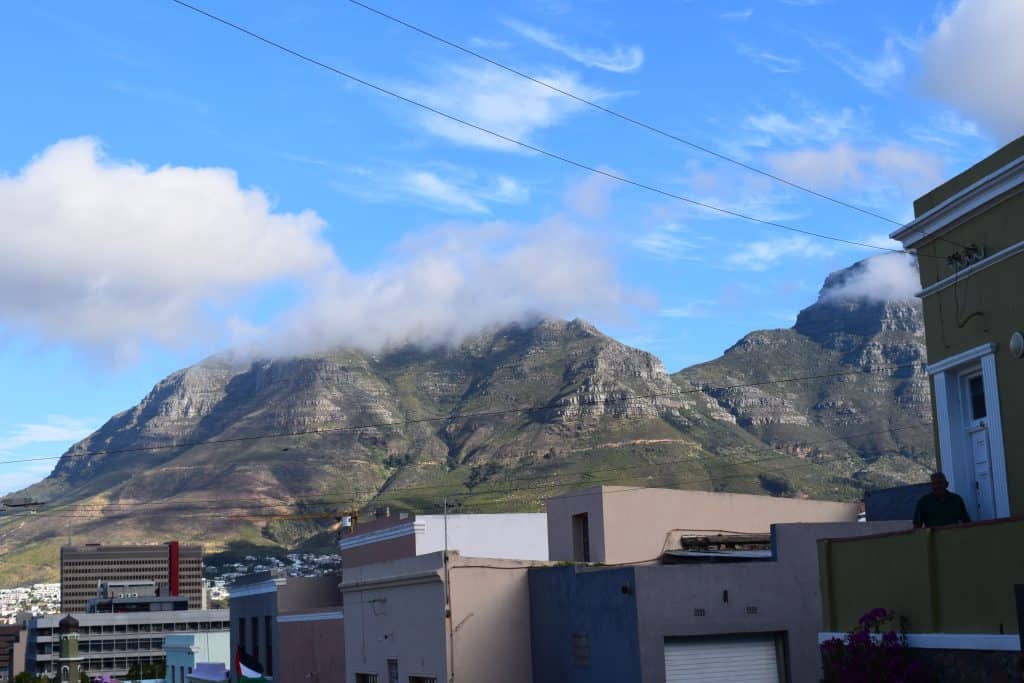

History of Bo-Kaap
The history of Bo-Kaap dates back to the 1760s, and it is one of the oldest residential areas in Cape Town. Its development is a story of slavery, emancipation, and the formation of a unique cultural identity. The area was first developed with small rental houses that were leased to slaves. After the abolition of slavery, it became a community for freed slaves and a center for Islam at the Cape. During the 20th century, the neighborhood survived the era of apartheid and has since become a symbol of both heritage and resilience.
The First Houses
The origins of Bo-Kaap began in the 1760s when a Dutch colonist, Jan de Waal, built several small rental houses, or “huurhuisjes,” on the slopes of Signal Hill. These houses were built in a mix of Cape Dutch and Cape Georgian architectural styles. They were leased to the slaves who worked in the city. Many of these slaves, known as Cape Malays, were brought from Malaysia, Indonesia, and other parts of Africa and Asia by the Dutch East India Company. They were skilled artisans, and they brought their own culture, religion, and cuisine with them.
A Community of Freed Slaves
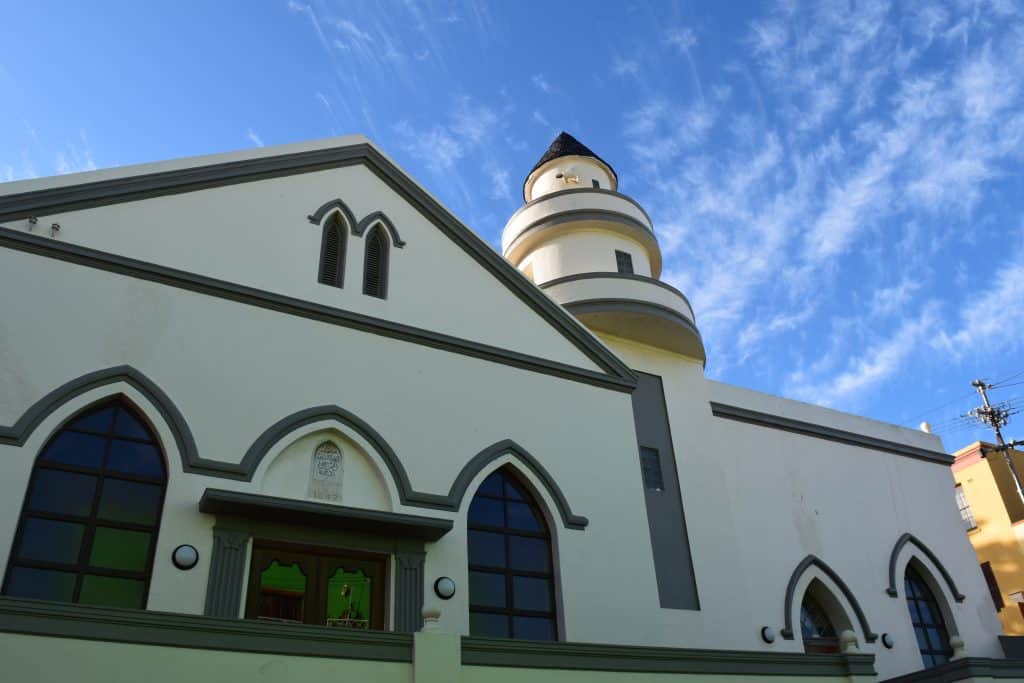
A major turning point in the neighborhood’s history came with the abolition of slavery in the Cape Colony in 1834. Many of the newly freed slaves settled in the Bo-Kaap, and they were finally able to purchase their own homes. It is said that the tradition of painting the houses in bright colors began as an expression of this newfound freedom, as the rental houses were required to be painted white. The community grew, and it became a major center for Islam in South Africa. The Auwal Mosque, founded in 1794, is the oldest mosque in the country.
The Apartheid Era and Modern Preservation
During the 20th century, under the system of apartheid, Bo-Kaap was declared a “Malay Group Area.” While this enforced racial segregation, it also helped to preserve the unique culture and community of the neighborhood by preventing the forced removals that destroyed other multicultural areas like District Six. In the modern era, after the end of apartheid, the neighborhood has faced new challenges, including gentrification. However, large parts of Bo-Kaap have been designated as a national heritage area, and there are strong efforts to preserve its unique architectural and cultural legacy.


Sights in Bo-Kaap
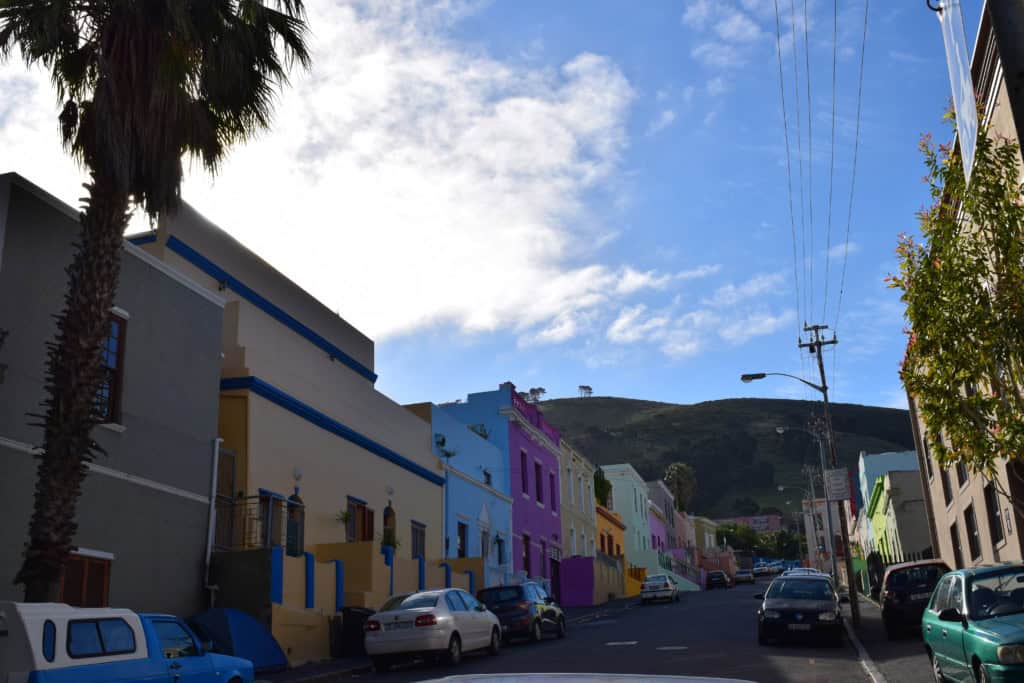
The sights in Bo-Kaap are centered around its unique and colorful architecture and its rich cultural heritage. The main attraction is the neighborhood itself, and the experience of walking through its steep, cobblestone streets and admiring the brightly painted houses is a must for any visitor to Cape Town. The area is home to several historic mosques, which are the spiritual heart of the community. For those wanting to learn more about the history of the neighborhood, the Bo-Kaap Museum provides a fascinating look into the past. The area is also famous for its delicious Cape Malay cuisine, which can be sampled at local restaurants or through a cooking class.
The Colorful Houses
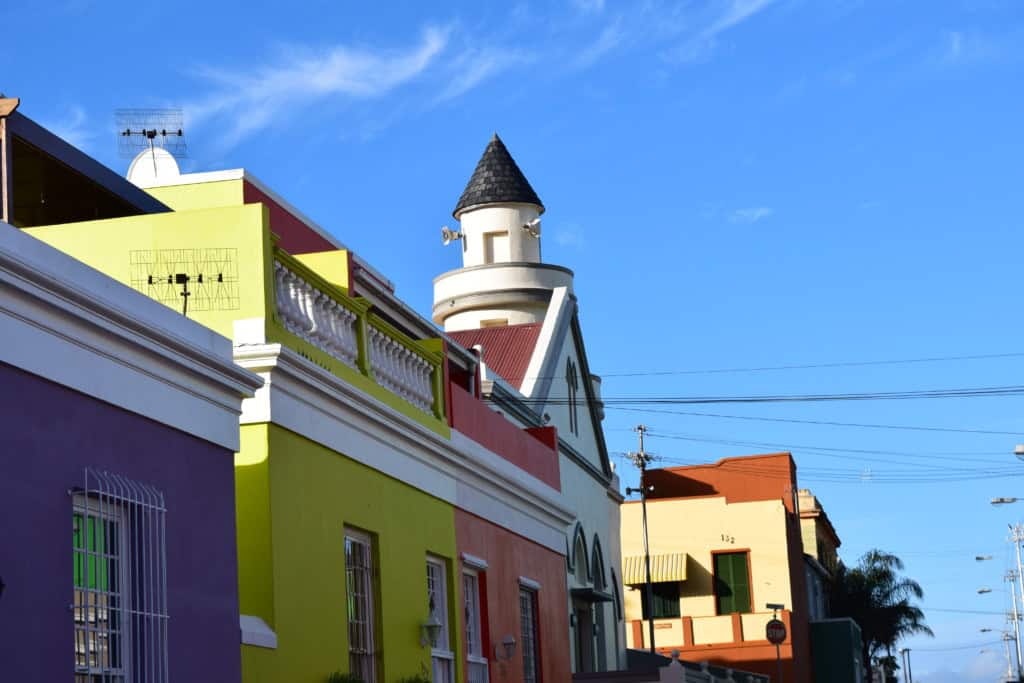
The most famous feature of Bo-Kaap is, of course, its brightly colored houses. The rows of houses, painted in vibrant shades of pink, green, blue, and yellow, create a unique and incredibly picturesque streetscape. The architectural style is a mix of Cape Dutch and Cape Georgian. A walk along the main thoroughfare, Wale Street, and the steep, cobbled Chiappini Street provides the best examples of this famous scenery. The colorful houses are a symbol of the neighborhood’s history and its vibrant cultural identity.
Bo-Kaap Museum
The Iziko Bo-Kaap Museum is located in one of the oldest buildings in the neighborhood, a house that dates back to the 1760s. The museum showcases the lifestyle of a prosperous Cape Muslim family from the 19th century. The interior has been furnished to look as it would have in that period. The museum provides a fascinating glimpse into the history, culture, and traditions of the Bo-Kaap community. It is an essential visit for understanding the origins and the heritage of this unique neighborhood.
The Auwal Mosque
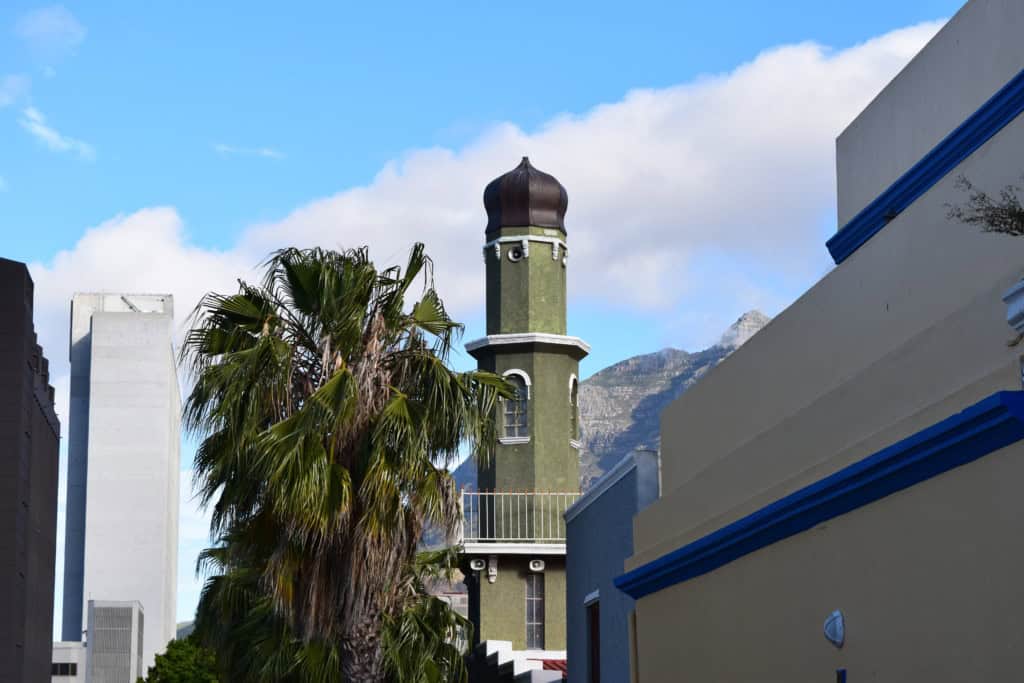
The Auwal Mosque, located on Dorp Street, is the first and oldest mosque to be established in South Africa. It was founded in 1794. The mosque has been a central institution for the Muslim community of the Cape for over two centuries. It is a beautiful and historic building. The first Imam of the mosque, Tuan Guru, is a revered figure in the community. He was an Indonesian prince who was exiled to the Cape by the Dutch, and he wrote a copy of the Quran from memory while he was imprisoned on Robben Island.
The Noon Gun
On the slopes of Signal Hill, just above the Bo-Kaap, is the location of the historic Noon Gun. This is one of Cape Town’s oldest living traditions. Every day at noon, except on Sundays and public holidays, a cannon is fired. The tradition dates back to the 19th century and was originally used as a time signal for ships in the bay. Today, the tradition is maintained by the South African Navy. Visitors can go to the site on Signal Hill to watch the daily firing of the cannon and to enjoy the panoramic views of the city.
Getting Around in Bo-Kaap
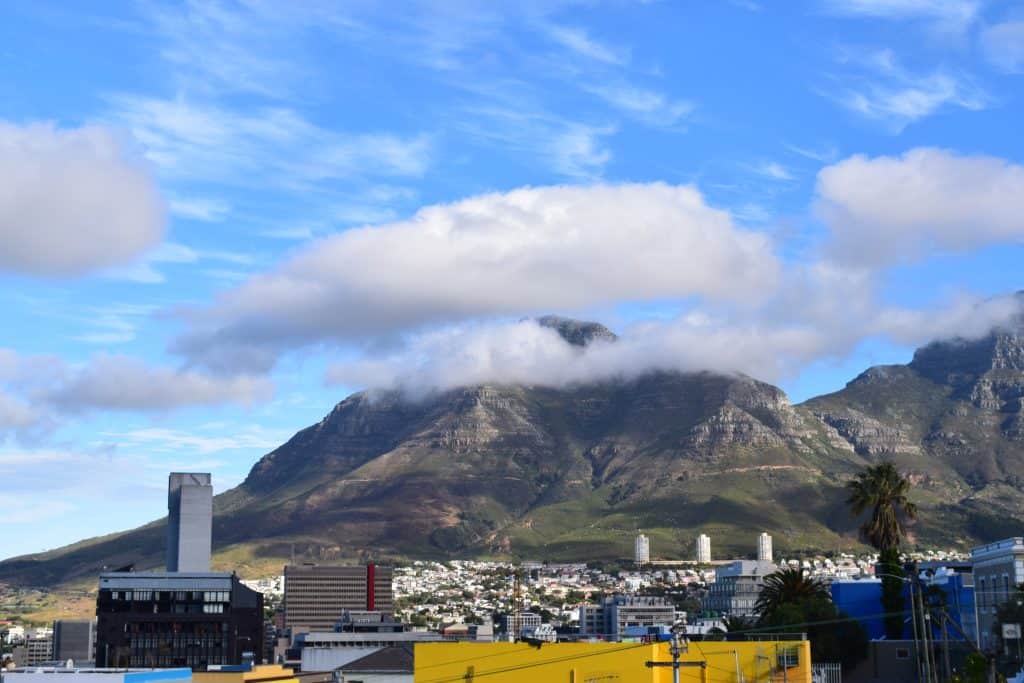
Navigating the historic neighborhood of Bo-Kaap is best done on foot. The area is characterized by its narrow, steep, and often cobbled streets, which are not very suitable for cars. The neighborhood is very compact, and all of its main sights are within a short and pleasant walking distance of each other. For travel to other parts of Cape Town, the city’s MyCiTi bus system has stops located at the base of the neighborhood, and ride-sharing services are also widely available.
Exploring by Foot
The best way to experience the unique atmosphere of Bo-Kaap is by walking. This allows you to explore the narrow streets, admire the colorful houses up close, and soak in the local atmosphere. The neighborhood is located on a steep hill, so be prepared for some uphill walking. Comfortable shoes are essential for navigating the cobblestone streets. A walk from the city center up into the heart of the Bo-Kaap is a journey through different layers of Cape Town’s history.

How to Get to Bo-Kaap?
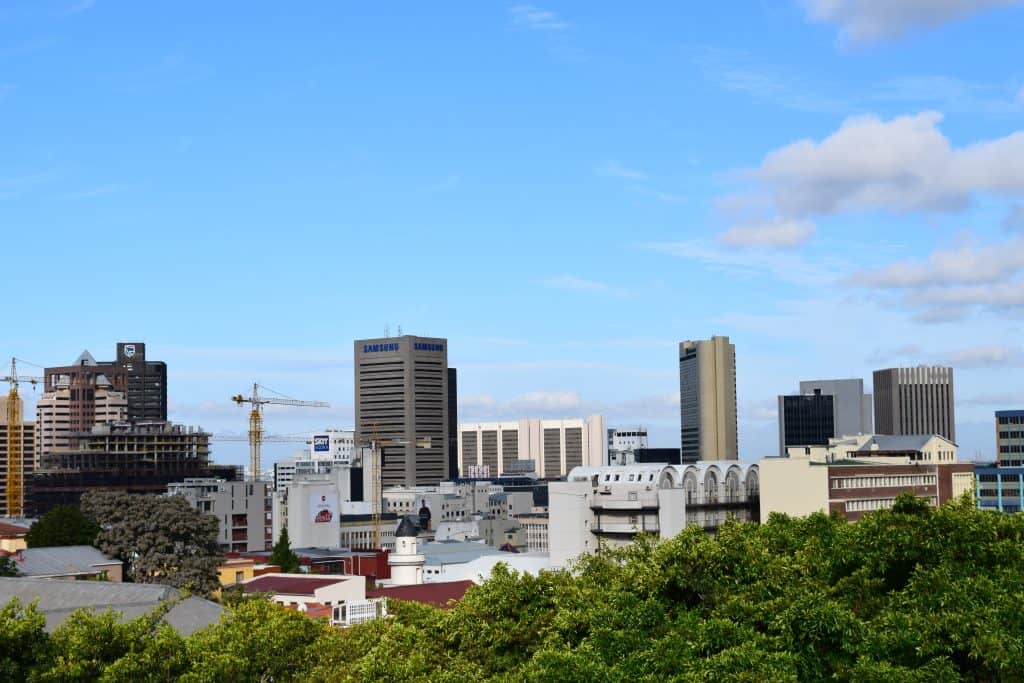
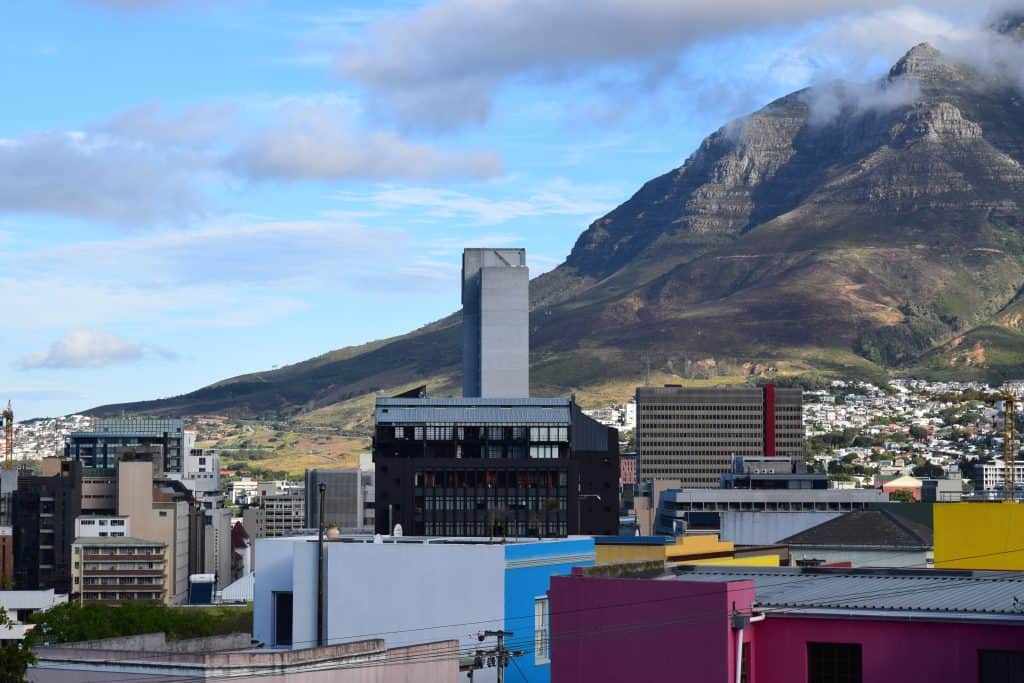
Bo-Kaap is located in the City Bowl of Cape Town, on the slopes of Signal Hill. It is situated directly adjacent to the main city center, making it extremely easy to reach. The primary gateway for international visitors is Cape Town International Airport (CPT). From the airport and other parts of the city, the Bo-Kaap is easily accessible by car, public transport, or even on foot from the central business district.
Arriving by Air
The main gateway to the city is Cape Town International Airport (CPT). It is the second-busiest airport in South Africa. The airport is located about 20 kilometers from the city center. From the airport, the easiest way to reach the Bo-Kaap is by taking a taxi or a ride-sharing service, a journey of about 20-30 minutes. The MyCiTi airport shuttle bus also provides a convenient and affordable connection to the Civic Centre in the city, from where it is a short walk to the Bo-Kaap.
Driving to the Neighborhood
Driving to the edge of the Bo-Kaap is straightforward. From the main national highways, the N1 and the N2, you would follow the signs for the Cape Town City Centre. The Bo-Kaap is located just to the northwest of the main central business district. The main roads that form the lower boundary of the neighborhood are Buitengracht Street and Wale Street. Parking within the neighborhood is very difficult, so it is best to park in a public garage in the city center.
From the City Center
The Bo-Kaap is located within easy walking distance of the main city center of Cape Town. From the historic Greenmarket Square or the bustling shops of Long Street, it is just a short, five to ten-minute walk up Wale Street to the entrance of the Bo-Kaap. This makes it a very easy and popular addition to any walking tour of the central city. The red City Sightseeing hop-on-hop-off bus also has stops that are located very close to the neighborhood.
Driving Distances
The driving distance from 20 regional cities, according to Google Maps:
- Stellenbosch, South Africa – 50 kilometers (0 h 45 min)
- Paarl, South Africa – 60 kilometers (0 h 50 min)
- Hermanus, South Africa – 120 kilometers (1 h 40 min)
- Swellendam, South Africa – 220 kilometers (2 h 20 min)
- Cape Agulhas, South Africa – 225 kilometers (2 h 40 min)
- Mossel Bay, South Africa – 390 kilometers (4 h 00 min)
- Oudtshoorn, South Africa – 420 kilometers (4 h 30 min)
- George, South Africa – 430 kilometers (4 h 30 min)
- Beaufort West, South Africa – 460 kilometers (4 h 45 min)
- Plettenberg Bay, South Africa – 520 kilometers (5 h 20 min)
- Springbok, South Africa – 560 kilometers (5 h 30 min)
- Graaff-Reinet, South Africa – 670 kilometers (6 h 45 min)
- Gqeberha, South Africa – 750 kilometers (7 h 30 min)
- Upington, South Africa – 800 kilometers (8 h 00 min)
- Kimberley, South Africa – 950 kilometers (9 h 30 min)
- Bloemfontein, South Africa – 1000 kilometers (10 h 00 min)
- Keetmanshoop, Namibia – 1000 kilometers (10 h 00 min)
- East London, South Africa – 1050 kilometers (10 h 30 min)
- Maseru, Lesotho – 1150 kilometers (11 h 30 min)
- Lüderitz, Namibia – 1200 kilometers (12 h 00 min)
Looking to Explore more of South Africa and Africa?