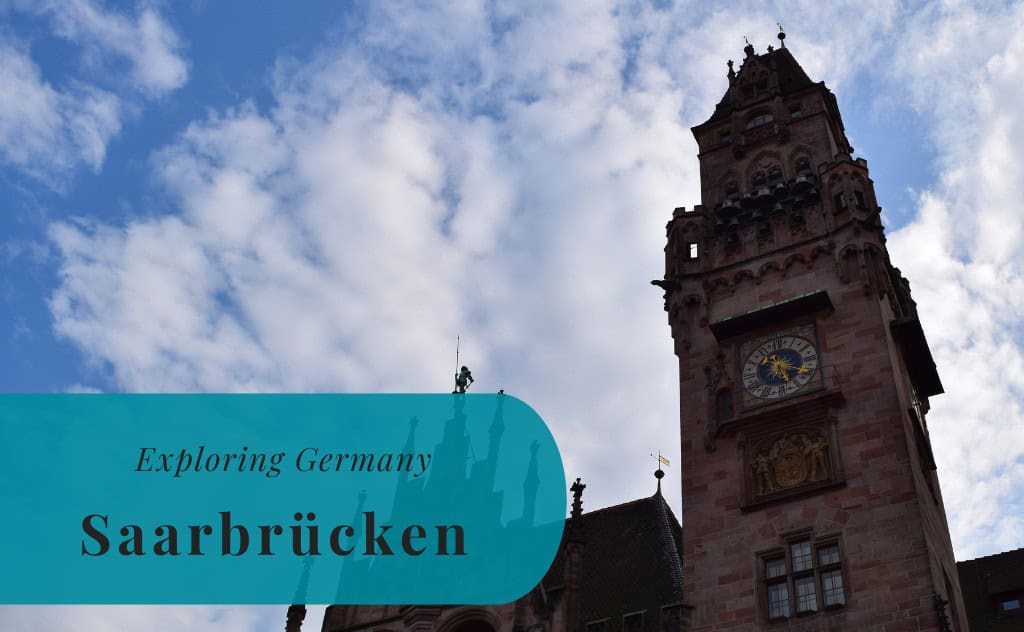
Saarbrücken, Saarland | Exploring Germany
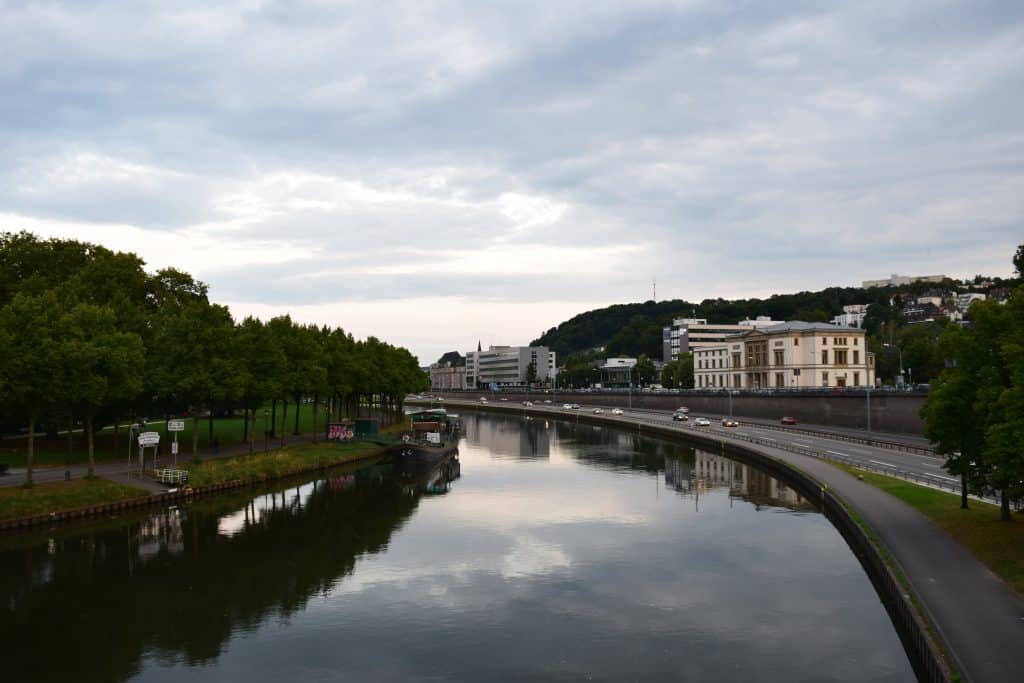
Saarbrücken is the capital and largest city of the German state of Saarland. The city sits on the banks of the Saar River, surrounded by forested hills. With a population of approximately 182,000 residents, it is the primary economic and cultural hub in southwestern Germany. Saarbrücken is positioned directly on the border with France and is close to Luxembourg, forming the heart of the SaarLorLux cross-border region.
The character of Saarbrücken is defined by its history as a Baroque ducal residence and a 20th-century industrial center. The city’s appearance was significantly shaped by the 18th-century architect Friedrich Joachim Stengel, who designed many of its key buildings and squares. This Baroque heritage exists alongside a legacy of coal mining and steel production. The city’s close ties to France are also a key part of its identity, influencing its culture, cuisine, and daily life.

A Short History of Saarbrücken
The history of Saarbrücken reflects its position as a border city, shifting between French and German influence for centuries. Its development was driven by its strategic location, its role as the seat of a noble county, and its industrial resources. The city that exists today is a 20th-century creation, formed by the merger of three older towns. This long history has created a unique blend of German and French cultural elements.
Roman Origins and Medieval County
The origins of Saarbrücken trace back to Roman times. A Gallo-Roman settlement, known as vicus Saravus, existed near the Halberg hill and included a bridge over the Saar River. The first documented mention of a castle, “Sarabrucca,” dates to the year 999 AD. The County of Saarbrücken was formed by 1120. In 1321, Saarbrücken, along with the town of St. Johann on the opposite riverbank, was granted city status and a joint administration.
Princely Rule and Baroque Development
From 1381 to 1793, the counts of Nassau-Saarbrücken ruled the area. The reign of Prince William Henry (1741-1768) was a period of significant development. He nationalized the coal mines and laid the foundations for the region’s industrialization. During this time, the famous Baroque architect Friedrich Joachim Stengel was employed to redesign the city. He was responsible for many of its most important buildings, including the Saarbrücken Castle and the Ludwigskirche.
Unification, Wars, and European Identity
In 1909, the three separate towns of Alt-Saarbrücken, St. Johann, and Malstatt-Burbach were officially merged to form the modern city of Saarbrücken. The city’s 20th-century history was marked by the shifting border between France and Germany. After both World War I and World War II, the Saarland was placed under French administration as a protectorate. In a 1955 referendum, the population voted to rejoin West Germany, which occurred in 1957. This history has left a unique blend of German and French influences on the city.



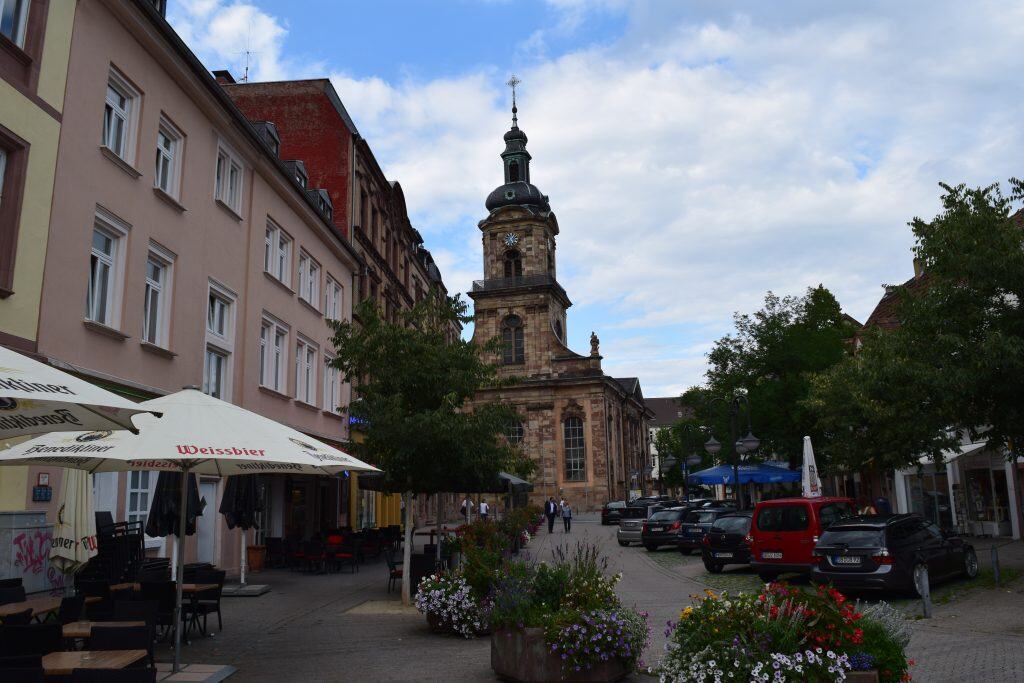
Things to Do and See
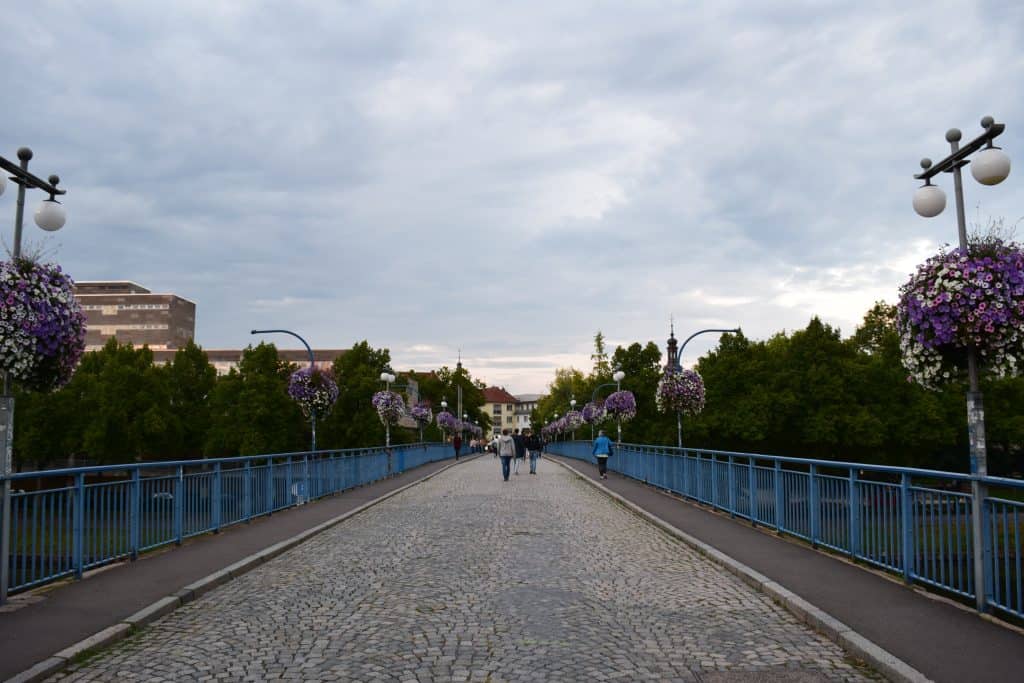
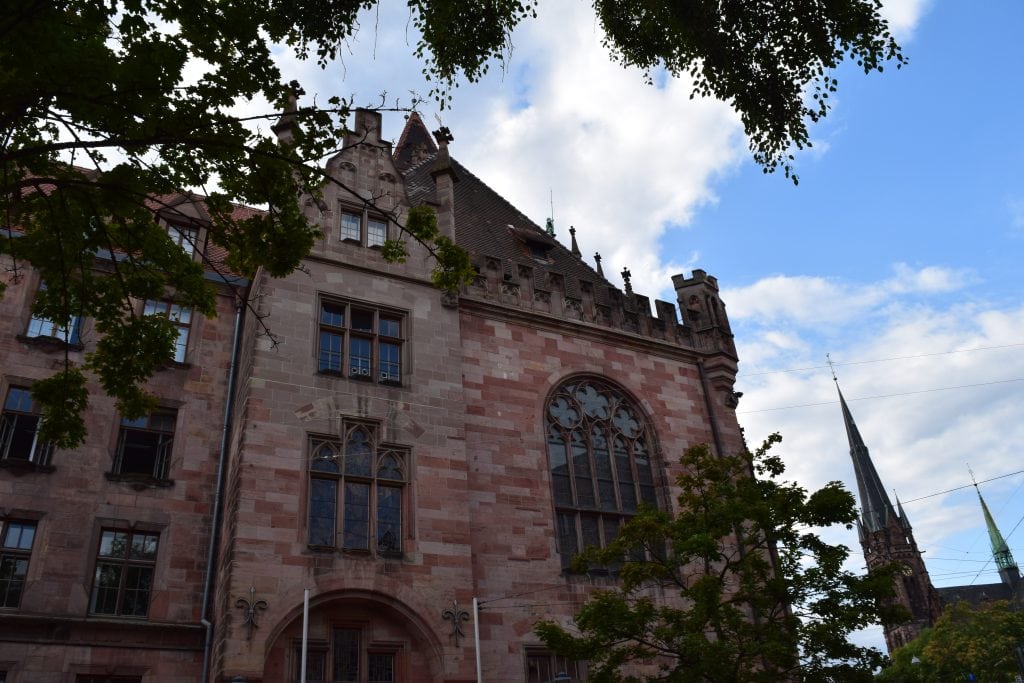
Saarbrücken offers a range of attractions that showcase its layered history, Baroque architecture, and industrial heritage. Visitors can explore the Ludwigskirche, a key example of Baroque church architecture, and the historic Saarbrücken Castle. The Sankt Johanner Markt serves as the city’s social heart. A major UNESCO World Heritage site, the Völklingen Ironworks, is located just outside the city. These sights provide a rich journey through the history of the Saarland region.
Ludwigskirche
The Ludwigskirche is Saarbrücken’s primary landmark and a key example of Protestant Baroque architecture in Germany. It was designed by Friedrich Joachim Stengel and completed in 1775. The church’s design, based on a Greek cross floor plan, creates a harmonious ensemble with the surrounding square, Ludwigsplatz. Its white interior is characteristic of the style. Statues of the four evangelists adorn its balustrades. The church was heavily damaged in World War II and was meticulously reconstructed over several decades.
Saarbrücken Castle
The Saarbrücken Castle (Saarbrücker Schloss) is a Baroque palace located on a cliff overlooking the Saar River. The current structure was built between 1748 and 1757 by Friedrich Joachim Stengel on the site of previous medieval and Renaissance castles. Today, the castle houses the Saar Historical Museum (Historisches Museum Saar). Visitors can explore the preserved Baroque architecture and also discover the underground chambers and tunnels from the earlier castle periods. These hidden passages were excavated in the 1990s and 2000s.
Sankt Johanner Markt
The Sankt Johanner Markt is the social heart of Saarbrücken’s city life. This public square is surrounded by historic buildings, cafes, and restaurants. It is a popular meeting point for locals and visitors. The market features a central fountain designed by Stengel. It is one of the three main squares he designed as part of a “Baroque triangle” in the city. The square hosts regular markets and major city events, including the Christmas market.
Völklingen Ironworks
The Völklingen Ironworks (Völklinger Hütte) is a UNESCO World Heritage Site located about 15 kilometers from Saarbrücken. It is a former industrial complex that was active from 1873 until 1986. It is the only fully preserved ironworks from the golden age of industrialization in the world. Today, it stands as a unique monument to industrial heritage. Visitors can explore the blast furnaces, coke ovens, and vast machinery on a marked circular route. The site also hosts international art exhibitions and cultural events.
Deutsch-Französischer Garten
The Deutsch-Französischer Garten (German-French Garden) is a large park that symbolizes the cross-border friendship between the two nations. It was created in 1960 to host the German-French Garden Exhibition. The park offers diverse landscapes, themed areas, water features, and extensive floral displays. It includes an artificial lake with pedal boats. A cable car once offered panoramic views, though it is not currently operational. The park provides a tranquil green space for leisurely walks.
Saarland Museum
The Saarland Museum (Saarlandmuseum) comprises several distinct collections located in different buildings. The Moderne Galerie (Modern Gallery) is particularly notable. It houses a significant collection of modern and contemporary art. It features works by famous German Impressionists, Expressionists like Franz Marc, and post-war artists. The museum showcases painting, sculpture, and graphic arts from the 19th century to the present. The museum complex also includes the Saar Historical Museum located at the castle.
Sports in Saarbrücken
The sporting life in Saarbrücken is focused on its main professional football club, as well as a highly successful table tennis team. The city provides facilities for a range of sports at the community level. The surrounding forests and the Saar River also offer many opportunities for outdoor recreational activities.
Football
Football holds a significant place in Saarbrücken’s community. The city’s primary football club has a long and varied history and commands a loyal local following. Matches are social events that unite generations of fans. The club’s performance often draws significant local and national attention, particularly during its frequent cup runs.
1. FC Saarbrücken
Founded in 1903, 1. FC Saarbrücken is the city’s most prominent football club. They play their home matches at the Ludwigsparkstadion, which has a capacity of over 16,000 spectators. The club currently competes in the 3. Liga, the third tier of German football. 1. FC Saarbrücken has a rich history, which includes being German Championship runners-up in 1943 and 1952. More recently, they have gained national recognition for reaching the semi-finals of the DFB-Pokal (German Cup) in both the 2019-20 and 2023-24 seasons.
Table Tennis
Table tennis has an exceptionally strong and successful presence in Saarbrücken. The city is home to a top-tier team that is a dominant force in German and European table tennis. This has made Saarbrücken a major hub for the professional sport.
1. FC Saarbrücken TT
The table tennis section of the 1. FC Saarbrücken sports club is 1. FC Saarbrücken TT. The team competes in the Tischtennis-Bundesliga (TTBL), the top professional table tennis league in Germany. They consistently rank among the top teams in Europe. The club has won the German Championship multiple times and has also won the prestigious Champions League, Europe’s premier club competition.
Handball
Handball maintains a presence in Saarbrücken, with local clubs providing opportunities for participation and competition. While not home to a top-tier professional team directly within the city, the sport is active at regional levels, contributing to the grassroots development of the sport.
HSG TVA/ATSV Saarbrücken
The main handball entity in the city is the HSG TVA/ATSV Saarbrücken. In German sports, ‘HSG’ stands for Handballspielgemeinschaft, which translates to a ‘handball playing community’. This signifies that the team is a joint venture, formed by the handball departments of two parent sports clubs: TVA (Turnverein Alt-Saarbrücken) and ATSV (Allgemeiner Turn- und Sportverein Saarbrücken). By combining their resources, the clubs field competitive teams in regional leagues like the Saarlandliga.
Badminton
Saarbrücken is a national stronghold for the sport of badminton. The city is home to one of Germany’s most dominant clubs, which has a long history of winning national titles. The club is based out of the Hermann-Neuberger-Sportschule, a major state training center.
1. BC Bischmisheim
The 1. BC Bischmisheim (1. Badminton Club Saarbrücken-Bischmisheim) is one of the most successful badminton clubs in Germany. The team competes in the 1. Badminton-Bundesliga, the top professional league. They have won the German Team Championship more than 10 times. The club also won the Europe Cup in 2010. Many of its players have represented Germany at the Olympic Games.
American Football
American football has a growing presence in Germany, and Saarbrücken is home to the region’s main team. The club has a history of competing in the top national league and serves as the primary hub for the sport in the Saarland region.
Saarland Hurricanes
The Saarland Hurricanes are the main American football club based in Saarbrücken. Founded in 1982, the team has a long history. They compete in the German Football League (GFL) system. They have had several seasons in the top tier, GFL 1. The club has a strong youth program and plays its home games at local stadiums in the area.


Getting Around in Saarbrücken
Navigating Saarbrücken is efficient due to its integrated public transport system, which includes buses and a unique tram-train line. The city center is compact and very walkable, making it easy for visitors to explore the main sights.
On Foot: The City Center
Walking is the best way to explore the central part of Saarbrücken. The area around the Sankt Johanner Markt, the main shopping streets, and the riverbank are all part of a large pedestrian-friendly zone. Key sights like the Saarbrücken Castle and the Ludwigskirche are also within a reasonable walking distance of each other. Comfortable shoes are recommended for exploring the historic streets.
Riding the Saarbahn
Saarbrücken’s public transport is primarily operated by Saarbahn GmbH. The backbone of the system is the Saarbahn, a tram-train line. This line functions as a tram within the city center and as a regional train in the surrounding areas. It provides a direct connection from the city center to locations across the border in France. The bus network complements the Saarbahn, covering all other parts of the city.
How to Get to Saarbrücken
Reaching Saarbrücken is convenient by road, rail, and air. The city’s location on the border with France and near Luxembourg makes it a key transport hub in the SaarLorLux region. It is well-connected to the German and French transport networks.
Arriving by Air: Nearby Gateways
Saarbrücken has its own international airport, Saarbrücken Airport (SCN). It is located about 15 kilometers east of the city center. SCN offers flights to major German cities like Berlin and Hamburg, as well as to some leisure destinations in Europe. For wider international connections, Luxembourg Airport (LUX) and Frankfurt Airport (FRA) are major international hubs. Both offer extensive onward train or bus services to Saarbrücken.
The Open Road: Driving the Motorways
Driving to Saarbrücken offers flexibility for exploring the region. The city is located at a key junction of the German motorway network (Autobahn). The A6 motorway connects it directly with Mannheim to the east and with France to the west. The A1 motorway provides a link to Trier and Cologne in the north. The A620 runs directly through the city.
Connecting by Coach
Long-distance bus services provide an economical way to reach Saarbrücken. The main bus station is located near the central train station. Companies like FlixBus and BlaBlaCar Bus operate frequent routes. These connect Saarbrücken with major cities across Germany and Europe. Direct connections are available from Paris, Luxembourg, Frankfurt, and many other cities.
On Track: A Key Railway Hub
Traveling to Saarbrücken by train is highly efficient. The Saarbrücken Hauptbahnhof is the city’s main railway station and a major regional hub. High-speed ICE (Intercity-Express) and TGV trains connect Saarbrücken directly to Paris Est station in approximately 1 hour and 50 minutes. Direct ICE trains also run to Frankfurt and Stuttgart. Regional trains provide frequent connections to nearby cities like Trier, Koblenz, and Mannheim.
Driving Distances
The driving distance from 6 major German cities, according to Google Maps:
- Luxembourg City, Luxembourg – 98 kilometers (1 h 20 min)
- Strasbourg, France – 120 kilometers (1 h 30 min)
- Frankfurt, Germany – 180 kilometers (2 h 10 min)
- Stuttgart, Germany – 214 kilometers (2 h 40 min)
- Cologne, Germany – 259 kilometers (3 h 00 min)
- Brussels, Belgium – 299 kilometers (3 h 20 min)
- Paris, France – 422 kilometers (4 h 20 min)
- Munich, Germany – 436 kilometers (5 h 00 min)
- Hamburg, Germany – 653 kilometers (7 h 00 min)
- Berlin, Germany – 718 kilometers (7 h 20 min)
Looking to Explore more of Germany and Europe?