Åbro, Södermanland | Exploring Sweden
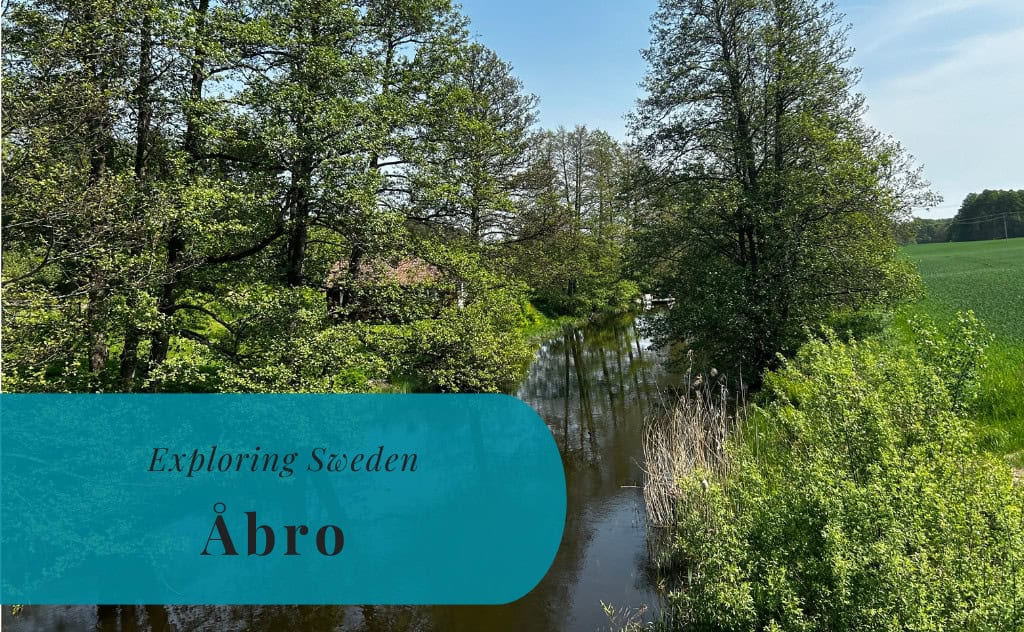
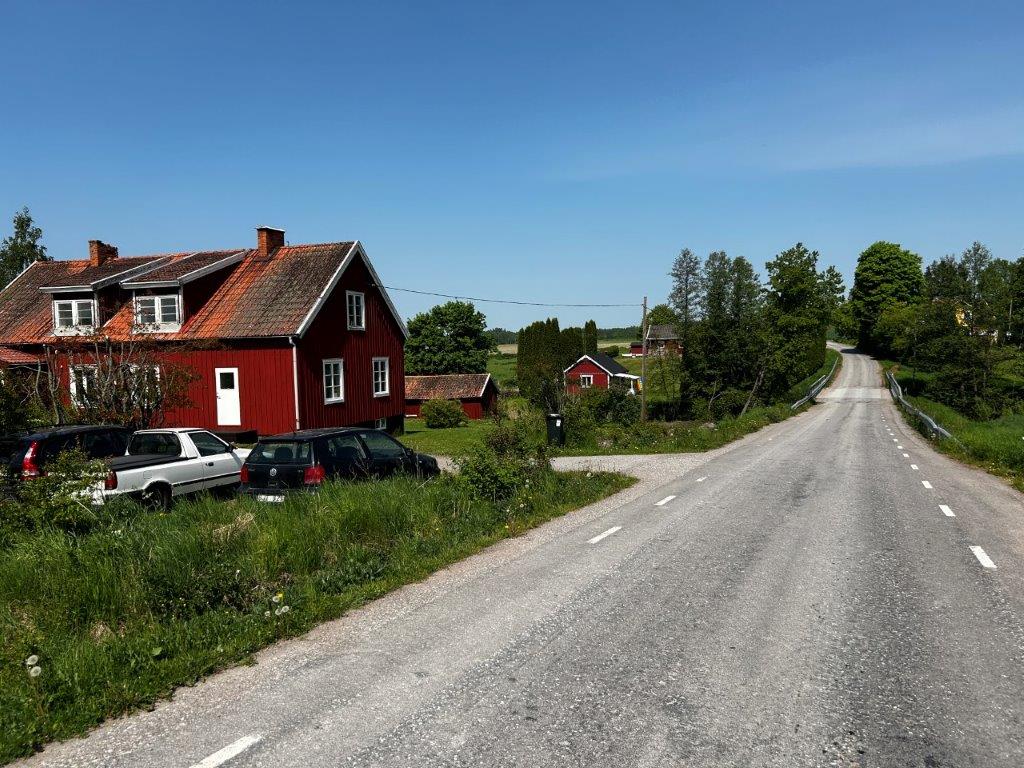
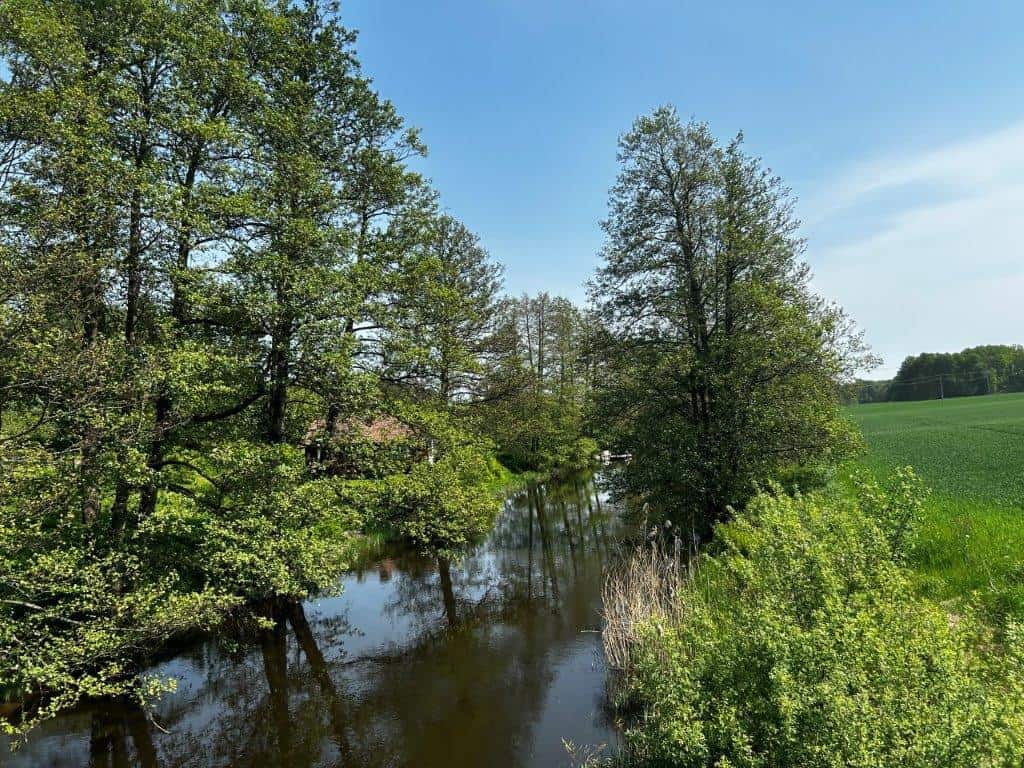
Åbro is a historic farmstead and area located just south of the town of Vagnhärad, within the municipality of Trosa, Sweden. The site is situated in the scenic province of Södermanland, a region that is exceptionally rich in ancient remains and cultural history. The name Åbro, which combines the Swedish words for river (å) and bridge (bro), reflects its historic location at a crossing point on the Trosaån river. The area is known for the historic Åbro Gård (Åby Farm), which has been a central feature of the landscape for centuries.
The identity of Åbro is defined by its deep historical roots and its role as a tranquil, rural hub through the ages. For centuries, the farm was an important agricultural property and a key crossing point on the river. Its most significant tangible legacy today is the Åbrostugan, the farm’s original 18th-century cottage, which was preserved and moved to the local heritage museum. Today, the area of Åbro offers visitors a direct connection to the long and varied history of the Sörmland region through its preserved landscape and architecture.
History of Åbro
The history of Åbro is a story that stretches back centuries, from a simple farmstead and river crossing to a site whose heritage is now preserved for the future. The farm is first mentioned in historical records in the 18th century, but the area was part of a significant route long before that. The history of the farm is one of continuous agriculture, changing ownership, and architectural evolution. In the 20th century, its most historic building was saved from demolition and given a new home, ensuring its story would not be forgotten.
A Sörmland Farmstead
The farmstead of Åbro is mentioned in church examination records dating back to 1775. Throughout the 19th century, the farm had several different owners, including local dignitaries and farmers who worked the land. The property records show it was owned by V.J. Hjorth of the nearby Lundby estate in 1851, and later by a local official named Johan August Andersson in 1861. This demonstrates its role as a typical Sörmland farmstead, or “gård,” that was central to the local agricultural economy of the time.
Architectural Changes
The physical appearance of Åbro Gård has changed over the centuries, reflecting the times. The original main cottage, known as the Åbrostugan, was a traditional “parstuga,” or twin cottage, built in 1758. This historic building served as the main dwelling on the farm for nearly two centuries. In 1909, a new and more modern main building was constructed on the farm. This new house was itself rebuilt and modernized in 1929, showing the continued development of the farmstead into the 20th century.
Preservation of Heritage
The most significant event in the modern history of Åbro Gård was the preservation of its oldest building. In the mid-1940s, the historic Åbrostugan from 1758 was carefully dismantled and moved from its original location at Åbro. It was transported a few kilometers north and reassembled at the Trostorp hembygdsgård, the local heritage and open-air museum for the Trosa-Vagnhärad region. This act of preservation ensured that this important example of 18th-century rural architecture would be saved for future generations to appreciate.

Sights at Åbro
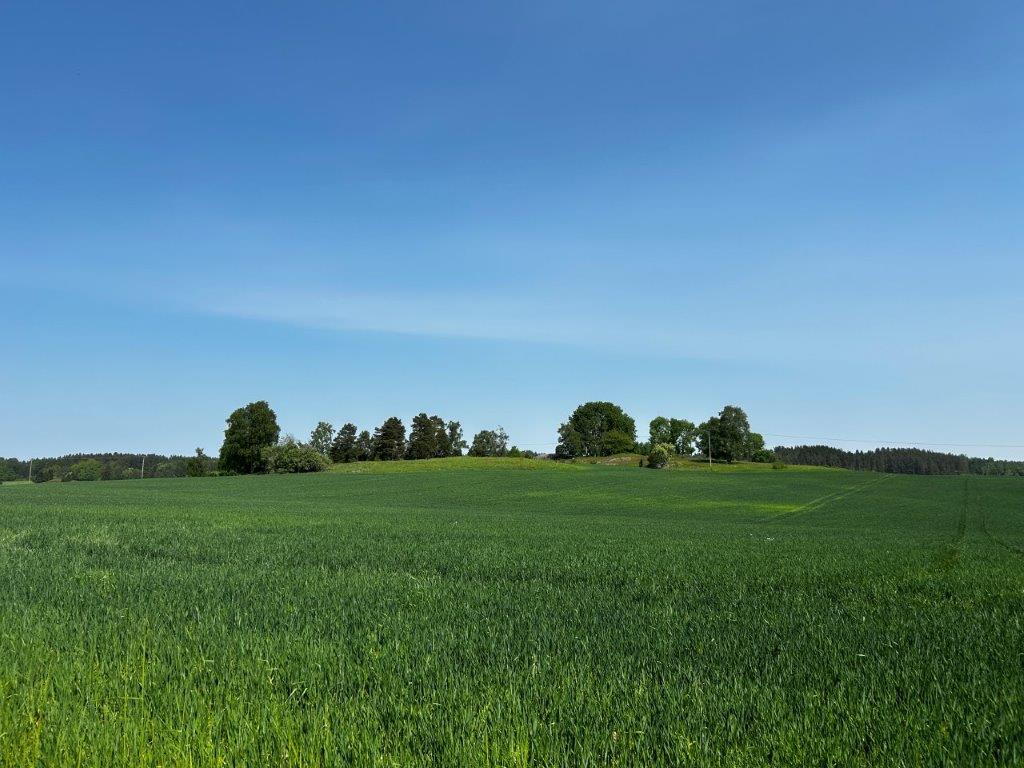
The sights in the Åbro area are centered around its preserved history and its beautiful rural landscape. While the original farmstead is a private property, its most important historic building, the Åbrostugan, can be visited at the local heritage museum. The area’s history as a river crossing is another key point of interest. The surrounding Sörmland countryside, with its open fields and historic sites, is a sight in itself, offering a peaceful and scenic experience.
Åbrostugan at Trostorp Heritage Museum
The main sight connected to the history of the farm is the Åbrostugan (the Åbro Cottage). This historic building is now one of the main attractions at the Trostorp hembygdsgård, the local open-air museum located just north of Vagnhärad. The cottage, which was originally built at Åbro in 1758, is a classic example of a “parstuga,” a traditional Swedish house with two main rooms and a central entrance hall. A visit to the museum allows you to see this beautifully preserved 18th-century building and to imagine what life was like at Åbro Gård in the past.
Read more here: Trostorp, Södermanland – Exploring Sweden
The Historic Bridge Site
The name Åbro means “river bridge,” and the location has been an important crossing point on the Trosaån river for centuries. Historical maps from as early as 1691 show a bridge at this location. While the modern bridge is a simple country road crossing, standing here allows you to connect with a long history of travel and communication in the region. Archaeological studies of the riverbed have found remains of earlier bridges from the 19th century, confirming the site’s long-standing importance as a key passage over the river.

How to Get to Åbro
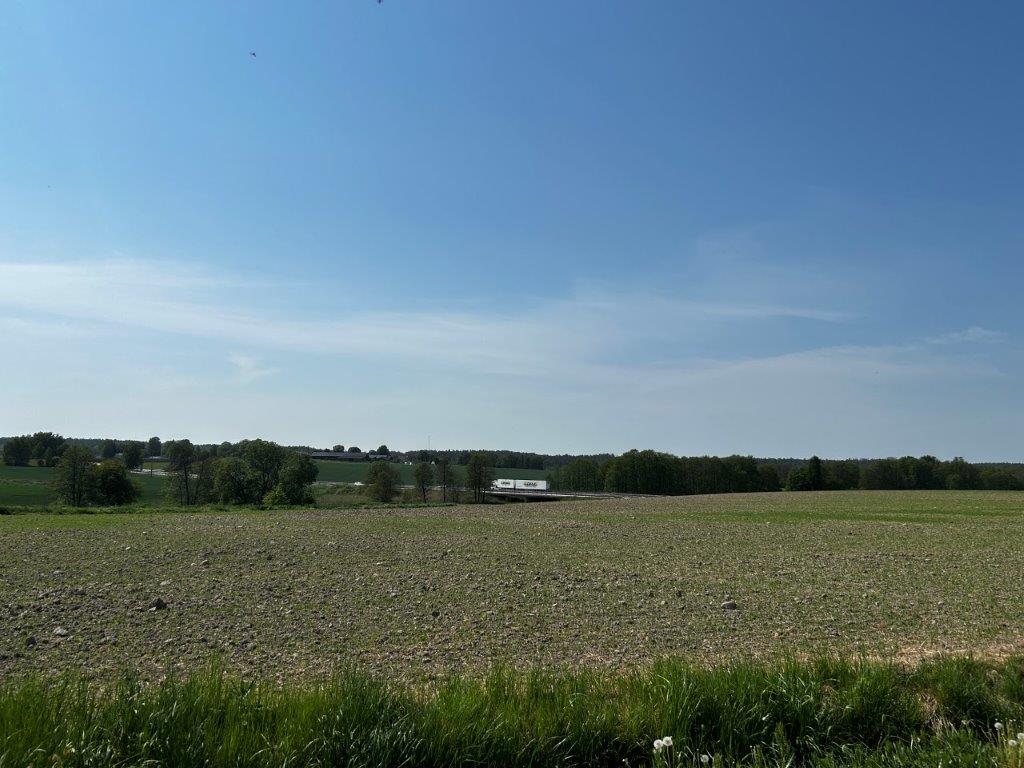
The historic area of Åbro is located just south of the town of Vagnhärad, in the Trosa municipality of Sweden. The main gateway for international visitors is Stockholm Arlanda Airport (ARN). From the capital city of Stockholm, the journey to Vagnhärad is a short and easy one. The town is very well-connected by both the main E4 motorway and by frequent train and bus services, making it an accessible destination for a day trip or a longer stay in the Sörmland countryside.
Driving into the Town
Driving to Vagnhärad is very straightforward, for the town is located directly on the main E4 motorway. This is the primary highway that runs south from Stockholm towards Helsingborg. The drive from Stockholm takes approximately 45-60 minutes, and the Åbro area is located a short drive from the main motorway exit. The roads in the region are well-maintained and clearly signposted, which makes for a pleasant journey through the scenic landscape.
Connecting by Train
The train is a very convenient and fast way to get to Vagnhärad, especially from the capital. The regional train service, Mälartåg, operates a frequent service from Stockholm Central Station. The journey to Vagnhärad station is comfortable and typically takes approximately 40 minutes, making it a popular choice for commuters and visitors alike. From the train station in Vagnhärad, it is a short taxi ride or a longer walk of a few kilometers to the Åbro area.
Using the Regional Buses
The regional public transport authority, Sörmlandstrafiken, operates the bus services that connect Vagnhärad with other towns and villages in the region. These buses provide an affordable and reliable way to travel to nearby destinations such as Trosa, Nyköping, and Södertälje. This network is essential for exploring the wider Sörmland area without a private car, and it offers a scenic way to see the countryside. Tickets for these services can be conveniently purchased through the Sörmlandstrafiken app, on their website, or directly on the bus using a credit card, as the buses are cash-free.
Taking the Direct Bus from Stockholm
For a direct connection from the capital, there is also a commercial coach service called the Trosabussen. This bus runs from the Liljeholmen bus terminal in southern Stockholm directly to Vagnhärad and then continues on to the coastal town of Trosa. This service is a popular and comfortable option for both commuters and tourists. The journey by bus from Stockholm to Vagnhärad takes approximately one hour, providing another reliable link to the capital.
Driving Distances
The driving distance from 20 regional cities, according to Google Maps:
- Vagnhärad, Sweden – 2 kilometers (0 h 05 min)
- Trosa, Sweden – 8 kilometers (0 h 10 min)
- Gnesta, Sweden – 20 kilometers (0 h 20 min)
- Södertälje, Sweden – 30 kilometers (0 h 25 min)
- Nyköping, Sweden – 40 kilometers (0 h 30 min)
- Stockholm, Sweden – 65 kilometers (0 h 50 min)
- Eskilstuna, Sweden – 90 kilometers (1 h 15 min)
- Norrköping, Sweden – 100 kilometers (1 h 10 min)
- Uppsala, Sweden – 135 kilometers (1 h 30 min)
- Linköping, Sweden – 140 kilometers (1 h 30 min)
- Västerås, Sweden – 145 kilometers (1 h 40 min)
- Örebro, Sweden – 165 kilometers (1 h 50 min)
- Gävle, Sweden – 235 kilometers (2 h 20 min)
- Jönköping, Sweden – 270 kilometers (2 h 45 min)
- Karlstad, Sweden – 270 kilometers (3 h 00 min)
- Kalmar, Sweden – 340 kilometers (3 h 40 min)
- Gothenburg, Sweden – 400 kilometers (4 h 00 min)
- Sundsvall, Sweden – 450 kilometers (4 h 20 min)
- Helsingborg, Sweden – 500 kilometers (4 h 50 min)
- Malmö, Sweden – 560 kilometers (5 h 20 min)
Explore More of Södermanland and Sweden