Playa de Sotavento de Jandía, Fuerteventura | Exploring Spain
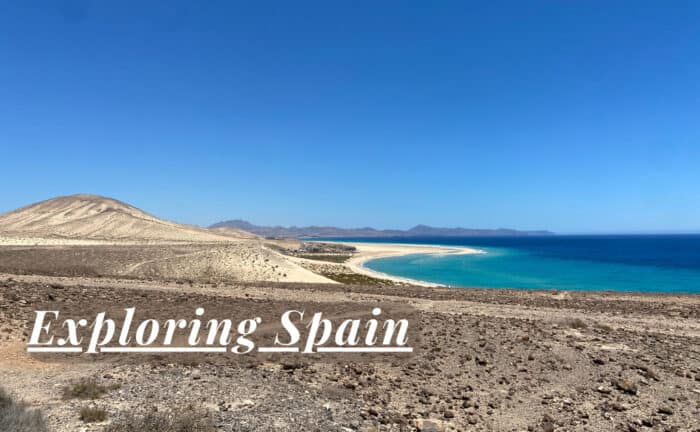
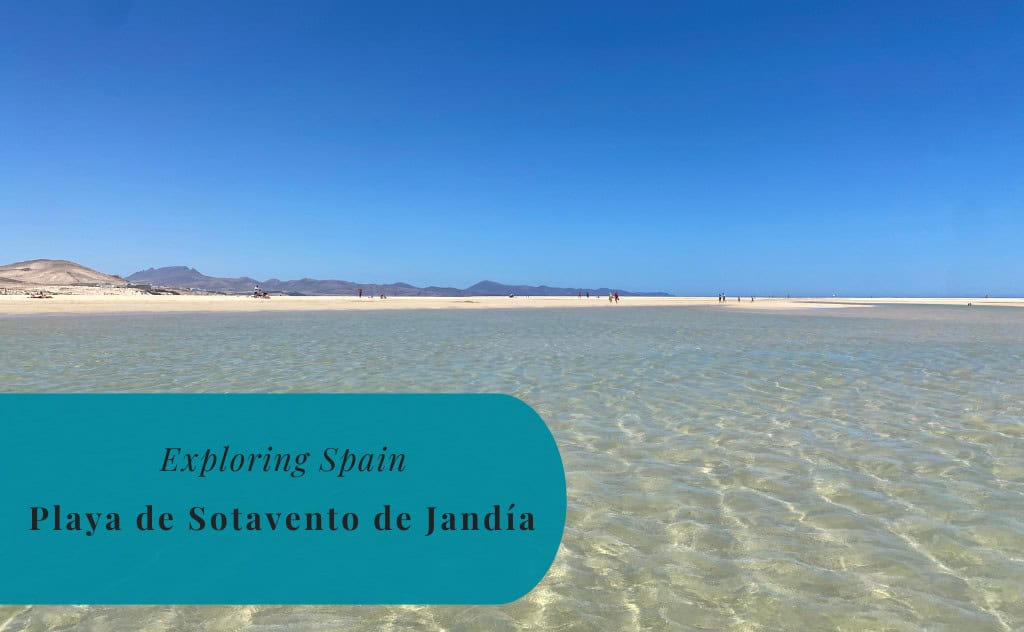
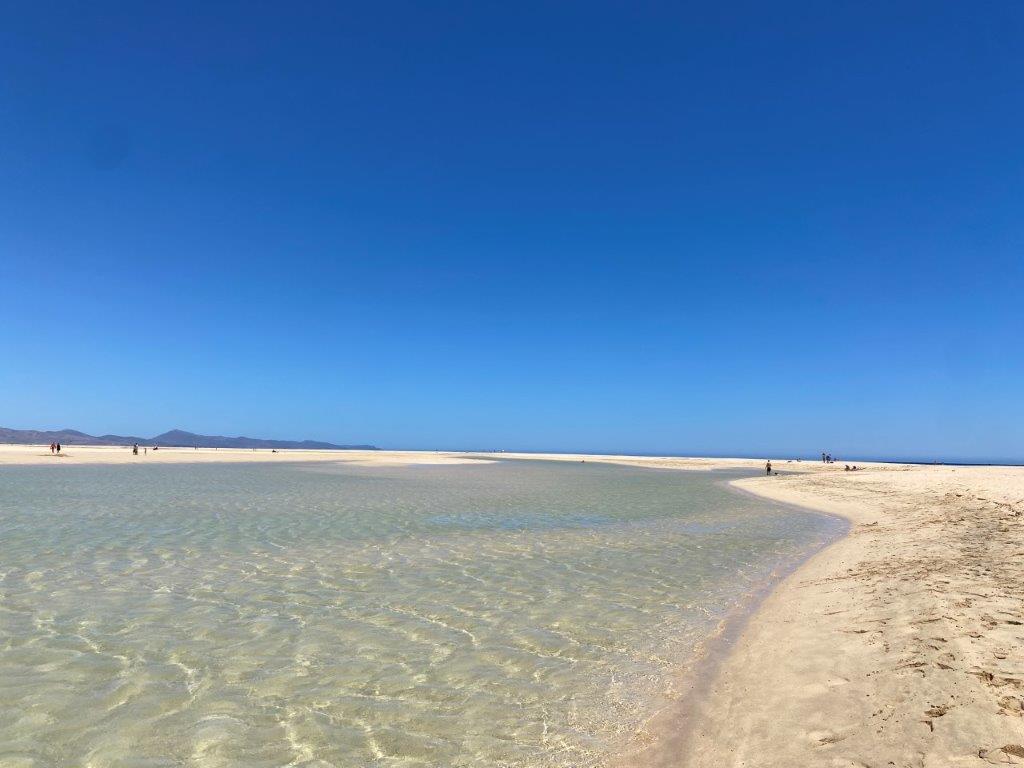
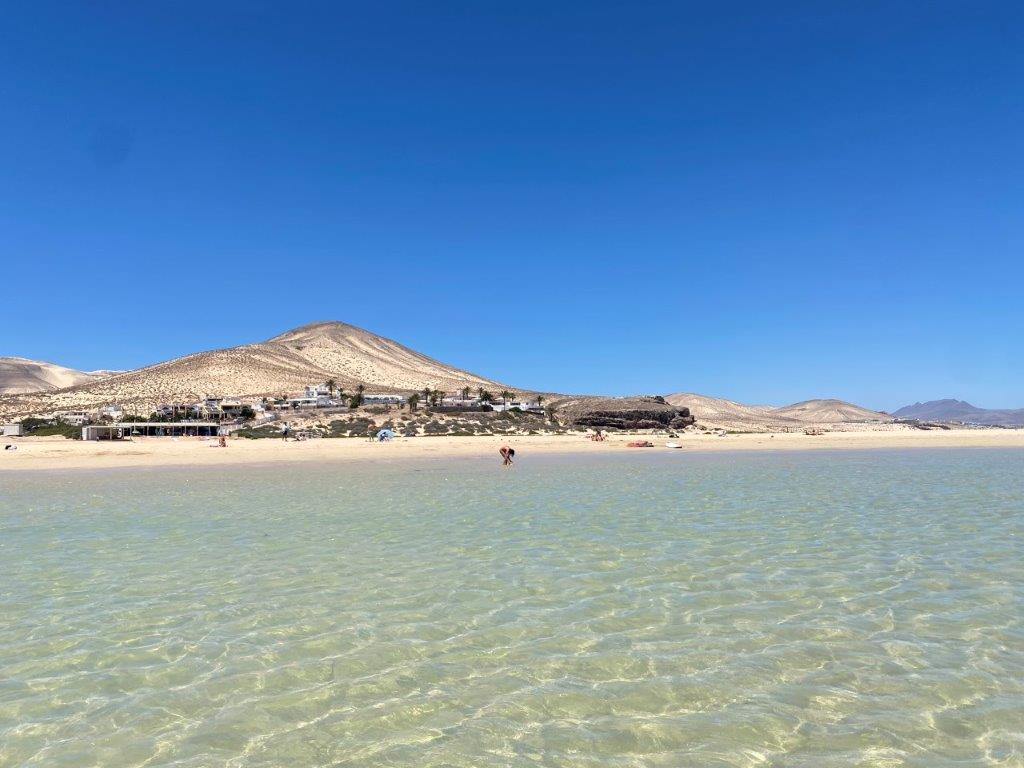
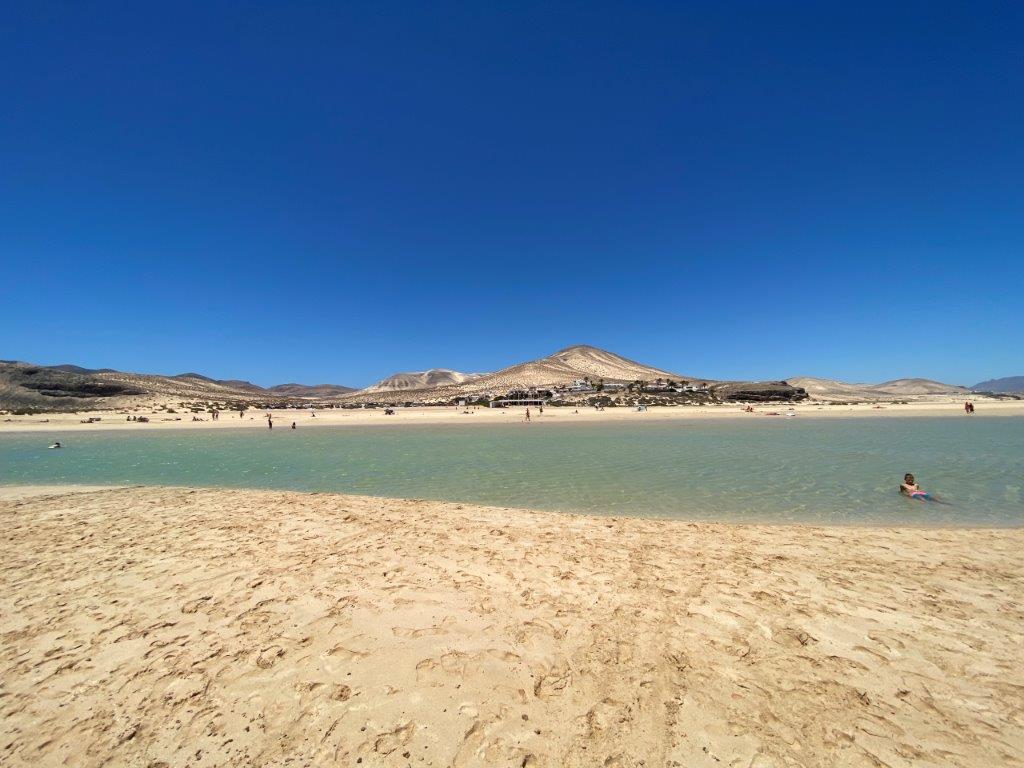
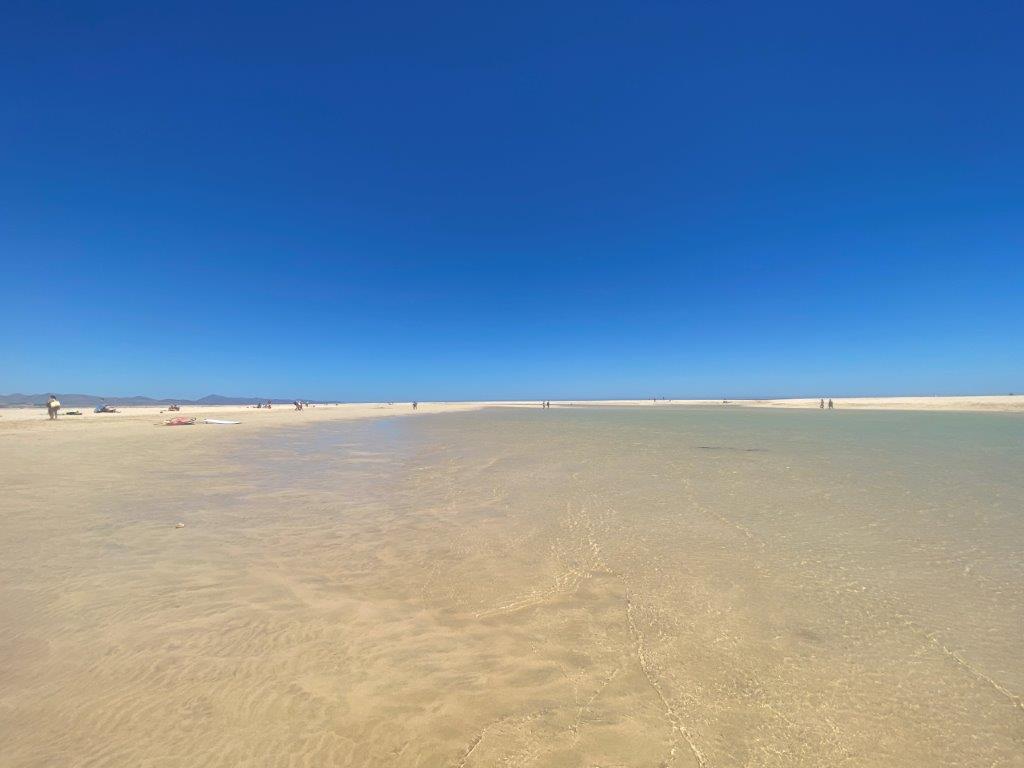
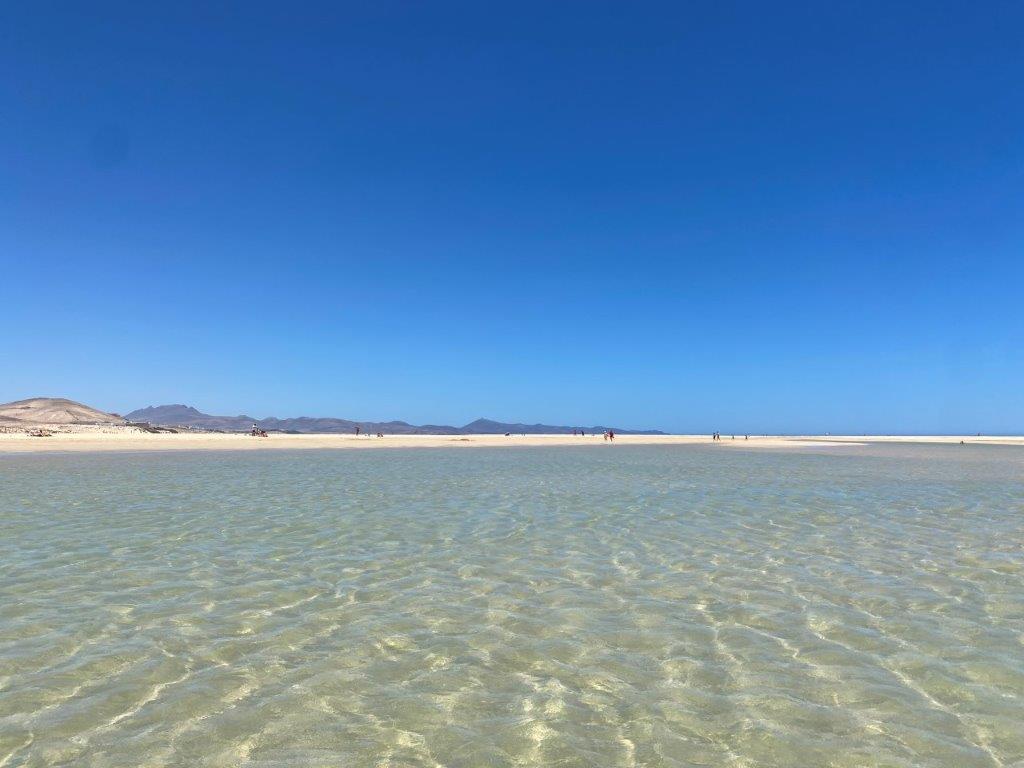
Playa de Sotavento de Jandía is a world-famous beach located on the southeastern coast of the Jandía Peninsula, in the southern part of the island of Fuerteventura. It is a part of the municipality of Pájara. Sotavento is not a town but rather a spectacular, nine-kilometer-long stretch of golden sandy beaches. It is most famous for the unique tidal lagoon that forms between the beach and a long sandbar, creating a vast, shallow area of flat water.
The identity of Sotavento is defined by its role as one of the world’s premier destinations for windsurfing and kitesurfing. The strong and consistent offshore winds, combined with the safe, shallow waters of the lagoon, create the perfect conditions for these sports. The beach is the annual host of a major stage of the Windsurfing and Kitesurfing World Championships. Today, Sotavento is a major international tourist attraction, and it offers a unique combination of stunning natural beauty and world-class conditions for wind and water sports.
History of Playa de Sotavento de Jandía
The history of Playa de Sotavento is a modern story of how a remote and windswept stretch of coastline was transformed into a global mecca for windsurfers and kitesurfers. For centuries, the Jandía Peninsula was a wild and sparsely populated area, known only to local goat herders. The development of tourism on Fuerteventura in the late 20th century brought new attention to the incredible natural beauty of its beaches. The unique wind conditions at Sotavento were discovered by pioneering windsurfers, and this set the stage for its future fame.
The Discovery by Windsurfers
In the late 1970s and early 1980s, the sport of windsurfing was growing rapidly in popularity across Europe. A small group of pioneering windsurfers, including the Swiss windsurfer René Egli, discovered the incredible potential of Sotavento. They recognized that the combination of the vast, sandy beach, the strong and reliable trade winds, and the unique, shallow tidal lagoon created one of the best and safest places in the world to practice and to learn the sport. This discovery was the beginning of Sotavento’s transformation.
The First World Cup Event
The international fame of Sotavento was cemented in 1986 when the beach hosted a stage of the Professional Windsurfing Association (PWA) World Cup for the first time. The success of this event brought the world’s best windsurfers and the international media to this previously unknown beach. The stunning images of the world’s top athletes competing in the turquoise water with the golden sand in the background were broadcast around the globe. The event has been held annually ever since and has grown to become one of the most important and prestigious on the world tour.
A Modern Water Sports Hub
In the modern era, Sotavento has solidified its reputation as one of the premier water sports destinations in the world. A large water sports center, operated by René Egli, has been established on the beach, and it is one of the largest in the world. The nearby resort of Costa Calma has grown to provide accommodation and services for the thousands of windsurfers and kitesurfers who visit the area each year. The beach continues to host the annual Fuerteventura Windsurfing & Kitesurfing World Championships, which is a major international sporting event.
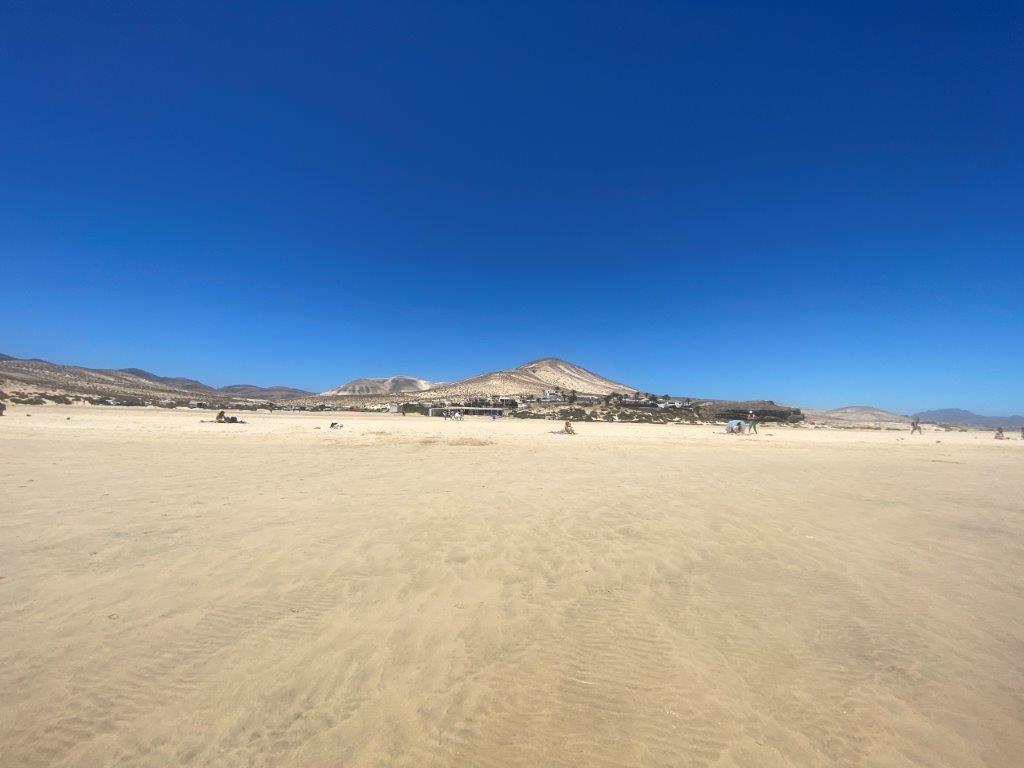
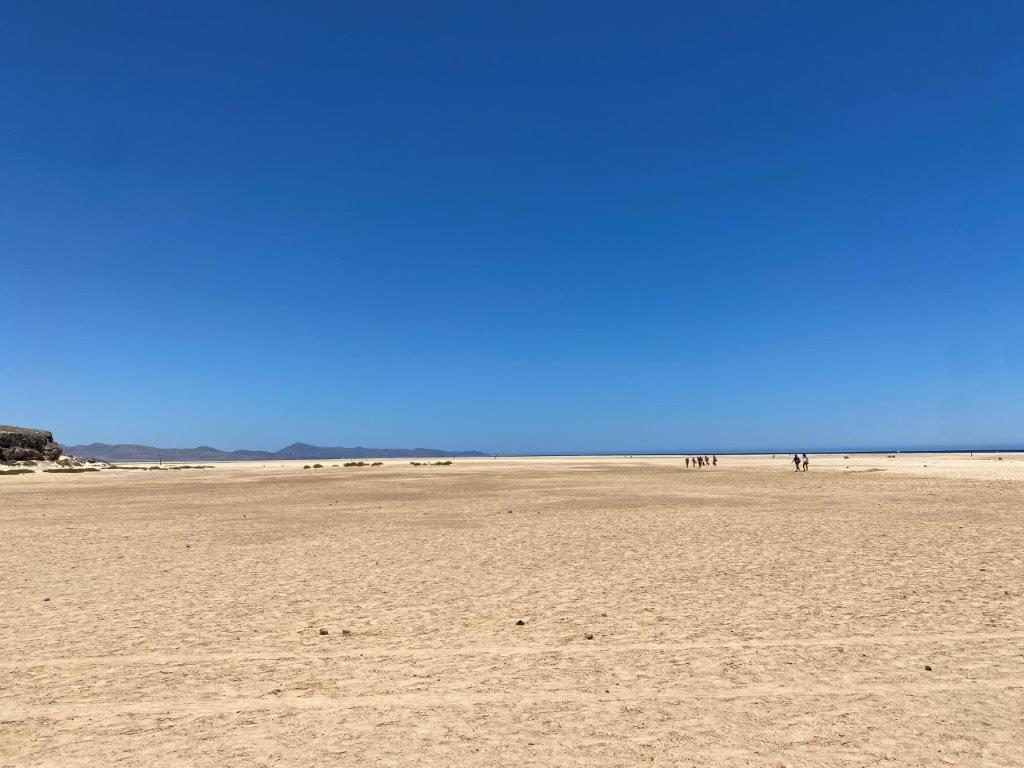
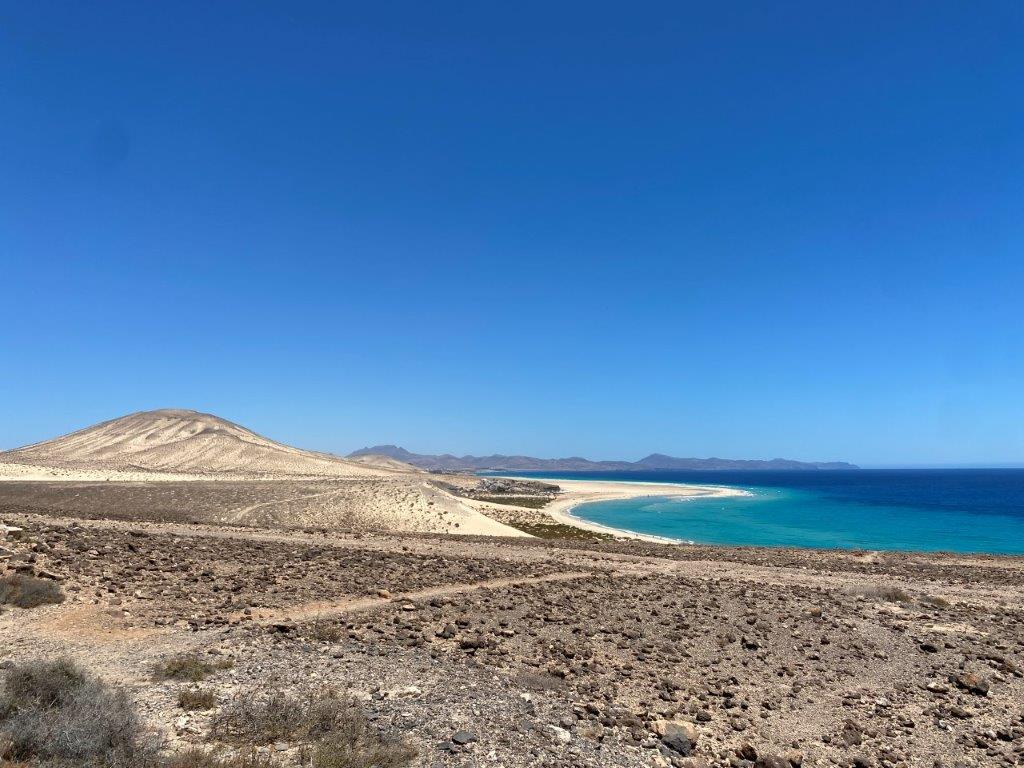
Sights at Playa de Sotavento de Jandía
The sights at Playa de Sotavento are entirely focused on its magnificent and dynamic natural landscape. The main attraction is the vast and beautiful beach itself, which changes dramatically with the tides. The formation of the huge, shallow tidal lagoon is a unique and spectacular sight. The surrounding landscape of sand dunes and the arid hills of the Jandía Peninsula provide a wild and beautiful backdrop. The colorful spectacle of hundreds of windsurfers and kitesurfers on the water is another key visual element of the area.
The Beach and the Tidal Lagoon
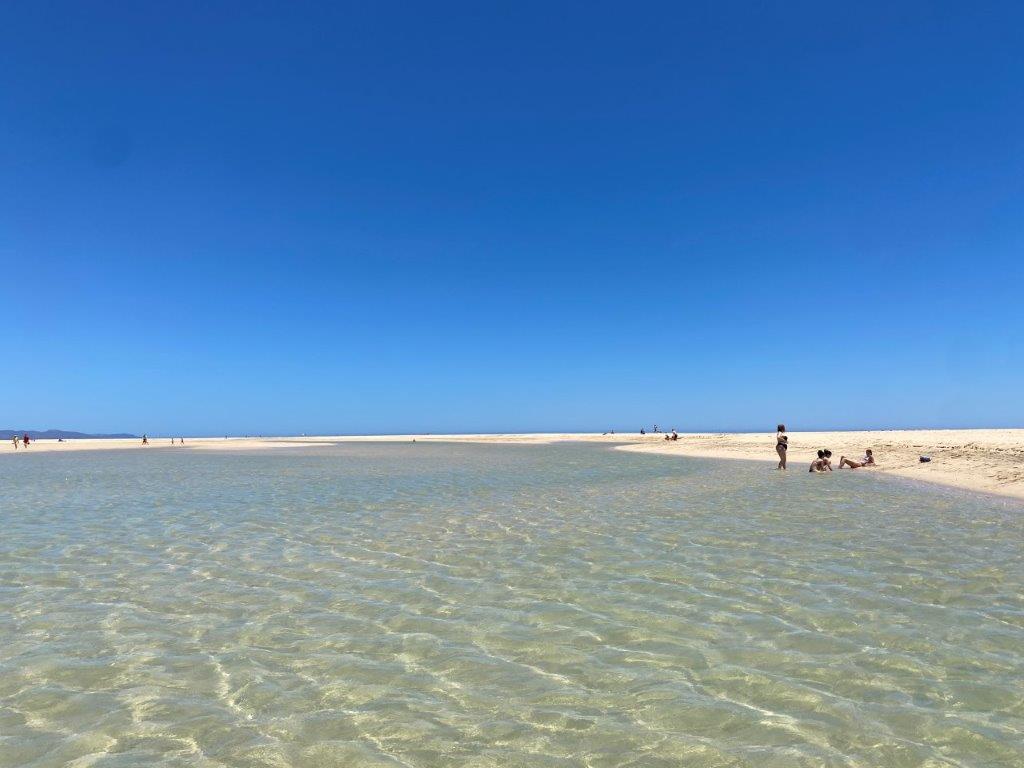
The main sight is, of course, the beach itself. Playa de Sotavento is a vast stretch of fine, golden sand that runs for nine kilometers along the coast. The most unique and famous feature of the beach is the huge tidal lagoon that forms between the main shoreline and a long sandbar that is located about 100 to 300 meters offshore. At high tide, this lagoon fills with crystal-clear, turquoise water, creating a massive, shallow, and perfectly flat-water area that is up to four kilometers long.
The Sand Dunes of Jandía
The beach at Sotavento is backed by a beautiful landscape of rolling sand dunes. This area is a part of the Jandía Natural Park, which protects the unique and fragile ecosystems of the peninsula. A walk through the sand dunes offers a sense of being in a small desert, with the deep blue of the ocean on one side. The dunes are a beautiful and wild natural environment and a key part of the spectacular scenery of the area.
The Windsurfers and Kitesurfers
One of the most spectacular sights at Sotavento is the constant and colorful spectacle of hundreds of windsurfers and kitesurfers gliding across the water at high speed. The lagoon and the open sea are filled with the brightly colored sails and kites of riders from all over the world. Watching these skilled athletes perform high-speed maneuvers and spectacular jumps is a thrilling experience. The beach is a major hub of activity, and the vibrant energy of the water sports scene is a key part of its character.
The Jandía Peninsula
The Jandía Peninsula, where Sotavento is located, is the wildest and most dramatic part of Fuerteventura. The peninsula is a protected natural park, and it is characterized by its arid, volcanic mountains and its vast, deserted beaches. The highest peak on the island, Pico de la Zarza, is located here. A drive or a hike into the interior of the peninsula offers a chance to experience a completely different side of the island, away from the main tourist resorts.
How to Get to Playa de Sotavento de Jandía?
Playa de Sotavento de Jandía is located on the southeastern coast of the island of Fuerteventura in the Canary Islands. The beach is situated between the tourist resorts of Costa Calma and Morro Jable. The main gateway to the island for international visitors is Fuerteventura Airport (FUE). From the airport, Playa de Sotavento is easily accessible by car or by a direct public bus service.
Arriving by Air
The main airport on the island is Fuerteventura Airport (FUE), also known as El Matorral Airport. The airport is located near the capital city, Puerto del Rosario. It is served by numerous airlines, with direct scheduled and charter flights from many cities all over Europe. From the airport, the drive to Playa de Sotavento takes about one hour. Car rental agencies, taxi ranks, and bus stops are all located directly outside the arrivals hall.
Driving to the Beach
Driving to Playa de Sotavento is very straightforward. From the airport, you would take the main FV-2 road south. This is the main highway that runs down the entire length of the eastern coast of the island. You follow this road past the resort of Caleta de Fuste and through the town of Gran Tarajal. The beach is located directly on this main road, just north of the resort of Costa Calma. The road is modern and in excellent condition.
Connecting by Bus
The public bus service is an excellent and very affordable way to reach Playa de Sotavento. The Route 10 bus runs from the capital city of Puerto del Rosario, makes a stop at the airport, and then continues south all the way to Morro Jable. This bus route stops at several points along Playa de Sotavento. The journey from the airport takes about one and a half hours. The buses are comfortable and air-conditioned.
Driving Distances
The driving distance from 20 regional cities, according to Google Maps:
- Costa Calma, Fuerteventura – 5 kilometers (0 h 10 min)
- La Pared, Fuerteventura – 15 kilometers (0 h 20 min)
- Morro Jable, Fuerteventura – 20 kilometers (0 h 25 min)
- Pájara, Fuerteventura – 35 kilometers (0 h 35 min)
- Gran Tarajal, Fuerteventura – 40 kilometers (0 h 40 min)
- Cofete, Fuerteventura – 40 kilometers (1 h 10 min)
- Ajuy, Fuerteventura – 50 kilometers (0 h 55 min)
- Pozo Negro, Fuerteventura – 50 kilometers (0 h 50 min)
- Caleta de Fuste, Fuerteventura – 50 kilometers (0 h 45 min)
- Betancuria, Fuerteventura – 55 kilometers (0 h 55 min)
- Antigua, Fuerteventura – 60 kilometers (0 h 55 min)
- Fuerteventura Airport (FUE) – 65 kilometers (1 h 00 min)
- Puerto del Rosario, Fuerteventura – 70 kilometers (1 h 05 min)
- Tefía, Fuerteventura – 75 kilometers (1 h 10 min)
- La Oliva, Fuerteventura – 80 kilometers (1 h 10 min)
- Tindaya, Fuerteventura – 85 kilometers (1 h 20 min)
- Villaverde, Fuerteventura – 85 kilometers (1 h 15 min)
- Lajares, Fuerteventura – 90 kilometers (1 h 20 min)
- El Cotillo, Fuerteventura – 95 kilometers (1 h 25 min)
- Corralejo, Fuerteventura – 95 kilometers (1 h 20 min)
Looking to Explore more of Spain and Europe?