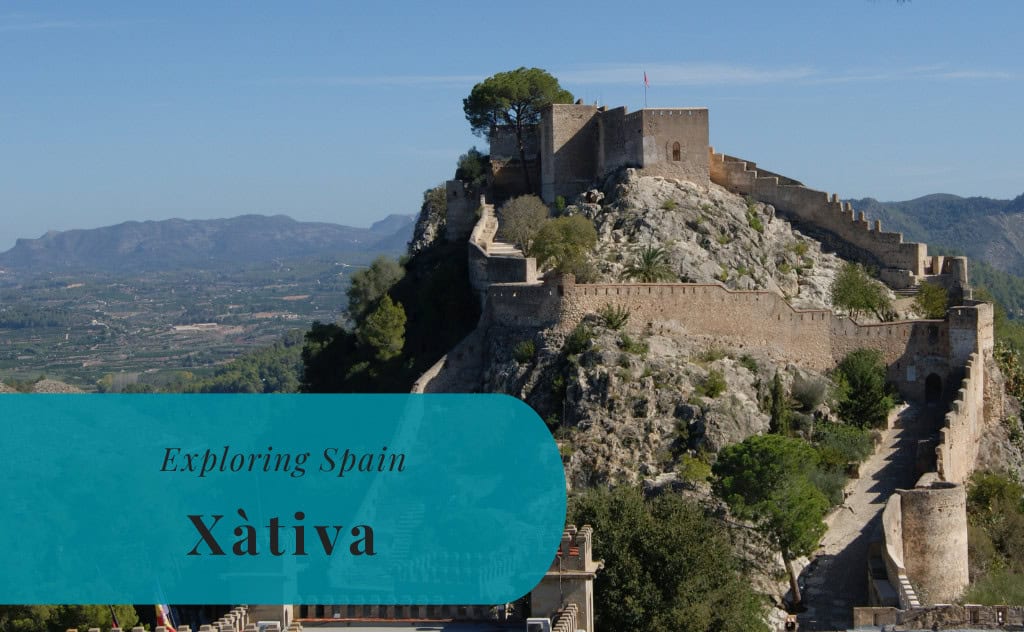
Xàtiva, Valencia | Exploring Spain
Xàtiva, a city steeped in history, lies in the Valencian Community of eastern Spain. It is known for its ancient roots and commanding castle. This captivating destination sits on the fertile plain of the River Albaida, a tributary of the Xúquer. It serves as a vital hub for the La Costera comarca (county). As of recently, Xàtiva boasts a population of approximately 29,000 residents. Its compact size makes it highly walkable. Situated strategically, Xàtiva is conveniently close to the regional capital Valencia (about 60 km) and the coastal city of Gandia (about 35 km). This location makes it an ideal base for exploring the diverse landscapes and rich cultural heritage of the Valencian Community. Historically, Xàtiva was also an early European center for paper manufacture, introduced by the Arabs.


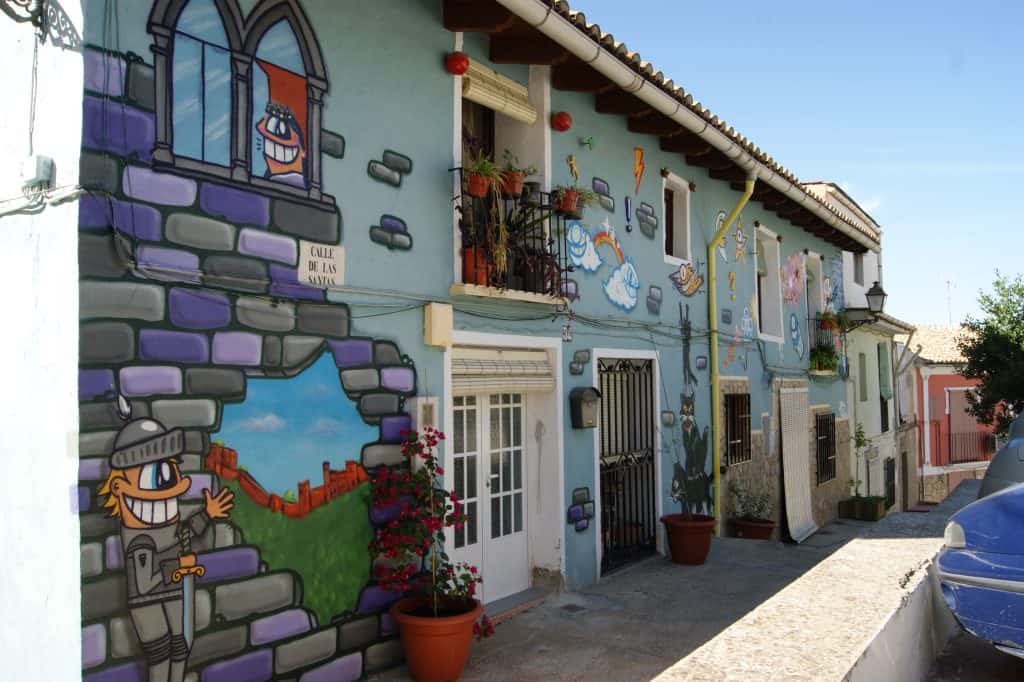
A Short History of Xàtiva
Xàtiva’s history stretches back over two millennia, with archaeological evidence of Iberian and Roman settlements. It thrived as the Roman city of Saetabis in the 1st century BC. Saetabis gained renown in Roman times for its high-quality linen fabrics, even earning mentions by classical poets Ovid and Catullus. The city then flourished under Moorish rule from the 8th century, becoming known as Shâtiba. This Islamic period was pivotal; it saw the introduction of paper manufacturing technology, establishing Xàtiva as one of the very first paper mills in Europe.
In 1244, King Jaume I of Aragon reconquered Xàtiva, bringing it under Christian rule. The city later became the birthplace of the influential Borgia family, producing two popes: Callixtus III (Alfonso de Borgia) and Alexander VI (Rodrigo de Borgia). A dark chapter in its history occurred in 1707 during the War of the Spanish Succession. King Philip V ordered the city burned and renamed “San Felipe” due to its staunch resistance. As a lasting symbol of defiance, a famous portrait of Philip V hangs upside down in the local museum. Despite such trials, Xàtiva continuously rebuilt, preserving its unique and resilient heritage through the centuries.


Things to Do and See
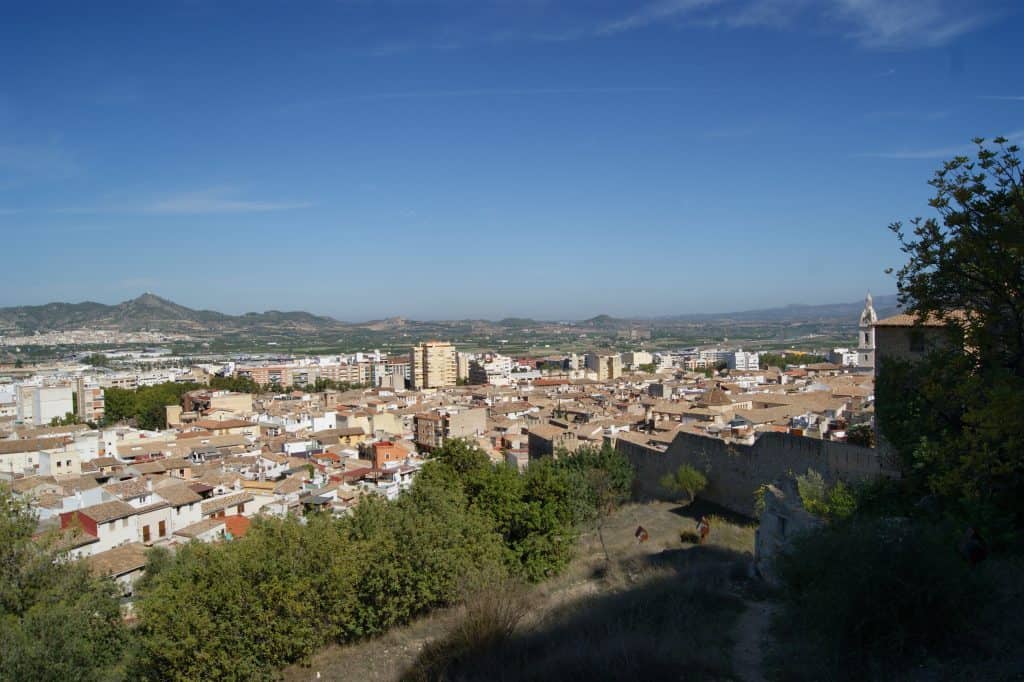
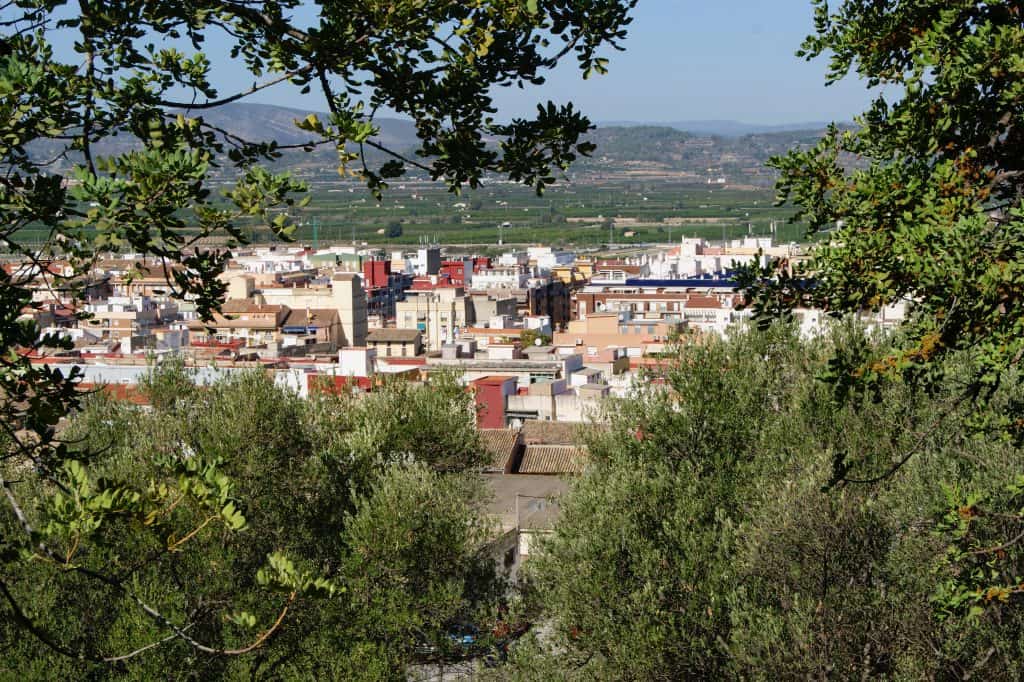
Xàtiva offers a wealth of diverse attractions, inviting visitors to step back in time and explore its unique character. Its rich history is palpable through its iconic castle and ancient fortifications. You can explore grand religious landmarks and a meticulously curated archaeological museum. Historical hospitals and charming hermitages also await discovery, providing a rich tapestry of experiences.
Xàtiva Castle (Castell de Xàtiva)
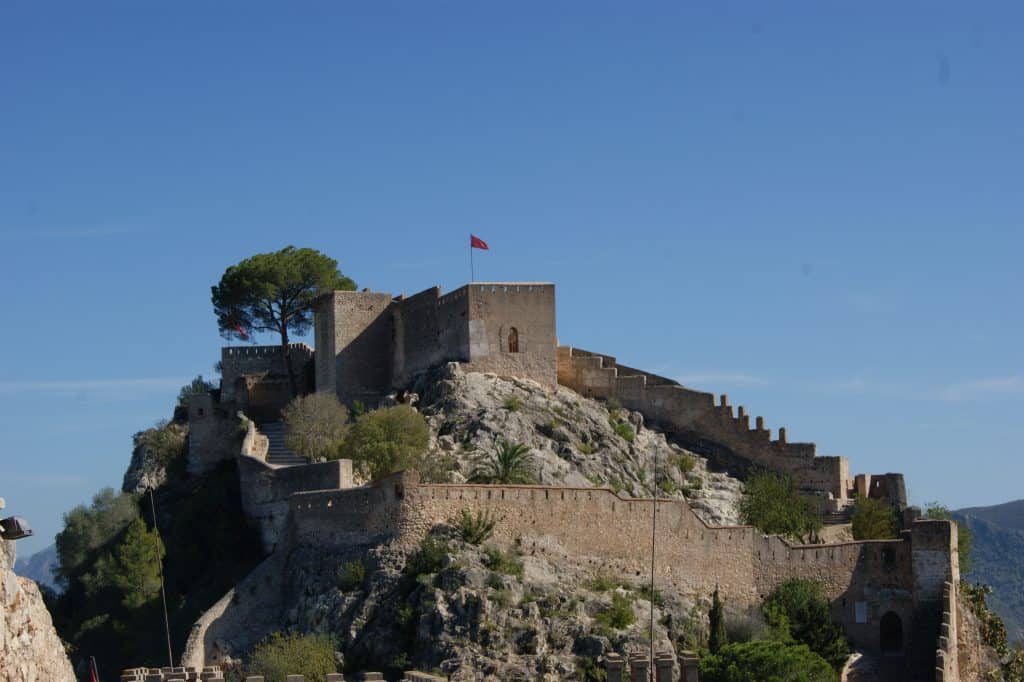
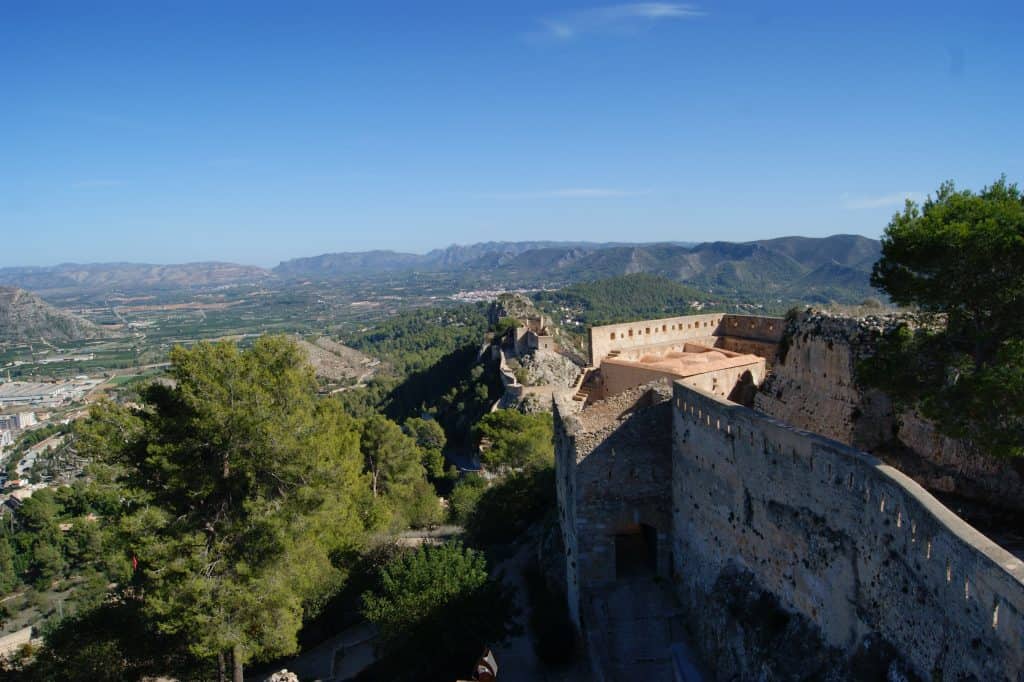
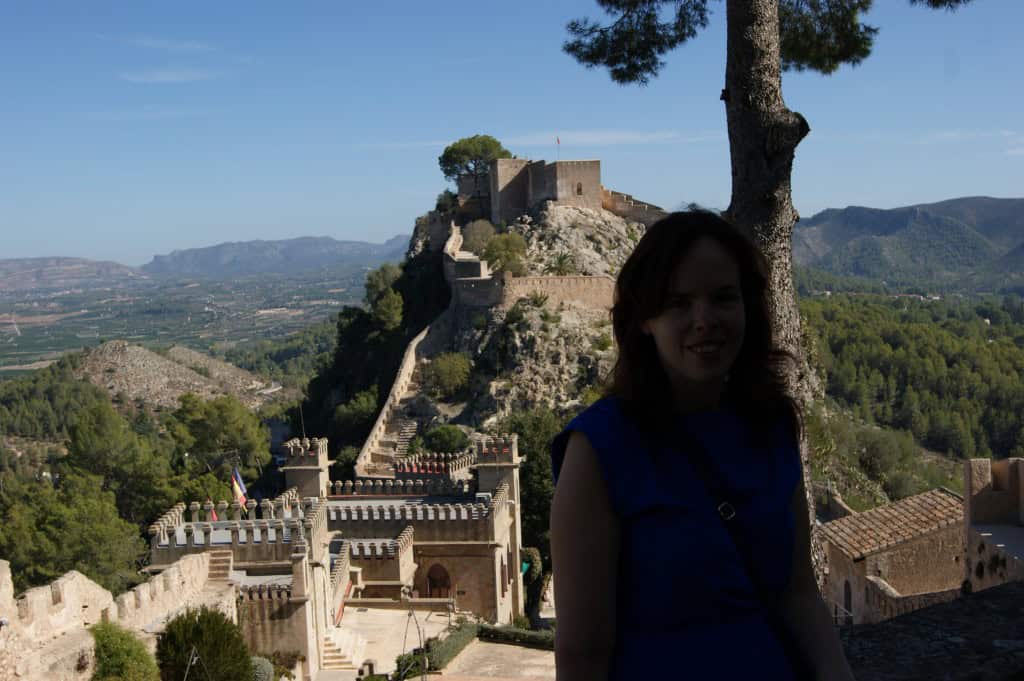
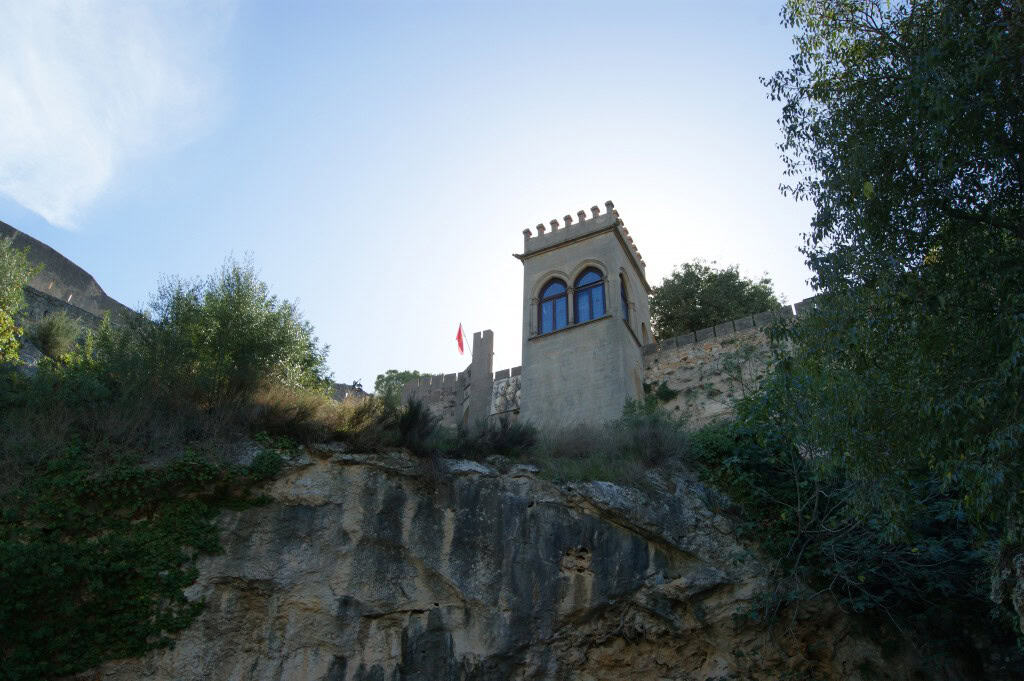
The Xàtiva Castle is arguably the city’s most prominent landmark. This impressive fortified complex perches majestically atop Monte Vernissa, offering breathtaking panoramic views of the city and the vast surrounding landscape. It is actually comprised of two distinct castles: the Castell Menor (Minor Castle), built on ancient Iberian and Roman remains, and the Castell Major (Major Castle), predominantly Islamic and Gothic in origin. The castle played a critical strategic role from Hannibal’s campaigns in ancient times to the War of the Spanish Succession in the 18th century. Visitors can explore its extensive ancient walls, numerous towers (including a Roman-based square tower), and preserved cisterns, imagining centuries of history unfolding within its ramparts. It is part of the UNESCO World Heritage Site “Rock Art of the Mediterranean Basin on the Iberian Peninsula” for its historical context.
Collegiate Basilica of Santa María (La Seu)
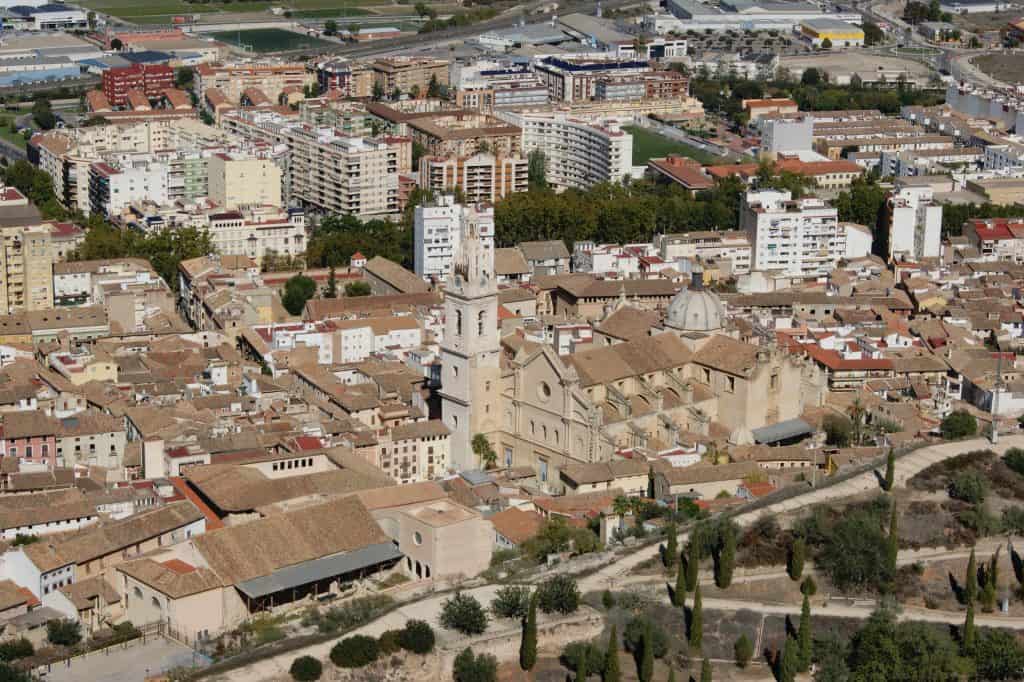
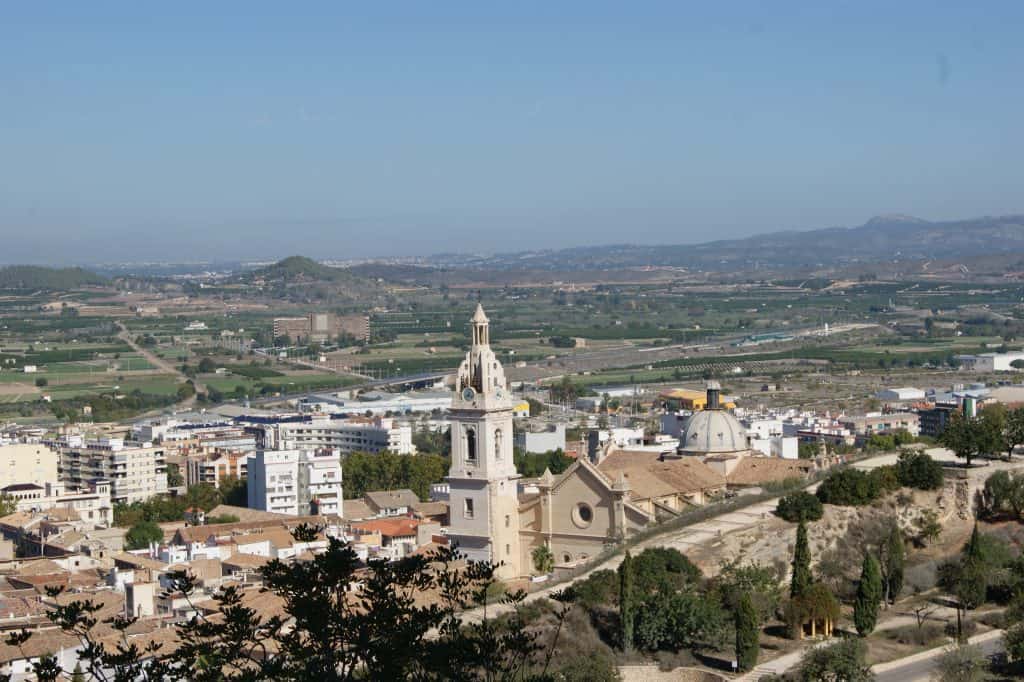
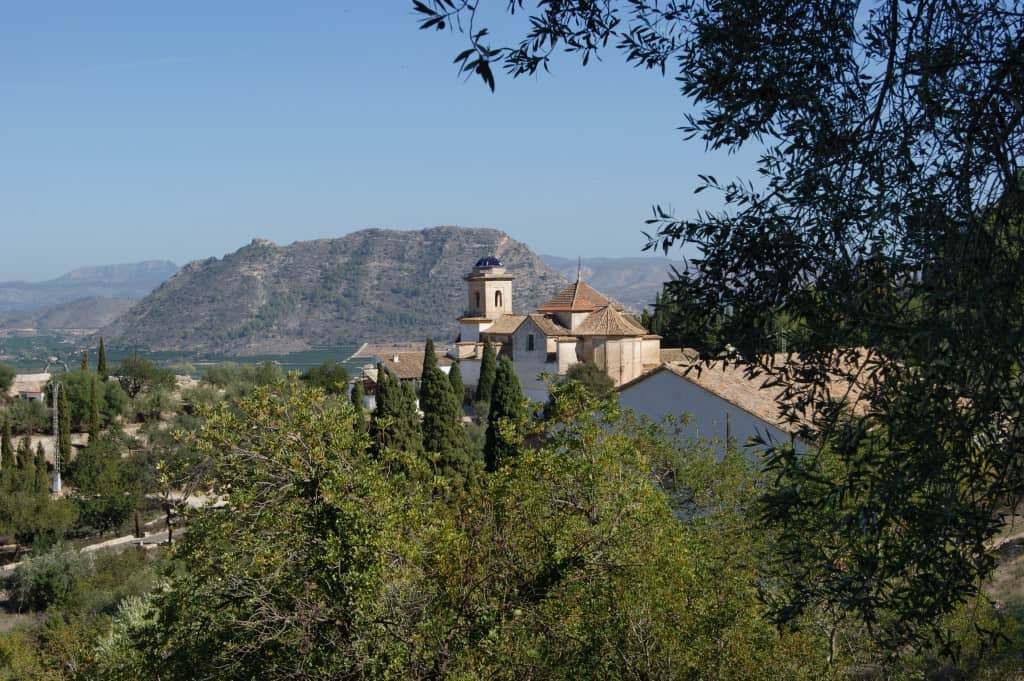
The majestic Collegiate Basilica of Santa María, popularly known as La Seu, dominates Xàtiva’s skyline. Construction began in the late 16th century on the site of a former mosque and famously continued for over four centuries, remarkably remaining unfinished today. Its design is of a Latin cross with a Herrerian influence, reflecting both austerity and grandeur. The basilica’s most notable feature is its imposing 60-meter high bell tower, dating from the 19th century, which offers panoramic city views to those who climb its 180 steps. Inside, the Museo Colegial houses valuable religious art, including exquisite Gothic paintings, intricate altarpieces, and significant goldsmithing pieces. Among these is the 15th-century Custodia Mayor, said to be crafted from the first silver arriving from the Americas. Bronze statues of Popes Callixtus III and Alexander VI adorn its main entrance, celebrating the city’s unique papal connection.
Hospital Real de Xàtiva (Royal Hospital)
The Hospital Real de Xàtiva stands as one of the city’s most architecturally striking historical monuments. Founded by King Jaume I in 1244, this building represents a remarkable fusion of late Gothic and early Renaissance architectural styles. Although heavily damaged by the devastating 1707 fire ordered by Philip V, its rebuilt façade from the 18th century still showcases intricate details. These include an ogee arch with flamboyant pinnacles on its Gothic chapel doorway. The central doorway, a grand Renaissance triumphal arch, contrasts beautifully with the Gothic-influenced windows. Throughout its over five centuries of operation, it consistently served the health and well-being of Xàtiva’s residents.
Museum of l’Almodí (Museu de l’Almodí)
The Museum of l’Almodí offers an immersive journey through Xàtiva’s deep and varied past. Housed in a beautifully preserved 16th-century building, which originally served as a vital wheat market, the museum primarily focuses on archaeology. Its comprehensive collection spans from the Paleolithic era, including reproductions from the nearby Cova Negra cave, through Iberian, Roman, Visigothic, and Islamic periods. A particular highlight is an exquisite 11th-century Islamic water trough made of rare pink marble, intricately adorned with detailed reliefs depicting various scenes. The museum also proudly displays numerous Roman inscriptions and diverse pottery from all historical periods. It is famously recognized for uniquely displaying the upside-down portrait of King Philip V, a powerful and enduring symbol of Xàtiva’s historical defiance.
Hermitage of Sant Feliu (Ermita de Sant Feliu)
The Hermitage of Sant Feliu is one of the oldest churches within the Kingdom of Valencia. It was built around 1265, very shortly after the Christian conquest of the city. The hermitage stands gracefully at the foot of the castle, notably on the site of the ancient Roman city of Saetabis. Its Romanesque doorway is a rare and significant example of this architectural style in the Valencian Community. Inside, visitors can admire a 13th-century alabaster holy water font depicting Nativity scenes. It also houses one of the largest and most important collections of medieval linear Gothic paintings preserved in the Valencian Community, featuring significant altarpieces from the 15th and 16th centuries.
Sports in Xàtiva
Xàtiva embraces an active lifestyle, offering diverse sports opportunities for both participants and spectators. The city’s sporting landscape is rich, highlighted by local clubs and access to extensive outdoor activities. It promotes both recreational enjoyment and community engagement through various athletic pursuits.
Football
Football in Xàtiva plays a significant role in the community. Local clubs serve as vital social hubs, fostering a sense of belonging and friendly rivalry. The sport brings residents together, whether as players or enthusiastic supporters. It reflects a widespread local passion for team sports and community involvement.
CD Olímpic de Xàtiva: Founded in 1932, Club Deportivo Olímpic de Xàtiva is the city’s main football team. They play home matches at the Campo de Fútbol La Murta, a dedicated football ground with a capacity of 9,000 spectators (including 2,000 seated). Olímpic de Xàtiva has a long and storied history, competing for many seasons in Spain’s Tercera División and Segunda División B (the third and fourth tiers of Spanish football). The club has also achieved notable runs in the Copa del Rey, even facing major Spanish La Liga teams in competitive fixtures. It remains a key focal point for local sports fans and a source of community pride.
Volleyball
Volleyball holds a prominent and successful position within Xàtiva’s sports community. The city boasts a strong club with a proud history, especially in women’s volleyball. This dynamic sport provides exciting matches and fosters a vibrant athletic scene, attracting dedicated players and fans.
Club Voleibol Xàtiva (CV Xàtiva): Founded in 1976, CV Xàtiva is best known for its significant achievements in women’s volleyball. Under the sponsorship name CV Tormo Barberá in the late 1980s, the women’s team achieved remarkable success, winning three national championships and three national cups between 1986 and 1990, including a double. They also proudly represented Spain in the prestigious European Cup, showcasing top-tier talent. While the professional women’s team later withdrew from the top league, the club continues to operate at competitive national and regional levels, fostering volleyball development across all age groups in the city. They play home games at the Pavelló Municipal in Xàtiva, which serves as a dedicated sports hall for various indoor activities.


How to Get to Xàtiva
Reaching Xàtiva, a city rich in history in the Valencian Community, is quite simple. This ancient city in eastern Spain offers convenient transport options. Whether you prefer flying, driving, or public transport, Xàtiva is well-connected. Plan your journey to this captivating destination with ease.
By Plane
Xàtiva does not have its own airport. However, two major international airports are conveniently nearby. Valencia Airport (VLC) is the closest, located approximately 56 kilometers north of Xàtiva. VLC offers numerous flights to various European cities. Alicante-Elche Airport (ALC) is another excellent option, about 78 kilometers south. ALC also provides extensive international connections. From both Valencia and Alicante airports, onward travel to Xàtiva by train or bus is readily available, making your journey efficient.
By Car
Driving to Xàtiva offers great flexibility, ideal for exploring the surrounding Valencian countryside. Spain boasts an excellent motorway network. Xàtiva is easily accessible via major highways. The A-7 motorway (Autovía del Mediterráneo) provides direct links from both Valencia (around 60 kilometers) and Alicante. The drive from Valencia typically takes under an hour. Ample parking is available in and around the city center. Navigating to Xàtiva is straightforward with GPS, guiding you directly to this historic city.
By Bus
Bus services provide an economical way to reach Xàtiva. The city’s bus station (Estación de Autobuses de Xàtiva) is centrally located, near the train station. Companies like ALSA and local operators offer routes connecting Xàtiva with nearby towns and cities. For example, frequent bus services run from Valencia’s main bus station to Xàtiva, with a journey time often around 1 hour 25 minutes. These services offer a practical option for regional travel and often provide amenities like Wi-Fi.
By Train
Traveling to Xàtiva by train is a popular and efficient choice within Spain. Xàtiva has its own railway station (Xàtiva station), conveniently located close to the city center. It is an important regional hub. Frequent train connections are available from Valencia-Estació del Nord, with journeys often taking just 30-40 minutes on regional lines (Cercanías C-2). Direct trains also connect Xàtiva to Alicante Terminal, typically taking around 1 hour 30 minutes to 1 hour 40 minutes. Renfe, Spain’s national railway company, operates these services, ensuring convenient and comfortable travel. The station offers easy access to local transport for exploring Xàtiva.
Driving Distances
The driving distance from 5 major Spanish cities, according to Google Maps:
- Madrid – 383 kilometers (3 h 50 min)
- Barcelona – 410 kilometers (4 h 10 min)
- Valencia – 62 kilometers (45 min)
- Seville – 596 kilometers (7 h)
- Bilbao – 644 kilometers (6 h 55 min)
Looking to Explore more of Spain and Europe?