Boucherville, Quebec | Exploring Canada
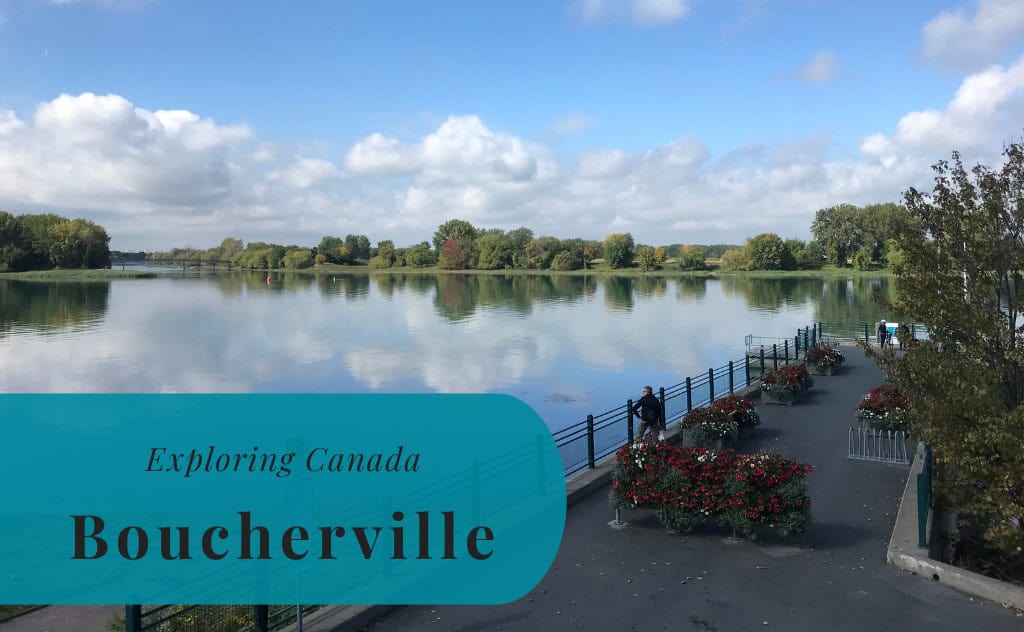
Boucherville is a city in the province of Quebec, Canada. It is located on the south shore of the Saint Lawrence River, approximately 20 kilometers east of downtown Montreal. As part of the Longueuil urban agglomeration within the Montérégie administrative region, it is considered an off-island suburb of Montreal. With a population of approximately 42,000 residents, Boucherville is a significant residential community in the region. The city’s geography is defined by its long riverfront and the group of islands that form a national park in the river.
The character of Boucherville is defined by a blend of its well-preserved historic village core and its status as an affluent residential community. The Vieux-Boucherville (Old Boucherville) district contains a collection of historic buildings dating back to the era of New France. This exists alongside modern residential neighborhoods and large industrial parks. The city is also known for the Îles-de-Boucherville National Park, a major natural and recreational area located directly opposite the city in the Saint Lawrence River.
A Short History of Boucherville
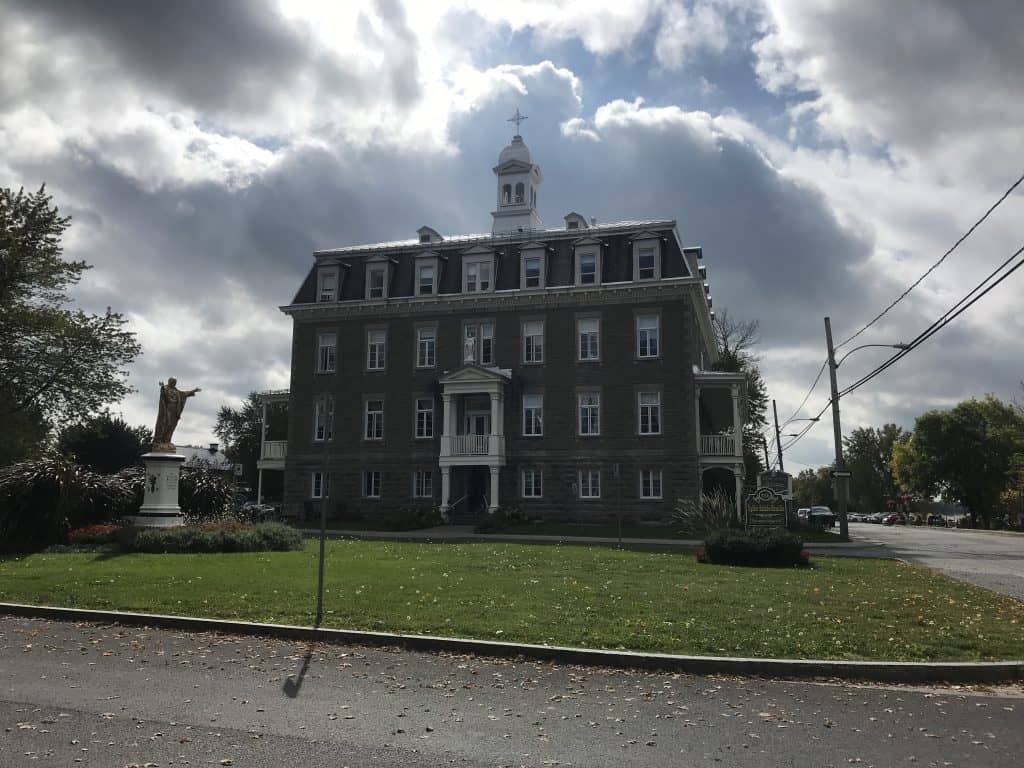
The history of Boucherville is that of one of Quebec’s oldest parishes, which has evolved into a modern suburban city while preserving its historic core. Its story begins in the 17th century as a seigneury founded by a key figure in the history of New France. For centuries, its identity was tied to the Saint Lawrence River and agriculture. The 20th century brought significant change with industrialization and the construction of major transport links, transforming it into a desirable residential community.
Foundation by Pierre Boucher
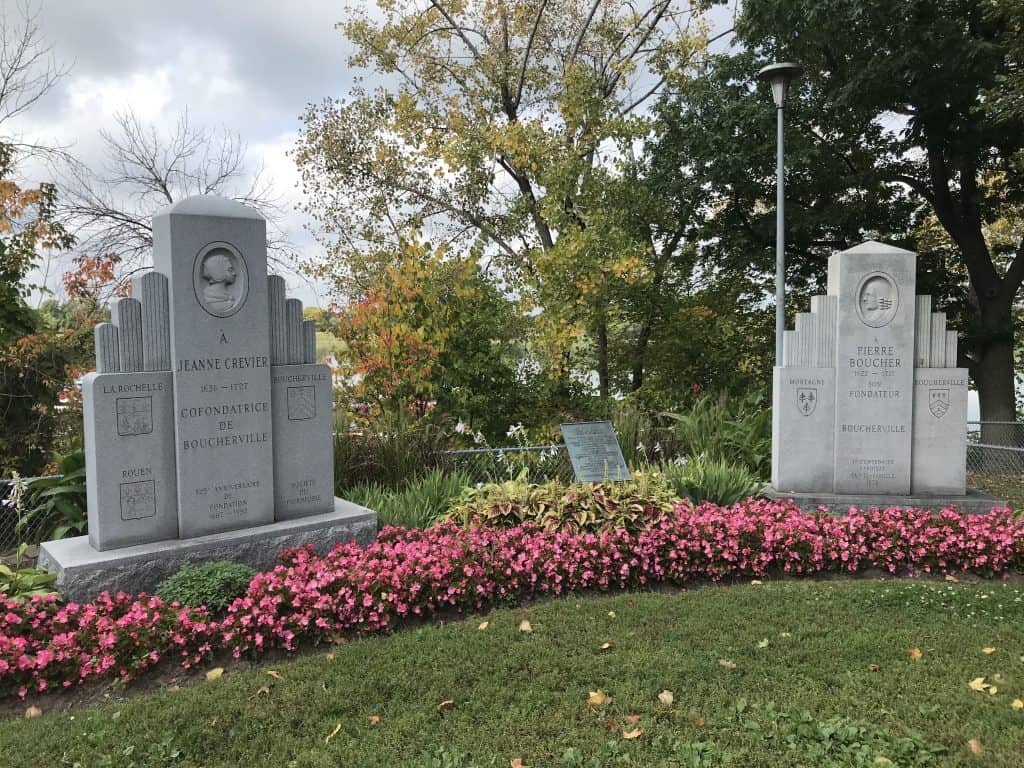
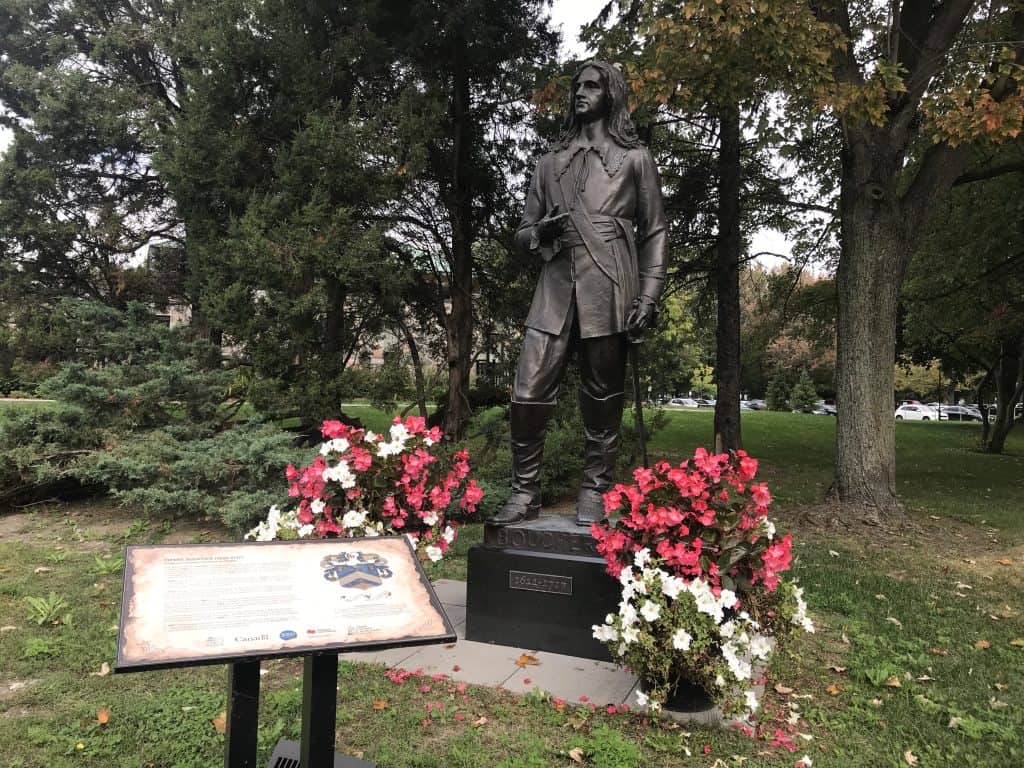
The history of Boucherville began under the Seigneurial system of New France. The Seigneury of Îles-Percées was granted in 1667 to Pierre Boucher, a French colonist, soldier, and interpreter who became a significant figure in the history of the colony. Boucher, who had previously served as the governor of Trois-Rivières, established the seigneury and gave it the name Boucherville in 1672. He planned the layout of the original village, parts of which are still visible today in Old Boucherville.
A Rural Parish
The community grew around the parish of Sainte-Famille, which was officially founded in 1670. The construction of the first church was central to the development of the village. For centuries, Boucherville remained a rural town with an economy based on agriculture. Its location on the fertile south shore of the Saint Lawrence River made it a productive farming area. The river itself was the primary means of transport and communication with Montreal and other settlements.
Suburban and Industrial Development
In the 20th century, Boucherville’s character began to change. Its proximity to Montreal made it an attractive location for residential development. This growth accelerated significantly in the post-war period, particularly after the construction of the Louis-Hippolyte Lafontaine Bridge–Tunnel in 1967. This major infrastructure project provided a direct link between the South Shore and the Island of Montreal, turning Boucherville into a popular commuter suburb. The city also developed large industrial parks, which diversified its economy.
Things to Do and See
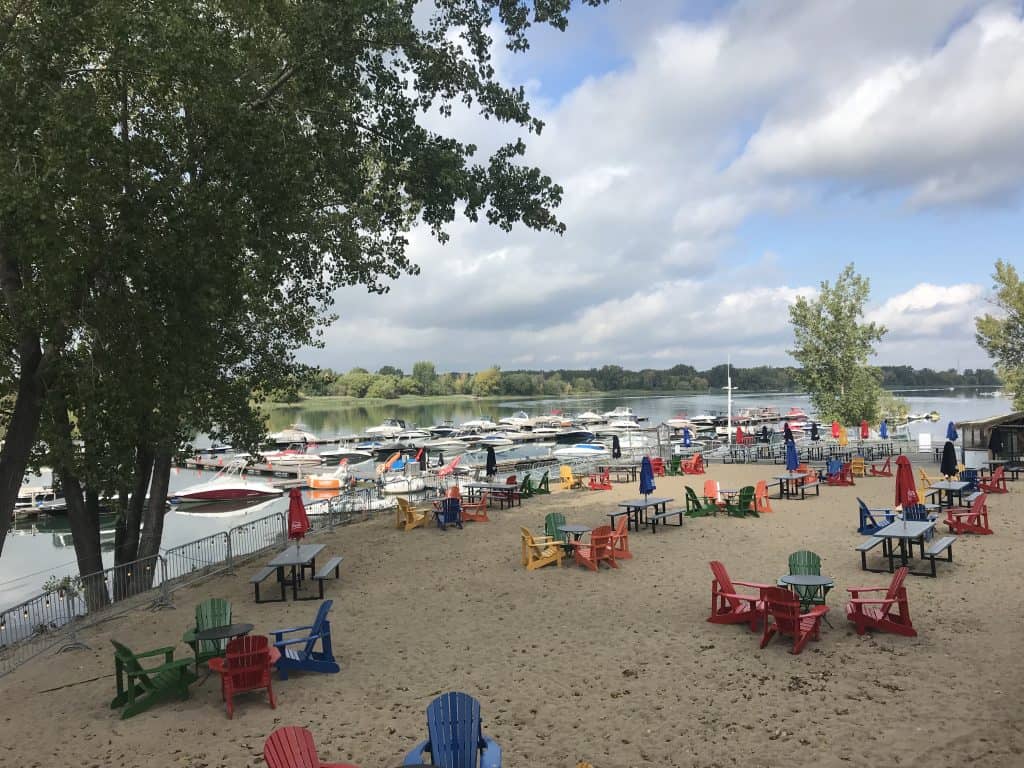
The sights in Boucherville are centered on its extensive natural parkland, its well-preserved historic village core, and its location on the Saint Lawrence River. The main attractions offer a combination of outdoor recreation and a look into the history of one of Quebec’s oldest communities.
Îles-de-Boucherville National Park
The Îles-de-Boucherville National Park (Parc national des Îles-de-Boucherville) is the most significant attraction in the area. This SÉPAQ-managed park is an archipelago of several islands located in the Saint Lawrence River, directly opposite the city. The park offers a large green space for recreation and conservation. It features over 20 kilometers of marked trails for hiking and cycling. In the winter, these trails are used for cross-country skiing and snowshoeing. The channels between the islands are popular for kayaking and canoeing.
Old Boucherville
Old Boucherville (Vieux-Boucherville) is the historic core of the city. This area contains a collection of well-preserved buildings from the 18th and 19th centuries. The district is located near the riverfront and is characterized by its traditional Quebec-style architecture. A walk through the streets of Old Boucherville provides a look at the layout of the original village planned by Pierre Boucher. The area is a designated historic district.
Sainte-Famille Church
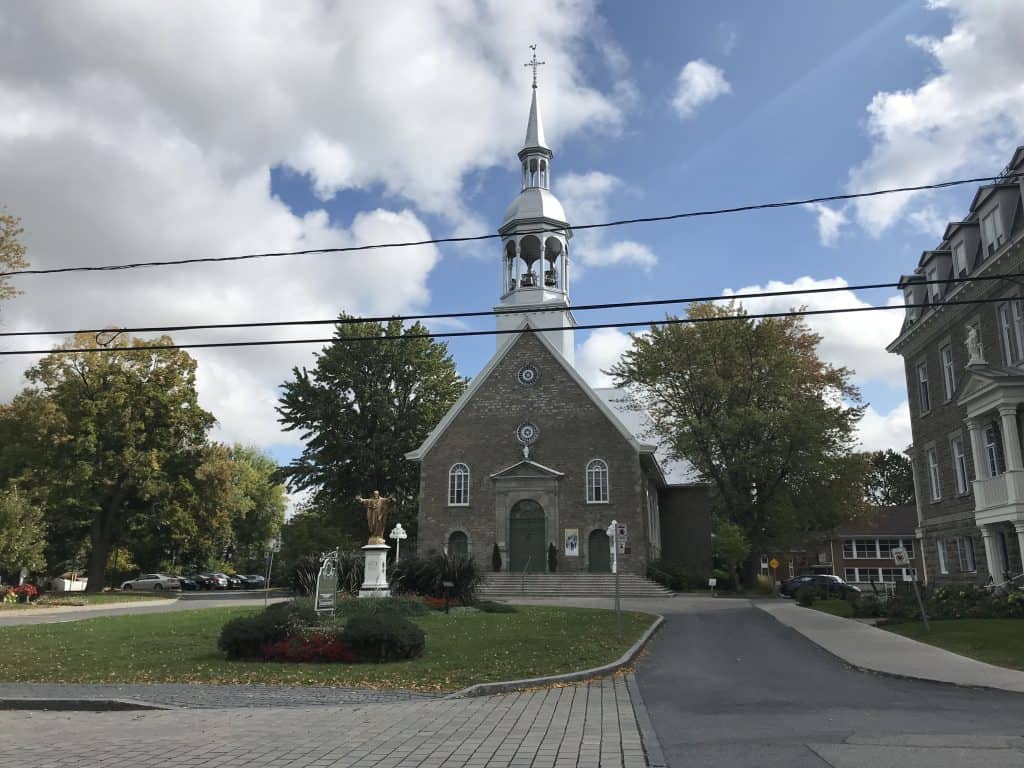
The Sainte-Famille Church (Église Sainte-Famille) is the main historical landmark in Old Boucherville. The current church was built between 1801 and 1811 and is a key example of neoclassical architecture in Quebec. It was designed by the architect Pierre Conefroy. The church is classified as a historical monument. Its interior contains important religious artworks. It stands on the site of the original 17th-century church and remains the active spiritual center of the community.
Maison Louis-Hippolyte-La Fontaine
The Maison Louis-Hippolyte-La Fontaine is a historic house located in Old Boucherville. It was the residence of Louis-Hippolyte La Fontaine, a key political figure who served as the first Prime Minister of the United Province of Canada in the 1840s. The house is a designated National Historic Site of Canada. It represents the political history of the region and the important figures who have lived in the city.
Views of the F1 Circuit
From the waterfront parks of Boucherville, visitors have a direct view across the Saint Lawrence River of the Circuit Gilles Villeneuve. This motor racing circuit is located on the neighboring Île Notre-Dame in Montreal. While not located in Boucherville itself, the view of this famous Formula 1 track is a unique feature of the city’s waterfront. During the Canadian Grand Prix in June, the sounds of the race cars can often be heard across the river.

Sports in Boucherville
The sporting life in Boucherville is focused on community and amateur-level sports. The city has strong local associations for Quebec’s most popular sports, particularly ice hockey and soccer. The city’s modern sports facilities provide a hub for these activities. The adjacent national park also offers extensive opportunities for outdoor recreational sports.
Ice Hockey
Ice hockey is a central part of community life in Boucherville, as it is throughout Quebec. The city has a large and active minor hockey association that provides programs for hundreds of young players. The local arena is a primary hub for the community during the winter months. The association is known for developing young talent.
Mortagne de Boucherville
The local minor hockey association is the Association de Hockey Mineur de Boucherville. The teams from the association are known as the Seigneurs de Mortagne. The club operates teams across all age categories, from young children learning to skate to competitive youth teams. They play their home games at the Centre Sportif Pierre-Laporte, a modern indoor arena complex in the city.
Football (Soccer)
Soccer is another very popular participation sport in Boucherville. The local soccer association provides opportunities for hundreds of youth and adult players to participate in the sport. The club uses the city’s numerous outdoor sports fields for training and matches during the summer season. The club is a key part of the city’s summer sports scene.
CS Boucherville
The main soccer club in the city is the Club de Soccer de Boucherville (CS Boucherville). The club operates recreational and competitive teams for all ages. It is a key institution for youth sports in the city. The club’s teams compete in the regional leagues of the South Shore of Montreal. The club is dedicated to the development of the sport at the local level.

Getting Around in Boucherville
Navigating Boucherville is best done with a combination of walking, cycling, and local transport. The historic center of the city is compact and can be explored on foot. For travel to other parts of the city and for commuting to Montreal, a local bus network and a car are the primary modes of transport.
On Foot and by Bike
Walking is a suitable way to explore the historic core of Old Boucherville. The area around the church and the riverfront is pedestrian-friendly. The city also has an extensive network of cycle paths. These paths connect the different residential neighborhoods and provide access to the waterfront and the Îles-de-Boucherville National Park. Cycling is a very popular recreational activity in the city.
Local Buses
The public transport in Boucherville is part of the Réseau de transport de Longueuil (RTL). The RTL operates local bus routes that connect the different neighborhoods of Boucherville. The buses also provide commuter services that connect the city with the Longueuil–Université-de-Sherbrooke metro station in Longueuil. This station is on the Yellow Line of the Montreal Metro and provides a direct link to downtown Montreal.


How to Get to Boucherville
Reaching Boucherville is straightforward due to its location in the greater Montreal area and its connection to the main road network of Quebec. The city is accessible by car and regional public transport.
The Open Road: Driving to Boucherville
Driving is the most common way to reach Boucherville. The city is located directly on Autoroute 20 and Autoroute 30. These are major highways that connect to Montreal and other parts of Quebec. The Louis-Hippolyte Lafontaine Bridge–Tunnel provides a direct link from Boucherville to the eastern part of the Island of Montreal. From downtown Montreal, the drive to Boucherville takes approximately 25-35 minutes, depending on traffic.
Arriving by Air: Montréal–Trudeau Airport
The primary international gateway to the region is Montréal–Pierre Elliott Trudeau International Airport (YUL). The airport is located on the west side of the island of Montreal, approximately 35 kilometers from Boucherville. From the airport, a rental car or a combination of public transport services would be required to reach the city. This would typically involve taking the 747 airport bus to downtown Montreal and then connecting to the metro and a bus to the South Shore.
Connecting by Coach
There are no direct long-distance bus services to the city of Boucherville itself. Travelers would typically take a long-distance bus from a company like Orléans Express to the main bus terminal in downtown Montreal. From there, they would need to transfer to the local public transport network, using the metro and a regional RTL bus, to complete the journey to Boucherville.
On Track: A Journey by Rail and Bus
Boucherville does not have its own passenger train station. The closest commuter train stations are located in other nearby South Shore suburbs. For travelers arriving by VIA Rail or Amtrak, the journey would terminate at the Central Station in downtown Montreal. From the train station, it is a short walk to the Bonaventure metro station, where travelers can begin the journey on the public transport network to reach Boucherville.
The St. Lawrence Route: Arriving by Ferry
While Boucherville is on the St. Lawrence River, it does not have a major passenger ferry terminal for long-distance travel. There are some local, seasonal river ferry services that operate on the Saint Lawrence. A river shuttle connects the Parc de la Promenade-Bellerive in Montreal to the Îles-de-Boucherville National Park. This provides a way for cyclists and pedestrians to reach the park from the island of Montreal.
Driving Distances
The driving distance from 10 regional cities, according to Google Maps:
- Montreal, QC, Canada – 22 kilometers (0 h 30 min)
- Ottawa, ON, Canada – 222 kilometers (2 h 30 min)
- Quebec City, QC, Canada – 243 kilometers (2 h 40 min)
- Boston, MA, USA – 489 kilometers (5 h 10 min)
- Toronto, ON, Canada – 563 kilometers (5 h 50 min)
- New York, NY, USA – 622 kilometers (6 h 50 min)
- Philadelphia, PA, USA – 778 kilometers (8 h 20 min)
- Detroit, MI, USA – 937 kilometers (9 h 30 min)
- Washington, D.C., USA – 955 kilometers (10 h 00 min)
- Halifax, NS, Canada – 1,226 kilometers (12 h 30 min)
Looking to Explore more of Canada and America?