Wernigerode, Saxony-Anhalt | Exploring Germany
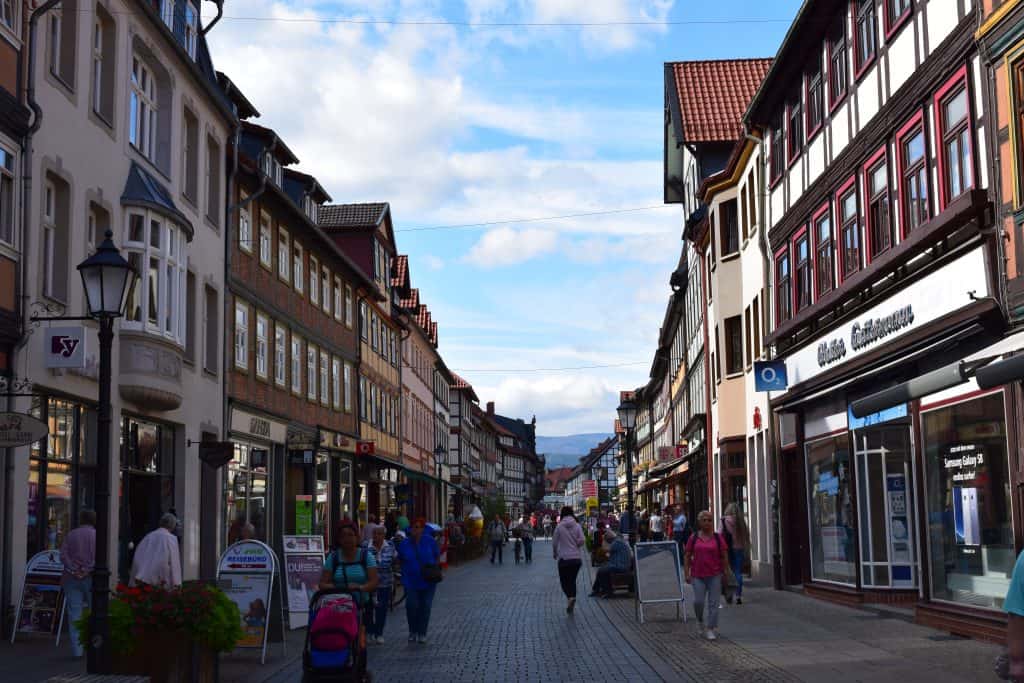
Wernigerode, a charming and historic town in Germany’s Harz Mountains, truly lives up to its nickname, “The Colorful Town of the Harz.” It sits on the northern edge of this low mountain range, at the confluence of the Holtemme and Zillierbach rivers. As of 2023, Wernigerode has a population of approximately 32,400 residents. It serves as an important tourist center and vacation resort in Saxony-Anhalt. Wernigerode is a popular gateway to the Brocken, the highest peak in the Harz. Nearby cities include Halberstadt and Quedlinburg (a UNESCO World Heritage site). The town’s historical center with its lavishly restored half-timbered houses contributes to its unique appeal.


A Short History of Wernigerode
Wernigerode’s history dates back to its first mention in 1121. It was founded around a century earlier during deforestation efforts. The town gained its city rights in 1229. For centuries, Wernigerode served as the seat of the medieval County of Wernigerode. This noble family ruled over extensive estates in the Harz region. In 1429, the County was inherited by the House of Stolberg.
The 14th and 15th centuries brought economic prosperity, with thriving trade in cloth, beer, and brandy. The town became a notable marketplace with skilled craftsmen’s guilds. However, the Thirty Years’ War (1618-1648) heavily impacted Wernigerode, causing significant damage. The castle itself was severely damaged. In 1710, Count Christian Ernest relocated the seat of government back to Wernigerode after extensive Baroque-style restoration of the castle. In 1815, Wernigerode was integrated into the Prussian Province of Saxony. The railway arrived in 1872, boosting its tourism. Post-World War II, the town became part of East Germany until reunification in 1990.



Things to Do and See
Wernigerode offers a wealth of diverse attractions, showcasing its fairytale castle, vibrant Old Town, and unique heritage. Visitors can explore the majestic Wernigerode Castle, an iconic landmark. The beautifully preserved Town Hall and Krummel’s House exemplify its historic architecture. A unique experience awaits on the Harz Narrow Gauge Railways to the Brocken Mountain, providing stunning views and a memorable journey.
Wernigerode Castle (Schloss Wernigerode)
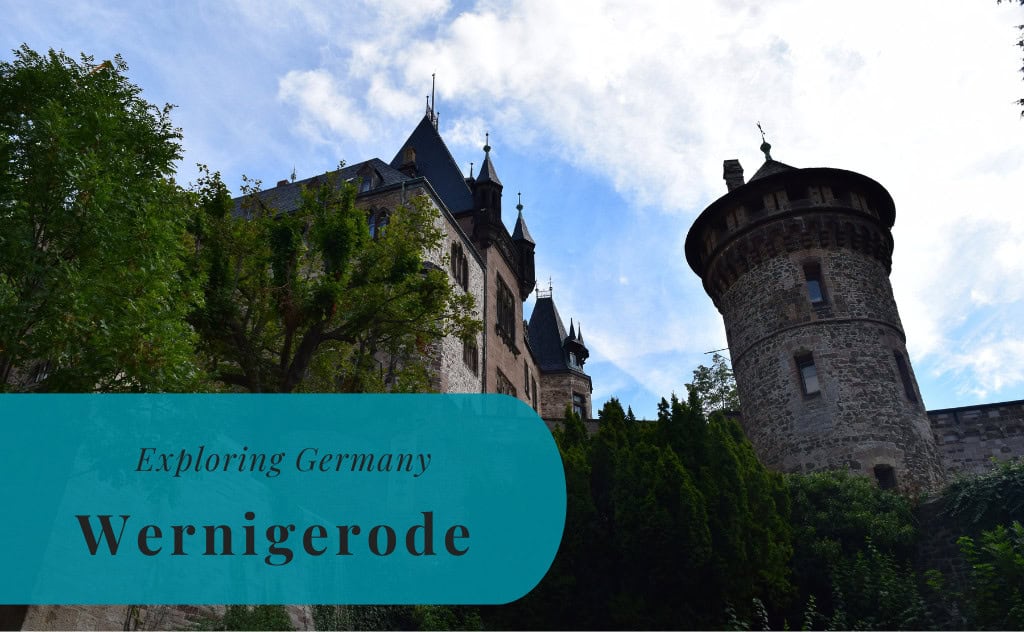
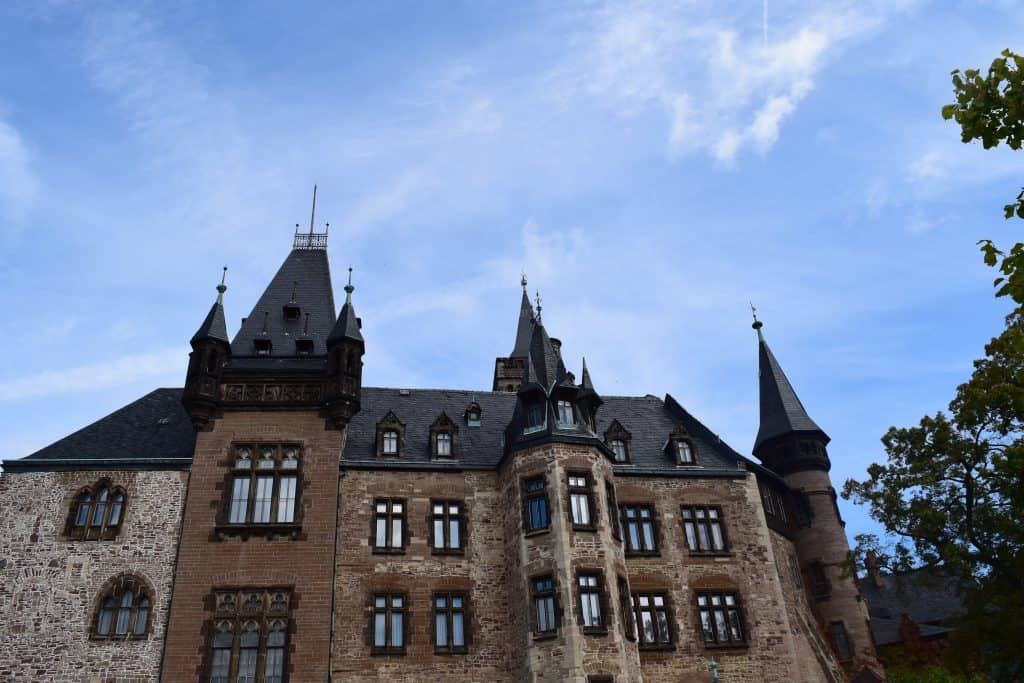
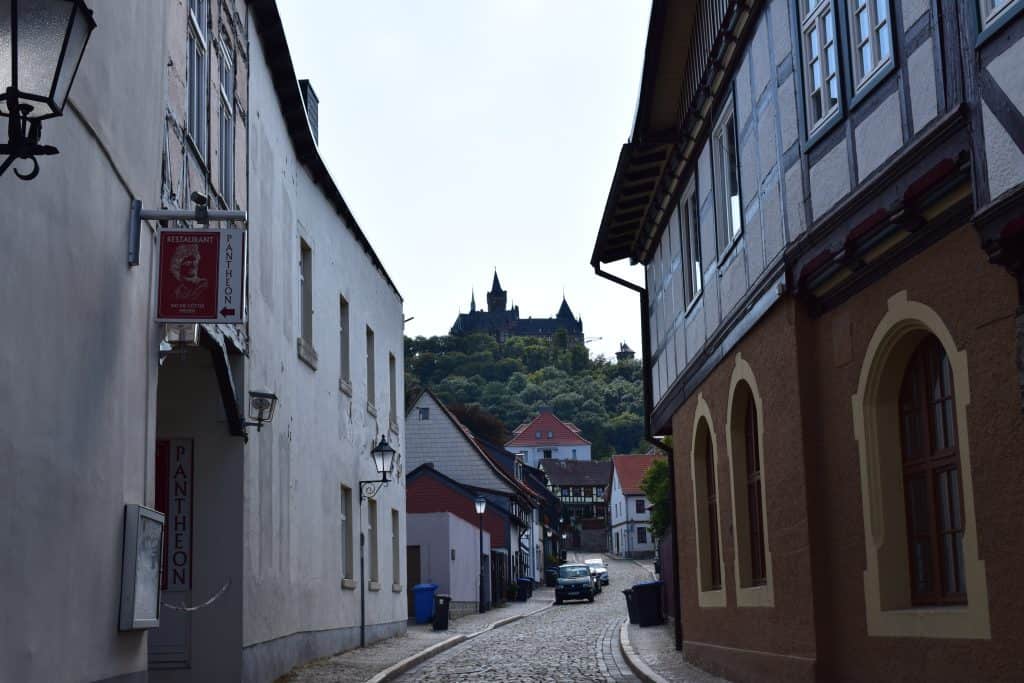
Wernigerode Castle towers over the town, offering a picturesque silhouette. Originally a Romanesque medieval fortress built between 1110-1120 for German emperors, it has been reconstructed multiple times. It was enlarged in Gothic style in the late 15th century. Later, it became a Renaissance fortress. The present-day fairytale facade, featuring a Neo-Romantic half-timbered and stone style, was completed in the late 19th century by Count Otto of Stolberg-Wernigerode. The castle museum provides insights into its 800-year history. Its castle gardens are part of the “Garden Dreams” state project.
Wernigerode Town Hall (Rathaus)
The Wernigerode Town Hall is a prominent symbol of the town’s architectural beauty. Located in the middle of the market square, its origins date back to around 1420 as a comital playhouse. Between 1494 and 1498, it was transformed into the imposing late-Gothic half-timbered structure seen today. Its facade features an intricate design with curved St. Andrew’s crosses and a jutting upper story. Carved figures of craftsmen, jesters, and saints adorn its brackets. After a fire in 1528, it became the official town hall, and further renovations in the 20th century restored its iconic appearance.
Krummel’s House (Krummelsches Haus)
Krummel’s House (Krummelsches Haus) is a remarkable Baroque half-timbered house, built in 1674 by grain merchant Heinrich Krummel. Located on Breite Straße, its facade is exceptionally ornate. It is almost completely covered with intricately carved wooden ornamentation. Allegorical relief depictions, including continents and elements, adorn its upper storeys. The house is notable for its richly decorated beam heads featuring grimaces. Despite attempts to sell its unique facade in the 20th century, its preservation was ensured. It stands as a unique example of Baroque timber-framed architecture.
Harz Narrow Gauge Railways (Harzer Schmalspurbahnen – HSB)
The Harz Narrow Gauge Railways (HSB) offer a unique and nostalgic way to explore the Harz Mountains. This extensive network of 1,000 mm (metre gauge) tracks is the longest continuous narrow-gauge railway in Germany, spanning 140.4 kilometers. The HSB is famous for operating a significant number of its trains with historic steam locomotives, many built in the 1950s. The most popular route is the Brockenbahn, which runs directly from Wernigerode station to the summit of the Brocken, the highest mountain in the Harz. This scenic journey offers a truly memorable experience.
Brocken Mountain
The Brocken is the highest mountain in the Harz range, reaching 1,141 meters (3,747 feet). It is also the highest peak in northern Germany. Located within the Harz National Park, it is accessible via the Harz Narrow Gauge Railways from Wernigerode. The summit often experiences harsh weather, with around 300 foggy days per year and strong winds, creating a mystical atmosphere. It is famously associated with folklore, particularly the Walpurgis Night legend where witches gather. The Brocken provides unique alpine-like flora and fauna above the natural tree line.



How to Get to Wernigerode
Reaching Wernigerode, a charming town in Germany’s Harz Mountains, is quite straightforward. Known for its colorful half-timbered houses and fairytale castle, Wernigerode offers a picturesque blend of history and nature. It is a popular gateway to the Brocken, the highest peak in the Harz. Whether you prefer flying, driving, or public transport, getting to this delightful destination is easy. Plan your visit to this unique German town with ease.
By Plane
Wernigerode does not have its own airport. However, several international airports are conveniently nearby. Leipzig/Halle Airport (LEJ) is the closest major airport, approximately 130 kilometers away. It offers connections to various European cities. Hannover Airport (HAJ) is about 140 kilometers distant. Berlin Brandenburg Airport (BER) is also a viable option, around 200 kilometers from Wernigerode. From these airports, onward travel typically involves train or bus connections to reach Wernigerode. For example, from Leipzig/Halle Airport, trains can connect to Wernigerode with one change.
By Car
Driving to Wernigerode offers excellent flexibility, ideal for exploring the Harz Mountains. Germany boasts an extensive motorway network. Wernigerode is easily accessible via major highways. The A36 motorway (formerly B6n) connects directly to Wernigerode. From Berlin, the drive is about 240 kilometers, taking around 2 hours 55 minutes. From Hanover, it’s a shorter 140 kilometers journey. The A7 motorway is relevant for north-south connections. Parking facilities are available in and around the town center.
By Bus
Bus services provide an economical way to reach Wernigerode. The main bus station is located directly near Wernigerode Bahnhof (train station). Companies like FlixBus operate routes. These connect Wernigerode with major cities across Germany. For example, direct bus connections from Berlin are available, though they might involve a transfer. Services also run from Leipzig and Hamburg. Local bus services provide comprehensive coverage within the town and to surrounding areas in the Harz, including access to hiking trails.
By Train
Traveling to Wernigerode by train is highly efficient and popular within Germany. Wernigerode station is the town’s main railway station. It is well-connected to the regional rail network. Regional trains operated by Abellio Rail Mitteldeutschland provide frequent services. Direct services run from Magdeburg Hbf and Halle (Saale) Hbf. Connections from Berlin involve a change at Magdeburg. The Harz Narrow Gauge Railways (HSB) also operate from Wernigerode station. These historic steam trains provide a unique and scenic journey into the high Harz, including a direct line to the Brocken. The station is well-equipped with amenities.
Driving Distances
The driving distance from 6 major German cities, according to Google Maps:
- Berlin – 239 kilometers (2 h 55 min)
- Munich – 549 kilometers (6 h 5 min)
- Stuttgart – 505 kilometers (6 h 5 min)
- Frankfurt – 334 kilometers (3 h 55 min)
- Cologne – 402 kilometers (4 h 40 min)
- Hamburg – 261 kilometers (3 h 5 min)
Looking to Explore more of Germany and Europe?