Flensburg, Schleswig-Holstein | Exploring Germany
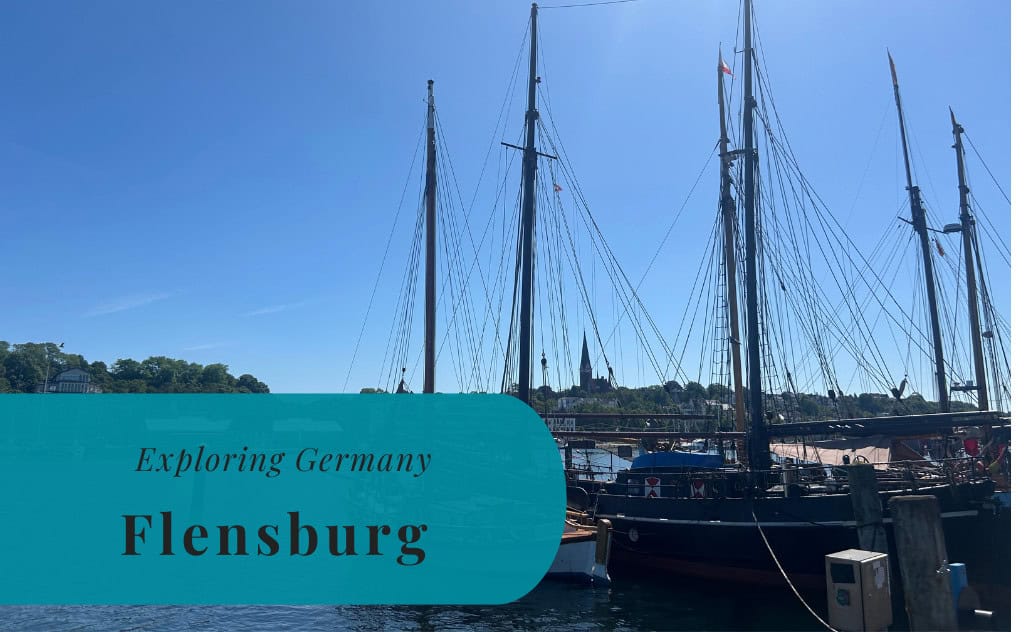
Flensburg is the northernmost city in Germany, located in the state of Schleswig-Holstein. The city sits at the innermost end of the Flensburg Fjord, a long, narrow inlet of the Baltic Sea that forms part of the border between Germany and Denmark. With a population of approximately 92,000 residents, Flensburg is the third-largest city in the state and serves as a key regional center. Its location, just a few kilometers south of the Danish border, has given it a unique and deeply ingrained German-Danish cultural identity.
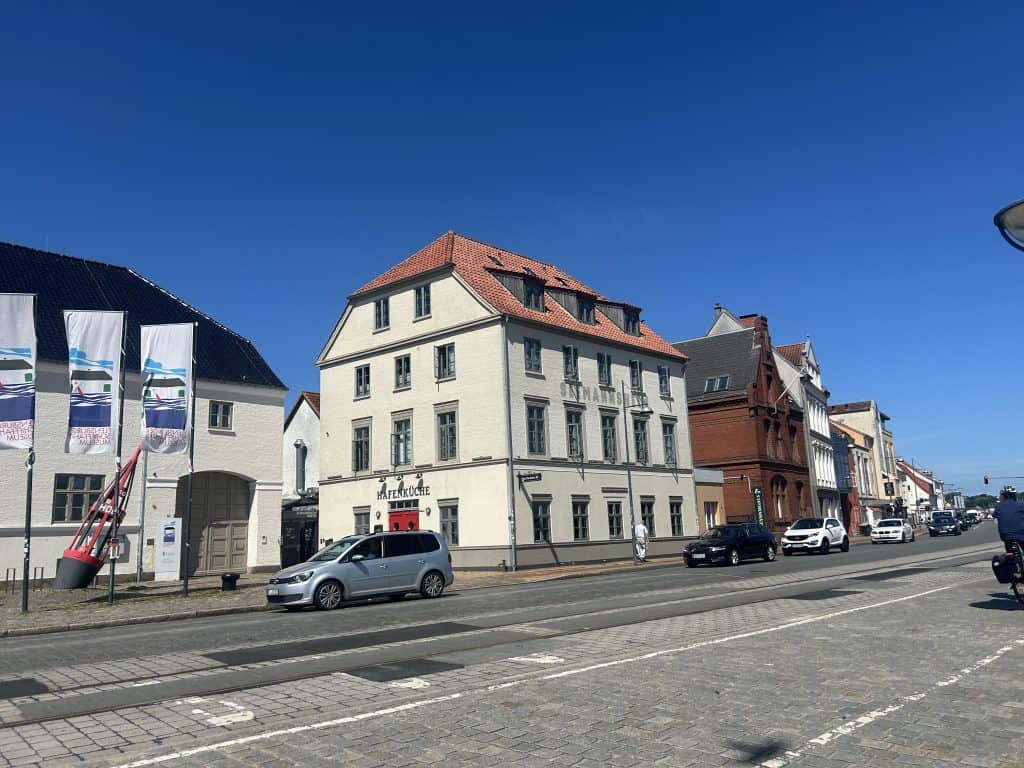
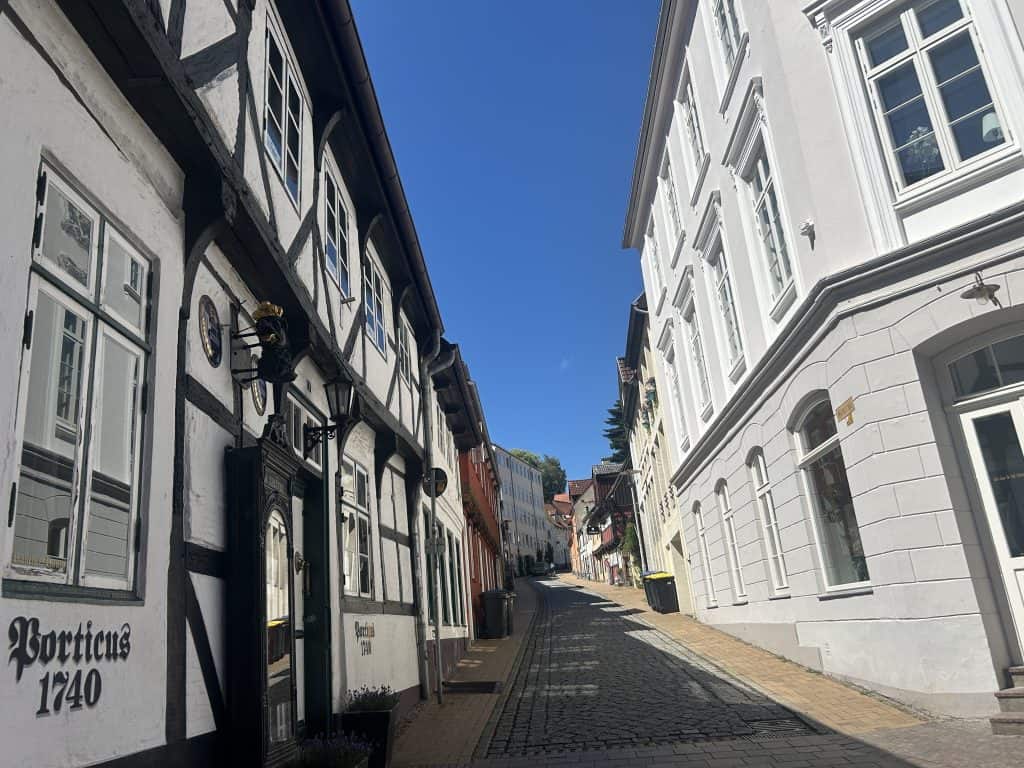
The character of Flensburg is defined by its strong maritime heritage, its well-preserved historic harbor, and its distinctive gabled merchants’ houses. The city’s history as a major trading port in the Duchy of Schleswig is visible in its architecture and the layout of its old town. It is also known for its association with the rum trade, which brought great prosperity to the city in the 18th and 19th centuries. Today, Flensburg combines this historical character with its modern function as a university town and a hub for cross-border commerce and tourism.
As a border city, Flensburg has a significant Danish minority population with its own schools, libraries, and cultural institutions, creating a bilingual and bicultural atmosphere. The city is also home to the German Federal Motor Transport Authority, which manages the national driving record database, a fact for which the city is well-known throughout Germany. Its scenic location on the fjord also makes it a major center for sailing and water sports. This blend of maritime history, cross-border culture, and modern administrative functions gives the city its specific character.

Good to Know When Visiting Flensburg
To help with planning a visit, here are several practical points covering daily essentials, timing, and efficient exploration of the city. Understanding these details can make a trip to Flensburg more convenient. This information is intended to provide a general overview for travelers preparing to visit this major German-Danish border city.
The Daily Essentials
The official currency used in Flensburg is the Euro (EUR). While credit and debit cards are widely accepted, it is useful to have some cash for smaller purchases. The official language is German. However, due to its location and history, Danish is also widely spoken, particularly by the Danish minority. The local dialect, known as Petuh, is a unique mix of German, Danish, and Low German. English is commonly spoken in tourist areas. Tipping is not obligatory but it is common to round up the bill or leave 5-10% for good service. The tap water is safe to drink. The electrical system uses Type F sockets at 230V. Flensburg is a very safe city, and its compact center is easy to navigate.
Planning Your Calendar
Flensburg is a year-round destination, but the most popular time to visit is during the summer months (June-August). This period offers the warmest weather, which is ideal for enjoying the harbor, sailing on the fjord, and exploring the city’s outdoor cafes. The spring and autumn offer cooler but still pleasant weather with fewer crowds. A key annual event is the Rum Regatta, which is held in the spring and is one of the largest gaff-rigged sailing ship meetings in Northern Europe. The city also has a traditional German Christmas market in December. For a first visit, two to three full days is generally sufficient to explore the Old Town, the harbor, and the main museums.
A Tourist’s Toolkit for Exploration
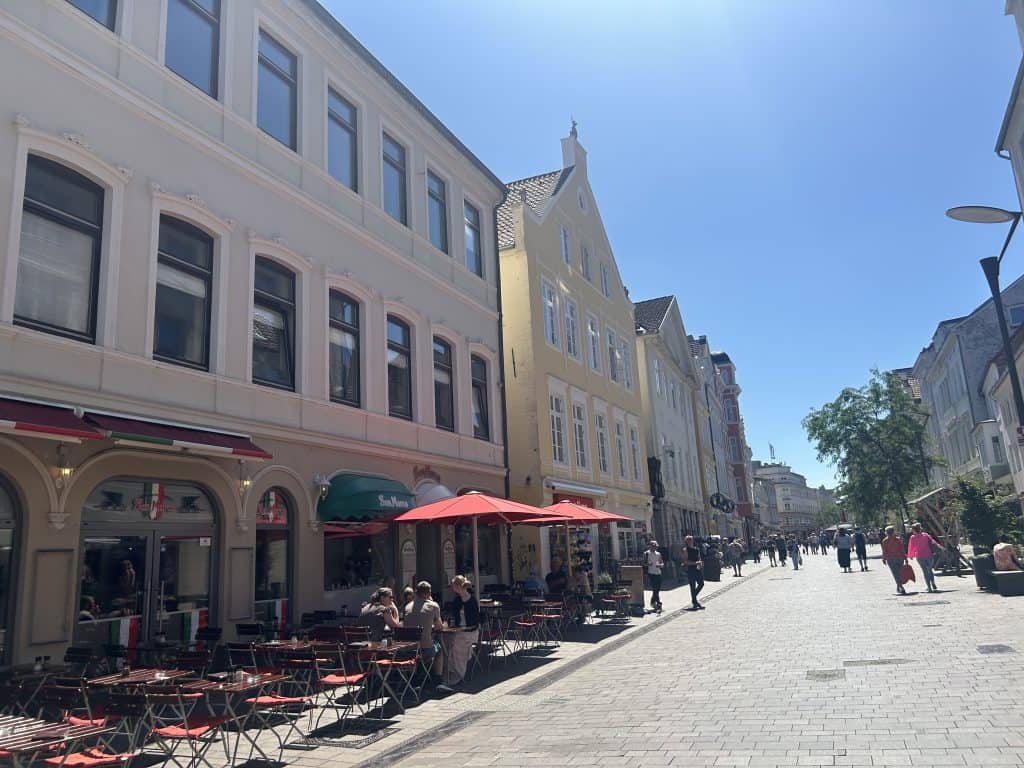
The historic center of Flensburg is very compact and is best explored on foot. The main pedestrian shopping street, the Holm, and the historic harbor are all within a short walking distance of each other. The city’s public transport system is based on buses and is operated by Aktiv Bus Flensburg. A day ticket or a group ticket can be an economical option for visitors planning to use the network frequently. For those interested in cross-border travel, regional buses provide frequent connections to towns in Denmark. It is advisable to book accommodation in advance, especially if visiting during the Rum Regatta or other major events.

A Short History of Flensburg
The history of Flensburg is that of a major medieval trading port that was shaped by centuries of shifting allegiances between Danish kings and German dukes. Its location at the head of a long, protected fjord made it a natural center for maritime trade in the Baltic Sea. The city’s golden age was fueled by trade with the West Indies, which made it a capital of the rum trade. Its modern identity was profoundly shaped by the border plebiscites of 1920 and its unique, brief role at the very end of World War II.
Medieval Port and the Duchy of Schleswig
The city of Flensburg was likely founded in the 12th century by Danish settlers. It was first mentioned in historical documents around 1240. The settlement grew rapidly due to its strategic location at the end of the fjord, which provided a safe harbor. It was granted a town charter in 1284 and soon became one of the most important commercial centers in the Duchy of Schleswig. The city was a key member of the Hanseatic League and prospered from the trade in herring and other goods across the Baltic Sea.
For centuries, Flensburg’s political allegiance was a point of contention. As part of the Duchy of Schleswig, it was a fief of the Danish crown but was also subject to the influence of the German dukes of Holstein. The city’s population was a mix of German, Danish, and Frisian speakers. This long history as a border city between the German and Danish cultural spheres is a key part of its identity.
The Golden Age of Rum
The 18th century was a period of great prosperity for Flensburg. The city became a major center for the rum trade. Flensburg’s ships were part of the “triangle trade” with the Danish West Indies (now the U.S. Virgin Islands). Ships would sail to the Caribbean with goods, acquire raw sugar cane and unrefined rum, and transport it back to Flensburg.
In the city’s many distilleries, the raw rum was refined and blended to create a final product that was then exported across Northern Europe. This trade brought immense wealth to the city’s merchants. The grand merchants’ houses and courtyards (Kaufmannshöfe) that still characterize the historic old town were built during this period. This era cemented Flensburg’s reputation as the “rum city” of Germany.
The 20th Century and the Border Question
In 1864, following the Second Schleswig War, Flensburg, along with the rest of the Duchy of Schleswig, was incorporated into the Kingdom of Prussia. This marked a shift towards German rule. After Germany’s defeat in World War I, the Schleswig Plebiscites of 1920 were held to determine the new border. While the rural areas to the north of the city voted to join Denmark, the city of Flensburg itself voted by a large majority to remain part of Germany. This established the modern border just a few kilometers north of the city.
A unique and final chapter of World War II history was also written in Flensburg. In the final days of the war in May 1945, after the fall of Berlin, the last government of Nazi Germany, led by Grand Admiral Karl Dönitz, established itself in the Flensburg suburb of Mürwik. This short-lived “Flensburg Government” existed for only about three weeks before its members were arrested by Allied forces.

Things to Do and See
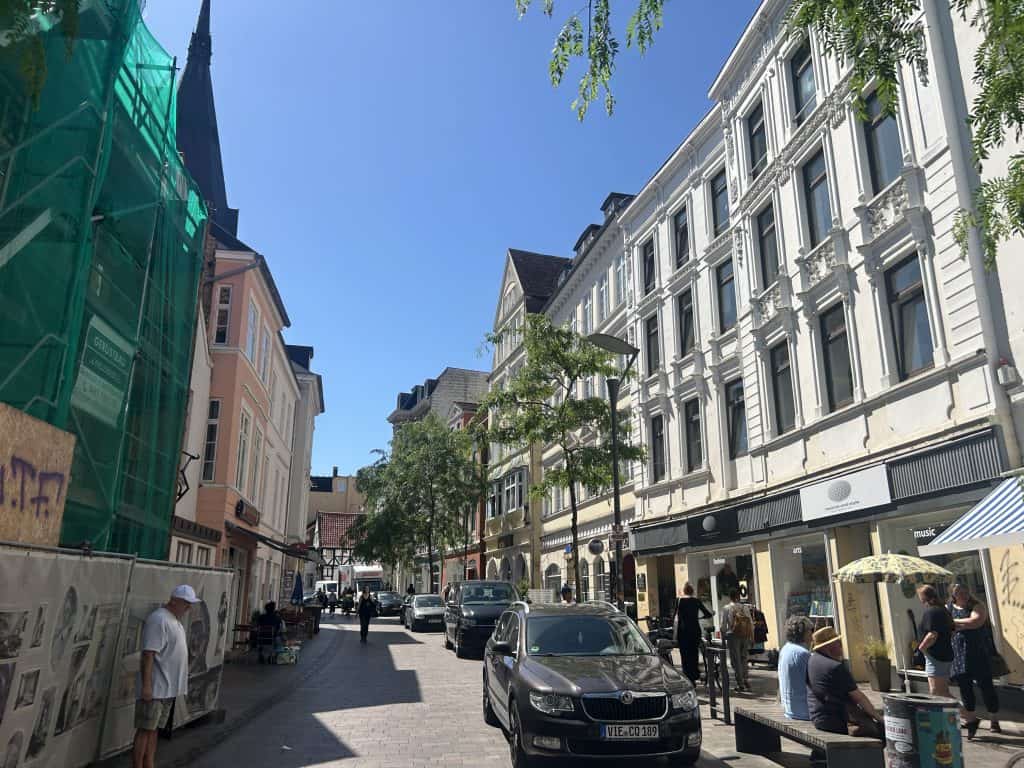
Flensburg’s sights are a reflection of its history as a major port city and its unique German-Danish cultural heritage. The main points of interest are concentrated around the historic harbor and in the well-preserved Old Town. The city’s maritime past is visible in its museum shipyard and its historic merchant’s houses. The architectural legacy of both its German and Danish history is a key feature of the urban landscape.
The city’s main landmarks include its historic city gate, its numerous churches, and its museums. The harbor itself is a central attraction, with a mix of traditional sailing ships and modern yachts. The city’s two main shopping streets, the Holm and the Grosse Strasse, run through the heart of the old town, connecting the main public squares. A visit to Flensburg offers a journey through the history of this important Baltic Sea port.
The Historic Harbour
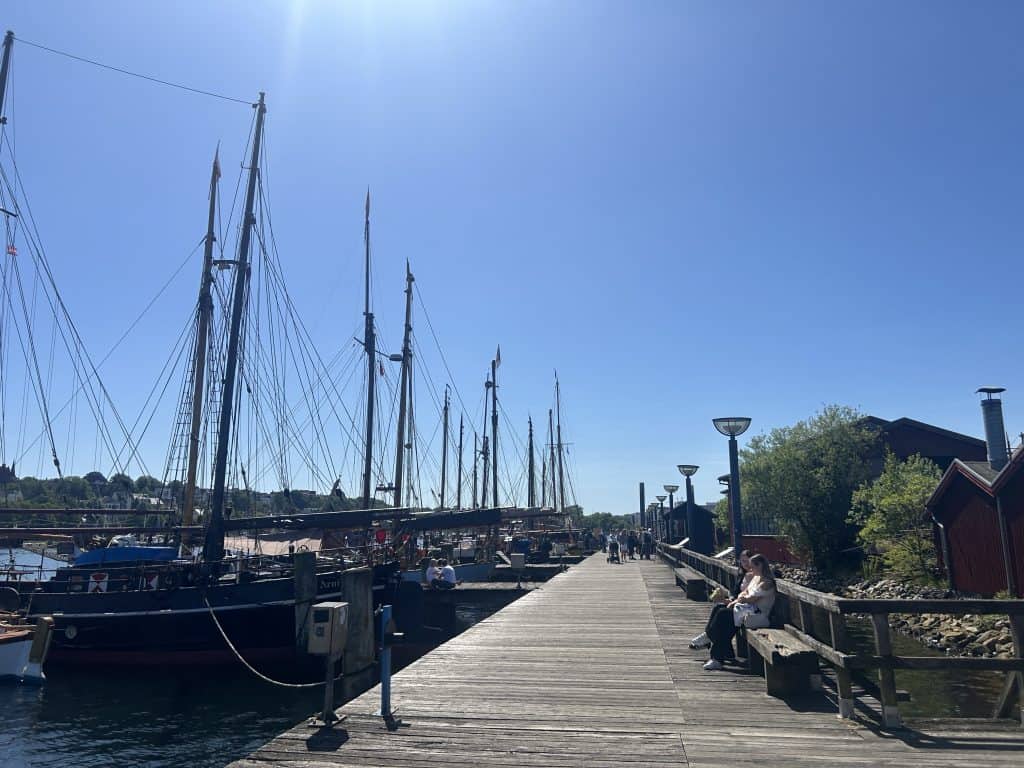
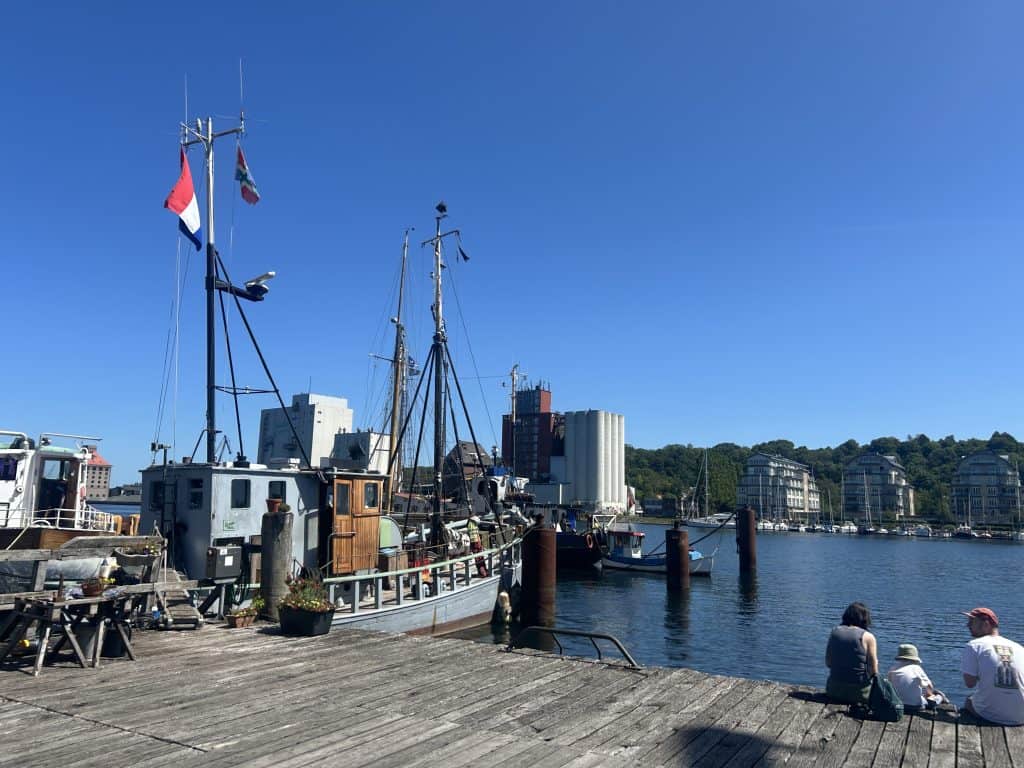
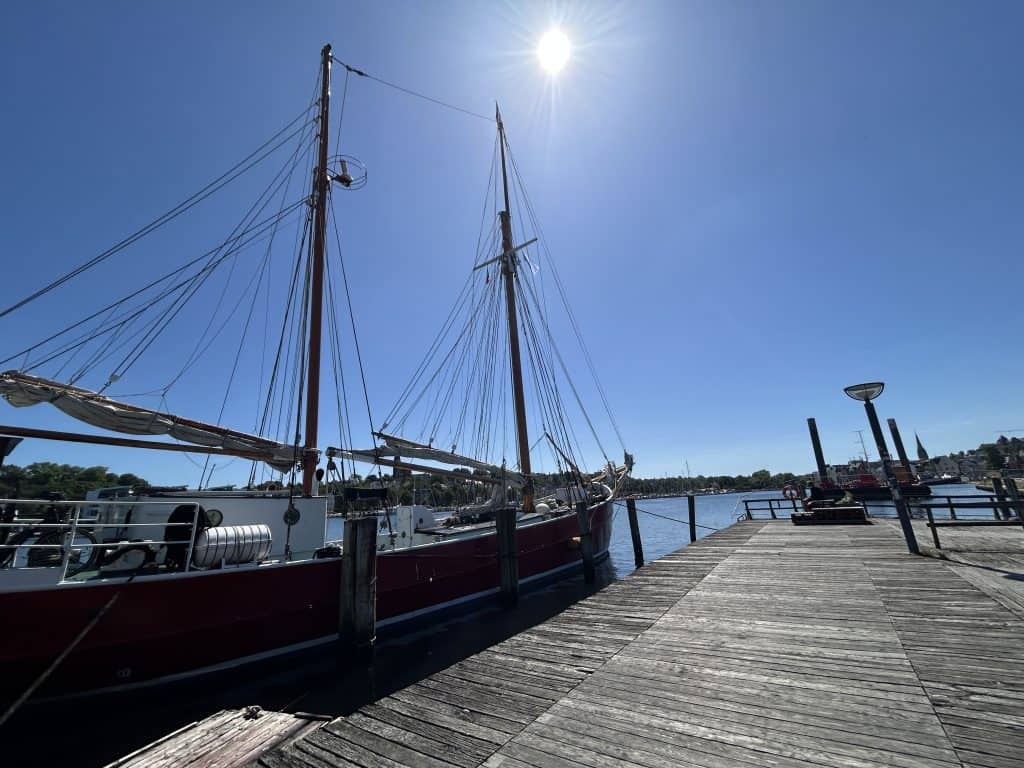
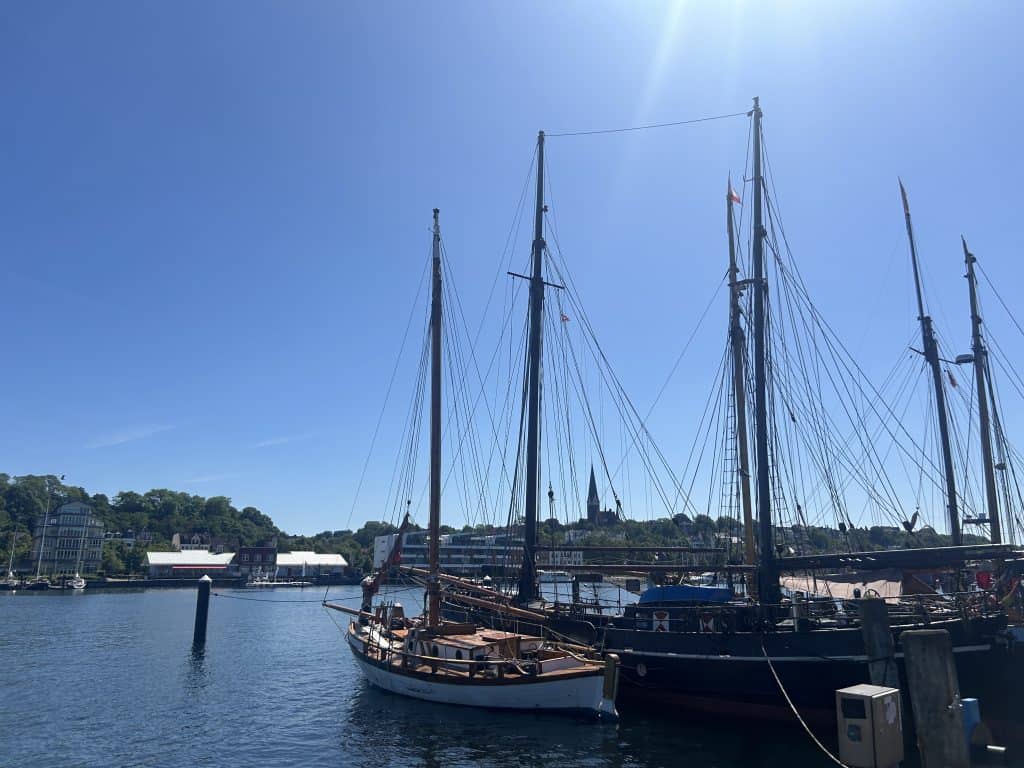
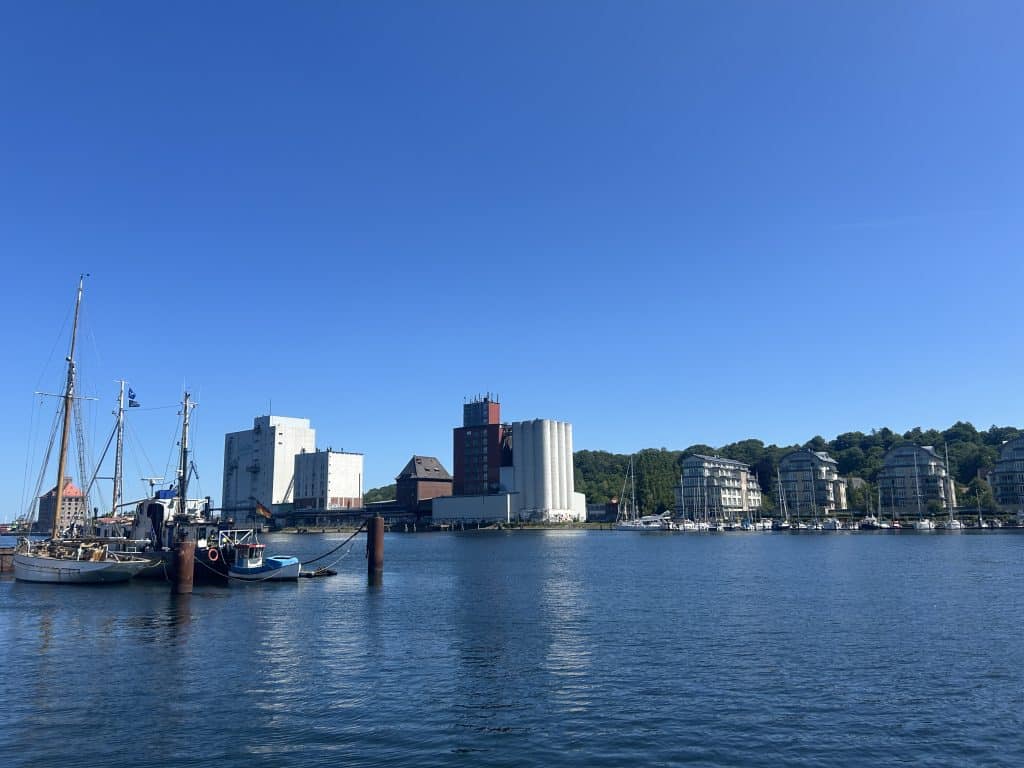
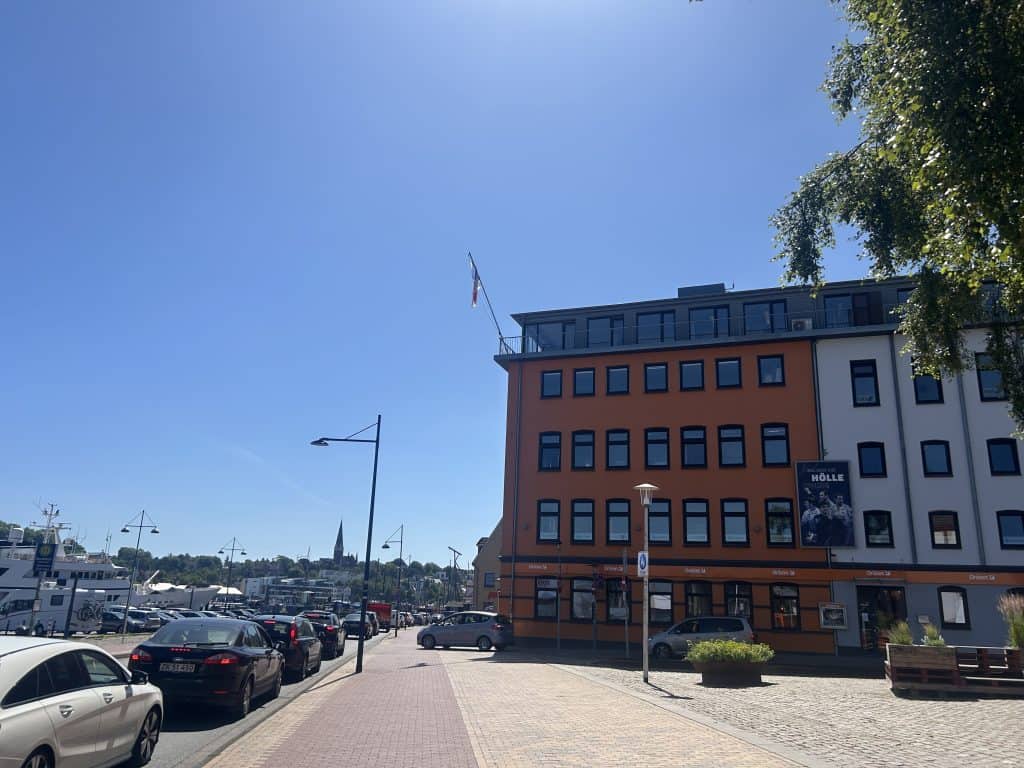
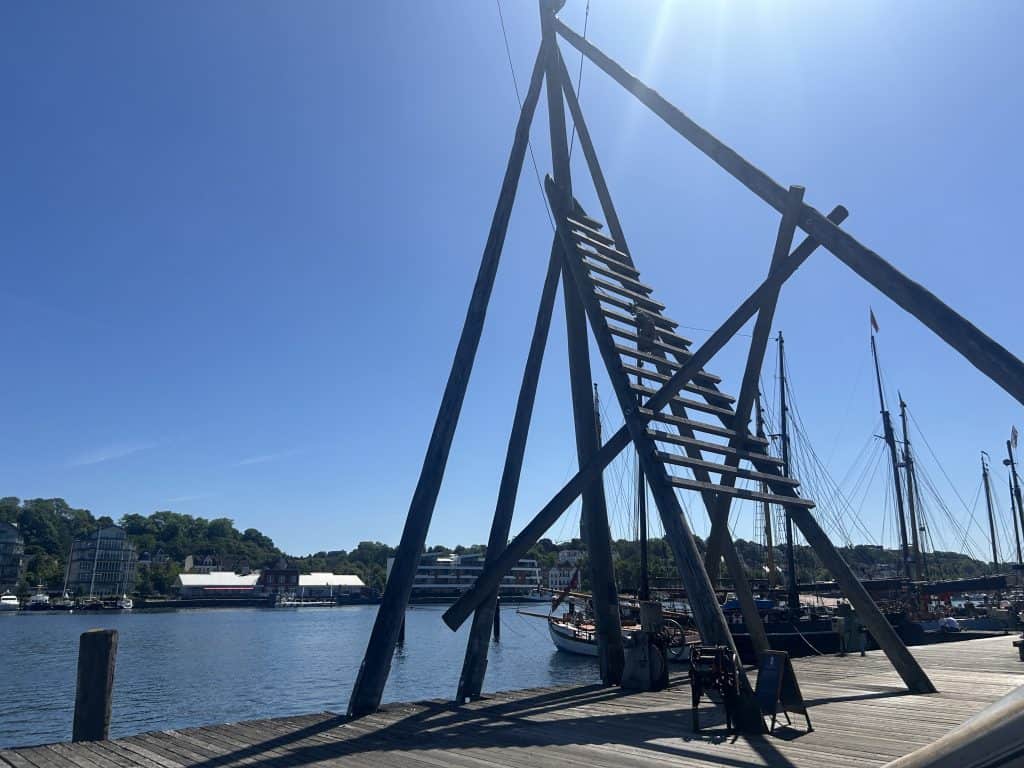
The Historic Harbour (Historischer Hafen) is the heart of Flensburg. The long, narrow harbor extends deep into the city center. It is lined with historic buildings, including old warehouses and merchants’ houses. The harbor is home to a collection of traditional sailing ships and steamships, which are maintained by local associations. A walk along the harbor quayside provides views of these historic vessels. The harbor is a hub of activity, with numerous cafes, restaurants, and museums located along its banks.
Nordertor (North Gate)
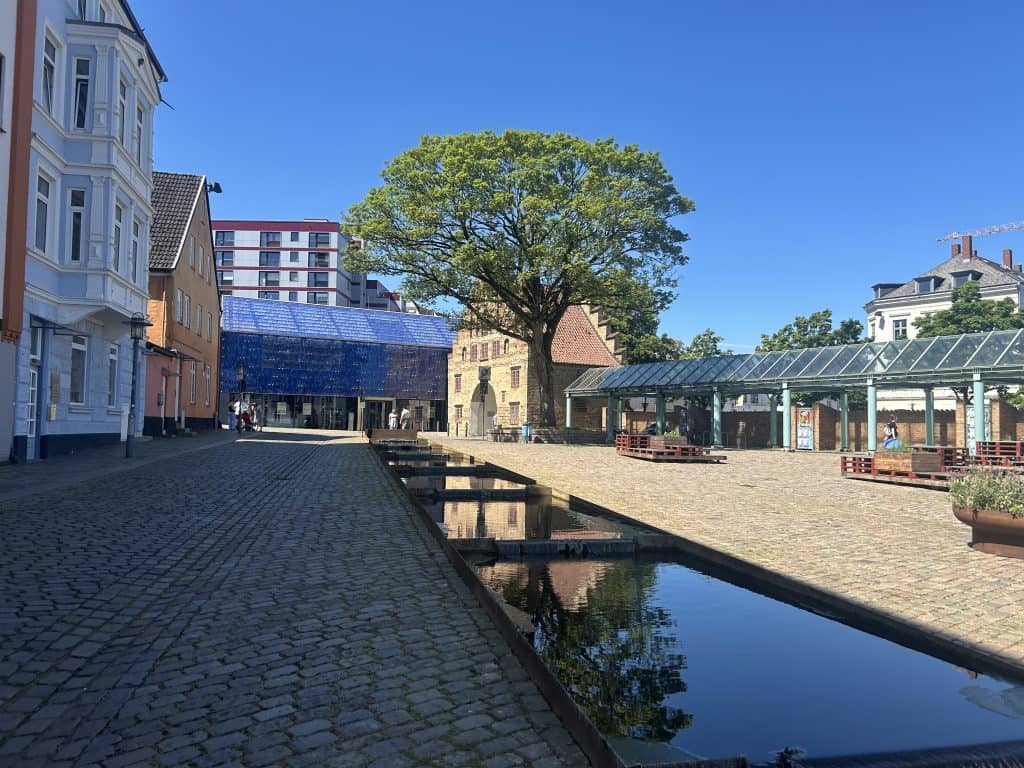
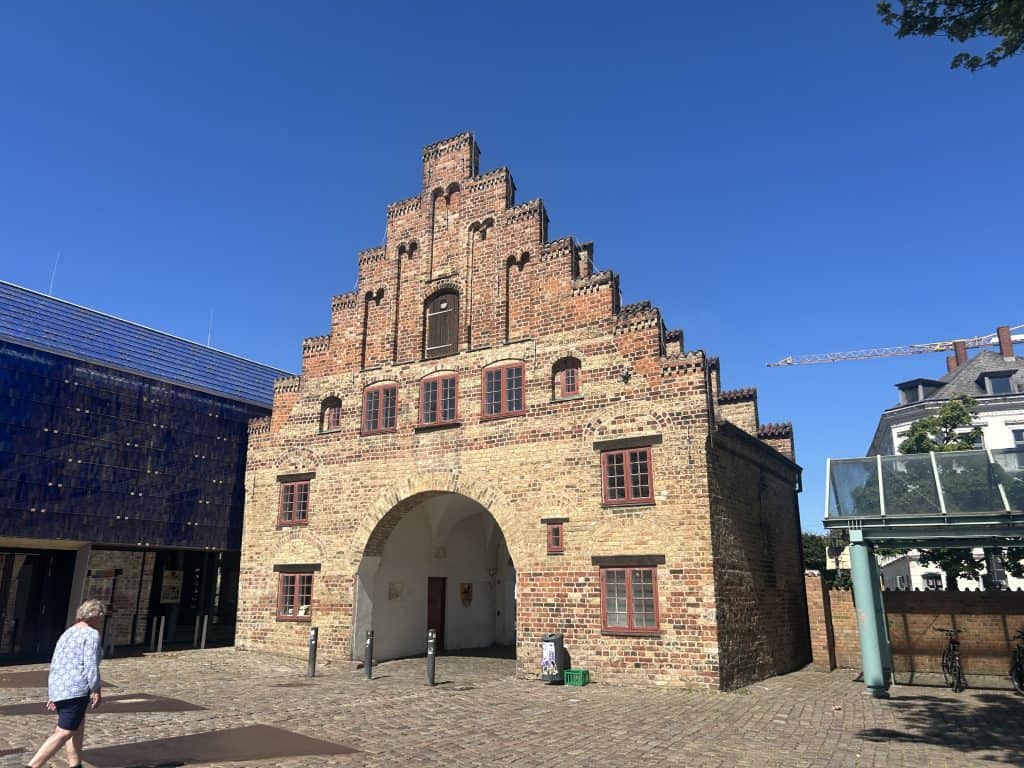
The Nordertor is Flensburg’s most famous landmark and a symbol of the city. This imposing Brick Renaissance city gate was built around 1595. It served as the northern entrance to the fortified city. The gate features a distinctive stepped gable and contains the coats of arms of King Christian IV of Denmark and the city of Flensburg. It stands as a testament to the city’s past as a major and well-defended trading port. The gate is a key example of the architectural style of the period.
The Old Town
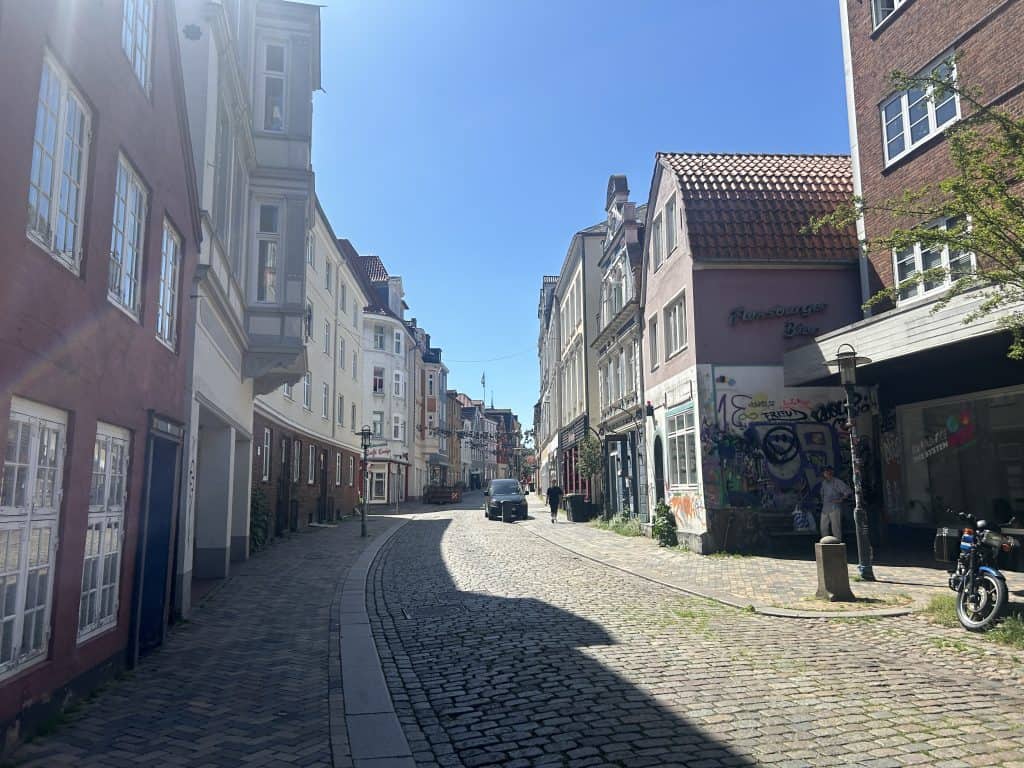
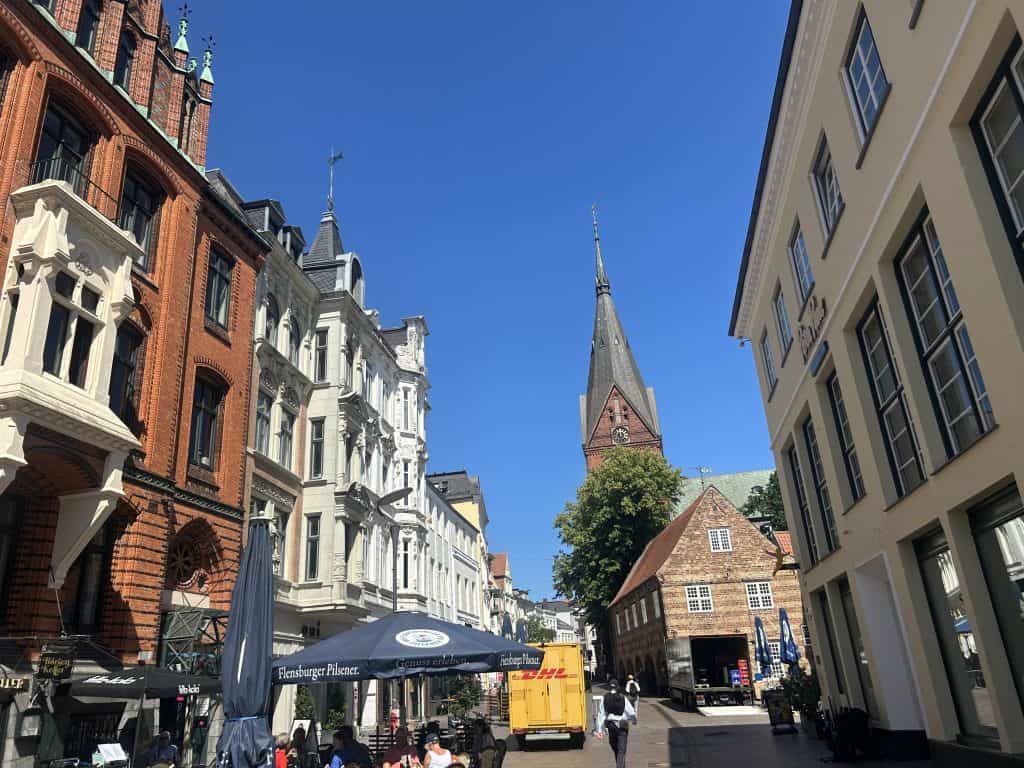
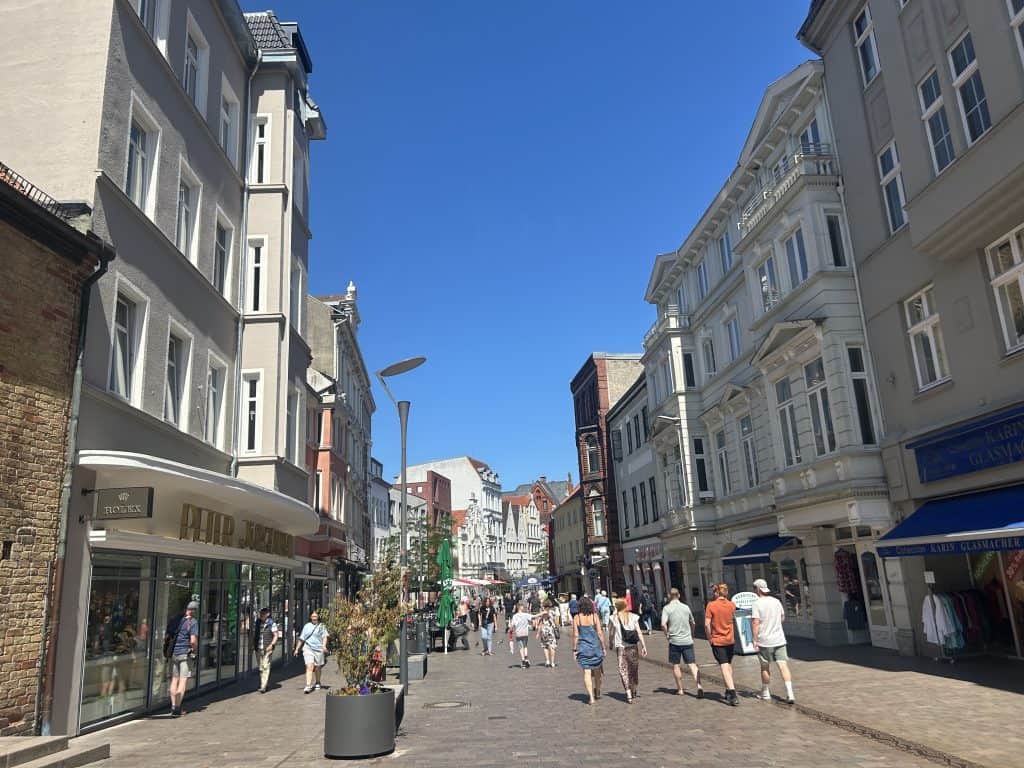
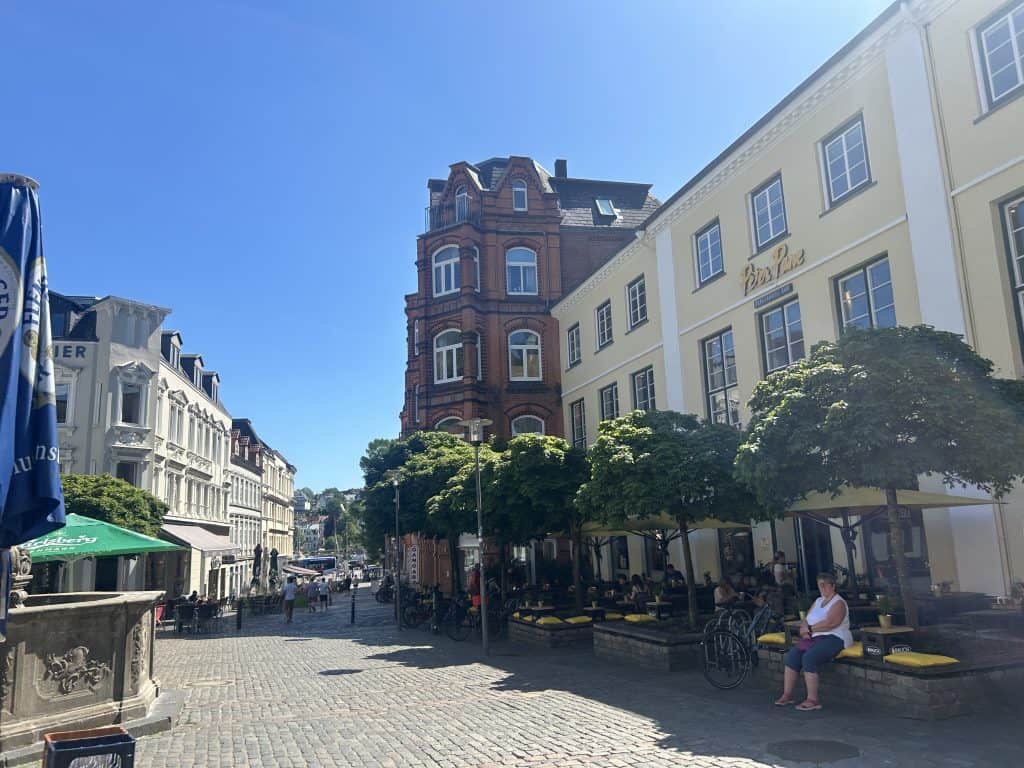
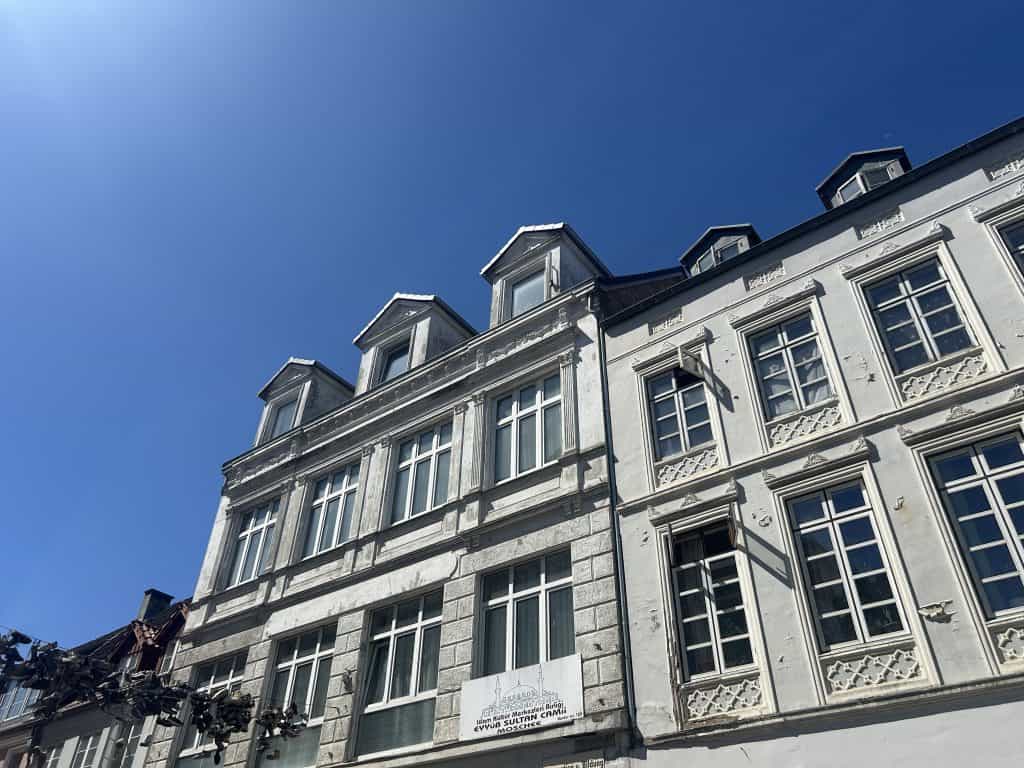
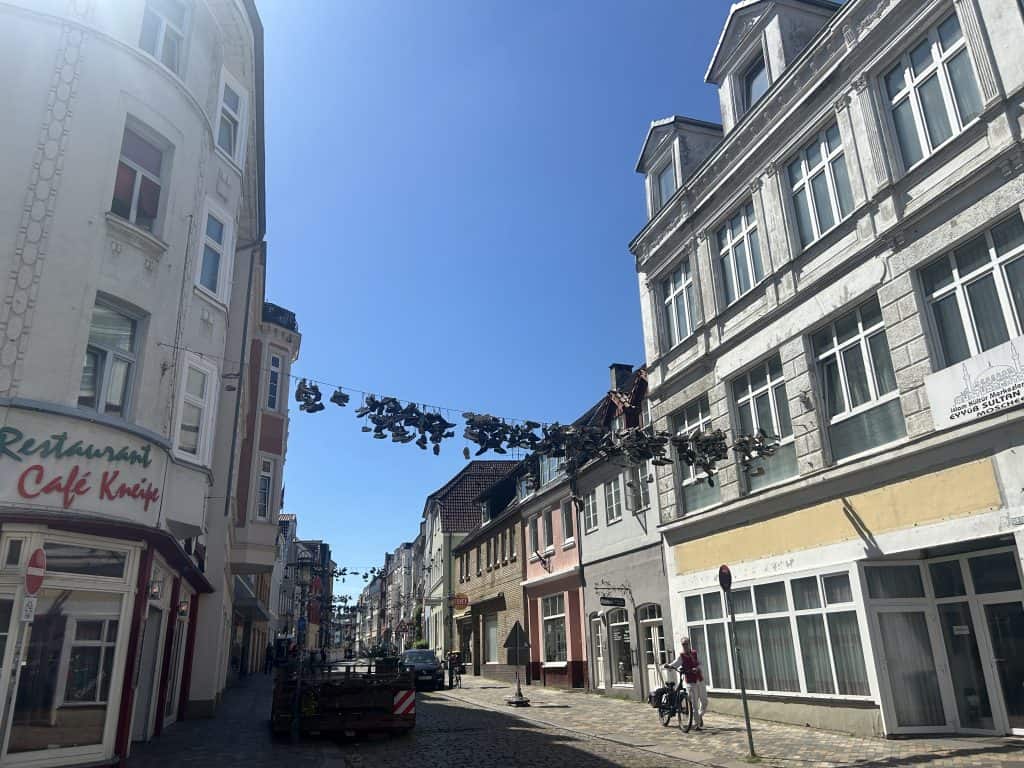
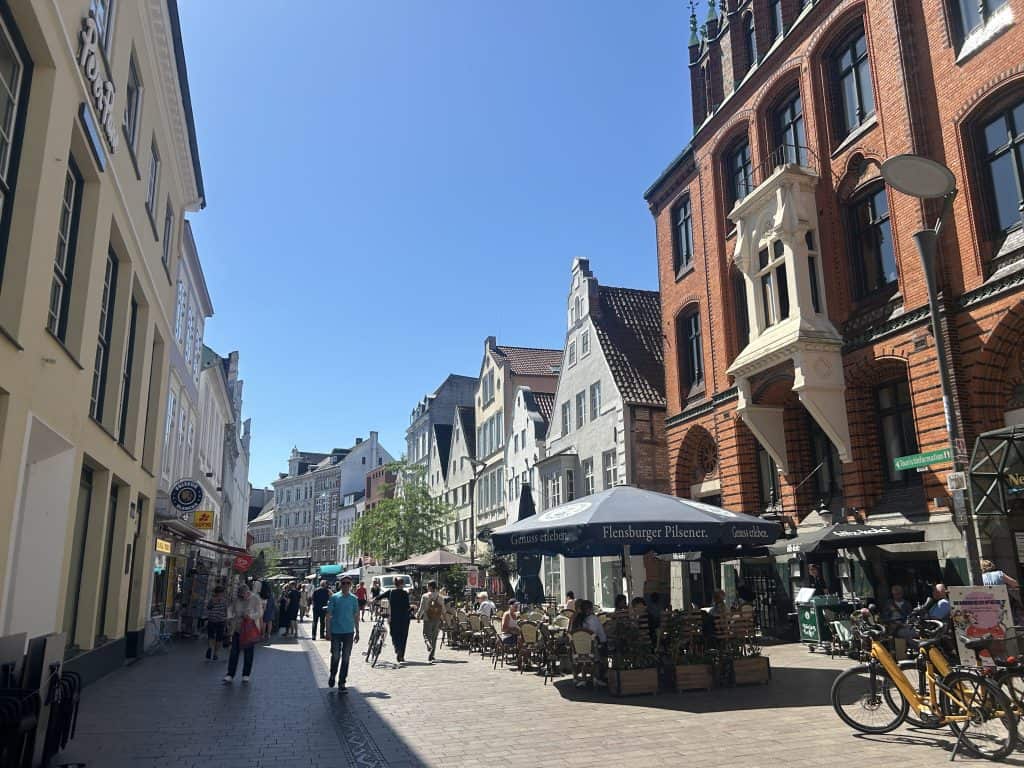
The Old Town (Altstadt) of Flensburg is well-preserved and characterized by its narrow streets and historic merchants’ courtyards (Kaufmannshöfe). The two main pedestrian shopping streets, the Holm and the Grosse Strasse, run through the heart of the old town. These streets are lined with a mix of historic gabled houses and modern shops. The merchants’ courtyards are a unique feature of the city. These are quiet backyards and passageways that once served the large merchant families who lived and worked on the main streets.
Museumsberg Flensburg
The Museumsberg Flensburg is the city’s main complex for art and cultural history. It is located on a hill overlooking the old town. The complex consists of two main buildings: the Heinrich-Sauermann-Haus, which is dedicated to cultural history, and the Hans-Christiansen-Haus, which focuses on art. The cultural history museum showcases collections of furniture and art from the Schleswig region. The art museum features works from the 19th century to the present day, with a focus on Schleswig-Holstein artists and German Expressionism.
Museumswerft Flensburg (Museum Shipyard)
The Museum Shipyard (Museumswerft Flensburg) is a working museum dedicated to the history of traditional wooden shipbuilding. It is located on the eastern side of the harbor. At the shipyard, visitors can watch craftsmen at work, building and restoring traditional sailing ships using historical techniques. The shipyard is focused on preserving the maritime heritage of the region. It is a unique, hands-on museum that provides a direct look into the skills of the past. The shipyard also has its own small harbor with several historic vessels.
Phänomenta
The Phänomenta is an interactive science and technology center located near the Nordertor. The center is housed in the old customs building at the end of the harbor. It features over 200 hands-on exhibits that explore various scientific phenomena. The exhibitions are designed to be engaging for visitors of all ages, allowing them to experiment and learn about physics and technology. The Phänomenta is a popular attraction, particularly for families.
Naval Academy Mürwik
The Naval Academy Mürwik (Marineschule Mürwik) is the main training academy for officers of the German Navy. It is located in the Mürwik district of Flensburg, on the eastern side of the fjord. The main building of the academy is a large, imposing Brick Gothic Revival structure that was completed in 1910. It is often referred to as the “Red Castle on the Sea” due to its distinctive architecture. While it is an active military installation, the building is a major landmark and can be viewed from the outside.
St. Mary’s Church
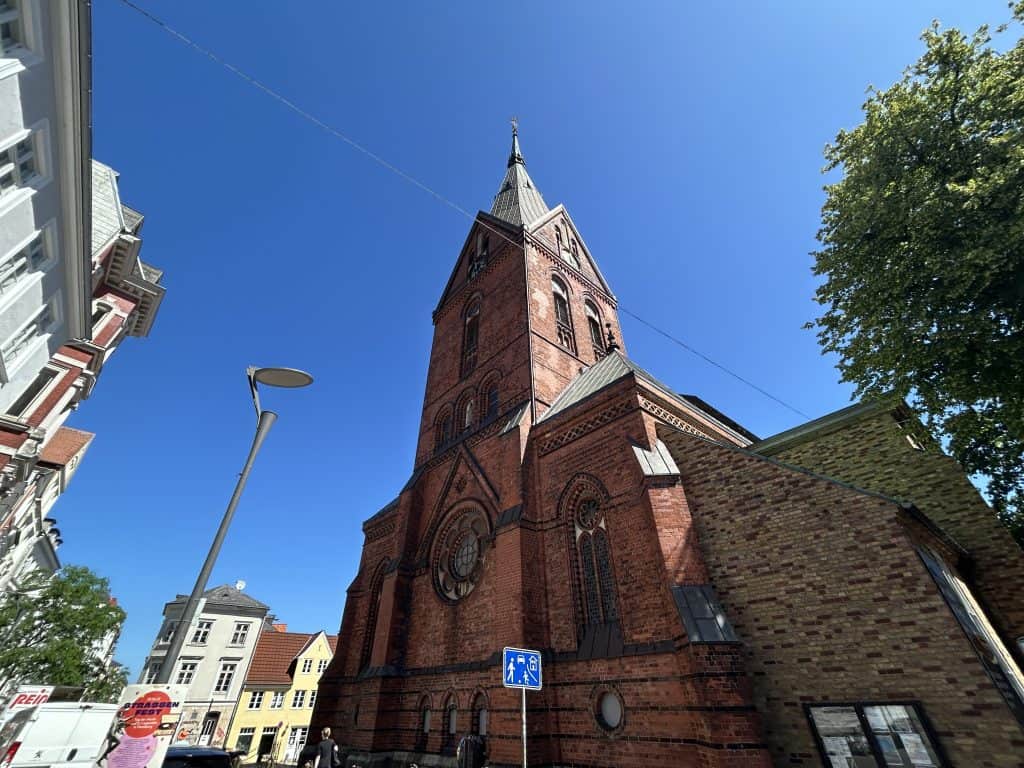
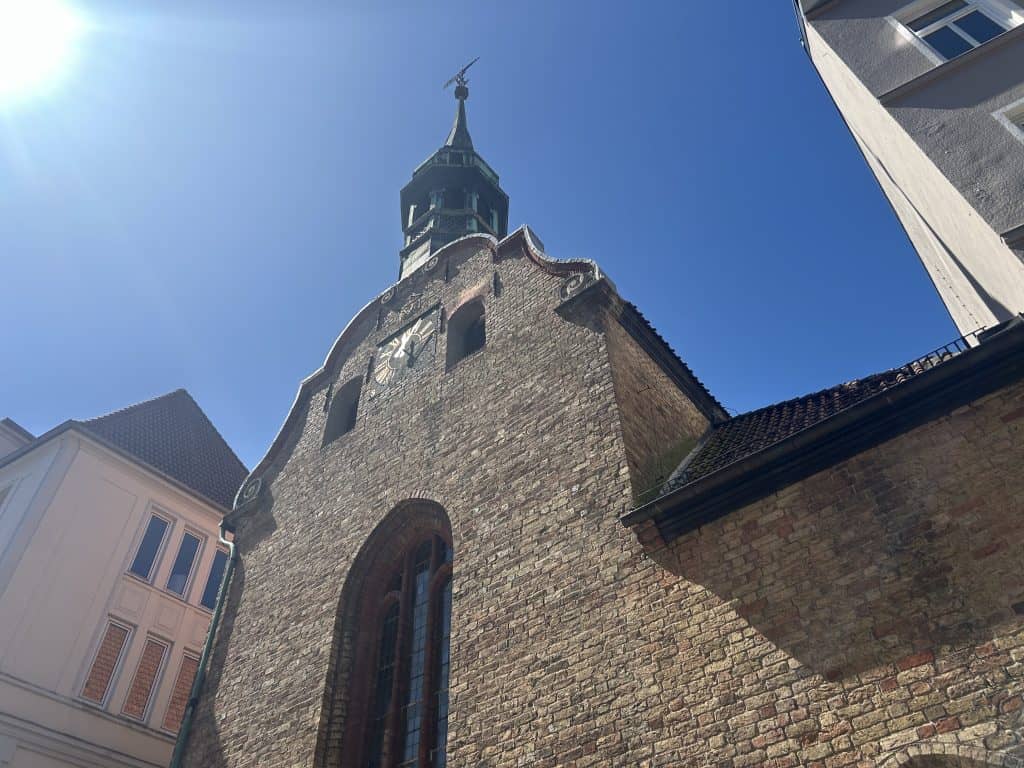
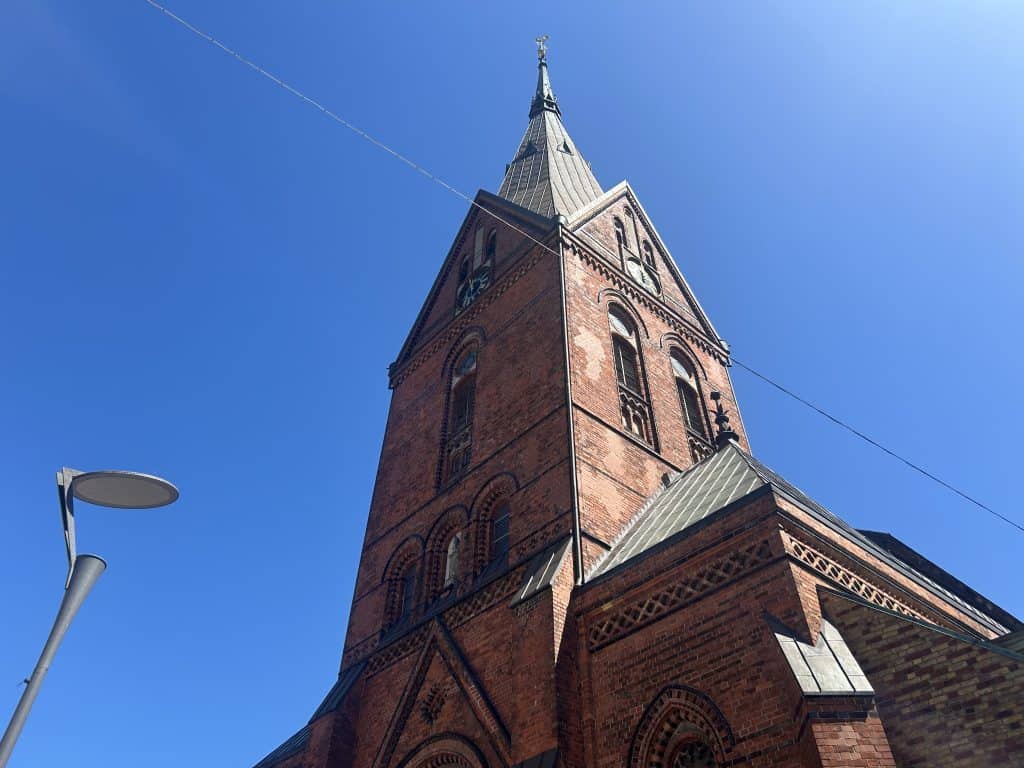
St. Mary’s Church (Marienkirche) is one of the main historic churches in Flensburg’s Old Town. The church was built in the 13th century and is a key example of Brick Gothic architecture. It is located on the Nordermarkt (North Market) square. The church’s interior features a high altar from the Rococo period and a Renaissance-era pulpit. The church has been renovated several times over its long history. It serves as a key spiritual and architectural landmark in the historic city center.
Sports in Flensburg
The sporting life in Flensburg is dominated by its professional handball team, which is one of the most successful in the world. The city has a deep and passionate connection to the sport of handball. Football is also a popular sport, with a local club that represents the city in the regional leagues. The city’s location on the Flensburg Fjord also makes it a major international center for sailing.
Handball
Handball is the most important and successful sport in Flensburg. The city is home to a world-class professional men’s handball team. The sport has an exceptionally dedicated following in the city and the wider German-Danish border region. The home games are major events that draw large, enthusiastic crowds to the city’s main arena. The arena is known for its intense atmosphere, earning it the nickname “Hell of the North.”
SG Flensburg-Handewitt
The professional men’s handball team is SG Flensburg-Handewitt. The club was founded in 1990 through a merger of two local teams. They compete in the Handball-Bundesliga, the top professional league in Germany, which is considered one of the best in the world. SG Flensburg-Handewitt has won the German Championship multiple times. They have also had major success in European competitions, winning the EHF Champions League, the premier club competition in Europe, in 2014. They play their home games at the Flens-Arena.
Football
Football is also a popular sport in Flensburg, with a local club that is a key part of the community. While not competing at the same high level as the handball team, the football club has a dedicated following. It represents the city in the regional leagues of northern Germany. The club has a long history and is an important institution for local football development.
SC Weiche Flensburg 08
The city’s main football club is SC Weiche Flensburg 08. The team competes in the Regionalliga Nord, which is the fourth tier of the German football league system. They have had several successful seasons and have competed for promotion to the professional 3. Liga. The club plays its home matches at the Manfred-Werner-Stadion. The team is a key part of the city’s sporting landscape and has a strong local identity.
Sailing
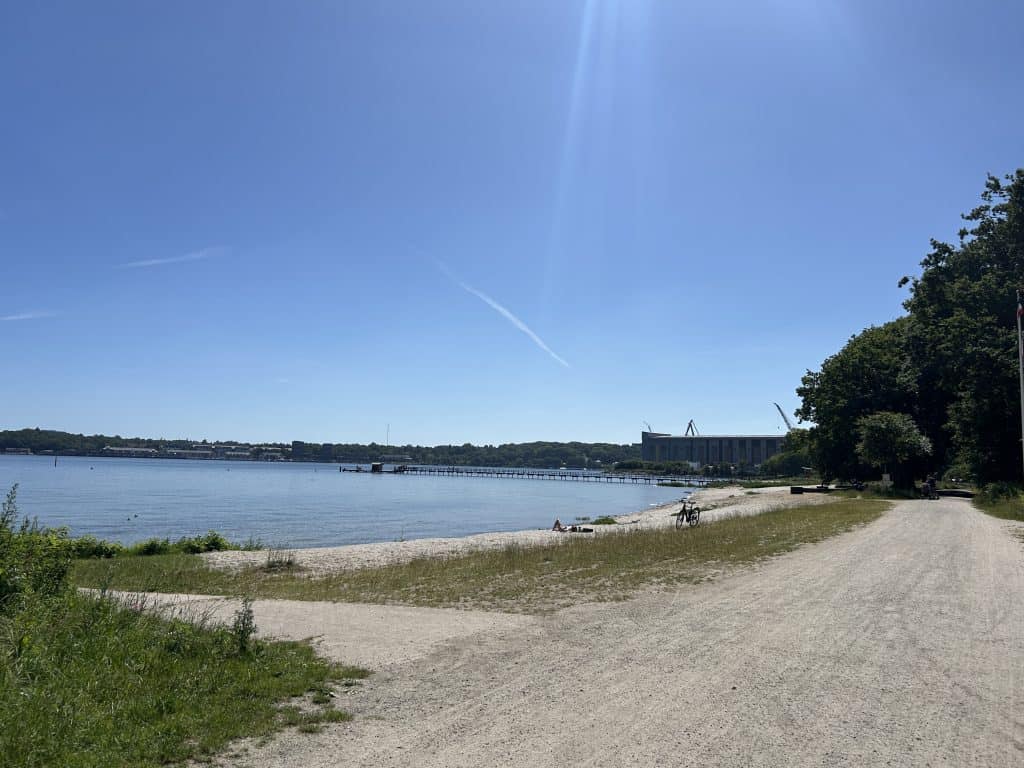
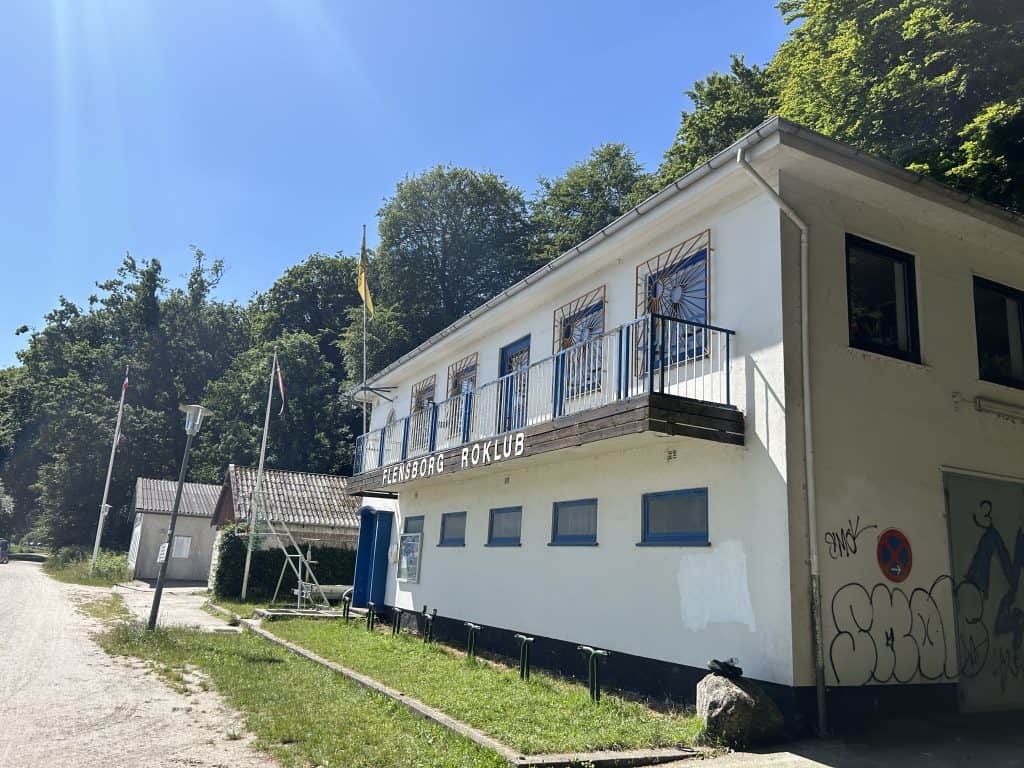
The Flensburg Fjord is a major international center for sailing. The long, protected fjord provides ideal conditions for both recreational sailing and competitive regattas. The city is home to several large and active yacht clubs. A key annual event is the Rum Regatta. This is one of the largest meetings of traditional gaff-rigged sailing ships in Northern Europe. The event celebrates the city’s history as a rum trading port.

Getting Around in Flensburg
Navigating Flensburg is straightforward. The city center is compact and very walkable. For travel to the wider parts of the city and the surrounding region, an efficient local bus network provides public transport. The city’s location on the fjord also allows for some transport by water.
On Foot: The Old Town and Harbour
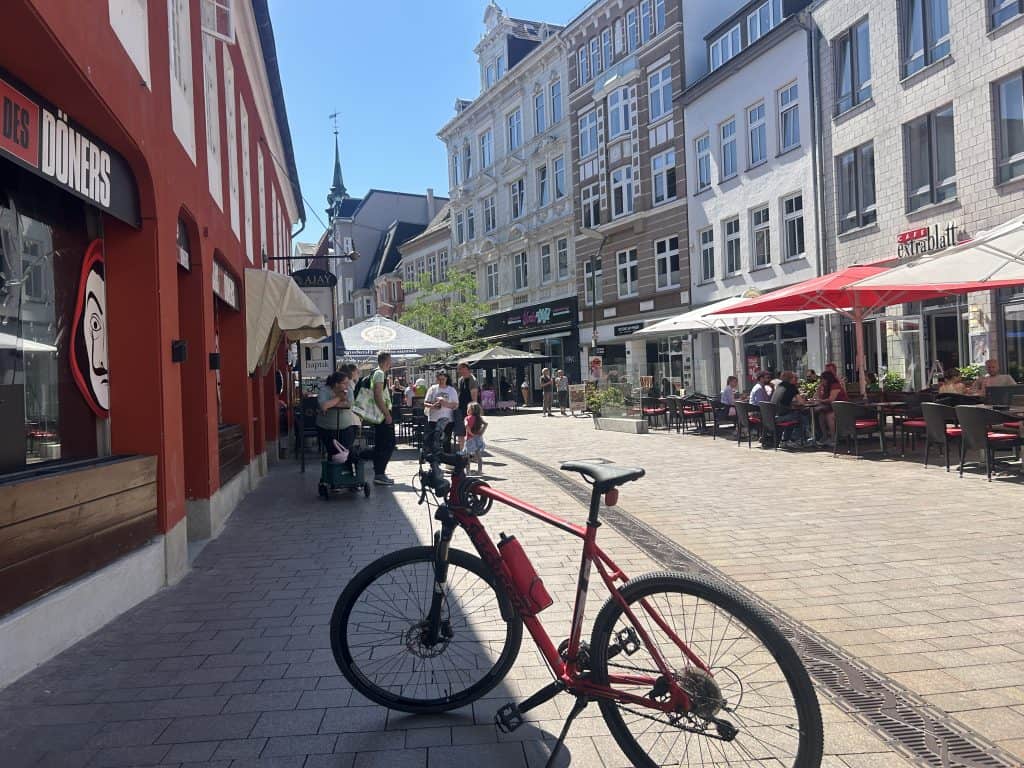
Walking is the best way to explore the central part of Flensburg. The main pedestrian shopping street, the Holm, the historic harbor, and the merchants’ courtyards are all within a short walking distance of each other. This allows visitors to see the architecture and access local shops and cafes on foot. Comfortable shoes are recommended for the cobblestone streets in the old town.
Local Buses
The public transport in Flensburg is operated by Aktiv Bus Flensburg. A comprehensive network of local buses serves all parts of the city and its suburbs. The central bus station, the ZOB, is located in the heart of the city and is the main hub for the bus network. The buses are a key mode of transport for traveling between the city center and other districts like Mürwik. Cross-border bus services also connect Flensburg with towns in Denmark.
On Two Wheels: Cycling
Cycling is a popular way to get around Flensburg and the surrounding area. The city is located on several long-distance cycle routes, including the Baltic Sea Cycle Route. There are dedicated cycle paths along the harbor and through parts of the city. The relatively hilly terrain in some parts of the city can be challenging, but the fjord landscape offers scenic routes. Bike rentals are available for visitors.
How to Get to Flensburg
Reaching Flensburg is convenient by road and rail due to its location on a major transport corridor between Germany and Denmark. It is the last major German city before the Danish border. This makes it highly accessible from both countries.
The Open Road: Driving the A7/E45
Driving is a very common and practical way to reach Flensburg. The city is located directly on the A7 motorway (Autobahn), which is part of the E45 European route. This is the main north-south highway that connects Central Europe with Scandinavia. The motorway provides a direct link to Hamburg in the south and to the Danish border just a few kilometers to the north. The city is well-signposted from the motorway.
Arriving by Air: Nearby Gateways
Flensburg does not have its own major commercial airport. The closest major international airport is Hamburg Airport (HAM), located approximately 160 kilometers to the south. Another major option is Billund Airport (BLL) in Denmark, about 130 kilometers away. The closest airport is the smaller Sønderborg Airport (SGD) in Denmark, which has connections to Copenhagen. From any of these airports, a rental car or a combination of train and bus services is required to complete the journey to Flensburg.
Connecting by Coach
Long-distance bus services from companies like FlixBus have regular stops in Flensburg. The main long-distance bus stop is located at the city’s central train station. These services provide an economical option for reaching the city from major German cities like Hamburg and Berlin, as well as from cities in Denmark and other parts of Europe.
On Track: A Key Railway Hub
Traveling to Flensburg by train is highly efficient. The Flensburg station (Bahnhof Flensburg) is a key railway hub in the region. It is a stop for long-distance Intercity (IC) trains that connect Flensburg with Hamburg, Cologne, and other major German cities. Regional trains also provide frequent connections to Kiel and to towns in Denmark. The station is located a short walk from the city center.
The Baltic Sea Route: Arriving by Ferry
While Flensburg itself is not a major international ferry port, it is easily accessible from major ports on the Baltic Sea. The port of Kiel, about 85 kilometers away, has ferry connections to Norway, Sweden, and Lithuania. The ports of northern Denmark, such as Hirtshals and Frederikshavn, also have frequent connections to Scandinavia. From any of these ferry ports, the final journey to Flensburg must be completed by train or car.
Driving Distances
The driving distance from 20 regional cities, according to Google Maps:
- Kiel, Germany – 86 kilometers (1 h 10 min)
- Hamburg, Germany – 165 kilometers (1 h 50 min)
- Odense, Denmark – 171 kilometers (2 h 00 min)
- Aarhus, Denmark – 209 kilometers (2 h 10 min)
- Bremen, Germany – 287 kilometers (2 h 50 min)
- Hanover, Germany – 320 kilometers (3 h 20 min)
- Copenhagen, Denmark – 359 kilometers (4 h 00 min)
- Berlin, Germany – 434 kilometers (4 h 40 min)
- Gothenburg, Sweden – 477 kilometers (7 h 30 min, includes ferry)
- Cologne, Germany – 550 kilometers (5 h 30 min)
- Szczecin, Poland – 582 kilometers (6 h 10 min)
- Amsterdam, Netherlands – 624 kilometers (6 h 10 min)
- Frankfurt, Germany – 633 kilometers (6 h 20 min)
- Brussels, Belgium – 755 kilometers (7 h 40 min)
- Luxembourg City, Luxembourg – 732 kilometers (7 h 30 min)
- Oslo, Norway – 771 kilometers (9 h 50 min, includes ferry)
- Stuttgart, Germany – 813 kilometers (8 h 10 min)
- Munich, Germany – 970 kilometers (9 h 30 min)
- Stockholm, Sweden – 994 kilometers (11 h 30 min, includes ferry)
- Paris, France – 1,067 kilometers (10 h 50 min)
Looking to Explore more of Germany and Europe?