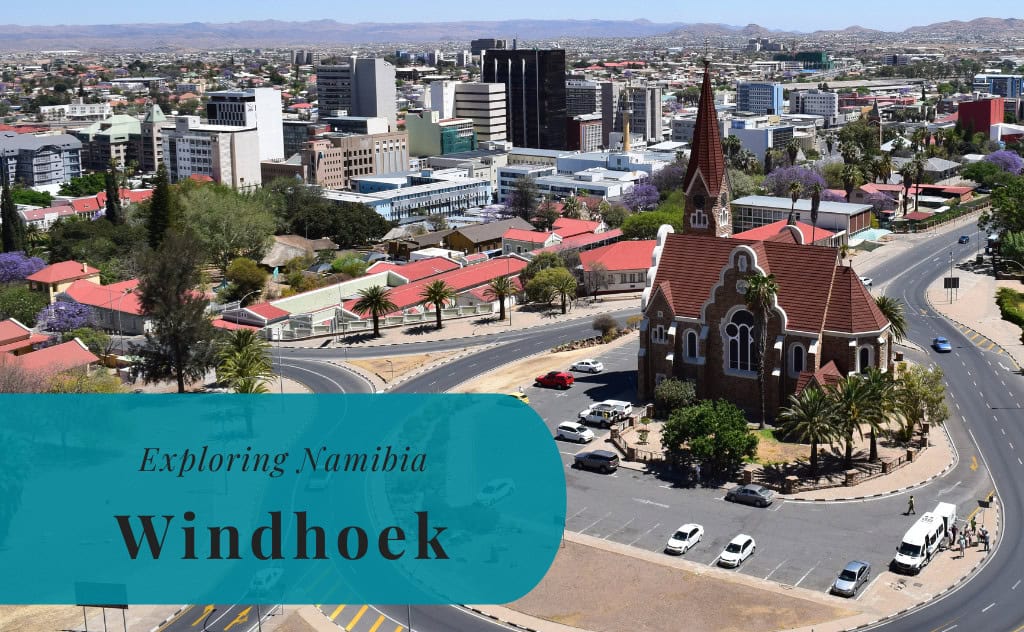
Windhoek | Exploring Namibia
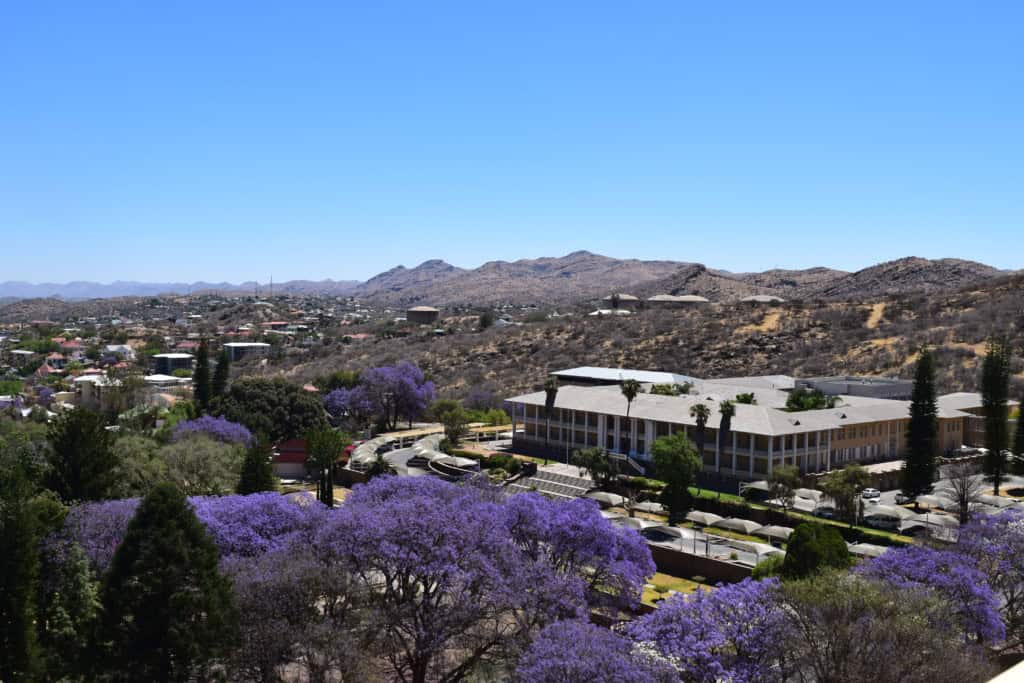
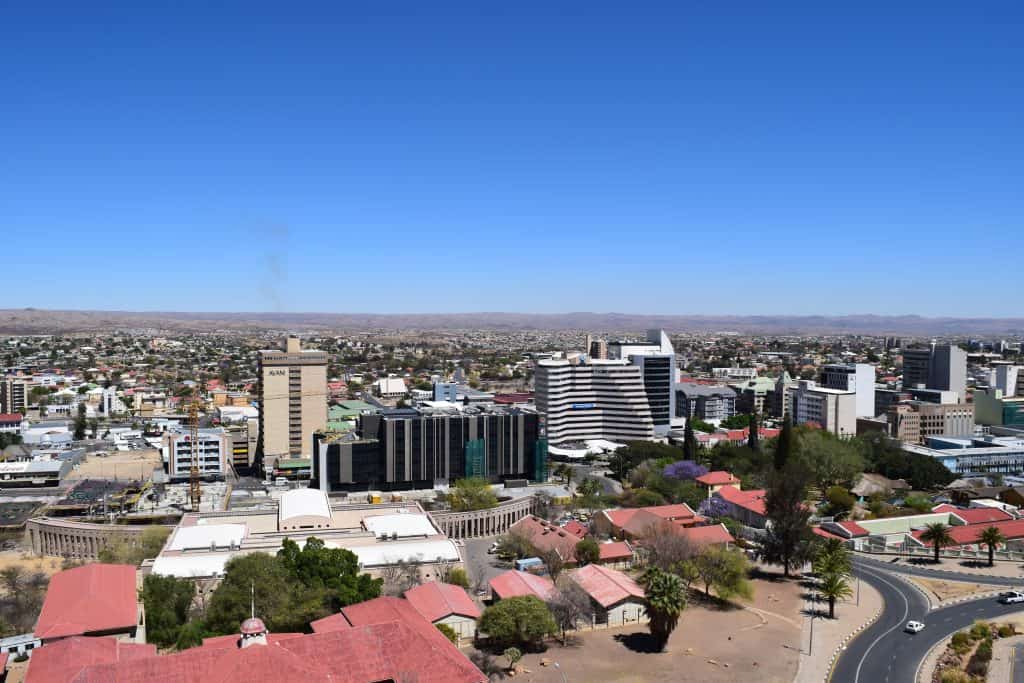
Windhoek is the capital and largest city of the Republic of Namibia. It is located in the geographic center of the country, situated in a valley on the northern side of the Khomas Highland plateau at an altitude of approximately 1,700 meters. With a population of around 486,000 residents, Windhoek serves as the nation’s primary political, economic, and cultural center. The city is the main point of entry for most international visitors to Namibia and acts as the hub for the country’s road and rail networks. Its location makes it a starting point for journeys to other parts of the country, such as Etosha National Park or the Namib Desert.
The character of Windhoek is defined by a blend of its German colonial architectural heritage and its modern identity as the capital of an independent African nation. The city center contains a number of well-preserved buildings from the late 19th and early 20th centuries. These structures stand alongside contemporary office buildings and modern shopping malls. This architectural mix reflects the different historical periods that have shaped the city. The city is known for being relatively clean and organized for a major urban center in the region.
As the main commercial and administrative hub of Namibia, Windhoek contains all the major government institutions, national cultural bodies, and the headquarters of Namibian businesses. The city’s districts show its diverse character, from the central business district and the affluent suburbs on the hillsides to the large township of Katutura to the northwest. This combination of functions, history, and a diverse population gives the city its specific identity.



Good to Know When Visiting Windhoek
To help with planning a visit, here are several practical points covering daily essentials, timing, and efficient exploration of the city. Understanding these details can make a trip to Windhoek more convenient. This information is intended to provide a general overview for travelers preparing to visit the Namibian capital.
The Daily Essentials
The official currency used in Windhoek is the Namibian Dollar (NAD). The Namibian Dollar is pegged 1:1 to the South African Rand (ZAR), and the Rand is also accepted as legal tender throughout the country. Credit and debit cards are widely accepted in most hotels, restaurants, and shops. However, it is advisable to have some cash for smaller purchases at local markets or for taxis. The official language is English. German and Afrikaans are also widely spoken, along with various indigenous languages like Oshiwambo and Herero. Tipping is customary; a tip of around 10% is standard for good service in restaurants. The tap water in Windhoek is generally considered safe to drink as it is treated, but many visitors may prefer bottled water. The electrical system uses Type D and M sockets with a standard voltage of 220V, so visitors will likely need an adapter.
Planning Your Calendar
Windhoek has a semi-arid climate with long, hot summers and mild winters. The dry season, from May to October, is generally considered the best time to visit. During this period, the days are warm and sunny, and the nights are cool. This is also the peak tourist season for the entire country, as the dry conditions are ideal for wildlife viewing in the national parks. The wet season, from November to April, brings hotter temperatures and the possibility of afternoon thunderstorms. Key public events include Independence Day on March 21st and the German-influenced Windhoek Karneval (WIKA), which takes place in April. For a first visit, two to three full days is generally sufficient to see the main sights in the city itself before heading out to other parts of the country.
A Tourist’s Toolkit for Exploration
The city center of Windhoek is relatively compact, and many of the main historic sights can be explored on foot. However, for traveling to different neighborhoods or attractions on the outskirts, taxis are the most common form of transport. There is a municipal bus service, but it is not widely used by tourists. Ride-sharing apps are not as prevalent as in some other countries. It is advisable to book accommodation and rental cars well in advance, especially if traveling during the peak dry season. For safety, it is generally recommended to use reputable, pre-booked taxis rather than hailing them on the street, especially at night. When visiting local markets like the one in Katutura, it is best to go with a local guide.

A Short History of Windhoek
The history of Windhoek is that of a settlement founded on natural hot springs that was later developed into a colonial capital and finally into the center of an independent nation. Its story is central to the modern history of Namibia. The city’s development was shaped by conflicts between indigenous groups, the establishment of German colonial rule, and the long period of South African administration that followed. This complex past is reflected in the city’s monuments, street names, and the layout of its different districts.
Pre-Colonial and Founding
The area of modern-day Windhoek was known to indigenous peoples for its hot springs. In the early 19th century, the site became the headquarters of a Nama chief. In 1840, Jonker Afrikaner, a leader of the Oorlam people, established a settlement here. He built a stone church for his community of around 500 people. He gave the place the name Windhoek, which is derived from the Afrikaans words for “windy corner.” The settlement was later destroyed during the ongoing conflicts between the Nama and Herero peoples.
For several decades, the site was largely abandoned. A second phase of development began with the arrival of German influence in the region. The area was “rediscovered” by merchants, and a new period of settlement began. This laid the groundwork for its eventual establishment as the new capital of the German colony. This second founding was a key moment in the city’s modern history.
German Colonial Capital
The modern city of Windhoek was officially re-established in 1890. On October 18th of that year, Major Curt von François, an officer in the German imperial army, laid the foundation stone of the fortress that would become known as the Alte Feste. This event is considered the official founding date of the modern city. The Germans chose the location to serve as the capital of their new colony, German South West Africa. They selected it due to its central location between the Nama and Herero peoples and its reliable water source from the springs.
During the period of German colonial rule, which lasted until 1915, the city was meticulously planned. Many of the most significant historical buildings that still stand today were constructed during this time. This includes the Christuskirche and the Tintenpalast. The city was connected to the port of Swakopmund by a railway line, which was crucial for its development. The layout of the central city, with its German-style architecture, is a direct legacy of this era.
South African Rule and Independence
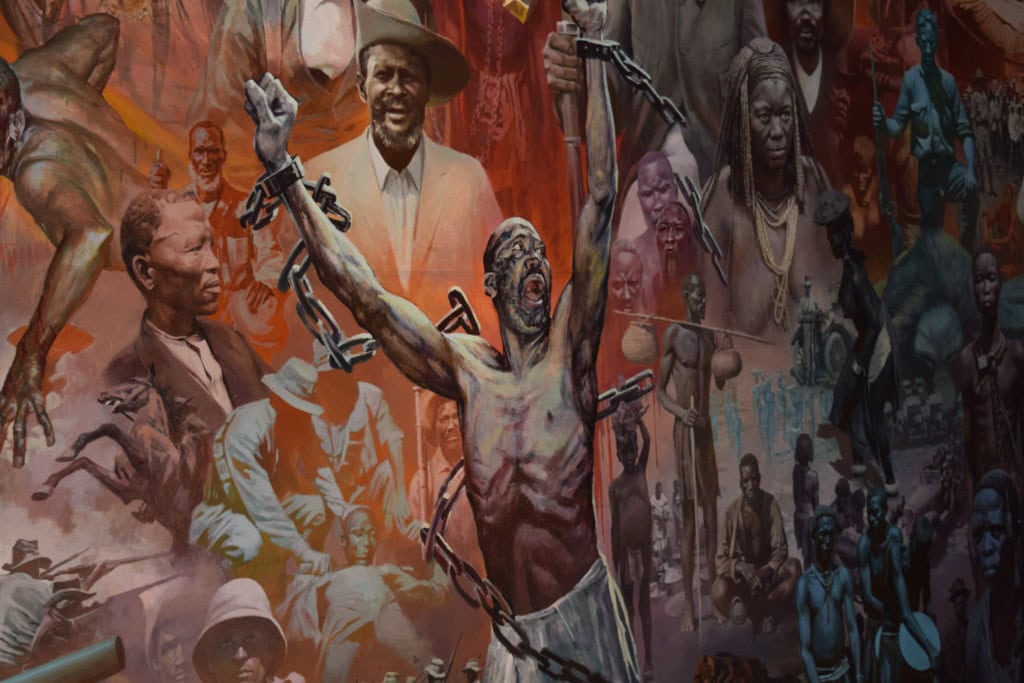
During World War I, South African troops occupied German South West Africa. In 1915, Windhoek was captured. After the war, the League of Nations granted South Africa a mandate to administer the territory. For the next 75 years, Windhoek was the administrative capital under South African rule. During this period, the city grew significantly, but it was also subject to the policies of apartheid. This led to the forced removal of black residents from the city center to a new segregated township to the northwest, which was named Katutura (a Herero word meaning “the place where we do not want to live”).
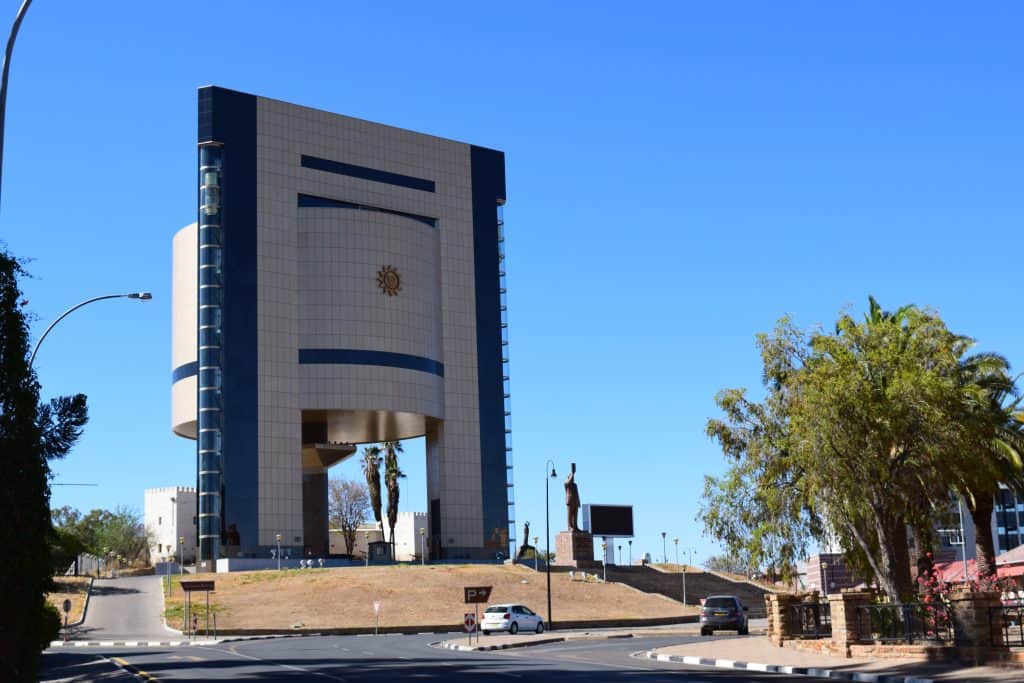
The struggle for independence from South African rule was led by organizations like the South West Africa People’s Organisation (SWAPO). After a long period of conflict, Namibia finally achieved its independence on March 21, 1990. Windhoek became the capital of the new Republic of Namibia. Since independence, the city has continued to grow and modernize. It has also undertaken projects to address the legacy of its colonial and apartheid past, such as the construction of the new Independence Museum.


Things to Do and See
Windhoek’s sights reflect the different chapters of its history, from its German colonial architecture to its monuments celebrating Namibian independence. The city’s main landmarks are concentrated in the compact city center, making them relatively easy to explore. These sights provide a look into the nation’s political, cultural, and natural heritage. The city serves as a good introduction to the history and diversity of Namibia before travelers head out to explore the rest of the country.
The most recognizable buildings are located along the main avenues of the city center. This includes the historic Christuskirche, the Alte Feste fortress, and the modern Independence Museum, which are all located close to each other. The Namibian Parliament and its gardens are also a key feature of the central district. The city’s museums and craft centers provide insight into the art and culture of the nation’s diverse peoples.
Christuskirche (Christ Church)
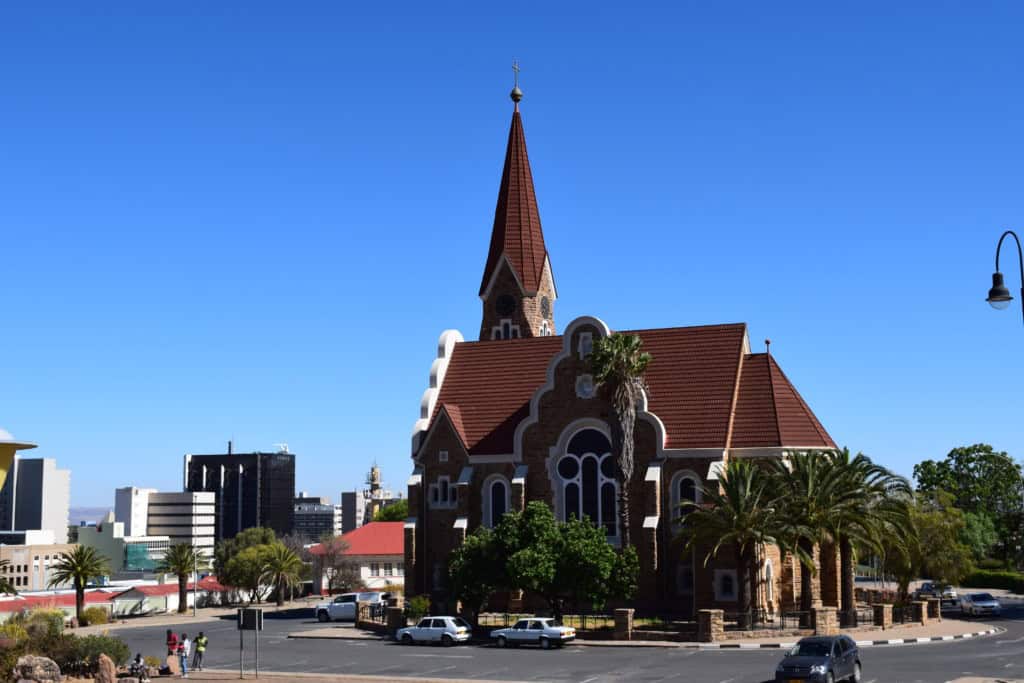
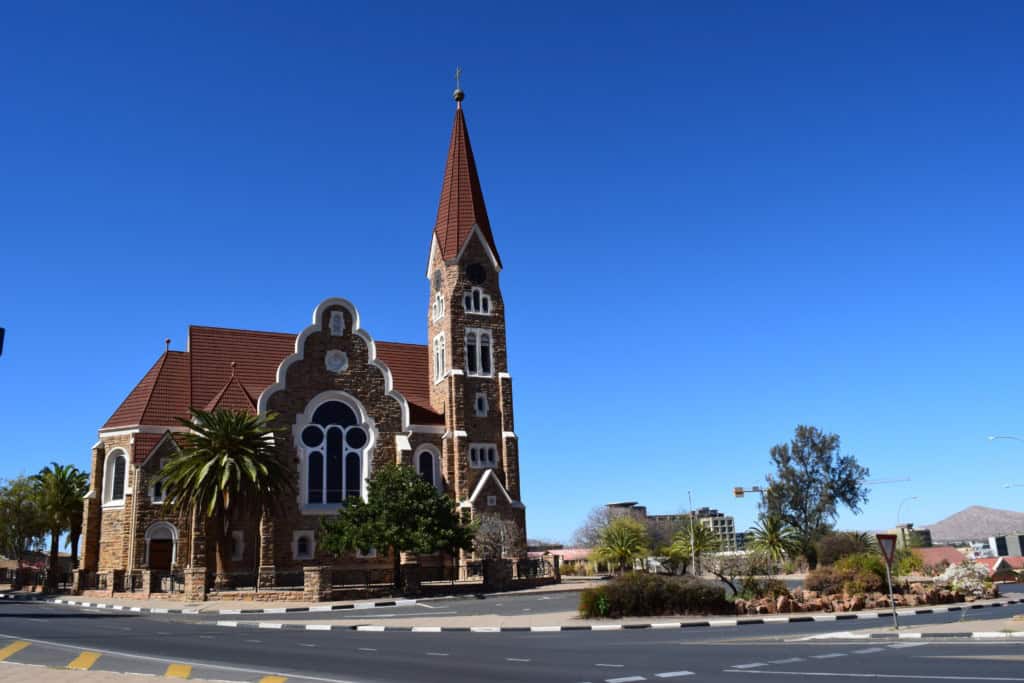
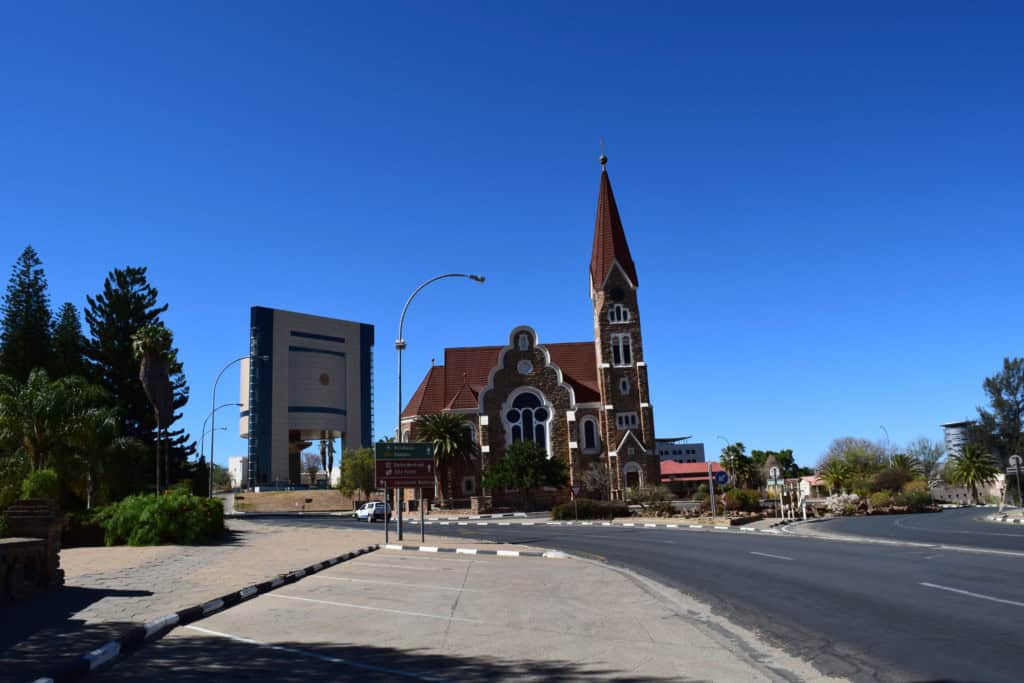
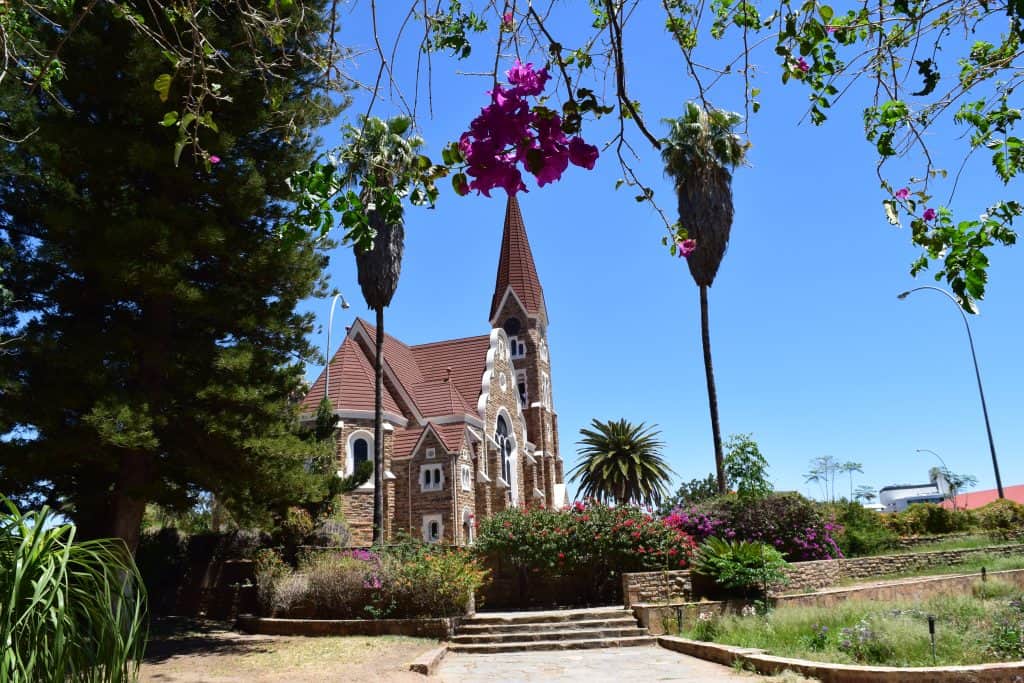
The Christuskirche is one of Windhoek’s most prominent landmarks. This Evangelical Lutheran church was built in the early 20th century. Construction began in 1907 and it was consecrated in 1910. The church was built to serve the German Lutheran community in the city and stands as a symbol of peace after the wars between the Germans and the local peoples. Its design is a unique blend of Gothic Revival and Art Nouveau styles. It was built from local sandstone, and its stained glass windows were a gift from the German Emperor Wilhelm II. The church’s 24-meter-high spire is a key feature of the city’s skyline.
Alte Feste (Old Fortress)
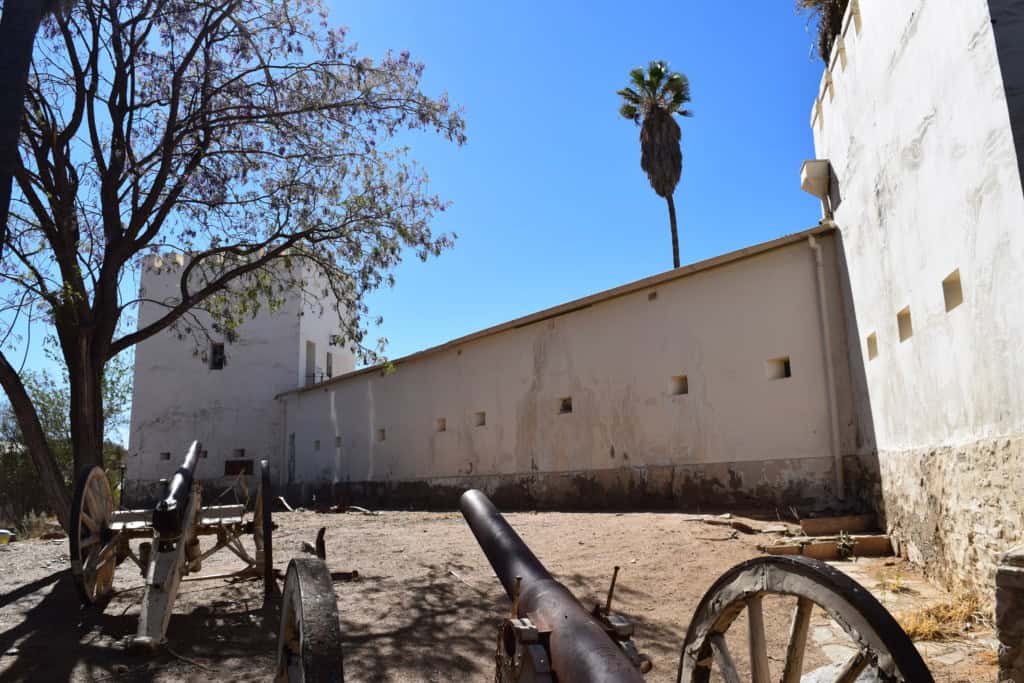
The Alte Feste is the oldest surviving building in Windhoek. The fortress was constructed by the German colonial army under Curt von François, with the foundation stone being laid in 1890. The fort served as the headquarters for the German colonial troops. It is a large, rectangular structure with four towers. After Namibian independence, the Alte Feste became part of the National Museum of Namibia, housing the historical exhibition. The building stands on a hill overlooking the city center and is a key historical site. An equestrian monument that once stood in front of it has since been removed.
Independence Museum
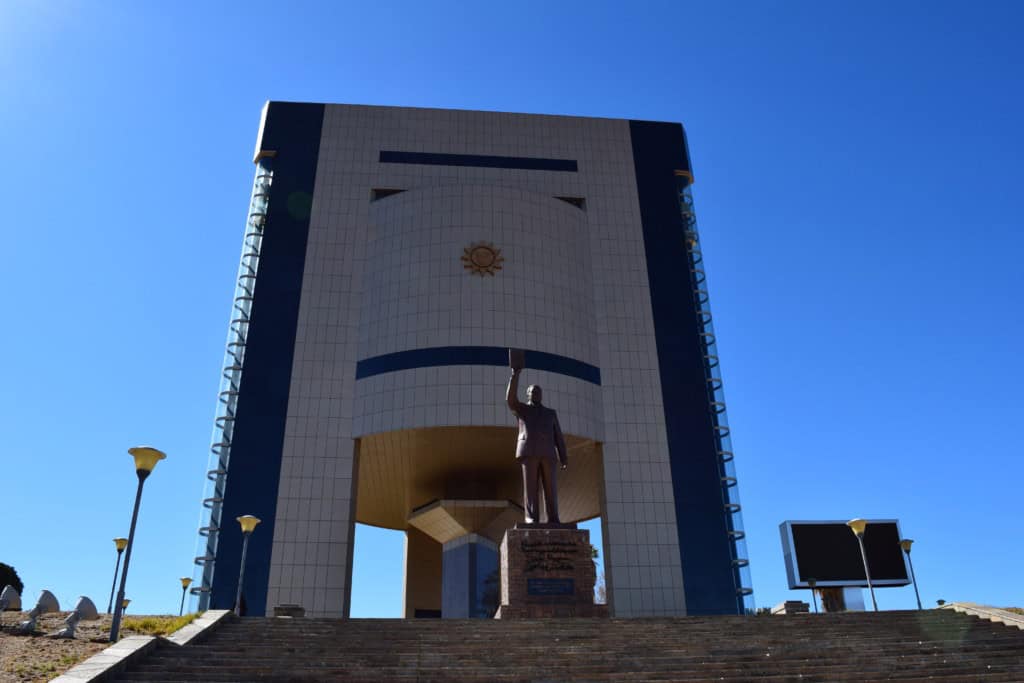
The Independence Museum is a modern landmark located next to the Alte Feste. The museum was opened on March 21, 2014, the 24th anniversary of Namibian independence. The building was designed and built by a North Korean company and features a distinctive modernist architectural style. The museum’s exhibitions are dedicated to the history of the anti-colonial resistance and the national liberation struggle in Namibia. A large glass elevator on the outside of the building takes visitors to a viewing deck on the top floor, which offers panoramic views of the city.
Tintenpalast (Ink Palace)
The Tintenpalast, which translates to “Ink Palace,” is the seat of the Namibian Parliament. The building was constructed between 1912 and 1913 during the German colonial period to serve as the main administrative building for the German government. Its name comes from the large amount of ink that was used by the bureaucrats who worked there. The building is a simple but elegant example of neoclassical architecture. It is surrounded by large, well-maintained gardens, known as the Parliament Gardens, which are a popular public space.
National Art Gallery of Namibia
The National Art Gallery of Namibia (NAGN) is the country’s main art museum. The gallery is dedicated to the collection, preservation, and exhibition of Namibian art. Its permanent collection includes historical and contemporary art from Namibian artists, showcasing the country’s diverse cultural heritage. The gallery also hosts a regular program of temporary exhibitions, featuring both local and international artists. It serves as a key institution for the development and promotion of the visual arts in Namibia.
Namibia Craft Centre
The Namibia Craft Centre is located in the old Breweries Building in the city center. It is a major center for Namibian handmade crafts. The center features a large marketplace with numerous stalls selling a wide variety of products from across the country. This includes jewelry, textiles, wood carvings, and baskets made by artists from different ethnic groups and community projects. The center also has a cafe and an art gallery. It is a key destination for visitors looking to purchase authentic Namibian souvenirs.
Katutura Township
The township of Katutura is located to the northwest of the city center. It was established in the 1950s by the South African administration as part of its apartheid policies. Black residents were forcibly moved from their homes in the “Old Location” near the city center to this new segregated area. The name Katutura means “the place where we do not want to live” in the Herero language. Today, it is a large and vibrant part of the city. Taking a guided tour of the township can provide insight into the daily life and history of a large portion of Windhoek’s population.
Gibeon Meteorites
A unique public display in the city center is the Gibeon Meteorite Fountain. The exhibit is located on Post Street Mall, the main pedestrian shopping street. It features 33 fragments of the Gibeon meteorite, which is a large iron meteorite that fell in prehistoric times in central Namibia. The fragments were collected in the 19th century and were declared a national monument. The display allows the public to see and touch these extraterrestrial objects.
Sports in Windhoek
The sporting life in Windhoek is focused on its main national stadiums and the community clubs that represent the city in Namibia’s most popular sports. Football and rugby are the most followed sports in the country, and Windhoek serves as the primary center for both. The city is home to several of the country’s top professional clubs. It also has the main national stadiums for these sports, which host international matches.
The city’s sports infrastructure supports a wide range of athletic activities. The main stadiums are multi-purpose venues that can also host athletics events. The city also has facilities for sports like cricket and netball, which are popular at the community and school levels. The pleasant climate for much of the year also encourages outdoor recreational activities.
Football
Football is the most popular sport in Windhoek and across Namibia. The city is home to several of the country’s top professional football clubs. Matches in the Namibia Premier Football League draw dedicated crowds. The rivalry between the city’s main clubs is a key feature of the domestic league. The Namibian national football team, known as the “Brave Warriors,” plays its most important home matches in Windhoek.
Local Football Clubs
Windhoek is home to many of the country’s most successful football clubs. This includes teams like African Stars F.C. and Black Africa S.C., both of which have won the national league multiple times. Other prominent clubs based in the capital include Orlando Pirates and Tigers F.C. The main venue for league matches is the Sam Nujoma Stadium, which is located in the Katutura township. The Independence Stadium also hosts major games.
Rugby
Rugby union is another very popular sport in Namibia, and Windhoek is its primary center. The Namibian national rugby team, known as the “Welwitschias,” has a history of competing at the highest international level. The sport has a strong following in the city, particularly among the white Namibian community. The national team’s home games are major sporting events in the capital.
Dr. Hage Geingob Rugby Stadium
The main venue for rugby in the country is the Dr. Hage Geingob Rugby Stadium in Windhoek. The stadium is the home ground for the Namibian national team. The Welwitschias have successfully qualified for the Rugby World Cup on seven consecutive occasions, from 1999 to 2023. While they have not yet won a match at the tournament, their consistent presence on the world stage is a major achievement for Namibian sport. The national team also competes in African rugby competitions.
Running
The Windhoek Marathon is the city’s main annual running event. The race is typically held in the early part of the year, when temperatures are cooler. The event includes a full marathon, a half marathon, and a 10k race. The marathon attracts both local and international runners. The course runs through the city and its suburbs. The hilly terrain of Windhoek makes the marathon a challenging course for participants.


Getting Around in Windhoek
Navigating Windhoek requires an understanding of its layout and transport options. The city center is relatively compact and can be explored on foot. For travel to the wider districts and suburbs, taxis are the most common form of transport for visitors. A municipal bus service exists, but it is not widely used by tourists. A private vehicle is highly recommended for those wishing to have flexibility.
The city is built on a series of hills, which can make walking challenging in some areas. The central business district is laid out in a grid pattern, making it easy to navigate. However, the residential suburbs and the township of Katutura are more sprawling. It is important to plan transport in advance, especially for travel in the evening.
On Foot: The City Center
Walking is a suitable way to explore the central part of Windhoek. Many of the main historic sights, such as the Christuskirche, the Alte Feste, and the Independence Museum, are all located within a short walking distance of each other. The main commercial street, Independence Avenue, and the pedestrianized Post Street Mall are also best explored on foot. Comfortable shoes are recommended, as the city center has some gentle hills.
Local Taxis
The most common form of public transport for both residents and visitors is the taxi. Taxis in Windhoek are numerous and are easily identifiable. There are two main types. Private or “call-a-cab” taxis can be booked by phone for a direct journey and use a meter. The other, more common type is the shared taxi. These function more like a bus service, picking up multiple passengers along a semi-fixed route for a standard low fare. It is important to confirm with the driver that they are going to your intended destination.
Municipal Bus Service
Windhoek does have a municipal bus service that operates on a number of routes throughout the city. The buses connect the city center with the main residential areas, including Katutura. However, the service can be infrequent, and information on routes and schedules can be difficult to find for visitors. For this reason, the bus system is not commonly used by tourists. Taxis remain the more practical option for most journeys.
How to Get to Windhoek
Reaching Windhoek is straightforward by air and road. As the capital and main economic hub of Namibia, it is the primary gateway to the country for most international visitors. It is served by a major international airport and is the central point of the national road network. This makes it the starting point for most tourist itineraries in Namibia.
Arriving by Air: Two Airports
Windhoek is served by two airports. The primary international gateway is Hosea Kutako International Airport (WDH). It is located approximately 45 kilometers east of the city. WDH handles all major international and intercontinental flights, with connections to hubs like Frankfurt, Johannesburg, and Addis Ababa. From the airport, travelers must take a private shuttle service or a taxi to reach the city center. The smaller Eros Airport (ERS) is located within the city itself and handles most domestic and some regional charter flights.
The Open Road: Driving to the Capital
Driving is a very common way to travel to Windhoek, especially for those on a self-drive tour of Namibia. The city is located at the junction of the country’s two most important highways. The B1 highway is the main north-south route, connecting the South African border with the Angolan border. The B2 highway, known as the Trans-Kalahari Highway, is the main east-west route, connecting the city with the coast at Walvis Bay and with Botswana. The roads are paved and well-maintained.
Connecting by Coach
Long-distance bus services provide an economical way to reach Windhoek from other parts of Namibia and from neighboring countries. The main operator is Intercape. Their bus services connect Windhoek with major towns across Namibia, as well as with cities in South Africa, Botswana, Zambia, and Zimbabwe. The buses are generally comfortable and safe. The main long-distance bus terminal is located in the city center.
On Track: A Journey by Rail
Traveling to Windhoek by train is an option, though it is not a primary mode of transport for most visitors. The national rail operator, TransNamib, runs passenger services known as the StarLine. These services connect Windhoek with other major Namibian towns, including Swakopmund, Walvis Bay, Keetmanshoop, and Tsumeb. The train service is generally much slower than traveling by road and is known for its infrequent schedule. The historic Windhoek Railway Station is located in the city center.
Driving Distances
The driving distance from 10 regional cities, according to Google Maps:
- Okahandja, Namibia – 70 kilometers (1 h 00 min)
- Karibib, Namibia – 191 kilometers (2 h 10 min)
- Otjiwarongo, Namibia – 251 kilometers (2 h 40 min)
- Swakopmund, Namibia – 352 kilometers (3 h 50 min)
- Walvis Bay, Namibia – 396 kilometers (4 h 10 min)
- Keetmanshoop, Namibia – 498 kilometers (5 h 00 min)
- Tsumeb, Namibia – 600 kilometers (6 h 00 min)
- Lüderitz, Namibia – 818 kilometers (8 h 30 min)
- Gaborone, Botswana – 988 kilometers (11 h 30 min)
- Cape Town, South Africa – 1,496 kilometers (15 h 30 min)
Looking to Explore more of Namibia and Africa?