Ostrava | Exploring the Czech Republic
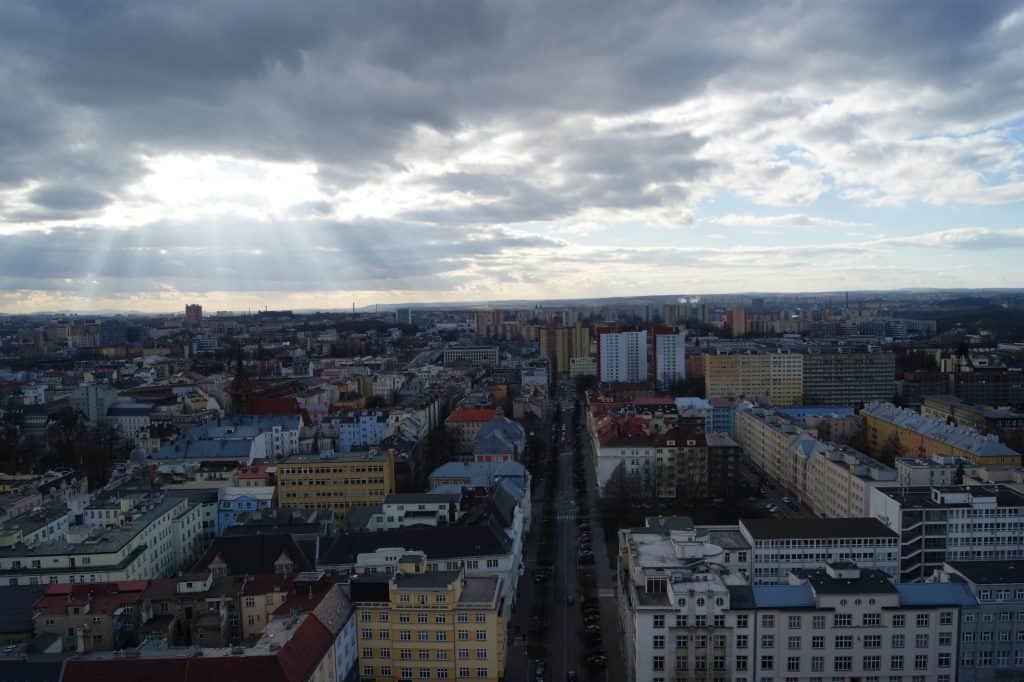
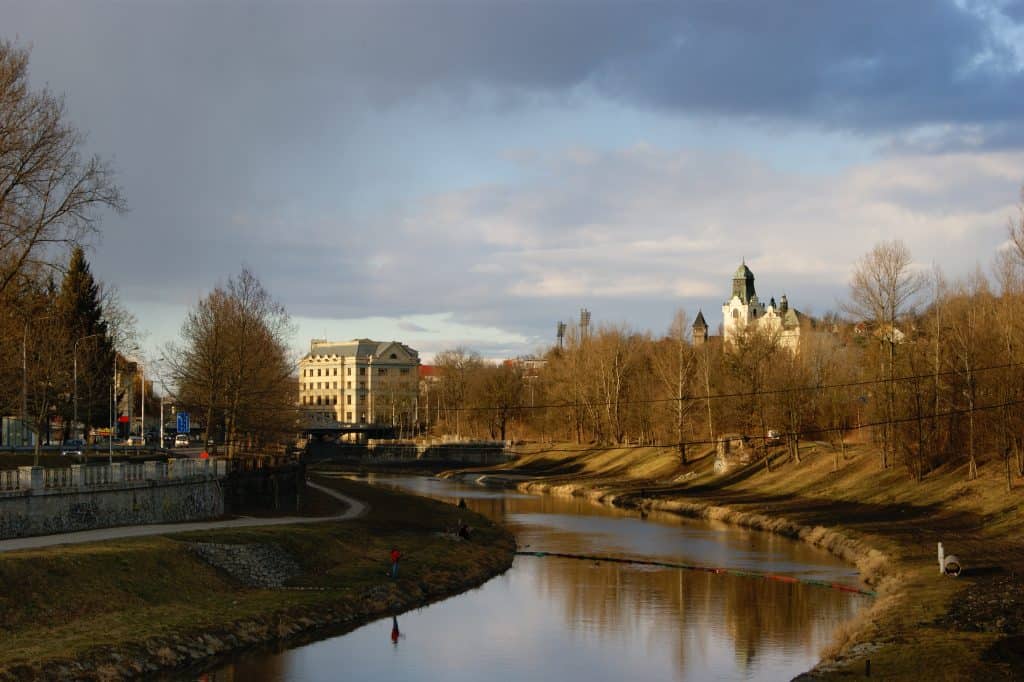
Ostrava is a city in the northeast of the Czech Republic and the capital of the Moravian-Silesian Region. With a population of approximately 280,000 residents, it is the country’s third-largest city. Its geography is defined by its position at the confluence of four rivers: the Odra, Ostravice, Opava, and Lučina. Ostrava sits in a basin with the Beskydy Mountains to the southeast and is located approximately 10 kilometers from the Polish border.
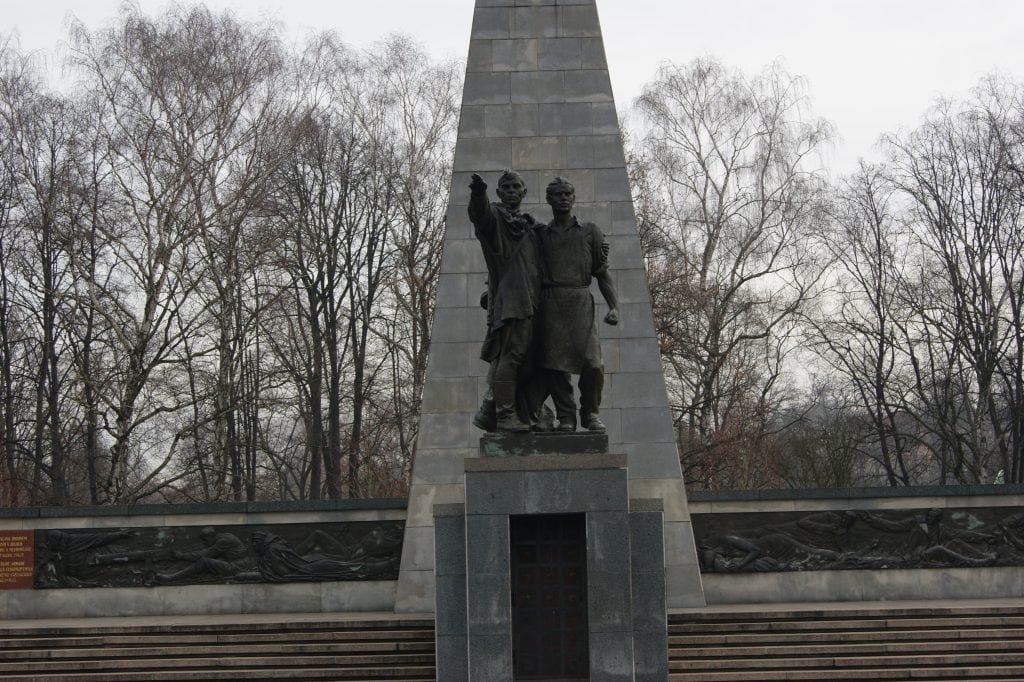
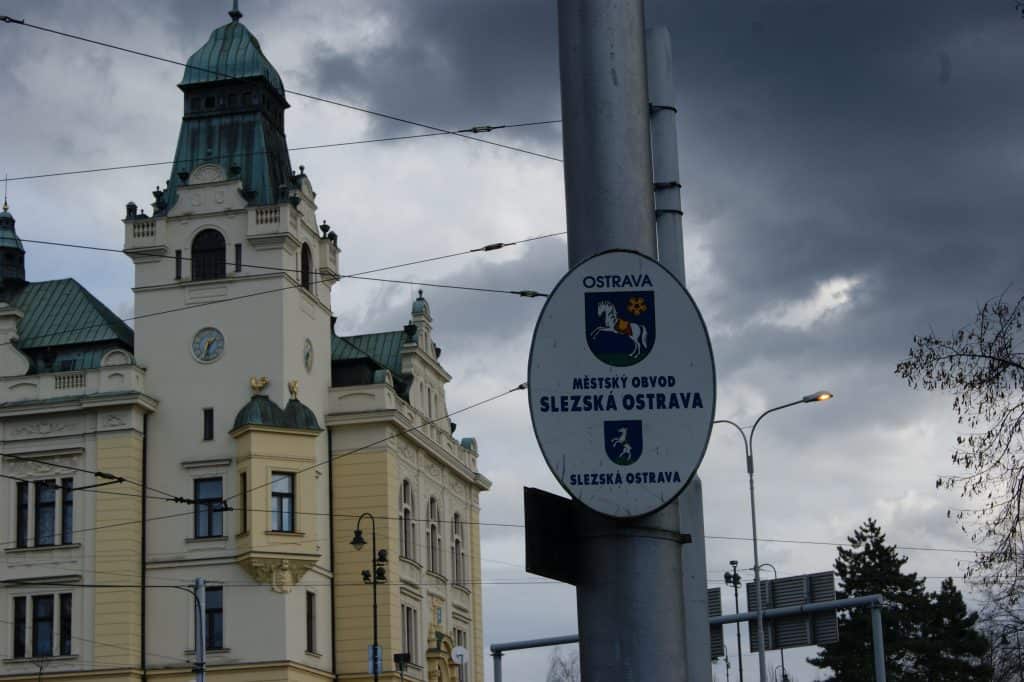
Historically known as the “steel heart of the republic” due to its past of heavy industry, Ostrava has undergone a significant transformation. The city is now a hub for culture and education that exists alongside its industrial heritage. Its identity is spread across several distinct districts, from the historic core of Moravská Ostrava to the socialist-realist architecture of Poruba. The combination of former industrial sites and new cultural spaces gives the city its specific character.


A Short History of Ostrava
The history of Ostrava is one of major economic and social change. The city’s development tracks its evolution from a small medieval town to a major European industrial center and its subsequent reinvention in the post-industrial era.
From Trading Post to Industrial Awakening
The story of Ostrava began in the 13th century, with the first written mention of the town of Moravská Ostrava appearing around 1267. For centuries, it remained a small regional town. Its location on the ancient Amber Road, a trade route connecting the Baltic Sea to the Mediterranean, contributed to its early growth. This quiet existence was fundamentally altered in the late 18th century with the discovery of large deposits of high-quality black coal beneath the city.
The Steel Heart of the Republic
The discovery of coal led to an explosion of industrial development in the 19th and early 20th centuries. The Vítkovice Ironworks, founded in 1828, grew into one of Central Europe’s largest metallurgical complexes. Ostrava transformed into a massive industrial hub, earning it its moniker as the industrial heart of the Austro-Hungarian Empire and later Czechoslovakia. People from across the empire moved here for work, making Ostrava a city of Czech, Polish, German, and other cultures.
Post-Industrial Transformation
The late 20th century brought significant challenges. After the Velvet Revolution in 1989, the era of heavy industry began to decline, leading to high unemployment and environmental concerns. In response, Ostrava embarked on an ambitious program of post-industrial revitalization. The last coal was mined in 1994, marking the end of an era. Since then, the city has invested heavily in environmental cleanup and has transformed its former industrial sites into cultural and educational centers.


Things to Do and See
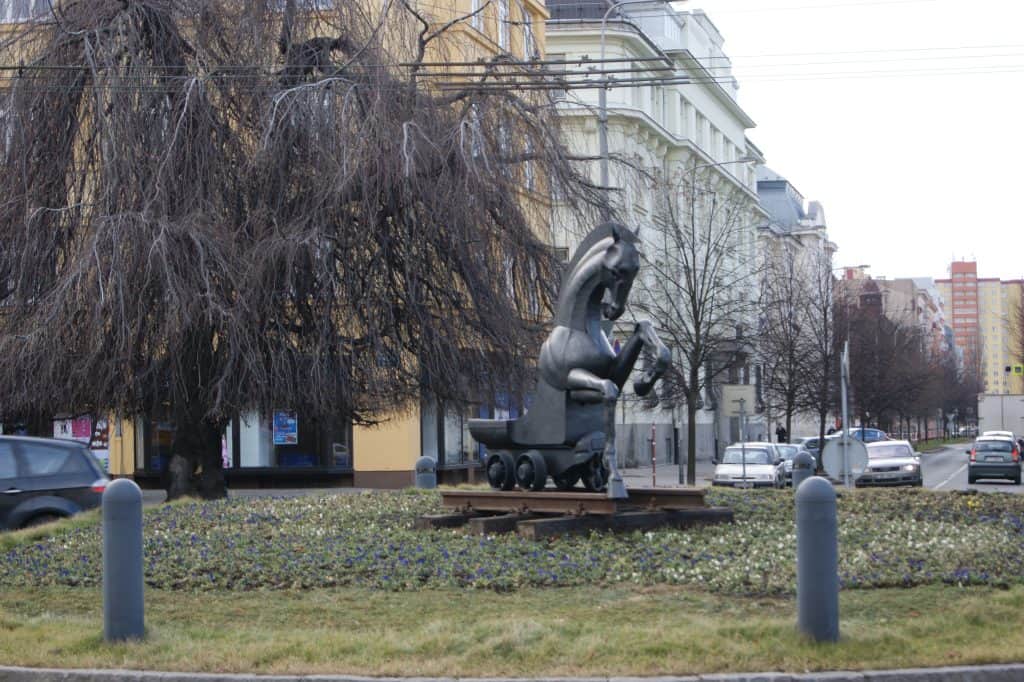
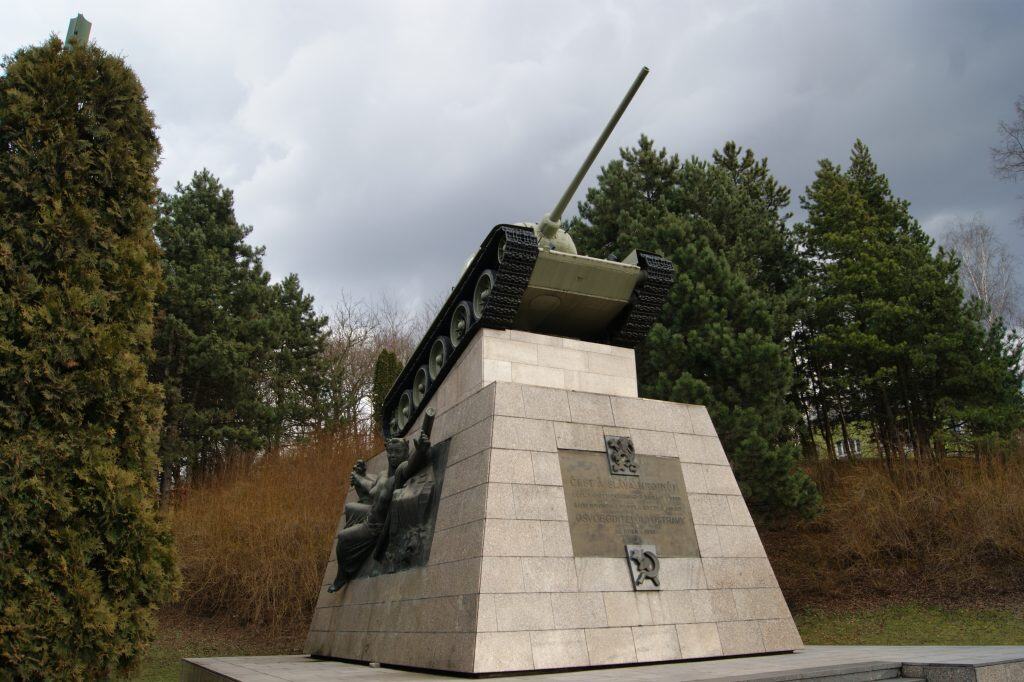
Ostrava offers a range of attractions that showcase its industrial heritage, architectural changes, and urban life. Its sights are not confined to one area but are spread across the city, from the historic Masaryk Square to the monumental industrial parks and the grand avenues of its districts.
Dolní Vítkovice
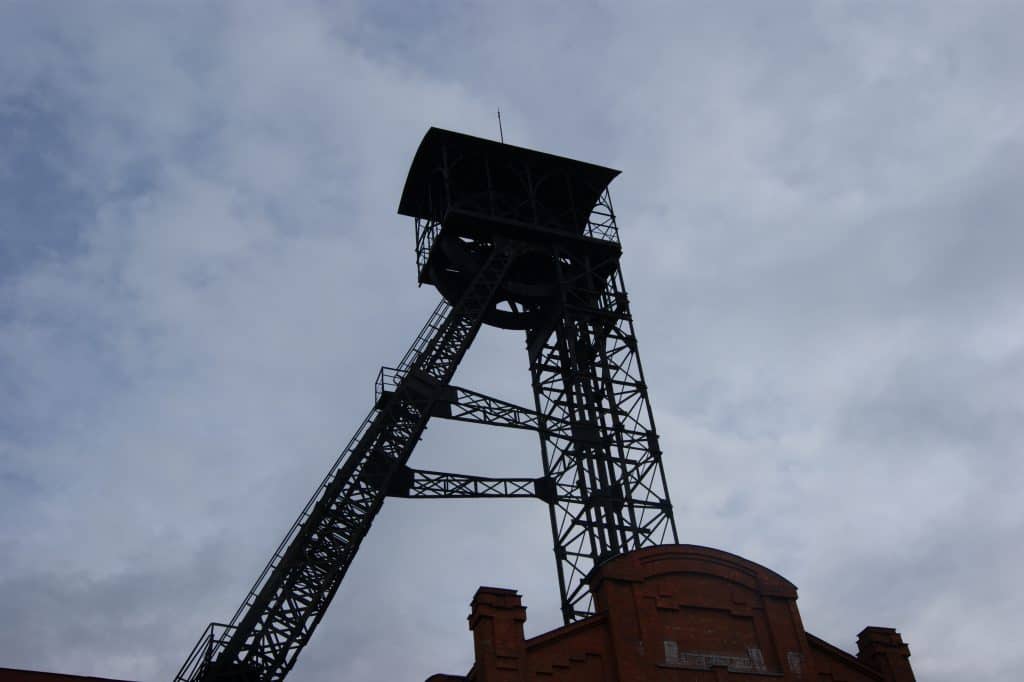
The primary landmark in the city is Dolní Vítkovice. This vast former industrial complex was once the heart of the Vítkovice Ironworks. Today, this national cultural monument is a multi-purpose educational and social center. Visitors can ascend the Bolt Tower, a glass superstructure built on a former blast furnace, for panoramic views. The enormous Gong Auditorium, a converted 1920s gasometer, now hosts concerts and conferences. The site provides direct insight into the city’s industrial processes.
Landek Park Mining Museum
The Landek Park Mining Museum (Hornické muzeum Landek Park) offers a detailed look into Ostrava’s coal mining history. Located on a hill where the first coal was mined, it is the largest mining museum in the country. The main attraction is the chance to descend into a historic mine shaft in an original miners’ cage. Led by former miners, the tour showcases the working conditions of the past. The park also features exhibits on mining rescue technology.
Stodolní Street
Stodolní Street (Stodolní ulice) is Ostrava’s main nightlife destination. This street in the city center is lined with over 60 bars, clubs, and restaurants. While quiet during the day, it becomes a center of social activity in the evenings and on weekends. The concentration of venues attracts both locals and tourists. The street is known in the region as a primary location for entertainment.
New City Hall Observation Tower
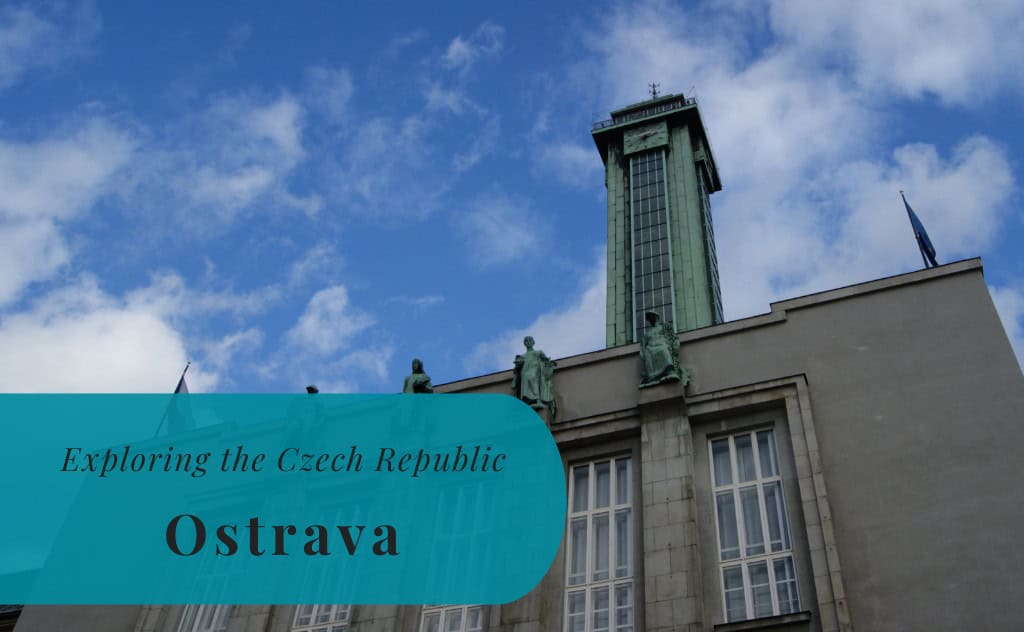
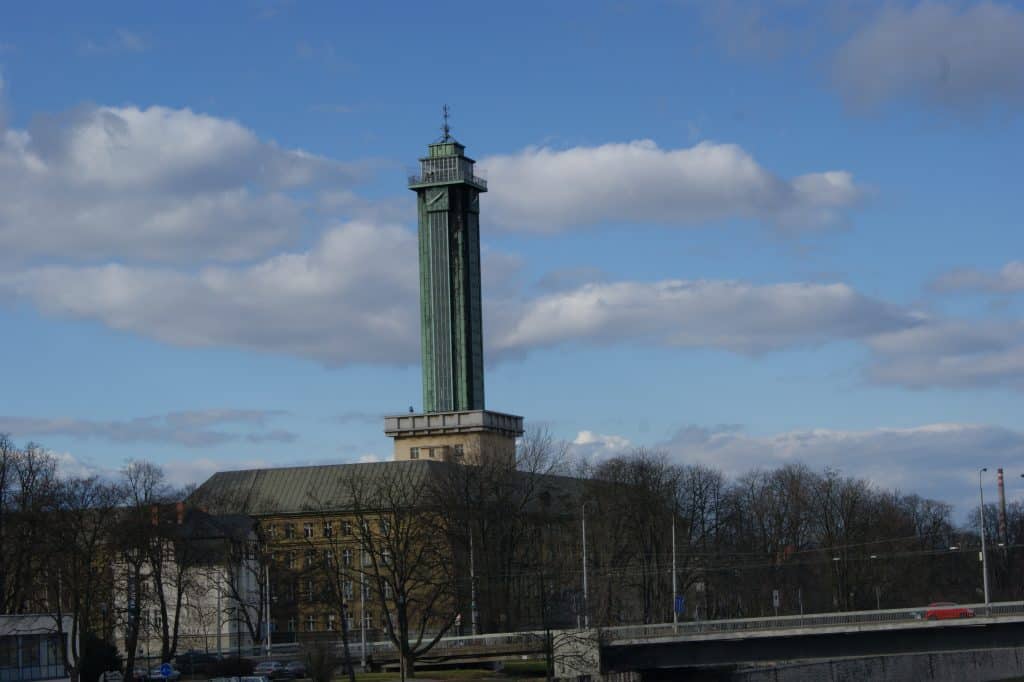
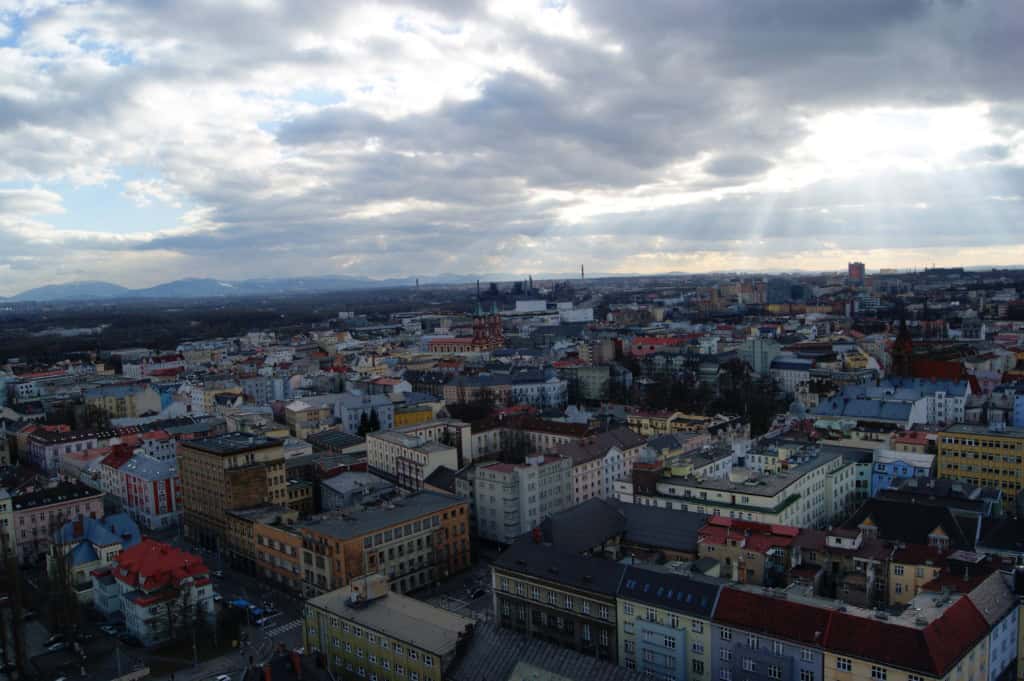
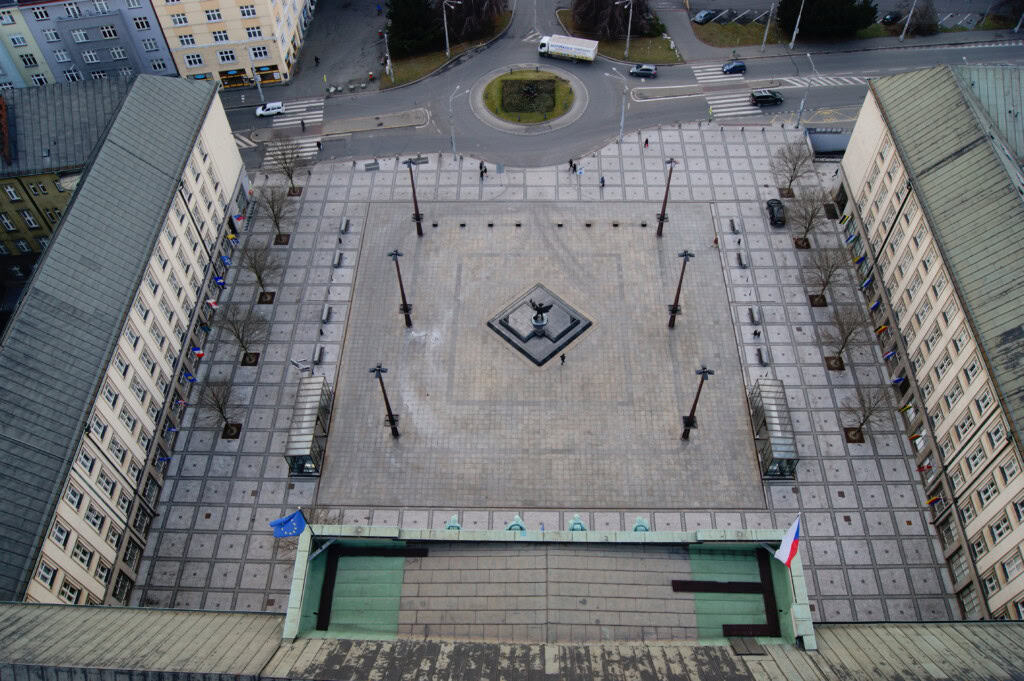
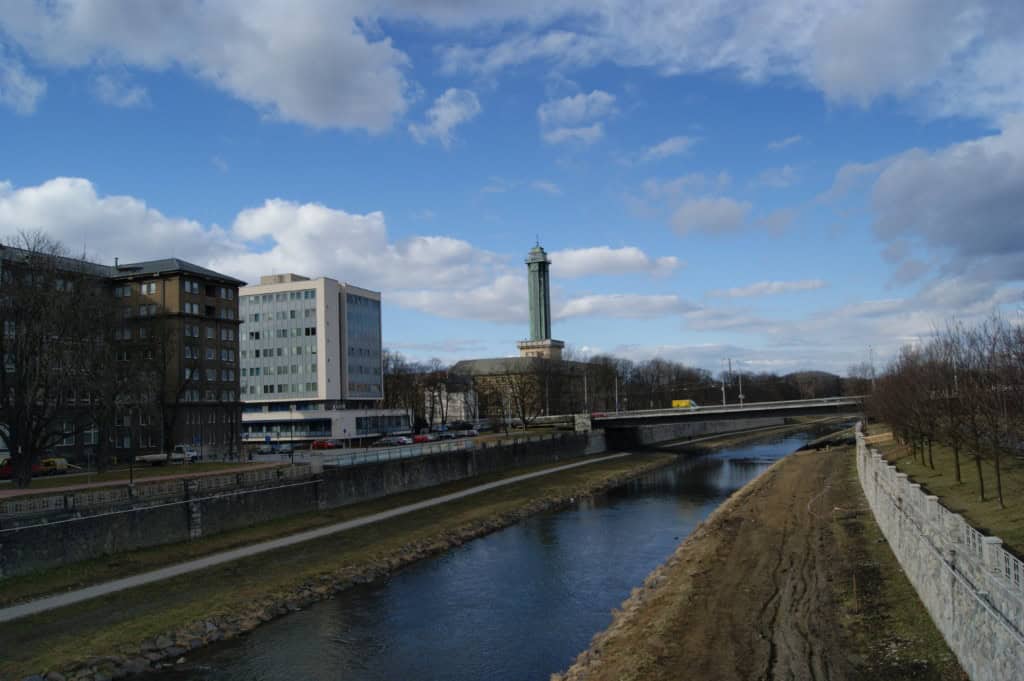
The New City Hall (Nová radnice) is an architectural landmark from Ostrava’s First Republic era. Completed in 1930, it is the largest city hall complex in the Czech Republic. Its most popular feature is the 85.6-meter-high observation tower, the tallest city hall tower in the country. Visitors can take a lift to the viewing platform at the top. This offers panoramic views of Ostrava, its industrial landscape, and the distant Beskydy Mountains.
Silesian Ostrava Castle
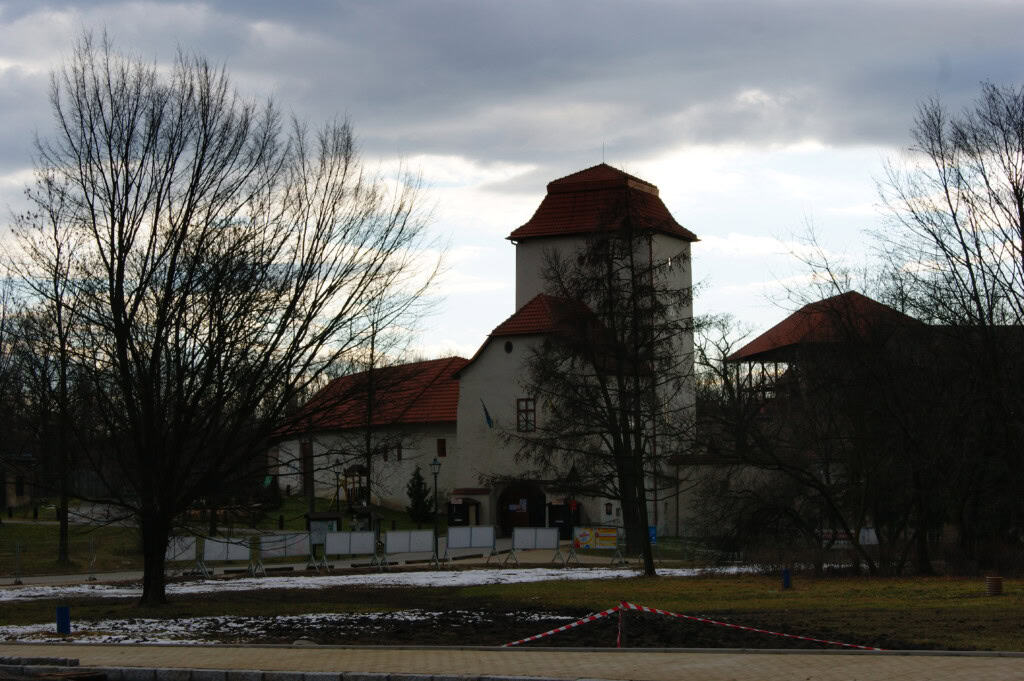
The Silesian Ostrava Castle (Slezskoostravský hrad) is a reconstructed medieval castle with origins dating back to the 13th century. It sits on a hill at the confluence of the Ostravice and Lučina rivers. For centuries, the castle gradually sank by as much as 16 meters due to the collapse of mining tunnels beneath it. After extensive reconstruction in the 2000s, it was saved from ruin. Today, it hosts cultural events, concerts, and festivals.
Cathedral of the Divine Saviour
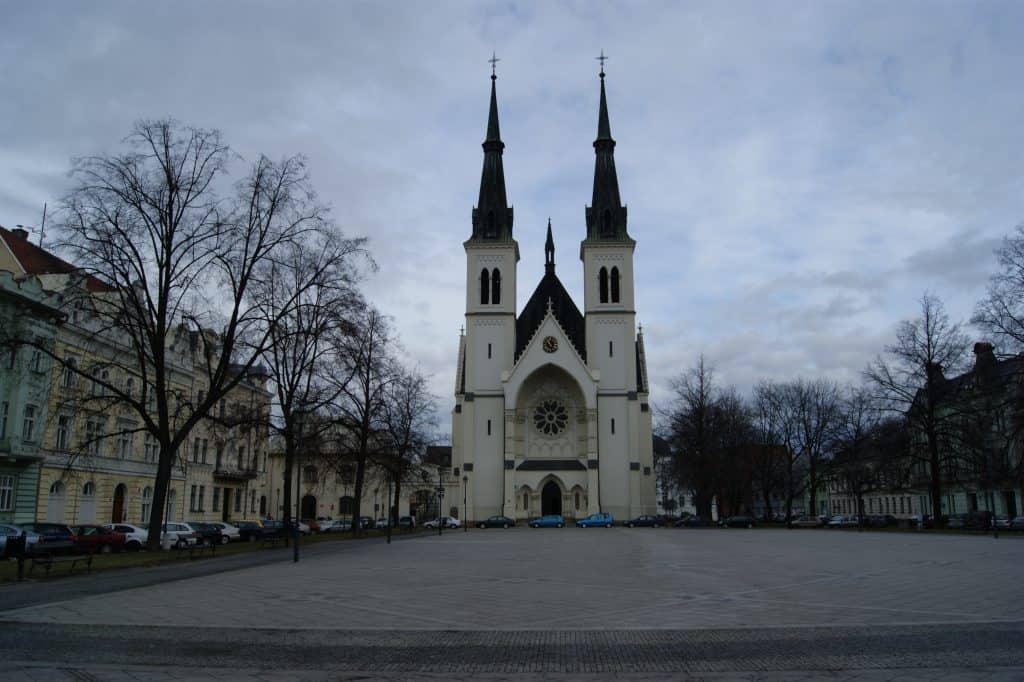
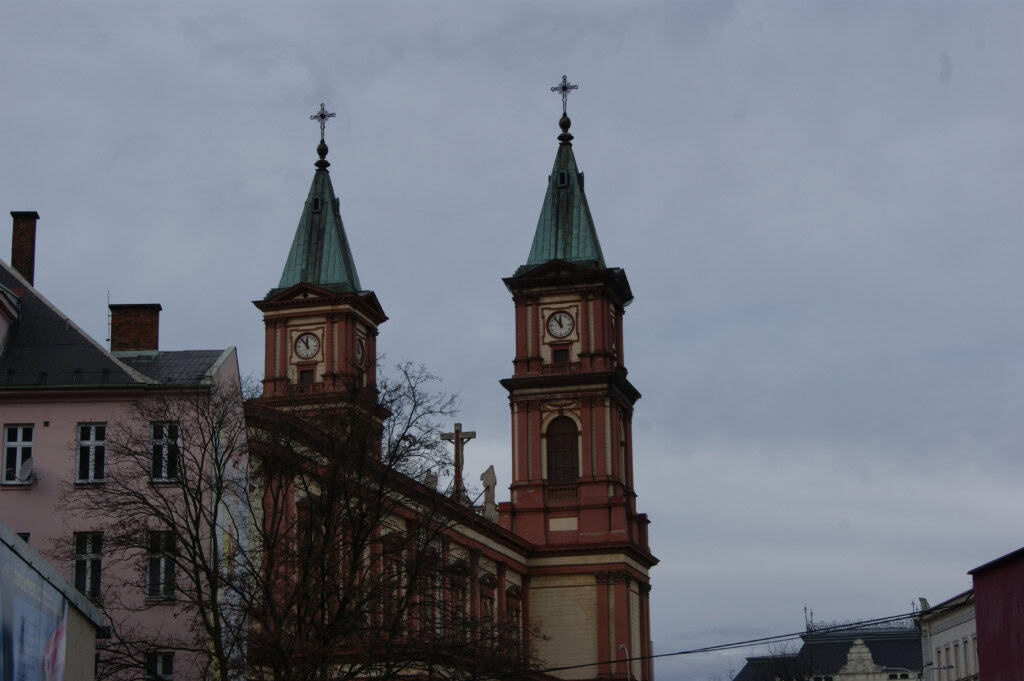
The Cathedral of the Divine Saviour (Katedrála Božského Spasitele) is a large Neo-Renaissance basilica located in the city center. It is the second-largest church in Moravia and Silesia, after the basilica at Velehrad. Built between 1883 and 1889, its construction reflected the city’s growth during the industrial boom. The cathedral features two tall towers, each 67 meters high, and a spacious interior that can accommodate up to 4,000 people.
Ostrava Zoo
The Ostrava Zoo and Botanical Park is one of the largest zoos in the Czech Republic, spanning over 100 hectares of forested parkland. The zoo is home to over 400 different species of animals in spacious enclosures. It is known for its successful breeding programs for certain rare species, including the Asian elephant and the Persian leopard. The complex also features extensive botanical gardens and educational trails, making it a full-day destination.
Ema Slag Heap
The Ema Slag Heap (Halda Ema) is one of Ostrava’s most specific landmarks. It is a conical hill formed by millions of tons of waste rock from coal mining. It rises to 315 meters above sea level. The waste material inside the heap is still burning deep underground, a process that has been ongoing for decades. This creates a specific microclimate on its surface. A hiking trail leads to the top for a view of the city.
Science and Technology Center
The Great World of Technology (Velký svět techniky) is a large, interactive science museum located within the Dolní Vítkovice complex. Opened in 2014, it is designed to make science and technology accessible. The museum is divided into four sections: World of Science and Discovery, World of Civilization, World of Nature, and World of Science and Adventure. It features hundreds of hands-on exhibits, workshops, and a 3D cinema.
Ostrava Museum
The Ostrava Museum is housed in the Old Town Hall building on the city’s main square. The museum is dedicated to the history, culture, and nature of the Ostrava region. Its collections cover archaeology, geology, art, and social history. One of its exhibits is a large and intricate astronomical clock. The museum provides a comprehensive overview of the city’s development.
Gallery of Fine Arts
The Gallery of Fine Arts in Ostrava (Galerie výtvarného umění v Ostravě) is one of the most important art museums in the region. It is housed in the “House of Art,” a functionalist building from the 1920s. The gallery holds a significant collection of Czech and international art from the 19th and 20th centuries. It features works by known Czech artists like Antonín Slavíček and Emil Filla. The gallery regularly hosts temporary exhibitions.
Ostrava-Poruba District
The district of Ostrava-Poruba is a place of interest for those who study architecture. It was built in the 1950s as a model socialist city for workers. The main boulevards were designed in a grand style known as socialist realism. This style drew inspiration from classical and Renaissance architecture. This creates a monumental and uniform appearance. The most recognizable feature is the grand archway known as the “Oblouk.”
Masaryk Square
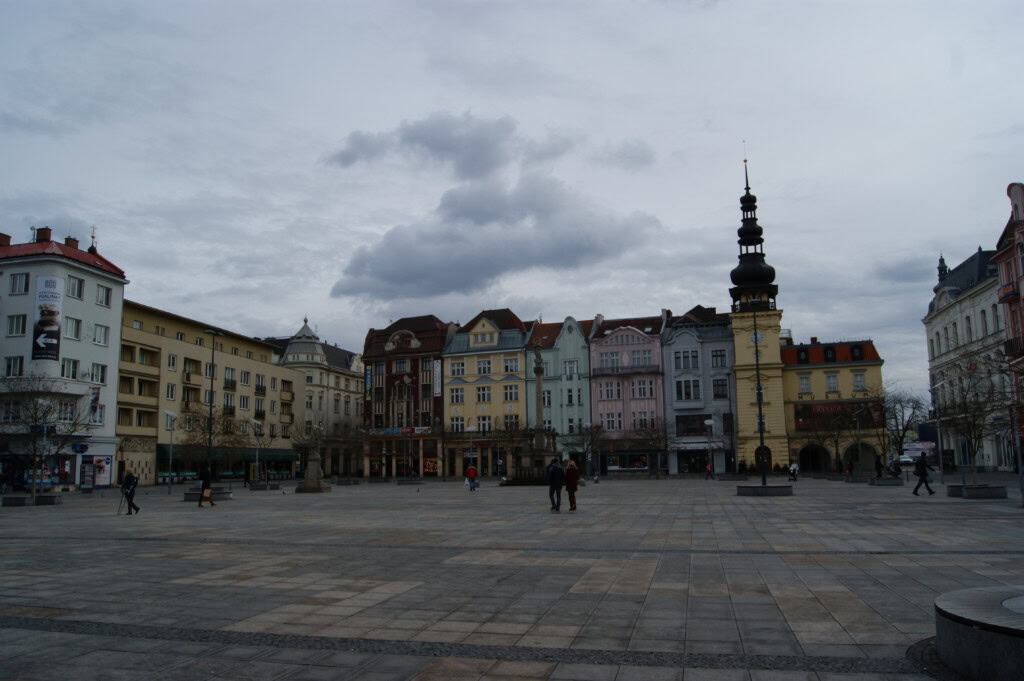
Masaryk Square (Masarykovo náměstí) is the historic heart of Ostrava’s city center. The square is lined with restored historic buildings, including the Old Town Hall, which now houses the Ostrava Museum. In the center of the square stands a Marian plague column from the early 18th century. Today, the square is a pedestrian zone with many shops and restaurants. It is a central point for city festivals and Christmas markets.
Michal Mine
The Michal Mine (Důl Michal) is another National Cultural Monument that showcases Ostrava’s mining heritage. This site preserves the entire surface complex of a former mine exactly as it was when the last miners left in 1995. Visitors can follow the path a miner would have taken, from the changing rooms and washrooms to the lamp room and the shaft building. This provides a direct snapshot of the daily routines of a 20th-century coal mine.

Sports in Ostrava
Ostrava has an active sporting culture that is deeply ingrained in its urban fabric. As home to top-tier professional teams in the nation’s most popular sports, the local support for these clubs is a key part of the city’s social life. The rivalries and successes of these teams foster strong community ties across all districts. Ostrava’s commitment to active living is also evident in its numerous modern facilities and green spaces. Both participants and fervent supporters contribute to this active scene. This creates an engaging environment for athletes and fans throughout the year.
Ice Hockey
As a national passion in Czechia, ice hockey holds a special place in Ostrava. The city serves as a major hub for the professional game, with its top club drawing a large and dedicated fanbase. Competing consistently for national honors, the team’s high standard of play draws significant crowds. The atmosphere in the city’s modern arena is a key part of the local sporting experience.
HC Vítkovice Ridera
The city’s professional ice hockey club is HC Vítkovice Ridera, a team with a long history in Czech hockey since its founding in 1928. Competing in the Czech Extraliga, the nation’s top league, the club is a consistent contender and has won multiple national titles. They play their home matches at the Ostravar Aréna, a large, modern indoor arena that also hosts major international events. Attending a home game is a central part of the Ostrava sports experience.
Football
Football holds a significant place in Ostrava’s community as its most popular team sport. The city’s main club embodies a powerful working-class identity and has one of the most dedicated fanbases in the country. Matches are important social events that unite generations of supporters. The intense loyalty and historical rivalries make football a true cultural phenomenon in the city.
FC Baník Ostrava
The city’s most prominent football club is FC Baník Ostrava, which was founded in 1922 and has a deep connection to the region’s mining history. Their fans, known as “Chachaři,” are famous for creating a loud and supportive atmosphere at every game. The team plays its home matches at the Městský stadion in the Vítkovice district. Baník has won the Czechoslovak First League and the Czech Cup multiple times and currently competes in the top tier of Czech football.
Basketball
Basketball holds a firm place in Ostrava’s diverse sports scene. The city has a long-standing professional club that competes at the highest national level. The sport is particularly popular as a fast-paced indoor event during the autumn and winter months. The presence of a top-tier team ensures that high-level basketball is a consistent fixture in the city’s athletic calendar, attracting a dedicated community of fans.
NH Ostrava
The city’s professional men’s basketball club is NH Ostrava. They compete in the Kooperativa NBL (National Basketball League), which is the top tier of Czech men’s basketball. The club has a long history, tracing its roots back to 1952. NH Ostrava plays its home games at the Hala Tatran, a classic sports hall where their loyal fans create a supportive atmosphere for the team.
Handball
Handball is a traditional sport in the wider Moravian-Silesian region, known for its physicality and speed. While Ostrava itself does not have a top-tier team, several powerful clubs are based in nearby towns. These clubs draw supporters from Ostrava and represent the entire region on the national stage. This strong regional presence makes handball an important part of the local sporting identity.
HCB Karviná
The most prominent men’s handball club in the region is HCB Karviná, based in the nearby city of Karviná. They are a powerhouse in the Extraliga házené, the top men’s handball league in Czechia. HCB Karviná has won numerous national championships, making them one of the most successful clubs in the country’s history. Their matches are highly competitive and showcase the best of Czech handball.
Floorball
Floorball has experienced rapid growth in Ostrava and is now one of the most popular sports, particularly among the youth. The sport is highly accessible and dynamic. Ostrava is a significant center for professional floorball, with two of the country’s most successful clubs based in the city. The local derby between these two teams is one of the biggest events in the national floorball calendar.
1. SC Vítkovice
One of Czechia’s most successful floorball clubs is 1. SC TEMPISH Vítkovice. The men’s team competes in the Livesport Superliga, the top tier of Czech men’s floorball, and has won multiple national championship titles. The women’s team is also a dominant force in the Extraliga žen ve florbale, having also won multiple national titles. The club is a true powerhouse in Czech floorball.
FBC Ostrava
FBC Ostrava is another prominent professional floorball club in the city. Their men’s team also competes in the Livesport Superliga, ensuring a strong local rivalry with Vítkovice. Their women’s team also plays in the top national league. Having two top-tier clubs in one city makes Ostrava a major hub for the sport in the Czech Republic.
Running and Athletics
Running is a very popular activity in Ostrava, which benefits from its many green spaces and sports facilities. The city is also famous for hosting one of the world’s premier athletics meetings every year. This event brings world-record holders and Olympic champions to the city. It showcases athletics at the very highest level and reinforces the city’s reputation as a major sporting destination.
Golden Spike
The Golden Spike (Zlatá tretra) is an annual, world-class athletics meeting held in Ostrava. It is part of the prestigious World Athletics Continental Tour Gold series. The event has a long history and has hosted many of the greatest athletes in the world, including Usain Bolt, who competed here nine times. The meeting takes place at the Městský stadion and is famous for its enthusiastic and knowledgeable crowd.
Ostrava City Marathon
The Ostrava City Marathon is an annual running event that includes a full marathon distance of 42,195 meters. It also offers a half-marathon and other shorter races. The event typically takes place in September. Its route often incorporates parts of the city’s revitalized industrial and green areas. It draws participants from across the region.

Getting Around in Ostrava?
Navigating Ostrava is efficient and straightforward. Its comprehensive public transport system connects industrial heritage sites with modern districts. Whether you prefer tram journeys or extensive bus routes, various options exist. Understanding Ostrava’s transport helps you explore its industrial monuments and city streets.
On Foot: The City Center
Walking is often the best way to experience Ostrava’s city center. Many key attractions, like Masaryk Square and Stodolní Street, are within easy walking distance. The city’s relatively flat core makes it suitable for strolls. Comfortable shoes are recommended. Walking allows you to discover urban art, local cafes, and architectural details.
Riding the Blue Network: Trams, Buses, and Trolleybuses
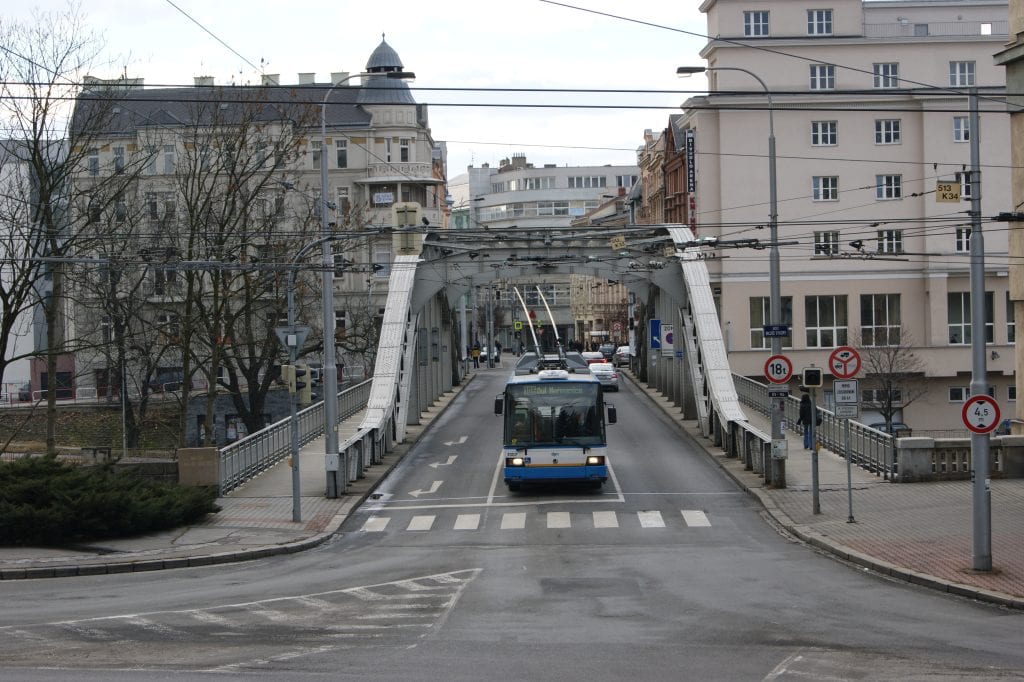
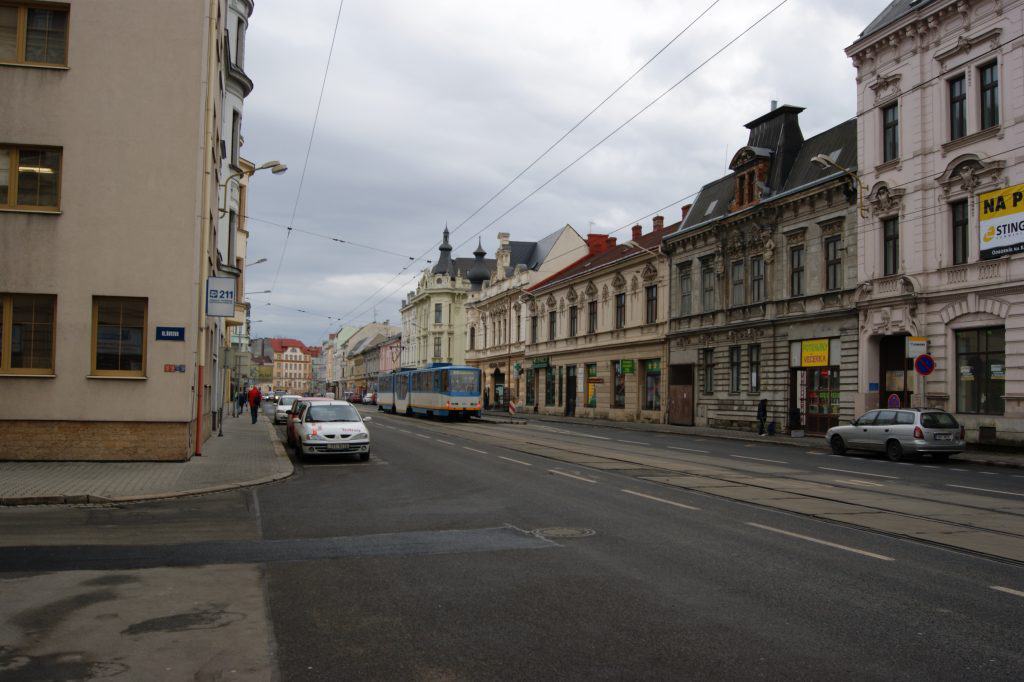
Ostrava’s public transport operates under an integrated system called ODIS. This system includes trams, buses, and trolleybuses, recognizable by their blue and white colors. Trams are the primary mode of transport. You can buy time-based tickets from vending machines or via mobile apps. Remember to validate your ticket immediately upon boarding. Always check official sources for up-to-date ticket information.
A Quick Ride: Taxis and Ride-Sharing
Official taxis are widely available in Ostrava. You can find them at taxi stands or book by phone from a reputable company. Ride-sharing apps like Bolt and Uber also operate widely throughout Ostrava. These provide convenient alternatives to traditional taxis. They are often booked via smartphone apps that show the price upfront.
Two Wheels on the Odra: Cycling in Ostrava
Cycling in Ostrava is gaining popularity, as the city has expanded its network of cycle lanes. Bike-sharing schemes like Nextbike are available. They offer bikes for rent via an app from numerous docking stations. Ostrava’s relatively flat terrain makes it suitable for cycling. Routes along the Odra River and through parks offer scenic rides.
How to Get to Ostrava?
Reaching Ostrava is straightforward. Located near the Polish and Slovak borders, the city is a major transport hub for the region. It is well-connected by its own airport, modern motorways, and extensive rail and bus networks.
Arriving by Air: Ostrava’s Airport
Ostrava has its own international airport, Leoš Janáček Airport Ostrava (OSR). It is located approximately 20 kilometers southwest of the city center. OSR offers connections to several European cities, primarily through low-cost and charter flights. From the airport, a regular train line connects directly to Ostrava’s main stations. For wider international connections, the airports in Kraków (KRK) and Katowice (KTW) in Poland are viable alternatives.
The Open Road: Driving to Ostrava
Driving to Ostrava offers flexibility for exploring the region. The city is easily accessible via major highways. The D1 motorway connects Ostrava directly to Prague, Brno, and the Polish border. From Prague, the drive is about 370 kilometers. From Brno, it’s approximately 170 kilometers. Remember that you will need a digital motorway vignette to use Czech highways.
Connecting by Coach: A Hub for Buses
The bus is an economical and popular way to reach Ostrava. The main bus station, Ostrava-ÚAN, is a major hub for companies like RegioJet and FlixBus. These companies operate frequent domestic and international routes. They connect Ostrava with major Czech cities like Prague and Brno. International services also run from Katowice, Krakow, and Vienna. The station offers easy connections to local public transport.
On Track: A Key Railway Junction
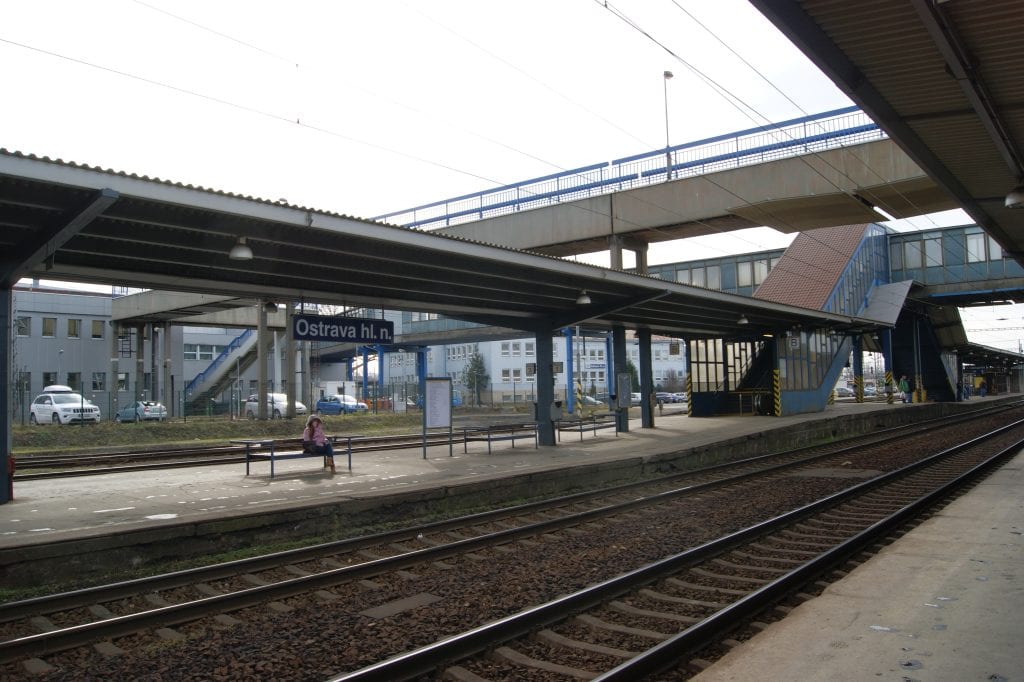
Traveling to Ostrava by train is efficient and popular. The city has two main railway stations: Ostrava hlavní nádraží (main station) and Ostrava-Svinov. Both stations are major hubs on the national and international rail network. High-speed Pendolino and Railjet trains operated by Czech Railways provide fast connections to Prague in about 3 hours. Private operators like RegioJet and Leo Express also offer frequent services.
Driving Distances
The driving distance from 5 other major Czech cities, according to Google Maps:
- Prague – 371 kilometers (3 h 50 min)
- Brno – 169 kilometers (1 h 50 min)
- Plzeň – 461 kilometers (5 h 00 min)
- Liberec – 376 kilometers (4 h 30 min)
- Olomouc – 98 kilometers (1 h 10 min)
Looking to Explore more of the Czech Republic and Europe?