
Vardzia | Exploring Georgia
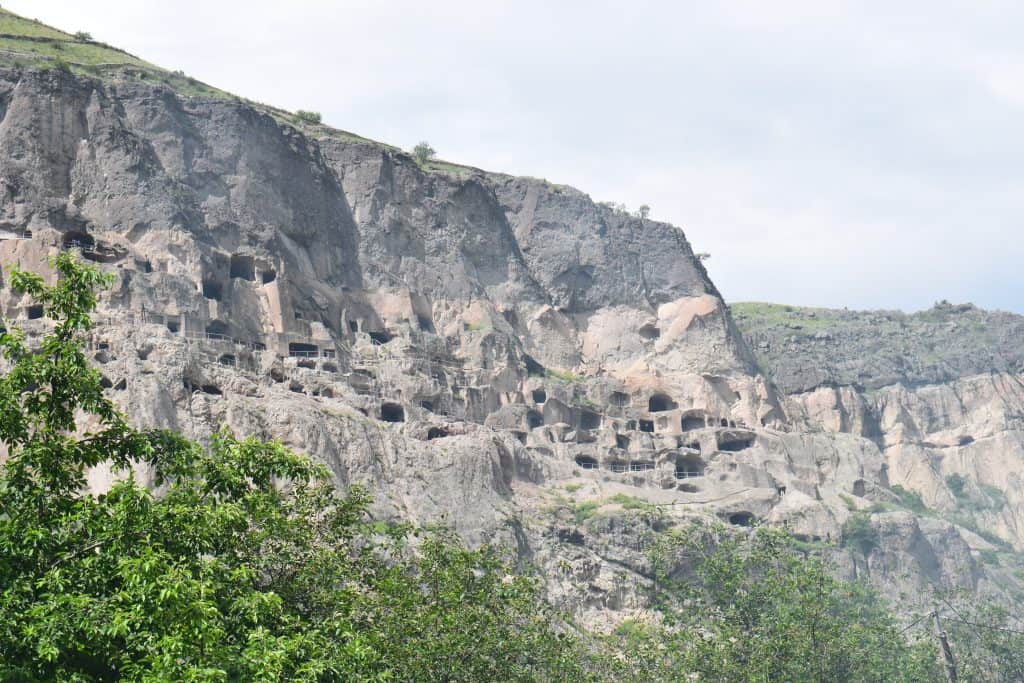
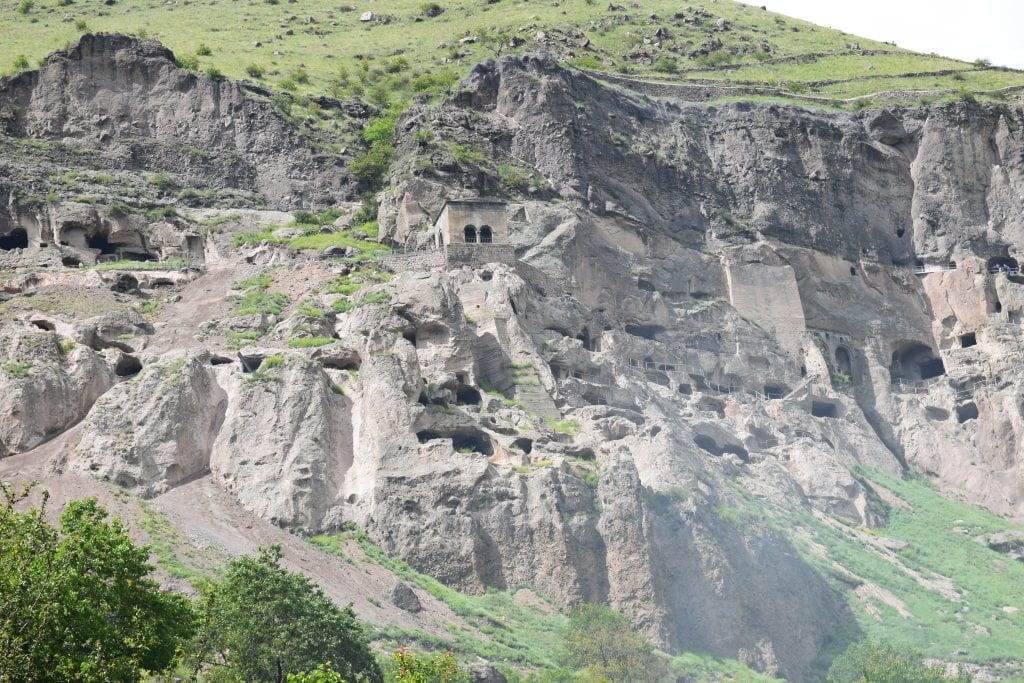
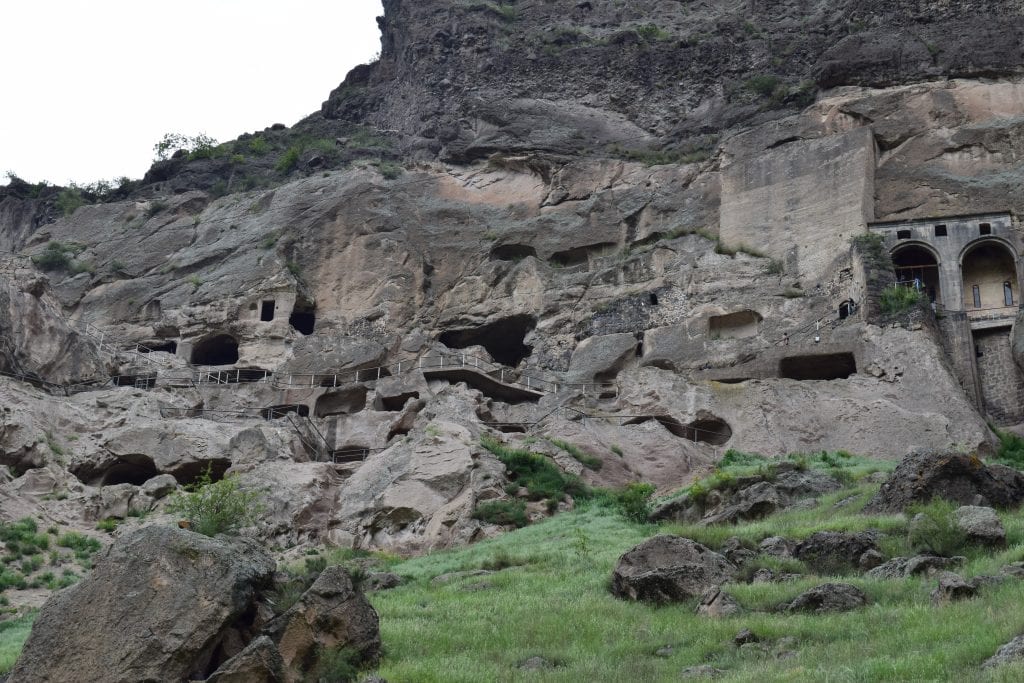
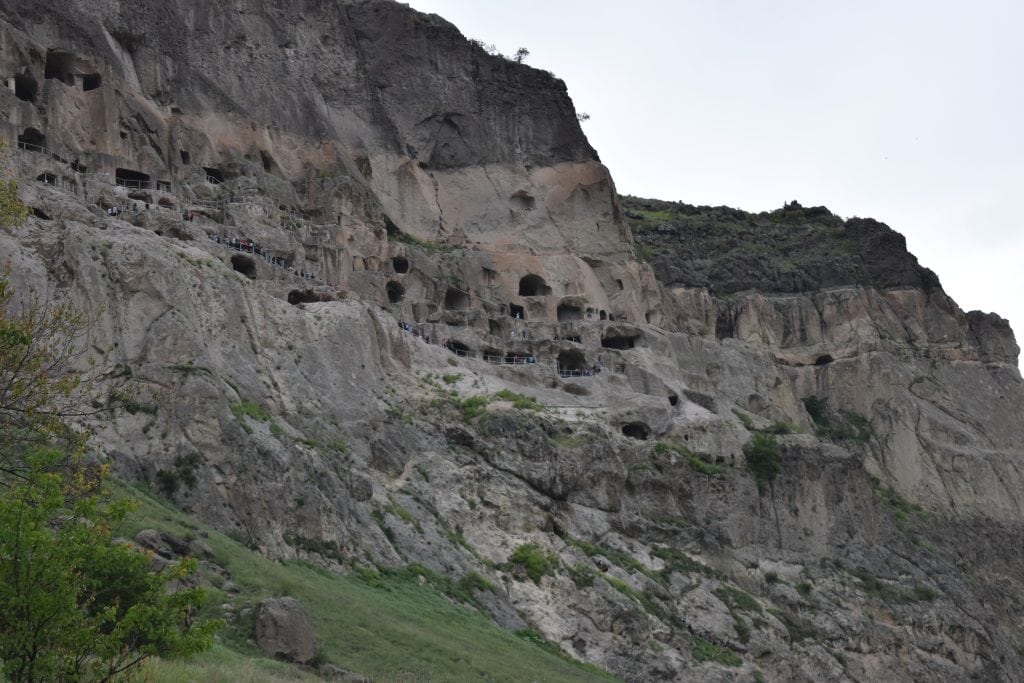
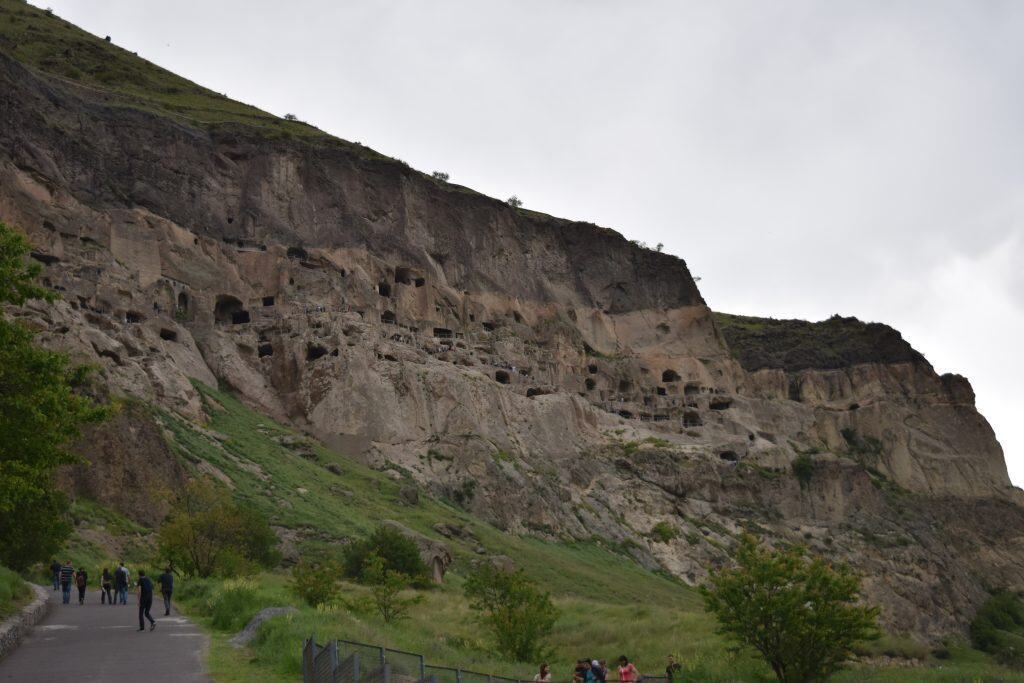
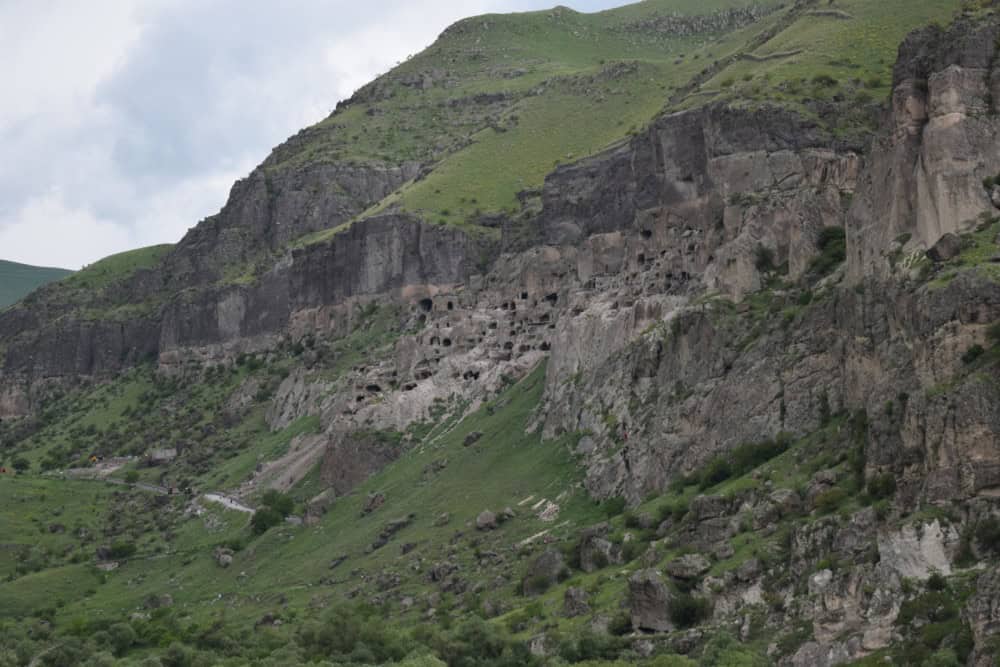
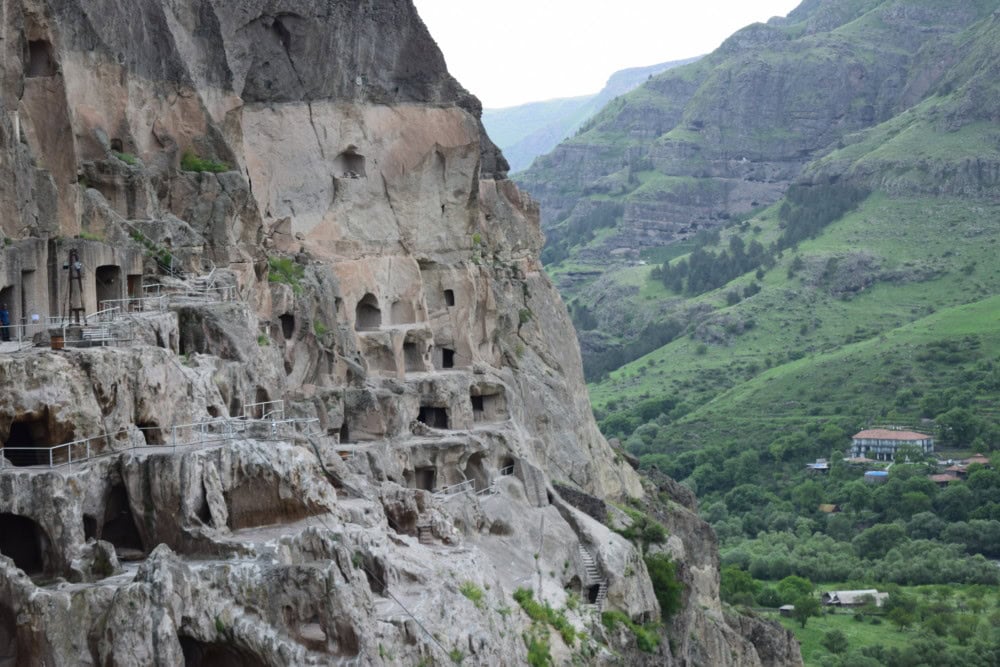
Vardzia is a large cave monastery complex located in southern Georgia, in the region of Samtskhe-Javakheti. It is situated on the left bank of the Mtkvari River, and it is one of the most spectacular historical and cultural monuments in the country. The monastery is carved into the sheer rock face of Erusheti Mountain, and it once consisted of over 3,000 caves, able to house thousands of people. The site is a stunning example of medieval Georgian engineering and artistry.
The identity of Vardzia is that of a royal monastery and a fortress city, hidden in the rock. It was a major spiritual and cultural center during the Georgian Golden Age, and it played a key role in the nation’s history. Today, a small group of monks still lives in a part of the complex, so it continues its long tradition as a place of worship. The combination of its dramatic natural setting, its impressive rock-cut architecture, and its rich history makes Vardzia a major tourist destination and a UNESCO World Heritage tentative site.

History of Vardzia
The history of Vardzia is a story of royal ambition, religious devotion, and a struggle against both foreign invaders and the forces of nature. The construction of the monastery began in the 12th century under the patronage of the Georgian royal family. It was intended to be a major fortified monastery on the southern border of the kingdom. The complex flourished during the reign of Queen Tamar, but a devastating earthquake in the 13th century destroyed much of the site. Despite this, it remained an important religious center for centuries until it was finally abandoned after the Ottoman conquest.
The Royal Foundation
The construction of Vardzia began during the reign of King George III in the second half of the 12th century. His daughter, the famous Queen Tamar the Great, continued and greatly expanded the project. The primary purpose of the complex was to serve as a fortified monastery that could defend the southern border of the Kingdom of Georgia from invading Seljuk Turks. It was designed to be a hidden stronghold, and its many caves were carved deep into the mountain, making it almost invisible from the valley below. The monastery was consecrated in 1185, and it quickly became a major spiritual and cultural center.
The Golden Age under Queen Tamar
Vardzia reached its golden age during the reign of Queen Tamar, and she is closely associated with its history. The monastery was a fully functioning city, and it included not only churches and chapels but also a throne room, residential quarters, a treasury, and a library. It is said that the complex had over 3,000 caves on 13 levels, and it could house up to 50,000 people in case of an invasion. The artistic highlight of the monastery is the Church of the Dormition, which contains beautiful and well-preserved medieval frescoes, including a famous portrait of Queen Tamar herself.
Earthquake and Decline
A major turning point in the history of Vardzia was a devastating earthquake that struck the region in 1283. The earthquake caused the outer wall of the cave city to collapse, and it destroyed over two-thirds of the caves. This event exposed the inner rooms and passages of the monastery to the outside, and it compromised its defensive capabilities. The monastery was partially restored after the earthquake, but it never fully regained its former glory. It continued to be an important royal monastery for a few more centuries, but its decline had begun. In the 16th century, the monastery was sacked by the Persians, and it was finally abandoned after the Ottoman conquest of the region.


Sights in Vardzia
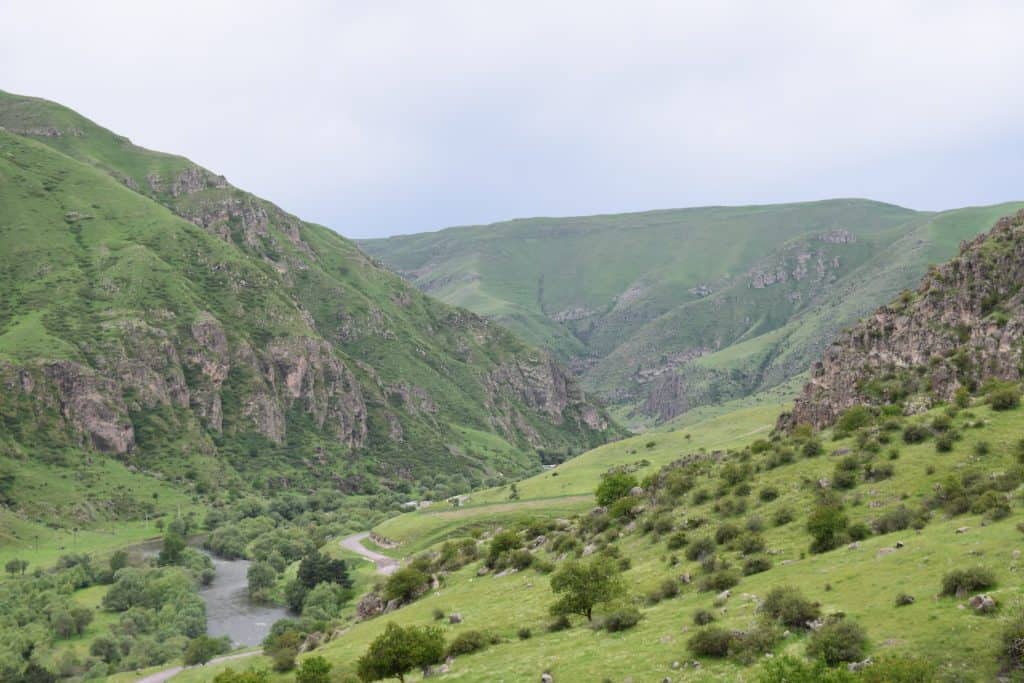
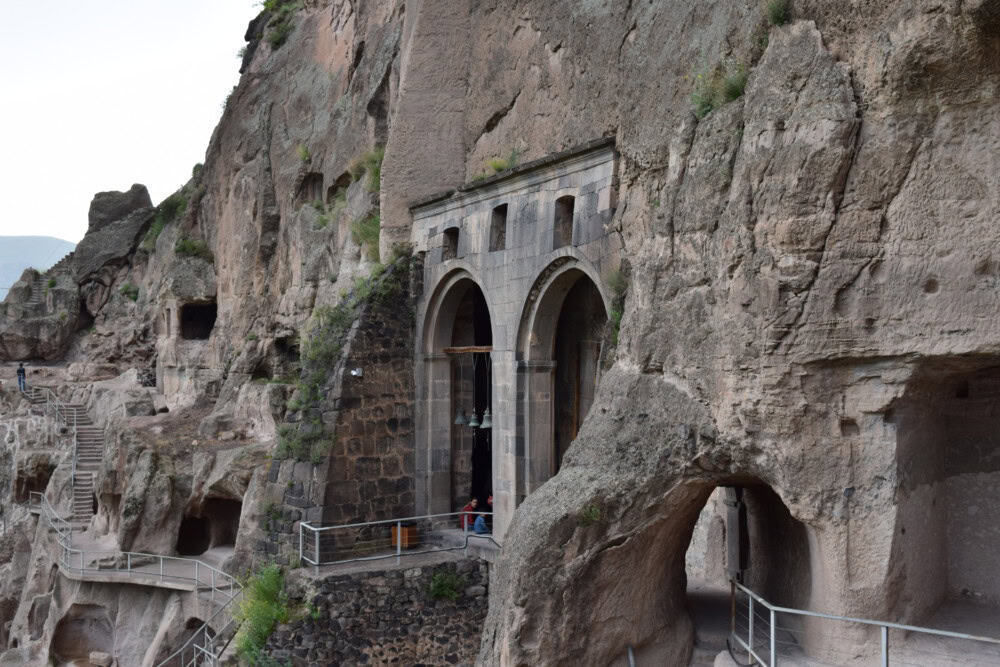
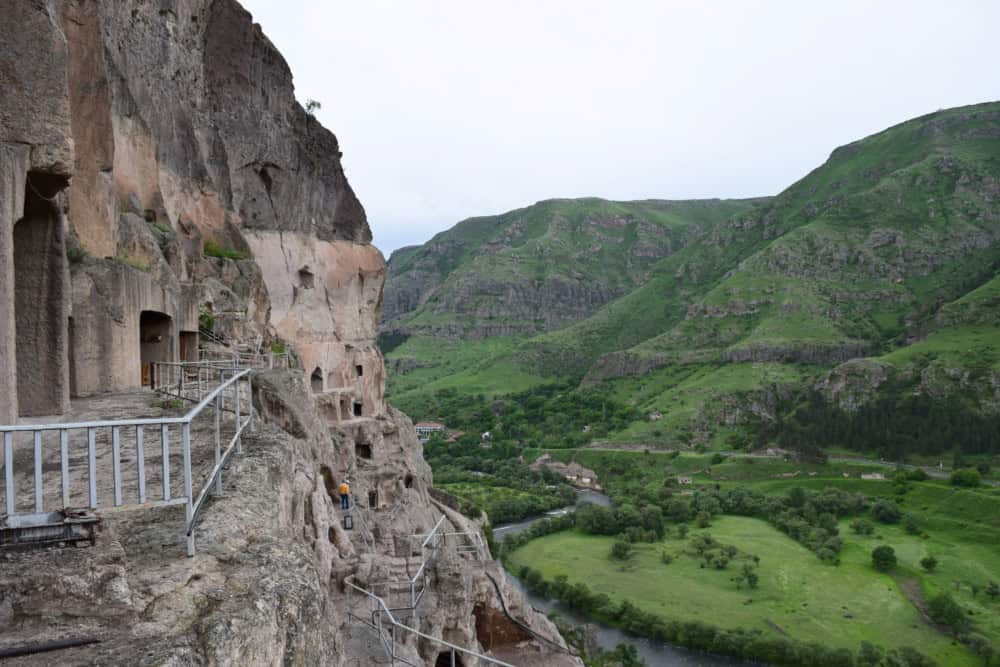
The sights at Vardzia are centered around the magnificent cave monastery complex itself. The entire site is an open-air museum, and visitors can explore a large part of the preserved caves, tunnels, and churches. The main attraction is the Church of the Dormition, which is located at the heart of the complex and is famous for its beautiful medieval frescoes. A walk through the different levels of the cave city provides a fascinating glimpse into the life of the monks who once lived here. The surrounding landscape of the Mtkvari River valley is also spectacular.
The Cave Monastery Complex
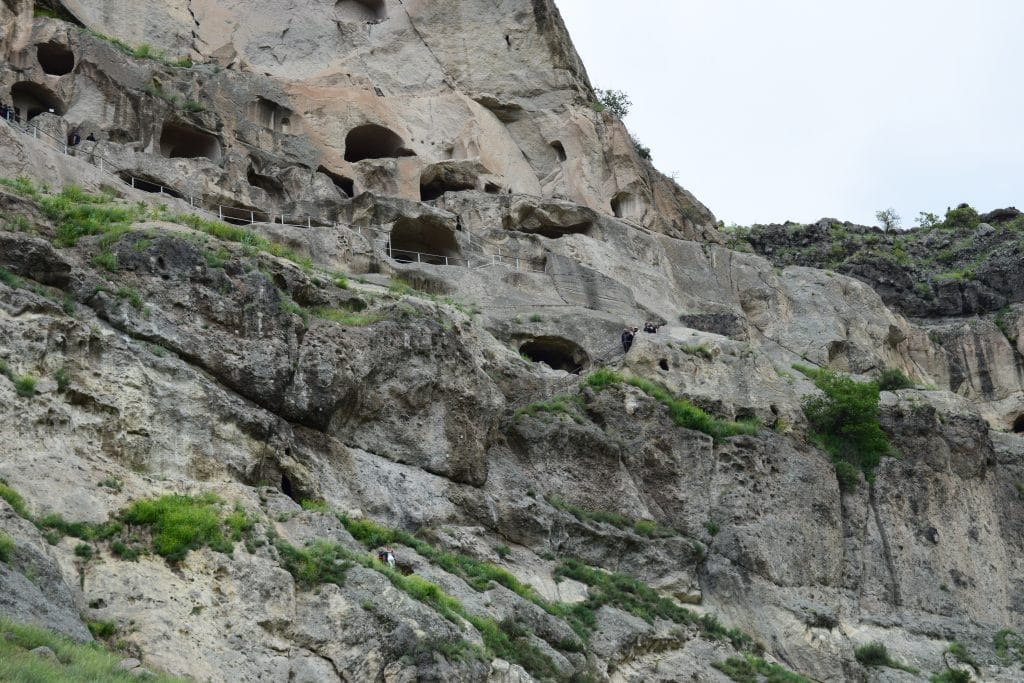
The main sight is, of course, the cave monastery itself. Visitors can walk through a network of tunnels and stairs that connect the different levels of the cave city. You can explore a variety of rooms, including monks’ cells, refectories (dining halls), and wine cellars (marani). The scale of the complex is impressive, and it is a remarkable feat of medieval engineering. The main section that is open to the public includes several hundred caves. It provides a comprehensive look at the structure and function of this unique rock-cut monastery.
Church of the Dormition
The Church of the Dormition is the spiritual heart of the Vardzia monastery. This rock-cut church is famous for its beautiful and well-preserved medieval frescoes, which were painted in the 12th century. The frescoes depict scenes from the life of Christ and various saints. A highlight is the famous portrait of Queen Tamar and her father, King George III, who were the founders of the monastery. The church is still an active place of worship, and it is a masterpiece of Georgian medieval art.
The Bell Tower
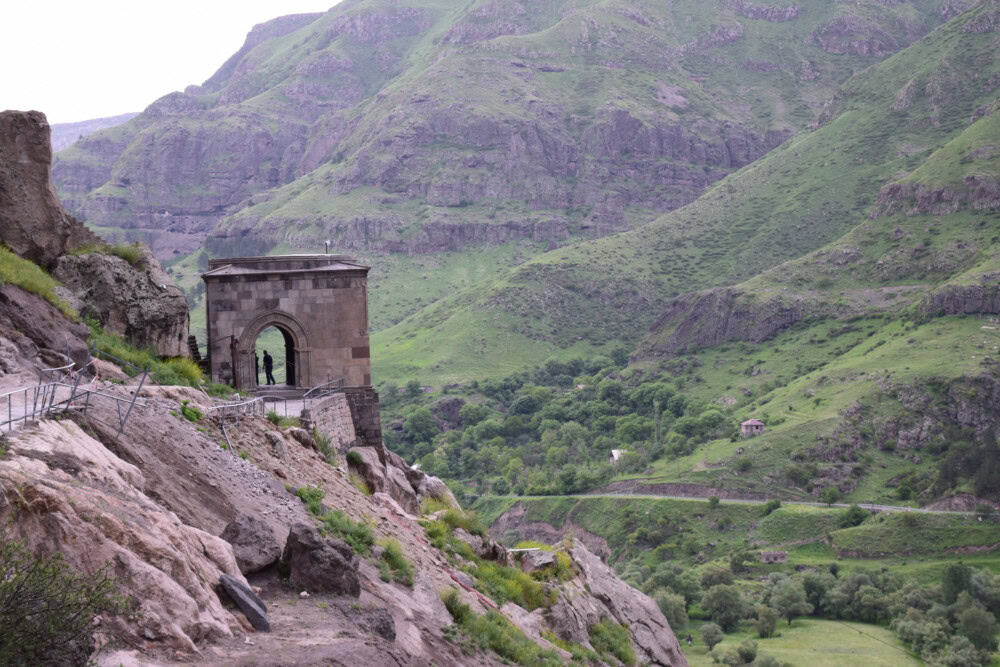
At the entrance to the main part of the monastery complex stands a prominent bell tower. This structure was built after the devastating earthquake of 1283. It is a beautiful example of Georgian religious architecture from the period. The bell tower is one of the first things that visitors see as they approach the main area of the caves. It serves as a gateway to the historical and spiritual heart of the monastery.
Tunnels and Secret Passages
One of the most exciting parts of exploring Vardzia is the network of tunnels and secret passages that connect the different parts of the cave city. These tunnels were a key part of the monastery’s defensive system. They allowed the inhabitants to move secretly between different levels. A famous feature is a long tunnel with a spring at its end, which provided a secure source of water for the monastery during a siege. A walk through these dark and narrow passages is an adventurous experience.
Getting Around in Vardzia
The Vardzia cave monastery complex itself is explored entirely on foot. A network of stairs and tunnels connects the different levels of the site. To reach Vardzia, the most common methods are by car or by taking a marshrutka (minivan) from a nearby city. A car provides the most flexibility for exploring the wider region, which is rich in other historical and natural sights. The roads to Vardzia are paved and generally in good condition.
Exploring by Foot
Once you arrive at the Vardzia complex, the only way to explore the sights is by walking. A well-marked circular route leads visitors through the main parts of the cave city that are open to the public. The route involves climbing many stairs and walking through some narrow and dark tunnels, so comfortable shoes are essential. The exploration of the site can take several hours, depending on your pace.
Using a Marshrutka
Marshrutkas, which are shared minivans, are the main form of public transport in Georgia. They are a very common and affordable way to travel between cities and towns. There are regular marshrutka services that run from the city of Akhaltsikhe to Vardzia. The journey takes about one hour. This is the most common option for visitors who are relying on public transport to reach the site.
Navigating by Car
A car is the most convenient way to explore Vardzia and the wider Samtskhe-Javakheti region. Having your own vehicle allows you to visit the many other attractions in the area, such as the Rabati Castle in Akhaltsikhe and the Khertvisi Fortress, at your own pace. The main road that leads to Vardzia from Akhaltsikhe is paved and follows the beautiful Mtkvari River valley. There is a large parking area located at the base of the monastery complex.
How to Get to Vardzia?
Vardzia is located in the Samtskhe-Javakheti region of southern Georgia. The closest major town and transportation hub is Akhaltsikhe, which is located about 60 kilometers away. The most common way to get to Vardzia is to first travel to Akhaltsikhe from the capital city, Tbilisi, and then take a shorter journey to the monastery. The journey from Tbilisi to Vardzia can be done as a very long day trip, but it is often better to stay overnight in the region.
Arriving by Air
The main international airport for the country is Tbilisi Shota Rustaveli International Airport (TBS). The airport is located on the eastern outskirts of the capital city, Tbilisi. From the airport, you would need to continue your journey to Vardzia by road. The drive from Tbilisi to Vardzia takes approximately four hours. Another option is Kutaisi International Airport (KUT) in western Georgia, which is also about a four-hour drive away.
Driving to the Site
Driving to Vardzia is a scenic journey through the heart of Georgia. From Tbilisi, you would take the main east-west highway towards the city of Khashuri. From there, you turn south towards the spa town of Borjomi and then continue on to Akhaltsikhe. While from Akhaltsikhe, a well-paved regional road follows the Mtkvari River valley for about an hour to reach Vardzia. The entire journey from Tbilisi takes around four hours without stops.
Connecting by Marshrutka or Bus
Marshrutkas and buses are the main form of public transport for reaching Vardzia. There are frequent marshrutka and bus services from the Didube Bus Station in Tbilisi to the town of Akhaltsikhe. The journey takes about three hours. From Akhaltsikhe, you would then need to take a different, local marshrutka for the final one-hour journey to Vardzia. There may also be some direct tourist-oriented bus services from Tbilisi during the peak season.
Journey by Rail
It is not possible to reach Vardzia directly by train. The closest train station is in the town of Akhaltsikhe. However, the train service to Akhaltsikhe is very limited and infrequent. The main railway line in this part of Georgia runs through the town of Borjomi. From Borjomi, you would still need to take a bus or a marshrutka for the remaining one-and-a-half-hour journey to Vardzia. For this reason, the train is generally not the most practical option for reaching the site.
Driving Distances
The driving distance from 20 regional cities, according to Google Maps:
- Akhaltsikhe, Georgia – 60 kilometers (1 h 00 min)
- Borjomi, Georgia – 100 kilometers (1 h 30 min)
- Gyumri, Armenia – 120 kilometers (2 h 30 min)
- Kars, Turkey – 150 kilometers (3 h 00 min)
- Gori, Georgia – 160 kilometers (2 h 30 min)
- Kutaisi, Georgia – 200 kilometers (3 h 30 min)
- Batumi, Georgia – 220 kilometers (4 h 00 min)
- Tbilisi, Georgia – 240 kilometers (4 h 00 min)
- Yerevan, Armenia – 250 kilometers (4 h 30 min)
- Erzurum, Turkey – 280 kilometers (4 h 30 min)
- Trabzon, Turkey – 340 kilometers (5 h 30 min)
- Vladikavkaz, Russia – 380 kilometers (6 h 30 min)
- Sochi, Russia – 480 kilometers (9 h 00 min)
- Baku, Azerbaijan – 820 kilometers (9 h 30 min)
- Ankara, Turkey – 1000 kilometers (14 h 00 min)
- Tehran, Iran – 1000 kilometers (14 h 00 min)
- Istanbul, Turkey – 1450 kilometers (19 h 00 min)
- Kyiv, Ukraine – 1700 kilometers (25 h 00 min)
- Moscow, Russia – 2100 kilometers (28 h 00 min)
- Warsaw, Poland – 2400 kilometers (31 h 00 min)
Looking to Explore more of Georgia and Europe?