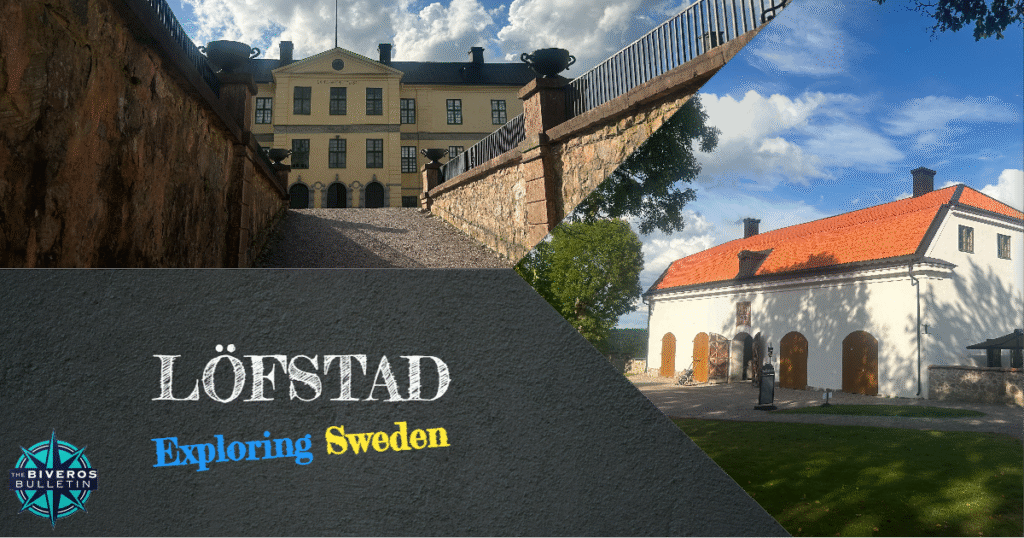
Löfstad, Östergötland | Exploring Sweden
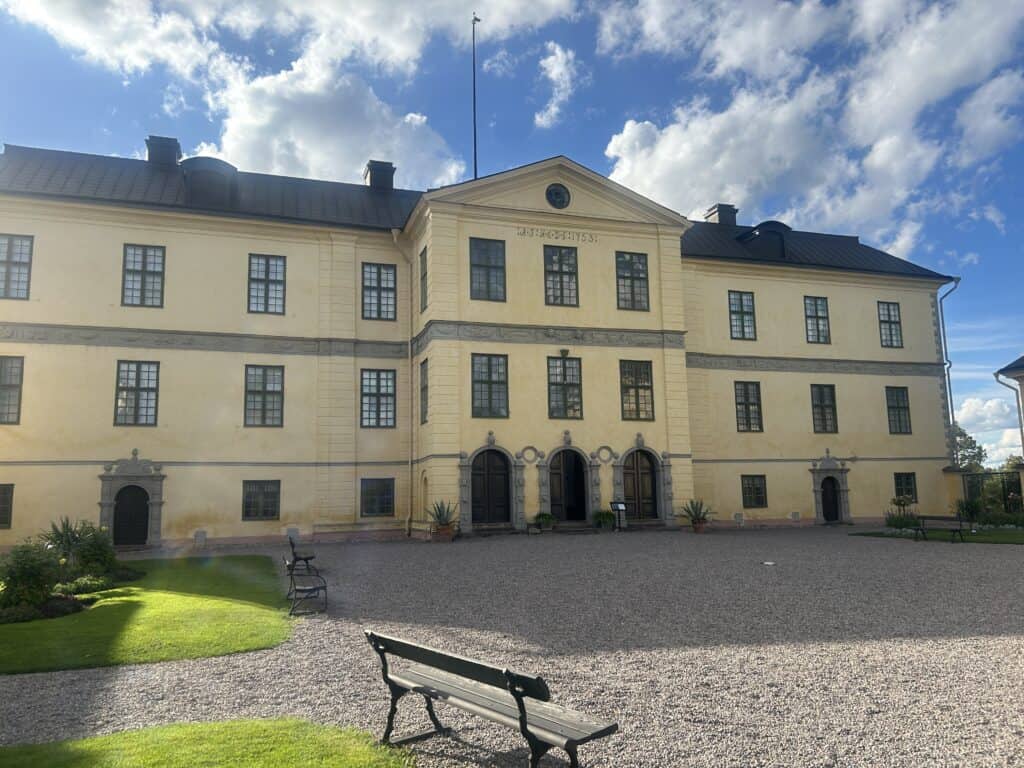
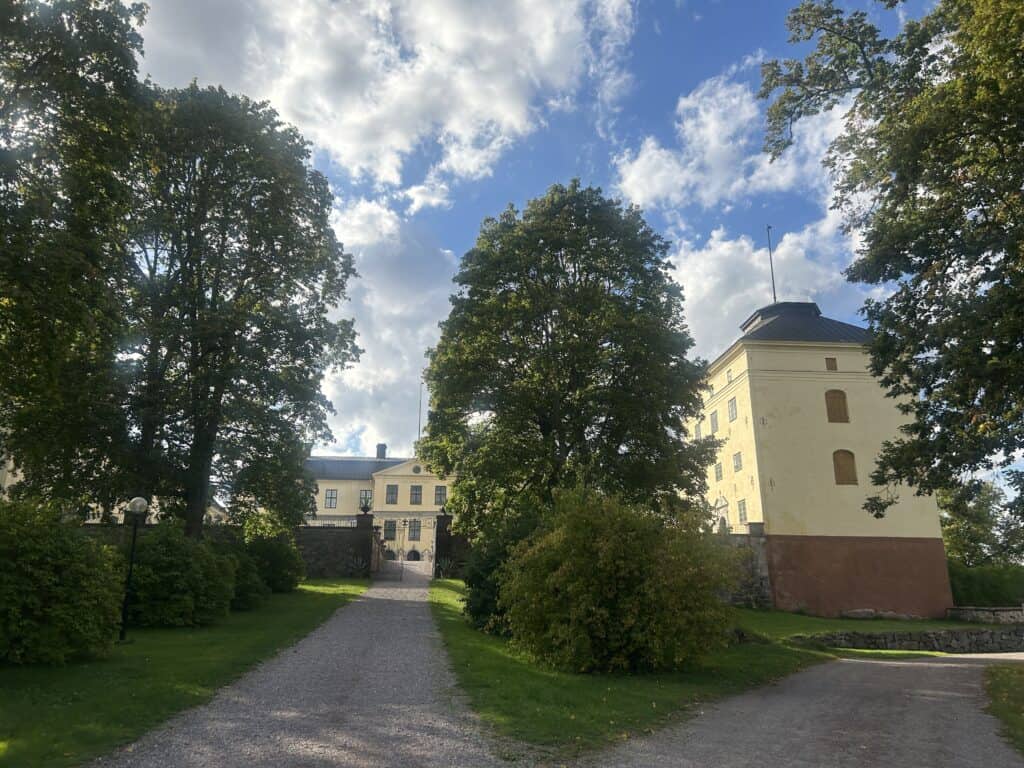
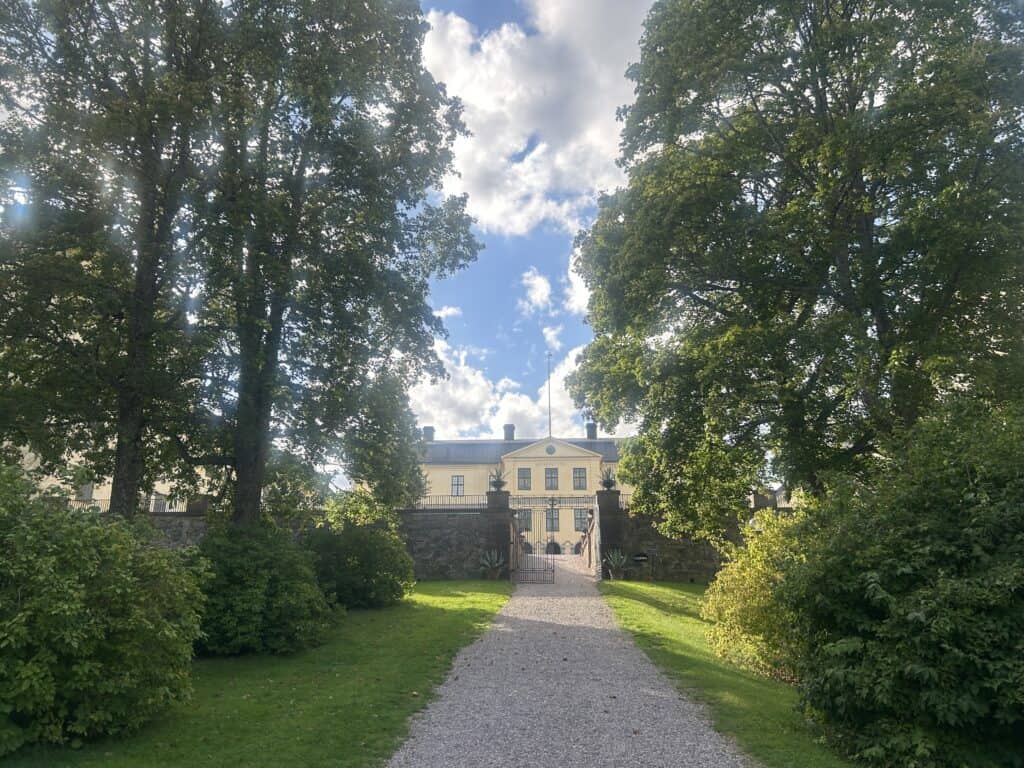
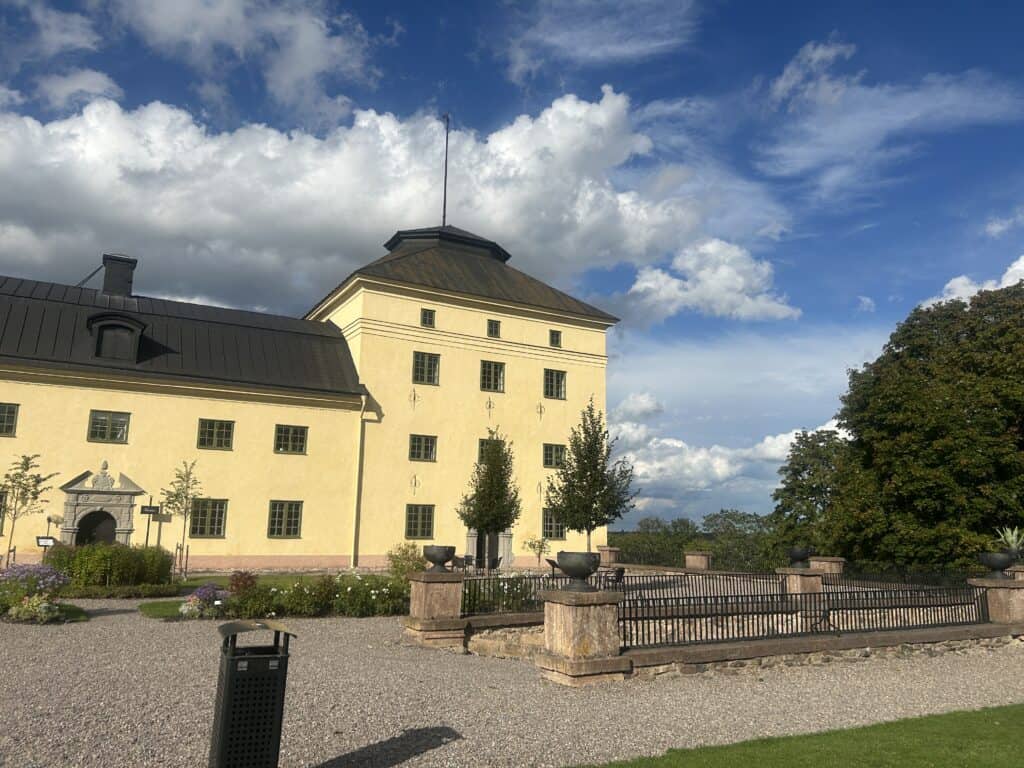
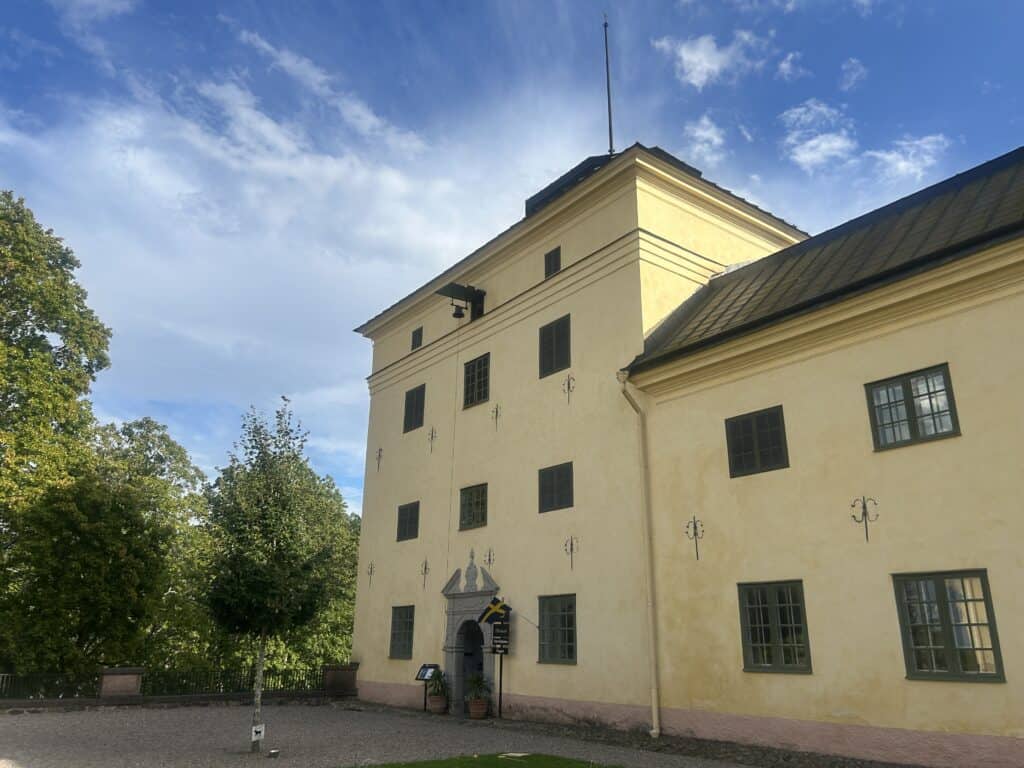
Löfstad Castle is one of Sweden’s most well-preserved Baroque estates. It is located in the province of Östergötland within Norrköping Municipality, situated just a few kilometers east of Kimstad. The castle’s importance lies in its unique state of preservation, a result of the will of its last private owner. This final owner, Emilie Piper, decreed that the home should be left untouched for future generations. It now operates as a museum, offering an authentic glimpse into the life of the Swedish nobility. The official name of the site is Löfstad slott.
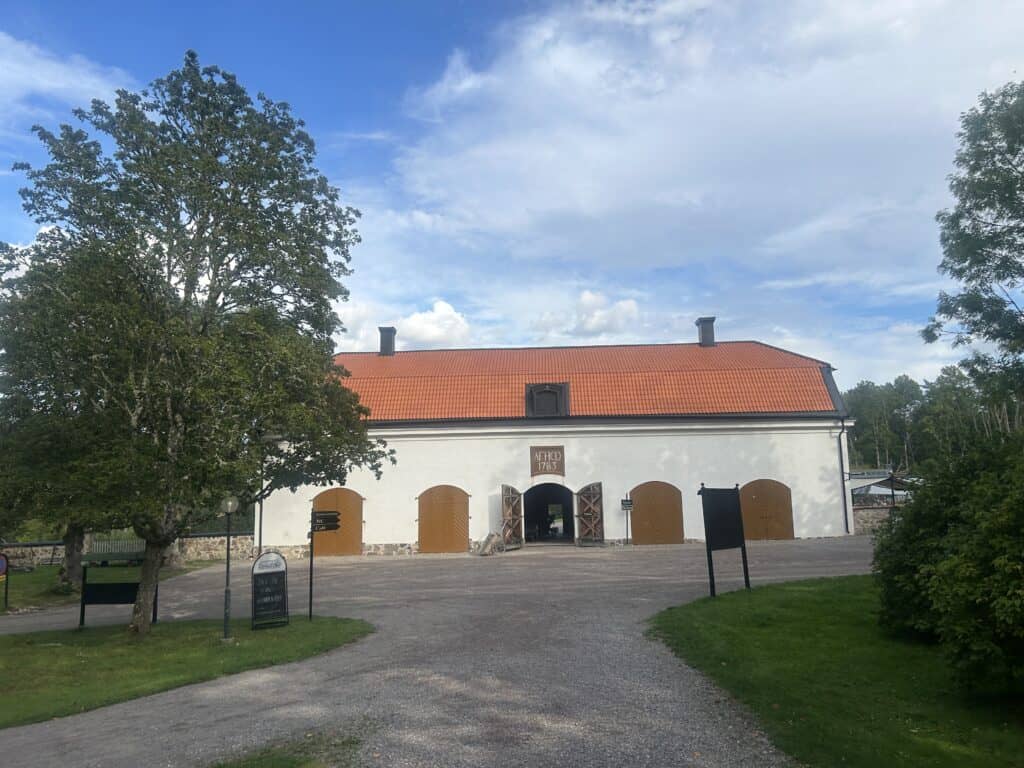
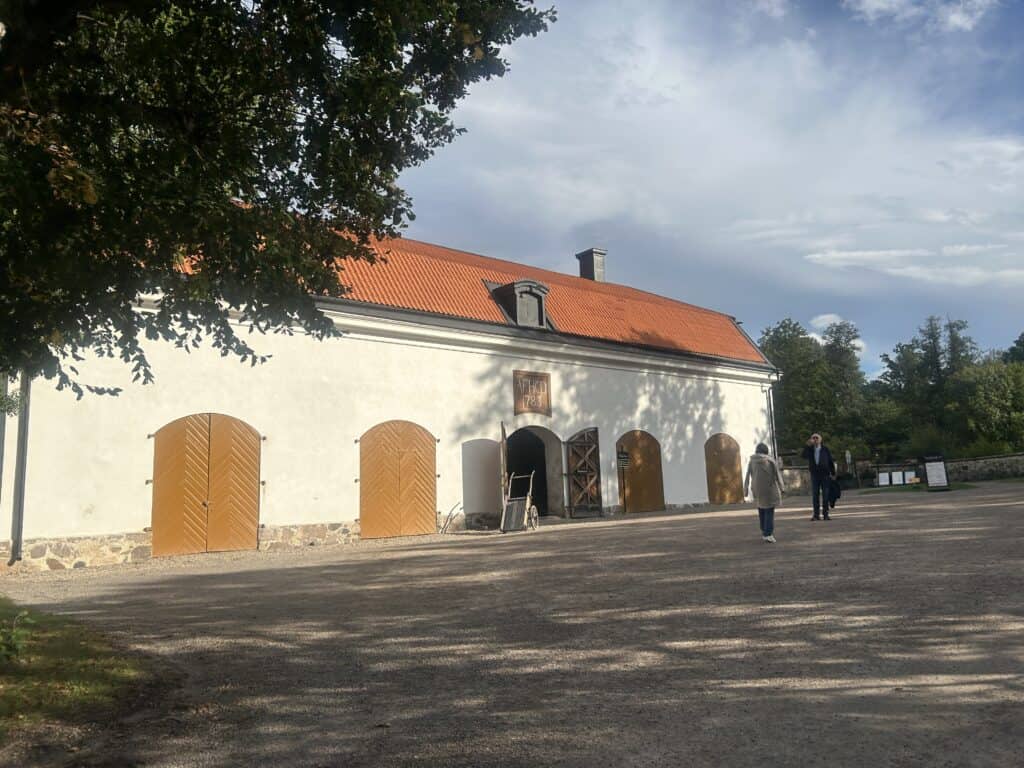
The identity of Löfstad is therefore that of a time capsule, with its interiors frozen in time since 1926. Today, the estate is managed by the Östergötland Museum and serves as a major cultural and historical attraction in the region. The property includes not only the main castle building but also extensive grounds. These grounds contain a historic inn, gardens, and a beautifully landscaped English park. The estate stands as a monument to the influential families who owned it, such as the von Fersens and the Pipers, and is a testament to the foresight of its last resident.

History of Löfstad
The history of Löfstad Castle spans over 400 years and is closely associated with two influential Swedish noble families: the von Fersens and the Pipers. The estate’s story begins in the 17th century and continues until its transition into a public museum in the 20th century. Its development reflects the changing architectural styles and social structures of the Swedish aristocracy. The castle was not just a home but also the center of a large estate that played a significant economic role in the region. Its well-documented history provides a clear narrative of the rise and eventual decline of this class in Swedish society.
The von Fersen Era
The foundations of the current Löfstad Castle were laid in the mid-17th century. The estate had medieval roots, but it was Field Marshal Axel von Fersen the Elder who transformed it into the magnificent Baroque residence seen today. Construction on the main building began around 1650. The von Fersen family was one of the most powerful and wealthy in Sweden, and the castle was designed to reflect their status. The most famous member of the family associated with the castle was Axel von Fersen the Younger, known for his close relationship with French Queen Marie Antoinette. Although he spent much of his time abroad, Löfstad remained an important family seat.
The Piper Family and Preservation
In the early 19th century, the von Fersen male line died out, and the castle passed through inheritance to the Piper family. The estate continued to be a beloved home for several generations of the Pipers. Its final private owner was Emilie Piper, who lived at Löfstad her entire life until her death in 1926. Having no children, and being the last of her line at the castle, Emilie Piper decreed in her will that the castle and all its contents should be preserved as a museum. She specified that nothing should be added, removed, or changed, leaving the home as a perfect snapshot of her time.
Löfstad as a Museum
Following Emilie Piper’s wishes, the estate was bequeathed to the Östergötland Museum and opened to the public in 1942. Since then, it has been managed as a cultural heritage site, with great care taken to maintain the interiors exactly as they were in 1926. This makes Löfstad unique among Swedish castles, as it is not a reconstruction but an authentic, untouched home. The museum offers guided tours that tell the stories of the people who lived there, their belongings, and the history of the estate. The preservation of Löfstad has ensured that its rich history remains accessible to all.

Sights in Löfstad
The sights at Löfstad are the various components of the historic estate itself. A visit is an opportunity to explore a complete and authentic aristocratic environment from a bygone era. The main attraction is the castle interior, but the experience extends to the beautifully maintained park, gardens, and surrounding buildings that made up this self-contained community. Each element offers a different perspective on the history and daily life of the estate, from the formal staterooms to the tranquil walking paths of the park. Exploring Löfstad is a comprehensive journey into Sweden’s cultural heritage.
The Castle Interior
A guided tour of the castle interior is the main experience at Löfstad. Because of Emilie Piper’s will, the rooms are preserved exactly as they were when she died in 1926. This offers an unparalleled look into a noble home, complete with original furniture, art, textiles, and personal belongings. The castle has over three floors of rooms, including grand staterooms, a library, a chapel, and the family’s private living quarters. The collection of art and antiques is extensive, gathered by the von Fersen and Piper families over 300 years. The tours provide detailed stories about the objects and the people who used them.
The English Park
Surrounding the castle is a large and beautiful park designed in the English style. This style of landscape architecture, popular in the late 18th century, emphasizes a more natural and romantic feel compared to the strict symmetry of Baroque gardens. The park at Löfstad features wide lawns, majestic old trees, winding paths, and scenic viewpoints. It was designed for leisurely walks and to provide picturesque views of the castle from different angles. The park is open to the public year-round and is a popular destination for walks and picnics.
The Orangerie and Gardens
Adjacent to the castle, visitors can find the estate’s historic gardens and a charming orangery. The gardens provided the household with fresh fruit, vegetables, and flowers. The orangery was used to cultivate delicate plants like citrus trees during the cold Swedish winters. Today, the kitchen garden is still cultivated, and the nursery sells plants, many of which are historic varieties grown at Löfstad. The garden and orangery area provide insight into the horticultural and self-sufficient aspects of life on a large estate.
Löfstad Inn
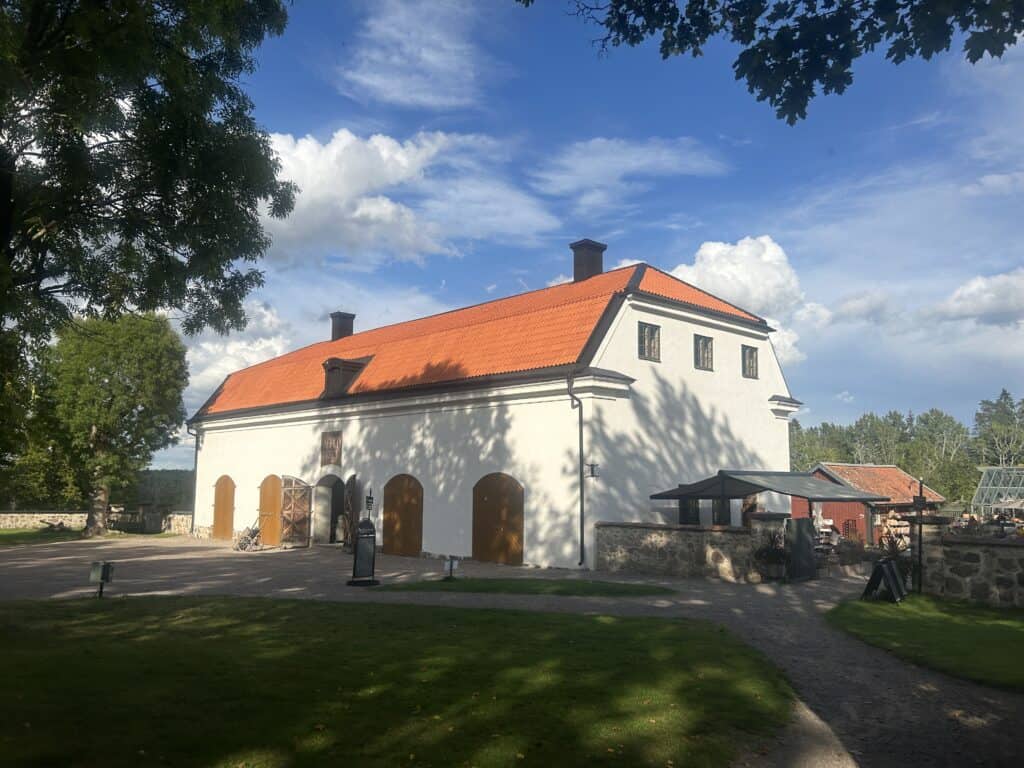
Located in one of the historic buildings on the estate grounds is Löfstad Värdshus, a well-regarded inn and restaurant. The building originally served various functions for the estate. Today, it offers visitors a place to dine in a historic setting, serving classic Swedish cuisine often made with local ingredients. The inn is a popular destination for lunch, dinner, and the traditional Swedish fika. Its presence makes it easy for visitors to spend a full day at the estate, combining a cultural tour with a culinary experience.
The Church and Bell Tower
Although the castle has its own private chapel, the nearby Kimstad Church historically served as the parish church for the estate’s owners and workers. However, Löfstad also has its own distinctive, free-standing wooden bell tower located within the park. This type of bell tower, or klockstapel, is a traditional feature of Swedish church architecture. The Löfstad bell tower adds to the historic atmosphere of the grounds. The original estate church was located elsewhere, but the current tower remains a picturesque landmark.


How to Get to Löfstad?
Reaching Löfstad Castle is most convenient by car, but it is also accessible via a combination of public transport and a short walk. The castle is located in a rural setting just off the main E4 motorway, between the cities of Norrköping and Linköping. Its position makes it an easy side trip for anyone traveling through the province of Östergötland. The final approach to the castle is via a picturesque, tree-lined avenue that leads directly to the main visitor parking area, setting the stage for the historic experience that awaits.
The castle’s proximity to the main transport arteries of the region means that it is relatively easy to reach from major Swedish cities. For travelers relying on public transport, the journey requires a bit more planning. The typical route involves taking a train to one of the nearby stations and then continuing with a regional bus or a taxi. This final leg of the journey takes visitors out of the urban centers and into the open agricultural landscape where the castle is situated.
Driving to Löfstad Castle
Löfstad Castle is located very close to the E4 motorway. Travelers should take exit 115 (Norsholm) and follow the signs for “Löfstad Slott.” The drive from the motorway exit to the castle takes only a few minutes. From central Norrköping, the drive is about 15 minutes, and from Linköping, it is about 25 minutes. There is a large, free parking area for visitors located a short walk from the main castle building. This is the most direct and convenient way to visit the estate.
Traveling by Train to Löfstad
The closest train station to Löfstad Castle is Kimstad station, which is approximately 4 kilometers away. Kimstad is a stop on the Östgötapendeln commuter train line, which offers frequent service between Norrköping and Linköping. From the station, one could take a taxi or walk to the castle, although the walk is along country roads without a dedicated sidewalk. A more practical option for many is to take a train to the larger central stations in Norrköping or Linköping and then proceed by bus.
Reaching Löfstad by Regional Bus
Regional buses operated by Östgötatrafiken provide service to the area near Löfstad Castle. Several bus lines that run between Norrköping and Linköping have a stop at “Löfstad,” which is located on the main road at the entrance to the castle’s avenue. From the bus stop, it is a pleasant walk of about 1 kilometer up the avenue to the castle itself. It is important to check the bus schedule in advance, as the frequency of service can be limited, especially on weekends.
Nearby Airports for Löfstad Castle
The two closest airports are Norrköping Airport (NRK) and Linköping City Airport (LPI), both of which have limited connections. From either airport, the best option is to travel to the city’s central station and then take the Östgötapendeln train towards Kimstad or a bus towards Löfstad. For travelers arriving at the larger Stockholm Arlanda Airport (ARN) or Stockholm Skavsta Airport (NYO), the route would involve taking a train or bus to Norrköping and then transferring to local transport.
Driving Distances
The driving distance from 20 regional cities, according to Google Maps:
- Kimstad, Sweden – 4 kilometers (0 h 6 min)
- Norrköping, Sweden – 12 kilometers (0 h 15 min)
- Skärblacka, Sweden – 14 kilometers (0 h 15 min)
- Linköping, Sweden – 30 kilometers (0 h 25 min)
- Nyköping, Sweden – 76 kilometers (0 h 50 min)
- Örebro, Sweden – 141 kilometers (1 h 55 min)
- Jönköping, Sweden – 161 kilometers (1 h 45 min)
- Stockholm, Sweden – 182 kilometers (2 h 0 min)
- Västerås, Sweden – 200 kilometers (2 h 25 min)
- Kalmar, Sweden – 210 kilometers (2 h 35 min)
- Växjö, Sweden – 213 kilometers (2 h 35 min)
- Uppsala, Sweden – 216 kilometers (2 h 30 min)
- Gothenburg, Sweden – 293 kilometers (3 h 5 min)
- Gävle, Sweden – 326 kilometers (3 h 30 min)
- Helsingborg, Sweden – 383 kilometers (3 h 50 min)
- Lund, Sweden – 401 kilometers (4 h 0 min)
- Malmö, Sweden – 417 kilometers (4 h 5 min)
- Oslo, Norway – 417 kilometers (4 h 50 min)
- Copenhagen, Denmark – 459 kilometers (4 h 45 min)
- Sundsvall, Sweden – 527 kilometers (5 h 20 min)
Explore More of Östergötland and Sweden