Tigre | Exploring Argentina
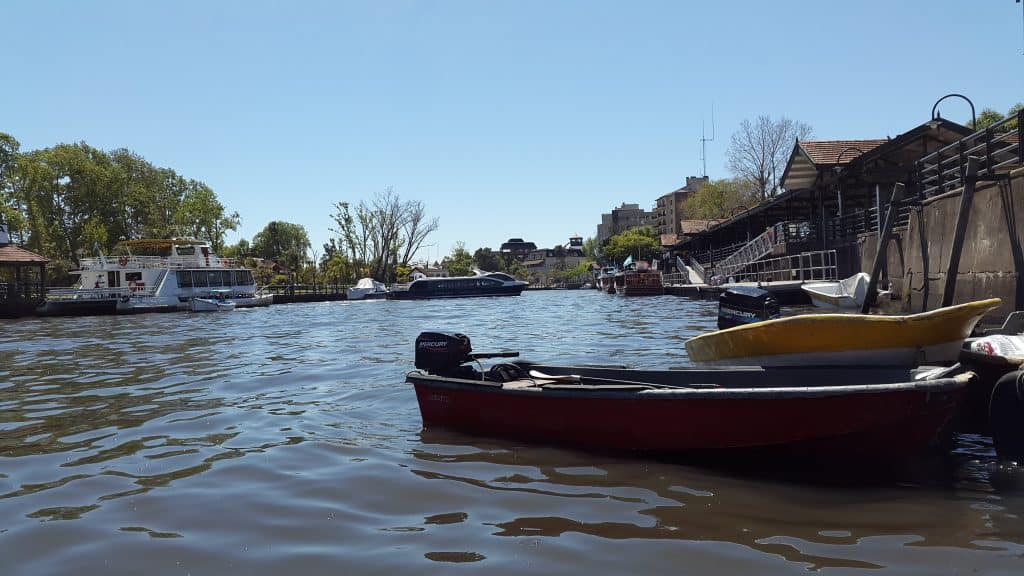
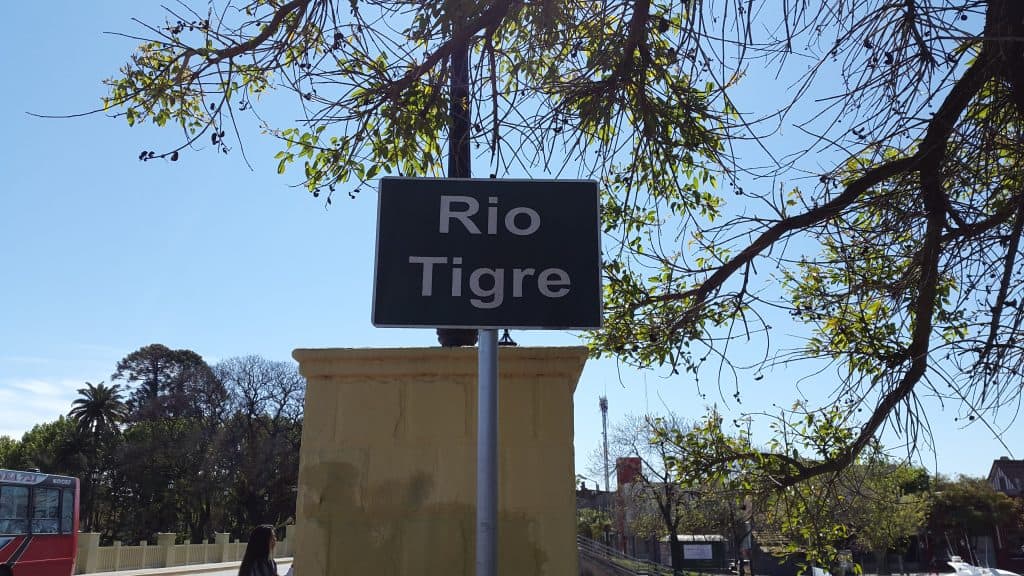
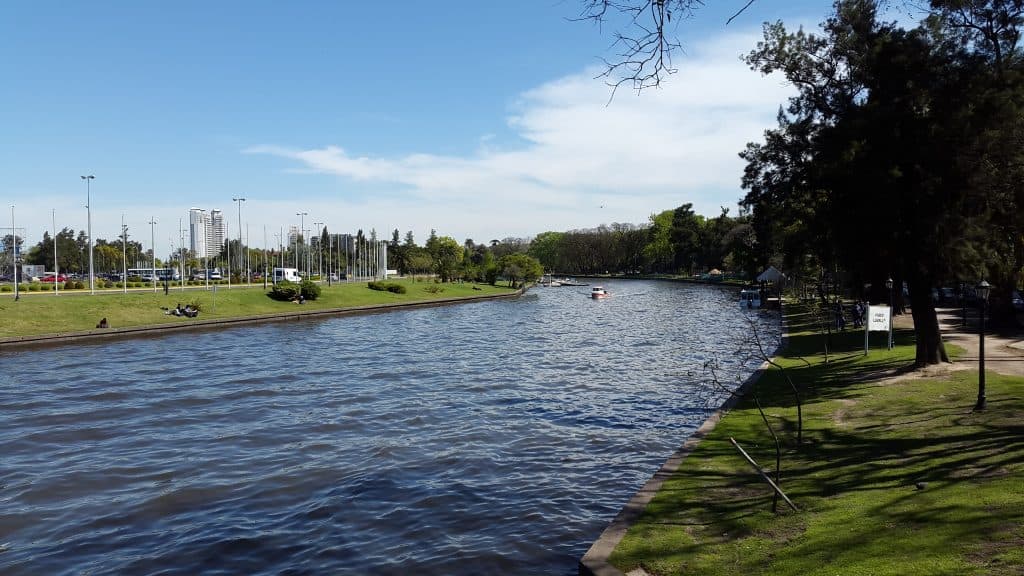
Tigre is a city located in the Buenos Aires Province of Argentina. It is situated at the confluence of the Luján and Tigre rivers, approximately 28 kilometers north of the city of Buenos Aires. With a population of around 380,000 in its wider Partido, the city is the main gateway to the Paraná Delta, one of the largest river deltas in the world. The city is a major center for tourism and recreation, and it is known for its beautiful waterways, its historic rowing clubs, and its bustling craft market.
The identity of Tigre is defined by its unique relationship with the water. The city is a network of rivers and streams, and life here has always revolved around the delta. For centuries, it was a port for timber and fruit, and this history is still visible in its famous market, the Puerto de Frutos. In the late 19th and early 20th centuries, it became a popular weekend retreat for the wealthy residents of Buenos Aires, who built beautiful holiday homes and established grand rowing clubs along the riverbanks. Today, Tigre is a vibrant and popular destination, offering a complete contrast to the bustling urban environment of the nearby capital.


History of Tigre
The history of Tigre is a story of a remote port that was transformed into an elegant weekend retreat and a major tourist destination. The area was first settled in the early days of the Spanish colony, but the modern town began to develop in the 19th century. Its location at the entrance to the Paraná Delta made it a natural hub for the transport of timber and fruit. The arrival of the railway in the late 19th century was a major turning point, as it connected the town with Buenos Aires and ushered in a golden age of development as a popular resort.
A Port for the Delta
The area of modern-day Tigre was known as the “Pago de las Conchas” during the colonial period. It was a sparsely populated area with a small chapel and a few farms. Its importance grew as it became the main port for the transport of wood and fruit that was produced in the islands of the Paraná Delta. This produce was then transported to the growing city of Buenos Aires. This early history as a working port is still a key part of the city’s identity.
The Golden Age of the Belle Époque</h4>
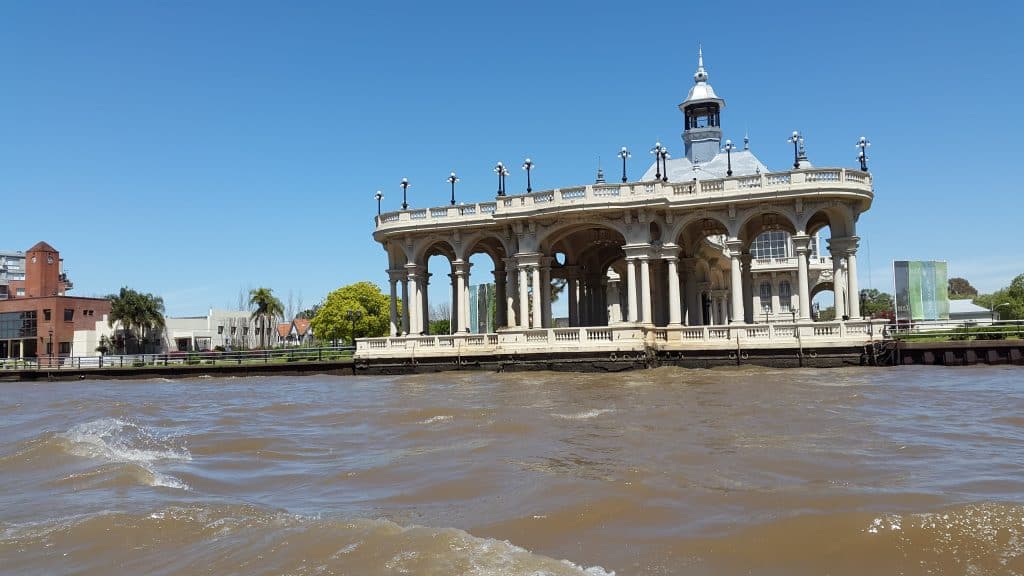
The major transformation of Tigre began in the late 19th century. The arrival of the railway in 1865 made the town easily accessible from Buenos Aires. At the same time, rowing became a very popular sport among the British community in Argentina. Several magnificent rowing clubs were established along the banks of the Luján River. The town became a fashionable and elegant weekend retreat for the wealthy elite of Buenos Aires, who built beautiful holiday homes and a grand social club, the Tigre Club. This was the “Belle Époque” of Tigre, and many of the beautiful buildings from this period still stand today.
A Modern Tourist Destination</h4>
The popularity of Tigre as a resort for the elite declined in the mid-20th century as the wealthy began to favor the seaside resorts like Mar del Plata. However, the town was rediscovered in the late 20th century as a popular destination for day trips and tourism for a wider audience. In the modern era, the historic rowing clubs and the magnificent Tigre Club have been restored. The old fruit port, the Puerto de Frutos, has been transformed into a major craft market. Today, Tigre is one of the most popular and important tourist destinations in the entire Buenos Aires province.


Sights in Tigre
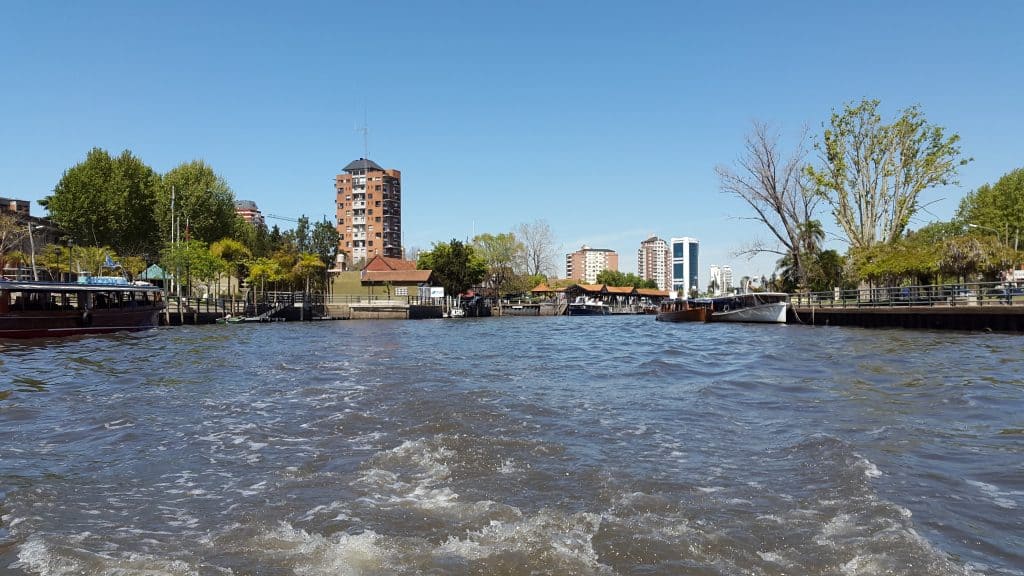
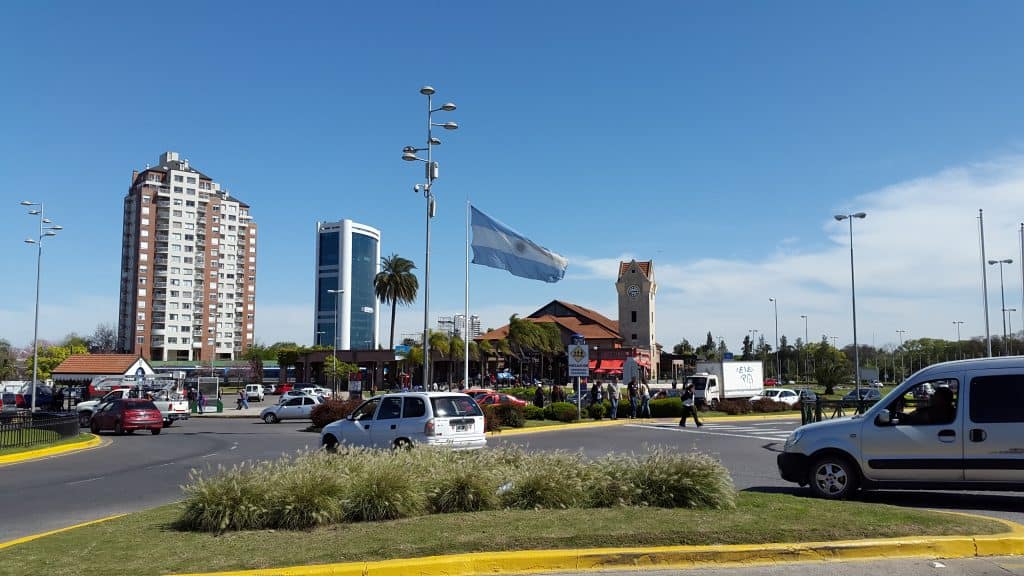
The sights in Tigre are centered around its beautiful rivers and its rich cultural heritage. The main attraction for most visitors is the Puerto de Frutos, a bustling market where you can find a wide variety of local crafts and products. A boat trip through the scenic waterways of the Paraná Delta is another essential experience. The city is also famous for its magnificent historic rowing clubs, which line the banks of the Luján River. For those interested in art and history, the magnificent Tigre Art Museum, housed in a former social club, is a must-see.
Puerto de Frutos
The Puerto de Frutos, or the Fruit Port, is the most famous and popular sight in Tigre. This large and bustling market is located on the banks of the Luján River. Historically, this was the port where the fruit and timber from the delta islands were brought to be sold. Today, the market has been transformed into a major craft and home decor market. Here, you can find a wide variety of handmade goods, including wicker furniture, leather goods, and traditional textiles. It is a vibrant and colorful place to explore, especially on weekends.
A Boat Trip on the Delta
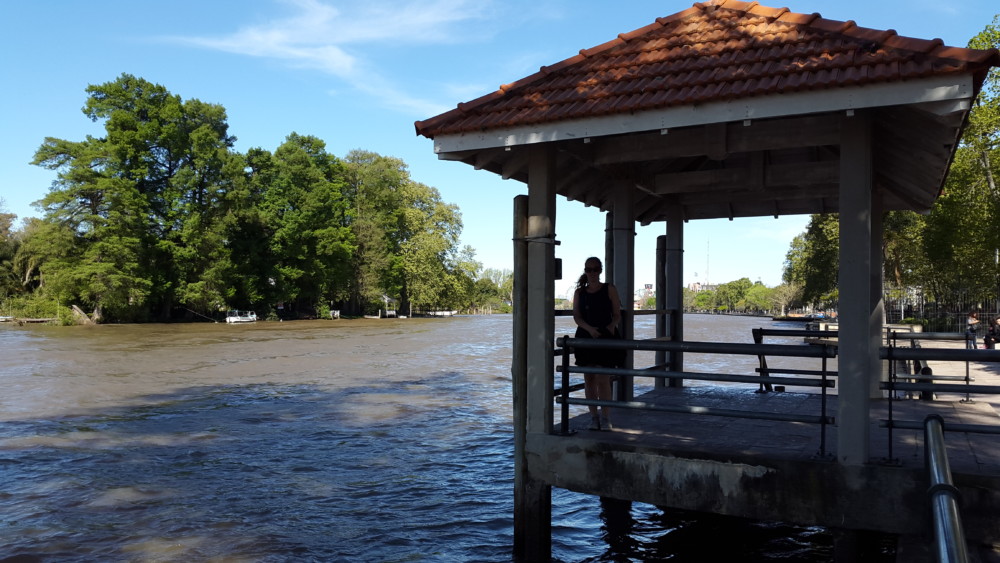
A boat trip is the quintessential Tigre experience, and it is the best way to see the unique landscape of the Paraná Delta. Numerous tour companies at the main river station offer boat trips of various lengths. The tours take you through a labyrinth of rivers and streams, past the traditional stilt houses of the island dwellers, and through the lush, green vegetation of the delta. It is a peaceful and beautiful journey that provides a glimpse into the unique way of life in this vast river delta.
The Tigre Art Museum
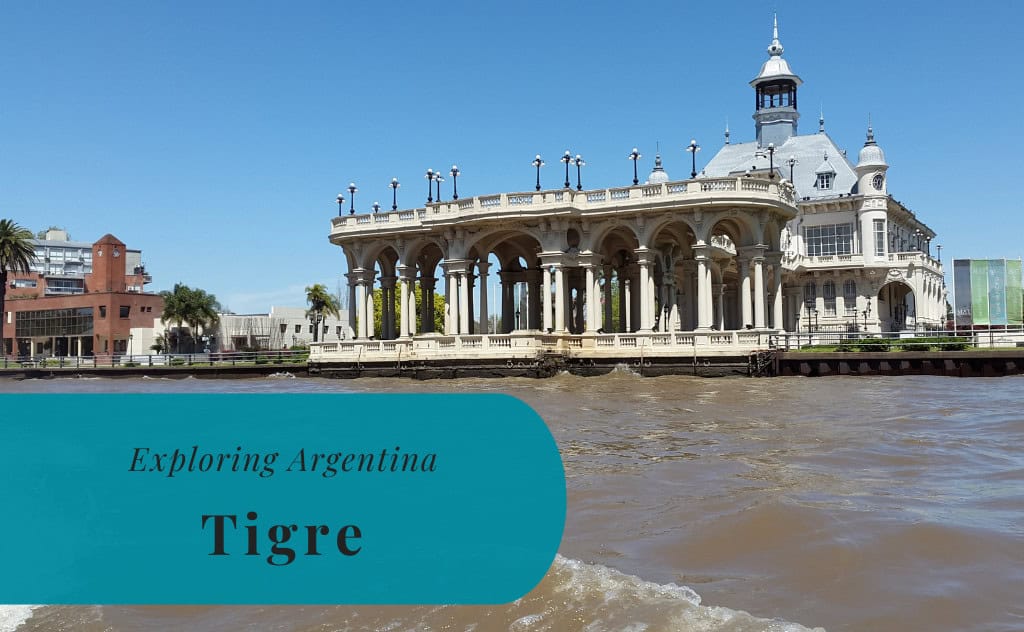
The Tigre Art Museum (Museo de Arte Tigre) is housed in one of the most beautiful and magnificent buildings in the city. The building was originally the Tigre Club, a grand social club and casino that was opened in 1912. The elegant Beaux-Arts building has been beautifully restored. Today, it houses a museum that is dedicated to 19th and 20th-century Argentine figurative art. The collection includes works by many of the country’s most important artists. The building itself, with its grand staircase and beautiful terraces overlooking the river, is a work of art.
The Historic Rowing Clubs
The banks of the Luján River in Tigre are lined with a collection of magnificent and historic rowing clubs. These grand buildings were constructed in the late 19th and early 20th centuries by the various immigrant communities of Buenos Aires, particularly the British, Italian, and Spanish. The clubs have beautiful and diverse architectural styles, from Tudor to Venetian. While they are private clubs, their impressive facades can be admired from the river on a boat tour or from a walk along the waterfront. They are a key part of the city’s unique architectural heritage.


Getting Around in Tigre
Navigating the city of Tigre can be done with a combination of walking and using the local tourist boats. The main town center, which includes the river station, the Puerto de Frutos, and the amusement park, is walkable. For exploring the islands and the rivers of the Paraná Delta, the extensive network of “lanchas colectivas” (water buses) is the main form of transport. A scenic tourist train, the Tren de la Costa, also provides a unique way to travel along the coast to Tigre.
Using Water Buses (Lanchas Colectivas)
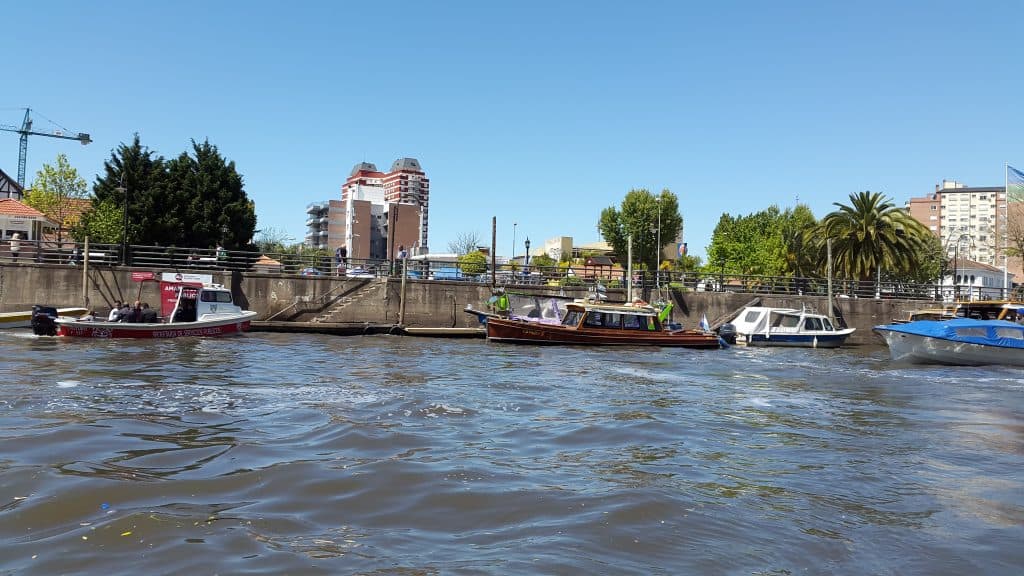
The primary way to get around the islands and the rivers of the Paraná Delta is by using the lanchas colectivas. These are traditional wooden passenger boats that function like a public bus system on the water. They depart from the main river station in Tigre, the Estación Fluvial. They run on fixed routes and have numerous stops at the different islands, where people live and where there are recreational areas. A ride on a lancha colectiva is an essential and authentic delta experience.
Exploring by Foot
The central area of the town of Tigre is very walkable. All the main attractions on the mainland, such as the Puerto de Frutos, the Tigre Art Museum, and the Parque de la Costa, are within a pleasant walking distance of the main train and river stations. A walk along the beautiful waterfront promenade that runs along the Luján River is a key part of the experience. This allows you to see the magnificent historic rowing clubs.
The Tren de la Costa
The Tren de la Costa, or the “Train of the Coast,” is a scenic tourist train that runs from the suburbs of Buenos Aires to the center of Tigre. The train line follows the coast of the Río de la Plata, and it passes through several beautiful and elegant residential neighborhoods. The stations along the line have been beautifully restored and often house cafes and small shops. A ride on the Tren de la Costa is a fun and picturesque way to travel to Tigre.
How to Get to Tigre?
Tigre is located in the Buenos Aires Province of Argentina and is very easy to reach from the capital city. The town is the main gateway to the Paraná Delta. The primary way for international visitors to arrive in the region is via the international airports in Buenos Aires. From the capital, Tigre can be easily reached by a frequent and direct train service, which is the most popular and practical option. It is also accessible by bus and by car.
Arriving by Air
The main international gateway for the region is Ministro Pistarini International Airport (EZE), commonly known as Ezeiza, which is located near Buenos Aires. From the airport, you would first need to travel into the center of Buenos Aires. From there, you can take a train for the final journey to Tigre. The domestic airport, Aeroparque Jorge Newbery (AEP), is located closer to the train lines that run to Tigre.
Journey by Rail
The train is the most popular, convenient, and affordable way to get to Tigre from Buenos Aires. A direct suburban train service runs from the magnificent Retiro Mitre train station in the center of Buenos Aires. The journey on the Mitre Line is very scenic, as it passes through the beautiful northern suburbs of the city. The trip takes about 50 minutes, and the trains run very frequently throughout the day. The final station is Tigre, which is located in the heart of the town, right next to the river station.
Connecting by Bus
It is also possible to reach Tigre by public bus from Buenos Aires. Several city bus lines, or colectivos, run from different parts of the capital to Tigre. The most famous of these is the number 60 bus, which is a classic and very long bus route. However, the journey by bus is much slower than the train due to the heavy traffic. The train is generally the recommended option for a faster and more comfortable journey.
Driving Distances
The driving distance from 20 regional cities, according to Google Maps:
- Buenos Aires, Argentina – 28 kilometers (0 h 45 min)
- Rosario, Argentina – 280 kilometers (3 h 00 min)
- Mar del Plata, Argentina – 430 kilometers (4 h 30 min)
- Santa Fe, Argentina – 450 kilometers (4 h 30 min)
- Paysandú, Uruguay – 460 kilometers (5 h 00 min)
- Montevideo, Uruguay – 600 kilometers (plus ferry)
- Córdoba, Argentina – 680 kilometers (7 h 00 min)
- Corrientes, Argentina – 900 kilometers (10 h 00 min)
- Porto Alegre, Brazil – 1030 kilometers (12 h 00 min)
- Mendoza, Argentina – 1030 kilometers (11 h 30 min)
- Asunción, Paraguay – 1230 kilometers (14 h 30 min)
- Santiago, Chile – 1430 kilometers (16 h 30 min)
- Salta, Argentina – 1480 kilometers (17 h 30 min)
- Florianópolis, Brazil – 1530 kilometers (17 h 30 min)
- San Carlos de Bariloche, Argentina – 1580 kilometers (18 h 30 min)
- La Serena, Chile – 1830 kilometers (21 h 30 min)
- Curitiba, Brazil – 1830 kilometers (20 h 30 min)
- Campo Grande, Brazil – 1830 kilometers (21 h 30 min)
- São Paulo, Brazil – 2230 kilometers (25 h 30 min)
- Rio de Janeiro, Brazil – 2630 kilometers (30 h 30 min)
Looking to Explore more of Argentina and South America?