Maldonado | Exploring Uruguay
Maldonado is the capital city of the Maldonado Department in southeastern Uruguay. It is located approximately 120 kilometers east of the national capital, Montevideo. With a population of around 102,000 inhabitants, it is the fourth most populated city in the country. Maldonado lies just a few kilometers inland from the Atlantic coast. It forms a single, continuous metropolitan area with the famous and more glamorous seaside resort of Punta del Este.
The identity of Maldonado is that of a historic colonial city that has grown into the administrative and commercial hub for the most popular tourist region in Uruguay. While its neighbor, Punta del Este, is known for its beaches and nightlife, Maldonado is the historical and cultural heart of the area. The city is known for its well-preserved Spanish colonial architecture, its tranquil main square, and its rich history. Today, it offers a more authentic and traditional Uruguayan experience, providing a charming contrast to the modern resort atmosphere of the nearby coast.

History of Maldonado
The history of Maldonado is a story of a strategic colonial settlement that was founded to secure Spanish control over this part of the South American coast. The city was established in the mid-18th century, and its early history was defined by its military and administrative importance. For centuries, it was the second-largest city in the region after Montevideo. The city’s development was shaped by its role as a key defensive point at the entrance to the Río de la Plata. It retains much of its colonial character to this day.
The Spanish Foundation
The origins of Maldonado’s name date back to January 1530. The Italian explorer Sebastian Cabot left his lieutenant, Francisco Maldonado, in the bay that now bears his name. However, the city itself was not founded until much later. In 1755, the Spanish military governor of Montevideo, Joaquín de Viana, established a settlement here. The purpose of the new town was to fortify the bay and to prevent the expansion of the Portuguese from Brazil. The original settlement was small, but it was a key part of Spain’s efforts to secure its colonial frontier.
A Colonial Stronghold
In 1757, the settlement was moved to its current location, and it began to develop into a proper town. The buildings that were constructed around the main square were in the traditional Spanish colonial style, and many of these still stand today. The city became an important military and administrative center, and it was fortified to defend against both the Portuguese and potential attacks from the sea. The Cuartel de Dragones (the Dragoons’ Barracks) was built during this period and is a testament to the city’s military past. The city was officially named San Fernando de Maldonado in honor of King Ferdinand VI of Spain.
The British Invasion and Modern Era
In 1806, during the Napoleonic Wars, the city of Maldonado was sacked by British forces. This was part of a larger, unsuccessful British attempt to conquer the Río de la Plata region. Despite this event, the city continued to be an important regional center. In the late 19th and early 20th centuries, the development of the nearby seaside resorts, especially Punta del Este, brought a new era of growth to the region. Maldonado became the main administrative and commercial hub that supported this booming tourism industry, a role that it still holds today.


Sights in Maldonado
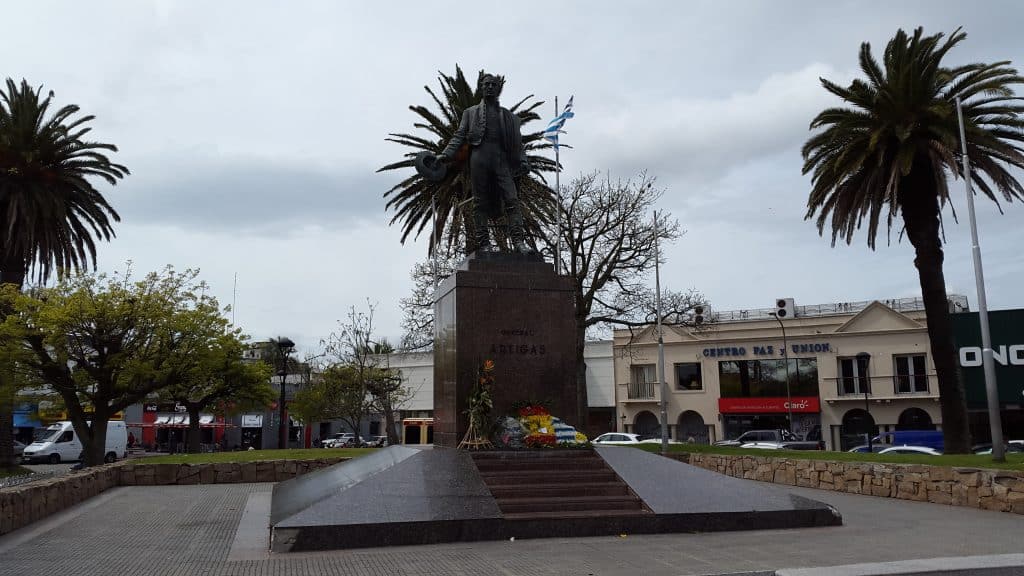
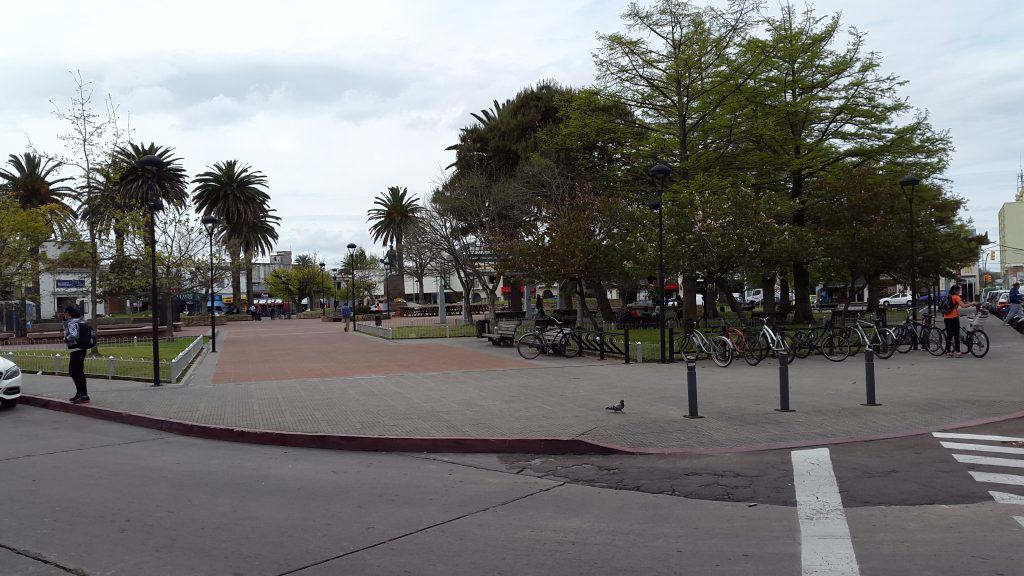
The sights in Maldonado are centered around its well-preserved historic quarter and its role as a cultural hub. The main attraction is the historic main square, Plaza San Fernando de Maldonado, which is surrounded by magnificent colonial and neoclassical buildings. The city’s cathedral and the old military barracks are key historical landmarks. Maldonado is also home to several interesting museums that showcase the art and history of the region. A walk through the tranquil streets of the city center is a journey back to the colonial era.
San Fernando de Maldonado Cathedral
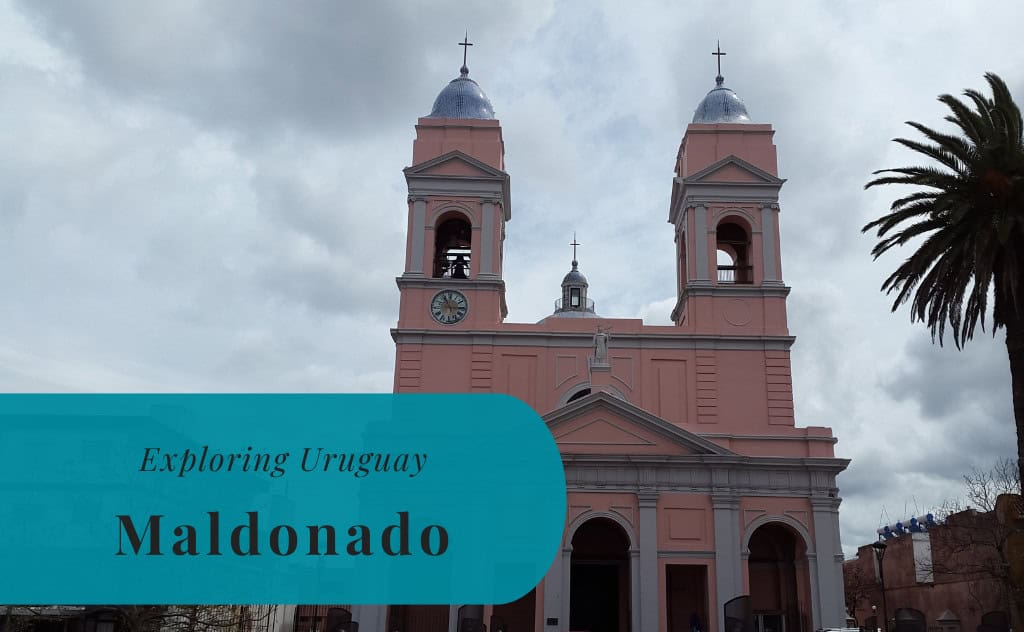
The San Fernando de Maldonado Cathedral is the most prominent and important building in the city. It is located on the main square, the Plaza San Fernando. The magnificent Neoclassical church was started in 1801, but its construction was delayed by the wars of independence and it was not completed until 1895. The cathedral is a National Historic Monument. Its altar features a unique statue of a crucified Christ, which was found washed up on a local beach.
Cuartel de Dragones (Dragoons’ Barracks)
The Cuartel de Dragones, or the Dragoons’ Barracks, is another of the city’s most important historical landmarks. The construction of this large military barracks began in 1771 and was completed in 1797. The building was a key part of the city’s defensive system and housed the elite dragoon soldiers of the Spanish colonial army. Today, the historic building has been restored and serves as a cultural center. It also houses the Didactic Museum of Artigas, which is dedicated to the national hero of Uruguay, José Artigas.
The Watchtower (Torre del Vigía)
The Torre del Vigía, or the Watchtower, is a historic tower located near the main square. The tower was built in the late 18th century, around the year 1800. It is 13 meters high. Its purpose was to serve as a lookout post, from where guards could watch for the arrival of ships in the Río de la Plata and the Atlantic Ocean. The tower is one of the most recognizable symbols of the city and a testament to its past as a strategic military outpost.
Mazzoni Regional Museum
The Francisco Mazzoni Regional Museum is housed in a beautiful historic colonial building from the late 18th century. The museum is dedicated to the history of the Maldonado region, from its indigenous origins to the modern era. Its collections include a wide variety of historical artifacts, including documents, furniture, and art. A visit to the museum provides a comprehensive overview of the rich history of the city and the surrounding department.
Paseo San Fernando
The Paseo San Fernando is a cultural center located in a historic former military barracks from the early 20th century. The beautifully restored building now houses several art galleries, exhibition spaces, and the Living Museum of the Puppet. This unique museum showcases a large collection of puppets from all over the world. The Paseo San Fernando is a vibrant hub for the city’s cultural life and a great place to experience the local arts scene.
Sports in Maldonado
The sports scene in Maldonado is centered around its historic football club, which is a major institution in the local community. The city is also home to excellent facilities for a variety of other sports, including basketball and athletics, which are housed at the Campus Municipal de Maldonado. The city’s proximity to the coast also means that water sports are very popular. The famous resort of Punta del Este is a major international center for sailing and surfing.
Deportivo Maldonado (Football)
Football is the most popular sport in the city. The main professional club is Club Deportivo Maldonado. The club was founded in 1928. The team has a strong local following, and they compete in the Uruguayan Primera División, the top tier of Uruguayan football. They play their home matches at the Estadio Domingo Burgueño Miguel, which is located at the Campus Municipal de Maldonado. The stadium was one of the venues for the 1995 Copa América.
Deportivo Maldonado (Basketball)
The multi-sport club Deportivo Maldonado also has a successful basketball section. The team competes in the national basketball league system of Uruguay. Basketball is a very popular sport in the country, and the club’s basketball team has a dedicated local following. They play their home games at the main indoor arena at the Campus Municipal de Maldonado.
Corrida de San Fernando (Running)
The Corrida de San Fernando is the most famous and traditional annual road running event in the region. The 10-kilometer race is held every January, during the peak of the summer season. The race starts in the city of Maldonado and finishes in the resort of Punta del Este. The event attracts thousands of participants, including elite international runners. It is a major highlight of the summer sporting calendar.
Getting Around in Maldonado
Navigating the city of Maldonado and the surrounding area is best done with a combination of walking and using the local bus system. The historic center of Maldonado is compact and easily walkable. For travel between Maldonado and the nearby resort of Punta del Este, a frequent and efficient local bus service operates. A car or a scooter can also be convenient for exploring the more remote beaches and the countryside of the region.
Exploring by Foot
The historic center of the city of Maldonado is best explored on foot. The main square, Plaza San Fernando de Maldonado, and the surrounding streets, with their colonial architecture, are a pleasant area for a stroll. A walk allows you to discover the charming details of the historic buildings. The main commercial street, Calle Sarandí, is also a pedestrian-friendly area with many shops and cafes.
Using Local Buses
An excellent local bus system connects the city of Maldonado with the neighboring resort of Punta del Este and all the other coastal towns in the area. The buses are very frequent, and they run on dedicated routes that cover the entire metropolitan area. The main bus terminal for Maldonado is a major hub for these local services. The local bus is an affordable and very practical way to travel between the different beaches and neighborhoods of the region.
Navigating by Car
A car provides the most flexibility for exploring the entire Maldonado region. Having your own vehicle makes it easy to take day trips to the many beautiful beaches, the charming inland villages, and the famous wineries of the area. Parking is generally easy to find in the city of Maldonado itself, although it can be more challenging in the busy resort of Punta del Este during the peak summer season. A car is also the best way to reach the more secluded beaches that are not on the main bus routes.
How to Get to Maldonado?
Maldonado is located in southeastern Uruguay and is very well-connected to the rest of the country. The city is situated on the main coastal highway that runs from the capital, Montevideo. The primary gateway for international visitors is Carrasco International Airport (MVD), located near Montevideo. From the capital, Maldonado is easily reached by car or by one of the frequent and comfortable long-distance bus services. The nearby Punta del Este also has its own international airport, which receives many seasonal flights.
Arriving by Air
The closest major international airport is Carrasco International Airport (MVD), which is located near the Uruguayan capital of Montevideo. The airport is about a 1.5-hour drive from Maldonado. The famous resort of Punta del Este, which is part of the same metropolitan area as Maldonado, also has its own international airport, Capitán de Corbeta Carlos A. Curbelo International Airport (PDP). This airport receives many direct flights from Argentina and Brazil, especially during the peak summer season.
Driving into the City
Driving to Maldonado is very straightforward. The city is located just off the main Ruta Interbalnearia, which is the main coastal highway that connects Montevideo with Punta del Este. The drive from Montevideo is scenic and takes about one and a half to two hours. The roads are modern and in excellent condition. Having a car is a great option as it also allows you to explore the many other beautiful beaches and resorts along the famous “Gold Coast” of Uruguay.
Connecting by Bus
Long-distance buses are the primary way to travel to Maldonado from other parts of Uruguay. There are very frequent and comfortable bus services from the Tres Cruces Terminal in Montevideo to the main bus terminal in Maldonado. The journey takes about two hours. There are also bus connections from other major Uruguayan cities and from neighboring countries like Argentina and Brazil. The bus is a very reliable and affordable option for reaching the region.
Driving Distances
The driving distance from 20 regional cities, according to Google Maps:
- Punta del Este, Uruguay – 5 kilometers (0 h 10 min)
- Montevideo, Uruguay – 120 kilometers (1 h 40 min)
- Colonia del Sacramento, Uruguay – 300 kilometers (3 h 45 min)
- Buenos Aires, Argentina – 700 kilometers (8 h 00 min)
- Porto Alegre, Brazil – 720 kilometers (8 h 30 min)
- Rosario, Argentina – 880 kilometers (10 h 00 min)
- Florianópolis, Brazil – 1170 kilometers (13 h 30 min)
- Asunción, Paraguay – 1270 kilometers (16 h 00 min)
- Córdoba, Argentina – 1280 kilometers (14 h 30 min)
- Curitiba, Brazil – 1470 kilometers (17 h 00 min)
- São Paulo, Brazil – 1880 kilometers (22 h 00 min)
- Campo Grande, Brazil – 1980 kilometers (24 h 00 min)
- Santiago, Chile – 2030 kilometers (23 h 30 min)
- Rio de Janeiro, Brazil – 2300 kilometers (27 h 00 min)
- Santa Cruz de la Sierra, Bolivia – 2380 kilometers (31 h 00 min)
- La Serena, Chile – 2430 kilometers (28 h 30 min)
- Belo Horizonte, Brazil – 2480 kilometers (30 h 00 min)
- Goiânia, Brazil – 2580 kilometers (31 h 00 min)
- Cuiabá, Brazil – 2680 kilometers (32 h 00 min)
- Brasília, Brazil – 2700 kilometers (32 h 00 min)
Looking to Explore more of Uruguay and South America?