
Namur, Wallonia | Exploring Belgium
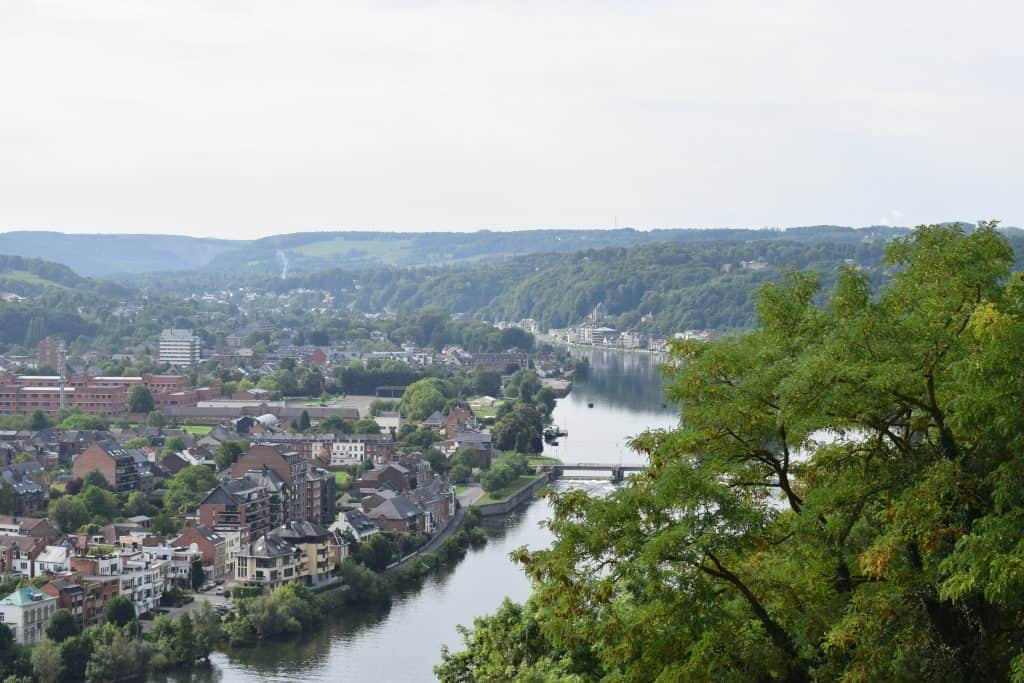
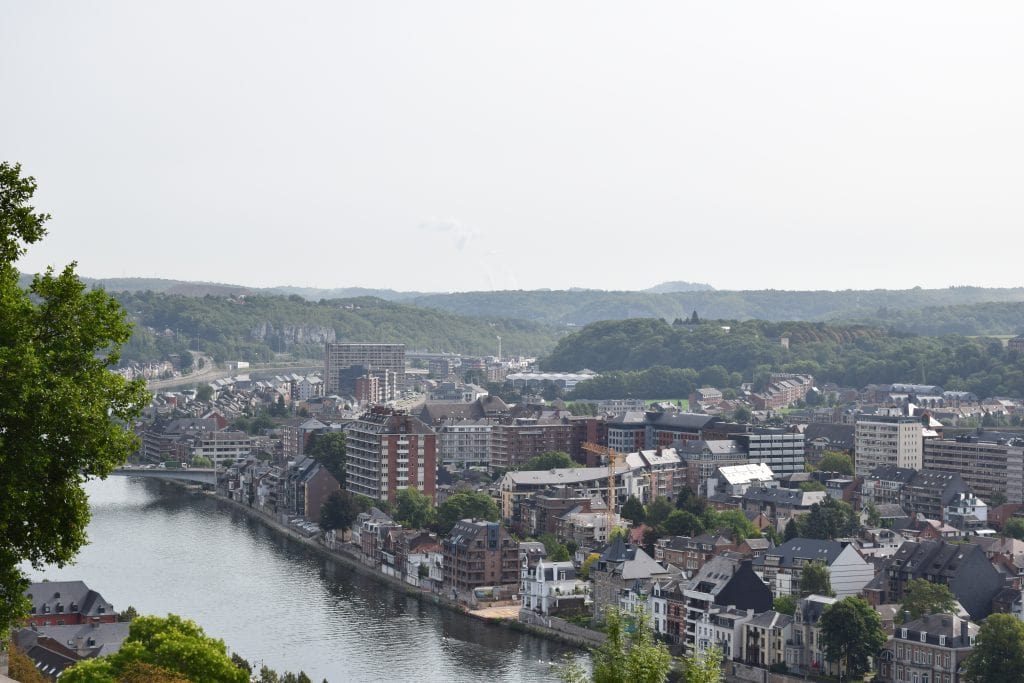
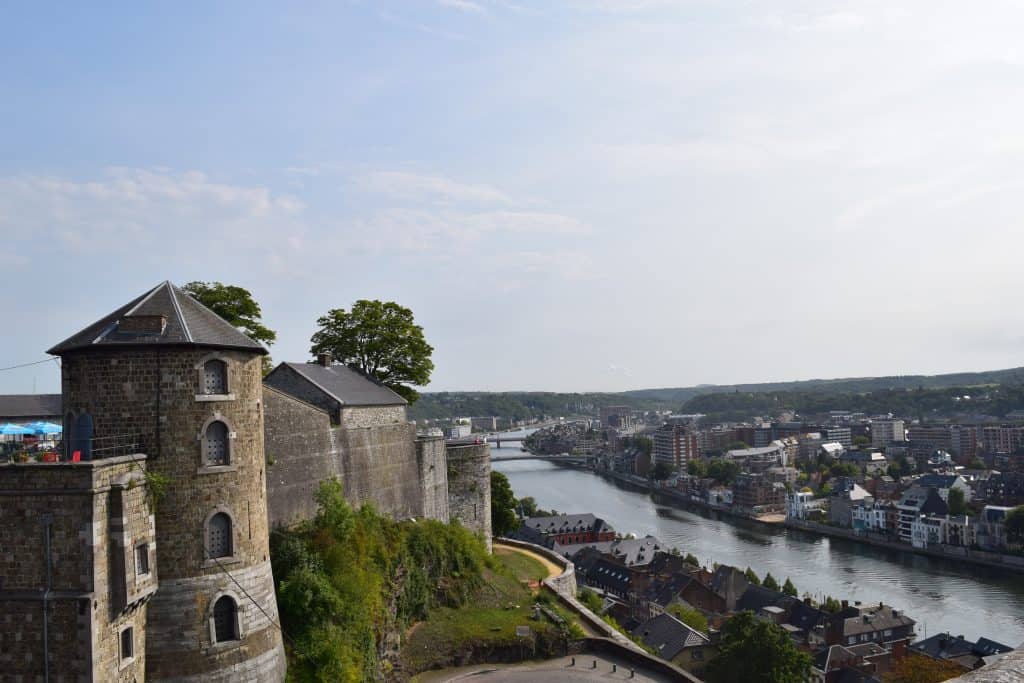
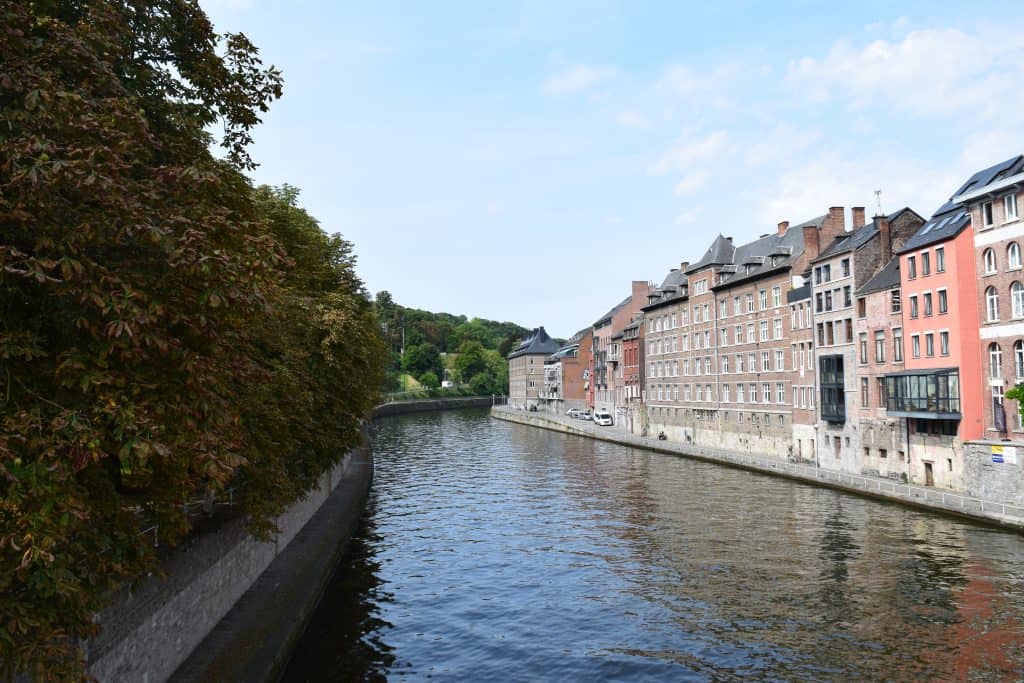
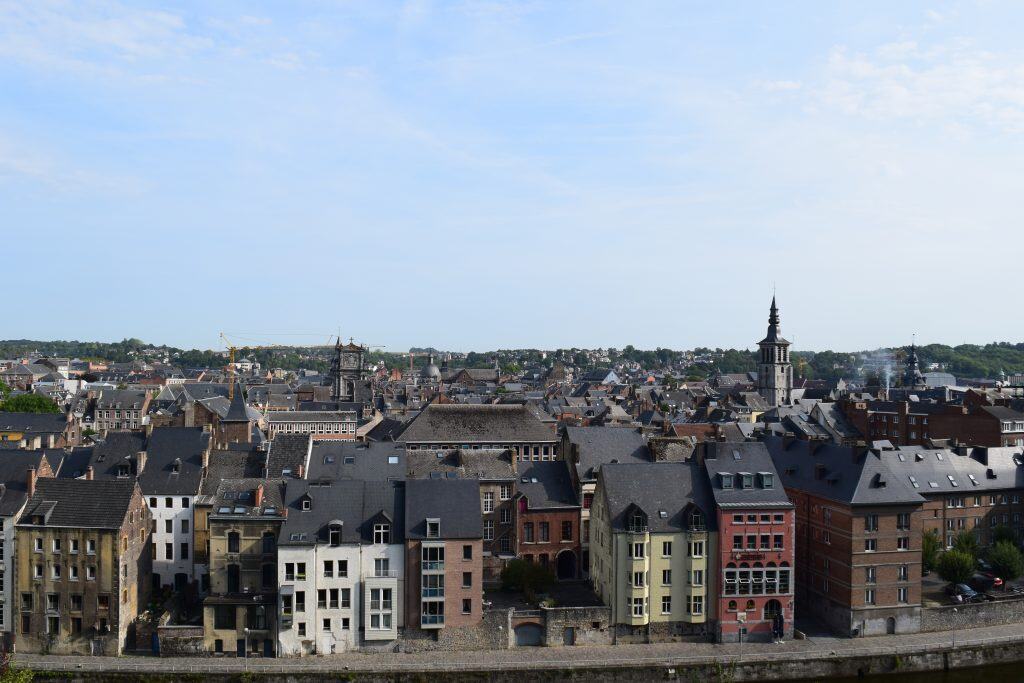
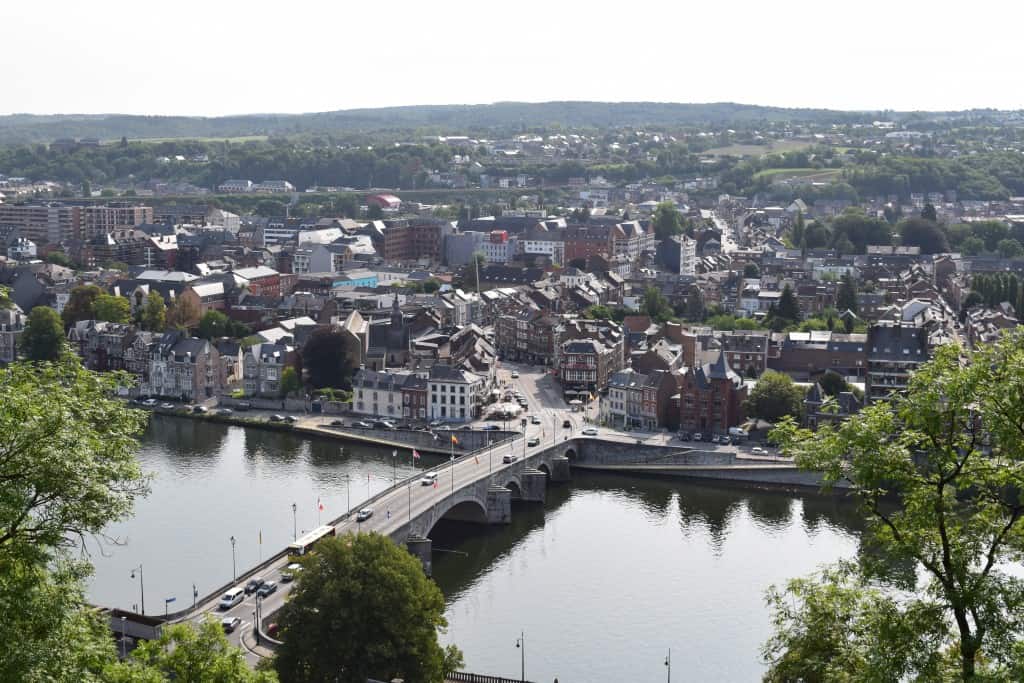
Namur is a city in Belgium and the capital of the Wallonia region. It is also the capital of the eponymous province of Namur. The city is situated at the confluence of two major rivers, the Sambre and the Meuse. With a population of over 114,000 residents, Namur serves as the seat of the Walloon Parliament and Government. Its location marks the transition between several distinct geographical regions, making it a gateway to the Ardennes.
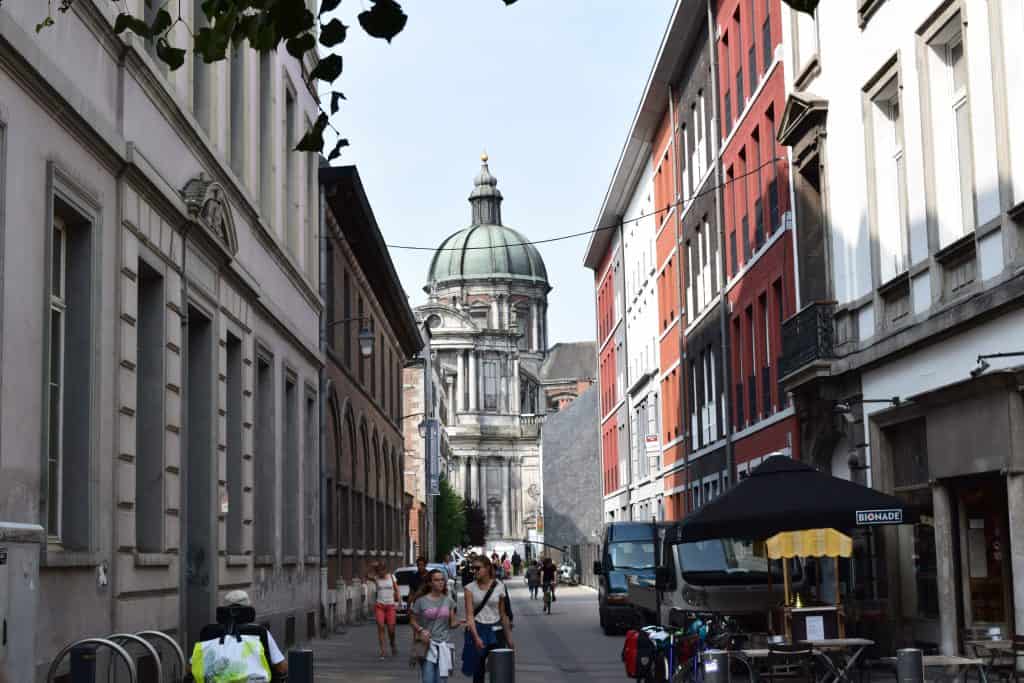
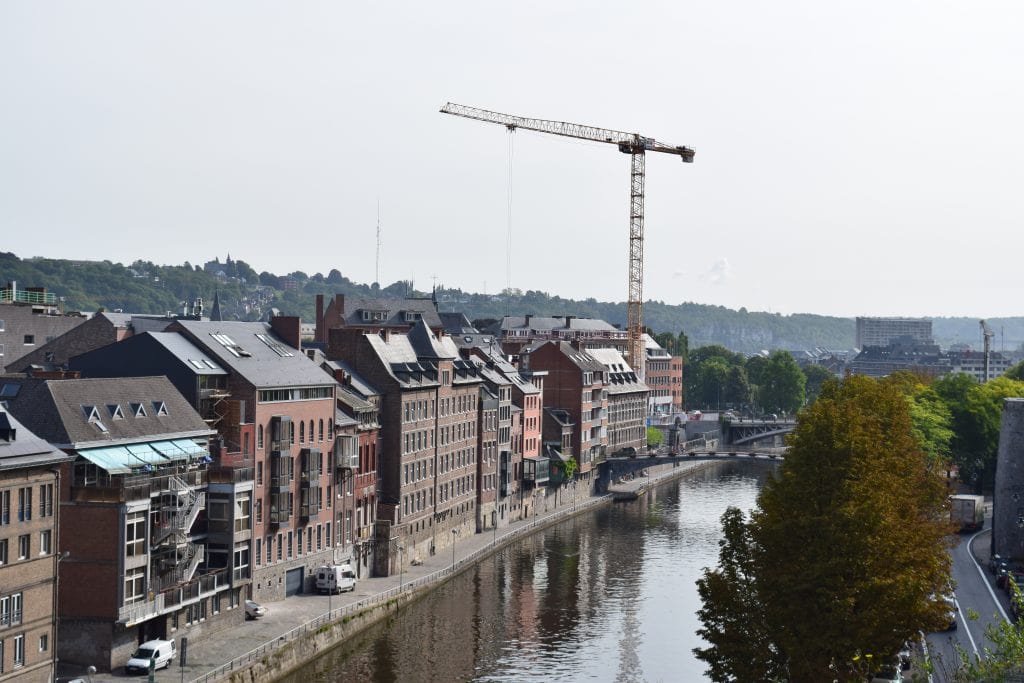
The city’s character is defined by its extensive citadel, its preserved historic center, and its administrative functions. The urban landscape is a blend of medieval and Baroque architecture, particularly in the old town, and later developments from its time as a key military and political center. Namur’s position on two rivers has shaped its layout and its history for centuries, creating a specific urban environment built around the riverbanks and the fortified promontory that overlooks them.
A Short History of Namur
The history of Namur reflects its strategic geographical location at a major river confluence. This position made it a coveted military stronghold for centuries. Its past is marked by Roman settlement, its emergence as a powerful county, numerous sieges during European wars, and its eventual establishment as a modern regional capital.
Ancient Origins and County of Namur
The site of Namur has seen human settlement since the prehistoric period, with evidence found in nearby caves. During the Iron Age, the area was home to an important pre-Roman fortified settlement known as an oppidum. After Julius Caesar’s campaigns in the 1st century BC, the Romans established a presence. By the 10th century, Namur emerged as a county within the Holy Roman Empire. The construction of a castle on the promontory overlooking the rivers solidified its status as a center of power.
A Coveted Fortress
The city became part of the Burgundian Netherlands in 1421. It later fell under Spanish and then Austrian Habsburg rule. Due to its strategic importance, Namur endured numerous sieges, particularly during the wars of King Louis XIV of France. One of the most significant was the Siege of Namur in 1695 during the War of the Grand Alliance, where forces under William III of England recaptured the city from the French. These repeated conflicts led to the massive expansion and modernization of its fortifications.
World Wars and Modern Capital
Namur’s strategic importance continued into the 20th century. The city’s forts were a key part of Belgium’s defenses and saw heavy fighting during World War I in 1914. The city also suffered significant damage during World War II. Despite these turbulent periods, the city continuously rebuilt and transformed itself. Following the federalization of Belgium, Namur was chosen as the capital of the Wallonia region in 1986, cementing its modern political and administrative role.




Things to Do and See
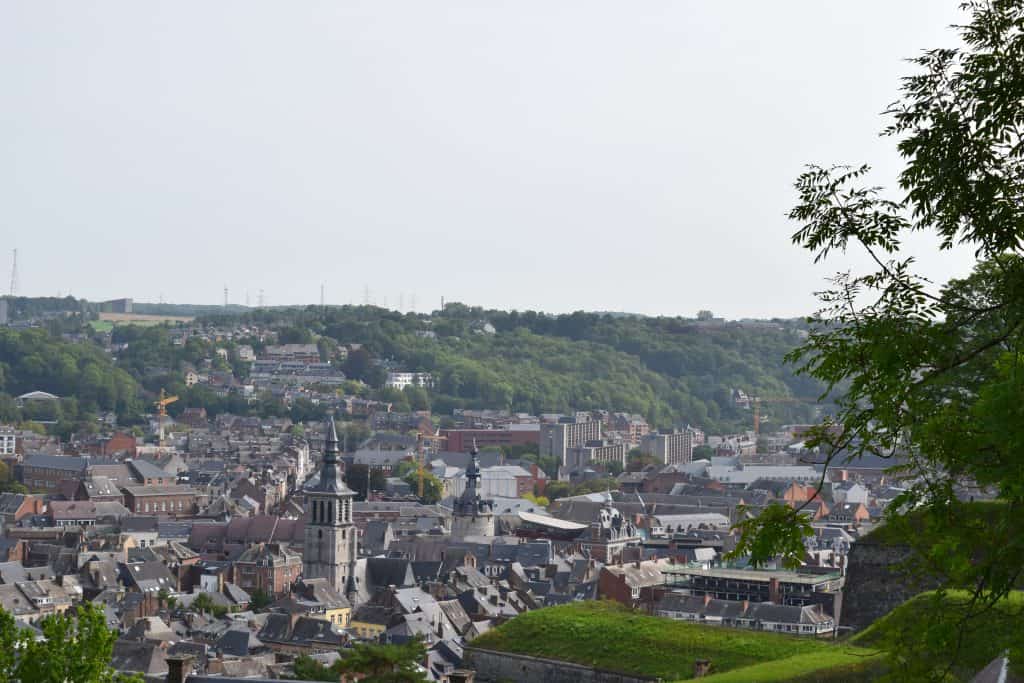
Namur offers a range of attractions that showcase its layered history, from ancient fortifications to Baroque churches and museums dedicated to local artists. The primary sights are concentrated in the historic center and on the large Citadel that overlooks the city, all of which are accessible on foot.
The Citadel of Namur
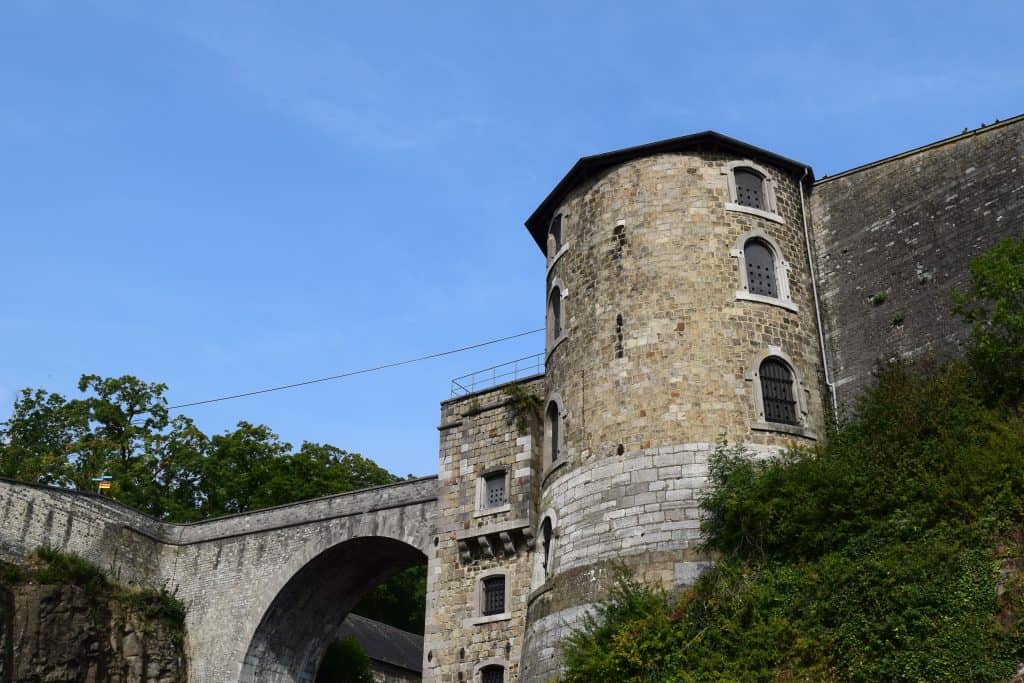
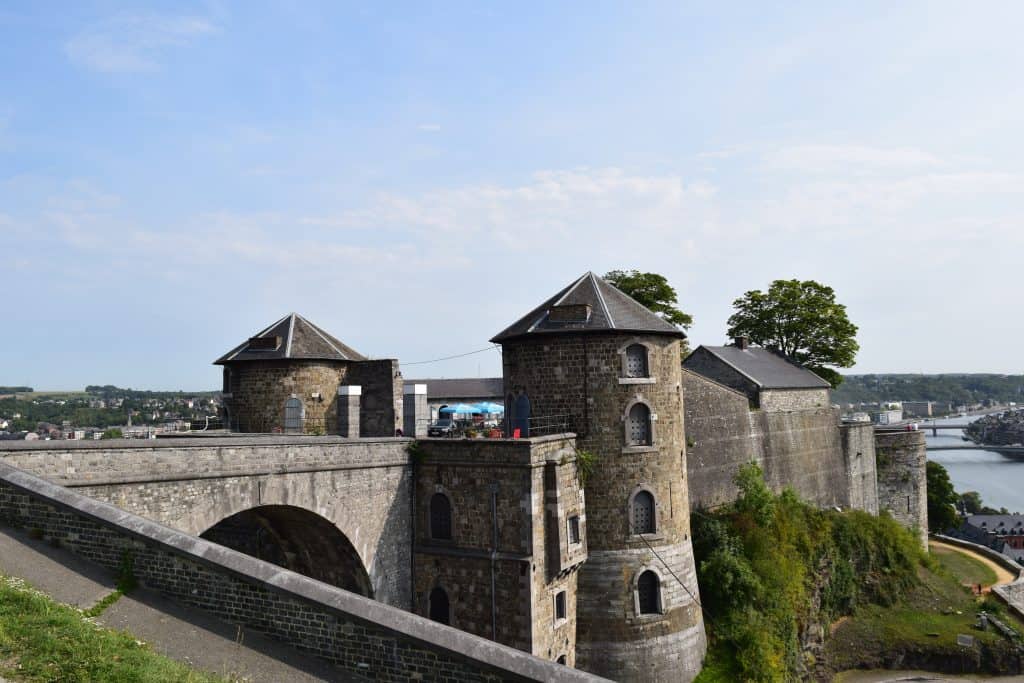
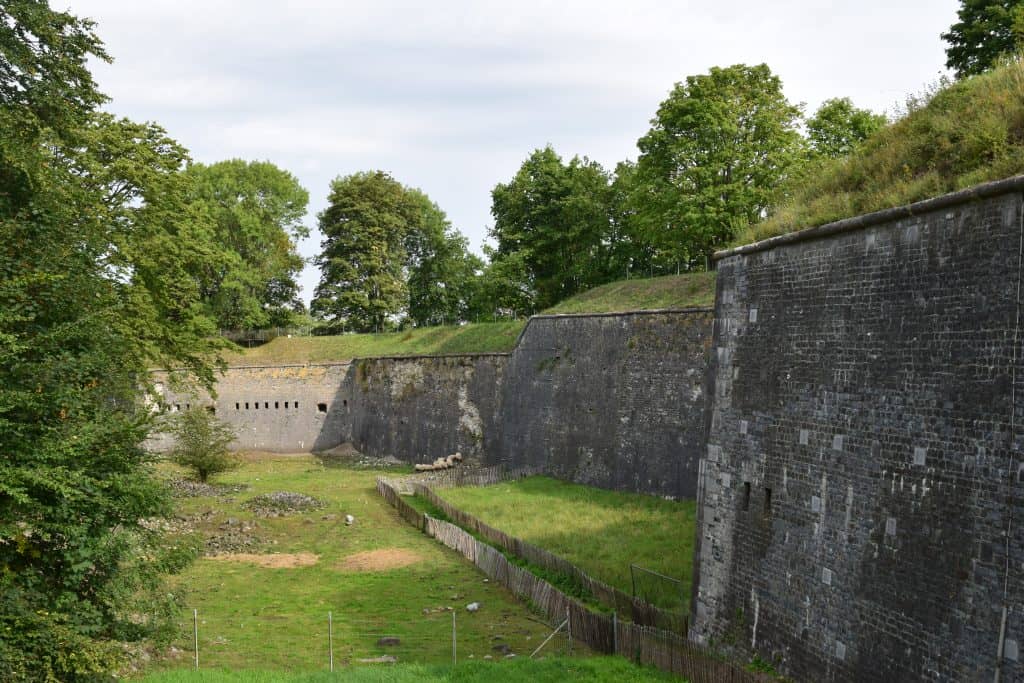
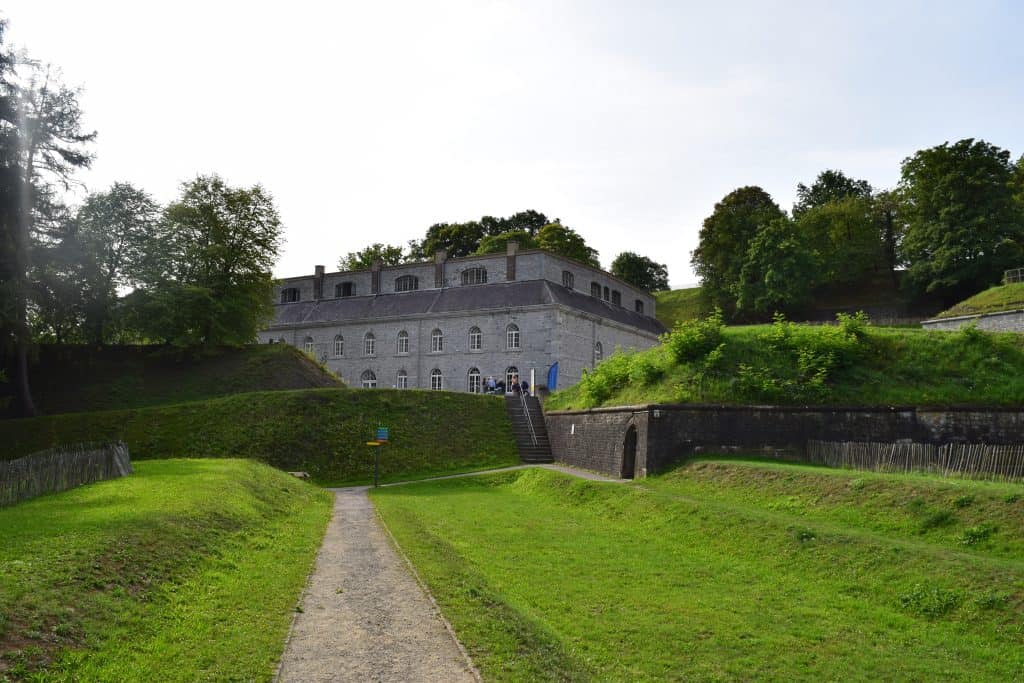
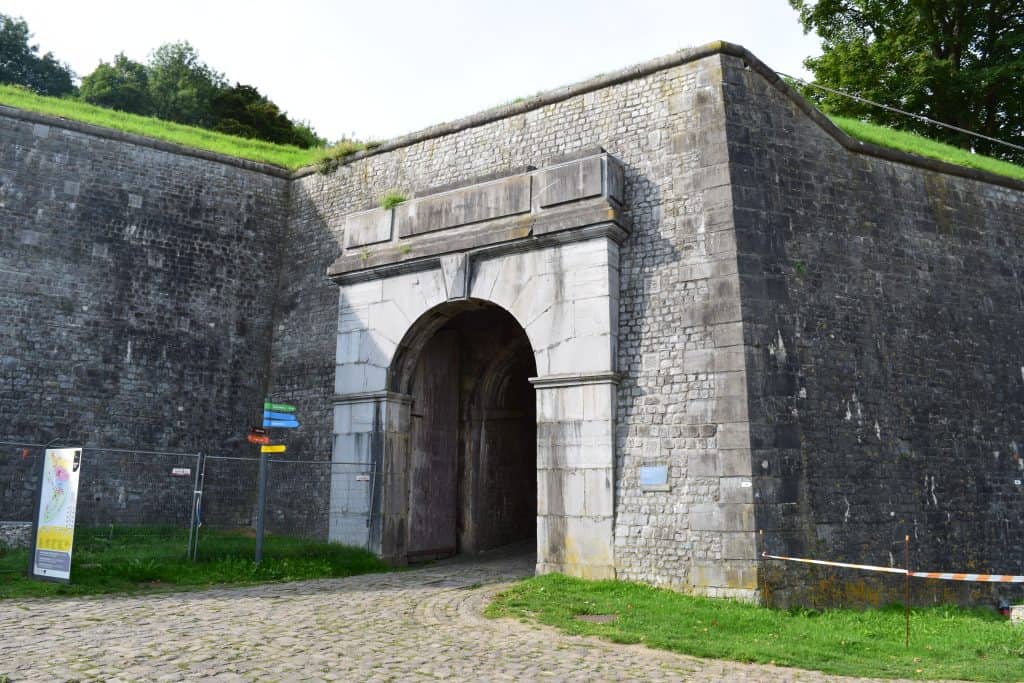
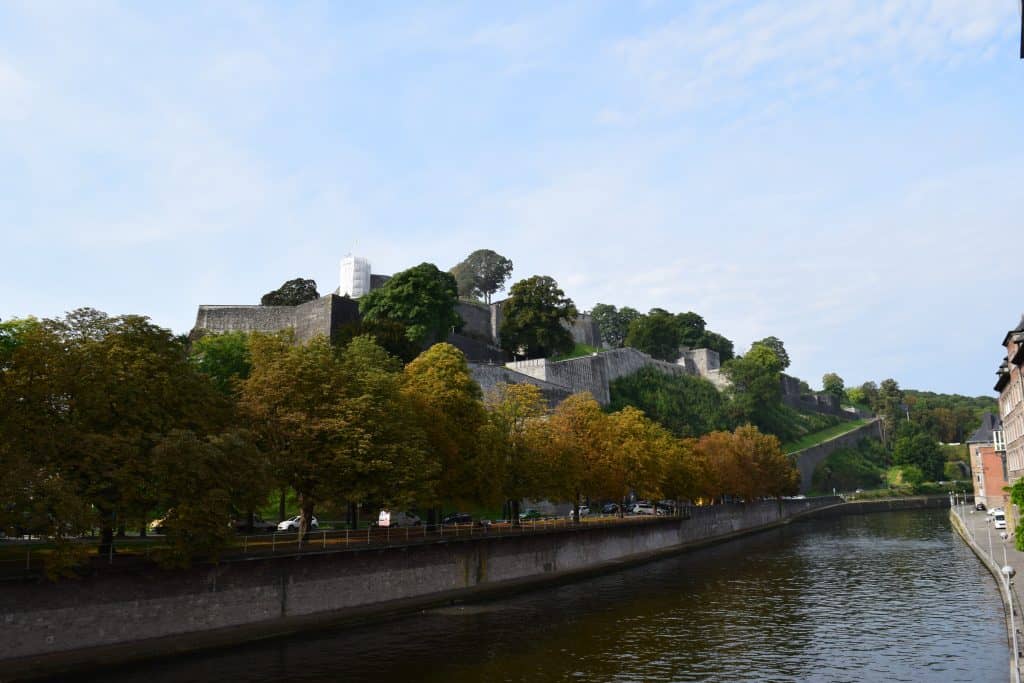
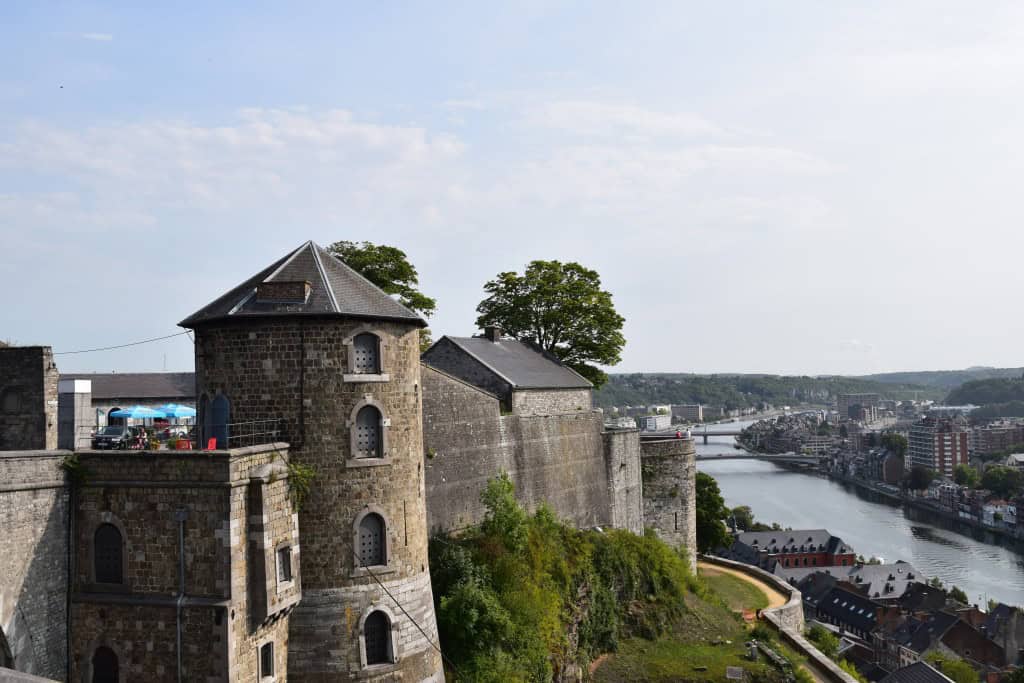
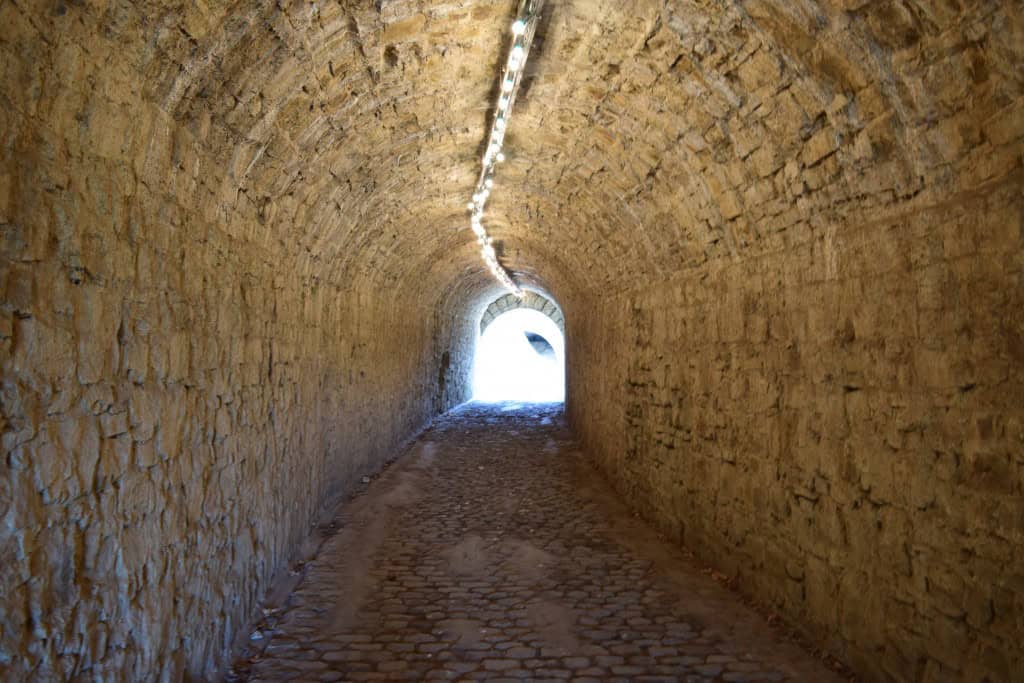
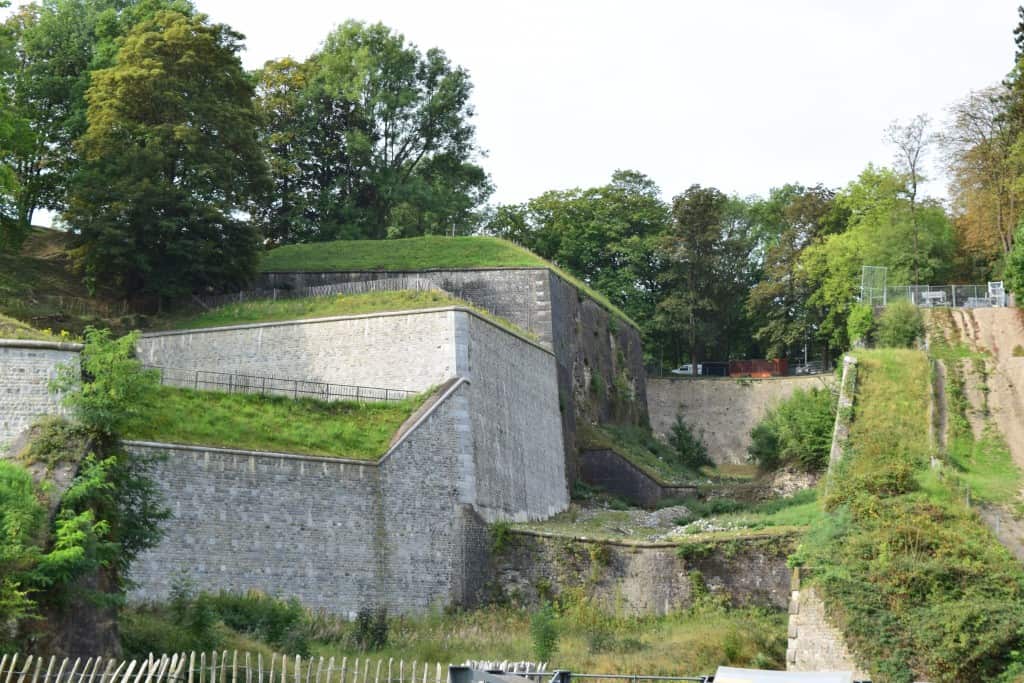
The Citadel of Namur (Citadelle de Namur) is the city’s most prominent landmark. It is a large fortress perched on a rocky promontory at the confluence of the Sambre and Meuse rivers. The site has a history of fortification spanning over 2,000 years. The current structure reflects centuries of military architecture. The Citadel is now a major public attraction where visitors can explore its extensive underground passages, which form one of the largest networks in Europe. The site also includes the Terra Nova visitor center, which offers insights into its past.
Namur Cable Car
The Namur Cable Car (Téléphérique de Namur) connects the city center with the Citadel. The modern blue gondolas start at Place Maurice Servais near the riverfront. The journey offers panoramic views of Namur, the two rivers, and the surrounding Walloon countryside. It is a convenient and scenic way to ascend to the Citadel, providing excellent photographic opportunities. The original funicular railway that served the Citadel dated back to the late 19th century.
Saint Aubin’s Cathedral
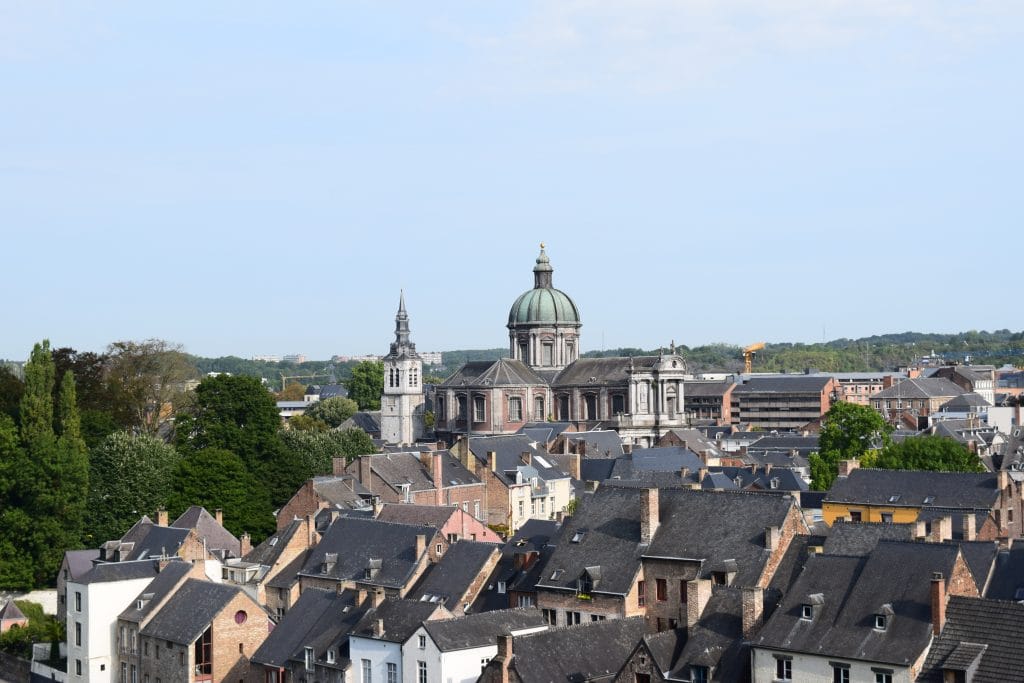
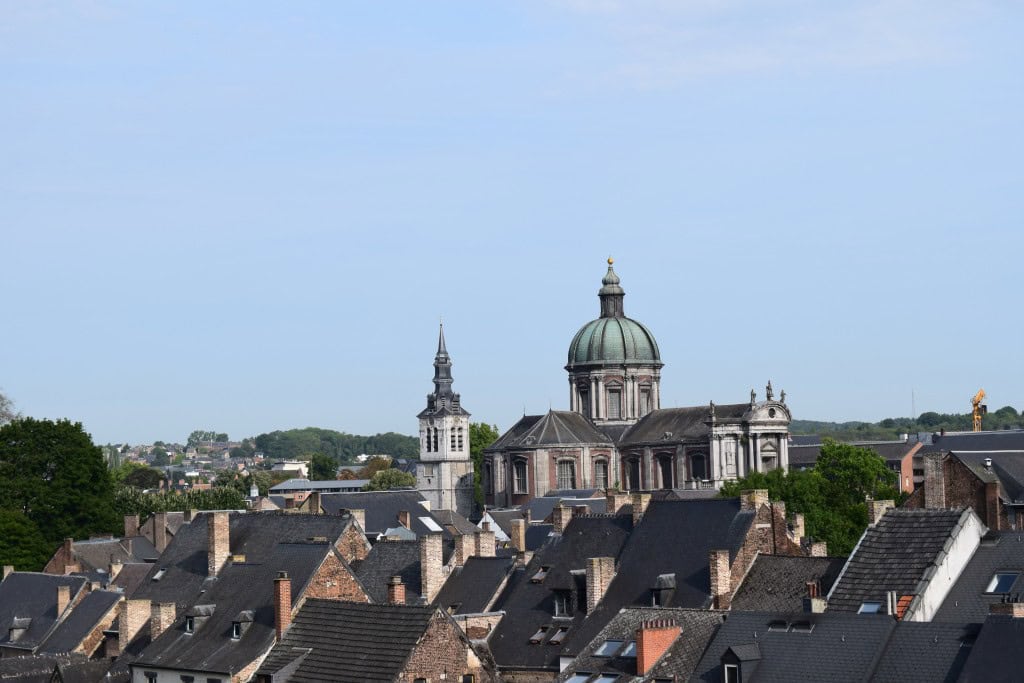
Saint Aubin’s Cathedral (Cathédrale Saint-Aubain) is a significant religious site in Namur. Completed in 1772, it stands as the only academic Late Baroque cathedral in Belgium. Its neoclassical facade and large interior feature notable paintings and intricate metalwork. The cathedral is dedicated to Saint Aubin. Its design reflects the architectural styles of 18th-century Europe. A lone clock tower, which is a remnant of a 13th-century church that previously stood on the site, stands beside it.
Felicien Rops Museum
The Felicien Rops Museum (Musée Félicien Rops) is dedicated to the works of the 19th-century Belgian artist Félicien Rops, who was born in Namur in 1833. This museum, located in the historic quarter, showcases Rops’s often provocative and symbolic art. The collection includes paintings, drawings, and prints. The museum provides deep insights into his life, artistic development, and the societal context of his work. It offers a unique cultural experience for art enthusiasts.
Church of Saint Loup
The Church of Saint Loup (Église Saint-Loup) is a key example of Baroque architecture in Namur. It was built by the Jesuits in the 17th century. The interior is particularly known for its ornately carved sandstone ceiling and an abundance of dark Belgian marble columns. The dramatic lighting and rich detailing were designed to create a powerful effect. Guided tours are often available, allowing visitors to appreciate the intricate craftsmanship of this historic church.
The Belfry of Namur
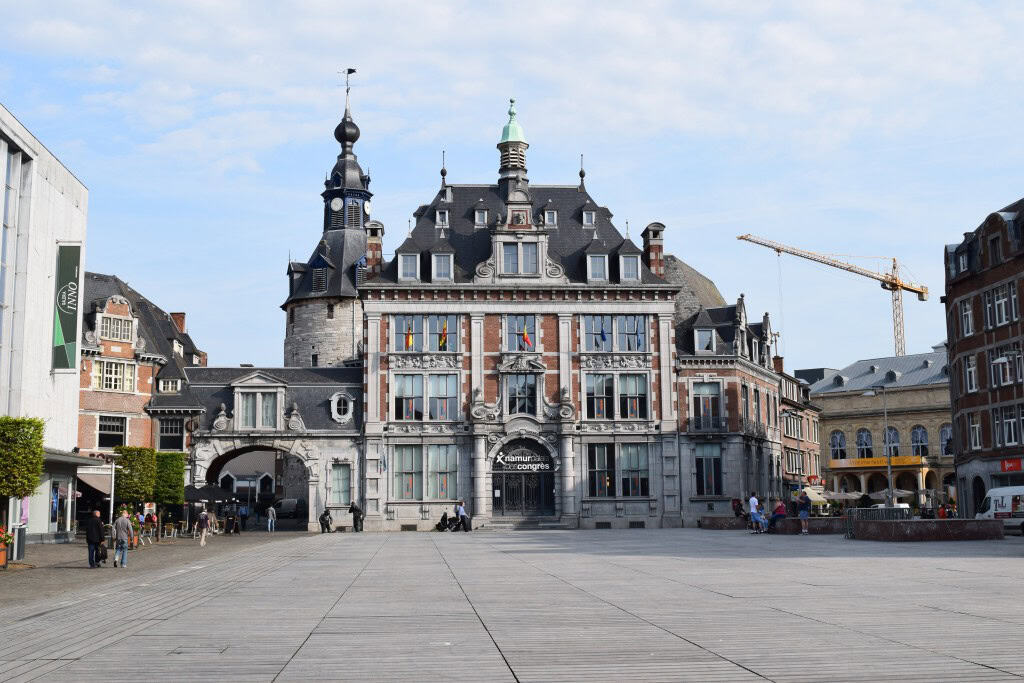
The Belfry of Namur (Beffroi de Namur) is a UNESCO World Heritage site. It is a significant historical tower in the city center. Originally part of the city’s 14th-century fortifications, this 20-meter tower gained its belfry status in 1746. This happened after the original city belfry was destroyed during a siege. The Belfry of Namur stands as a symbol of the city’s medieval heritage and its communal liberties.
“Searching for Utopia” (Golden Turtle)
Near the Citadel, visitors can see a public artwork titled “Searching for Utopia.” This large golden turtle was created by the Belgian artist Jan Fabre. The bronze sculpture, weighing 1,200 kilograms, sits on the hillside of the Citadel, appearing to “guard” the area. This artwork adds a modern and thought-provoking element to Namur’s historic landscape.
Sports in Namur
Namur has an active sports culture with a focus on community clubs and major annual events. While the city has a historic football club, it is particularly known in the sporting world as a host for major cycling and running events. The city’s hilly terrain and riverside setting provide a suitable backdrop for these endurance sports.
Football
Football holds a significant place in Namur’s community. The city’s primary football club has a long history and commands local loyalty. Matches are social events that unite generations of fans and foster a strong sense of belonging. The club is a key part of the city’s sporting identity.
Union Royale Namur
The historic local football club is Union Royale Namur (UR Namur). They play their home matches at the Stade Communal de Namur. UR Namur has a long history in Belgian football, having been founded in the early 20th century. The club often competes in the national divisions of Belgian football, serving as a focal point for local football fans. Its presence fosters a sense of community and provides a platform for local athletic talent.
Cycling
Cycling is an important sport in Namur and the wider Walloon region. The city’s hilly terrain and location near the Ardennes make it a frequent host for stages of major professional cycling races. Road cycling is very popular in the area, with numerous routes available for recreational riders. The city’s annual cyclocross race is also a major event.
UCI Cyclo-cross World Cup
Namur is famous for hosting a round of the UCI Cyclo-cross World Cup. The race is held on a challenging course built on and around the slopes of the Citadel of Namur. It is considered one of the most difficult and prestigious races on the international cyclocross calendar. The event attracts the world’s top professional riders and large crowds of spectators every December.
Basketball
Basketball contributes to Namur’s diverse athletic landscape. The city has a particularly strong tradition in women’s basketball. The local club is one of the most successful in the history of the Belgian national league. This provides residents with an opportunity to support a top-level local team.
BC Namur Capitale
The prominent basketball club in Namur is BC Namur Capitale. The club is especially known for its women’s team, which has achieved significant success in Belgian basketball. They have won the Belgian national league championship numerous times. The team competes in the top national leagues and plays its home games at the Centre Sportif de la Plante. The club plays a crucial role in promoting basketball within the city.
Running
Running is a popular recreational activity in Namur, with the riverbanks and parks providing suitable routes. The city also hosts major annual running events that attract participants from across the country and beyond. These events include a full marathon and a triathlon, which make use of the city’s urban and natural landscapes.
Baloise Namur Marathon
The Baloise Namur Marathon is a key fixture in Namur’s sporting calendar. The annual event typically takes place in the spring. It offers participants scenic routes through Namur’s urban and natural landscapes. In addition to the full marathon, the event usually includes a half marathon and shorter races, catering to runners of all levels.
Getting Around in Namur
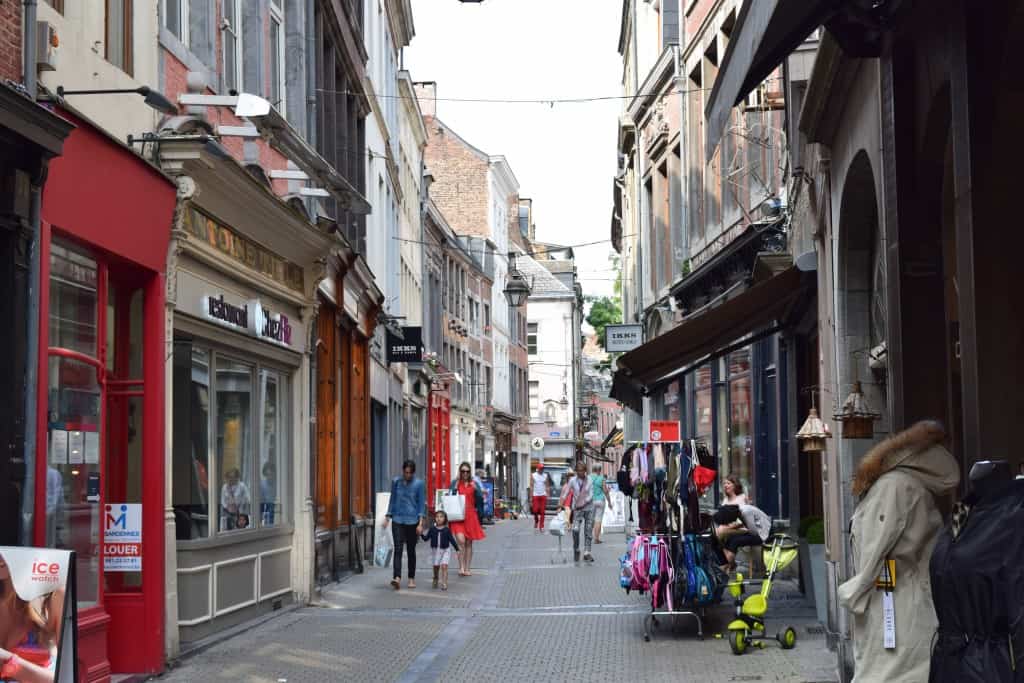
Navigating Namur is straightforward due to its compact city center and public transport options. The historic core is highly walkable, while the local bus network connects to the wider districts. The recently added cable car also provides a unique mode of transport up to the city’s main landmark.
On Foot: The Historic Core
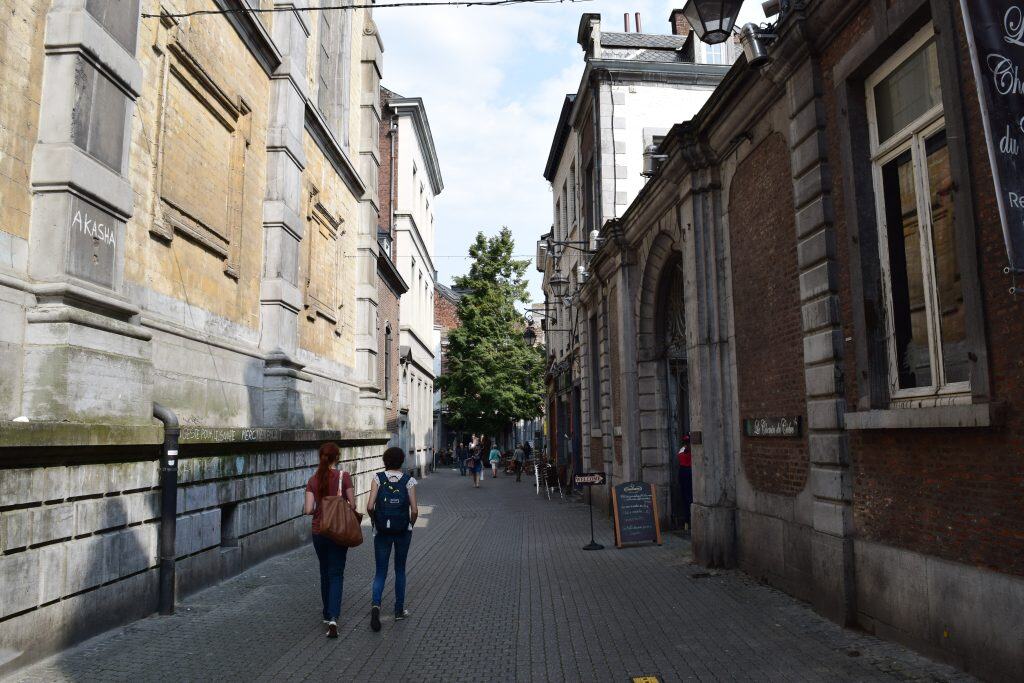
Walking is the best way to explore Namur’s city center. The area between the train station and the rivers Sambre and Meuse is relatively flat and contains most of the main shops and historic buildings. The old town, with its narrow streets, is particularly well-suited for exploration on foot. All of the main sights, except for the Citadel, are within easy walking distance of each other.
Riding the Bus: The TEC Network
Namur’s public transport is operated by TEC (Transport en Commun), the public transport authority for Wallonia. A comprehensive network of buses serves all parts of the city and its suburbs. The buses are a key mode of transport for connecting the train station with different districts and the upper parts of the city. Tickets can be purchased at kiosks or on the buses. Always check official sources for the most up-to-date schedule information.
An Ascent by Cable Car
The Namur Cable Car (Téléphérique de Namur) serves as both a tourist attraction and a mode of transport. It provides a direct link from the city center, near the Place d’Armes, to the top of the Citadel. This allows visitors to easily ascend the steep hill without walking. The journey in the gondola offers panoramic views of the city below.
How to Get to Namur
Reaching Namur is convenient due to its central location in Belgium and its excellent transport links. The city is a major rail hub and is well-connected to the European motorway network.
Arriving by Air: Nearby Gateways
Namur does not have its own international airport. The two most convenient airports are Brussels Airport (BRU) and Brussels South Charleroi Airport (CRL). Brussels Airport, located approximately 70 kilometers away, is the primary international gateway to Belgium. From BRU, there are frequent direct train services to Namur. Charleroi Airport, about 30 kilometers away, is a major hub for low-cost carriers. From Charleroi, bus and train connections are available.
The Open Road: Driving the Motorways
Driving to Namur is efficient, as it lies at the junction of several major motorways. The E411 motorway connects Namur directly with Brussels and Luxembourg. The E42 motorway provides an east-west link, connecting it to Liège and Mons. These highways are part of the wider European motorway network, making the city easily accessible by car from neighboring countries like France, Germany, and the Netherlands.
Connecting by Coach
Long-distance bus services provide an economical way to reach Namur. Companies like FlixBus operate routes that connect Namur with various Belgian towns and some international locations. The main drop-off point for long-distance buses is often located near the main train station. From here, it is easy to connect to local public transport or to walk into the city center.
On Track: A Key Railway Hub
Traveling to Namur by train is a popular and highly efficient option. The Namur railway station is a major hub in the Belgian rail network. The Belgian National Railway Company (SNCB/NMBS) operates frequent direct train services from all major Belgian cities, including Brussels, Antwerp, Ghent, and Liège. A direct train from Brussels to Namur can take as little as 50 minutes. The station is located a short walk from the city center.
The River Route: Arriving by Boat
For those traveling on the rivers, Namur’s location at the confluence of the Sambre and Meuse makes it accessible by private boat or river cruise. The city has a marina, the Port de plaisance de Namur, which can accommodate recreational boats. This offers a different way to arrive in the city for those navigating Europe’s inland waterways.
Driving Distances
The driving distance from 10 regional cities, according to Google Maps:
- Liège, Belgium – 64 kilometers (0 h 50 min)
- Brussels, Belgium – 65 kilometers (1 h 00 min)
- Antwerp, Belgium – 103 kilometers (1 h 30 min)
- Ghent, Belgium – 127 kilometers (1 h 40 min)
- Lille, France – 150 kilometers (1 h 40 min)
- Luxembourg City, Luxembourg – 164 kilometers (1 h 50 min)
- Cologne, Germany – 203 kilometers (2 h 20 min)
- Amsterdam, Netherlands – 309 kilometers (3 h 40 min)
- Paris, France – 343 kilometers (3 h 50 min)
- London, UK – 495 kilometers (6 h 20 min)
Looking to Explore more of Belgium and Europe?