
Ružomberok | Exploring Slovakia
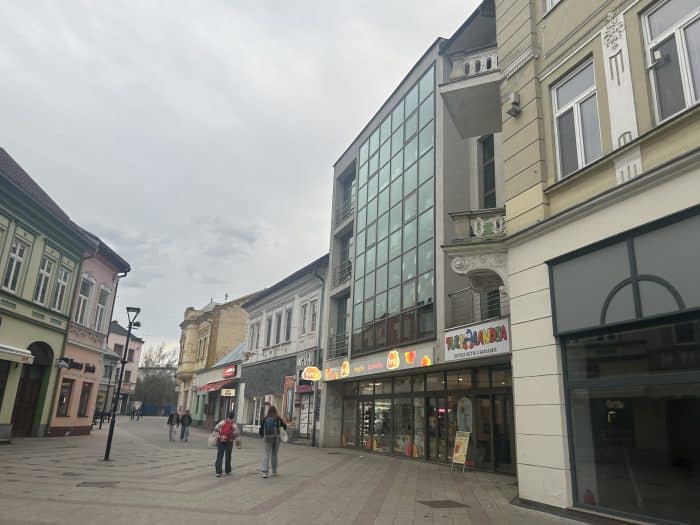
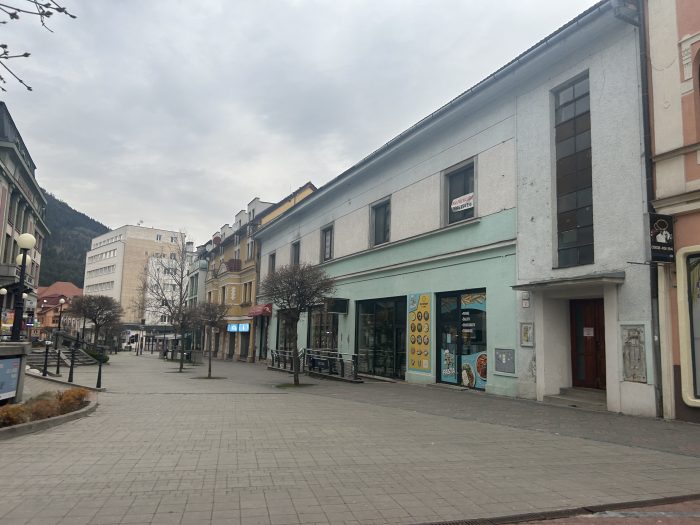
Ružomberok is a town in northern Slovakia with a population of approximately 26,700 inhabitants. The town sits at the confluence of the Váh and Revúca rivers, serving as a hub for the Liptov region. It is framed by impressive mountain ranges, including the Low Tatras, Veľká Fatra, and Choč Mountains. This unique setting defines the town, making it a center for local industry and learning, as well as an ideal starting point for exploring Slovakia’s natural landscapes.
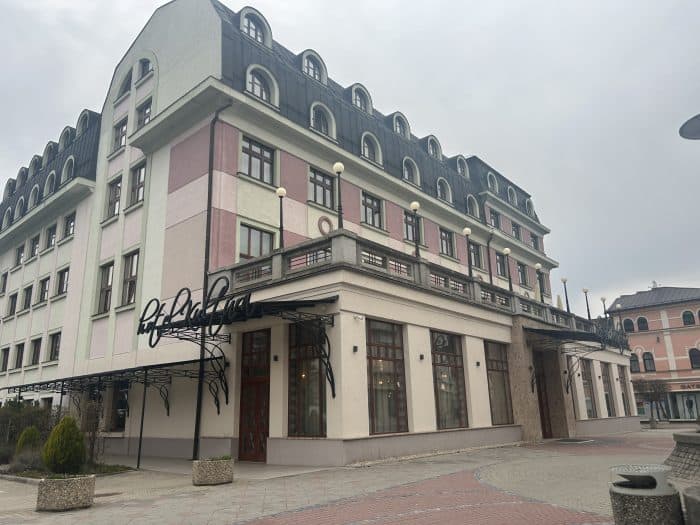
The town’s identity is shaped by its industrial heritage, particularly in textile and paper production, and its historical significance as a regional center. It is also closely associated with the influential priest and leading nationalist figure Andrej Hlinka, whose work in Ružomberok deeply impacted its character. Today, the town is home to the Catholic University and serves as an important base for Liptov tourism, blending its historical past with a role as a modern administrative and cultural center.

History of Ružomberok
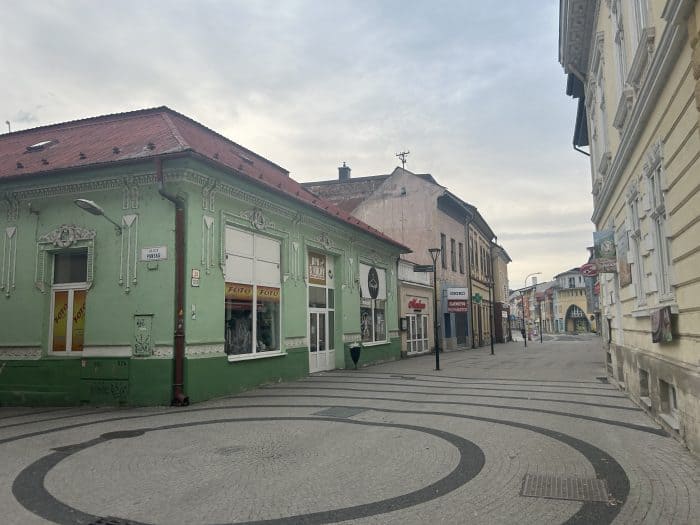
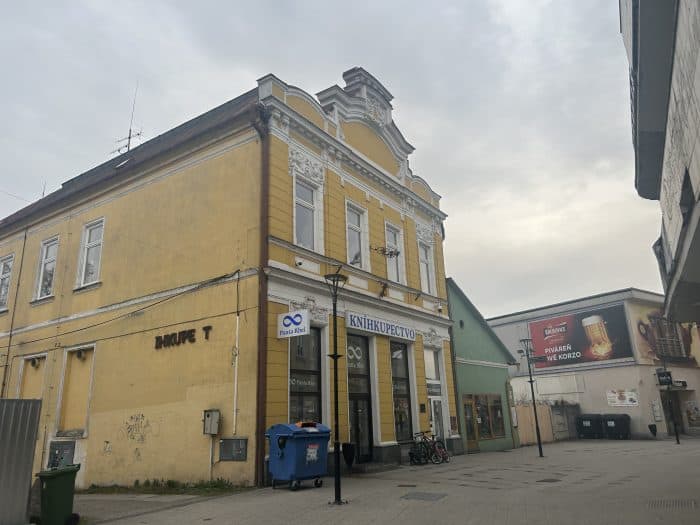
The history of Ružomberok begins in the Middle Ages, with its first written mention dating to 1233. The town received its privileges in 1318, which highlighted its growing importance as a market center in the Liptov region. For centuries, crafts and trade brought prosperity, and its strategic location on vital routes was key. The 19th century brought significant changes with the arrival of the Industrial Revolution, transforming it into a major center for textile and paper production. Throughout its history, the town has navigated numerous political shifts, evolving into the administrative and cultural center it is today.
Medieval Origins and Town Privileges
The first written record of Ružomberok dates to 1233. Its development was solidified when it was granted town privileges in 1318 by the Hungarian King Charles I. This status was crucial, as it allowed the town to hold markets and develop as a center for crafts and trade. For much of its early history, the town’s fate was connected to the lords of the nearby Likava Castle. Its strategic location on trade routes connecting different parts of the kingdom contributed to its steady growth and prosperity throughout the medieval period.
The Industrial Revolution
The 19th century ushered in a new era of development for Ružomberok with the arrival of the Industrial Revolution. The town became a major center for both the textile and paper industries, which remain a part of its economy to this day. The establishment of the railway during this period was a critical factor, as it spurred further industrial growth and connected the town more effectively with the rest of the Austro-Hungarian Empire. This period of industrialization led to a significant increase in the town’s population and shaped its modern urban character.
Andrej Hlinka and the 20th Century
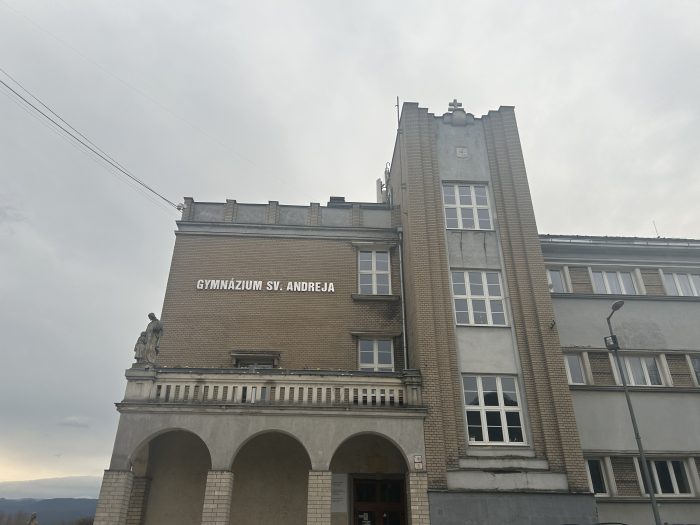
The town of Ružomberok is closely linked with the influential priest and leading Slovak nationalist figure Andrej Hlinka (1864-1938). He was a parish priest at the Church of St. Andrew in the town and became a central figure in the Slovak struggle for autonomy within Austria-Hungary and later Czechoslovakia. His work in Ružomberok deeply impacted its identity, making it a center of political and religious thought. The town navigated the many turbulent events of the 20th century, including two world wars and the period of communist rule, to emerge as the modern administrative and cultural center of its district.




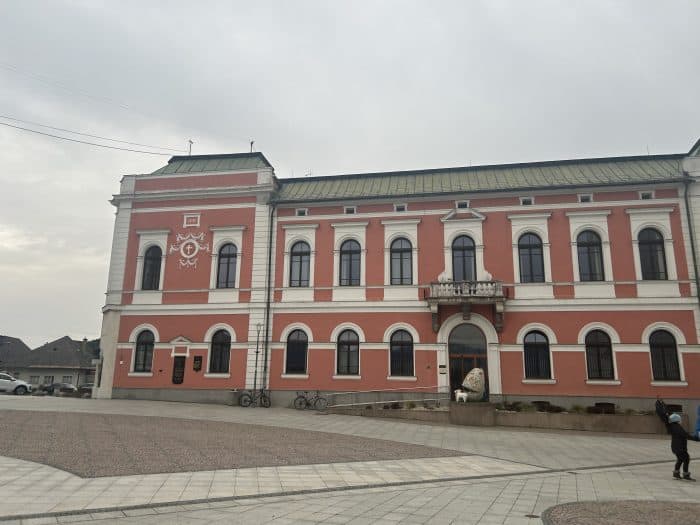
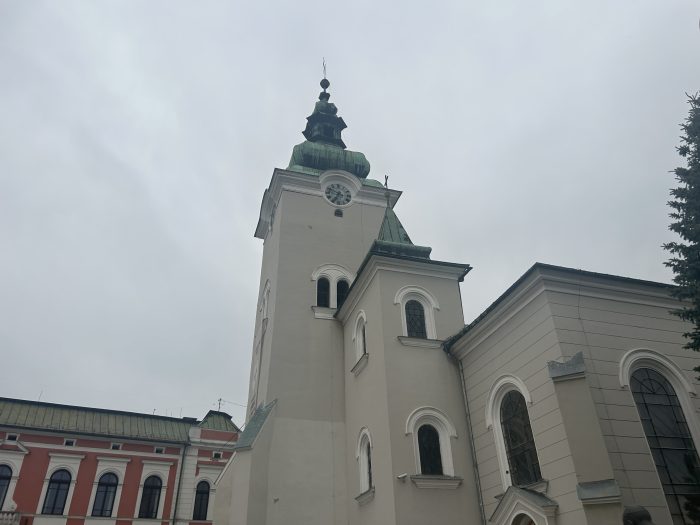
Sights in Ružomberok
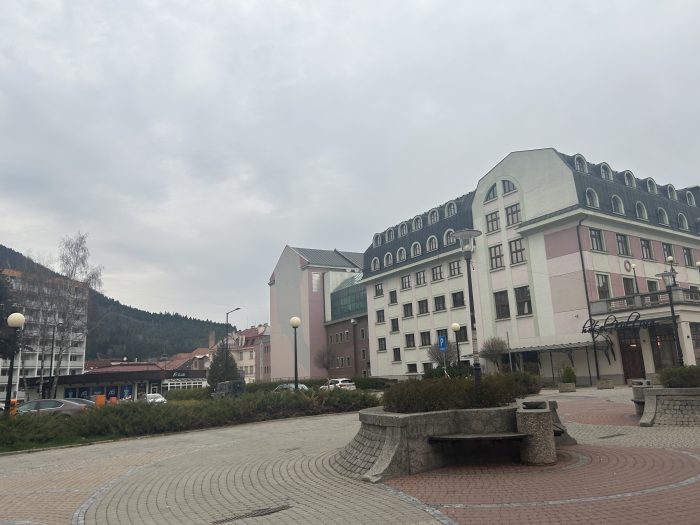
Ružomberok and its scenic surroundings offer a diverse range of sights to explore, from historical landmarks in the town center to a UNESCO World Heritage Site in the nearby mountains. The town center provides opportunities to learn more about historical figures such as Andrej Hlinka and the modern artist Ľudovít Fulla. The main square, Námestie Andreja Hlinku, serves as the historic heart of the town. For those heading out on excursions, the perfectly preserved folk village of Vlkolínec is a major attraction. The nearby Malinô Brdo resort offers year-round outdoor recreation, while the ruins of Likava Castle provide a glimpse into the region’s medieval past.
Vlkolínec
Vlkolínec is a remarkably preserved and still inhabited folk village, located just a short drive from Ružomberok. It is a UNESCO World Heritage Site and one of the most important historical sights in Slovakia. The village consists of a collection of traditional wooden log houses that are characteristic of the mountainous regions of Central Europe. A walk through the village is like stepping back in time, as it has retained its medieval layout and architecture. The site includes a small museum, a historic church, and a well, offering a complete picture of traditional village life.
Read More Here: Vlkolínec | Exploring Slovakia
Malinô Brdo Ski & Bike Family Park
The Malinô Brdo Ski & Bike Family Park is the main center for outdoor recreation in Ružomberok. During the winter, it is a popular ski resort with slopes for all levels of skiers and snowboarders. In the summer, the resort transforms into a bike park, with downhill and mountain biking trails. A modern gondola lift provides access to the top of the mountain year-round. From the top, there are numerous hiking trails that lead into the Veľká Fatra National Park. The resort is a key part of the town’s tourism infrastructure.
Andrej Hlinka Square
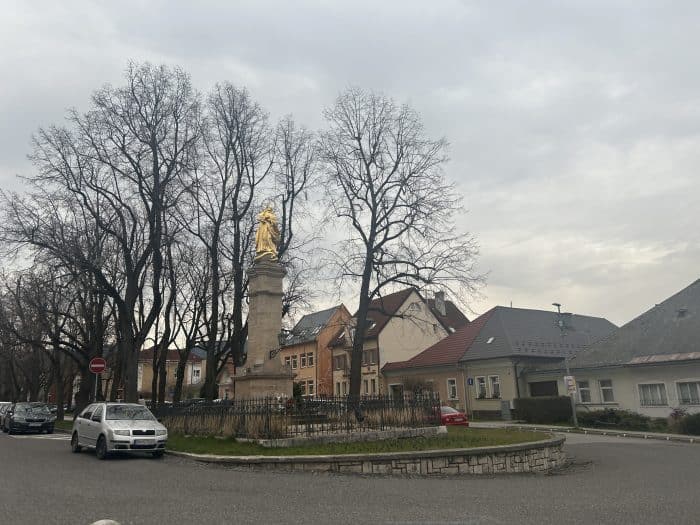
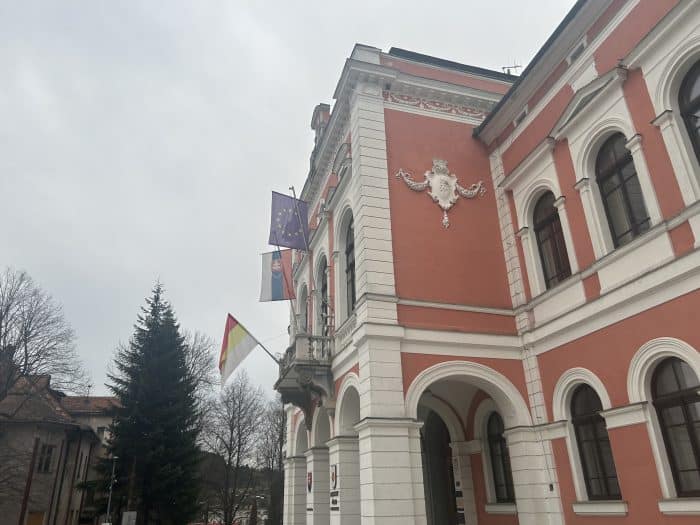
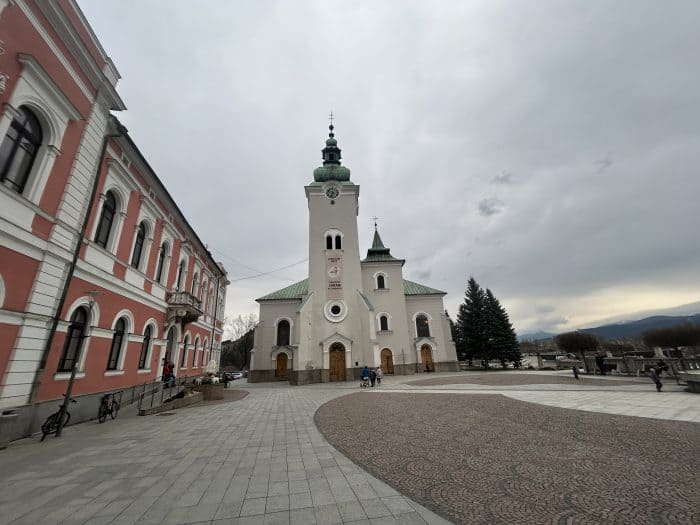
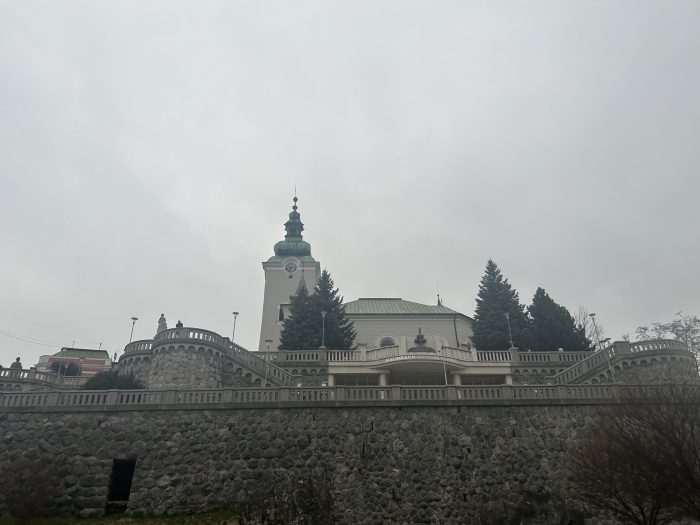
Námestie Andreja Hlinku, or Andrej Hlinka Square, is the main square of the town. It serves as the historical and administrative heart of Ružomberok. The square features the historic Town Hall and the Roman Catholic Church of St. Andrew, a dominant neo-Romanesque structure where Andrej Hlinka served as a priest. The square is also surrounded by several historic burgher houses. At the center of the square stands a large monument dedicated to Andrej Hlinka, honoring his significant role in Slovak history and his deep connection to the town.
Mausoleum of Andrej Hlinka
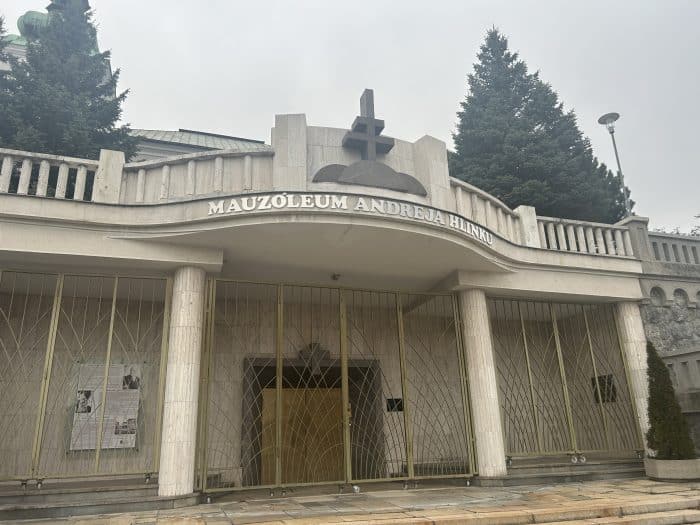
Located near the Church of St. Andrew is the Mausoleum of Andrej Hlinka. This monumental functionalist structure was built to honor the influential political and religious leader after his death. It is a significant pilgrimage site for those who admire his work and a powerful reminder of his impact on Slovak history and the town of Ružomberok. While Hlinka’s remains were moved during World War II and their location is now unknown, the mausoleum remains as a cenotaph and a major historical landmark.
Liptovské Múzeum
The Liptovské Múzeum is the main regional museum, located in the center of Ružomberok. It offers comprehensive exhibitions on the history, archaeology, ethnography, and natural history of the entire Liptov region. The museum’s collections provide valuable context to the area’s rich heritage, from its prehistoric settlements to its folk traditions and industrial development. It is an essential visit for anyone wanting to gain a deeper understanding of the history and culture of this part of Slovakia.
Ľudovít Fulla Gallery
The Ľudovít Fulla Gallery is a branch of the Slovak National Gallery and is dedicated to the works of Ľudovít Fulla (1902-1980), one of Slovakia’s most important 20th-century modern artists. The gallery is housed in a modern building that was also the artist’s home. Fulla is known for his distinctive and colorful style, which was deeply inspired by Slovak folk art and iconography. The gallery holds a large collection of his paintings, drawings, and illustrations, providing a comprehensive overview of his significant contribution to Slovak art.
Likava Castle Ruins
The ruins of Likava Castle are located on a hill just outside of Ružomberok. The castle was built in the 14th century and once served as the administrative center for the lords of the Liptov region, who also controlled the town of Ružomberok. The castle was a major fortification, but it was destroyed by an army in the 18th century. Today, visitors can explore the extensive ruins of the castle walls and towers. The site offers beautiful panoramic views of the surrounding valley and mountains.
Church of the Exaltation of the Holy Cross
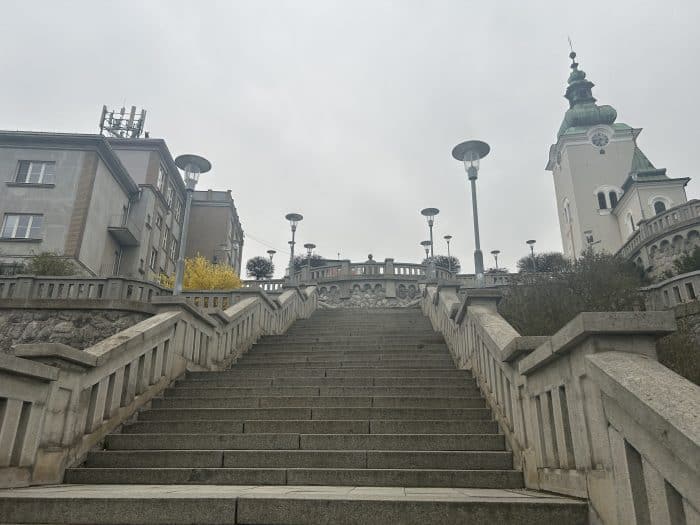
The Church of the Exaltation of the Holy Cross is a picturesque Calvary complex located on a hill overlooking the town. A Calvary is a series of chapels or stations that represent the Way of the Cross. The path leading up the hill is lined with these small chapels, culminating in the main church at the top. The site offers very nice views of Ružomberok and the surrounding mountains. It is a peaceful and spiritual place for a walk and reflection.
Synagogue
The Synagogue in Ružomberok is a historic building that stands as a reminder of the town’s once-significant Jewish community. It was built in 1880 in a Moorish Revival style, which was popular for synagogues at the time. The building was devastated during World War II and was later used for storage during the communist era. In recent years, it has been partially restored and is now used as a cultural center and art gallery. Its distinctive architecture makes it a notable landmark in the town.
Bešeňová Water Park
Located just a short drive from Ružomberok is the Bešeňová Water Park, one of the largest and most popular thermal aquaparks in Slovakia. The park is known for its geothermal water, which is rich in minerals and has beneficial health effects. The complex features numerous indoor and outdoor pools with water temperatures ranging from warm to hot, making it a year-round destination. It also has many water slides, a wave pool, and an extensive spa and wellness center. It is a major attraction for both tourists and locals in the Liptov region.
Traveling with Kids
Ružomberok is an excellent destination for families who enjoy outdoor activities and exploring nature. The town’s main attraction for families is the Malinô Brdo Ski & Bike Family Park, which offers year-round fun. In the winter, it provides accessible ski slopes suitable for children, while in the summer, it transforms into a hub for hiking and biking. The nearby UNESCO village of Vlkolínec can also be an exciting adventure for children, offering a chance to see a real-life historical village.
The region around the town is filled with family-friendly attractions. The massive Tatralandia water park, one of the largest in Central Europe, is located just a short drive away in Liptovský Mikuláš. The numerous caves in the nearby Demänovská Valley offer another exciting underground adventure for kids. This combination of mountain recreation, historical exploration, and modern attractions makes Ružomberok a well-rounded base for a family vacation in the Liptov region.
Activities for Kids in Ružomberok
For families seeking memorable outings, Ružomberok provides activities that blend adventure with education. The historic village of Vlkolínec offers a journey back in time, while the nearby water park of Bešeňová provides a full day of aquatic fun. These activities allow families to experience the diverse offerings of the Liptov region.
Exploring Vlkolínec
A visit to the UNESCO World Heritage Site of Vlkolínec is a great activity for families. This perfectly preserved folk village gives children a chance to see what life was like in a traditional mountain community. The village is still inhabited, which adds to its authentic feel. Kids can explore the narrow paths between the colorful wooden houses, see the historic church and bell tower, and visit the small museum that is set up in one of the farmsteads. The surrounding meadows and hiking trails also provide a great opportunity for a family walk with beautiful views.
Fun at Bešeňová Water Park
The Bešeňová Water Park, located just a few kilometers from Ružomberok, is a fantastic destination for a family day out. This large thermal park offers a wide variety of pools and attractions for all ages. The geothermal water is naturally warm, making the outdoor pools enjoyable even on cooler days. The park features numerous water slides, from gentle ones for young children to more thrilling ones for older kids and adults. There is also a wave pool and a dedicated children’s area. It is a perfect place for a family to relax and have fun.
Playgrounds in Ružomberok
Ružomberok provides public playgrounds where children can enjoy free play in safe environments. These play areas are important social spots for local families and offer a welcoming space for visiting children to have some fun. A stop at a playground is a simple and effective way to break up a day of sightseeing.
Playground at the Hrabovo Reservoir
The playground located at the Hrabovo Reservoir, at the base of the Malinô Brdo resort, is a key play area for families. The reservoir is the starting point for the gondola lift up the mountain. The playground is modern and features a variety of equipment. Its location is ideal for families who are visiting the resort for hiking or biking. Before or after a trip up the mountain, children can enjoy some dedicated playtime in a beautiful setting by the water.
Playground in the Town Center
There is also a public playground located in the central part of Ružomberok, providing a convenient option for families staying in or exploring the town. This play area is equipped with standard playground equipment like swings, slides, and climbing frames. It offers a safe and fun environment for children to burn off some energy. A visit to the local playground can be a good way for visiting children to interact with local kids in a relaxed and informal setting.
Sports in Ružomberok
The sporting culture in Ružomberok is diverse, with strong community support for several different disciplines. The town is most famous for its highly successful women’s basketball team, MBK Ružomberok, which has been a dominant force in both Slovak and European basketball for decades. Football is also very popular, with the local club having a long history and a dedicated fanbase. The town’s location in the mountains makes it a natural center for winter sports, with the Malinô Brdo resort serving as the main hub for skiing and snowboarding. The surrounding Veľká Fatra National Park provides endless opportunities for hiking and mountain biking.
MBK Ružomberok (Women’s Basketball)
Women’s basketball is the most successful and famous sport in Ružomberok. The local team, MBK Ružomberok, is a legendary club in European women’s basketball. The team has won the Slovak Women’s Basketball Extraliga numerous times, establishing a long-standing dynasty. Their greatest achievement came in 1999 and 2000, when they won the EuroLeague Women, the premier international competition for women’s clubs in Europe, twice in a row. They play their home games at the Koniareň Sports Hall.
MFK Ružomberok (Football)
Football is another very popular sport in the town. The main professional club is MFK Ružomberok. The club competes in the Slovak First Football League, the top tier of Slovak football. They have achieved significant success, most notably in the 2005/2006 season when they won the “double,” securing both the league championship and the Slovak Cup. They play their home matches at the Štadión pod Čebraťom. The team has a strong local following and is a key part of the town’s sporting identity.
Malinô Brdo (Skiing & Biking)
The Malinô Brdo Ski & Bike Family Park is the main center for mountain sports in Ružomberok. During the winter, it is a popular ski resort with over 12 kilometers of slopes for all levels of skiers and snowboarders. It is known for its long main run, which is one of the longest in Slovakia. In the summer, the resort transforms into a major bike park, with 10 different downhill and enduro trails. The resort hosts national and international competitions in both skiing and mountain biking throughout the year.
ŠK SKI Ružomberok (Cross-Country Skiing)
Cross-country skiing has a strong tradition in the region, and ŠK SKI Ružomberok is the main local club for the sport. The club maintains a network of cross-country skiing trails in the area around the town and at Malinô Brdo. They provide training for young athletes and organize local and regional competitions. The beautiful and snowy landscape of the Veľká Fatra and Low Tatras mountains provides a perfect natural environment for this popular winter sport. The club is a key part of the local winter sports community.
FK Likavka (Football)
The neighboring village of Likavka, which is directly adjacent to Ružomberok, also has its own historic football club, FK Likavka. This club provides a local rivalry and has a long tradition in the regional football leagues. The club is an important part of the community in Likavka and has a strong focus on youth football, providing opportunities for children from both the village and Ružomberok to play the sport. They play their home matches at the local stadium in Likavka.
MHK Ružomberok (Handball)
Handball also has a presence in the town through the club MHK Ružomberok. The club has sections for both men and women and is particularly focused on youth development. The teams compete in the regional and national youth league systems. The club provides an important outlet for the sport in the Liptov region and contributes to the diverse sporting culture of the town. They play their home matches in one of the local sports halls.





Getting Around in Ružomberok
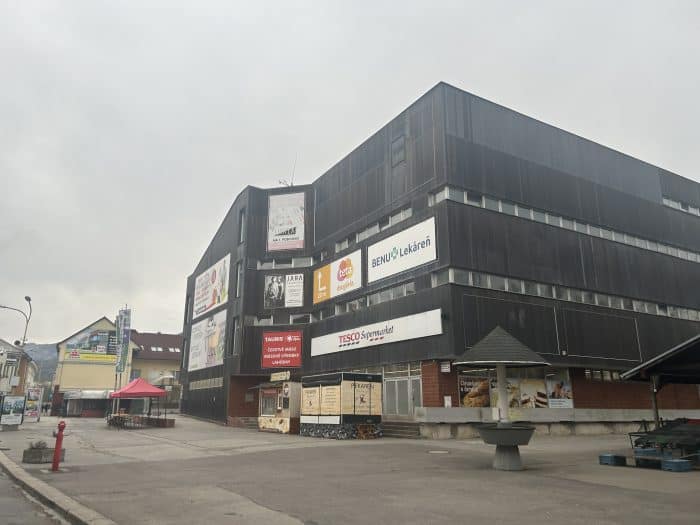
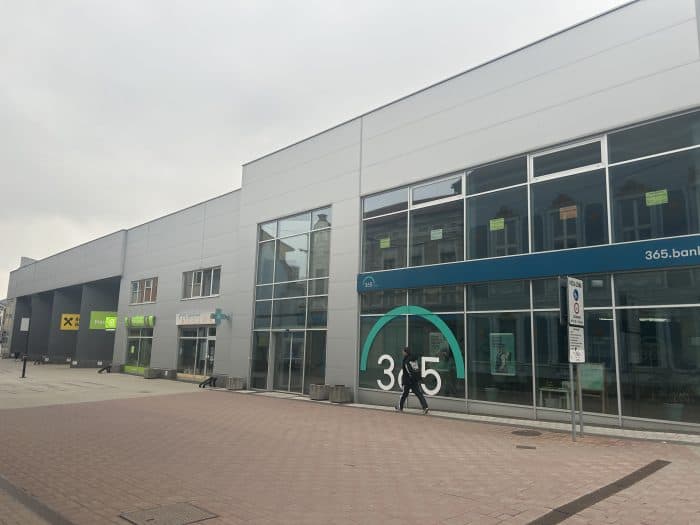
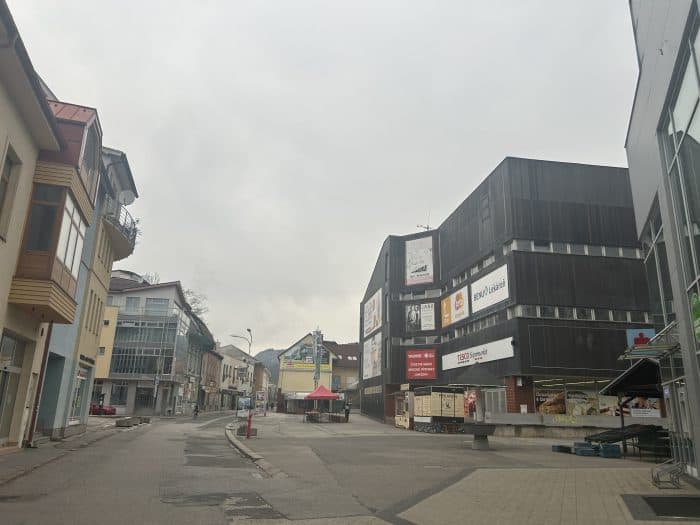
Navigating Ružomberok is relatively straightforward. The town center is compact and easily walkable, with the main square, Námestie Andreja Hlinku, and the surrounding streets containing many of the main shops and services. For travel to other parts of the town, such as the train station or the Malinô Brdo resort, a local bus system provides public transport. The town’s location at the junction of major national roads also makes it an easy place to navigate by car, which is the most convenient way to explore the wider Liptov region.
Using Local Buses
The public transport system in Ružomberok consists of a network of local city buses. These buses connect the main train and bus stations with the different residential districts of the town. A key route for visitors is the bus that runs from the town center to Hrabovo, which is the location of the valley station for the Malinô Brdo gondola lift. The bus system is the main mode of public transport for getting around the town without a car.
Exploring by Foot
Walking is the best way to experience the central parts of Ružomberok. The main square, Námestie Andreja Hlinku, and the surrounding streets are pedestrian-friendly. All the main sights within the town center, such as the Town Hall, the Church of St. Andrew, and the Liptovské Múzeum, are within a short walking distance of each other. A walk through the town allows you to appreciate its historic architecture and atmosphere. For those who enjoy hiking, many trails into the surrounding mountains can be started directly from the town’s edge.
Navigating by Car
A car is the most convenient way to explore Ružomberok and the wider Liptov region. The town is located directly on the main D1 motorway, which provides fast and easy access. Having a car makes it simple to take day trips to major attractions like the UNESCO village of Vlkolínec, the Demänovská Caves, or the various water parks in the region. Parking is generally available throughout the town, with paid parking lots in the center and free parking at most of the major tourist attractions on the outskirts.
How to Get to Ružomberok
Ružomberok is located in an easily accessible part of Slovakia, with good transportation connections both domestically and to neighboring countries. The town is situated on the main east-west motorway and railway line, making it straightforward to reach from both Bratislava and Košice. While the town does not have its own airport, several international airports are located within a reasonable driving distance, providing various options for air travelers. This excellent connectivity makes Ružomberok a convenient base for exploring the Liptov region.
Arriving by Air
Ružomberok does not have its own commercial airport. The closest international airport is Poprad-Tatry Airport (TAT), which is located about a one-hour drive to the east and offers some seasonal flights. For a much broader range of year-round international connections, Kraków John Paul II International Airport (KRK) in Poland or Košice International Airport (KSC) are the best options, both located about a two-and-a-half to three-hour drive away. The capital’s airport in Bratislava (BTS) is also a major gateway. From any of these airports, you would need to continue your journey by car, bus, or train.
Driving into the Town
To reach Ružomberok by car, you can utilize Slovakia’s main D1 motorway, which provides key east-west access across the country. The town is located directly on this motorway, making it very easy to reach from Bratislava in the west and Košice in the east. Major national roads also connect the town with southern Poland to the north and with Banská Bystrica to the south. Remember that you will need to purchase a digital vignette to use the Slovak motorways, which can be done online.
Journey by Rail
Ružomberok has a main train station that is well-connected to the Slovak railway network. The town is a key stop on the main railway line that connects Bratislava with Košice. The national rail operator, Železničná spoločnosť Slovensko (ZSSK), runs frequent intercity and express train services that stop at Ružomberok. This makes the train a comfortable and convenient way to reach the town from all major cities in Slovakia. The train station is located within walking distance of the town center.
Connecting by Bus
Ružomberok is also well-connected by a network of national and international bus routes. The main bus station is located next to the train station, allowing for easy transfers. Numerous bus companies operate services that link the town with other Slovak towns and with major cities in neighboring countries, such as Poland and the Czech Republic. The bus can be a cost-effective alternative to the train and often provides more direct connections to smaller towns and villages in the region.
Driving Distance
The driving distance to Ružomberok from 20 regional cities, according to Google Maps:
- Liptovský Mikuláš, Slovakia – 25 kilometers (0 h 20 min)
- Martin, Slovakia – 40 kilometers (0 h 35 min)
- Banská Bystrica, Slovakia – 55 kilometers (0 h 50 min)
- Žilina, Slovakia – 65 kilometers (0 h 50 min)
- Poprad, Slovakia – 75 kilometers (0 h 50 min)
- Zakopane, Poland – 80 kilometers (1 h 30 min)
- Kraków, Poland – 150 kilometers (2 h 30 min)
- Košice, Slovakia – 188 kilometers (1 h 50 min)
- Katowice, Poland – 190 kilometers (2 h 30 min)
- Budapest, Hungary – 210 kilometers (3 h 00 min)
- Rzeszów, Poland – 240 kilometers (3 h 30 min)
- Bratislava, Slovakia – 262 kilometers (2 h 40 min)
- Brno, Czech Republic – 265 kilometers (2 h 50 min)
- Vienna, Austria – 345 kilometers (3 h 20 min)
- Lviv, Ukraine – 415 kilometers (5 h 40 min)
- Warsaw, Poland – 460 kilometers (5 h 20 min)
- Prague, Czech Republic – 470 kilometers (4 h 40 min)
- Zagreb, Croatia – 590 kilometers (5 h 40 min)
- Belgrade, Serbia – 630 kilometers (6 h 10 min)
- Ljubljana, Slovenia – 680 kilometers (6 h 30 min)
Looking to Explore more of Slovakia and Europe?


This post was first published 2025-06-07 and was updated 2025-07-30