Łódź, Łódzkie | Exploring Poland
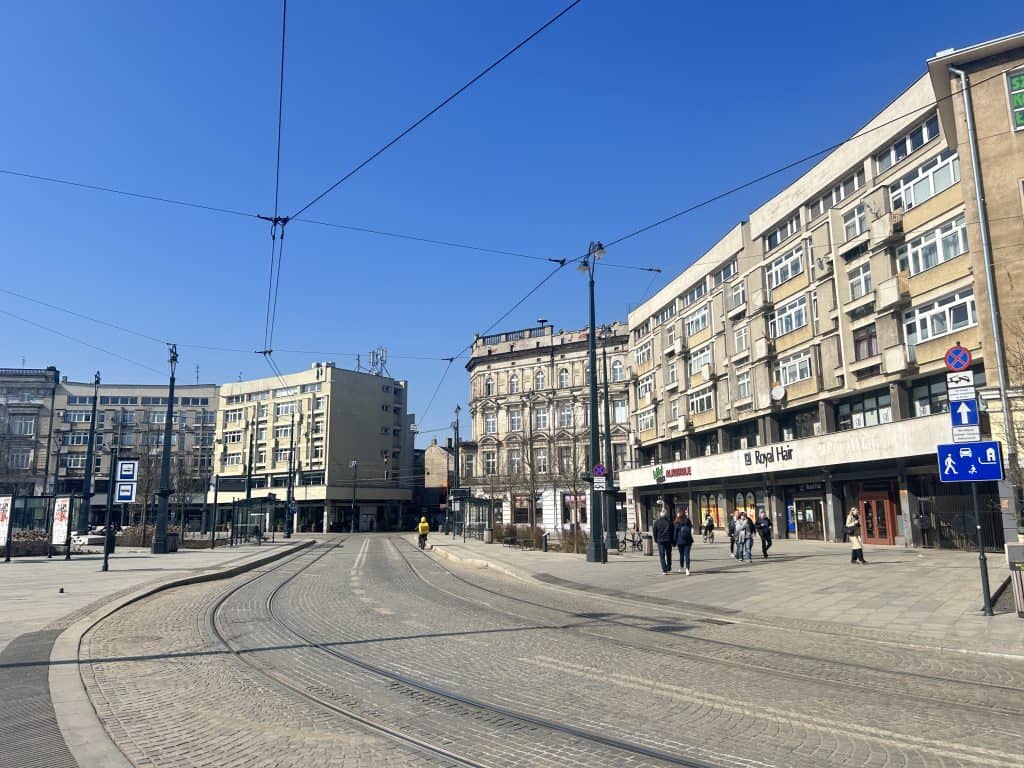
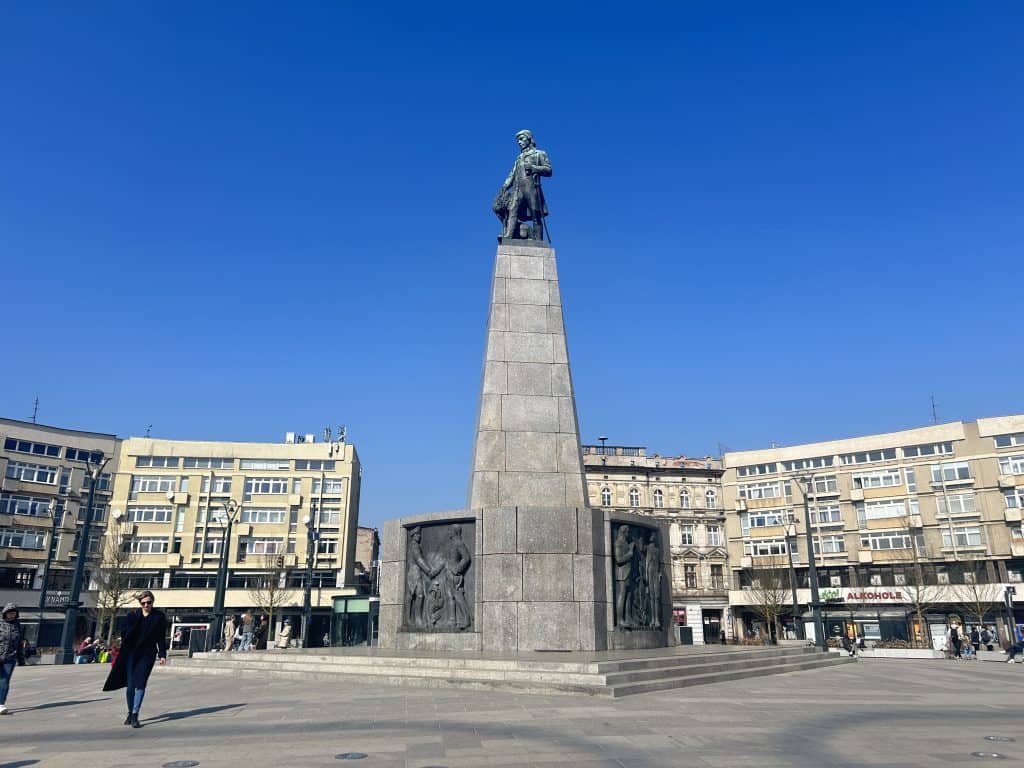
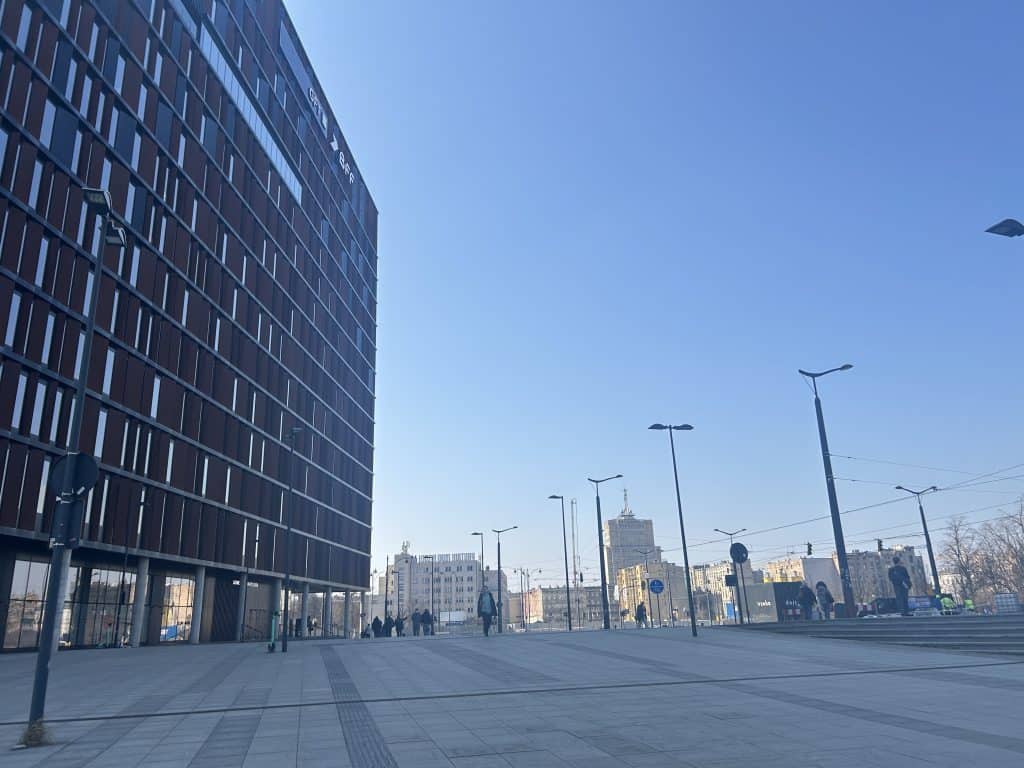
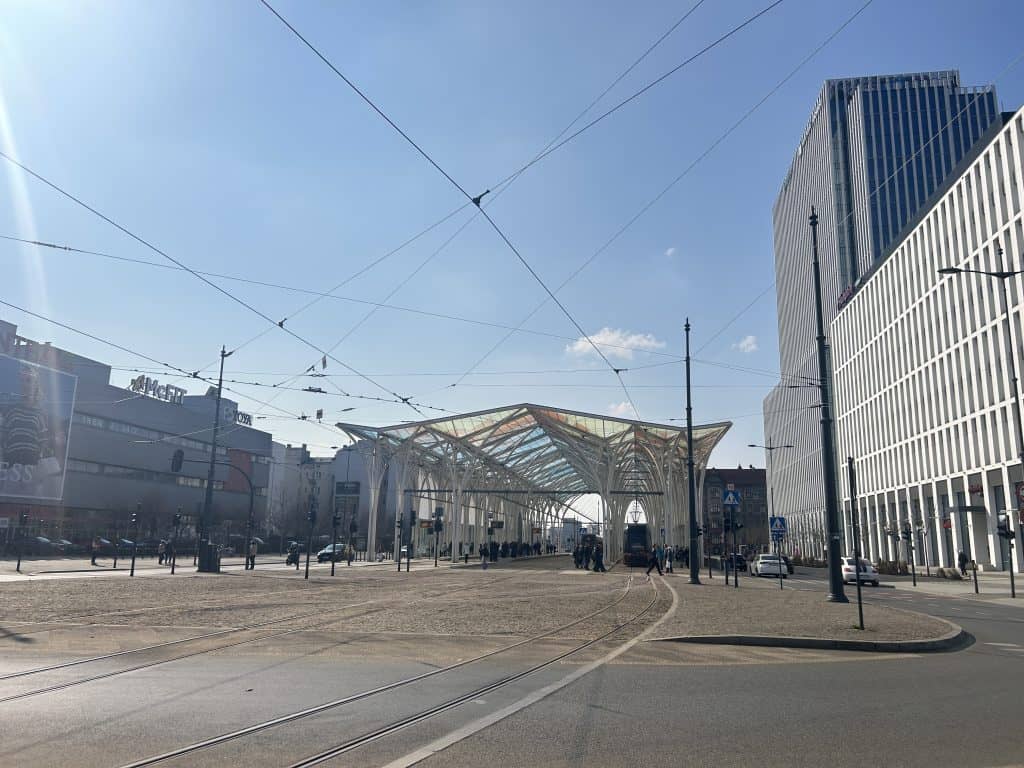
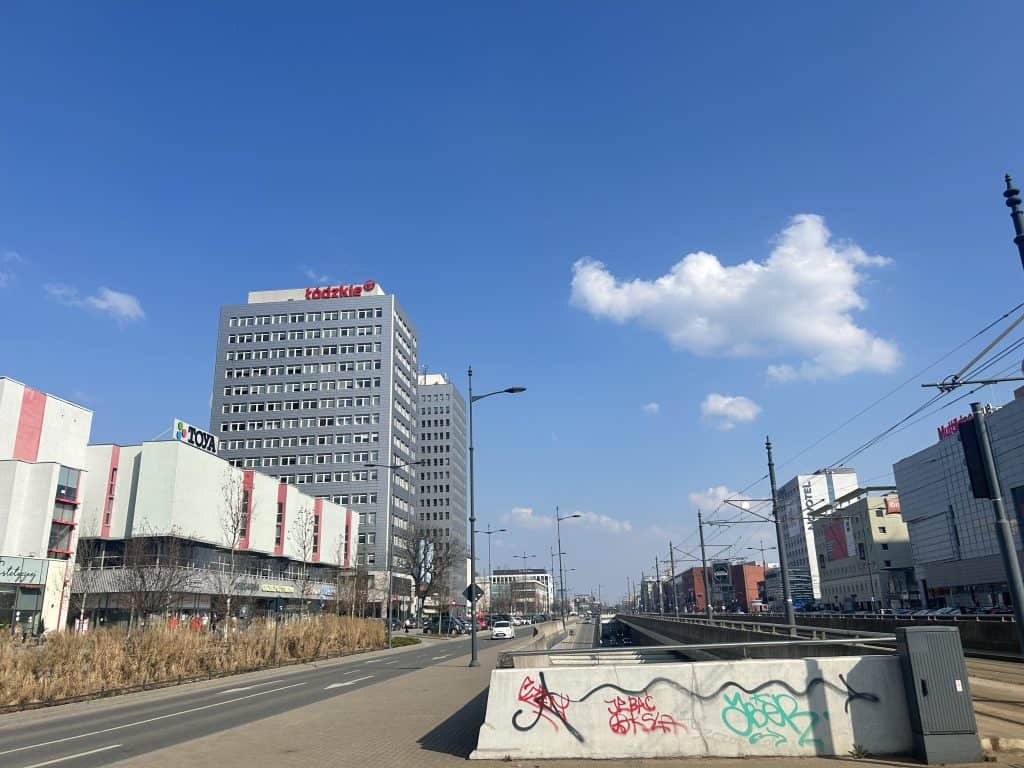
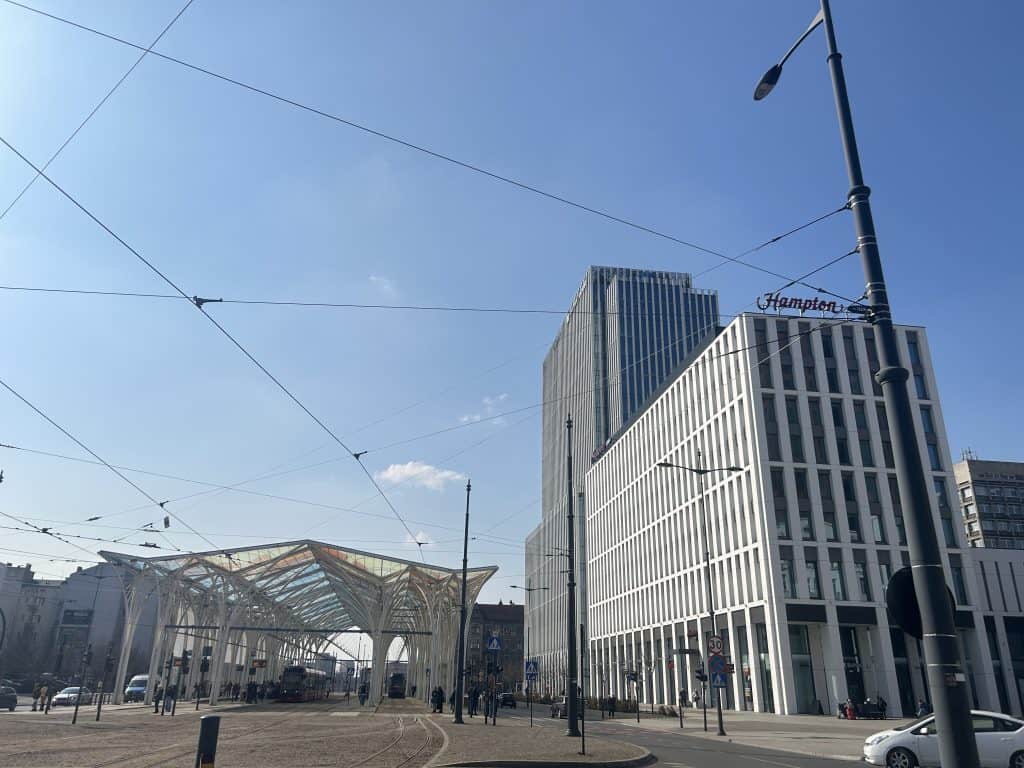
Łódź is a major city in central Poland and stands as a significant crossroads in the country. Historically known as the “Manchester of Poland” due to its industrial past, Łódź has undergone a dramatic transformation in recent decades. Today, it is a recognized hub for art, film, and design, a revitalization that is evident throughout its urban landscape. Łódź is Poland’s third-largest city, with a population of approximately 670,000 residents. Its unique character blends its industrial heritage with modern cultural spaces, creating a distinct urban environment.
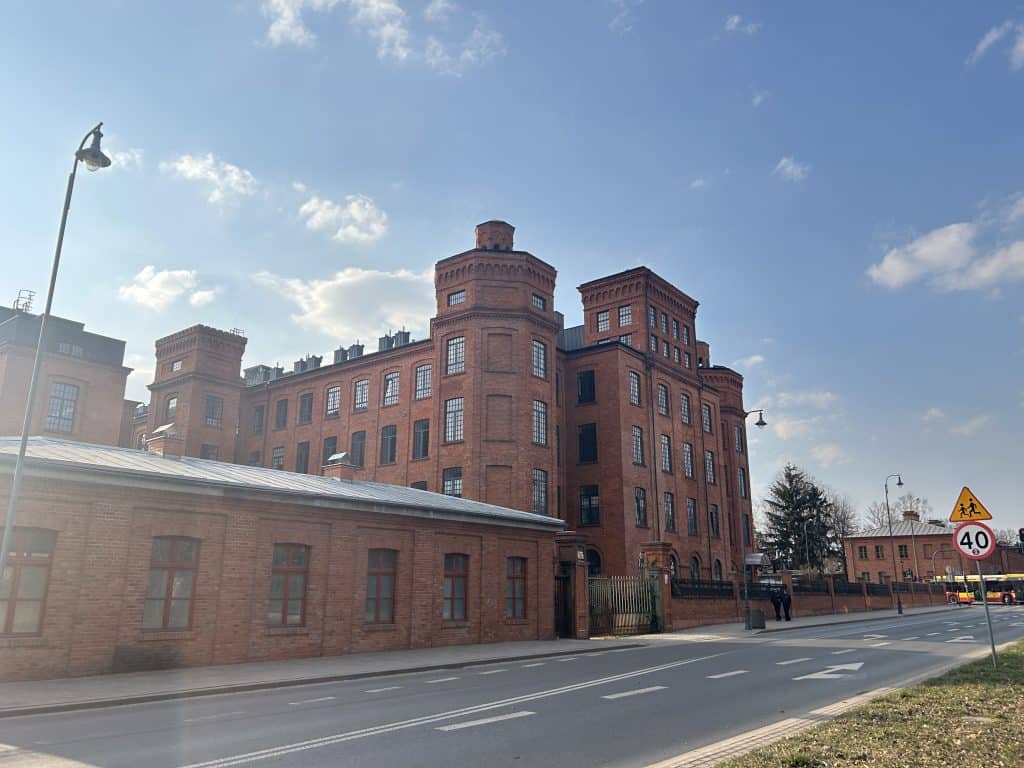
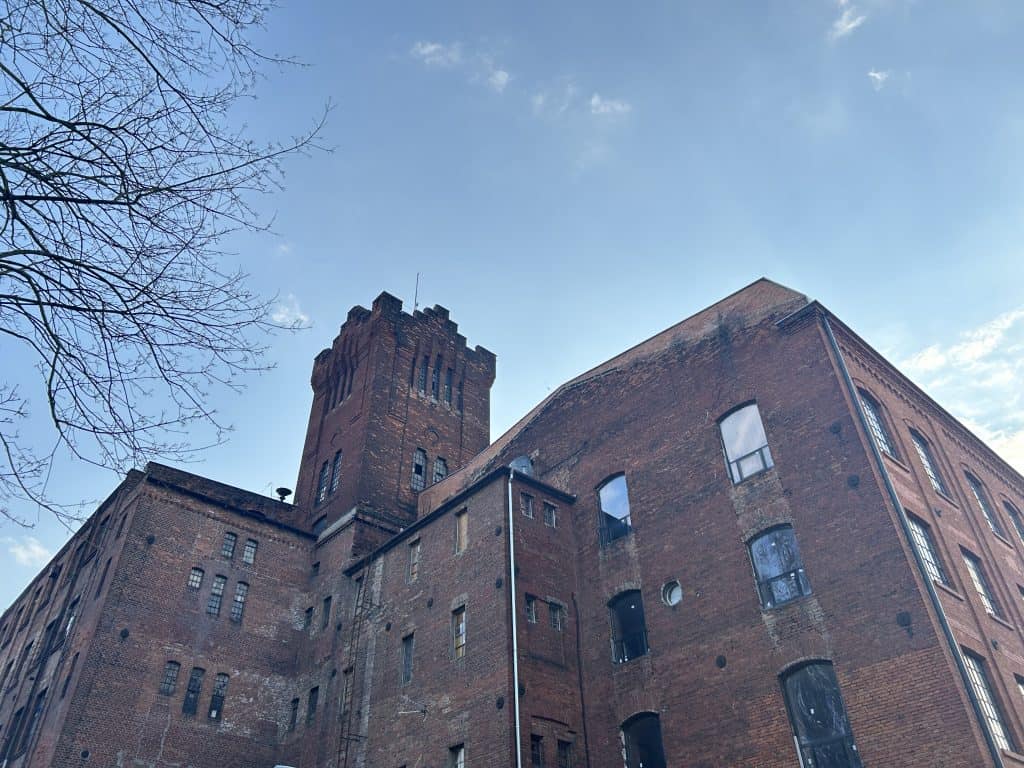
The city’s development was fueled by the textile industry, and the remnants of this era are visible everywhere. Massive red-brick factory complexes and the opulent former palaces of factory owners define the architectural landscape. After a period of economic decline following the fall of communism, these post-industrial sites have been repurposed. They now serve as museums, cultural centers, and commercial hubs, symbolizing the city’s successful shift towards a new identity. This process of urban regeneration has made Łódź a compelling destination for those interested in history, architecture, and contemporary culture.



History of Łódź
For centuries, Łódź was a small agricultural town, a status that changed dramatically in the 19th century. The rapid development of the textile industry initiated a period of incredible growth, transforming Łódź into a leading European center for textile production. This industrial surge drew workers from across the continent, creating a diverse, multicultural population. After facing severe hardship during World War II and industrial decline in the post-communist era, the city has since embarked on a remarkable journey of revitalization that defines its modern identity.
The Rise of a Textile Empire
The incredible growth of Łódź began in the 19th century, a surge that was due to the rapid development of the textile industry. The city quickly became a leading European center for textile production. Many large factories were built, and this industrial boom drew a large and diverse workforce from across Europe, including Germans, Russians, and Jews. This created a dynamic, multicultural population that shaped the city’s character. While the factory owners, known as the “kings of cotton,” built grand palaces for themselves, the rapid and often unregulated industrialization also led to poor living and working conditions for the laborers.
World War II and the Post-War Era
After World War I, Łódź remained an industrial giant within the newly independent Poland. However, it suffered greatly during World War II after being occupied by Nazi Germany and renamed Litzmannstadt. The city’s large Jewish population, which had been a vital part of its social and economic fabric for centuries, was forced into a ghetto and subsequently faced decimation during the Holocaust. The textile industry was revived under the communist government after the war, but it faced new challenges related to state control and a lack of modernization.
Post-Industrial Revitalization
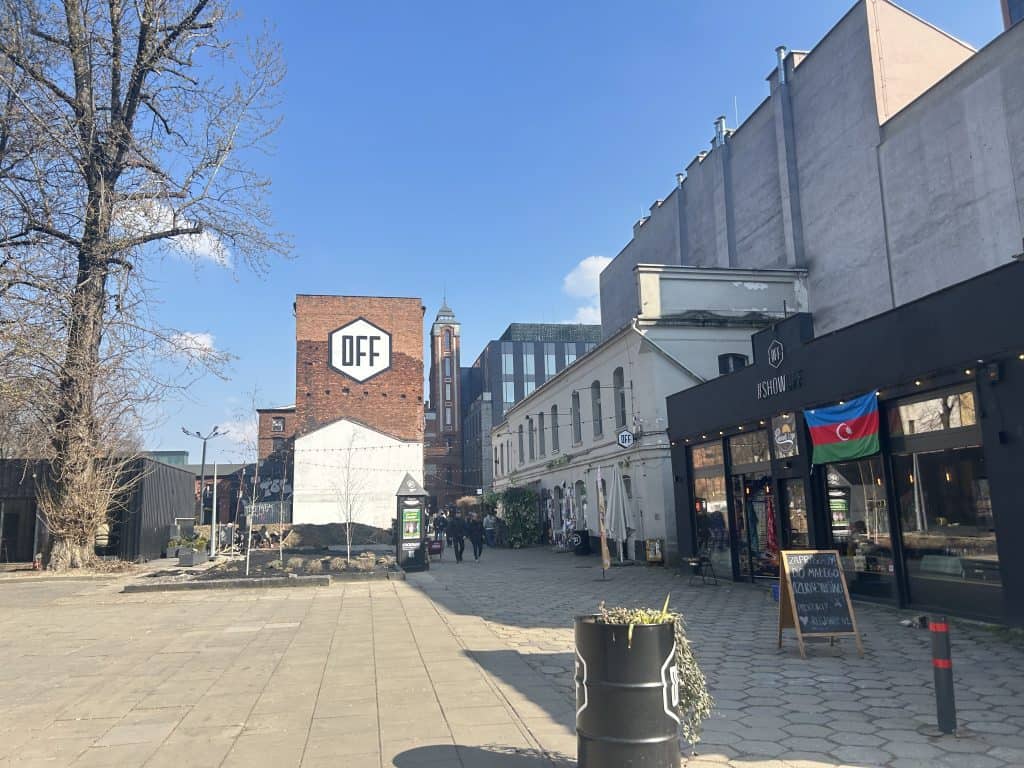
After the fall of communism in 1989, Łódź experienced a severe period of industrial decline as its state-run textile factories struggled to compete in a new market economy. This led to high unemployment and economic hardship. Since then, the city has undergone a remarkable revitalization based on a new vision. Instead of demolishing its industrial past, the city has repurposed its old factories. These massive red-brick complexes now serve as art spaces, museums, shopping centers, and residential lofts. This transformation from a city of industry to a city of culture and creativity defines modern Łódź.



Sights in Łódź
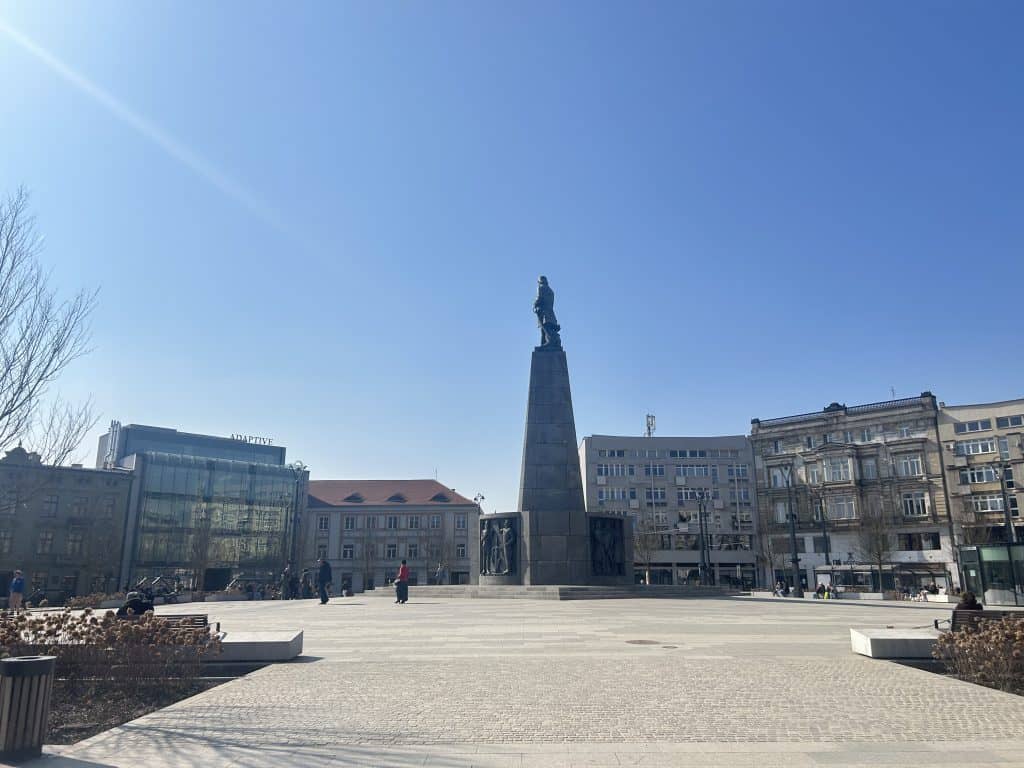
The sights in Łódź highlight its unique history and its successful industrial transformation. The city’s primary attractions are often housed within magnificent repurposed factory buildings and the former palaces of wealthy 19th-century industrialists. The most famous example is Manufaktura, a vast textile factory that has been converted into a sprawling commercial and cultural center. Another key area is Księży Młyn, a complete industrial district that provides a look into the self-sufficient communities created by factory owners.
The city’s main artery, Piotrkowska Street, is a destination in itself, lined with historic tenement houses, shops, and restaurants. The city’s strong connection to the film industry is evident at the famous Łódź Film School and the Museum of Cinematography. For a look into the city’s artistic and industrial heritage, the Museum of the City of Łódź and the Central Museum of Textiles are essential stops. This blend of repurposed industrial spaces, grand architecture, and cultural institutions creates a unique and compelling visitor experience.
Piotrkowska Street
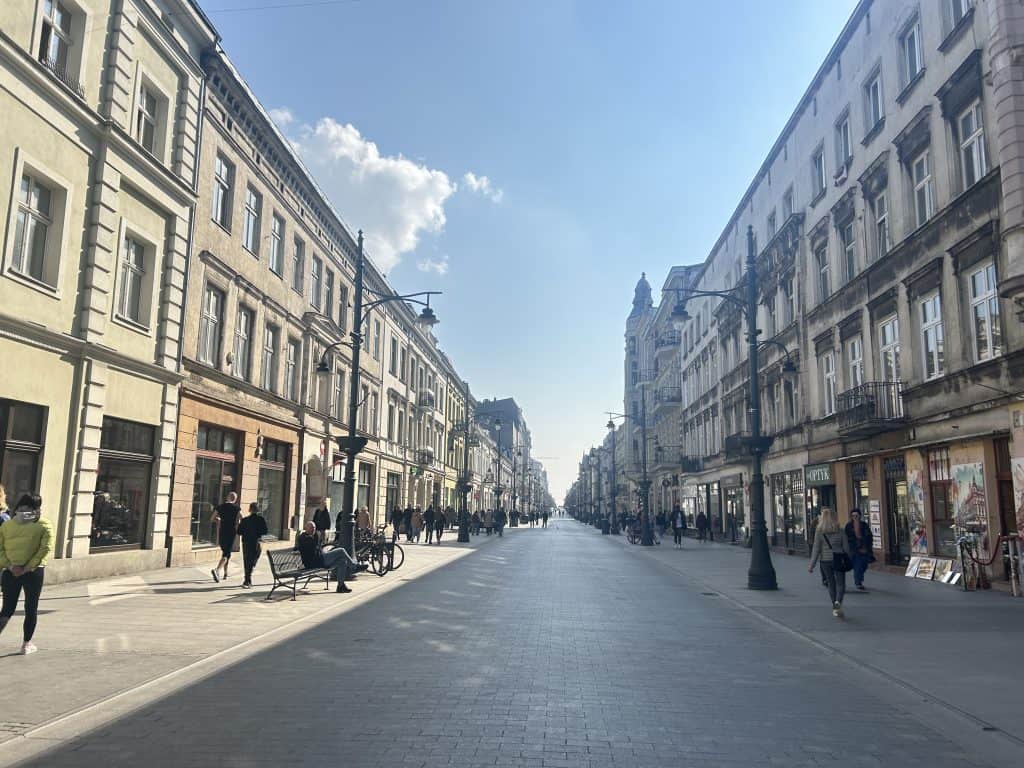
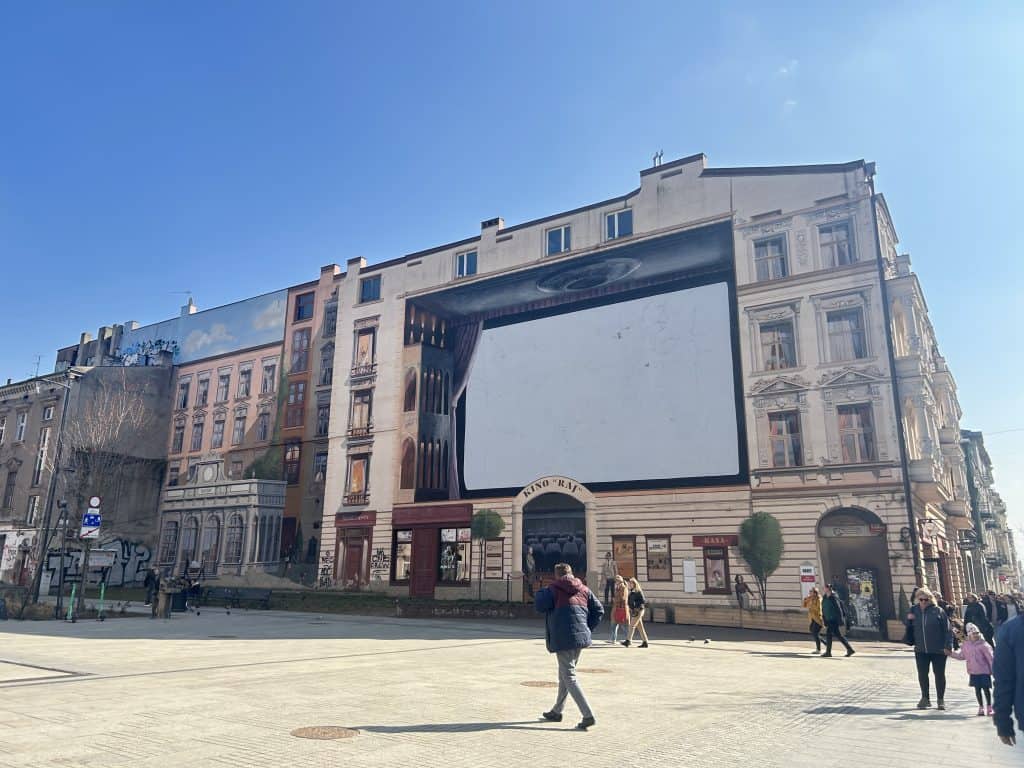
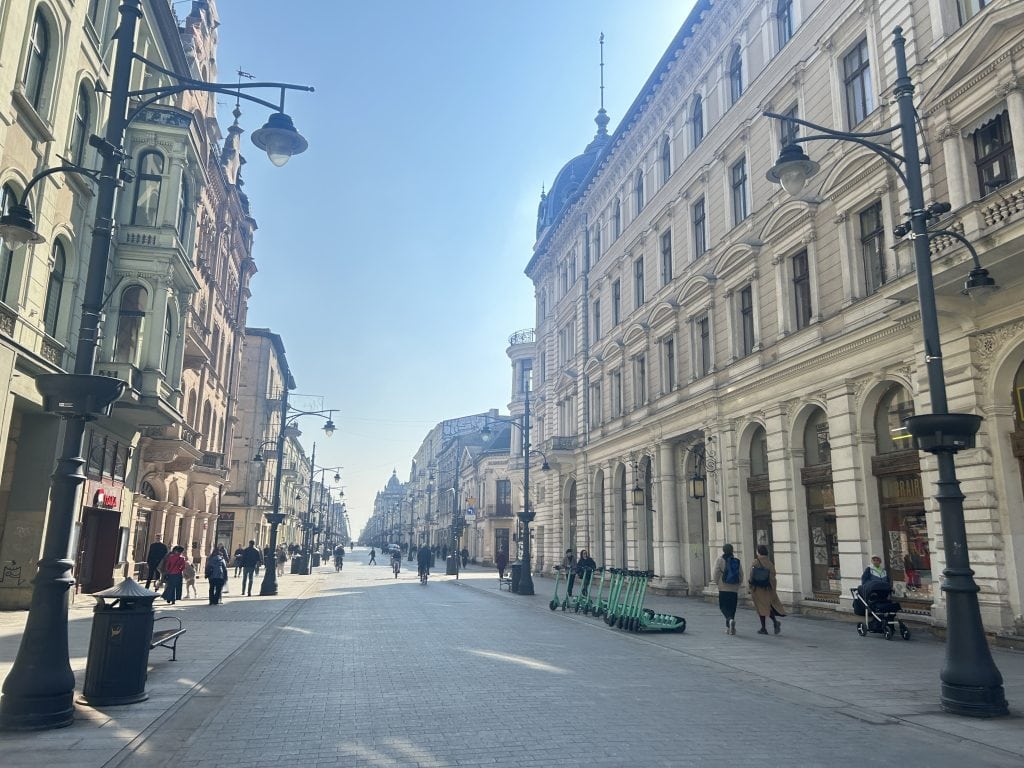
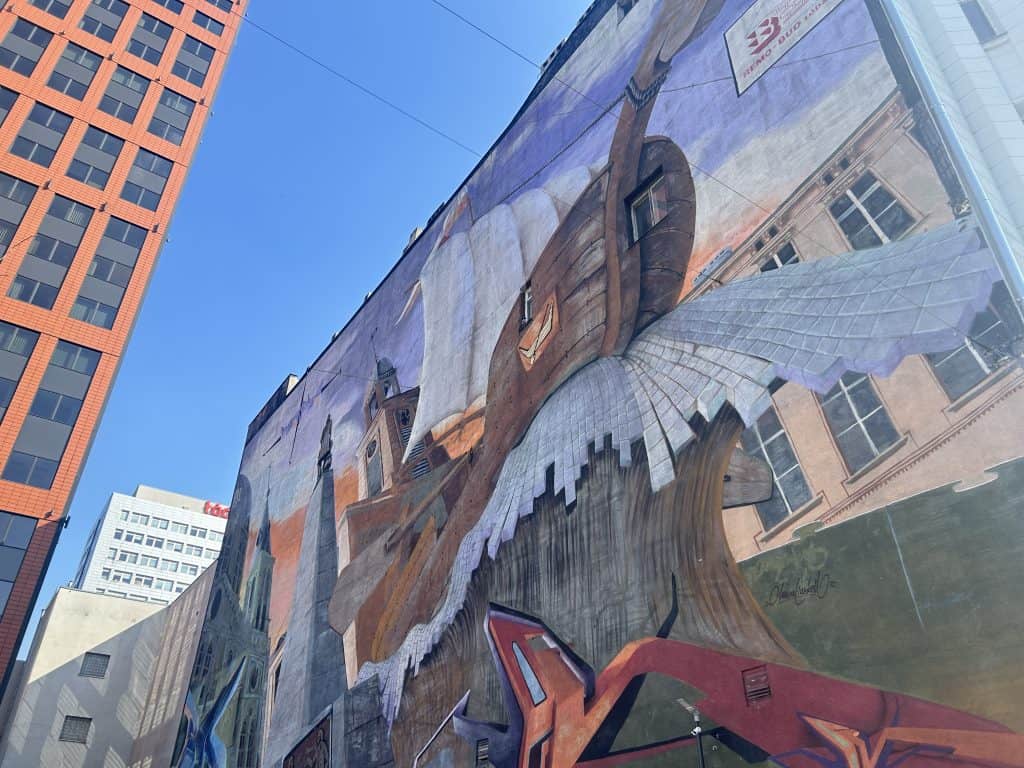
Piotrkowska Street is the main artery of Łódź and one of the longest commercial streets in Europe, stretching for nearly five kilometers. The street features a remarkable collection of historic tenement houses from the 19th and early 20th centuries, many of which have been beautifully restored. It is lined with a vast array of shops, restaurants, pubs, and cafes, making it the commercial and social heart of the city. The street is also famous for its outdoor art, including numerous sculptures and murals. It is also the location of the “Walk of Fame” for Polish film stars, honoring graduates of the city’s famous film school.
Manufaktura
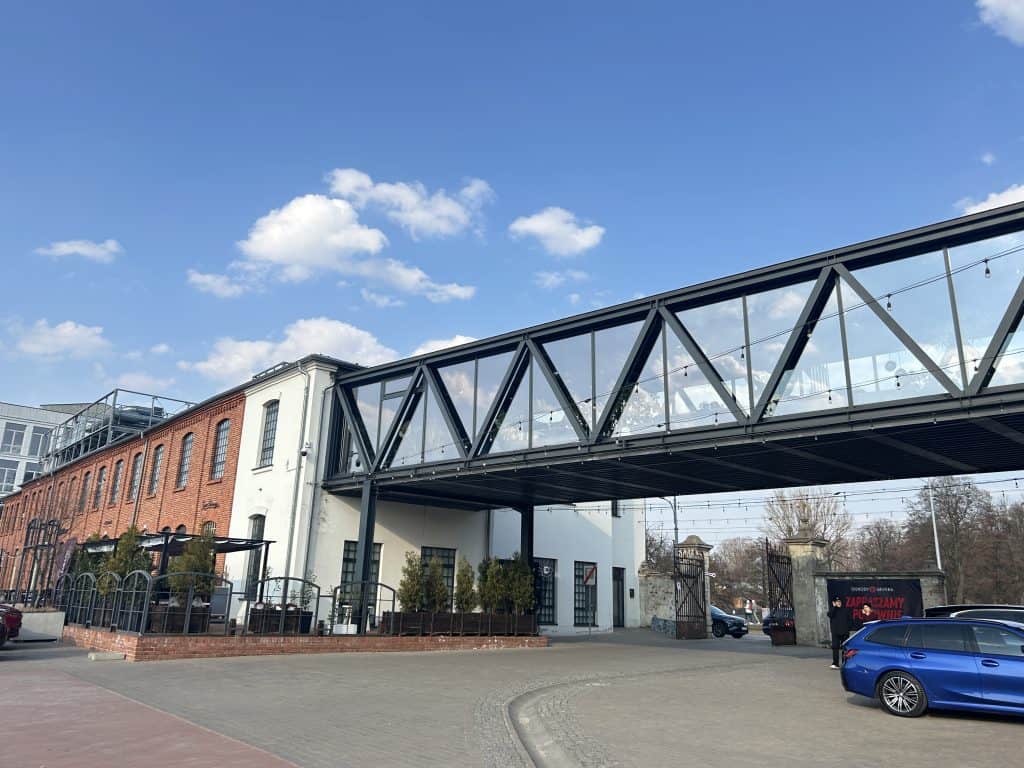
The Manufaktura complex is a spectacular example of industrial revitalization and the city’s premier commercial hub. This massive site was once the vast textile factory of the industrialist Izrael Poznański. Today, it has been transformed into a huge shopping, entertainment, and cultural center. The complex skillfully blends the original red-brick industrial architecture with modern design. It includes a major shopping mall, numerous restaurants, a cinema, a theatre, and several museums, including a branch of the MS2 Museum of Art. The central square features a long fountain and hosts concerts and events.
Księży Młyn
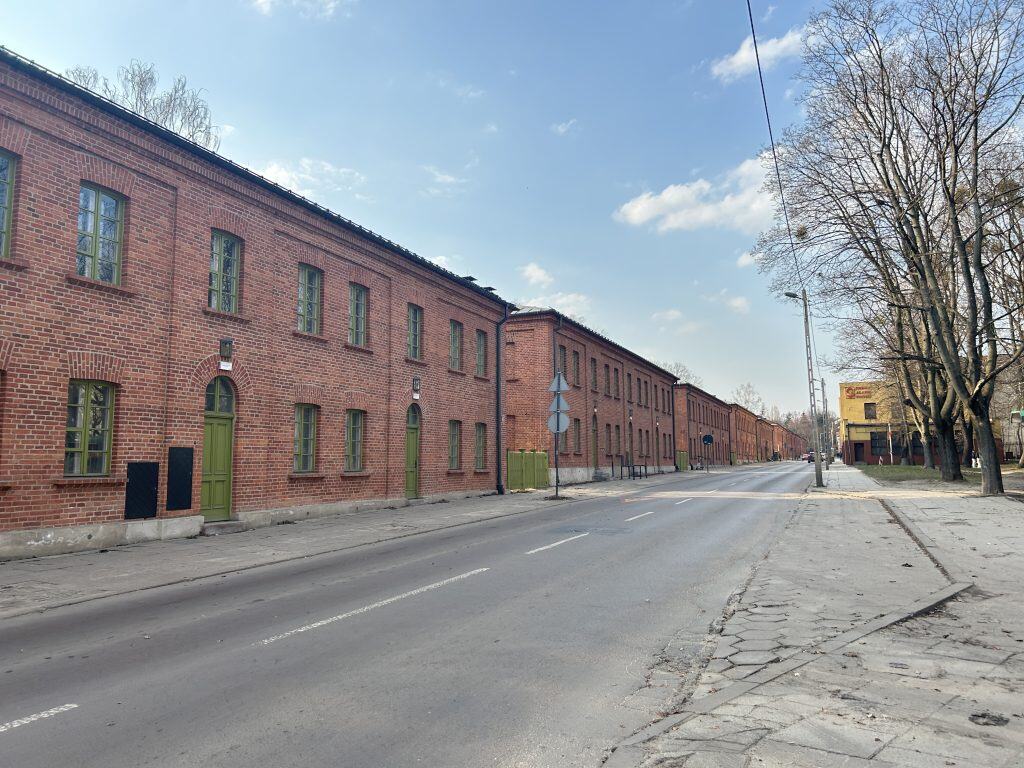
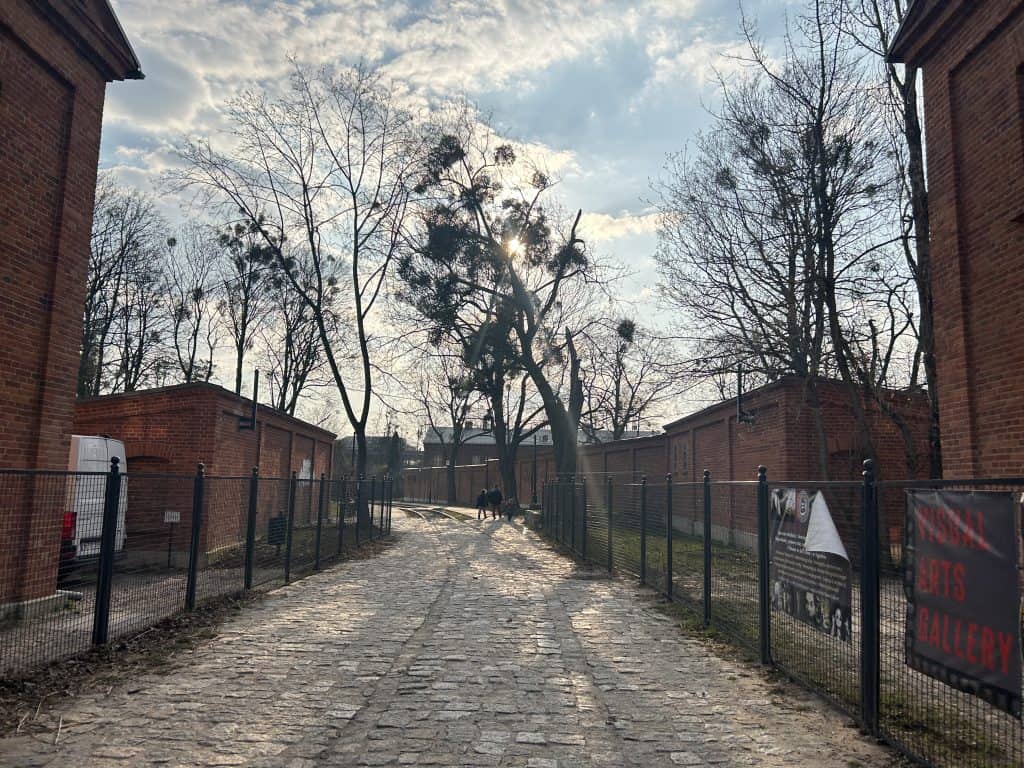
The Księży Młyn, or the “Priest’s Mill” complex, is a unique and remarkably well-preserved 19th-century industrial district. It was built by the industrial magnate Karol Scheibler. The complex features a historic textile factory, rows of red-brick workers’ housing (familoki), a hospital, a school, and the owner’s grand palace. It shows how the industrial magnates of the era created entire self-sufficient communities for their workforce. Today, the area is a mix of residential lofts, art studios, and restaurants, and it is a designated Historic Monument of Poland.
Museum of the City of Łódź
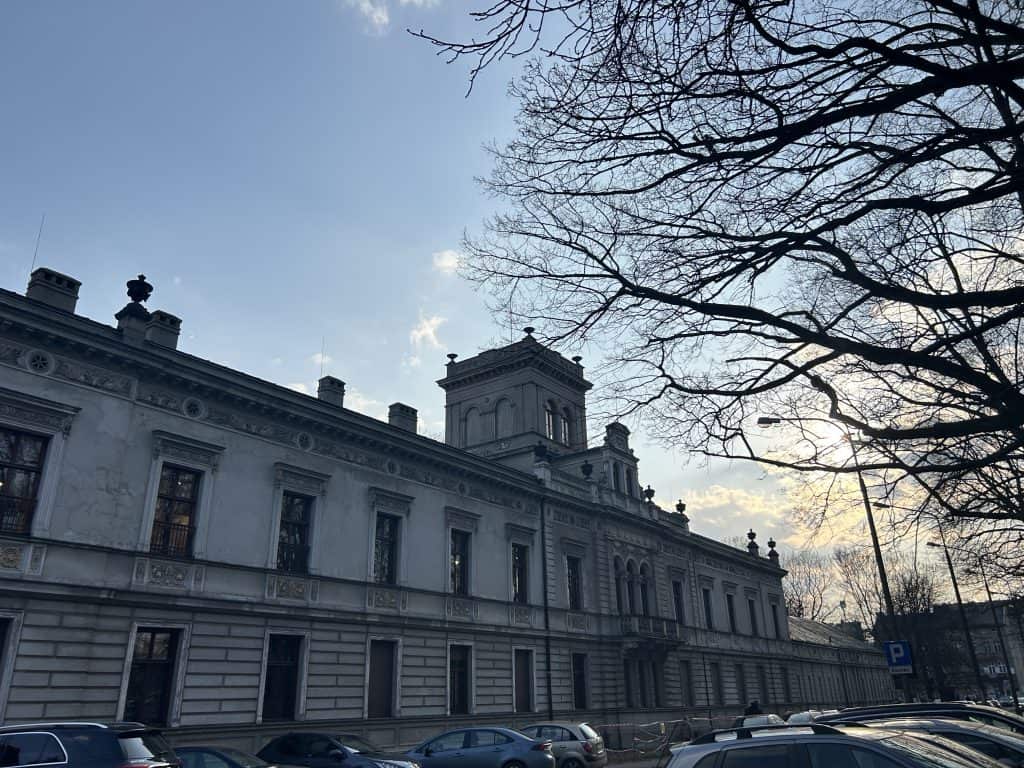
The Museum of the City of Łódź is housed in the opulent former palace of Izrael Poznański, one of the city’s wealthiest industrialists. The palace itself is a masterpiece of eclectic architecture, with lavishly decorated interiors that reflect the immense wealth of the industrial era. The museum’s exhibits showcase the history of Łódź, from its early days as a small town to its boom as a textile empire. The collections include historical documents, art, and artifacts related to the city’s multicultural past. A visit offers a dual experience: exploring a magnificent historical residence and learning about the city’s development.
Central Museum of Textiles
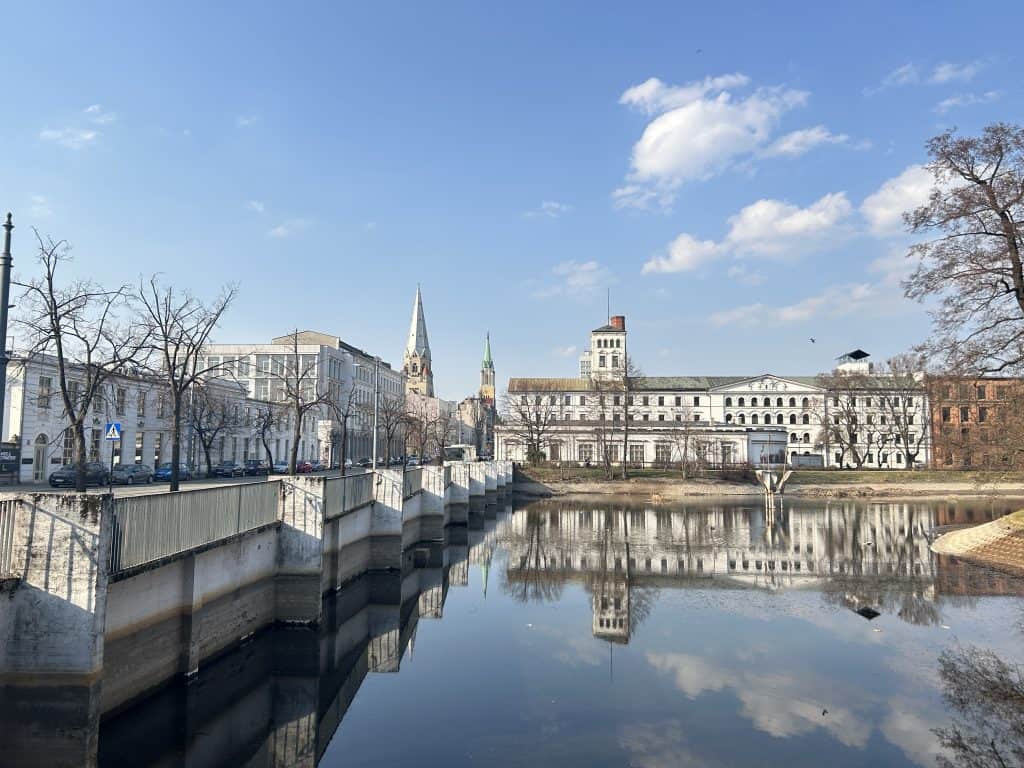
Located in the “White Factory,” a classicist industrial building that is one of the oldest in the city, the Central Museum of Textiles tells the story of Łódź’s defining industry. The museum displays a vast collection of textile machinery, including historic looms that are still operational. It also features extensive collections of artistic fabrics, textile designs, and historical clothing. The museum provides key insights into the technological processes and the social history of the textile industry that built the city. It is a fundamental stop for understanding the heritage of Łódź.
EC1 Łódź – City of Culture
EC1 Łódź is another symbol of the city’s urban regeneration, a former power plant that has been transformed into a massive cultural complex. The historic plant, which once powered the city’s factories, now houses several distinct institutions. These include the EC1 Science and Technology Centre, which is one of the largest in Poland and offers interactive exhibits for all ages. The complex also features a state-of-the-art planetarium, a national center for film culture, and various event spaces. The preservation of the industrial architecture makes it a visually impressive destination.
Łódź Film School
The Państwowa Wyższa Szkoła Filmowa, known as the Łódź Film School, is one of the oldest and most prestigious film schools in the world. Founded in 1948, it has been the training ground for many of Poland’s most famous and internationally acclaimed film directors, including Andrzej Wajda, Roman Polański, and Krzysztof Kieślowski. The school’s building itself is a notable landmark, with the famous stairs that have been featured in student films for decades. The school’s presence has cemented Łódź’s reputation as a city of film and culture.
Museum of Cinematography
Complementing the Film School, the Museum of Cinematography in Łódź is the only museum of its kind in Poland. It is located in the former palace of another industrialist, Karol Scheibler. The museum is dedicated to the history of Polish cinema. Its collections include a vast array of film technology, such as antique cameras and projectors, as well as costumes, props, and set designs from famous Polish films. The museum also has a section dedicated to the history of animation. It is an essential visit for anyone interested in the history of filmmaking in Poland.
Radegast Station
Radegast Station (Stacja Radogoszcz) is a historic railway station that now serves as a solemn memorial. During World War II, this was the main Umschlagplatz, or collection point, for the Łódź Ghetto. From this station, tens of thousands of Jews and other victims were deported to the extermination camps at Chełmno and Auschwitz. The original station building has been preserved, and the site includes a Tunnel of the Deported and a monument with the names of the death camps. It is a poignant and important site of remembrance related to the Holocaust.
Alexander Nevsky Cathedral
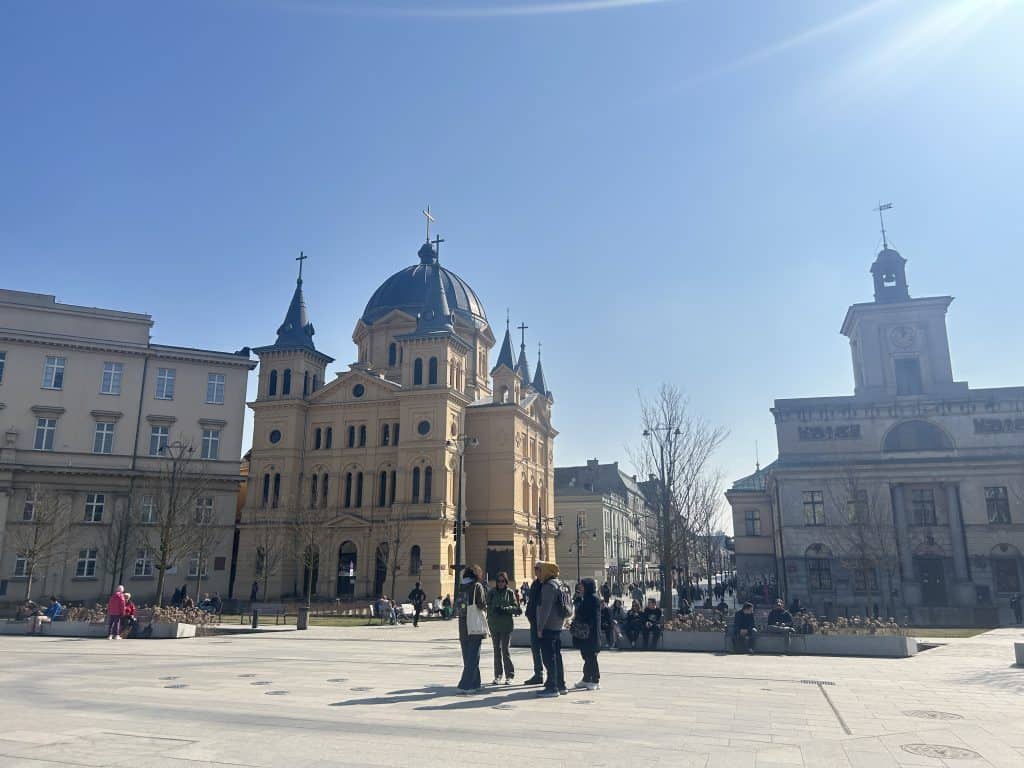
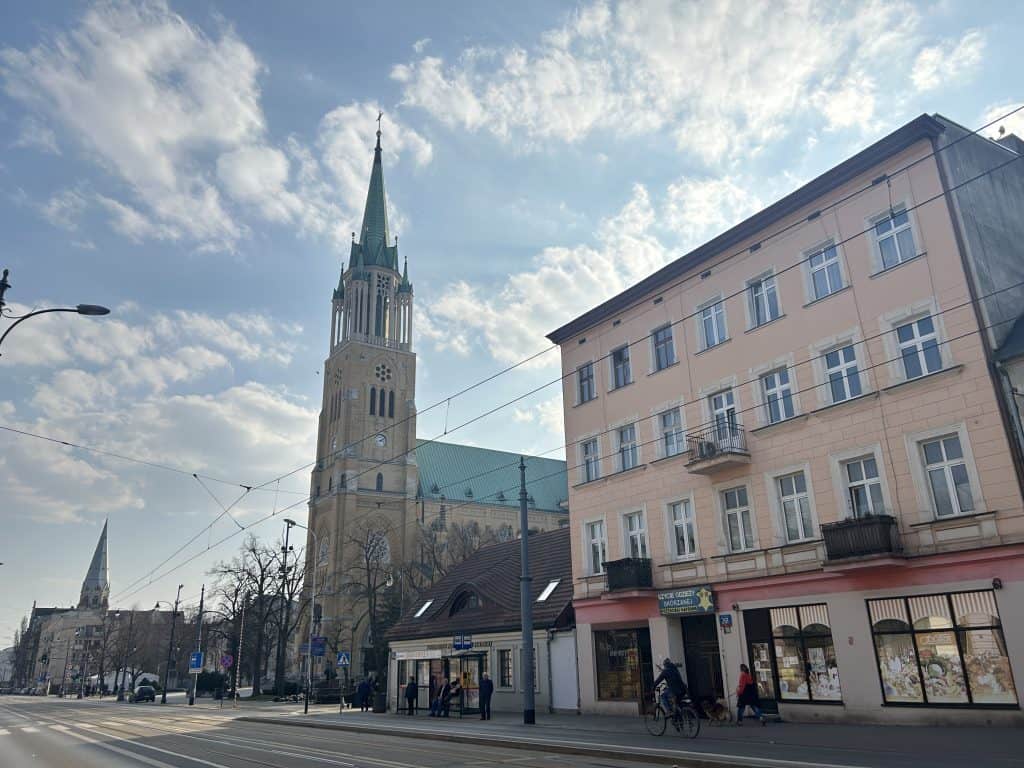
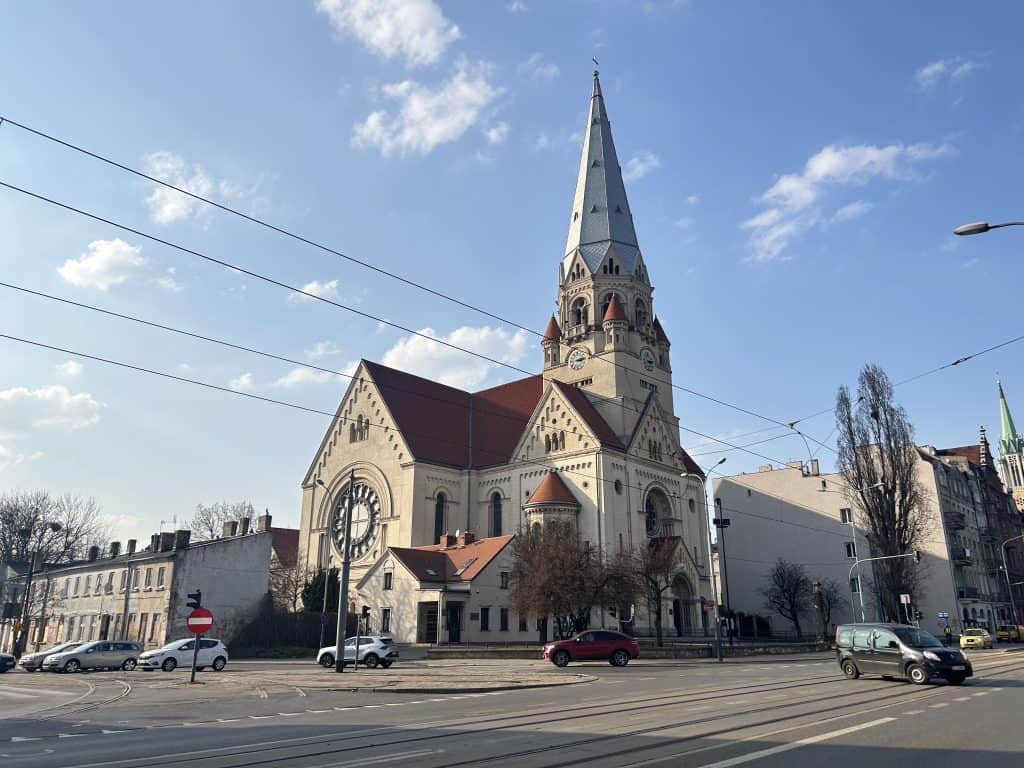
The Alexander Nevsky Cathedral is an orthodox cathedral located in the center of Łódź. It was built in the late 19th century when Łódź was part of the Russian Empire. The cathedral is a beautiful example of Neo-Byzantine architecture, with a richly decorated interior filled with icons and frescoes. Its construction was financed by local industrialists as a gesture towards the Russian authorities of the time. Today, it serves the local Orthodox community and stands as a reminder of the city’s complex, multicultural, and multi-religious past.
Traveling with Kids
Łódź is a family-friendly city that offers a wide range of attractions suitable for children. The city has successfully repurposed many of its post-industrial spaces into modern recreational and educational centers that are perfect for a family day out. The most significant of these is the EC1 complex, which houses a large and interactive science and technology center. In addition, the city’s zoo has recently been expanded with a state-of-the-art Orientarium, creating a world-class animal attraction.
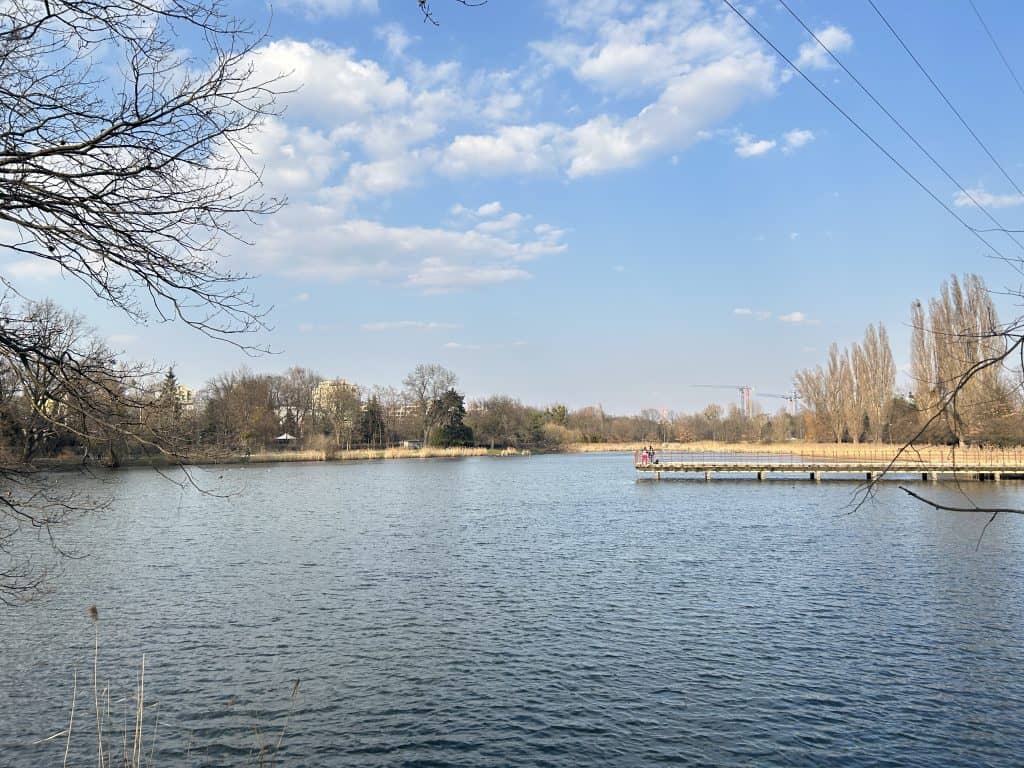
Beyond these major venues, Łódź provides numerous parks and green spaces that are ideal for family relaxation and play. The city has invested in modern and creative playgrounds, which are often located within these parks. From the thrills of a large amusement park to the wonders of the animal kingdom and the fun of hands-on science experiments, Łódź offers a diverse itinerary for a family visit, blending education with entertainment.
Activities for Kids in Łódź
For families seeking engaging activities, Łódź provides world-class experiences that are both fun and educational. The city’s modern science center offers hours of interactive learning, while the new Orientarium provides an immersive journey into the animal world. These activities are designed to captivate children and adults alike, making for a memorable family outing.
EC1 Science and Technology Centre
The EC1 Science and Technology Centre is a premier family attraction in Łódź, housed within a magnificently restored former power plant. This massive, multi-level science center offers hundreds of interactive exhibits that allow children to learn about science and technology through hands-on experimentation. The exhibits cover topics ranging from physics and energy to the human body and space exploration. The center is designed to be highly engaging for all ages, making complex concepts accessible and fun. It is one of the largest and most modern science centers in Poland and a perfect destination for a full day of family learning.
The Orientarium at the Łódź Zoo
The Orientarium at the Łódź Zoo is a state-of-the-art complex dedicated to the fauna and flora of Southeast Asia. Opened in 2022, it has quickly become one of the city’s top attractions. The complex features impressive enclosures for animals like Sumatran orangutans, Indian elephants, and Malayan bears. A highlight is the underwater tunnel where visitors can watch sharks and rays swim overhead. The Orientarium provides an immersive and educational experience, showcasing the biodiversity of the region in a modern and well-designed environment. It is a fantastic destination for animal-loving families.
Playgrounds in Łódź
Łódź features numerous public playgrounds located throughout the city, providing essential spaces for children’s recreation. These play areas are typically found within city parks and residential areas, offering safe and well-equipped environments for fun. A stop at a playground is a simple and effective way to break up a day of sightseeing.
Playground in Park Źródliska
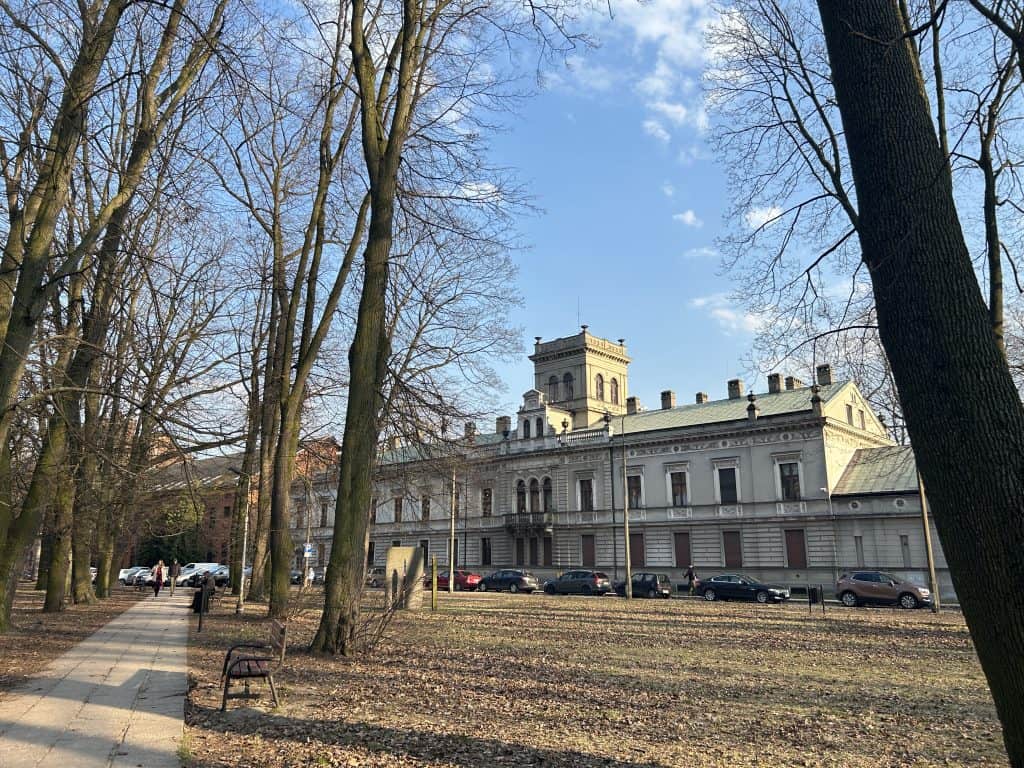
Park Źródliska is one of the oldest and most beautiful parks in Łódź, and it features an excellent playground. The playground is large and well-equipped with a variety of modern play structures suitable for different age groups. It includes swings, slides, sandpits, and climbing frames. The park itself is a historic landmark with beautiful old trees, a palm house, and charming walking paths. The combination of a great playground and the beautiful park surroundings makes it a top choice for a family outing in the city center.
Playground at Manufaktura
The large public square at the heart of the Manufaktura complex also features a dedicated play area for children. This playground is very popular due to its convenient location within the bustling commercial and entertainment center. While parents relax at one of the nearby outdoor cafes, children can enjoy the slides and climbing structures. During the summer, an artificial beach is often set up in the square, adding to the family-friendly atmosphere. This playground provides a great opportunity for a play break during a day of shopping or visiting the museums at Manufaktura.
Sports in Łódź
Łódź boasts a vibrant and deeply ingrained sports scene, dominated by a fierce local football rivalry but also featuring top-tier teams in women’s volleyball, speedway, and rugby. The city is home to two major football clubs, Widzew Łódź and ŁKS Łódź, whose derby is one of the most intense in Poland. In addition to football, the city is a powerhouse in women’s volleyball, with two clubs regularly competing for the national championship. The city has invested in modern facilities to support this passion, including two large football stadiums, the state-of-the-art Moto Arena Łódź for speedway, and the massive Atlas Arena, which hosts major international events.
Widzew Łódź (Football)
Widzew Łódź is one of the city’s two major football clubs and has a significant history in Polish football. The club has won multiple Polish championships and has a storied history of competing in European competitions. Their home ground is the Widzew Łódź Stadium, a modern, football-specific facility that opened in 2017 and has a capacity of just over 18,000. The stadium hosted matches for the 2019 FIFA U-20 World Cup, including the opening game and the final. The rivalry between Widzew and ŁKS is known as the “Derby of Łódź.”
ŁKS Łódź (Football)
ŁKS Łódź is the city’s other historic football club and the arch-rival of Widzew. The club also has a substantial fanbase and a history that includes winning Polish championships. ŁKS plays their home matches at the Władysław Król Municipal Stadium, which was fully completed in 2022 and has a capacity of just over 18,000. The rivalry between the two Łódź clubs is one of Poland’s oldest and most intense, deeply dividing the city’s football supporters. Both teams contribute to a lively football culture in the city.
ŁKS & Budowlani Łódź (Volleyball)
Women’s volleyball is also very popular in Łódź, with two prominent teams competing at the highest level. ŁKS Commercecon Łódź and Grot Budowlani Łódź are both strong teams in the TAURON Liga, Poland’s top women’s volleyball league. Both clubs have won national championships and regularly compete for the top honors in the league. They often play their most important home games at the Atlas Arena. This large, multi-purpose indoor arena is one of Poland’s biggest, seating over 13,800 spectators, and frequently hosts major international volleyball events.
Orzeł Łódź (Speedway)
Speedway is another popular motorsport in the city, represented by the professional club Orzeł Łódź. The team competes in the Metalkas 2. Ekstraliga, the second tier of the highly competitive Polish speedway league system. They host their home meetings at the Moto Arena Łódź, a modern and dedicated speedway stadium that opened in 2018. The venue is known for its excellent track and atmosphere, drawing large crowds of passionate fans. Orzeł Łódź continues the city’s tradition in the sport and provides thrilling entertainment for motorsport enthusiasts throughout the season.
Budowlani SA Łódź (Rugby Union)
Rugby union has a strong and historic presence in Łódź, primarily through the Budowlani SA Łódź club. Founded in 1968, it is one of the most successful rugby clubs in the history of Poland. The team has won the Polish Championship multiple times and has been a dominant force in the national top league, the Ekstraliga. The club has a strong focus on developing local talent and has contributed many players to the Polish national team. They represent a different but important part of the city’s rich sporting heritage.
ŁKS Koszykówka Kobiet (Women’s Basketball)
Women’s basketball has a long and proud tradition in the city, with ŁKS Koszykówka Kobiet being one of the most decorated clubs in Polish history. As part of the larger ŁKS Łódź multi-sport organization, the women’s basketball team has won numerous Polish Championship titles. While they currently compete in the second tier of the national league system, the club has a storied past and a strong reputation for developing players. They play their home games in the club’s own sports hall, representing a significant piece of the city’s sporting legacy.





Getting Around in Łódź
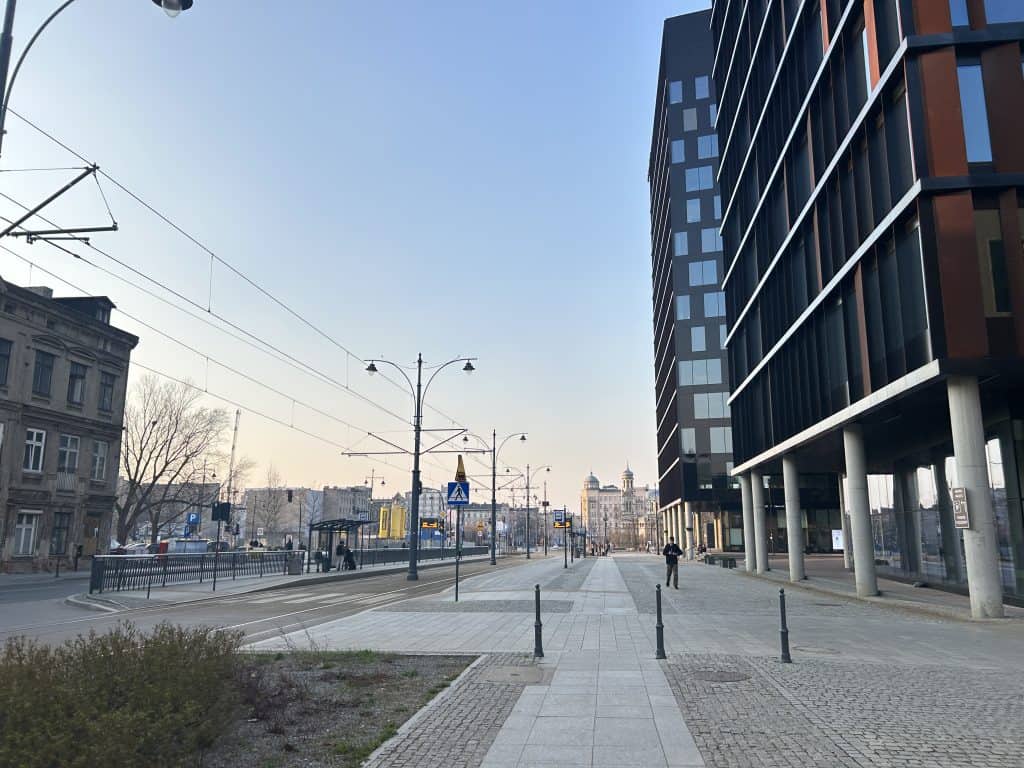
Navigating Łódź is facilitated by a comprehensive public transport system and a city center that is very conducive to walking. The primary mode of public transportation within the city is an extensive network of trams and buses, which are managed by the municipal authority MPK-Łódź. These services connect the city center with all of the residential districts and suburban areas. For exploring the famous Piotrkowska Street and its surroundings, walking is by far the best option. The city also has a popular public bike-sharing system, which is another great way to get around.
Using Trams and Buses
The public transport system is the backbone of transportation in Łódź. The network is operated by MPK-Łódź and includes both a large fleet of buses and one of the largest tram networks in Poland. The trams are an iconic feature of the city and a very efficient way to travel along the main corridors. This makes it easy to travel from the main train stations to key destinations like Manufaktura or Piotrkowska Street. Tickets can be purchased at kiosks, from ticket machines, or through mobile apps, and they are valid for both buses and trams.
Exploring by Foot
The historical and commercial heart of Łódź is best explored on foot. Piotrkowska Street, one of the longest commercial streets in Europe, is largely a pedestrian promenade. A walk along its entire length is an experience in itself, allowing visitors to see the restored tenement houses, sculptures, and street art. The areas around Piotrkowska Street, including the Manufaktura complex and the Księży Młyn district, are also best appreciated at a walking pace. Walking is the most immersive way to experience the unique architectural character of the city.
Cycling with the City Bike
The Łódzki Rower Publiczny is the city’s public bike-sharing system, offering a convenient and eco-friendly way to get around. The system includes hundreds of stations located throughout the city, making it easy to pick up and drop off a bike. This is a great option for medium-distance journeys or for exploring the city’s parks and less central districts. Łódź is continually improving its cycling infrastructure with new bike lanes. Using a city bike is a popular choice for both locals and tourists, especially during the warmer months.
How to Get to Łódź
Łódź, a major city in central Poland, is exceptionally well-connected and easily accessible. Its location at the very heart of the country, at the intersection of two major motorways, makes it a key transportation hub. The city has its own international airport, as well as two major train stations that are well-integrated into the national rail network. In addition, extensive national and international bus services provide another convenient option. Planning a journey to Łódź is straightforward, whether you are traveling from within Poland or from abroad.
Arriving by Air
Łódź has its own international airport, Łódź Władysław Reymont Airport (LCJ). The airport is located just a few kilometers from the city center. It offers direct flights to several European destinations, primarily served by low-cost carriers. For a much wider range of international and long-haul connections, Warsaw Chopin Airport (WAW) is a strong alternative. It is located about 140 kilometers northeast of Łódź. From Warsaw Chopin, you can easily connect to Łódź by one of the frequent train or bus services, a journey of about one-and-a-half to two hours.
Driving into the City
Driving to Łódź is very straightforward due to its central location at the intersection of Poland’s main motorways. The A1 motorway (E75) runs north-south, providing a direct link with Gdańsk on the coast and Katowice in the south. The A2 motorway (E30) runs east-west, connecting Łódź directly with Poznań and Berlin to the west, and Warsaw to the east. This network of modern expressways makes car travel to and from the city fast and efficient from any direction.
Journey by Rail
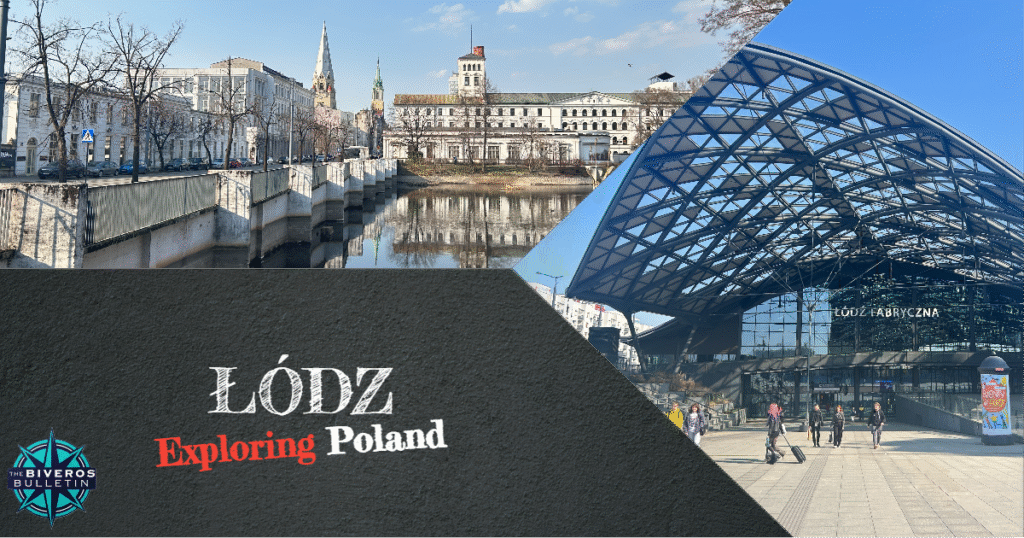
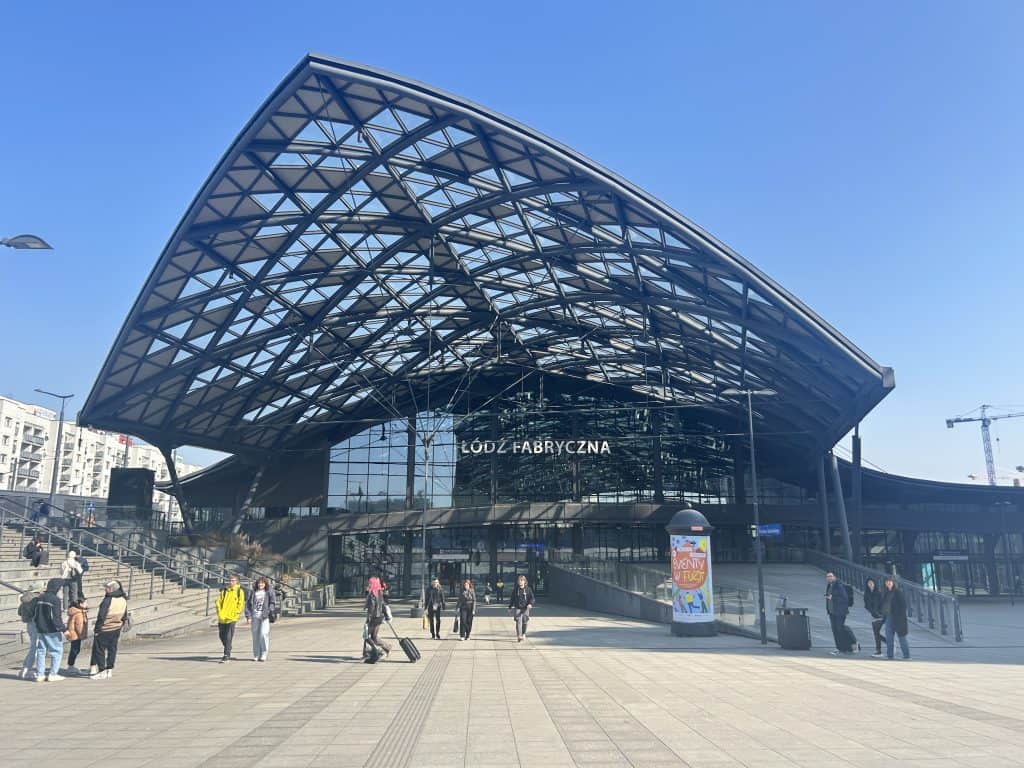
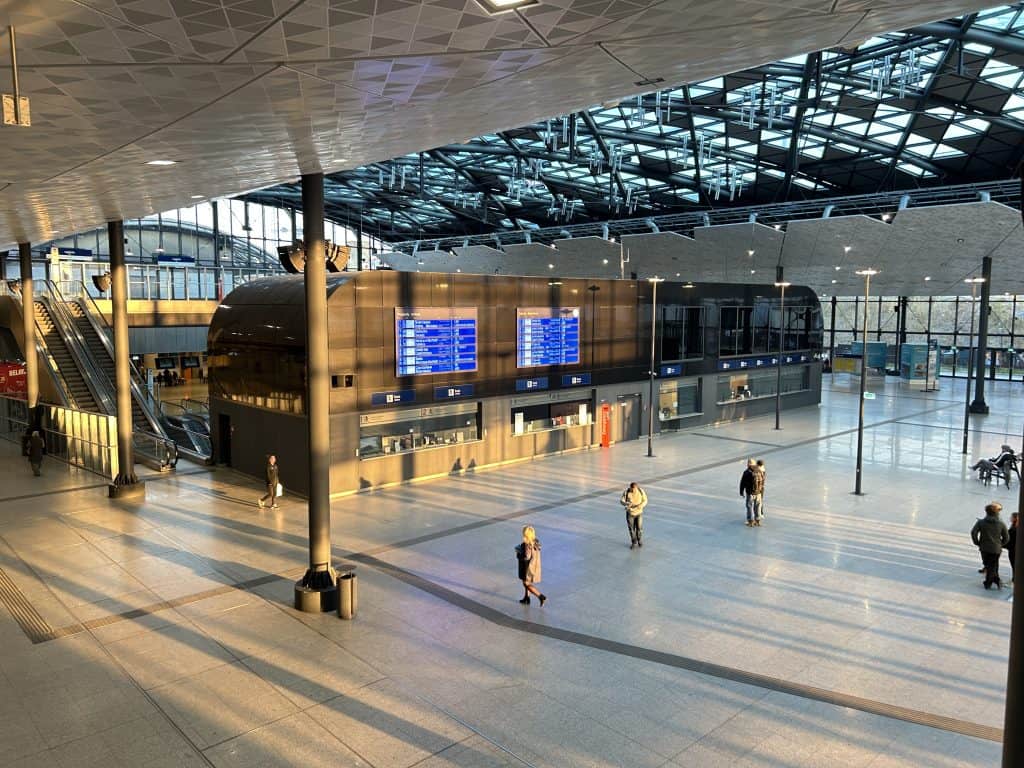
Łódź is a significant railway hub in Poland and has two main train stations. The primary station is Łódź Fabryczna, a large and modern terminal that is partially underground and located near the city center. This station offers high-speed connections to Warsaw and other major cities. The second major station is Łódź Kaliska, which serves as a hub for many regional and intercity connections. The national operator, PKP Intercity, runs frequent trains from all major Polish cities, including Kraków and Wrocław.
Connecting by Bus
Łódź has a large and modern bus station located at the Łódź Fabryczna terminal, fully integrated with the train station. This serves as a major hub for national and international bus services. Numerous companies, including FlixBus, offer frequent direct connections from all major Polish cities like Warsaw, Kraków, and Wrocław. International routes also connect Łódź with various European capitals, such as Berlin and Prague. Bus travel is often a very economical and convenient way to reach the city.
From Warsaw Chopin Airport
For many international visitors, the journey to Łódź will begin at Warsaw Chopin Airport (WAW). From the airport, the connection is very convenient. Travelers can take a train directly from the airport’s train station to Warszawa Zachodnia (Warsaw West) station. From there, it is an easy transfer to one of the frequent intercity trains that run to Łódź Fabryczna. Alternatively, several long-distance bus companies offer direct services from the airport’s bus terminal straight to Łódź. This journey typically takes around two hours, making for a seamless transfer.
Driving Distances
The driving distance from 20 regional cities, according to Google Maps:
- Warsaw, Poland – 136 kilometers (1 h 30 min)
- Częstochowa, Poland – 125 kilometers (1 h 30 min)
- Katowice, Poland – 216 kilometers (2 h 30 min)
- Wrocław, Poland – 215 kilometers (2 h 10 min)
- Kraków, Poland – 250 kilometers (2 h 50 min)
- Poznań, Poland – 210 kilometers (2 h 10 min)
- Lublin, Poland – 304 kilometers (3 h 00 min)
- Gdańsk, Poland – 336 kilometers (3 h 00 min)
- Szczecin, Poland – 475 kilometers (4 h 30 min)
- Ostrava, Czech Republic – 290 kilometers (2 h 50 min)
- Brno, Czech Republic – 485 kilometers (4 h 40 min)
- Bratislava, Slovakia – 600 kilometers (5 h 40 min)
- Prague, Czech Republic – 535 kilometers (5 h 10 min)
- Berlin, Germany – 475 kilometers (4 h 40 min)
- Vienna, Austria – 670 kilometers (6 h 20 min)
- Vilnius, Lithuania – 580 kilometers (7 h 00 min)
- Budapest, Hungary – 700 kilometers (6 h 40 min)
- Copenhagen, Denmark – 845 kilometers (9 h 00 min)
- Kyiv, Ukraine – 865 kilometers (11 h 00 min)
- Amsterdam, Netherlands – 1075 kilometers (10 h 20 min)
Looking to Explore more of Poland and Europe?

This post was first published 2025-06-07 and was updated 2025-07-29