

Holzminden, Lower Saxony | Exploring Germany
Holzminden is a town in southern Lower Saxony, Germany. It is the capital of the Holzminden district. The town is located directly on the Weser River, in the heart of the Weser Uplands (Weserbergland) region. With a population of approximately 20,000 residents, Holzminden serves as a key economic and administrative hub for the surrounding area. It is situated between the hills of the Solling to the east and the Vogler to the north, giving it a scenic natural setting.
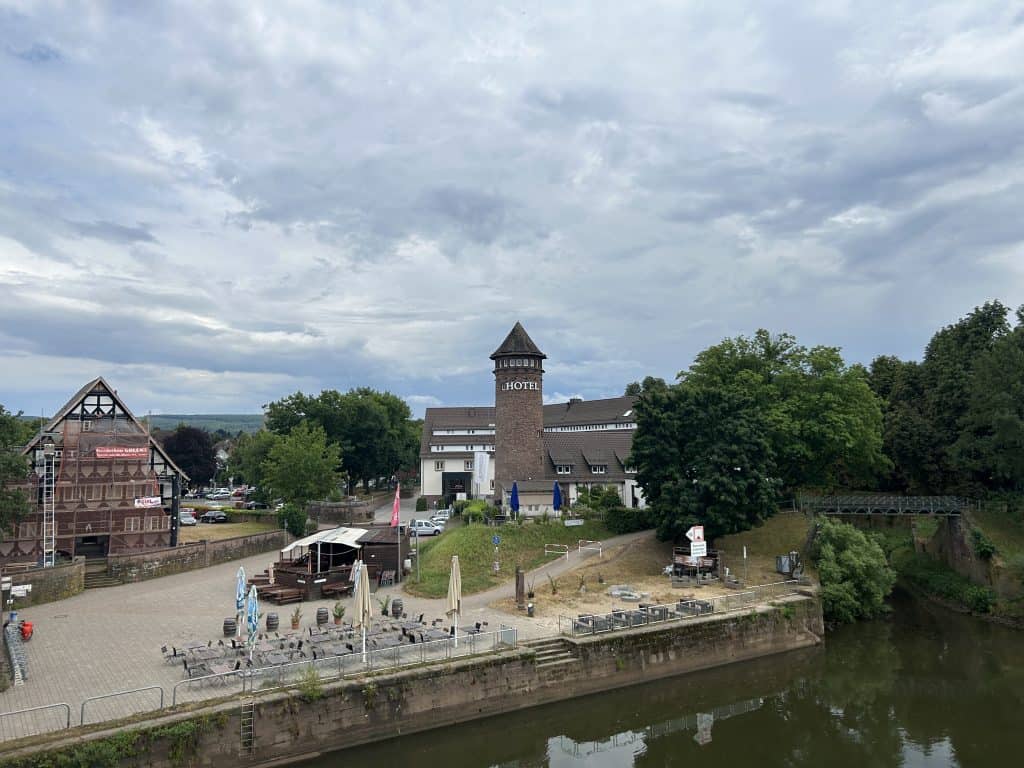
The character of Holzminden is defined by its unique identity as the “City of Scents and Flavours” (Stadt der Düfte und Aromen). This is due to the presence of major international fragrance and flavour companies, most notably Symrise, which is headquartered in the town and is a major global player in the industry. This industrial heritage exists alongside the town’s history as a medieval settlement on the Weser River. The river itself is a key feature of the urban landscape, providing a scenic backdrop and recreational opportunities for residents and visitors.
This specialized industrial identity makes Holzminden distinct among the towns of the Weser Uplands. Its economy is strongly tied to this high-tech sector, which has brought an international dimension to the otherwise traditional German town. The town’s cultural offerings, including a museum dedicated to scents, are also linked to this heritage. This combination of a historic riverside location and a world-leading modern industry gives the city its specific character.


A Short History of Holzminden
The history of Holzminden is that of a medieval river settlement that evolved into an industrial center with a highly specialized global industry. For centuries, its development was tied to its location on the Weser River and its association with the powerful Corvey Abbey. The founding of the fragrance industry in the 19th century was a pivotal moment that reshaped the town’s economy and gave it its unique modern identity. This story reflects the transition from a traditional German town to a center of international business, driven by scientific innovation.
Medieval Origins
The history of settlement in the Holzminden area dates back to the early Middle Ages. The town of Holzminden itself grew from a small settlement that was associated with the nearby Imperial Abbey of Corvey. The first mention of the town in historical documents dates to the 9th century. During the Middle Ages, it developed as a small market town and a river crossing point on the Weser. Its economy was based on fishing, agriculture, and local crafts, particularly pottery.
The town’s location on the river made it a point of strategic importance for the rulers of the region. It was part of the territory of the Counts of Everstein before coming under the control of the House of Welf (Braunschweig-Lüneburg). The town was granted town rights in the 13th century, which formalized its status. It remained a small but important regional center throughout the medieval period.
An Industrial Town
The town’s development accelerated in the early modern period. It became known for its ironworks and its role in processing the natural resources of the surrounding Weser Uplands, particularly the timber from the Solling forests. By the 17th century, it was a significant center for iron processing in the region. The town also had a history of shipbuilding for the river trade on the Weser. The river was the primary means of transport for its industrial products.
The arrival of the railway in the 19th century further spurred its industrial growth, connecting it more efficiently to the wider German market. This period saw the establishment of new industries. The most significant of these would be the one that would come to define the town’s modern identity. This set the stage for its transformation into a specialized industrial hub.
The City of Scents
The most significant event in the town’s modern history came in 1874. This was the year that the chemists Ferdinand Tiemann and Wilhelm Haarmann founded a factory here. They were the first in the world to successfully synthesize vanillin from coniferin, a substance found in pine bark. This company, which became Haarmann & Reimer, was the foundation of the town’s fragrance and flavour industry.
The company grew into a global leader in the field. Other related companies were also founded in the town. This industry has dominated the town’s economy for over a century. The original Haarmann & Reimer company later merged with a competitor to become the modern corporation Symrise, which is still headquartered in Holzminden. This has given the town its unique identity as the “City of Scents and Flavours.”


Things to Do and See
The sights in Holzminden are primarily focused on its unique heritage as the “City of Scents and Flavours” and its location on the Weser River. The main attractions include a museum dedicated to this industry, a historic building from the Weser Renaissance, and the scenic riverfront. These sights offer a look into the specific industrial and cultural history that has shaped the town.
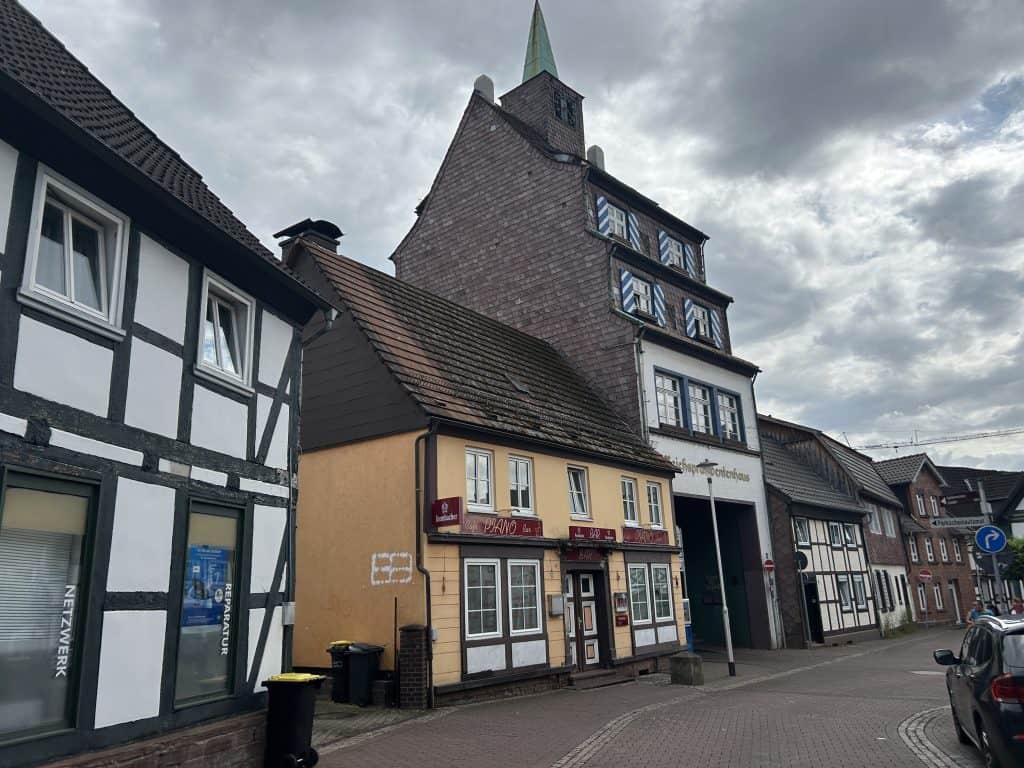
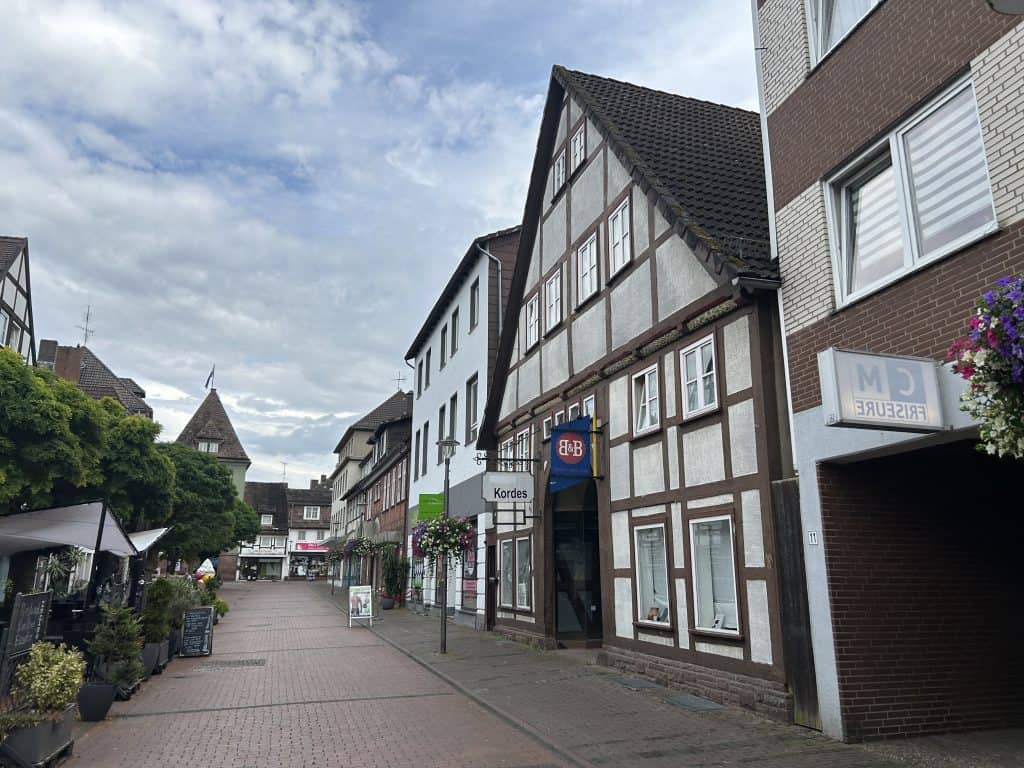
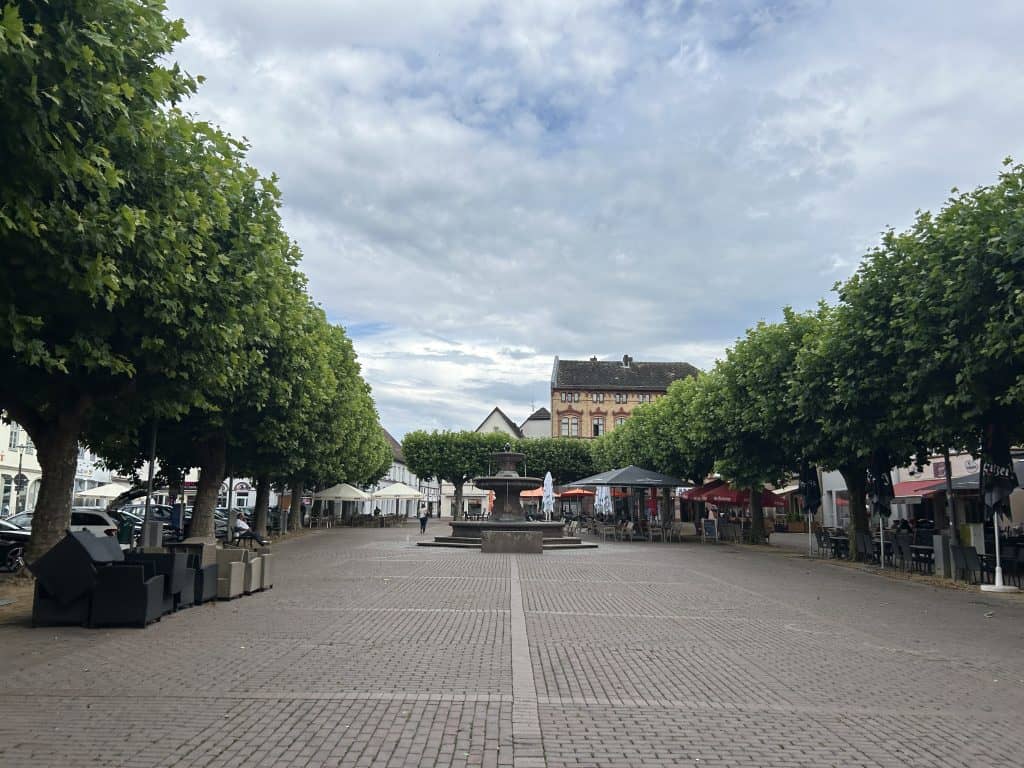
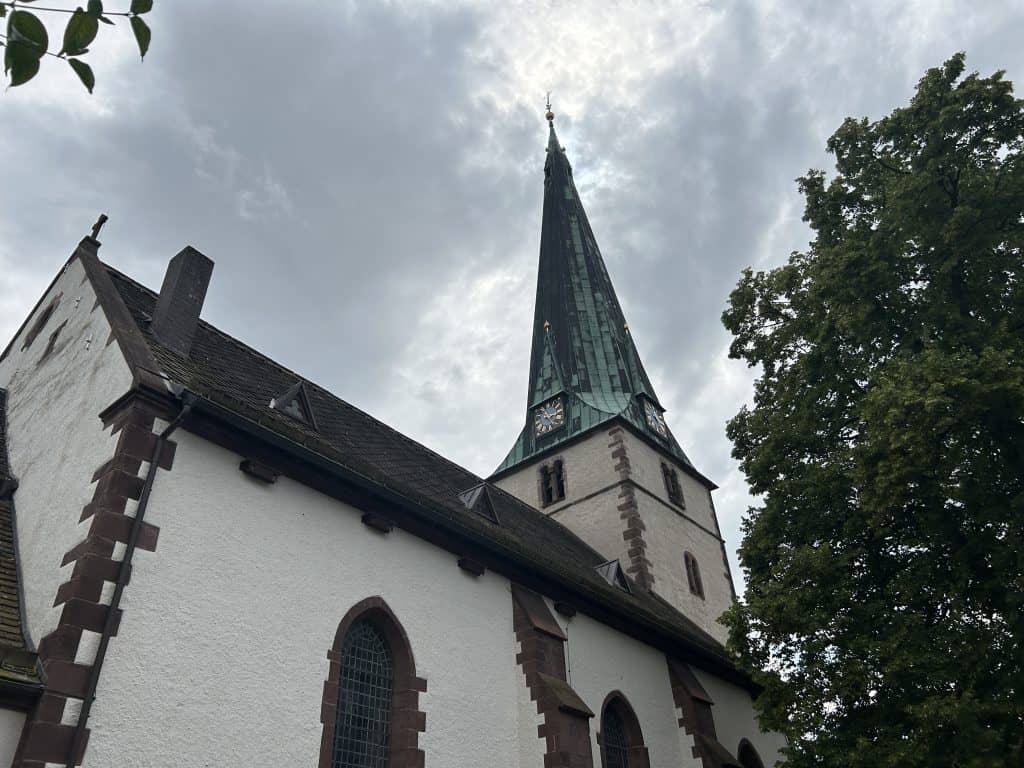
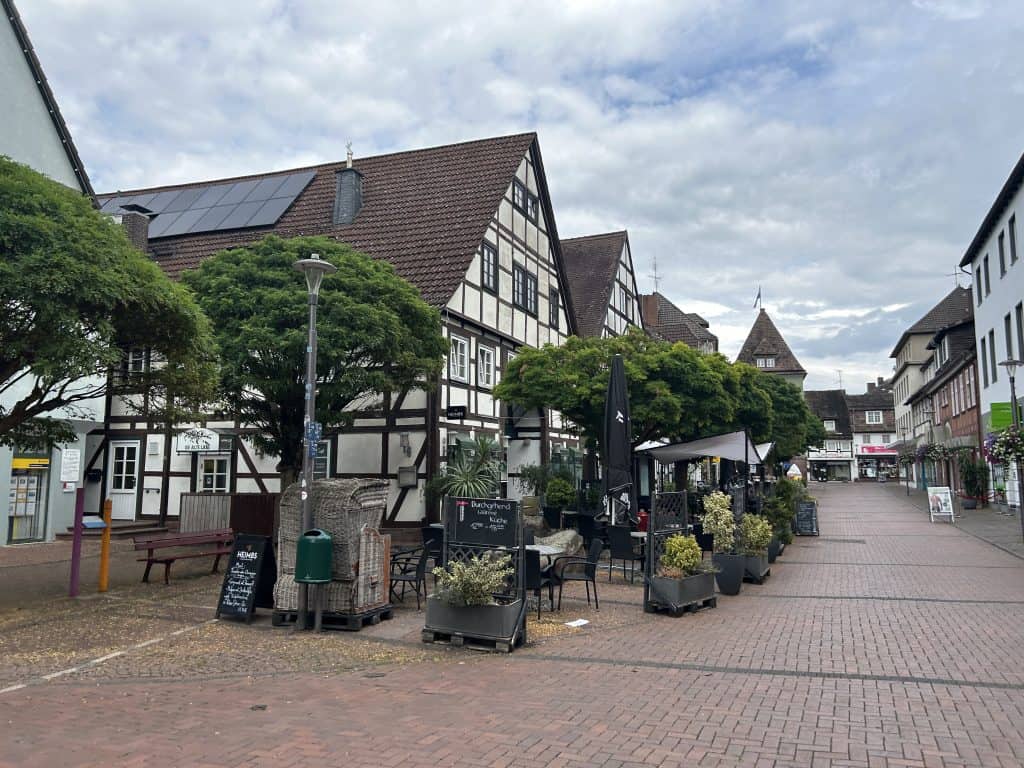
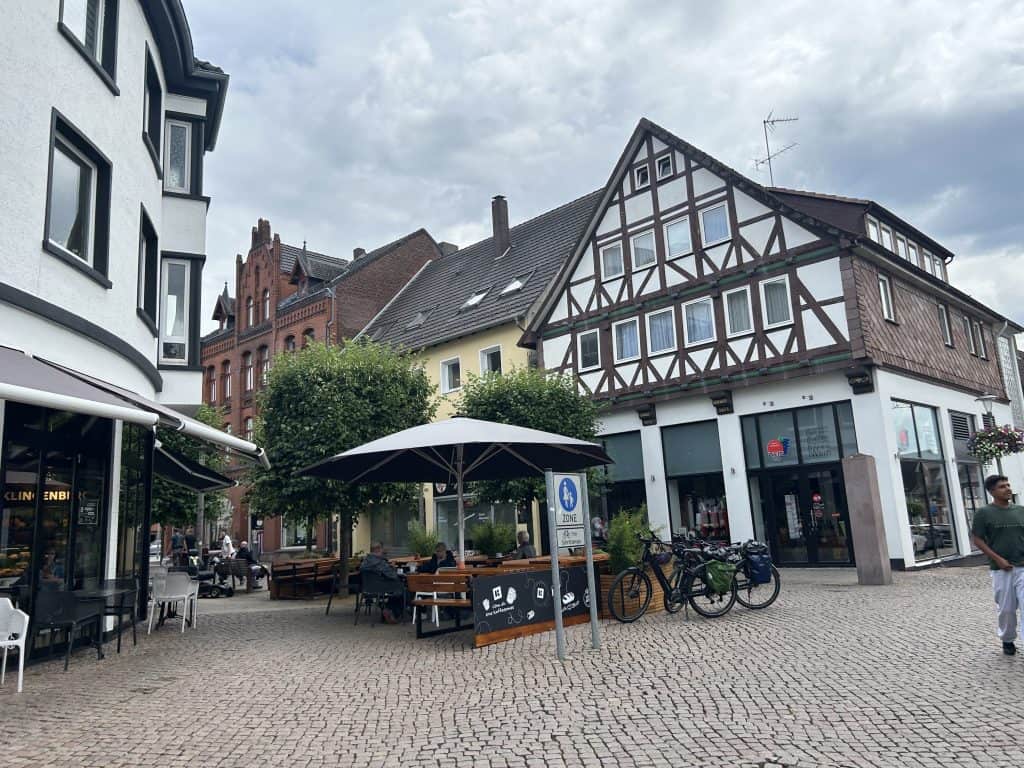
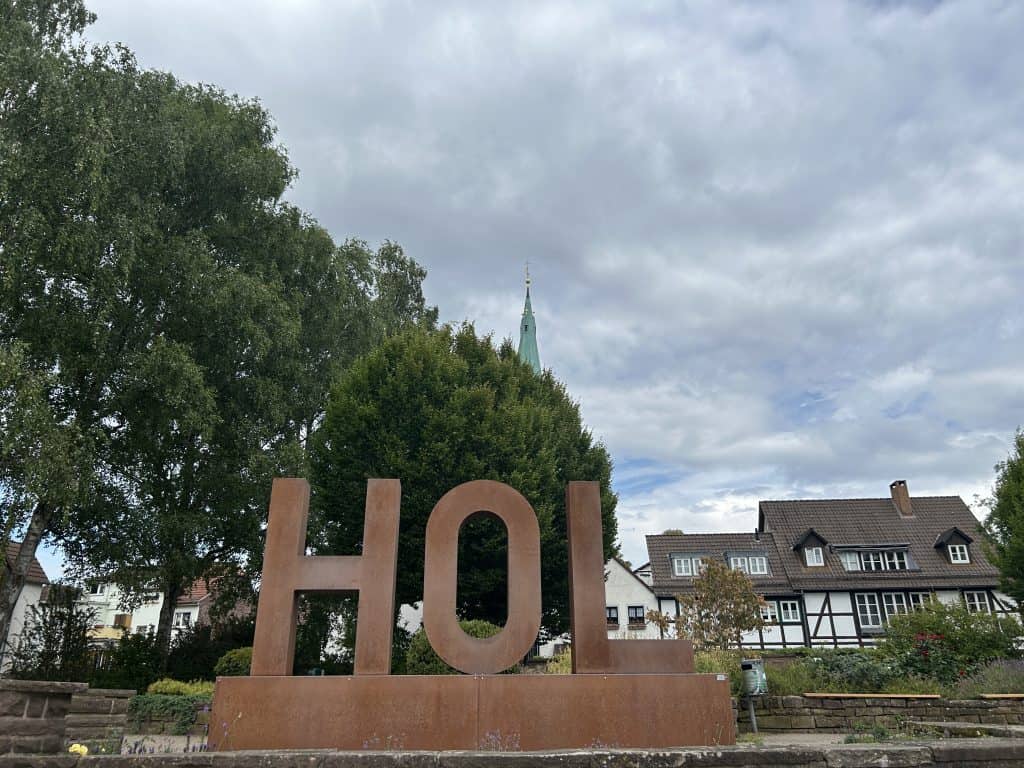
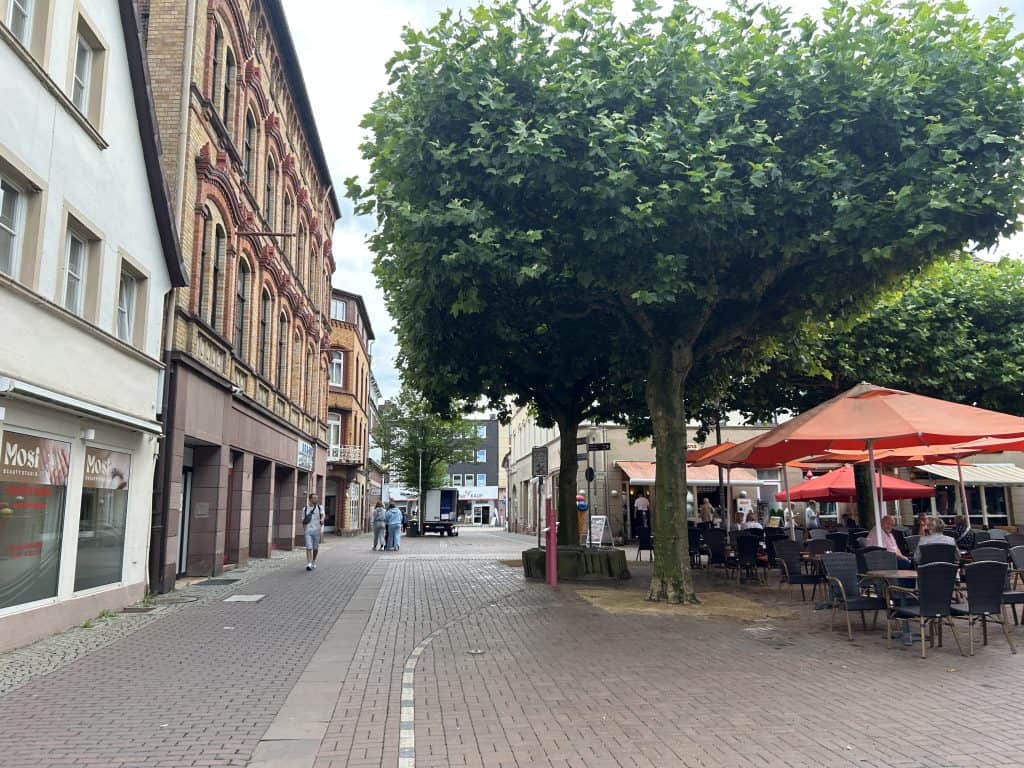
The town center itself is a key point of interest, with its market square and historic buildings. The Weser River provides a natural backdrop and is a center for recreation. The town has also embraced its “scent” identity with unique public installations. A visit to Holzminden provides an experience that is different from the other historic towns in the Weser Uplands region.
International World of Scents and Flavours
The International World of Scents and Flavours (Duft- und Aromenmuseum) is the town’s main museum. It is located in the historic town center. The museum is dedicated to the history and science of the fragrance and flavour industry, which is central to the town’s identity. The exhibitions explore how scents and tastes are created and used in products around the world. It provides a detailed look into the history of the companies, like Haarmann & Reimer, that were founded in Holzminden. The museum offers an interactive experience for visitors, including “scent stations” where you can test your sense of smell.
The Scent Markers
A unique feature of the town is its series of scent markers (Duftstelen). These are located at 16 different points of interest throughout the town center. Each marker is a small column that releases a specific scent related to the history or character of its location. This creates a sensory walking tour of the town. For example, a marker near a historic coffee house might release the scent of coffee. The scents are connected to the products developed by the local fragrance industry. It is a unique way to experience the town’s primary heritage.
Tilly House
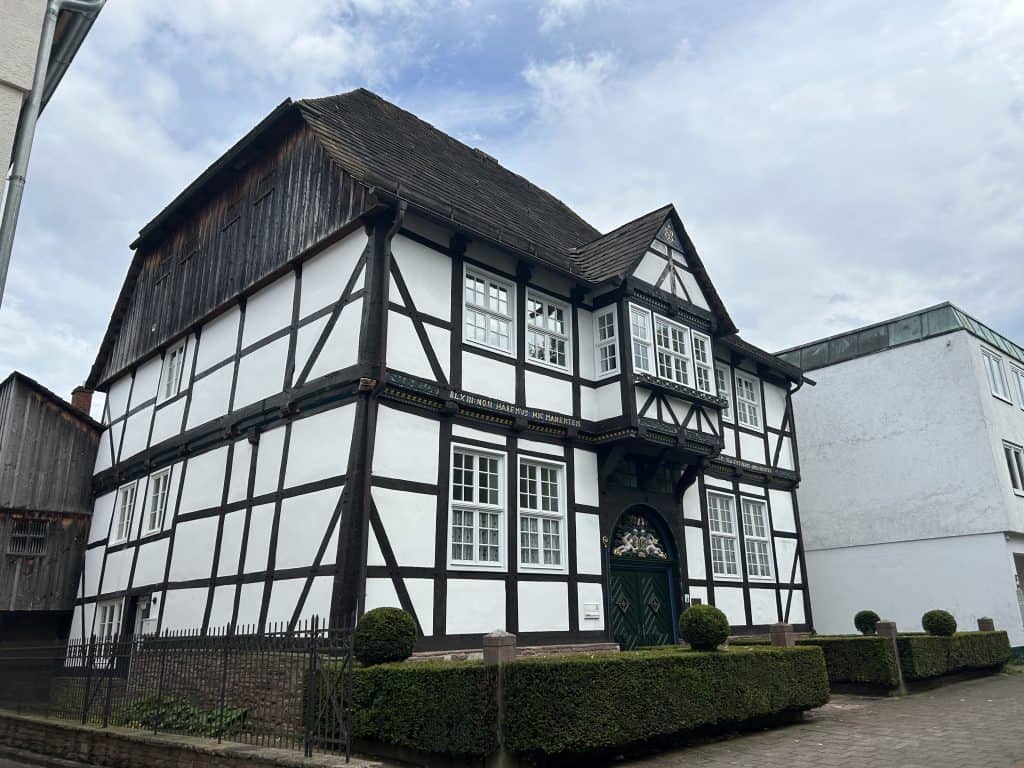
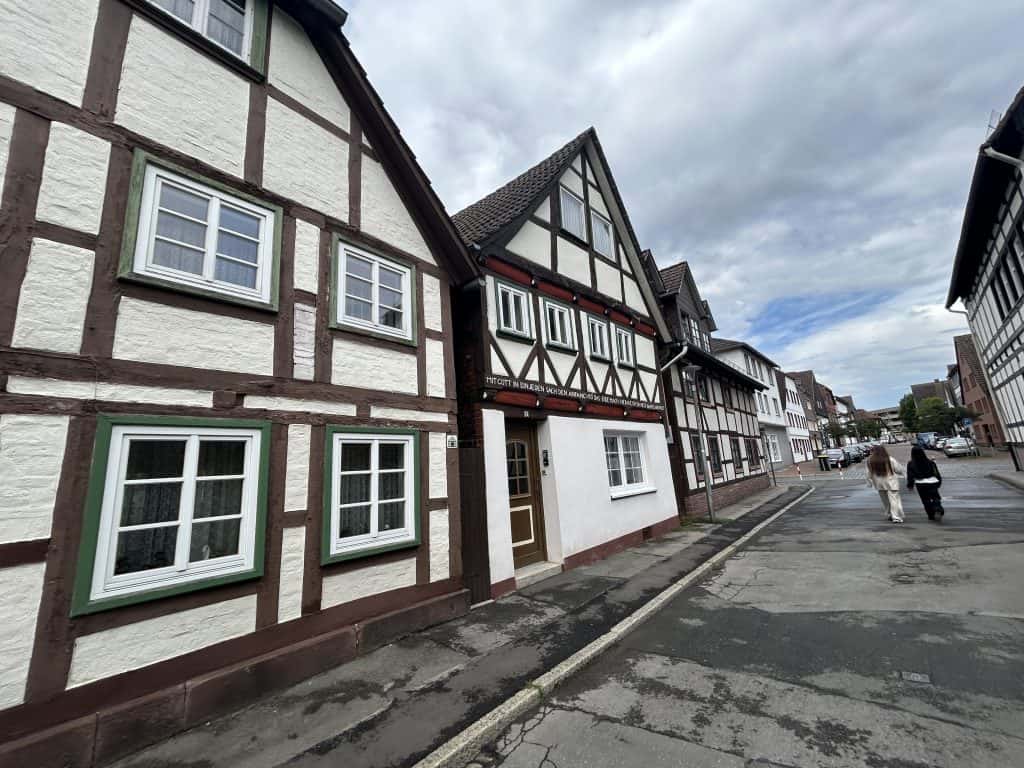
The Tilly House (Tillyhaus) is one of the most important historic buildings in Holzminden. It is a large, well-preserved half-timbered house from the Weser Renaissance period, built in 1609. The building is named after Johann Tserclaes, Count of Tilly, the commander of the Catholic League’s forces, who is said to have stayed here during the Thirty Years’ War. The house features intricate wood carvings on its facade. It stands as a key example of the historic architecture of the Weser Uplands region and is located on the main market square.
The Weser Riverfront
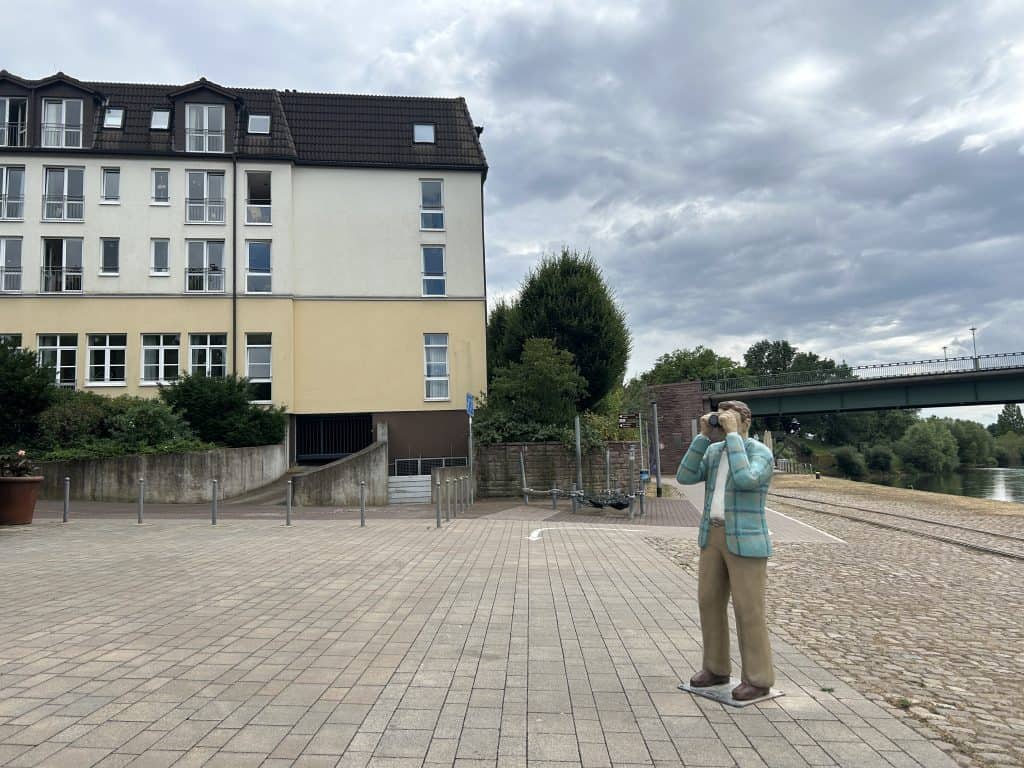
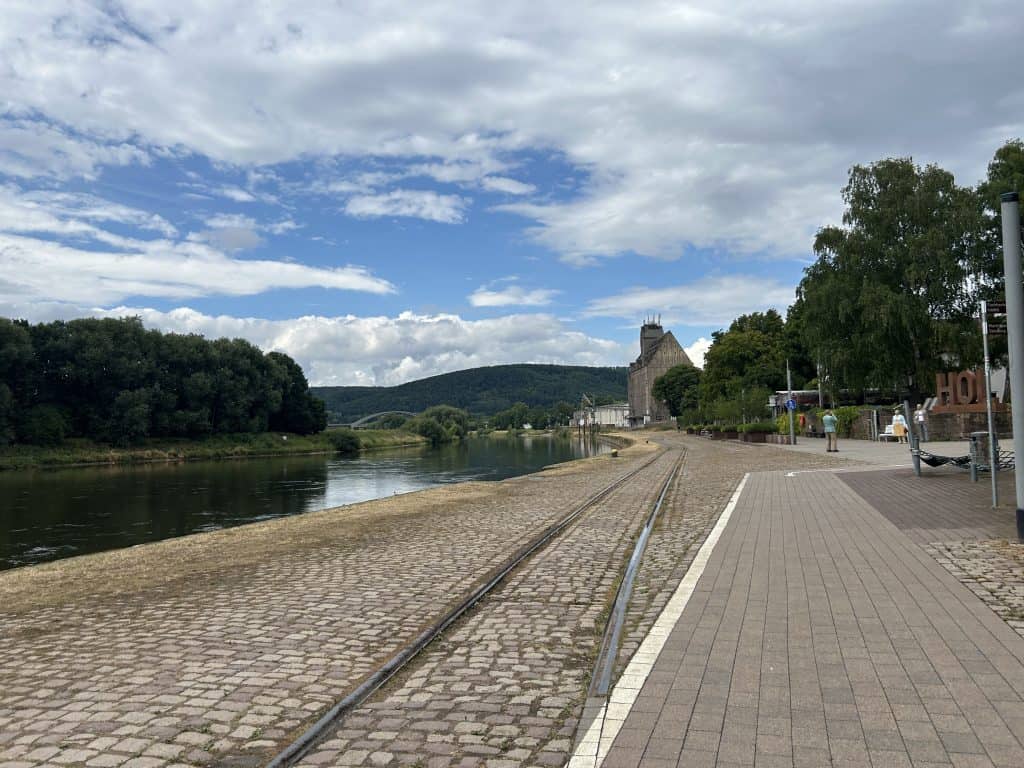
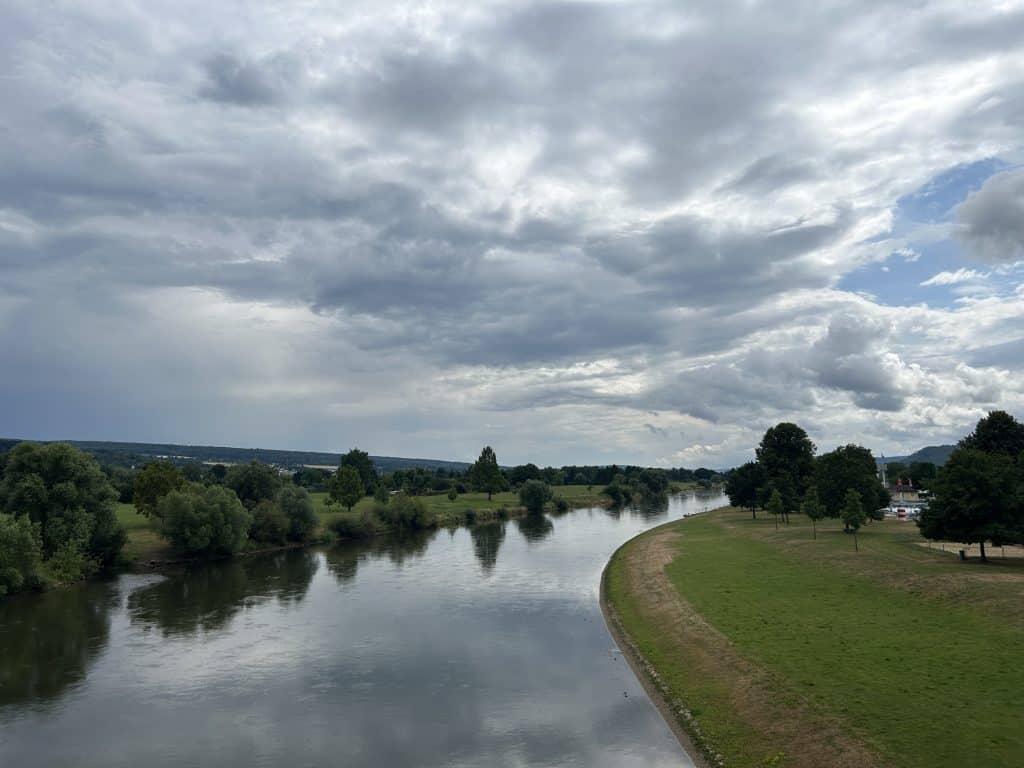
The Weser Riverfront is a key feature of the town. A promenade runs along the bank of the river, providing a pleasant route for walking and cycling. The riverfront offers views of the Weser and the hills of the Solling on the opposite bank. The river is an active waterway, with both commercial traffic and recreational boats. The promenade connects the historic old town with the newer parts of the city. It is a central part of public life in the town, especially during the summer.
Weser Cycle Path
The Weser Cycle Path (Weser-Radweg) is one of Germany’s most popular long-distance cycle routes. The path runs for approximately 500 kilometers along the Weser River, from its source to its mouth at the North Sea. The route passes directly through the town of Holzminden, following the riverbank. This makes the town a common stopping point for cyclists who are touring the region. The path is well-maintained and relatively flat in this section, making it suitable for all levels of cyclists. It is a key part of the region’s tourism infrastructure.


Sports in Holzminden
The sporting life in Holzminden is focused on its local community clubs and the recreational activities offered by its location on the Weser River. The town has a strong tradition in several team sports, with football and rowing clubs that are a key part of the social fabric and have long histories in the region. The city’s main sports facilities, such as the Liebigstadion, serve as important hubs for both training and competition. These organized sports provide a focal point for local identity and community engagement. The clubs are particularly important for their extensive youth development programs, which offer athletic opportunities to hundreds of young people in the area. This creates an active environment for both participants and spectators throughout the year.
Beyond the organized club sports, the town’s natural setting in the Weser Uplands is a primary asset for recreation. The Weser River is a central arena for water sports, particularly rowing, which has been a traditional activity here for over a century. The surrounding hills of the Solling and Vogler ranges provide an extensive network of trails for hiking and mountain biking. The popular Weser Cycle Path also runs directly through the town, making it a key stop for long-distance cyclists. This blend of structured club sports and accessible outdoor activities defines the active lifestyle in Holzminden.
Football
Football is the most popular and widely followed sport in Holzminden, as it is throughout Germany. The local club has a long history and is an important part of the community. It provides a platform for local players and fosters a strong sense of local identity, particularly during home matches. The club’s activities, especially its large youth department, are central to the social life of the town. The sport is played at various levels, from casual games in local parks to organized league competitions for the main club.
SV 06 Holzminden
The town’s main football club is SV 06 Holzminden. The club was founded in 1906 and has a long and continuous history in German amateur football. They have had periods of competing at higher levels of the amateur system, including seasons in the Oberliga, which was formerly one of the highest tiers of amateur football in Germany. The team plays its home games at the Liebigstadion, a multi-purpose stadium in the town. The club is a key institution for the community, with a significant youth development program that provides training for numerous teams across all age categories.
Rowing
The location of Holzminden on the Weser River makes it an ideal center for rowing. The town has a historic rowing club that is a key part of the local sports scene. This club has been active for over a century, contributing to the strong tradition of water sports on this major German river. The wide and relatively calm waters of the Weser provide an excellent venue for both recreational and competitive rowing. The club is a social hub for its members and hosts events along the riverfront.
Ruderverein Holzminden
The local rowing club is the Ruderverein Holzminden von 1912. The club has a long history, having been founded in 1912. It has its own clubhouse and facilities located directly on the banks of the Weser. The club provides training and facilities for rowers of all ages and skill levels, from beginners to competitive athletes who participate in regional and national regattas. It is a key institution for water sports in the city and contributes to the active life on the river. The club’s activities are a visible part of the town’s riverfront scene during the warmer months.
Handball
Handball is another popular indoor sport in Germany, with a strong presence in many towns, including Holzminden. The sport is supported at the community level by a local multi-sport club. This provides an important athletic outlet for residents, especially during the winter months when outdoor sports are less accessible. The club offers teams for various age groups and competes in the regional league system.
MTV 49 Holzminden
The main club offering handball in the town is MTV 49 Holzminden. This is a large multi-sport association (Männerturnverein) that was founded in 1849. Its handball section is a key part of the club. The teams compete in the regional leagues of the Lower Saxony Handball Association. They play their home games at local sports halls in the town. The club is important for the grassroots development of the sport in the region.



Getting Around in Holzminden
Navigating the town of Holzminden is straightforward. The town center is compact and can be easily explored on foot. For travel to the surrounding areas, a network of regional buses and a train line provide public transport options. The town’s layout is well-suited for walking and cycling, especially along the riverfront. The main transport hubs are located centrally, making them easy to access.
On Foot: The Town Center
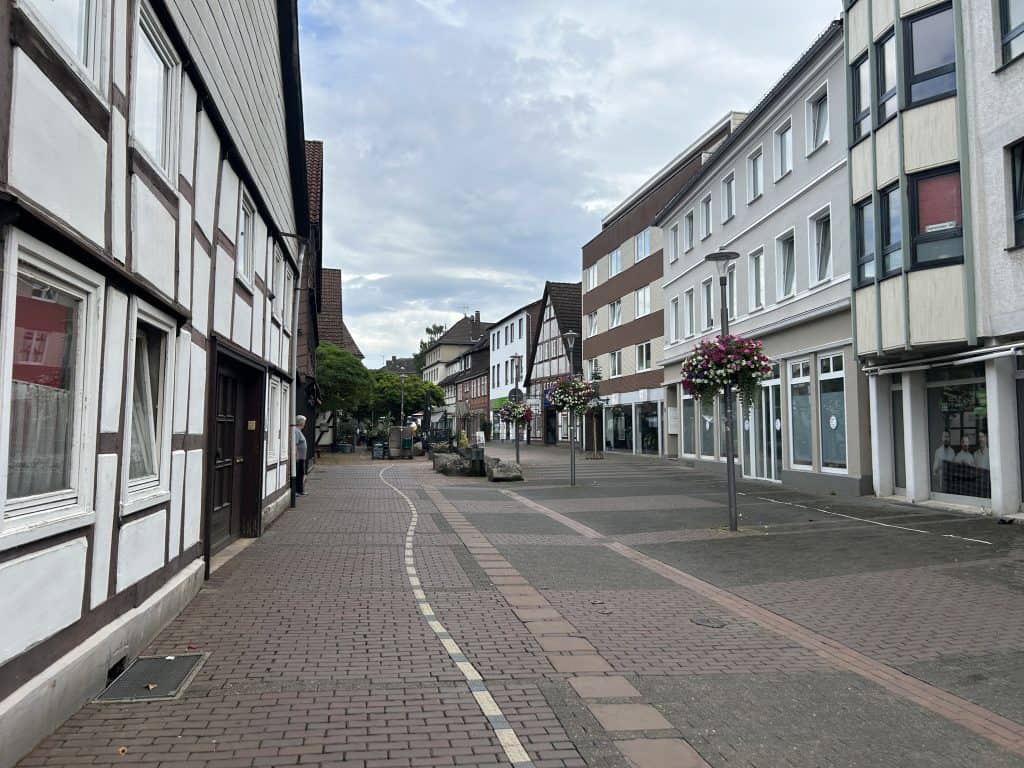
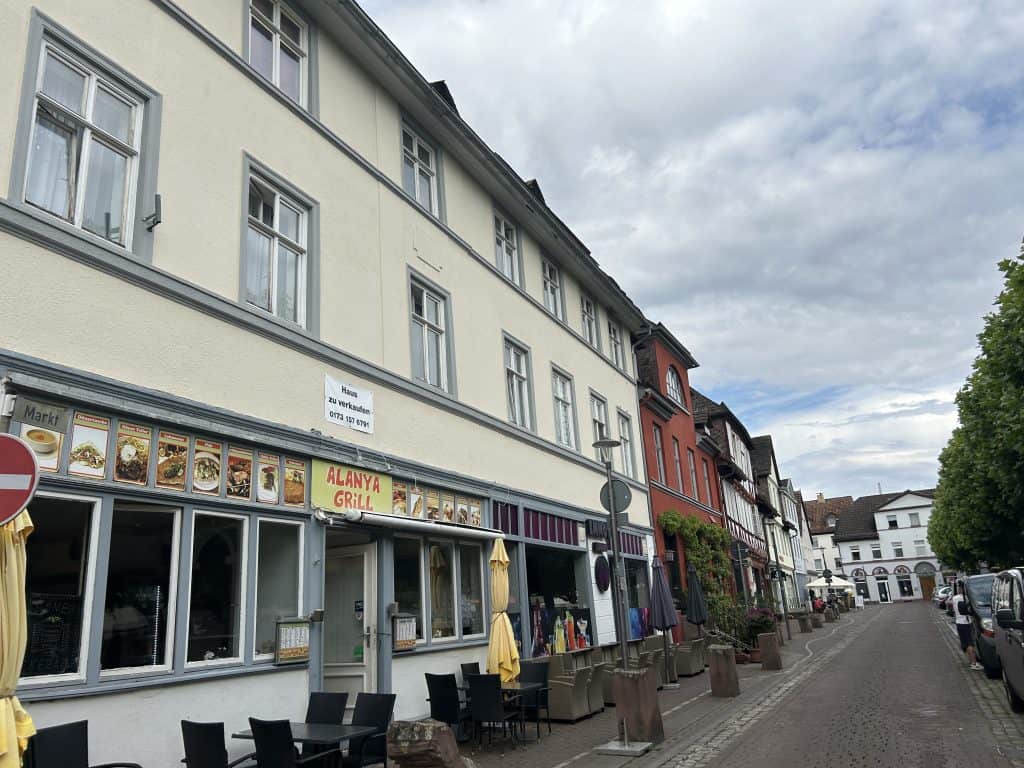
Walking is the best way to explore the central part of Holzminden. The main shopping streets, the historic market square, and the riverfront promenade are all within a short walking distance of each other. This allows visitors to see the architecture and access local shops and cafes on foot. The flat terrain of the town center makes it very accessible. Comfortable shoes are recommended for exploring the historic areas.
On Two Wheels: Cycling
Cycling is a popular way to get around Holzminden and its surroundings. The Weser Cycle Path runs directly through the town, providing a safe and scenic route for both local travel and long-distance touring. The relatively flat terrain of the river valley makes the area very suitable for cycling. Bike rentals are available in the town for visitors who wish to explore the region on two wheels. The local road network also provides many options for road cycling in the Weser Uplands.
Local Buses and Trains
The public transport in the region is operated by the Verkehrsverbund Süd-Niedersachsen (VSN). A network of regional buses connects Holzminden with the surrounding villages and towns. The town also has a train station that is served by a regional railway line. This provides a direct connection to the city of Paderborn in North Rhine-Westphalia and to Kreiensen, where there are connections to the wider German rail network. The bus and train stations are located near each other.


How to Get to Holzminden
Reaching Holzminden requires travel to the Weser Uplands region in southern Lower Saxony. The town is accessible by road and regional rail. Its location in the heart of Germany makes it reachable from several major metropolitan areas. A car is often the most flexible option for exploring the surrounding rural region.
The Open Road: Driving the Weser Valley
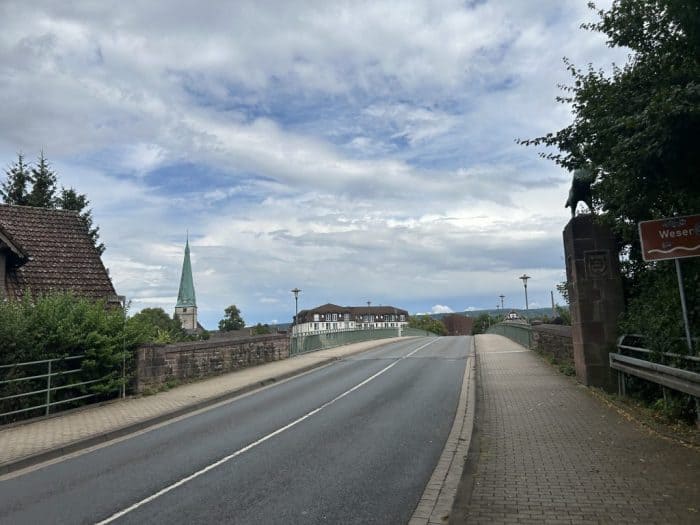
Driving is a common and practical way to reach Holzminden. The town is located on several major federal roads (Bundesstraßen), including the B64, B83, and B497. These roads connect to the German motorway network (Autobahn). The A7 motorway is located to the east, and the A44 motorway is to the west. A car provides flexibility for exploring the surrounding Weser Uplands, which is a popular tourist region.
Arriving by Air: Paderborn and Hanover
The closest airport with some international connections is Paderborn Lippstadt Airport (PAD). It is located approximately 70 kilometers to the west of Holzminden. The closest major international airport is Hanover Airport (HAJ), about 85 kilometers to the northeast. From either of these airports, a rental car or a combination of train and bus services is required to complete the journey to Holzminden.
On Track: A Journey by Rail
Traveling to Holzminden by train is an efficient option. The Holzminden station is located on the Altenbeken–Kreiensen railway line. This regional line connects the cities of Paderborn and Kreiensen. The line is served by the RB 84 regional train service, “The Egge-Bahn,” which is operated by the NordWestBahn railway company. From Paderborn or Kreiensen, there are connections to the wider German high-speed and regional rail networks.
Connecting by Coach
There are limited direct long-distance bus services to the small town of Holzminden. Travel by coach would typically involve taking a service from a company like FlixBus to a larger nearby city, such as Göttingen or Paderborn. From these cities, travelers would then need to transfer to a regional train service to complete the journey to Holzminden. This can be an economical option for travel within Germany.

Driving Distances
The driving distance from 10 regional cities, according to Google Maps:
- Paderborn, Germany – 55 kilometers (1 h 00 min)
- Hanover, Germany – 86 kilometers (1 h 20 min)
- Dortmund, Germany – 176 kilometers (2 h 00 min)
- Hamburg, Germany – 242 kilometers (2 h 40 min)
- Cologne, Germany – 263 kilometers (3 h 00 min)
- Frankfurt, Germany – 274 kilometers (3 h 10 min)
- Berlin, Germany – 354 kilometers (3 h 40 min)
- Amsterdam, Netherlands – 384 kilometers (4 h 10 min)
- Luxembourg City, Luxembourg – 419 kilometers (4 h 50 min)
- Brussels, Belgium – 464 kilometers (4 h 50 min)
Looking to Explore more of Germany and Europe?