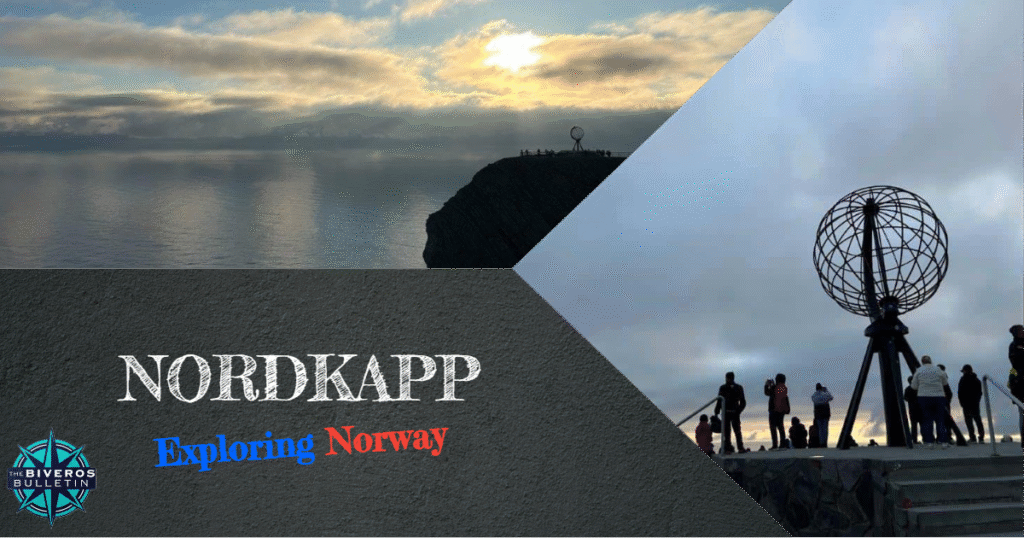
Nordkapp, Vest-Finnmark | Exploring Norway
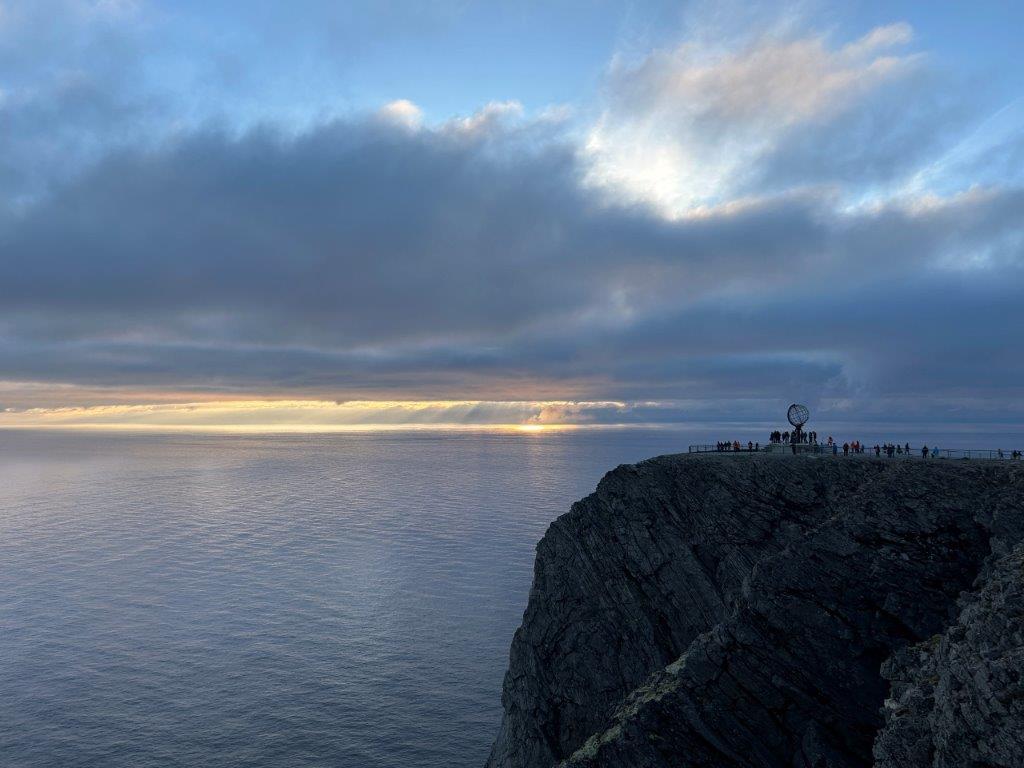
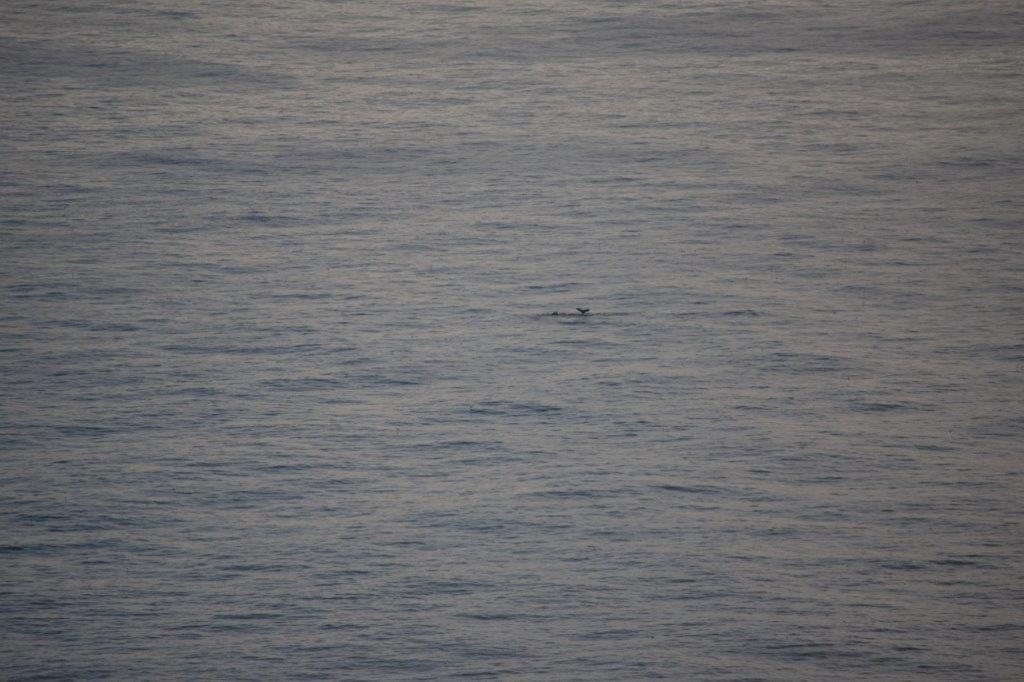
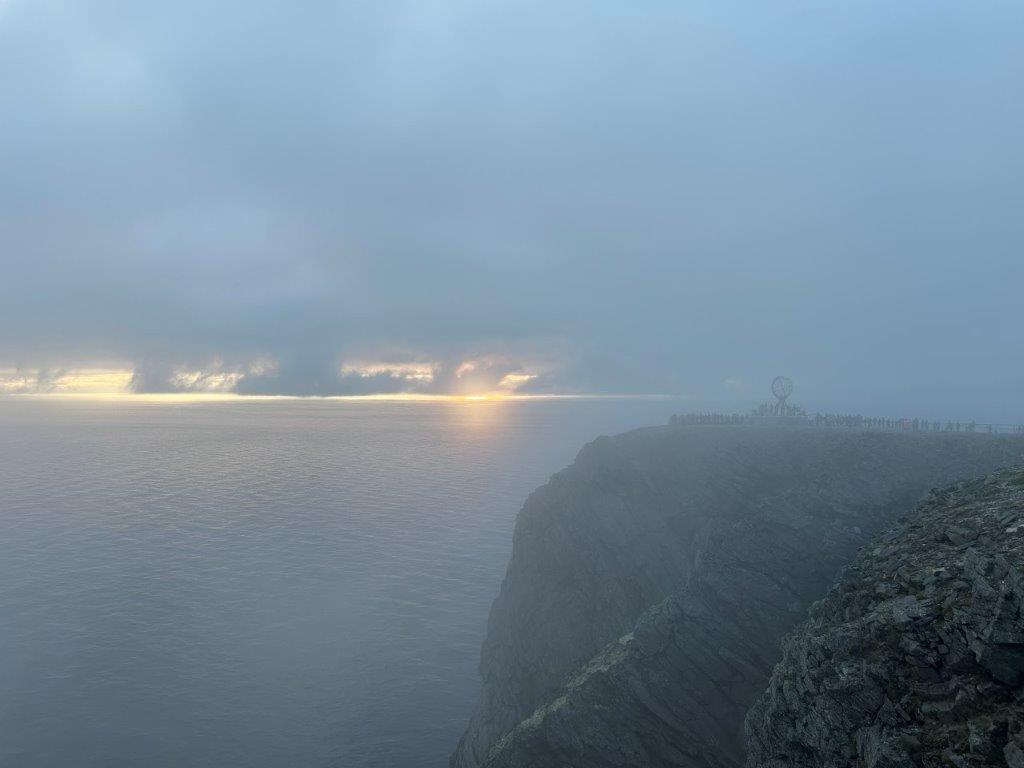
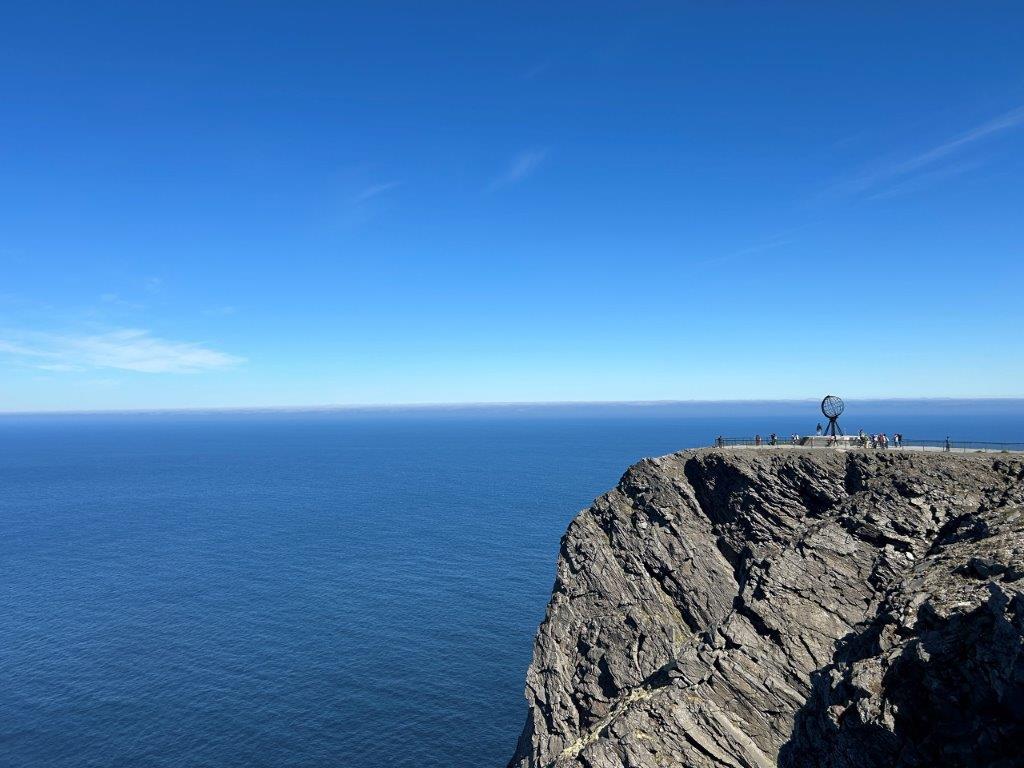
Nordkapp, or the North Cape, is a majestic and dramatic headland on the northern coast of the island of Magerøya in Finnmark county, Norway. Rising 307 meters from the tumultuous waters where the Atlantic and Arctic Oceans meet, this iconic cliff is widely celebrated as the northernmost point of mainland Europe. It is a destination that draws adventurers, sightseers, and nature enthusiasts from across the globe. As well as a the occasional pack of whales playing in the bay.
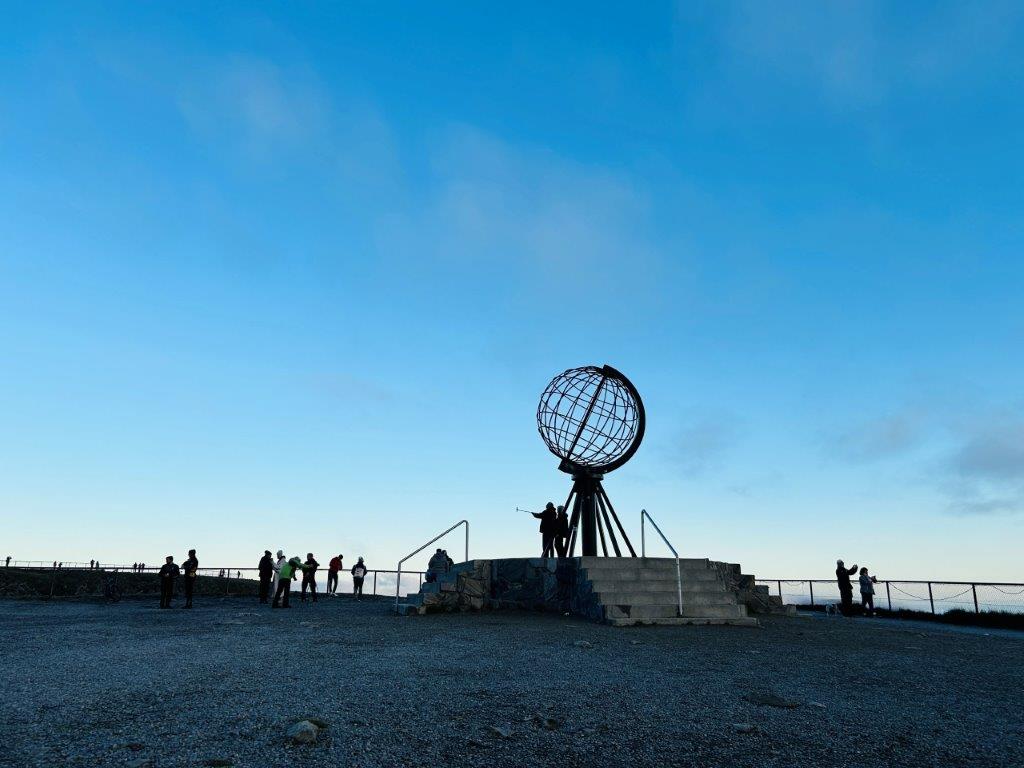
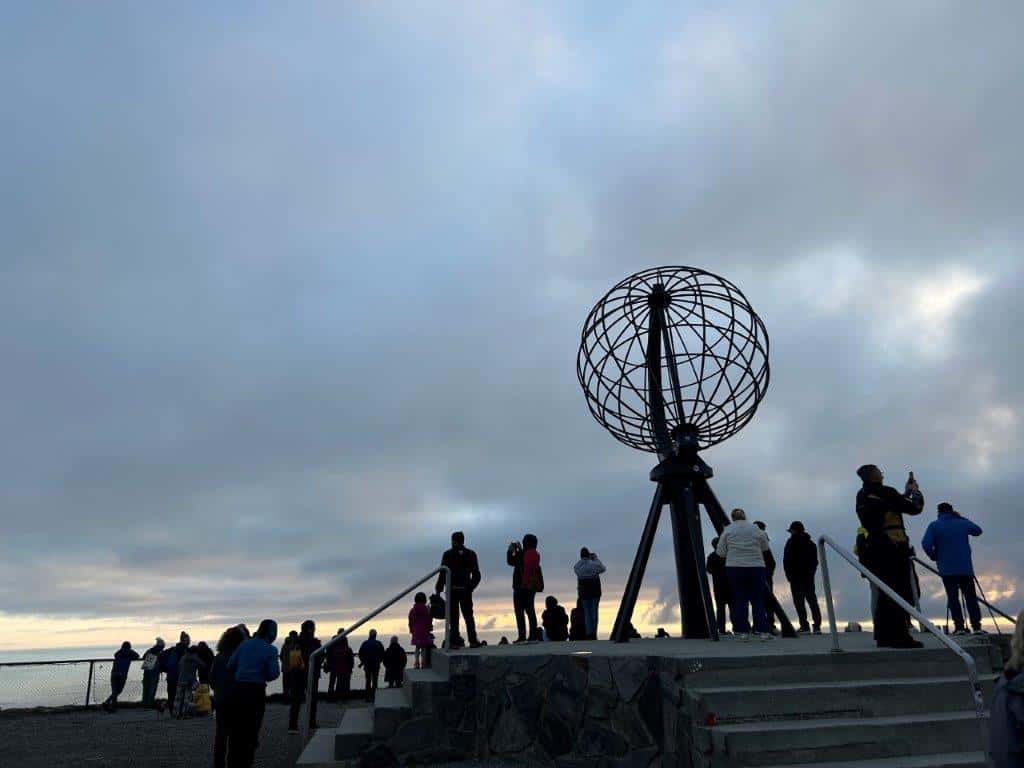
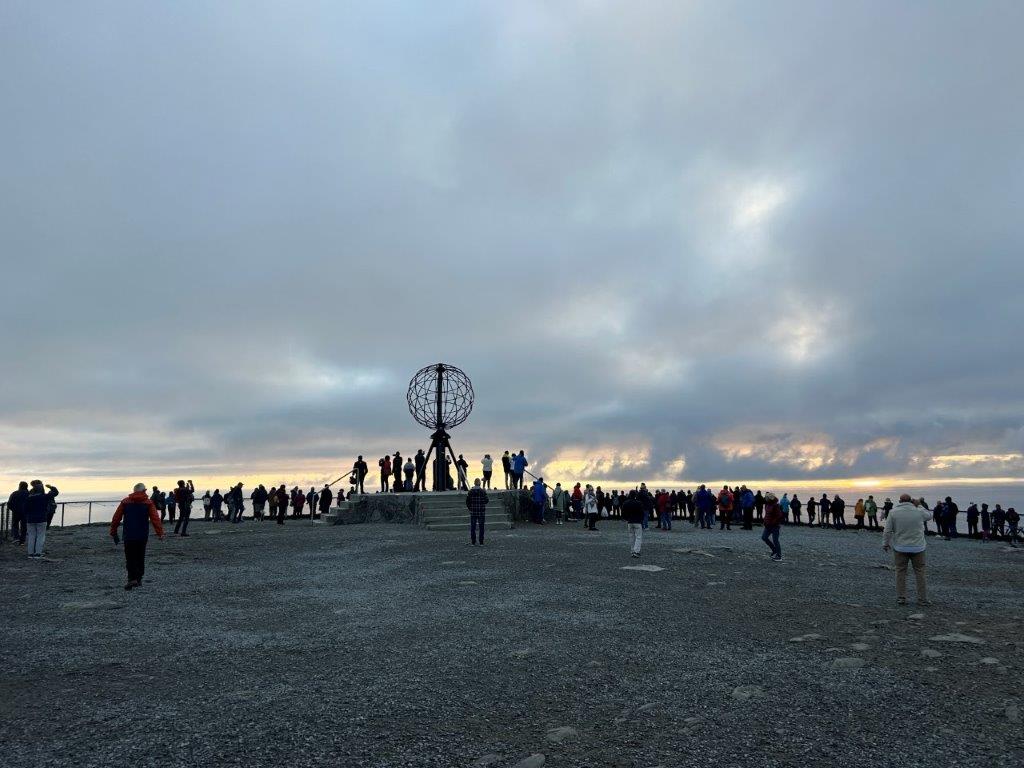
While the neighboring point of Knivskjellodden, a short hike away, technically extends about 1,450 meters further north, it is the dramatic cliff-face and expansive plateau of Nordkapp that have captured the world’s imagination. A monumental globe sculpture at the cliff’s edge has become a powerful symbol of this remote and beautiful outpost.



A Short History of Nordkapp
The striking cliff of Nordkapp held deep spiritual significance for the coastal Sámi people long before the first European explorers charted these waters. They viewed it as a sacred site. Its modern history began in 1553 when the English explorer Richard Chancellor named the imposing headland “North Cape”. He was initially on another mission, commanding a vessel in search of the Northeast Passage to Asia
For centuries, reaching this remote outpost was an arduous undertakin that was reserved for the most determined fishermen or the hardiest of travelers. It wasn’t until the late 19th century, with the advent of steamship travel that the cape became more accessible. A visit from King Oscar II of Sweden and Norway in 1873 is seen as the beginning of Nordkapp’s transformation into a tourist destination. A humble champagne pavilion was erected to commemorate the king’s visit. It also marked the dawn of tourism at the top of the world.
The 20th century cast a darker shadow, as the strategic importance of the Arctic seas made the cape a silent witness of war. The naval Battle of the North Cape in 1943 was a brutal and decisive confrontation of the Second World War between Allied navies and the German Kriegsmarine. The battle saw an allied victory and the sinking of the German battleship Scharnhorst.
Today, the remnants of history live on, whispering tales of exploration, royalty, and conflict on the Arctic winds.
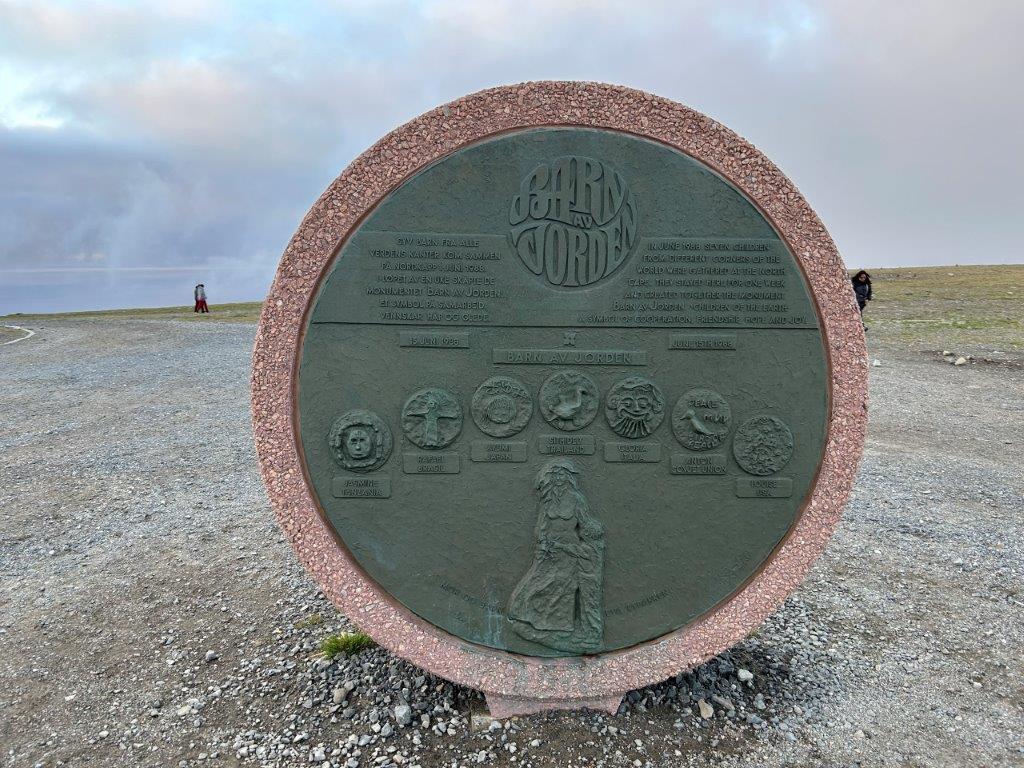

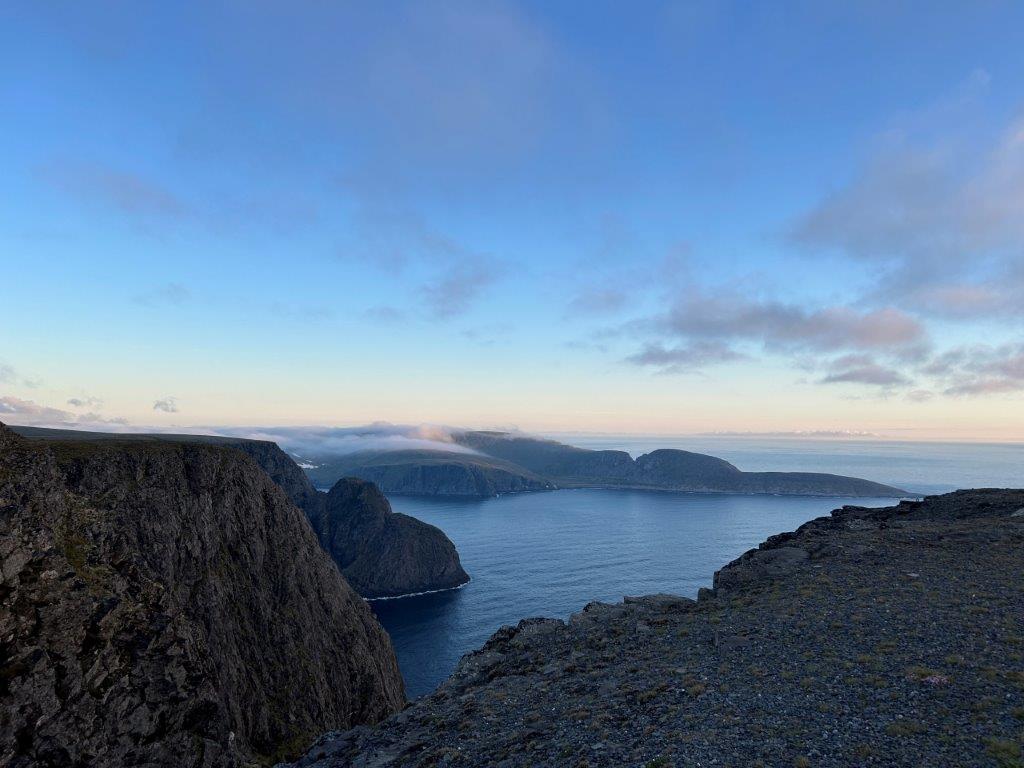
Things to Do and See
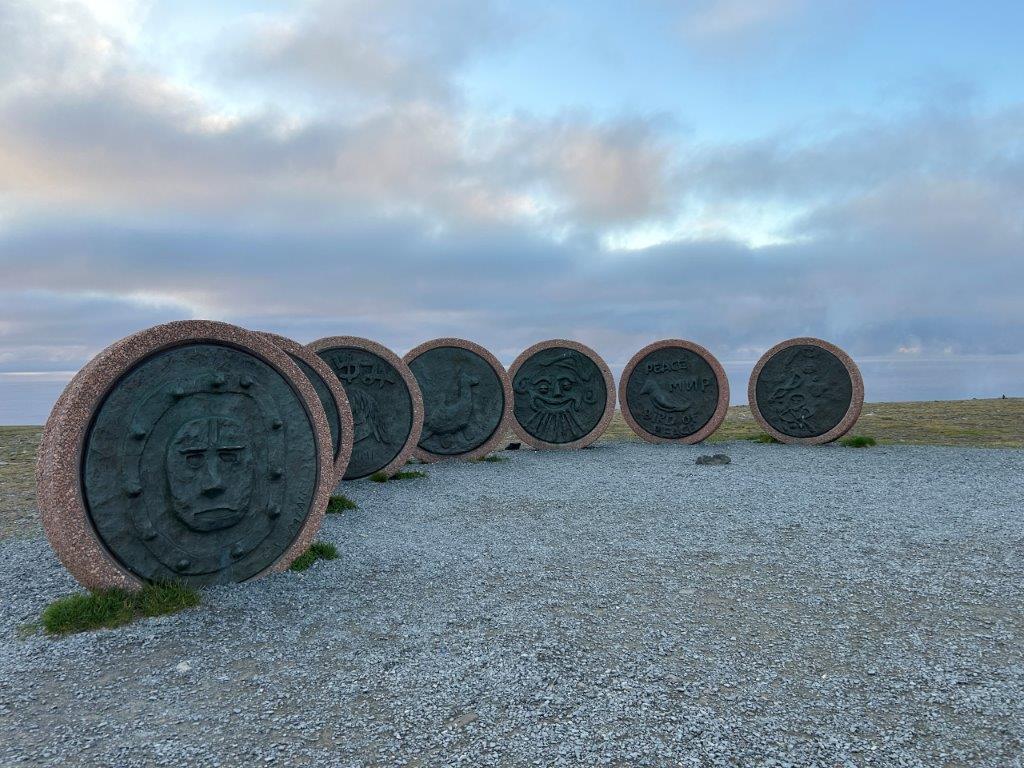
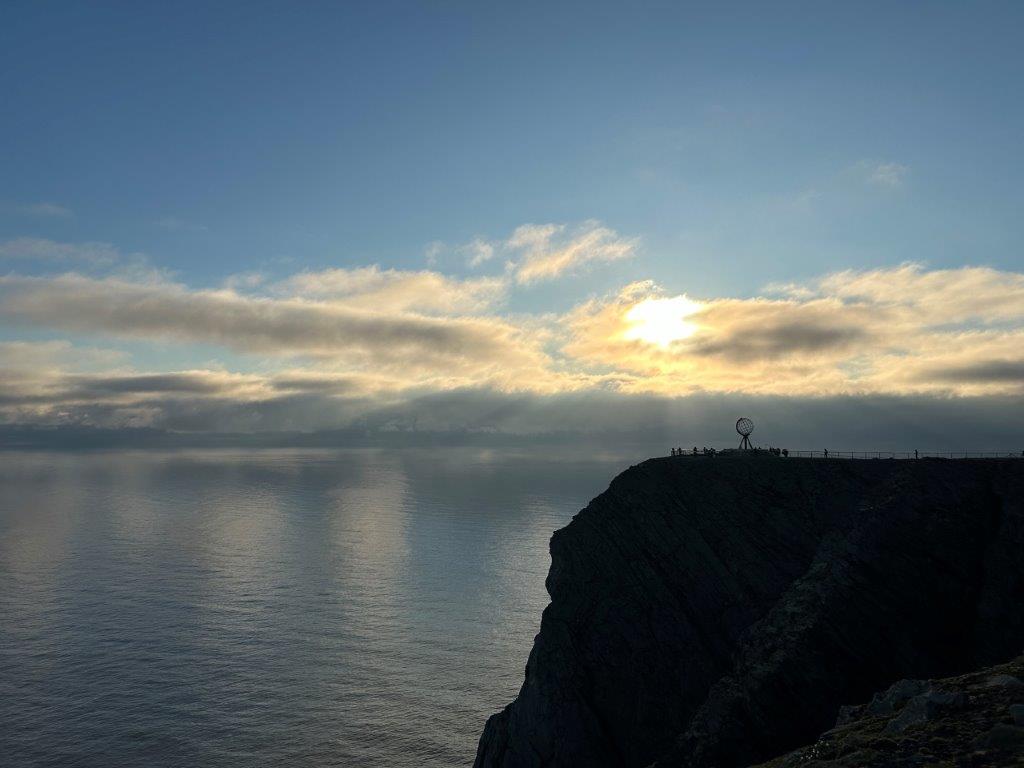
Standing at the cliff, talking photos of the iconic globe, and maybe even hearing whales singing down in the bay. The memories after a visit will almost guaranteed be long lasting, no matter what you got to experience.
Witness the Eternal Sun or the Celestial Fire
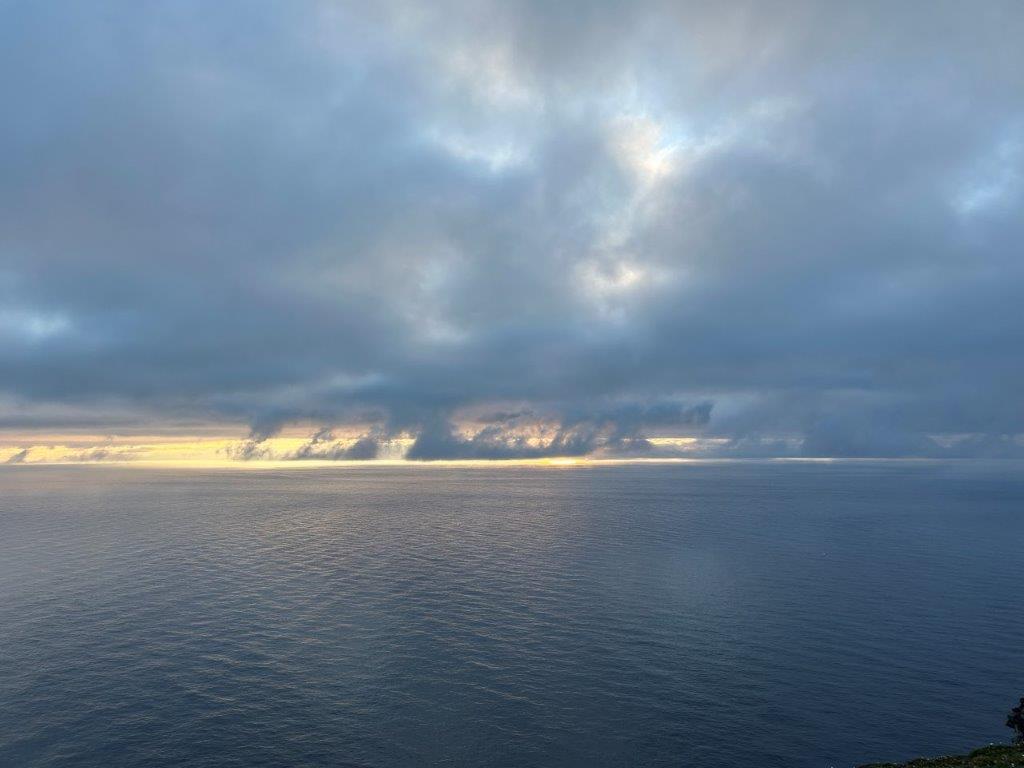
The primary appeal is celestial. From mid-May to late July, experience the Midnight Sun, a phenomenon where the sun doesn’t set. Instead, it casts a glow across the landscape at all hours. On the other hand, from late November to late January, is the time of the Polar Night. This time of darkness creates the perfect canvas for the Aurora Borealis, the Northern Lights, which frequently paint the sky in breathtaking green, purple, and white.
Explore the North Cape Hall
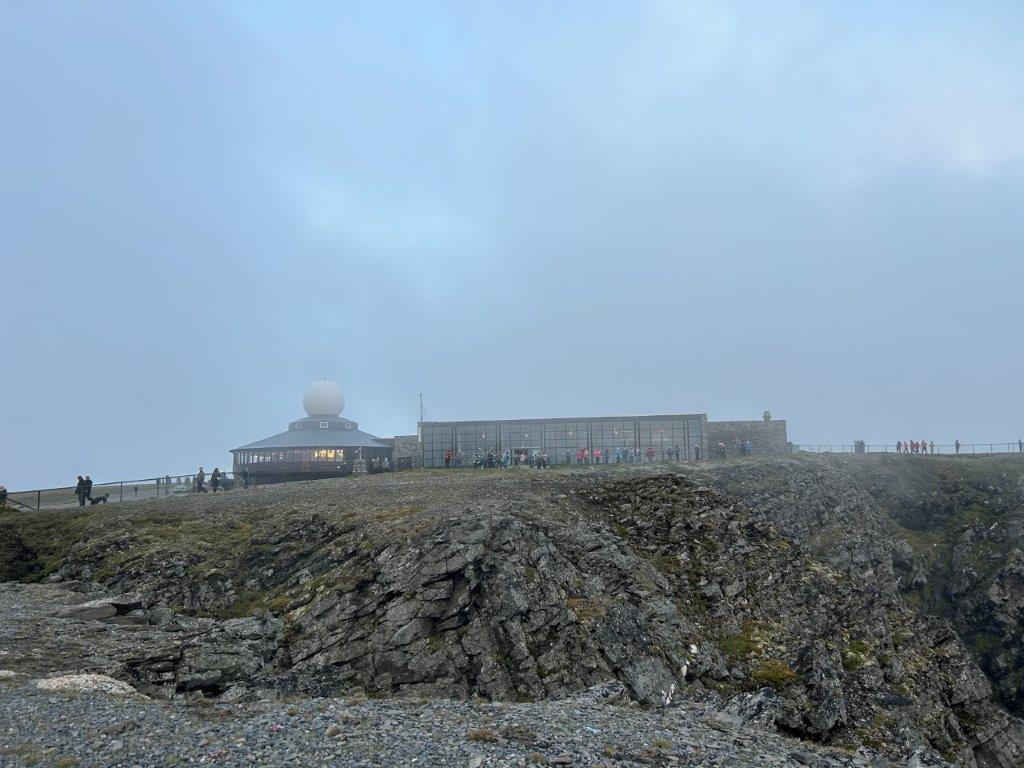
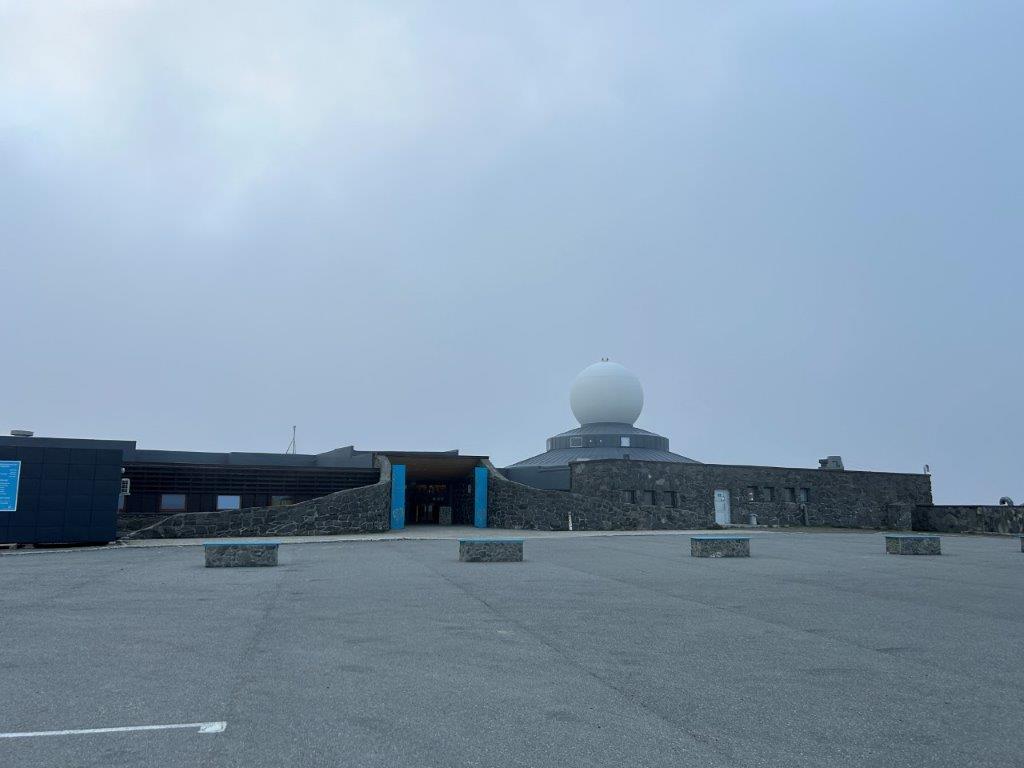
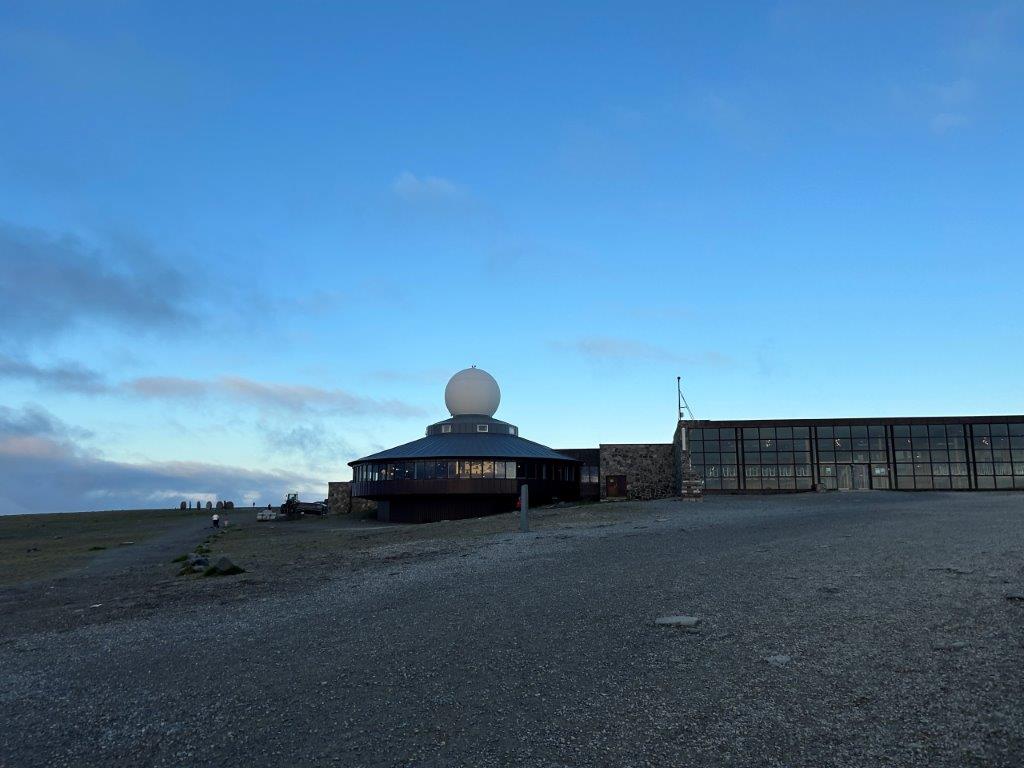
Carved partially into the cliff itself, this modern visitor center is a destination in its own right. Here you can descend into the earth to watch a stunning panoramic film that captures the four seasons at the cape, send a postcard from the northernmost post office, or visit the “Cave of Lights” for a unique audio-visual journey through the history and nature of the region.
Hike to the True Northern Cape
For the adventurous, a 9-kilometer hike (each way) leads to the neighboring point of Knivskjellodden. This less-visited spit of land is actually the true geographical northernmost point of Europe. The trek rewards you with unparalleled views back towards the magnificent Nordkapp cliff and a profound sense of solitude.

How to Get to Nordkapp
- Flights: The nearest airport is Honningsvåg Airport (HVG), a regional airport with limited flights to other northern destinations such as Hammerfest. Mehamn, Tromsø, and Vadsø.
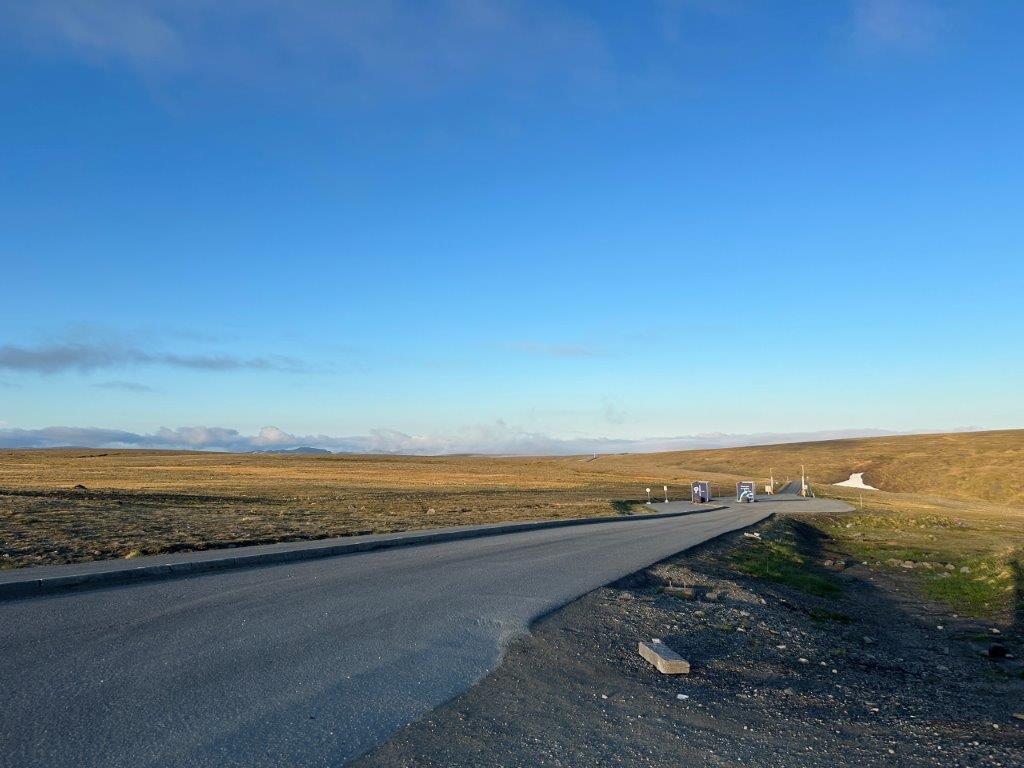
- Car: Nordkapp lies at the end of the road E69. Yes, don’t drive further or you would end up in the Arctic Ocean. The road goes 128 kilometers south to Olderfjord, where it connects with the road E6.
The driving distance from 5 major Norwegian cities, according to Google Maps:
- Oslo – 1964 kilometers (25 h)
- Bergen – 2325 kilometers (30 h)
- Trondheim – 1629 kilometers (21 h 30 min)
- Narvik – 702 kilometers (10 h 50 min)
- Kirkenes – 529 kilometers (7 h 40 min)
Looking to Explore more of Norway and Europe?