Považská Bystrica | Exploring Slovakia
Považská Bystrica is a town in northwestern Slovakia, located in the Trenčín Region. It lies along the Váh River in a cultural region known as the Upper Váh Region. The town is also known by its German name Waagbistritz and its Hungarian name Vágbeszterce. The population of around 37,400 inhabitants lives in an industrial town that is surrounded by several mountain ranges, including the Súľov Mountains and the Javorníky. One of these mountains, Veľký Manín, reaches an altitude of 890 meters and is visible from the town itself.
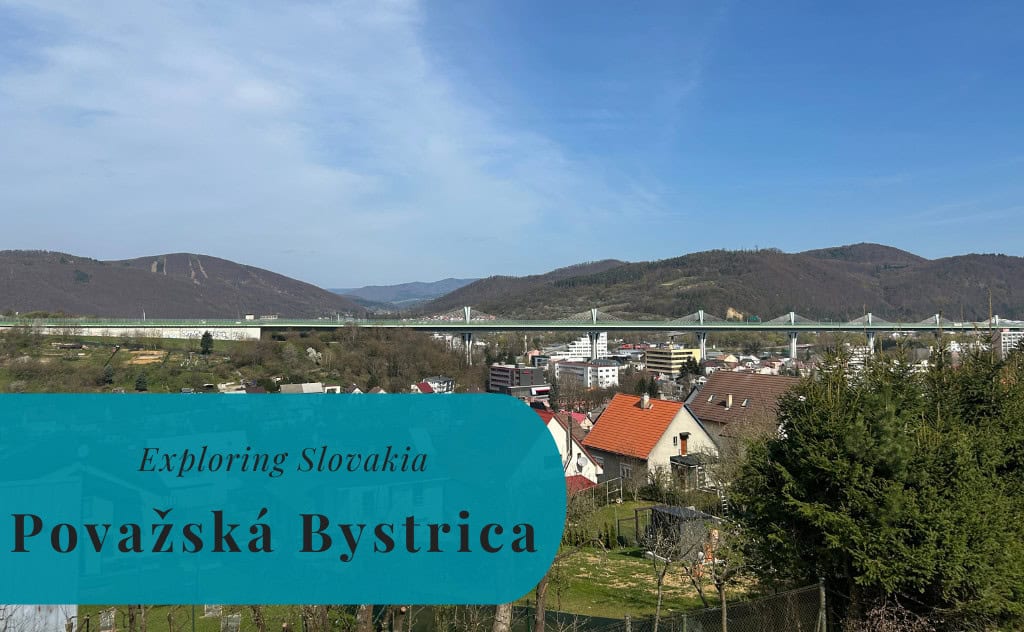
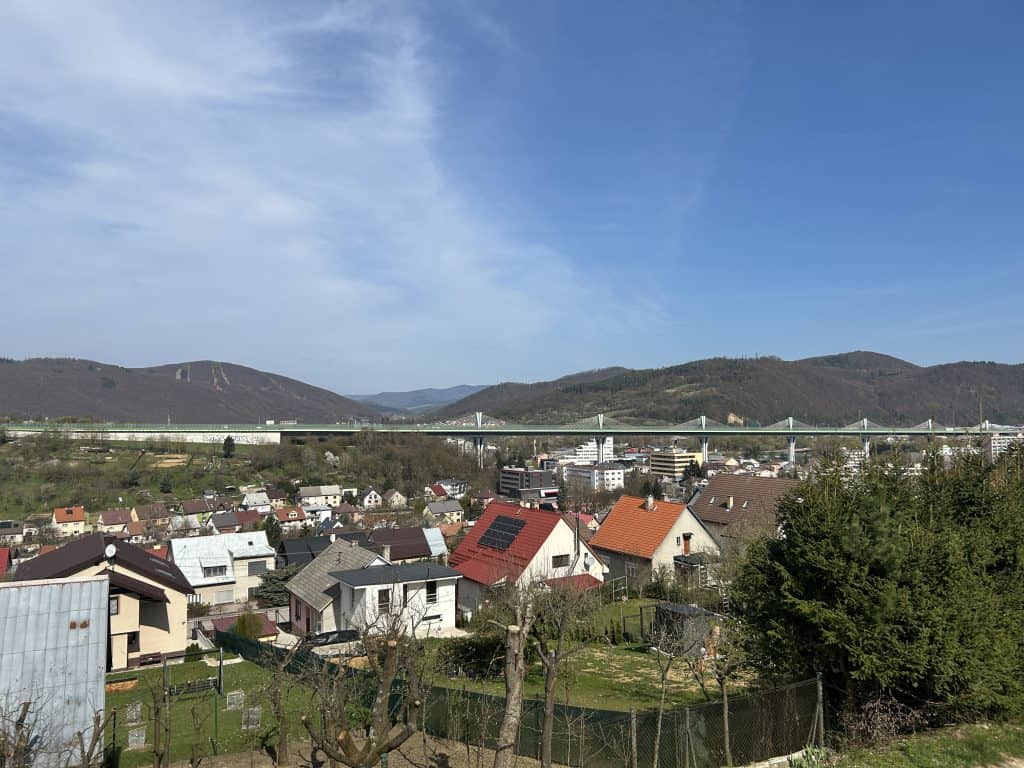
The town’s identity is shaped by its history as an industrial center and its dramatic natural setting. It is known for the impressive motorway viaduct that passes directly over the town, a major feat of modern engineering. While much of its historic center was demolished during post-war development, the town is still defined by its connection to the nearby ruins of Považský Hrad, a medieval castle that once controlled the region. Today, Považská Bystrica serves as an administrative and industrial hub, and as a gateway to the unique natural attractions of the surrounding area, such as the narrow gorge of Manínska Tiesňava.

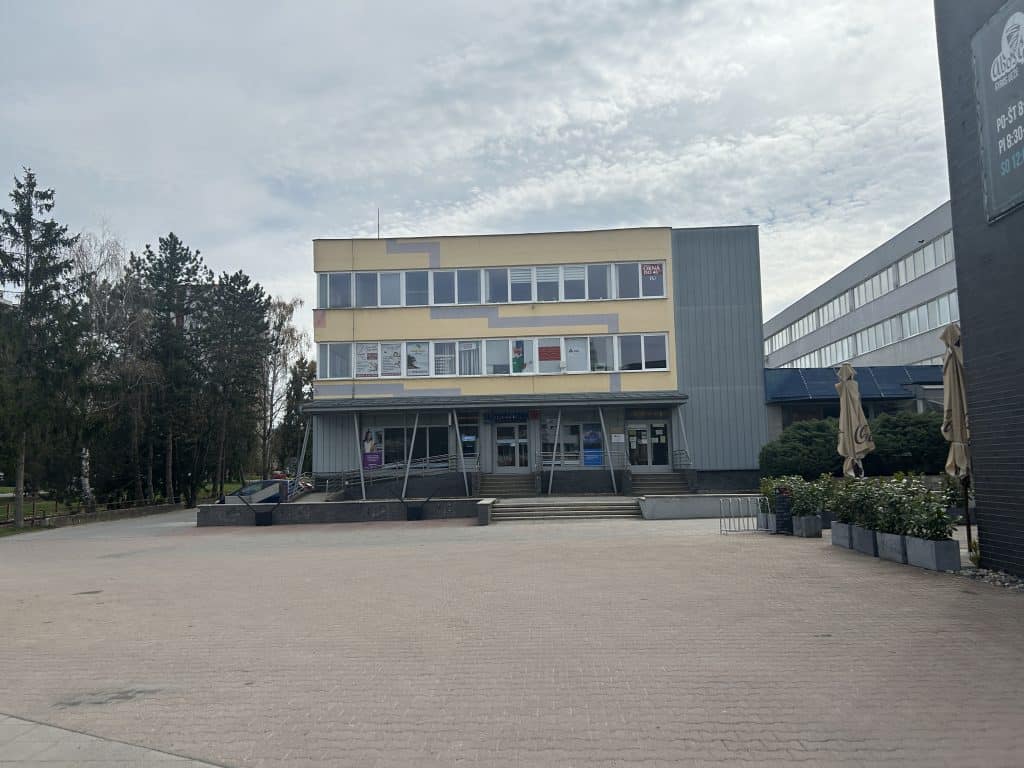

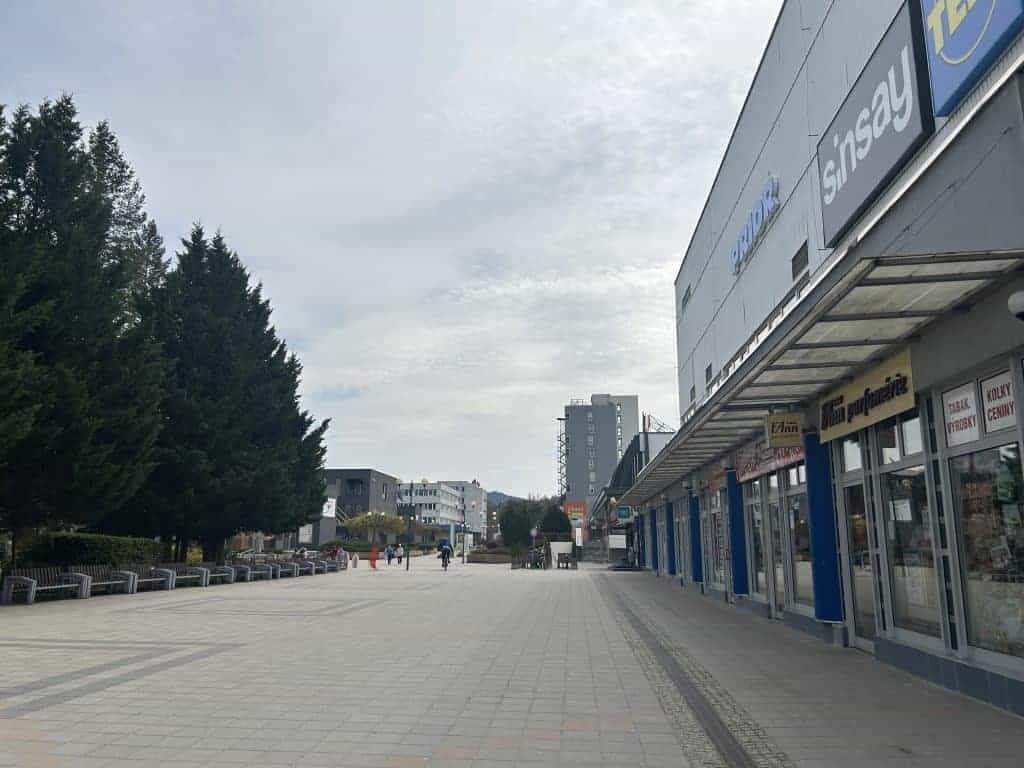
History of Považská Bystrica
The history of Považská Bystrica is closely linked to the nearby Považský Hrad castle, which dates back to at least the 14th century. For centuries, the town’s development was influenced by the noble families who controlled the castle, such as the Podmanitzky family. The town itself was an influential settlement within the Kingdom of Hungary. The 20th century brought a period of heavy industrialization that fundamentally reshaped the town, turning it into a major center for engineering and manufacturing. This industrial legacy, combined with the demolition of its historic core, defines the modern character of the city.
The Era of Považský Hrad
The nearby castle, Považský Hrad, was likely established as early as the 12th century and was the center of power in the region for centuries. One of the most influential ruling families during this period was the Podmanitzky family. The two knights and brothers, János and Raffael Podmanitzky, became famous for their robberies and conflicts with the Habsburgs. The town of Považská Bystrica continued to be an influential town while it was a part of the Kingdom of Hungary. The ruling family at a later time, the Balassa family, eventually moved from the castle to a mansion below the hill, and the castle fell into disuse.
The Destruction of the Castle
The fate of the castle was sealed at the end of the 17th century. Rebels used the castle in their fight against the Holy Roman Emperor Leopold I. After defeating the rebellions, the emperor ordered the castle to be burned in 1698 to prevent it from being used by insurgents in the future. The castle’s final blow came in 1858 when an earthquake destroyed more of its remaining structure. The rulers of Považská Bystrica had come down from their hill fortress, and the castle was left as a ruin overlooking the valley.
Industrialization and Modern Development
Považská Bystrica became a part of the newly formed Czechoslovak Republic in 1918. The following decades brought with them a heavy industrialization of the town. The ammunition company Roth moved their plant from Bratislava in 1929, and more military equipment was produced here. This was followed by the growth of the company Považské Strojárne, which expanded to become the largest employer in the area, producing scooters and industrial bearings. This rapid industrialization and new development eventually led to the controversial decision to demolish the historical town center during the 1970s to make way for modern buildings.

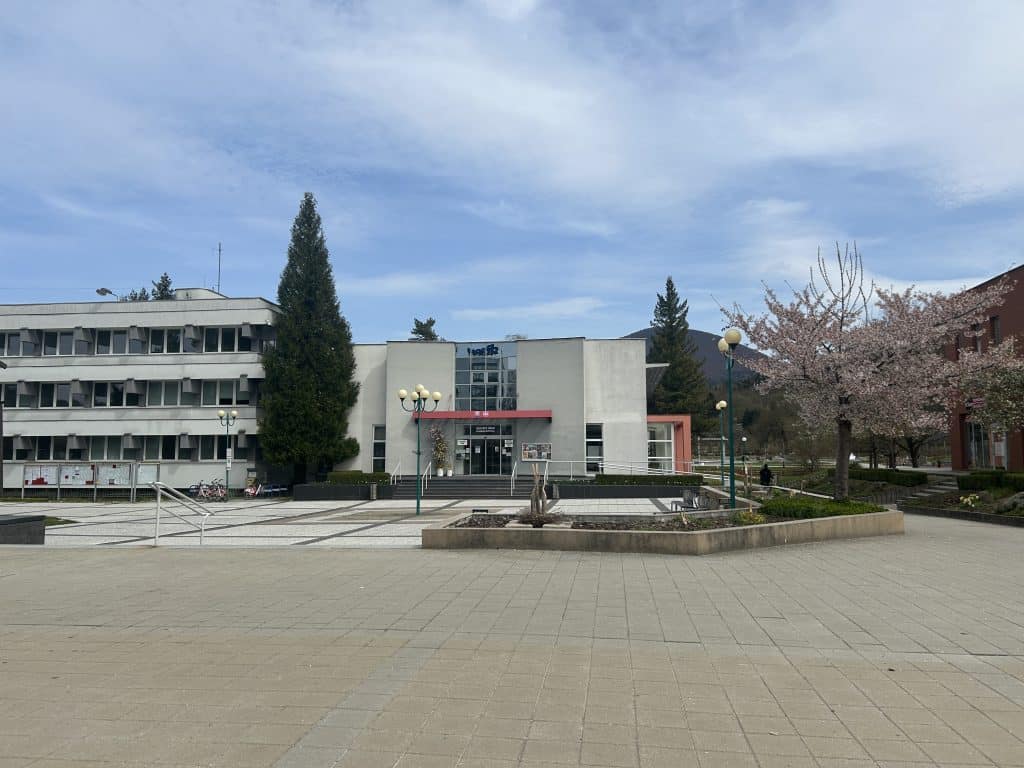


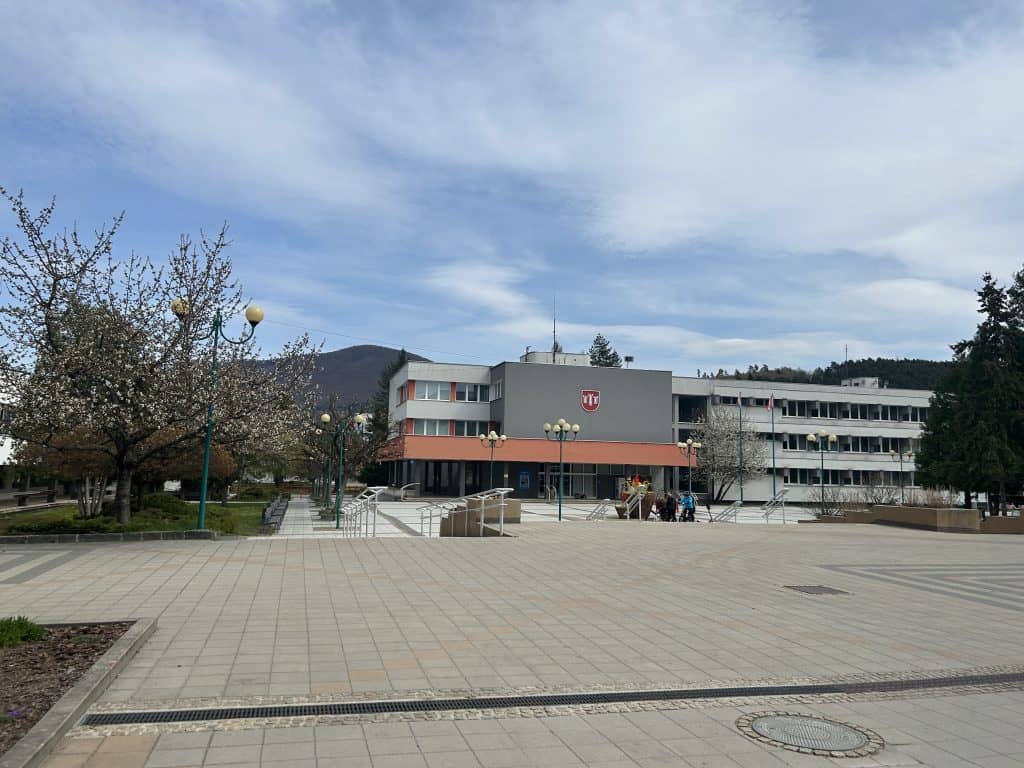

Sights in Považská Bystrica
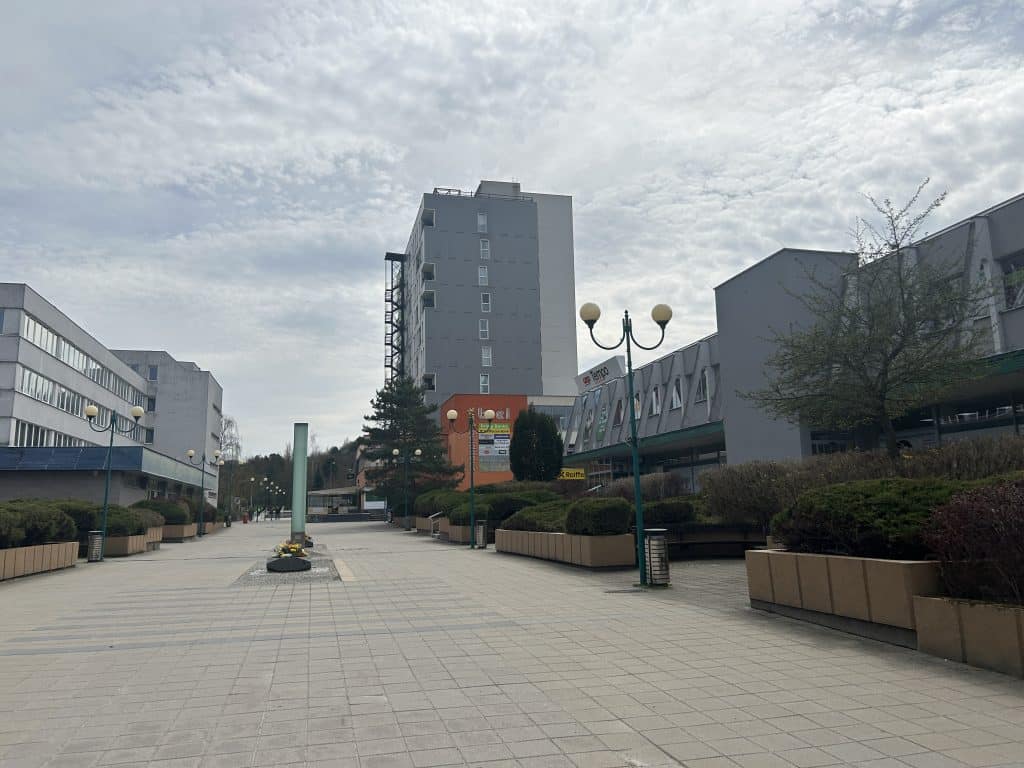
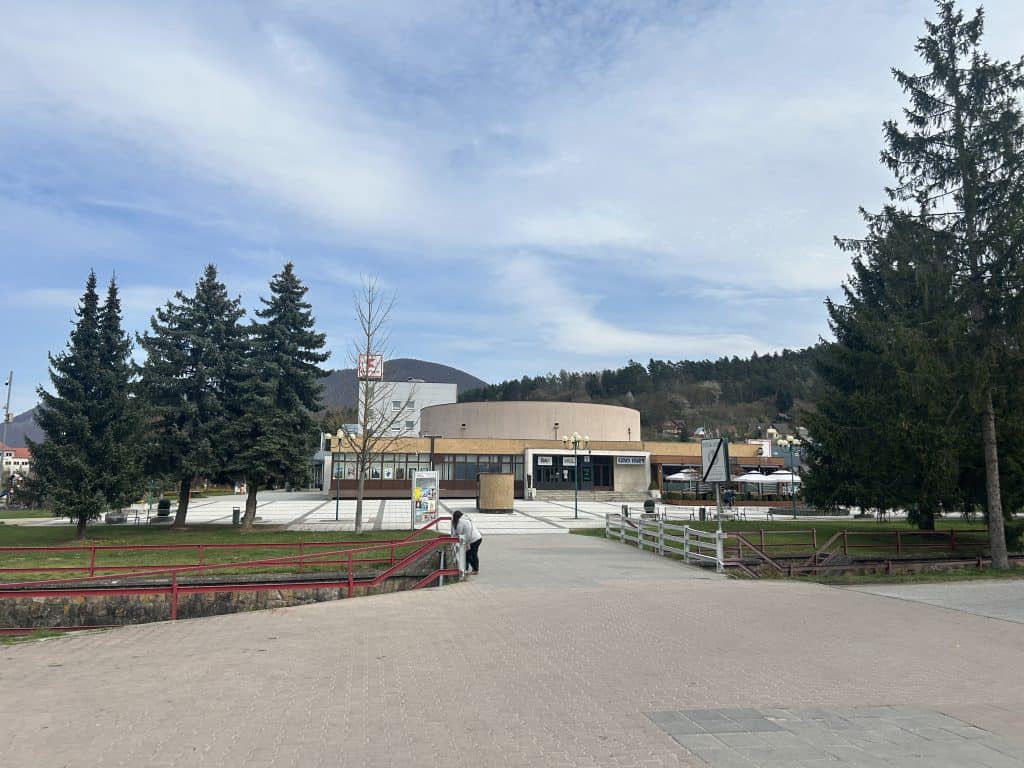
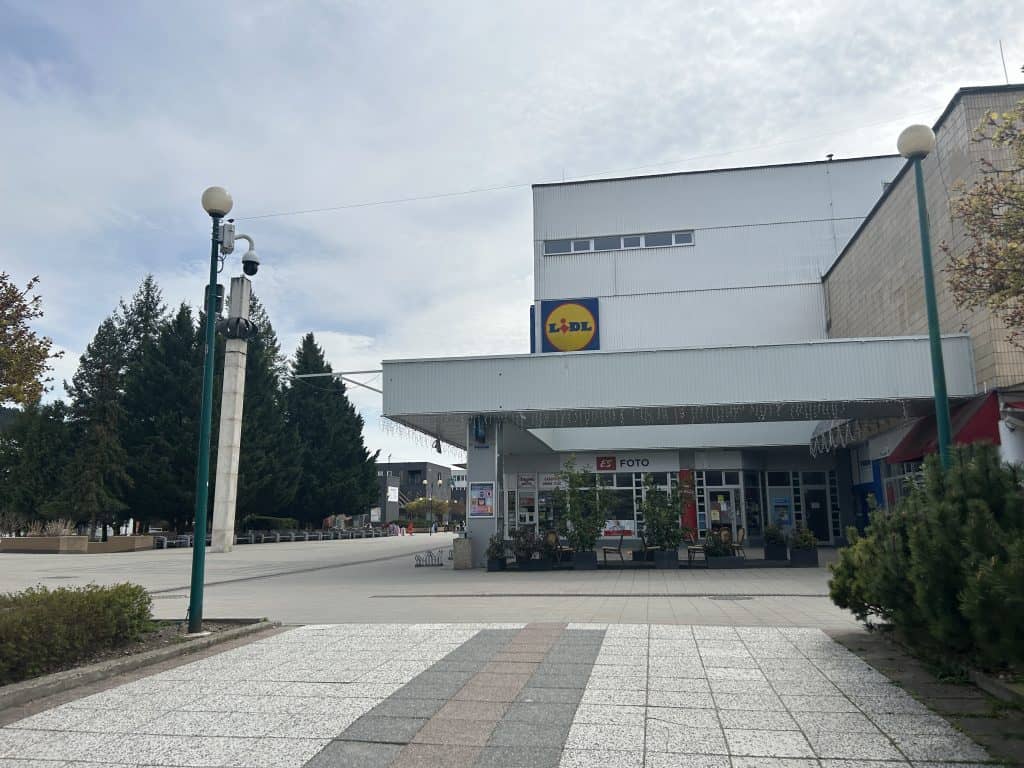
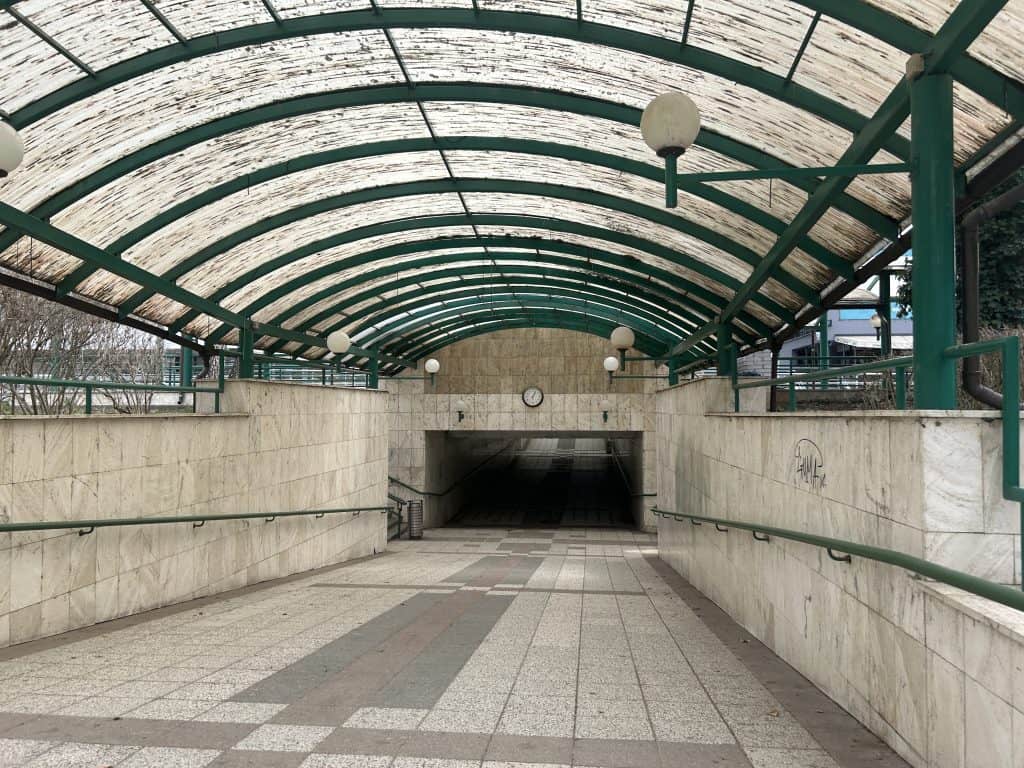
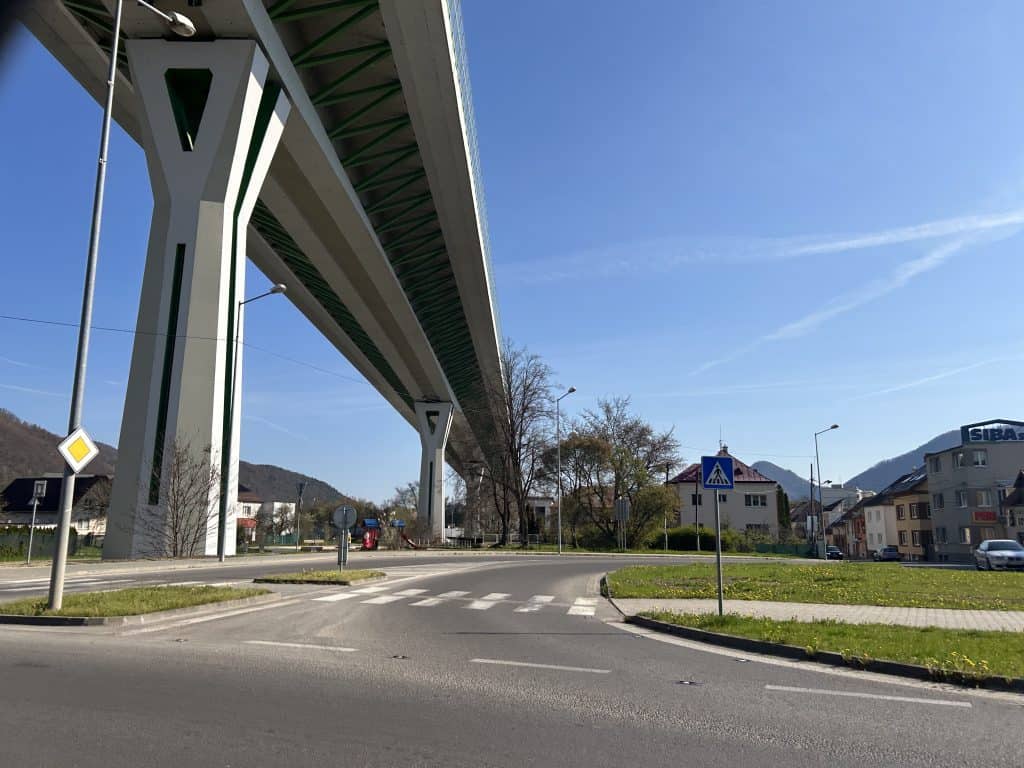
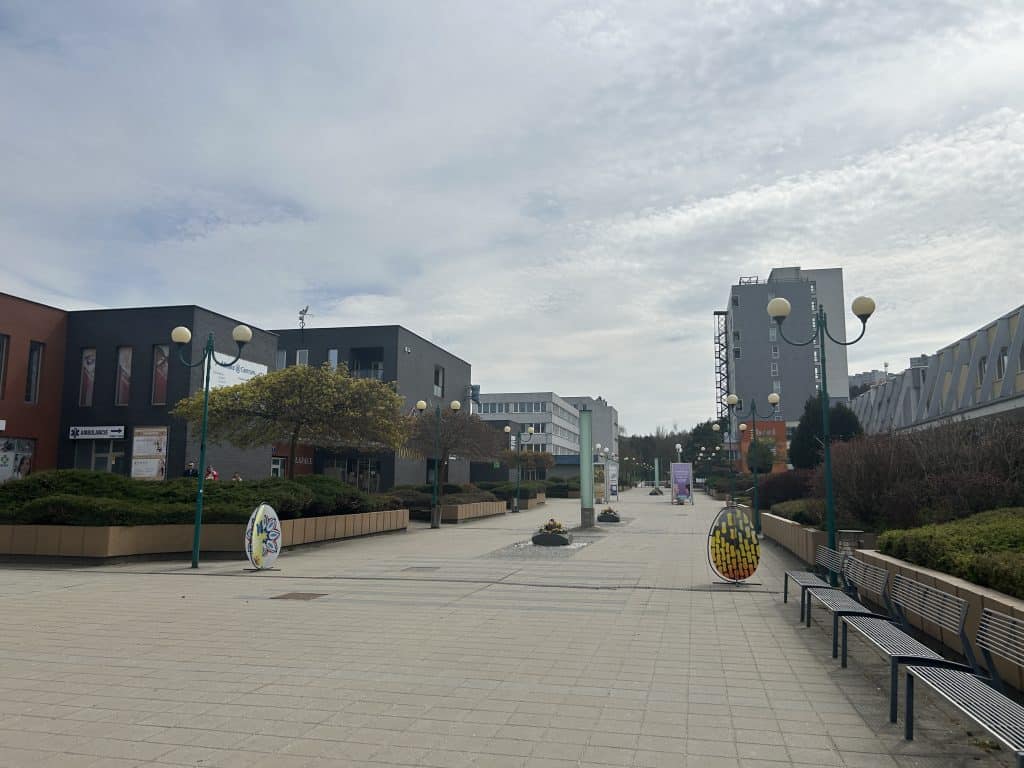
While Považská Bystrica may lack the traditional historic buildings common in other Slovak towns due to its 20th-century redevelopment, it offers a unique set of sights related to its industrial past and its stunning natural surroundings. It is almost impossible to miss the massive motorway viaduct that goes directly through the city, a major landmark of modern engineering. The town center itself is protected from that view and offers open public spaces and a few notable buildings.
The main attractions for visitors are located just outside of the town. These include the impressive ruins of the medieval castle, Považský Hrad, which sits on a hill to the north. Another major draw is the narrow gorge of Manínska Tiesňava, located in the nearby village of Považská Teplá. This unique natural formation is a popular destination for hikers and climbers. These sights provide a compelling look into both the ancient history and the dramatic natural beauty of the region.
Považský Hrad (Považský Castle)
The ruins of Považský Hrad are a key historical sight. Although the castle is a ruin, its location at the top of a steep hill makes it worth visiting. The remaining walls of the medieval fortress create an impressive silhouette against the sky. From the castle grounds, there are impressive views of the Váh River valley and the surrounding mountains. The castle is located a few kilometers north of the main town of Považská Bystrica and can be reached by a marked hiking trail. Exploring the ruins provides a direct connection to the region’s medieval past.
Manínska Tiesňava (Manín Gorge)
Manínska Tiesňava can be found at the outskirts of the nearby village of Považská Teplá. This is the narrowest canyon, or gorge, in Slovakia. A small asphalt road leads through the gorge, which at its narrowest point is only 3.7 meters wide, just enough for a bus to squeeze through. The gorge is flanked by dramatic limestone cliffs that are very popular with rock climbers. The area is a national nature reserve and features several hiking trails. A walk through this unique natural formation is a memorable experience.
Motorway Viaduct (Estakáda)
It might be one of the newest landmarks in the town, but the Estakáda has quickly become one of the most prominent. This is the massive motorway viaduct that carries the D1 motorway directly through the town. High above the river and the city center. The road was opened in 2010. The bridge is an impressive feat of modern engineering, and its construction was a major event in the town’s recent history. It is a constant and visible symbol of the town’s location on a major transportation corridor.
Church of the Visitation of the Virgin Mary
The Kostol Navštívenia Panny Márie, or the Church of the Visitation of the Virgin Mary, is the main church in Považská Bystrica. The church’s origins date back to the 14th century, when it was built on the order of János Podmanitzky. János Podmanitzky was the ruler living in the Považský Hrad castle. The church was significantly renovated and enlarged in 1941. A lot of effort put towards increasing its capacity for the growing industrial town. It is a historic landmark and the main center for the local Roman Catholic community.
ABŠO Building
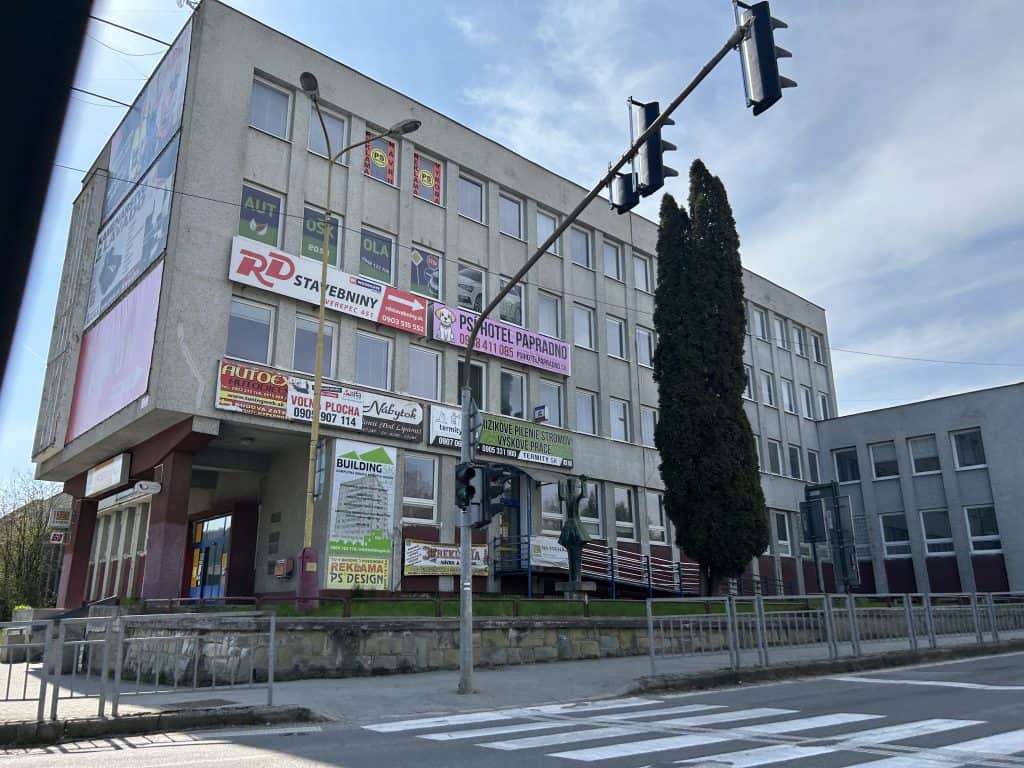
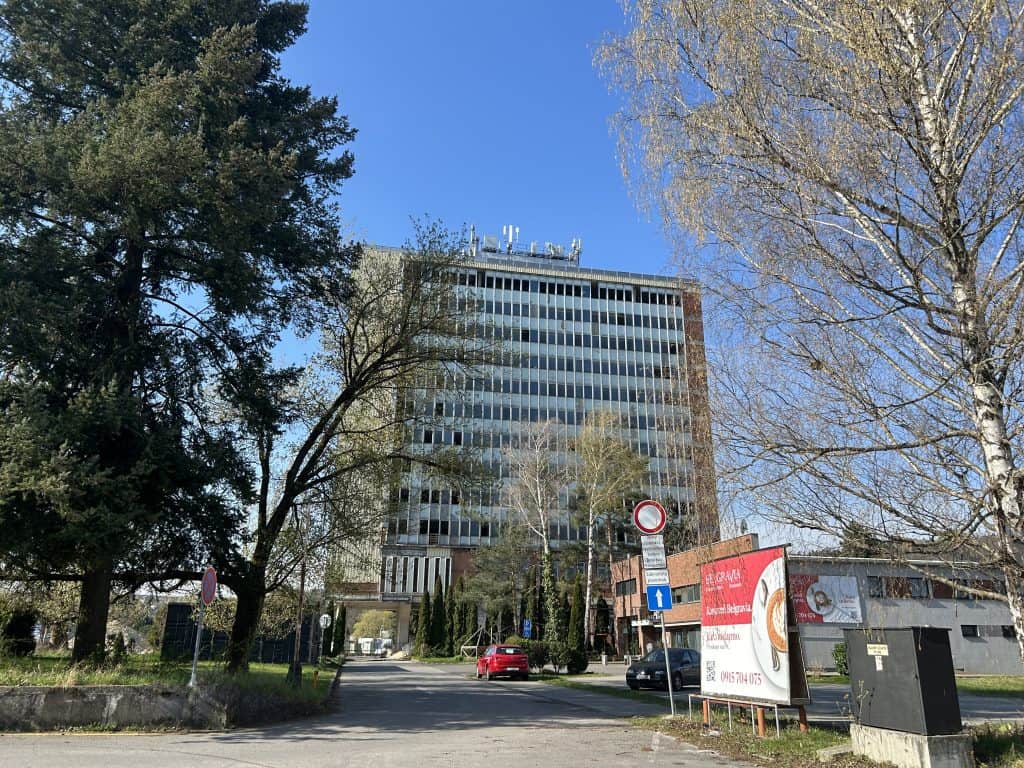
With the exception of the viaduct, the ABŠO Building is probably the most prominent modern construction in Považská Bystrica. The name is an acronym for the Administratívna Budova Štátnych Orgánov, which translates to the “Administrative Building of State Authorities.” Construction began in 1968, and the building was completed in 1978. This high-rise building is unique for Slovakia, with technical solutions that pushed earlier construction limits. It stands as a major example of late modernist architecture from the socialist era.
Súľov Rocks
The Súľov Rocks (Súľovské skaly) are a stunning and unique rock formation located in the Súľov Mountains, a short drive from Považská Bystrica. This national nature reserve is famous for its dramatic limestone pillars, towers, and gates, which have been shaped by erosion. The area is a paradise for hikers, with a network of marked trails that lead through the rock city. A highlight is the ruins of the medieval Súľov Castle, which is built directly into the rock formations. The area offers some of the most unique and picturesque landscapes in Slovakia.
Kalvária Považská Bystrica
The Kalvária in Považská Bystrica is a Calvary complex located on a hill on the edge of the town. A Calvary is a series of chapels or stations that represent the Way of the Cross. The path leads up the hill, with each station marking a point in the story. At the top of the hill is the Chapel of the Holy Cross. The site offers beautiful panoramic views of the town, the Váh River valley, and the surrounding mountains. It is a peaceful and spiritual place for a walk and reflection.
Orlové Manor House
The Orlové Manor House is a beautiful Baroque manor house located in the Orlové district of Považská Bystrica. It was built by the Balassa noble family in the 17th century after they moved down from the insecure Považský Hrad castle. The manor house is a fine example of aristocratic architecture from its era. Today, the historic building has been carefully restored and now houses a hotel and restaurant. It provides a glimpse into the lifestyle of the nobles who once ruled the region.
Považská Teplá Thermal Spa
The nearby village of Považská Teplá is not only the gateway to the Manín Gorge but is also known for its small thermal spa. The spa utilizes local thermal water that is rich in minerals and is said to have beneficial health effects. The facility offers several pools with warm thermal water, making it a popular spot for relaxation and recreation for locals. It provides a more low-key and traditional spa experience compared to the large, modern aquaparks found in other parts of Slovakia.
Mestský Park
The Mestský Park, or the City Park, is located adjacent to the town center and offers a bit of greenery in the heart of the city. The park is a popular spot for locals to relax and take a walk. It provides a peaceful environment away from the traffic of the main streets. The park features walking paths, benches, and open grassy areas. It is an important public space for the community and a pleasant place for visitors to unwind after exploring the town.
Traveling with Kids
Považská Bystrica and its surroundings offer a great natural playground for families who enjoy outdoor activities. The region is defined by its dramatic landscapes, with the narrow gorge of Manínska Tiesňava being a particularly exciting adventure for children. The ability to walk or drive through the narrowest canyon in Slovakia is a unique and memorable experience. The nearby ruins of Považský Hrad also provide a fantastic destination for a family hike, allowing kids to explore a real medieval castle.
The town itself and the nearby villages are well-equipped with public spaces for family recreation. There are local playgrounds where children can play, and the many hiking and cycling trails in the area are suitable for a range of ages and abilities. This focus on accessible, nature-based fun makes for a healthy and relaxing family vacation in the heart of the Váh River valley. The combination of natural wonders and historical exploration makes it a well-rounded destination.
Activities for Kids in Považská Bystrica
For families seeking memorable outings, the region around Považská Bystrica offers unique adventures. A trip through the Manín Gorge provides a thrilling experience of nature’s power, while an exploration of the Súľov Rocks can feel like entering a fantasy world.
Exploring Manínska Tiesňava
A visit to the Manínska Tiesňava (Manín Gorge) is a great activity for families. The gorge is the narrowest in Slovakia, and the road that passes through it is an adventure in itself, especially if a bus is coming the other way. There are several easy walking trails within the gorge that are suitable for children. These trails lead along the stream and offer close-up views of the towering limestone cliffs. It is a great place for a family picnic and for children to learn about geology and nature in a very tangible way.
A Day at the Súľov Rocks
The Súľov Rocks are a fantastic destination for a family day trip from Považská Bystrica. The area is like a natural labyrinth of stone towers, needles, and gates, which can spark a child’s imagination. There is a marked educational trail that leads through the most interesting parts of the rock city. A highlight for families is the hike up to the ruins of the medieval Súľov Castle, which is built directly into the rock formations. The views from the top are spectacular. It is a perfect place for a family hiking adventure.
Playgrounds in Považská Bystrica
Považská Bystrica provides public playgrounds where children can enjoy free play in safe environments. These play areas are important social spots for local families and offer a welcoming space for visiting children to have some fun. A stop at a playground is a simple and effective way to break up a day of sightseeing.
Playground in the Mestský Park
The main public playground in Považská Bystrica is located in the Mestský Park, the city park adjacent to the town center. The playground is equipped with a variety of standard play structures, such as swings, slides, and climbing frames. Its central location makes it a convenient spot for families to take a break while exploring the town. The park setting provides a pleasant and green environment for children to play in. It is a popular gathering place for local families, especially in the afternoons and on weekends.
Playground in Považská Teplá
The nearby village of Považská Teplá, which is the starting point for trips into the Manín Gorge, also has a local playground. This play area is located near the center of the village. It provides a great opportunity for a play break before or after a hike into the gorge. The playground is a typical village playground with basic equipment. It offers a chance for visiting children to play alongside local kids in a peaceful, rural setting, surrounded by the beautiful scenery of the Súľov Mountains.
Sports in Považská Bystrica
Považská Bystrica has a strong and diverse sporting tradition, with a particular passion for handball. The city’s professional men’s handball team, MŠK Považská Bystrica, is one of the most successful and well-known in Slovakia. The town also has a dedicated following for ice hockey, with the local team being an important part of the community. Football is another popular sport with a long history in the town. The city’s location in a mountainous region also makes it a natural center for outdoor sports like hiking, cycling, and rock climbing, as well as for motorsports like motocross.
MŠK Považská Bystrica (Handball)
Handball is the most successful and popular sport in Považská Bystrica. The main professional club, MŠK Považská Bystrica, is a powerhouse in Slovak handball. The men’s team has won the Slovak Extraliga for men multiple times and has also won the Czechoslovak championship in the past. They are perennial contenders for the national title and have also competed in European club competitions. They play their home games at the Mestská športová hala, which is known for its loud and passionate atmosphere created by the local fans.
HK 95 Považská Bystrica (Ice Hockey)
Ice hockey has a strong following in the town, with HK 95 Považská Bystrica as the main local club. The club’s men’s team competes in the Slovenská hokejová liga, which is the second tier of professional ice hockey in Slovakia. The club was founded in 1938 and has a long history, having spent several seasons in the top Czechoslovak league in the past. They play their home games at the local ice stadium, the Zimný štadión Považská Bystrica. The club is an important part of the city’s sporting identity.
MŠK Považská Bystrica (Football)
Football is another popular sport in the city. The football section of the multi-sport club MŠK Považská Bystrica is the main local team. The club has a long history and currently competes in the 2. liga, which is the second tier of the Slovak football league system. They have a dedicated group of local supporters who follow their progress. They play their home matches at the local football stadium. The club has a strong focus on youth development, providing opportunities for children from the city to play the sport.
Spartak Považská Bystrica (Basketball)
Basketball also has a presence in the city, represented by the club BK Spartak Považská Bystrica. The club has sections for both men and women and is particularly focused on youth development. The teams compete in the regional and national youth league systems. The club provides an important outlet for the sport in the region and contributes to the diverse sporting culture of the town. They play their home matches in one of the local sports halls and are a key part of the local grassroots sports scene.
Považská Bystrica (Floorball)
Floorball has been steadily gaining traction in Považská Bystrica, with the club FBK Považská Bystrica leading the development of the sport in the region. The club has sections for men, women, and a large number of youth teams that compete in the regional and national league systems. The sport’s fast-paced and dynamic nature has attracted a significant number of participants and fans, especially among the youth. The club’s home matches are played in local sports halls and are helping to build a new and exciting sporting community in the city.
Sverepec Motocross Track
The nearby village of Sverepec is home to a world-class motocross track that is a major center for the sport in Slovakia and Central Europe. The track has hosted rounds of the FIM Motocross World Championship on multiple occasions, attracting the best riders from all over the world. The track is known for its challenging layout and its beautiful location in the hills. In addition to major international events, the track also hosts national championship races and provides a training facility for local riders.


Getting Around in Považská Bystrica
Navigating Považská Bystrica is facilitated by a local public transport system and a town layout that is relatively compact. The town center and its adjacent park are easily walkable. For travel to other parts of the town and to the surrounding attractions like Považský Hrad and the Manínska Tiesňava, a local bus system provides public transport. The town’s location directly on the main D1 motorway also makes it an easy place to navigate by car, which is the most convenient way to explore the wider region.
Using Local Buses
The public transport system in Považská Bystrica consists of a network of local city buses. These buses connect the main train and bus stations with the different residential districts of the town. The bus system is the main mode of public transport for getting around the town without a car. The buses also provide connections to some of the nearby villages and trailheads in the surrounding valleys, including the village of Považská Teplá, which is the gateway to the Manín Gorge.
Exploring by Foot
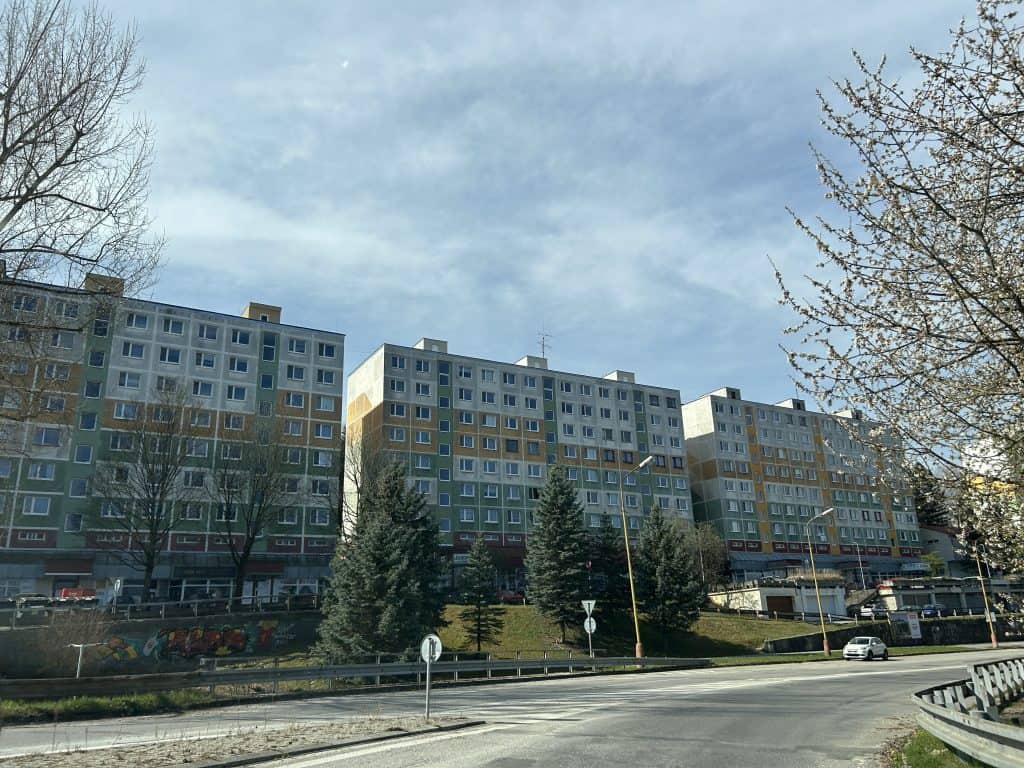
Walking is a good way to experience the central parts of Považská Bystrica. The main commercial streets, the central square, and the adjacent Mestský Park are all within a short walking distance of each other. A walk through the town allows you to see the unique mix of late socialist-era architecture and more modern buildings. For those who enjoy hiking, many trails into the surrounding mountains can be started directly from the town’s edge. This makes it easy to combine an urban walk with a hike in nature.
Navigating by Car
A car is the most convenient way to explore Považská Bystrica and the wider region. The town is located directly on the main D1 motorway, which provides fast and easy access. Having a car makes it simple to take day trips to major attractions like the Súľov Rocks, as well as to other nearby towns and castles. Parking is generally available throughout the town, with paid parking lots in the center and free parking at most of the major tourist attractions on the outskirts.
How to Get to Považská Bystrica
Považská Bystrica is located in an easily accessible part of Slovakia, with excellent transportation connections both domestically and to neighboring countries. The town is situated directly on the main east-west motorway and railway line, making it straightforward to reach from both Bratislava and Žilina. While the town does not have its own major airport, several international airports are located within a reasonable driving distance. This excellent connectivity makes the town a convenient base for exploring the northwestern region of Slovakia.
Arriving by Air
Považská Bystrica does not have its own commercial airport. The closest airport with some limited flights is in Žilina (ILZ). For a much broader range of year-round international connections, Bratislava Airport (BTS) or Vienna International Airport (VIE) in Austria are the main gateways for the western part of the country. Kraków John Paul II International Airport (KRK) in Poland is another good option, particularly for visitors from the north. From any of these airports, you would need to continue your journey by car, bus, or train.
Driving into the Town
Považská Bystrica is located directly along the D1 motorway (E50), which is the main highway connecting Bratislava with Žilina. This makes driving a very fast and convenient option for reaching the town. The town is famous for the large motorway viaduct that passes directly over it. The town is also at the junction of other national roads that provide access to the Czech Republic to the north. Remember that you will need to purchase a digital vignette to use the Slovak motorways.
Journey by Rail
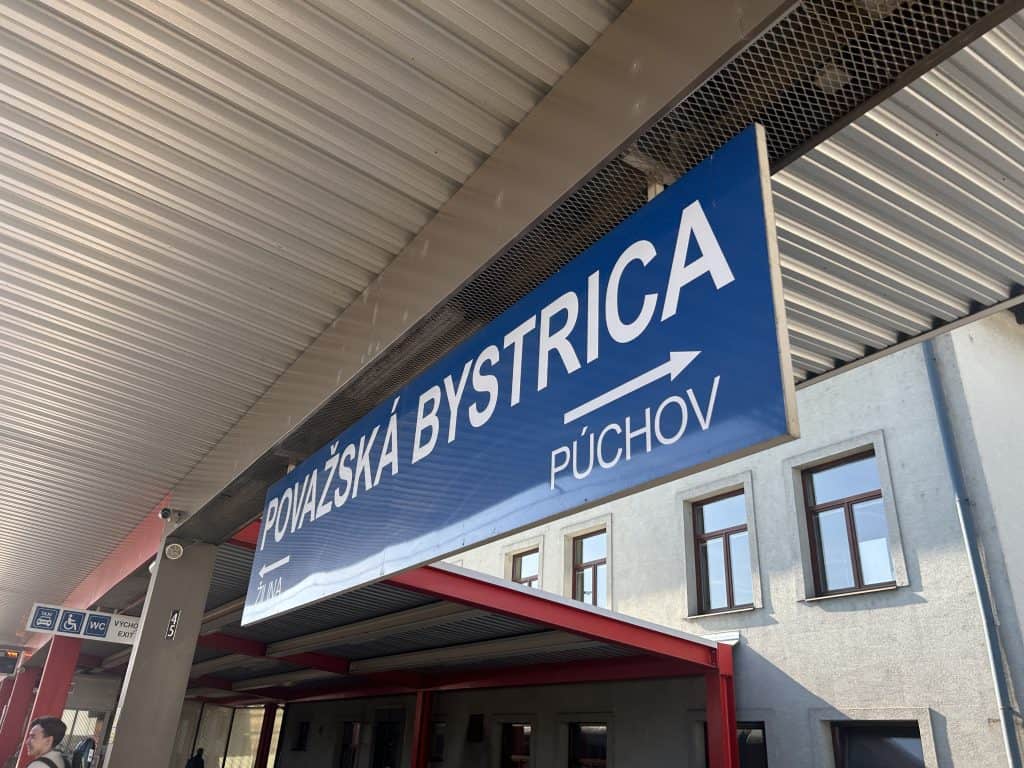
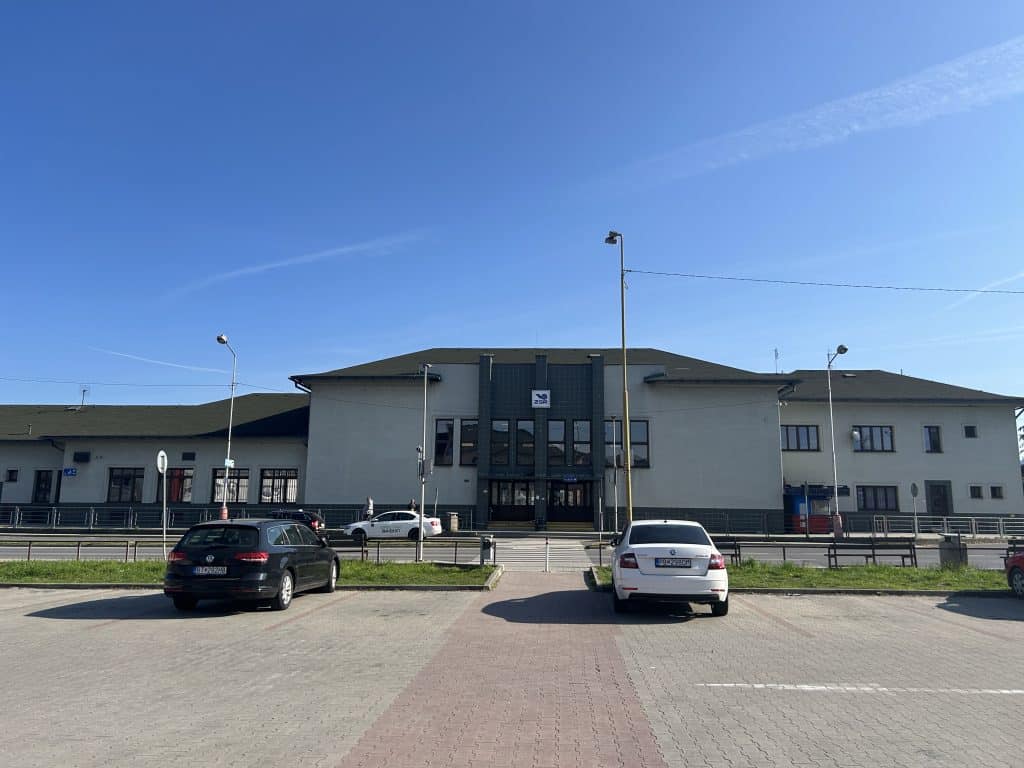
Považská Bystrica is a key stop on the main railway line that connects Bratislava with Žilina and Košice. The national rail operator, Železničná spoločnosť Slovensko (ZSSK), runs frequent intercity and express train services that stop at the town’s main station. This makes the train a very comfortable and convenient way to reach the town from all major cities in Slovakia. The train station is located within walking distance of the town center. There are also RegioJet trains to the Czech Republic.
Connecting by Bus
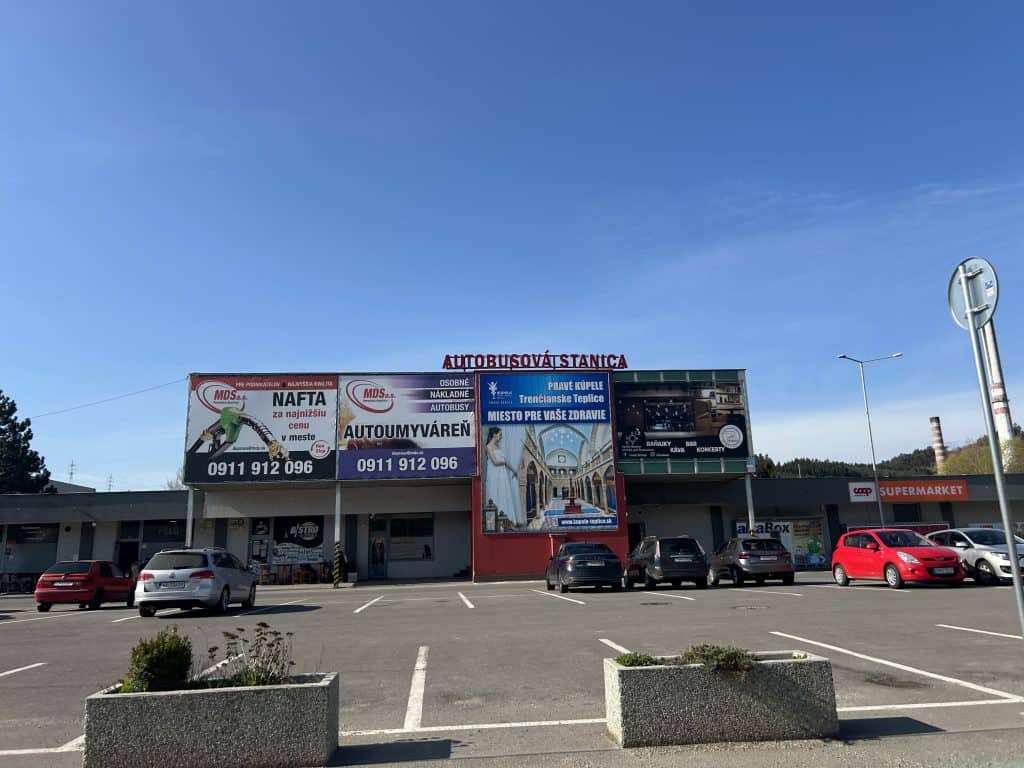
Považská Bystrica is also well-connected by a network of national and international bus routes. The main bus station is located next to the train station, allowing for easy transfers. Numerous bus companies operate services that link the town with other Slovak towns and with major cities in neighboring countries, such as the Czech Republic. The bus can be a cost-effective alternative to the train and often provides more direct connections to smaller towns and villages in the region.
Driving Distances
The driving distance to Považská Bystrica from 20 regional cities, according to Google Maps:
- Žilina, Slovakia – 33 kilometers (0 h 25 min)
- Trenčín, Slovakia – 45 kilometers (0 h 30 min)
- Ostrava, Czech Republic – 110 kilometers (1 h 30 min)
- Katowice, Poland – 155 kilometers (1 h 50 min)
- Brno, Czech Republic – 165 kilometers (1 h 40 min)
- Bratislava, Slovakia – 169 kilometers (1 h 30 min)
- Poprad, Slovakia – 170 kilometers (1 h 50 min)
- Kraków, Poland – 180 kilometers (2 h 30 min)
- Vienna, Austria – 250 kilometers (2 h 20 min)
- Budapest, Hungary – 275 kilometers (2 h 40 min)
- Košice, Slovakia – 282 kilometers (3 h 00 min)
- Wrocław, Poland – 330 kilometers (3 h 10 min)
- Prague, Czech Republic – 375 kilometers (3 h 40 min)
- Lviv, Ukraine – 460 kilometers (5 h 30 min)
- Warsaw, Poland – 470 kilometers (5 h 00 min)
- Zagreb, Croatia – 510 kilometers (4 h 50 min)
- Ljubljana, Slovenia – 600 kilometers (5 h 40 min)
- Berlin, Germany – 620 kilometers (6 h 00 min)
- Belgrade, Serbia – 625 kilometers (5 h 50 min)
- Munich, Germany – 685 kilometers (6 h 40 min)
Looking to Explore more of Slovakia and Europe?


This post was first published 2025-05-30 and was updated 2025-07-30