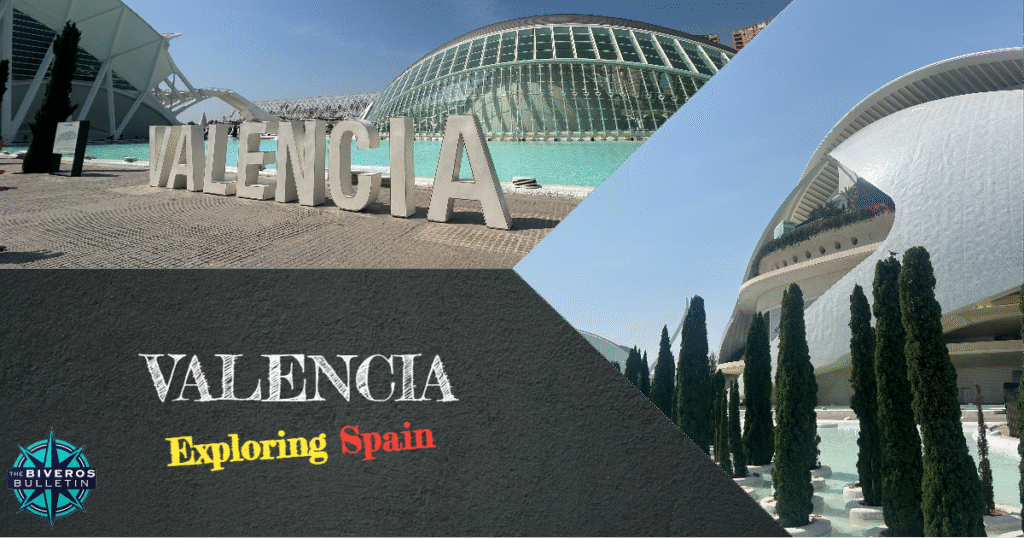
Valencia | Exploring Spain
Valencia is a major city on Spain’s eastern Mediterranean coast and serves as the capital of the autonomous community of Valencia. The city is situated on a fertile plain on the banks of the Turia River. After a major flood in 1957, the river’s course was diverted south of the city center. This left a dry riverbed that has since been converted into a major urban park. With a population of approximately 800,000 people in the municipality, it is Spain’s third-largest city.
The city’s location on the Mediterranean gives it a mild climate with very little rainfall, which is suitable for agriculture, particularly the region’s famous orange groves. This climate also makes it a year-round tourist destination. The city’s geography provides access to both coastal and inland attractions. This includes the large Albufera Natural Park, which is known for its freshwater lagoon, extensive rice paddies, and as a key habitat for birdlife.
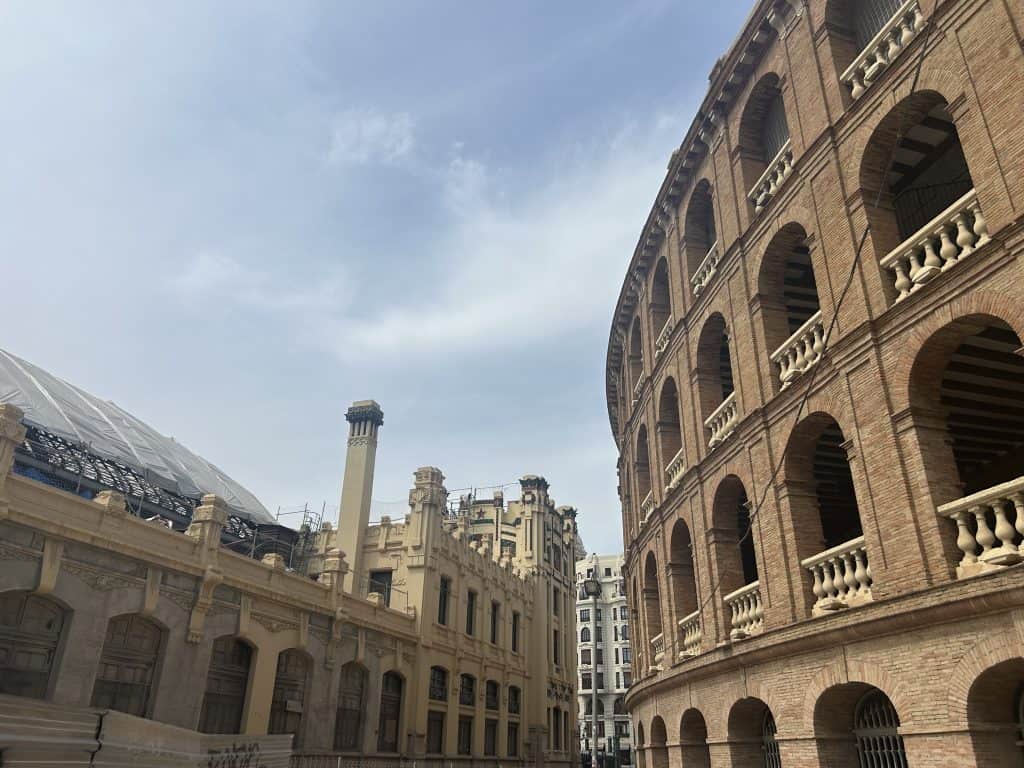
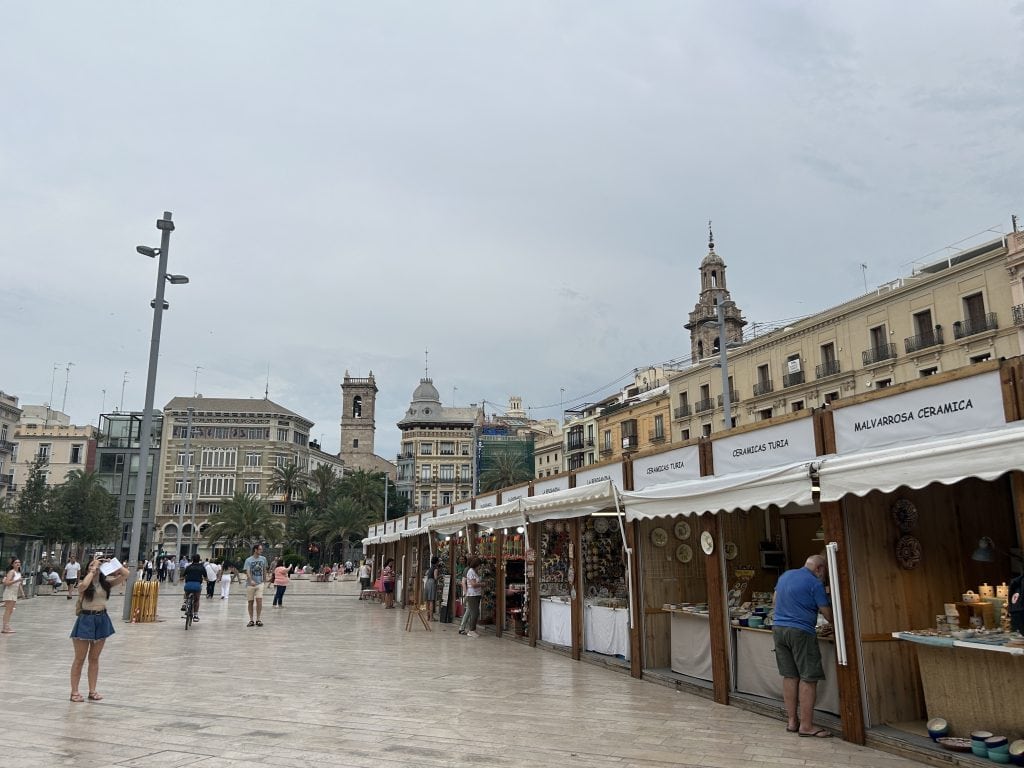
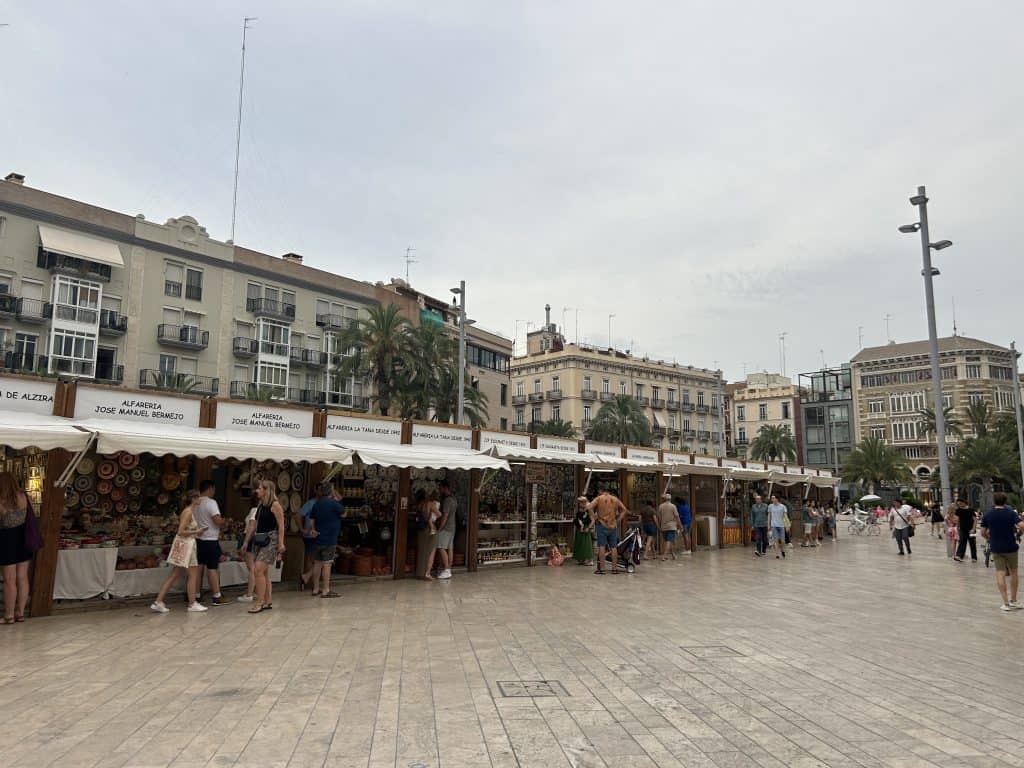
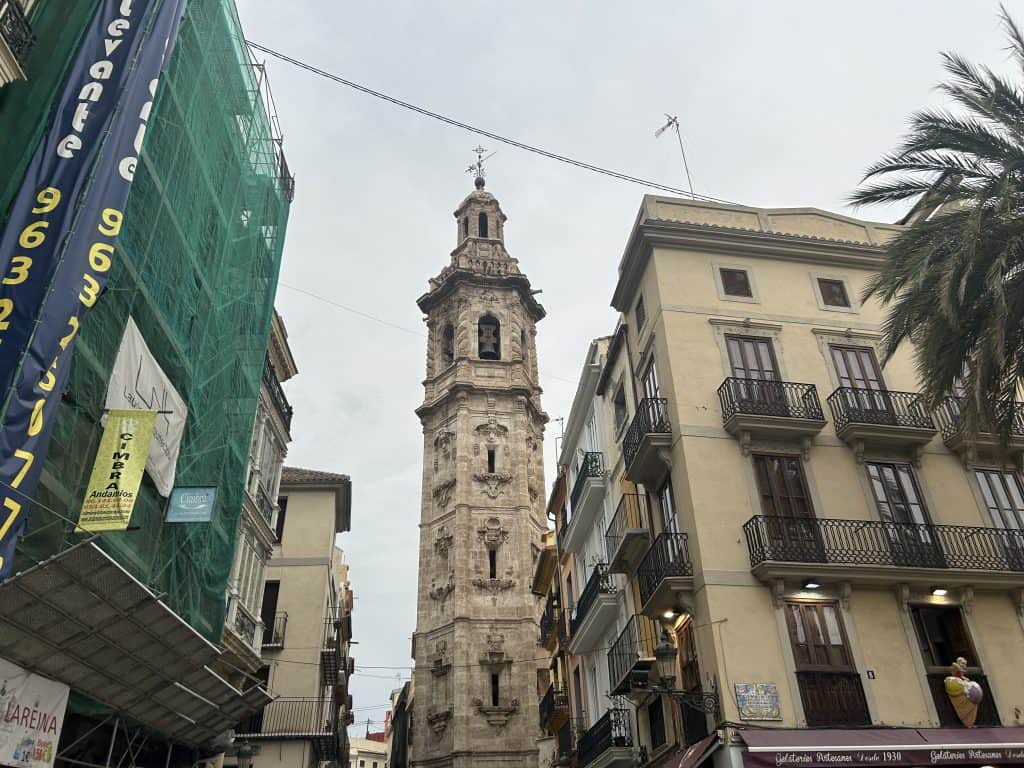
The character of Valencia is defined by a blend of historical architecture and highly modern structures. The historic center, or Ciutat Vella, contains buildings from the Roman, Moorish, and Aragonese periods. This core is surrounded by 19th-century expansion districts and newer developments. The former Turia riverbed, now a park, runs through the city and serves as a key public space that connects the older parts of the city with the modern City of Arts and Sciences at its eastern end.



Good to Know for Visiting Valencia
To help with planning a visit, here are several practical points covering daily essentials, timing, and efficient exploration of the city. Understanding these details can make a trip to Valencia more convenient. This information is intended to provide a general overview for travelers preparing to visit the city.
The Daily Essentials
The official currency used in Valencia is the Euro (EUR). While credit and debit cards are widely accepted in most hotels, restaurants, and larger shops, it is advisable to carry some cash for smaller cafes, market stalls, or if you plan to purchase items from smaller vendors. The official languages are Spanish and Valencian, with most signs and public information displayed in both. In tourist areas, English is widely spoken in hotels, restaurants, and by younger generations. Tipping is not obligatory, but leaving a small tip in restaurants is a considered a friendly gesture. The tap water in Valencia is safe to drink but can have a strong taste due to mineral content, so many people prefer to purchase bottled water for drinking. The electrical system uses Type F sockets with a standard voltage of 230V, so visitors from outside continental Europe may need an adapter.
Planning Your Calendar
Valencia is a year-round destination, but the best time to visit often depends on personal preference. The spring months (April-June) and autumn months (September-October) are often considered the best time to visit, as they offer mild and pleasant weather for exploring the city on foot without the intense heat of mid-summer. The summer can be hot and humid, but this is the most popular time for beach tourism and enjoying the city’s coastal areas. The winter is mild compared to other parts of Europe, with cooler temperatures but still plenty of sunshine. The city’s most famous festival, Las Fallas, is a major international event with large-scale papier-mâché sculptures, fireworks, and parades that culminates on March 19th, making mid-March a very busy and noisy time to visit. For a first-time visitor, three to four days is generally sufficient time to see the main sights.
A Tourist’s Toolkit for Exploration
The historic city center of Valencia is compact and largely pedestrianized, making it very suitable for exploration on foot. Most major sights within the Old Town are within a 10-15 minute walk of each other. For accessing sights further afield like the City of Arts and Sciences or the beach, the city’s public transport system is efficient. Visitors planning to use public transport and visit multiple museums should consider purchasing the Valencia Tourist Card. This card offers unlimited travel on the public transport network (bus, metro, tram) for 24, 48, or 72 hours. It also includes free entry to municipal museums and monuments and discounts on other attractions. It is always a good idea to check the opening hours for specific museums in advance, as many are closed on Mondays in Spain, a common practice across the country.






A Short History of Valencia
The history of Valencia spans over two millennia. It tracks the city’s development from a classical Roman colony, through a prosperous Moorish and Aragonese regional capital, to a modern Spanish city. The city’s location on the Mediterranean coast and the fertile land surrounding it have made it a valuable prize for various empires. Its periods of great prosperity, particularly its 15th-century Golden Age, left a lasting architectural and cultural legacy. The city has also played a key role in modern Spanish history.
Roman Foundation and Muslim Era
The city’s history dates back to 138 BC, when it was founded as the Roman colony Valentia Edetanorum by the consul Decimus Junius Brutus Callaicus. Its strategic location on the Via Augusta near the sea made it an important trading post. After the fall of the Roman Empire, the city experienced periods under Visigothic control. In 714 AD, the Moors conquered Valencia, beginning a period of over 500 years of Muslim rule.
During this era, the city, known as Balansiya, became a major cultural and economic center. The Moors introduced advanced irrigation techniques, many of which are still in use today in the surrounding agricultural plain, the Huerta. They also introduced new crops like rice, oranges, almonds, and saffron. This period significantly shaped the region’s agriculture, cuisine, and culture. The intricate water tribunal that still meets weekly at the cathedral door has its origins in this period.
The Golden Age of Valencia
In 1238, King James I of Aragon reconquered Valencia from the Moors. He then established the independent Kingdom of Valencia as part of the Crown of Aragon, with the city as its capital. The 15th century is widely regarded as Valencia’s Golden Age (Siglo de Oro Valenciano). It became a major economic and cultural power in the Mediterranean. The city was a hub for trade, especially in silk, which led to the construction of the famous silk exchange, La Lonja, a masterpiece of civic Gothic architecture.
This prosperity fueled a flourishing of the arts and literature. The first printing press in the Iberian Peninsula was established here in 1474. The Valencian school of painting gained prominence during this time. The city’s wealth and influence were evident in the construction of grand buildings and the confidence of its merchant class. This period firmly established Valencia as one of the most important cities in the Mediterranean world.
Civil War Capital and Modernity
Valencia played a key role in modern Spanish history. During the Spanish Civil War (1936-1939), after the Siege of Madrid, the city served as the capital of Republican Spain for nearly a year, from November 1936 to October 1937. The government and ministries were all relocated to the city, making it a primary target for bombing raids. Following the war, the city continued to grow as an industrial and agricultural center.
A pivotal event in its modern history was the great flood of 1957, when the Turia River overflowed its banks and devastated the city. This led to the decision to divert the river to the south of the city. The dry riverbed was then transformed into a vast, 9-kilometer-long park. In the late 20th and early 21st centuries, the city underwent another major urban development with the construction of the landmark City of Arts and Sciences complex in this former riverbed.






Things to Do and See
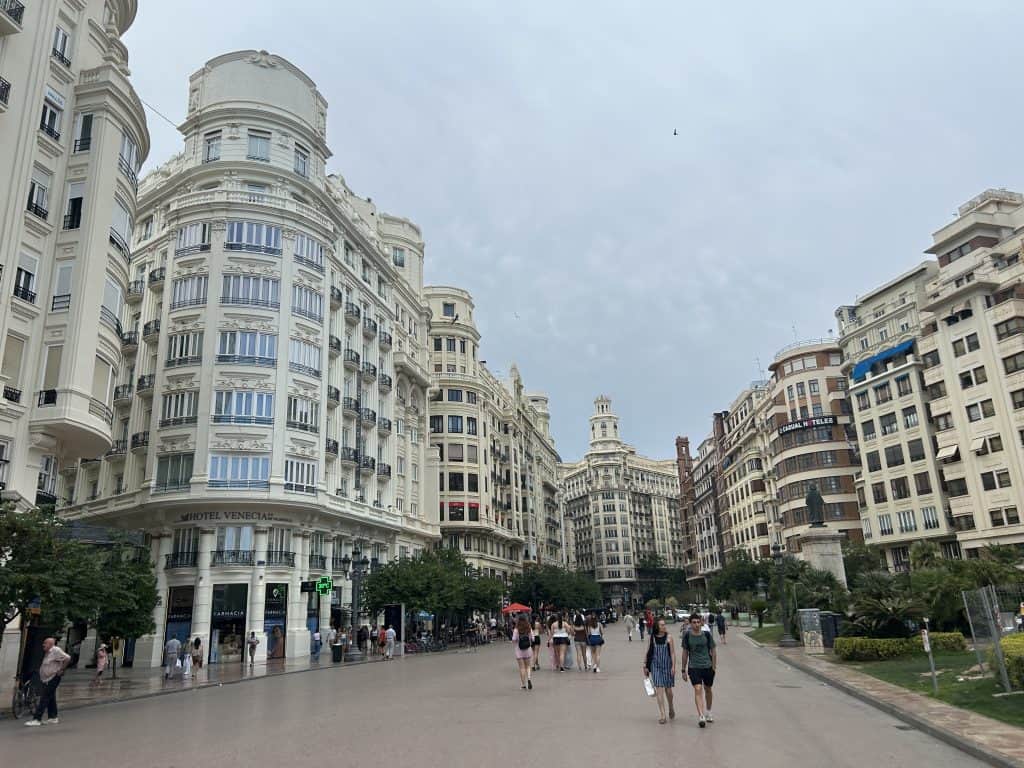
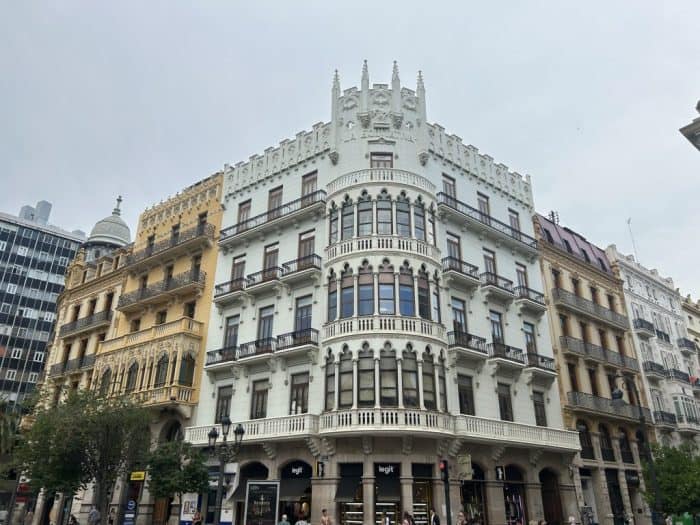
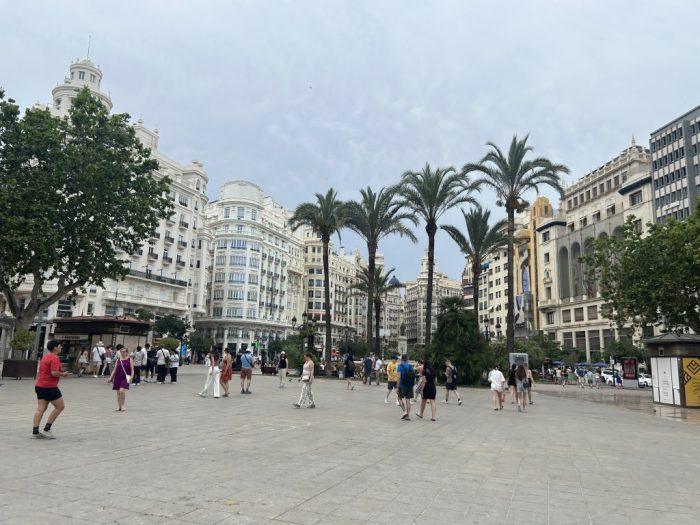
Valencia’s sights offer a mix of historical structures and contemporary architecture. The Ciutat Vella (Old Town) contains many of the key historical monuments, which reflect the city’s Roman, Moorish, and Aragonese past. These sites are complemented by significant examples of Modernista architecture, such as the Central Market. The city’s most famous modern landmark is the City of Arts and Sciences complex, located at the eastern end of the Turia Garden.
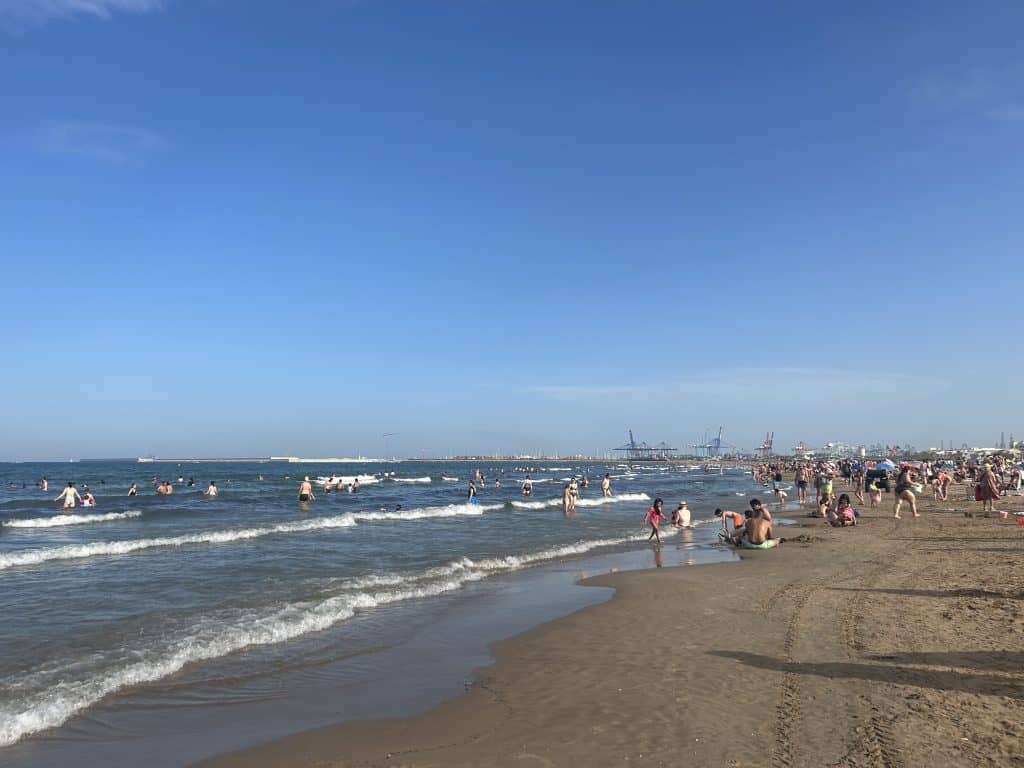
This combination of old and new makes the city a destination with a wide range of architectural and cultural points of interest. The large Turia Garden provides a green space that connects the different parts of the city. Many of the most important sights are located within this park or along its edges. The city’s beaches also provide another major area of public life and recreation.
City of Arts and Sciences
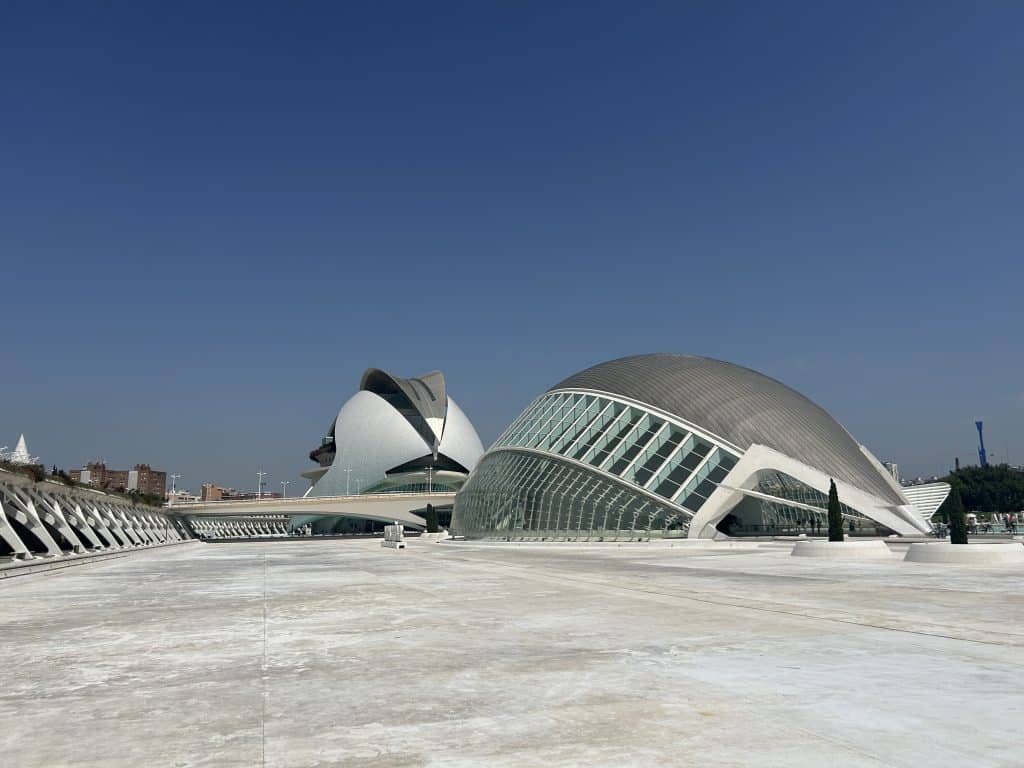
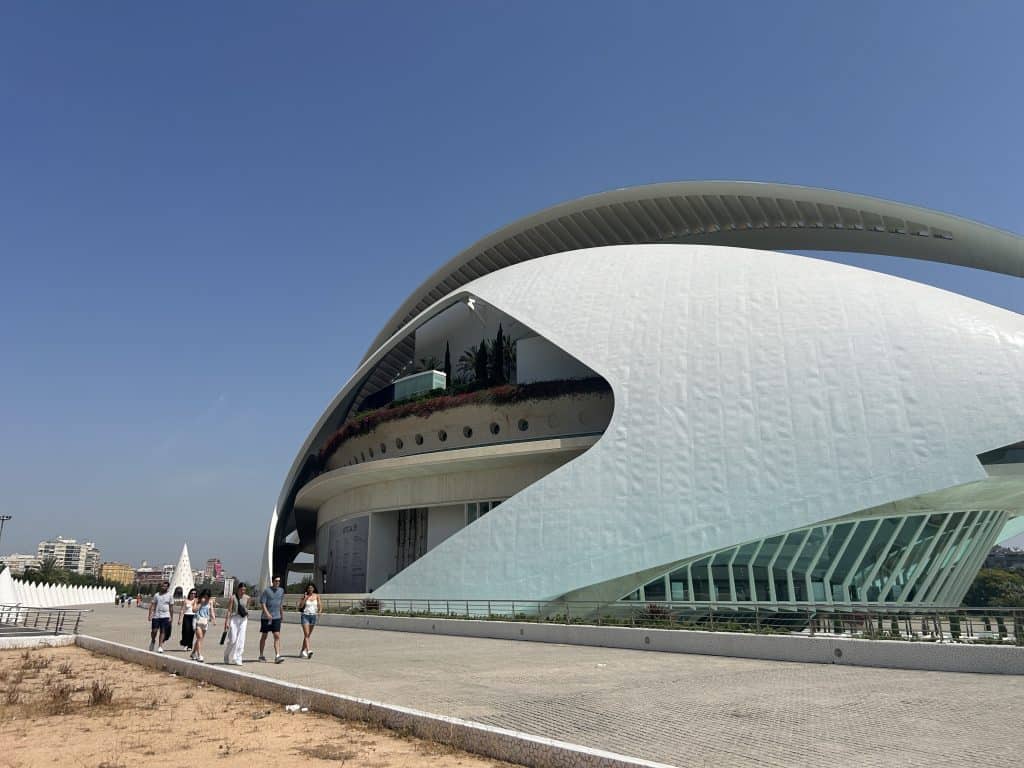
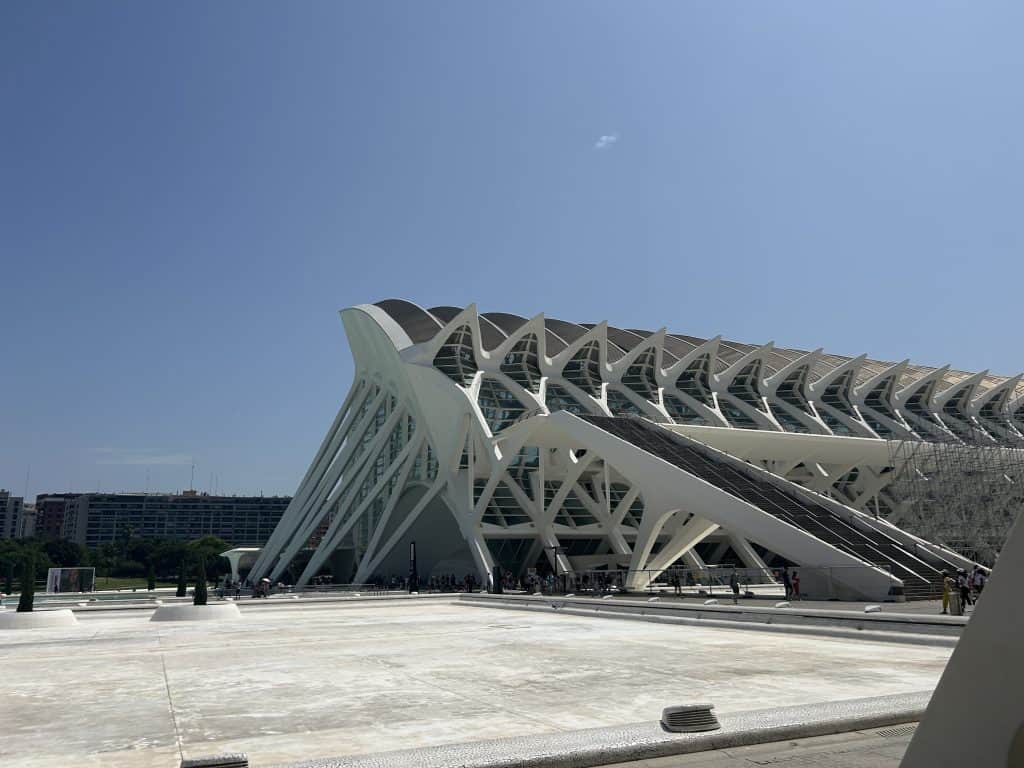
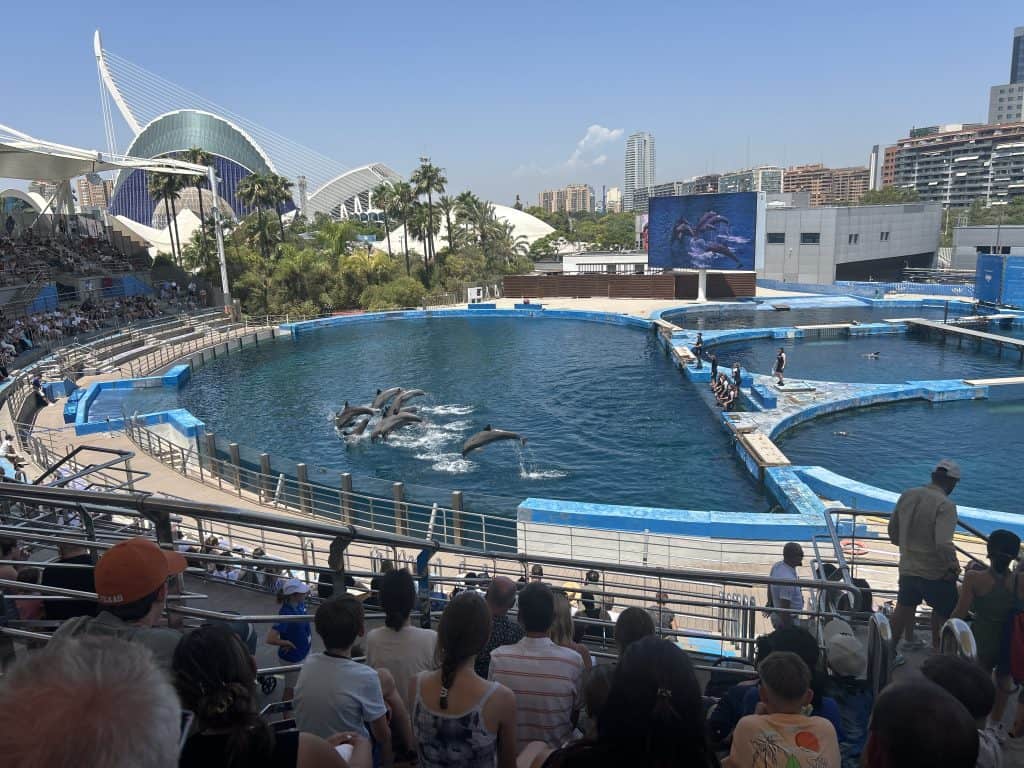
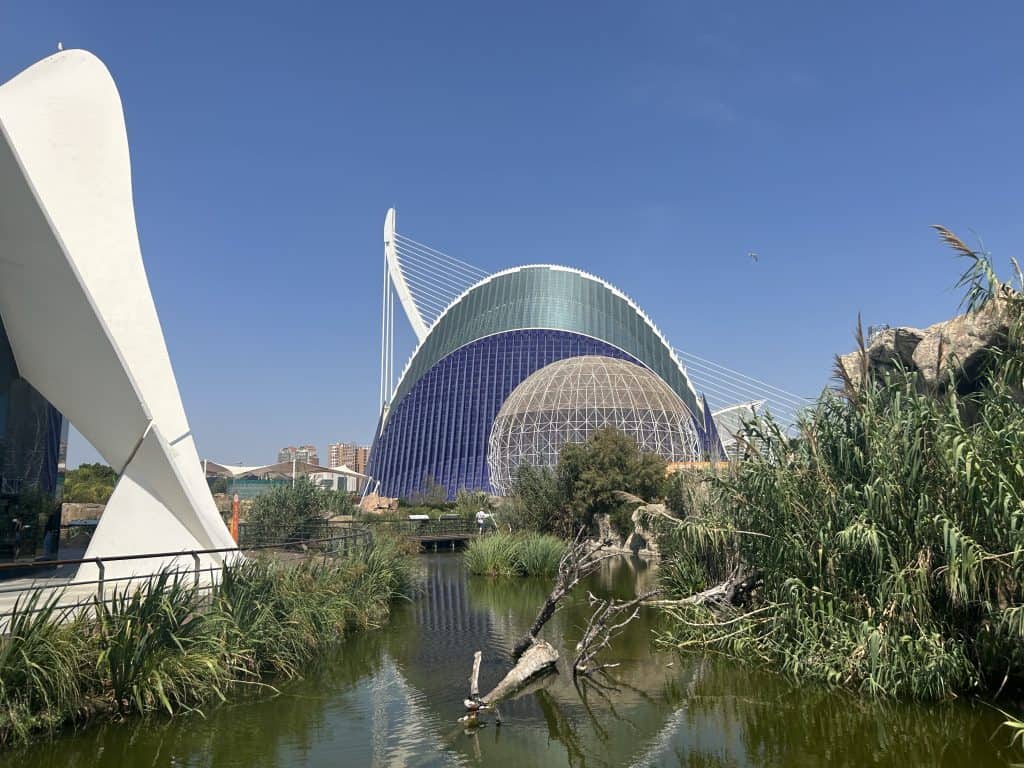
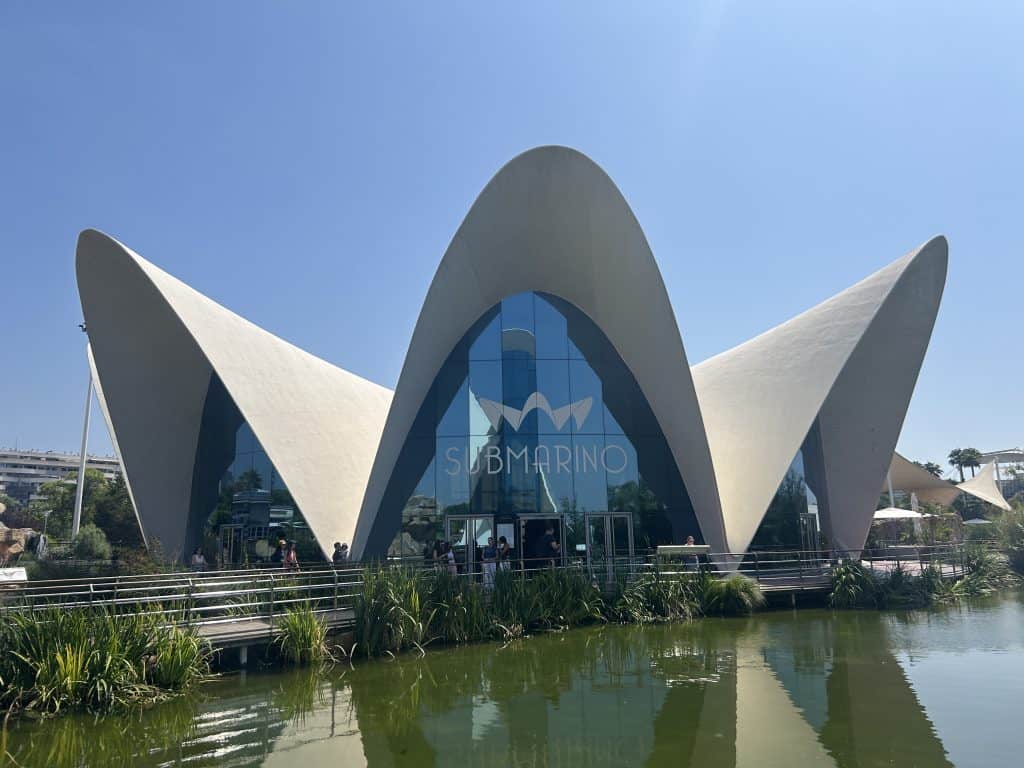
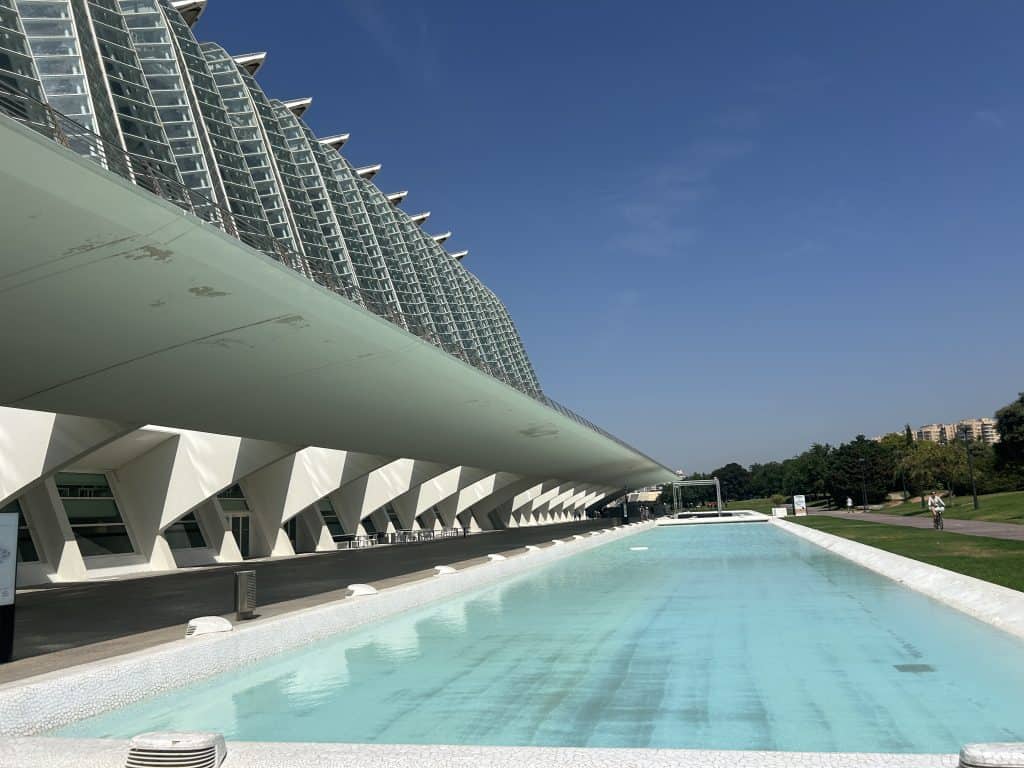
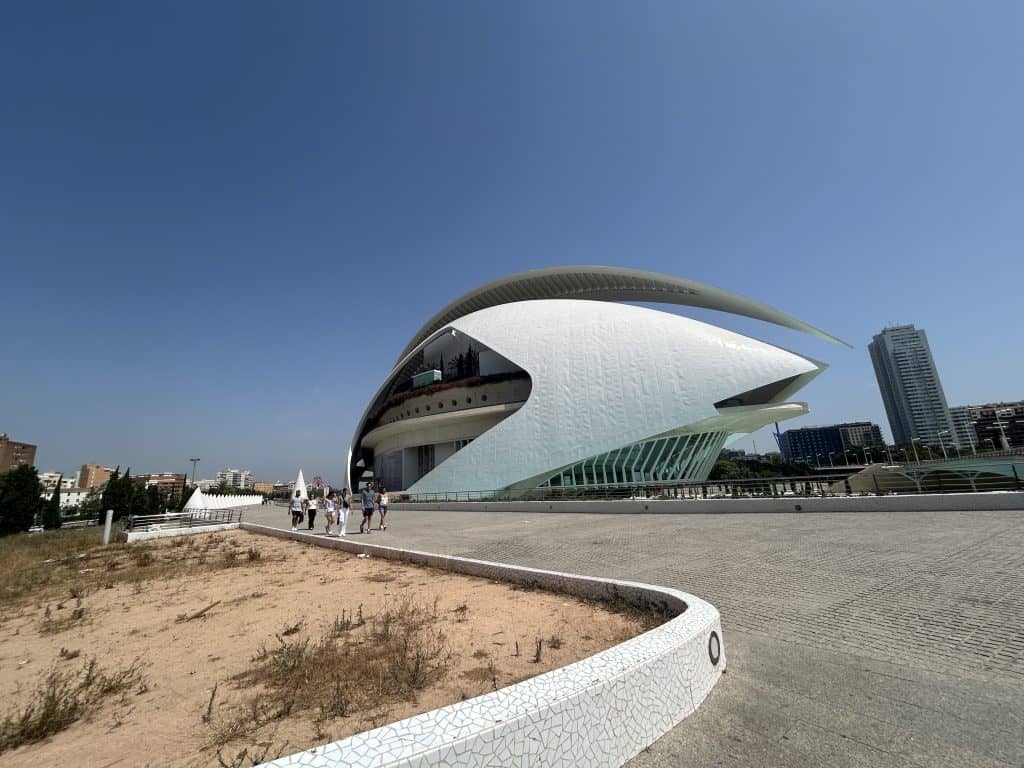
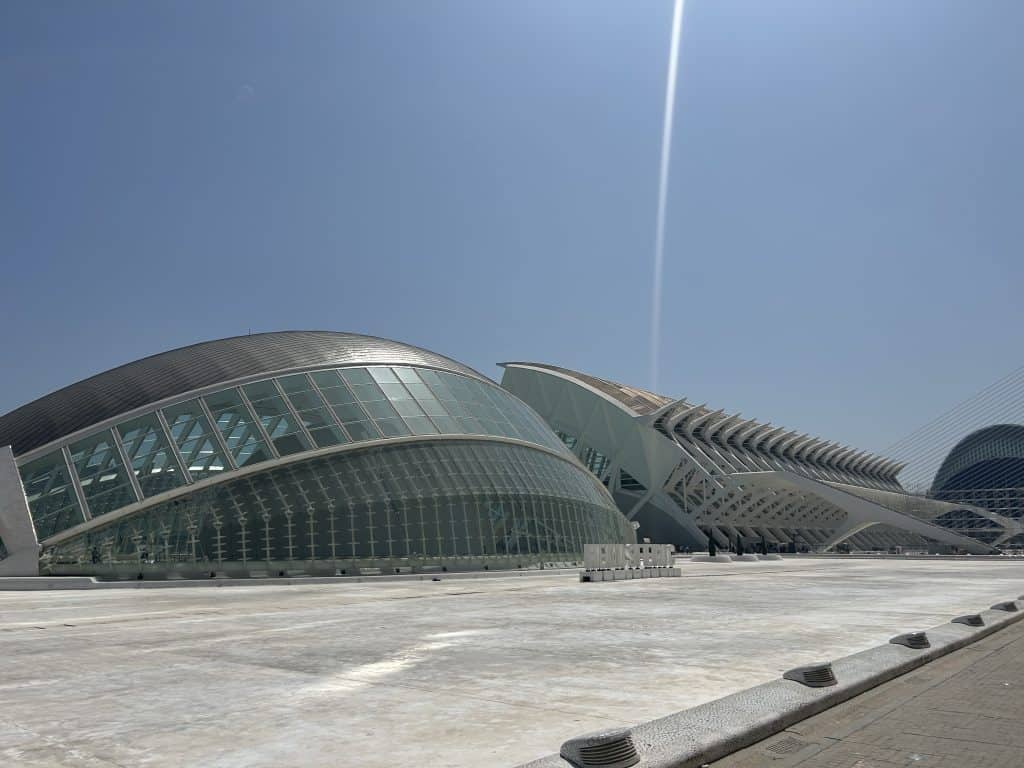
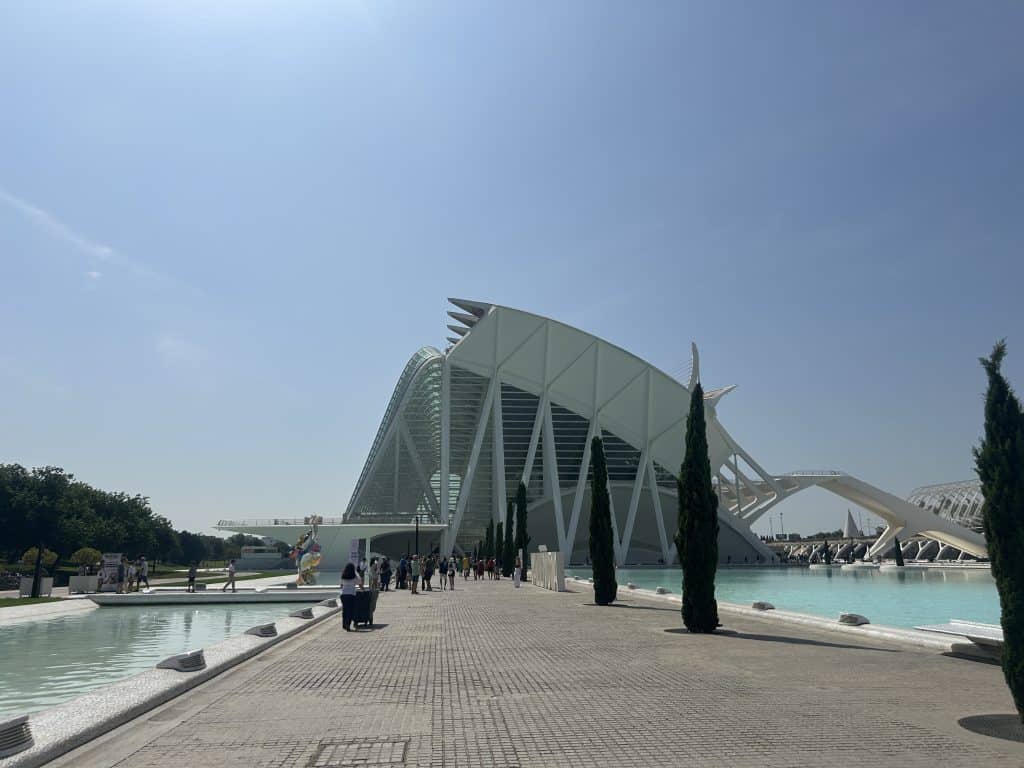
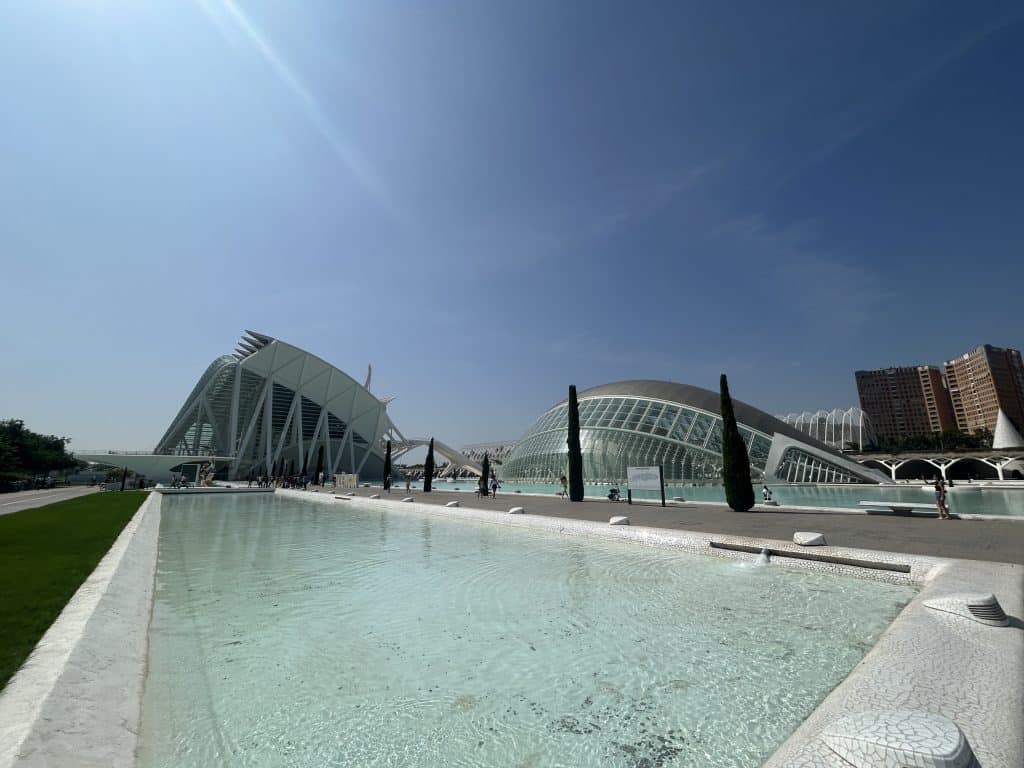
The City of Arts and Sciences (Ciutat de les Arts i les Ciències) is a large-scale cultural and architectural complex. It was designed primarily by Valencian architects Santiago Calatrava and Félix Candela. The complex opened in stages from 1998 onwards and is a major example of modern architecture. It includes several distinct structures: L’Hemisfèric houses an IMAX cinema and planetarium under a roof designed to resemble a human eye. The Museu de les Ciències is an interactive science museum with a large, whale-skeleton-like structure. The Oceanogràfic, designed by Candela, is Europe’s largest aquarium and houses animals from many different marine ecosystems. The complex also contains the Palau de les Arts Reina Sofía opera house and the L’Àgora event space.
Valencia Cathedral
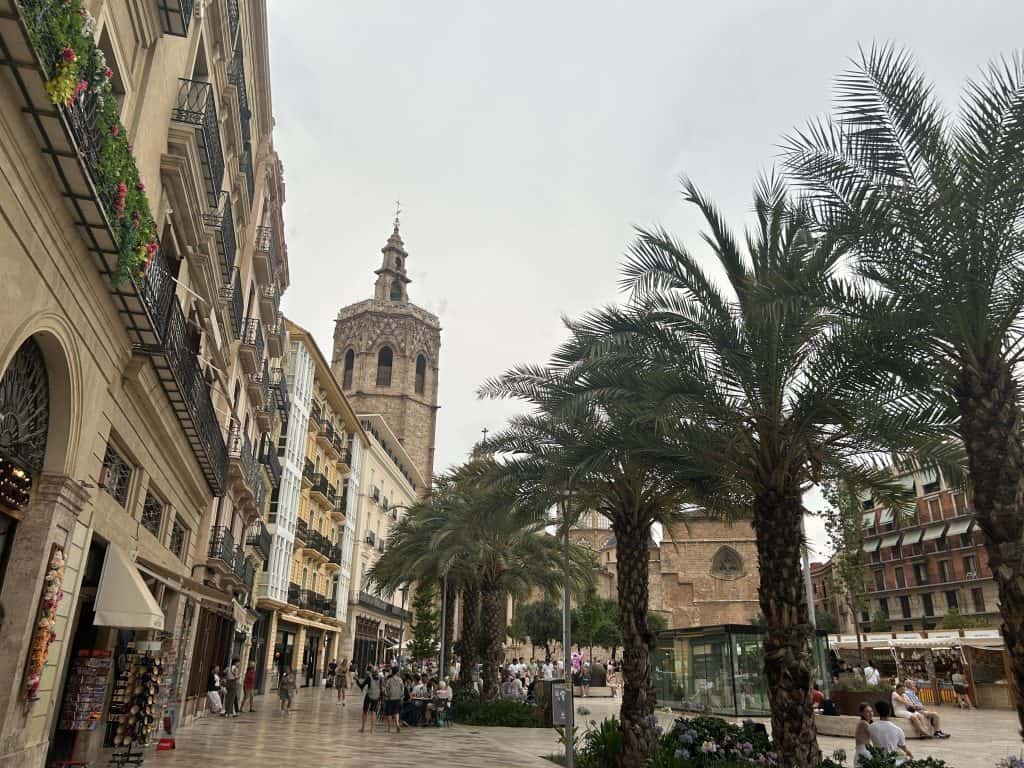
The Valencia Cathedral (Catedral de Santa María de Valencia) is a blend of Romanesque, Gothic, and Baroque architectural styles. Its construction began in the 13th century on the site of a former Visigothic cathedral that had been converted into a mosque. The cathedral is famous for housing a chapel with the Holy Chalice. This artifact is recognized by the Vatican as a possible candidate for the authentic Holy Grail used at the Last Supper. Visitors can also climb the Miguelete, the cathedral’s octagonal bell tower. The climb involves 207 steps and offers panoramic city views. The cathedral’s two main portals are the Gothic Portal of the Apostles and the Baroque Iron Gate.
La Lonja de la Seda
La Lonja de la Seda (The Silk Exchange) is a key example of late Valencian Gothic architecture and a UNESCO World Heritage site. Built between 1482 and 1533, it symbolizes the city’s commercial power during its Golden Age. The building was used for trading in silk and other goods. The main hall, the Sala de Contratación, features intricate, twisted columns that rise to a vaulted ceiling, designed to resemble a palm grove. The building also includes the Consulate Pavilion, where a merchant tribunal would meet, and a central courtyard planted with orange trees. This historic building stands as a testament to the city’s prosperous past as a major center for Mediterranean trade.
Mercado Central
The Mercado Central (Central Market) is housed in a large Modernista building from 1928. It is one of Europe’s largest fresh produce markets. Its iron, glass, and ceramic dome structure covers over 8,000 square meters. Inside, hundreds of stalls offer local produce, including Valencia’s famous oranges, fresh seafood from the Mediterranean, and traditional cured meats like jamón. The market is a center of daily Valencian life and culinary traditions. It is located directly opposite La Lonja de la Seda. It is a key architectural example of the Valencian Art Nouveau style.
Torres de Serranos
The Torres de Serranos are large Gothic towers that were part of Valencia’s medieval city wall. Built in the late 14th century, they served as one of the main entrances to the city and as a defensive stronghold. They are one of only two remaining city gates from the original twelve. For centuries, they were also used as a prison for nobles. Visitors can climb to the top for views of the old city and the Turia Garden. The towers are a significant landmark and are often used for ceremonial events, such as the opening ceremony of the Fallas festival.
Torres de Quart
The Torres de Quart are twin Gothic towers from the 15th century, also part of the former city defenses. They bear visible marks from cannonballs fired during the Peninsular War in the early 19th century, a testament to their defensive strength. These robust, cylindrical towers offer a different architectural style compared to the more ornate, polygonal Torres de Serranos. They stand as another example of Valencia’s medieval fortifications and military architecture. They are located on the western side of the old town.
Jardín del Turia
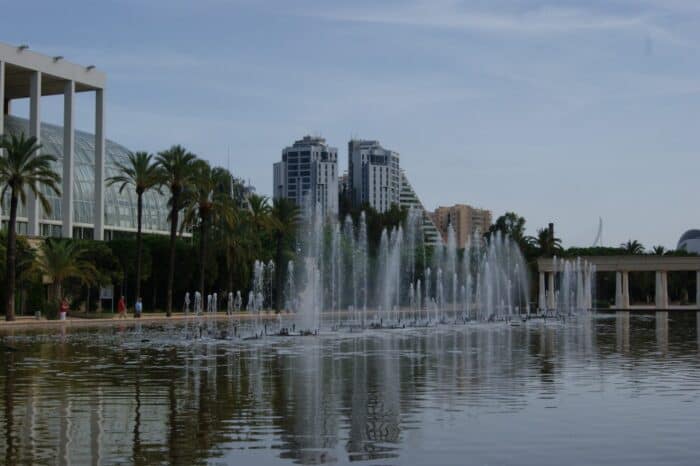
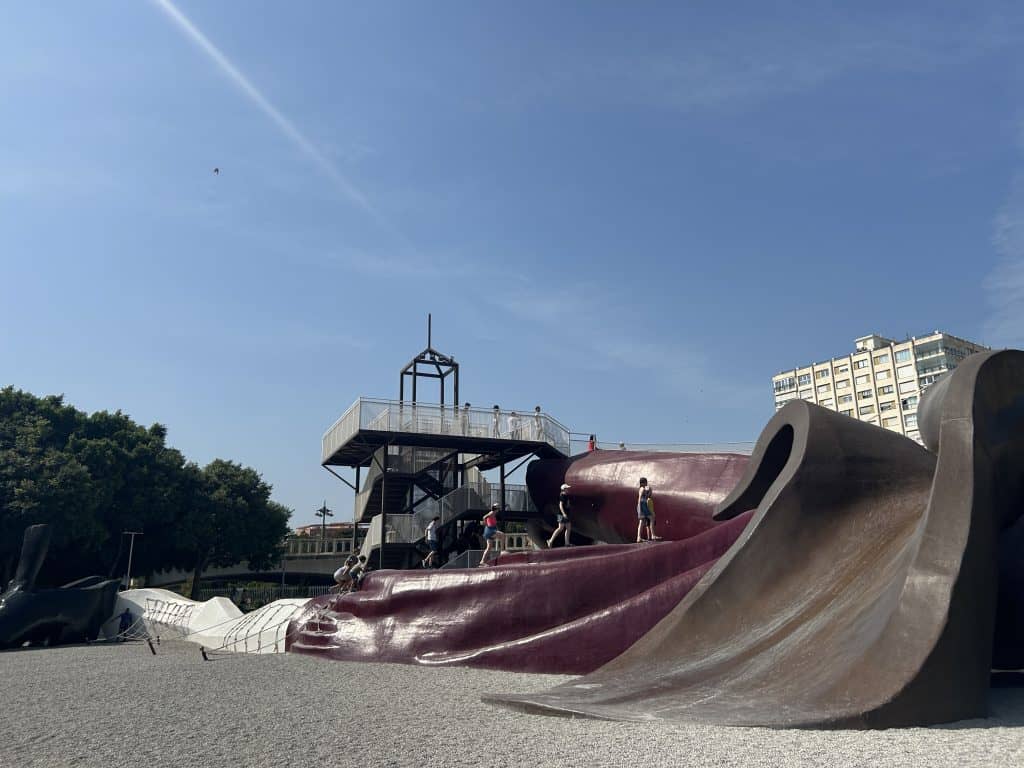
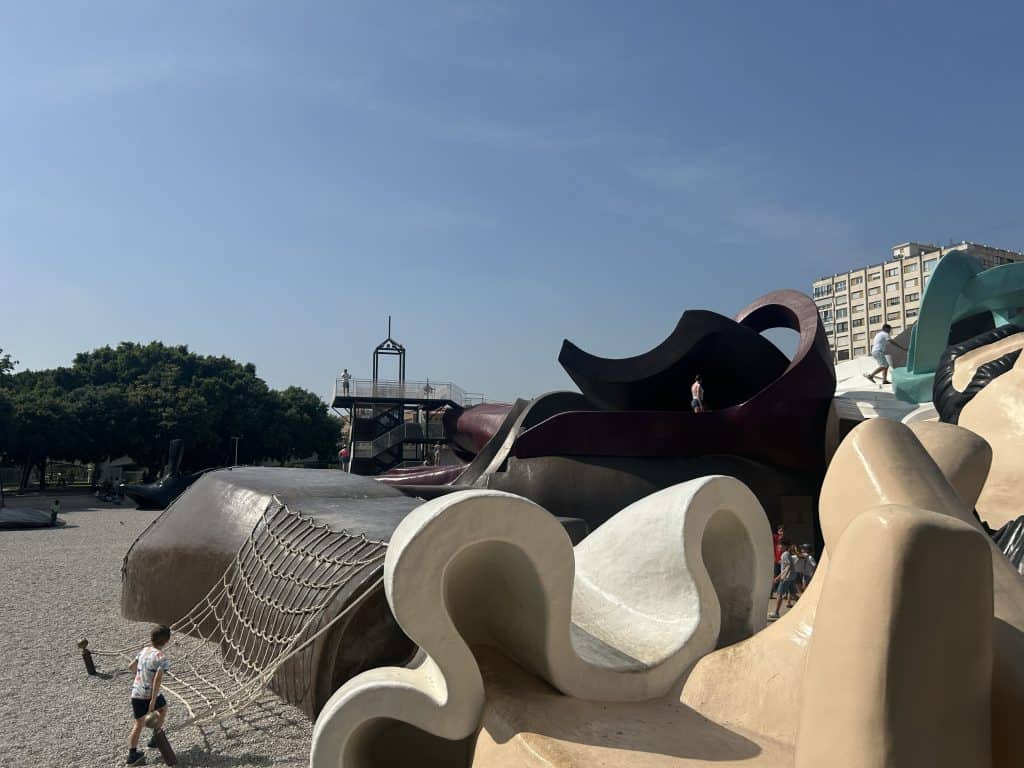
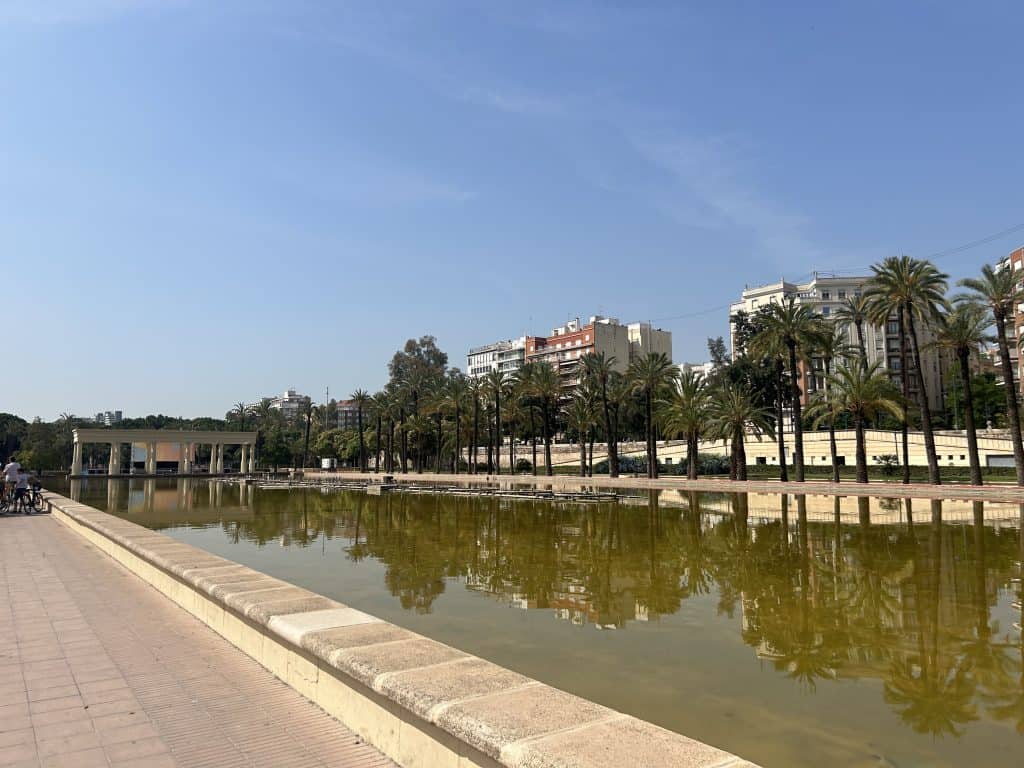
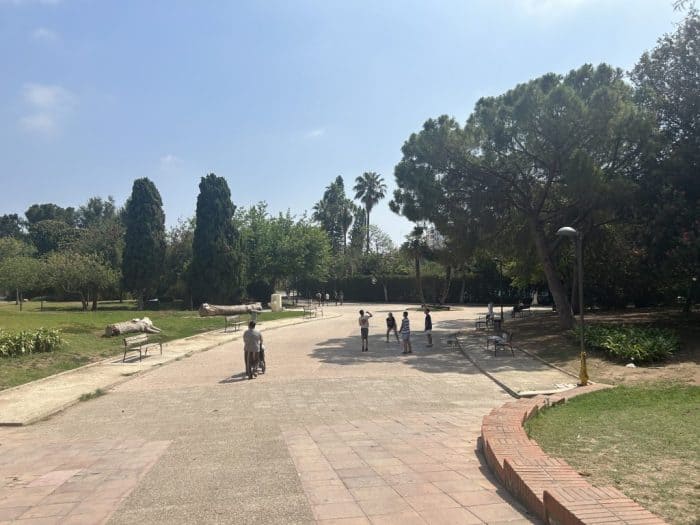
The Turia Garden (Jardín del Turia) is a unique urban park that stretches for approximately 9 kilometers along the former Turia River bed. After a devastating flood in 1957, the river was diverted away from the city center. The dry riverbed was then transformed into one of Spain’s largest urban parks. It contains vast green spaces, sports facilities, playgrounds, and bicycle paths. The park is crossed by many historic and modern bridges. It serves as a vital green lung for the city, connecting the Bioparc zoo in the west with the City of Arts and Sciences in the east.
Museo Fallero
The Museo Fallero offers a year-round look into Valencia’s most famous festival, Las Fallas. This festival is on the UNESCO Intangible Cultural Heritage list. The museum displays “ninots” (large satirical puppets) that have been “pardoned” by popular vote from being burned in past festivals. One “ninot” from both the main and children’s categories has been saved each year since 1934. The museum provides context for the festival’s unique artistry and tradition. It preserves pieces that would otherwise have been destroyed in the ceremonial bonfires.






Sports in Valencia
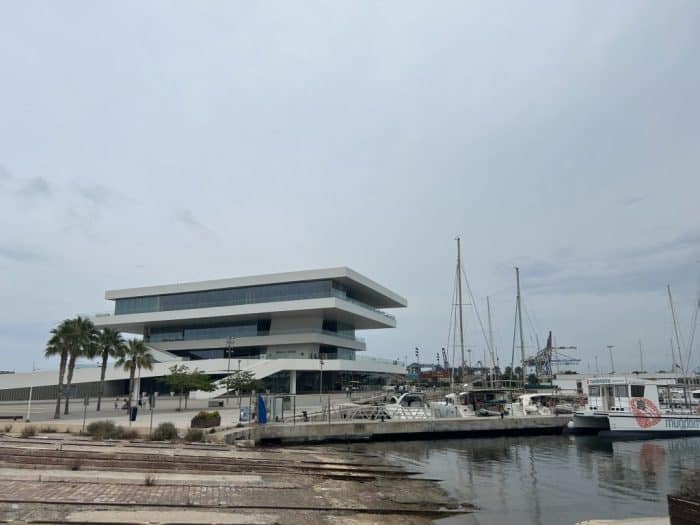
Valencia has an active sports culture with a strong identity in several disciplines. Football is highly popular, with two major clubs in the city that have a long-standing rivalry. Basketball is also well-supported, with a team that competes at the highest European level. The city’s coastal location makes it a center for sailing, having hosted major international events like the America’s Cup. Its flat terrain has also made it a world-class destination for running, with its marathon now being one of the most important in the world.
Football
Football is immensely popular in Valencia, which is home to two major clubs that compete at the highest level of Spanish football. The matches between these two teams, known as the Valencian derby, are major social events that draw large crowds and generate intense local interest. The city’s clubs have a long history of success in both domestic and European competitions, with Valencia CF being one of the most successful clubs in Spanish history. The sport is a key part of the city’s modern identity.
Valencia CF
Founded in 1919, Valencia CF is one of Spain’s most historically successful football clubs. The team is widely known by its nickname, “Los Che.” They have won 6 La Liga titles, with the most recent championships coming in 2002 and 2004, and have also won the Copa del Rey 8 times. The club has a strong European pedigree, having won the UEFA Cup in 2004 to complete a historic league and cup double that season. The club also reached two consecutive UEFA Champions League finals in 2000 and 2001. Their home ground is the Mestalla Stadium, which has a capacity of over 49,000. It is known for its exceptionally steep stands, which create an intimidating atmosphere for visiting teams.
Levante UD
The city’s second club is Levante Unión Deportiva, founded in 1909, making it the oldest football club in Valencia. They have a passionate following and a strong identity rooted in the city’s maritime districts. They play their matches at the Ciutat de València Stadium. Both Valencia CF and Levante UD have competed in Spain’s top professional football league, La Liga, for many seasons. Their rivalry contributes to the city’s footballing identity. The club has also competed in European competitions like the UEFA Europa League.
Basketball
Basketball has a significant presence and strong support in Valencia. The city’s professional team is a consistent competitor in both the top Spanish national league and in major European tournaments. The sport attracts a dedicated fanbase, filling the team’s home arena for important matches. The club is a key part of the city’s modern sporting success and is one of the most important clubs in Spanish basketball outside of the major Madrid and Barcelona teams.
Valencia Basket
The club, Valencia Basket, is a powerhouse in Spanish and European basketball. They compete in the Liga ACB, Spain’s top basketball league, and frequently participate in the EuroLeague or EuroCup. They have won the EuroCup multiple times, establishing themselves as one of the most successful teams in that competition’s history. The club also won the Spanish Liga ACB championship in 2017. Their home arena is the Pabellón Fuente de San Luis, known as “La Fonteta” by fans, which holds around 9,000 spectators.
Running
Running is a highly popular sport in Valencia. The city’s flat terrain and extensive green spaces, particularly the Turia Garden, provide ideal conditions for the sport. The city hosts several major annual events that attract a global field of elite and amateur runners. Valencia is now considered one of the world’s premier destinations for road racing, with several world records having been set in the city in recent years. This has cemented its reputation as the “City of Running.”
Valencia Marathon
The Valencia Marathon Trinidad Alfonso, held in December, is one of the world’s most prestigious marathons. It is recognized as a World Athletics Platinum Label Road Race, a status held by only a few marathons globally. Its completely flat course and typically mild weather make it ideal for fast times. This has led to world records being set here. The Valencia Half Marathon, held in October, is equally popular and is also a Platinum Label race known for being one of the fastest courses in the world. Both events attract tens of thousands of participants.



Getting Around in Valencia
Navigating Valencia is straightforward due to its efficient and integrated public transport system. This system connects historic sites, modern architecture, and the beach with ease. Whether you prefer metro rides or bicycle paths, convenient options are available. Understanding Valencia’s transport helps you explore its atmosphere and cultural richness.
On Foot: The Historic Core
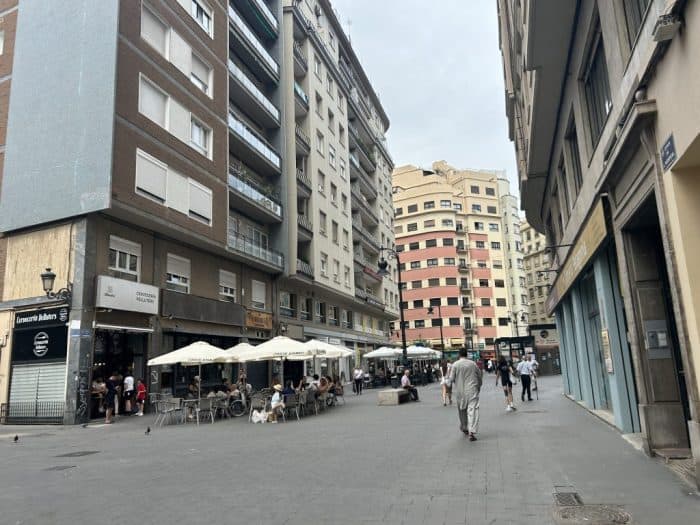
Walking is often the best way to experience Valencia’s core. The Ciutat Vella (Old Town) is largely pedestrian-friendly, with its narrow streets and historic squares suitable for exploration on foot. Neighborhoods like Ruzafa and El Carmen are also highly walkable, allowing visitors to discover shops, cafes, and street art. Comfortable shoes are recommended to best connect with the city’s atmosphere.
Riding the Network: Metrovalencia
Valencia offers integrated public transport. The Metrovalencia network combines subway and tram lines, offering a fast way to traverse the city. Key lines connect the city center to Valencia Airport (VLC) and the port and beach areas. The comprehensive bus network, operated by EMT Valencia, serves all parts of the city. The Valencia Tourist Card is an option for visitors, providing unlimited travel on buses, metro, and trams. Always check official sources for up-to-date ticket information.
A Quick Ride: Taxis and Ride-Sharing
Valencia’s official white taxis are readily available. You can hail them on the street or find them at designated ranks, and all taxis use meters. Ride-sharing apps like Uber and Cabify also operate throughout the city, providing a convenient alternative for door-to-door service. These are often booked via smartphone apps that show the fare upfront.
Two Wheels in the Turia: Cycling in Valencia
Cycling is an excellent way to explore Valencia due to the city’s flat terrain and extensive network of cycle lanes. Valenbisi is Valencia’s public bike-sharing scheme. It offers bicycles for short-term rental from numerous docking stations. Many private rental shops also offer bicycles for daily rental. Cycling is particularly suitable for exploring the Turia Garden or for traveling from the city center to the beach.





How to Get to Valencia
Valencia is highly accessible via various transport methods. It is served by a major international airport, modern motorways, and extensive bus and rail networks, including high-speed trains. The city also has one of the busiest ports in the Mediterranean, with ferry connections.
Arriving by Air: Valencia Airport
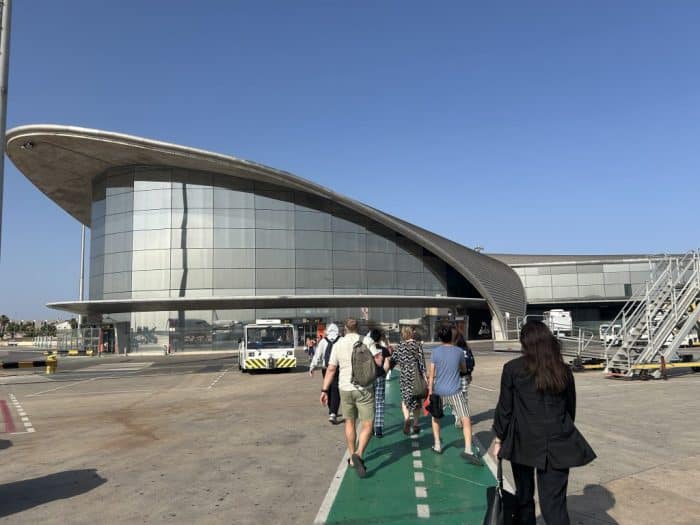
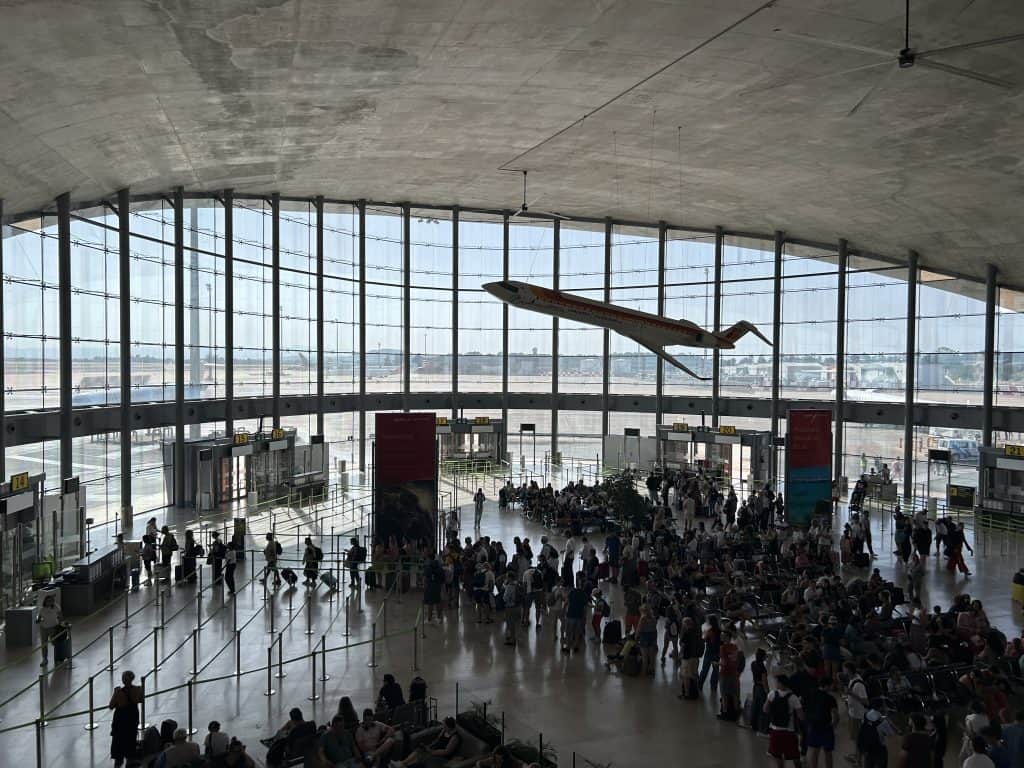
Valencia Airport (VLC), also known as Manises Airport, is located just 8 kilometers west of the city center. It is one of Spain’s busiest airports. Many airlines offer direct flights to Valencia from numerous European cities, with connections from about 20 countries. Metro lines 3 and 5 connect the airport directly to the downtown area. Public buses and taxis also provide convenient transfers.
The Open Road: Driving to Valencia
Driving to Valencia offers great flexibility. The city is well-connected by a modern motorway network. The AP-7 highway runs along the Mediterranean coast, linking Valencia with Barcelona to the north and Alicante to the south. The A-3 highway connects Valencia directly to Madrid. These routes make the city easily accessible from various parts of Spain.
Connecting by Coach: A National Hub
Bus travel to Valencia is a popular and affordable option. The city’s main bus station is the Estación de Autobuses de Valencia, located on Menéndez Pidal street. This station handles both national and international routes. You can find extensive connections to all major Spanish cities. Several European destinations also have direct bus services to Valencia.
On Track: High-Speed Rail
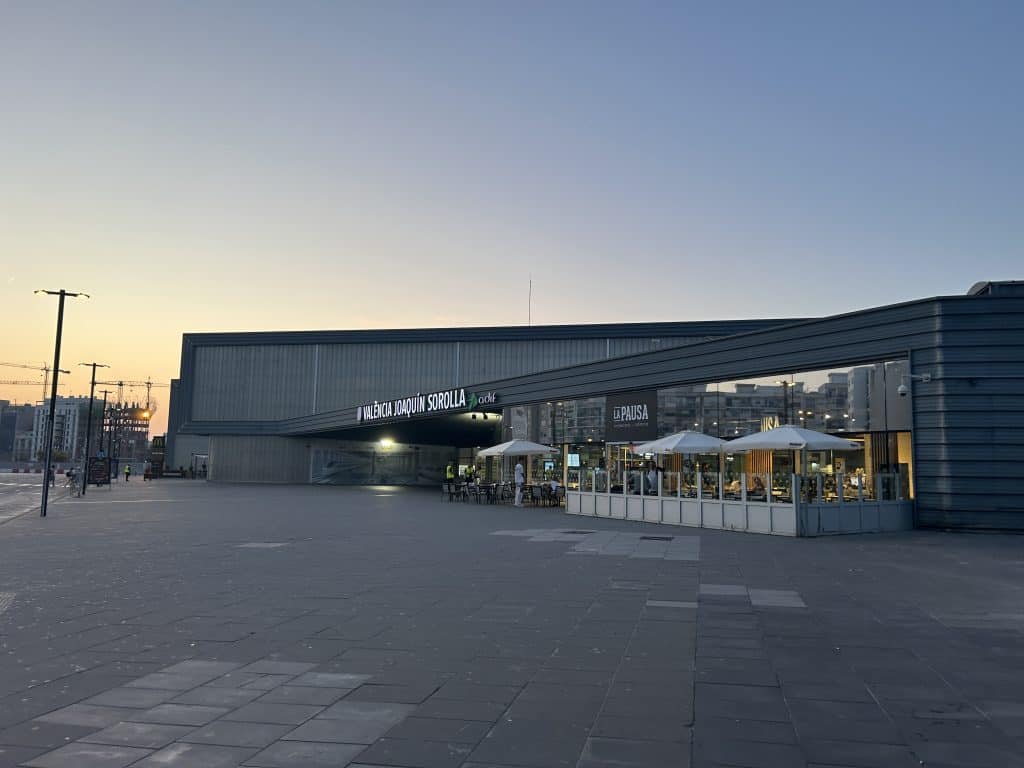
Valencia is well-integrated into Spain’s railway network. The city has two main train stations. Estació del Nord handles regional and suburban trains and is an architectural landmark itself. The modern Joaquín Sorolla Station is the hub for high-speed AVE trains. These connect Valencia rapidly to major cities like Madrid, Barcelona, and Seville.
The Mediterranean Route: Arriving by Ferry
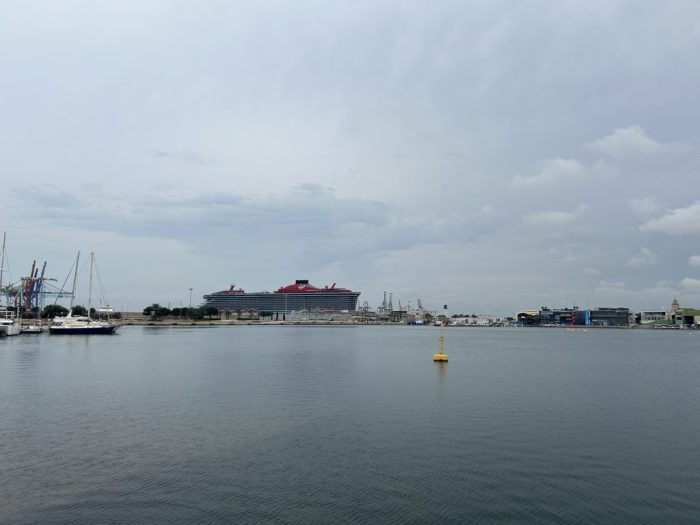
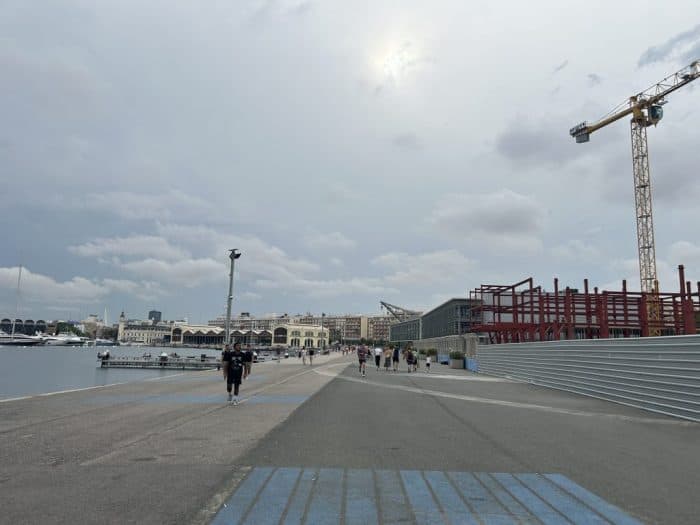
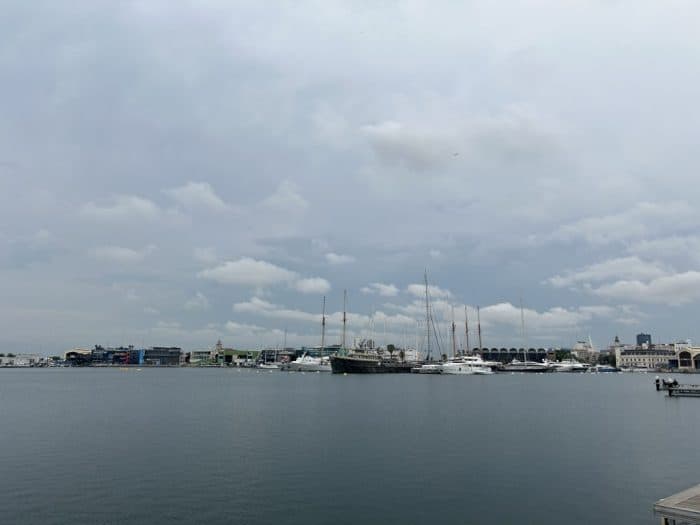
Valencia’s port is one of the busiest in the Mediterranean. It offers direct ferry connections to the Balearic Islands, including Ibiza, Palma de Mallorca, and Menorca. Ferries also connect Valencia with several destinations in North Africa, such as Mostaganem in Algeria. Companies like Baleària and GNV operate these routes. This provides a way to arrive by sea.
Driving Distances
The driving distance from 10 regional cities, according to Google Maps:
- Zaragoza, Spain – 312 kilometers (3 h 20 min)
- Barcelona, Spain – 352 kilometers (3 h 40 min)
- Madrid, Spain – 356 kilometers (3 h 50 min)
- Bilbao, Spain – 624 kilometers (6 h 10 min)
- Seville, Spain – 657 kilometers (6 h 50 min)
- Toulouse, France – 708 kilometers (6 h 40 min)
- Lisbon, Portugal – 892 kilometers (8 h 30 min)
- Geneva, Switzerland – 1,029 kilometers (10 h 00 min)
- Paris, France – 1,353 kilometers (13 h 00 min)
- Rome, Italy – 1,489 kilometers (14 h 50 min)
Looking to Explore more of Spain and Europe?