Nižná Boca | Exploring Slovakia
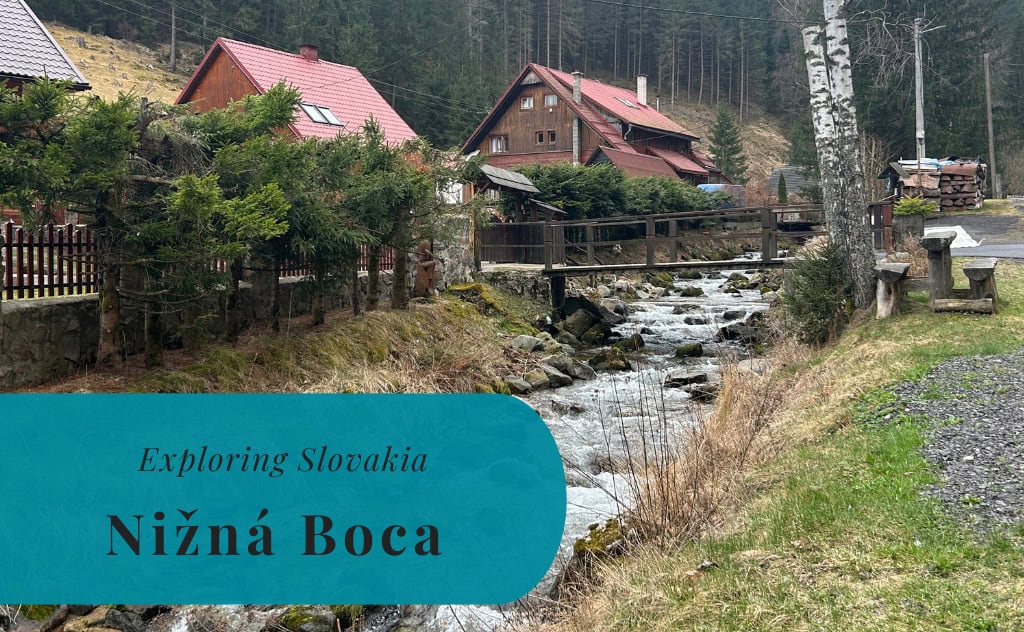
Nižná Boca is a village in central Slovakia, situated in the Low Tatras mountains within the scenic Boca Valley. Founded in the 14th century as a mining colony, the village is known for its well-preserved traditional wooden architecture. Nižná Boca lies within the boundaries of the Low Tatras National Park (NAPANT), the largest national park in the country. Today, this community of about 170 permanent residents serves as a base for exploring the surrounding mountains and forests, offering a glimpse into a traditional way of life shaped by centuries of mining and logging.
The village’s character is a direct reflection of its past as a mining settlement, a heritage still visible in its distinct architectural style and layout. The Bocianka Stream flows through the center of the village, adding to its picturesque charm. After the decline of mining, the community transitioned, preserving its historic buildings and close connection to the natural environment. This unique combination of cultural heritage and natural beauty makes Nižná Boca a notable destination for tourism, attracting visitors who come to ski in the winter and hike in the summer.


History of Nižná Boca
The history of Nižná Boca stretches back to the 14th century and is fundamentally linked to the mineral wealth of the Low Tatras mountains. The village was established by German colonists, experienced miners who were invited to settle the area and extract precious metals. For centuries, the community’s existence revolved around the mining of gold, silver, and iron ore, creating a distinct and self-reliant culture in the remote mountain valley. After the eventual decline of the mining industry in the 20th century, the village transitioned, preserving much of its historical character and architecture.
The German Mining Foundation
The origins of Nižná Boca began in the 14th century when German colonists, often referred to as Carpathian Germans, settled here. They were drawn to the region by the rich deposits of gold, silver, and other valuable minerals found in the surrounding mountains. These experienced miners established a thriving settlement, which, along with its counterpart Vyšná Boca, became a significant center for mining in the Liptov county of the Kingdom of Hungary. The village was built to suit the demanding mountain environment, with a distinct culture and building style that reflected its German roots.
Centuries of Mining and Logging
For several centuries, mining was the primary economic activity and the lifeblood of the village. Miners extracted gold, silver, and iron ore from the numerous tunnels, known as adits, that were dug into the nearby hills. The village developed a distinct character shaped by the hard work and resilience of its inhabitants. As the mines became less profitable over time, the local economy began to shift. Logging became an increasingly important industry, taking advantage of the vast forests of the Low Tatras. This transition allowed the community to sustain itself after the main mining era had passed.
Decline and Modern Preservation
The final decline of mining activities occurred in the 20th century as the most accessible mineral veins were exhausted. Following this industrial shift, the village became a quiet farming and logging community. Due to its remote location and the challenging mountain terrain, many of the traditional building methods and the strong community spirit were preserved. Today, Nižná Boca retains much of its historical charm, with its historic wooden houses and church standing as a testament to its past. This preserved heritage is now the main draw for visitors and the foundation of its modern tourism-based economy.
Sights in Nižná Boca
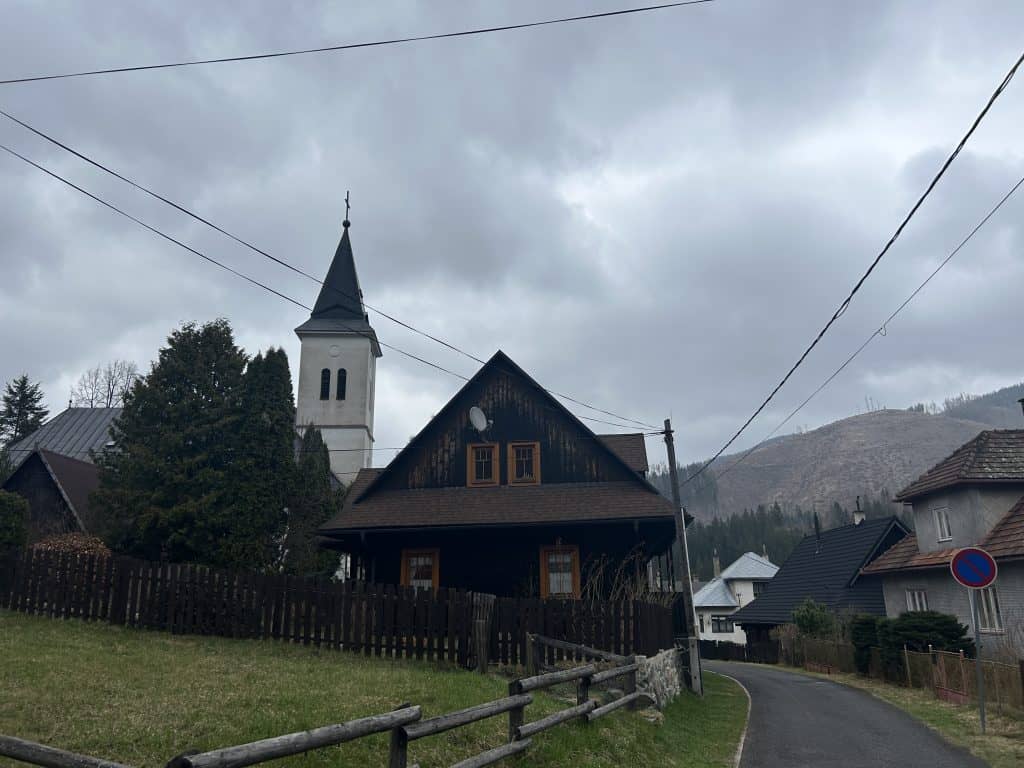
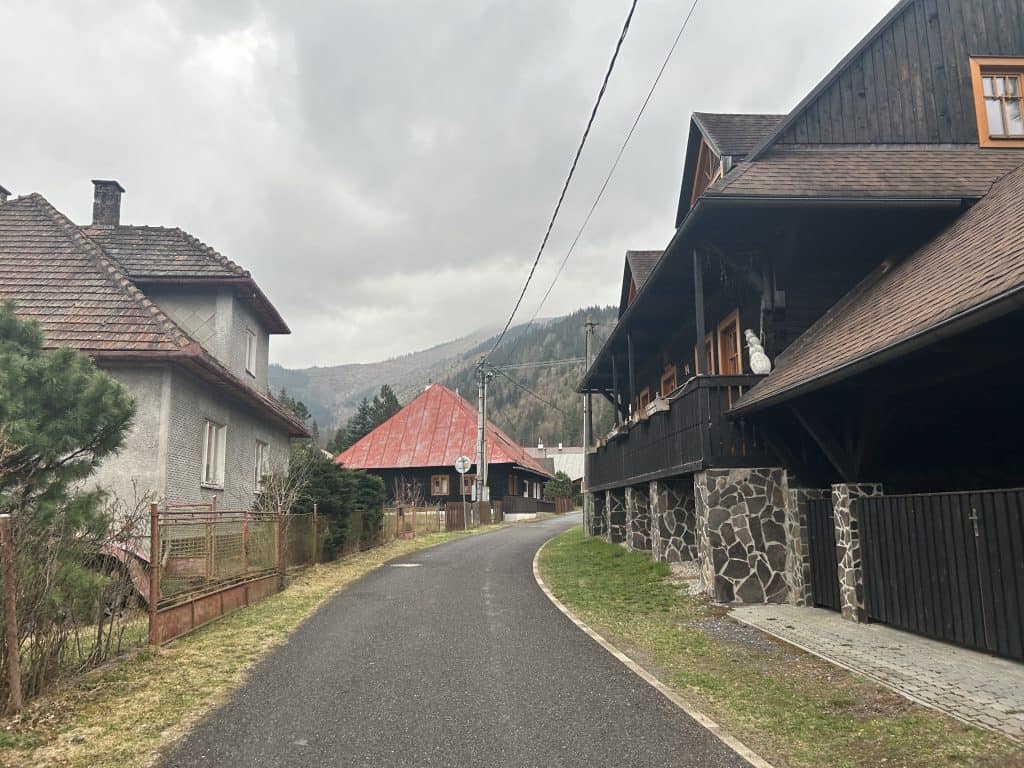
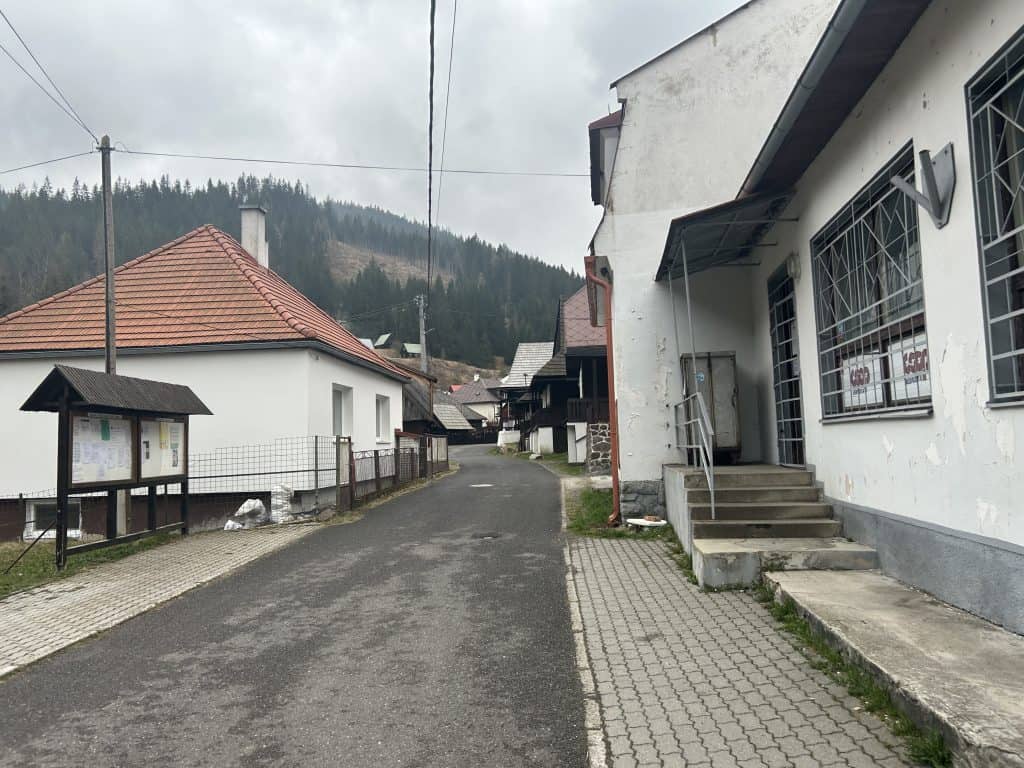
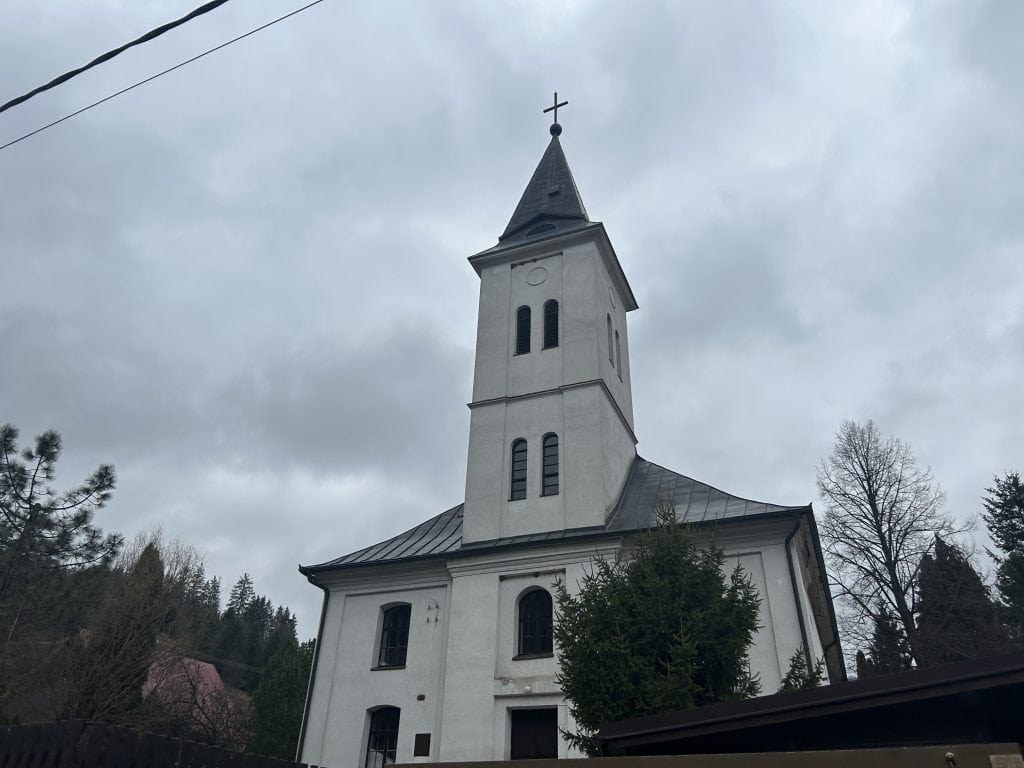
Nižná Boca offers a range of unique sights that highlight its rich history and its beautiful mountain surroundings. The village itself is often considered an open-air museum due to its collection of preserved traditional wooden houses, which showcase a unique local architectural style. A walk through the village reveals these historic log cabins, many of which are still inhabited today. The most prominent building in the village is the historic Lutheran Church, which has served as the spiritual center of the community for centuries.
The surrounding landscape provides further points of interest. The hills around the village are dotted with the remnants of its mining past, including the entrances to old mine tunnels. The village sits within the scenic Boca Valley, which offers beautiful views of the Low Tatras. As the village is located directly within the Low Tatras National Park (NAPANT), it serves as a gateway to one of Slovakia’s most significant natural areas, with its high peaks, deep valleys, and diverse wildlife.
Traditional Wooden Houses
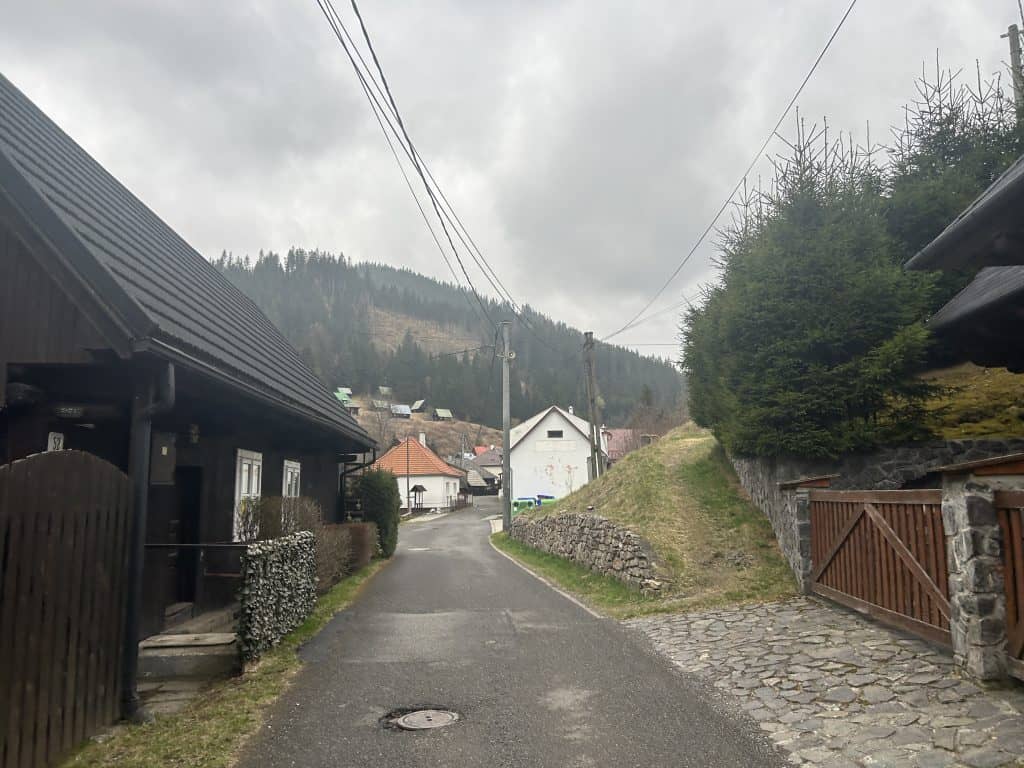
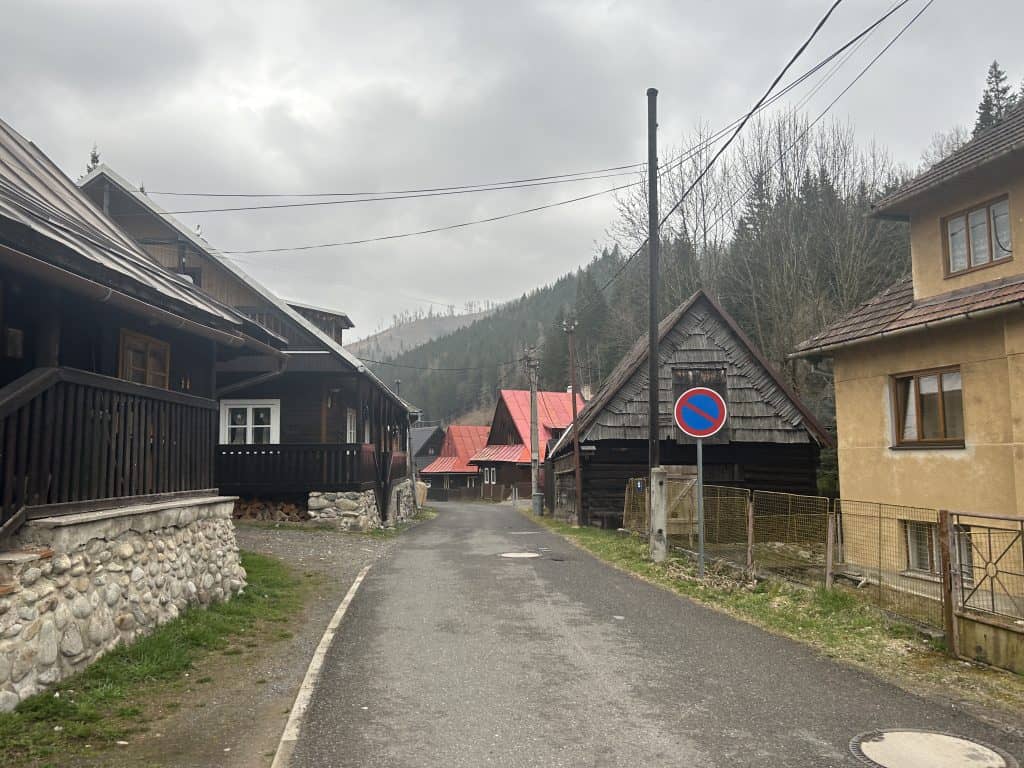
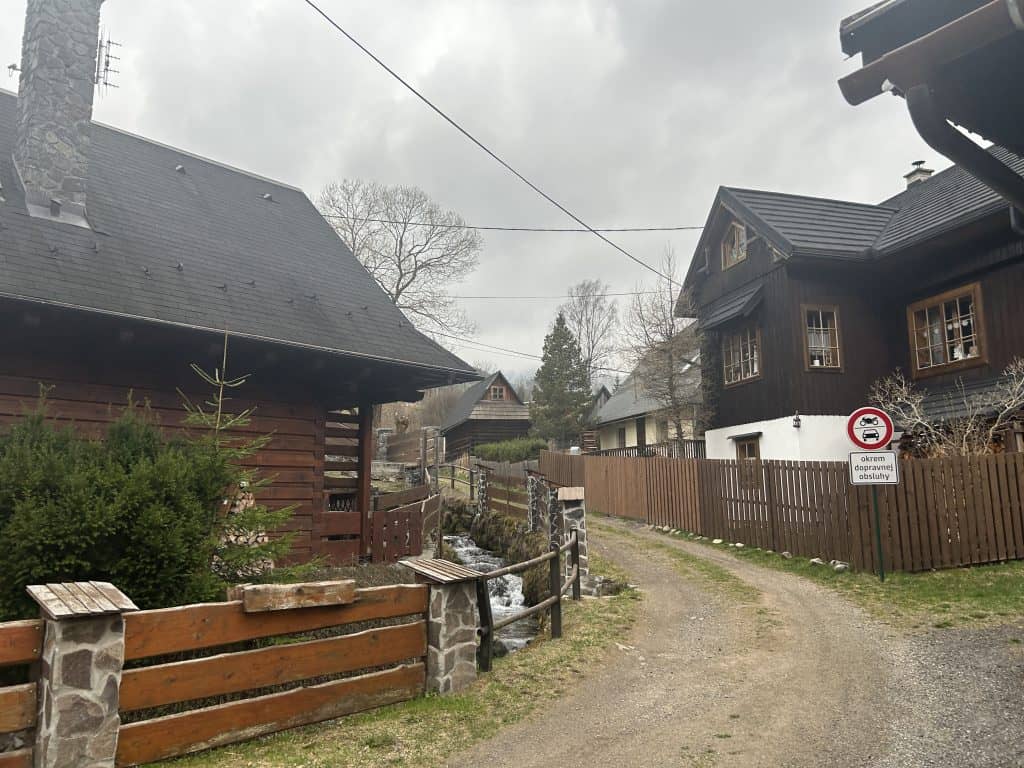
The village of Nižná Boca is famous for its collection of well-preserved traditional wooden houses. These historic log cabins, known as “dreviny,” showcase a unique local style that was developed by the original German mining colonists. They are typically built from dark timber logs and often feature distinctive painted blue or white fronts and foundations. Walking through the village feels like exploring an open-air museum, as many of these houses are still used as permanent residences or holiday homes. This preservation of traditional architecture is a key part of the village’s charm and historical significance.
Evangelical Lutheran Church
The Evangelical Lutheran Church is the most prominent building in Nižná Boca. The main body of the church was constructed in 1844 in a late classicist style. It is a single-nave hall building. An interesting feature of its interior is the flat, wooden-planked ceiling, which is decorated with painted miners’ insignia, a direct reference to the village’s heritage. The current neo-Romanesque tower was not part of the original design; it was added much later, in the year 1939. This historic church remains the spiritual and architectural heart of the community.
Mining Heritage Trails
Visitors can explore the signs of past mining activity in the hills and forests surrounding Nižná Boca. Old mine entrances, known as adits, and spoil heaps where waste rock was discarded can still be found. While there may not be a formal museum, there are informational panels that explain the history of these mining activities. Some of the local hiking trails follow the historical paths that the miners once used to travel to their work. This provides a tangible connection to the village’s industrial heritage and the centuries of hard work that shaped the landscape.
Low Tatras National Park (NAPANT)
Nižná Boca is located directly within the Low Tatras National Park (NAPANT), which is the largest national park in Slovakia. Established in 1978, the park covers a vast area of mountain forests, alpine meadows, and unique karst formations. The park is known for its extensive network of hiking trails and its diverse wildlife, which includes brown bears, lynx, and wolves. Its highest peaks, such as Ďumbier (2,043 m) and Chopok (2,024 m), are major hiking destinations that offer vast panoramic views of the entire region.
Boca Valley
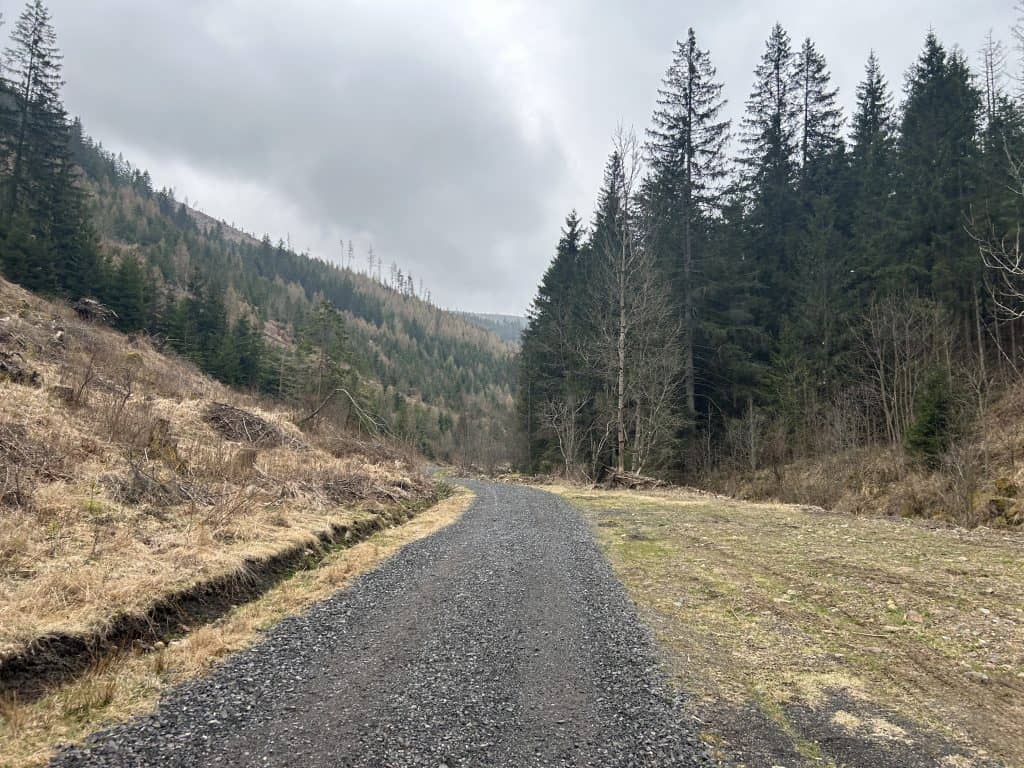
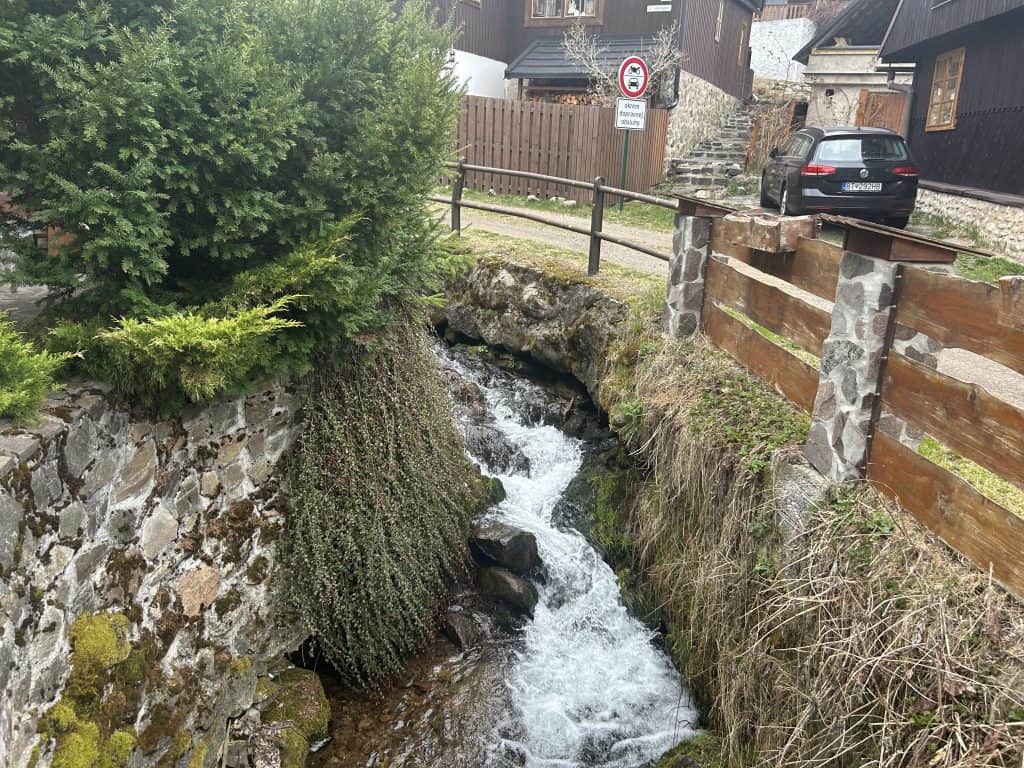
The village sits within the scenic Boca Valley, which is carved by the Bocianka Stream. The valley offers beautiful views of the surrounding peaks of the Low Tatras. It provides many opportunities for pleasant walks along the stream and through the alpine meadows that line its sides. The landscape is a picturesque mix of dense forests, traditional pastures, and the historic wooden houses of both Nižná Boca and its sister village, Vyšná Boca, which is located further up the valley. The natural beauty of the valley is a key attraction for visitors.
Vyhliadková veža na Krajčovom vrchu
The Vyhliadková veža na Krajčovom vrchu is a wooden observation tower located on a hill above Nižná Boca. The tower is a relatively new addition to the area and provides one of the best panoramic views of the entire Boca Valley and the surrounding peaks of the Low Tatras. Reaching the tower requires a short but steep hike from the village, which is a rewarding experience in itself. From the top, you can see the traditional wooden houses of the village scattered below and the magnificent mountain landscape in all directions.
Čertovica Pass
Just a few kilometers south of the Boca Valley is the Čertovica Pass, a major mountain pass that crosses the main ridge of the Low Tatras. At an elevation of 1,232 meters, the pass offers stunning panoramic views of both the northern and southern sides of the mountain range. It is a major starting point for many high-altitude hiking trails, including the main ridge trail that leads to the peaks of Ďumbier and Chopok. The pass is also home to a ski resort, making it a popular destination in both summer and winter.
Ďumbier Peak
Ďumbier is the highest peak in the Low Tatras mountain range, reaching an elevation of 2,046 meters. It is a popular destination for experienced hikers and mountaineers. The main hiking trail to the summit can be accessed from the Čertovica Pass area. The ascent is challenging but rewards hikers with breathtaking panoramic views of the entire Tatra mountain region. The summit is marked with a large cross and a monument to the partisans who fought in the mountains during the Slovak National Uprising.
Demänovská Valley
To the west of the Boca Valley lies the famous Demänovská Valley, one of the most visited valleys in the Low Tatras. This valley is renowned for its two magnificent cave systems that are open to the public: the Demänovská Cave of Liberty and the Demänovská Ice Cave. The Cave of Liberty is famous for its rich and colorful stalactite and stalagmite formations. The Ice Cave is known for its permanent ice formations. The valley is also the location of the northern side of the Jasná ski resort. It is a very popular day trip from the Boca Valley.
Museum of the Liptov Village in Pribylina
For a deeper look into the traditional culture of the region, the Museum of the Liptov Village in Pribylina is an excellent destination. It is an open-air museum, or “skanzen,” located a short drive from Nižná Boca. The museum features a collection of historic wooden buildings from the Liptov region, including farmsteads, a manor house, and a Gothic-Renaissance church. The museum brings the history of the region to life and showcases the traditional folk architecture and way of life. It provides a great cultural complement to a visit focused on nature and mining.
Sports in Nižná Boca
Nižná Boca’s location in the Low Tatras National Park makes it an ideal base for a wide variety of outdoor and nature-oriented sports. During the winter, the area is a popular destination for skiing, with small local slopes in the village and major world-class resorts just a short drive away. The surrounding valleys and lower mountain slopes are also perfect for cross-country skiing. In the summer, the main activities are hiking and mountaineering, with a vast network of marked trails accessible directly from the village. The region also offers excellent routes for both road cycling and more demanding mountain biking.
Skiing & Snowboarding
Downhill skiing and snowboarding are the main winter activities in the region. The area caters to all levels of skiers, from beginners to experts. The local slopes in the Boca Valley provide a convenient and relaxed environment, while the major nearby resorts offer world-class facilities and a huge variety of pistes.
Lyžiarsky vlek Nižná Boca
The village of Nižná Boca has its own local ski lift, the Lyžiarsky vlek Nižná Boca. This is a small, family-friendly ski area with a single T-bar lift. The slopes are gentle and are perfect for beginner skiers and for children who are just learning to ski. The resort is known for its very relaxed and uncrowded atmosphere, which is a welcome contrast to the larger and busier ski centers in the region. It provides a convenient and affordable option for a day of skiing without having to travel far from the village.
Ski Centre Bačova Roveň
The neighboring village of Vyšná Boca, located just a few kilometers up the valley, has a slightly larger ski resort called Ski Centre Bačova Roveň. This resort features several ski lifts and slopes that are classified as easy to intermediate in difficulty. This makes it another ideal destination for families and for beginner to intermediate skiers. The resort is also known for its friendly and relaxed atmosphere. Together with the lift in Nižná Boca, it provides a good local alternative to the major resorts.
Jasná Nízke Tatry
The village is a short drive away from Jasná Nízke Tatry, which is the largest and most famous ski resort in Slovakia. The resort is located on both the northern and southern slopes of Chopok mountain and offers over 50 kilometers of pistes for all levels of skiers and snowboarders. The resort features a modern lift system, including several gondolas, and also has extensive freeride zones for advanced skiers. Jasná is a world-class resort that hosts international skiing and snowboarding competitions. It is the premier destination for serious skiers visiting the region.
Hiking & Mountaineering
The village of Nižná Boca offers direct access to a vast network of hiking trails in the Low Tatras mountains. The routes range from easy forest walks along the Boca Valley to challenging full-day ascents to the highest peaks of the range. The trails are well-marked and provide spectacular mountain views and opportunities to observe wildlife.
Hiking to Ďumbier and Chopok
Nižná Boca is a popular starting point for hikes to the highest peaks of the Low Tatras, Ďumbier (2,046 m) and Chopok (2,024 m). The main trail leads south from the village up to the Čertovica Pass and then follows the main ridge trail westwards. The hike to these peaks is a challenging, full-day undertaking that is suitable for experienced hikers. The trail offers breathtaking panoramic views of the entire Tatra mountain region. Reaching these summits is a major highlight for any avid hiker visiting the area.
Klub slovenských turistov (Slovak Tourist Club)
Organized hiking in Slovakia is largely managed by the Klub slovenských turistov (KST), or the Slovak Tourist Club. This national organization is responsible for marking and maintaining the vast network of hiking trails throughout the country, including all the trails in the Low Tatras. They publish detailed hiking maps and operate many of the mountain huts that provide food and shelter for hikers. The local branch of the KST in the nearby town of Liptovský Mikuláš organizes group hikes and other events, and is a key part of the local hiking community.


Getting Around in Nižná Boca
Navigating Nižná Boca itself is best done on foot, as it is a small village where all the houses and the local church are within easy walking distance. For exploring the wider Boca Valley and accessing the trailheads for hiking, a car is very convenient. However, the village is also served by a local bus system that provides essential connections to the nearest larger towns and transport hubs. This makes it possible to visit and explore the region using public transport, although with less flexibility than a private vehicle.
Exploring by Foot
The village of Nižná Boca is small enough that walking is the only mode of transport you need to explore it. A leisurely stroll along the main road that follows the Bocianka Stream will take you past most of the traditional wooden houses and the central Lutheran Church. The surrounding meadows and the lower parts of the valley are also easily accessible on foot. For those wishing to hike into the mountains, the main hiking trails start directly from the village or from the nearby Čertovica Pass, so you can often start your adventure without needing any other form of transport.
Using Local Buses
Nižná Boca has a local bus stop that is a key part of the regional public transport network. The bus connections are primarily from the nearby town of Liptovský Mikuláš, which is the main transport hub for the region. Regular bus services from Liptovský Mikuláš’s main bus station travel directly up into the Boca Valley, stopping in Nižná Boca. This bus journey offers scenic views as it ascends into the mountains. This service is essential for visitors who are relying on public transport to reach the village.
Navigating by Car
Having a car provides the most flexibility for exploring Nižná Boca and the wider Low Tatras region. The village is accessible via a well-maintained local road that branches off the main road connecting Liptovský Hrádok and Poprad. A car makes it easy to travel to different trailheads, visit the ski resorts at Čertovica and Jasná, and take day trips to other attractions like the Demänovská Caves or nearby towns. Parking is generally available within the village, either at your accommodation or in designated public spaces.
How to Get to Nižná Boca
To reach Nižná Boca, travelers can use a combination of air, road, and public transport. The closest international airport is in Poprad, which offers seasonal flights, while larger international hubs like Kraków and Bratislava provide more year-round options. The village is conveniently accessible by car via the main D1 motorway and then local roads. For those using public transport, the most common route is to take a train to the nearby town of Liptovský Mikuláš and then a local bus for the final leg of the journey into the mountains.
Arriving by Air
For air travel to Nižná Boca, the closest international airport is Poprad-Tatry Airport (TAT), which is located about 55 kilometers to the east. TAT offers seasonal flights, particularly during the winter ski season. For a much broader range of year-round international connections, Kraków John Paul II International Airport (KRK) in Poland (approx. 180 km north) or Bratislava Airport (BTS) (approx. 270 km southwest) are good alternatives. From these major airports, you would continue by train or bus to Liptovský Mikuláš, and then take a local bus to Nižná Boca.
Driving into the Village
Driving to Nižná Boca is very convenient, especially for those who want to explore the Low Tatras region. The village is accessible via local roads that branch off the main road I/72. This road connects to the main D1 motorway at Liptovský Hrádok. The D1 motorway is the main highway in Slovakia, connecting the major cities of Bratislava and Košice. From the D1, you take the exit for Liptovský Hrádok and then follow the signs for the Boca Valley. The drive up into the mountains is very scenic.
Journey by Rail
Nižná Boca does not have its own train station. The closest main train station with long-distance connections is Liptovský Mikuláš. This station is a major stop on the main railway line in Slovakia and is well-connected by Slovak Railways (ZSSK) to major Slovak cities like Bratislava and Košice. From the Liptovský Mikuláš train station, you would then need to take a local bus directly to Nižná Boca. This combined train-and-bus journey is the most common way to reach the village using public transport.
Connecting by Bus
Nižná Boca has a local bus stop and is served by regular bus services. The connections are primarily from the main bus station in Liptovský Mikuláš, which is located next to the train station. The bus services from Liptovský Mikuláš travel directly up into the Boca Valley, stopping in Nižná Boca. This bus journey takes about 30-40 minutes and offers beautiful views as it ascends into the mountains. This service is essential for connecting the village to the wider public transport network.
From Poprad
The city of Poprad, located to the east, is another major gateway to the Tatra mountains. It has its own international airport and is a major train and bus hub. From Poprad, it is possible to reach Nižná Boca by taking a bus or train to Liptovský Hrádok or Liptovský Mikuláš and then transferring to the local bus that goes up the Boca Valley. The journey from Poprad is also a very scenic one, passing by the magnificent peaks of the High Tatras.
Driving Distances
The driving distance to Nižná Boca from 20 regional cities, according to Google Maps:
- Liptovský Mikuláš, Slovakia – 17 kilometers (0 h 20 min)
- Poprad, Slovakia – 48 kilometers (0 h 40 min)
- Banská Bystrica, Slovakia – 62 kilometers (1 h 00 min)
- Žilina, Slovakia – 97 kilometers (1 h 20 min)
- Košice, Slovakia – 161 kilometers (1 h 50 min)
- Kraków, Poland – 165 kilometers (2 h 30 min)
- Rzeszów, Poland – 215 kilometers (3 h 10 min)
- Katowice, Poland – 225 kilometers (2 h 50 min)
- Budapest, Hungary – 235 kilometers (3 h 10 min)
- Bratislava, Slovakia – 287 kilometers (3 h 00 min)
- Brno, Czech Republic – 315 kilometers (3 h 20 min)
- Vienna, Austria – 370 kilometers (3 h 40 min)
- Lviv, Ukraine – 395 kilometers (5 h 20 min)
- Warsaw, Poland – 475 kilometers (5 h 30 min)
- Prague, Czech Republic – 520 kilometers (5 h 10 min)
- Zagreb, Croatia – 555 kilometers (5 h 20 min)
- Belgrade, Serbia – 595 kilometers (5 h 50 min)
- Ljubljana, Slovenia – 645 kilometers (6 h 10 min)
- Berlin, Germany – 770 kilometers (7 h 30 min)
- Munich, Germany – 775 kilometers (7 h 30 min)
Looking to Explore more of Slovakia and Europe?


This post was first published 2025-06-16 and was updated 2025-07-30