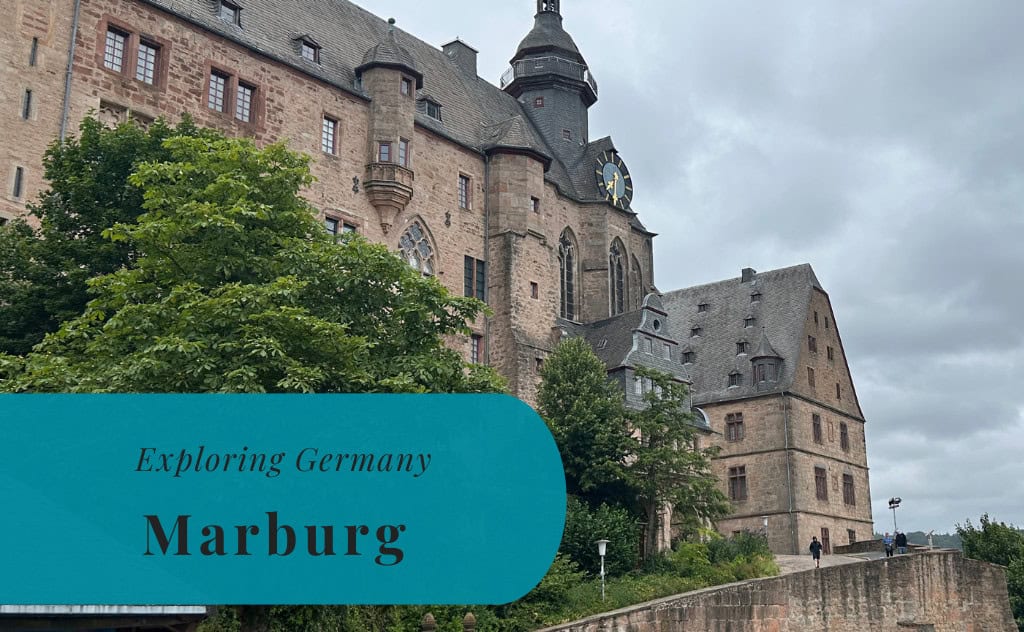
Marburg, Hesse | Exploring Germany
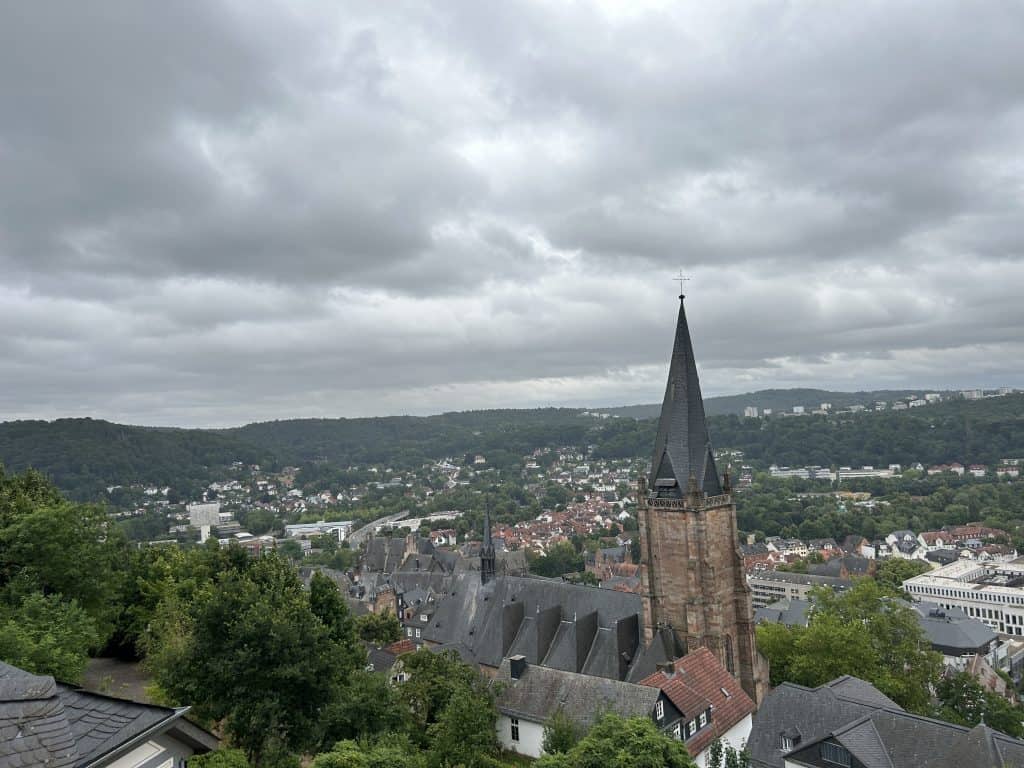
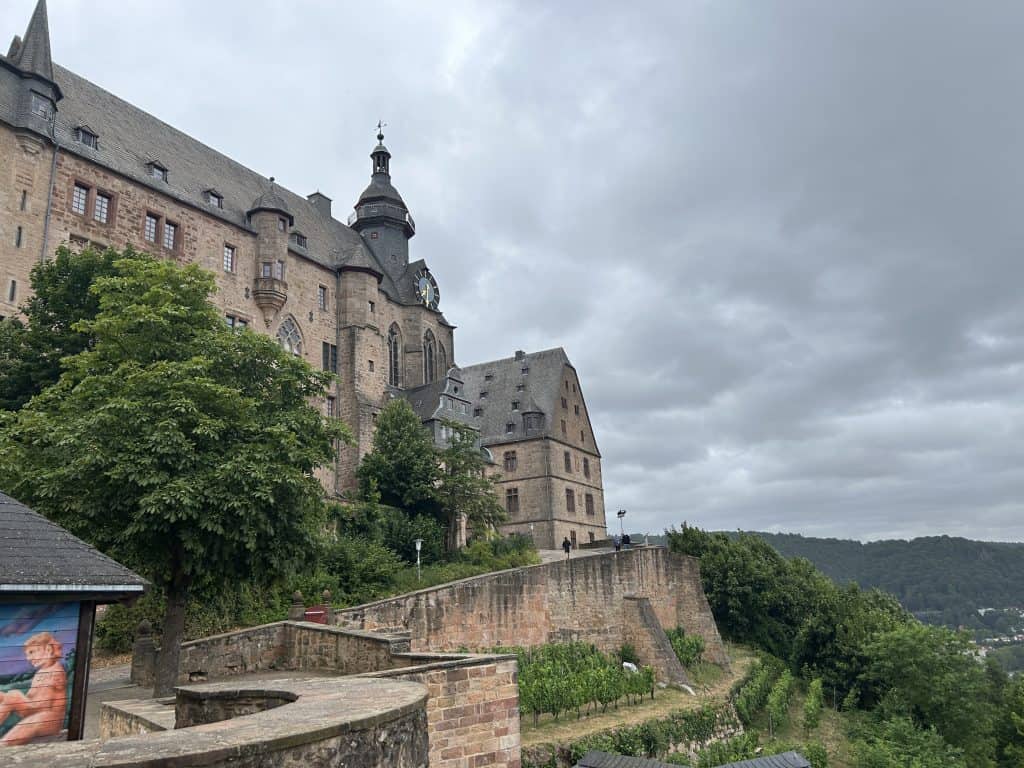
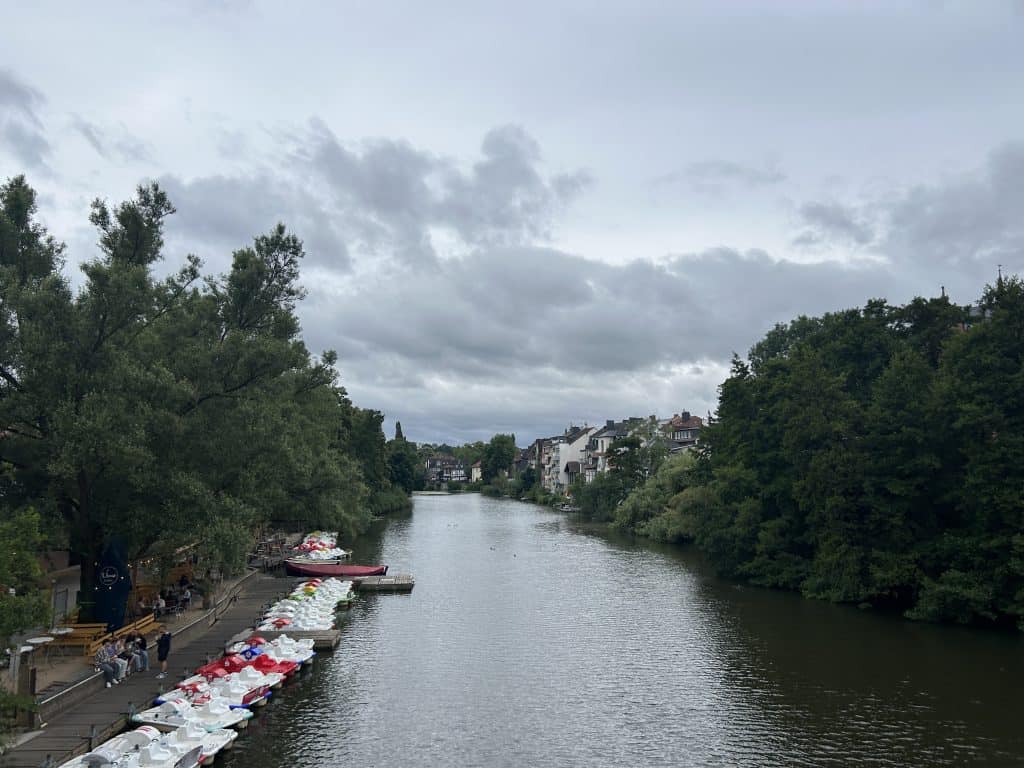
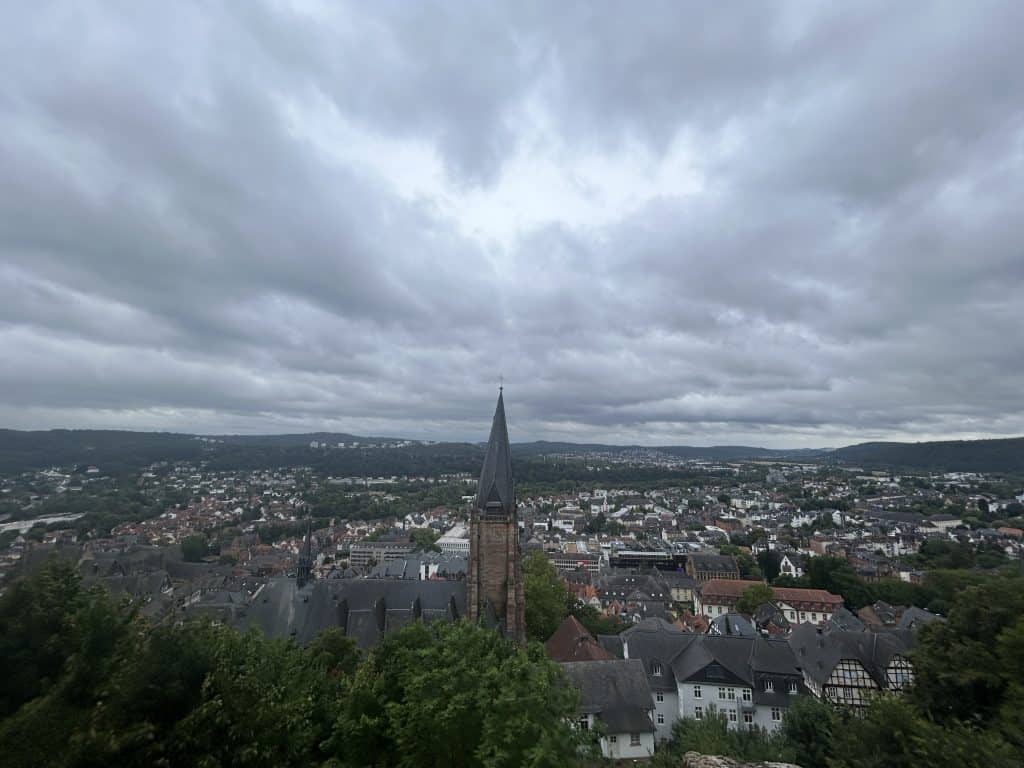
Marburg is a university town in the state of Hesse, Germany. The city is located on the banks of the Lahn River. With a population of approximately 77,000 residents, Marburg serves as a key cultural and economic center for the central Hesse region. The city is known for its well-preserved medieval Old Town (Altstadt), which is situated on a steep hill overlooking the river valley. This historic core is crowned by the large Landgrafenschloss, or Marburg Castle.
The character of Marburg is profoundly shaped by its university, the Philipps-Universität Marburg. Founded in 1527, it was the world’s first Protestant university and has remained a major center of learning and research ever since. The large student and academic population gives the city a youthful and active atmosphere. This academic identity exists alongside the city’s historical significance as a medieval pilgrimage site and the former capital of the Landgraviate of Hesse.
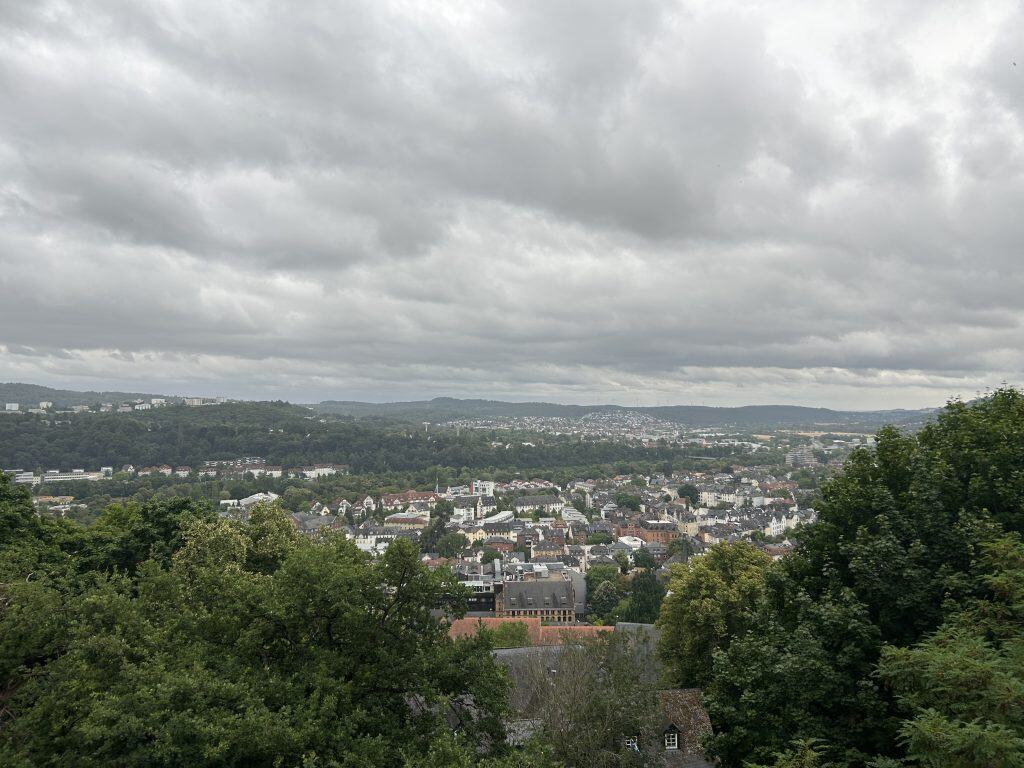
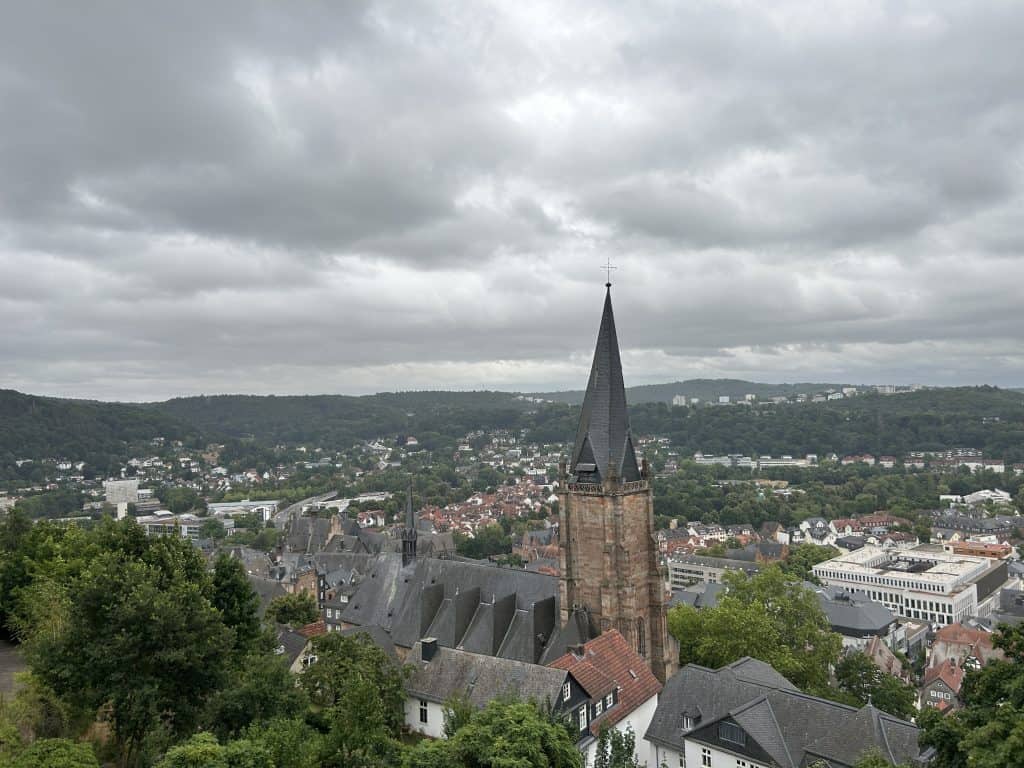
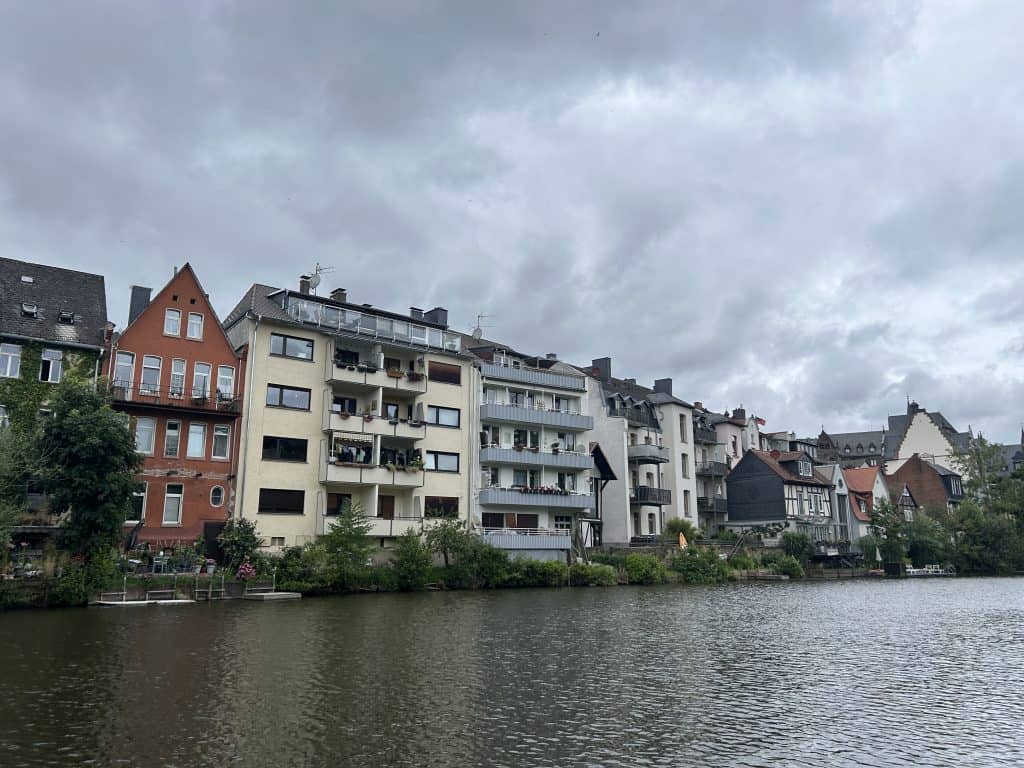
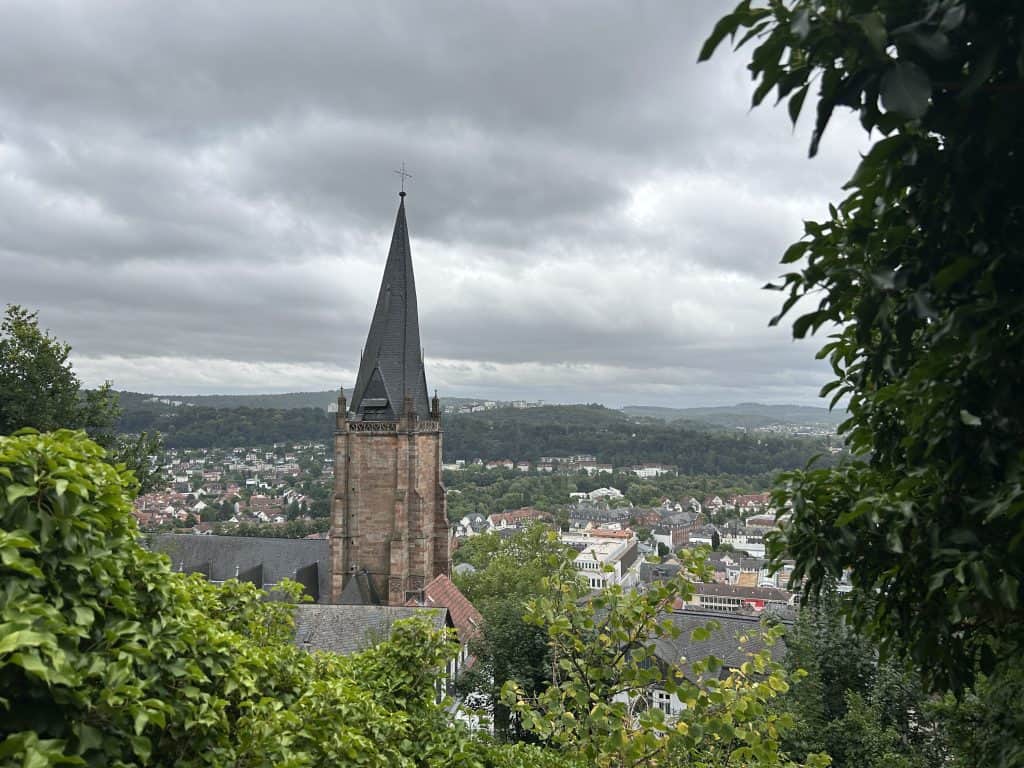
The city’s geography is defined by the Lahn River valley and the steep hills of its Old Town, known as the Oberstadt (Upper Town). The urban landscape is a blend of medieval half-timbered houses, Gothic churches, and the university buildings that are spread throughout the city. Marburg is also known for its association with the Brothers Grimm, who studied at the university in the early 19th century. In the 20th century, the city also became the namesake of the Marburg virus, which was first identified here following an outbreak at a local laboratory in 1967. This combination of a major university, a preserved medieval town, and a significant scientific history gives the city its specific character.



Good to Know When Visiting Marburg
To help with planning a visit, here are several practical points covering daily essentials, timing, and efficient exploration of the city. Understanding these details can make a trip to Marburg more convenient. This information is intended to provide a general overview for travelers preparing to visit this major German university town.
The Daily Essentials
The official currency used in Marburg is the Euro (EUR). Credit and debit cards are widely accepted in most hotels, restaurants, and shops, but it is advisable to have some cash for smaller purchases, market stalls, or some traditional pubs. The official language is German. Due to the large international student and academic population, English is widely spoken, especially in the university area and in the service industry. Tipping is not obligatory, as service is included, but it is common to round up the bill or leave a tip of 5-10% for good service. The tap water in Marburg is of high quality and is safe to drink. The electrical system uses Type F sockets with a standard voltage of 230V. Marburg is a very safe city, but general precautions should be taken in crowded areas.
Planning Your Calendar
Marburg is a year-round destination, but the experience varies by season. The spring and autumn months are often considered the best time to visit, with pleasant weather for exploring the steep streets of the Old Town. The summer is a popular time for enjoying the riverside and the city’s many outdoor cafes. A key event is the “3 Tage Marburg” (3 Days of Marburg) city festival, which takes place in July and features live music, food stalls, and a large flea market. The winter can be cool and damp, but the city has a Christmas market on the market square. For a first visit, two full days is generally sufficient to explore the Old Town, the castle, and the main churches.
A Tourist’s Toolkit for Exploration
The historic Old Town (Oberstadt) of Marburg is located on a very steep hill and is best explored on foot. Comfortable and sturdy footwear is essential for navigating the cobblestone streets and inclines. To assist with the vertical climb, a series of free public elevators (Aufzüge) are built into the hillside, connecting the lower parts of the town with the upper market square area. The city has a public bus system operated by Stadtwerke Marburg, which is part of the regional RMV transport association. A day ticket can be an economical option. It is advisable to book tickets for the guided tours of the castle in advance, especially during the peak tourist season.



A Short History of Marburg
The history of Marburg is that of a medieval crossroads that became a major center of religious pilgrimage and later a pioneering university town. Its development was shaped by its strategic location on the Lahn River and by the influential Landgraves of Hesse. The city’s story is one of a transition from a political and religious capital to a center of intellectual and scientific life, a role it has maintained for nearly 500 years. This long history is visible in its castle, its churches, and the buildings of its historic university.
Medieval Origins and Saint Elizabeth
The history of settlement in the Marburg area is long, but the town grew in importance in the Middle Ages. It was located on the intersection of two major trade routes. The Marburg Castle (Landgrafenschloss) was built to protect the town and the river crossing. The most significant event in its medieval history was the arrival of Saint Elizabeth of Hungary. After the death of her husband, she moved to Marburg and dedicated her life to caring for the sick and the poor. She died here in 1231 at the age of 24 and was canonized just four years later.
Her tomb became one of the most important pilgrimage sites in medieval Germany. To house her remains, the Teutonic Knights began the construction of the Elisabethkirche (St. Elizabeth’s Church) in 1235. This church was one of the earliest purely Gothic buildings in the German-speaking world. The influx of pilgrims brought great wealth and prestige to the town. This solidified its status as a major religious center for centuries.
The University and the Protestant Reformation
Marburg’s identity was fundamentally transformed in the 16th century. In 1527, the Landgrave Philip I of Hesse, a leading figure of the Protestant Reformation, founded the University of Marburg. It was the world’s first Protestant university. This act turned the city from primarily a religious center into a major center of learning and intellectual debate. The university took over the buildings of the former Dominican and Franciscan monasteries in the town.
The city’s role in the Reformation was further cemented in 1529, when Philip I hosted the Marburg Colloquy. This was a major theological debate between Martin Luther and Ulrich Zwingli, two of the most important Protestant reformers. They met at the Marburg Castle to try to resolve their differences, particularly on the nature of the Eucharist. While they failed to reach a complete agreement, the event was a key moment in the history of the Reformation and highlighted Marburg’s new role as an intellectual capital.
Prussian Era and Modernity
After the dissolution of the Landgraviate of Hesse, Marburg’s political importance declined. In 1866, the city was incorporated into the Kingdom of Prussia. During the 19th century, the university continued to be a major center for scholarship. The most famous students from this period were the Brothers Grimm, Jacob and Wilhelm, who studied law at the university in the early 1800s. Their time in Marburg is said to have inspired their collection of fairy tales.
The city was fortunate to avoid significant damage during World War II. This helped to preserve its historic core of half-timbered houses and medieval buildings. After the war, the city continued its development as a major university town and a center for medicine and research. Today, the university and its associated medical center remain the largest employers in the city. The city’s modern identity is still deeply connected to its long history as a center of learning.



Things to Do and See
Marburg offers a range of attractions that showcase its history as a medieval pilgrimage site and a pioneering university town. The city’s main landmarks are concentrated in its well-preserved Old Town, which is built on a steep hill rising from the Lahn River. The sights include the large castle that overlooks the city, two major historic churches, and the buildings of one of Germany’s oldest universities.
A visit to Marburg allows for an exploration of different architectural styles, from the Gothic of its churches to the half-timbered houses of the Old Town. The city’s public squares and narrow, winding alleys provide a look into its medieval past. The connection to the Brothers Grimm is also celebrated through a thematic trail.
Marburg Castle
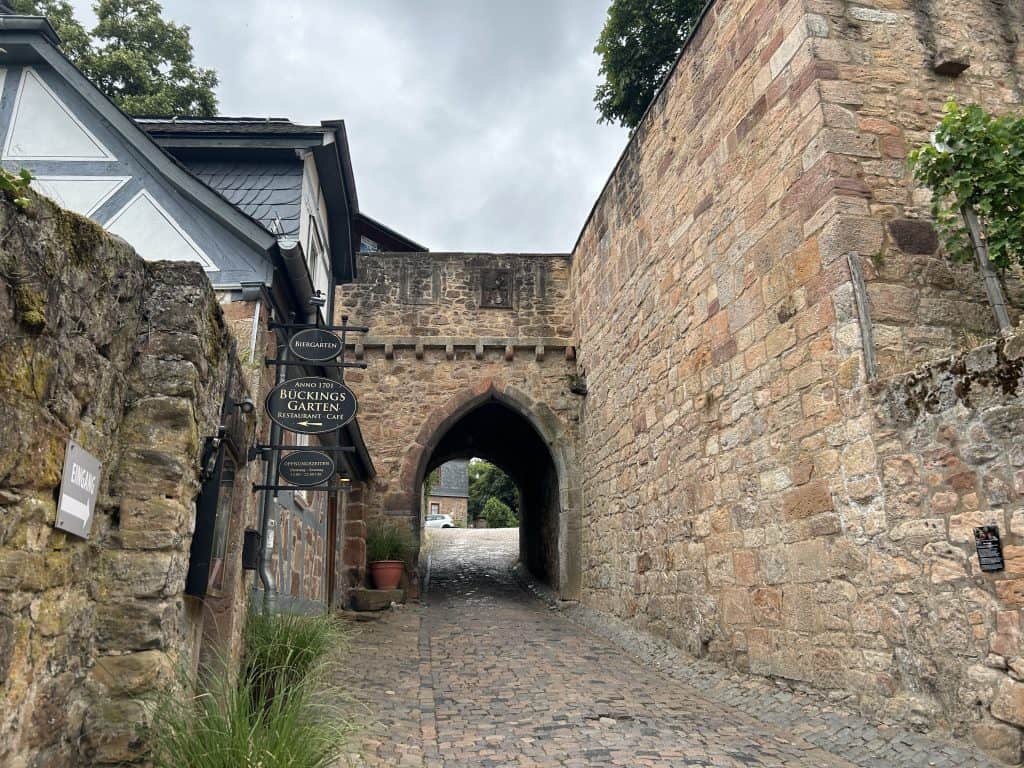
The Marburg Castle (Landgrafenschloss) is the primary landmark of the city, located on the summit of the Schlossberg hill. The castle’s origins date back to the 11th century. It served as the first residence of the Landgraves of Hesse. The castle is a significant example of a Gothic residential castle. It was a major center of political life in the Middle Ages. Today, the castle houses the University Museum of Cultural History. This museum contains extensive collections related to the history of the region. Visitors can explore the historic rooms of the castle, including its large Gothic hall and chapel.
St. Elizabeth’s Church
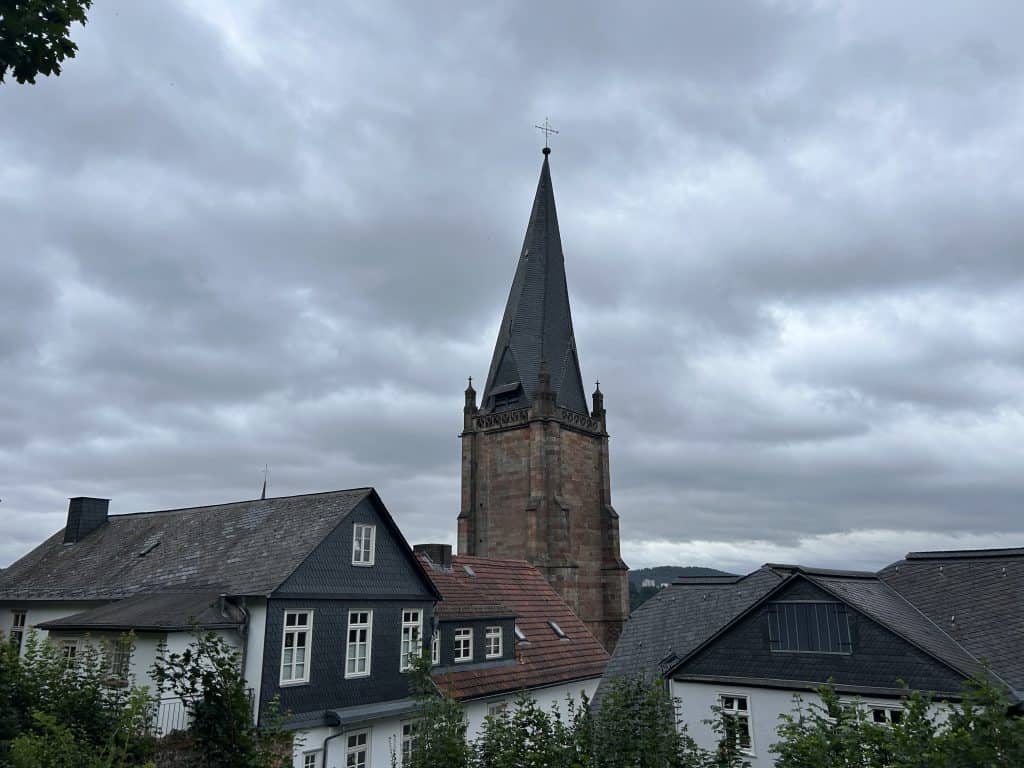
St. Elizabeth’s Church (Elisabethkirche) is one of the most important Gothic churches in Germany. The church was built by the Teutonic Knights starting in 1235, the year Saint Elizabeth of Hungary was canonized. It was built to house her tomb and became a major pilgrimage destination in the Middle Ages. The church is considered one of the earliest purely Gothic buildings in the German-speaking world. Its design was influenced by the great French cathedrals. The interior contains a highly ornate golden shrine to Saint Elizabeth, as well as medieval stained glass windows and other important works of art.
The Old Town (Oberstadt)
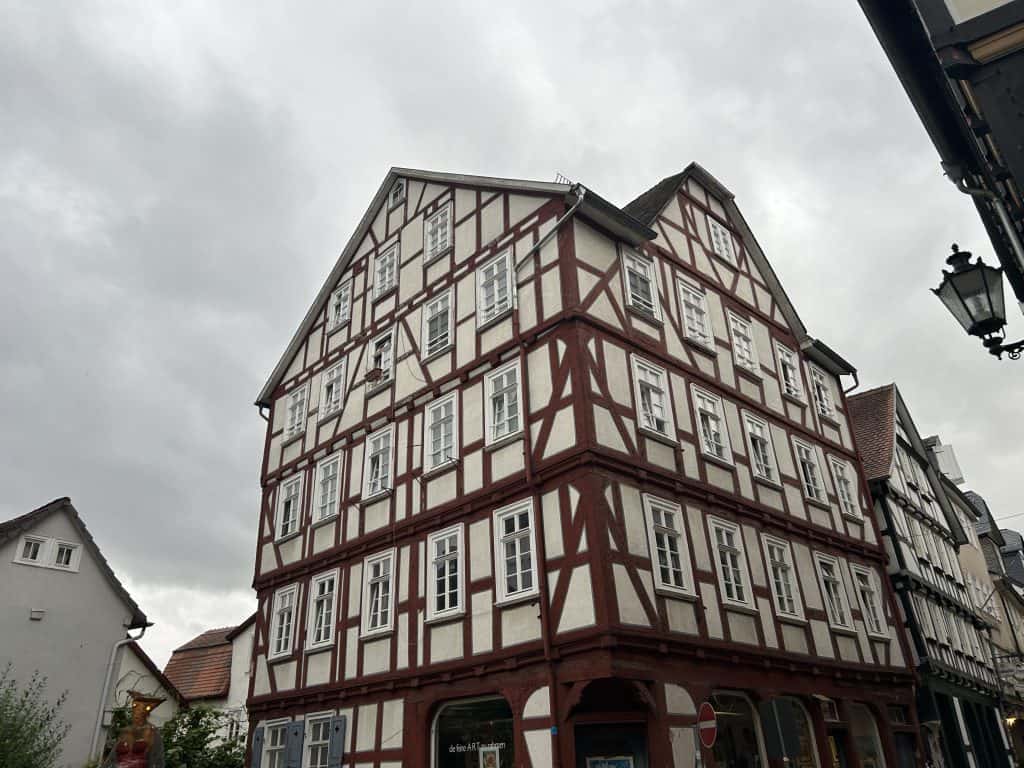
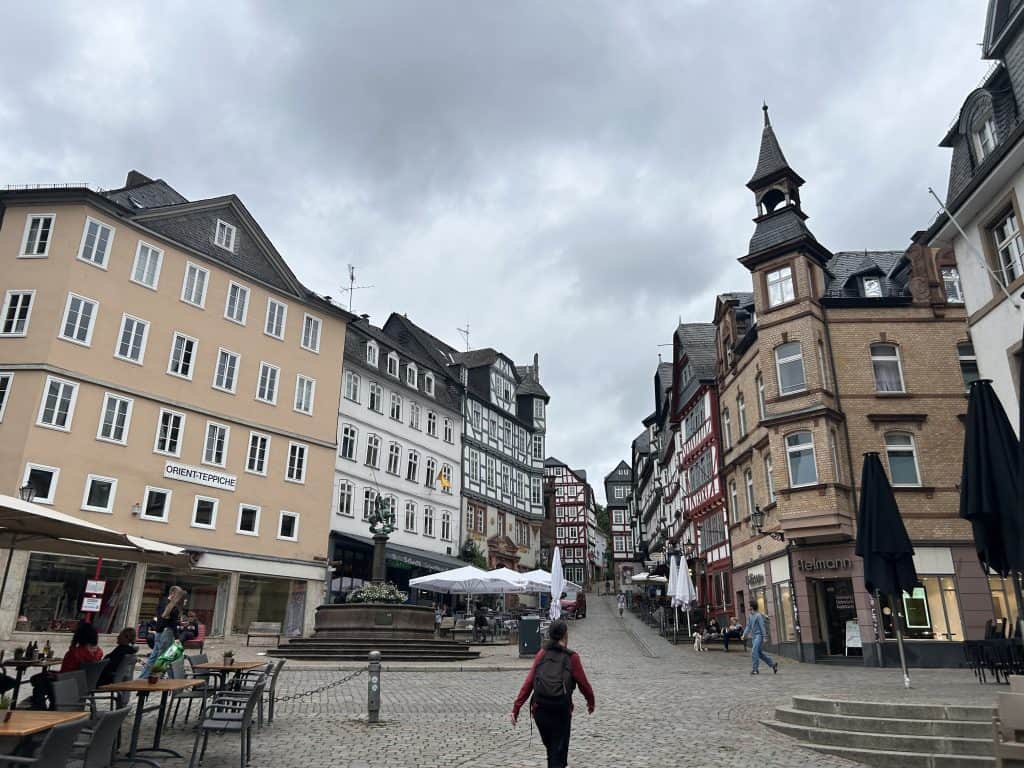
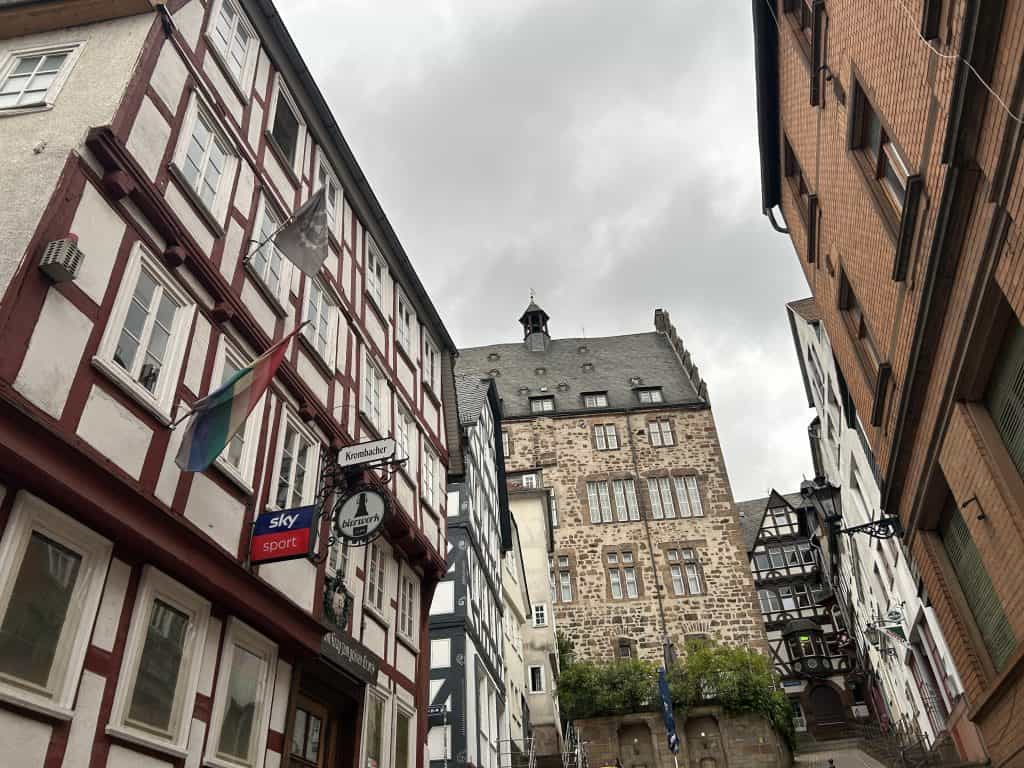
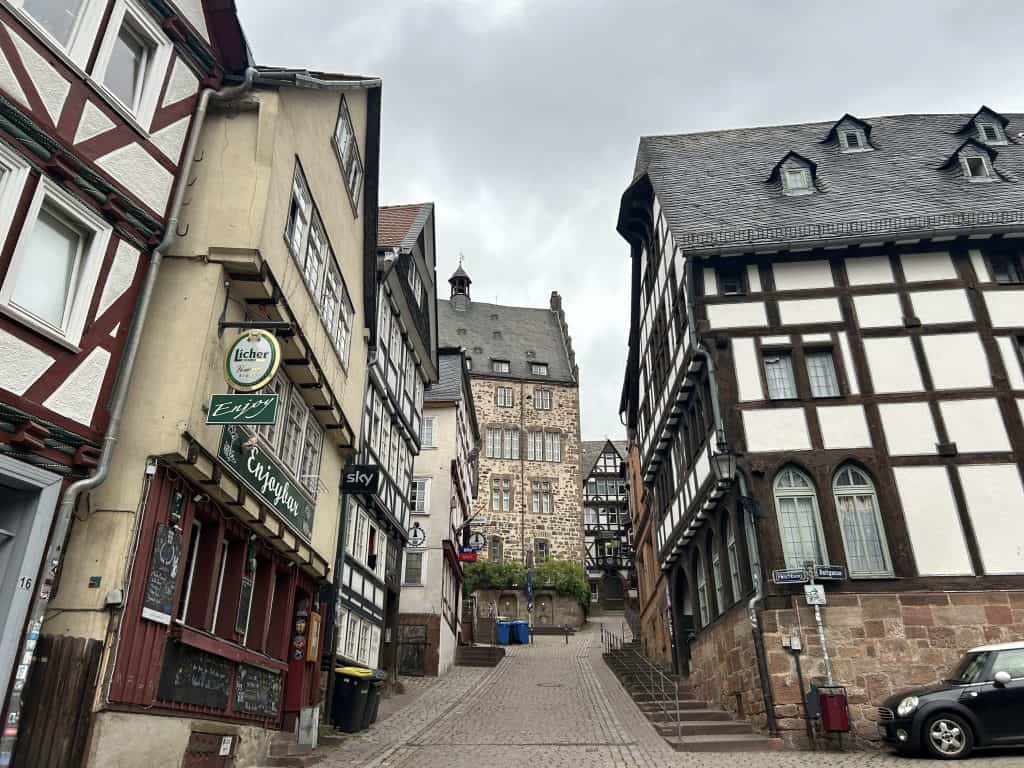
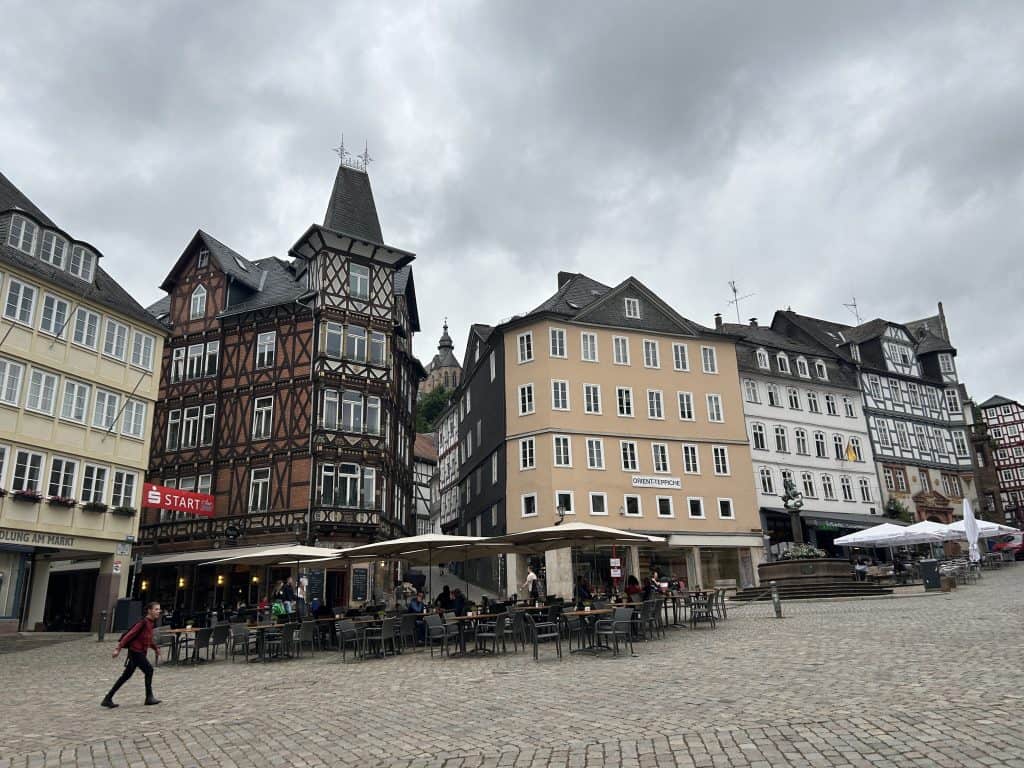
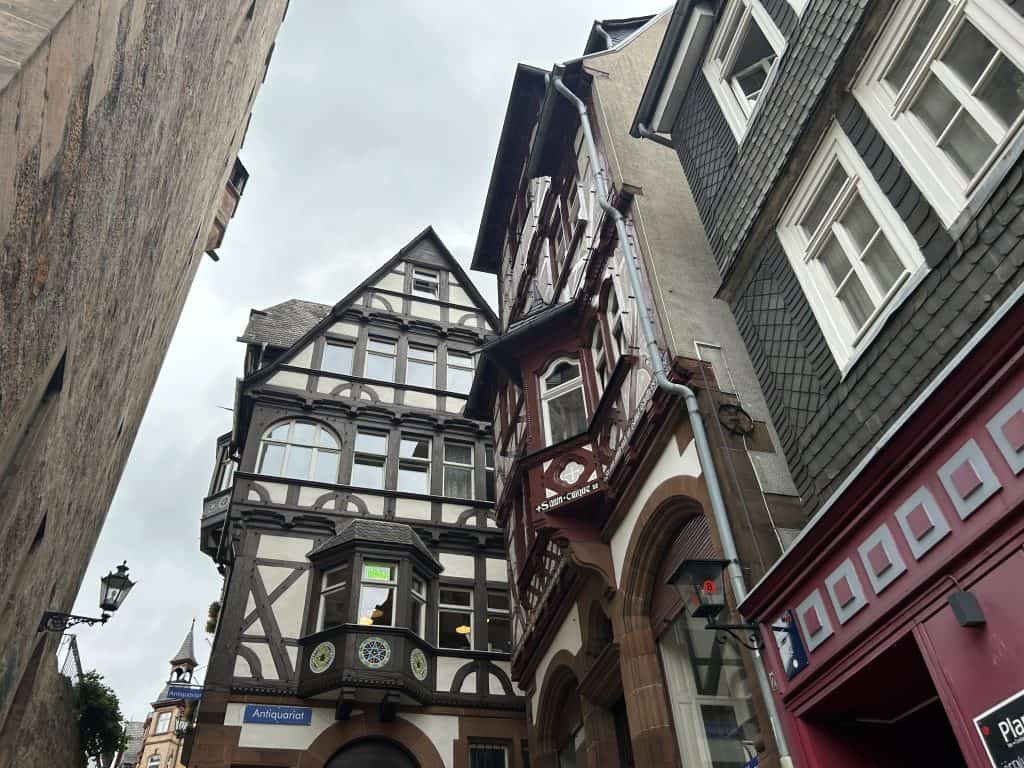
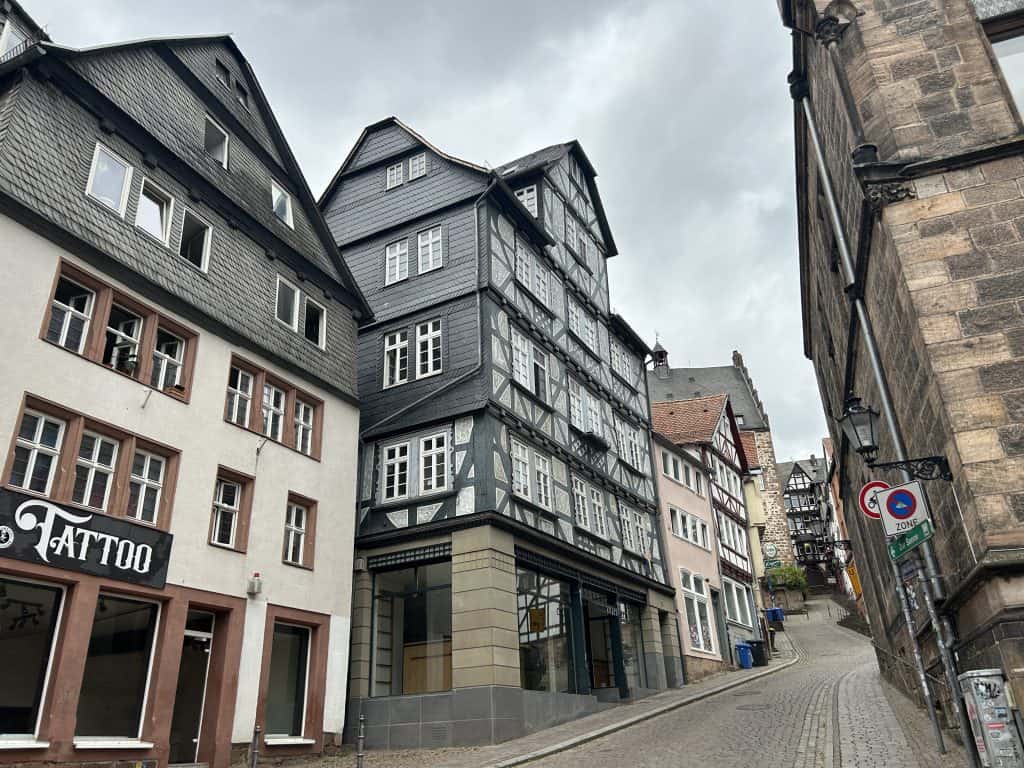
The Old Town (Altstadt) of Marburg is a well-preserved medieval town center. It is located on the steep hill between the Lahn River and the castle. The upper part of the old town, known as the Oberstadt, is a maze of narrow, winding cobblestone streets and alleys. The area is characterized by hundreds of well-preserved half-timbered houses (Fachwerkhäuser), many of which date from the 16th and 17th centuries. The steepness of the streets is a key feature of the area. A series of public elevators (Aufzüge) are built into the hillside to help pedestrians navigate the different levels.
Market Square
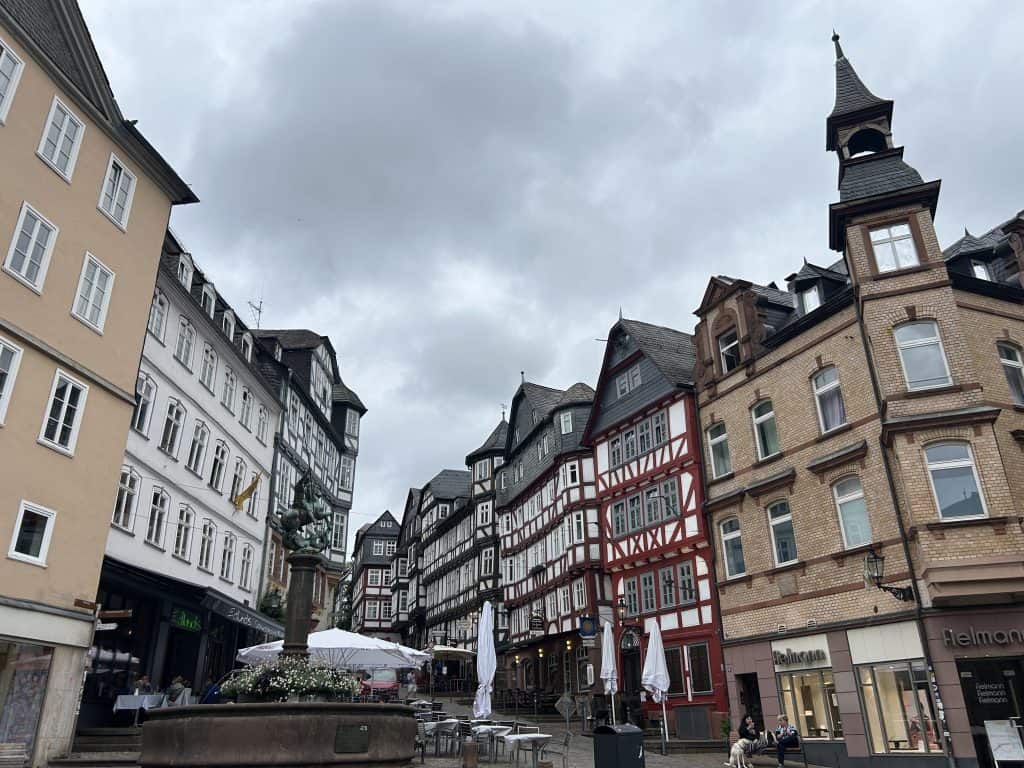
The Market Square (Marktplatz) is the historic heart of the Old Town. The square is surrounded by a collection of historic buildings. The most important of these is the historic Town Hall (Rathaus), which dates to the early 16th century. The Town Hall is known for its Gothic facade and its Renaissance-era clock. The square is a hub of activity, with numerous cafes and restaurants. It is the site of a regular weekly market and the annual Christmas market.
Old University Building
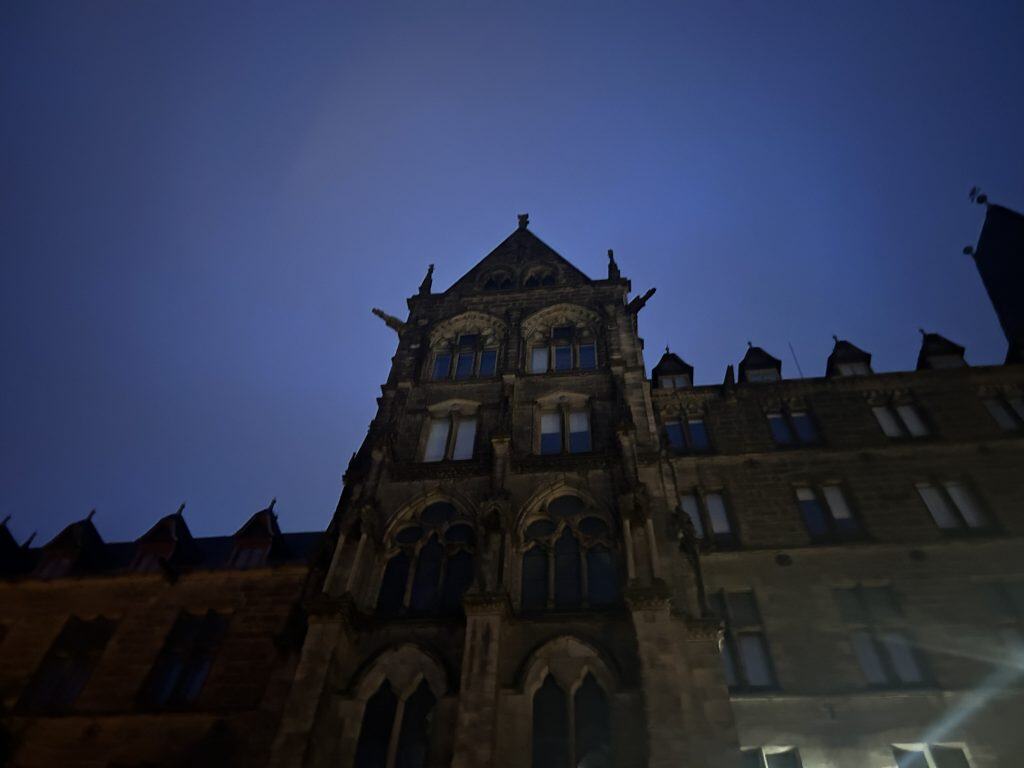
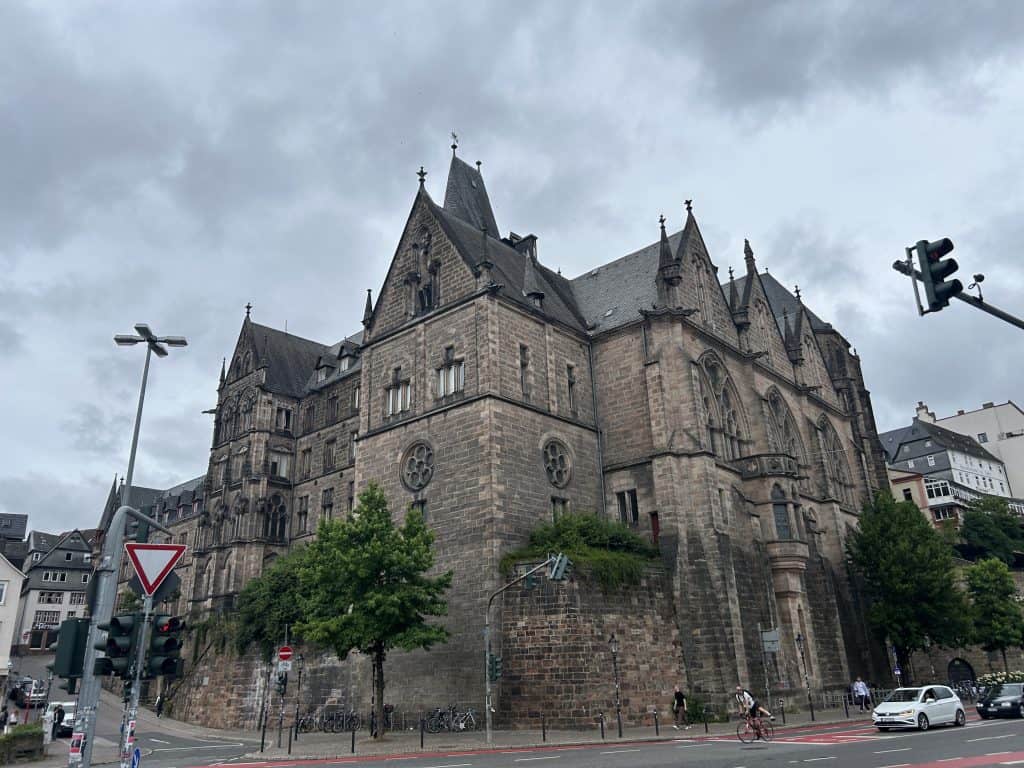
The Old University Building (Alte Universität) is a key landmark of the Philipps-Universität Marburg. The building was constructed in the late 19th century in the Gothic Revival style on the site of a former Dominican monastery. The monastery’s original Gothic church was incorporated into the design and now serves as the university’s auditorium (Aula). The building is the administrative heart of the university. It is located between the Old Town and the Lahn River. The university’s presence is felt throughout the city.
The Grimm Path
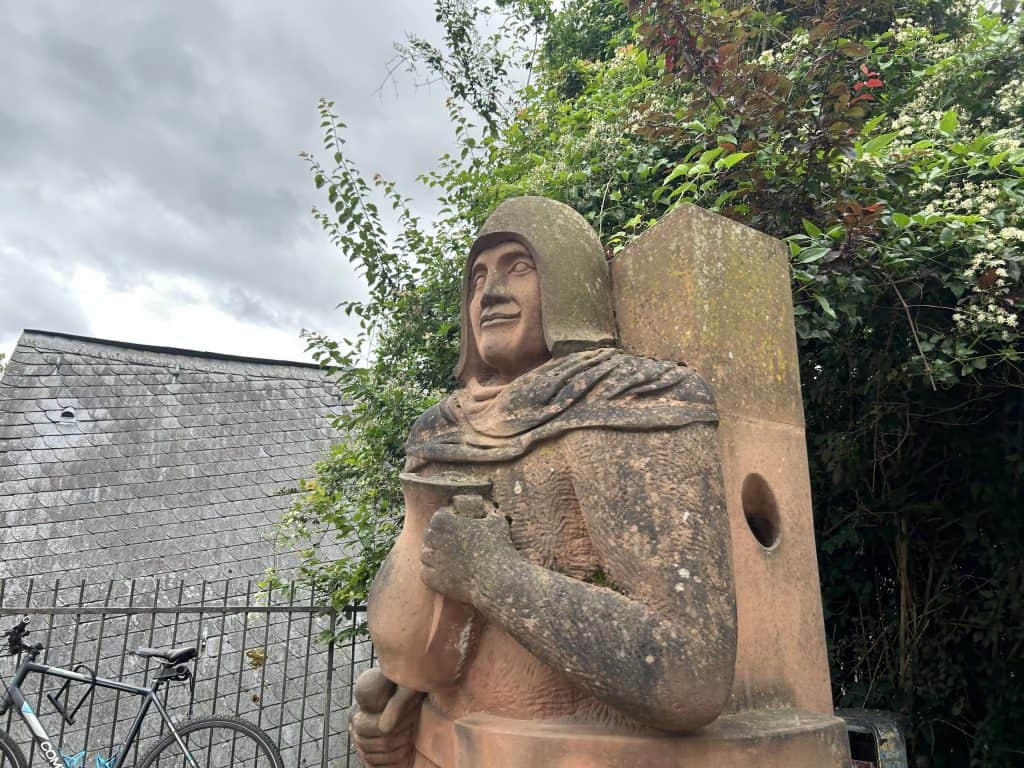
The Grimm Path (Grimm-Dich-Pfad) is a thematic walking trail that celebrates the connection between Marburg and the Brothers Grimm. Jacob and Wilhelm Grimm studied at the university in the early 1800s. The path features a series of sculptures and installations inspired by their famous fairy tales. These are located on the walls of houses, on stairways, and in public squares throughout the Old Town. The path provides an interactive way to explore the city while learning about its most famous former students.

Sports in Marburg
The sporting life in Marburg is focused on its professional women’s basketball team and its American football team, both of which compete at a high level in the German national leagues. The city’s university also has a large sports program that is central to athletic life in the town. The location on the Lahn River and the surrounding hills also provides opportunities for recreational sports.
Basketball
Basketball has an exceptionally strong and successful presence in Marburg, particularly in the women’s professional game. The city’s team is one of the most historic and successful in the country. The sport has a dedicated following, with home games drawing enthusiastic crowds to the main indoor arena. The club is a key part of the city’s modern sporting identity.
BC Pharmaserv Marburg
The city’s professional women’s basketball team is BC Pharmaserv Marburg. The team competes in the Damen-Basketball-Bundesliga (DBBL), which is the top professional women’s basketball league in Germany. The club has a long history of competing in the top division. They have won the German Championship and the German Cup in their history. They play their home games at the Georg-Gaßmann-Stadion, a multi-purpose sports hall.
American Football
American football also has a notable presence in Marburg. The city is home to a team that has a long history of competing in the top tier of the sport in Germany. The sport has a dedicated local following. Home games are popular events, showcasing a different aspect of the city’s diverse sporting culture.
Marburg Mercenaries
The main American football club is the Marburg Mercenaries. The club has a long history of competing in the German Football League (GFL), which is the highest level of the sport in Germany. They have reached the final of the German Bowl and have also won the EFAF Cup, a European competition. The team plays its home games at the Georg-Gaßmann-Stadion.
Football (Soccer)
Football is a popular participation sport in Marburg, with several local clubs representing the city. The main club is a key part of the community and has a long history. While not competing at the highest professional levels, the club provides a platform for local players.
VfB Marburg
The city’s main football club is VfB Marburg. The club has a history that dates back to the early 20th century. The team competes in the lower tiers of the German football league system, such as the Hessenliga (the fifth tier). They play their home games at the Georg-Gaßmann-Stadion. The club has a significant youth development program.
Getting Around in Marburg
Navigating Marburg requires an understanding of its unique topography. The city is divided into a lower town (Unterstadt) along the river and an upper old town (Oberstadt) on a steep hill. The historic center is a pedestrian-friendly zone that is best explored on foot. For moving between the different levels and to other parts of the city, a public bus system and a unique network of public elevators are key.
The public transport in the city is operated by Stadtwerke Marburg. It is part of the wider Rhein-Main-Verkehrsverbund (RMV) transport association. This means that regional transport tickets are also valid on the city’s buses. Tickets can be purchased from vending machines at bus stops or from the driver. A day pass can be an economical option for visitors.
On Foot and by Elevator
Walking is the best way to explore the historic Oberstadt. The area is a maze of narrow, cobblestone streets and stairways. Due to the steepness of the hill, a series of free public elevators (Aufzüge) have been built to connect the lower and upper parts of the town. These elevators are a key part of the city’s infrastructure and are essential for navigating the different levels without a long, steep walk. Comfortable shoes are highly recommended.
Local Buses
A comprehensive network of local buses serves all parts of Marburg. The buses connect the central train station with the city center, the university campus, and the residential districts. The bus system is the primary mode of public transport for traveling longer distances within the city. The central bus hub is located next to the main train station.
How to Get to Marburg
Reaching Marburg is convenient by road and rail. The city is located in the central part of the state of Hesse and is well-connected to the German transport network. Its location between Frankfurt and Kassel makes it an accessible destination.
Arriving by Air: Frankfurt Gateway
Marburg does not have its own airport. The closest and most convenient major international airport is Frankfurt Airport (FRA). It is located approximately 100 kilometers to the south of Marburg. Frankfurt Airport is one of the busiest airports in Europe with extensive global connections. From the airport, there are frequent and direct train connections to Marburg, which makes the onward journey very simple.
The Open Road: Driving to Marburg
Driving to Marburg offers flexibility for exploring the surrounding Lahn Valley region. The city is located directly on the Bundesstraße 3 (B3), a major federal highway. This road connects Marburg with Frankfurt to the south and Kassel to the north. The A5 motorway (Autobahn) also passes nearby, providing connections to the wider German motorway network. Parking in the Old Town is very limited, so it is best to use the large public car parks in the lower part of the city.
Connecting by Coach
Long-distance bus services provide an economical way to reach Marburg. Companies like FlixBus operate routes that connect Marburg with numerous cities across Germany and Europe. The main long-distance bus stop is located near the city’s central train station. This allows for easy transfers to local public transport. Direct services are available from major hubs like Frankfurt, Hamburg, and Berlin.
On Track: A Mainline Rail Station
Traveling to Marburg by train is highly efficient. The Marburg (Lahn) station is the city’s main railway station. It is located on the Main-Weser Railway line, which connects Frankfurt and Kassel. Deutsche Bahn (DB) operates frequent Intercity (IC) and regional train services. Direct trains run from the Frankfurt Hauptbahnhof, with a journey time of about one hour. This makes the train a very popular and convenient way to reach the city.
Driving Distances
The driving distance from 10 regional cities, according to Google Maps:
- Frankfurt, Germany – 99 kilometers (1 h 10 min)
- Cologne, Germany – 176 kilometers (2 h 10 min)
- Luxembourg City, Luxembourg – 275 kilometers (3 h 20 min)
- Stuttgart, Germany – 333 kilometers (3 h 30 min)
- Strasbourg, France – 347 kilometers (3 h 40 min)
- Brussels, Belgium – 382 kilometers (4 h 10 min)
- Hamburg, Germany – 434 kilometers (4 h 20 min)
- Amsterdam, Netherlands – 443 kilometers (4 h 40 min)
- Berlin, Germany – 472 kilometers (5 h 00 min)
- Munich, Germany – 477 kilometers (4 h 50 min)
Looking to Explore more of Germany and Europe?