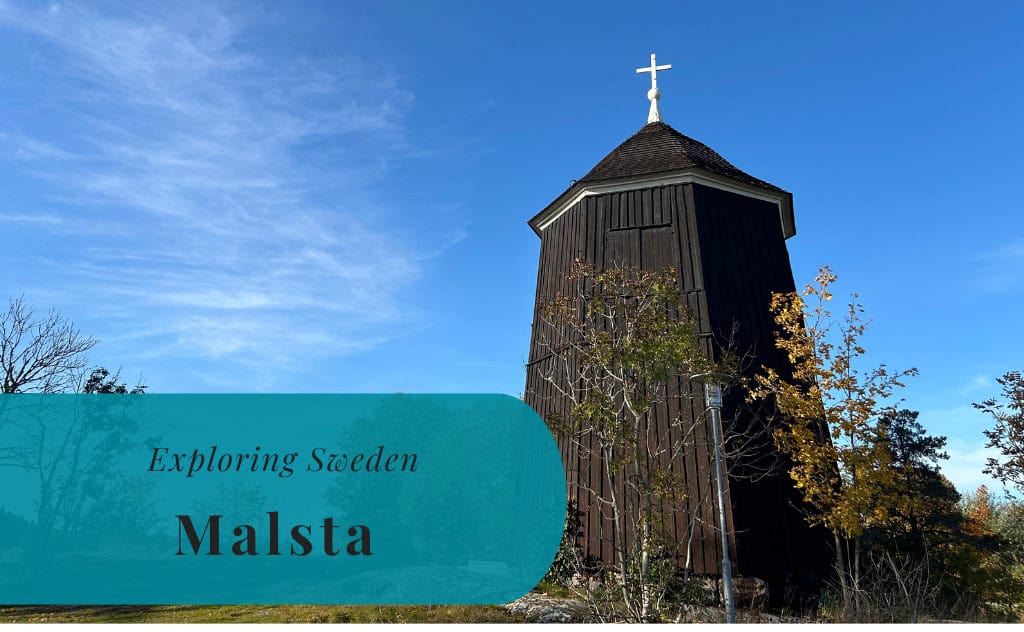
Malsta, Uppland | Exploring Sweden
Malsta is a parish and a church village in Norrtälje Municipality, located in Stockholm County, Sweden. The locality is situated in the historic province of Uppland and is part of the wider Roslagen region. The modern statistical locality (småort) of Malsta has a population of approximately 120 residents. It is located in a rural landscape, about 5 kilometers northwest of the main town of Norrtälje. The area is a classic example of a Swedish church village (kyrkby).
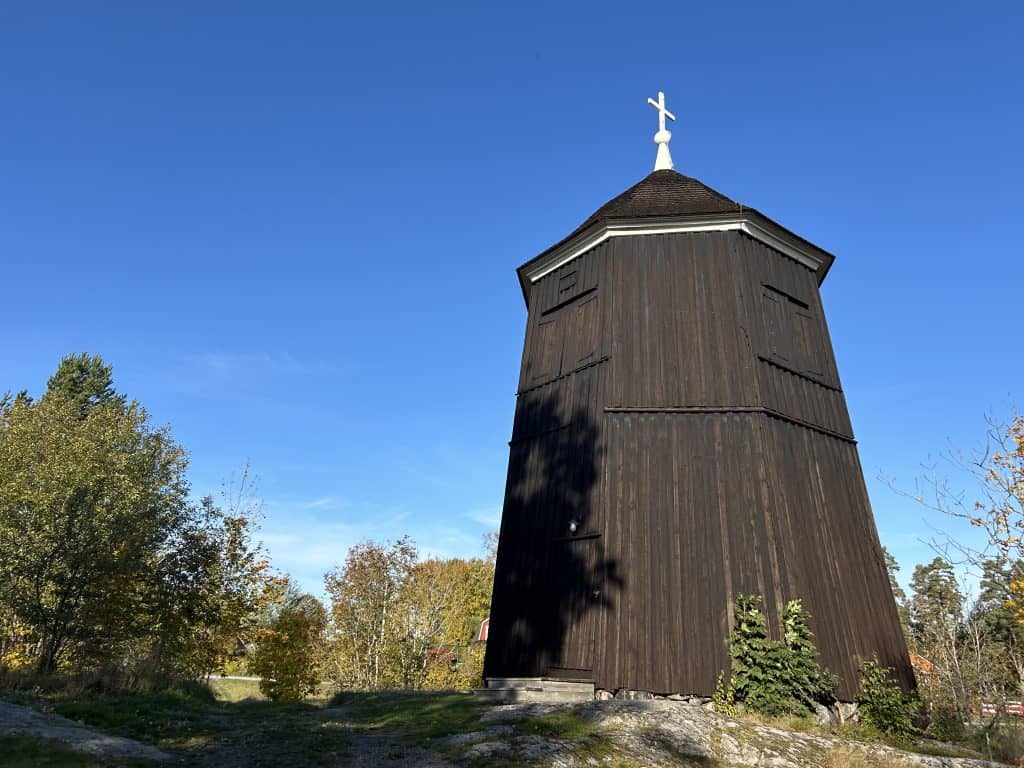
The character of Malsta is that of a quiet, rural community whose identity is centered around its well-preserved medieval church. The settlement consists of the church, a few historic buildings related to the parish, and a collection of farms and houses. It is surrounded by a typical Uppland landscape of mixed forests and open agricultural fields. Its location away from major roads gives it a tranquil atmosphere, providing a look into the historical structure of a Swedish parish.

A Short History of Malsta
The history of Malsta is that of a medieval parish that has been the religious and administrative center for its surrounding agricultural community for nearly a thousand years. Its development reflects the long history of settlement in the Roslagen region, from the Viking Age to the present day. The story of Malsta is not one of major urban growth but of the continuity of rural life, with its church as the central, enduring landmark.
A Medieval Parish
The history of settlement in the Malsta area is long, with a famous rune stone from the Viking Age indicating its early importance. Malsta Parish (socken) was established in the Middle Ages. The first stone church on the site, Malsta Church, was built in the late 12th century, making it one of the oldest churches in the Roslagen region. This church became the religious and administrative center for the scattered farms in the surrounding area. For centuries, the life of the local population was defined by the parish church and the rhythm of agricultural life.
Modern Era
For centuries, Malsta remained a small, rural parish. Its character did not change significantly until the administrative reforms of the 19th and 20th centuries. In 1862, the responsibilities of the old parish were divided between a new civil municipality (landskommun) and the church congregation. Malsta was later incorporated into the larger Norrtälje Municipality in the 1970s. In the modern era, the area has remained a quiet residential and agricultural community, with many residents commuting to the nearby town of Norrtälje.


Things to Do and See
The sights in and around the church village of Malsta are focused on its historic church and the ancient remains found within its walls and in the surrounding landscape. The main points of interest offer a look into the long history of the Uppland region, from the Viking Age to the High Middle Ages. The area’s natural beauty, as part of the wider Roslagen region, is also a key attraction for visitors.
Malsta Church
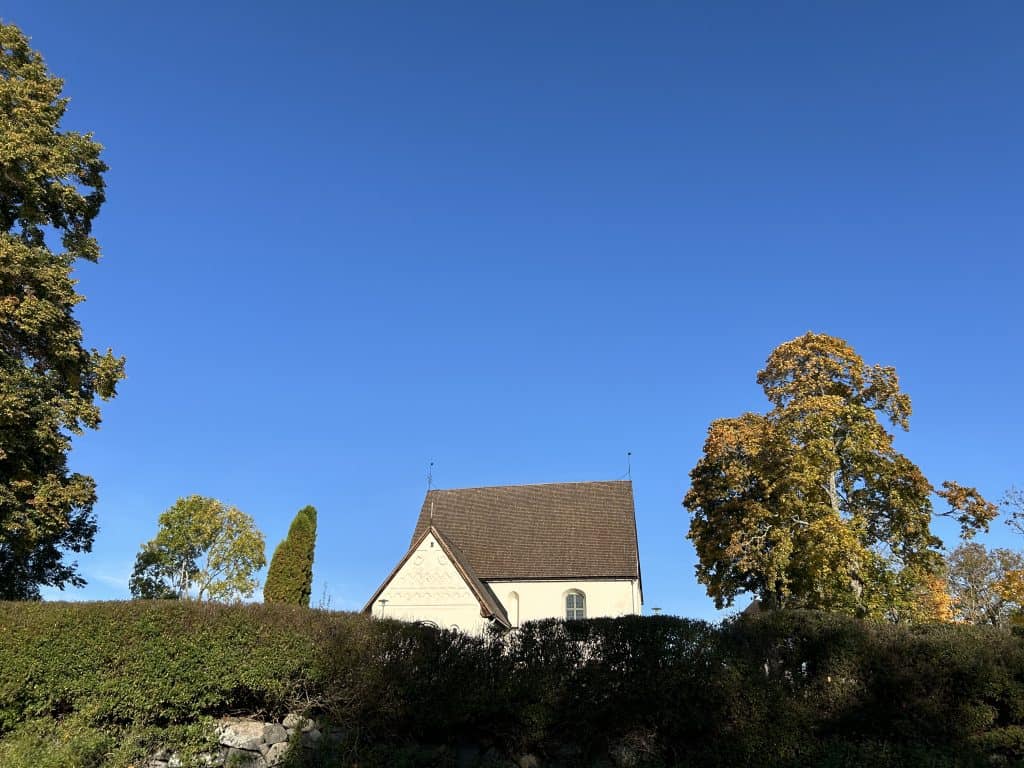
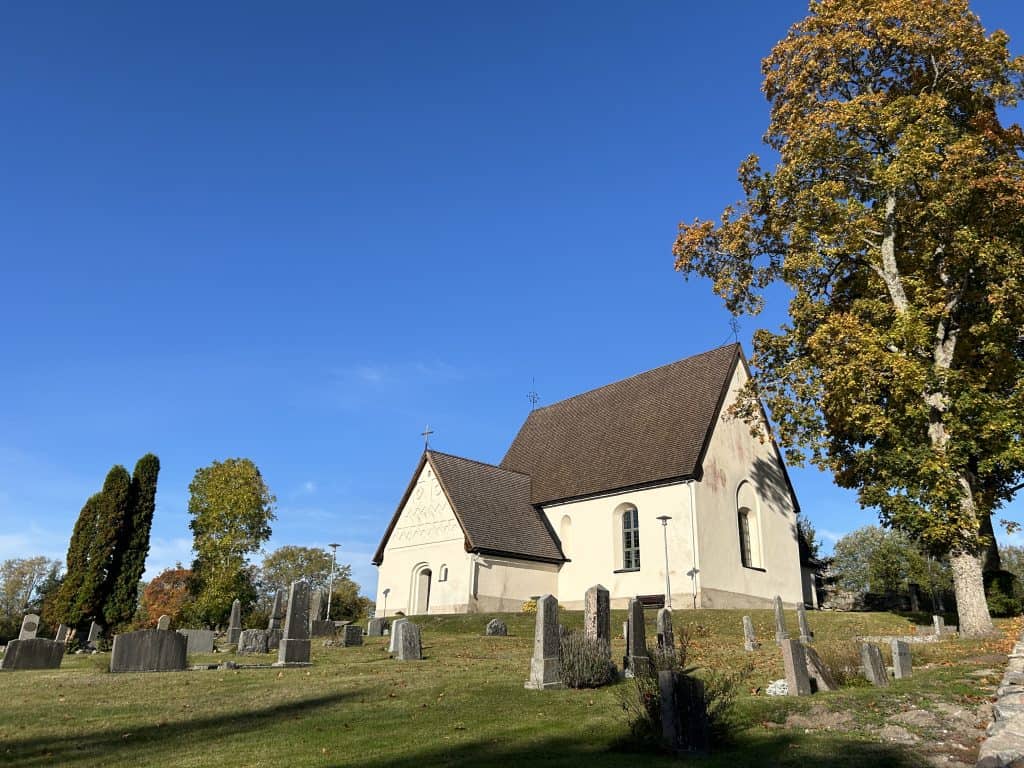
The Malsta Church (Malsta kyrka) is the primary historical landmark of the parish. It is a well-preserved medieval stone church with its oldest parts dating back to the late 12th century. The church is built in the Romanesque style and has served the local community for over 800 years. A key feature of the church is its interior, which contains a collection of genuine Viking Age rune stone fragments displayed in the church porch. The church itself is a key example of a medieval country church in the Uppland province, representing centuries of local history.
The Rune Stone Fragments
Inside the church porch (vapenhus) of Malsta Church, visitors can see a significant collection of Viking Age rune stone fragments. These fragments are designated with the catalogue numbers U 559 to U 564. They were discovered within the church walls and floor during renovations, indicating that they were reused as building materials when the church was constructed in the Middle Ages. These stones, which date back to the 11th century, feature runic inscriptions and traditional serpent ornamentation. Displaying them within the church provides a direct and tangible link between the area’s Viking Age past and its subsequent Christianization.
The Village Core
The village core of Malsta is the area immediately surrounding the church. This area includes several historic buildings, such as the old rectory (prästgården) and the former parish schoolhouse. The collection of buildings around the church creates a well-preserved example of a traditional Swedish church village environment. A walk through this small central area provides a look at the historical layout of a rural parish center. The surrounding area consists of traditional red-painted farmhouses that complete the historic landscape.
The Roslagen Landscape
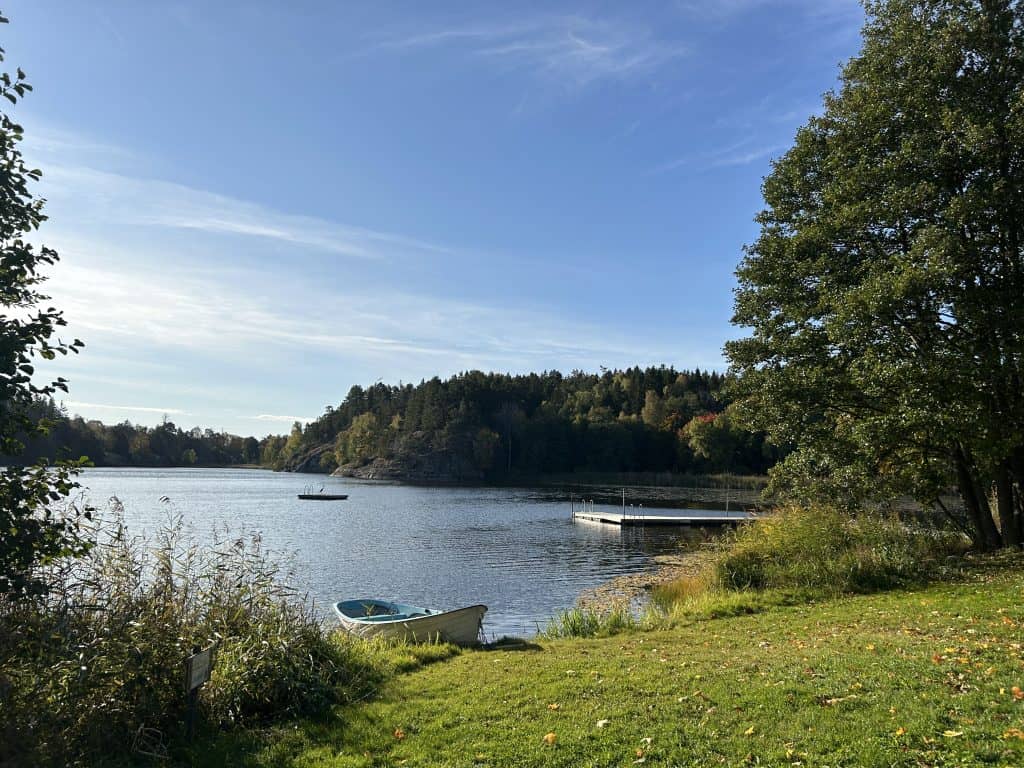
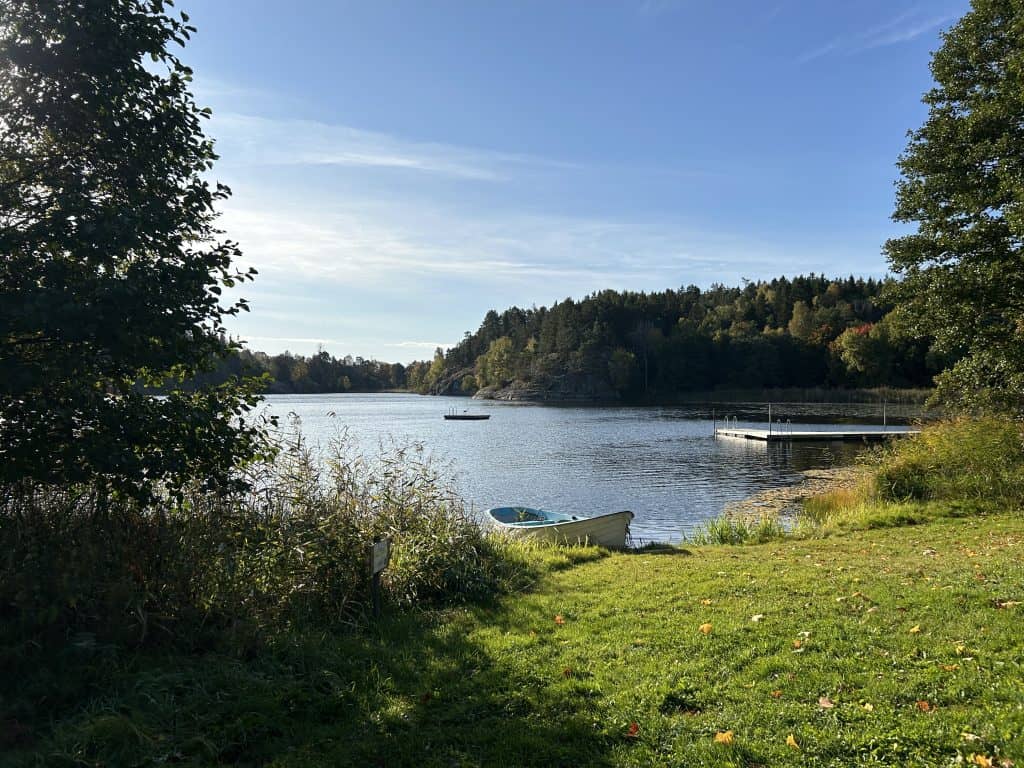
The Roslagen region, where Malsta is located, is a sight in its own right. The landscape is characterized by a mix of forests, open agricultural fields, and numerous small lakes. It is a classic example of the rural landscape of eastern Sweden. The area is known for its natural beauty and its many small, historic villages and parishes. The quiet roads and the extensive forests are a key attraction for visitors to the region.
The Roslagsleden Hiking Trail
The Roslagsleden is a famous long-distance hiking trail that runs for 190 kilometers through the Roslagen region, from Danderyd in the south to Grisslehamn in the north. A stage of this major trail passes through the Malsta parish, just a few kilometers from the church. This makes the area a convenient access point for hikers wishing to explore a section of the route. The trail leads through the varied landscape of forests and fields that is typical of the region. It offers a way to experience the natural environment on foot.

How to Get to Malsta
Reaching the church village of Malsta requires travel to a rural part of the Roslagen region, north of Stockholm. A car is the most practical means of transport for visiting the village and exploring the surrounding area, as public transport options are very limited.
The Open Road: Driving to Roslagen
Driving is the most straightforward way to reach Malsta. The village is located on a network of small, local country roads. From Stockholm, you would typically drive north on the E18 motorway to the main regional town of Norrtälje. From Norrtälje, a short drive of about 5 kilometers on a local road leads to Malsta. A car is essential for exploring the scattered historical sights of the region.
Arriving by Air: Stockholm Arlanda
The closest and most convenient major airport is Stockholm Arlanda Airport (ARN). It is located approximately 60 kilometers to the southwest of Malsta. Arlanda is Sweden’s main international airport with extensive global connections. From the airport, a rental car is the most practical option for completing the journey to this rural part of Roslagen.
On Track: A Journey by Rail and Bus
Malsta does not have its own train station. The Swedish railway network does not extend into this part of Roslagen. The closest major train stations are located in Uppsala or in the northern suburbs of Stockholm. From these cities, travelers would need to take a regional bus to the main bus terminal in Norrtälje. From Norrtälje, a final, infrequent local bus service operated by SL is required to reach Malsta.
Connecting by Coach
There are no direct long-distance bus services to the small village of Malsta. Travel by coach would typically involve taking a service to the main bus station in Stockholm or Uppsala. From these cities, travelers would need to transfer to the SL regional bus network. The main hub for buses in the region is the Norrtälje bus station. From there, a local bus connection is needed.
An International Ferry Approach
The closest major international ferry ports are located in Stockholm. These ports have frequent connections to Finland, Estonia, and Latvia. Two other nearby ports are also located in Norrtälje Municipality. Kapellskär and Grisslehamn have connections to Finland and the Åland Islands. From any of these ports, the journey to Malsta must be completed by car.
Driving Distances
The driving distance from 10 regional cities, according to Google Maps:
- Uppsala, Sweden – 51 kilometers (0 h 50 min)
- Stockholm, Sweden – 68 kilometers (1 h 00 min)
- Gävle, Sweden – 139 kilometers (1 h 40 min)
- Västerås, Sweden – 134 kilometers (1 h 50 min)
- Örebro, Sweden – 233 kilometers (2 h 50 min)
- Linköping, Sweden – 275 kilometers (3 h 10 min)
- Gothenburg, Sweden – 534 kilometers (5 h 50 min)
- Malmö, Sweden – 676 kilometers (7 h 10 min)
- Oslo, Norway – 571 kilometers (6 h 40 min)
- Copenhagen, Denmark – 712 kilometers (7 h 40 min)
Explore More of Uppland and Sweden