
Kajaani (Kajana) | Exploring Finland
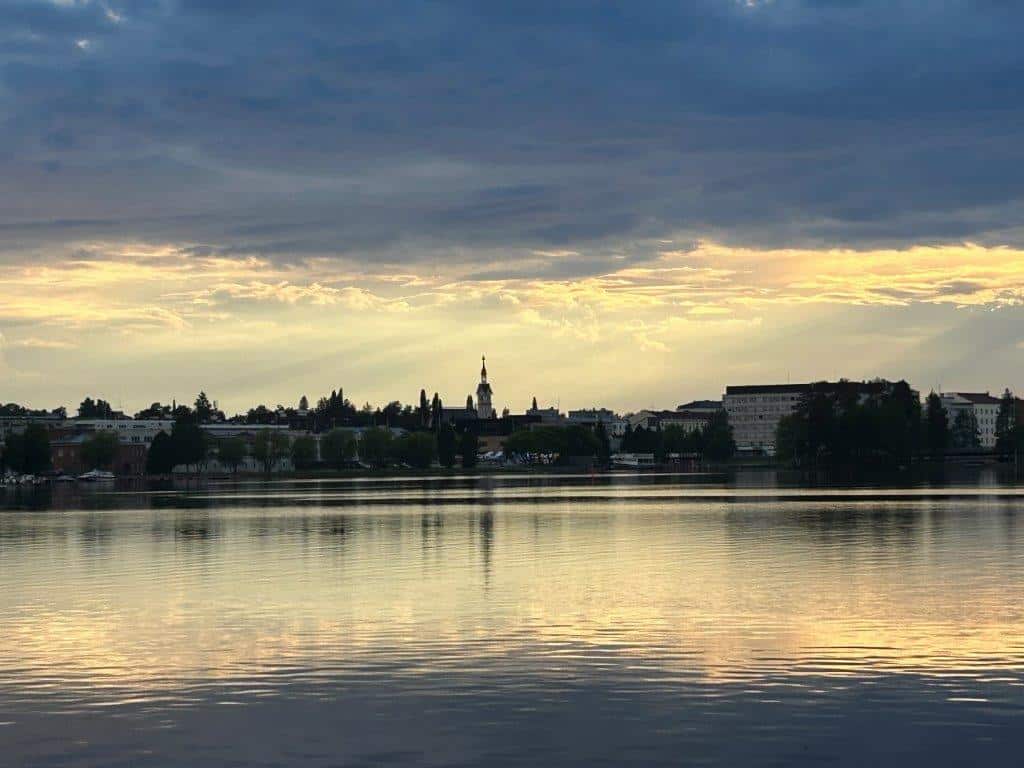
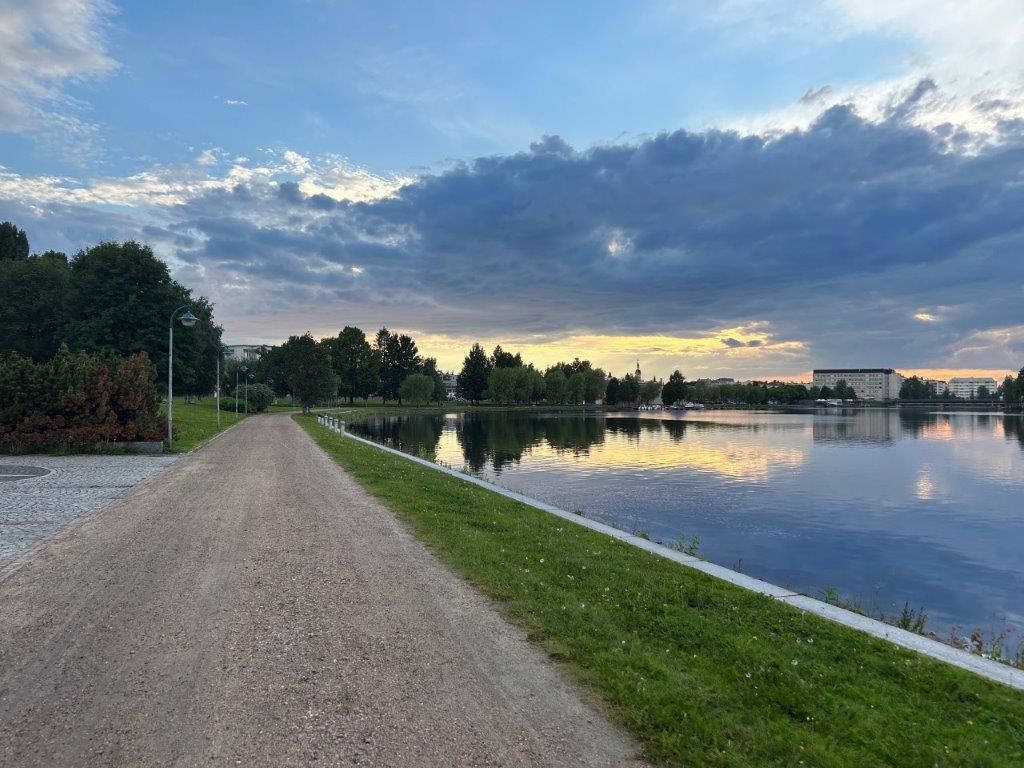
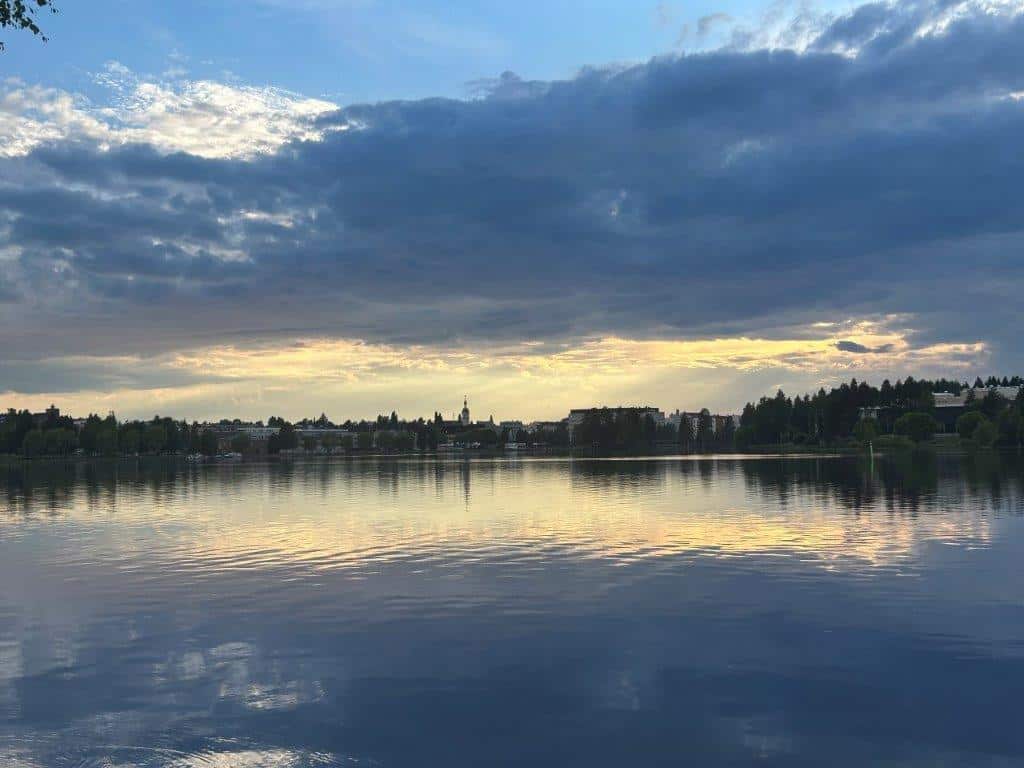
Kajaani is a town in the region of Kainuu in central Finland. The town is also known by its Swedish name Kajana, but is unilingually Finnish speaking. With a population of around 29.400 people, the town is the 23rd largest locality in Finland. It lies along the Kajaani River, a river that flows from Lake Rehja to the east of the center to Lake Oulujärvi to the west.
One famous historical person from Kajaani is Urho Kekkonen. Kekkonen was born in Pielavesi, but moved to Kajaani in 1911. Kekkonen came to hold several national offices during his political career. He is best known for being the President of the Republic of Finland from 1956 until 1982.

A Short History of Kajaani
Kajaani was founded by the Swedish Governor General of Finland, Per Brahe, in 1651. Other cities founded by Brahe include Raahe, Hamina, Jakobstad, Kristinestad, Kuopio, and Lappeenranta. The Kajaani Castle had been build earlier. Construction began in 1604 and it was completed in 1619. The castle was meant to protect the Kainuu Region, a region that Sweden had gained with the Treaty of Teusina in 1595.
The Kajaani Castle was lost in 1716. It was not only forced to surrender by the Russian soldiers, it was also blown to pieces. The town was also looted and destroyed, leaving it mostly abandoned. The castle was never rebuilt, but the town was. New settlers arrived and parts of the castle were used as building material for the new town.
The region and the rest of Finland was ceded to Russia in 1809. The town kept developing under Russian rule, with new roads, a town hall, and a school. The Kajaani Church was built in 1896.
The Kainuu Region had for centuries been focused on the forestry industry, especially on the production of tar. With the industrialization came new larger production plants to Kajaani. It was especially the paper industry that found its home here. The Kajaani Paper Mill was built in 1907. The mill changed ownership several times before it was eventually closed to by UPM Speciality Paper in 2008.


Things to Do and See
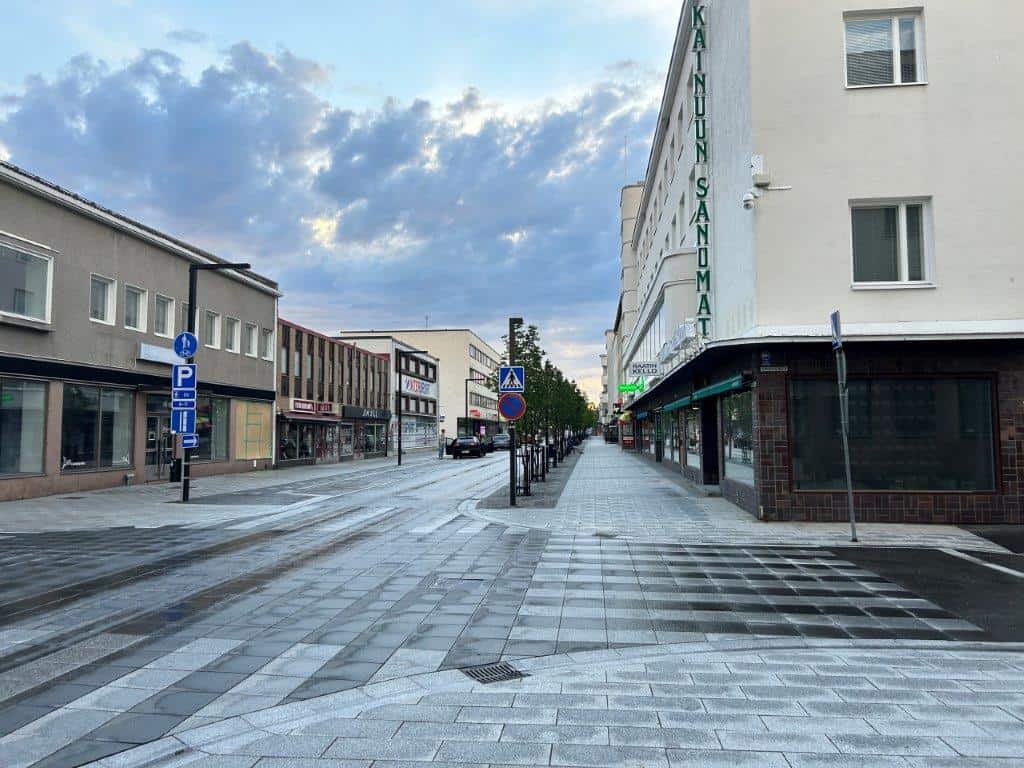
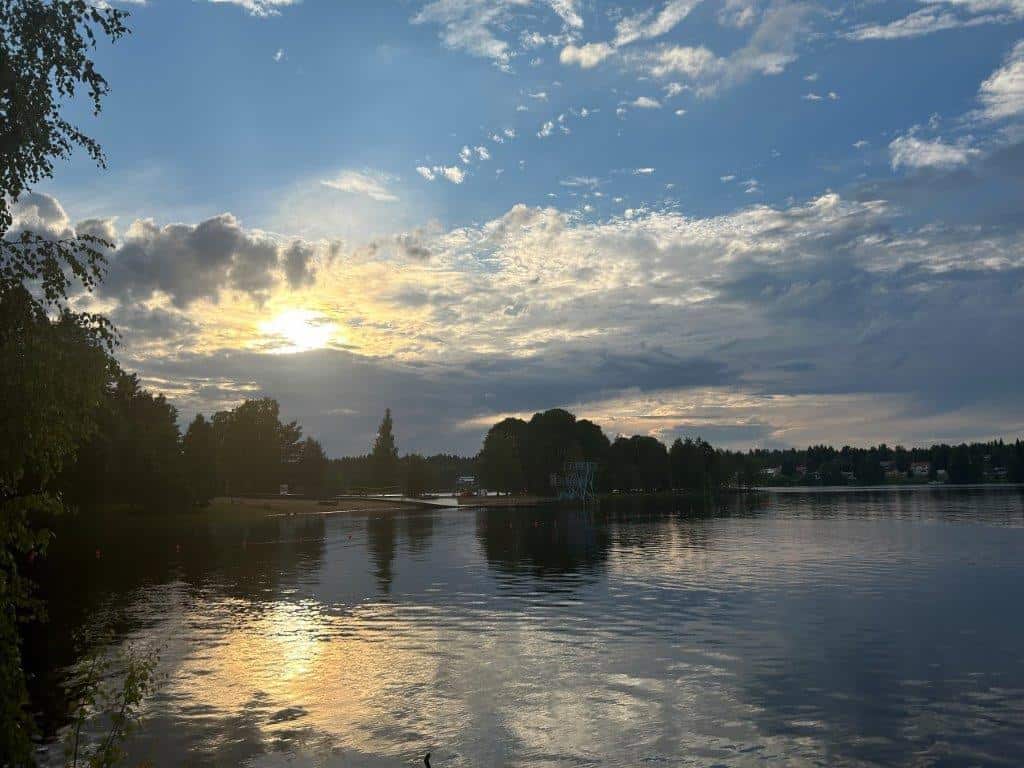
The Nordic wilderness is never far away from Kajaani. Activities in the surrounding nature are possible all year around, with winter activities such as skiing and ice fishing and summer activities such as hiking, fishing and cycling. The town itself has many historical building and other places to explore, maybe even follow in the path of Urho Kekkonen. It is possible to find memorials to him at both his former home and his former school.
Kajaani Castle Ruins
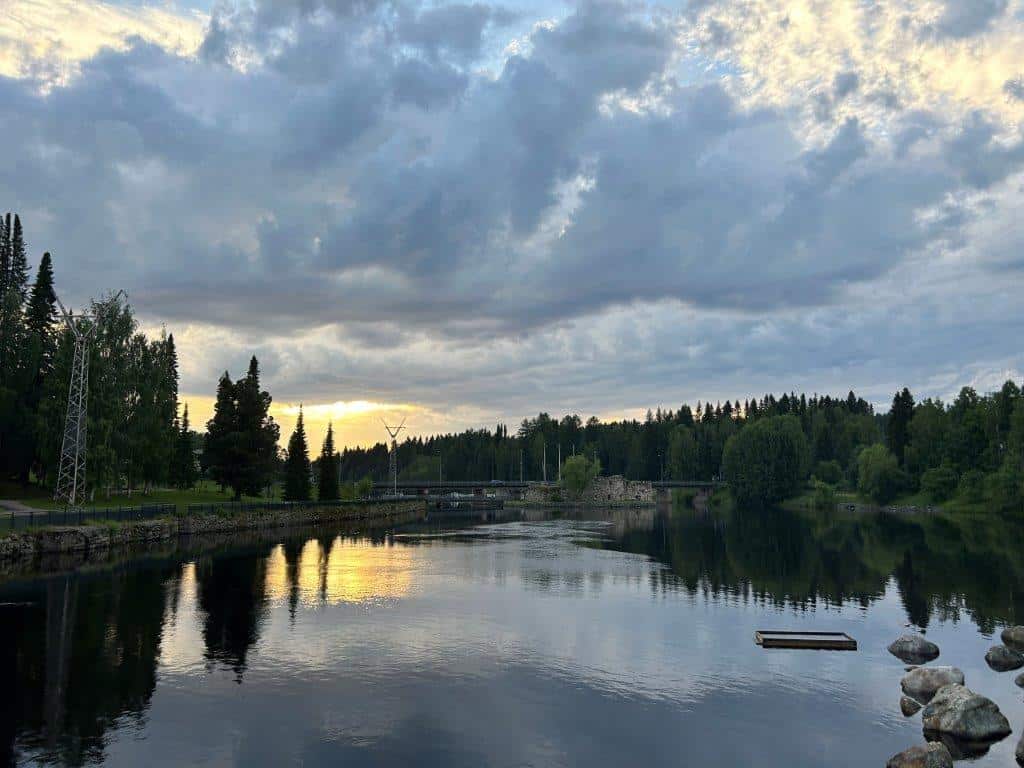
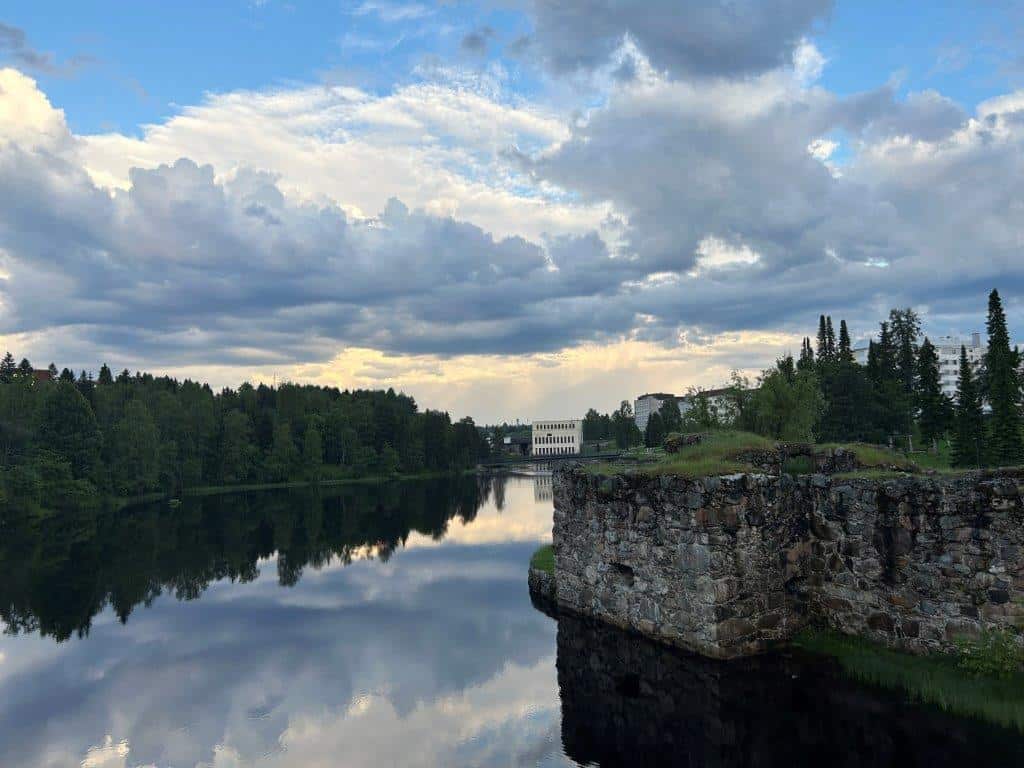
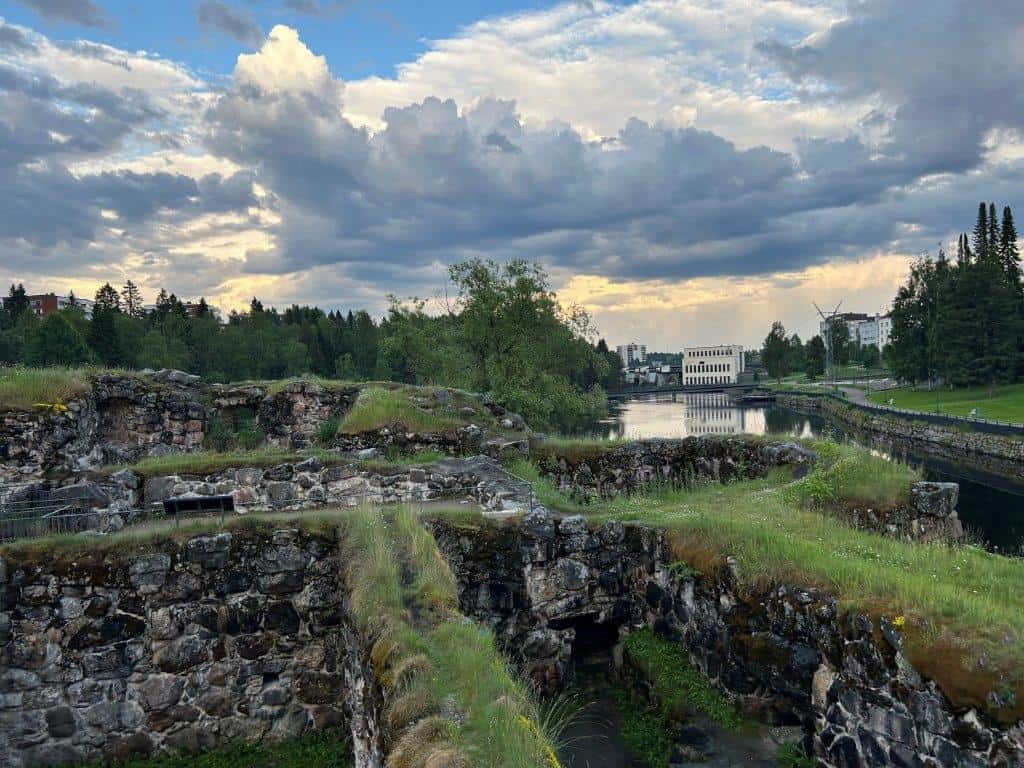
Kajaani Castle, or Kajaneborg in Swedish, dates back to the 17th century. The castle’s defensive duties ended in 1716 with the Great Northern War. The war left the castle in ruins after being conquered by Russian forces. Many of its former stones was re-used in other buildings in the town. The remaining structure got to serve as a pillar for the bridge across the water. The ruins is today possible to explore on foot.
Kajaani Church
Kajaani Church was built in 1896. This Neo-Gothic church was designed by the architect Johan Jacob Ahrenberg. The church was built on the site of the town’s first church from 1656. That church was destroyed by the Russians during the Great Northern War. This current church is the third in the order. It is home to the Kajaani Congregation within the Evangelical Lutheran Church of Finland.
Kajaani Tar Boat Canal
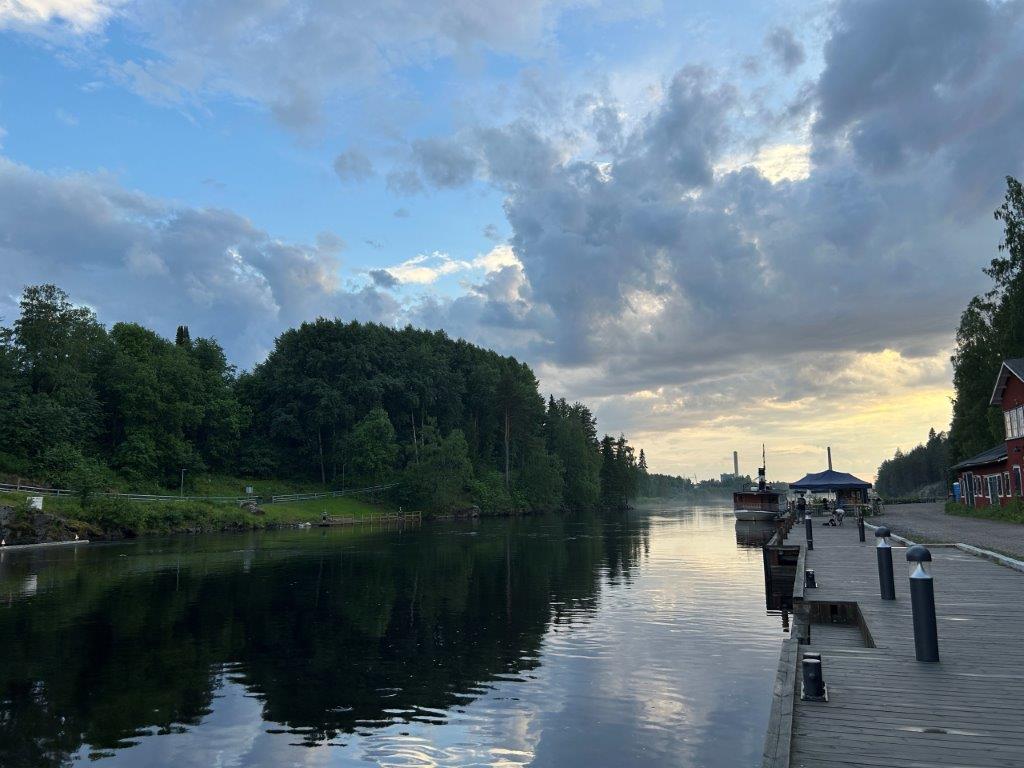
Along the river Kajaaninjoki. the Kajaani River, there is a historical canal that has been used for the tar transports since its construction in 1847. A transport that historically was done by narrow tar boats that traveled all the way from the Kainuu Region to the coast in Oulu. A lock can be found next to the rapids of Ämmäkoski, not far from the castle ruins.
Kajaani Town Hall
The yellow wooden building, with white corners and a small tower at its center, is the Kajaani Town Hall. Its construction was completed in 1831 and is located at the central square Raatihuoneentori. Here it almost disappears between the more modern buildings. The building is today home to the local tourist information center.
Ämmäkoski Power Plant
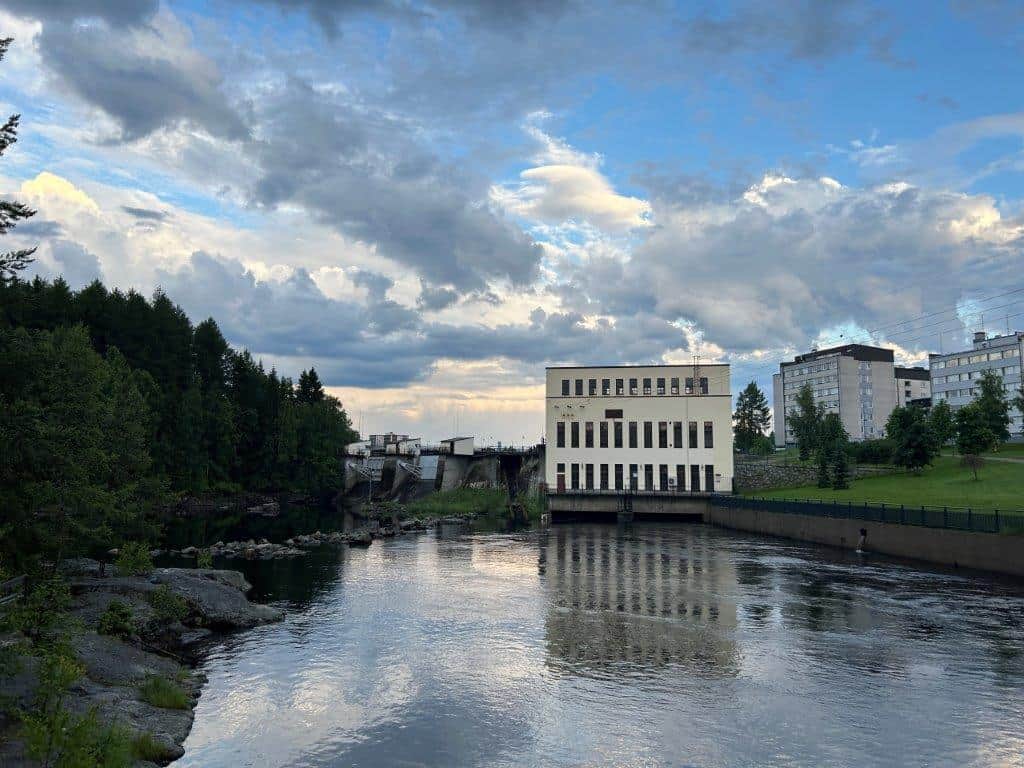
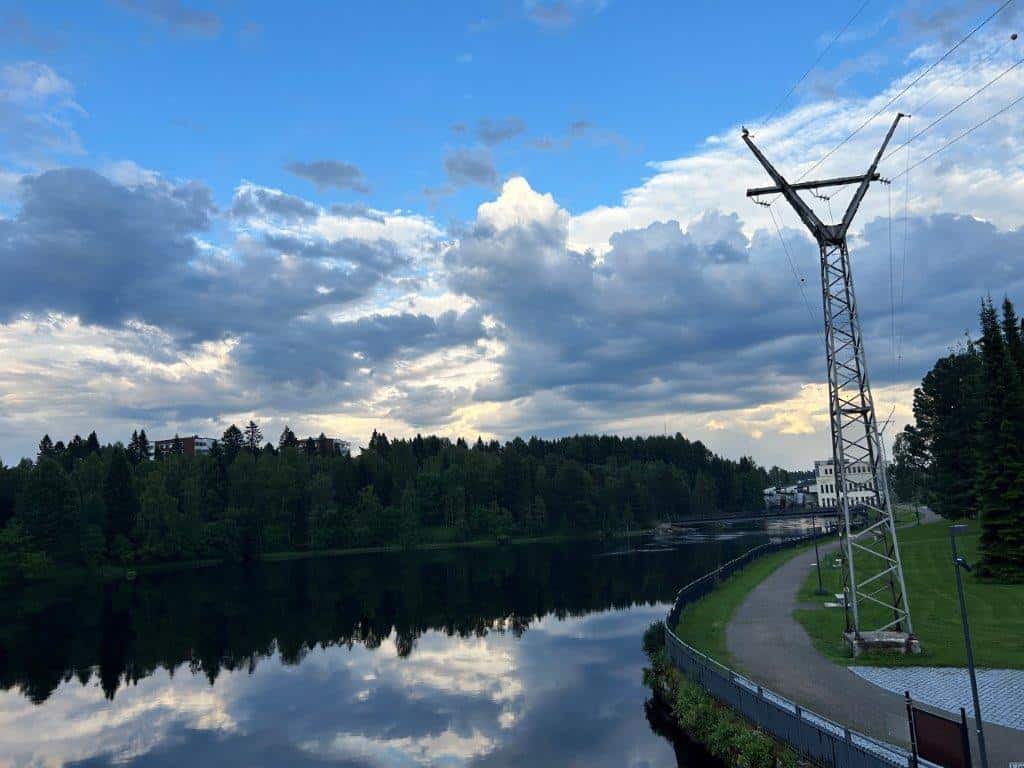
The Ämmäkoski Power Plant is one of three hydroelectric power stations in Kajaani. Ämmäkoski lies right next to the town center and dates back to 1917.
Koivukoski Power Plant
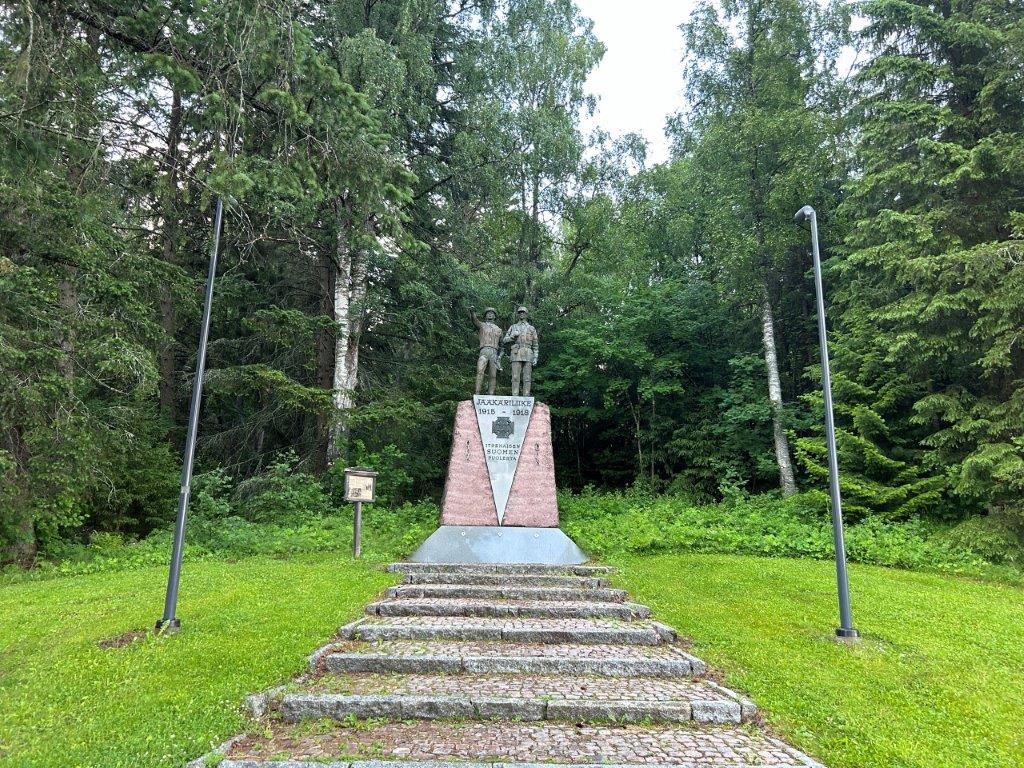
Koivukoski Power Plant is the second hydroelectric power station, also known as Koivukoski I-II. Its construction began in 1941 during hte Continuation War. The workforce building the power plant included prisoners of war from the Soviet Union. The Power Plant was completed in 1943.




How to Get to Kajaani
- Flights: The nearest airport is Kajaani Airport (KAJ), just to the north of the town.
- Car: Kajaani lies along the road E63 between Kuopio and Kuusamo.
- Train: There are train routes to and from Helsinki, Kuopio, and Oulu.
The driving distance from 5 major Finnish cities, according to Google Maps:
- Helsinki – 558 kilometers (6 h 30 min)
- Turku – 621 kilometers (7 h 20 min)
- Vaasa – 366 kilometers (4 h 20 min)
- Oulu – 183 kilometers (2 h 20 min)
- Joensuu – 230 kilometers (2 h 40 min)
Looking to Explore more of Finland and Europe?