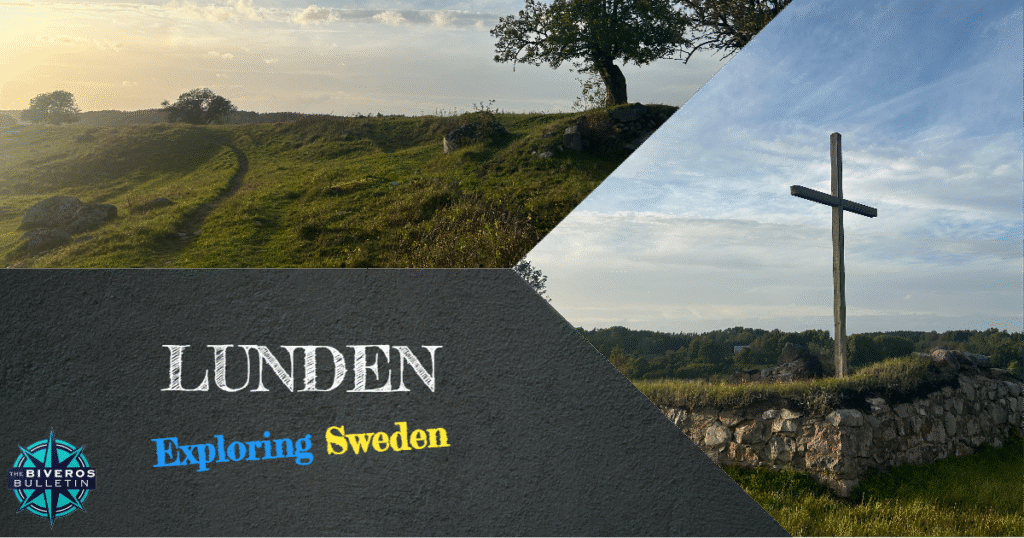
Lunden, Södermanland | Exploring Sweden
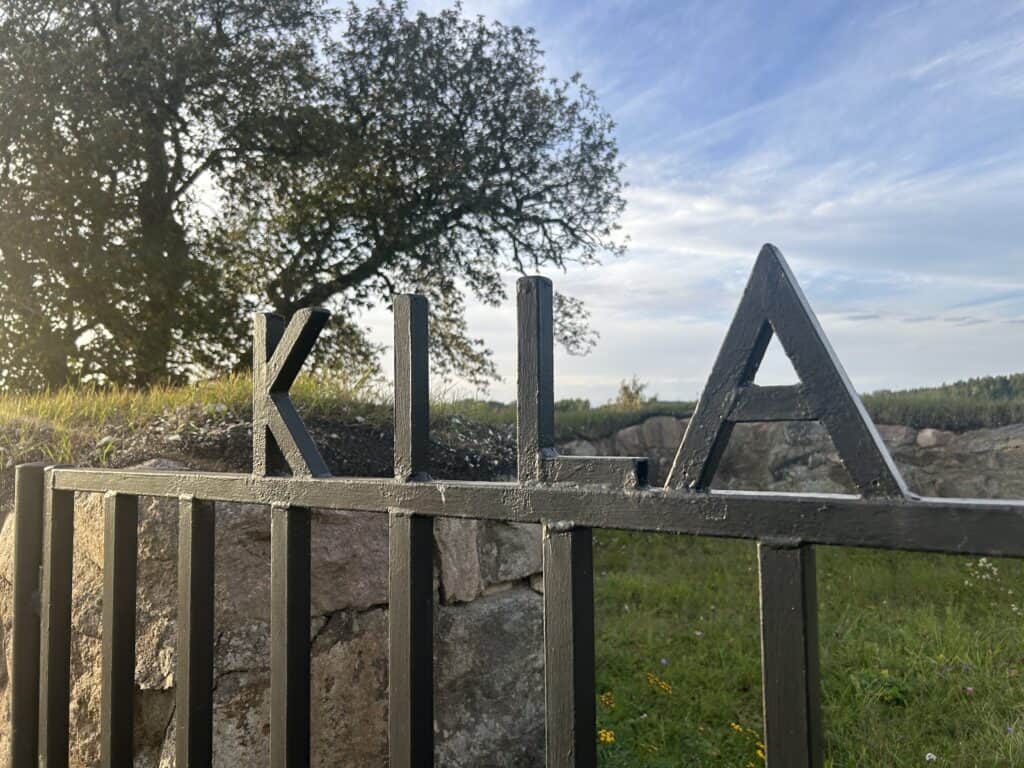
Lunden is a historical site in the province of Södermanland, located within the boundaries of the ancient Kila parish. It is a part of Nyköping Municipality and is situated in the countryside approximately 15 kilometers southwest of the city of Nyköping. The site consists of a distinct hill that holds the ruins of the original Kila parish church, which predates the later churches of the parish. Lunden is an archaeological site of great significance for the local history. It marks the first of three locations for the parish church over the centuries.
Lunden is significant because of its connection to the earliest Christian period in the region. The hill is the location of the Kila Kyrkoruin, or the Kila Church Ruin. Today, all that remains of this original site are the stone foundations of the church and the surrounding historical cemetery, which has long been out of use. The site offers a direct link to the first parish church in the area. This church was abandoned in the Middle Ages and eventually replaced by an 18th-century church on a new site, which was in turn replaced by the current one built in 1963.

History of Lunden
The history of Lunden is the story of the very first center of the Kila parish, a place that was built, used, and eventually abandoned in favor of a new location. The site’s history begins in the early medieval period, during the Christianization of Sweden, and ends a few hundred years later when a new parish church was constructed. The old site on Lunden hill was then left to decay, and its memory was preserved only in local lore until it was later recognized as an important archaeological site.
The First Church on the Hill
The first church on Lunden hill was likely constructed in the 11th or early 12th century. It may have initially been a wooden church, or stavkyrka, built on a site that was possibly of pre-Christian significance. This first building was later replaced by a small stone church, likely of a simple Romanesque design. This church served as the central point for the widespread agricultural community of the Kila parish. It was here that religious services, baptisms, weddings, and burials took place, establishing the hill as the heart of the local community.
Abandonment and Replacement
The church on Lunden hill was eventually abandoned in the later medieval period. A new parish church was constructed in the 18th century at the site where the current Kila Church now stands, which officially shifted the center of the parish away from Lunden. Once the new church was in use, the old one on the hill was left to fall into ruin. Over the centuries, its valuable stone and wood were likely repurposed by local farmers for use in other buildings, such as stone fences and barn foundations, which was a common fate for abandoned medieval churches.
Rediscovery and Preservation
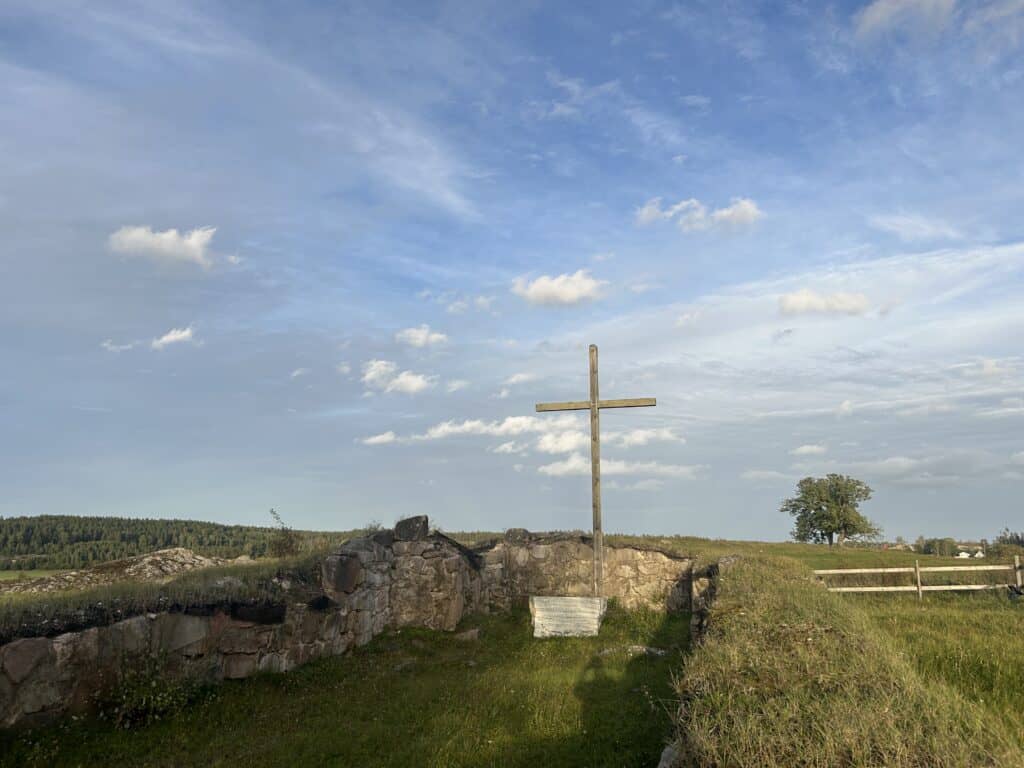
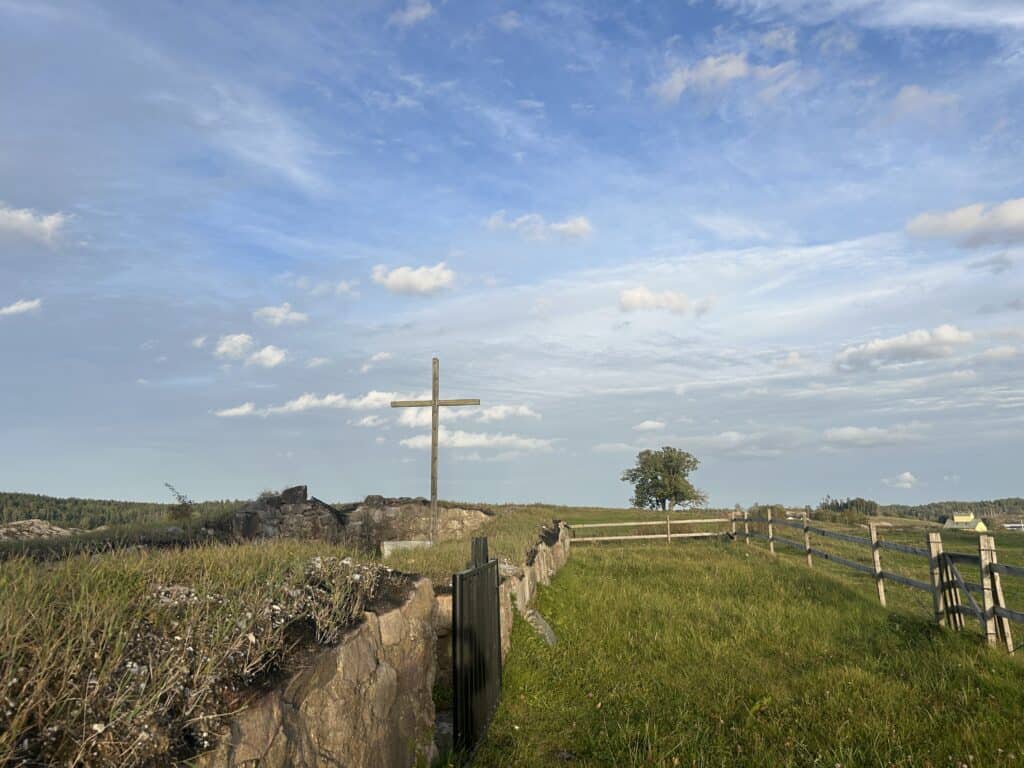
For centuries, the site of the old church was known to locals but was largely overgrown and forgotten. It was officially surveyed and registered as an ancient monument in the 20th century. Today, the site is protected under Swedish law as a cultural heritage site. The foundations of the old church nave and chancel are still clearly visible, as are the remnants of the surrounding churchyard wall. A simple memorial cross has been erected in modern times to mark the location of the former altar. The site is now maintained, making it an accessible and evocative place to visit.


Sights at Lunden
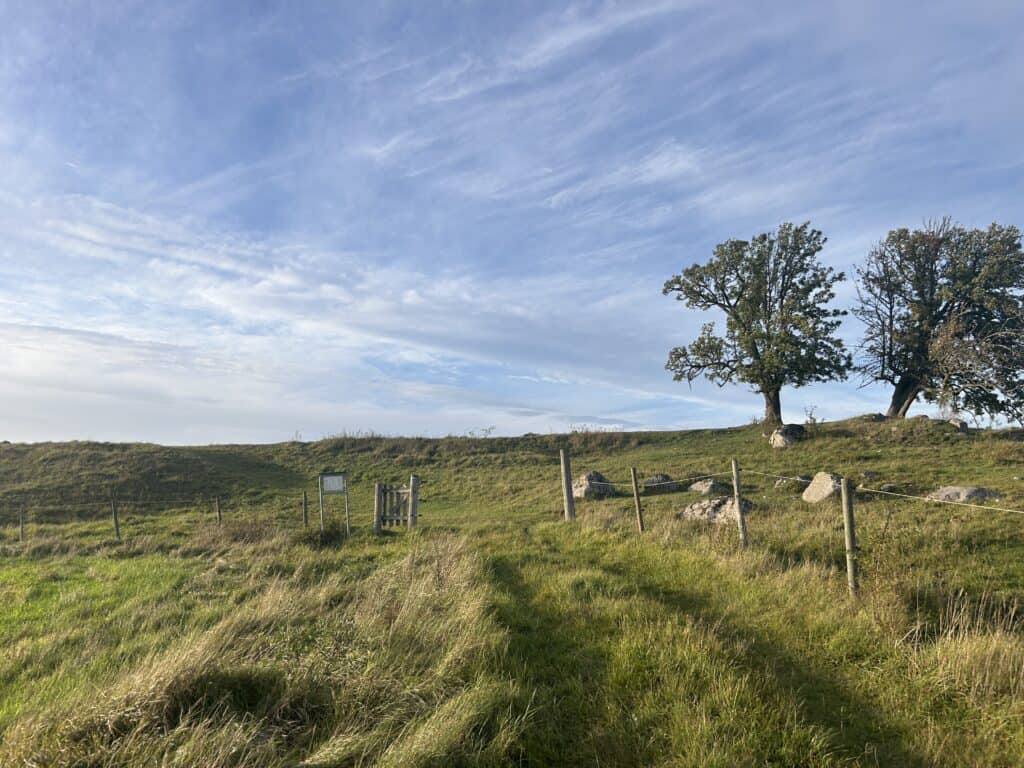
The sights at the Lunden historical site are focused and evocative, centered on the physical remnants of the first church and the surrounding landscape. A visit is a quiet, historical exploration of a few key features. The primary points of interest are the stone foundations of the ruin, the modern memorial cross that marks the spot, and the wider view of the countryside from the historic main road that passes nearby. These sights together offer a clear impression of the site’s history and its place within the rural environment of Södermanland.
Kila Church Ruin
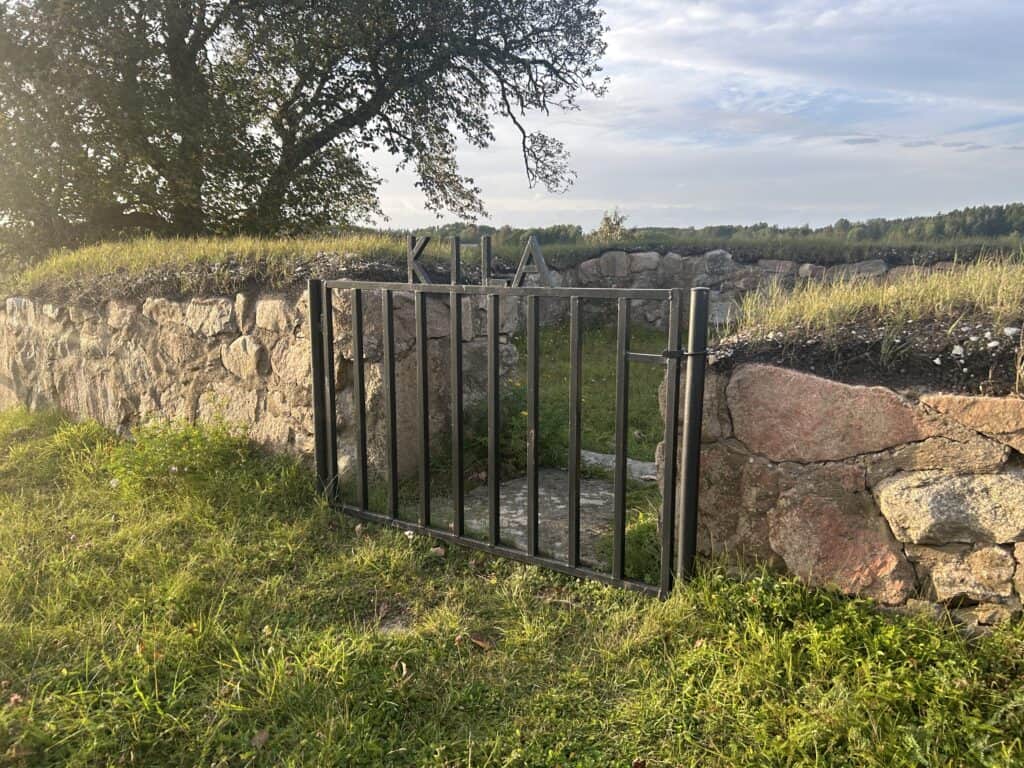
The most prominent feature at the Lunden site is the visible stone foundation of the medieval church. The outline of the rectangular nave and the smaller, narrower chancel to the east are clearly marked by the remaining foundation walls, which are about one meter thick. The total length of the church was approximately 17 meters. Walking around and inside this outline gives a clear sense of the small scale of these early parish churches. The simplicity of the layout is typical of the early Romanesque period of church construction in Sweden.
The Memorial Cross
Within the outline of the church foundations, at the location where the altar would have once stood, there is a simple, modern memorial cross. The cross is made of wood and was erected to mark the site’s historical and spiritual significance. It serves as a focal point for visitors and as a reminder that this tranquil, ruined place was once the active center of religious life for the entire Kila parish. The cross helps visitors to orient themselves within the old church’s layout and to contemplate its former purpose.
The View from the Lunden Hill
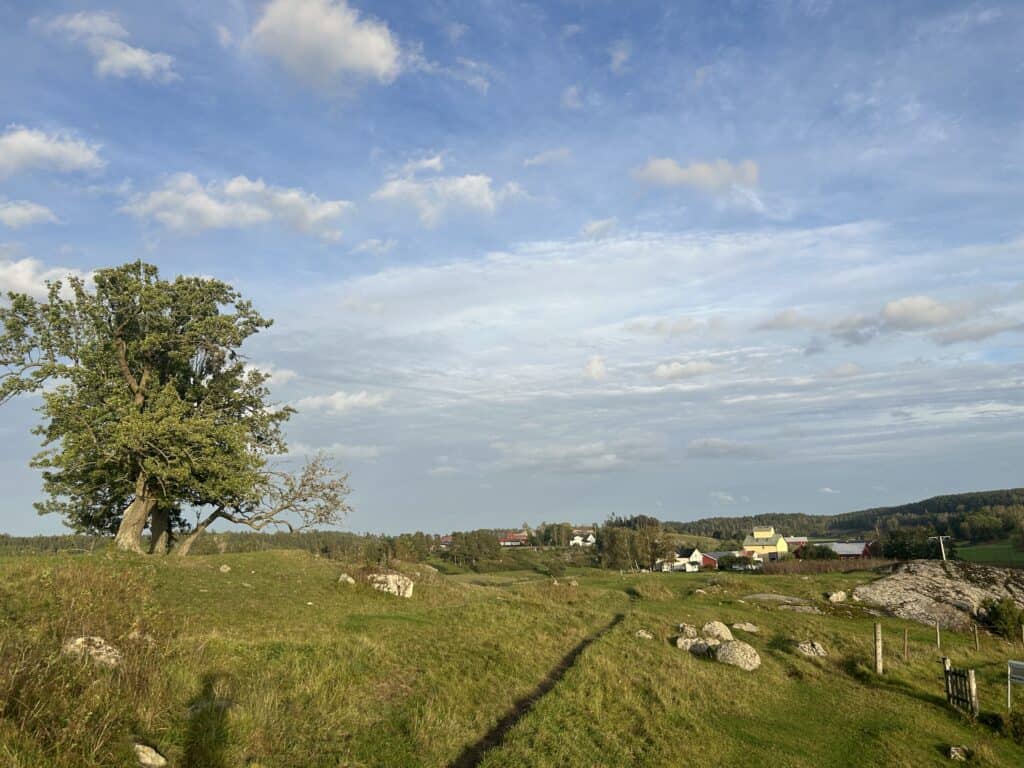
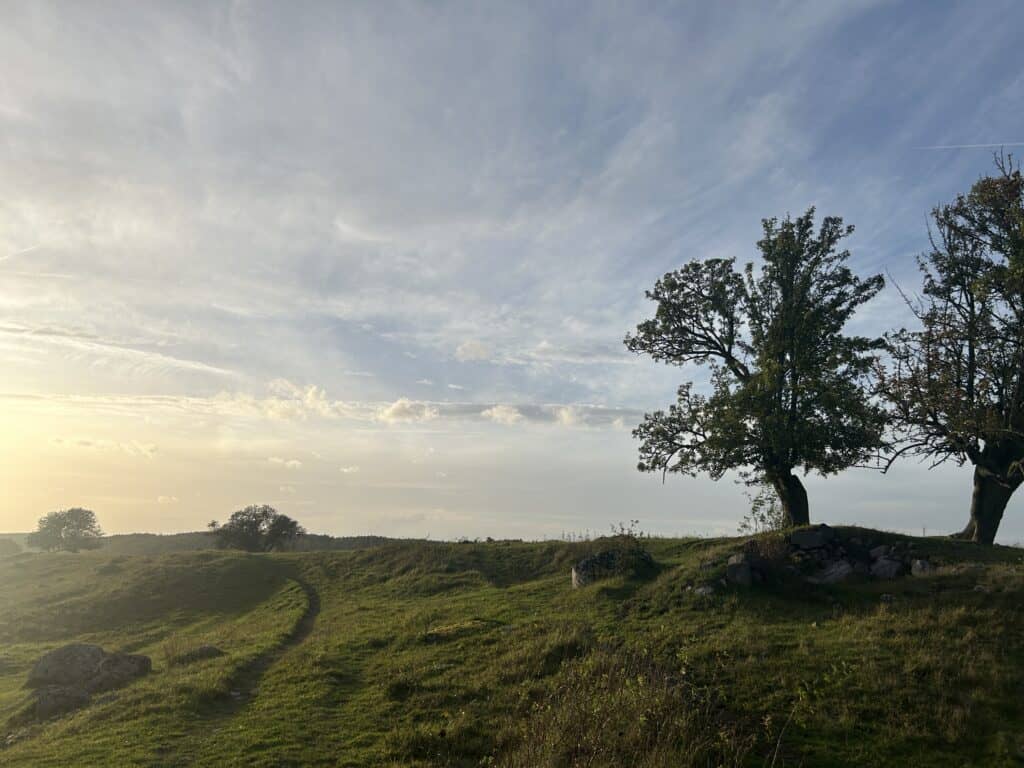
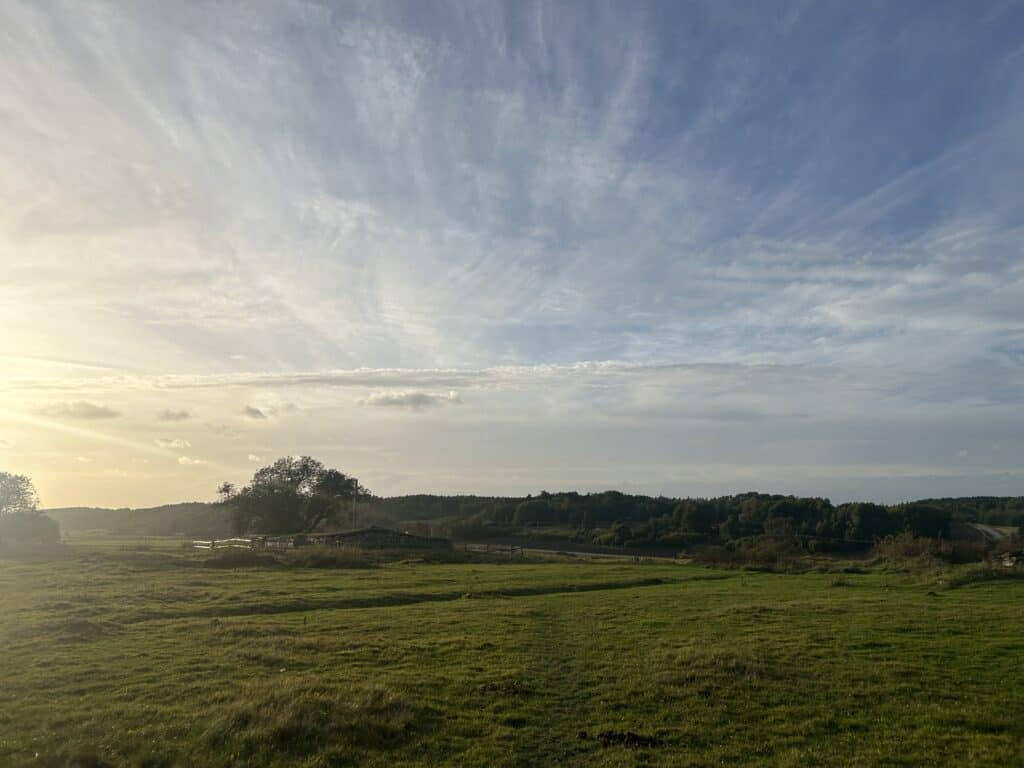
The elevated position of the ruin on Lunden hill provides a wide, panoramic view over the surrounding countryside. From the crest, a visitor can look out across the expansive and fertile Kiladalen valley. The view is one of open agricultural fields, scattered traditional farmsteads, and the meandering path of the Kilaån river. In the distance, the tower of the current Kila Church is visible, providing a direct visual link between the parish’s past and present centers. This commanding perspective of the entire parish is likely why this hill was originally chosen as the site for the first church.

How to Get to Lunden?
Reaching the Kila Church Ruin requires traveling to a specific, rural location in the Kila parish that is not served by public transport. A private car is practically essential for a visit. The site is located on a small local road, and while it is marked on some maps, it can be challenging to find without precise directions or a GPS. The journey takes you through the scenic, winding country roads of the Kiladalen valley.
The best approach is to first navigate to the current Kila Church. From the church, Lunden is located approximately 1.5 kilometers to the northwest. The route involves following the small local road that leads past the church. There is a small parking area or lay-by on the side of the road at the base of the hill, from which a short path leads up to the ruins. The final approach must be made on foot.
Driving to Lunden
The only practical way to get to Lunden is by car. From the E4 motorway, travelers should take exit 129 (Jönåker) and follow the signs towards Nyköping (the old road). While driving, one must look for the memorial cross on Lunden hill, which is visible in the landscape. Near this point, a small, unmarked rural road turns off from the main road. This smaller road crosses a small stream and passes by local farms, eventually leading to the hill. There is no formal parking, but visitors can typically park on the roadside near the base of the hill. A detailed map or GPS is highly recommended.
Reaching Lunden by Train
There is no train service to the Lunden site. The closest major train station is in Nyköping. From Nyköping Central Station, a visitor would need to rent a car or hire a taxi for the final 16-kilometer journey to the ruins. Relying on the train for the main part of the journey is possible, but the final leg requires a private vehicle.
Reaching Lunden by Bus
There are no regular bus routes that pass directly by the Lunden site. The regional bus service operated by Sörmlandstrafiken has stops several kilometers away, but this would require a very long walk along country roads without sidewalks. Therefore, using public transport to visit the Lunden ruins is not a feasible option for most people.
Cycling to Lunden
For avid cyclists, reaching Lunden by bicycle is a very rewarding option. The area is part of a network of quiet and scenic country roads with very light traffic. A cycle journey from Nyköping or Jönåker would take you through the heart of the beautiful Kiladalen valley. The final approach to the site is on a small gravel road. This mode of transport is best suited for experienced cyclists who are comfortable navigating rural roads.
Driving Distances
The driving distance from 20 regional cities, according to Google Maps:
- Nyköping, Sweden – 16 kilometers (0 h 22 min)
- Oxelösund, Sweden – 26 kilometers (0 h 28 min)
- Katrineholm, Sweden – 43 kilometers (0 h 42 min)
- Norrköping, Sweden – 58 kilometers (0 h 55 min)
- Södertälje, Sweden – 82 kilometers (1 h 5 min)
- Eskilstuna, Sweden – 84 kilometers (1 h 15 min)
- Linköping, Sweden – 99 kilometers (1 h 20 min)
- Stockholm, Sweden – 115 kilometers (1 h 30 min)
- Örebro, Sweden – 116 kilometers (1 h 55 min)
- Västerås, Sweden – 128 kilometers (1 h 50 min)
- Uppsala, Sweden – 184 kilometers (2 h 15 min)
- Jönköping, Sweden – 246 kilometers (2 h 45 min)
- Kalmar, Sweden – 286 kilometers (3 h 30 min)
- Gävle, Sweden – 292 kilometers (3 h 15 min)
- Växjö, Sweden – 310 kilometers (3 h 30 min)
- Gothenburg, Sweden – 381 kilometers (4 h 10 min)
- Oslo, Norway – 399 kilometers (4 h 40 min)
- Helsingborg, Sweden – 473 kilometers (4 h 55 min)
- Malmö, Sweden – 524 kilometers (5 h 25 min)
- Copenhagen, Denmark – 566 kilometers (6 h 5 min)
Explore More of Södermanland and Sweden