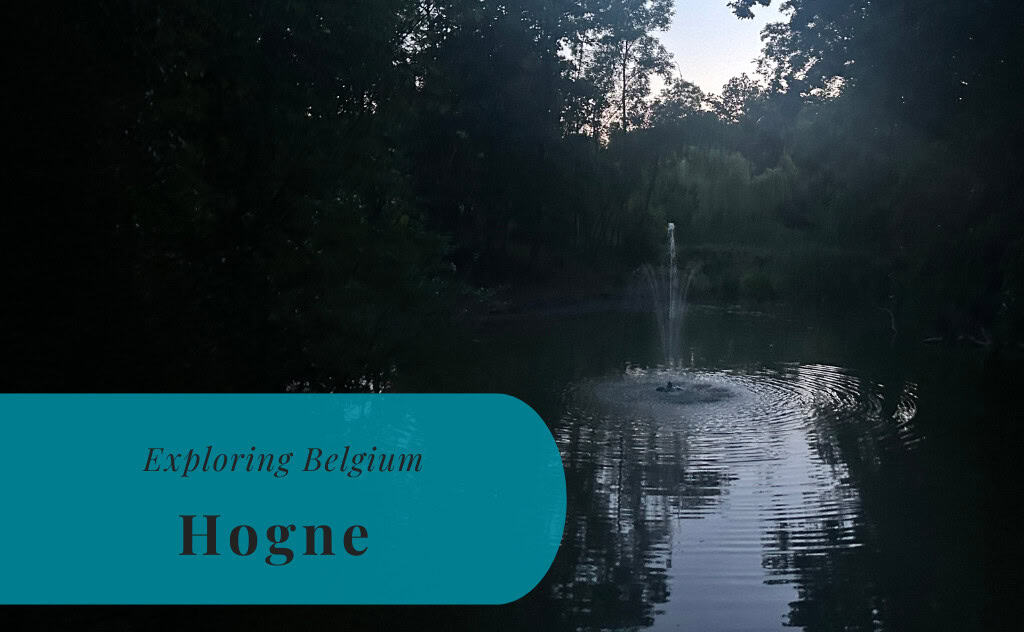
Hogne, Wallonia | Exploring Belgium
Hogne is a village in the municipality of Somme-Leuze, located in the province of Namur, in the Wallonia region of Belgium. With a population of approximately 1,300 residents, it is a rural community situated in the Famenne region. This area is known for its landscape of rolling hills and agricultural land, which lies between the Condroz to the north and the Ardennes to the south. Hogne is located on the N4, a major national road, about 10 kilometers north of the larger town of Marche-en-Famenne.
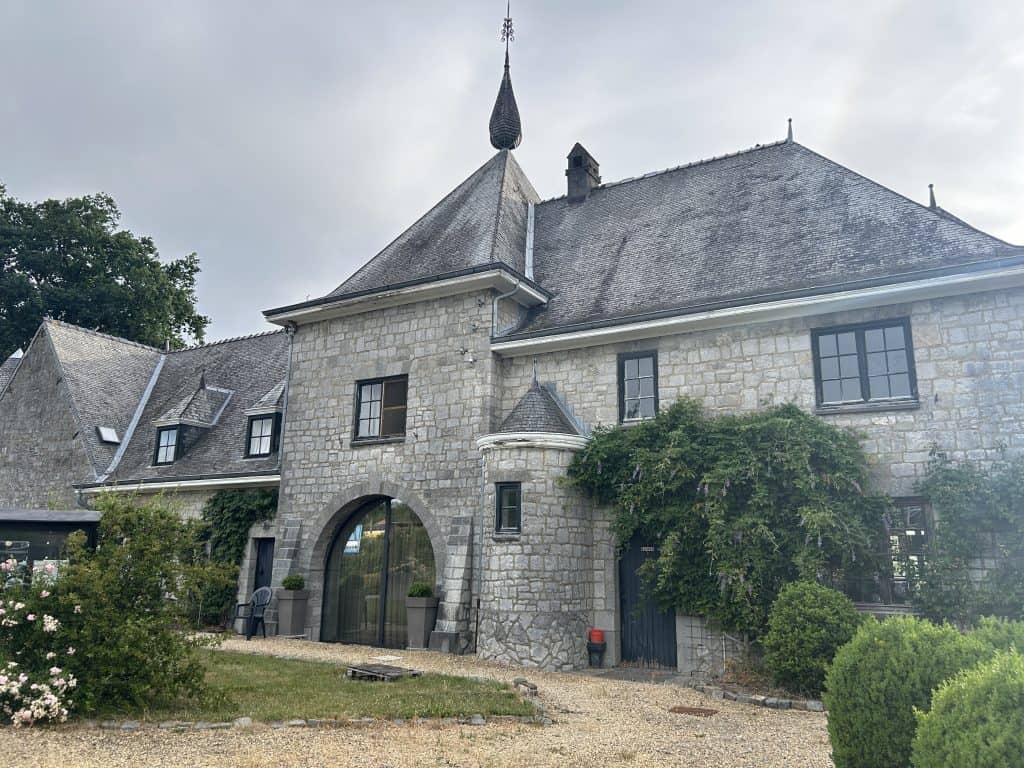
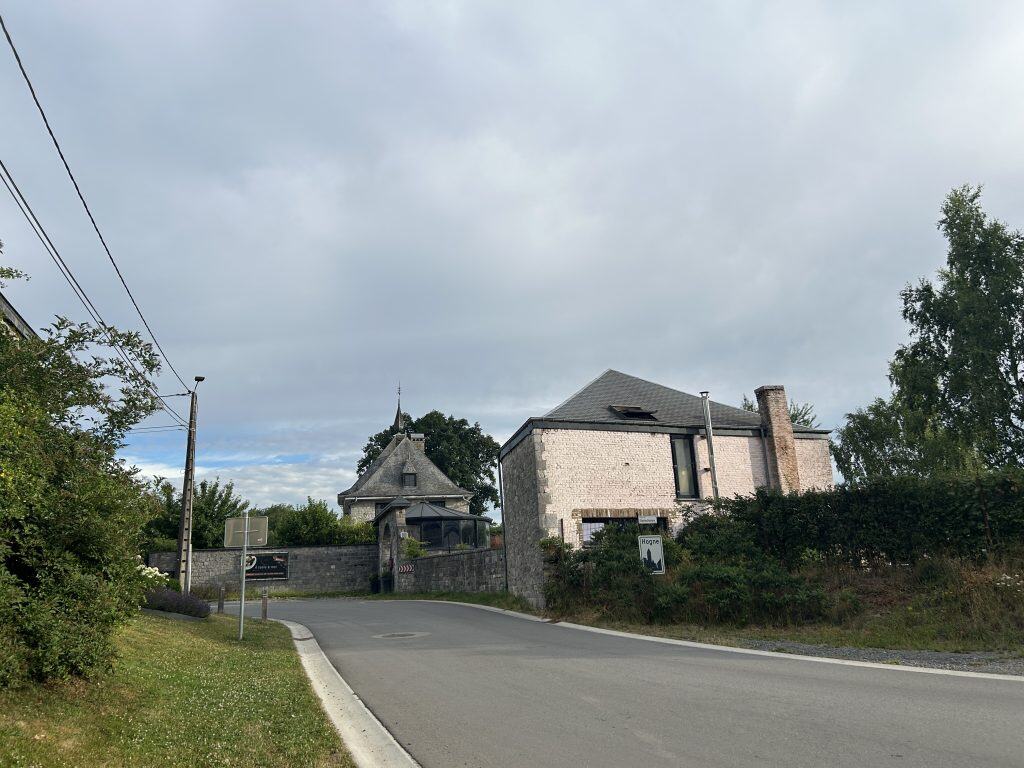
The character of Hogne is that of a traditional agricultural village. Its identity is defined by its rural setting, its historic church, and a large, fortified farm complex known as a castle-farm. The village consists of a small cluster of traditional stone and brick houses, many of which are historic farmsteads. It serves primarily as a residential community for the surrounding area. Its location on a major road has made it a key transit point, but it has retained a quiet, rural atmosphere.
A Short History of Hogne
The history of Hogne is that of a small rural settlement that has been shaped by its location on a major historic route and its connection to local lordships. For centuries, it was a modest agricultural community. The village’s story reflects the long history of the Famenne region, from its early medieval origins to its modern administrative integration. It has remained a small but enduring settlement through the ages.
Medieval Origins
The history of settlement in the Hogne area dates back to the Roman period, as it was located along the Roman road connecting Reims and Cologne. The village itself was first mentioned in historical documents in the Middle Ages. For much of its history, it was a small parish and part of a feudal lordship. Its economy was based entirely on agriculture and the use of the surrounding forests. The construction of its first church and the establishment of a fortified farm were key developments in its early history.
Modern Era
For centuries, Hogne remained a small agricultural village. Its life was defined by the local church, the large castle-farm, and the rhythm of farming. After the end of the feudal system, the village became an independent municipality. During the Battle of the Bulge in World War II, the area around Hogne was the scene of fighting, with British forces holding the line against the German advance. A key moment in its modern administrative history was the 1977 fusion of Belgian municipalities, when the formerly independent municipality of Hogne was merged into the new, larger municipality of Somme-Leuze.
Things to Do and See
The sights in and around the small village of Hogne are focused on its historic buildings and the surrounding natural landscape. The main points of interest offer a look into the history and traditions of this rural region.
St. Stephen’s Church
The St. Stephen’s Church (Église Saint-Étienne) is the main historic landmark in the village of Hogne. The church’s tower is the oldest part of the building, with its Romanesque base dating back to the 12th or 13th century. The main nave of the church was rebuilt in the classical style in the 18th century. The church is built in the traditional stone of the region and is surrounded by a historic walled cemetery. It serves as the spiritual center for the local community.
The Castle-Farm of Hogne
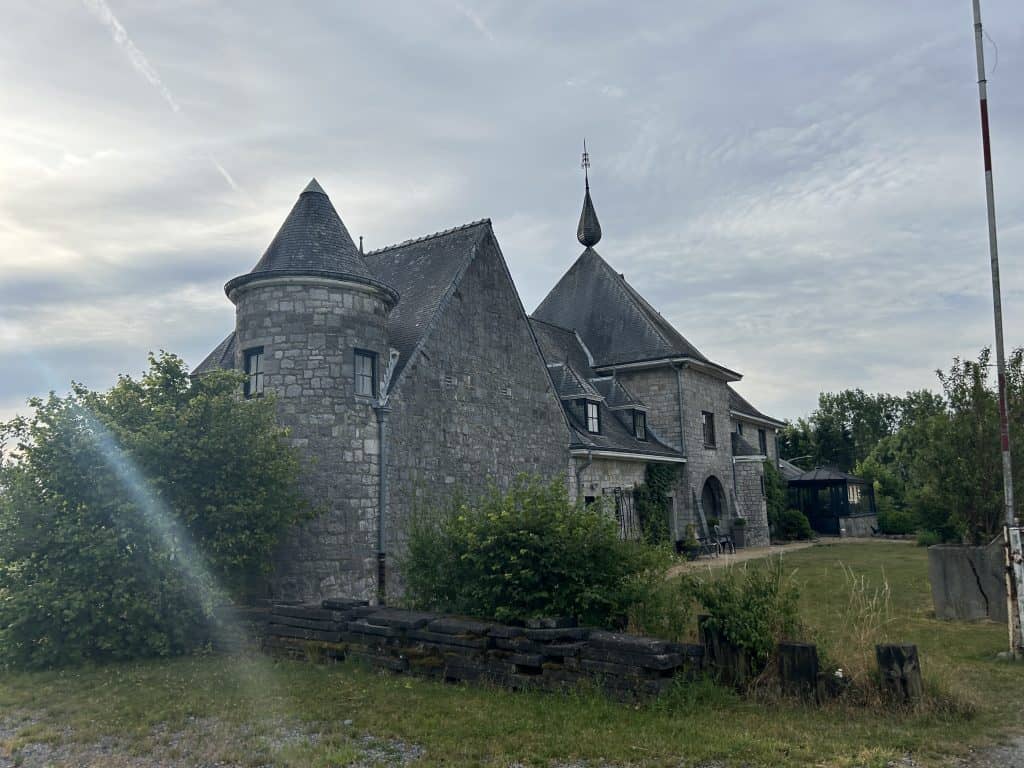
The Castle-Farm of Hogne (Château-ferme de Hogne) is a large, historic fortified farm complex. Such complexes, known as château-fermes, are a characteristic feature of the Condroz and Famenne regions. The buildings are constructed from stone and are arranged around a large central courtyard. The oldest parts of the structure date back to the 17th century. It served as both a large agricultural enterprise and a defensible residence for the local lord. The complex is a key example of the rural architecture of the region.
The Village Core
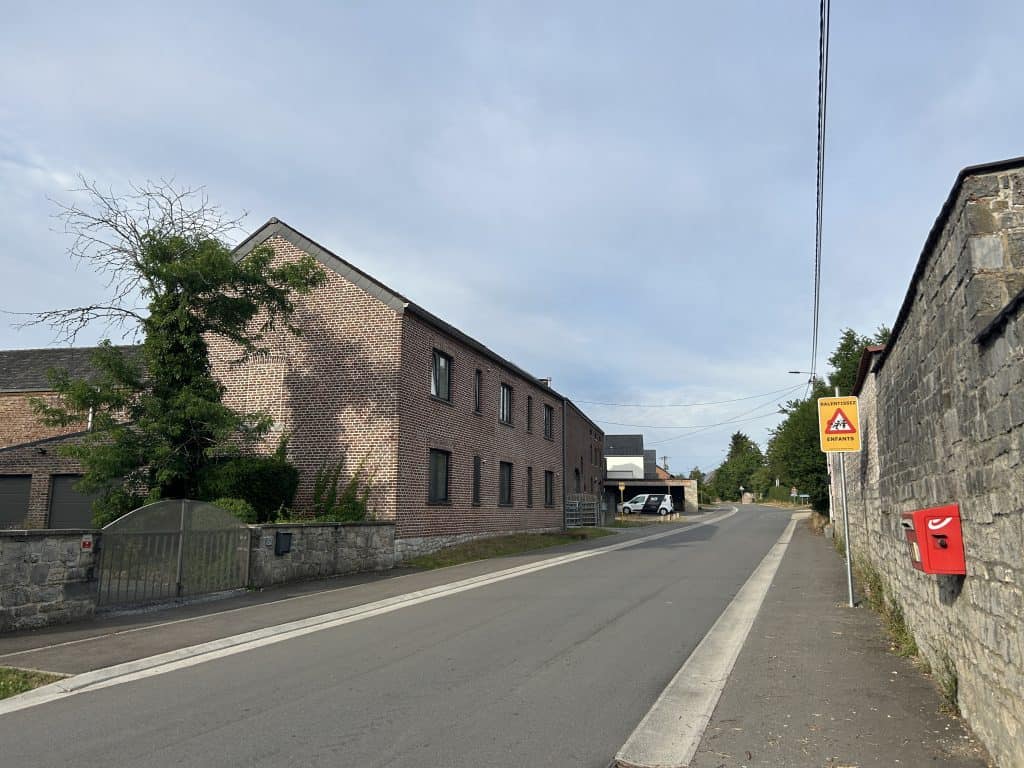
The historic village core of Hogne retains the character of a traditional Famenne village. The area around the church and the castle-farm is the heart of the community. The streets are lined with traditional stone houses and farmsteads, many of which date from the 18th and 19th centuries. A walk through the village provides a look at the rural architecture of the region. The village is surrounded by open fields and agricultural land.
The Famenne Landscape
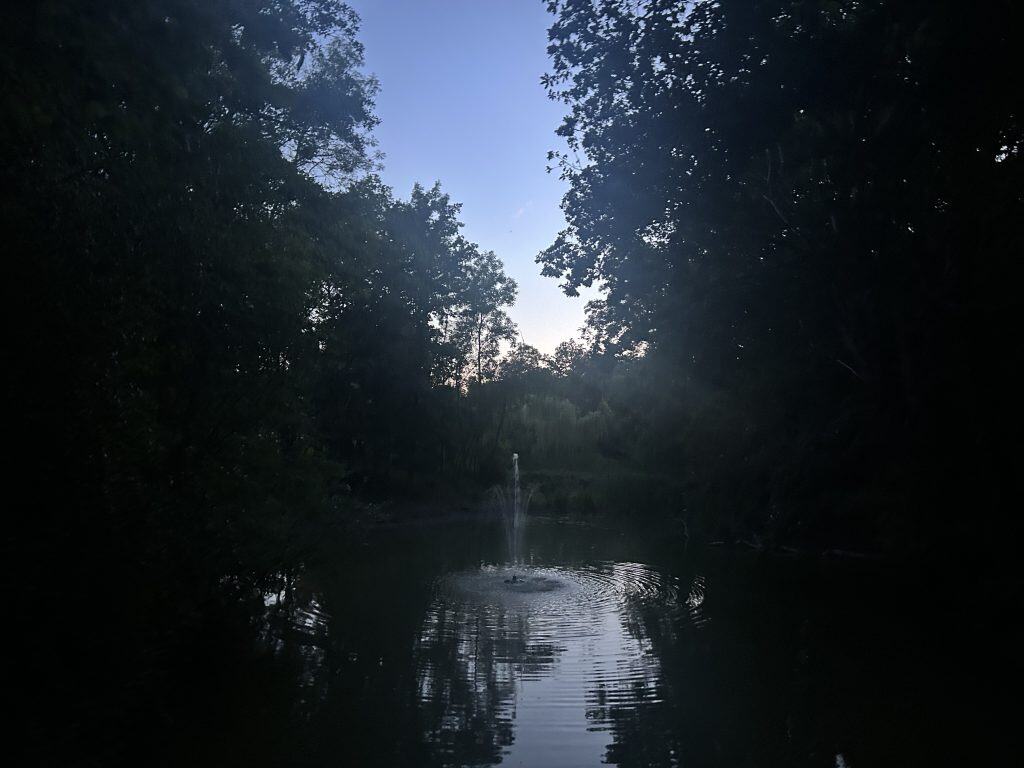
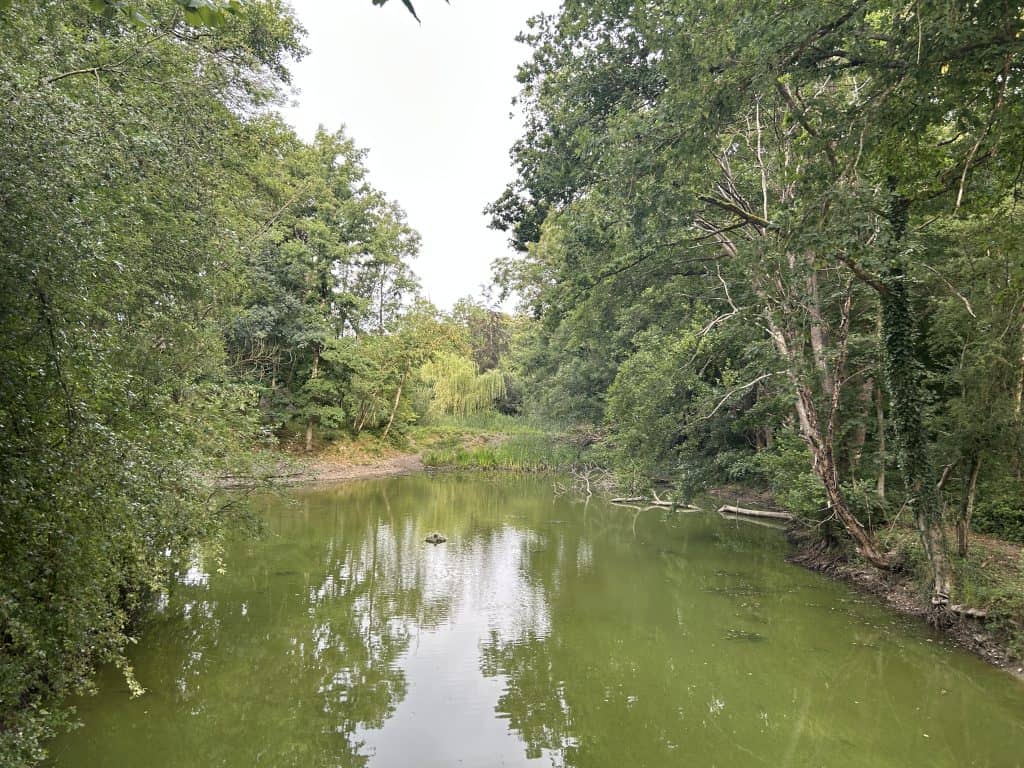
The Famenne region, where Hogne is located, is a sight in its own right. The landscape is a transitional zone between the rolling hills of the Condroz and the deep forests of the Ardennes. It is characterized by a mix of forests, pastures, and agricultural fields. The quiet country roads and paths that run through this area are a key attraction for visitors. This natural environment defines the character of the village.
Sports in Hogne
The area around Hogne is a destination for outdoor recreation, particularly hiking and cycling. The extensive network of rural paths and the scenic landscape of the Famenne and Condroz regions provide the main setting for these activities.
Hiking and Cycling
The Famenne region is a popular destination for hiking and cycling. A dense network of marked trails runs through the countryside around Hogne. These paths lead through forests, over rolling hills, and connect to other nearby villages and points of interest. The quiet country roads with their gentle inclines are particularly well-suited for recreational cycling. This allows visitors to explore the natural beauty of the region at a relaxed pace.
How to Get to Hogne
Reaching the village of Hogne requires travel to a rural part of the province of Namur. The village is located directly on a major national road, making it very accessible by car. Public transport options are available but are less frequent.
The Open Road: Driving the N4
Driving is the most common and practical way to reach Hogne. The village is located directly on the N4, which is the main national road connecting Namur and Luxembourg. This road provides a direct and easy link to the village from major centers. The E411 motorway also passes nearby, providing a faster connection from Brussels. A car is highly recommended for exploring the wider region.
Arriving by Air: Nearby Gateways
The two closest major international airports are Brussels Airport (BRU) and Brussels South Charleroi Airport (CRL). Both airports are located approximately a one-hour drive from the Hogne area. Another nearby option is Liège Airport (LGG). From any of these airports, a rental car is the most practical option for completing the journey to Hogne, as public transport connections to this rural area are indirect.
On Track: A Journey by Rail and Bus
Hogne does not have its own train station. The closest major train station is located in the town of Marloie, which is about 15 kilometers to the south. The Marloie station is a key hub on the main railway line that connects Brussels and Luxembourg City. From the Marloie station, a connecting regional bus service operated by TEC or a taxi is required to complete the journey to Hogne.
Connecting by Coach
There are no direct long-distance bus services to the small village of Hogne. Travel by coach would typically involve taking a service from a company like FlixBus to a larger nearby city, such as Namur or Liège. From these cities, travelers would then need to transfer to the Belgian national railway network to reach Marloie, followed by a local bus or taxi.
Driving Distances
The driving distance from 10 regional cities, according to Google Maps:
- Namur, Belgium – 43 kilometers (0 h 40 min)
- Liège, Belgium – 48 kilometers (0 h 50 min)
- Maastricht, Netherlands – 77 kilometers (1 h 10 min)
- Brussels, Belgium – 100 kilometers (1 h 20 min)
- Luxembourg City, Luxembourg – 119 kilometers (1 h 20 min)
- Antwerp, Belgium – 148 kilometers (1 h 50 min)
- Cologne, Germany – 159 kilometers (2 h 00 min)
- Lille, France – 203 kilometers (2 h 20 min)
- Amsterdam, Netherlands – 285 kilometers (3 h 20 min)
- Paris, France – 359 kilometers (4 h 00 min)
Looking to Explore more of Belgium and Europe?