

Bergues, French Flanders | Exploring France
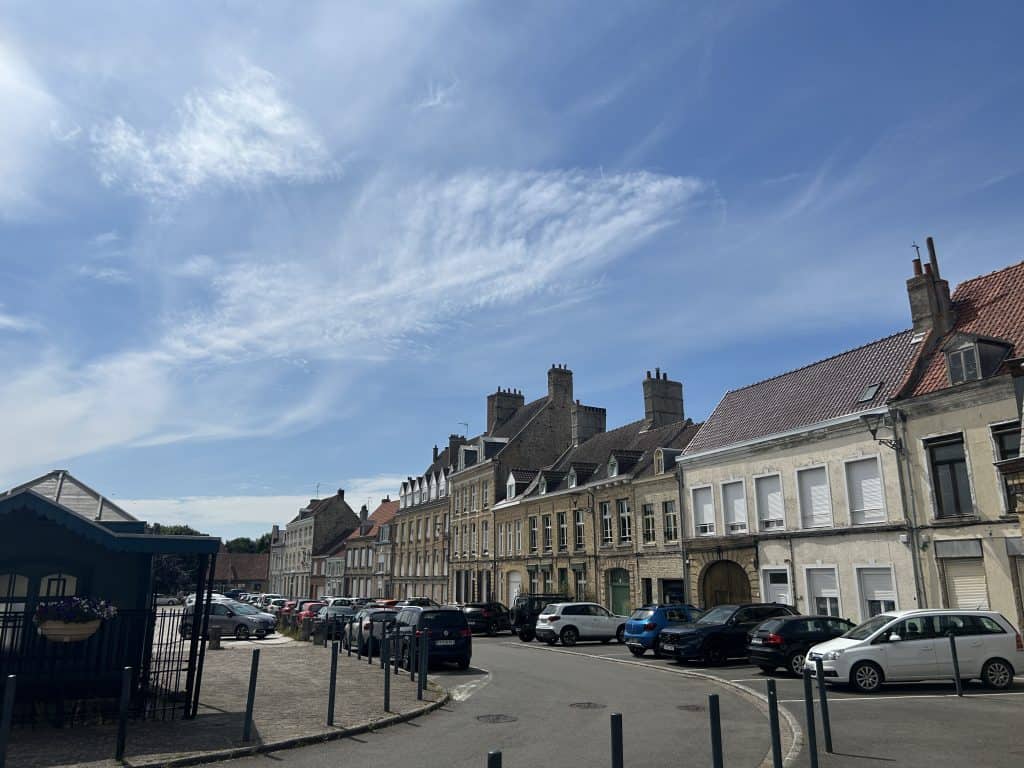
Bergues is a fortified town in the Nord department, located in the Hauts-de-France region of northern France. The town is situated on the Colme canal, approximately 9 kilometers south of the larger port city of Dunkerque. With a population of approximately 3,500 residents, Bergues is a small but historically significant town. It is known for its well-preserved Flemish architecture, its belfry, and its extensive fortifications.
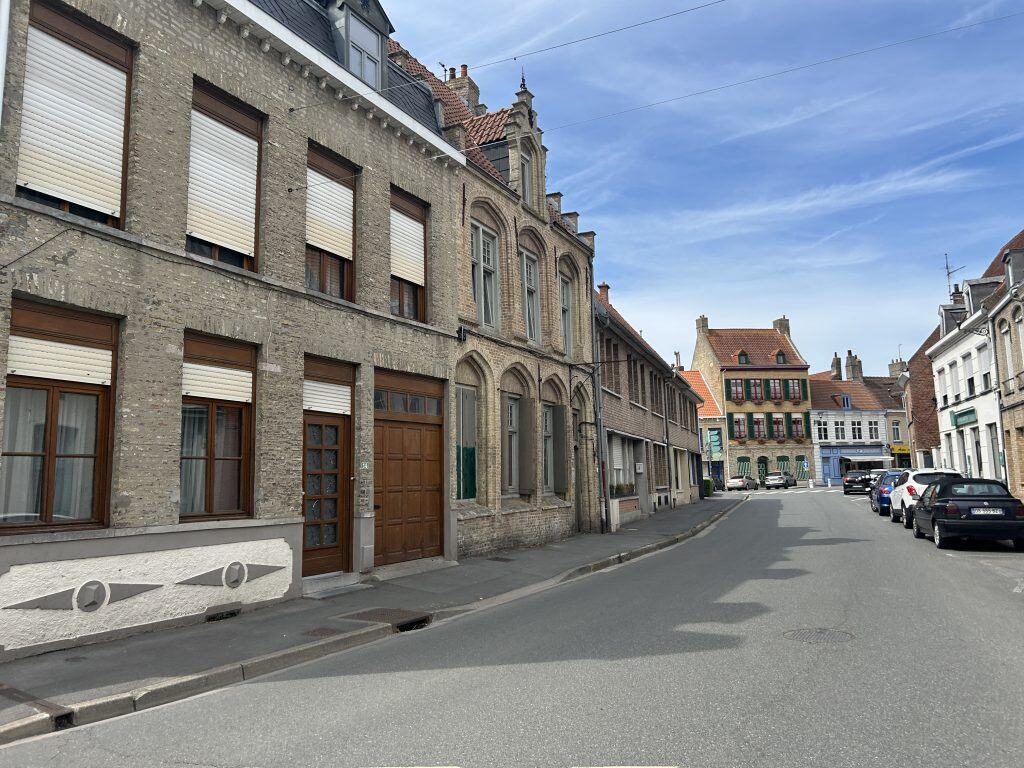
The character of Bergues is that of a traditional Flemish market town that has retained much of its historic charm. Its identity is defined by its impressive belfry, which is a UNESCO World Heritage site, and the star-shaped ramparts that still encircle the town. Bergues gained significant modern fame after being the primary filming location for the popular 2008 French film “Bienvenue chez les Ch’tis” (Welcome to the Sticks). This has made it a major tourist destination, particularly for visitors from France and Belgium.
A Short History of Bergues
The history of Bergues is that of a strategic fortified town in French Flanders that has been shaped by its proximity to the North Sea and its position on a contested border. For centuries, it was an important religious and commercial center. Its story is one of a small settlement that grew into a powerful fortress, endured numerous sieges and conflicts, and was later revived by its cinematic fame. This long history is visible today in its preserved belfry and its impressive fortifications.
An Abbey and a Fortified Town
The history of settlement in the Bergues area began around the year 800 AD. The town’s origins are tied to the Abbey of Saint-Winnoc, which was founded here in the 9th century. The town grew around this powerful Benedictine abbey and became an important religious center. During the Middle Ages, Bergues was part of the County of Flanders. Its location made it a target for invasions, and the town was fortified with a defensive wall. It was an active commercial center, with a market and a port connected to the sea via the Colme canal.
Fortifications by Vauban
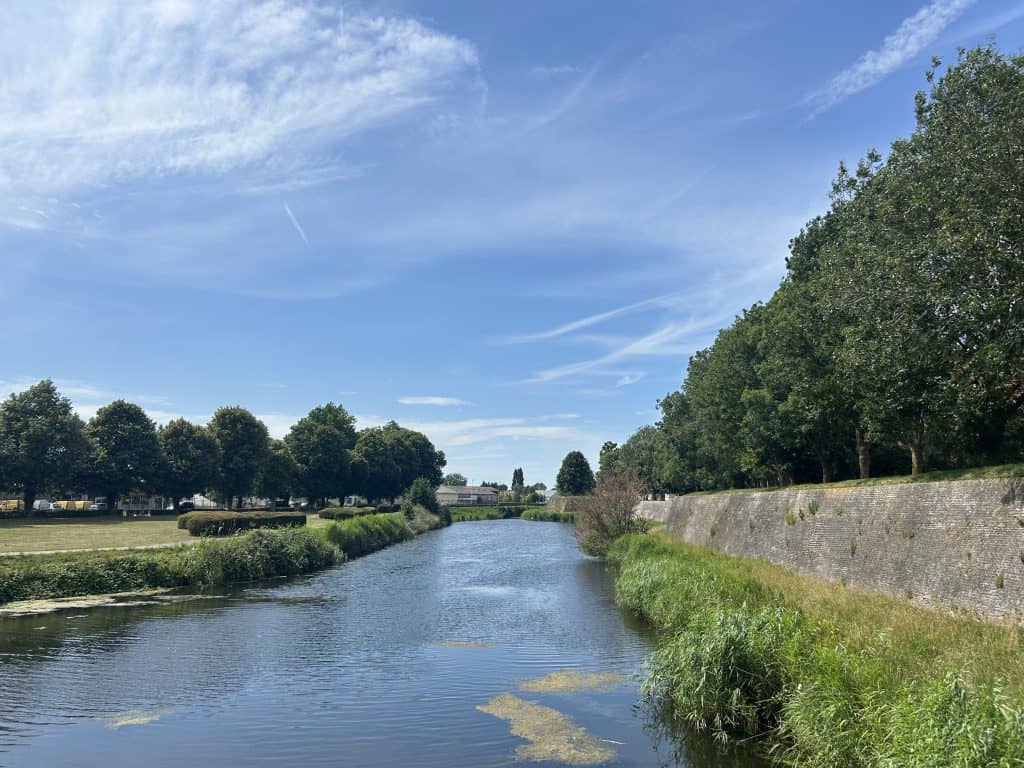
Due to its strategic location, Bergues was fought over for centuries by the French, Spanish, and English. The town was officially incorporated into France in 1668 by King Louis XIV. Following its acquisition, the king’s famous military engineer, Marshal Vauban, was commissioned to strengthen its defenses. Vauban modernized and expanded the town’s fortifications in the late 17th century, creating the star-shaped ramparts that are still largely intact today. This turned Bergues into a key fortress on France’s northern frontier.
Modern Era and a Cinematic Revival
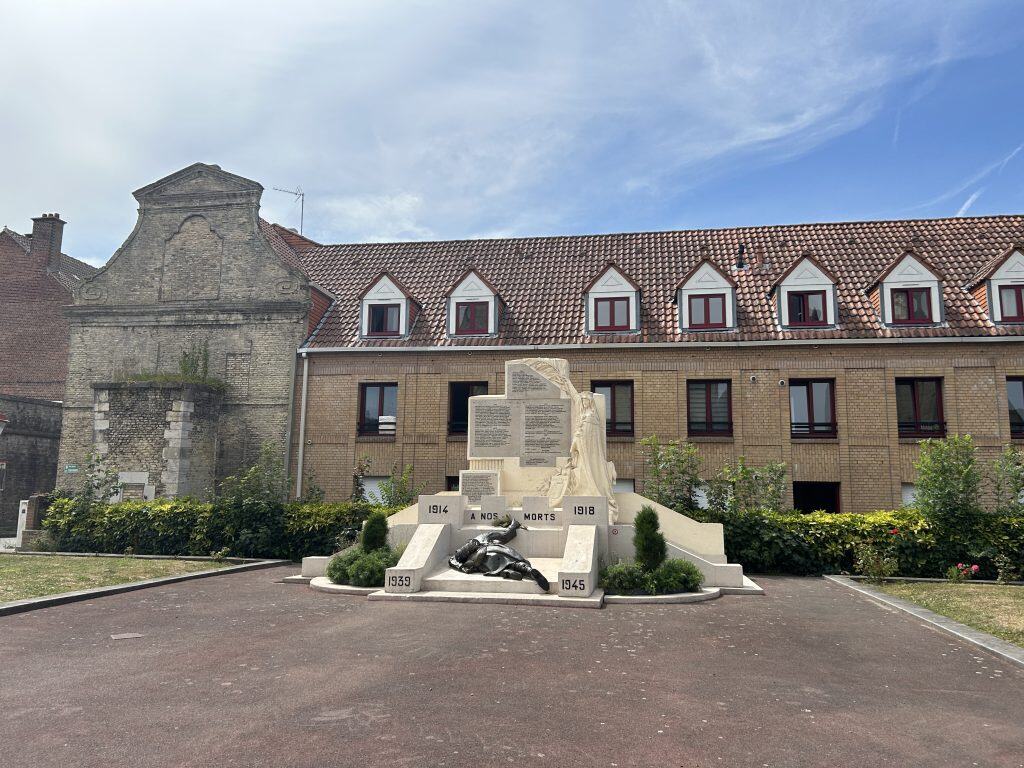
The Abbey of Saint-Winnoc was destroyed during the French Revolution. The town continued its role as a regional market town in the 19th and 20th centuries. It was heavily damaged by bombing during World War I and World War II. A pivotal moment in its modern history was the release of the 2008 film “Bienvenue chez les Ch’tis.” The film was a massive box office success in France and was almost entirely filmed in Bergues. This brought international attention to the town and led to a major increase in tourism, which has become a key part of its modern economy.

Things to Do and See
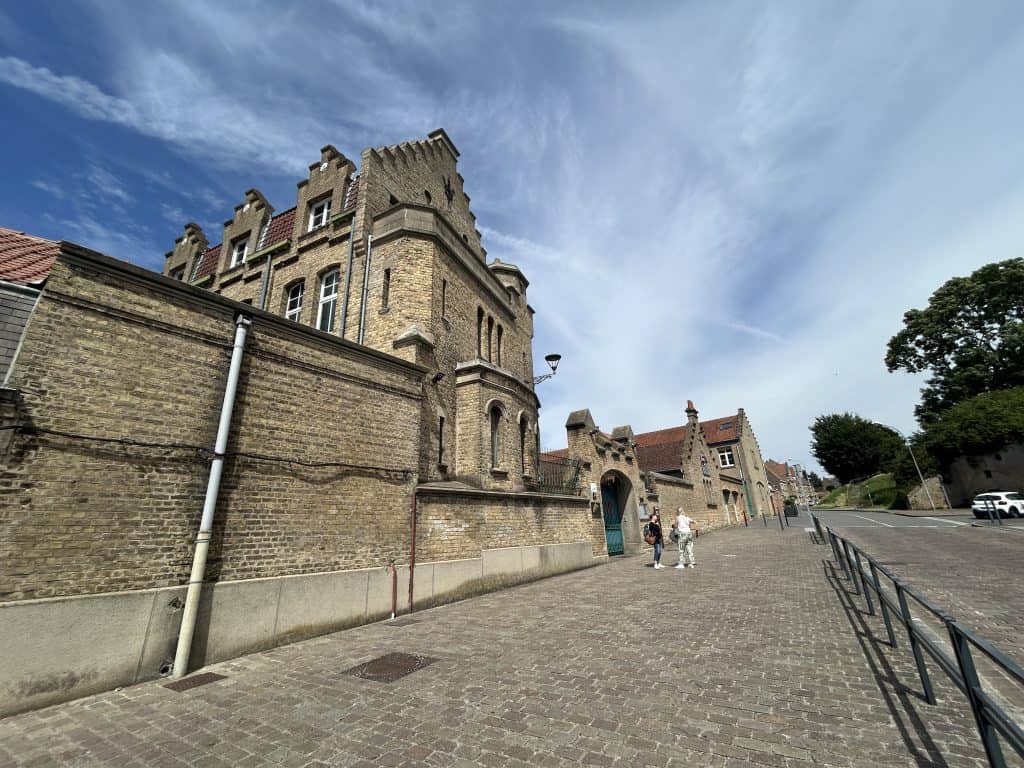
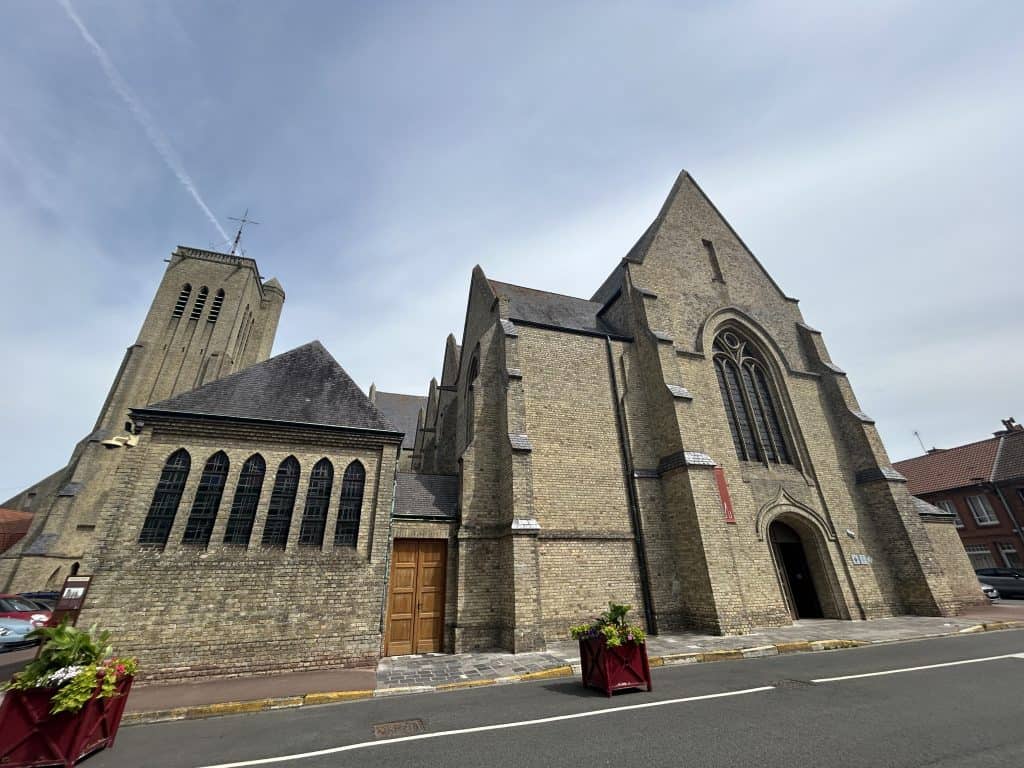
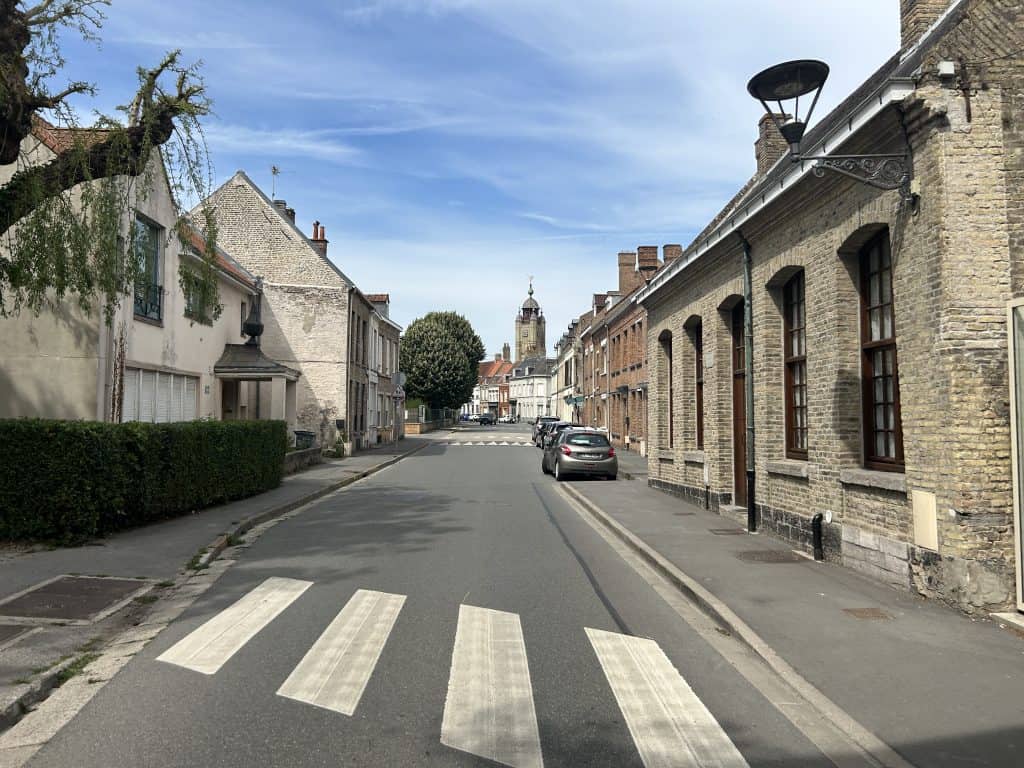
The sights in Bergues are concentrated within its historic fortified center. The main points of interest are its UNESCO-listed belfry, the extensive ramparts, and the locations made famous by the film “Bienvenue chez les Ch’tis.” The town offers a look into the history and architecture of French Flanders.
The Belfry of Bergues
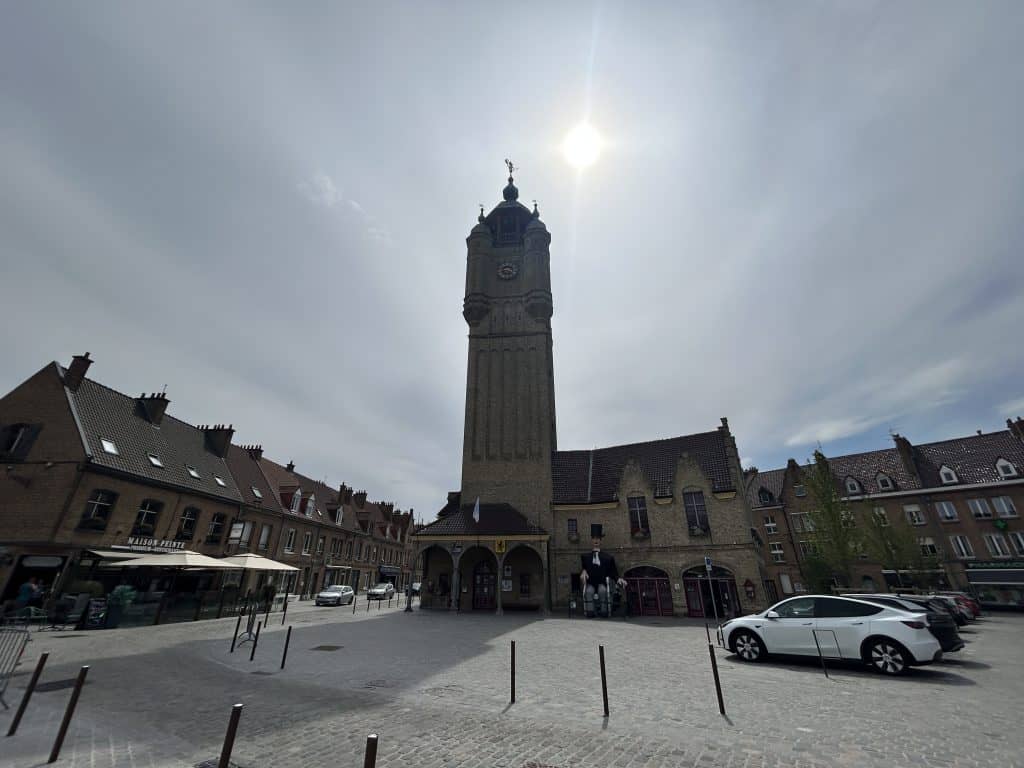
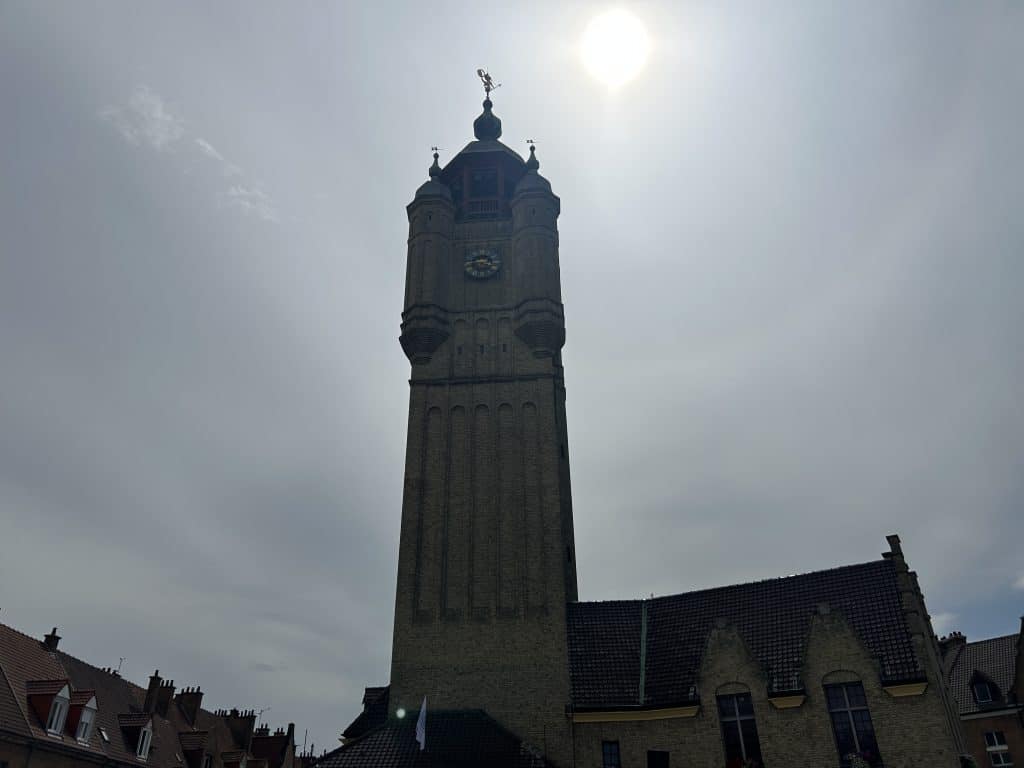
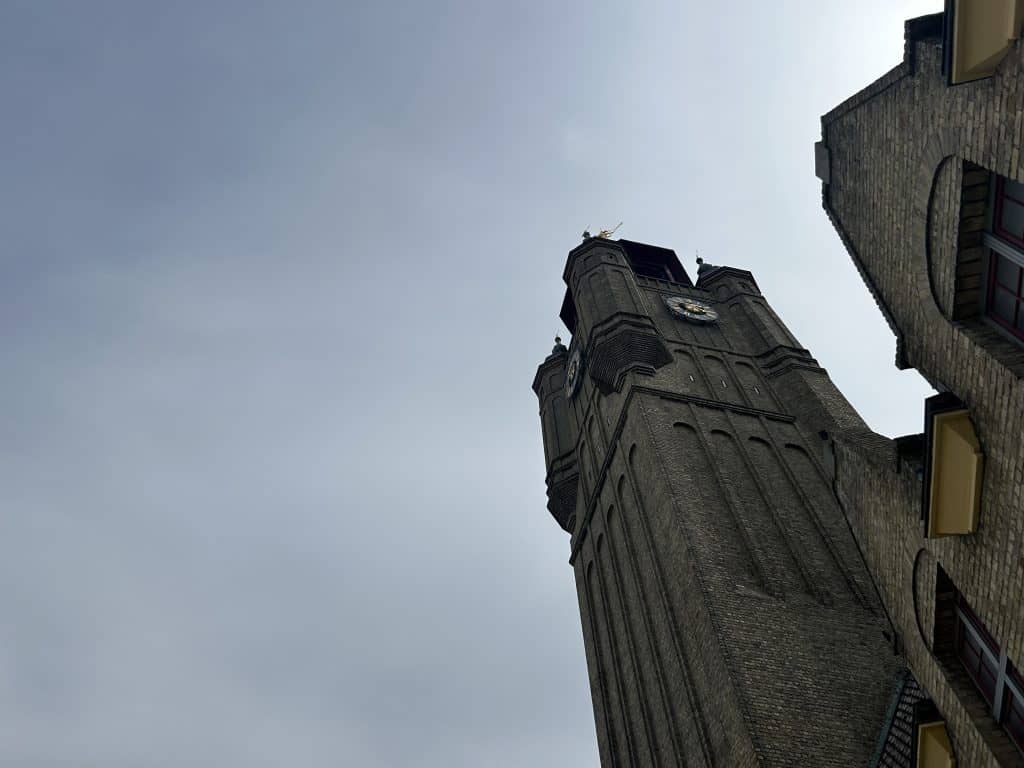
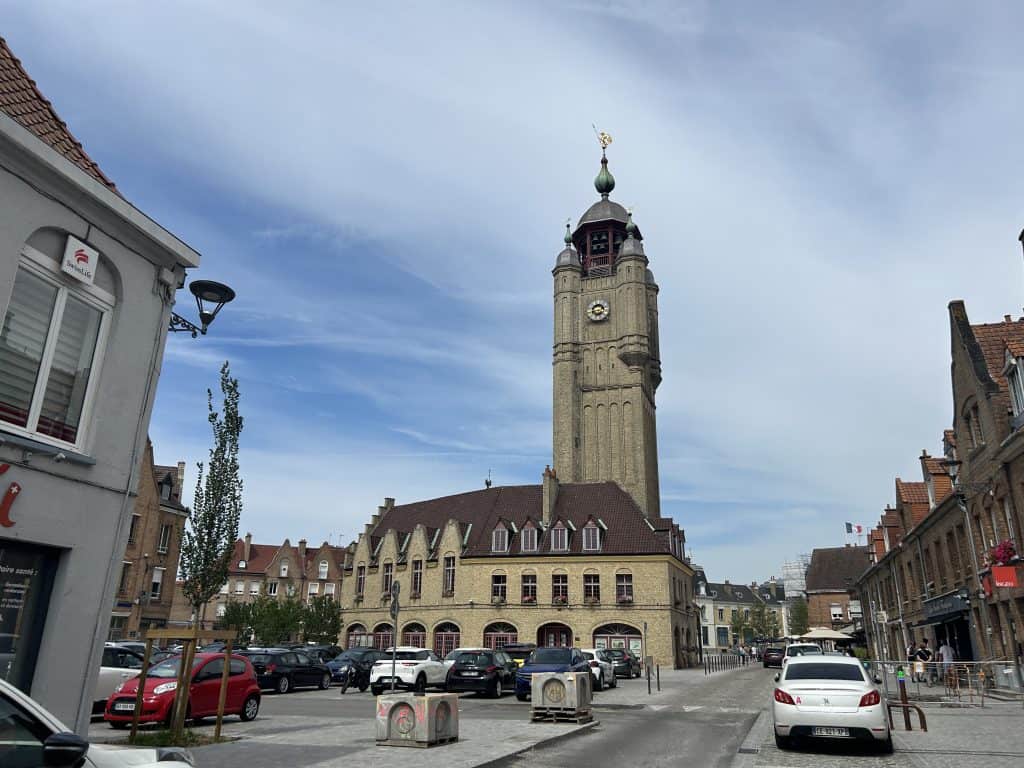
The Belfry of Bergues (Beffroi de Bergues) is the most prominent landmark in the town. This belfry is a UNESCO World Heritage site, as part of the group of Belfries of Belgium and France. The current tower was built in the 16th century but was destroyed during World War II. It was rebuilt to its original design after the war. The belfry stands 54 meters tall and houses a carillon with 50 bells. Visitors can climb the tower for panoramic views of the town and the surrounding Flemish plain.
The Ramparts
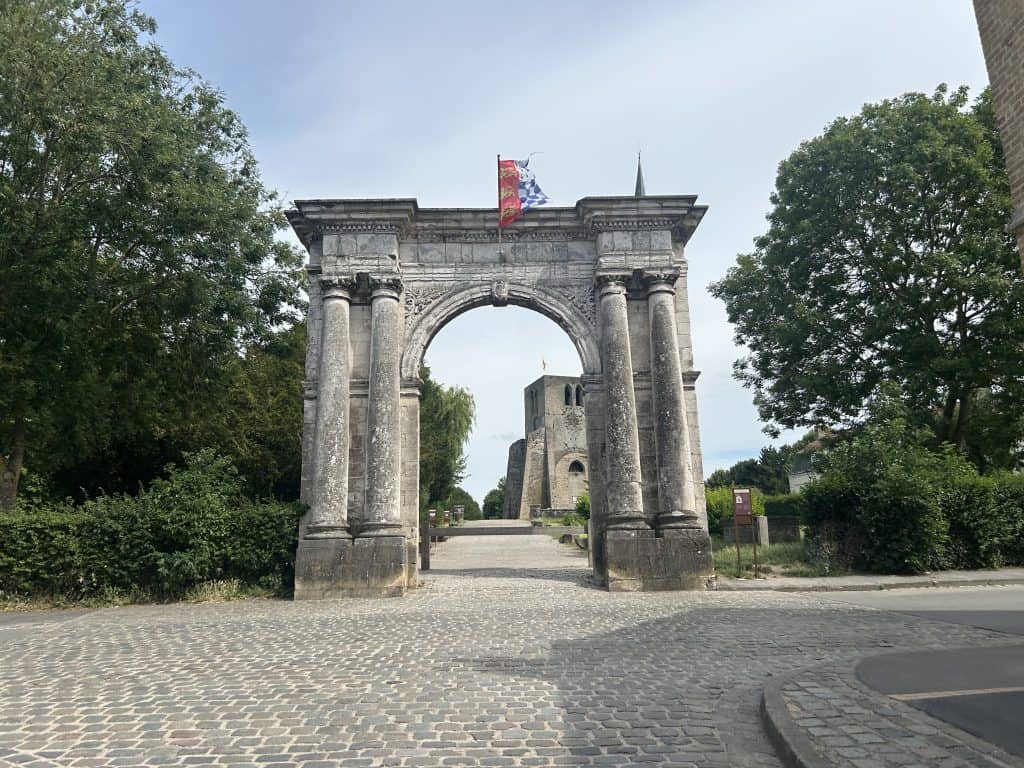
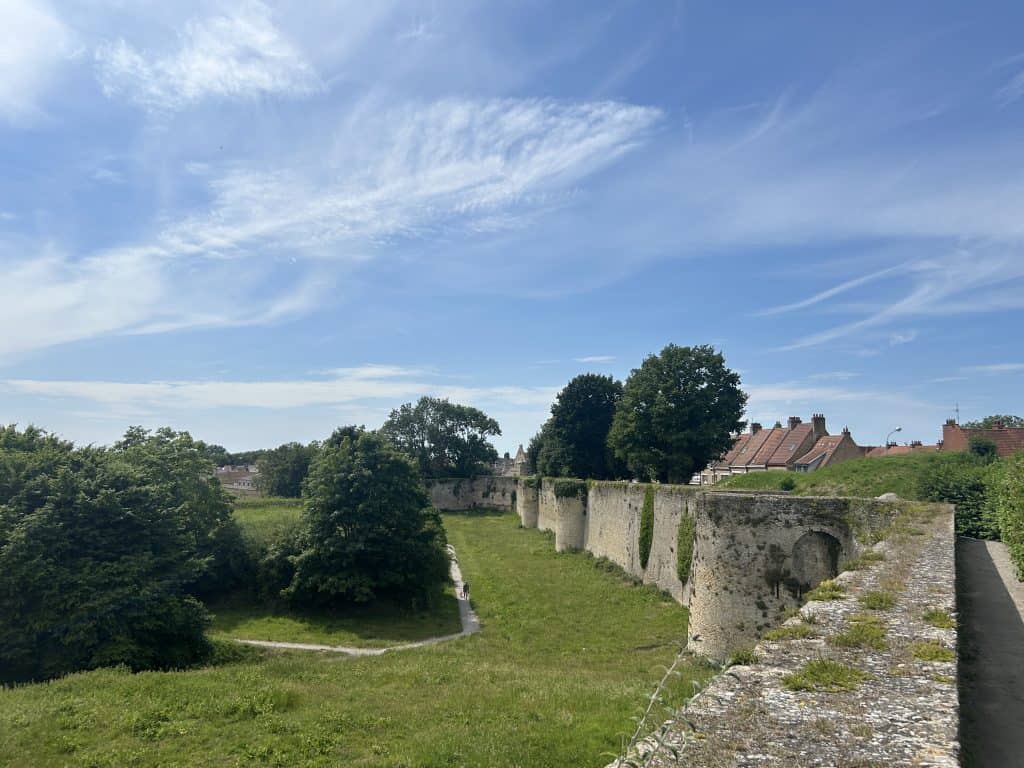
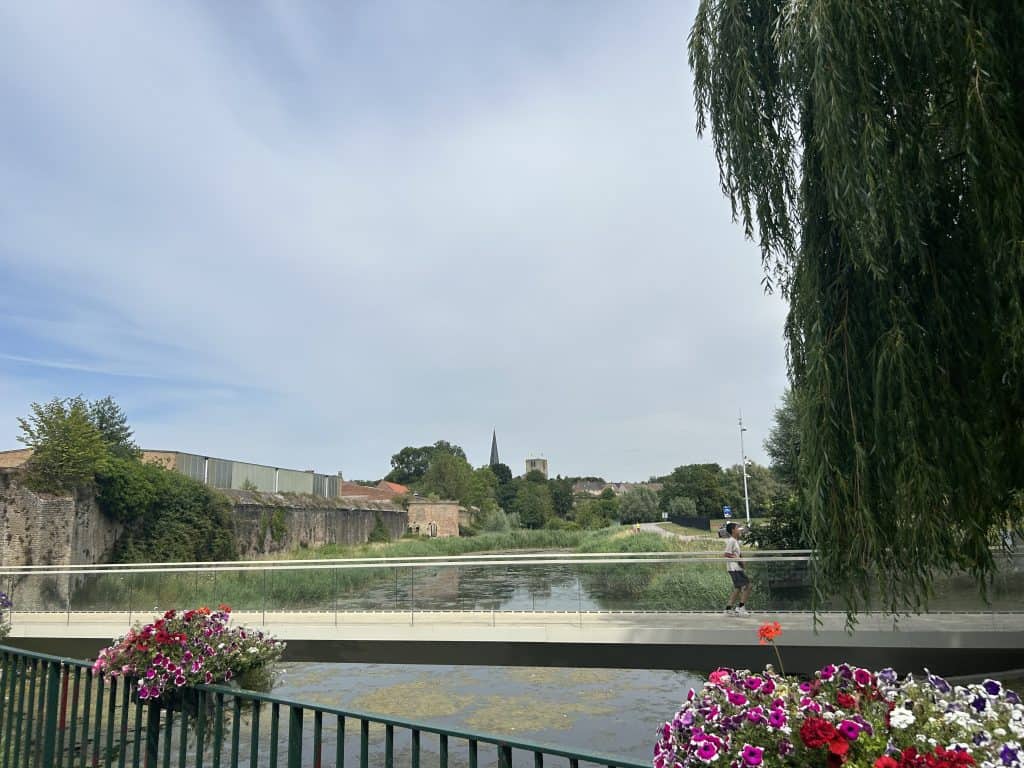
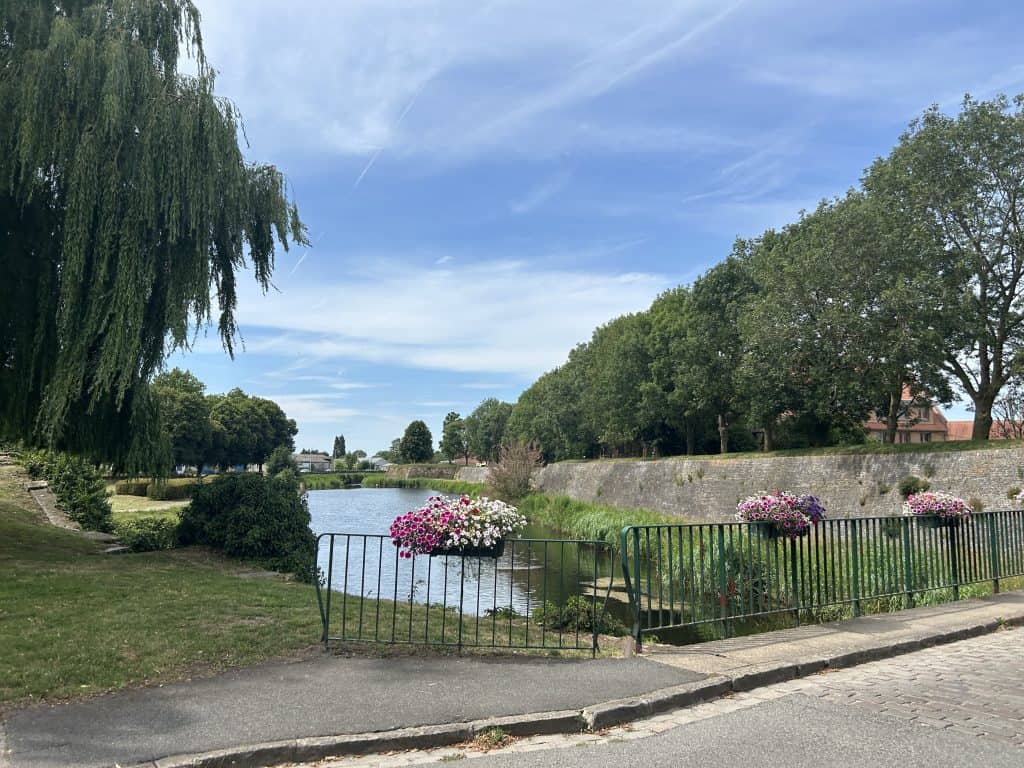
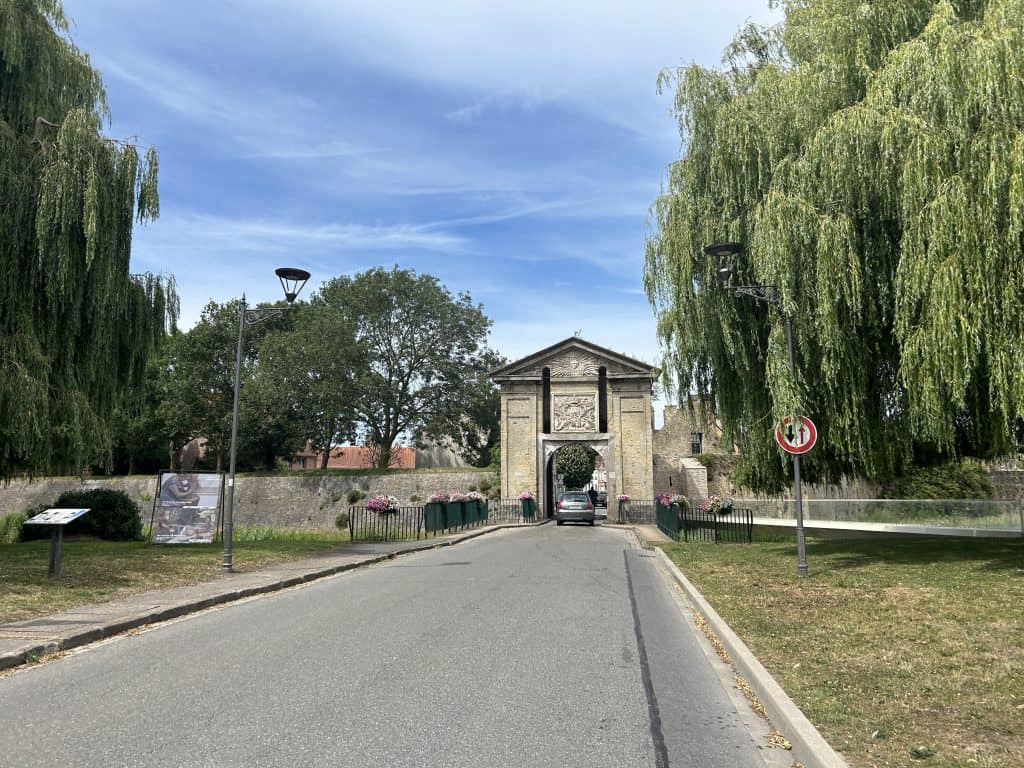
The ramparts (Les Remparts) are the extensive fortifications that encircle the town of Bergues. The current star-shaped layout was designed by the military engineer Vauban in the 17th century. The ramparts stretch for several kilometers and are largely intact. They include several original city gates, such as the Porte de Cassel and the Porte de Marbre. A walking path runs along the top of the ramparts, providing a scenic circuit around the old town.
Musée du Mont-de-Piété
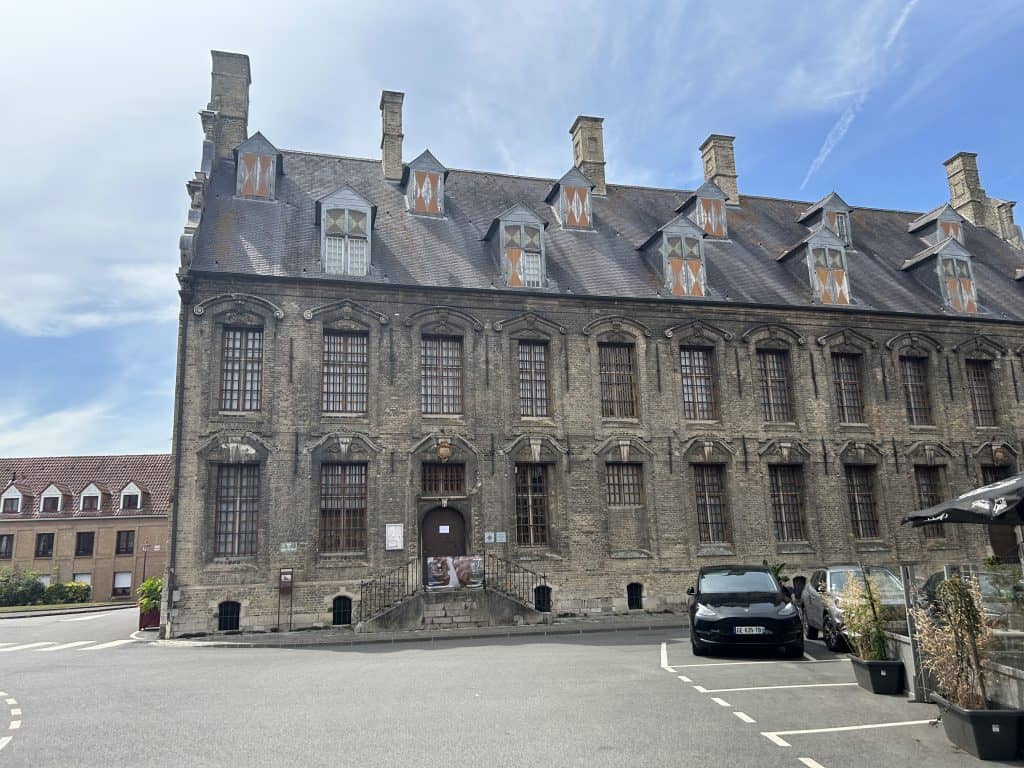
The Musée du Mont-de-Piété is the main art and history museum in Bergues. The museum is housed in the town’s former municipal pawn shop, a historic building from the 17th century. The museum’s collection includes a large number of paintings from the Flemish and Dutch schools. It also features works by local artists and exhibitions on the history of the town of Bergues and the surrounding region.
Abbey of Saint-Winnoc
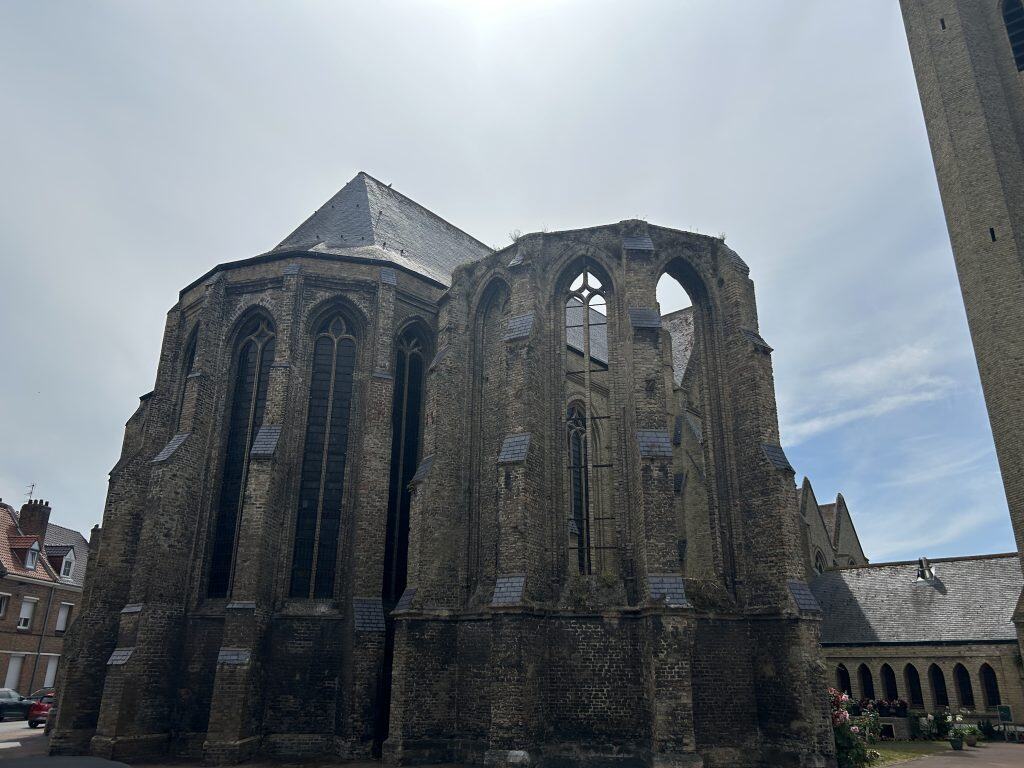
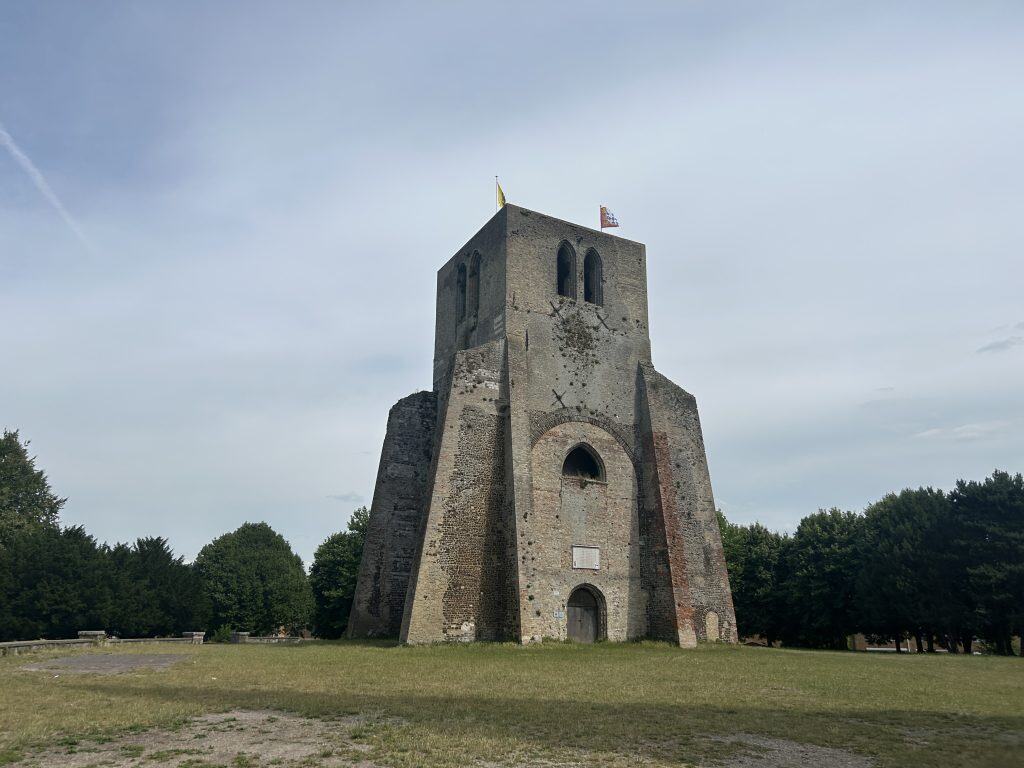
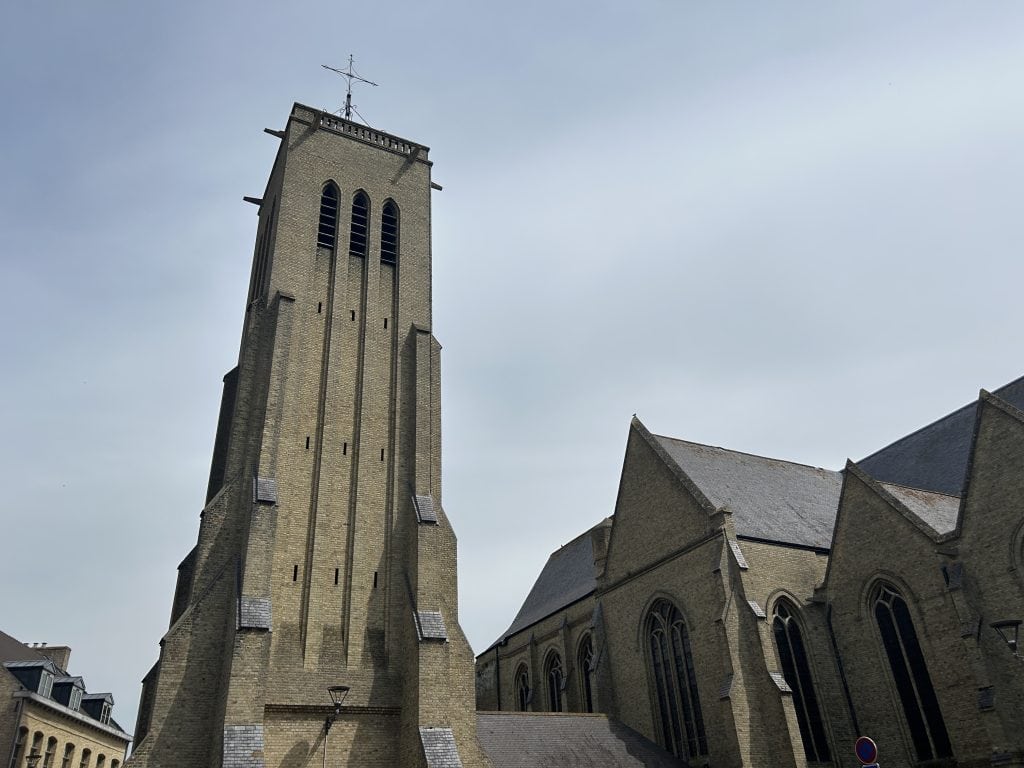
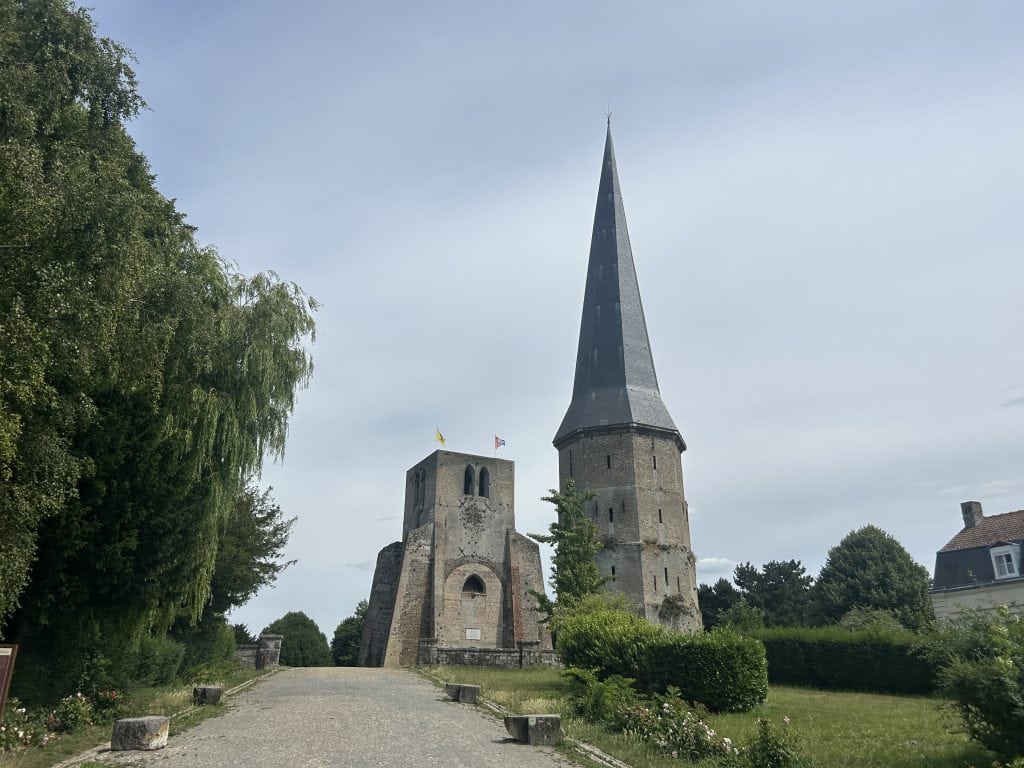
The Abbey of Saint-Winnoc (Abbaye de Saint-Winnoc) was the historic monastery around which the town of Bergues originally developed. The abbey was destroyed during the French Revolution. Today, the ruins of the abbey are a key historical site. The most prominent remains are the two towers of the abbey church, which still stand in a public park. The site provides a direct link to the town’s medieval origins as a major religious center.
“Bienvenue chez les Ch’tis” Film Locations
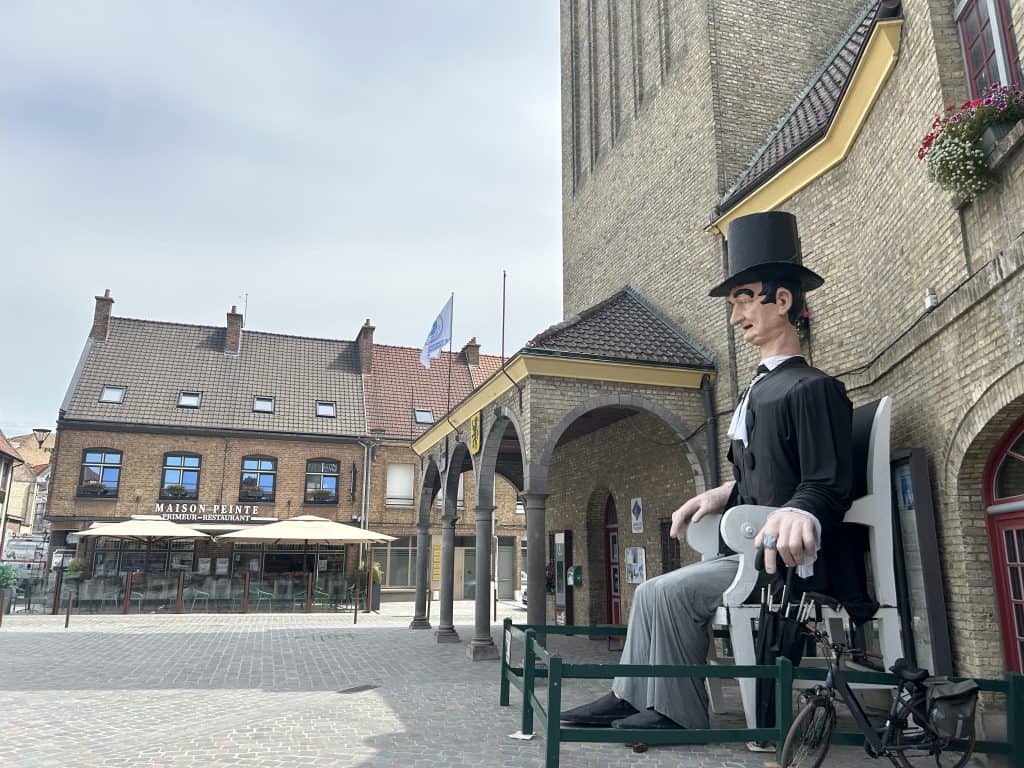
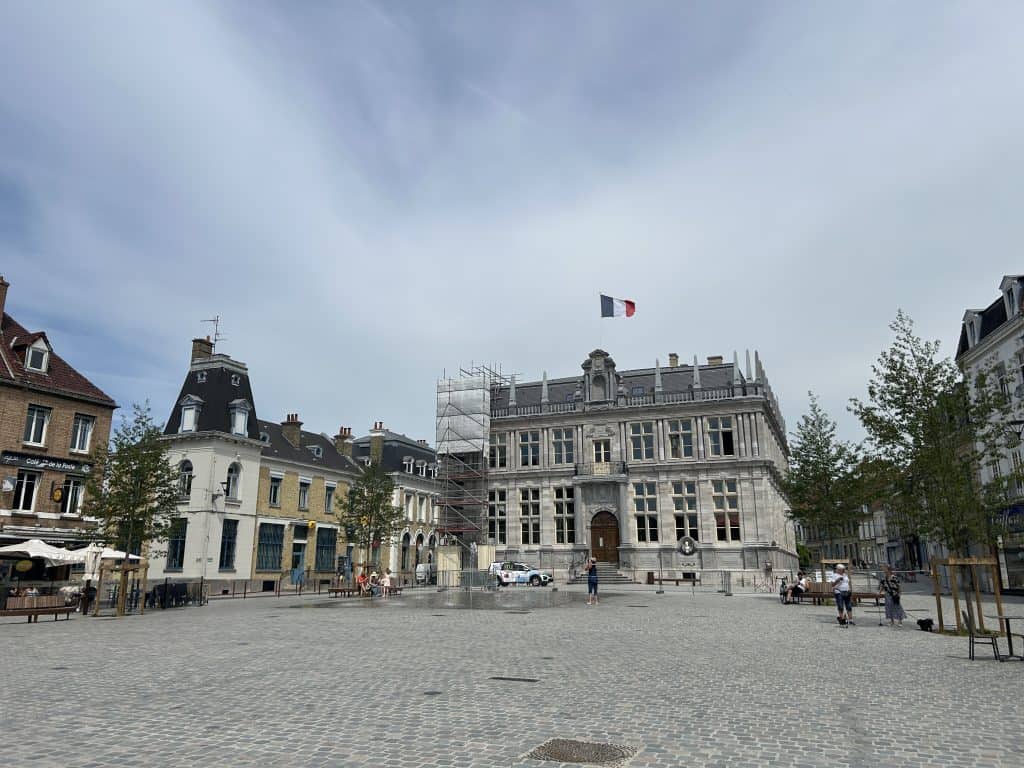
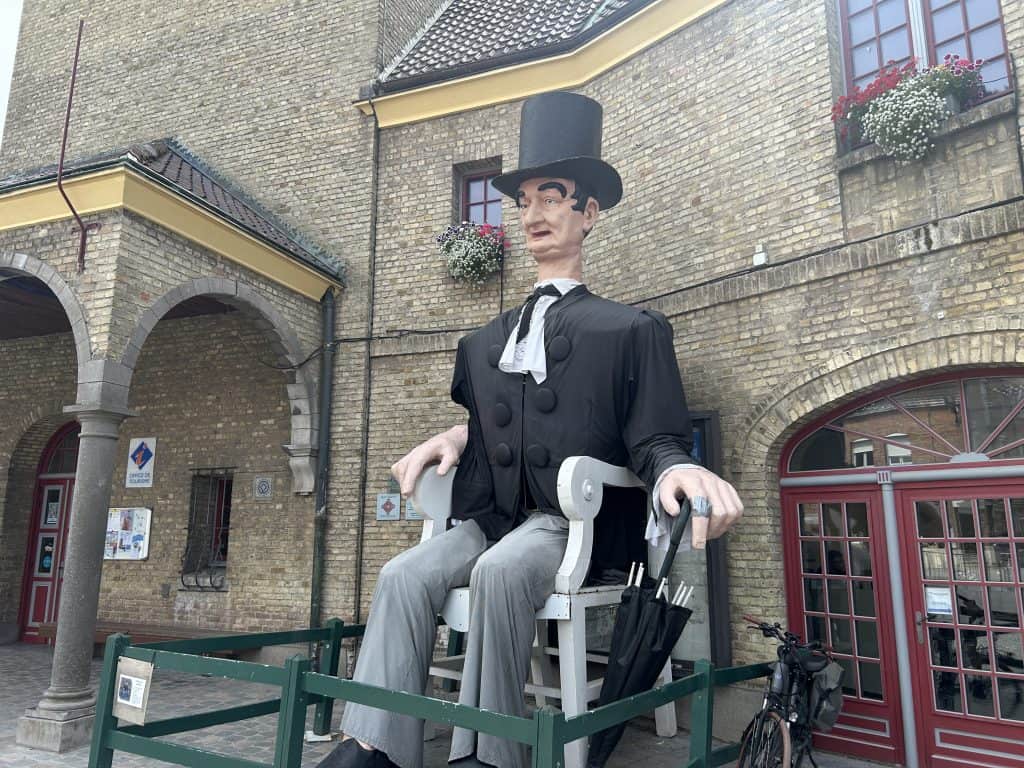
Due to the immense popularity of the 2008 film, many of the filming locations in Bergues have become sights in their own right. The belfry, which played a central role in the film, is the most famous of these. The local post office, the town square, and various streets and cafes that were featured in the movie are also popular with visitors. The local tourist office offers a “Ch’ti Tour” that guides visitors to these famous locations.
Sports in Bergues
The sporting life in Bergues is focused on its local community clubs. Football is the primary organized sport in the town. The surrounding flat landscape of French Flanders also provides opportunities for recreational cycling.
Football
Football is a popular sport in Bergues, with a local club that is a key part of the community. The club provides a platform for local players of all ages, from youth teams to a senior team. The team competes in the regional leagues of the Hauts-de-France region.
RC Bergues
The town’s main football club is the Racing Club de Bergues (RC Bergues). The club has a long history in the town and is an important part of its social fabric. The senior football team competes in the district leagues of the French football league system. They play their home games at a local sports ground in the town. The club is primarily focused on youth development and community participation.
Getting Around in Bergues
Navigating the town of Bergues is straightforward and is best done on foot. The historic town center is very compact and is enclosed by the old ramparts. For travel to the surrounding areas, the regional bus network is the primary mode of public transport.
On Foot: The Fortified Town
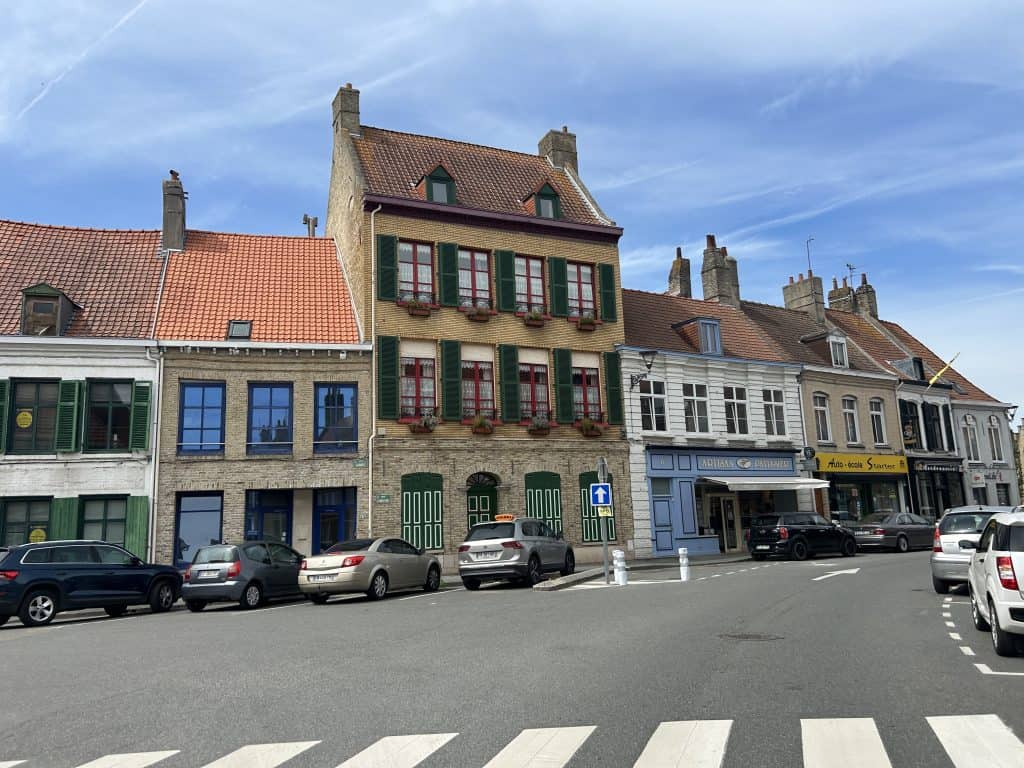
Walking is the best way to explore the central part of Bergues. The belfry, the main square, and the surrounding historic streets are all located within a small, walkable area. The circuit of the ramparts also provides a scenic walking route of several kilometers around the entire old town. Comfortable shoes are recommended for the cobblestone streets.
Local Buses
The public transport in the region is part of the Dunkerque urban transport network. The local bus service, DK’Bus Marine, which is free of charge, connects Bergues with the main city of Dunkerque and its train station. This makes it very easy to travel between the two towns. Regional buses also provide connections to other villages in the area.
On Two Wheels: Cycling
The flat landscape of French Flanders makes the area around Bergues ideal for recreational cycling. A network of quiet country roads and marked cycle paths connects the town with the surrounding countryside. It is possible to cycle from Bergues to the coast at Dunkerque. The region is part of a wider network of cycling routes that are popular with tourists.
How to Get to Bergues
Reaching the town of Bergues is convenient due to its proximity to the major transport hub of Dunkerque. The town is well-connected to the French and European road and rail networks. Its location near the Belgian border and the English Channel also makes it accessible for international visitors.
The Open Road: Driving to French Flanders
Driving is a very common and practical way to reach Bergues. The town is located just a short drive from the A25 and A16 motorways. The A25 connects the city of Lille with Dunkerque. The A16 is a major coastal route that connects the Channel Tunnel and Calais with the Belgian border. From the main city of Dunkerque, a short drive of about 9 kilometers on a local road leads directly to Bergues.
Arriving by Air: Lille Airport
The closest major international airport is Lille Airport (LIL), located approximately 80 kilometers away. For more extensive global connections, Brussels Airport (BRU) in Belgium and Paris Charles de Gaulle Airport (CDG) are also viable options. From any of these airports, a rental car or a combination of train and bus services is required to complete the journey to Bergues.
On Track: A Journey by Rail
Bergues has its own train station, the Gare de Bergues. The station is located on the regional railway line that connects Dunkerque and the city of Arras. The TER Hauts-de-France regional trains, operated by SNCF, provide frequent services on this route. From the major hub of Dunkerque, the train journey to Bergues is very short, taking only about 10 minutes.
Connecting by Coach
There are no direct long-distance bus services to the small town of Bergues. Travel by coach would typically involve taking a service from a company like FlixBus to the main bus station in the nearby city of Dunkerque or Lille. From these cities, travelers would then need to transfer to the regional train service to complete the journey to Bergues.
An International Ferry Approach
The closest and most convenient ferry port is located in Dunkerque, just 9 kilometers away. The Port of Dunkerque has a frequent and popular ferry service operated by DFDS Seaways that connects with Dover in the United Kingdom. Another major ferry port is located in Calais, about 45 kilometers away, which has connections to Dover. From either of these ports, the journey to Bergues is a very short drive.
Driving Distances
The driving distance from 10 regional cities, according to Google Maps:
- Bruges, Belgium – 62 kilometers (1 h 00 min)
- Ghent, Belgium – 71 kilometers (1 h 10 min)
- Lille, France – 77 kilometers (1 h 00 min)
- Antwerp, Belgium – 134 kilometers (1 h 40 min)
- Brussels, Belgium – 156 kilometers (1 h 50 min)
- London, UK – 213 kilometers (3 h 40 min, includes ferry/tunnel)
- Paris, France – 305 kilometers (3 h 30 min)
- Amsterdam, Netherlands – 305 kilometers (3 h 40 min)
- Luxembourg City, Luxembourg – 376 kilometers (4 h 00 min)
- Cologne, Germany – 384 kilometers (4 h 00 min)
Looking to Explore more of France and Europe?





As always, interesting. Thank you!