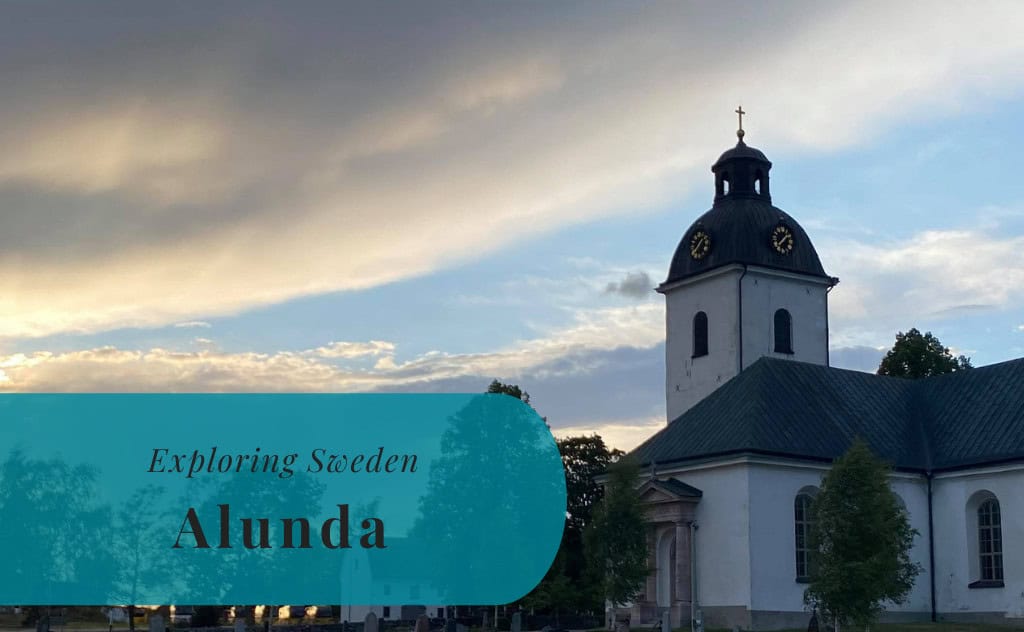

Lillkyrka, Närke | Exploring Sweden
Lillkyrka is a parish and a church village in Örebro Municipality, located in the county of Örebro, Sweden. The area is situated in the historic province of Närke. Lillkyrka is not a statistical locality but rather a geographical parish area centered around its medieval church. It is located in a rural landscape, about 17 kilometers east of the main city of Örebro. The village is positioned on the flat Närke Plain, a short distance from the northern shore of Lake Hjälmaren.
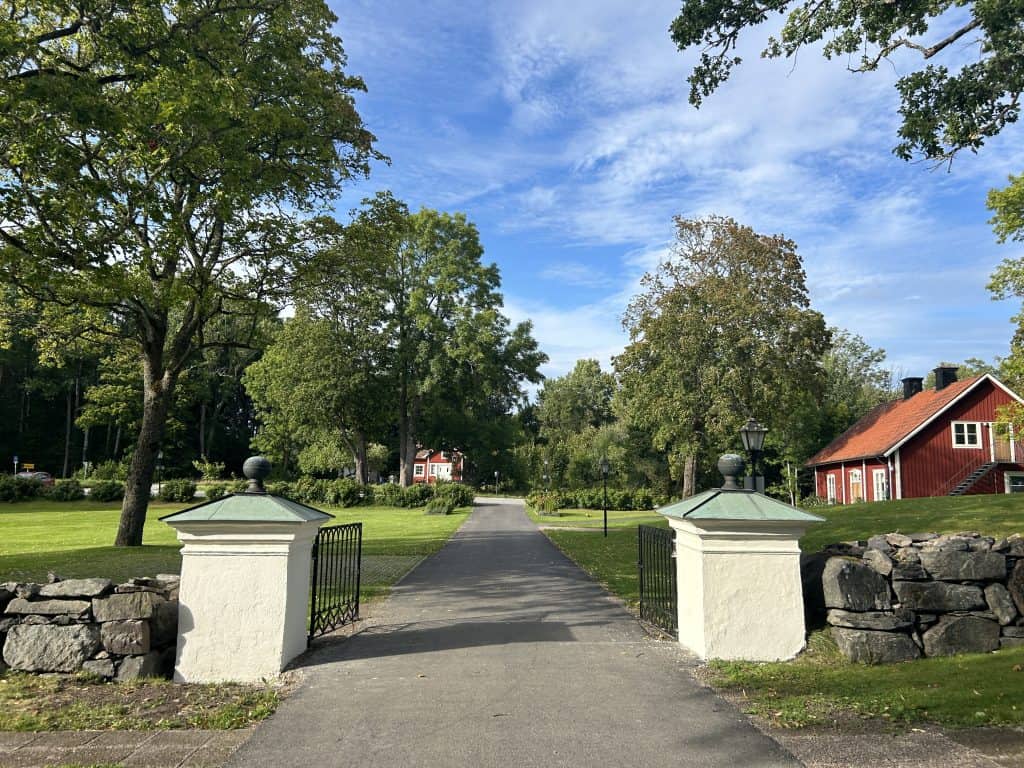
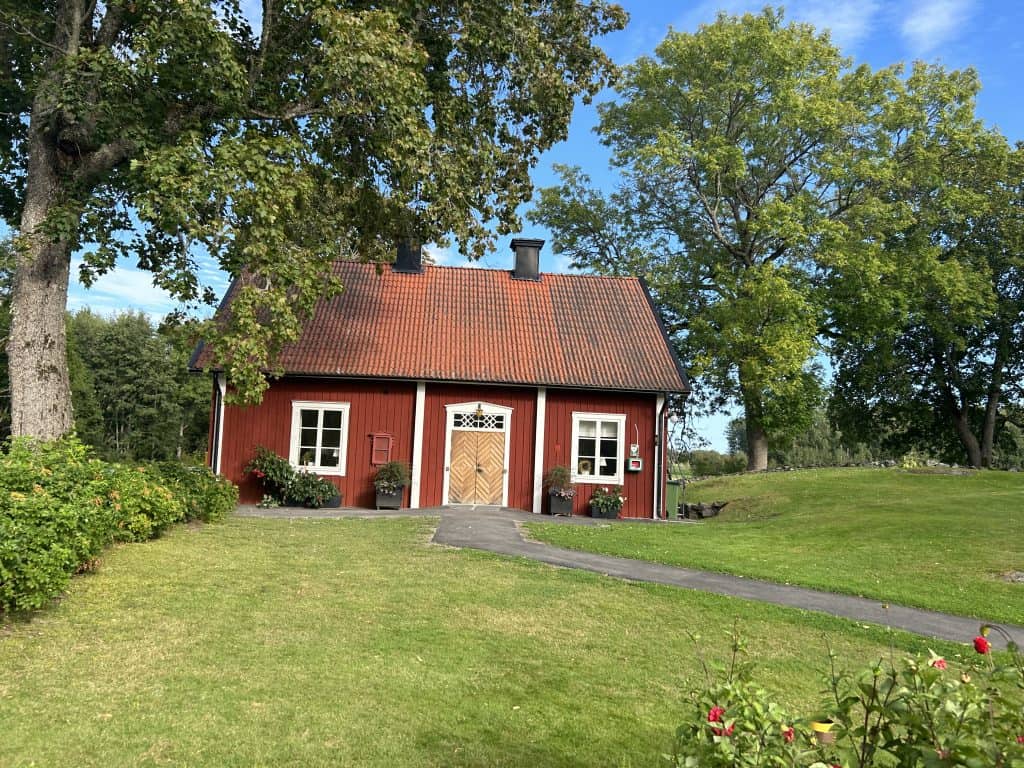
The character of Lillkyrka is that of a classic Swedish church village (kyrkby). Its identity is centered around its well-preserved medieval church, which has been the heart of the parish for centuries. The surrounding area is a quiet, rural community, consisting of scattered farms and residential houses. It is surrounded by the vast, open agricultural fields of the Närke Plain. The area provides a look into the historical structure of a Swedish parish and the long continuity of rural life in central Sweden.
A Short History of Lillkyrka
The history of Lillkyrka is that of a medieval parish that has been the administrative and religious center for the surrounding agricultural community for nearly a thousand years. Its development reflects the long history of settlement on the fertile Närke Plain. The story of Lillkyrka is not one of major urban growth but of the continuity of rural life, with its church as the central, enduring landmark. This has allowed it to preserve its historic character and its connection to the surrounding landscape.
A Medieval Parish
The history of settlement in the Lillkyrka area is long, with evidence of Iron Age activity in the wider region. Lillkyrka Parish (socken) was established in the Middle Ages. The name, which translates to “Little Church,” suggests it was established in relation to a larger, more prominent church in the region. The first stone church on the site, Lillkyrka Church, was built in the late 12th or early 13th century. This church became the religious and administrative center for the surrounding farms. For centuries, the life of the local population was defined by the parish church and the rhythm of agricultural life.
Modern Era
For centuries, Lillkyrka remained a small, rural parish. Its character did not change significantly until the administrative reforms of the 19th and 20th centuries. In 1862, the responsibilities of the old parish were divided between a new civil municipality (landskommun) and the church congregation. Lillkyrka was later incorporated into the larger Glanshammar Landskommun in 1952. The final municipal reform in 1974 made the area part of the much larger Örebro Municipality. In the modern era, the parish has been merged with Glanshammar, but the church and the village remain as a distinct historical and geographical entity.
Things to Do and See
The sights in and around the church village of Lillkyrka are focused on its historic church and the cultural and natural landscape of the Närke Plain. The main points of interest offer a look into the long history of the area, providing a connection to the region’s medieval past and its significant natural features. The nearby Göksholm Castle is also a major historical landmark in the immediate vicinity.
Lillkyrka Church
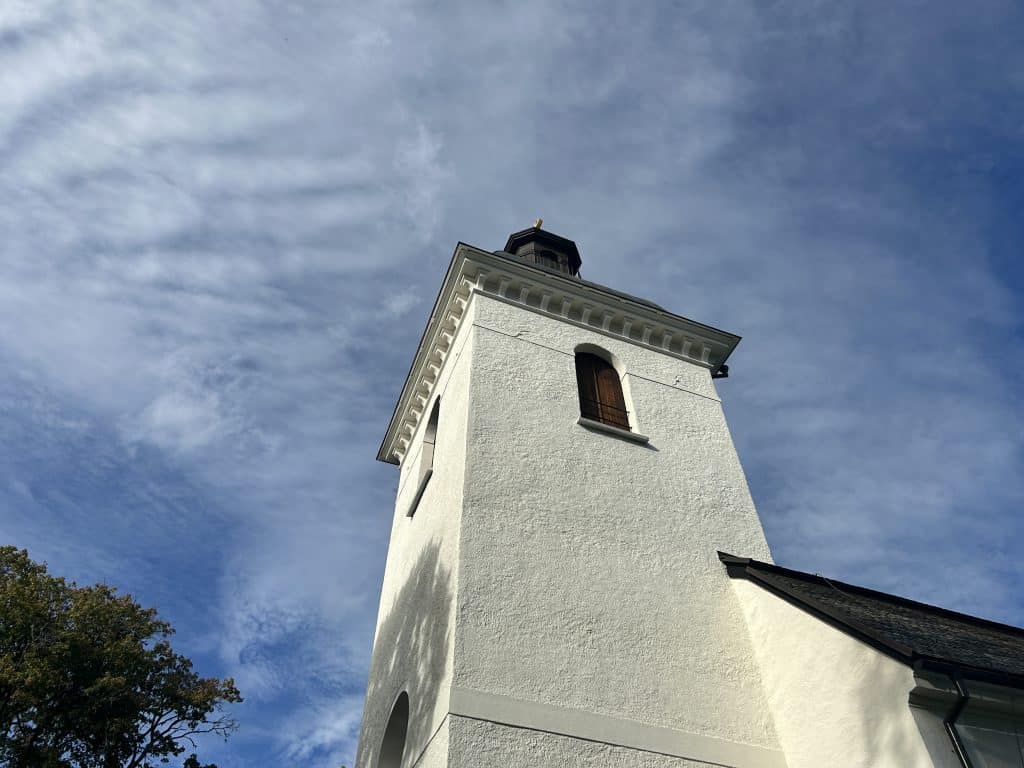
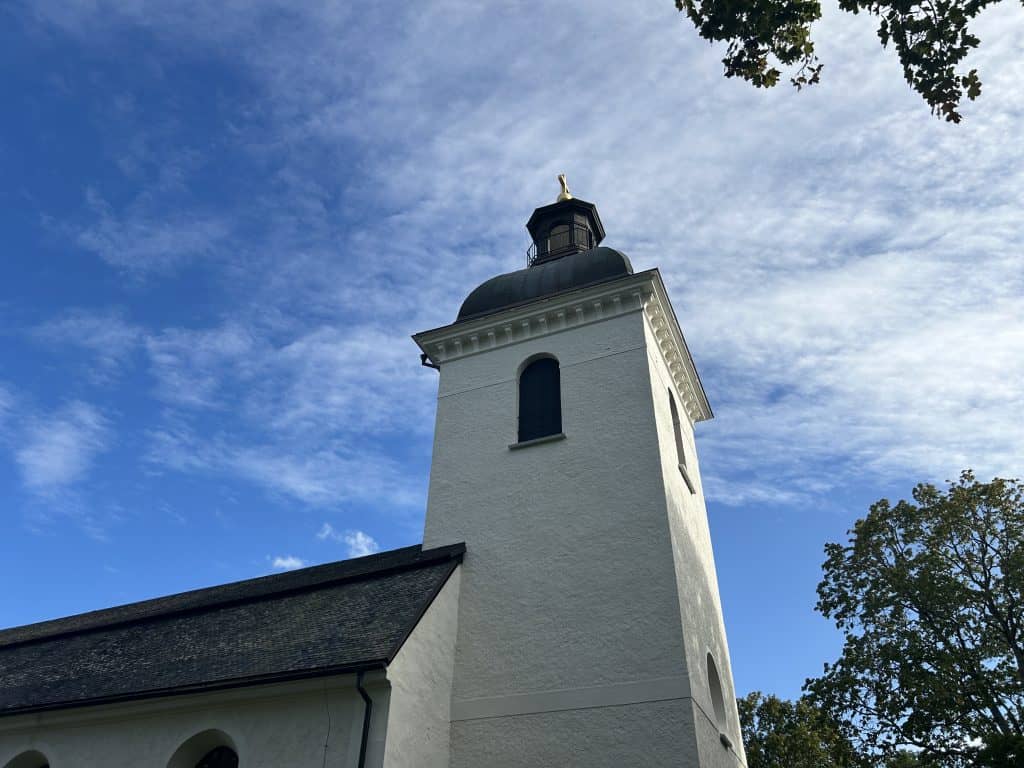
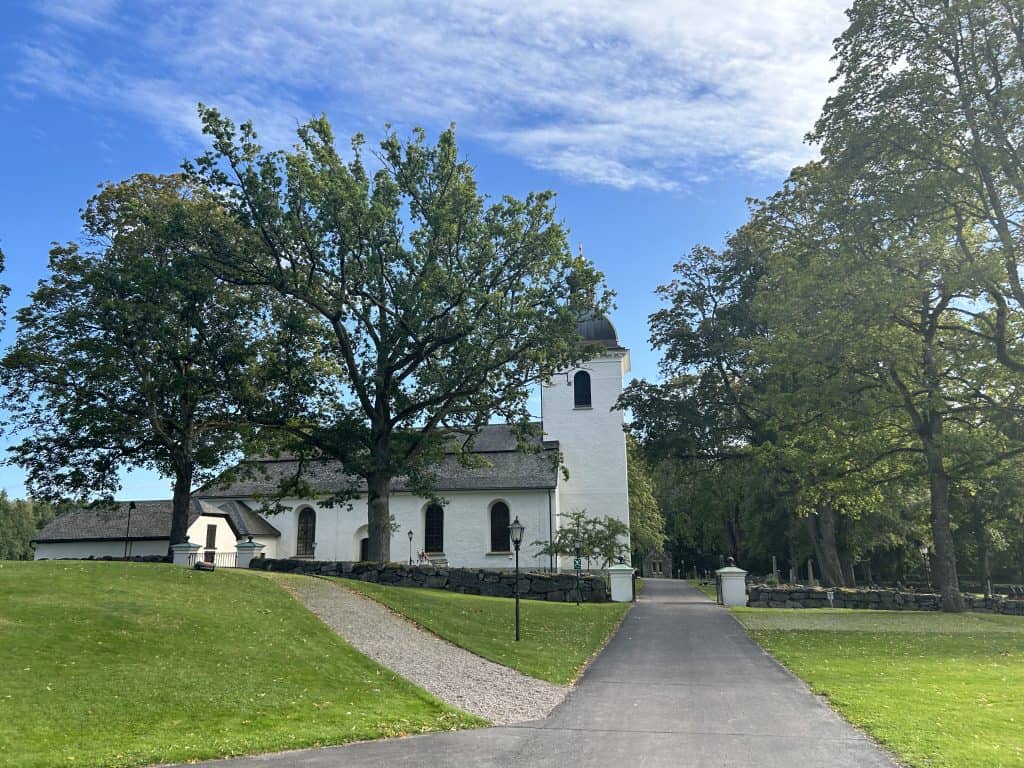
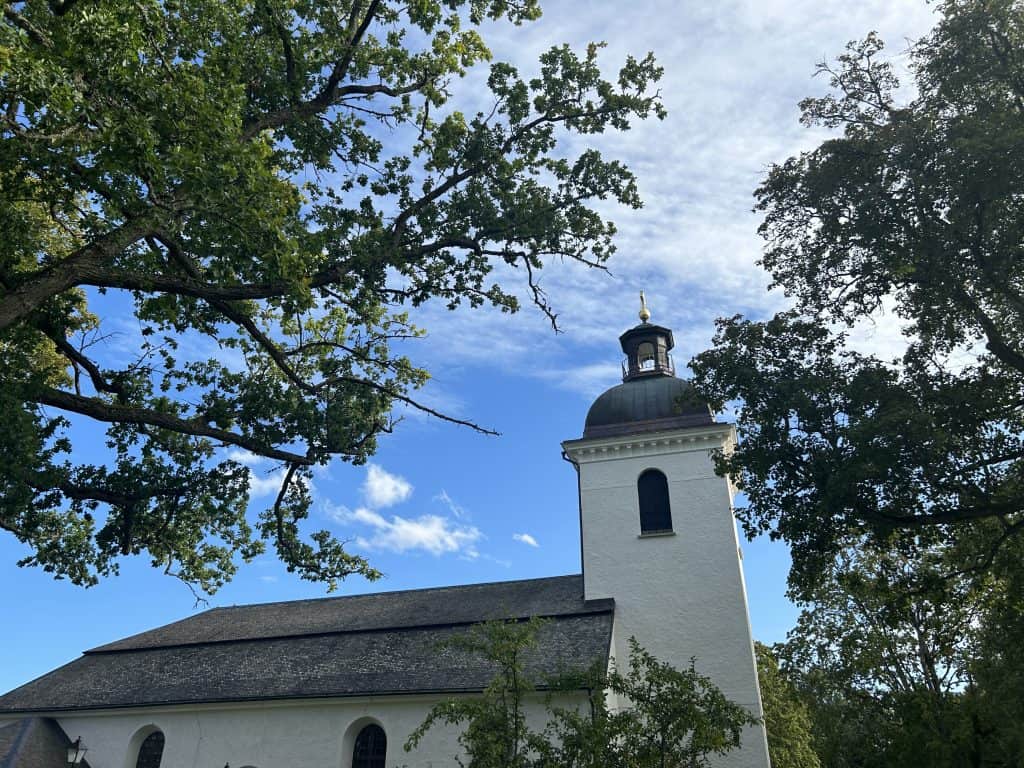
The Lillkyrka Church (Lillkyrka kyrka) is the primary historical landmark of the parish. It is a well-preserved medieval church with its oldest parts, the nave and chancel, dating back to the late 12th or early 13th century. This is a white stone church built in a style that transitions from Romanesque to Gothic, with a square integrated western tower. The interior contains a historic pulpit and an altarpiece from the 18th century. The church stands as a key example of a medieval country church on the Närke Plain and remains the spiritual heart of the community.
The Närke Plain Landscape
The Närke Plain (Närkeslätten), where Lillkyrka is located, is a sight in its own right. The landscape is characterized by its vast, flat, open agricultural fields. It is one of Sweden’s most important agricultural regions. The plain is known for its fertile clay soils, which were once the bottom of an ancient sea. The open landscape provides expansive views, which are a key feature of the region. The quiet country roads that cross the plain are popular for scenic drives and cycling.
Lake Hjälmaren
The large lake Hjälmaren is located just a short distance north of Lillkyrka. It is the fourth-largest lake in Sweden. The southern shores of the lake are characterized by shallow bays and extensive reed beds. The lake is a major destination for recreation, including boating and fishing. It is also a very important area for birdlife, with several nature reserves located along its shores, making it a prime destination for birdwatchers.
How to Get to Lillkyrka
Reaching the church village of Lillkyrka requires travel to the rural area east of the city of Örebro. A car is the most practical means of transport, as public transport links to this specific location are limited. The journey involves traveling on the main motorway and then on smaller country roads.
The Open Road: Driving the Närke Plain
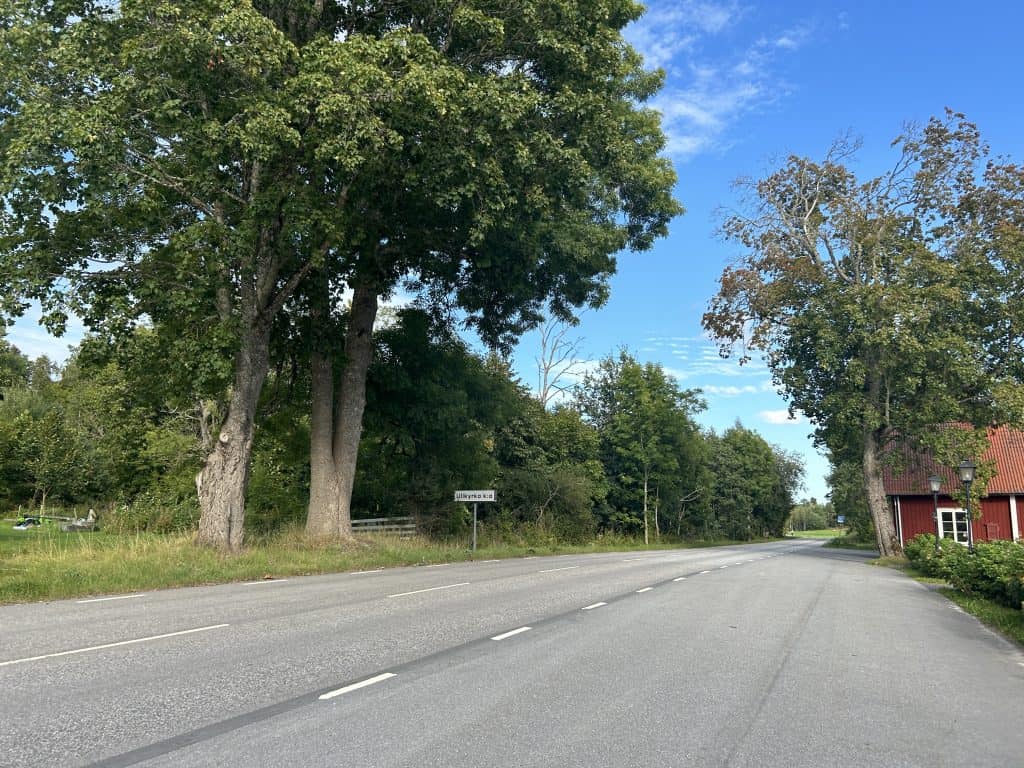
Driving is the most straightforward way to reach Lillkyrka. The village is located on a network of small, local country roads. The main E20/E18 motorway, which runs through Örebro, is located a short drive to the west. From the motorway, a series of smaller regional and local roads lead east across the plain to Lillkyrka. A car is essential for exploring the scattered historical sights of the region.
Arriving by Air: Örebro Airport
The closest and most convenient airport is Örebro Airport (ORB). It is located approximately 30 kilometers to the southwest of Lillkyrka. The airport has some domestic and seasonal international connections. For more extensive global connections, Stockholm Arlanda Airport (ARN) is the main hub for the country. From either airport, a rental car is the most practical option for completing the journey.
On Track: A Journey by Rail and Bus
Lillkyrka does not have its own train station. The closest major train station is located in the city of Örebro. The Örebro Central Station is a major railway hub with frequent connections to Stockholm, Gothenburg, and other major Swedish cities. From the Örebro Resecentrum (Travel Center), a regional bus service, operated by Länstrafiken Örebro, is required to reach Lillkyrka. These services to rural areas can be infrequent, so it is best to check schedules in advance.
Connecting by Coach
There are no direct long-distance bus services to the small village of Lillkyrka. Travel by coach would typically involve taking a service from a company like FlixBus to the main bus terminal in Örebro. From Örebro, travelers would then need to transfer to a regional bus service to complete the journey. This can be an economical option but requires careful planning of connections.
Driving Distances
The driving distance from 10 regional cities, according to Google Maps:
- Örebro, Sweden – 18 kilometers (0 h 20 min)
- Västerås, Sweden – 78 kilometers (1 h 00 min)
- Karlstad, Sweden – 130 kilometers (1 h 30 min)
- Norrköping, Sweden – 135 kilometers (2 h 00 min)
- Linköping, Sweden – 145 kilometers (2 h 00 min)
- Stockholm, Sweden – 183 kilometers (2 h 10 min)
- Gothenburg, Sweden – 301 kilometers (3 h 40 min)
- Oslo, Norway – 346 kilometers (4 h 10 min)
- Malmö, Sweden – 520 kilometers (5 h 50 min)
- Copenhagen, Denmark – 564 kilometers (6 h 20 min)
Explore More of Närke and Sweden