
Hanstholm | Exploring Denmark
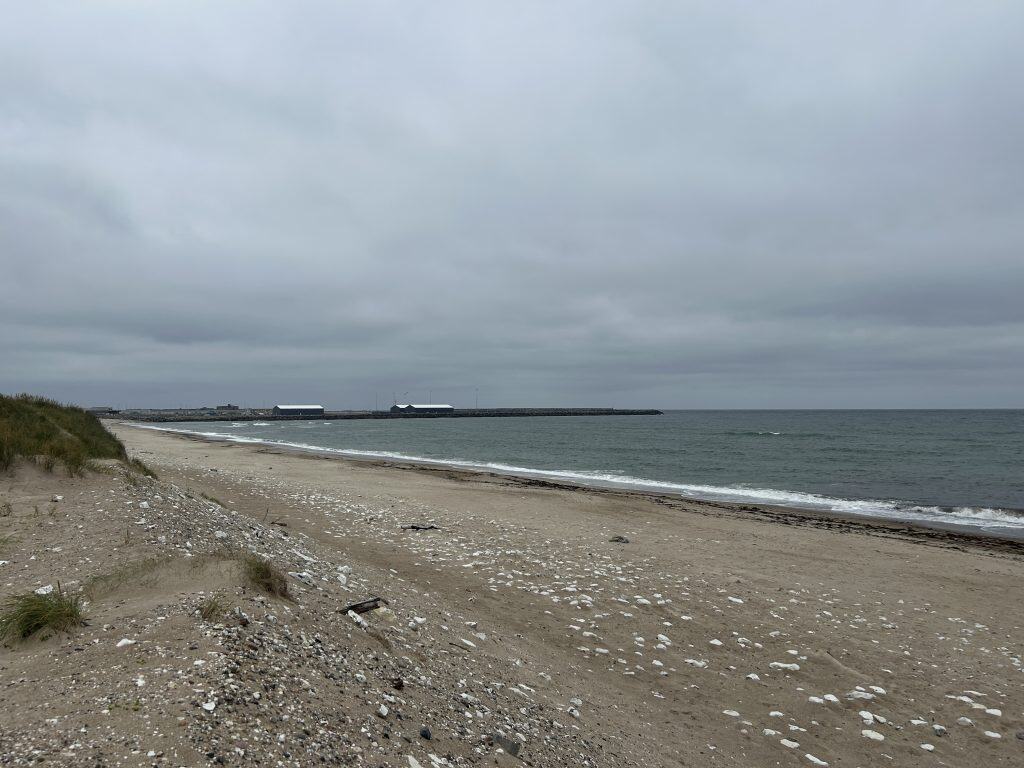
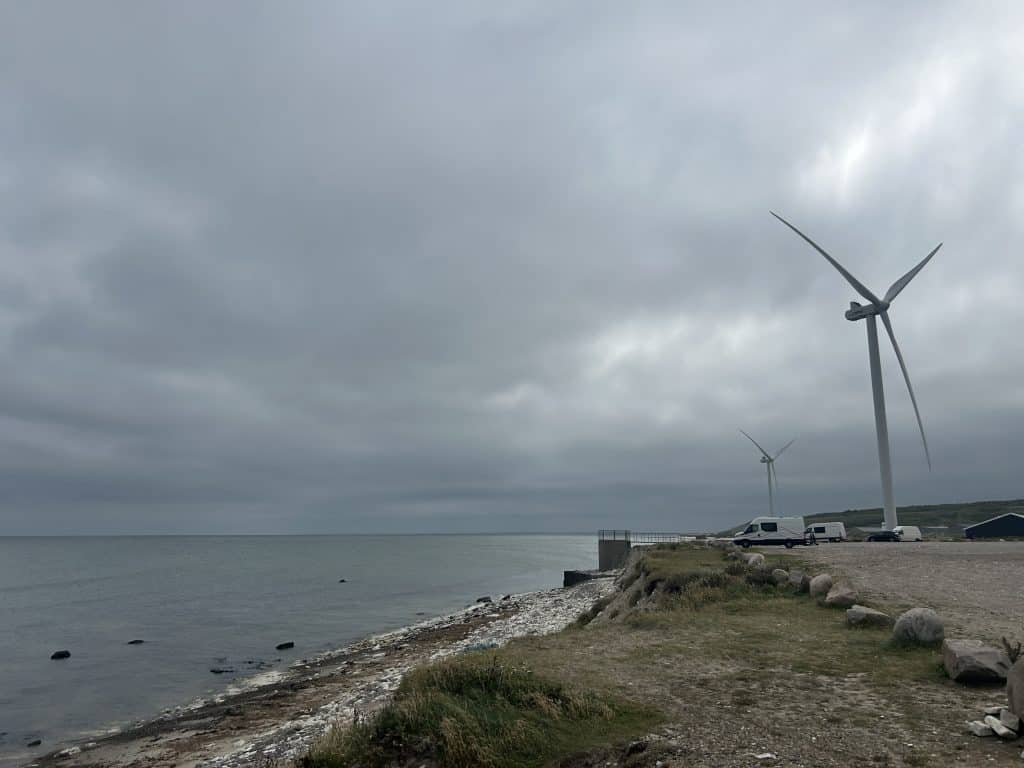
Hanstholm is a port town on the northwest coast of the Jutland peninsula in Denmark. It is located in the Thy region and is part of Thisted Municipality. The town is situated on a limestone promontory, Hanstholmen, which rises above the North Sea. With a population of approximately 2,100 residents, Hanstholm is a key commercial and transport hub for the region. Its location on the Skagerrak strait has given it strategic importance for centuries.
The character of Hanstholm is defined by its large, modern harbor and its extensive World War II history. The town is home to Denmark’s largest fishing port, and the harbor is a center of constant activity. This industrial and commercial function exists alongside a history as one of the most heavily fortified locations in Scandinavia during the German occupation. The town also serves as a gateway to Thy National Park, Denmark’s first national park.

A Short History of Hanstholm
The history of Hanstholm is that of a small fishing community that was transformed into a major fortress during World War II and later into a modern industrial port. For centuries, its development was limited by its exposed location and the lack of a natural harbor. The events of the 20th century, particularly the German occupation and the post-war construction of a large harbor, fundamentally shaped the town seen today. This journey from a small village to a strategic port defines its past.
An Early Fishing Community
For centuries, the area of Hanstholm was home to a small, isolated fishing community. The residents lived from subsistence fishing on the North Sea. The development of a larger settlement was hampered by the harsh coastal conditions and the lack of a protected harbor. The boats had to be pulled up onto the open beach. This limited the size of the vessels and the scale of the fishing industry for a very long time.
The Atlantic Wall Fortress
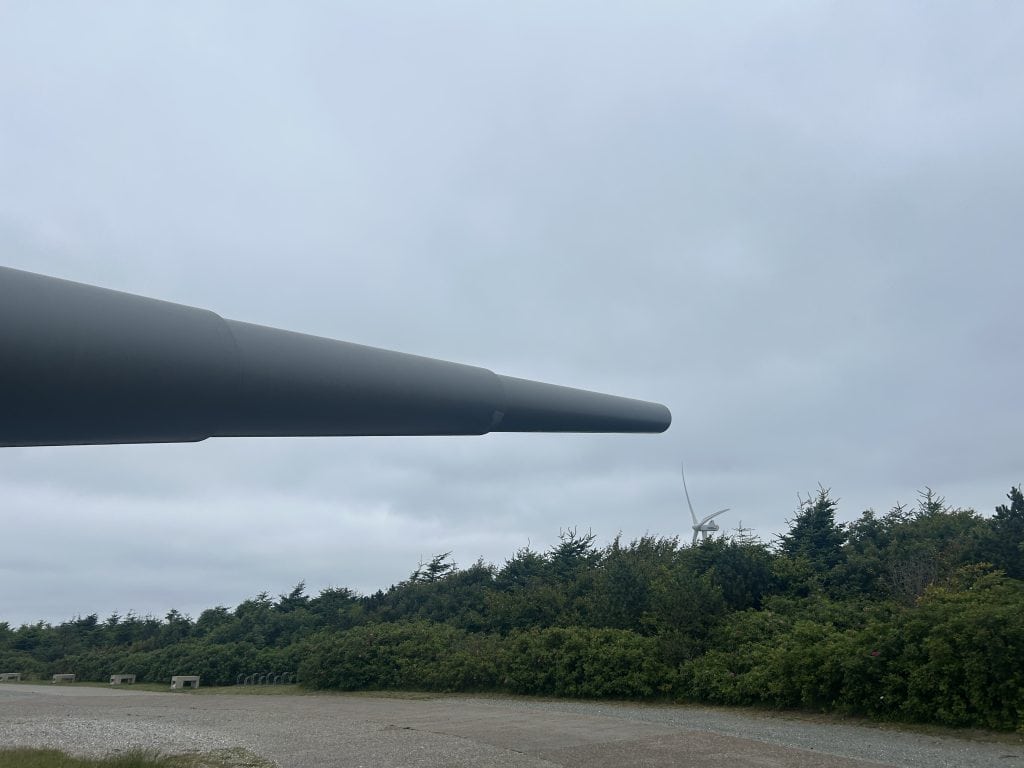
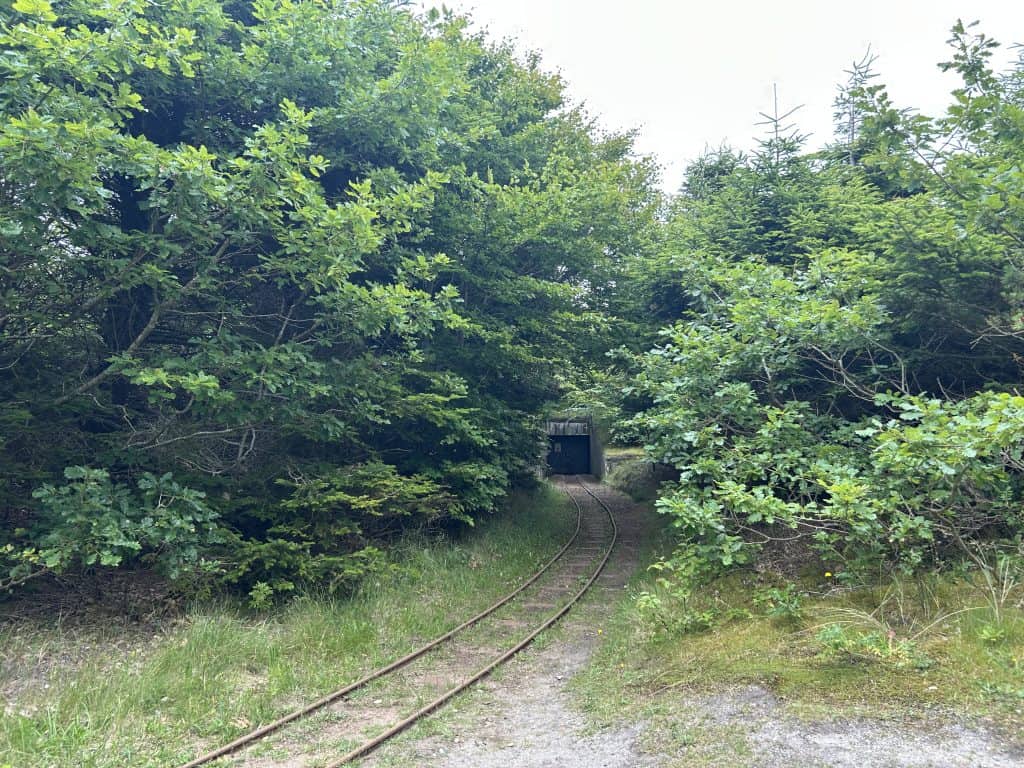
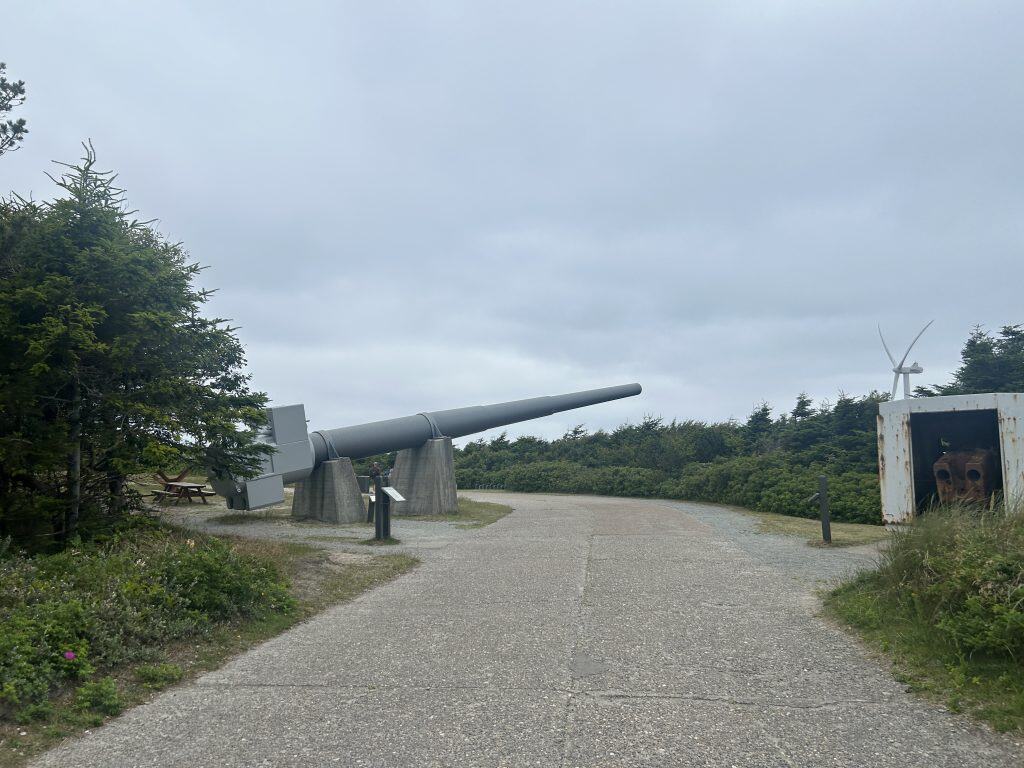
The most significant period in the town’s history came during World War II. After the German occupation of Denmark in 1940, Hanstholm’s strategic location overlooking the Skagerrak strait was recognized. The German military began the construction of a massive coastal fortress here as a key part of the Atlantic Wall. The Hanstholm Fortress included large gun batteries, extensive bunker systems, and a network of railways. The construction required a huge amount of resources and labor, completely transforming the area.
Construction of the Modern Port
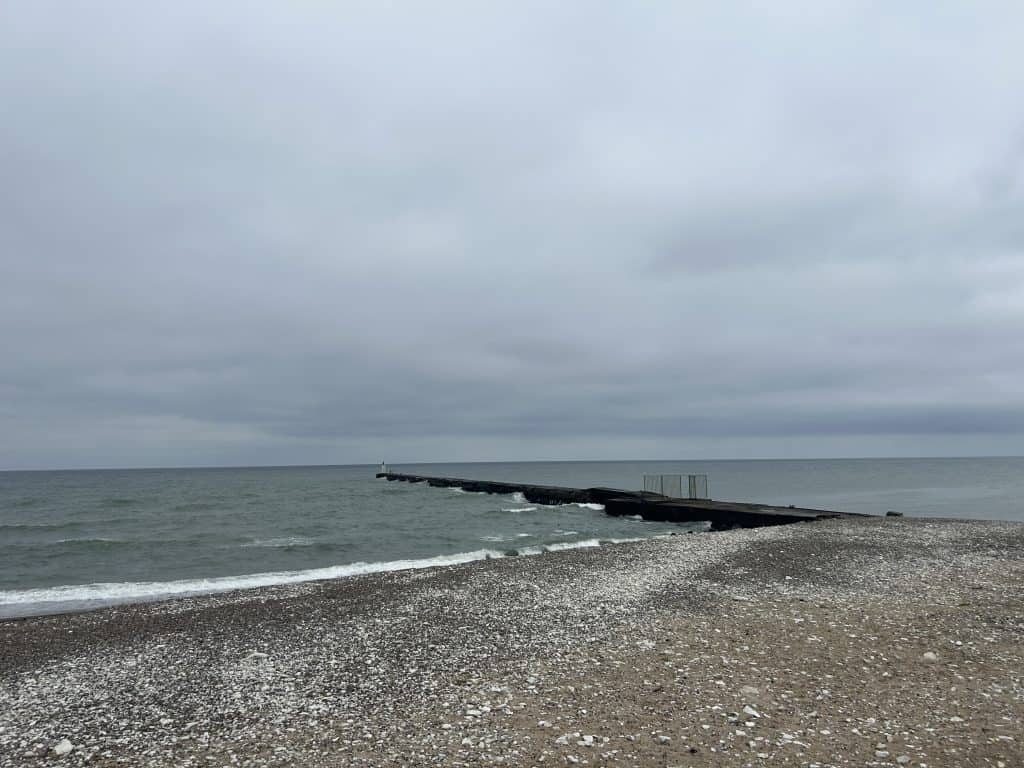
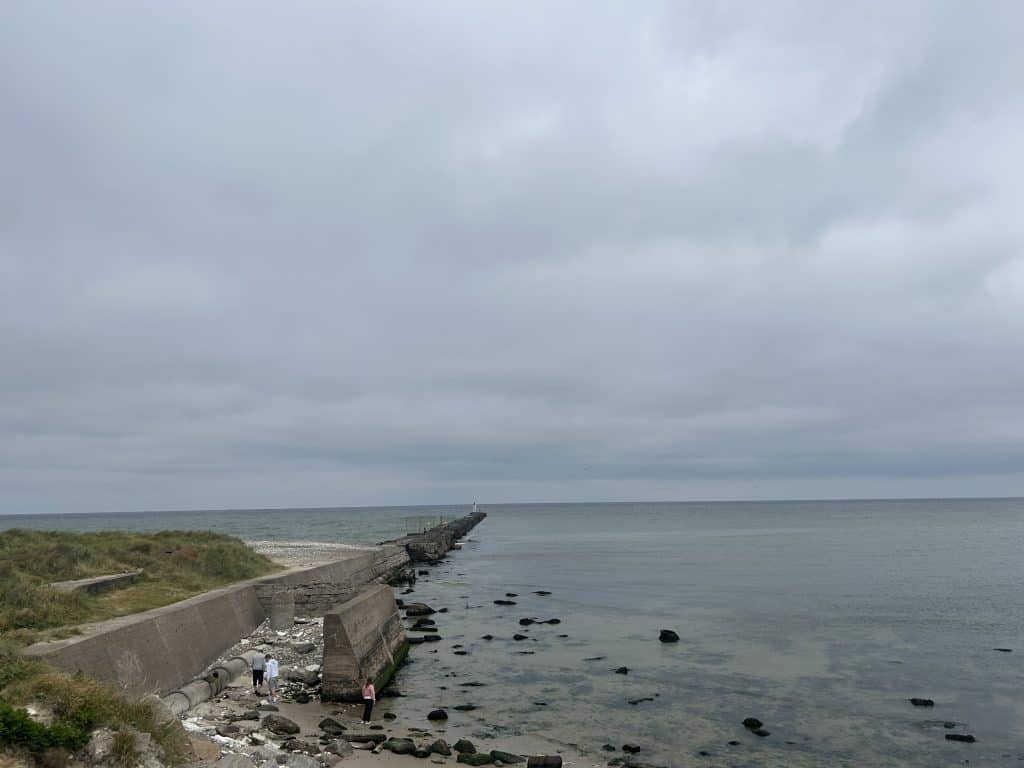
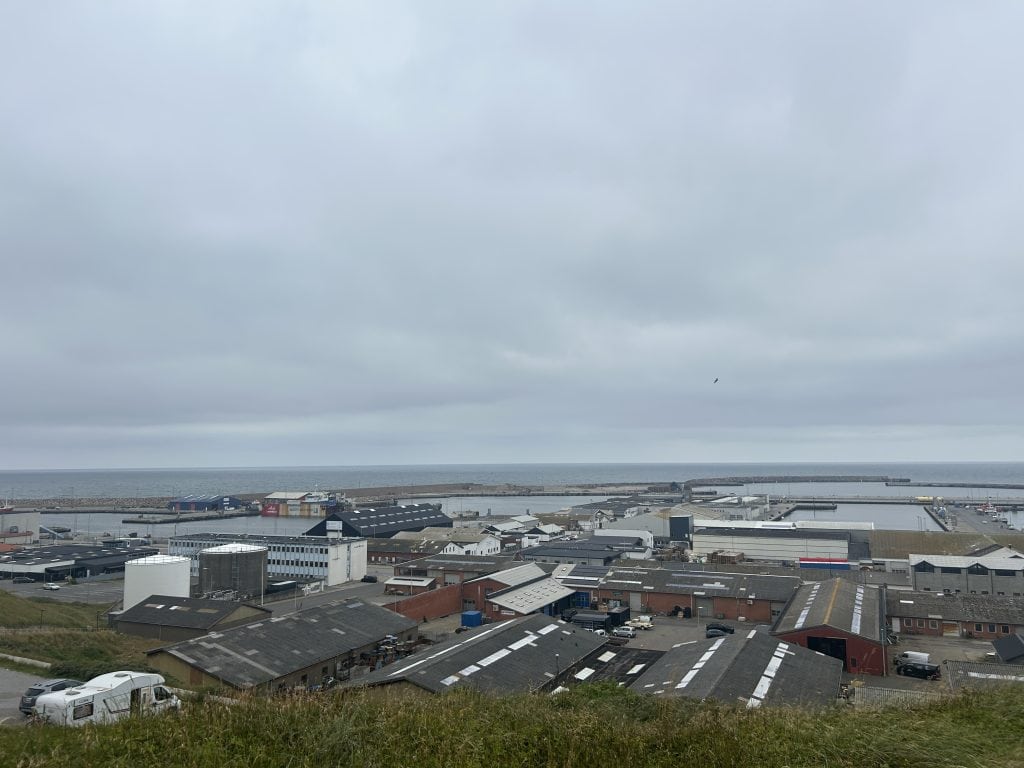
After the war, long-standing plans to build a major harbor at Hanstholm were finally realized. The construction of the modern port began in the 1960s and was completed in 1967. This was a major engineering project that required the construction of large breakwaters to protect the harbor from the powerful waves of the North Sea. The new harbor transformed the town’s economy. It quickly became Denmark’s largest fishing port in terms of the value of landed fish. It also developed into a major ferry port.



Things to Do and See
The sights in and around Hanstholm are primarily focused on its World War II history, its active harbor, and the natural landscape of Thy National Park. The main attractions include one of Europe’s largest bunker museums, the town’s lighthouse, and the surrounding protected nature areas.
Bunkermuseum Hanstholm
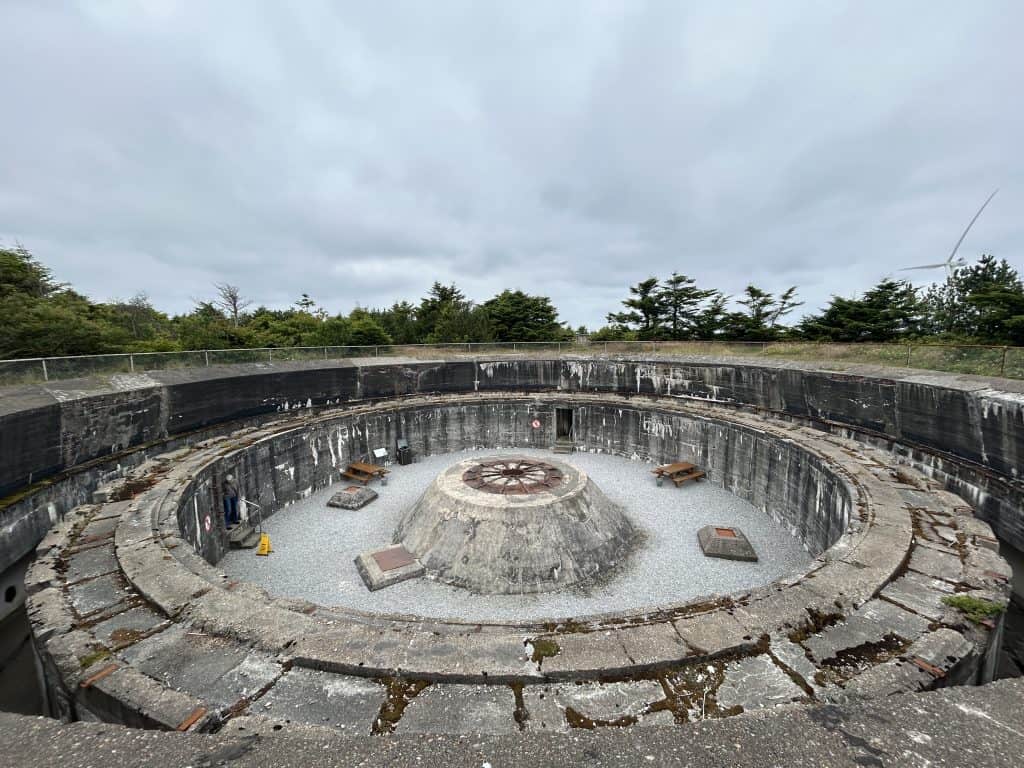
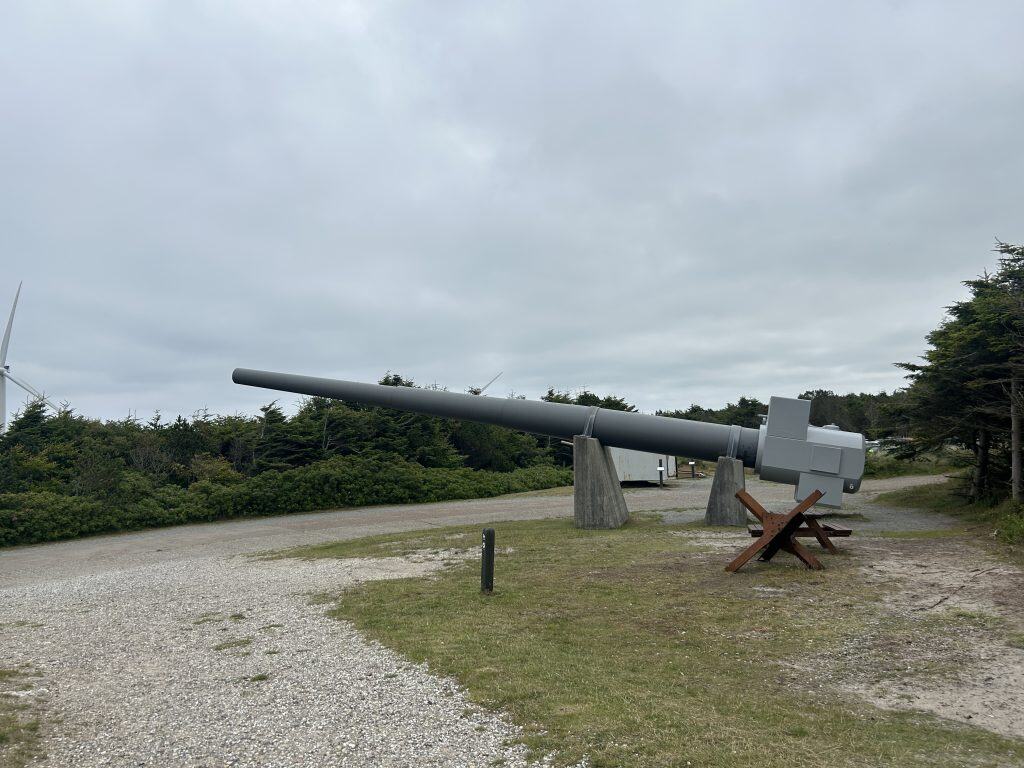
The Bunkermuseum Hanstholm is the largest museum of World War II fortifications in Northern Europe. The museum is located within the original Hanstholm Fortress. The central feature is a large bunker that housed a 38 cm gun battery. Visitors can explore the extensive bunker complex, which includes ammunition rooms, crew quarters, and command centers. The museum also has exhibitions on the Atlantic Wall and the life of soldiers during the occupation. A small train runs on the original military railway line through the site.
Hanstholm Lighthouse
The Hanstholm Lighthouse (Hanstholm Fyr) is a key landmark in the town. Built in 1843, it was the first lighthouse in the world to be equipped with a Fresnel lens. The current tower dates from 1889 and stands 65 meters above sea level. It is one of the most powerful lighthouses in Denmark. The lighthouse is still operational. Visitors can climb the tower for panoramic views of the town, the harbor, and the North Sea.
Hanstholm Harbour
The Hanstholm Harbour is the economic heart of the town. It is a busy, working port with several distinct areas. The main activity is centered on the fishing industry, and the harbor is home to Denmark’s largest fish auction. The port also has a major ferry terminal with connections to Norway and other destinations. A walk around the different basins of the harbor provides a direct look at the modern maritime activity that defines the town.
Thy National Park
Hanstholm is located at the northern edge of Thy National Park. This is Denmark’s first and largest national park. The park covers a long stretch of the North Sea coast and is characterized by its landscape of sand dunes, heathland, and pine forests. The park offers an extensive network of marked trails for hiking and cycling. It is known for its unique nature and its large, sparsely populated landscapes.
Hanstholm Wildlife Reserve
The Hanstholm Wildlife Reserve, located just east of the town, is a large protected area of dunes and heathland. It is one of the most important habitats for migratory birds in Northern Europe. The reserve is a key destination for birdwatching, particularly during the spring and autumn migration periods. Numerous species of waterfowl and waders can be seen here. The reserve is accessible via a network of paths.




Getting Around in Hanstholm
Navigating the town of Hanstholm is straightforward. The town center is relatively compact and can be explored on foot. For travel to the surrounding areas, such as Thy National Park, a car or local bus is necessary.
On Foot: The Town Center
Walking is a suitable way to explore the central part of Hanstholm. The main shopping area, the harbor, and the lighthouse are all within a reasonable walking distance of each other. This allows visitors to see the main points of interest in the town at a relaxed pace. A walk along the harbor breakwaters is also a popular activity.
Local Buses
The public transport in Hanstholm and the wider Thy region is operated by NT (Nordjyllands Trafikselskab). A network of local and regional buses connects Hanstholm with the main town of the municipality, Thisted. Buses also provide connections to other coastal towns like Klitmøller. These services are the primary mode of public transport for traveling within the region.
How to Get to Hanstholm
Reaching Hanstholm requires travel to the remote northwestern coast of Jutland. The town is a major ferry port, making it directly accessible by sea from several countries. It is also connected to the Danish road network.
The North Sea Route: Arriving by Ferry
The most direct way for many international travelers to arrive in Hanstholm is by ferry. The town is a major ferry port with connections to Norway, the Faroe Islands, and Iceland. The company Fjord Line operates a route between Hanstholm and Kristiansand, Norway. The company Smyril Line operates a route that connects Hanstholm with Tórshavn (Faroe Islands) and Seyðisfjörður (Iceland). This makes the port a key gateway to the North Atlantic.
The Open Road: Driving to Thy
Driving to Hanstholm offers flexibility for exploring the Thy region and Thy National Park. The town is connected by a network of primary routes. Primary Route 26 runs directly to Hanstholm from the E45 motorway in the eastern part of Jutland. The drive from Aarhus, for example, takes approximately 2.5 hours. A car is recommended for exploring the wider area.
Arriving by Air: Aalborg Airport
The closest major airport to Hanstholm is Aalborg Airport (AAL), located approximately 90 kilometers to the southeast. Aalborg Airport offers connections to Copenhagen and several other European destinations. From the airport, a rental car is the most practical option for completing the journey to Hanstholm. It is also possible to take a combination of bus and train services via the city of Thisted.
Connecting by Coach
There are no direct long-distance bus services to Hanstholm from major European cities. Travel by coach would involve taking a service to a major Danish city like Aalborg or Aarhus. From there, travelers would need to transfer to a regional bus service to reach Thisted and then a final local bus to Hanstholm.
On Track: A Journey by Rail and Bus
Hanstholm does not have its own train station. The closest train station is located in the city of Thisted, approximately 20 kilometers away. The Thisted station is the terminus of a regional railway line that connects to the main Danish rail network at the city of Struer. From the Thisted train station, a connecting regional bus service is required to complete the journey to Hanstholm.
Driving Distances
The driving distance from 10 regional cities, according to Google Maps:
- Aalborg, Denmark – 107 kilometers (1 h 40 min)
- Gothenburg, Sweden – 179 kilometers (4 h 30 min, includes ferry)
- Aarhus, Denmark – 180 kilometers (2 h 30 min)
- Kristiansand, Norway – 184 kilometers (3 h 00 min, includes ferry)
- Esbjerg, Denmark – 216 kilometers (2 h 40 min)
- Oslo, Norway – 301 kilometers (6 h 10 min, includes ferry)
- Odense, Denmark – 320 kilometers (3 h 40 min)
- Copenhagen, Denmark – 509 kilometers (5 h 20 min)
- Hamburg, Germany – 531 kilometers (5 h 20 min)
- Berlin, Germany – 819 kilometers (8 h 30 min)
Looking to Explore more of Denmark and Europe?