Baarle-Nassau | Exploring the Netherlands
Baarle-Nassau is a municipality and town in the province of North Brabant, located in the southern part of the Netherlands. The town is part of the Baarle region, which is known for having one of the most complex international borders in the world. With a municipal population of approximately 7,000 residents, Baarle-Nassau is a key local center. It is situated in a rural landscape, approximately 20 kilometers south of the city of Tilburg. The town is physically intertwined with the Belgian municipality of Baarle-Hertog.
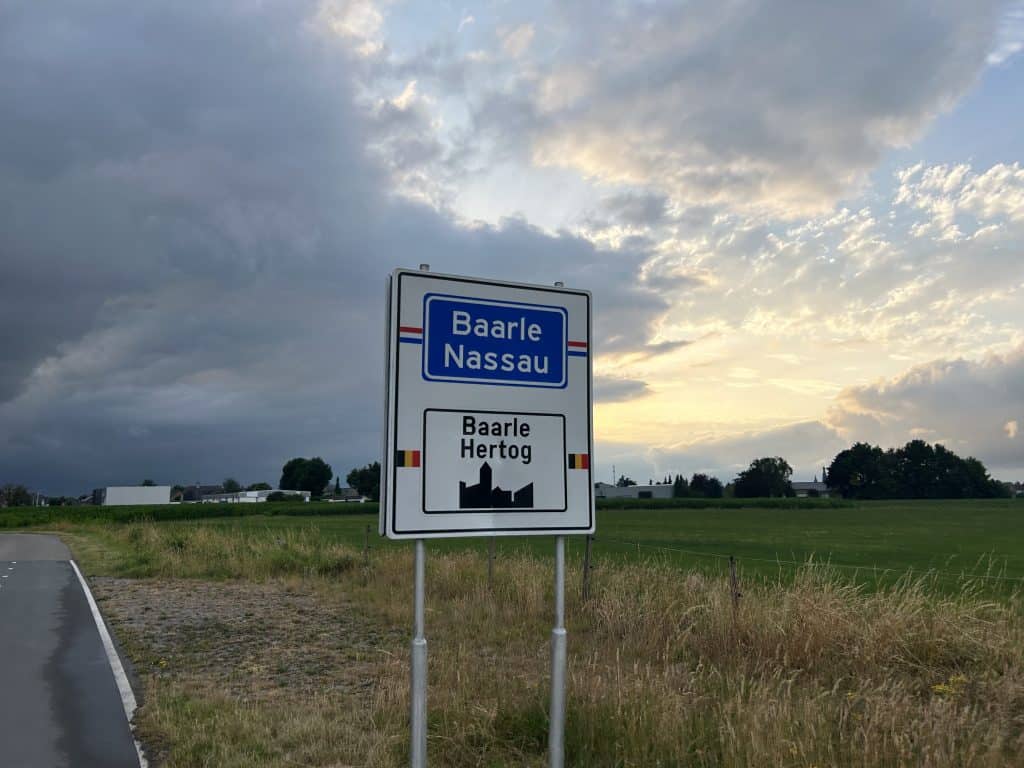
The character of Baarle-Nassau is defined by its unique relationship with its Belgian counterpart. The town of Baarle is a patchwork of Dutch and Belgian territory. The Dutch parts, belonging to Baarle-Nassau, contain 22 Belgian enclaves within them, while Baarle-Nassau itself has several enclaves within the main part of Belgium. The border is marked on the streets and even runs through buildings, creating a unique urban environment. This complex geopolitical situation is the primary attraction and a central part of daily life for its residents.


A Short History of Baarle-Nassau
The history of Baarle-Nassau is the story of how a complex medieval feudal system resulted in one of the world’s most intricate international borders. For centuries, the area was a collection of agricultural lands governed by different noble houses. The final demarcation of this border in the 19th century formalized a patchwork of territories that had existed for hundreds of years. This has given the town a unique place in the history of European border negotiations and diplomacy.
Medieval Origins and Feudal Land Swaps
The origins of the complex border in Baarle date back to the Middle Ages. In the 12th century, the land in the area was divided between two powerful feudal lords. The land that would become Baarle-Nassau was under the control of the Lords of Breda. The land that would become Baarle-Hertog was under the control of the Dukes of Brabant. Through a series of land swaps, sales, and treaties, certain parcels of land remained under the control of the Duke, even though they were surrounded by the lands of the Lord of Breda. These fragmented land holdings were based on the agricultural quality of the soil and feudal allegiances.
The Formalization of a Complex Border
This patchwork of land ownership continued for centuries. When Belgium gained its independence from the Netherlands in 1830, the old feudal boundaries needed to be officially surveyed to create a formal international border. The final border was established by the Treaty of Maastricht in 1843. The survey commission meticulously marked every single parcel of land according to its historical ownership. This resulted in the complex system of enclaves and counter-enclaves that exists today, with the lands of the former Lords of Breda becoming Dutch and the lands of the former Dukes of Brabant becoming Belgian.


Things to Do and See
The sights in Baarle-Nassau are almost entirely focused on its unique border situation and its local history. The main points of interest are the border markers themselves, the historic churches, and the local museums. These attractions offer a direct look into the history and daily reality of life in this complex border town. The town itself is an open-air museum of geopolitics, where the concept of a national border is a tangible part of the urban landscape.
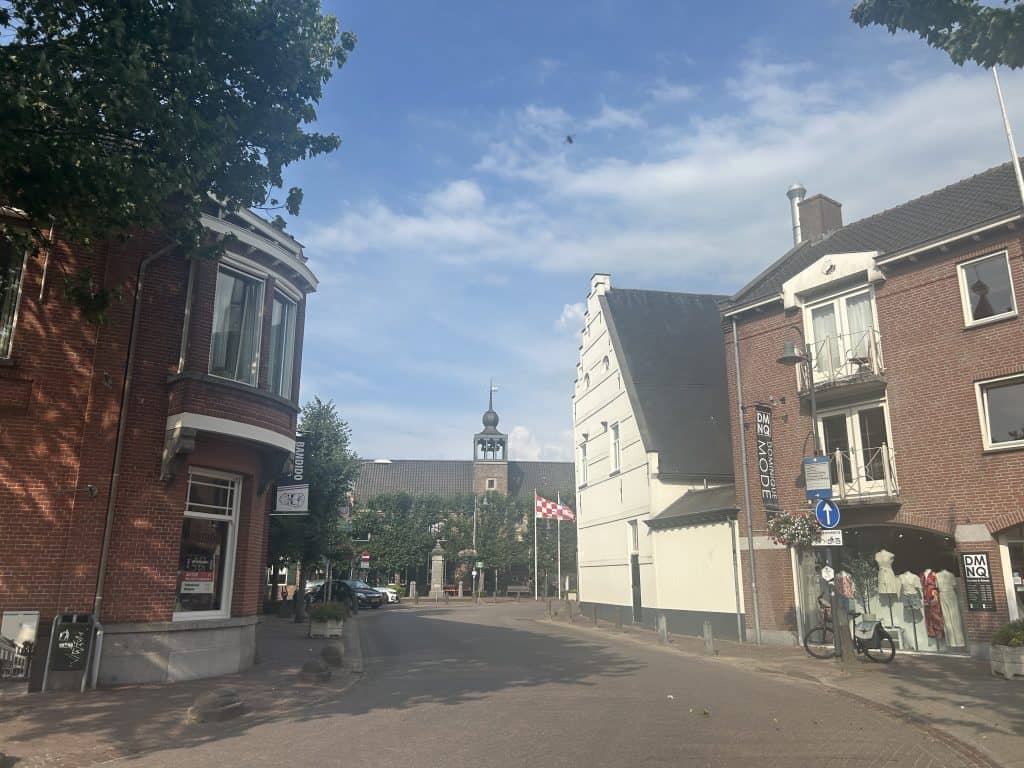
The experience of visiting Baarle-Nassau is one of constant border crossings, often without realizing it. A short walk through the town can involve crossing an international border dozens of times. The sights reflect this dual national identity, with separate administrative buildings, churches, and cultural institutions for the Dutch and Belgian communities coexisting side-by-side. This creates a unique environment for visitors to explore.
The Border Markings
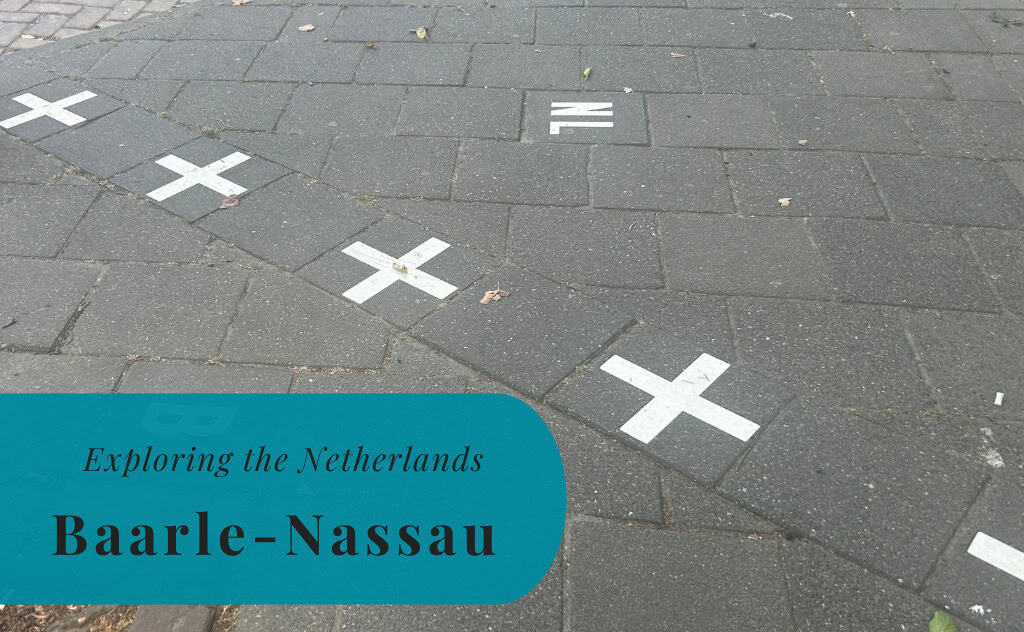
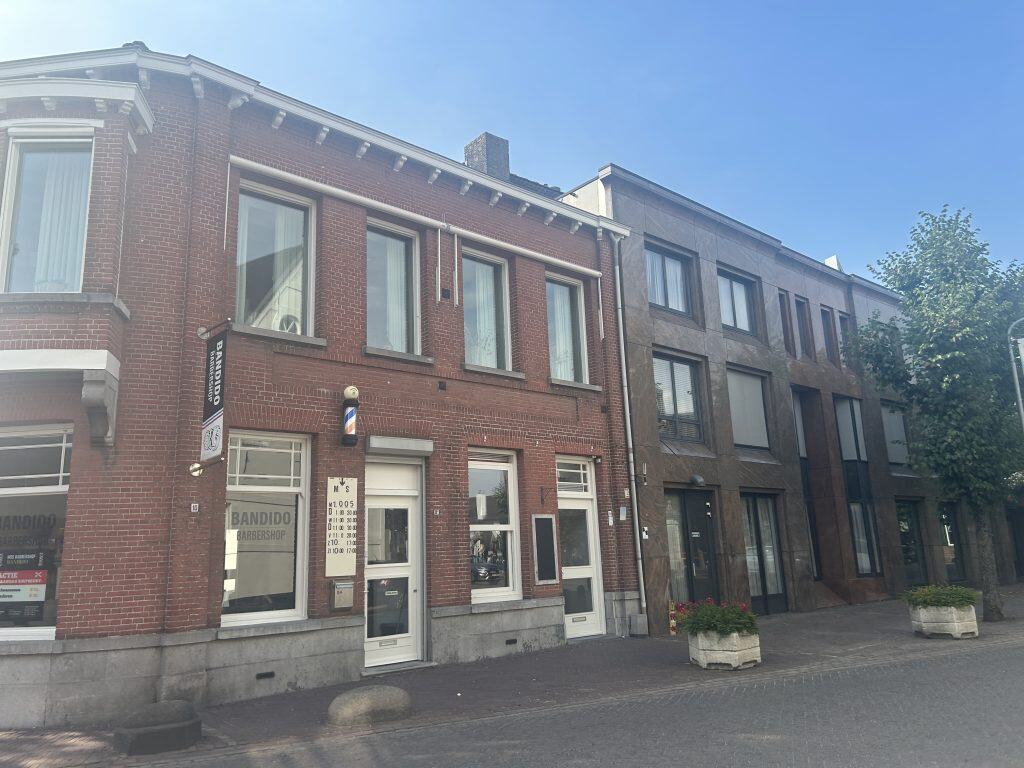
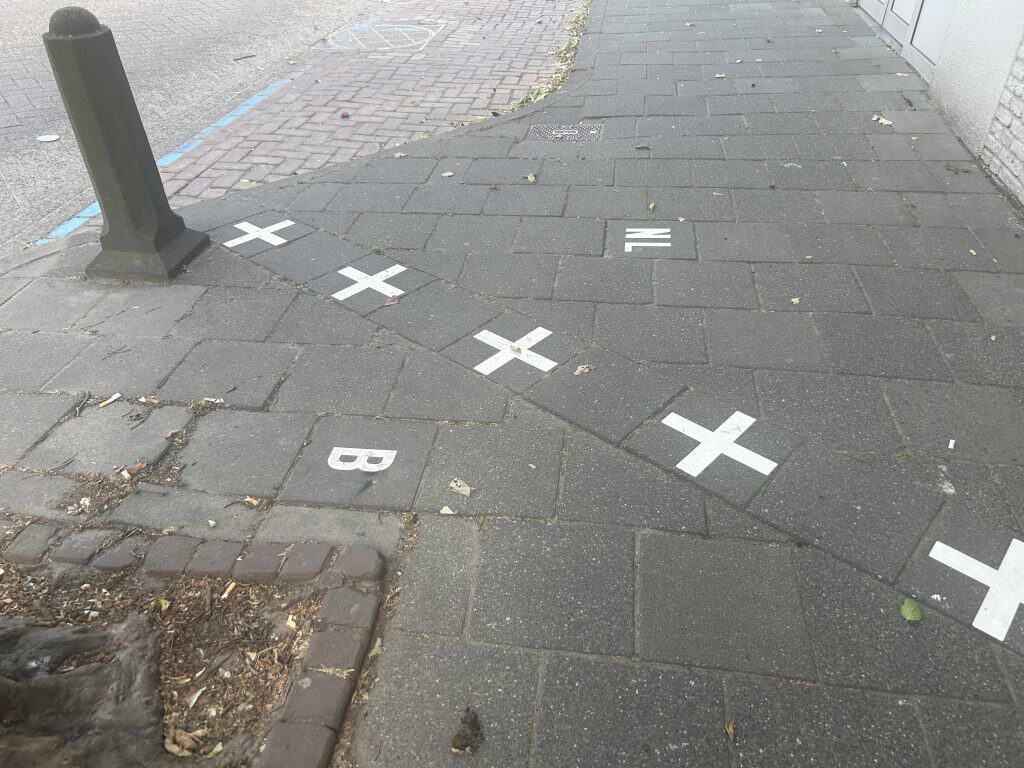
The most significant and ubiquitous sight in Baarle-Nassau is the international border itself. The border is marked on the pavements and roads throughout the town with a series of white crosses and metal studs. These lines allow visitors to physically stand with one foot in the Netherlands and the other in Belgium. The border famously runs through houses, shops, and restaurants. The nationality of a building is determined by the location of its front door (voordeurregel). This has led to some buildings having two different house numbers, one for each country. These markers are the primary tourist attraction and are a constant feature of daily life.
St. Remigius Church
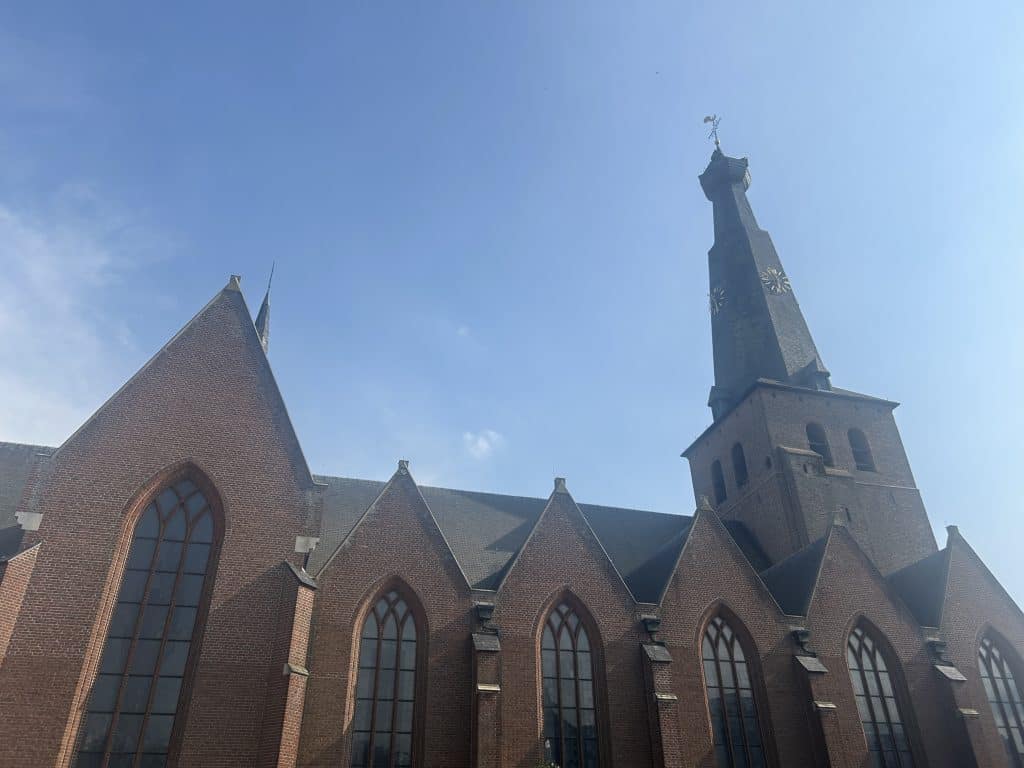
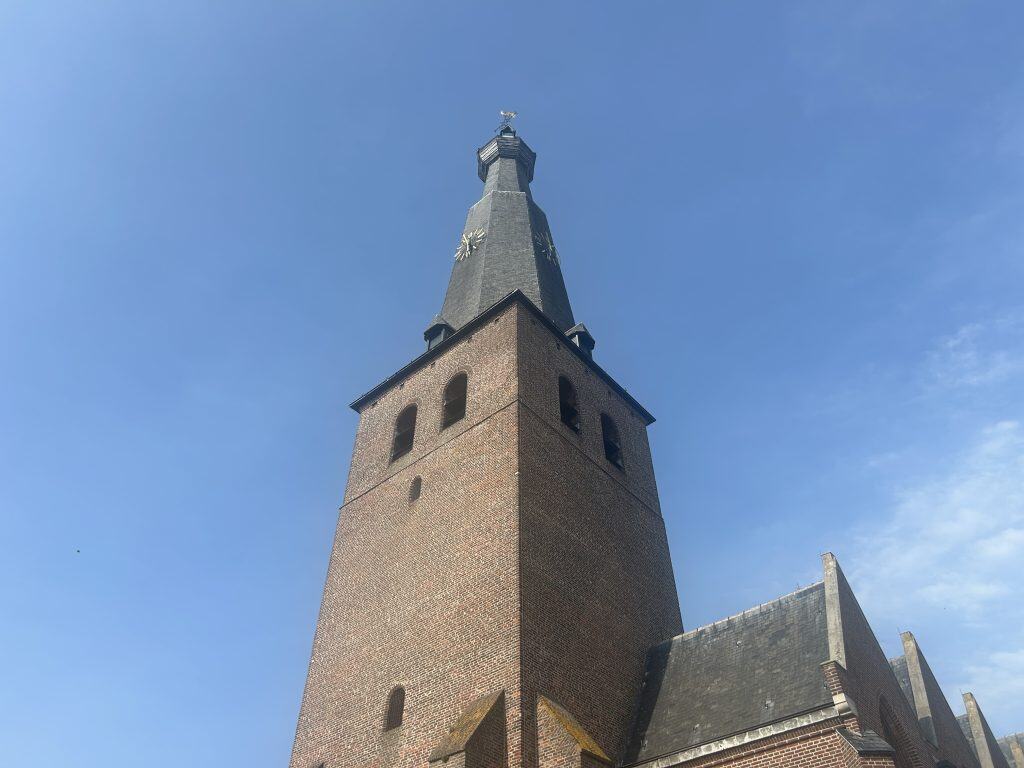
The St. Remigius Church (Sint-Remigiuskerk) is the main Dutch Catholic church in Baarle-Nassau. It is a large, neo-Gothic cruciform basilica that was built in the late 19th century. The church was designed by the famous Dutch architect P.J.H. Cuypers, who also designed the Rijksmuseum and Central Station in Amsterdam. The church is a key landmark in the town and is located in the Dutch part of the central area. It stands in close proximity to the Belgian St. Remigius Church, highlighting the dual nature of the town. The church is an active center for the local Dutch Catholic community.
Kaarsenmuseum (Candle Museum)
The Kaarsenmuseum is a museum dedicated to the art of candle making. The museum showcases a large collection of candles with intricate and artistic designs, many of which depict famous buildings, people, and events. It provides a look into the craft of decorative candle making. The museum is a specific-interest attraction that is unique to the town. It is located in the Dutch part of Baarle. The museum was founded by a local artist and has grown over the years to become a well-known local institution.
The Dodendraad (Wire of Death) Memorial
Located on the border near Baarle is a memorial to the Dodendraad, or the “Wire of Death.” During World War I, when the Netherlands was neutral, the German army erected a high-voltage electric fence along the entire Belgian-Dutch border to prevent people from fleeing occupied Belgium. This memorial, which includes a reconstructed section of the fence, commemorates the many people who died trying to cross it. It is a somber reminder of a different era in the history of this border. The memorial provides historical context on the role of the border during major European conflicts.
Baarle’s Town Halls
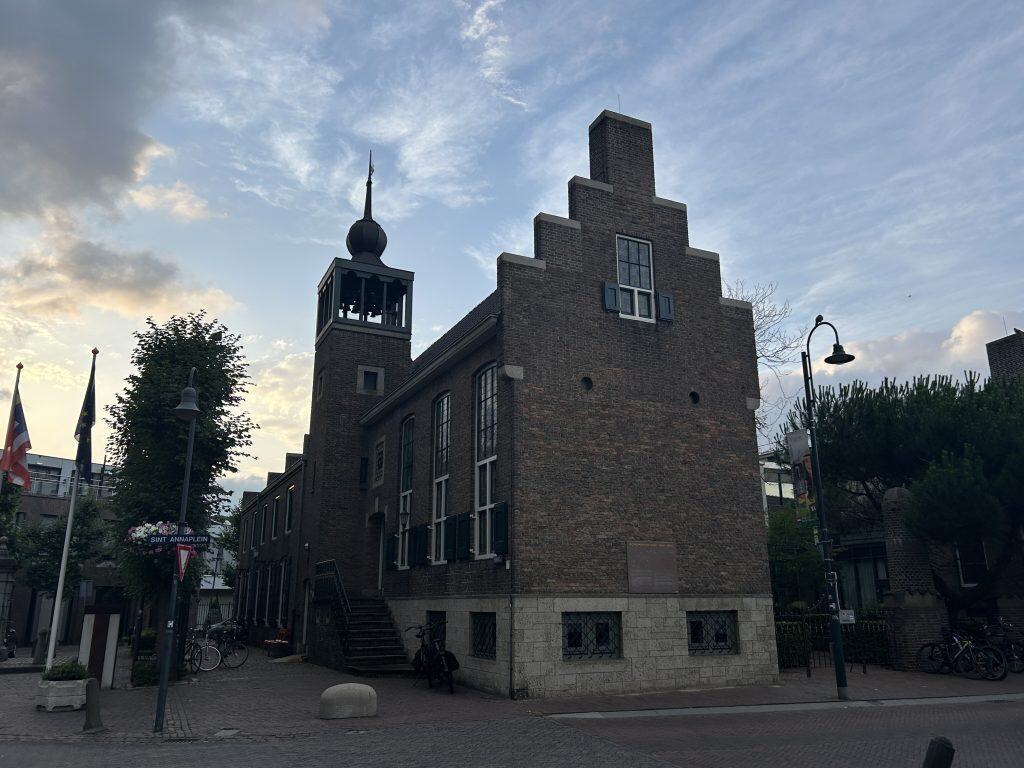
The town of Baarle has two separate town halls, one for the Dutch municipality and one for the Belgian. The Town Hall of Baarle-Nassau is located in the heart of the Dutch part of the town. The building is a key administrative center for the Dutch residents. The presence of two separate municipal governments, with their own mayors, councils, police forces, and fire departments, in a single town is a direct result of the complex border situation. The Dutch town hall is a modern building that serves the needs of its community.



Sports in Baarle-Nassau
The sporting life in Baarle-Nassau is centered on its local community clubs. These clubs provide opportunities for residents to participate in a variety of organized sports. The clubs often have a mix of Dutch and Belgian members, reflecting the integrated nature of the community. Football is the most popular sport in the town, but other sports like tennis also have a strong presence.
Football
As with a big part of the Netherlands, football is a popular sport in Baarle-Nassau. The local club plays a key part in the community. The club provides a platform for local players of all ages, from youth teams to senior squads. The team competes in the regional amateur leagues of the Netherlands. The club is a central institution for the sport on the Dutch side of the border.
Gloria UC
The town’s main football club is Gloria UC. The club was founded in 1945. The senior football team competes in the lower tiers of the Dutch amateur football league system, part of the Royal Dutch Football Association (KNVB). They play their home games at the Sportpark De Baalse Hei. The club has an extensive youth program that provides training for numerous teams, and it is a key social hub for the local community.
Tennis
Tennis is another popular sport in the town. The local tennis club provides facilities for both recreational and competitive play. It is an active club with a large number of members from the local community. The club organizes tournaments and social events throughout the year.
TC Baarle
The local tennis club is TC Baarle. The club has several outdoor courts and is a major center for the sport in the area. It is an example of the cross-border nature of the community, as it is a single club that serves both Dutch and Belgian residents of the town. The club has teams that compete in both the Dutch and Belgian tennis league systems, which is a unique situation.



How to Get to Baarle-Nassau
Reaching Baarle-Nassau requires travel to the southern part of the Netherlands, on the border with Belgium. The town is located in a rural area and is most easily accessed by road. The journey often involves a combination of motorway and regional road travel. The town serves as a unique destination that is accessible from major transport hubs in both the Netherlands and Belgium.
The Open Road: Driving to Baarle
Driving is the most practical way to reach Baarle-Nassau. The town is connected by a network of regional roads. It is located a short drive from the A58 motorway in the Netherlands, which connects the cities of Breda and Tilburg. From Belgium, it is accessible via roads from the nearby city of Turnhout. A car provides the necessary flexibility for exploring the unique border situation and the surrounding countryside. Parking is available in the town center.
Arriving by Air: Nearby Gateways
The two closest major international airports are Eindhoven Airport (EIN) in the Netherlands and Brussels Airport (BRU) in Belgium. Both airports are located approximately a one-hour drive from Baarle. Another major option is Amsterdam Airport Schiphol (AMS), which is further away but offers more global connections. From any of these airports, a rental car is the most practical option for completing the journey. It is also possible to take a combination of train and bus services.
On Track: A Journey by Rail and Bus
Baarle-Nassau does not have its own train station. The closest major train stations are located in Breda and Tilburg in the Netherlands, and in Turnhout in Belgium. All of these cities have frequent connections to the national rail networks of their respective countries. From any of these train stations, a connecting regional bus service is required to complete the journey to Baarle. The bus journey from Breda or Tilburg takes approximately 45 minutes.
Connecting by Coach
There are no direct long-distance bus services to the small town of Baarle-Nassau. Travel by coach would typically involve taking a service from a company like FlixBus to a larger nearby city, such as Breda, Tilburg, or Antwerp. From the main bus stations in these cities, travelers would then need to transfer to a regional bus service to complete the journey to Baarle. This multi-stage journey can be an economical option.
Driving Distances
The driving distance from 10 regional cities, according to Google Maps:
- Antwerp, Belgium – 47 kilometers (0 h 50 min)
- Rotterdam, Netherlands – 68 kilometers (1 h 00 min)
- Utrecht, Netherlands – 75 kilometers (1 h 10 min)
- Brussels, Belgium – 91 kilometers (1 h 20 min)
- Ghent, Belgium – 102 kilometers (1 h 20 min)
- Amsterdam, Netherlands – 113 kilometers (1 h 40 min)
- Lille, France – 174 kilometers (2 h 00 min)
- Cologne, Germany – 216 kilometers (2 h 30 min)
- Luxembourg City, Luxembourg – 299 kilometers (3 h 20 min)
- Paris, France – 402 kilometers (4 h 30 min)
Looking to Explore more of the Netherlands and Europe?