
Waillet, Wallonia | Exploring Belgium
Waillet is a small village in the municipality of Somme-Leuze, located in the province of Namur, in the Wallonia region of Belgium. With a population of approximately 200 residents, it is a quiet, rural community. The village is situated in the Condroz region, an area known for its characteristic landscape of rolling hills and river valleys. Waillet is located about 10 kilometers north of the larger town of Marche-en-Famenne and about 40 kilometers southeast of the provincial capital, Namur.
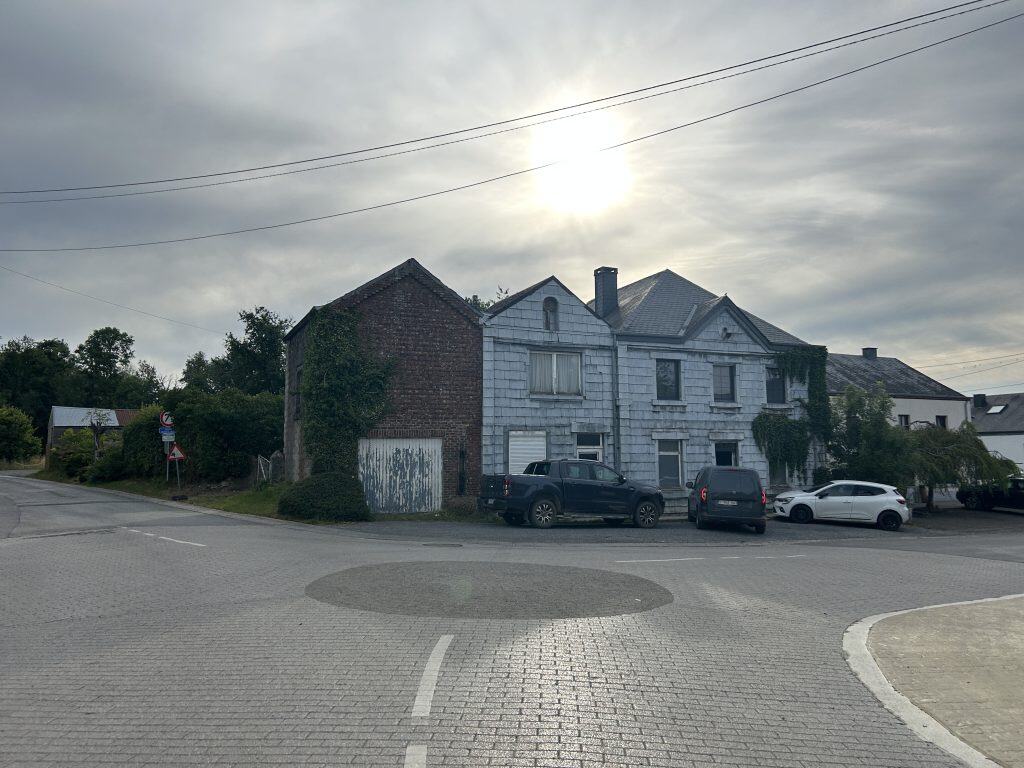
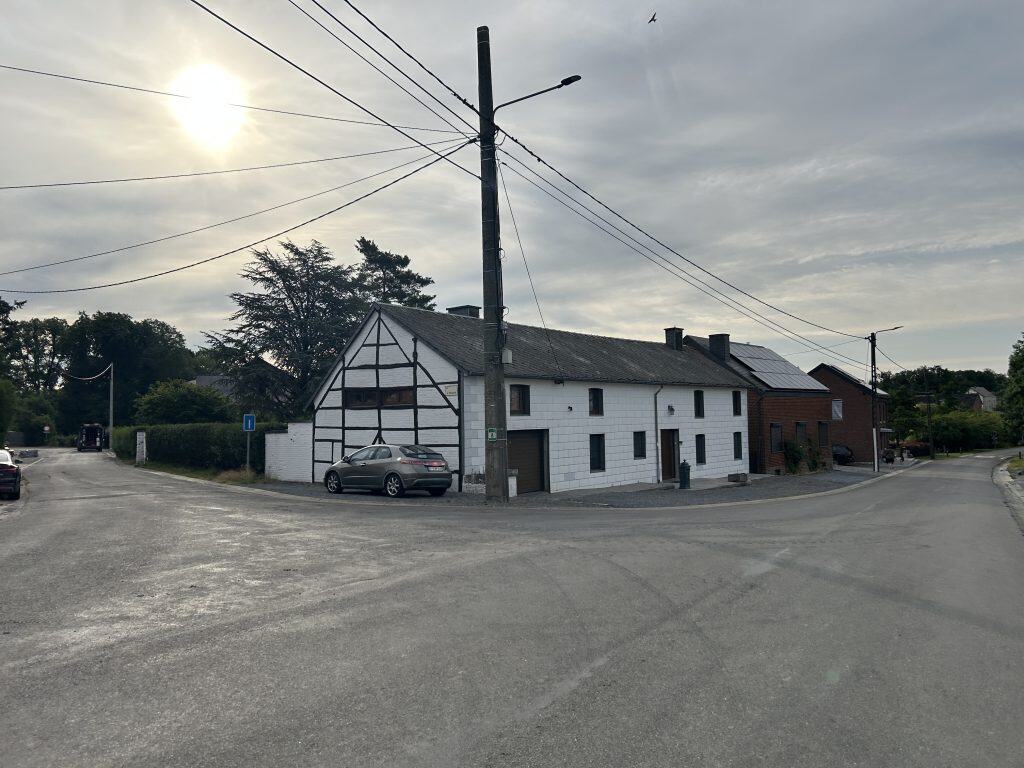
The character of Waillet is that of a traditional agricultural village. Its identity is defined by its rural setting and its historic castle, which is the main landmark. The village consists of a small cluster of traditional stone and brick farmhouses, a central church, and the castle estate. It is surrounded by a landscape of forests, pastures, and agricultural fields. Its location away from major highways gives it a tranquil atmosphere.
A Short History of Waillet
The history of Waillet is that of a small feudal estate and agricultural community that has maintained its rural character for centuries. Its development has always been centered on its castle, which was the seat of the local lordship. The story of the village reflects the long history of the Condroz region, from its medieval origins to its modern administrative integration. It has remained a small but enduring settlement through the ages.
Medieval Origins and the Lordship
The history of settlement in the Waillet area dates back to at least the Middle Ages. The village grew around a feudal estate. The Lordship of Waillet was a key local administrative unit for centuries. The local lords controlled the land and the lives of the villagers. The economy was based entirely on agriculture and the use of the surrounding forests. The castle served as the defensive and administrative heart of this small community.
Modern Era
For centuries, Waillet remained a small, isolated agricultural village. Its life was defined by the local church, the castle, and the rhythm of farming. After the end of the feudal system, the village became part of a larger municipality. In the 1977 fusion of Belgian municipalities, the formerly independent municipality of Waillet was merged into the new, larger municipality of Somme-Leuze. In the modern era, it has remained a quiet residential and agricultural village, preserving much of its historic character.
Things to Do and See
The sights in and around the small village of Waillet are focused on its historic castle, its parish church, and the surrounding natural landscape of the Condroz. These points of interest offer a look into the history and traditions of this rural region.
Waillet Castle
The Waillet Castle (Château de Waillet) is the primary landmark of the village. The current castle is a large, classical-style building that was constructed in the 18th century. It replaced an older, fortified medieval castle that had stood on the same site. The castle is surrounded by a large park and is a key feature of the local landscape. It is privately owned but is a major part of the village’s architectural heritage.
St. Peter’s Church
The St. Peter’s Church (Église Saint-Pierre) is the historic parish church of Waillet. The church is located in the center of the village. The current building has parts that date back to the 17th and 18th centuries. It is built in the traditional stone style of the Condroz region. The church serves as the spiritual center for the local community and is surrounded by a historic walled cemetery.
The Village Core
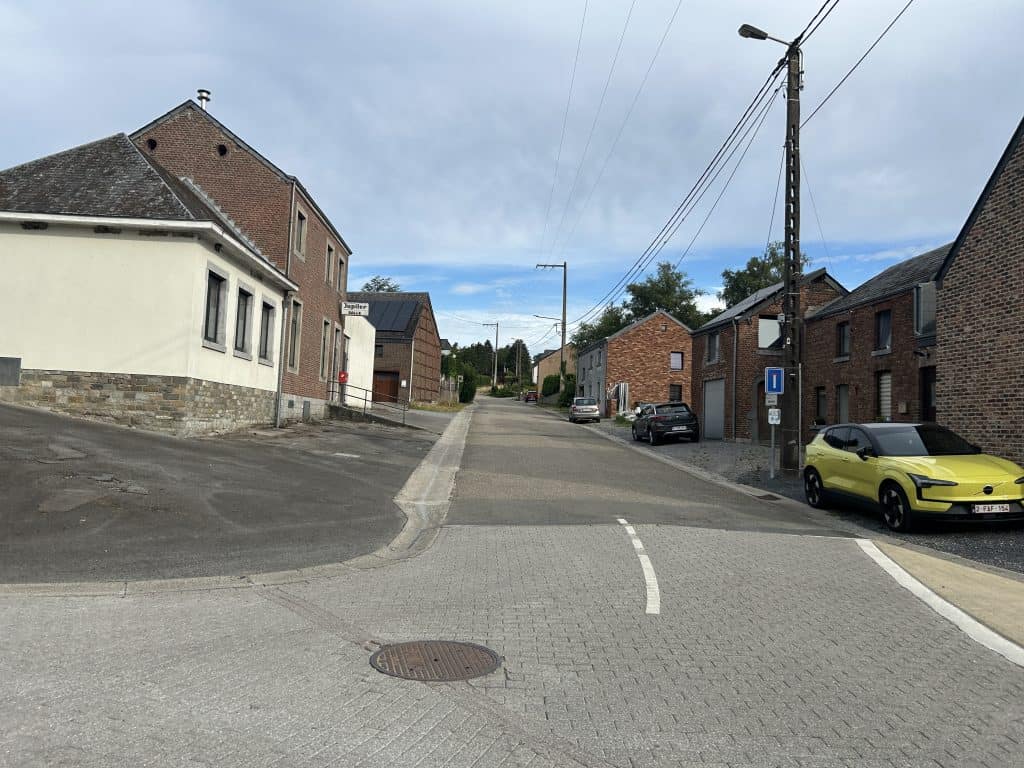
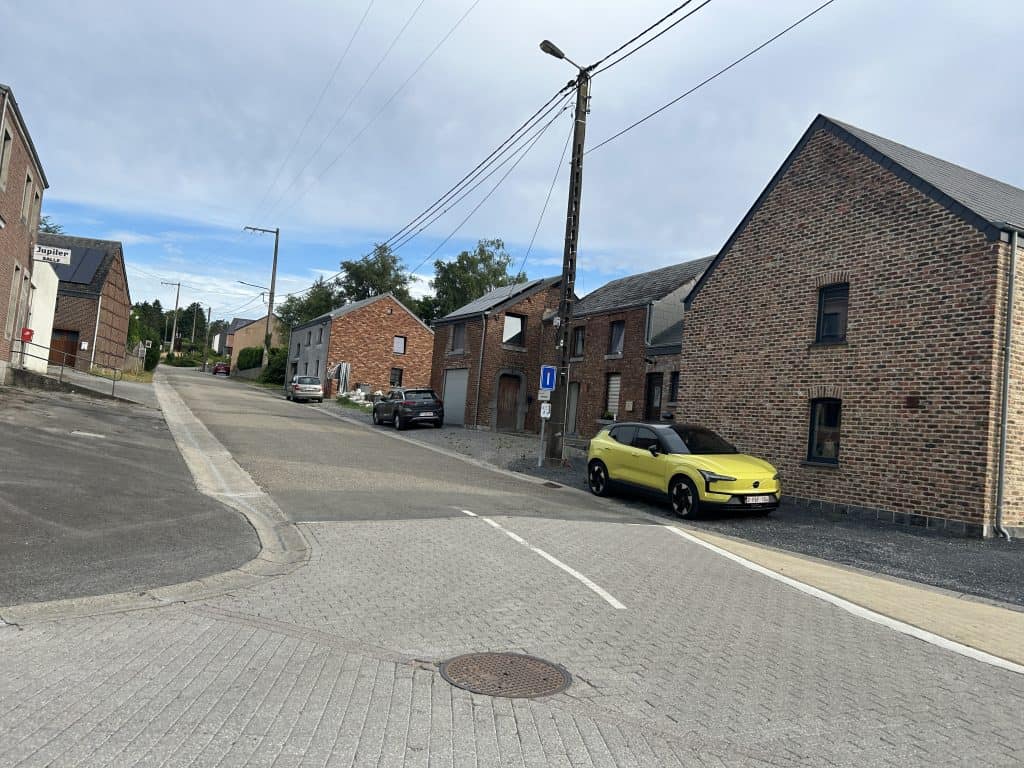
The historic village core of Waillet retains the character of a traditional Condroz village. The area around the church and the castle is the heart of the community. The streets are lined with traditional stone houses and large farmsteads, many of which date from the 18th and 19th centuries. A walk through the village provides a look at the rural architecture of the region. The village is surrounded by open fields and agricultural land.
The Condroz Landscape
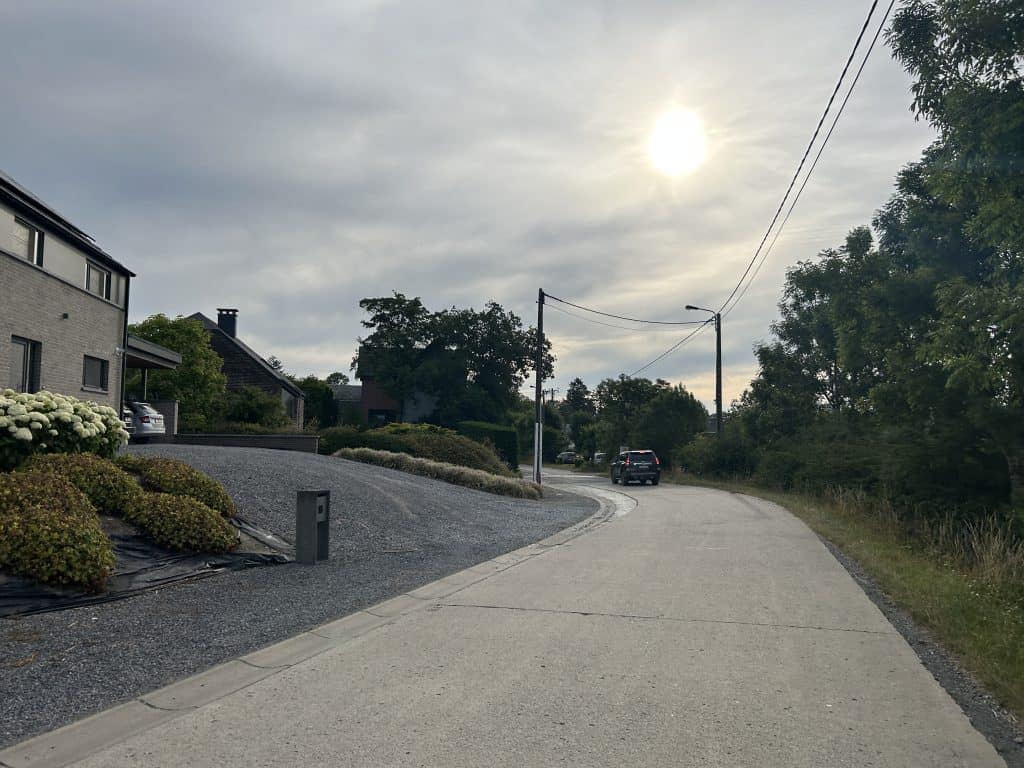
The Condroz region, where Waillet is located, is a sight in itself. The landscape is characterized by a series of parallel, rolling hills and valleys, known locally as tiges and chavées. The ridges are often covered in forests, while the valleys are used for agriculture. This creates a distinctive and scenic pattern in the landscape. The quiet country roads and paths that run through this area are a key attraction for visitors.

How to Get to Waillet
Reaching the small village of Waillet requires travel to a rural part of the province of Namur. The village is located away from major transport hubs. A car is the most practical means of transport for visiting the village and exploring the surrounding area.
The Open Road: Driving through the Condroz
Driving is the most straightforward way to reach Waillet. The village is located on a local road just a short drive from the N4, which is the main national road connecting Namur and Luxembourg. From the N4, local roads lead into the countryside and to the village. A car is essential for exploring the rural Condroz region and its many small villages. Parking is available in the village.
Arriving by Air: Nearby Gateways
The two closest major international airports are Brussels Airport (BRU) and Brussels South Charleroi Airport (CRL). Both airports are located approximately a one-hour drive from the Waillet area. Another nearby option is Liège Airport (LGG). From any of these airports, a rental car is the most practical option for completing the journey to Waillet, as public transport connections to this rural area are very limited.
On Track: A Journey by Rail and Bus
Waillet does not have its own train station. The closest major train station is located in the town of Marloie, which is about 15 kilometers away. The Marloie station is a key hub on the main railway line that connects Brussels and Luxembourg City. From the Marloie station, a connecting regional bus service operated by TEC or a taxi is required to complete the journey to Waillet.
Connecting by Coach
There are no direct long-distance bus services to the small village of Waillet. Travel by coach would typically involve taking a service from a company like FlixBus to a larger nearby city, such as Namur or Liège. From these cities, travelers would then need to transfer to the Belgian national railway network to reach Marloie, followed by a local bus or taxi to Waillet.
Driving Distances
The driving distance from 10 regional cities, according to Google Maps:
- Namur, Belgium – 43 kilometers (0 h 40 min)
- Liège, Belgium – 48 kilometers (0 h 50 min)
- Maastricht, Netherlands – 77 kilometers (1 h 10 min)
- Brussels, Belgium – 100 kilometers (1 h 20 min)
- Luxembourg City, Luxembourg – 119 kilometers (1 h 20 min)
- Antwerp, Belgium – 148 kilometers (1 h 50 min)
- Cologne, Germany – 159 kilometers (2 h 00 min)
- Lille, France – 203 kilometers (2 h 20 min)
- Amsterdam, Netherlands – 285 kilometers (3 h 20 min)
- Paris, France – 359 kilometers (4 h 00 min)
Looking to Explore more of Belgium and Europe?