
Gislaved, Småland | Exploring Sweden
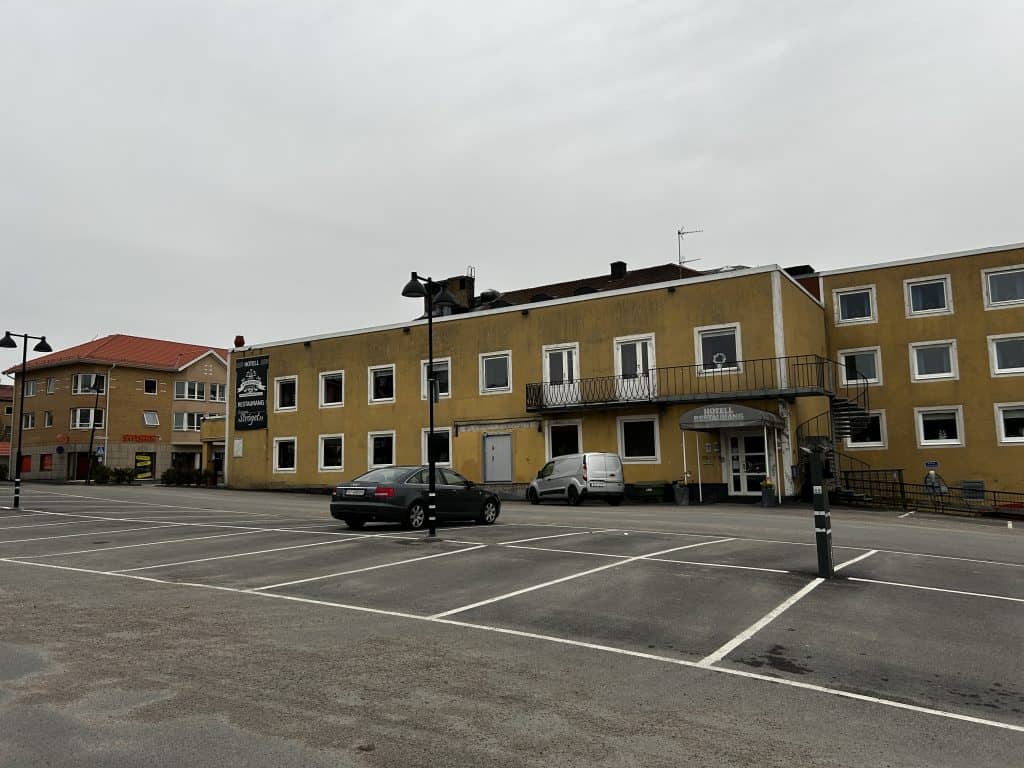
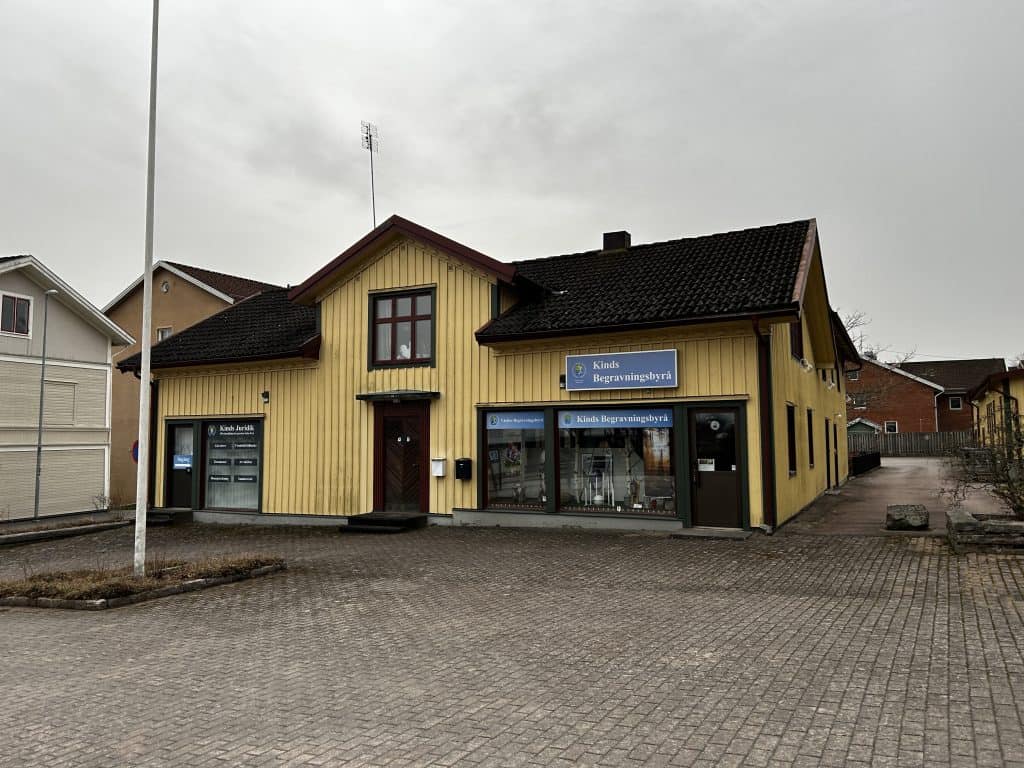
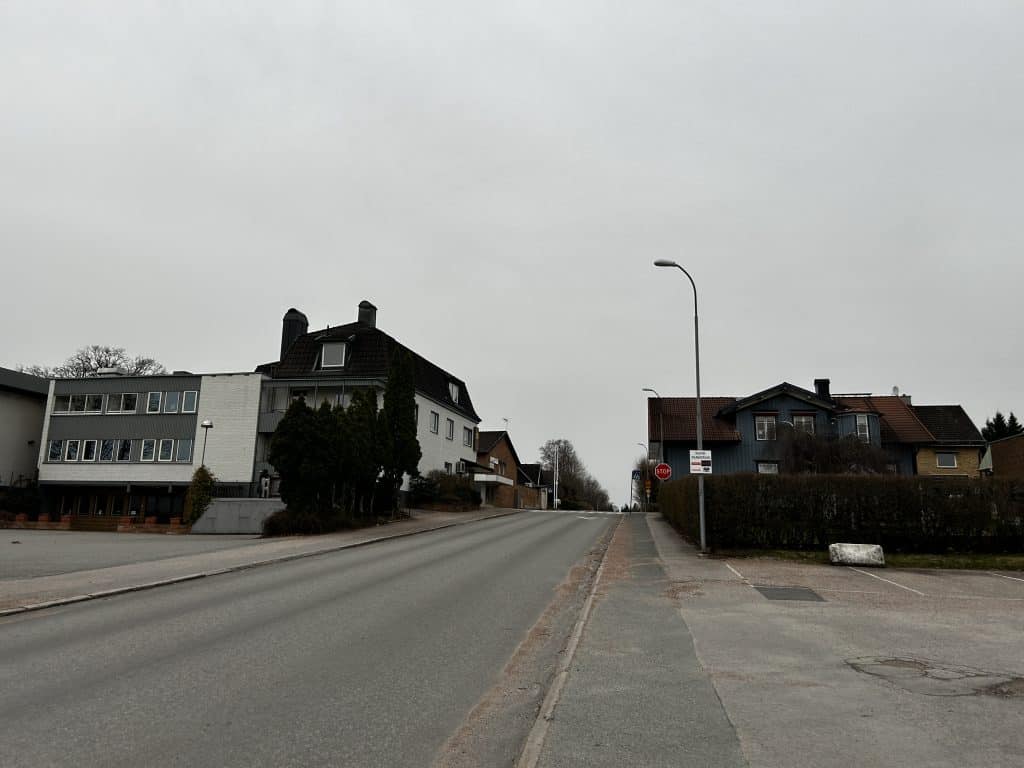
Gislaved is a locality in the southwestern part of the Småland province in Sweden. It serves as the administrative center of Gislaved Municipality. The town is situated along the Nissan River. Historically, Gislaved is linked to its industrial heritage, particularly the rubber industry. With a population of approximately 11,000 residents, it is the largest urban area within its municipality, which has a total population of around 29,000.
The character of Gislaved is defined by this industrial past and its location within the forested landscape of Småland. The town developed rapidly around a single major factory, which shaped its economy and social structure for a century. While large-scale manufacturing has changed, the town retains its identity as a functional regional center. It also serves as a base for accessing nearby natural attractions and recreational areas.

A Short History of Gislaved
The history of Gislaved is the story of a small rural community that was fundamentally transformed into a modern industrial town by the establishment of a single factory. This development reflects the broader industrialization of Sweden in the late 19th and early 20th centuries. The town’s economic and social life was dominated by the rubber industry for most of its modern history. Its story is one of rapid growth, economic dependence, and subsequent diversification.
The Rise of the Rubber Factory
Gislaved’s history as a significant settlement began in the late 19th century. The defining moment was the establishment of the Gummifabriken i Gislaved AB (the Gislaved Rubber Factory) in 1895 by the brothers Carl and Wilhelm Gislow. This factory initially produced rubber products like galoshes. It later expanded into manufacturing tires, famously becoming a major supplier for Volvo cars. The factory was a pioneer in the Swedish rubber industry.
An Industrial Town’s Growth
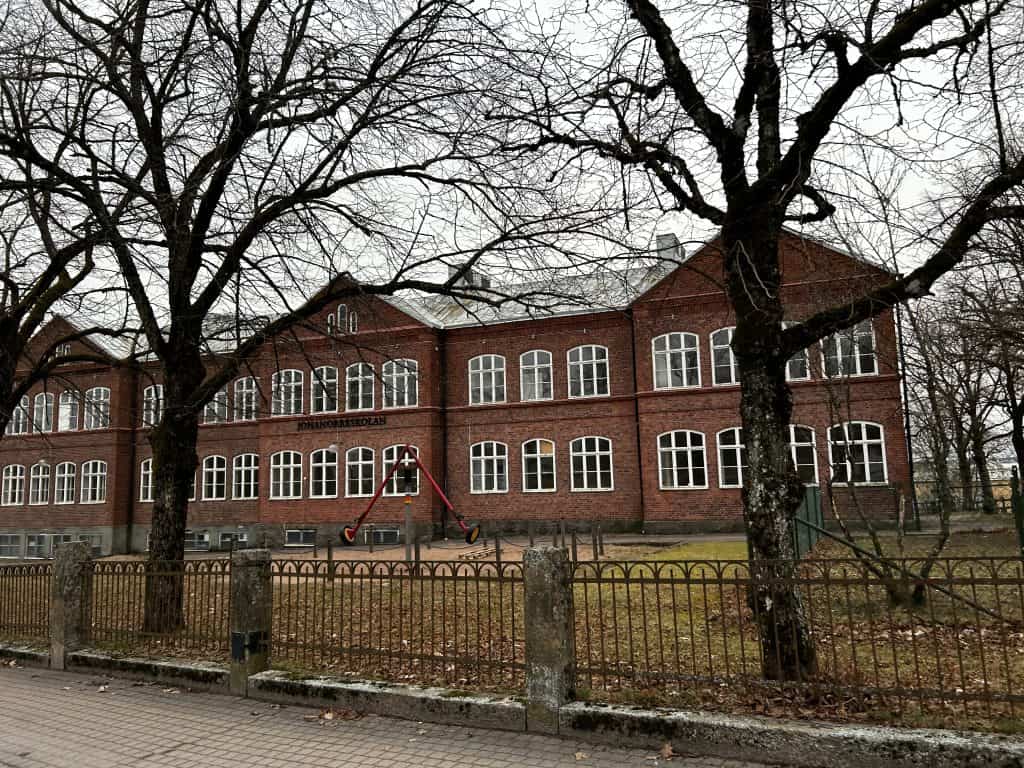
The rubber factory profoundly transformed Gislaved from a small village into a prominent industrial town, known in Swedish as a bruksort. The factory attracted workers from across Sweden and later from other countries, leading to rapid population growth. This required the development of new infrastructure, including housing, schools, and services, all centered around the factory. For decades, the Gislaved rubber factory was the cornerstone of the town’s economy and social life.
Decline and Diversification
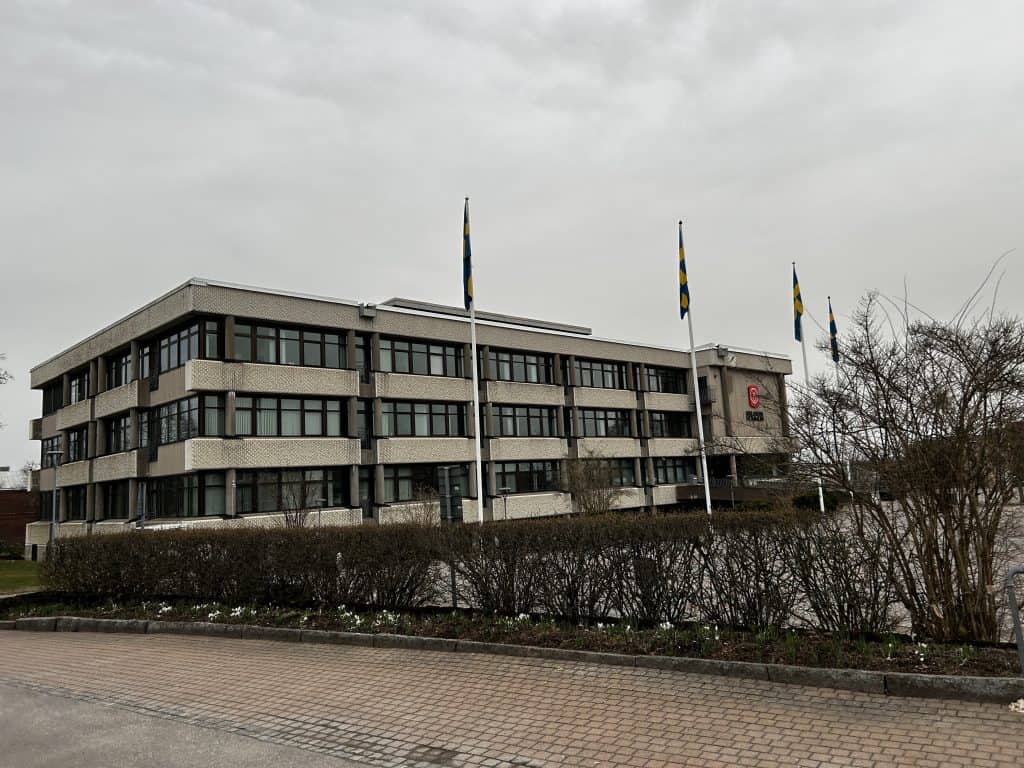
Large-scale tire production in Gislaved ceased in the early 2000s after the factory, then owned by Continental AG, was closed. This event had a major impact on the town’s economy. Since then, Gislaved has worked to diversify its economic base, attracting new businesses and industries. The industrial legacy remains central to Gislaved’s identity, with museums and cultural heritage sites preserving this history.


Things to Do and See
Gislaved and its surrounding area offer a mix of industrial heritage sites and major natural and recreational attractions. While the town itself contains sights related to its manufacturing past, several of the region’s most visited destinations, including a national park and a major ski resort, are located a short drive away.
Gislaved Industrial Museum
The Gislaved Industrial Museum (Gislaveds Industrimuseum) is dedicated to the town’s industrial past. It focuses particularly on the rubber factory that was once the cornerstone of the local economy. The museum showcases a collection of old machinery and a range of products, including historic tires and rubber boots. It also shares the stories of the workers and innovators who shaped Gislaved’s development. The museum provides insight into the town’s economic and social history.
Nissan River
The Nissan River (Nissan) flows directly through the center of Gislaved, providing a natural element in the urban landscape. The river offers opportunities for walks along its banks. Historically, the river played a role in the development of early industry in the wider region by providing water power. Today, it remains a backdrop for the town and is also used for recreational fishing for species like trout.
Gislaved Church
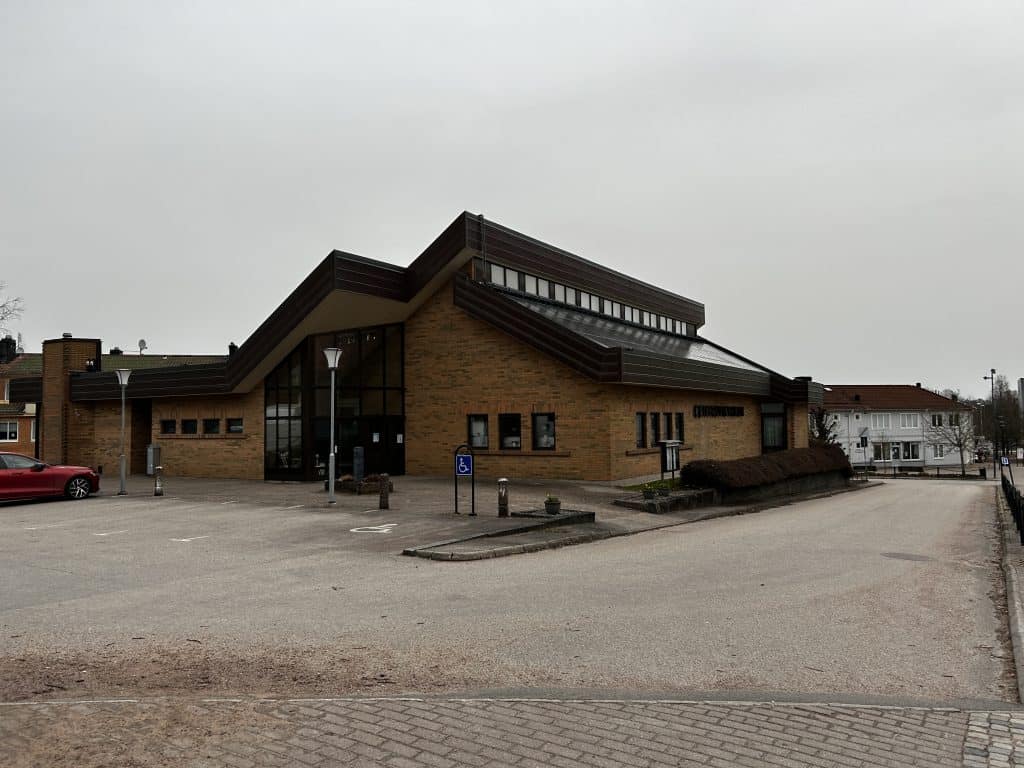
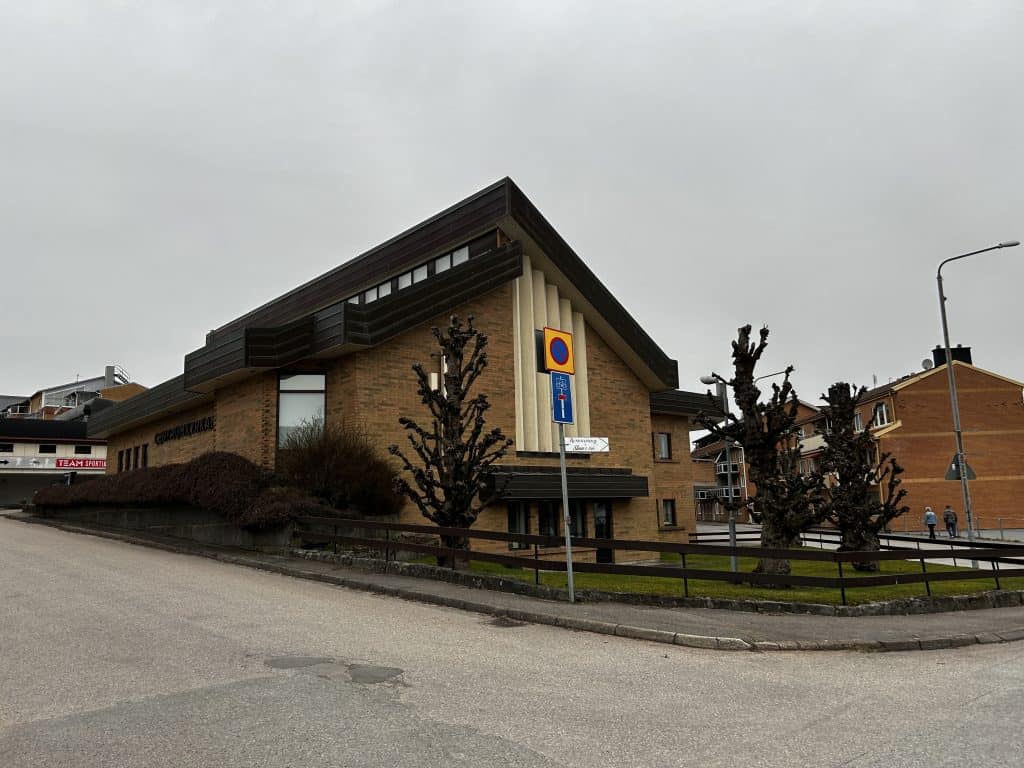
The Gislaved Church (Gislaveds kyrka) is a modern architectural landmark in the town center. Completed in 1964, it stands as the central place of worship for the community. Its architecture is characteristic of mid-20th-century design, featuring clean lines and functional forms. The church was built to serve the growing population of the industrial town. It serves as both a spiritual and a communal focal point for the residents of Gislaved.
Store Mosse National Park
Located a short drive northeast of Gislaved is Store Mosse National Park, a significant natural attraction. It is Sweden’s largest mire area south of Lapland, encompassing vast expanses of bogs, wetlands, and heathland. The park offers an extensive network of wooden boardwalks, totaling over 40 kilometers, which allow visitors to explore the ecosystem. It is a major destination for hiking and is known for its diverse birdlife.
Ohs Bruk Railway
The Ohs Bruk Railway (Ohsabanan) is a narrow-gauge heritage railway located east of Gislaved. It operates authentic steam locomotives, transporting passengers on a journey from Ohs Bruk to Bor Norra. The ride offers a perspective of the Småland countryside, winding through forests and past lakes. The railway complex also features a preserved old industrial environment, providing a look into early 20th-century Swedish industrial history.
High Chaparral Theme Park
Situated within the wider region, High Chaparral Theme Park is a major family attraction. This theme park is designed to recreate a town in the American Old West of the 1870s. Visitors can experience stunt shows, watch steam train rides, and participate in various interactive activities. The park is a popular destination for families from across southern Sweden. It offers a full day of themed entertainment.
Isaberg Mountain Resort
Isaberg Mountain Resort is a popular destination for year-round outdoor activities, located about 20 kilometers from Gislaved. It is the largest ski resort in southern Sweden during the winter months, offering multiple slopes for all skill levels and cross-country skiing trails. In the summer, the resort transforms into a hub for mountain biking, with a large network of marked trails and a chairlift. It also offers hiking, a high-altitude ropes course, and other adventure sports.
Sports in Gislaved
Gislaved has an active sports community, with a particularly strong tradition in motorcycle speedway. The town is home to a professional speedway club that competes in Sweden’s top league. Local clubs for other sports like ice hockey and football also play an important role in the community. The surrounding nature provides ample opportunities for recreational sports.
Speedway
Speedway is a major spectator sport in Gislaved. The town is home to a professional speedway club that draws large crowds to its home matches. The sport, which involves high-speed motorcycle racing on an oval dirt track, has a dedicated following in the region. The local club is one of the top teams in the country.
Lejonen
The professional speedway club is Lejonen (The Lions). They compete in the Bauhaus-Ligan, which is Sweden’s top speedway league. The club has a history of success, having won the Swedish Team Championship multiple times, most recently in 2008 and 2009. They race at the Gislaved Motorstadion. The team often features top international riders from Poland, Denmark, and other countries.
Ice Hockey
Ice hockey is another sport with a strong tradition in the town. The local club has a long history and is a key part of the local sports scene. It provides a platform for players of all ages, from youth teams to a senior team. The club’s home games are popular community events during the winter season.
Gislaveds SK
The main ice hockey club is Gislaveds SK. Founded in 1952, the club plays its home games at the Gisle-hallen ice rink in Gislaved. The senior team competes in the lower divisions of the Swedish ice hockey system. The club is particularly important for its extensive youth program, which develops young players in the region.
Football
Football is a popular participation sport in Gislaved, with several local clubs in the area. While not competing at the highest professional levels, these clubs are central to community life. They provide opportunities for hundreds of children and adults to play the sport. The main club represents the town in the regional football leagues.
Gislaveds IS
The town’s main football club is Gislaveds IS. The club was founded in 1903. The senior team competes in the lower divisions of the Swedish football league system. They play their home games at the Ryavallen sports ground. Like the ice hockey club, Gislaveds IS is a key local institution for youth sports.
Getting Around in Gislaved
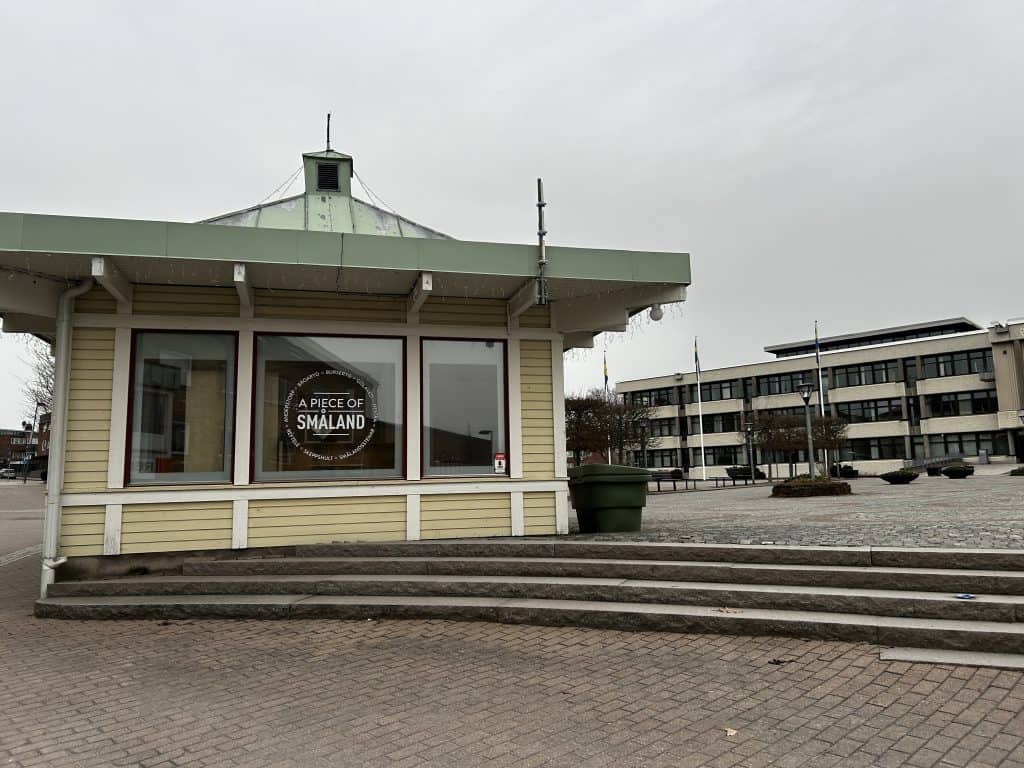
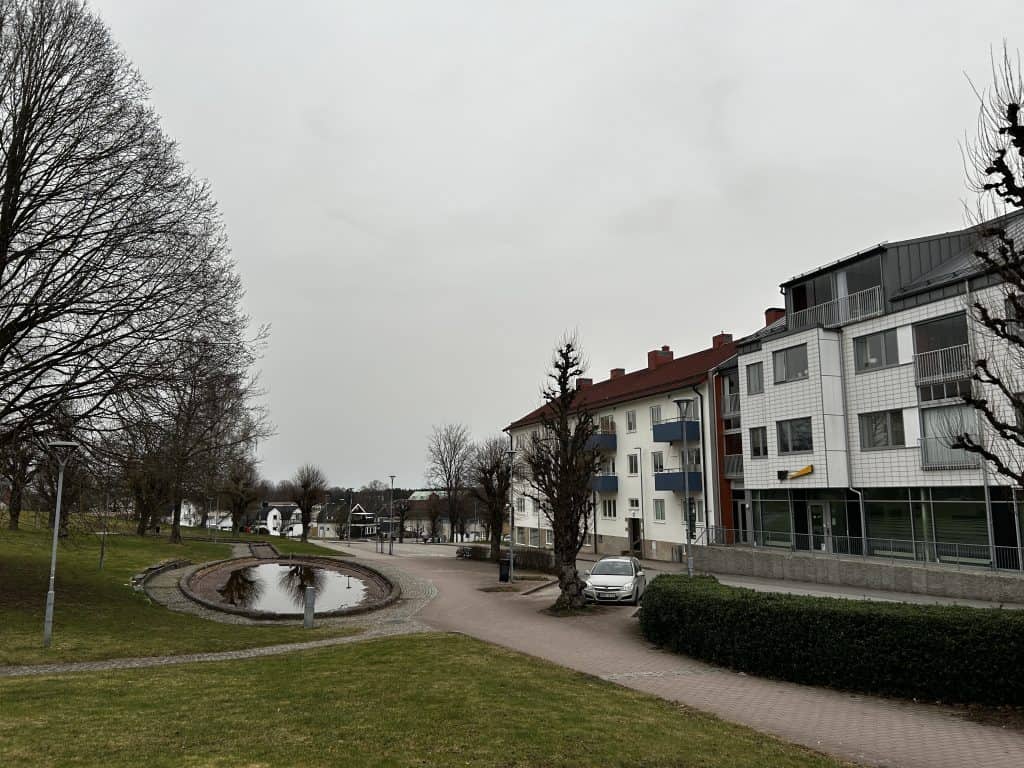
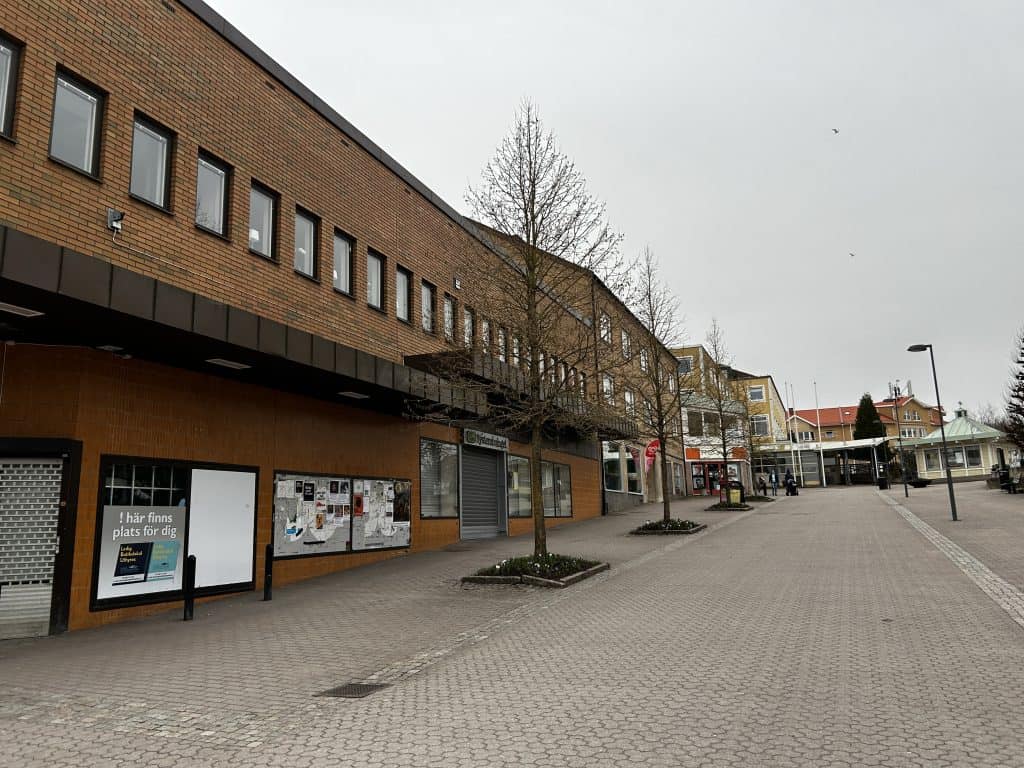
Gislaved’s town center is relatively compact and can be navigated on foot. For travel to the surrounding areas and residential districts, local bus services are available. Due to the rural nature of the region, a car is often the most practical way to explore the attractions outside the town center.
On Foot: The Town Center
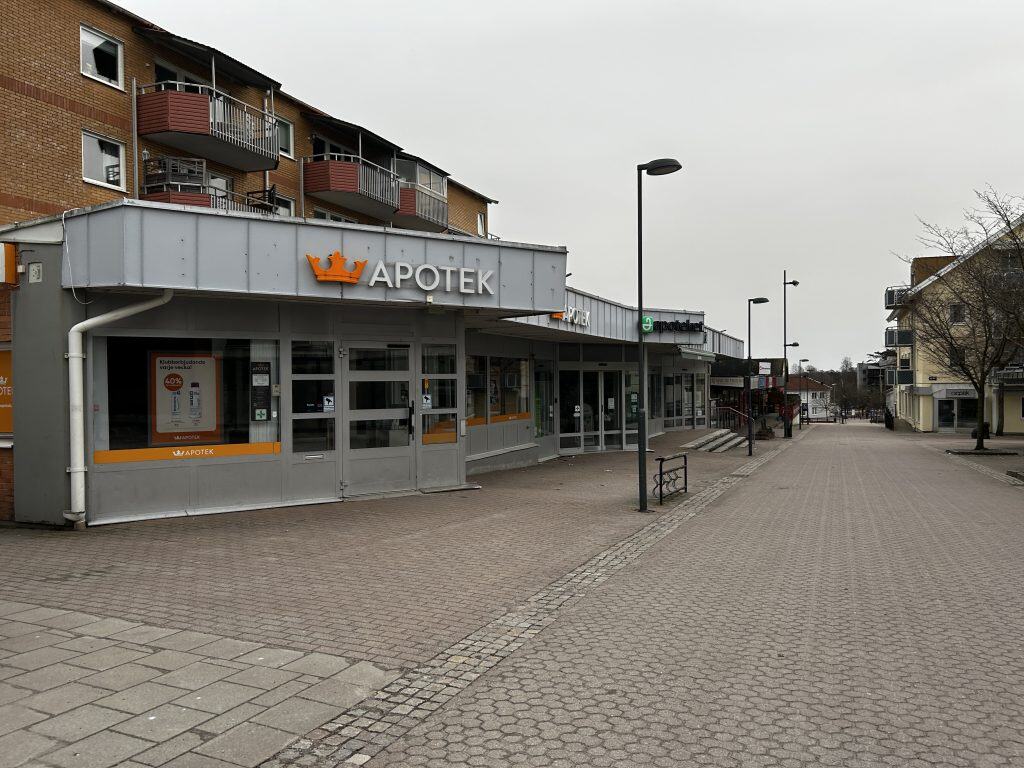
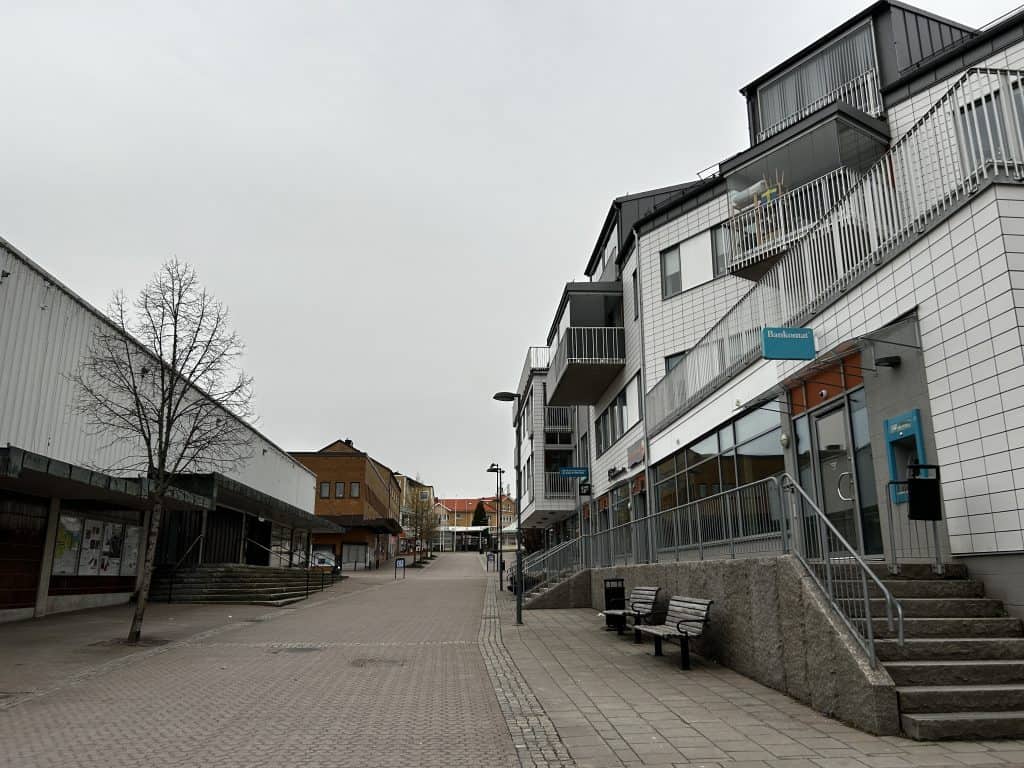
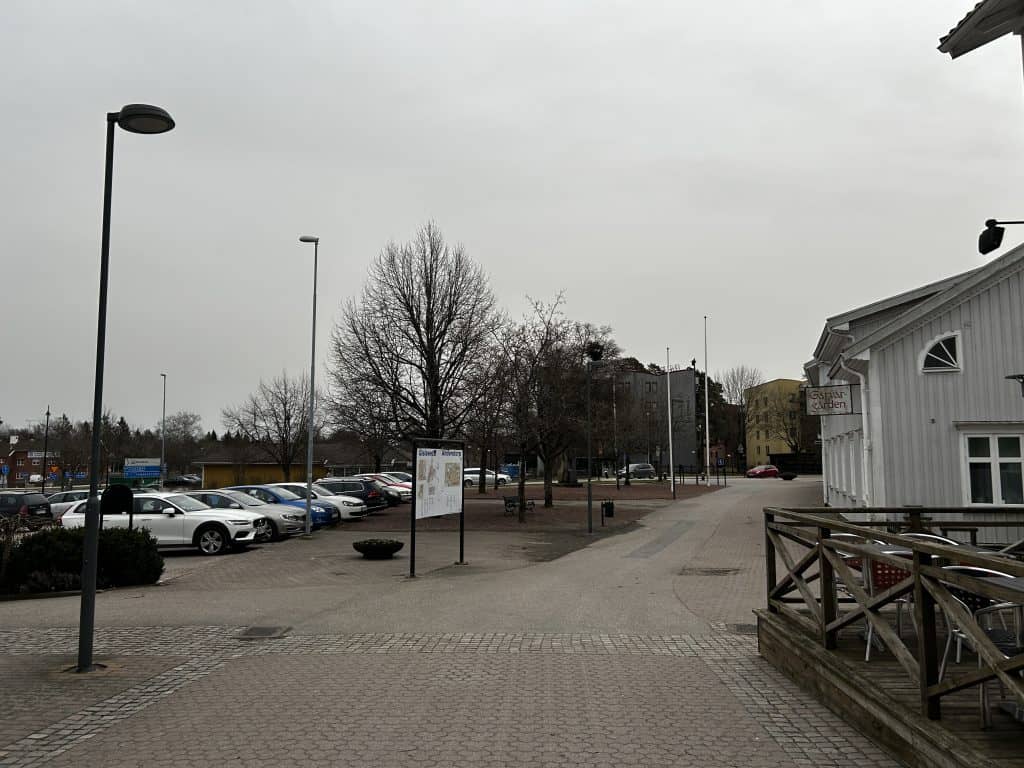
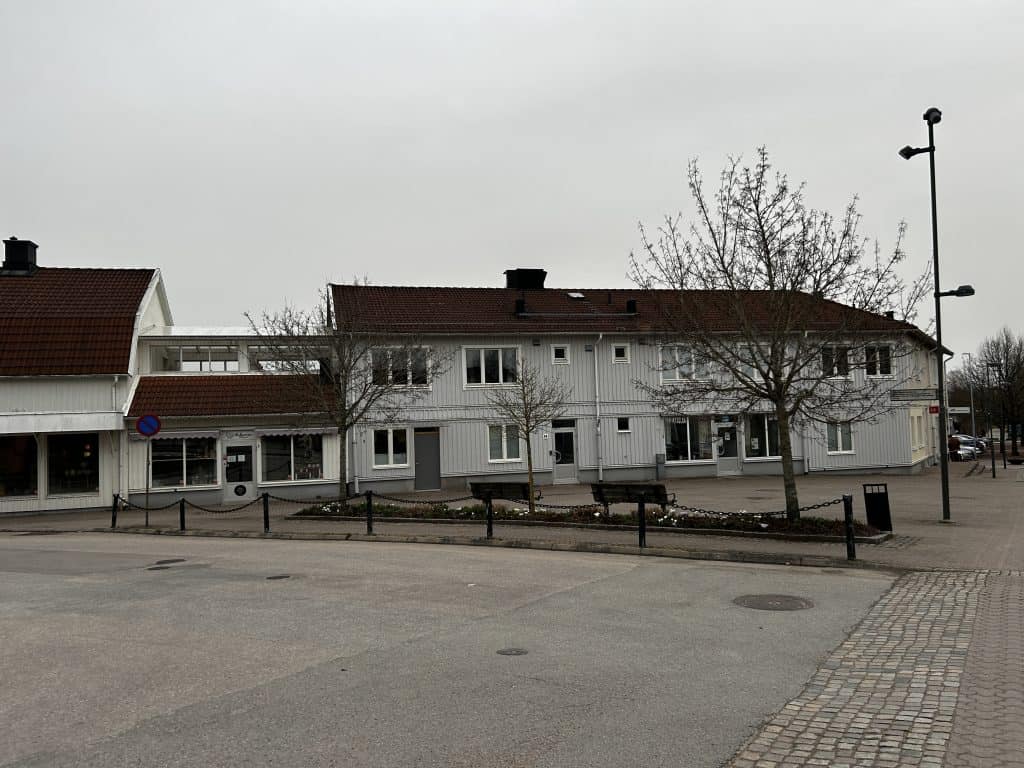
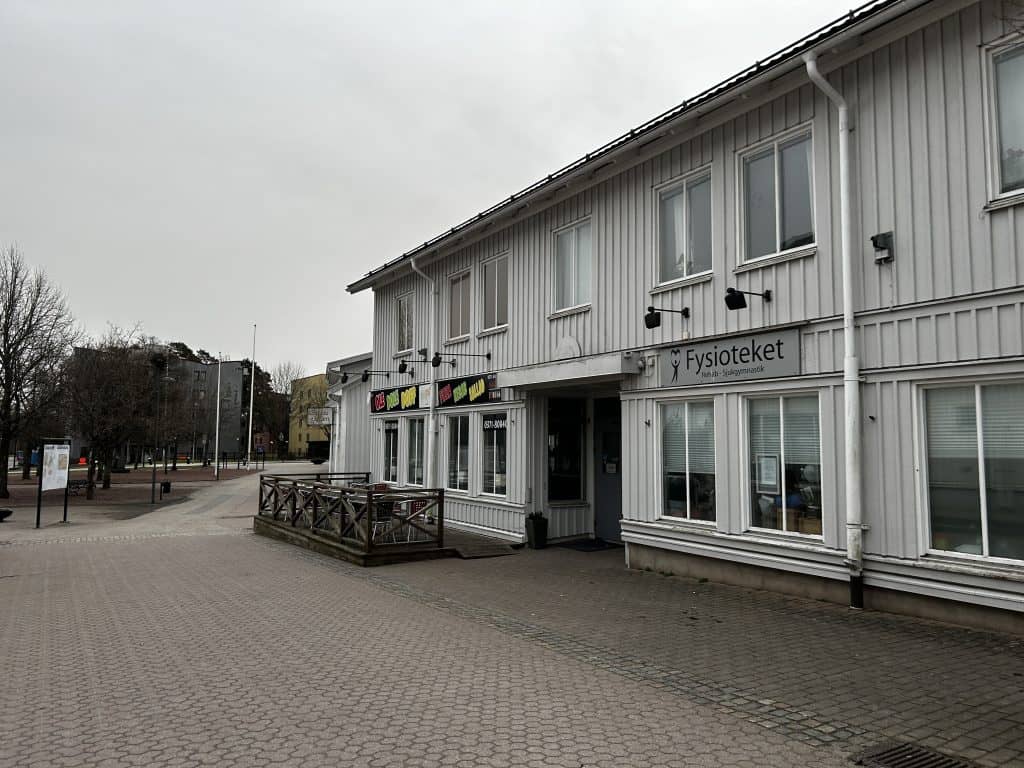
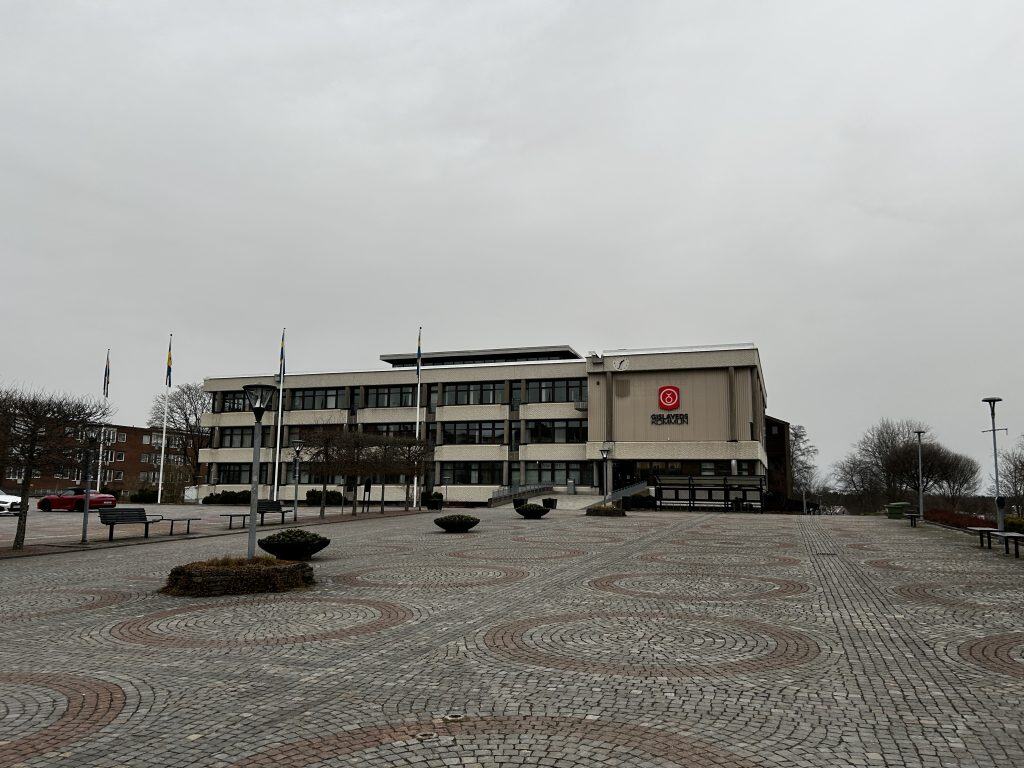
Walking is a suitable way to explore the central parts of Gislaved. The main commercial streets, public squares, and the area around the Nissan River are all easily accessible on foot. This allows visitors to see the Gislaved Church and visit local shops and cafes. Comfortable shoes are recommended for exploring the town.
Local Buses
The public transport within the Gislaved region is operated by Jönköpings Länstrafik (JLT). A network of local buses connects the Gislaved town center with its surrounding residential areas and smaller villages within the municipality. The bus station in Gislaved serves as the main hub for these services. These buses are primarily used by local residents for commuting and daily travel.
How to Get to Gislaved
Reaching Gislaved typically involves travel by road, as it is not located on a major railway line. The town is well-connected by Sweden’s national road network. The nearest major transport hubs for long-distance travel are in larger cities like Jönköping and Halmstad.
The Open Road: Driving to Småland
Driving is the most straightforward way to reach Gislaved. The town is located near several major national roads. National Road 26 runs directly through Gislaved, connecting it to Halmstad on the coast and Jönköping to the northeast. National Road 27 also passes nearby, providing a connection to Gothenburg via Borås. The drive from Gothenburg takes approximately 1.5 hours.
Arriving by Air: Regional Airports
There is no airport in Gislaved. For air travel, several regional airports are located within a reasonable driving distance. The closest is Jönköping Airport (JKG), located about 60 kilometers away. Other options include Halmstad Airport (HAD) and Växjö/Kronoberg Airport (VXO). The largest international airport in the region is Gothenburg-Landvetter Airport (GOT), about 100 kilometers away. From any of these airports, a rental car is the most practical option for the final leg of the journey.
Connecting by Coach
Gislaved has a bus station with regional connections. Long-distance bus services, such as those operated by FlixBus, often have stops in nearby hubs like Jönköping or Värnamo. From these hubs, regional buses operated by Jönköpings Länstrafik (JLT) connect to Gislaved. The bus line 132 provides a direct connection between Jönköping and Gislaved.
On Track: A Journey by Rail and Bus
Gislaved does not have its own train station for passenger services. The closest train stations with regional connections are in Smålandsstenar and Reftele. These stations are served by the regional Krösatågen trains on the line between Halmstad and Nässjö. The closest major train station is in Värnamo. From any of these stations, a connecting bus journey is required to reach Gislaved.
An International Ferry Approach
For those arriving by ferry, the main ports in western Sweden are in Gothenburg and Varberg, with connections from Denmark and Germany. From Gothenburg, the drive to Gislaved is approximately 1.5 hours. Another major port is in Helsingborg, with frequent connections to Denmark. From Helsingborg, the drive to Gislaved takes about 2 hours.
Driving Distances
The driving distance from 10 regional cities, according to Google Maps:
- Gothenburg, Sweden – 127 kilometers (1 h 30 min)
- Malmö, Sweden – 223 kilometers (2 h 40 min)
- Linköping, Sweden – 206 kilometers (2 h 30 min)
- Copenhagen, Denmark – 261 kilometers (3 h 20 min)
- Stockholm, Sweden – 403 kilometers (4 h 30 min)
- Oslo, Norway – 417 kilometers (4 h 50 min)
- Hamburg, Germany – 554 kilometers (6 h 10 min)
- Berlin, Germany – 628 kilometers (7 h 20 min)
- Szczecin, Poland – 583 kilometers (7 h 30 min)
- Kiruna, Sweden – 1632 kilometers (17 h 30 min)
Explore More of Småland and Sweden