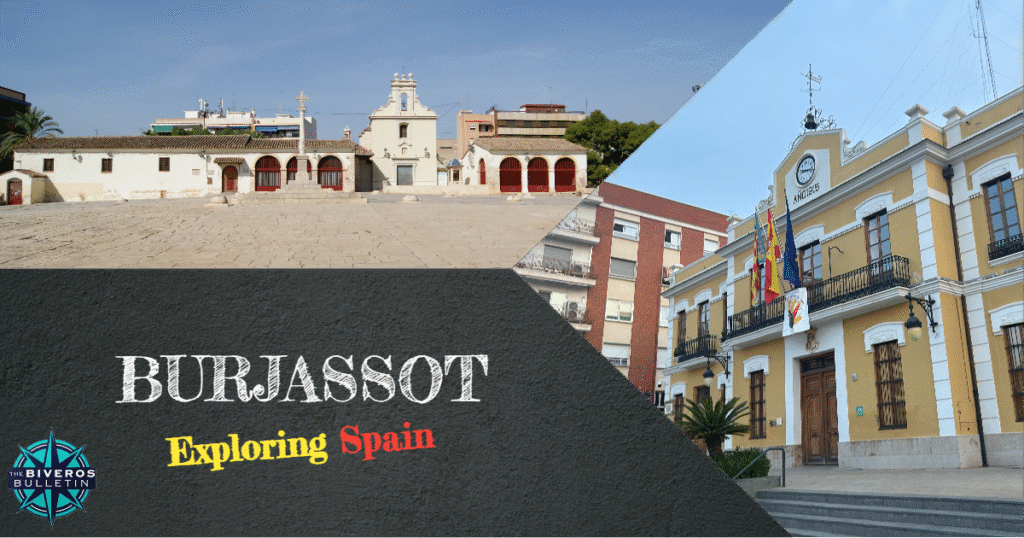
Burjassot, Valencia | Exploring Spain
Burjassot is a town and municipality in the province of Valencia, Spain. It is located in the L’Horta Nord comarca, as part of the fertile Valencian huerta (agricultural plain). With a population of approximately 39,800 residents, it is a key suburban area within the Valencia metropolis. The town is located just 4 kilometers northwest of Valencia city center, making it highly accessible. Its geography is largely flat, which reflects its agricultural past.
The character of Burjassot is a blend of its historical core and its modern identity as a major university town. It is home to the main science campus of the University of Valencia. This has created a large student population and an active social environment. The town’s most recognized landmark, Los Silos, stands as a testament to its historical role in the region’s agricultural economy, existing alongside the modern university facilities.


A Short History of Burjassot
The history of Burjassot tracks its evolution from a small Moorish settlement to an important agricultural storage center for Valencia, and finally into the modern university town it is today. Its name and its most important monument are direct legacies of its early history. The town’s growth has always been closely linked to that of the neighboring capital city. This story reflects centuries of agricultural tradition followed by rapid 20th-century urban expansion.
Roman Origins and Moorish Development
While the area shows evidence of Roman settlements in the form of ancient villas, Burjassot’s development truly flourished under Moorish rule. The name “Burjassot” itself derives from Arabic, with the prefix “Burj” meaning “tower,” likely referencing a defensive structure from that period. During this era, the sophisticated irrigation systems of the Valencian huerta were developed. These systems transformed the area into a highly fertile agricultural plain, a key feature that would define its economy for centuries.
A Center for Grain Storage
After the Christian Reconquista in the 13th century by King James I of Aragon, Burjassot became part of the Kingdom of Valencia. It remained an important agricultural center, cultivating produce for the nearby capital. The construction of Los Silos (The Silos) from the 16th century onwards marked its most important historical role. These large underground storage pits were crucial for holding the wheat and grain reserves for the entire city of Valencia. They represent a significant work of historical agricultural engineering.
Modern University Town
In the 20th century, Burjassot experienced significant urban expansion, driven by its proximity to the growing city of Valencia. Its identity was fundamentally transformed with the establishment of the Burjassot-Paterna Campus of the University of Valencia. This campus became home to the university’s faculties of Mathematics, Physics, Chemistry, Biology, and Pharmacy. This shifted the town’s focus from purely agricultural and residential to a blend of residential and academic life, with a large student population.

Things to Do and See
Burjassot’s sights reflect its blend of agricultural heritage, historical architecture, and modern cultural life. The main points of interest are concentrated in the historic center. These include the unique underground grain silos, the main town square, and the parish church. The presence of the university campus also adds a modern dimension to the town’s landscape.
Los Silos
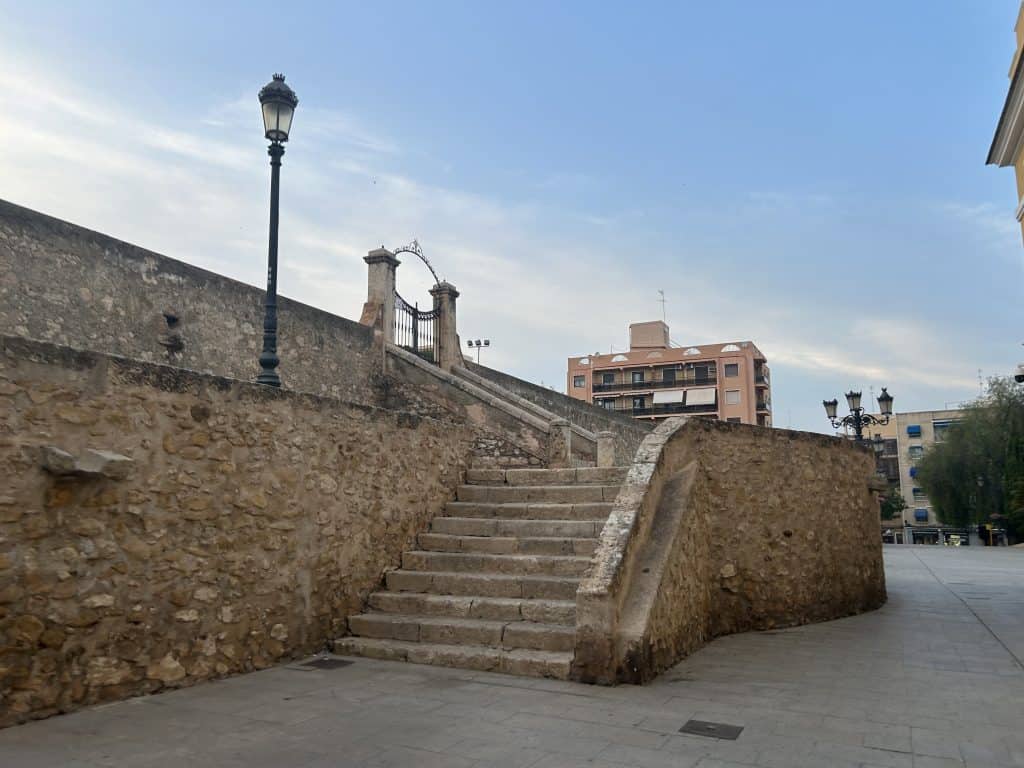
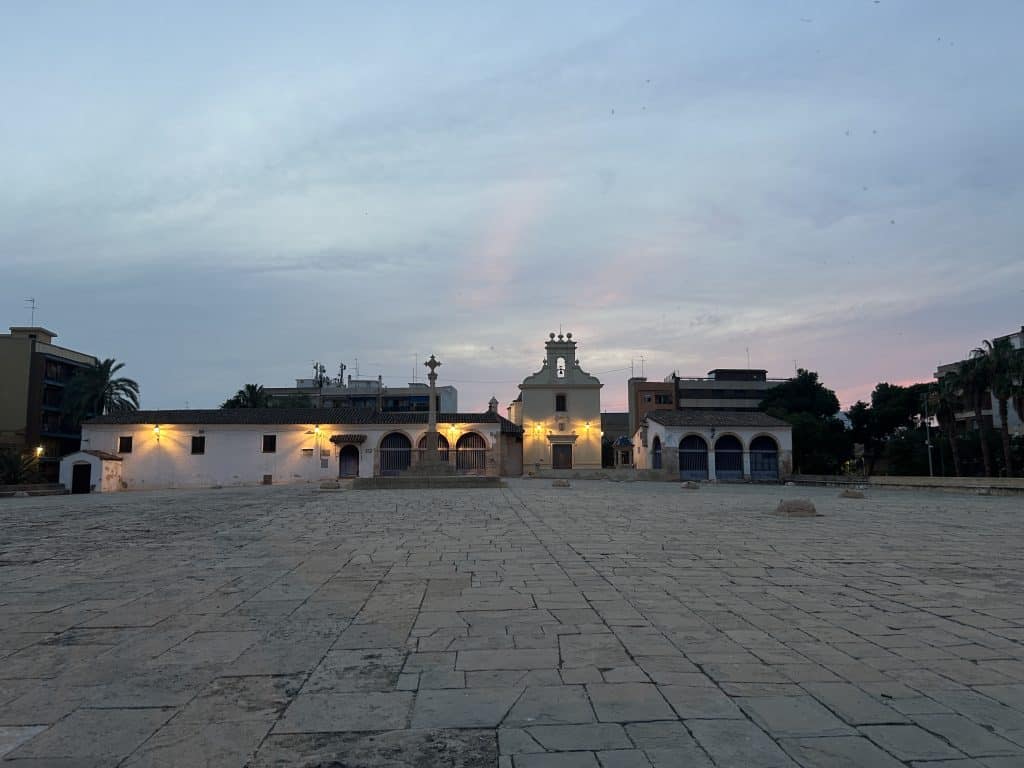
Los Silos (Les Sitges in Valencian) are Burjassot’s most significant historical landmark. This complex consists of 41 underground grain silos, with most dating from the 16th to 18th centuries. They were built for the storage of wheat and other cereals, serving as the main granary for the city of Valencia. The silos are cylindrical pits dug into the ground, each with an opening for filling and emptying. This site is a rare example of traditional agricultural engineering. Today, Los Silos are a protected historical monument and can be visited via guided tours.
Casa de Cultura
The Casa de Cultura (House of Culture) is a central point for Burjassot’s cultural activities. This municipal building hosts various events, including art exhibitions, concerts, and theatrical performances. The Casa de Cultura serves as a community hub that promotes local artistic talent. It also provides spaces for workshops and cultural gatherings for residents. The building is a key part of the town’s modern cultural life.
San Miguel Arcángel Church
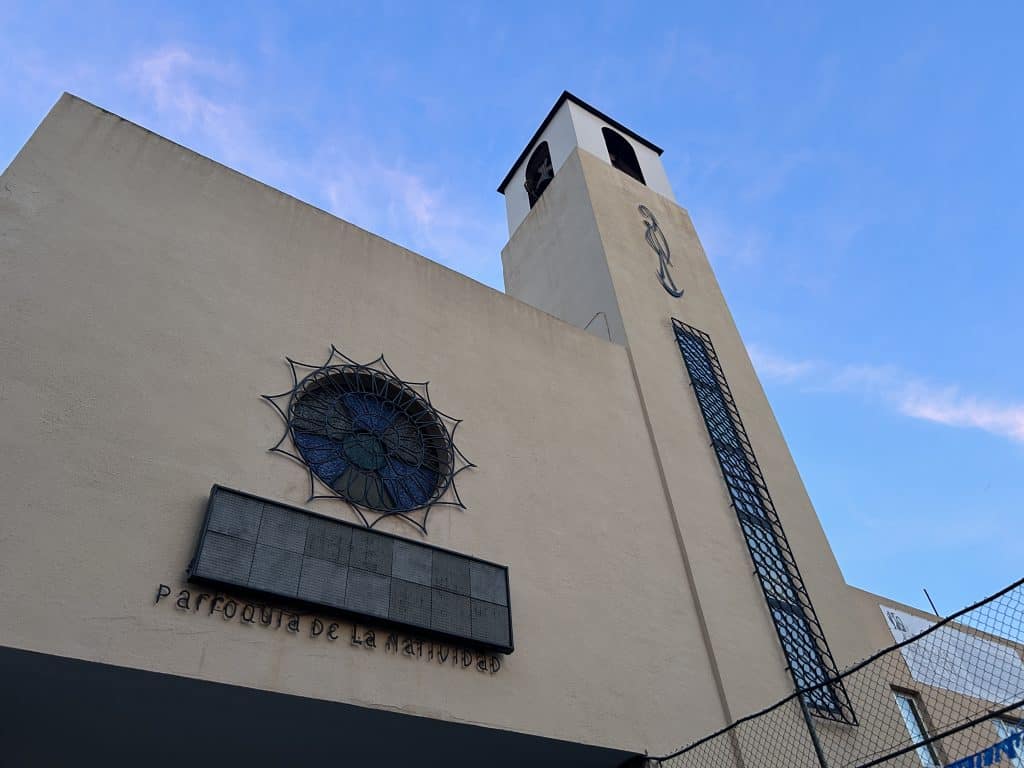
The Church of Saint Michael the Archangel (Iglesia de San Miguel Arcángel) is the main parish church of Burjassot. Its construction began in the 18th century, and it features a predominantly Baroque architectural style. The church stands on the site of an earlier mosque, a common practice after the Reconquista. Its bell tower and ornate facade are key features. The interior contains religious artworks and altarpieces, and it serves as the spiritual center for the local community.
Plaza del Ayuntamiento
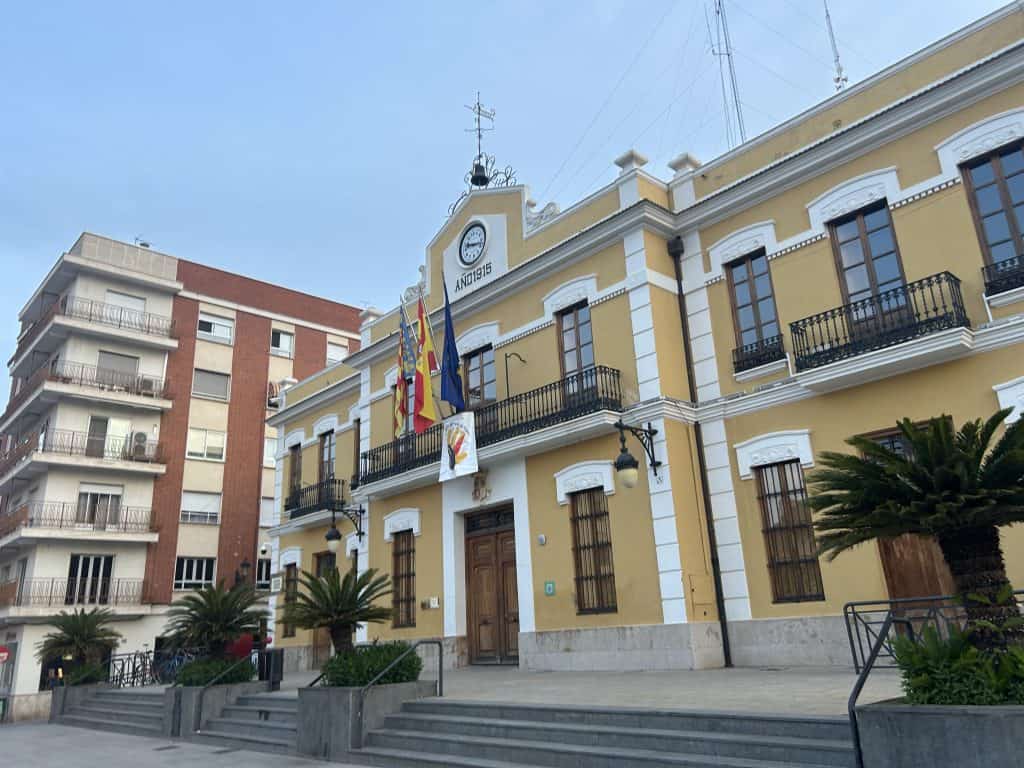
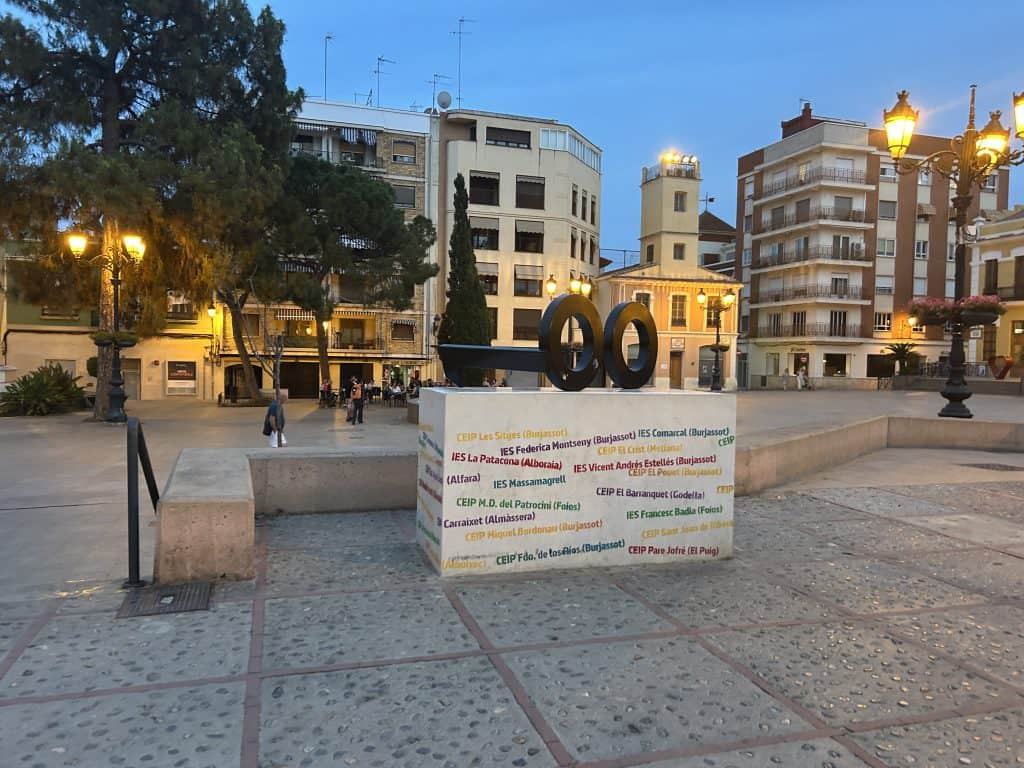
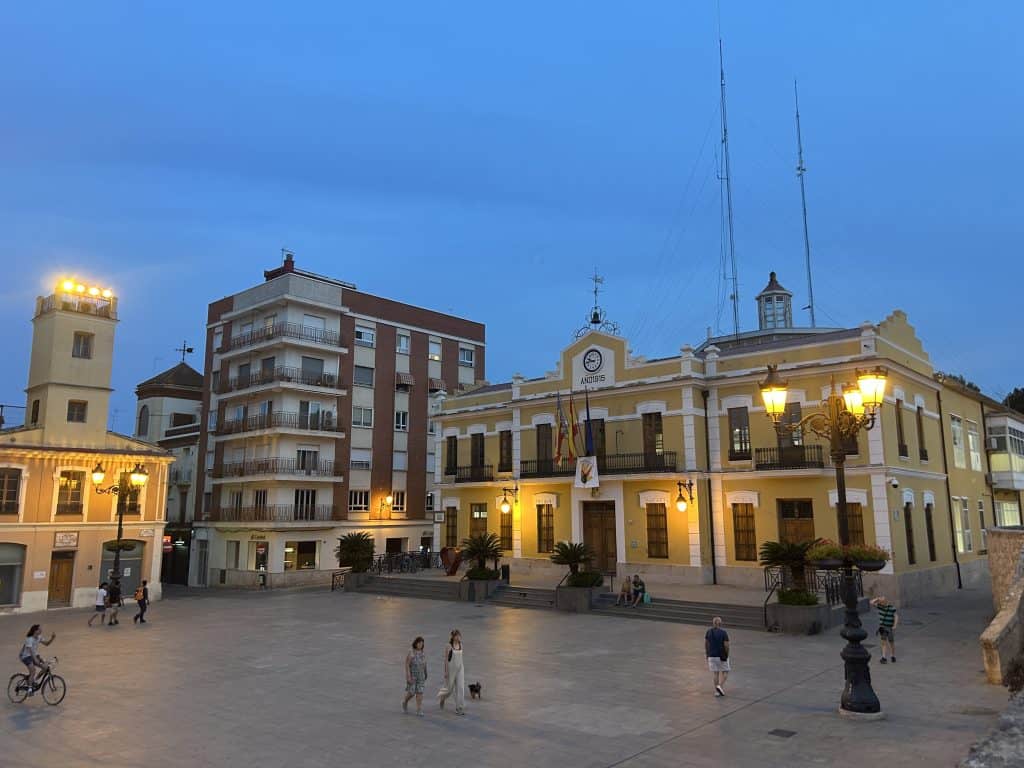
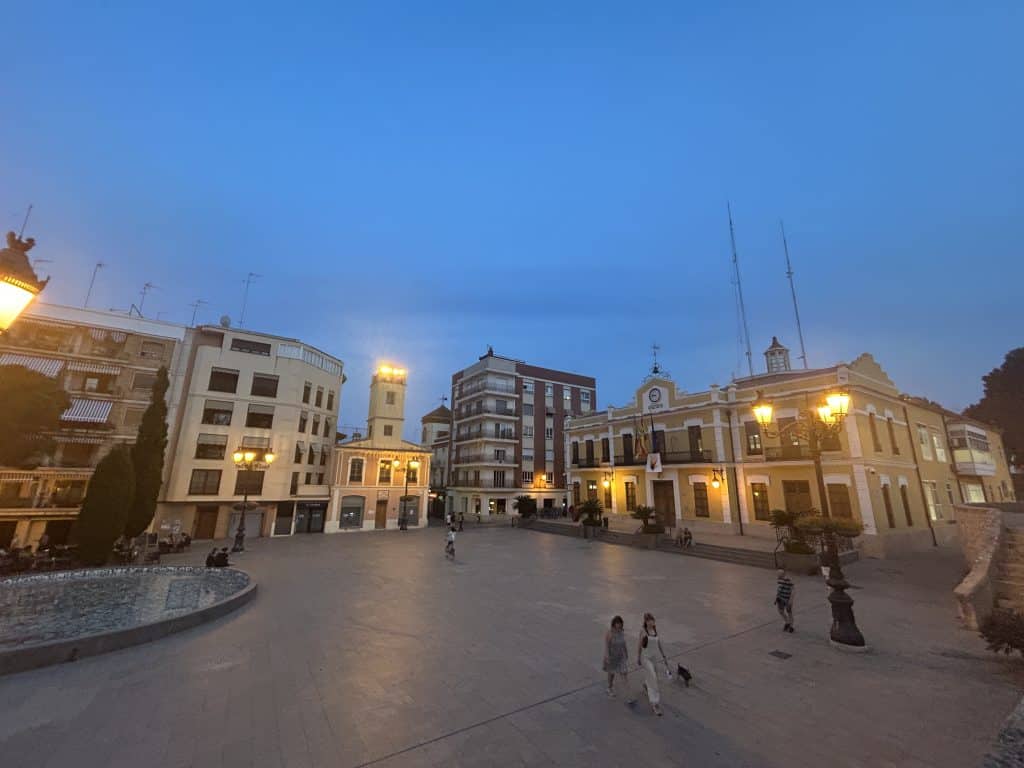
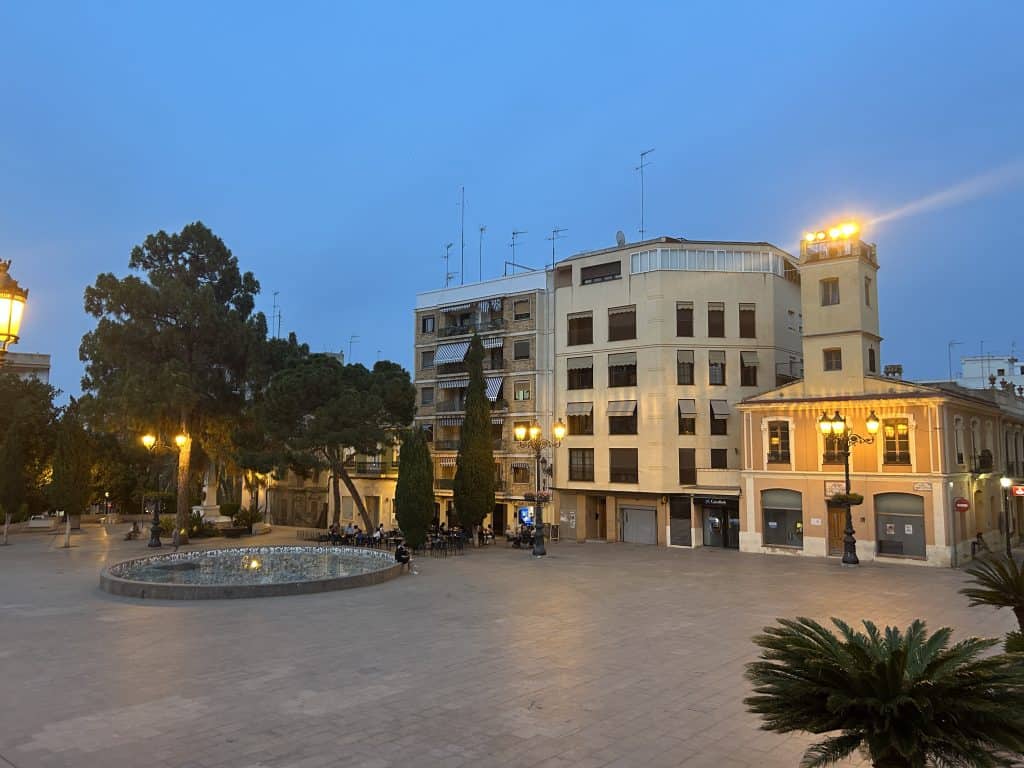
The Plaza del Ayuntamiento is the main public square in Burjassot. The square is the administrative and social heart of the town. It is where the Town Hall (Ayuntamiento) is located. The plaza is a central point for local events, festivals, and public gatherings throughout the year. It is surrounded by shops and cafes and serves as a primary meeting point for residents.
University of Valencia Campus
The Burjassot-Paterna Campus of the University of Valencia is a major landmark in the municipality. While primarily a modern academic facility, it is a key part of the town’s identity. The campus houses the university’s faculties for science and technology. The extensive grounds and modern faculty buildings represent the town’s shift towards an academic and service-based economy. The presence of the campus contributes significantly to the town’s population and social life.
Sports in Burjassot
Burjassot has an active local sports scene with a strong focus on community clubs. The town has a long tradition in football, with a club founded over a century ago. Other popular sports include basketball and the traditional sport of Pilota Valenciana. The municipal sports facilities provide a hub for these activities.
Football
Football is a widely followed sport in Burjassot. The town’s local club has a long history and is a key part of the community’s social fabric. It provides a platform for local players and has an extensive youth development system. The club’s matches are a focus of local sporting interest.
Burjassot CF
The town’s main football club is Burjassot CF. Founded in 1913, it is one of the oldest football clubs in the Valencia region. The team plays its home games at the Estadio Los Silos. Over its long history, the club has competed in various tiers of the Spanish football league system. It is a significant institution for local football development, with numerous youth teams.
Basketball
Basketball is another popular sport in the town. The local club provides opportunities for participation for both youth and adult players. The club competes in the regional Valencian basketball leagues. It serves as a community hub for basketball enthusiasts in the area.
Club Baloncesto Burjassot
The main basketball club is Club Baloncesto Burjassot (CB Burjassot). The club operates numerous teams across different age categories, from children to seniors. The teams train and play their home games at the municipal sports hall. The club is a key part of the local sports scene and promotes the development of the sport within the community.
Pilota Valenciana
Pilota Valenciana is a traditional ball game with deep roots in the region. Burjassot has a strong tradition in this sport. It is played in a variety of styles, with one of the most popular being escala i corda, played in a specific court called a trinquet. The sport is a key part of local cultural heritage.

How to Get to Burjassot
As a major municipality in the Valencia metropolitan area, Burjassot is exceptionally well-connected to the city’s transport network. It is easily accessible by metro, bus, and car from Valencia city center and the airport.
Riding the Metro and Bus Network
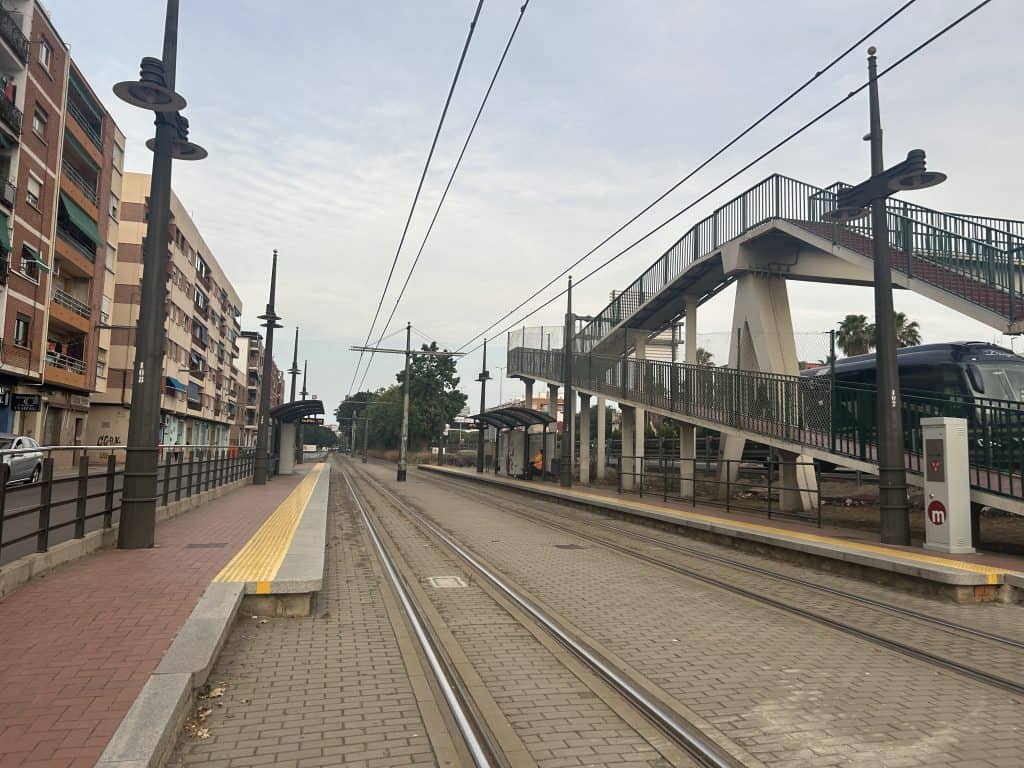
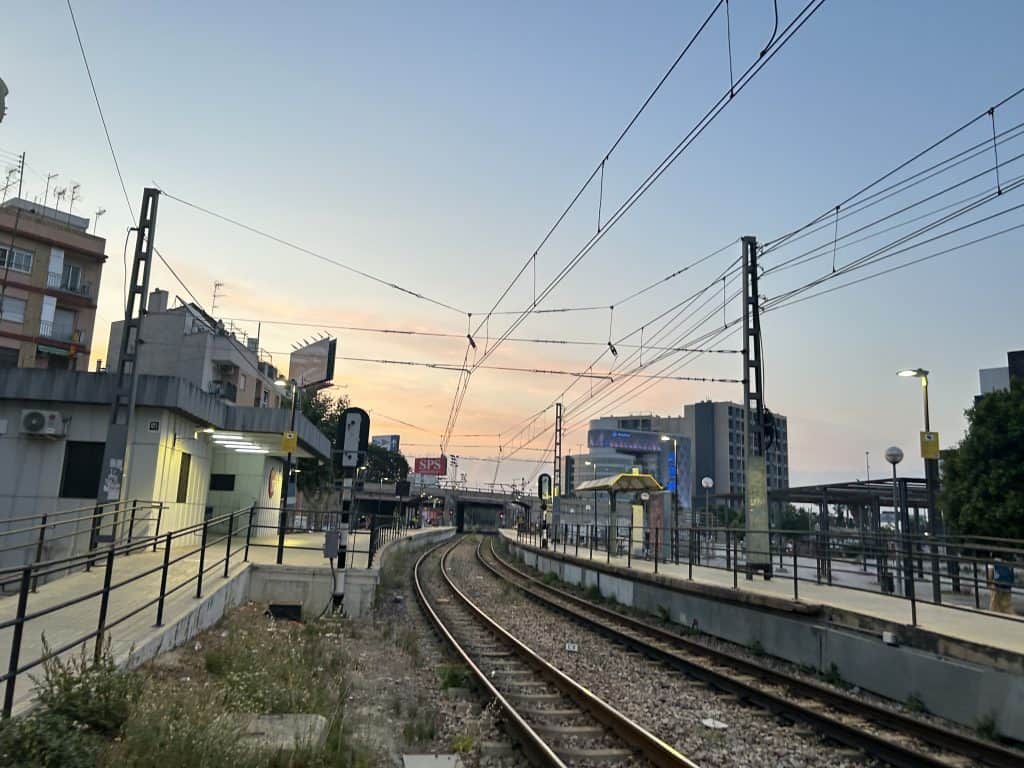
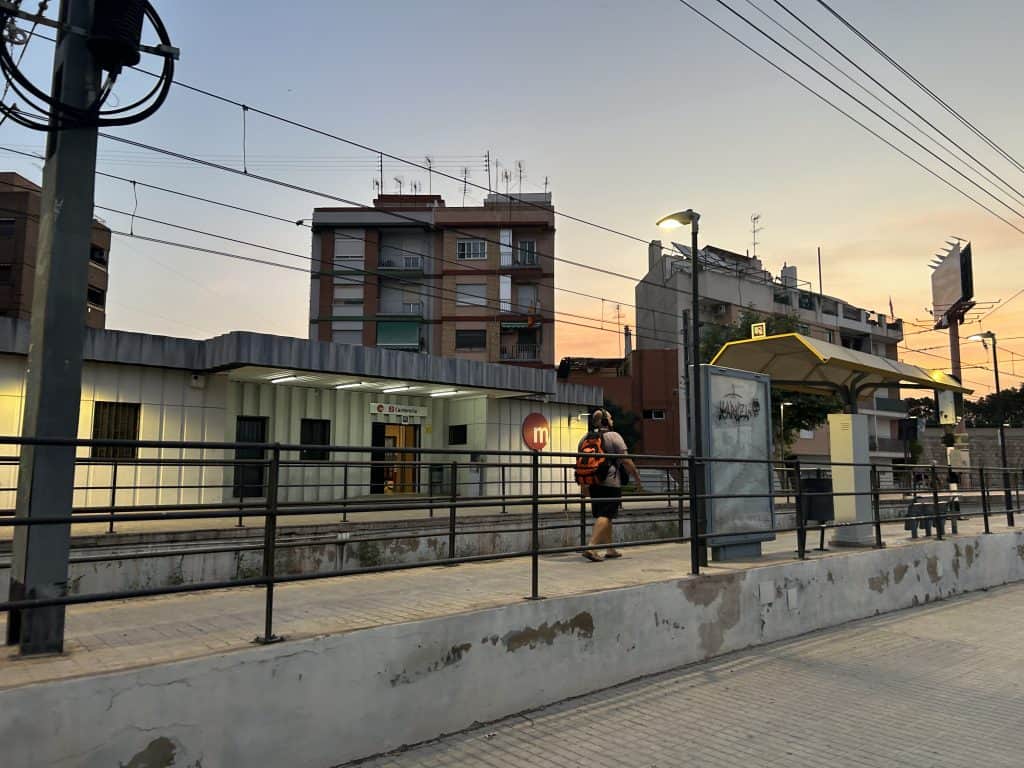
The most efficient way to reach Burjassot is via the Metrovalencia network. Tram line 4 connects Burjassot directly with the city of Valencia and the beach. The municipality also has several stops on Metro line 1 and line 2, which provide a faster link to the city center and main train stations. In addition, a network of local buses (MetroBus) connects Burjassot with Valencia and other surrounding towns. Always check official sources for the most up-to-date ticket information.
An Excursion by Car
Burjassot is located at a key junction of Valencia’s main ring roads and motorways. The CV-30 (Ronda Nord) and V-30 ring roads provide easy access from the port and other parts of the metropolitan area. The CV-35 motorway, also known as the Pista de Ademuz, runs directly through Burjassot. This connects it with Valencia city center and the interior of the province.
From the Airport and Main Stations
Burjassot’s location is directly adjacent to Valencia Airport (VLC). The airport is only about 7 kilometers away, making a taxi ride very short. The main train stations of Valencia, Estació del Nord and Joaquín Sorolla, are also easily accessible. From there, one can take the metro directly to Burjassot in about 15-20 minutes.
Driving Distances
The driving distance from 10 regional cities, according to Google Maps:
- Valencia, Spain – 8 kilometers (0 h 20 min)
- Zaragoza, Spain – 340 kilometers (3 h 30 min)
- Barcelona, Spain – 350 kilometers (3 h 40 min)
- Madrid, Spain – 352 kilometers (3 h 40 min)
- Bilbao, Spain – 624 kilometers (6 h 10 min)
- Seville, Spain – 654 kilometers (6 h 40 min)
- Toulouse, France – 706 kilometers (6 h 40 min)
- Lisbon, Portugal – 893 kilometers (8 h 30 min)
- Geneva, Switzerland – 1,021 kilometers (10 h 00 min)
- Paris, France – 1,355 kilometers (13 h 00 min)
Looking to Explore more of Spain and Europe?